
Most of the time, small daily habits matter more than big purchases. And here’s the thing: those habits often save you money, not cost you.
I’ve put together 25 things you can actually do starting today. Nothing fancy, Nothing preachy. Just real actions that people like you and me can try. Some you might already do. Others might be new. Either way, take what works and leave what doesn’t.
Let’s get into it.
Water & Energy Habits (Save money on bills)
Table of Contents
1. Turn off the water while brushing your teeth
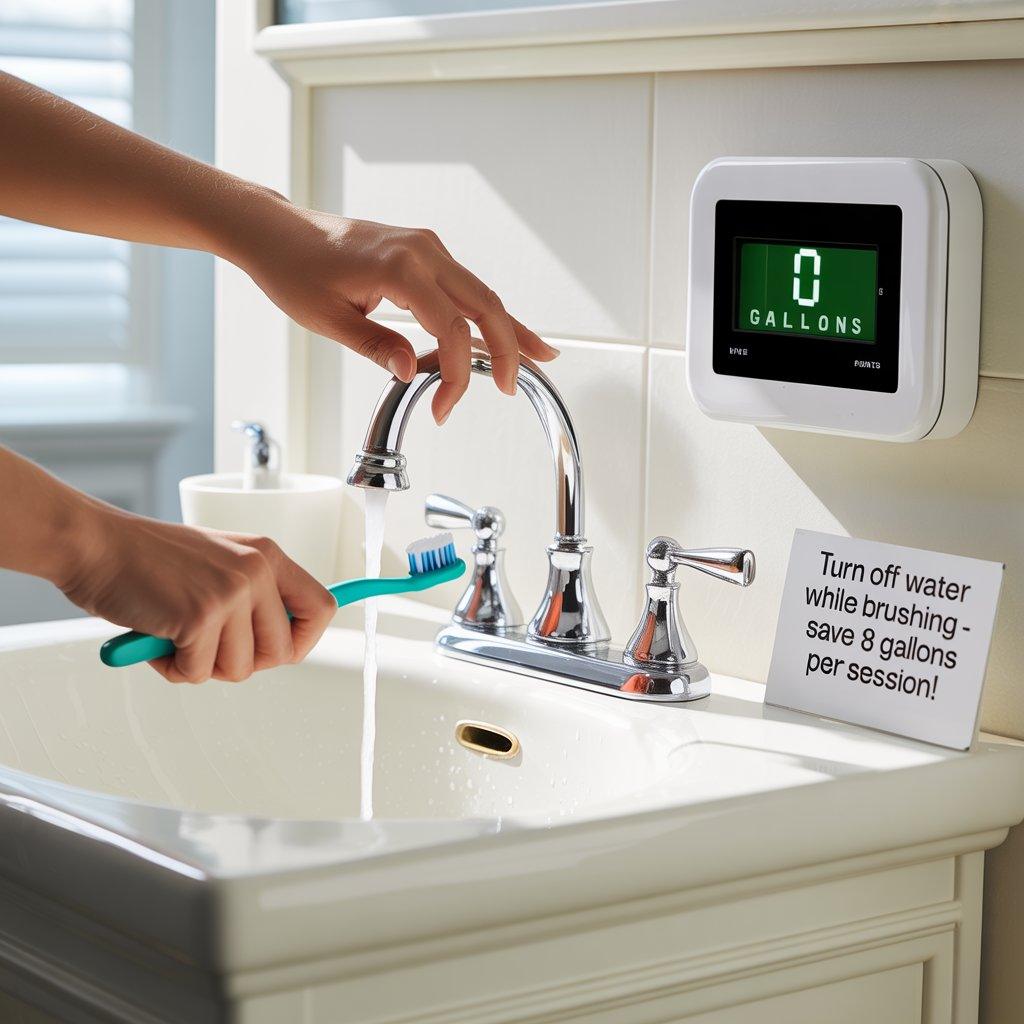
It sounds almost too simple, but according to the EPA, a running faucet wastes about two gallons per minute. That’s eight gallons every time you brush if you leave it on.
Just flip the handle off while you scrub. Flip it back on to rinse. Your teeth won’t mind, and your water bill will thank you.
2. Wash laundry in cold water
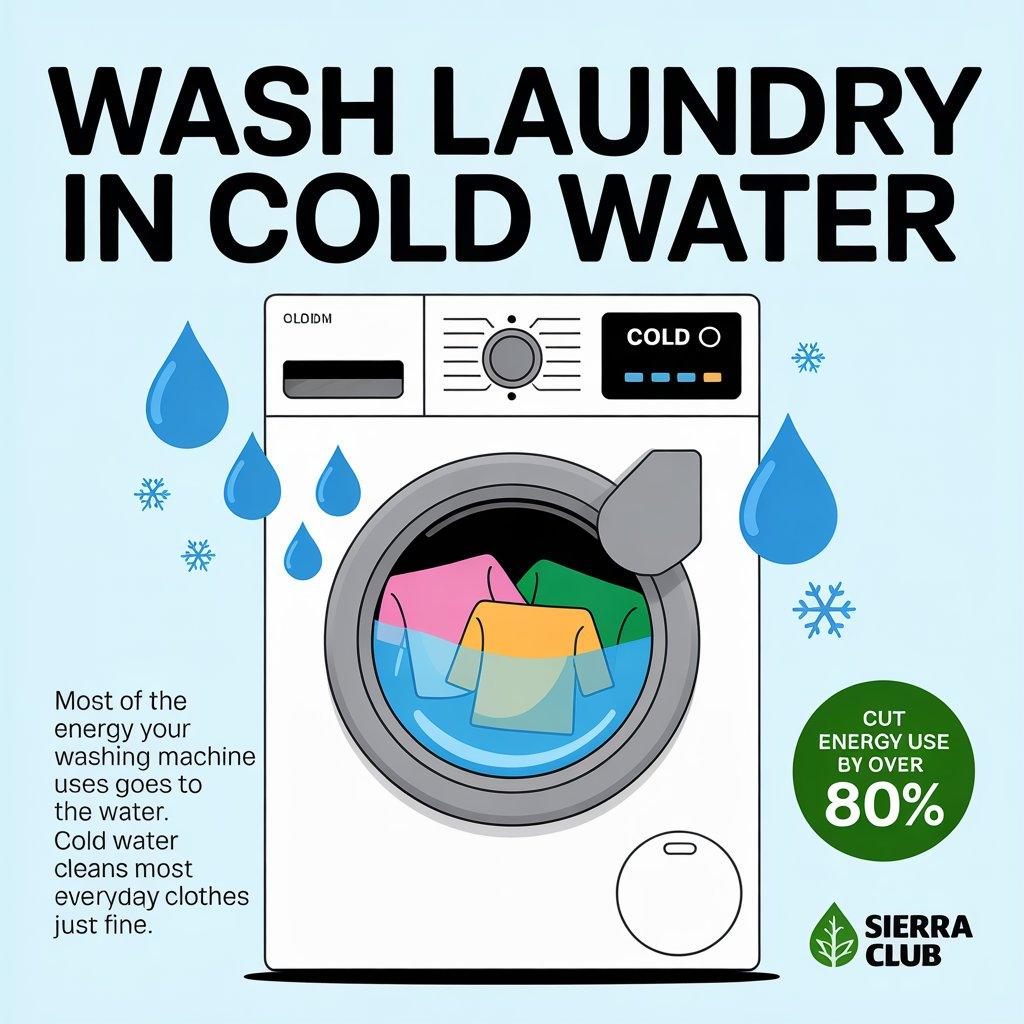
Most of the energy your washing machine uses goes to heating the water. Cold water cleans most everyday clothes just fine.
Unless someone’s been rolling in mud or you’re dealing with bodily fluids, cold is enough. The Sierra Club notes that switching to cold for all your loads can cut a washer’s energy use by over 80%. That adds up fast.
3. Hang dry one load a week
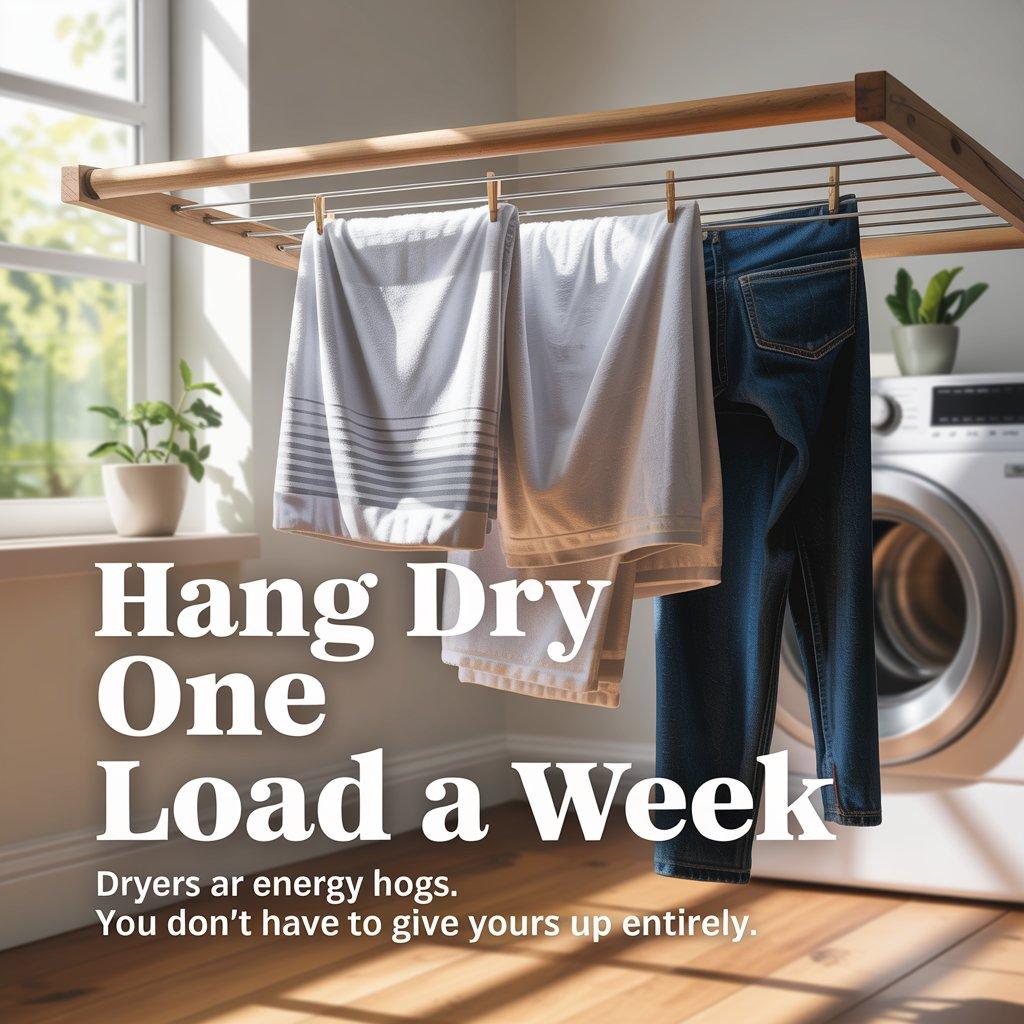
Dryers are energy hogs. You don’t have to give yours up entirely. Just pick one load per week towels or jeans work great and hang them on a drying rack or over a shower rod.
They’ll smell fresh and last longer because heat breaks down fabric fibers. Plus, it’s quiet and kind of relaxing.
4. Unplug “vampire” electronics
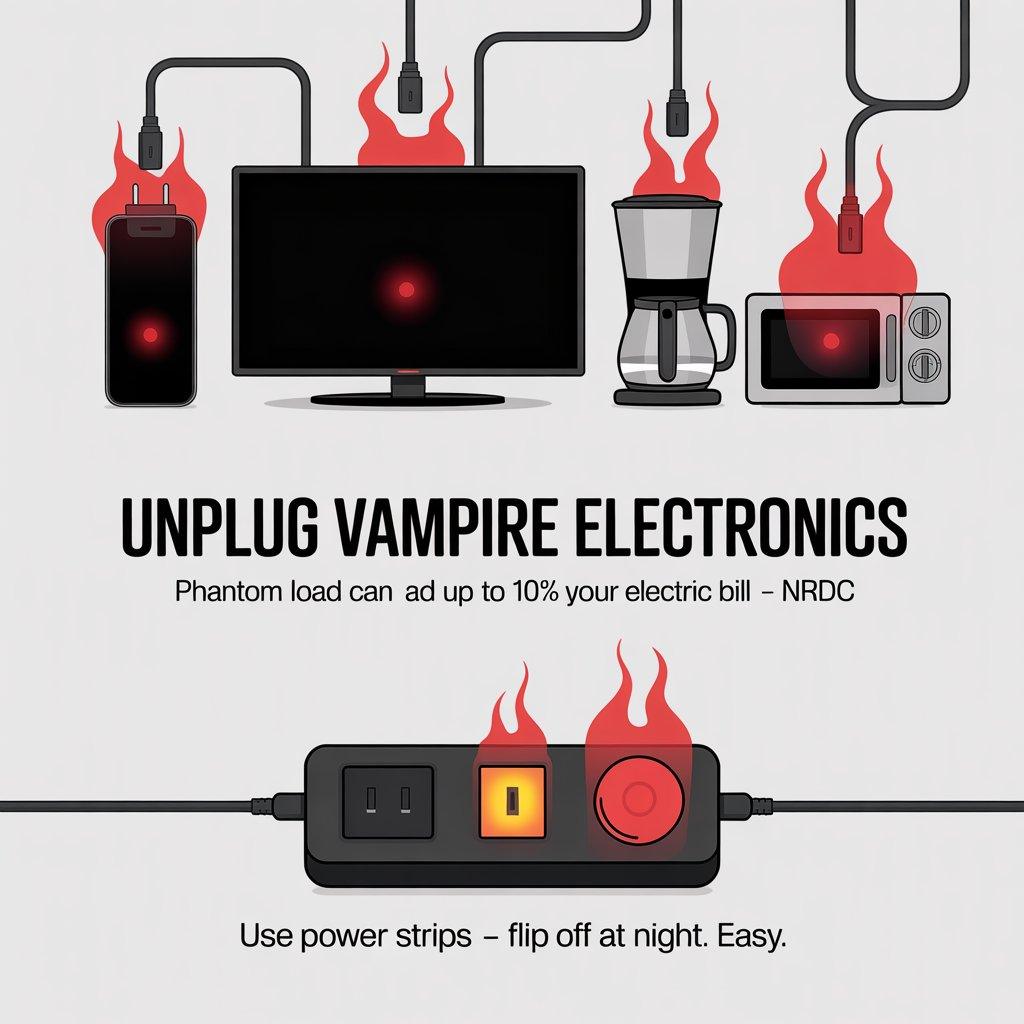
Your phone charger, TV, coffee maker, and microwave all sip power even when they’re off. That’s called phantom load.
The Natural Resources Defense Council (NRDC) says it can add up to 10% of your electric bill. Use a power strip for your entertainment center and computer desk. Flip it off at night. Easy.
5. Swap five bulbs to LED
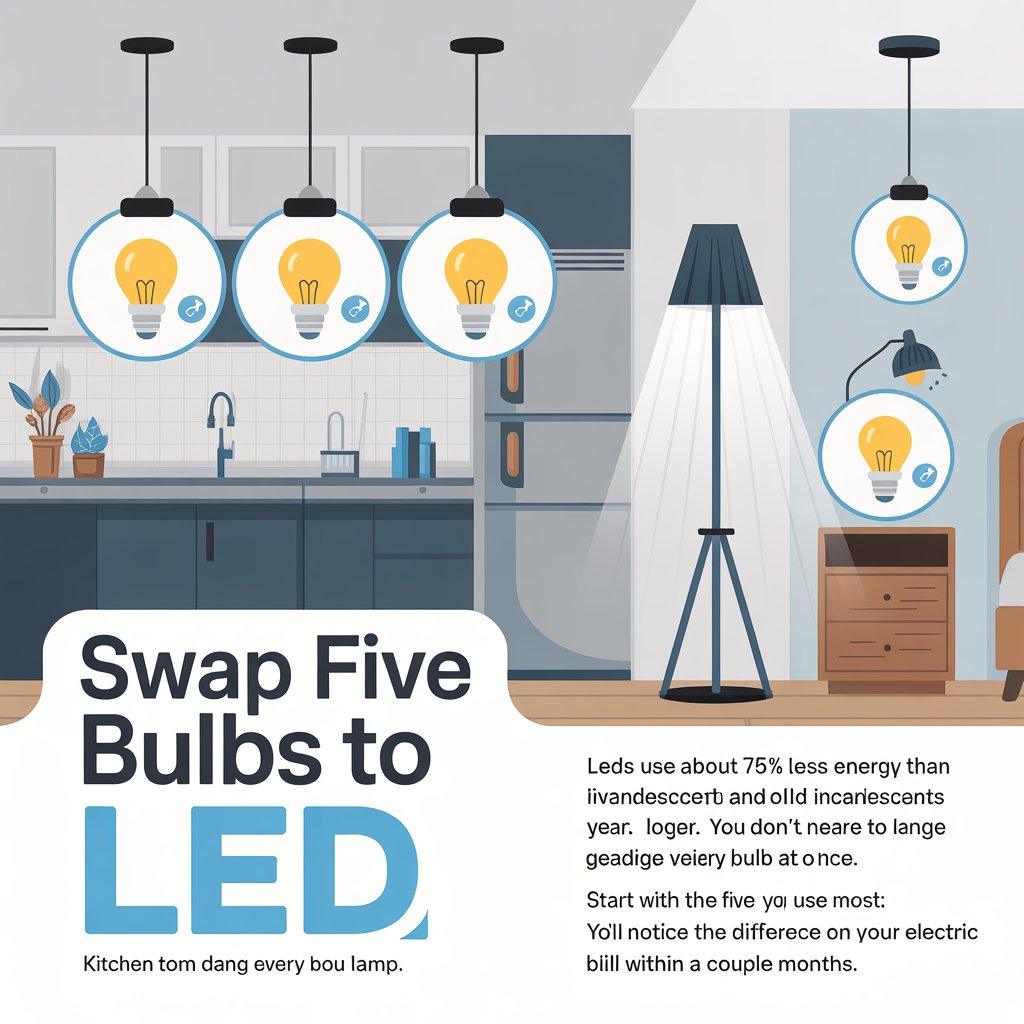
LEDs use about 75% less energy than old incandescents and last years longer. You don’t need to change every bulb at once.
Start with the five you use most: kitchen overhead, living room lamp, bedside reading light. You’ll notice the difference on your electric bill within a couple months.
6. Fix that dripping faucet
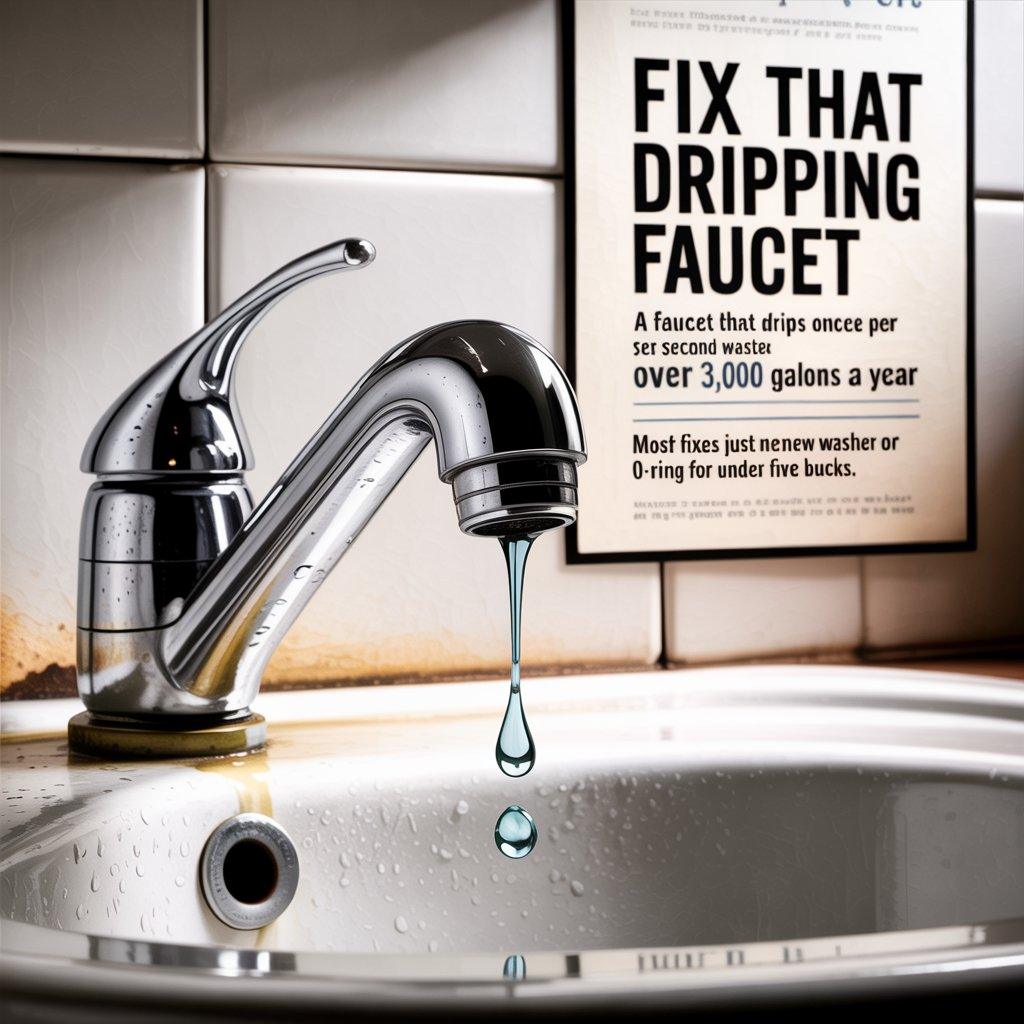
A faucet that drips once per second wastes over 3,000 gallons a year. That’s enough to fill a small swimming pool.
Most fixes just need a new washer or O-ring from the hardware store for under five bucks. If you rent, put in a maintenance request. Landlords usually handle it free.
7. Take shorter showers
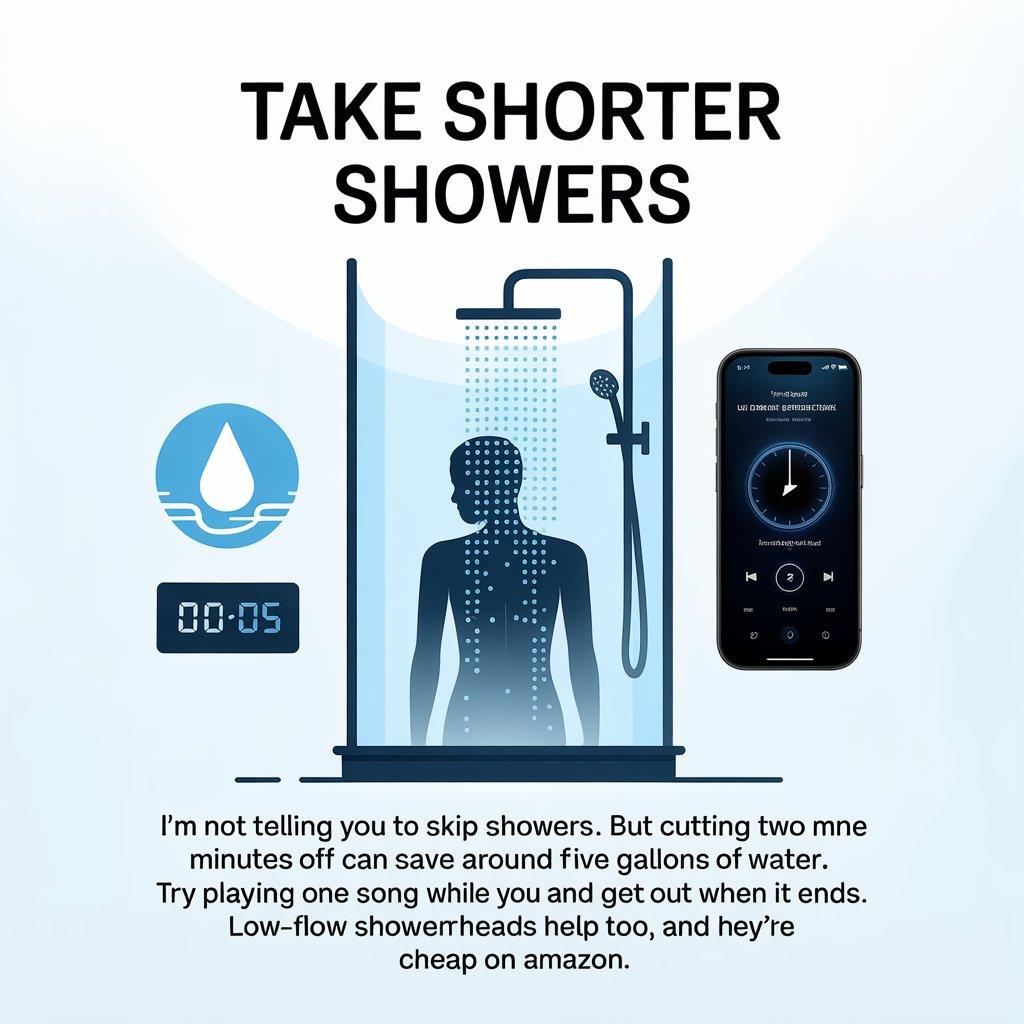
I’m not telling you to skip showers. But cutting two minutes off can save around five gallons of water.
Try playing one song while you shower and get out when it ends. Low-flow showerheads help too, and they’re cheap on Amazon.
Kitchen & Food Habits (Less waste, more savings)
8. Eat leftovers before they go bad
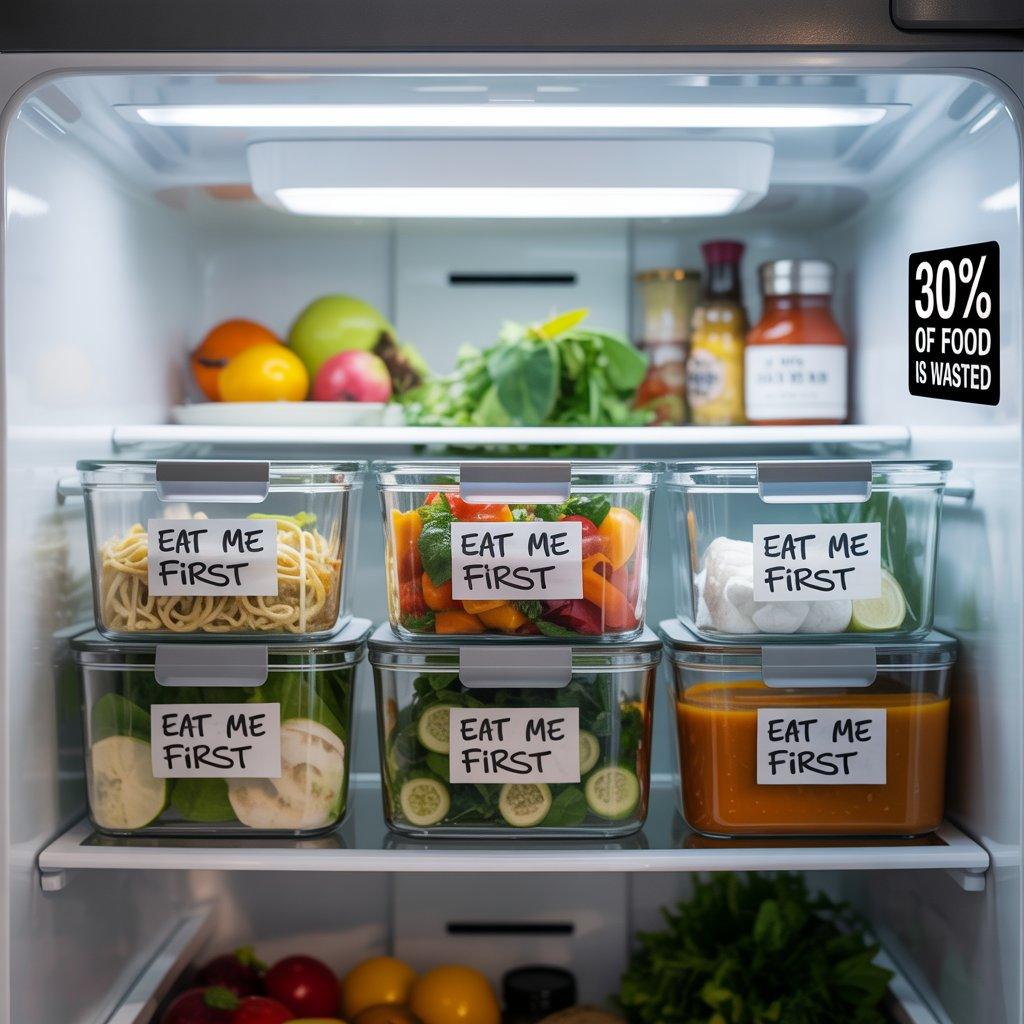
The average American family throws away over 30% of the food they buy, according to ReFED. That’s like leaving the grocery store with three bags and dropping one in the trash.
Put leftovers in clear containers at the front of the fridge where you see them. Label with tape and a marker. “Eat me first” works.
9. Use reusable produce bags

Those thin plastic produce bags at the store? They take centuries to break down. Buy a set of mesh or cotton produce bags for a few dollars.
Keep them rolled up in your regular grocery bags. They weigh almost nothing, and you can toss them in the wash when they get dirty.
10. Store food the right way
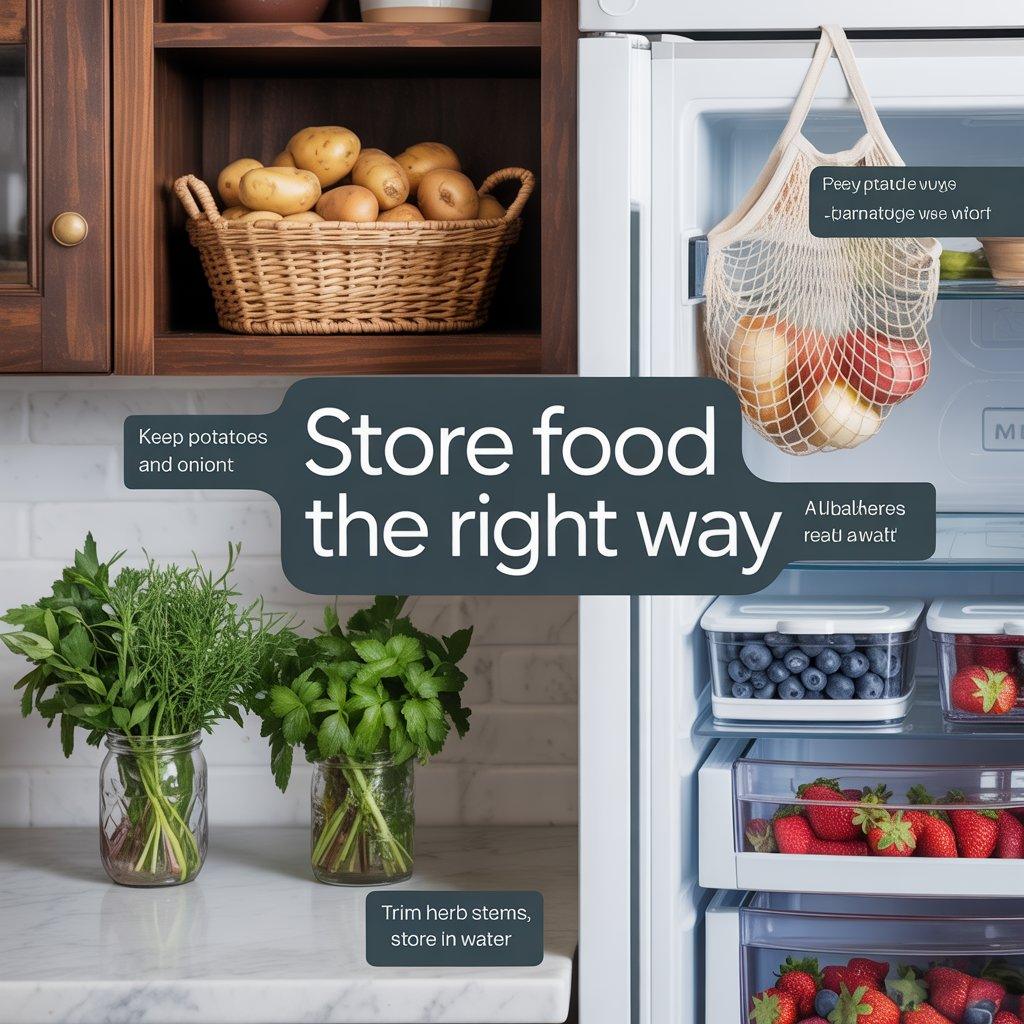
Potatoes and onions hate being near each other (they make each other spoil faster). Keep potatoes in a cool, dark cupboard and onions somewhere else.
Herbs last longer if you trim the stems and put them in a jar with water like flowers. Berries stay fresh if you wash them right before eating, not before storing.
11. Save vegetable scraps for stock
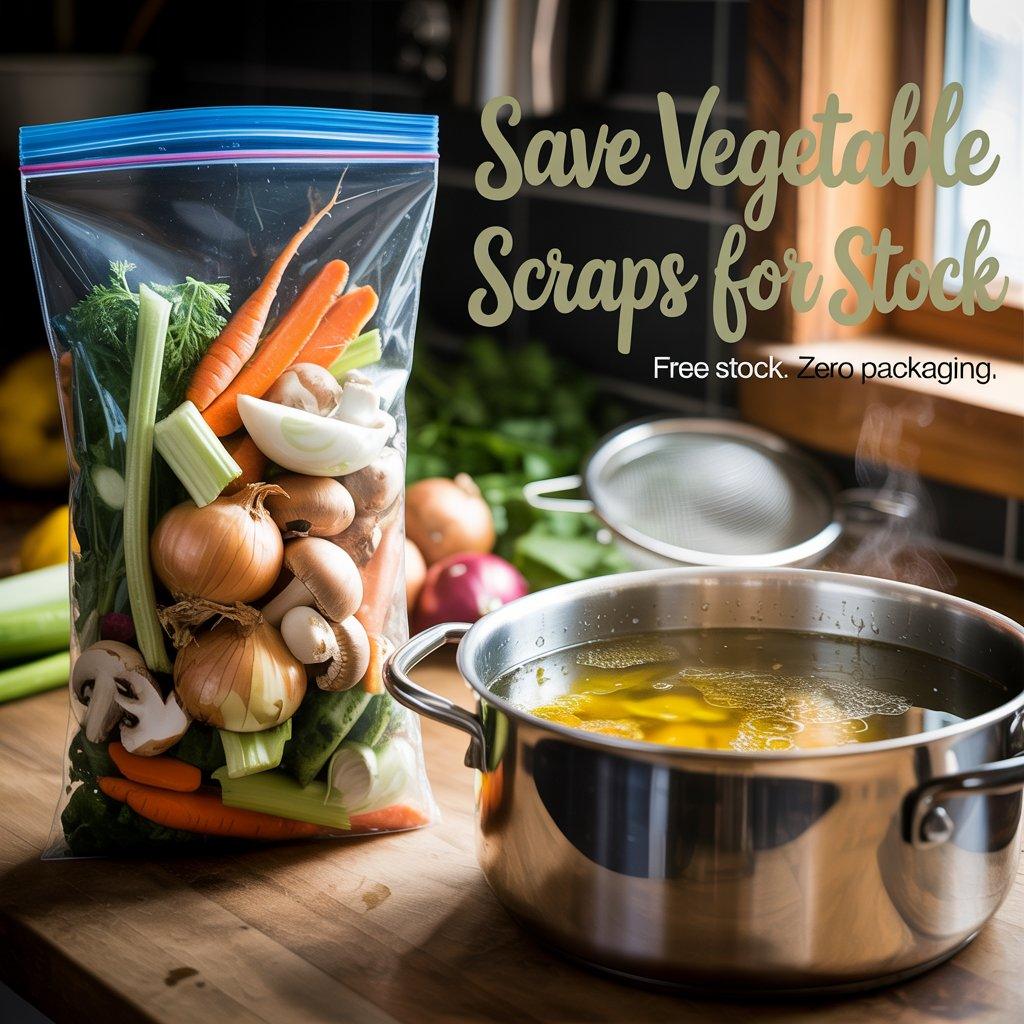
Carrot peels, onion ends, celery leaves, mushroom stems toss them in a bag in your freezer. When the bag gets full, boil them with water for an hour.
Strain it, and you’ve got homemade stock. Free stock. Zero packaging. This is one of those habits that feels like a secret hack once you try it.
12. Start a small compost bin
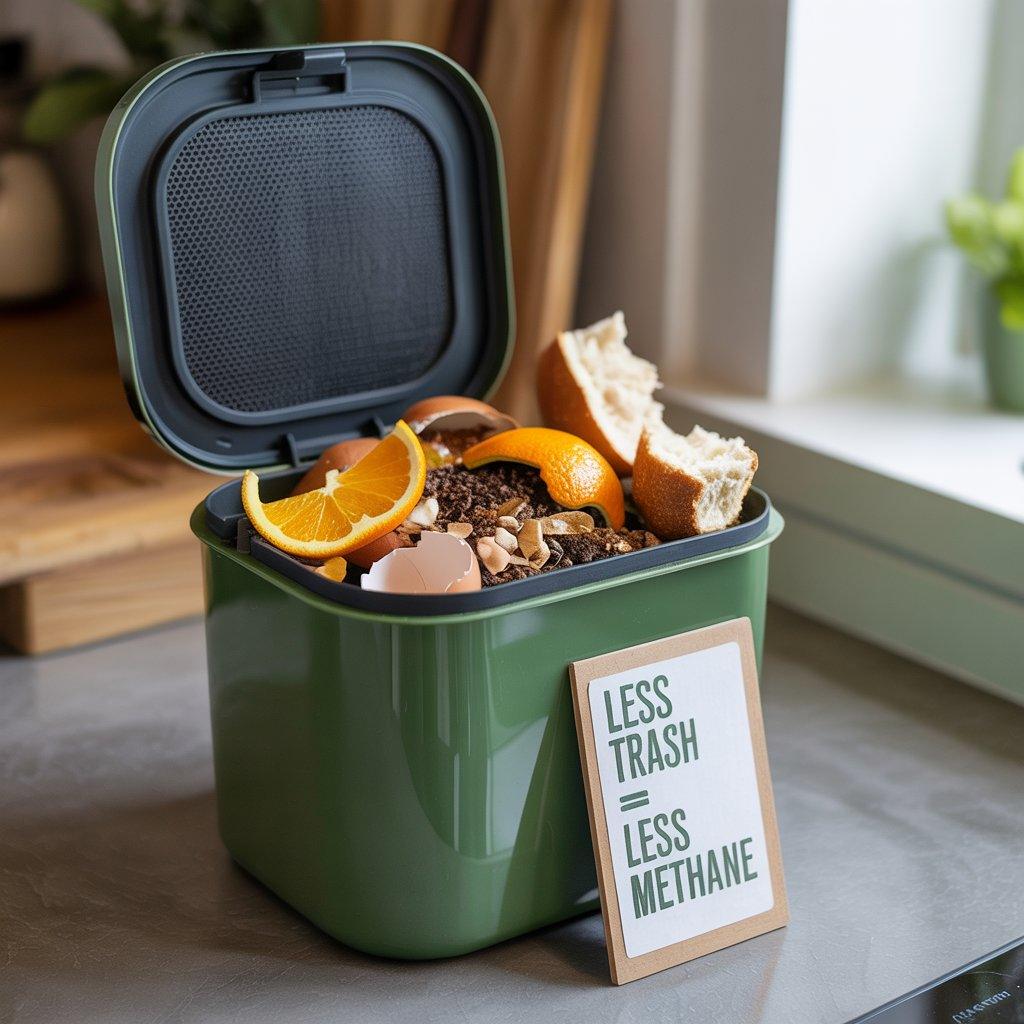
You don’t need a backyard. A small countertop bin with a charcoal filter works fine. Fruit peels, coffee grounds, eggshells, and stale bread all go in.
Check your city’s composting program, or find a neighbor with a garden who’ll take it. Less trash in landfills means less methane gas released.
13. Drink tap water instead of bottled
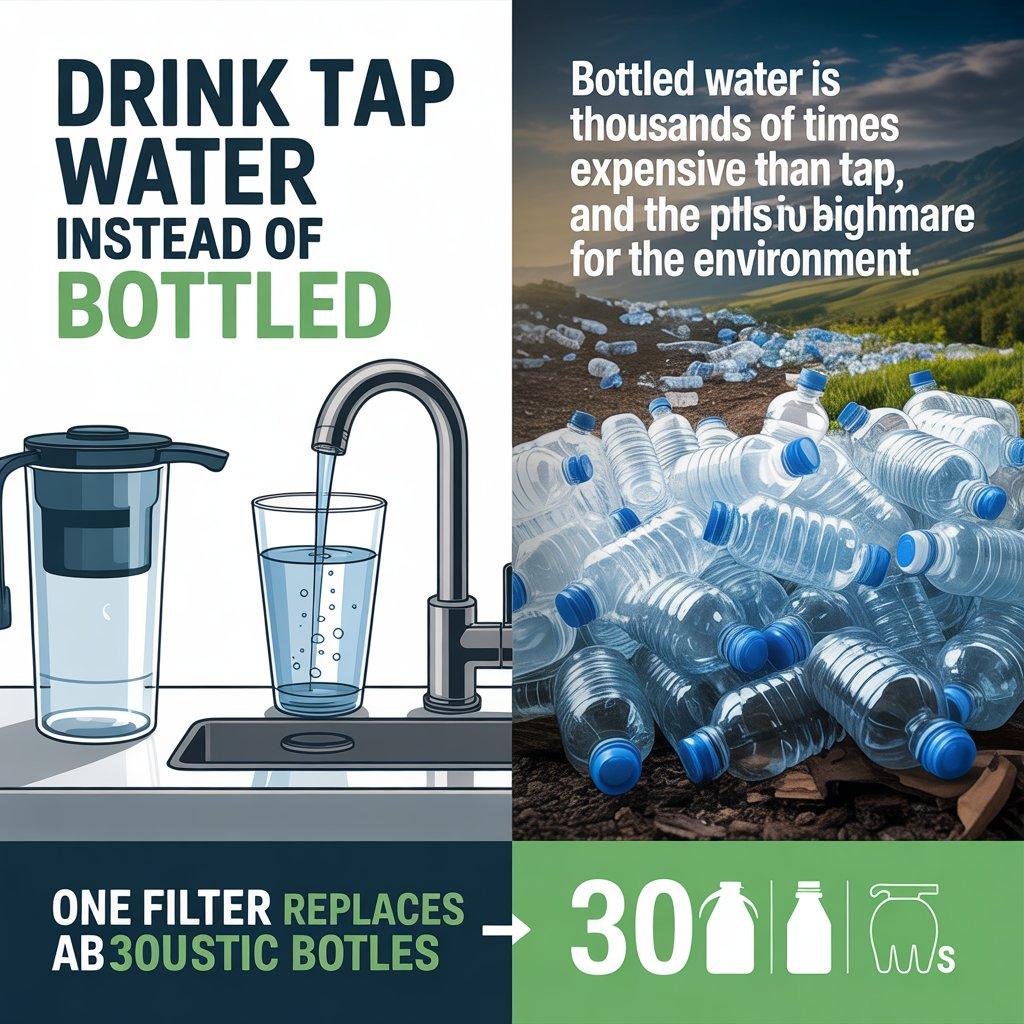
Bottled water is thousands of times more expensive than tap, and the plastic bottles are a nightmare for the environment.
If you don’t like the taste of your tap water, get a simple carbon filter pitcher (like Brita or Pur). One filter replaces about 300 plastic bottles.
Cleaning & Air Habits (Healthier indoors)
14. Make one all-purpose cleaner from vinegar
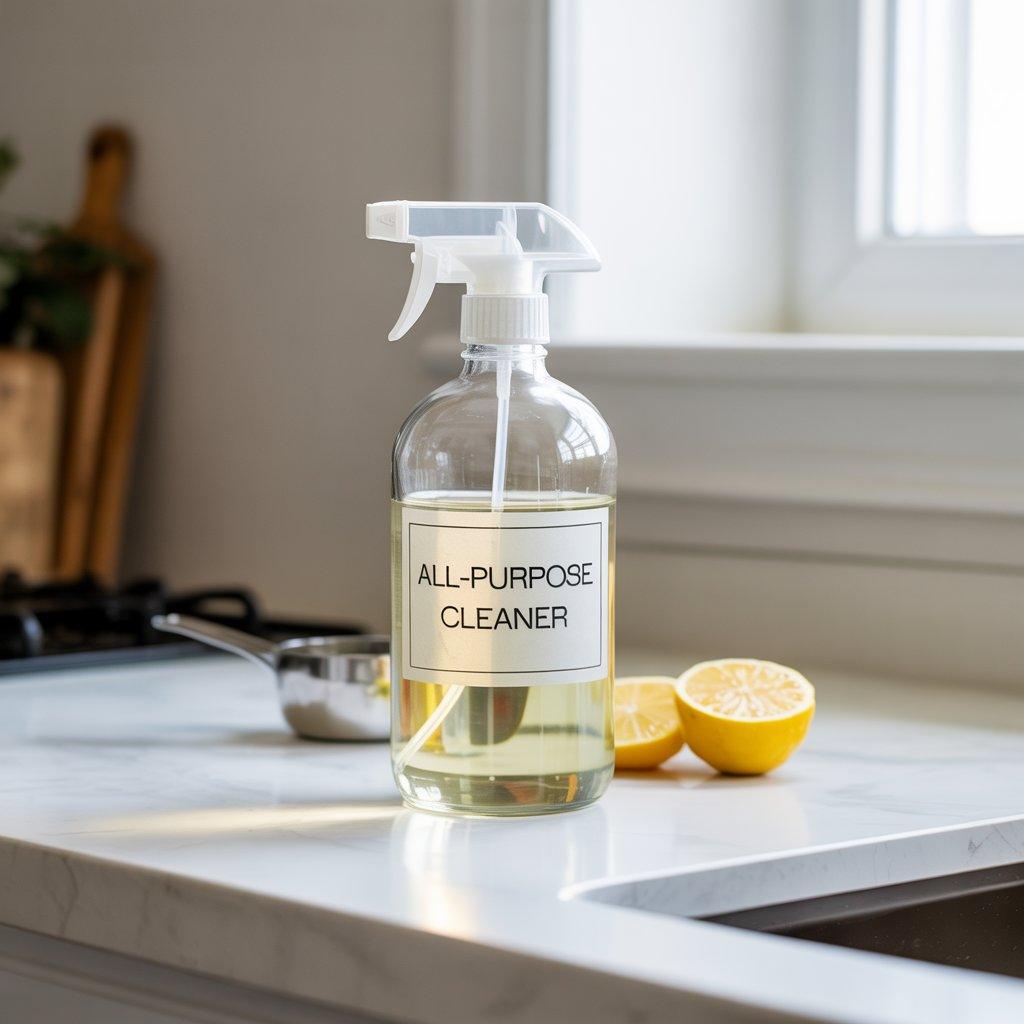
Mix equal parts white vinegar and water in a spray bottle. Add a few drops of lemon juice if you want. That’s it. It cleans countertops, sinks, mirrors, and stovetops.
Avoid using it on natural stone like marble or granite vinegar can etch those. But for everything else, it works great and costs pennies.
15. Open your windows for 10 minutes daily

Indoor air can be more polluted than outdoor air, especially if you use scented candles, air fresheners, or cleaning sprays.
Even in winter, crack two windows on opposite sides of your house for ten minutes. Fresh air pushes out stale air, moisture, and chemicals. It’s free and feels nice.
16. Use microfiber cloths instead of paper towels
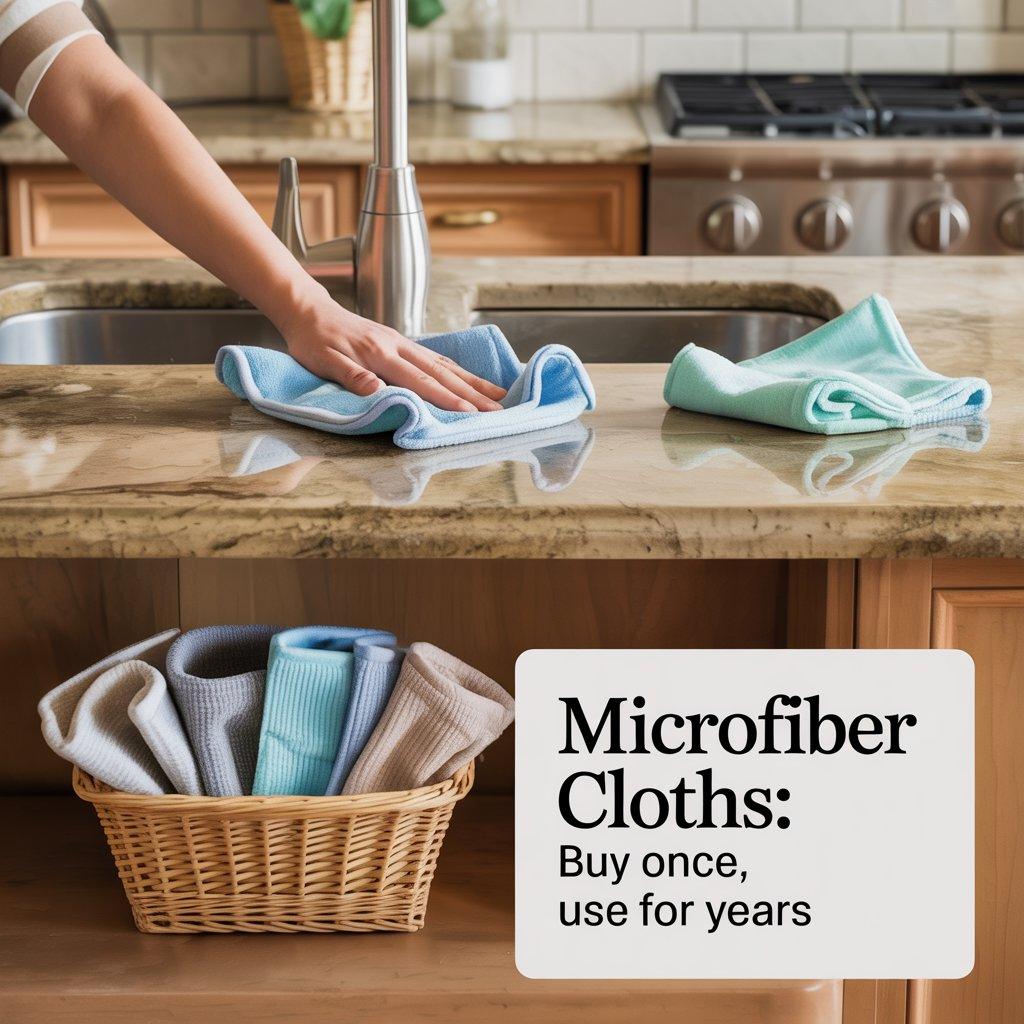
Paper towels seem cheap until you realize you’re buying them every few weeks. Microfiber cloths cost a few bucks each and last for years.
Wet one for countertops, dry one for dusting. Toss them in the laundry when dirty. Keep a small basket under the sink for used ones.
17. Avoid “fragrance” in cleaning products
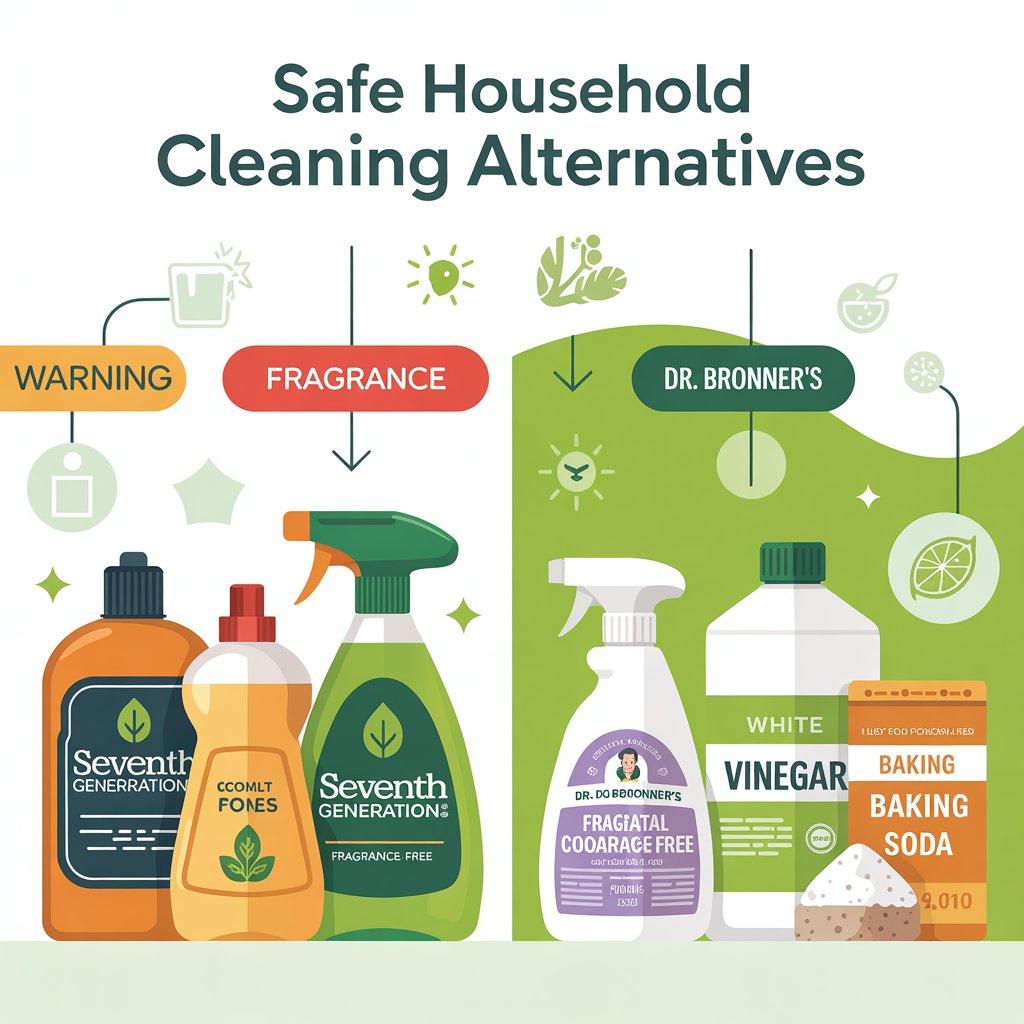
That word “fragrance” on a label can hide dozens of chemicals. Many are linked to headaches, allergies, and hormone disruption.
Look for cleaning products labeled “fragrance-free” or make your own with vinegar and baking soda. Seventh Generation and Dr. Bronner’s are solid brands that list everything honestly.
18. Vacuum more, sweep less
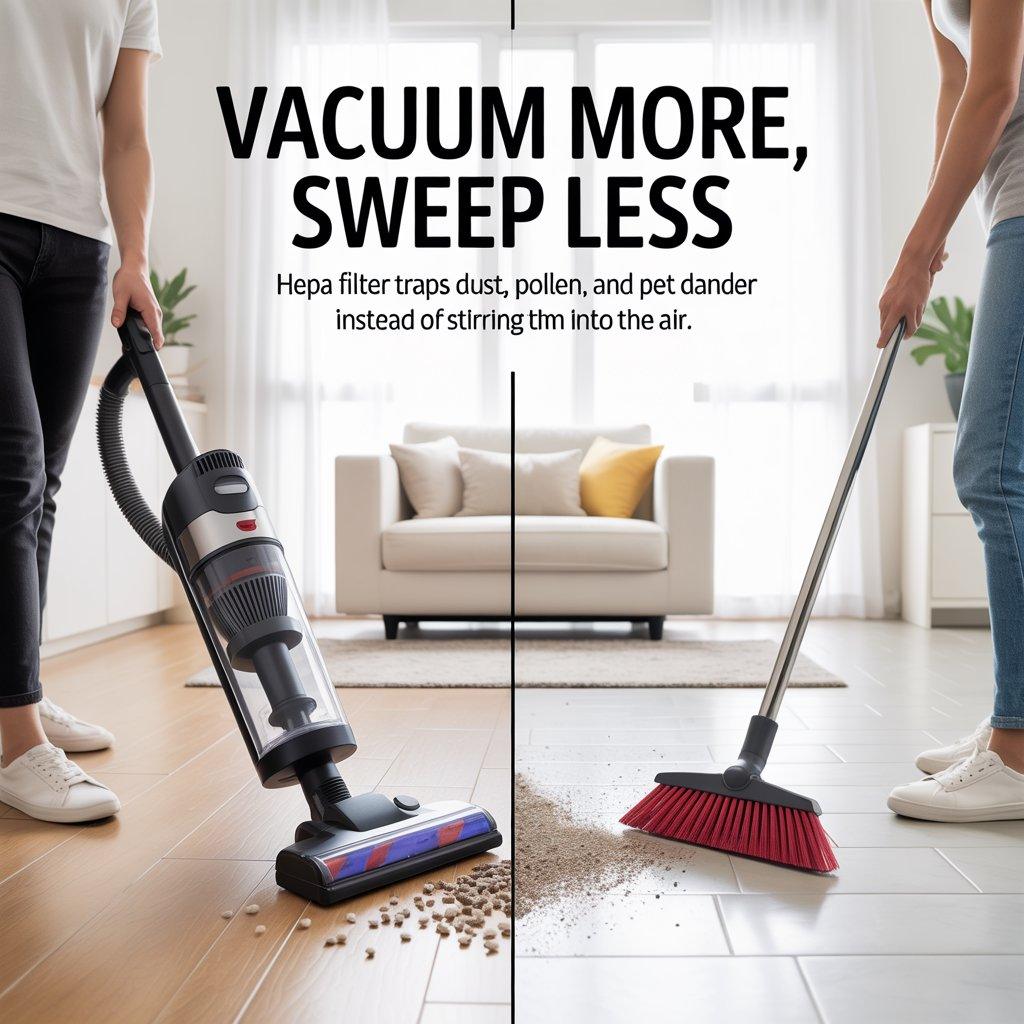
Vacuuming with a HEPA filter traps dust, pollen, and pet dander instead of stirring them into the air.
Sweeping kicks fine particles back up where you breathe them. If you have a carpet, vacuum at least once a week. If you have hard floors, use a vacuum with a hard-floor attachment or a dust mop.
Shopping & Waste Habits (Smarter choices)
19. Bring your own bags everywhere
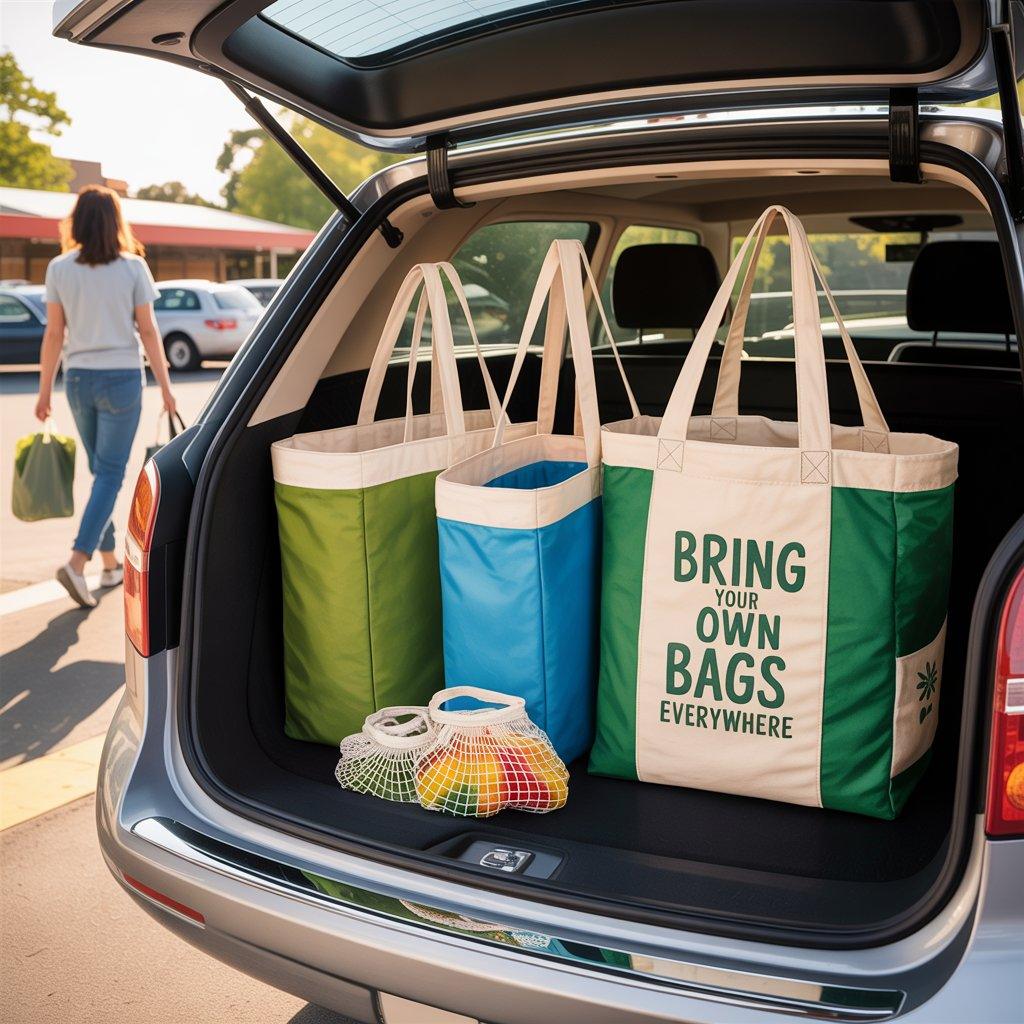
Keep three to five reusable shopping bags in your car at all times. Also toss in a couple of small reusable produce bags (from habit #9).
If you forget them, that’s okay just carry your few items or ask for a cardboard box. Most stores are fine with that.
20. Buy one thing used before buying new
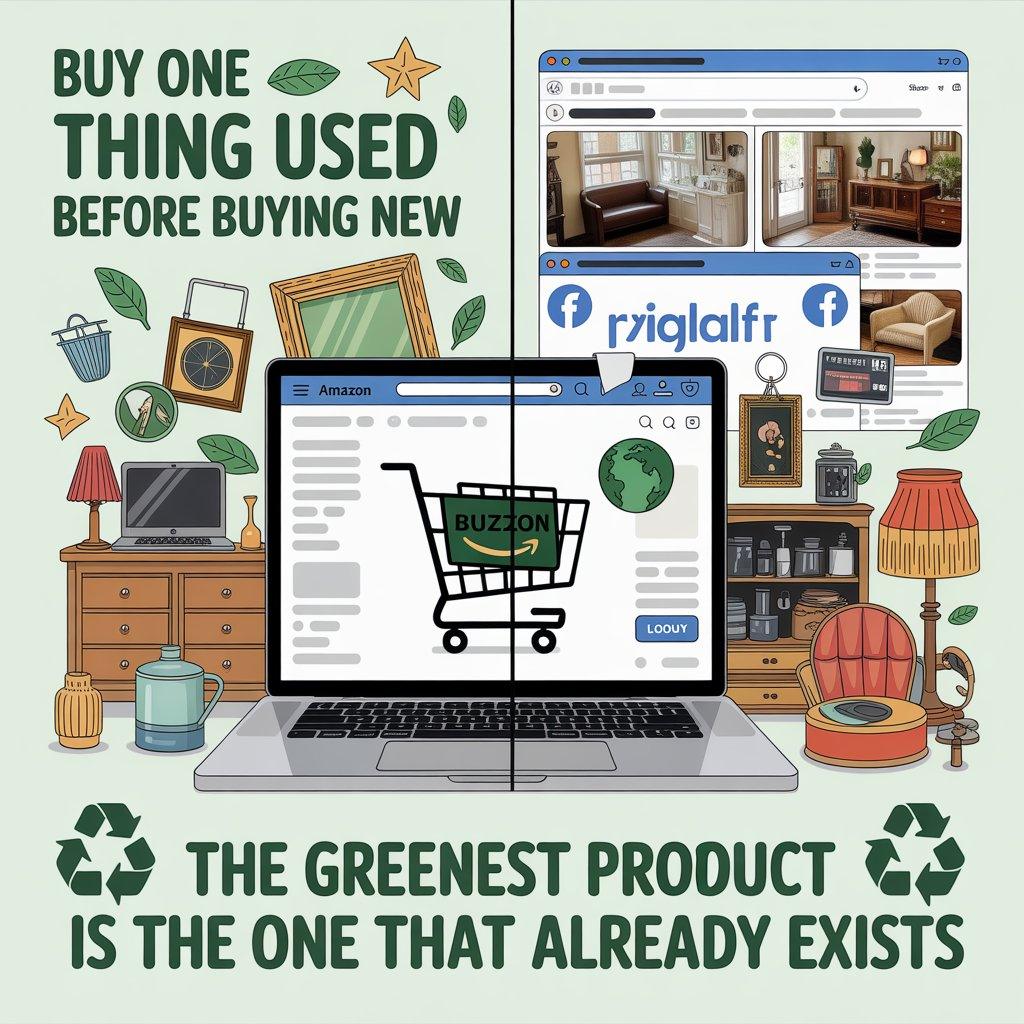
Before you click “buy” on Amazon, check Facebook Marketplace, Craigslist, or a local thrift store.
Furniture, kitchen gadgets, lamps, picture frames, and even clothes are everywhere for a fraction of the price. The greenest product is the one that already exists.
21. Say no to freebies you don’t need
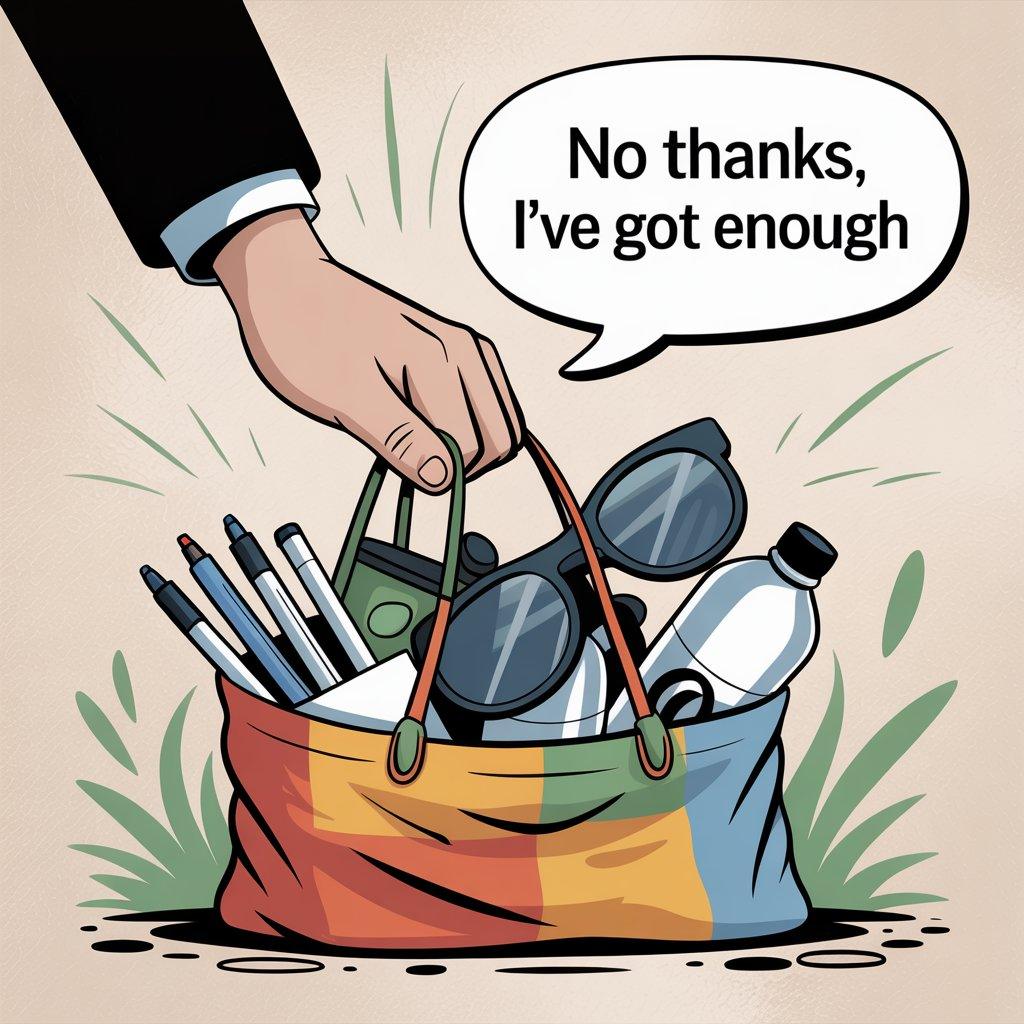
Promotional pens, cheap sunglasses, plastic water bottles at events, and swag bags create a ton of waste.
Practice saying, “No thanks, I’ve got enough.” It feels awkward at first, then freeing. If you do take something, actually use it until it dies don’t let it sit in a drawer.
22. Refill instead of rebuy
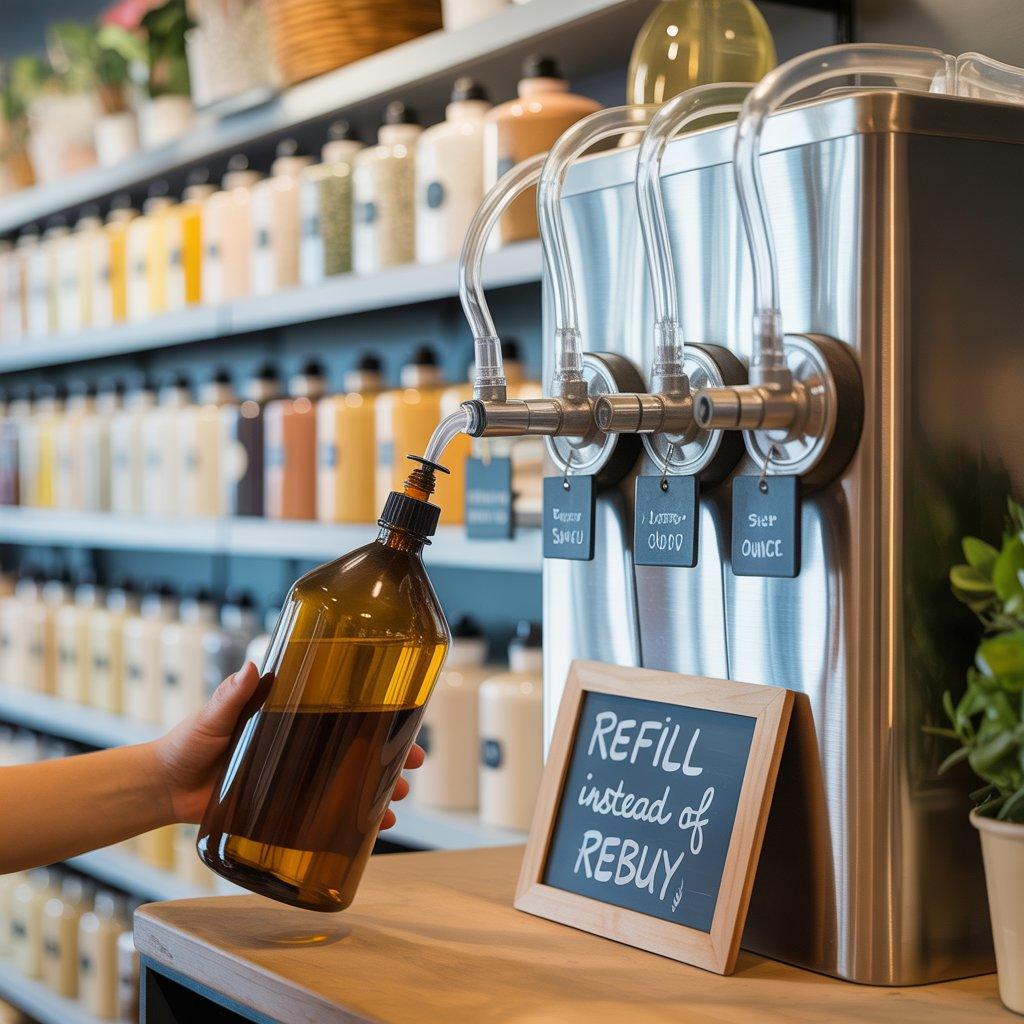
Some stores have bulk sections for dish soap, laundry detergent, shampoo, and even spices. Bring your own clean container, fill it up, and pay by weight.
Check for zero-waste shops near you or order from a refill delivery service like Blueland or Grove Collaborative.
23. Cancel junk mail
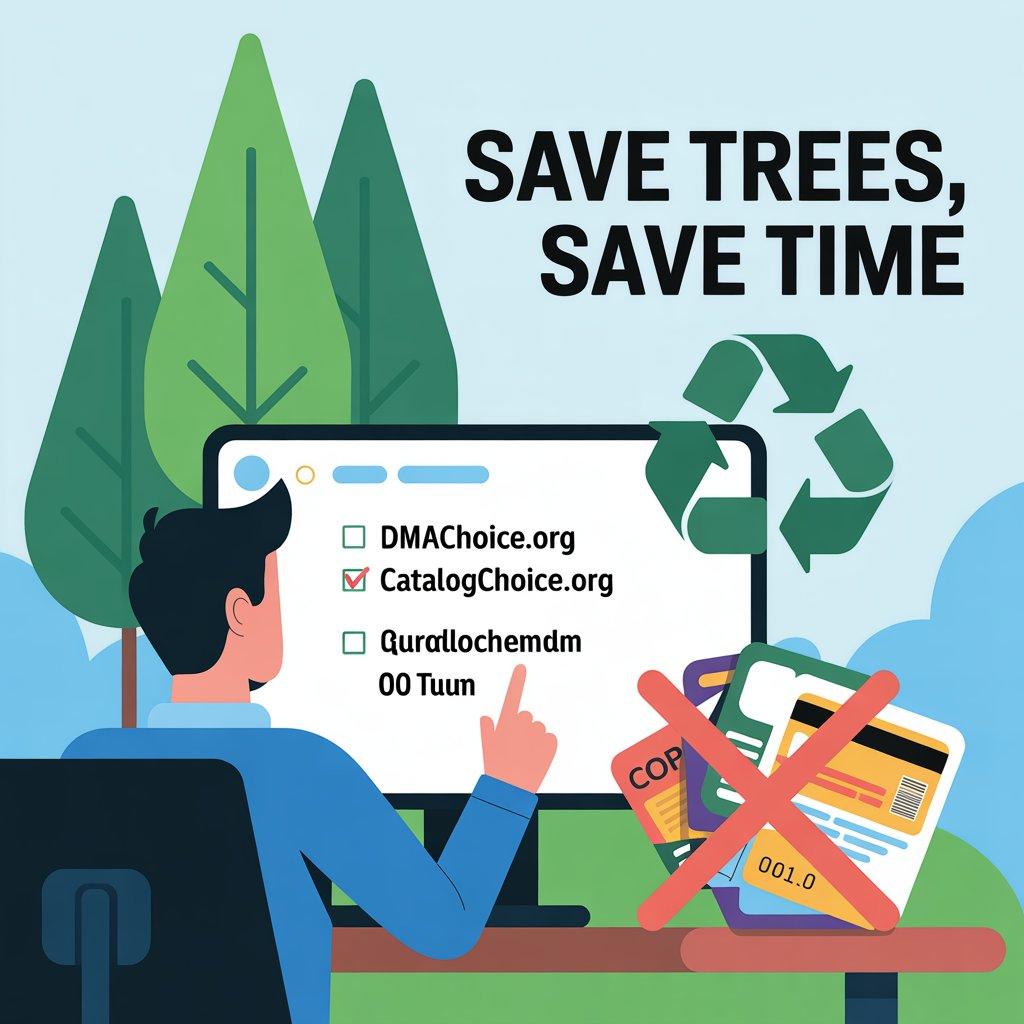
Go to DMAchoice.org (costs about $4 for 10 years of service) and opt out of credit card offers and catalogs. Also use CatalogChoice.org to stop specific catalogs.
This one action saves trees, fuel, and the annoyance of shredding paper every week. It takes ten minutes to set up.
Home & Garden Habits (Outdoor & indoor plants)
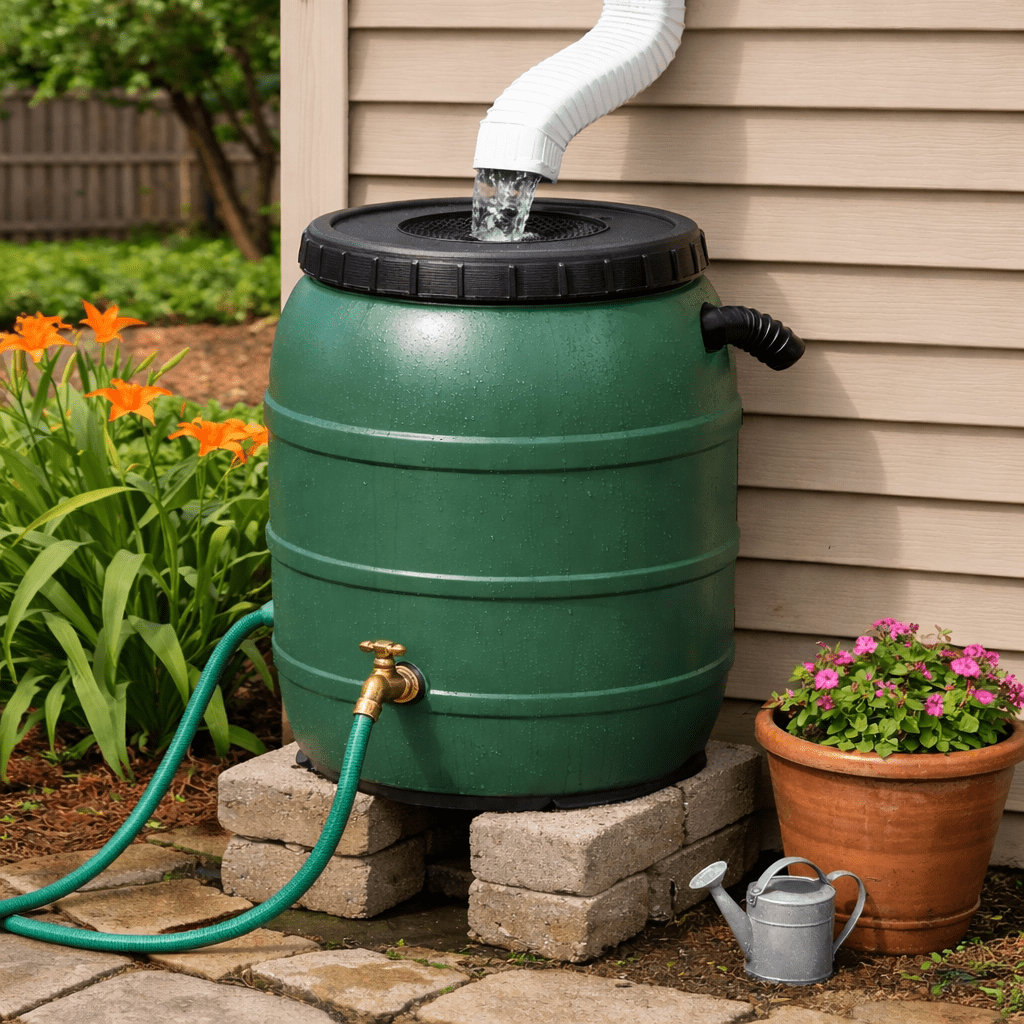
24. Put a rain barrel under your downspout
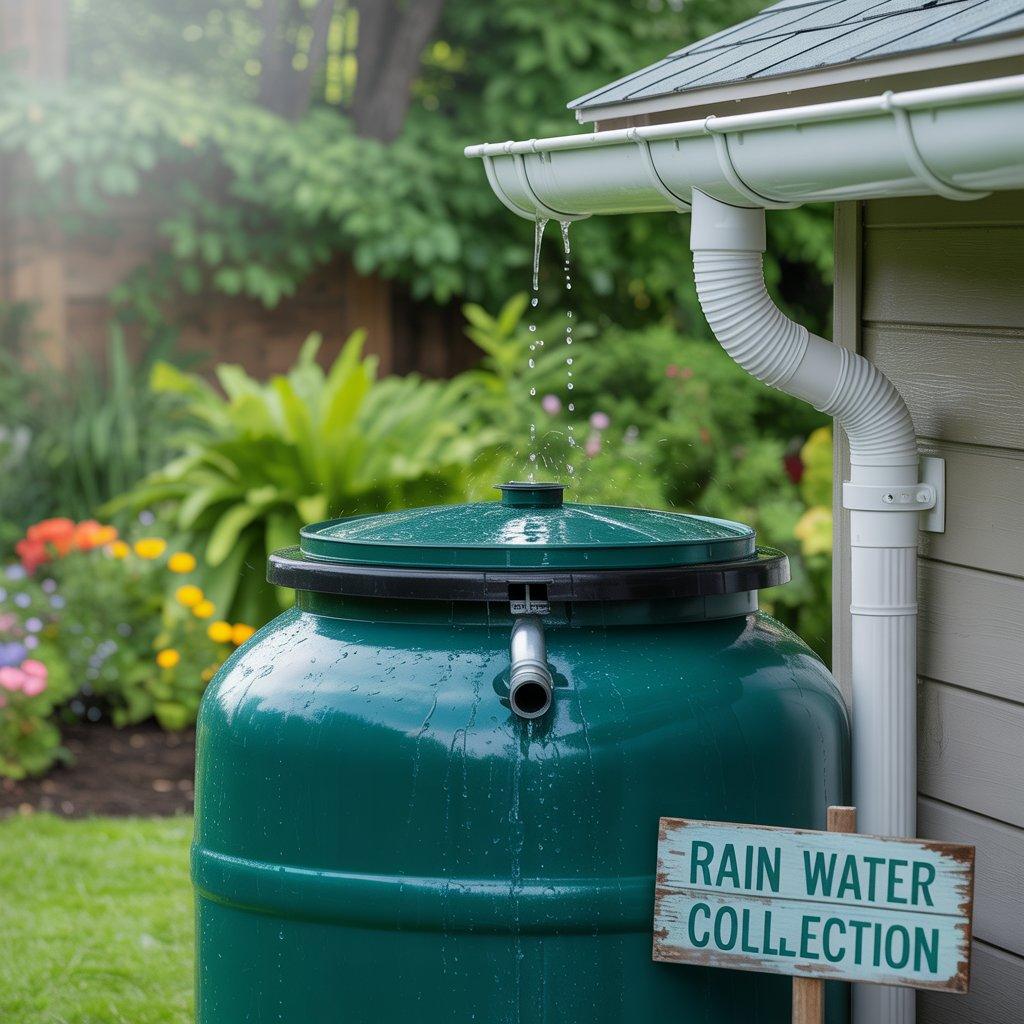
A rain barrel collects water from your roof that would otherwise run into the street. Use that water for your garden, lawn, or indoor plants.
One good rainstorm can fill a 50-gallon barrel. Check your local water rules some places even give rebates for rain barrels.
25. Grow one edible plant indoors
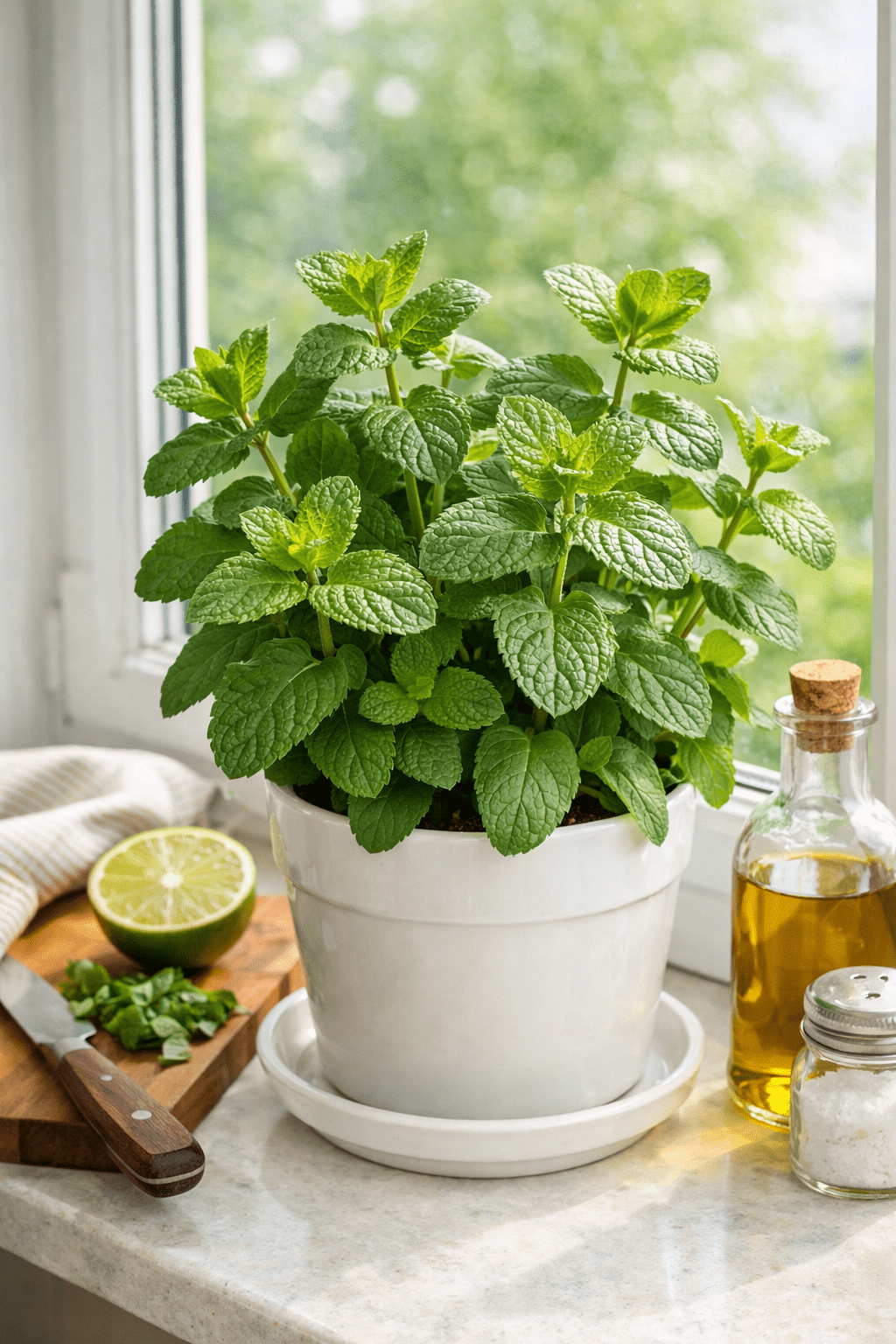
You don’t need a farm. A small pot of basil, mint, or green onions on a sunny windowsill counts. Snip what you need for cooking, and the plant keeps growing.
It reduces packaging, cuts down on trips to the store, and makes your kitchen look alive. Mint is almost impossible to kill.
Pros and Cons of Eco-Friendly Home Habits
Pros:
- Lower utility bills (water, electric, gas)
- Less clutter and fewer trips to take out trash
- Fewer chemicals in your home means better breathing
- Food lasts longer when stored right
- You feel more in control of your daily choices
Cons:
- Some habits take a few weeks to feel automatic
- Upfront cost for things like LED bulbs or a rain barrel
- Landlords might not allow certain changes (like composting outside)
- Not every product works perfectly for every home
But here’s the truth: you don’t have to do all 25. Pick three or four that feel easy. Once those stick, add another. That’s how real change happens slow and steady.
Reusable Silicone Food Storage Bags
If you want one product that replaces Ziploc bags, plastic wrap, and even some Tupperware, try reusable silicone bags. They’re leakproof, dishwasher-safe, and last for years.
I personally use them for snacks, leftovers, marinades, and freezing soups. They save a ton of plastic and pay for themselves in a few months. Eco-Friendly Environment at Home on a Budget
Tips to Make These Habits Stick
- Pick a trigger. After you pour your morning coffee, open the windows for 10 minutes. Right after you unload groceries, put reusable bags back in the car.
- Start with free habits first. Turning off water, opening windows, and eating leftovers cost nothing.
- Tell one person. Saying “I’m trying to hang dry one load a week” out loud makes you more likely to do it.
- Forgive yourself. If you forget your bags or use paper towels, it’s fine. Tomorrow is another day.
Mistakes to Avoid
- Buying a bunch of “eco” products at once – That’s just more stuff. Use what you have first.
- Composting meat or dairy – Unless you have a serious outdoor setup, it’ll smell bad and attract pests. Stick to fruit and veggie scraps.
- Putting non-stick pans in the dishwasher – The coating breaks down faster. Hand wash them to make them last.
- Forgetting to clean your reusable bags – Wash cloth produce bags and silicone storage bags regularly. Otherwise they get funky.
FAQs
Do these habits actually make a difference?
Yes, especially when lots of people do them. One person skipping a plastic bag isn’t huge. One million people skipping bags is massive. But even for you alone you’ll save money and breathe cleaner air.
What if I rent an apartment?
No problem. Focus on energy habits, food waste, and cleaning. Use a countertop compost bin. Hang dry clothes over a rack. You can still do most of this list.
Is it expensive to go green?
The most effective things are cheap or free: turning stuff off, using less water, eating leftovers. A few items like LED bulbs pay for themselves quickly. Avoid buying “green” products just because they’re marketed that way.
How long until I see savings on my bills?
Water and electric savings show up in your next bill if you’re consistent. Food savings (from eating leftovers and storing food right) show up within a week.
Designs or Styling Ideas
- Use glass jars for dry goods – Pasta, rice, flour, and beans look nice in mason jars. Label them with chalk markers. They’re easier to see and seal tighter than plastic containers.
- Keep a pretty basket for clean rags – Roll up microfiber cloths or cut-up old t-shirts in a basket near the sink. It looks intentional, not messy.
- Try a countertop compost crock – Ceramic ones in neutral colors blend in. Charcoal filters inside stop smells. Much nicer than a plastic tub.
- Hang a bamboo drying rack – Some fold flat against the wall when not in use. Clean and simple.
Final Thoughts
You don’t need to buy fancy things. The 25 habits above work because they’re small, repeatable, and mostly free. Pick two or three to start. Do them for a week. Notice how it feels not the guilt of what you “should” do, but the quiet satisfaction of a simple task done well.
If you want one purchase that ties several habits together (less plastic, less waste, easier storage), check out the silicone bags I mentioned. They’re genuinely useful, not just “eco.”
Otherwise, just start. Turn off that water. Eat those leftovers. Open a window.
You’ve got this.
Related Post: