
Expecting a baby changes everything. Suddenly you’re thinking about nursery setups, sleep schedules, and how to keep another human alive. It’s a lot.
But here’s something that might surprise you: plants can help.
Not in a magical way. In a real, practical way. Tending plants teaches patience, routine, and how to nurture something that can’t tell you what it needs. Sound familiar? That’s basically early parenting.
Plus, some houseplants clean the air. Others are safe to have around curious little hands. And learning simple botany tricks like propagation or reading leaf droop gives you small wins when everything else feels overwhelming.
These 13 tips won’t solve every parenting challenge. But they might make the day to day feel a tiny bit easier. And sometimes that’s enough.
Why This Topic Matters
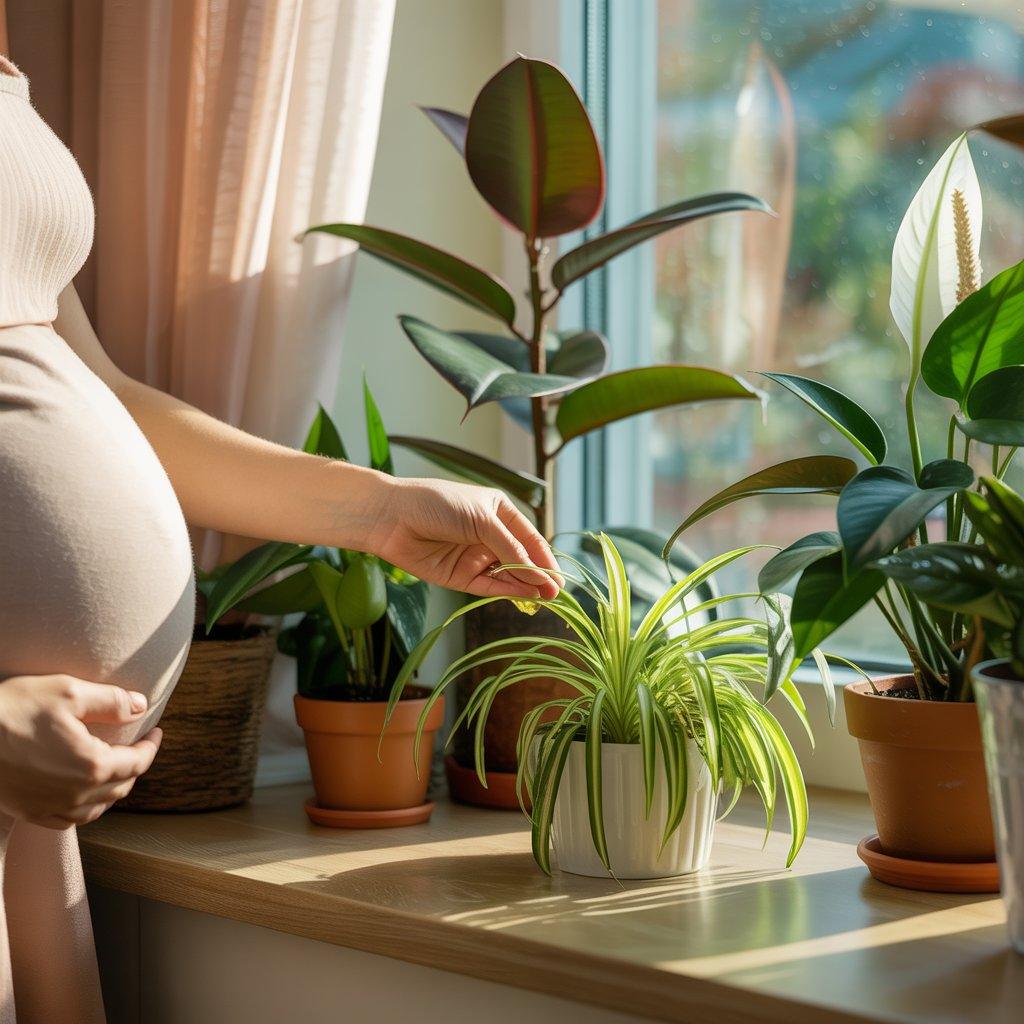
When you’re expecting, your brain is already full. Doctor appointments. Baby gear decisions. Nursery colors. It’s easy to forget that you also need small moments of calm.
Botany gives you that. Working with plants lowers stress and slows down your breathing without you even noticing. It’s a quiet activity you can do for five minutes or an hour.
There’s also a safety angle. Some popular houseplants are toxic to babies and toddlers. Knowing which ones to avoid now saves you from an emergency room panic later.
And honestly? Propagating a cutting or keeping a finicky fern alive feels like a genuine accomplishment when so much else feels out of your control. These tips are practical, not perfect. They’re meant to help you feel more capable, not more overwhelmed.
Main Content: 13 Botany Tips for Expecting Parents
1. Start with a Snake Plant
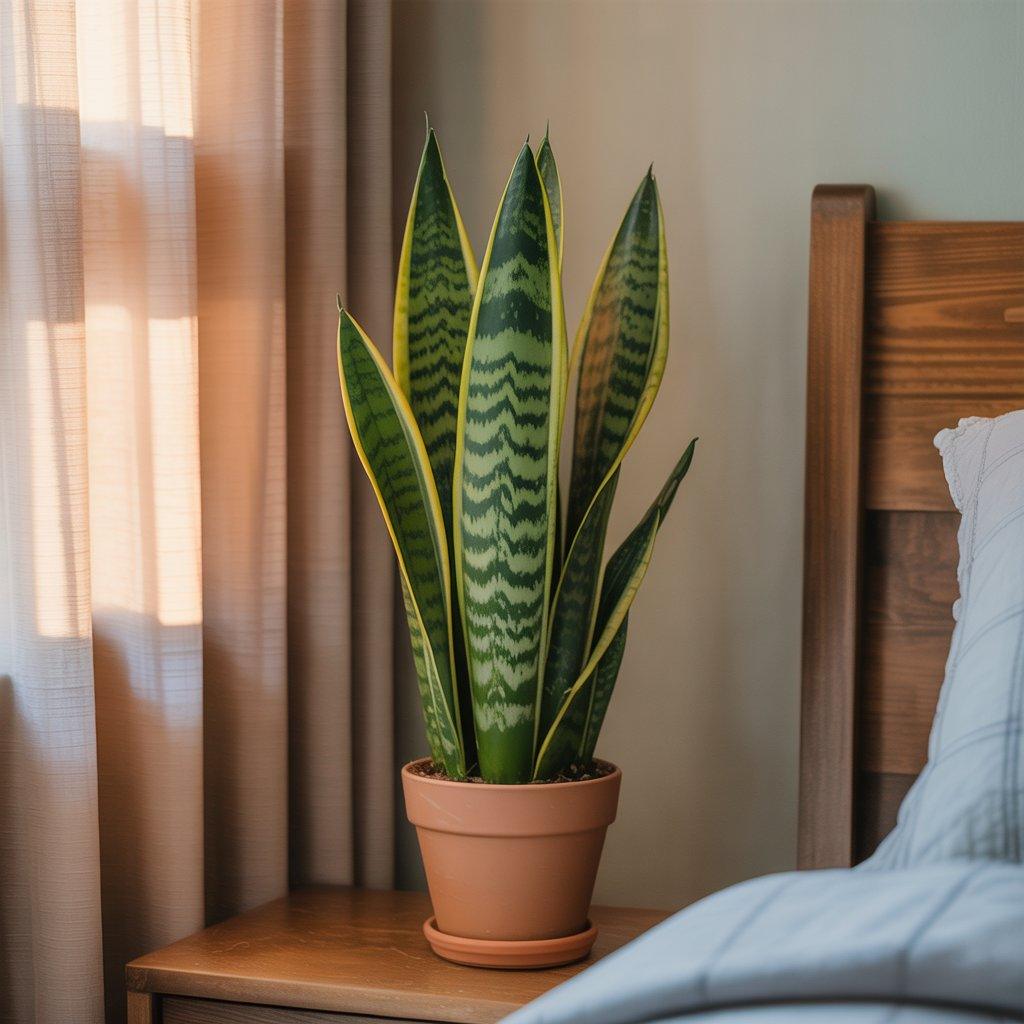
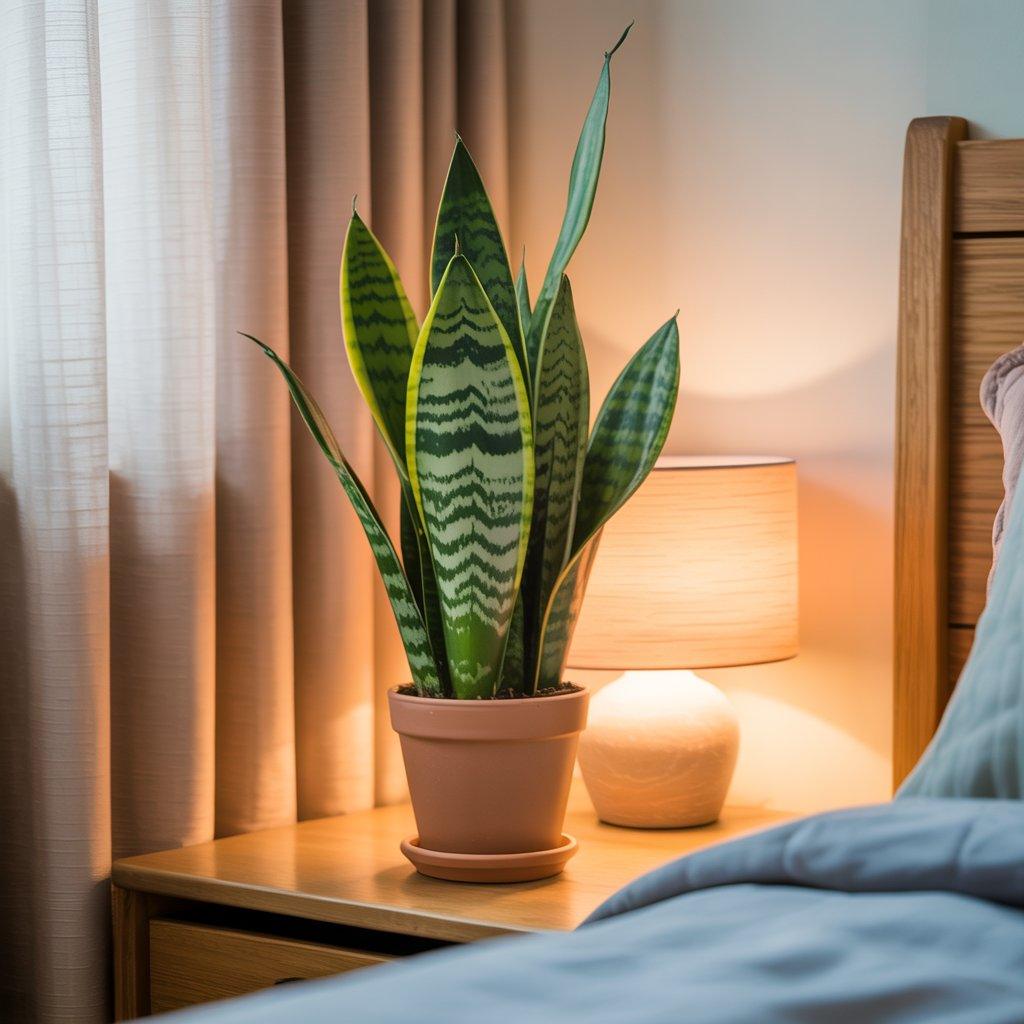
Snake plants are nearly impossible to kill. They tolerate low light, forgetful watering, and temperature changes. That matters when you’re exhausted and can barely remember your own name, let alone a watering schedule.
Snake plants also release oxygen at night, which is unusual for houseplants. Put one in your bedroom or the nursery. Water it every two to three weeks, or whenever the soil feels completely dry.
If you forget for a month, it’ll still be fine. This is the plant for parents who want one small thing in their life that doesn’t need constant attention.
2. Learn to Read Droopy Leaves
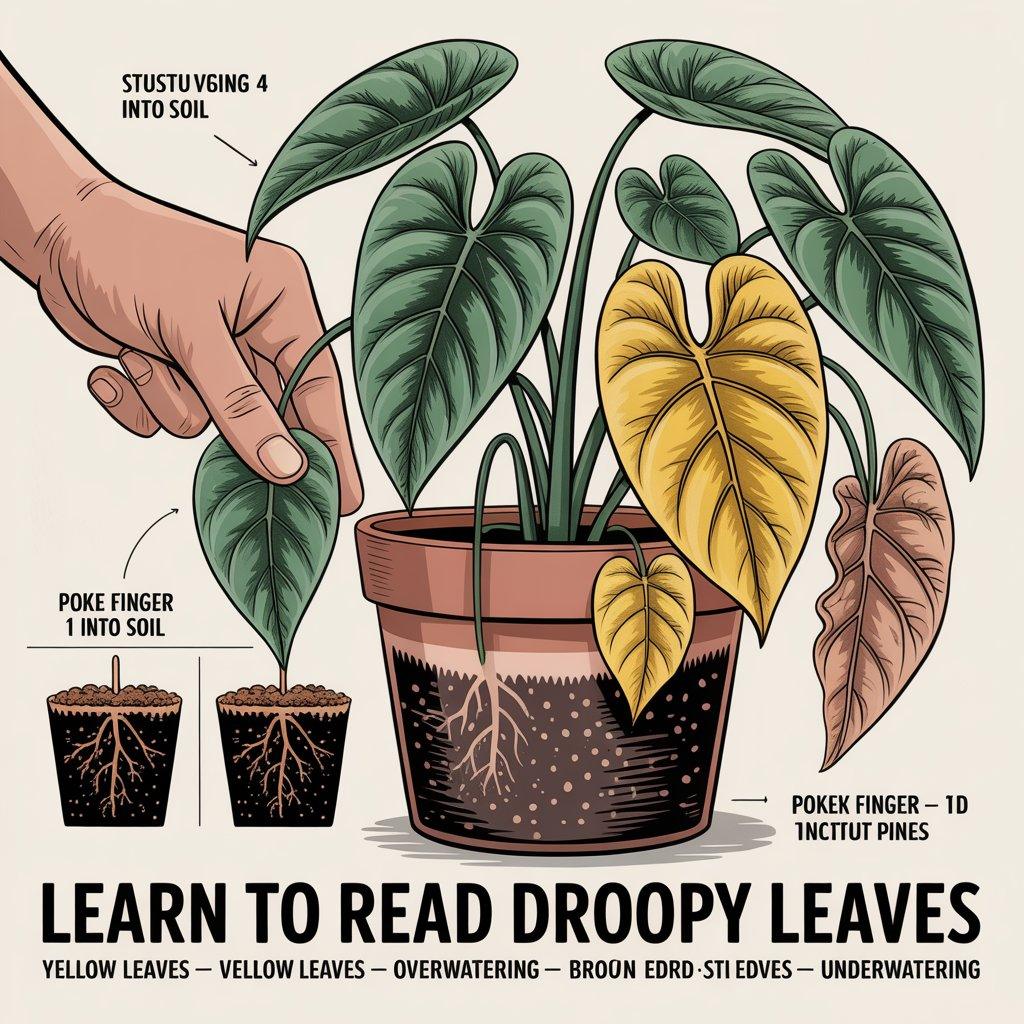
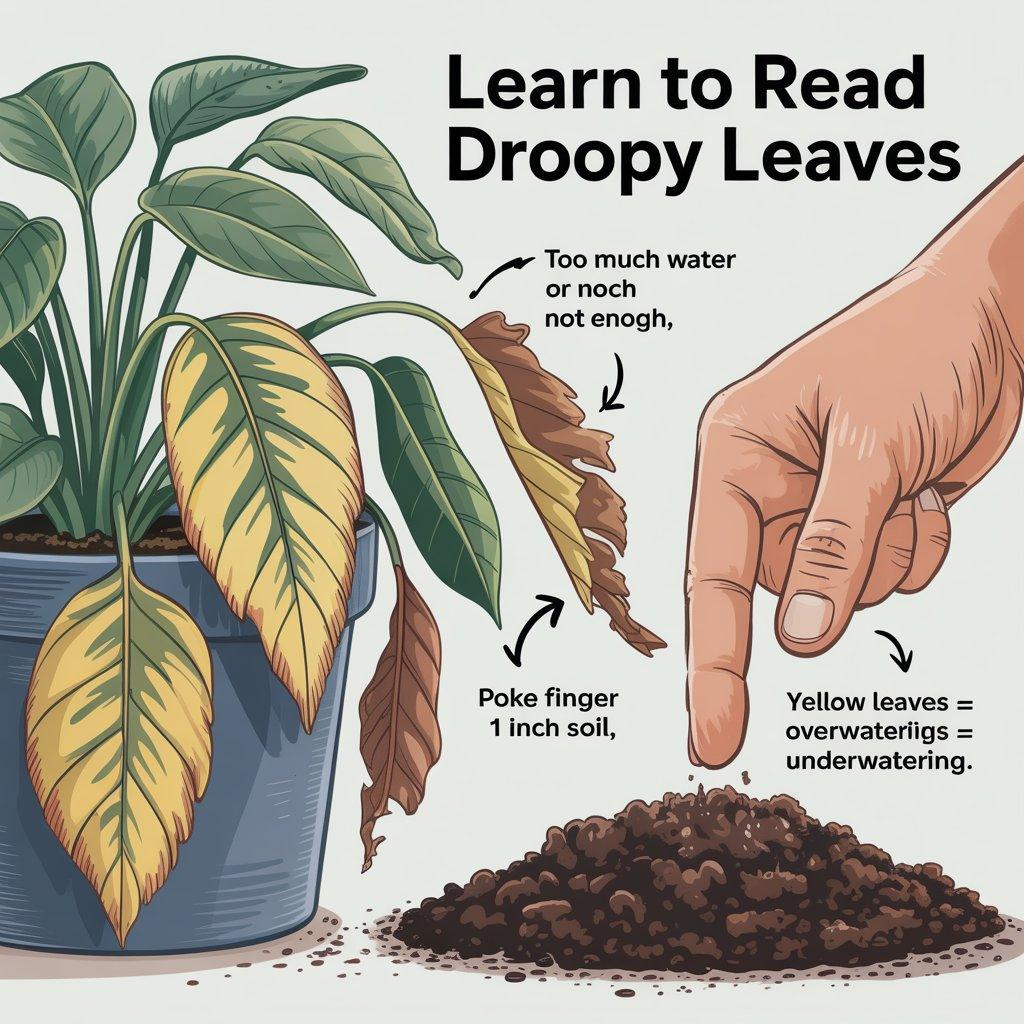
Plants can’t talk, but they do communicate. Droopy leaves usually mean one of two things: too much water or not enough. Here’s the trick. Poke your finger about an inch into the soil. If it feels dry, water the plant.
If it feels wet, leave it alone and check again in a few days. Yellow leaves often mean overwatering. Brown, crispy edges usually mean underwatering or low humidity.
Learning these signs takes maybe ten minutes of reading, but it saves you from killing plants out of kindness. And honestly, learning to read nonverbal cues is great practice for understanding a baby later.
3. Propagate a Pothos for a Low‑Effort Win
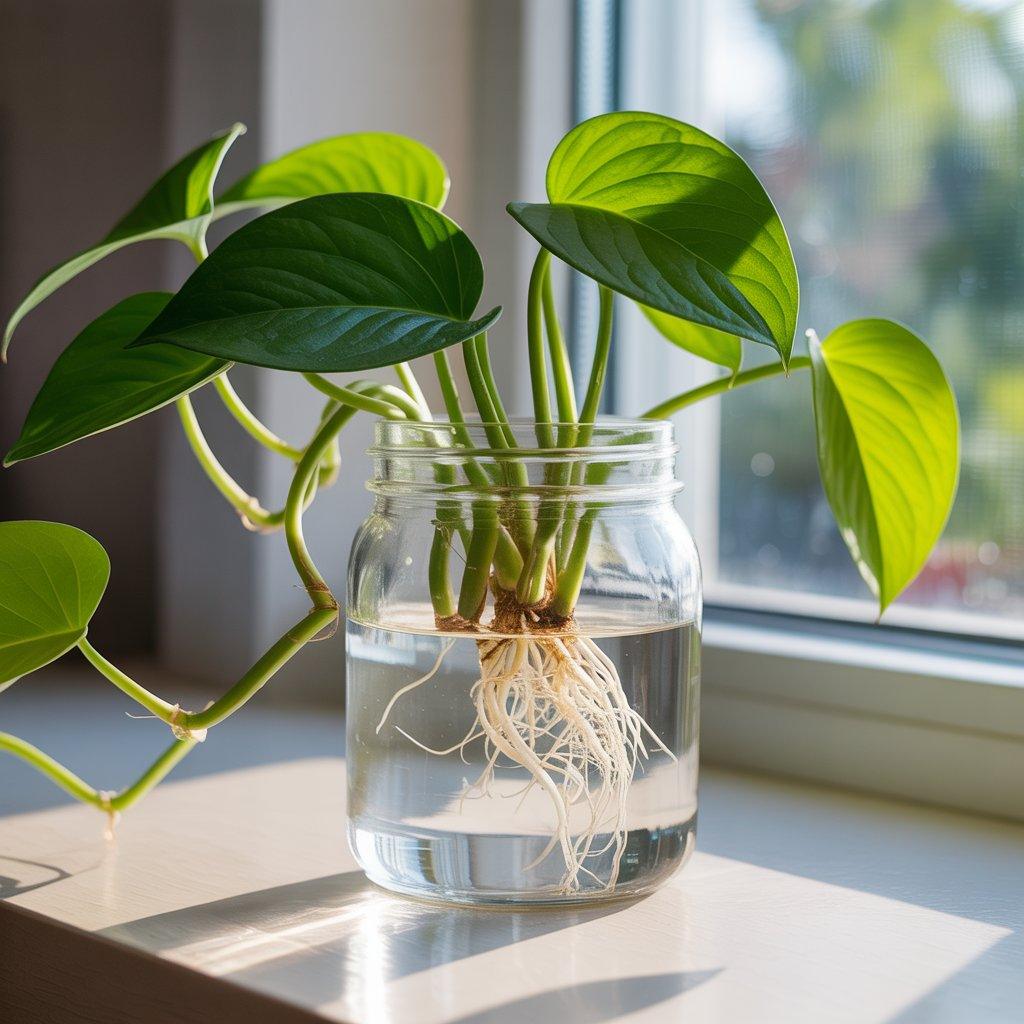
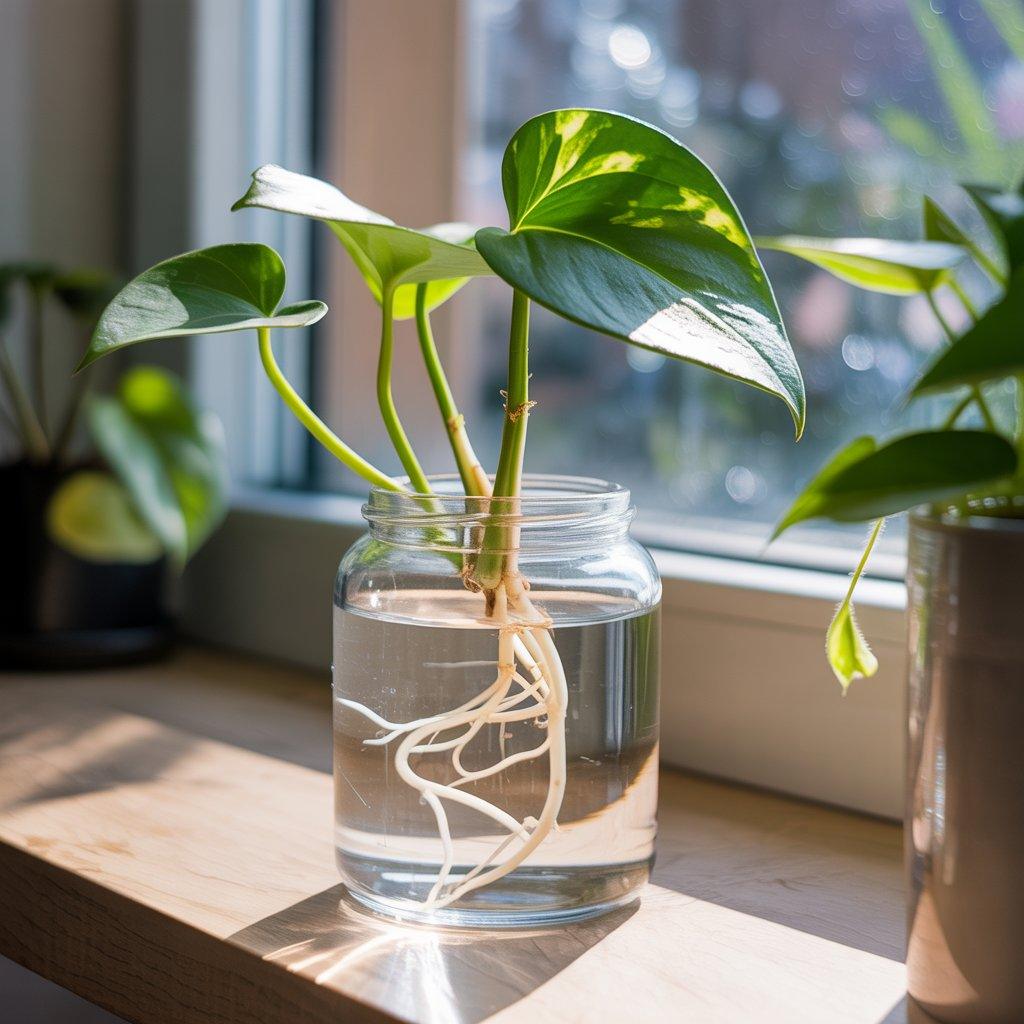
Pothos is the most forgiving plant to propagate. Cut a stem right below a node (the little bump where a leaf attaches). Stick that cutting in a glass of water on your windowsill.
In a few weeks, you’ll see tiny white roots. That’s it. You just made a new plant for free. Watching those roots grow gives you a small sense of progress on days when pregnancy feels endless.
Plus, pothos tolerates low light and irregular watering. Once the roots are a few inches long, plant it in soil or leave it in water forever. Both work.
4. Choose Non‑Toxic Plants for the Nursery
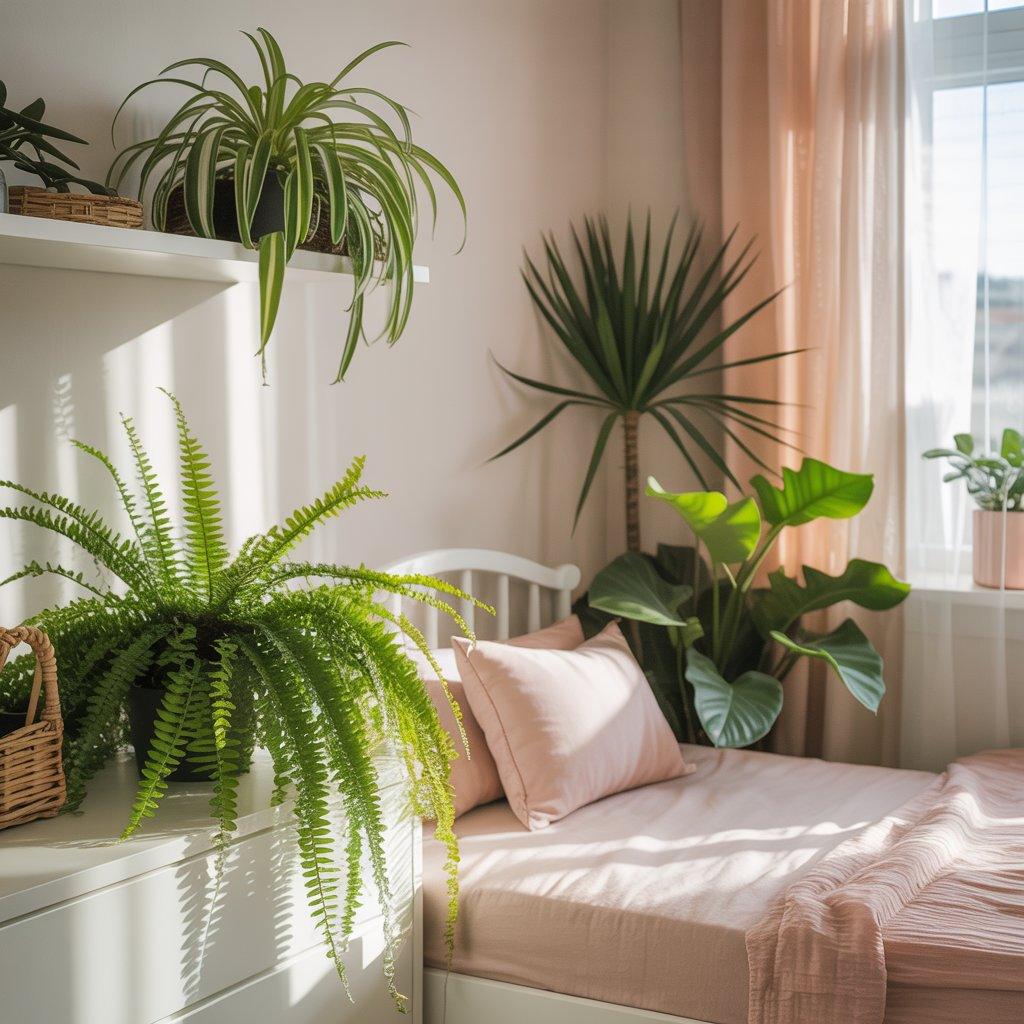
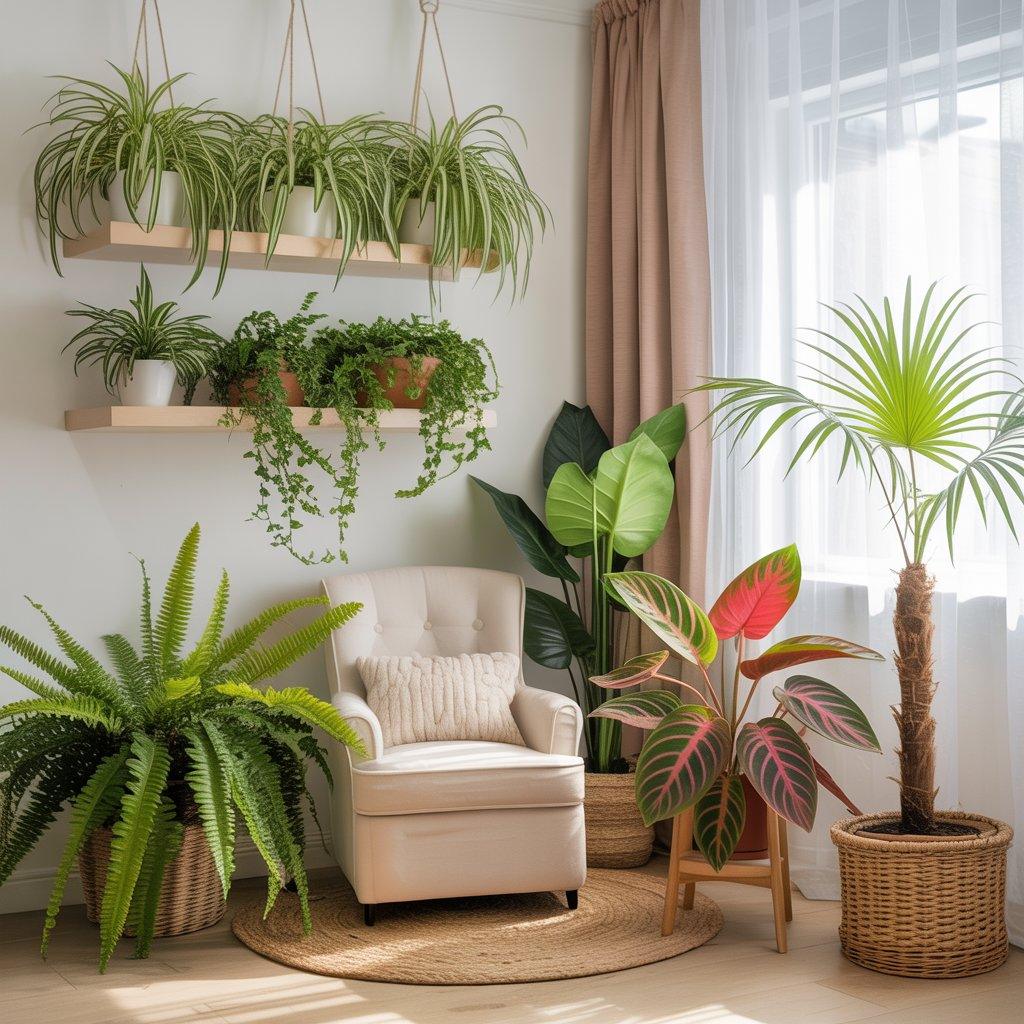
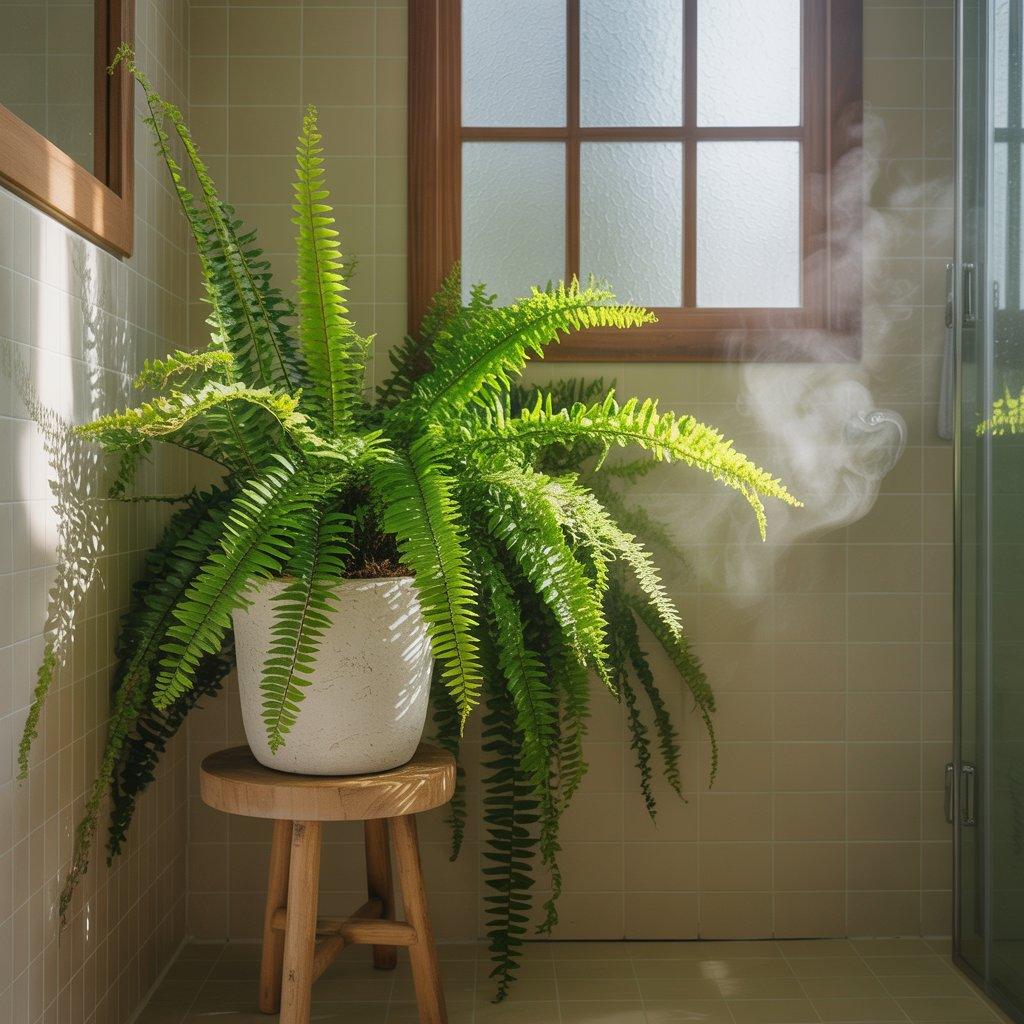
Before the baby arrives, check your houseplants against the ASPCA’s toxic plant list. Some common ones like peace lilies, philodendrons, and dieffenbachia can cause mouth swelling or stomach issues if a baby chews a leaf. Safe options include spider plants, Boston ferns, parlor palms, and calatheas.
You don’t need to throw away every risky plant. Just move them to high shelves or rooms the baby won’t access for a while. Doing this now is much easier than scrambling later when your child starts crawling and grabbing everything.
5. Use a Moisture Meter to Stop Overwatering
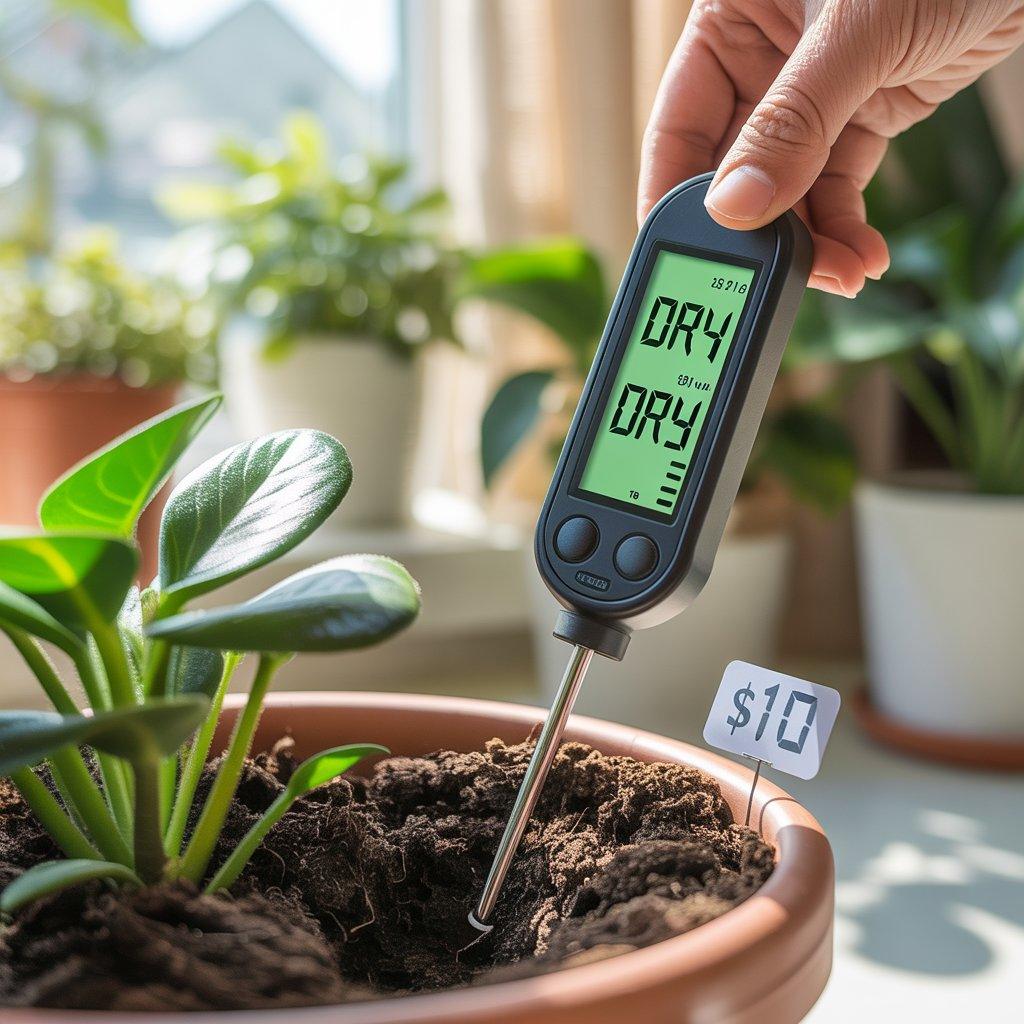
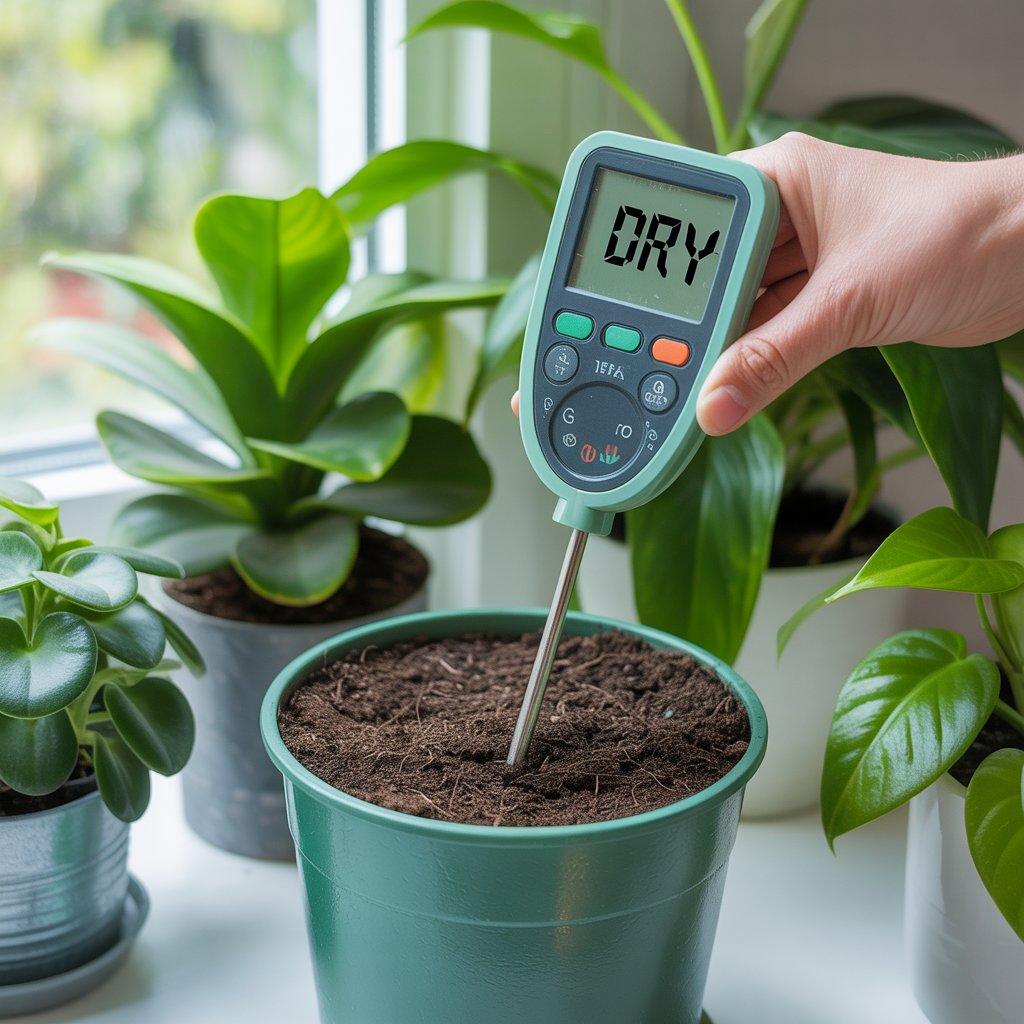
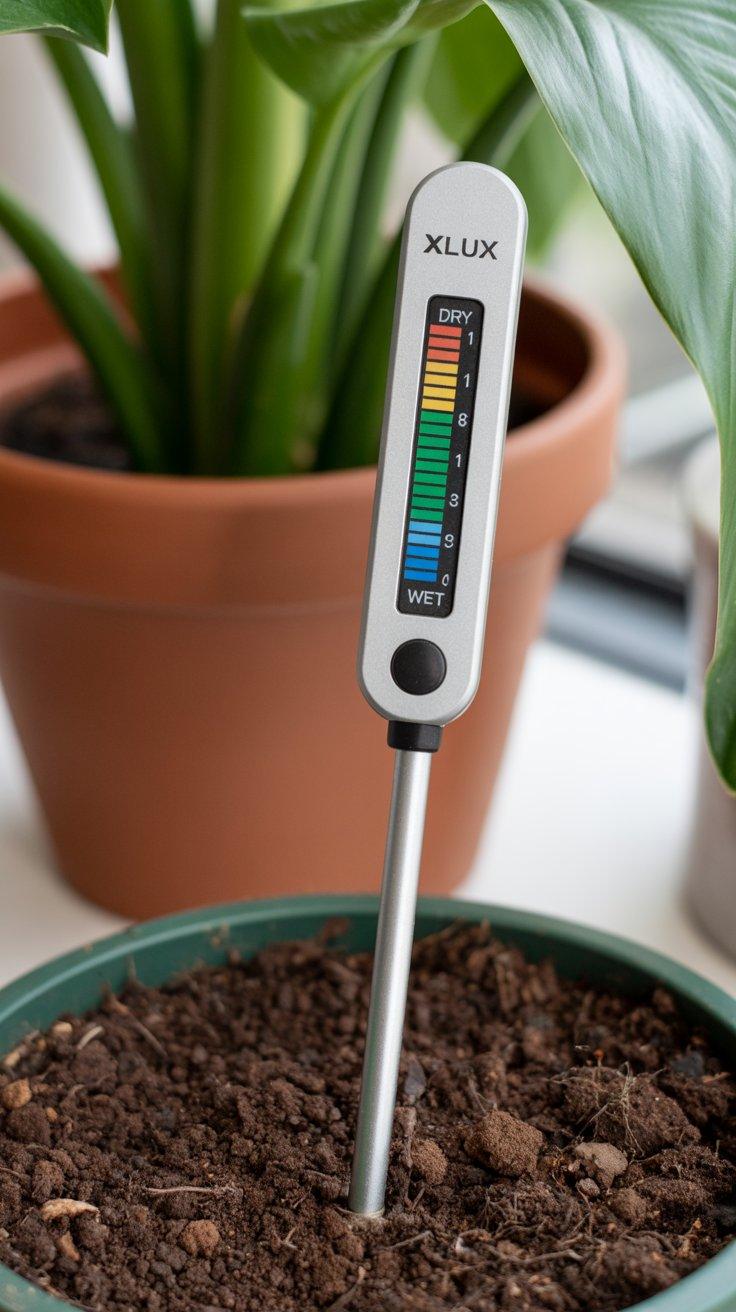
Overwatering kills more houseplants than underwatering. It’s also really common in new plant owners who show love by watering constantly. A moisture meter costs about ten dollars. You stick the probe into the soil, and it tells you if the soil is wet, moist, or dry. No guesswork.
When you’re exhausted from being up all night, you won’t trust your memory. You’ll trust the meter. Water only when the meter reads dry for most houseplants. This one tool alone will keep your plants alive through the newborn phase.
6. Grow a Small Herb Garden on Your Kitchen Windowsill
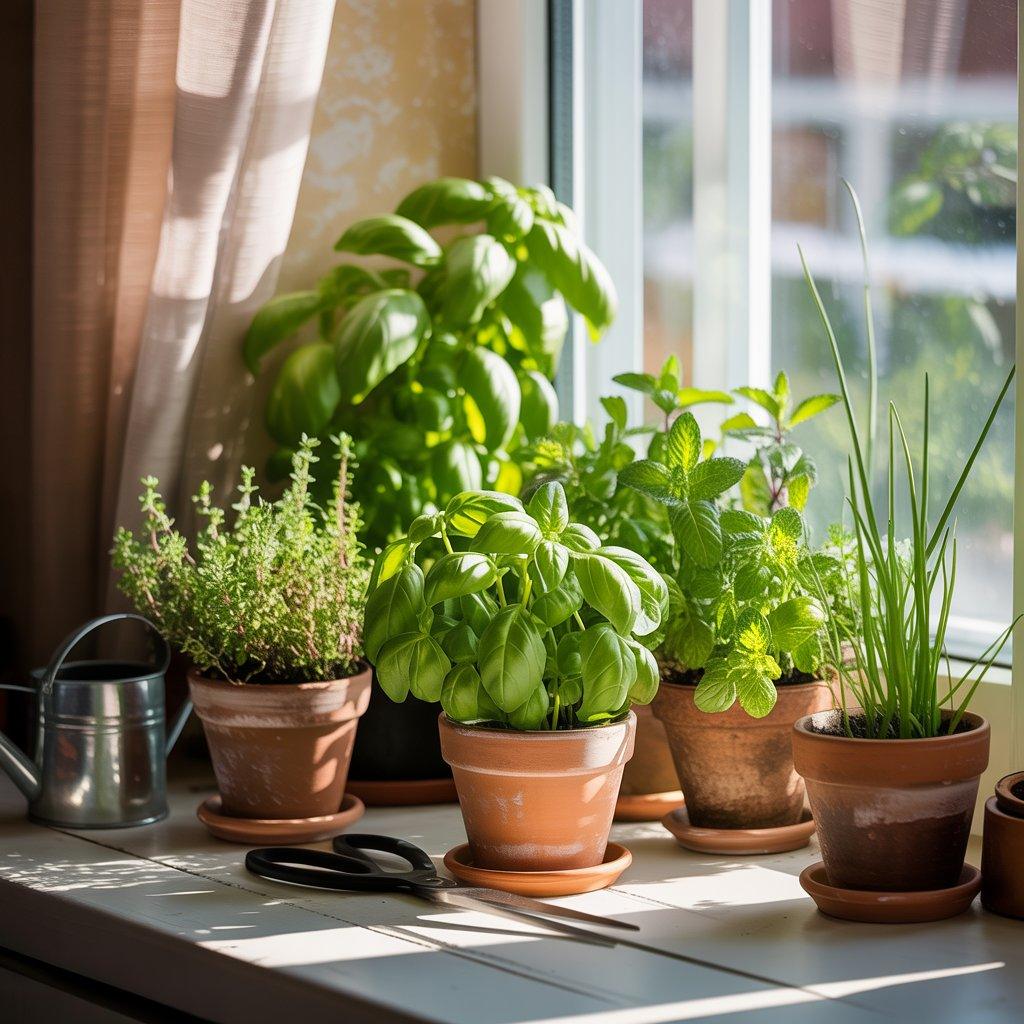
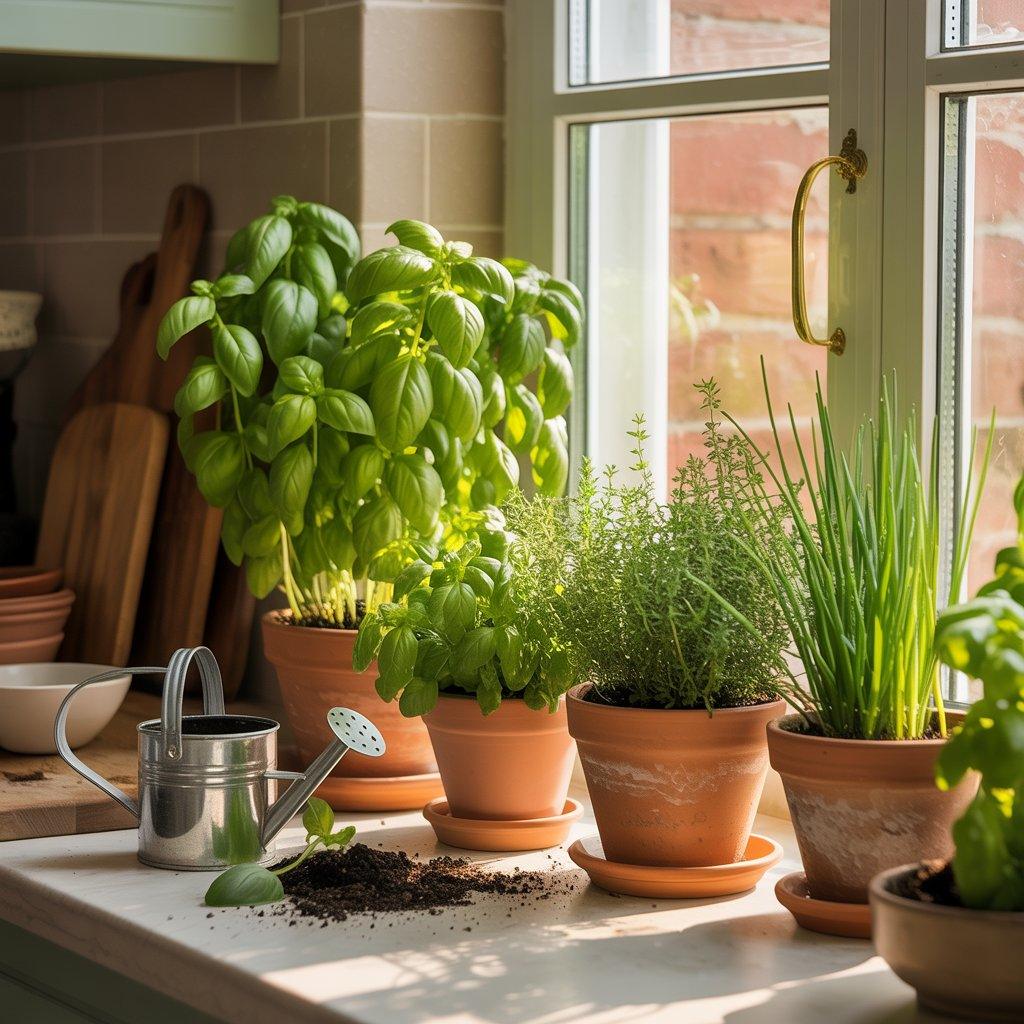
Basil, mint, thyme, and chives grow easily indoors on a sunny windowsill. They need consistent light and water about twice a week.
Here’s why this matters for expecting parents: cooking fresh meals feels impossible some days. But snipping a few herbs takes ten seconds and makes even boxed pasta taste better. Plus, tending something edible gives you a different kind of satisfaction than ornamental plants.
Start with basil. It grows fast and forgives beginner mistakes. Mint is nearly unkillable but grows aggressively, so keep it in its own pot.
7. Set Up a Self‑Watering Plan for Maternity Leave
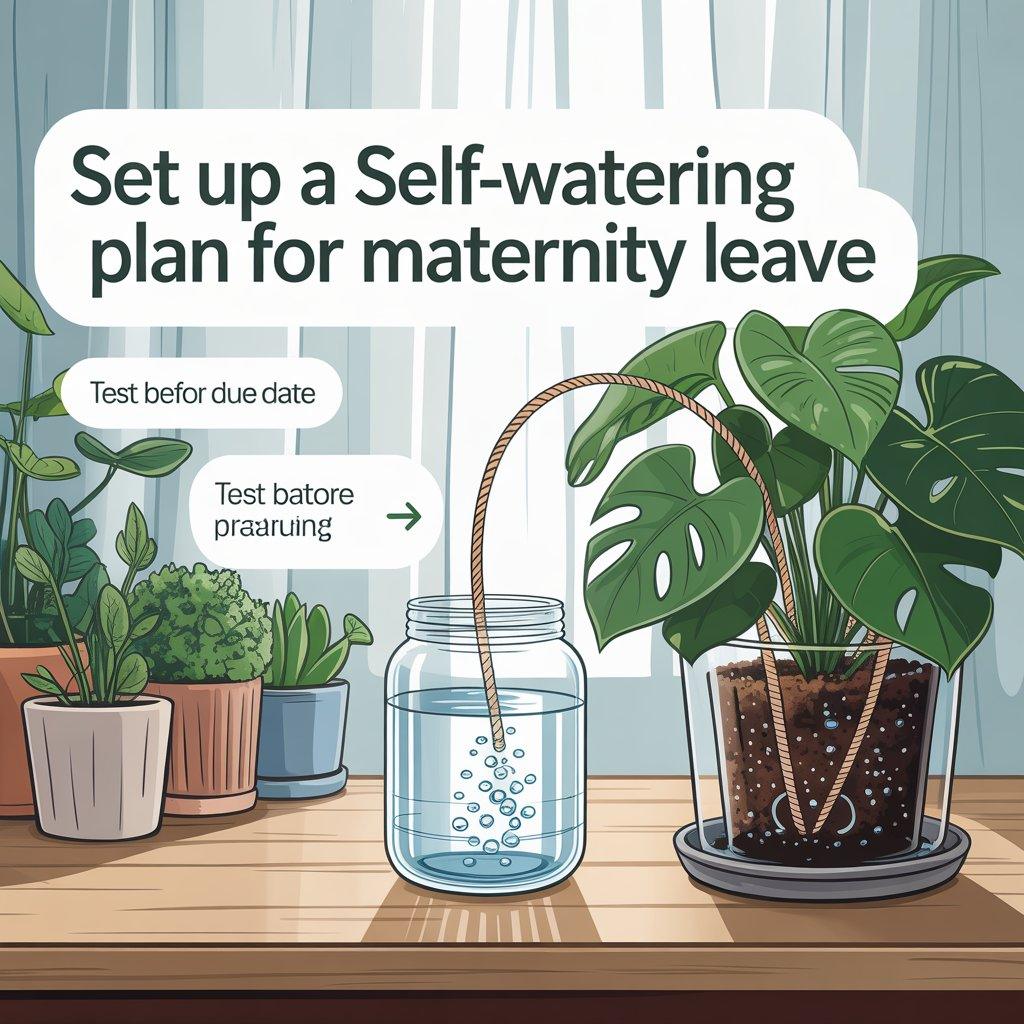
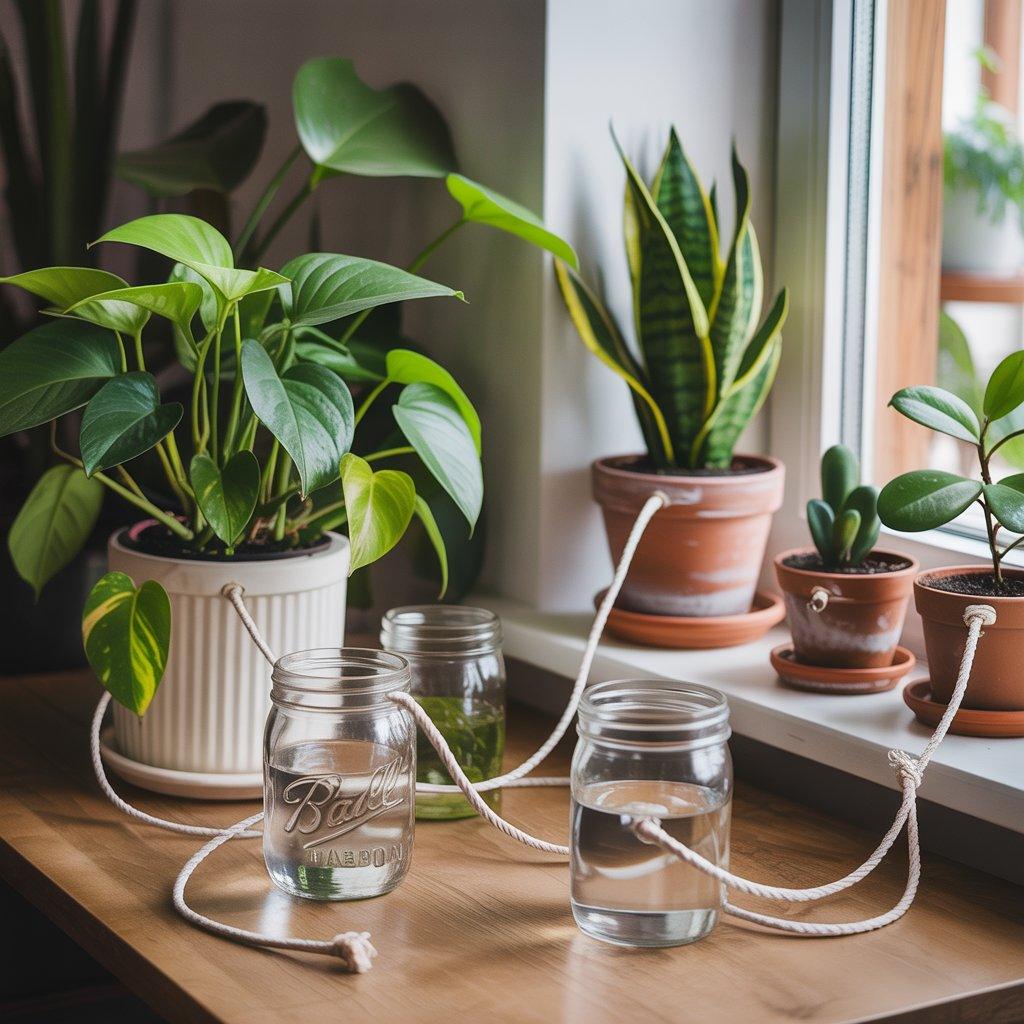
If you’ll be in the hospital for a few days or recovering at home but unable to tend plants, set up a backup plan. For most houseplants, a simple DIY wick system works.
Put one end of a cotton rope or strip of fabric into a jar of water. Bury the other end an inch deep into the plant’s soil. Capillary action pulls water up slowly. Test this a few weeks before your due date so you know it works.
Alternatively, group plants together and move them away from sunny windows so they need less water. Ask a trusted friend to visit once. Don’t assume you’ll remember to water during early labor or those first blurry weeks.
8. Try a Spider Plant for Easy Baby‑Proofing Later
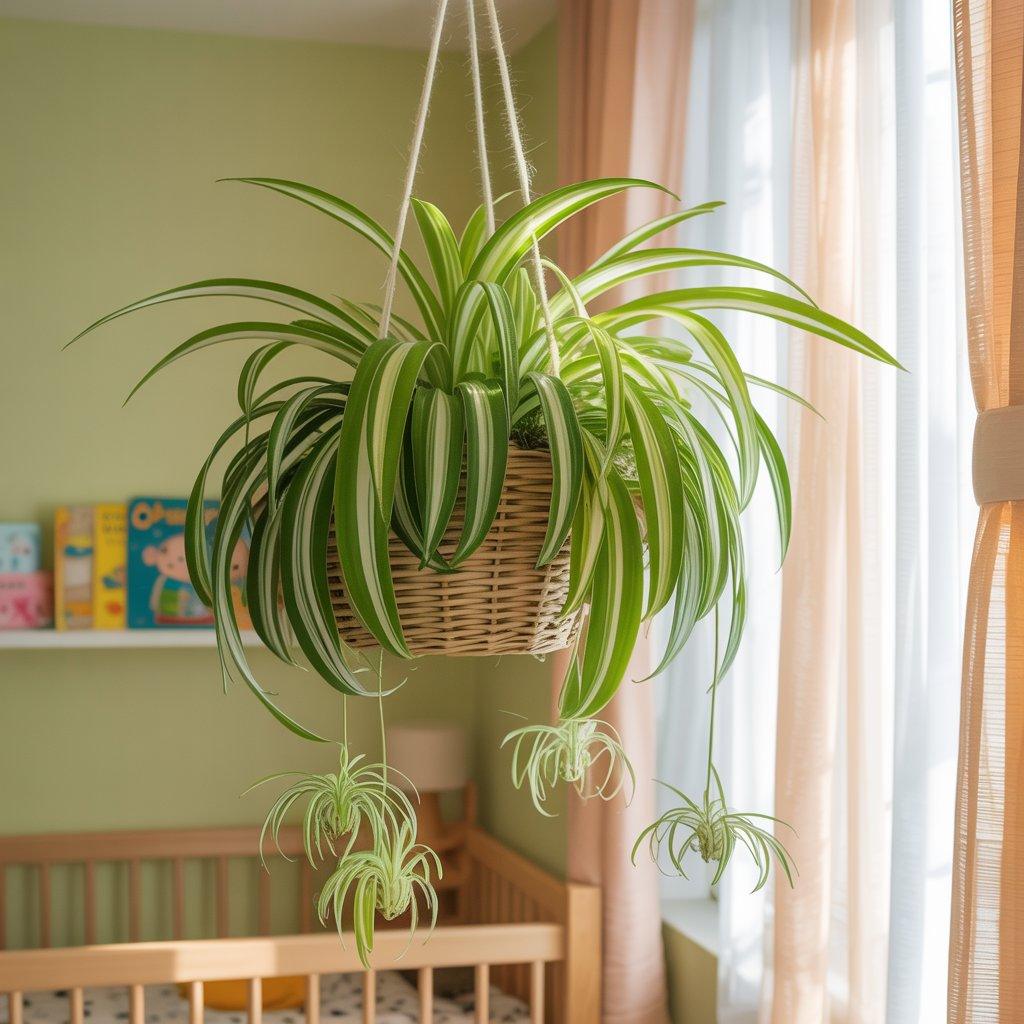
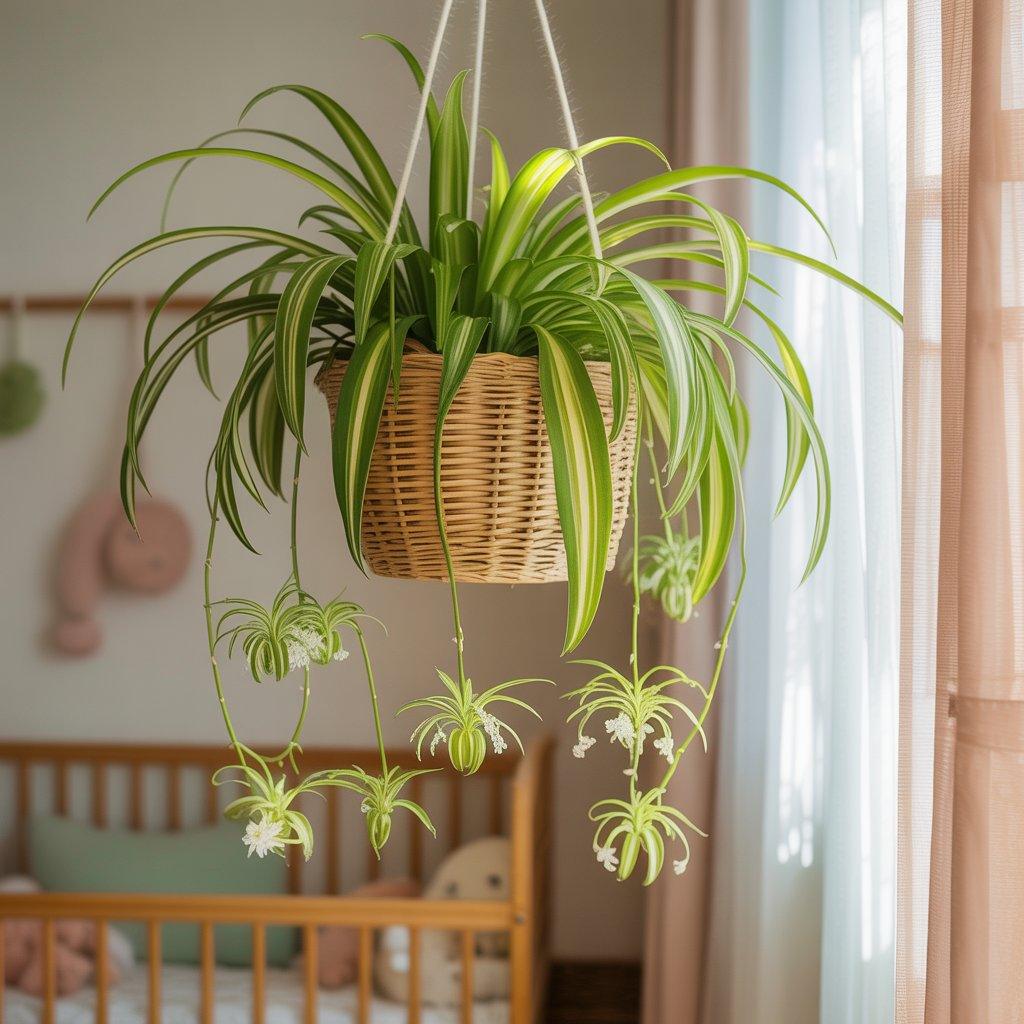
Spider plants produce “babies” tiny plantlets on long stems. You can cut them off and plant them in their own pots. That’s free future houseplants.
But here’s the practical parenting angle: spider plants are non‑toxic, so they’re safe in a nursery. They also grow well in hanging baskets. Hang one out of reach of crawling hands, but within sight. Your child will eventually be fascinated by the dangling plantlets.
That’s fine. Let them look. It’s early botany exposure without any danger. Spider plants prefer bright, indirect light and water when the top inch of soil dries out.
9. Use a Spray Bottle for Humidity Without the Mess
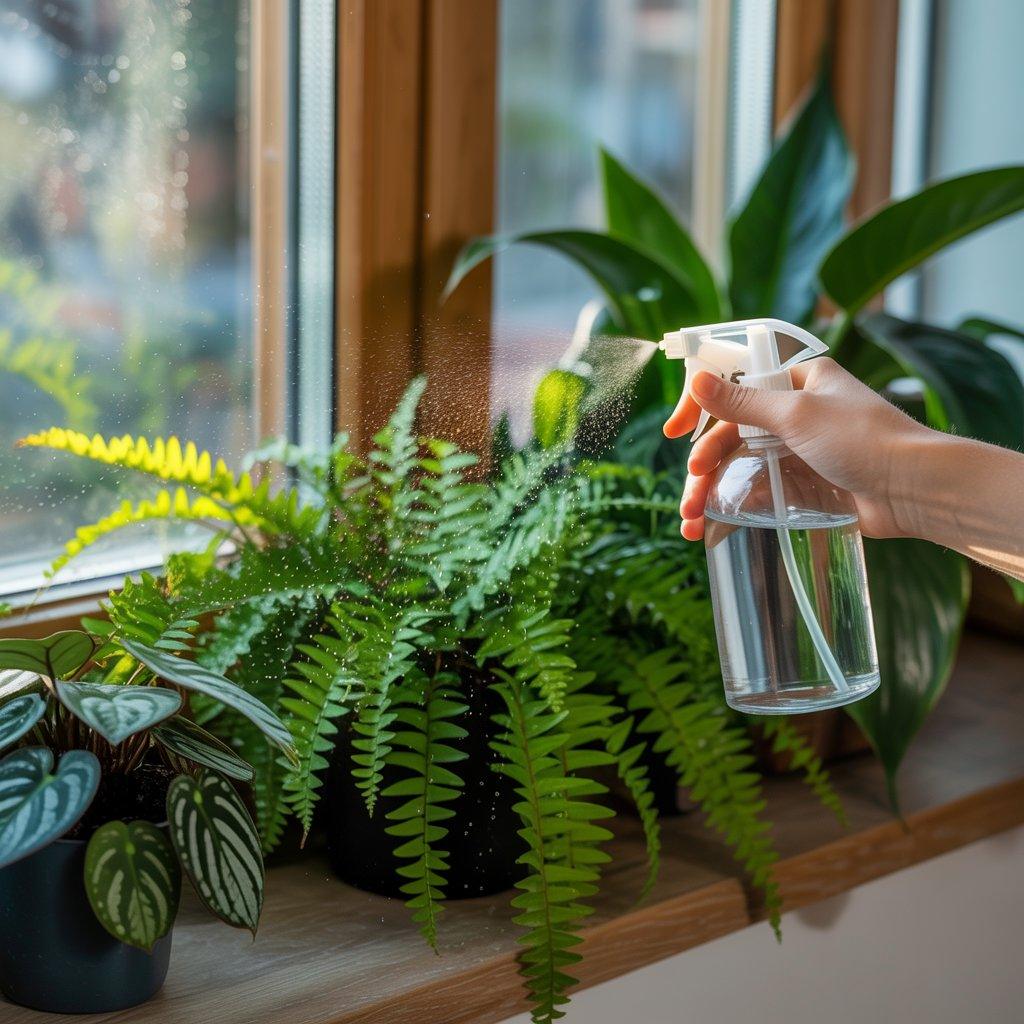
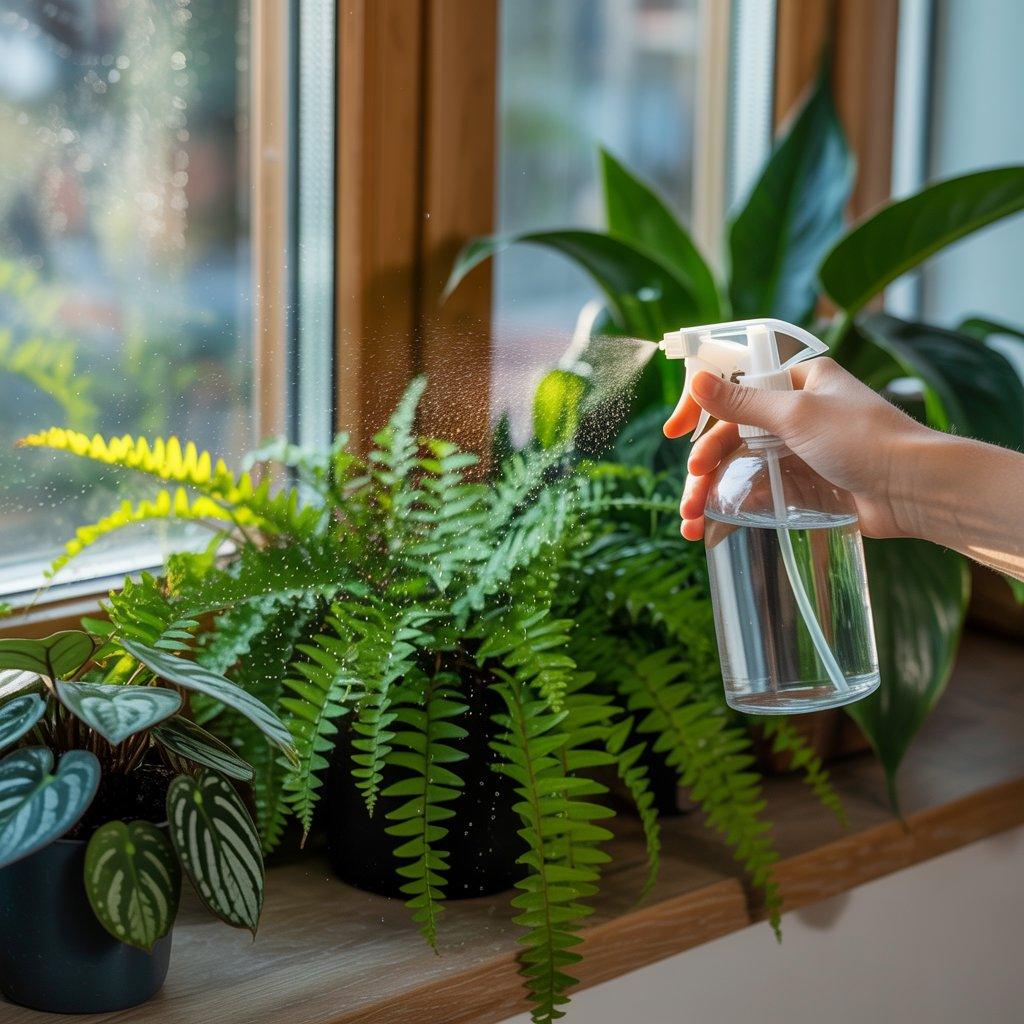
Many houseplants like humidity, but running a humidifier in every room isn’t realistic. A simple spray bottle works fine.
Mist your plants once or twice a week, especially in dry winter months or if you run air conditioning constantly. This takes thirty seconds. Ferns, calatheas, and nerve plants appreciate it most. Don’t mist succulents or anything with fuzzy leaves like African violets they can rot.
For expecting parents, the spray bottle is also oddly satisfying when you’re feeling restless or anxious. A few minutes of misting can settle your breathing and give your hands something to do.
10. Make Your Own Potting Mix to Save Money
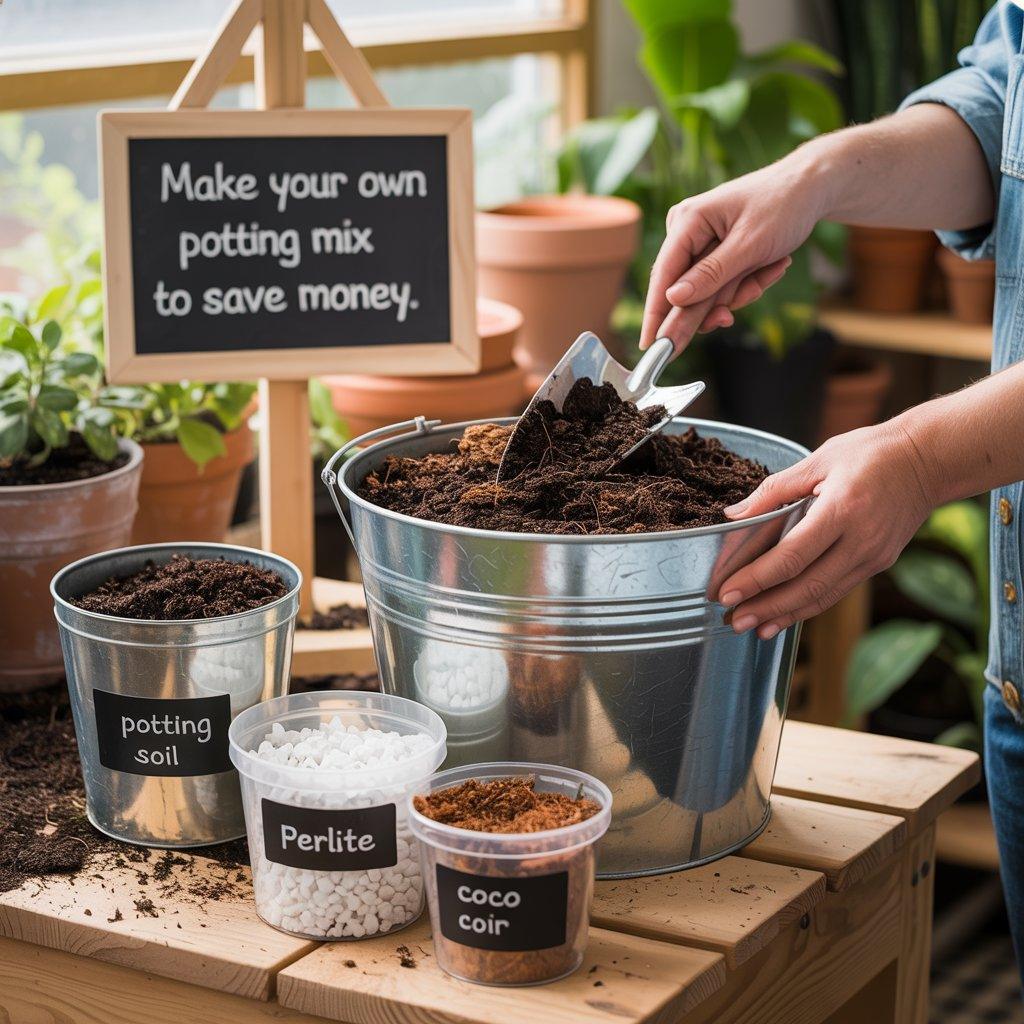
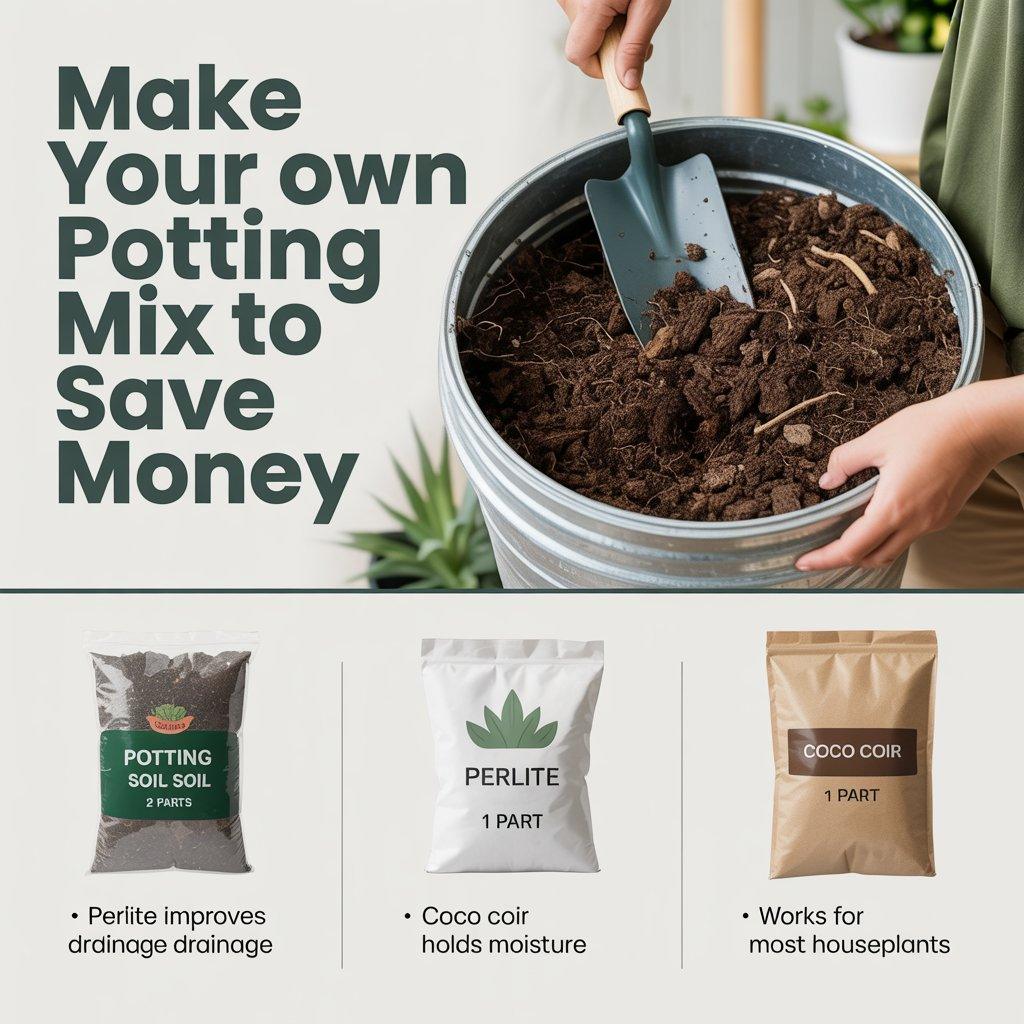
Buying pre‑made potting mix is fine, but making your own is cheaper and lets you control the ingredients. Here’s a simple recipe: two parts potting soil, one part perlite, one part coco coir or peat moss.
Mix it in a big bucket with a trowel. That’s it. Perlite improves drainage. Coco coir holds moisture without getting soggy. This mix works for most houseplants. Skip garden soil it’s too heavy and can bring pests inside.
Making your own mix once saves you multiple trips to the store later. When you’re nesting, this feels productive. When you’re too tired to shop, you’ll have supplies ready.
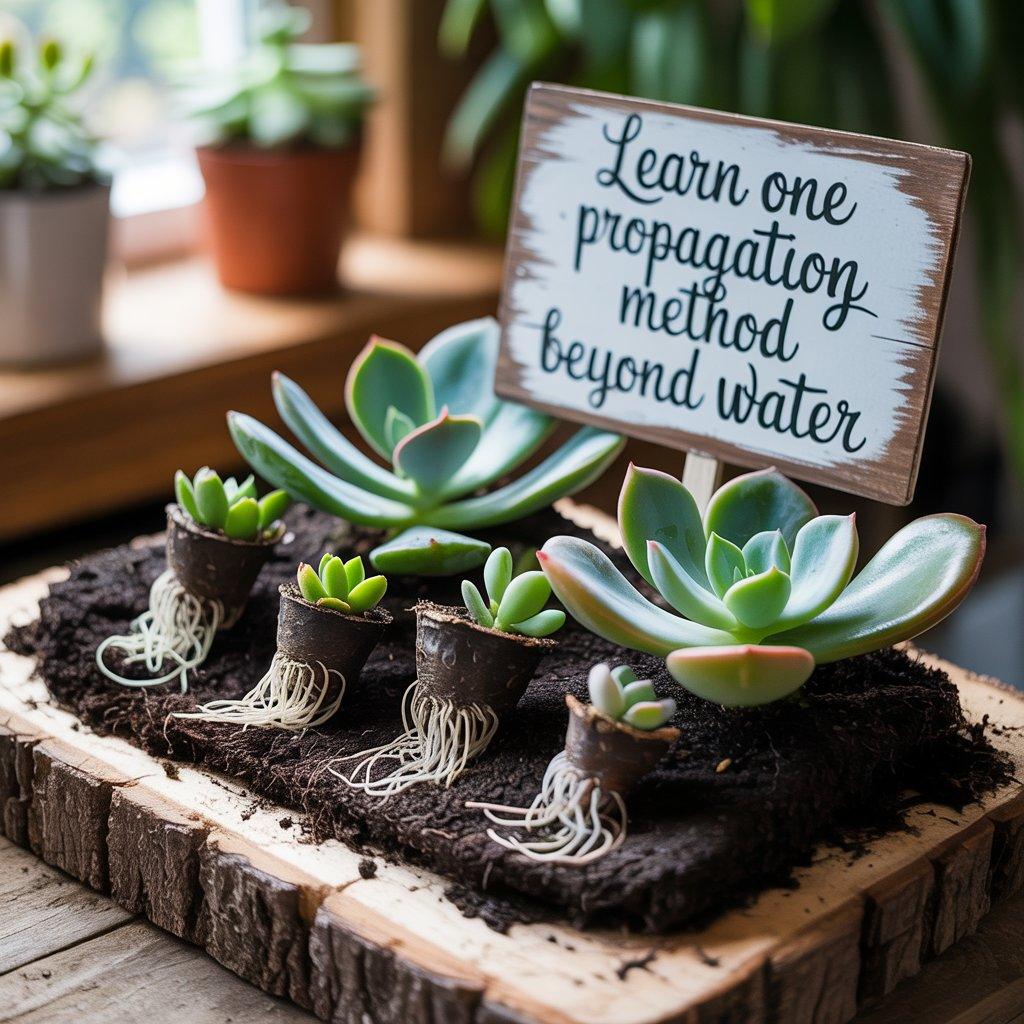
11. Learn One Propagation Method Beyond Water
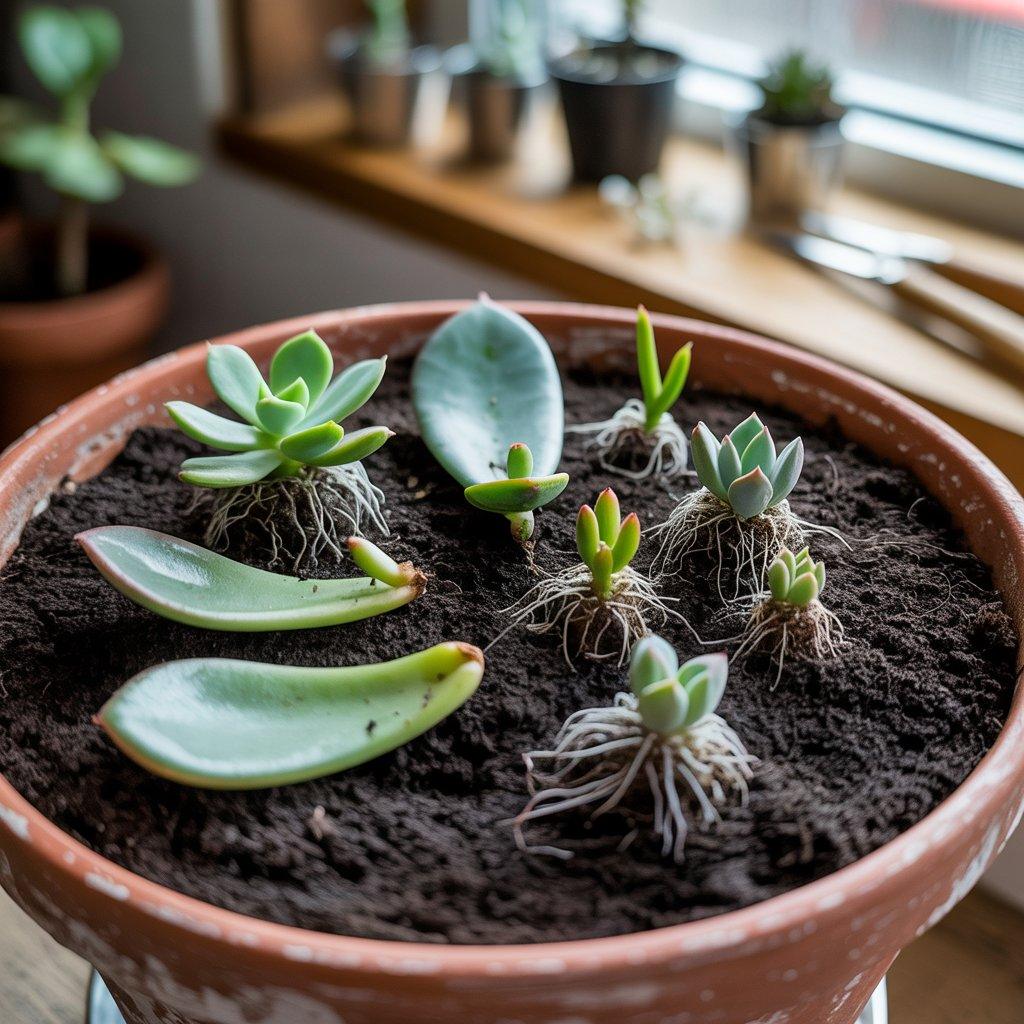
Water propagation is easy, but soil propagation works better for some plants like snake plants and succulents.
Take a healthy leaf, let the cut end dry for a day or two (this is called “callousing”), then lay it on top of moist soil. Don’t bury it. In a few weeks, tiny roots and then a new baby plant will appear at the base. It feels like magic. This teaches you patience because nothing happens fast.
And expecting parents need patience. A lot of it. Checking a leaf cutting every few days for signs of growth is a gentle, low‑pressure routine that doesn’t involve waiting for a baby to arrive.
12. Create a “Plant Care Cheat Sheet” for Your Partner
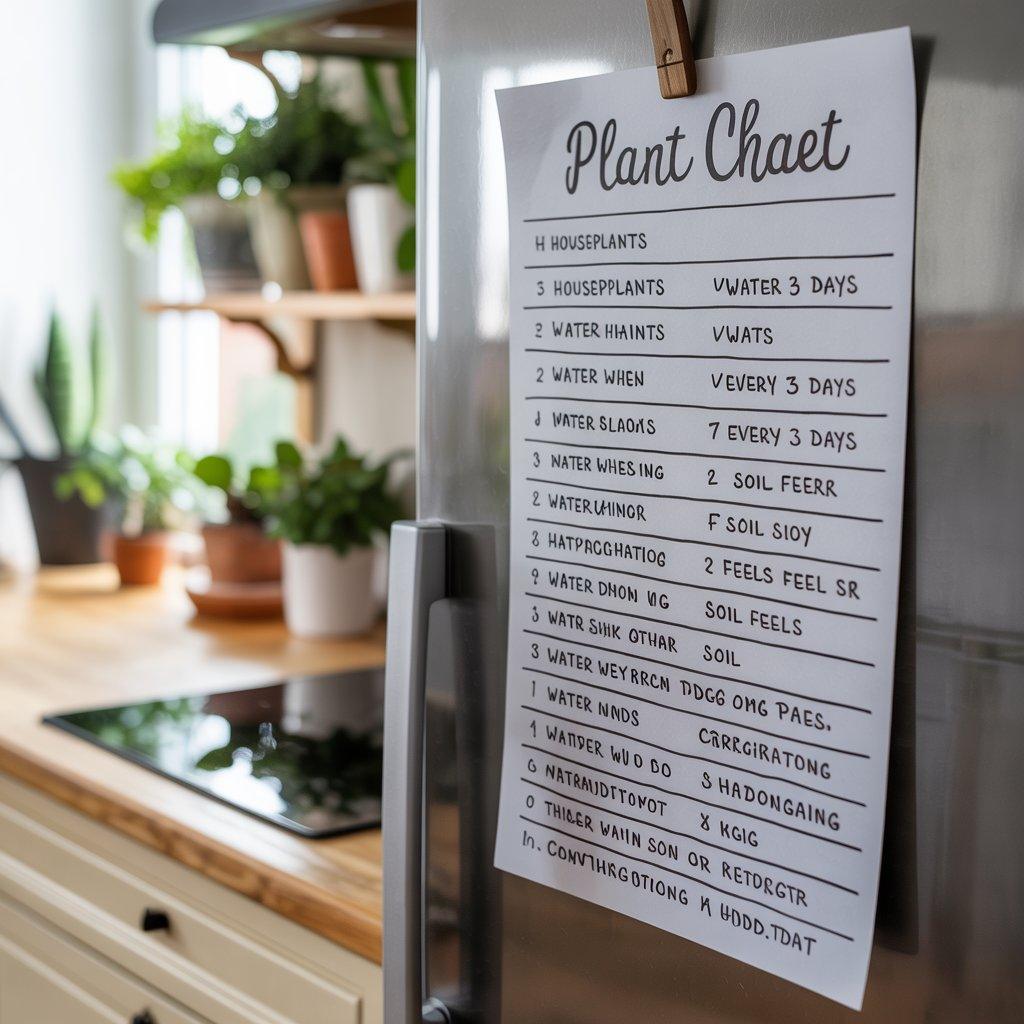
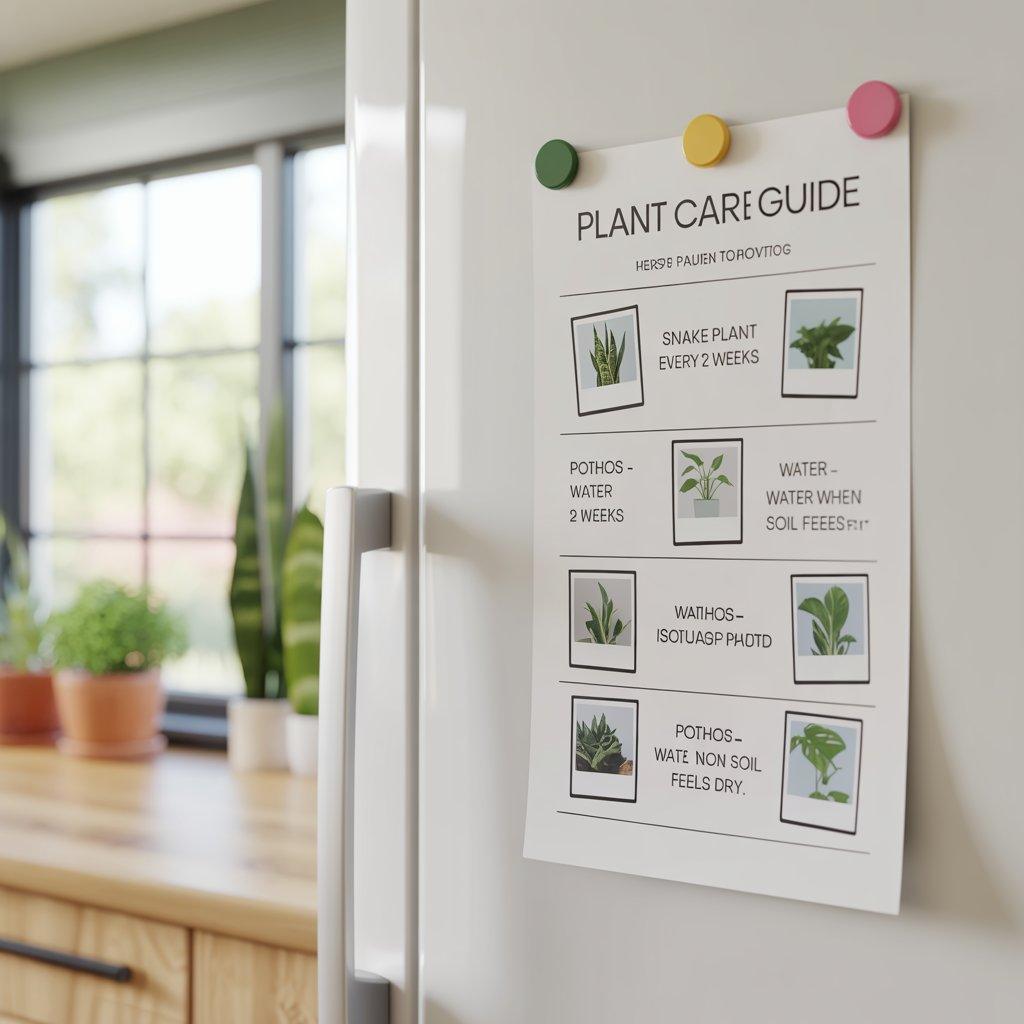
If you’re the plant person in your relationship and your partner isn’t, write down basic care instructions before the baby comes. One page. List each plant by name (or take a photo), then write: “Water every X days” or “Water when soil feels dry.” Put the cheat sheet next to the plants or on the fridge.
This prevents arguments about who forgot to water. More importantly, it lets your partner help you without asking twenty questions while you’re exhausted. Keep it simple. Overly detailed instructions won’t get read. One sentence per plant is plenty.
13. Put One Plant in Your Bathroom
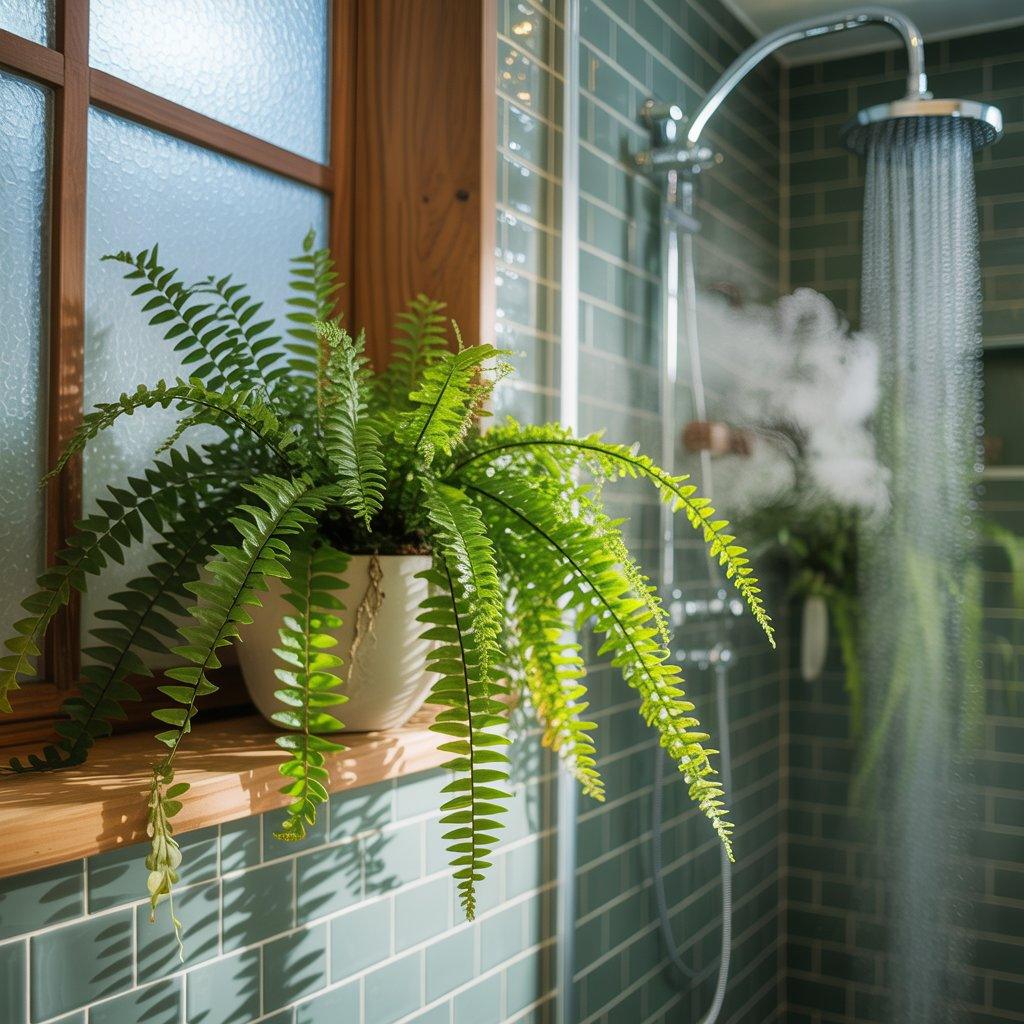
Bathrooms are often humid and have lower light. That’s perfect for certain plants. Ferns, orchids, peace lilies (keep out of reach of kids), and calatheas love bathroom conditions.
The shower steam provides humidity without any effort from you. Water these plants less often because the humidity keeps soil moist longer.
Having a plant in your bathroom gives you a calm focal point during those middle‑of‑the‑night bathroom trips in late pregnancy. And when you’re doing late‑night feedings in there with a fussy baby, a living green thing nearby feels grounding.
5 Helpful Products for Plant Parents
1. 🪴 Costa Farms Live Indoor Golden Pothos
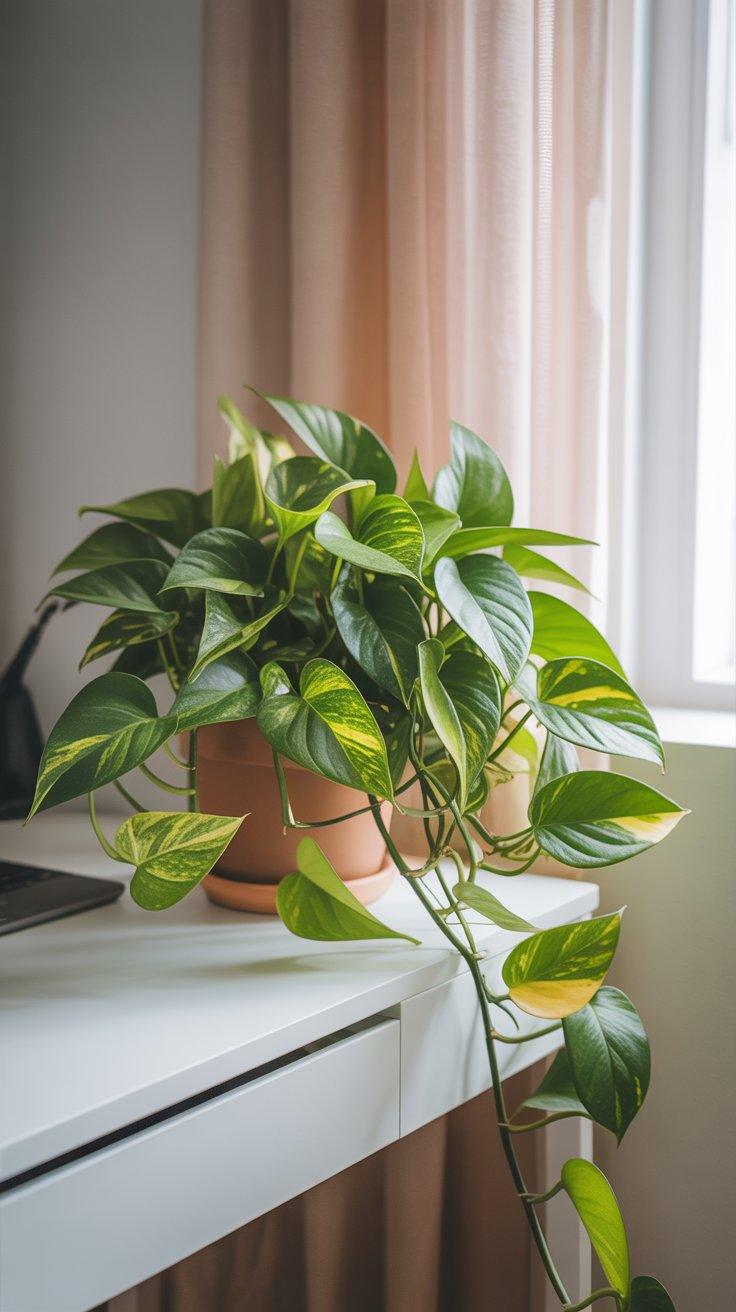
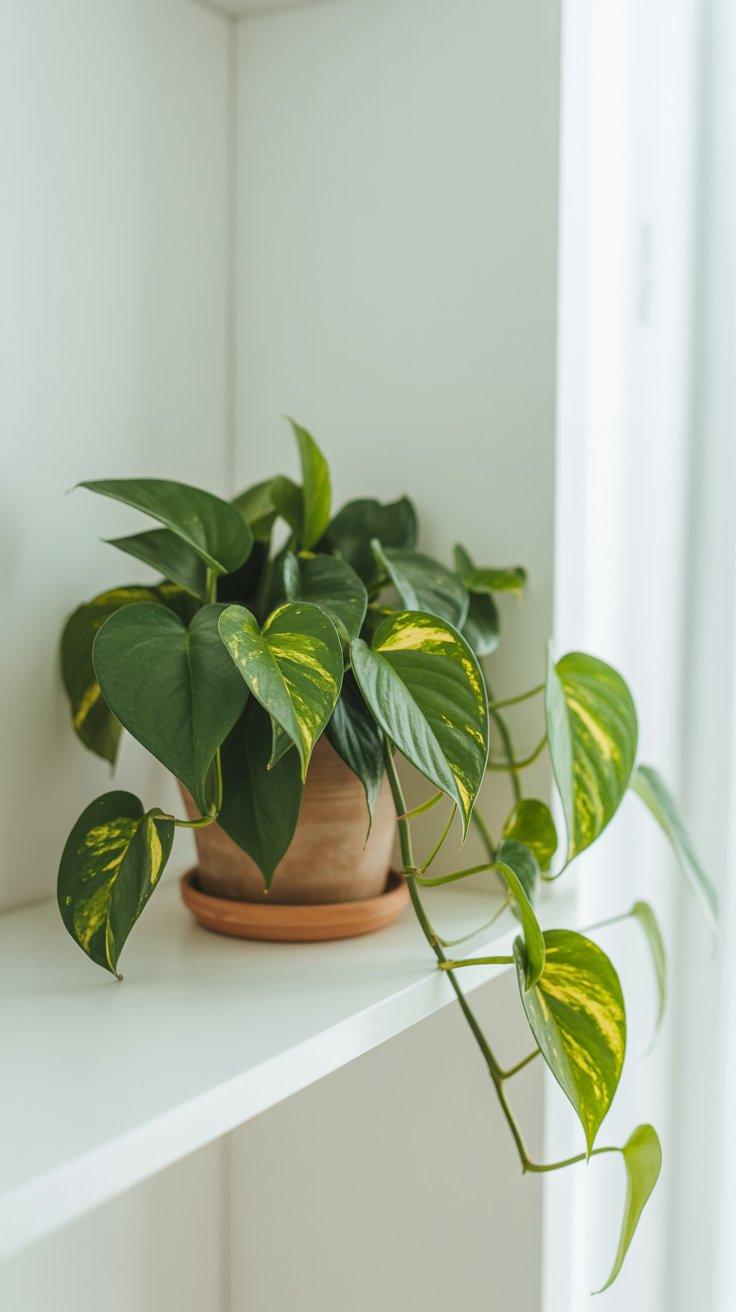
This Golden Pothos is a great starter plant. It’s very forgiving, grows quickly, and looks good on a shelf or in a hanging planter.
You barely have to water it, which is perfect when you’re already tired. Each plant is shipped directly from the farm, ready to put on a desk or nursery shelf.
Costa Farms is a reliable brand, and Pothos is one of the top-selling, most-loved houseplants for a reason: it’s almost impossible to kill. This makes a thoughtful, calming gift for anyone expecting.
2. 📏 XLUX Soil Moisture Meter
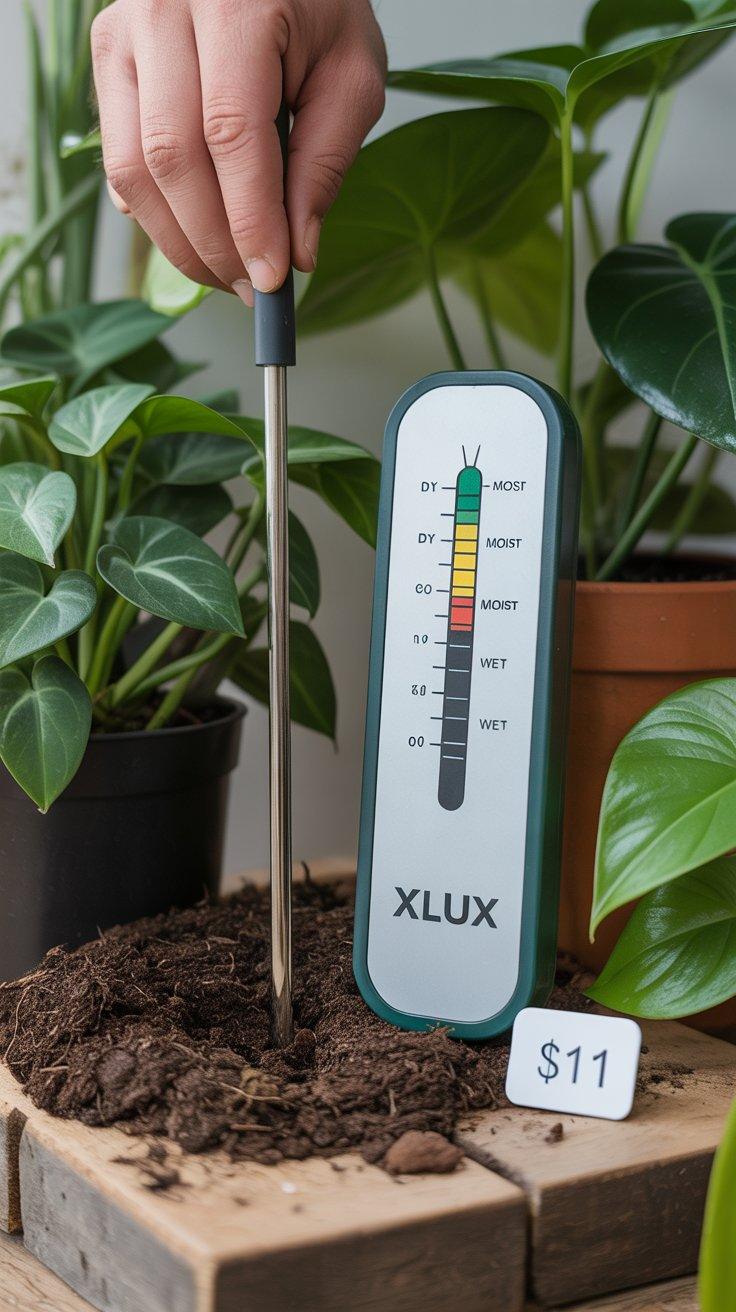
This is the one tool that will save your plants. This simple moisture meter has a long probe that you stick into the soil. It instantly tells you if the soil is dry, moist, or wet using a color‑coded scale.
No more guessing if you should water. The XLUX meter is an Amazon best‑seller and was even recommended by Joanna Gaines as her “watering day hack”.
It costs about $11 and does not require batteries, making it perfect for busy parents who don’t have time to guess. One plant parent who bought it said, “I haven’t killed a plant since I bought it”
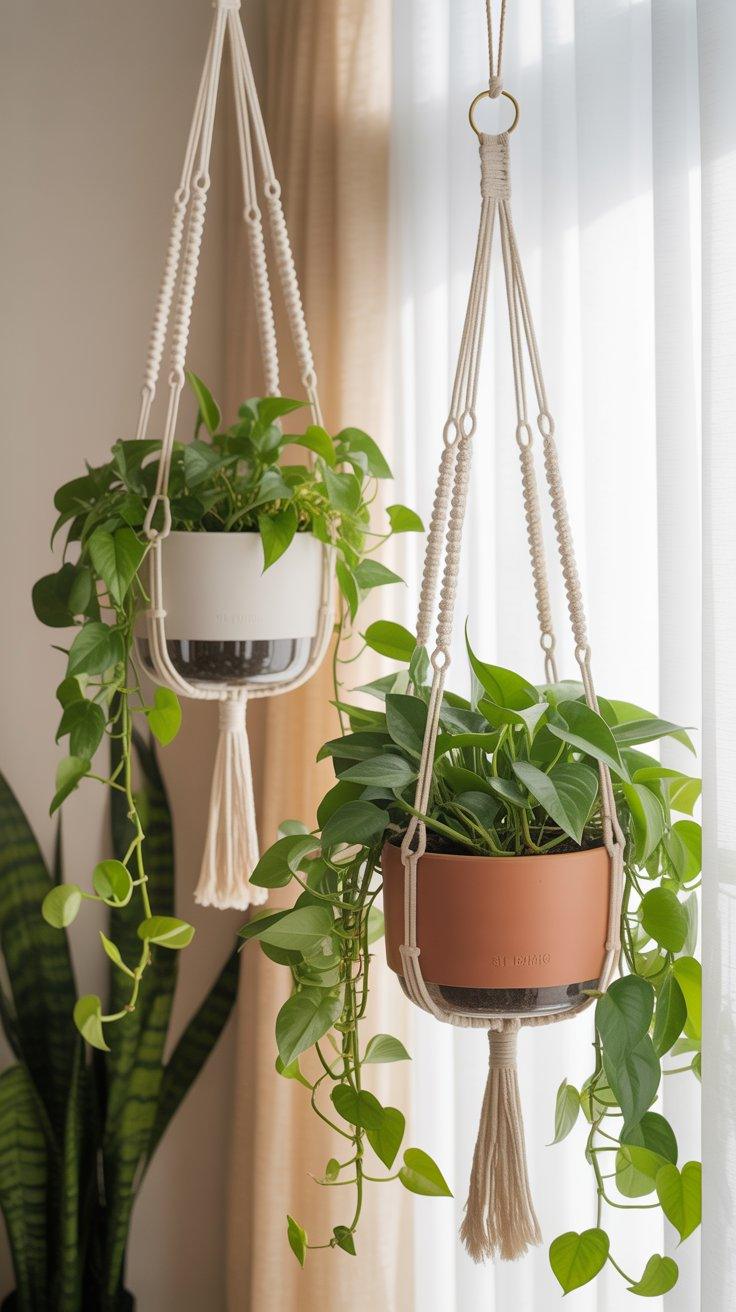
3. 🧺 Montresor Self-Watering Hanging Planters (Set of 2)
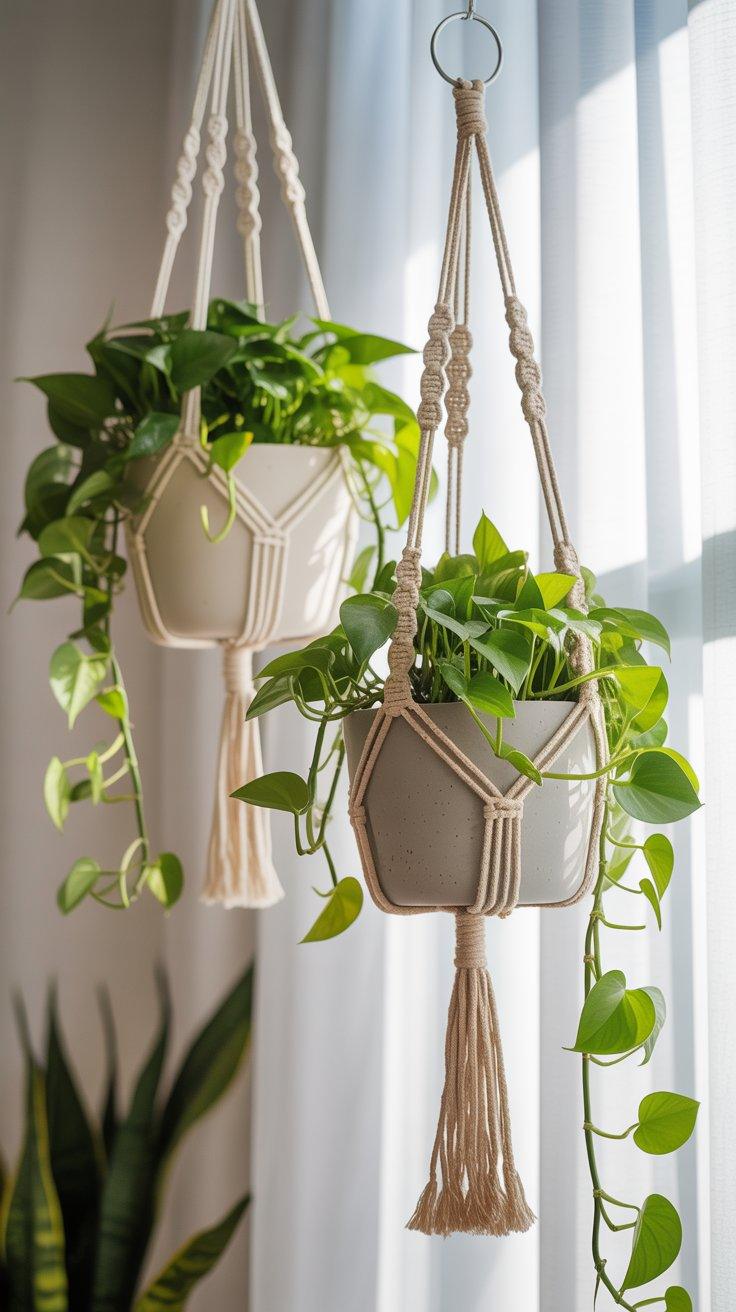
Forgetful about watering? These planters do the remembering for you. This set includes two hanging planters with a built‑in water reservoir at the bottom.
The plant’s roots can drink water as needed, which keeps your plants hydrated even on hot days. Each pot comes with a beaded macrame hanger, chains, and S‑hooks, making it very easy to hang near a sunny window.
These are especially useful for hanging baskets in the nursery or for trailing plants like Pothos. They have a 4.7‑star rating with nearly 1,500 reviews, and many buyers say they are “cute, welcoming, and warm”
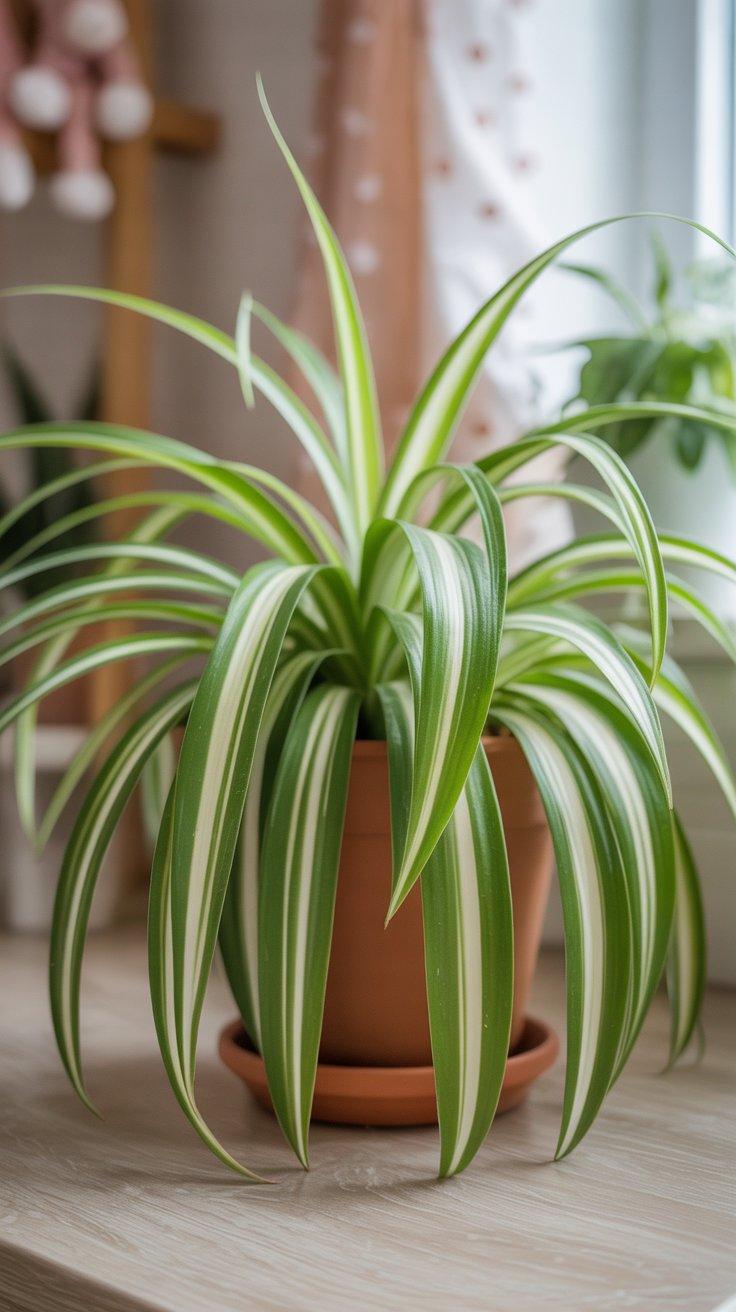
4. 🌿 Hirt’s Reverse Variegated Spider Plant
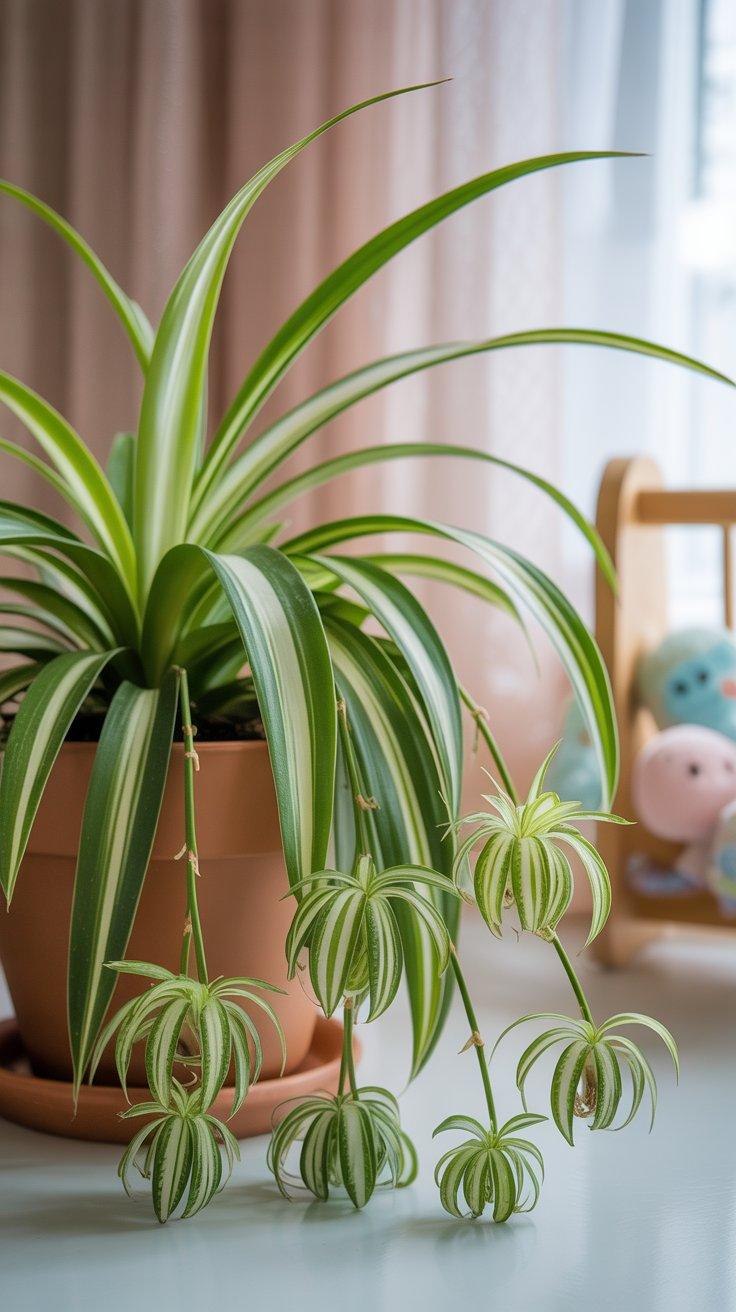
Spider plants are famous for being baby‑proof and incredibly tough. This one has white stripes on the leaves, which looks nice in a nursery.
It grows small “babies” (plantlets) that you can cut off and plant to make new plants for free. Hirt’s is a well‑known small business brand on Amazon, and this plant has over 4,000 reviews with a 4.1‑star rating.
Many buyers say the plant arrived healthy and has been growing well for months. Because it is non‑toxic, you can feel safe having it in the nursery without worrying about tiny hands grabbing a leaf.
5. 🧪 Mkono Wall Hanging Plant Propagation Station
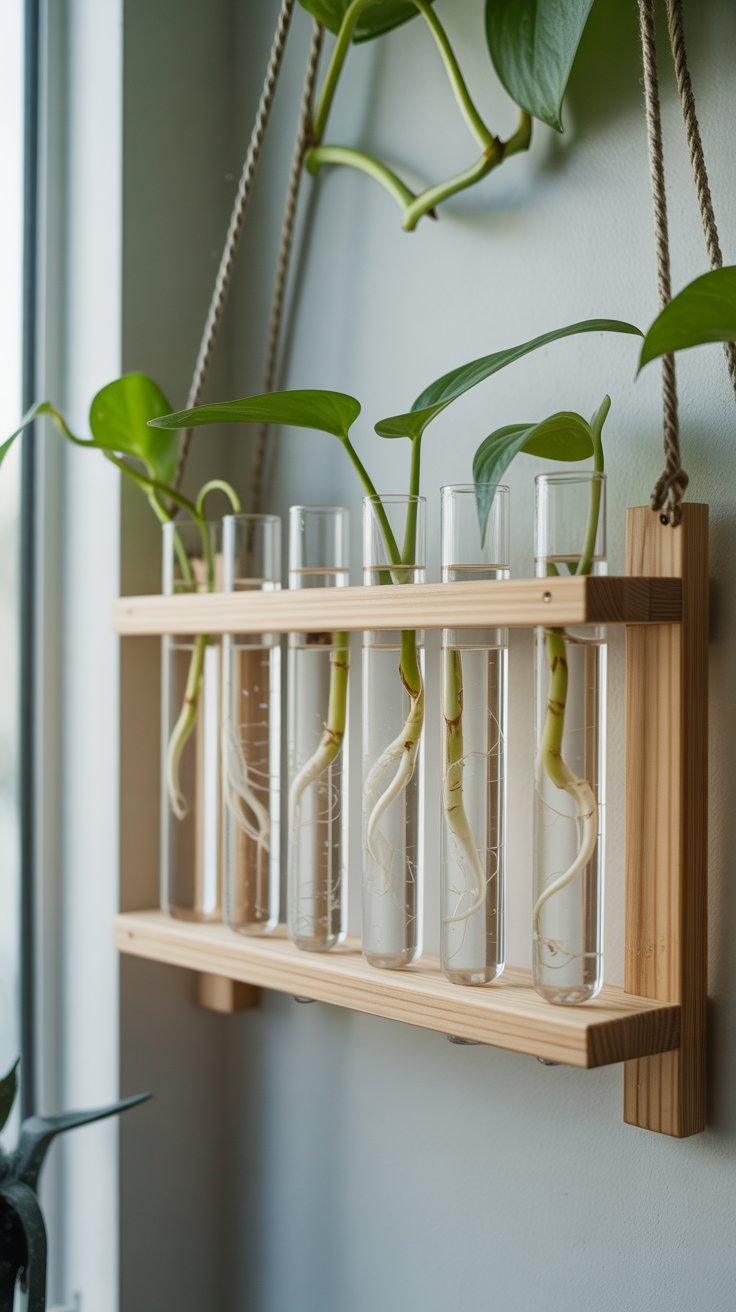
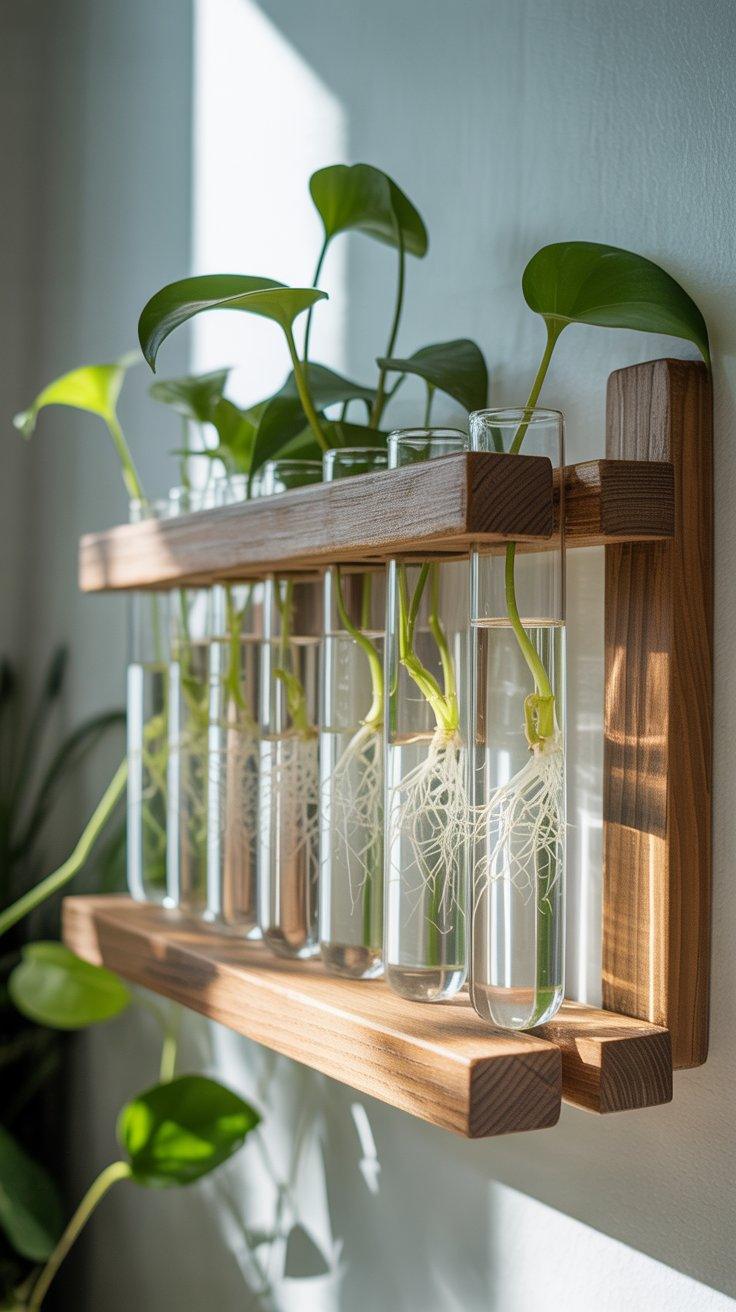
This propagation station is made of glass tubes attached to a wooden stand. You can hang it on a wall or set it on a shelf.
It’s the perfect tool to help you make new plants from your Pothos or Spider Plant cuttings. You just put the cuttings in water and watch the roots grow.
This is a great activity for when you are waiting for the baby to arrive. It gives you something calm and productive to look at. The Mkono brand has thousands of positive reviews, and buyers say it looks “beautiful just as decor” while being “wonderfully functional”.
Tips for Success
- Start small. Pick two or three plants from this list. Don’t try all thirteen at once.
- Group plants by watering needs. Put succulents together and ferns together. This saves mental energy.
- Use plastic or self‑watering pots during the newborn phase. Terracotta dries out faster and needs more attention.
- Keep a watering can by the sink. If you see it, you’ll remember.
- Set a weekly phone reminder. One reminder for “check plants” is enough. No need for daily alarms.
Mistakes to Avoid
- Buying rare or expensive plants before the baby arrives. Stick with hardy, cheap plants. You can collect the fancy ones later.
- Putting toxic plants at floor level. Move them up now before you forget.
- Overwatering because you’re anxious. Anxiety makes you want to do something. Watering feels like action, but it often harms the plant. Check soil first.
- Ignoring pests. Fungus gnats and spider mites spread fast. Check leaves weekly. Catch problems early.
- Assuming your partner knows how to care for your plants. They don’t. Write it down.
Frequently Asked Questions
Q1: Are any houseplants completely safe for babies to touch?
Not completely, but many are very low risk. Spider plants, Boston ferns, parlor palms, and most succulents (except jade plant) are considered non‑toxic. Always supervise babies around plants. And teach toddlers not to eat leaves, even from “safe” plants.
Q2: What’s the easiest plant for a first‑time plant parent?
Snake plant or ZZ plant. Both tolerate low light, infrequent water, and general neglect. Water them once every three weeks. That’s it.
Q3: Can plants really help with stress during pregnancy?
Yes. Studies show that interacting with plants lowers cortisol levels and reduces blood pressure. Even just looking at greenery can calm your nervous system.
Q4: How do I keep plants alive during a long hospital stay?
Move plants away from sunny windows, water them deeply right before you leave, and use a wick system (cotton rope from a jar of water into the soil). Ask a neighbor or family member to visit once.
Q5: When should I start baby‑proofing my plants?
Around six months, or whenever your baby starts reaching and grabbing. But it’s easier to rearrange plants during the second trimester when you have more energy.
Design & Styling Ideas for Nurseries and Shared Spaces
- Hanging planters keep greenery out of reach but still visible. Macrame hangers feel soft and nursery‑friendly.
- Wall‑mounted shelves at adult eye level let you display plants safely. Avoid shelves directly above the crib.
- A small plant stand in the corner of the nursery holds two or three non‑toxic plants like spider plants and parlor palms.
- Fake plants are fine for dark corners or high shelves. Just dust them occasionally. No shame in that.
- Clear glass propagation station on a dresser. Fill it with pothos cuttings in water. It’s educational for older toddlers and looks pretty.
Final Thoughts
Becoming a parent is overwhelming. There’s no way around that. But small, steady routines help. Watering a plant takes two minutes. Checking a propagation jar takes ten seconds. These aren’t huge commitments. They’re tiny anchors.
You don’t need a jungle in your living room. You don’t need to be a master gardener. You just need one or two living things that depend on you in a simple, predictable way. That builds confidence. And confidence helps when you’re learning to care for a whole new human.
Start with a snake plant. Or a pothos cutting in a cup of water. See how it feels. If it brings you a moment of calm, add another. If it feels like a chore, scale back.
Plants are supposed to help, not stress you out. Keep that in mind. You’ve got enough on your plate already.
Related Post: