
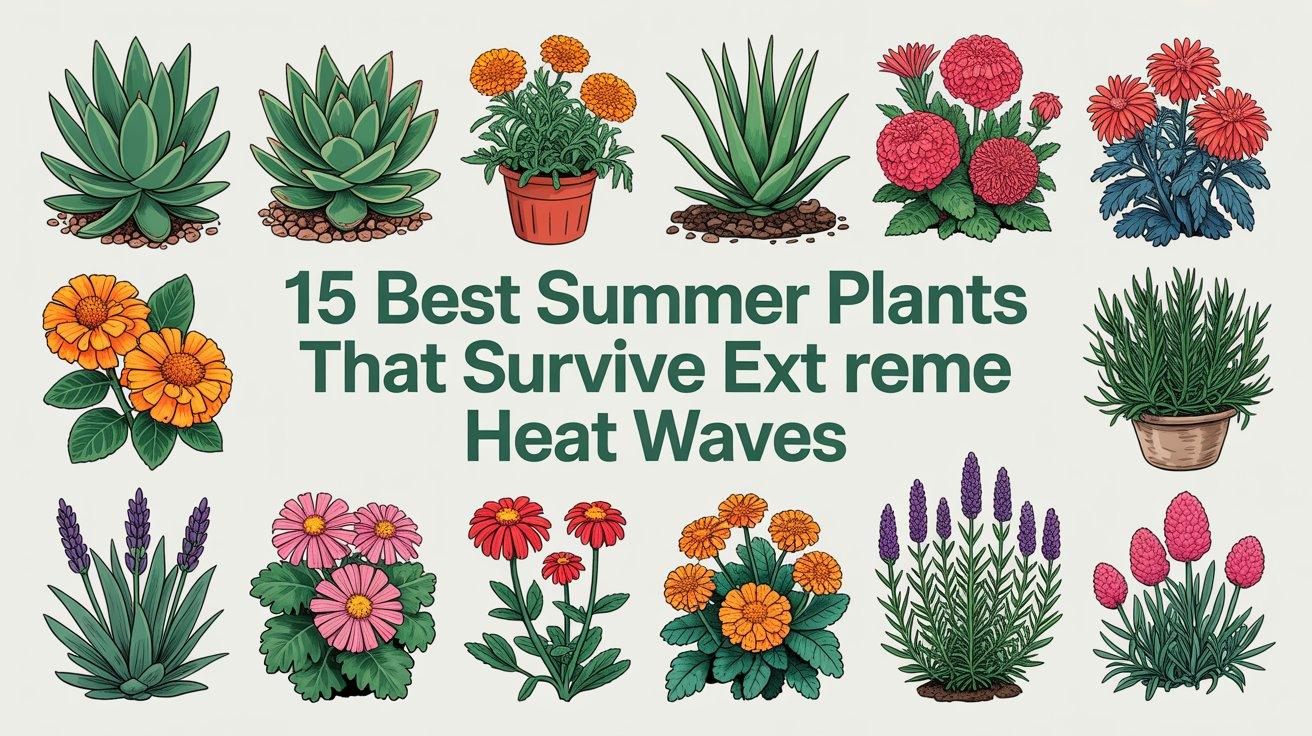
When a heat wave hits, your garden can look sad pretty fast. Leaves droop. Flowers dry up. Even watering every morning might not help.
But here’s the truth: some plants actually like the heat. They don’t just survive they keep blooming when temperatures hit 90°F or higher. You just need to pick the right ones.
I’ve grown these summer plants myself through triple-digit summers. No greenhouse. No fancy setup. Just good soil, a hose, and plants that were built for hot weather.
Below are the best ones for heat waves. Plus a few simple tips to keep them alive when the sun doesn’t let up.
Why This Matters
Heat waves are getting more common. And they’re getting longer. If you’ve spent money on plants that fry by July, you know the frustration. The good news is that many plants actually prefer hot conditions. They come from places like the Mediterranean, Africa, and the southwestern U.S., where 90-degree days are normal.
These plants have built‑in survival tricks. Deep roots reach water far underground. Waxy leaves store moisture. Hairs on leaves reflect the sun’s heat. Once you know which plants have these features, your summer garden stops being a chore and starts being something you can actually enjoy.
15 Best Summer Plants for Heat Waves
1. Lantana
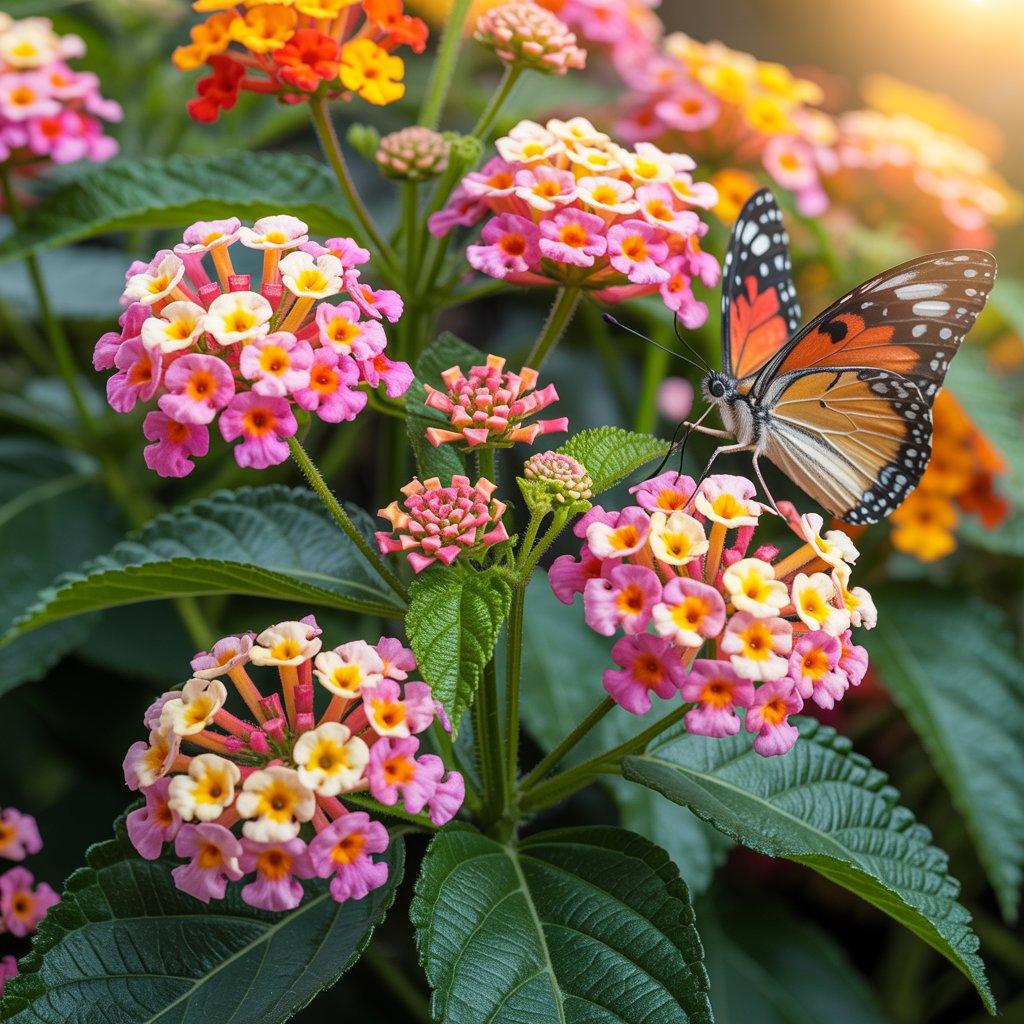
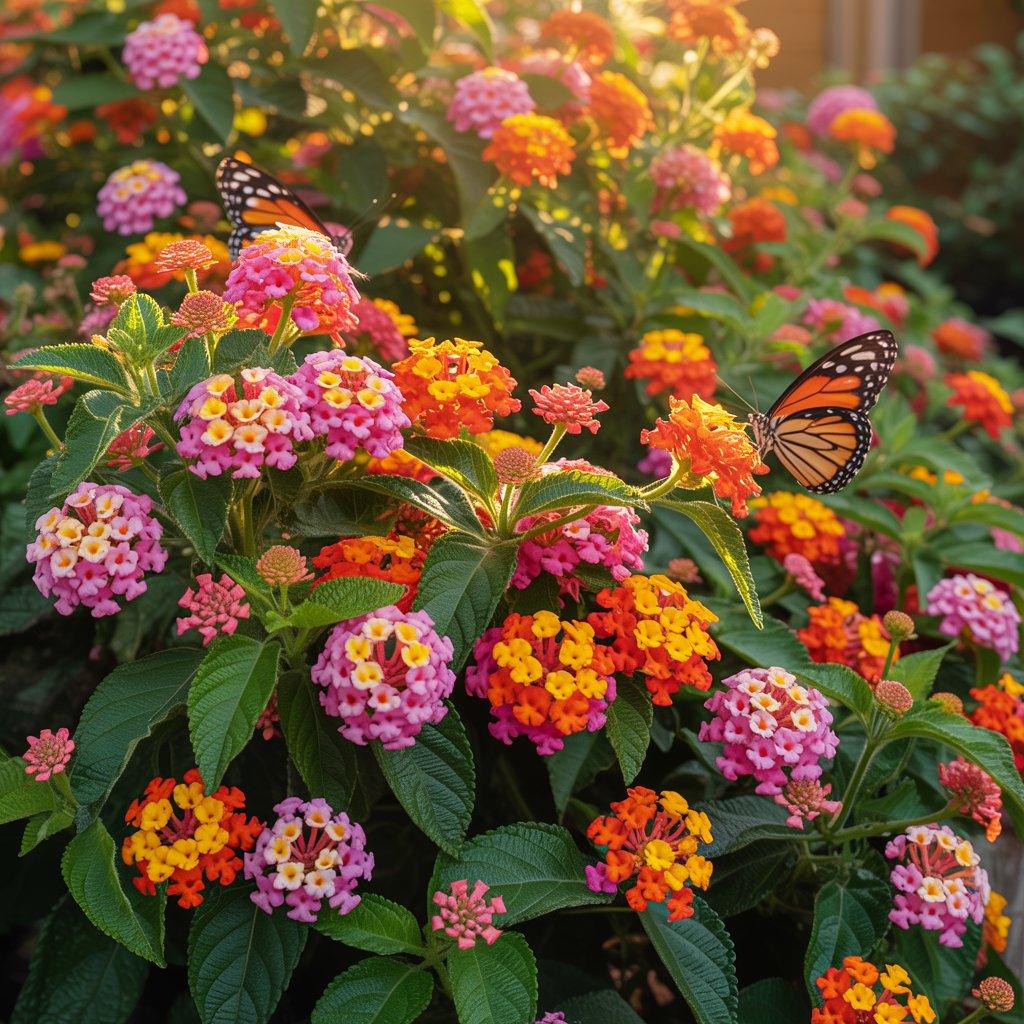
If you plant only one flower that can take the heat, make it lantana. This shrubby annual comes in hot pink, coral, bright yellow, and orange.
In warm climates, it behaves like a perennial and comes back year after year. Lantana craves full sun six to eight hours a day and handles heat like a champion.
It might droop a little in the middle of the afternoon, but by evening it perks right back up. Butterflies love it. You’ll love that you barely have to water it once it’s established. Plant it in well‑draining soil and stand back.
2. Portulaca (Moss Rose)
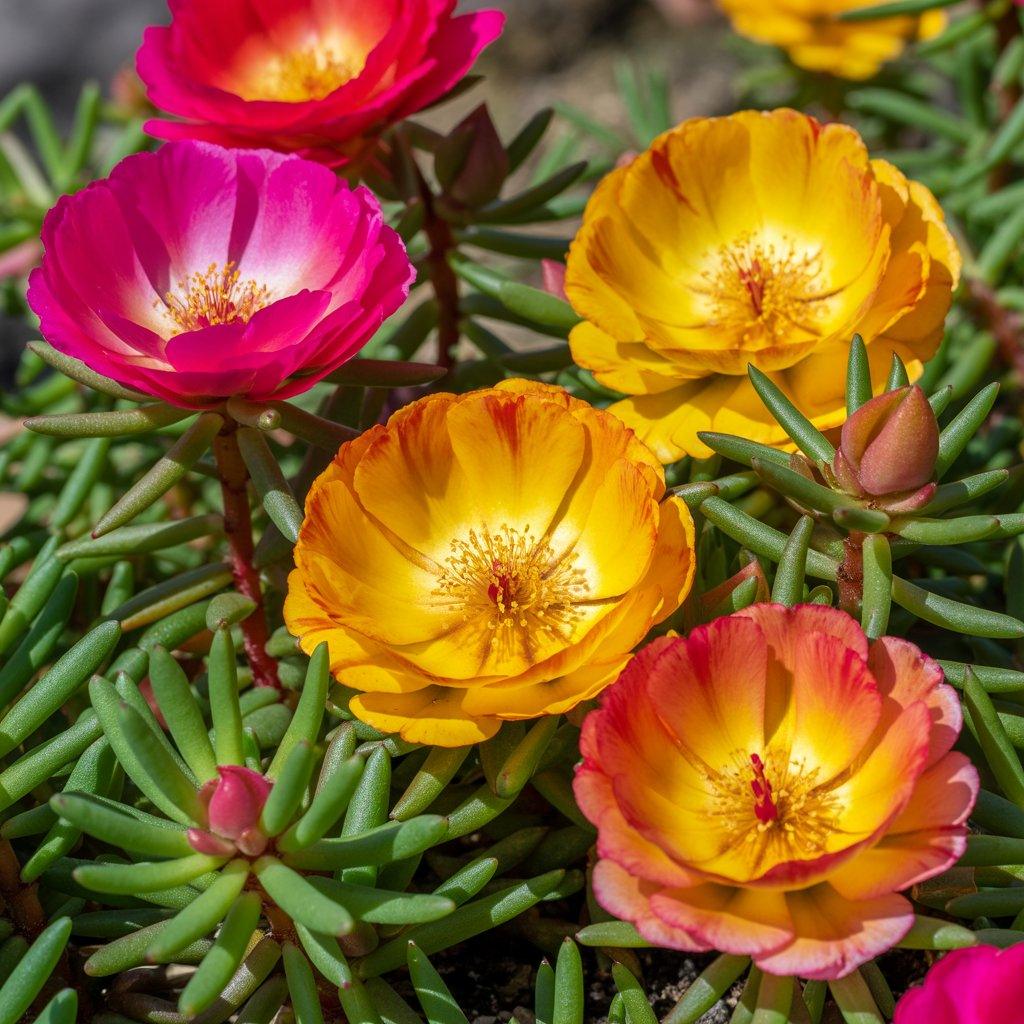
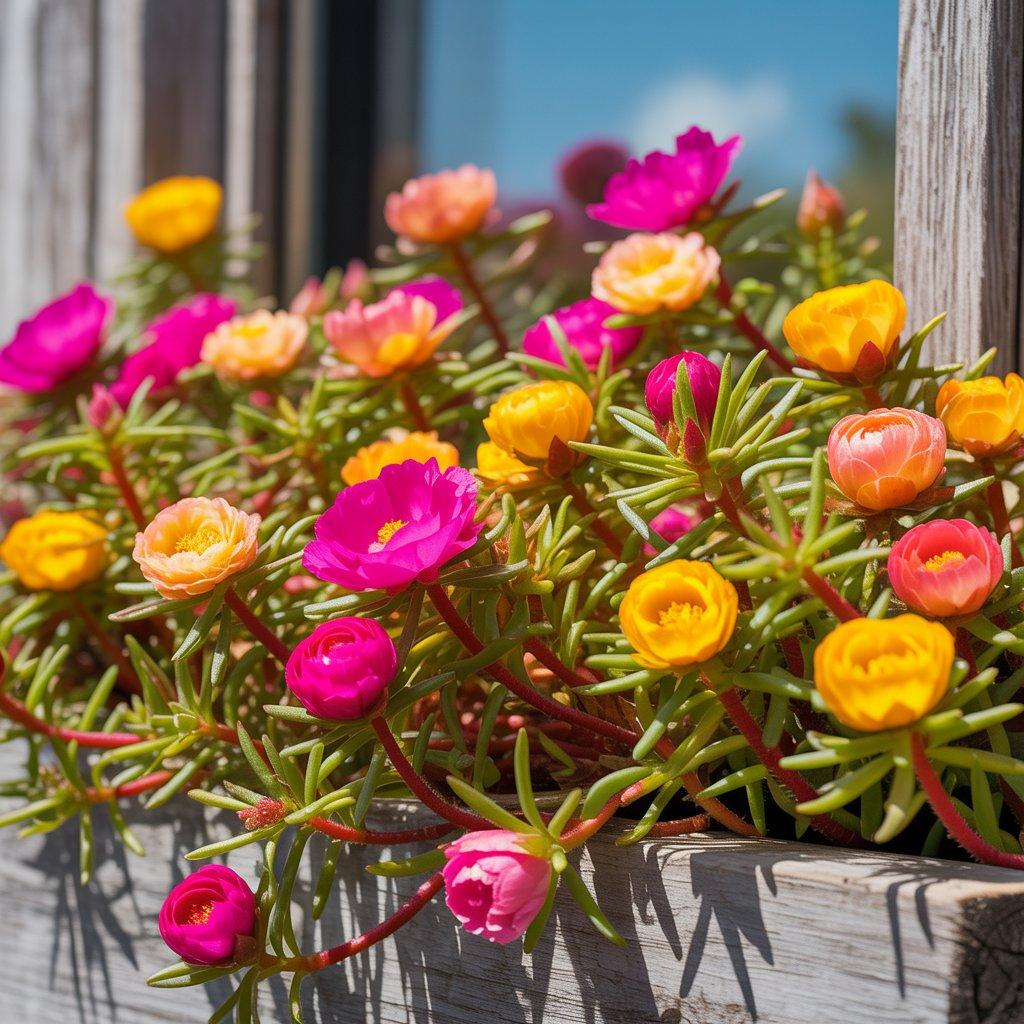
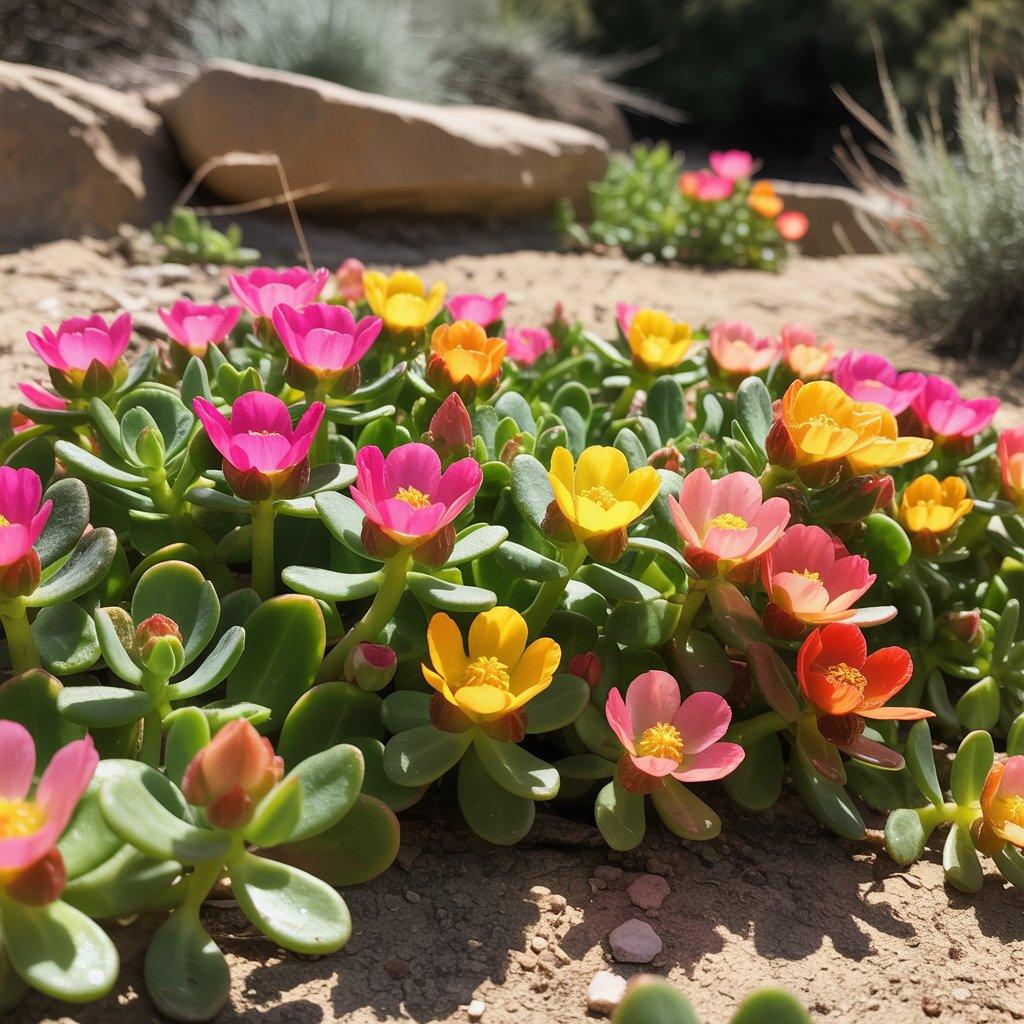
Portulaca is a succulent‑like plant with jewel‑toned blooms that actually seem to smile when the temperature climbs. Its leaves store water, which is why it shrugs off conditions that would flatten other annuals.
Diana Kirby of Southern Living calls it a “slow‑spreading, low‑maintenance, xeric plant that thrives in even the hottest, driest summers”.
Use it in hanging baskets, window boxes, or as a ground cover. Forget to water it for a few days? It keeps blooming. This is the plant for anyone who wants color without a second job.
3. Zinnias
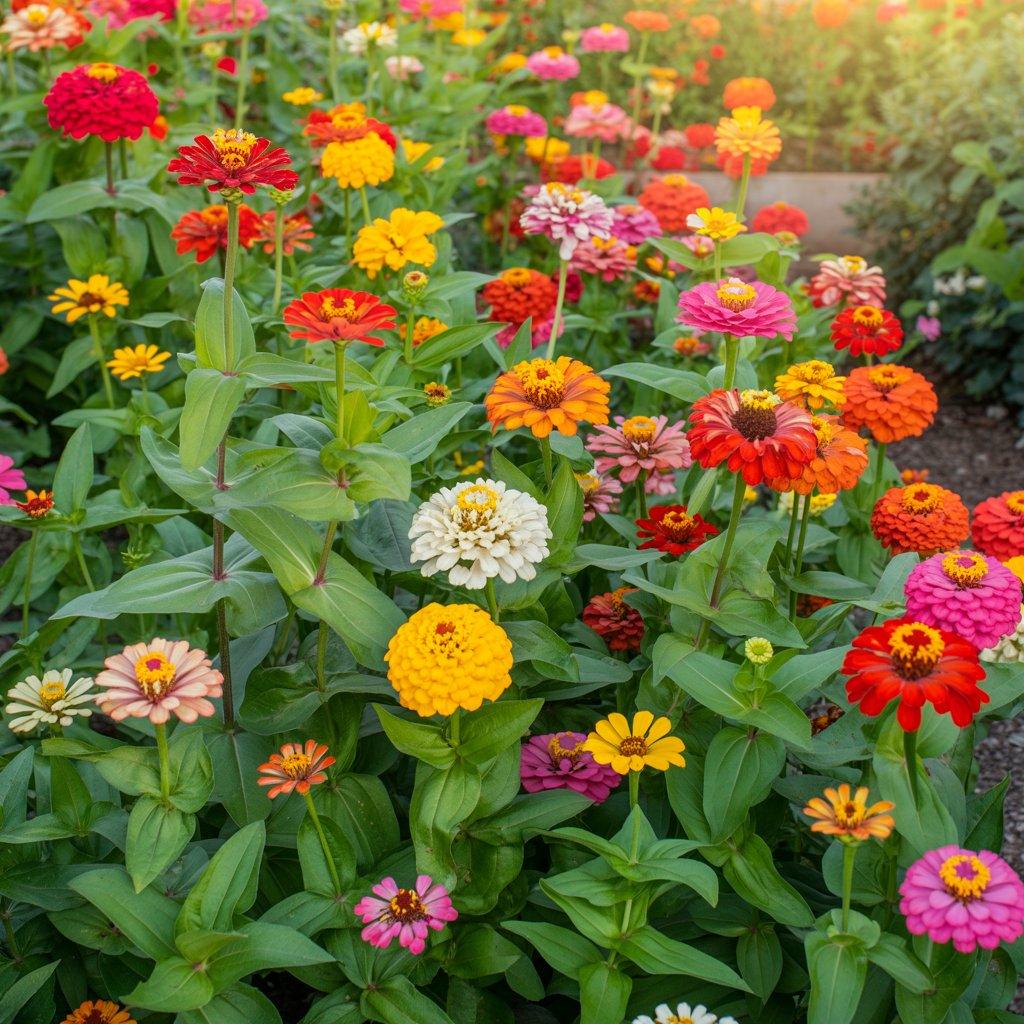
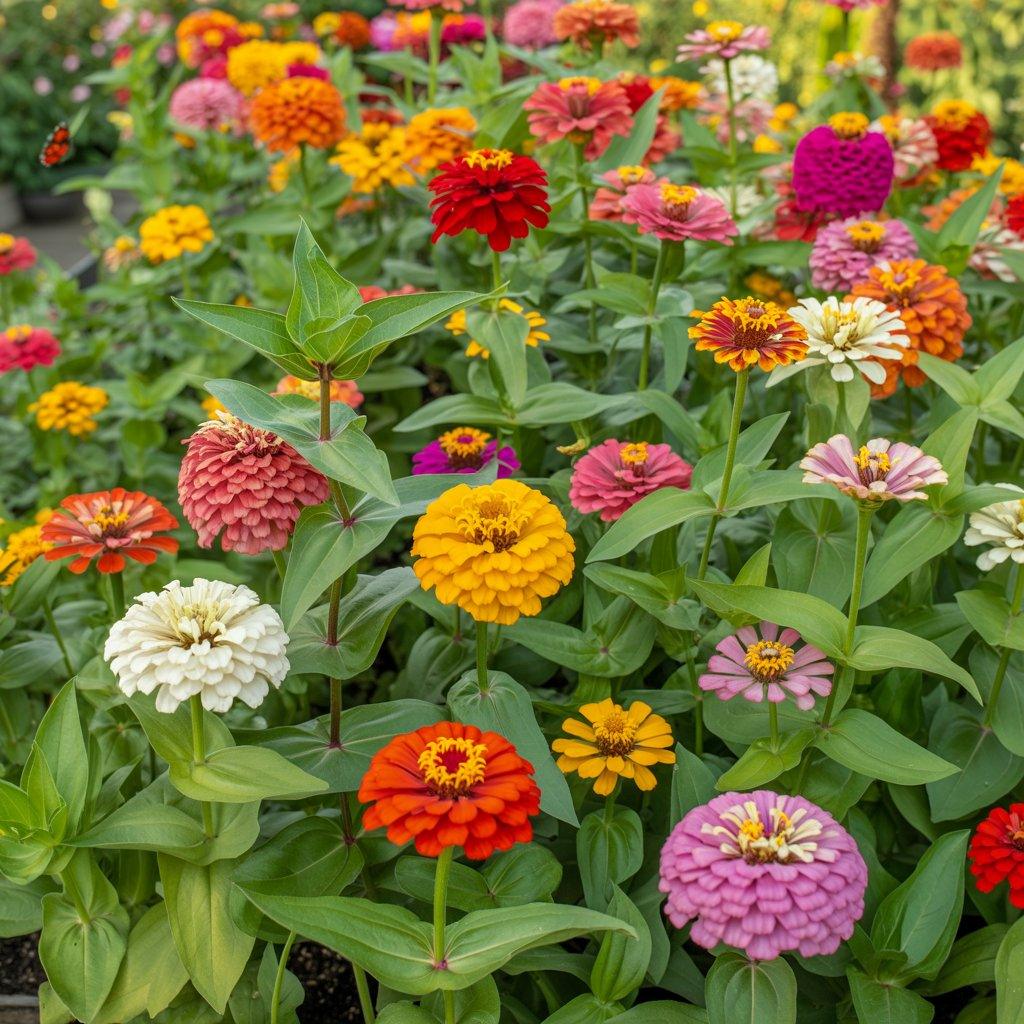
Zinnias are the gold standard for beginner gardeners who live in hot climates. They sprout quickly from seed and bloom nonstop from spring until the first frost. You can choose from 21 different types, ranging from short 6‑inch plants to towering 4‑foot varieties, in every color except blue.
Zinnias aren’t picky about soil as long as it drains well, and they grow in USDA zones 2 through 11. Just give them full sun, water when the soil feels dry, and you’ll have fresh cut flowers for months.
4. Salvia
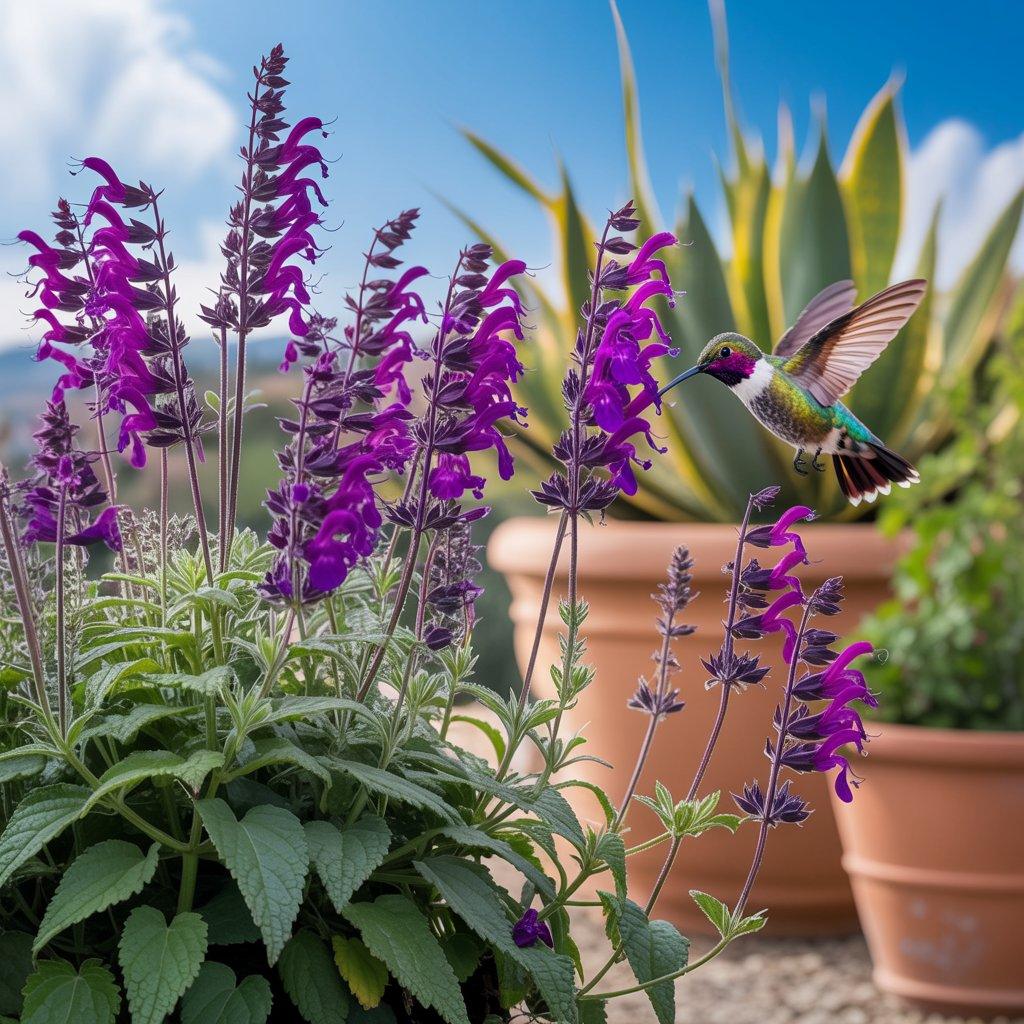
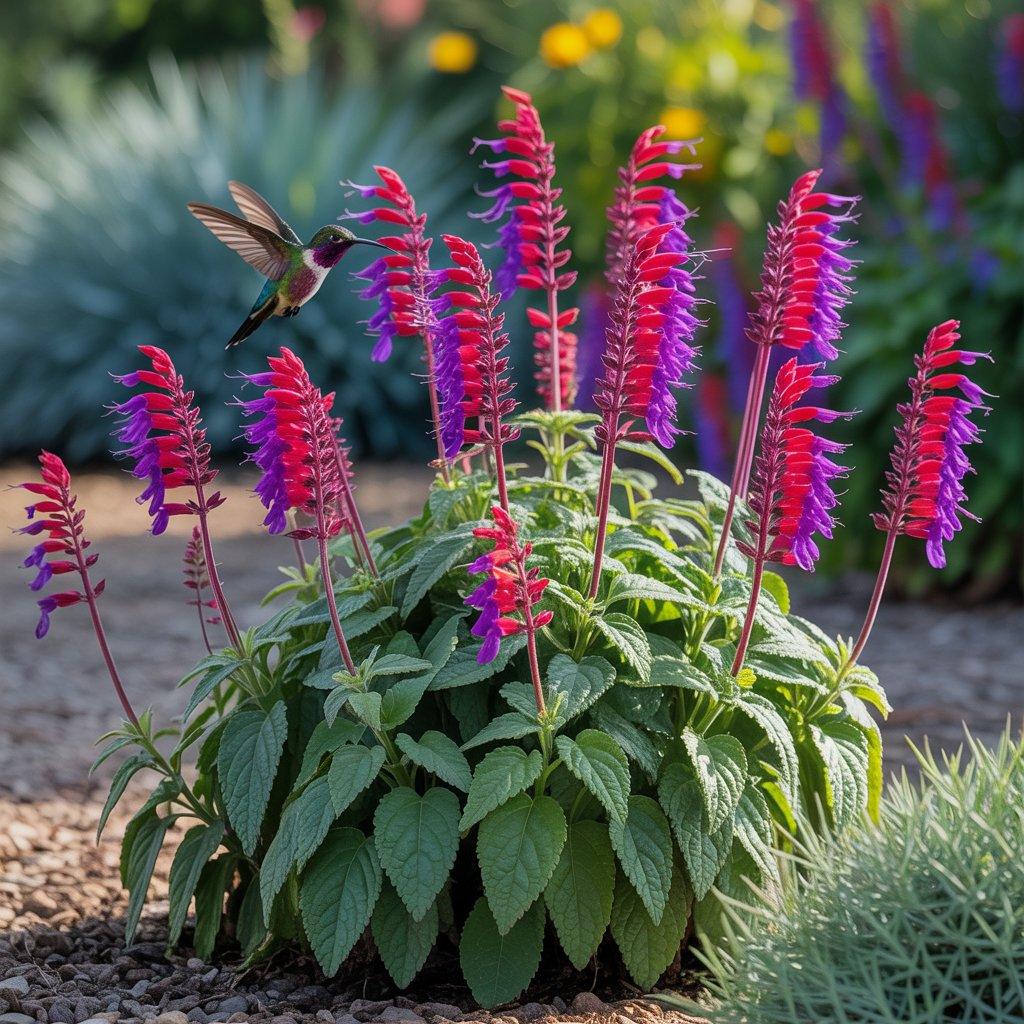
Salvia is almost invincible once it’s established. Its deep, extensive roots reach moisture far underground, so you rarely have to water it. Many salvias are native to the Mediterranean and warm parts of North America, so they’re perfectly adapted to hot, dry summers.
They bloom continuously from early summer through fall, right up to the first frost. Deadhead the spent flowers, and they’ll produce even more. Hummingbirds and pollinators visit salvia in steady streams, which makes your garden feel alive even on the hottest days.
5. Coneflower (Echinacea)
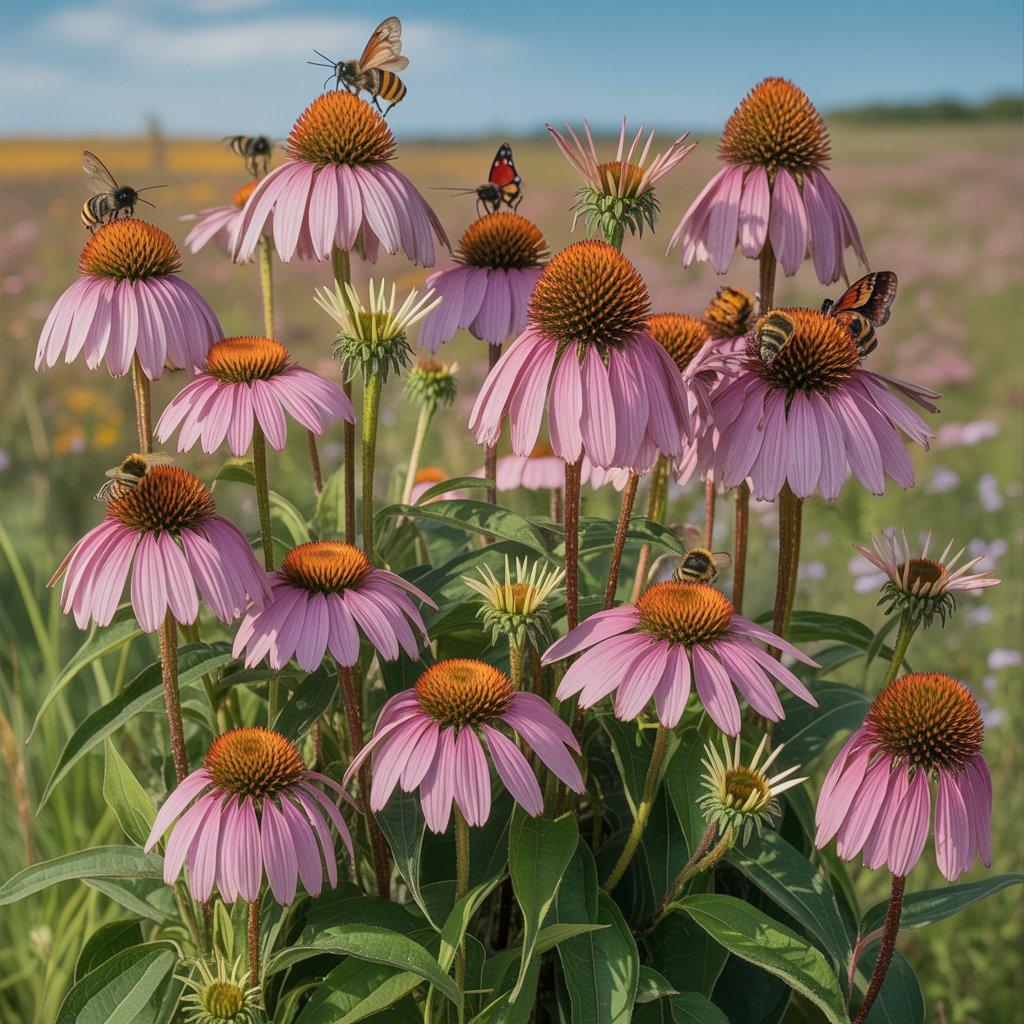
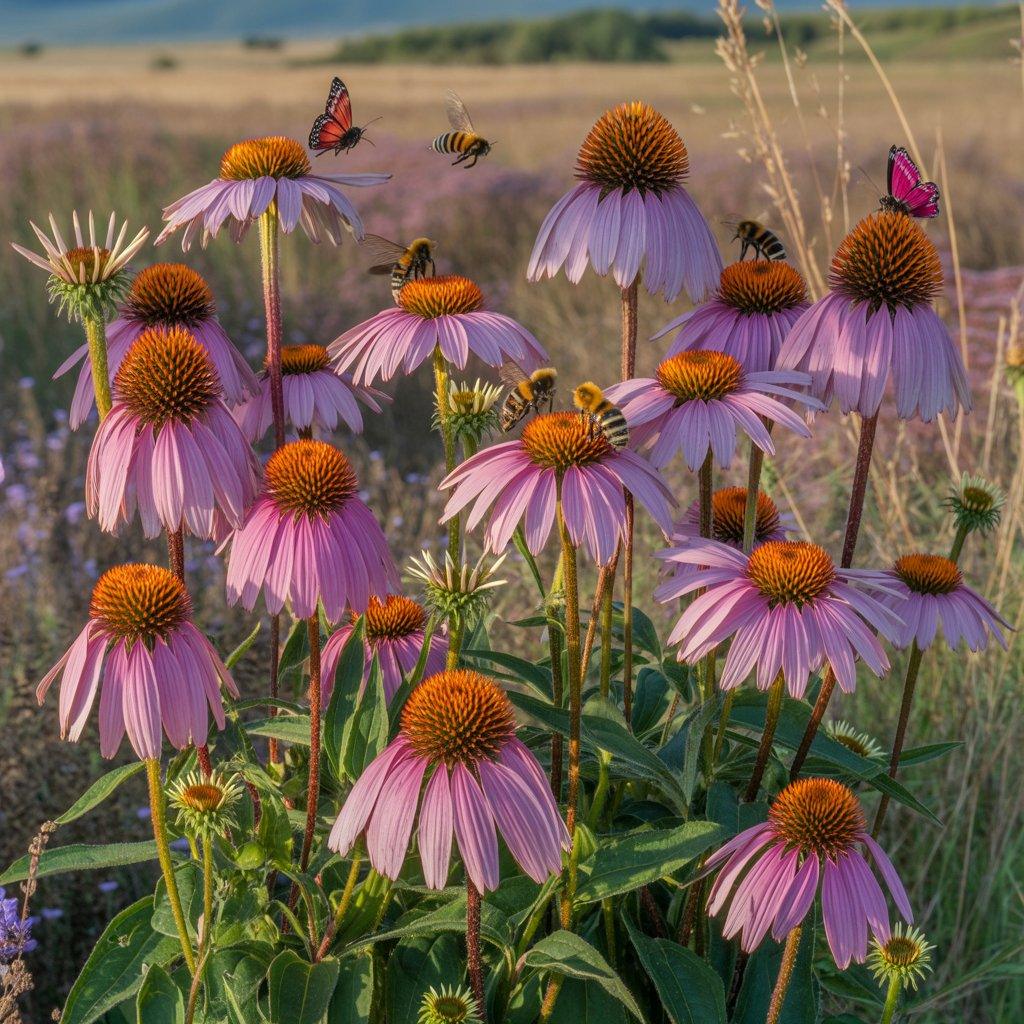
Coneflowers are native prairie plants that flourish in summer heat. Their long stems hold showy flowers in eye‑popping colors, and once established, they’re genuinely drought‑tolerant. Pollinators love the flowers, and birds are attracted to the seedheads in winter, so you get beauty across multiple seasons.
Coneflowers need well‑draining soil and full sun to partial shade. They’re cold‑hardy in zones 3 through 9, which makes them a reliable choice for most of the country. Plant them once, and they’ll come back year after year.
6. Angelonia
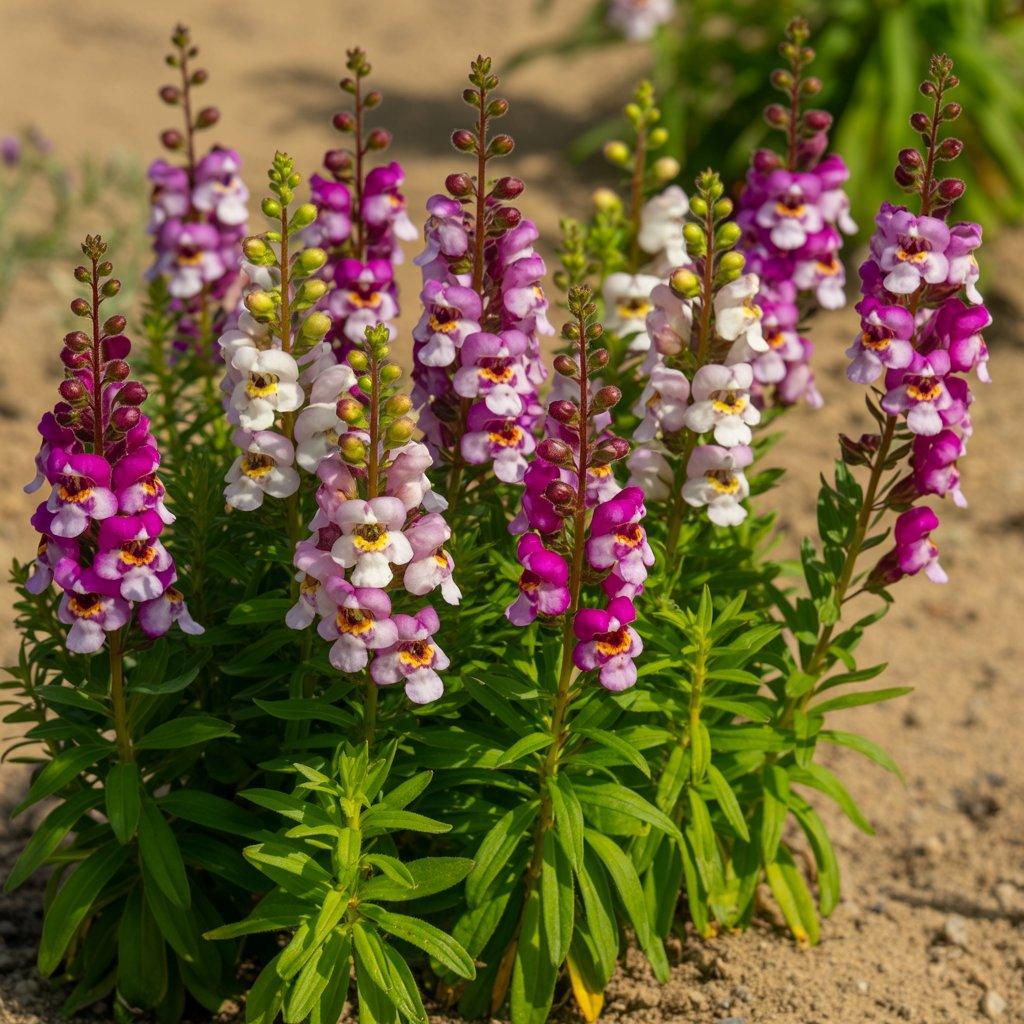
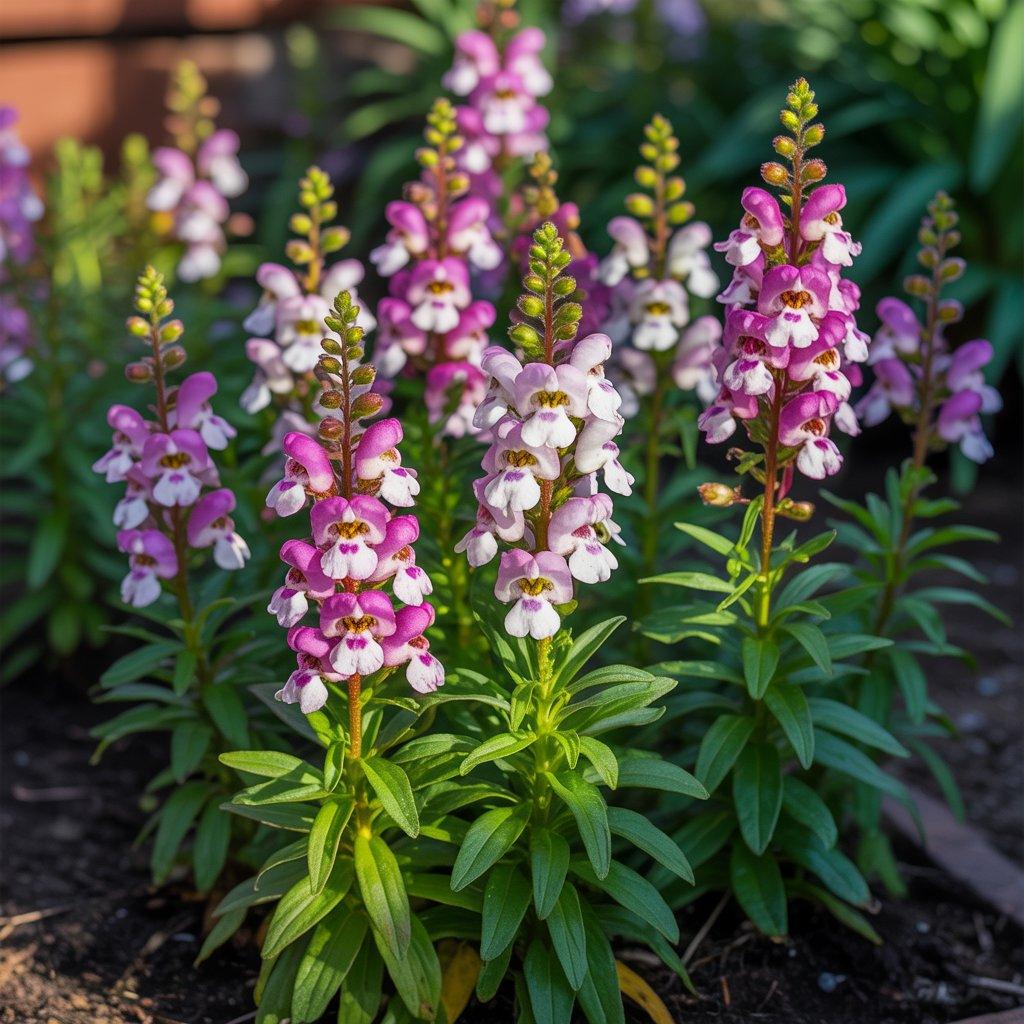
Angelonia is native to warm climates like Central America and the Caribbean. Horticulturist Justin Hancock at Costa Farms says you can trust this plant to make it through heat waves of 100°F or more. It produces lovely purple, pink, and white blooms and is very drought‑tolerant.
In fact, you should err on the dry side. Overwatering can actually diminish the flower’s appearance. Drip irrigation works best. Angelonia grows 12 to 18 inches tall and thrives in full sun with well‑draining soil. It’s ideal for garden beds or large containers.
7. Blanket Flower (Gaillardia)
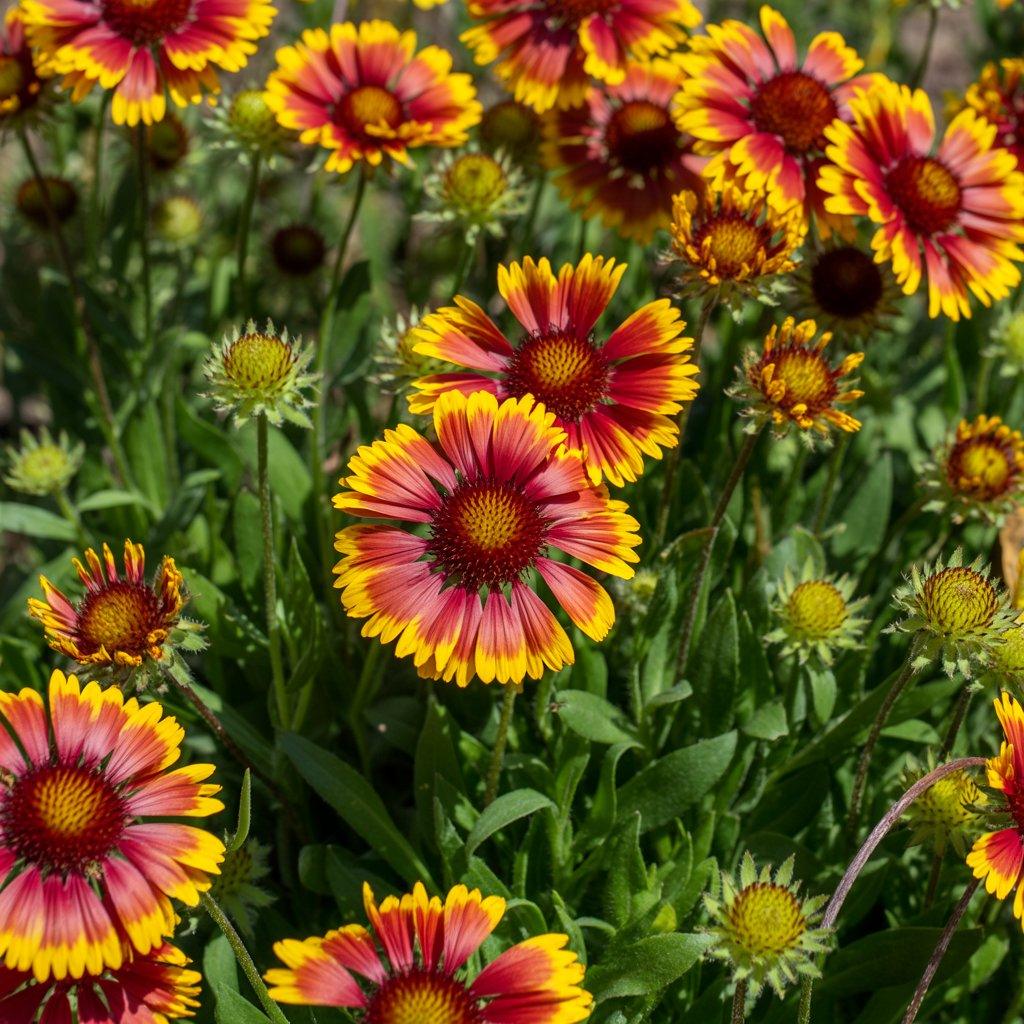
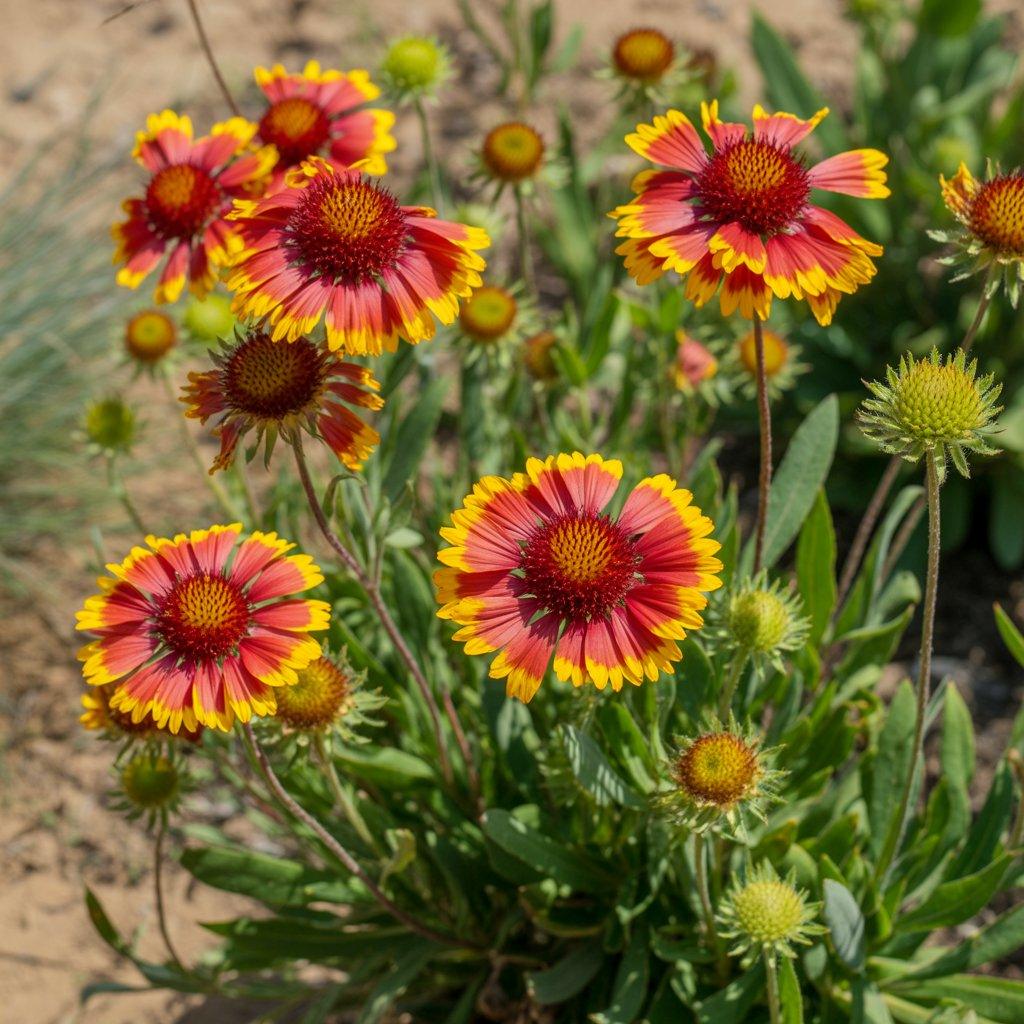
Blanket flower is a U.S. native that produces red, gold, or red‑and‑gold daisy‑like blooms most of the summer. It loves intense sun and dry, even poor, soil. Its cheerful blooms keep coming through the hottest months with almost no fuss.
Blanket flower is one of the longest‑blooming perennials you can find. For the best results, deadhead spent flowers regularly. That encourages even more blooms. ‘Fanfare’ and ‘Goblin’ are two excellent compact varieties that stay around 18 inches tall. This is a plant for gardeners who would rather enjoy their yard than baby it.
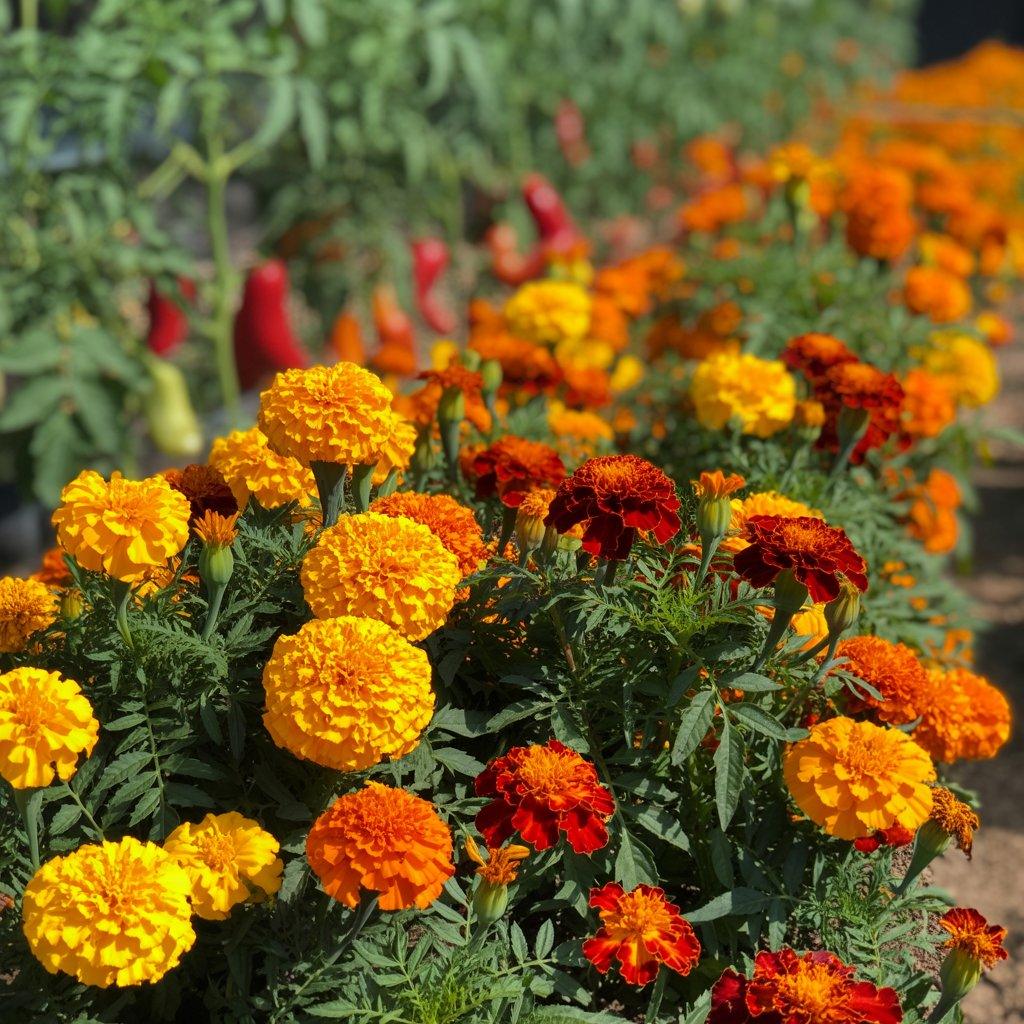
8. Marigolds
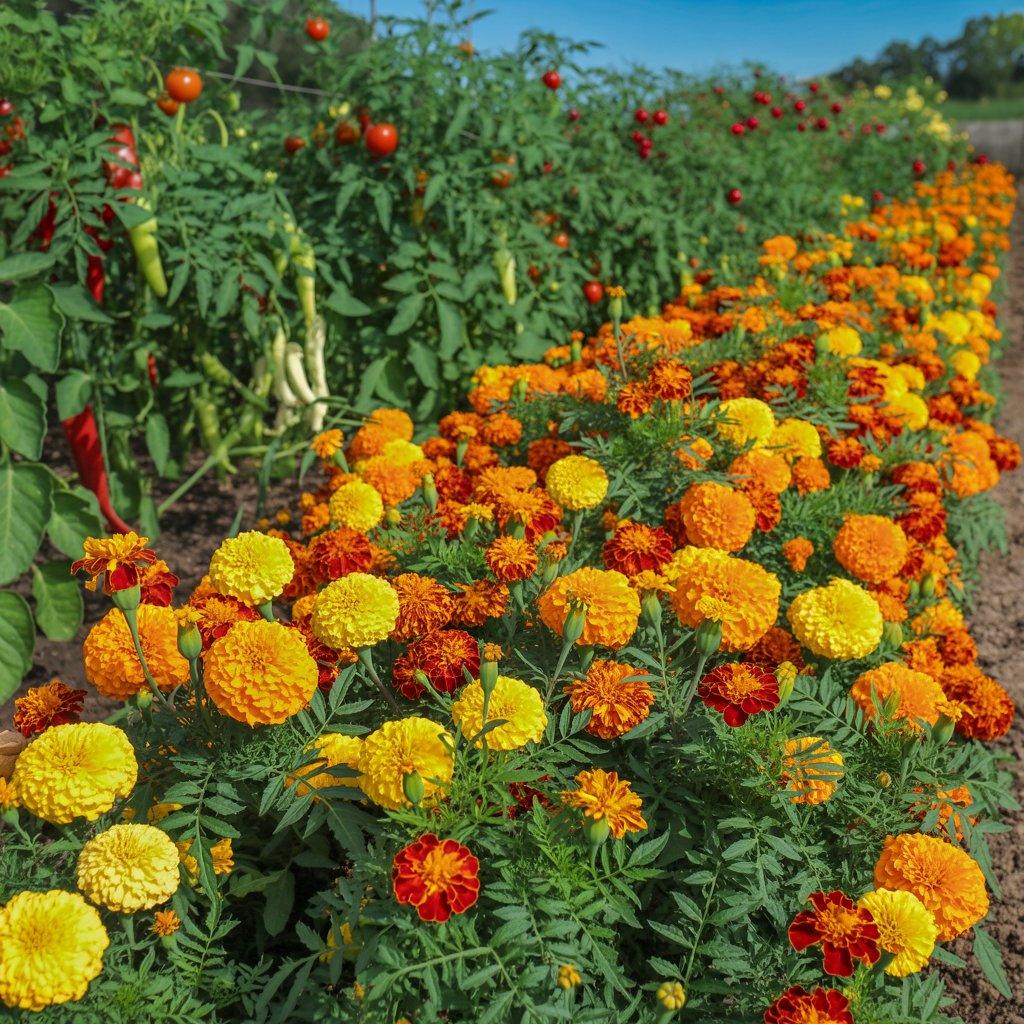
Marigolds are nearly indestructible. They’re one of the toughest, most reliable annuals for hot‑weather gardens. They handle full sun with ease, require very little maintenance, and naturally help deter pests. That’s why so many vegetable gardeners tuck them between tomatoes and peppers.
Marigolds come in shades of yellow, orange, and red, and they bloom from spring until frost. If you’re growing food for the first time, a border of marigolds is an easy win. They ask for almost nothing and give back all summer.
9. Sunflowers
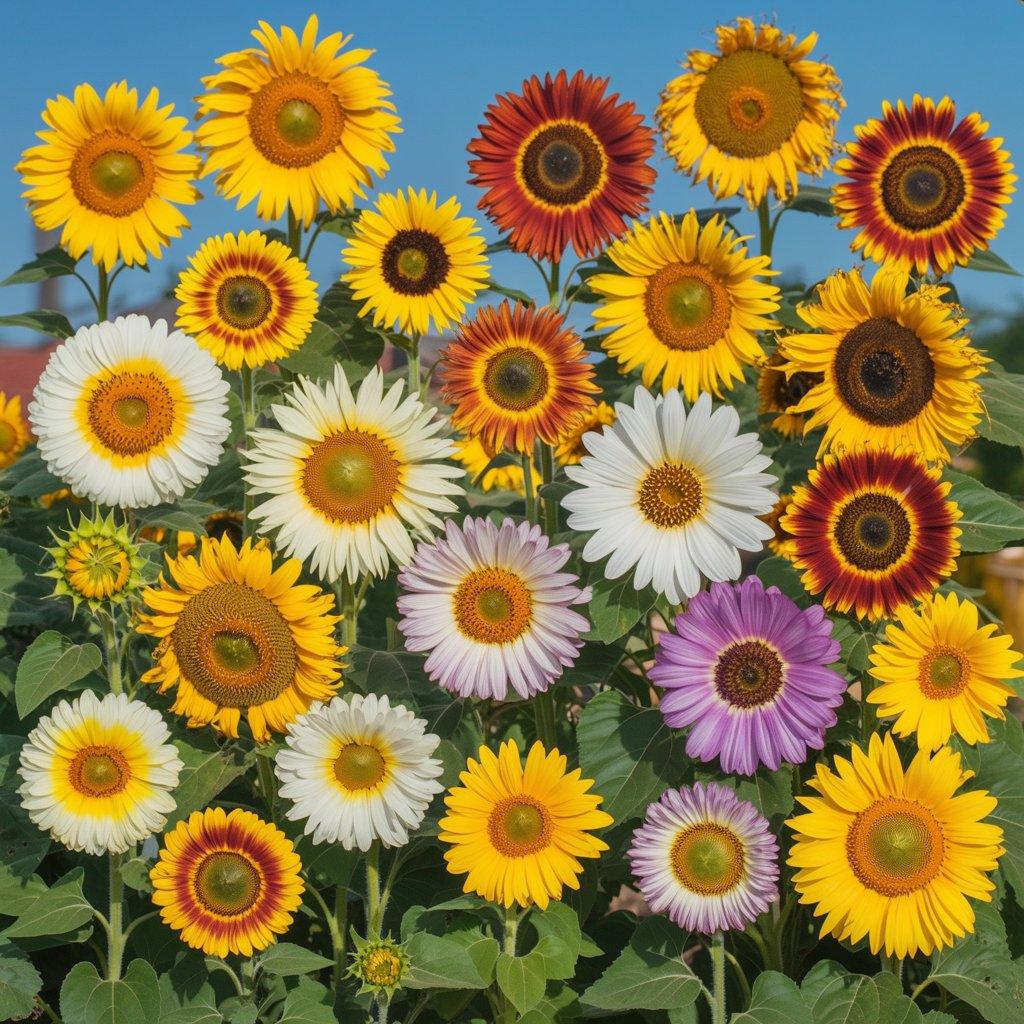
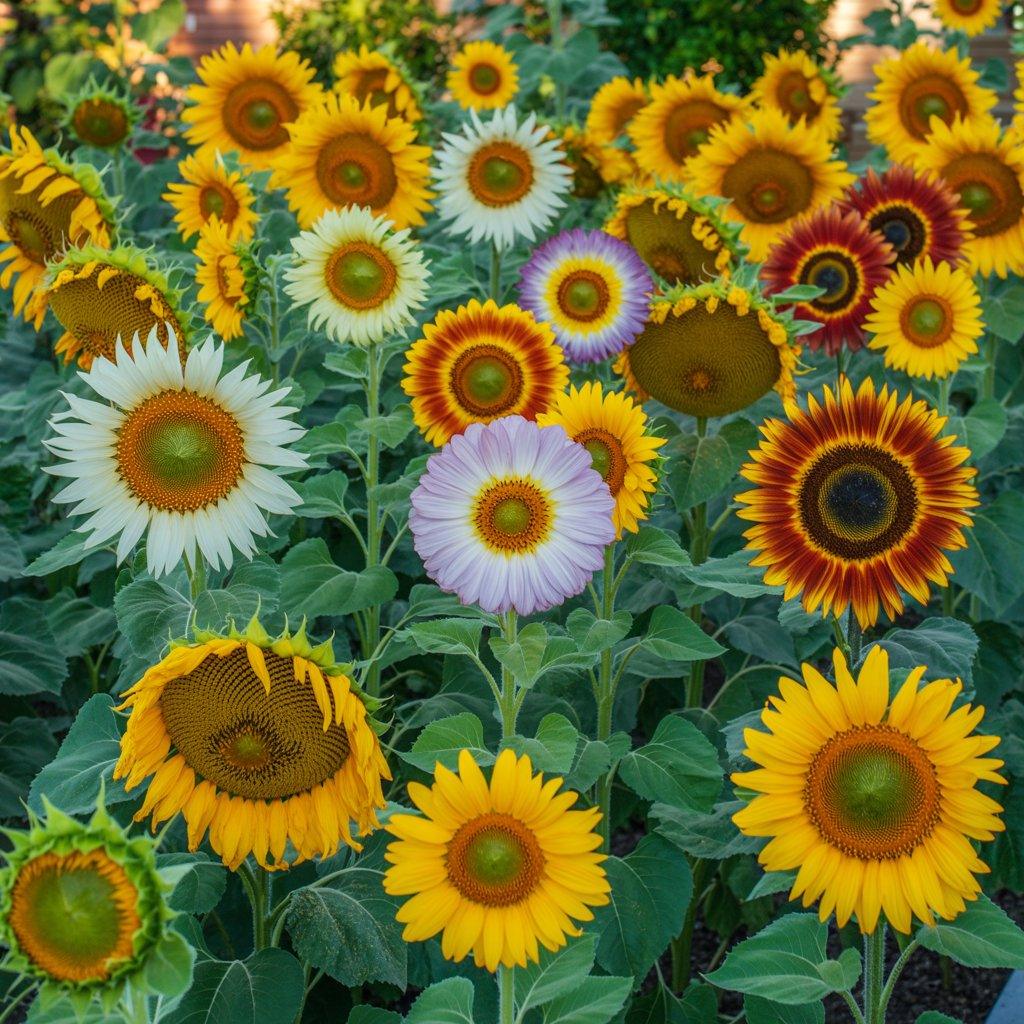
Sunflowers turn any backyard into a photo backdrop. More than 70 different types exist, including pollen‑free hybrids that produce large flowerheads in white, red, yellow, orange, bicolor, and even purple. Sunflowers are made for full sun and hot temperatures.
They adapt to almost any soil type as long as it drains well, and they grow in USDA zones 2 through 11. Plant heights range from 2 feet tall up to a towering 14 feet. A packet of seeds costs a couple of dollars. Hard to beat that for instant impact.
10. Black‑Eyed Susan (Rudbeckia)
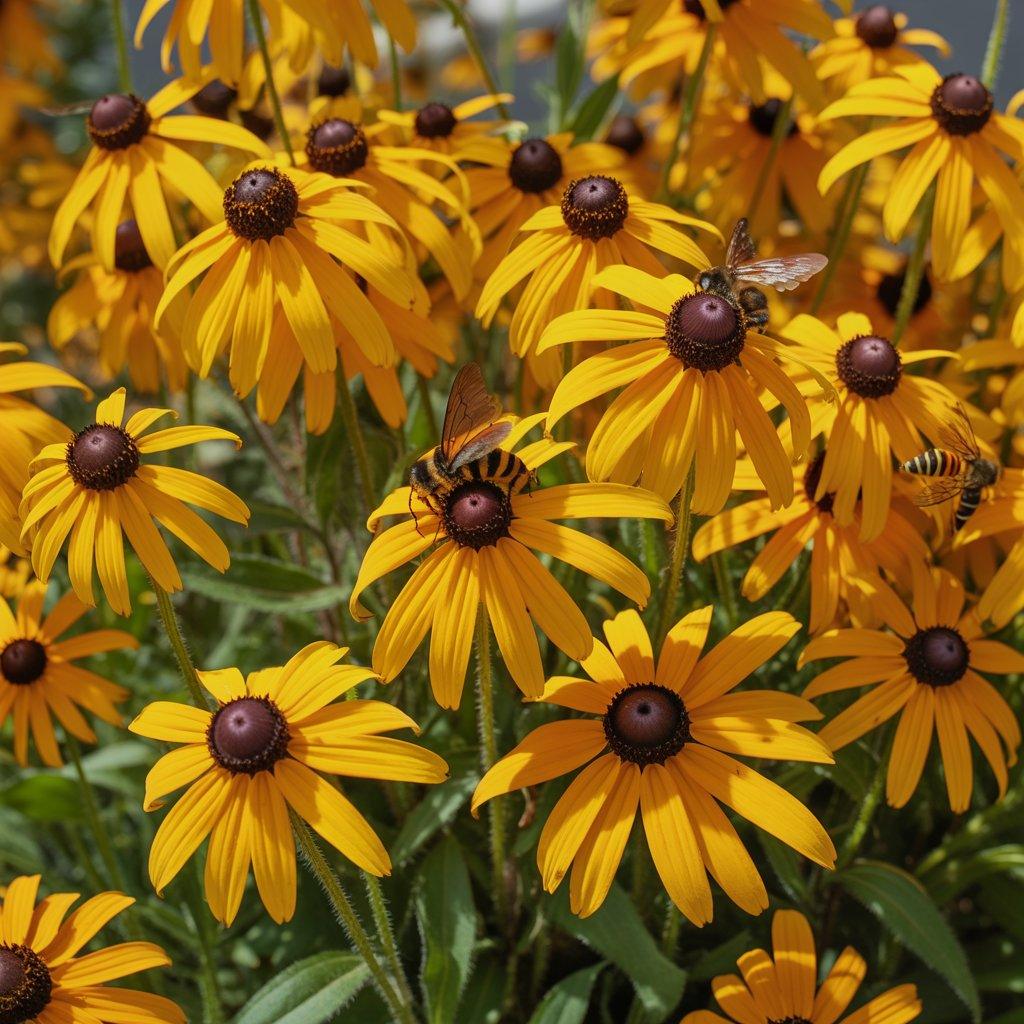
Black‑eyed Susans are classic sun‑loving perennials that come back year after year with their signature golden petals and dark centers. They bloom for up to two months in mid‑summer and are extremely heat‑tolerant. ‘American Gold Rush’ is a standout variety with impressive flower power and disease resistance.
Black‑eyed Susans thrive in just about any well‑draining soil type and are fairly drought‑resistant. They’re a favorite among pollinators and look beautiful massed in planting beds. Plant them once, and you’ll have reliable color every summer.
11. Purslane
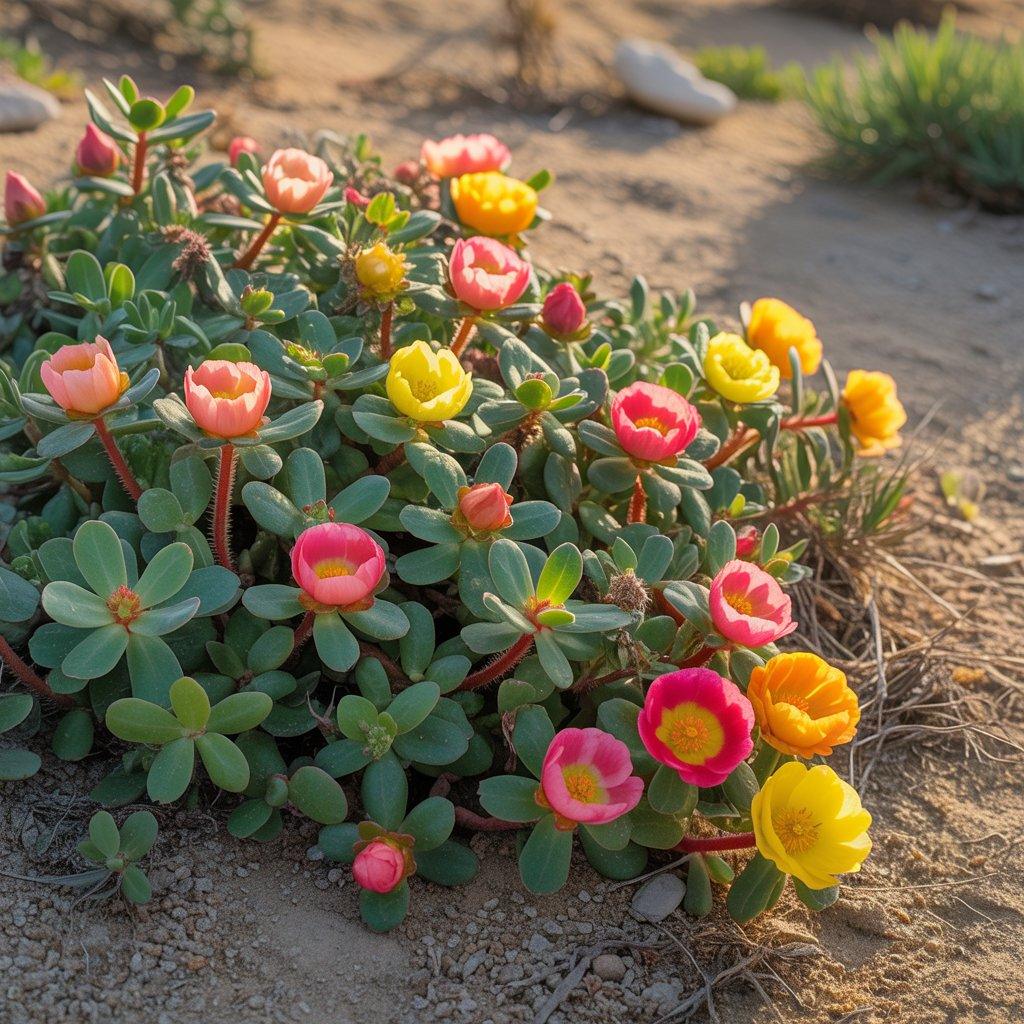
Purslane is portulaca’s close cousin, but it spreads wider and blooms just as long. This low‑growing succulent loves heat so much that it actually grows faster when temperatures climb. The leaves are thick and fleshy, storing water like a camel.
You can plant it as a ground cover, in rock gardens, or trailing out of pots. Purslane comes in bright shades of pink, orange, yellow, and red. It blooms from late spring until the first fall frost.
The best part? You can forget to water it for a week, and it won’t even notice. Just give it full sun and poor, sandy soil. Too much fertilizer or rich soil actually makes it bloom less.
12. Bougainvillea
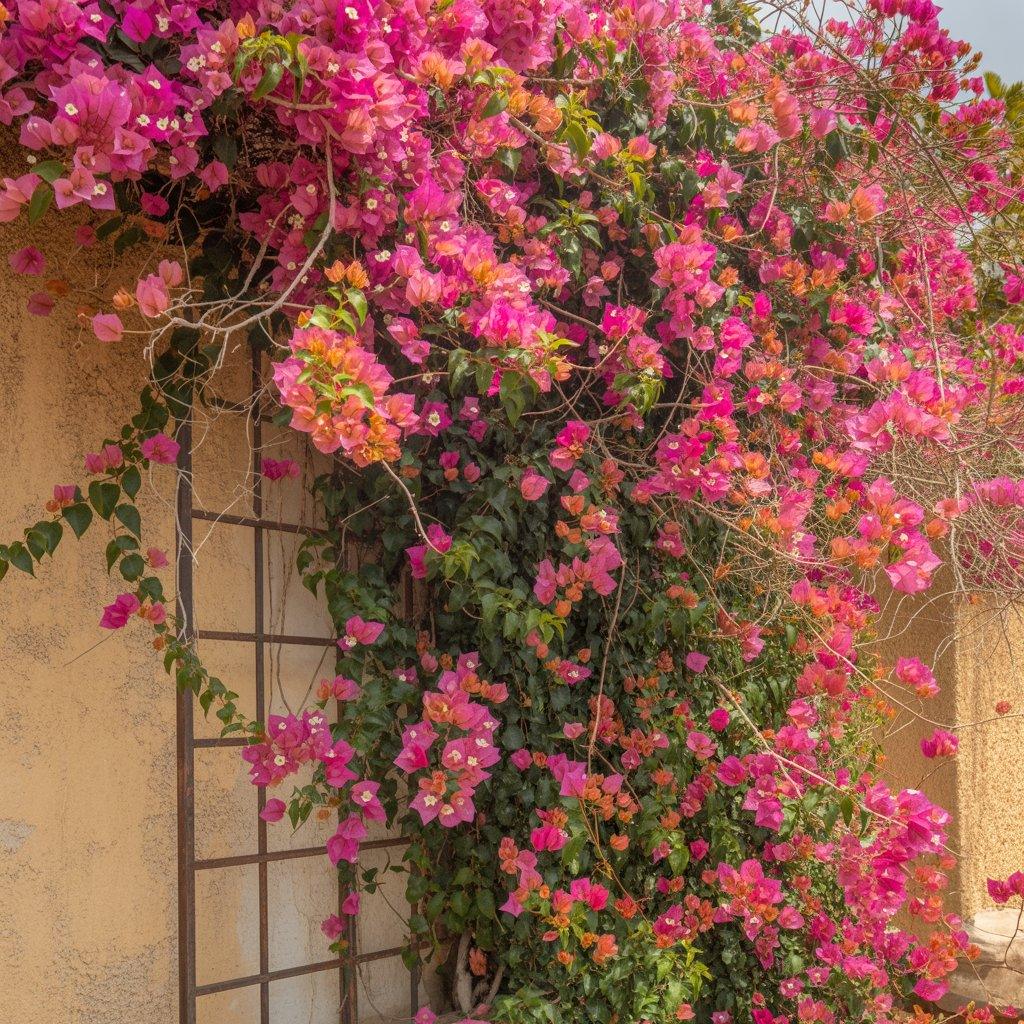
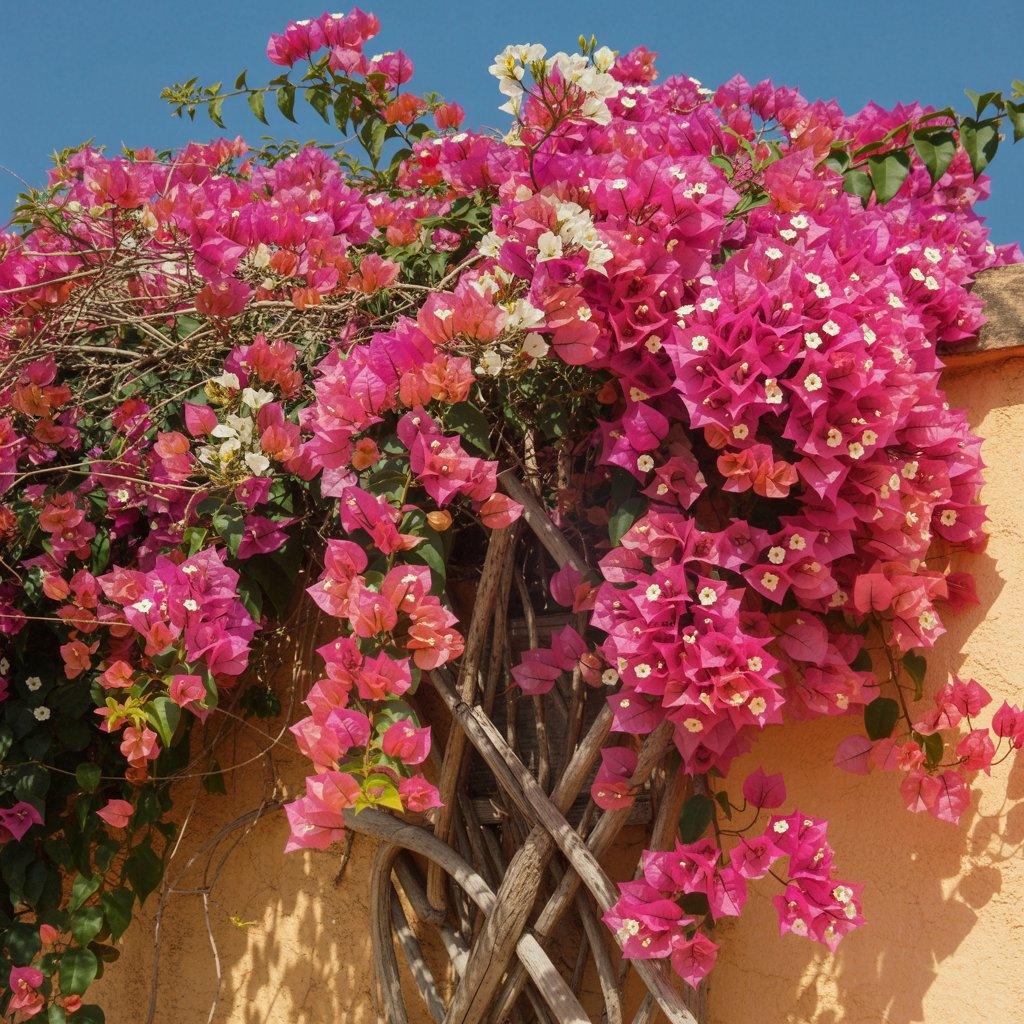
Bougainvillea is a tropical climbing shrub that laughs at heat. It produces colorful papery bracts in hot pink, purple, red, orange, white, or yellow. The actual flowers are tiny and white inside those bright bracts.
This plant thrives in temperatures above 100°F and actually stops blooming if it gets too cool. You can grow it in a large pot or train it up a trellis against a sunny wall.
Bougainvillea needs full sun at least six hours daily and very well‑draining soil. Water it only when the top few inches of soil are completely dry. Overwatering is the fastest way to kill it. In cold climates, bring the pot inside before the first freeze.
13. Lavender
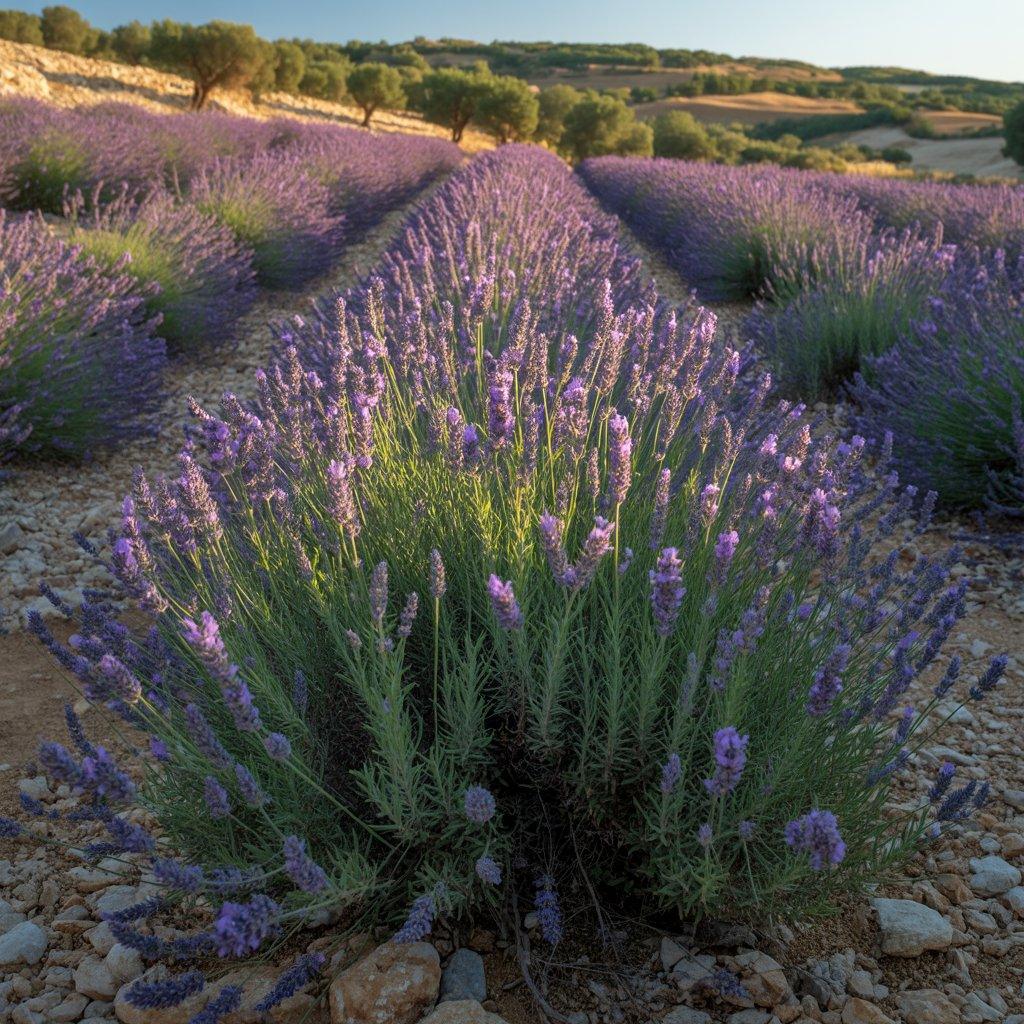
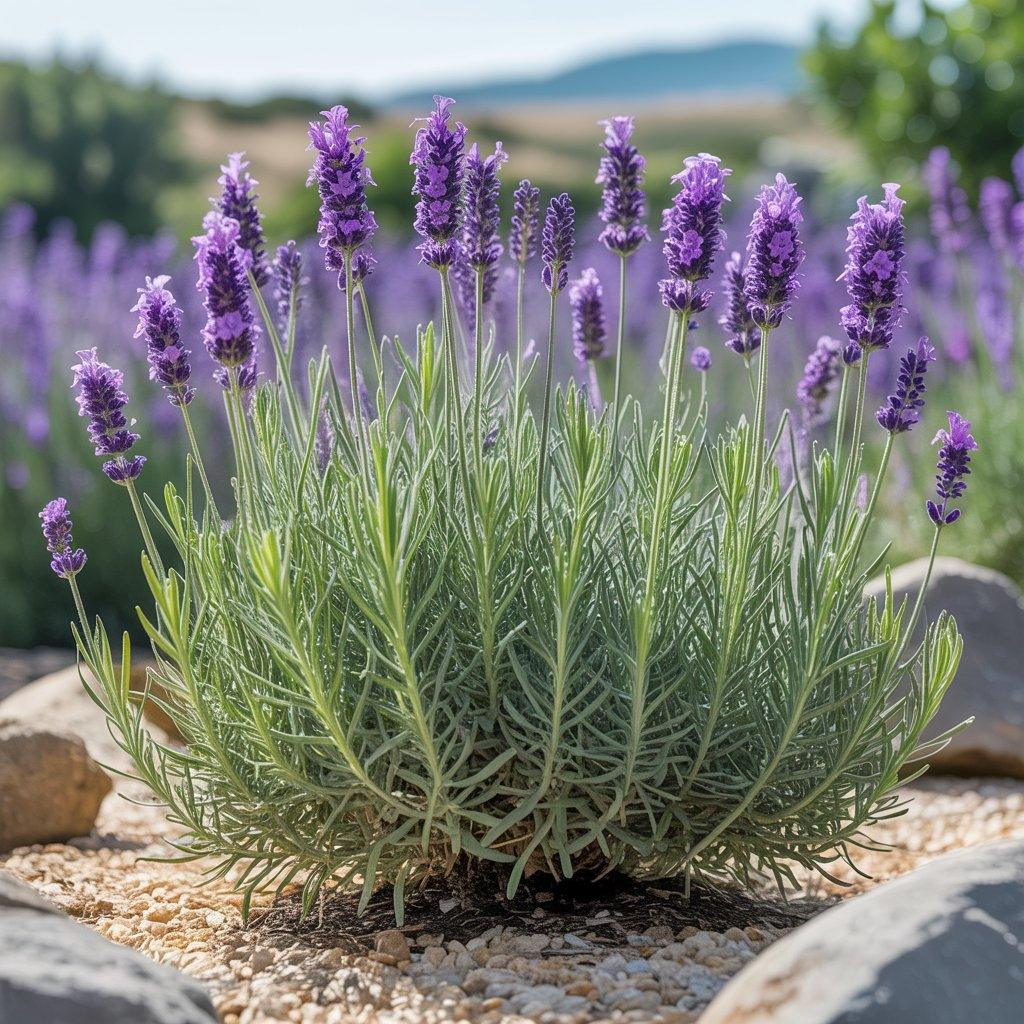
Lavender comes from the hot, rocky hills of the Mediterranean, so it’s perfectly suited for summer heat. The silvery‑green leaves reflect sunlight, and the deep roots find water far underground. English lavender (Lavandula angustifolia) is the most cold‑hardy, but French and Spanish lavenders handle heat even better.
Lavender needs full sun and sandy, well‑draining soil. Wet feet in winter will kill it, but hot dry summers make it thrive. The fragrant purple spikes bloom from early to mid‑summer.
Plant it along walkways or near seating areas so you can enjoy the scent. After blooming, give it a light trim to keep the plant bushy. Don’t cut into old woody stems they won’t grow back.
14. Pentas
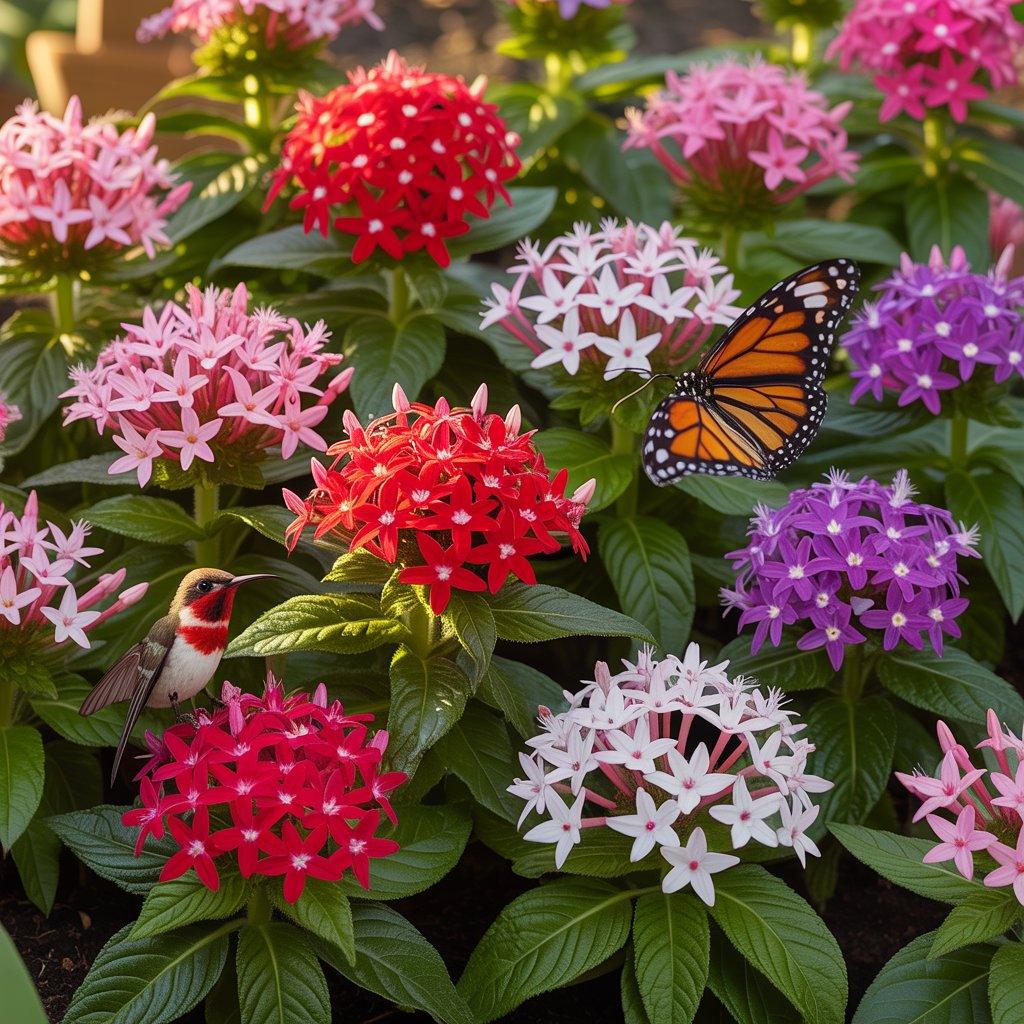
Pentas are heat‑loving annuals that produce clusters of star‑shaped flowers in red, pink, purple, or white. The blooms start in late spring and continue nonstop until frost. Pentas are native to tropical Africa and Arabia, so they’re built for hot, sunny conditions.
They grow about 12 to 18 inches tall, making them perfect for the middle of a flower bed or in large containers. Butterflies and hummingbirds can’t resist them. Pentas prefer well‑draining soil and consistent moisture, but they tolerate dry spells once established.
If the plant gets leggy in midsummer, give it a light trim to encourage fresh growth. Deadheading isn’t strictly necessary, but it keeps the plant looking tidy.
15. Sedum (Stonecrop)
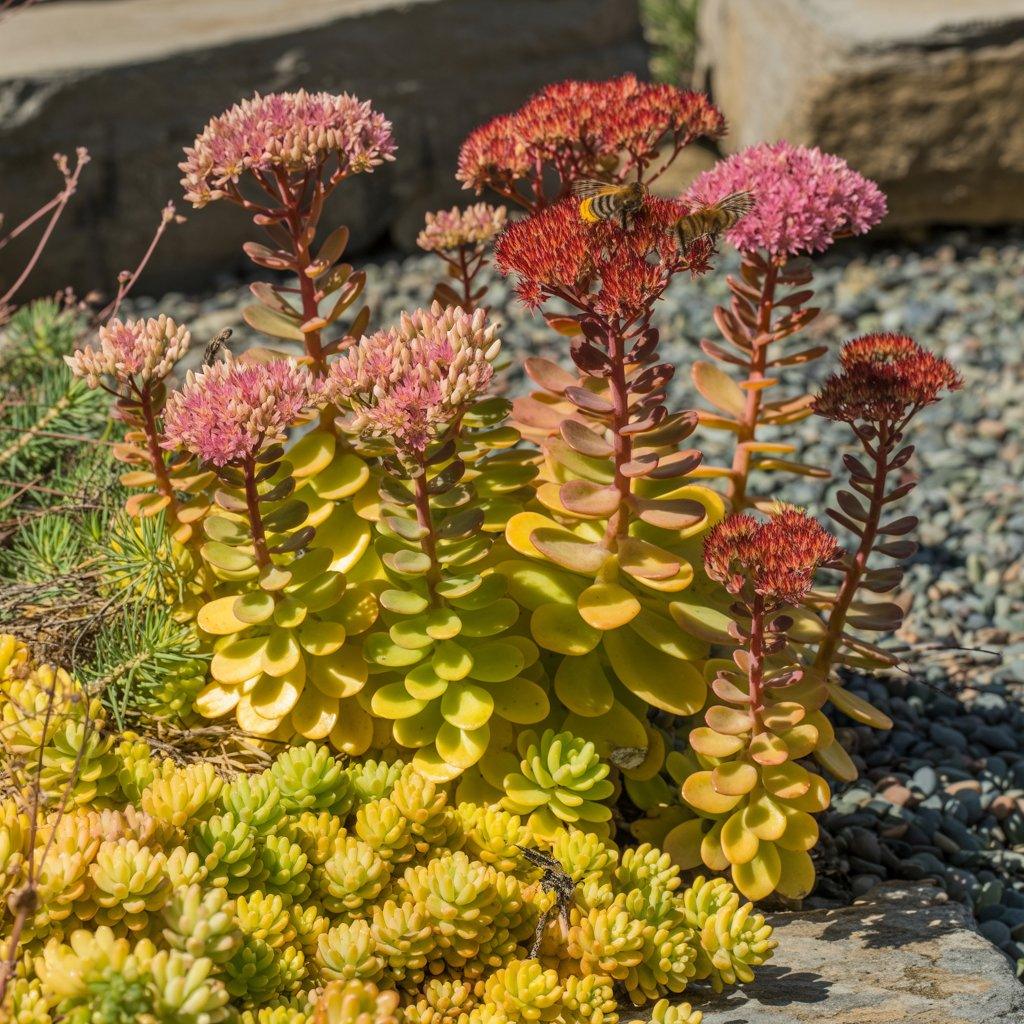
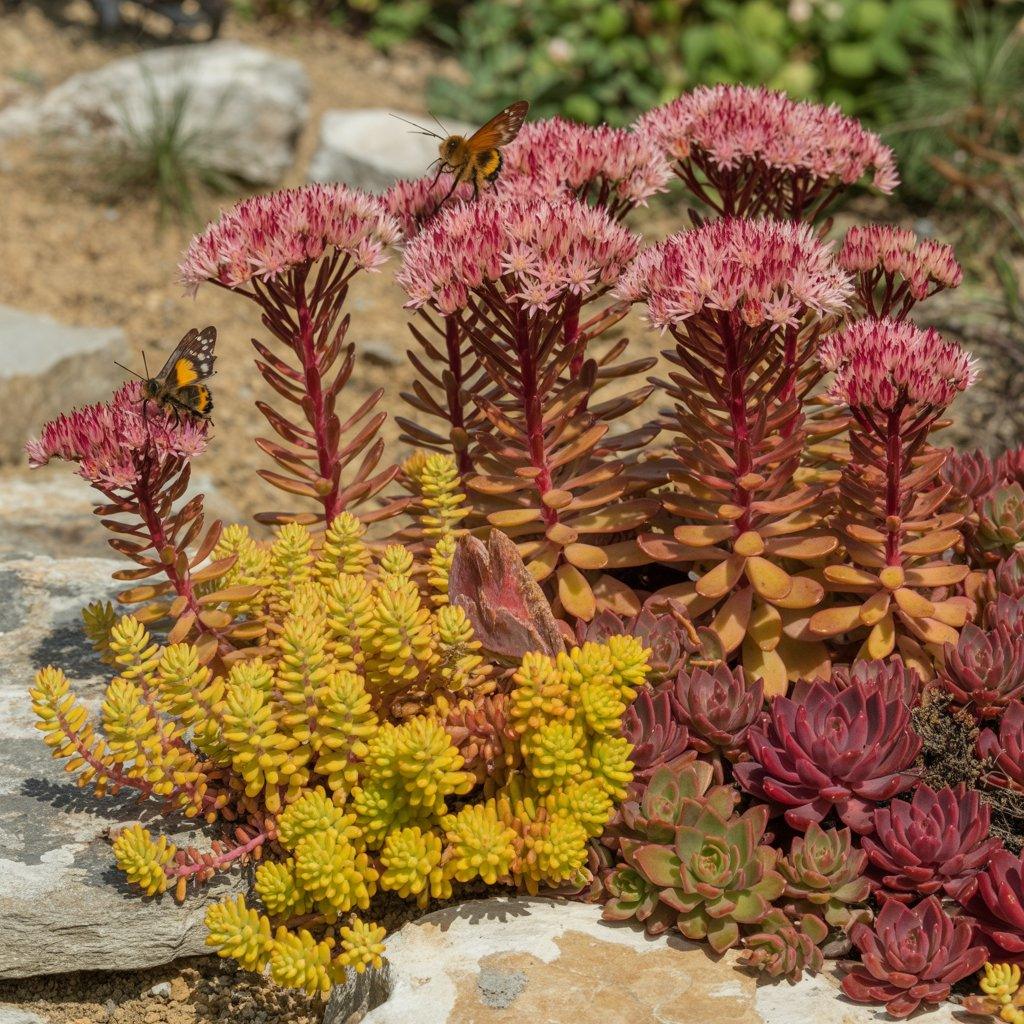
Sedum is a succulent perennial that stores water in its thick, fleshy leaves. Low‑growing varieties like ‘Angelina’ or ‘Dragon’s Blood’ spread quickly as ground covers. Upright varieties like ‘Autumn Joy’ grow 18 to 24 inches tall and produce clusters of pink flowers that turn rusty red in fall.
Sedum thrives in full sun and poor, dry soil. Too much water or rich soil makes it floppy and weak. Once established, it’s one of the most drought‑tolerant plants you can grow. Plant it in rock gardens, along hot driveway edges, or in shallow pots.
Sedum also attracts pollinators late in the season when many other flowers have finished. Cut back dead stems in early spring before new growth appears.
Detailed Tips for Keeping Plants Alive During a Heat Wave
Even heat‑tolerant plants need extra help when temperatures spike. Here’s what actually works.
- Water early in the morning. Watering before the sun comes up reduces evaporation and gives plants a full day’s worth of hydration. Never water in the middle of a hot day plants are too busy surviving to take up water effectively.
- Water deeply, not daily. A long, deep soak that wets the soil at least 6 inches down encourages roots to grow deeper. Shallow, frequent watering keeps roots near the surface, where they dry out faster.
- Add mulch. A 2‑ to 3‑inch layer of straw, wood chips, or compost keeps soil several degrees cooler and prevents moisture from evaporating. Mulch also blocks weeds that would compete for water.
- Provide temporary shade. Use shade cloth, burlap, or even a patio chair to shield sensitive plants during the hottest part of the day. Move container plants to a shadier spot on extreme heat days.
- Don’t fertilize during a heat wave. Fertilizer encourages new growth, and new growth needs more water and resources. That just adds to the plant’s stress. Wait until temperatures cool down.
- Check containers twice a day. Pots and hanging baskets dry out much faster than garden beds. During a heat wave, you may need to water them daily or even twice daily.
- Avoid pruning during extreme heat. Those wilting leaves are actually shading the plant’s stems and developing fruits. Leave them alone until the heat wave passes.
Mistakes to Avoid
Even experienced gardeners make these mistakes. Learn from them so you don’t repeat them.
- Watering the leaves instead of the soil. Wet leaves can lead to fungal diseases, especially when humidity is high. Keep the water source as close to the soil as possible.
- Planting or transplanting during a heat wave. New plants need time to establish roots. Hot weather makes that nearly impossible. Wait for cooler temperatures.
- Letting containers dry out completely. Once the soil pulls away from the side of the pot, it becomes hard to rehydrate. Poke a finger into the soil daily. If it’s bone‑dry, water immediately.
- Growing heat‑sensitive plants. Delphinium, lupine, and verbascum struggle in hot summers. Save yourself the heartache and stick with plants that are actually built for your climate.
- Over‑mulching. A 2‑ to 3‑inch layer is plenty. Piling mulch too deep can trap too much moisture and cause rot around the stem.
AFQs
Q1: Can any plant survive 100°F weather?
Yes, quite a few can. Angelonia, lantana, portulaca, and mandevilla can easily survive temperatures over 100°F. Tropical plants like hibiscus and bougainvillea also handle extreme heat well, though they need consistent moisture to do so.
Q2: Should I water my garden every day during a heat wave?
Not necessarily. Check the soil first. Stick your finger 1 to 2 inches into the soil. If it feels wet, hold off. If it’s dry, water deeply. Vegetable gardens typically need about one inch of water per week, but during a heat wave above 90°F, you may need to water daily or every other day.
Q3: Is it better to water plants in the morning or evening?
Morning is best. Watering early in the day before heat increases evaporation gives plants time to absorb moisture before the sun gets intense. Evening watering can leave leaves wet overnight, which promotes fungal diseases.
Q4: What’s the difference between drought‑tolerant and heat‑tolerant?
A drought‑tolerant plant can survive dry periods but may struggle in extreme heat if it’s adapted to cooler climates. A heat‑tolerant plant thrives in high temperatures as long as it has regular moisture. The best plants for heat waves are both heat‑tolerant and drought‑tolerant.
Q5: Do perennials or annuals handle heat better?
Both can handle heat well if you choose the right varieties. Perennials like coneflower, black‑eyed Susan, and salvia come back year after year. Annuals like zinnias, marigolds, and lantana provide instant color that lasts until frost. Many gardeners plant a mix of both for season‑long interest.
Design & Styling Ideas
You don’t need a huge yard to grow heat‑loving plants. Here are a few simple ways to make them look great.
- Use containers on hot patios. Portulaca, lantana, and angelonia spill over the edges of pots and hanging baskets beautifully. Group several containers together for a big impact in a small space.
- Create a pollinator strip. Plant salvia, coneflower, and blanket flower in a sunny border. Butterflies, bees, and hummingbirds will visit constantly, and your garden will feel alive even on the hottest days.
- Go for height in the back. Sunflowers and tall zinnias (up to 4 feet) create a natural backdrop for shorter plants like marigolds and portulaca.
- Mass the same plant for drama. Blanket flower and black‑eyed Susan look most impressive when planted in large groups rather than single scattered plants.
- Add silver foliage for contrast. Silver‑leafed plants like artemisia reflect heat and pair beautifully with bright zinnias or purple angelonia.
Conclusion
You don’t need to watch your garden crisp up every July. Pick the right plants lantana, portulaca, zinnias, salvia, coneflower, and the others on this list and you’ll have color all summer long.
The secret is simple: match the plant to your climate. Give it full sun, well‑draining soil, and a deep drink in the morning. Add a layer of mulch to keep the roots cool. Then step back and let the plant do what it was built to do.
Your garden can survive a heat wave. You just need the right team on your side.
Related Post: