

There’s something special about a fire. The crackle, the glow, the way it pulls people closer. Now imagine that warmth tucked inside a gazebo, sheltered from the wind, with string lights overhead and comfortable seats all around. That’s the kind of outdoor space you never want to leave.
A gazebo with a fireplace turns a simple backyard structure into a true destination. It extends your outdoor season, keeps the bugs away when screens are added, and gives you a reason to sit outside long after the sun goes down.
Whether you want a rustic stone hearth, a sleek modern gas unit, or a simple fire pit tucked under a hardtop roof, there’s an option that fits your space and your budget.
This guide covers 20 real, practical ideas you can use. Each one focuses on what actually works, from materials and layouts to safety basics and cozy touches. Let’s get into it.
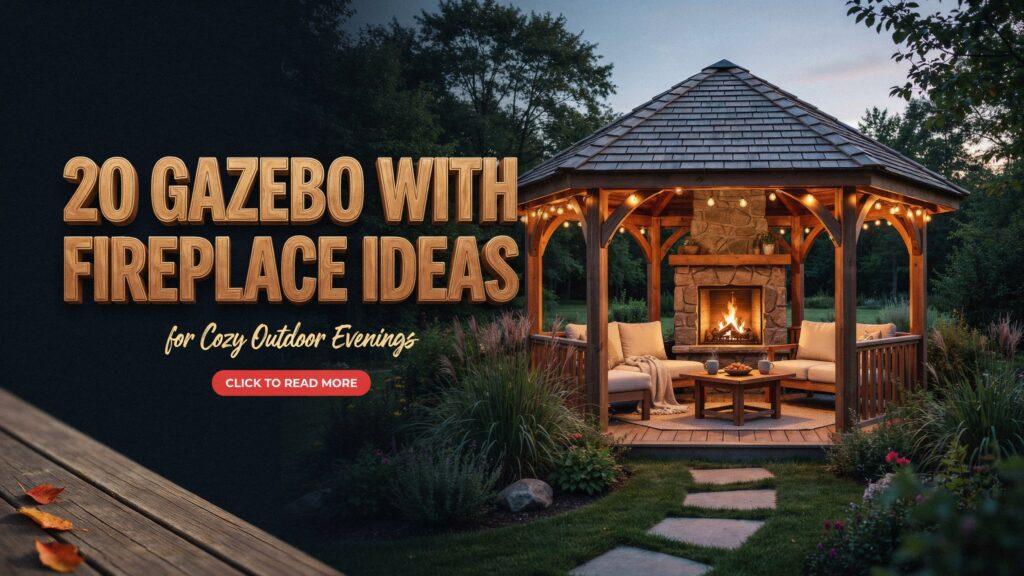
1. Rustic Stone Fireplace with Wooden Beams
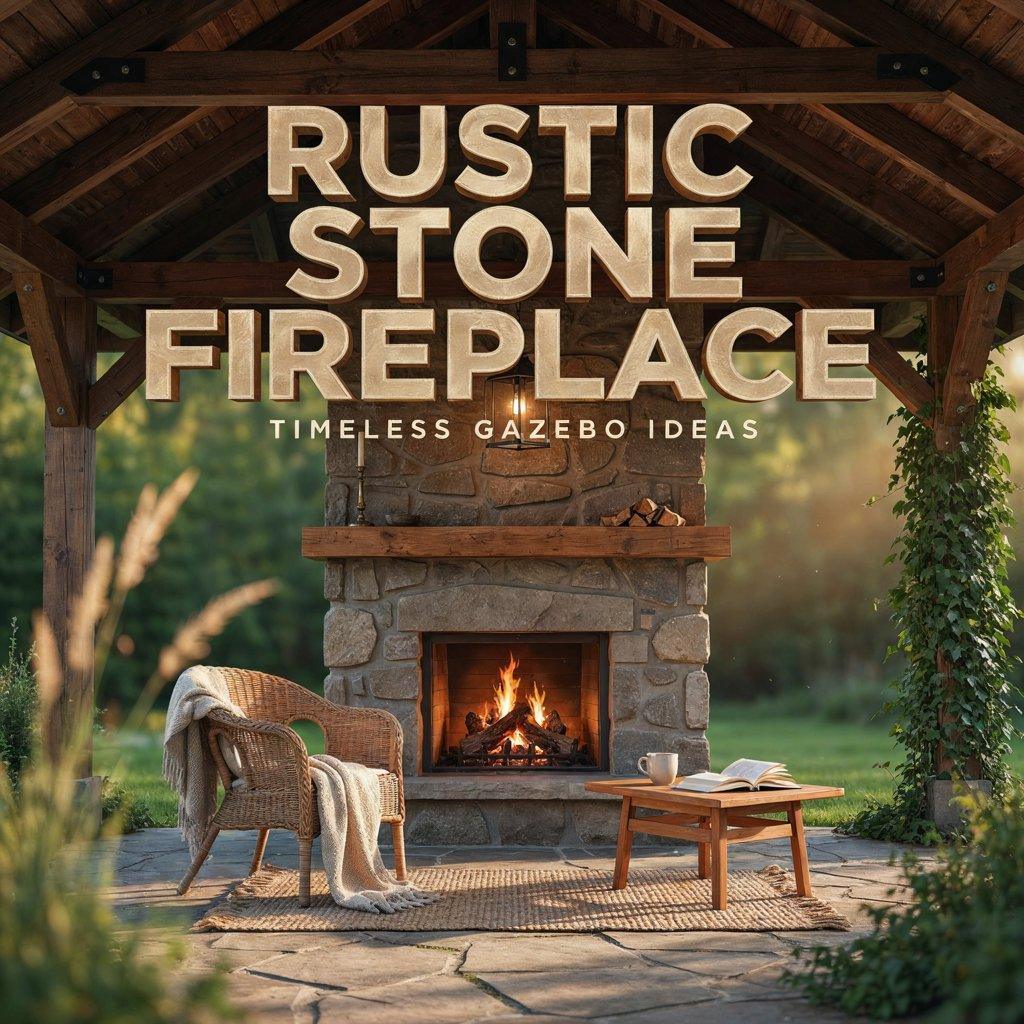
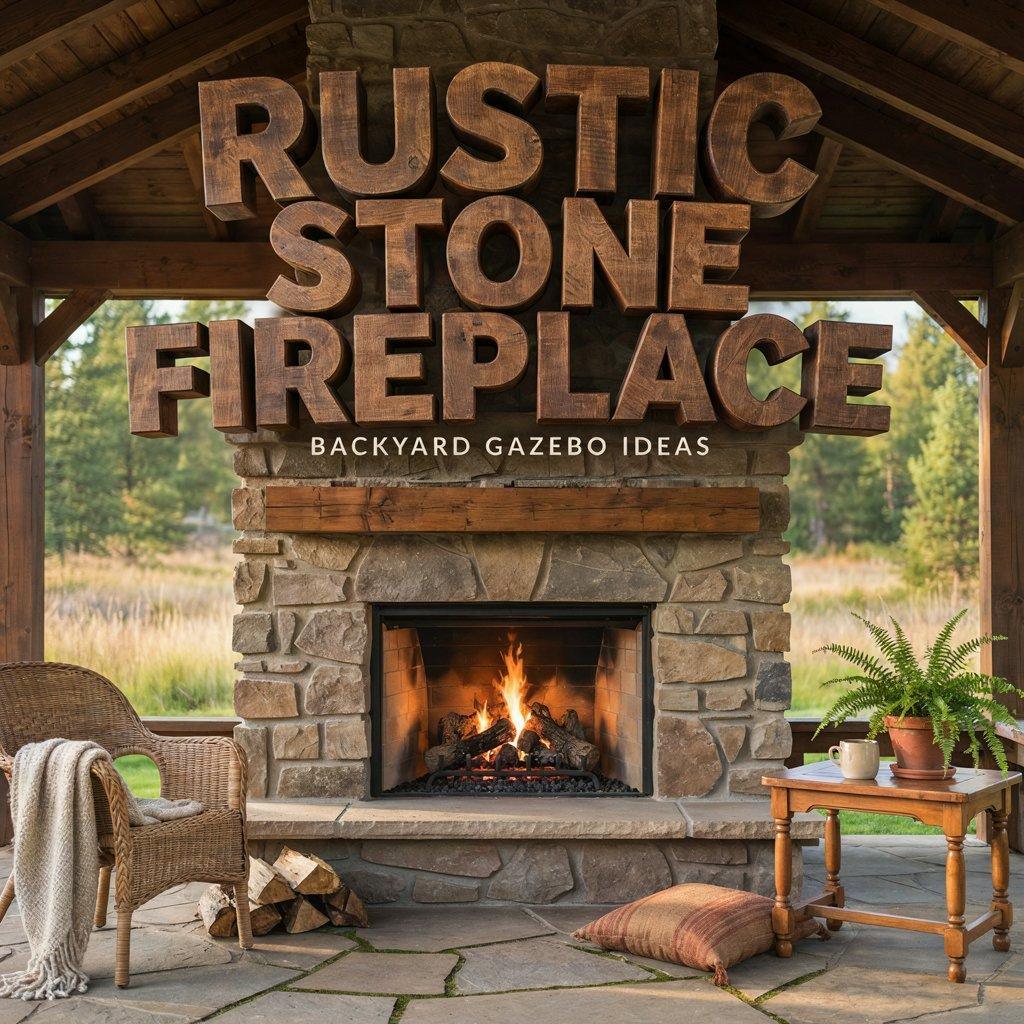
A stone fireplace built into the back wall of a wooden gazebo creates instant rustic charm. Pair it with exposed ceiling beams, a thick timber mantel, and natural stone flooring.
This setup works beautifully with wicker or teak furniture and warm, earthy fabrics. The stone absorbs and radiates heat, so even after the fire dies down, the structure stays warm.
Use real stone veneer over a concrete block core for durability without the cost of solid stone construction. This is one of the most timeless gazebo fireplace ideas because it blends with almost any backyard landscape.
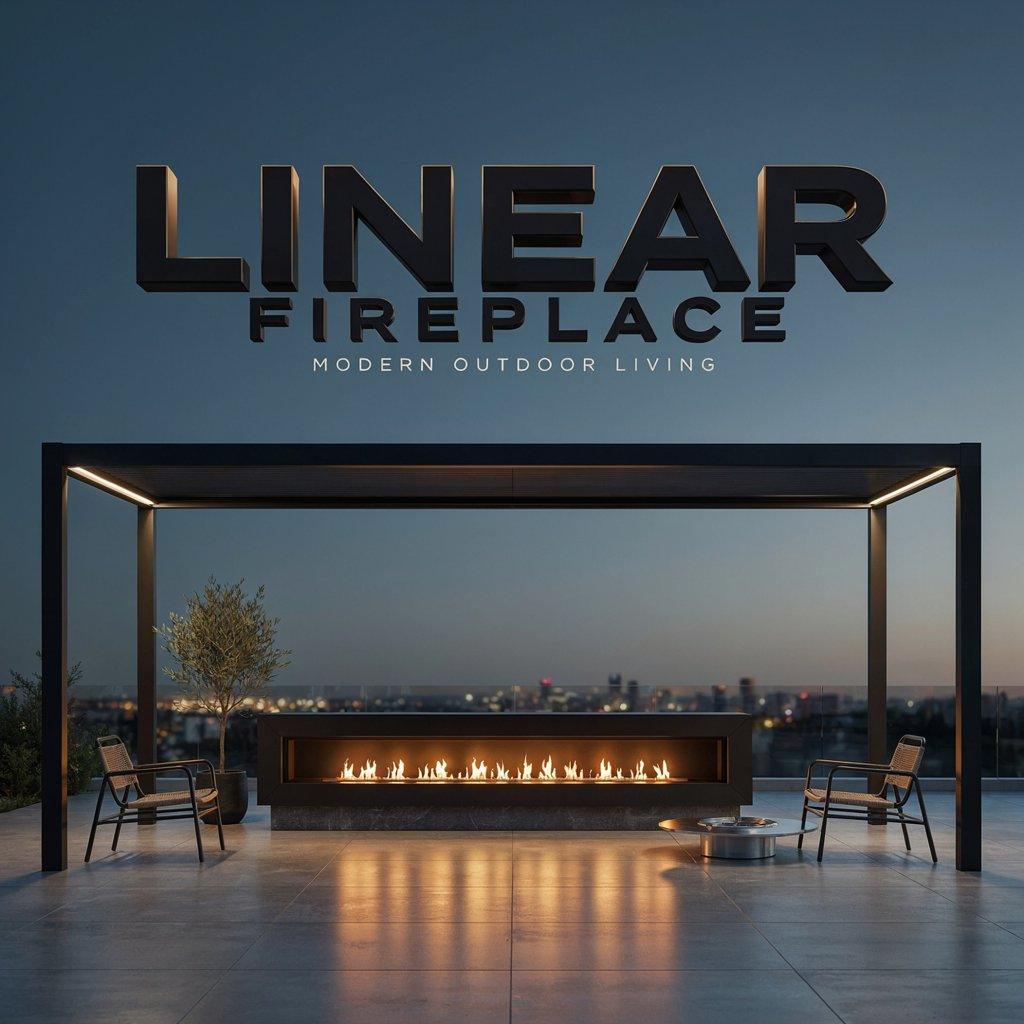
2. Modern Linear Gas Fireplace with Clean Lines
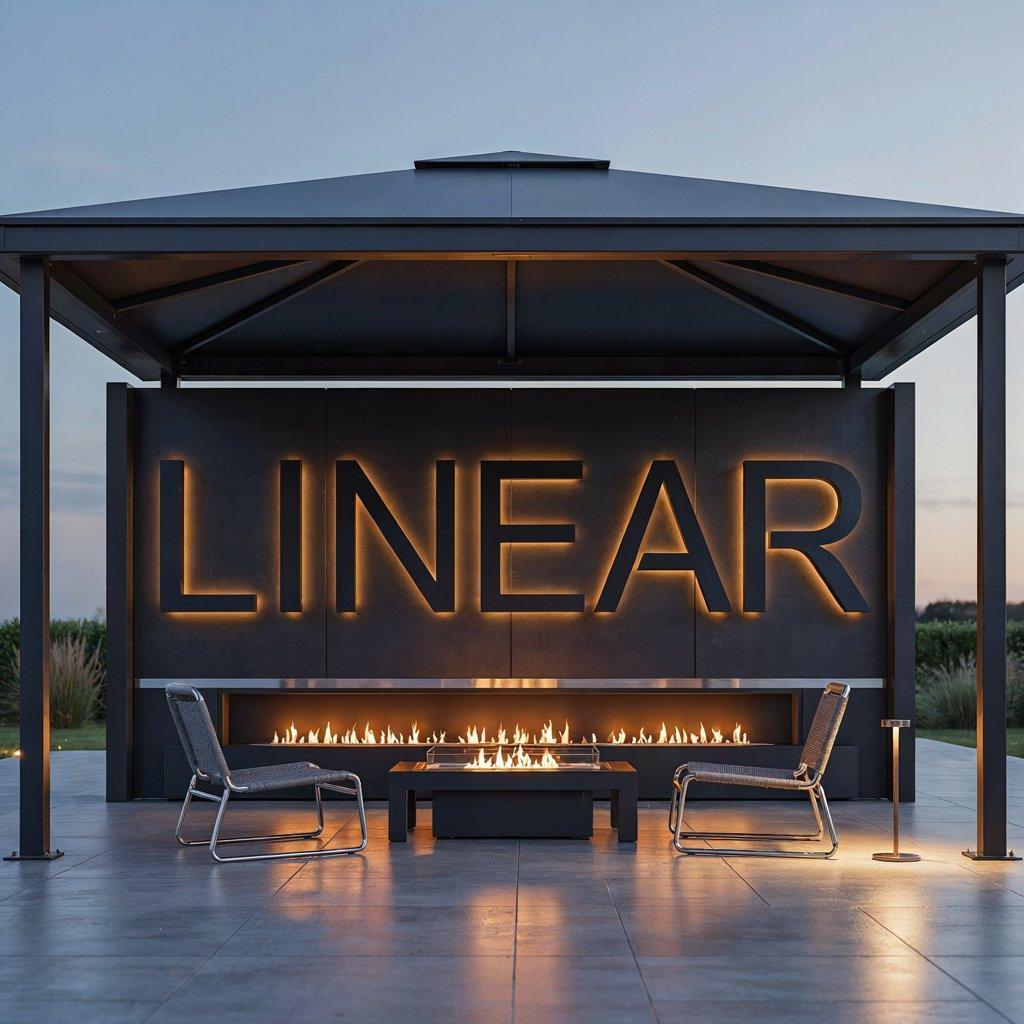
If your home leans contemporary, a linear gas fireplace offers a sleek focal point inside a metal or hardtop gazebo. These units produce a long, low flame that looks stunning against a dark surround.
The heat output is controllable, and there’s no smoke or ash to deal with. Pair it with aluminum or powder-coated steel furniture, a low-profile fire table, and minimalist lighting.
This is a smart choice for smaller modern patios where a traditional hearth would feel heavy. Gas fireplaces also turn on and off with a remote, which makes them easy to use on a whim.
3. Cozy Corner Fireplace with Curtains and Blankets
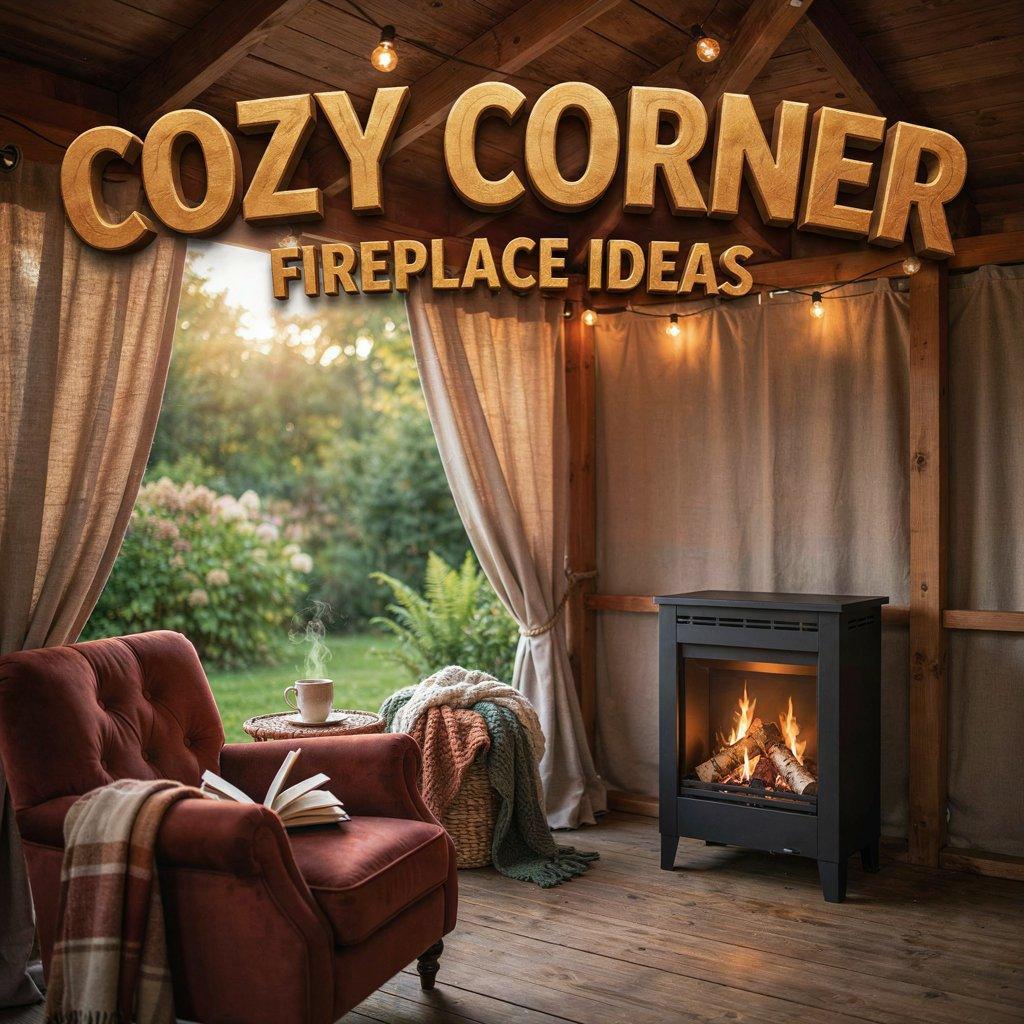
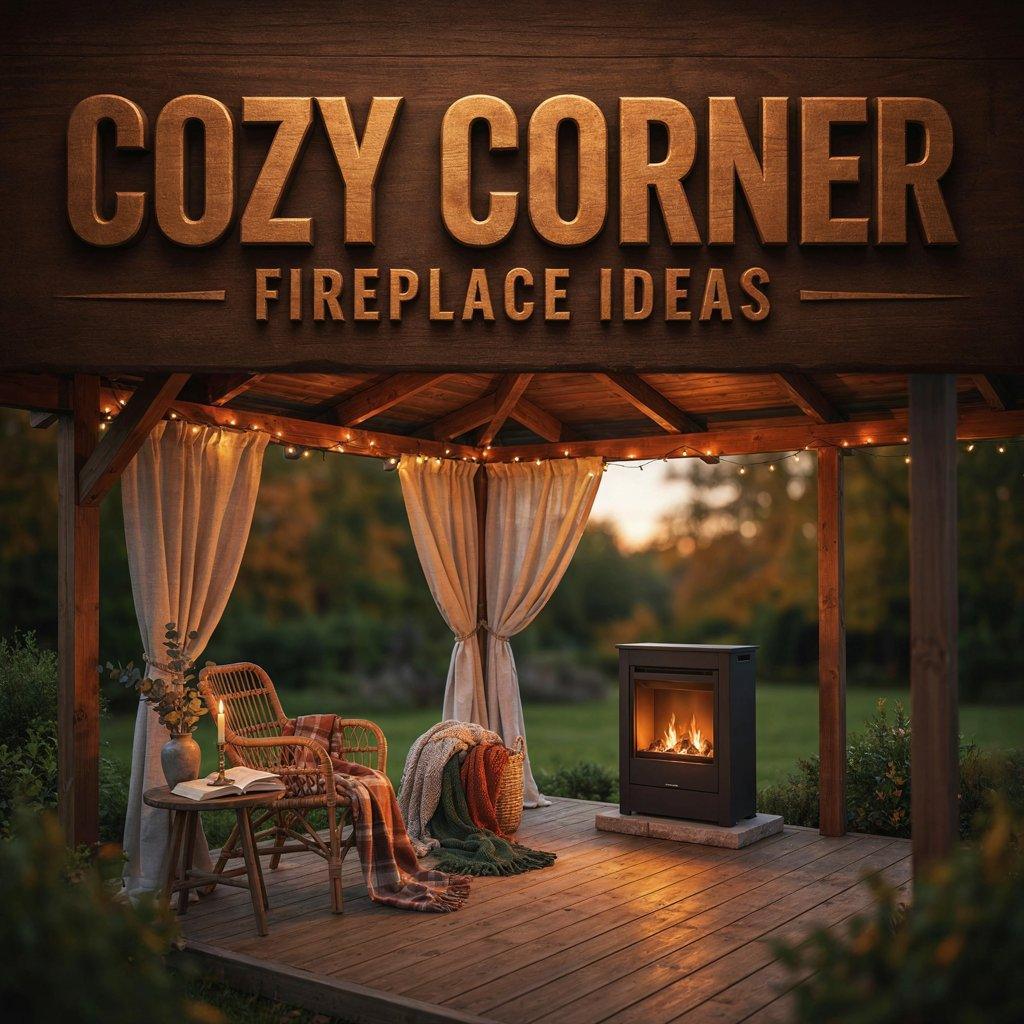
You don’t need a massive fireplace to create a cozy corner. A small, freestanding propane or electric fireplace tucked into one corner of a gazebo can anchor a reading nook or quiet conversation area.
Add weather-resistant curtains on two sides to block wind, and keep a basket of blankets nearby. This idea works especially well in smaller gazebos where a central hearth would eat up too much floor space.
The curtains also add softness and privacy, making the space feel like an outdoor room rather than just a covered patio.
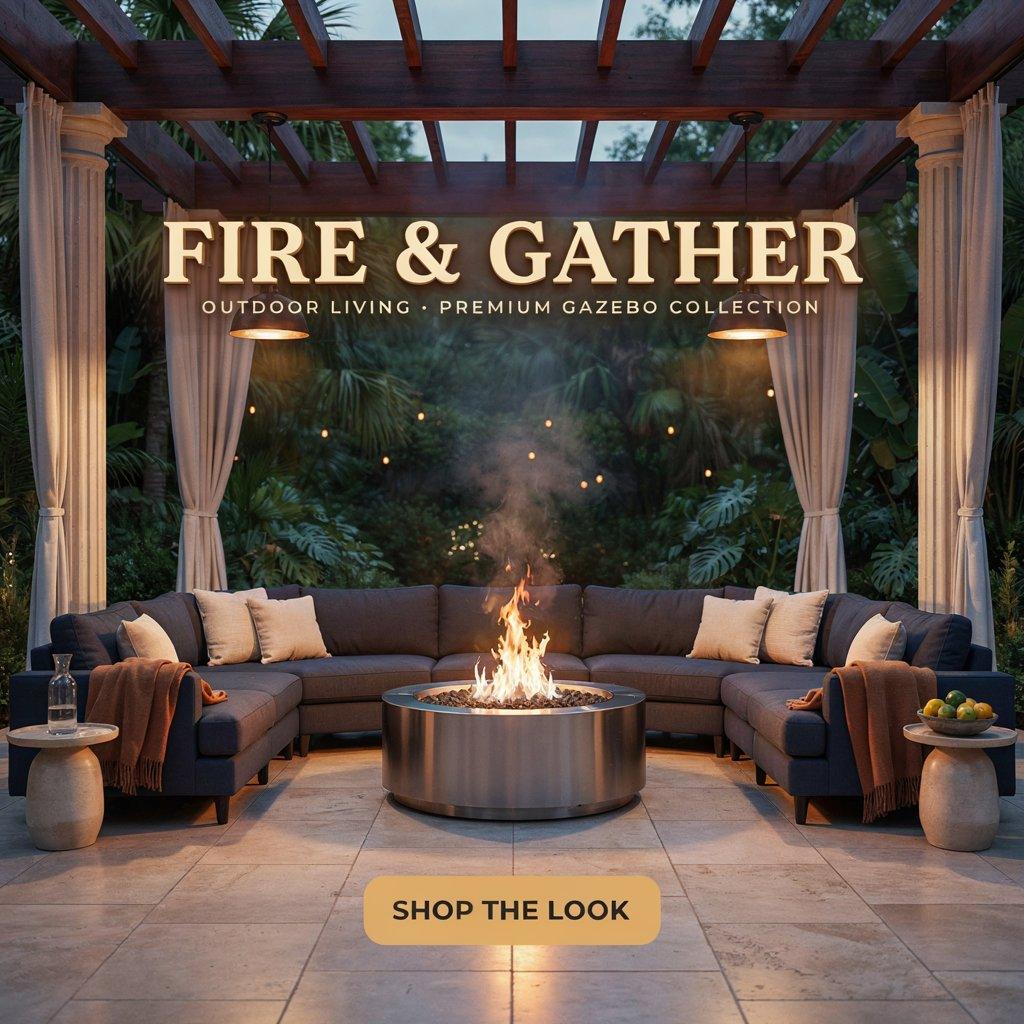
4. Central Fire Pit with Wraparound Seating
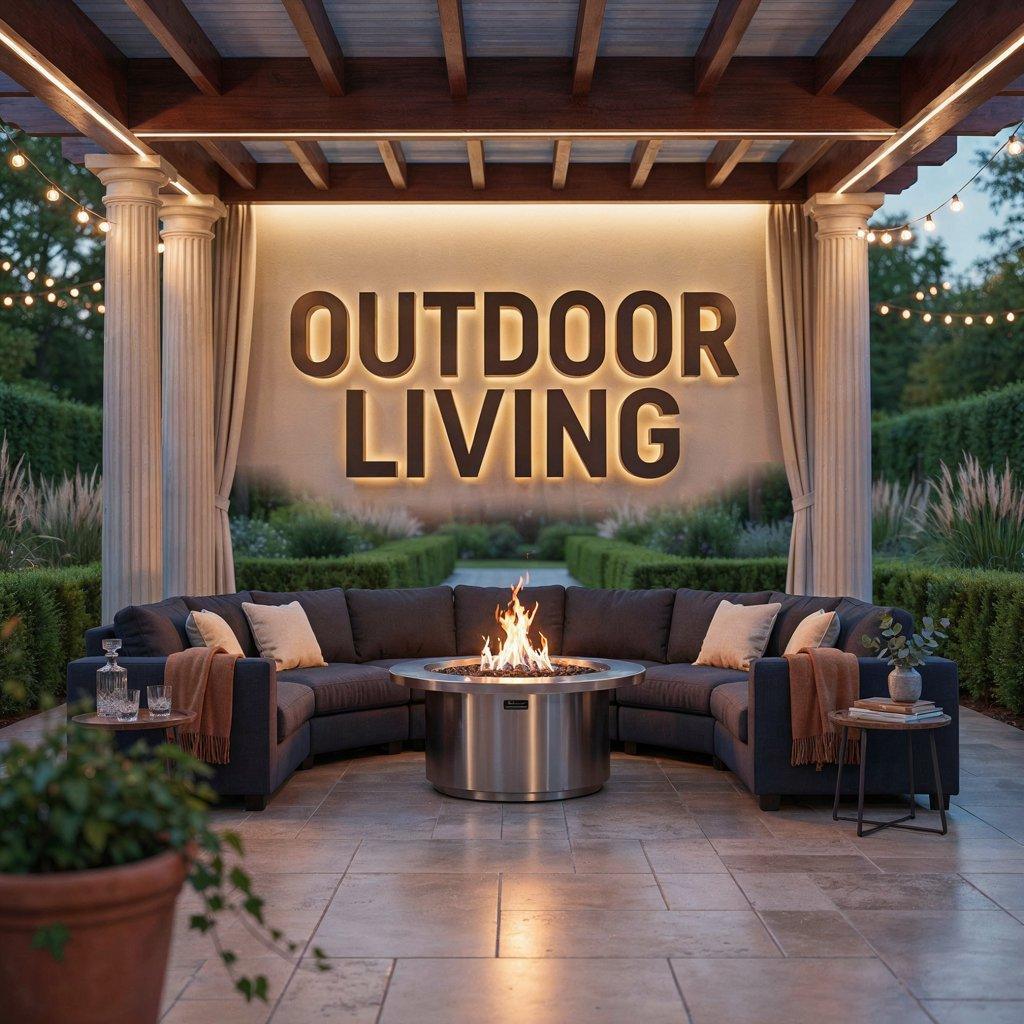
A round or square fire pit placed in the center of a gazebo encourages conversation and keeps everyone within reach of the warmth.
Use modular seating that curves around the fire, leaving clear walking paths behind the chairs. This layout works best in larger gazebos with open sides and good ventilation.
Choose a gas or propane fire pit rather than wood-burning to avoid smoke getting trapped under the roof. A low fire pit table also doubles as a casual dining surface during the day.
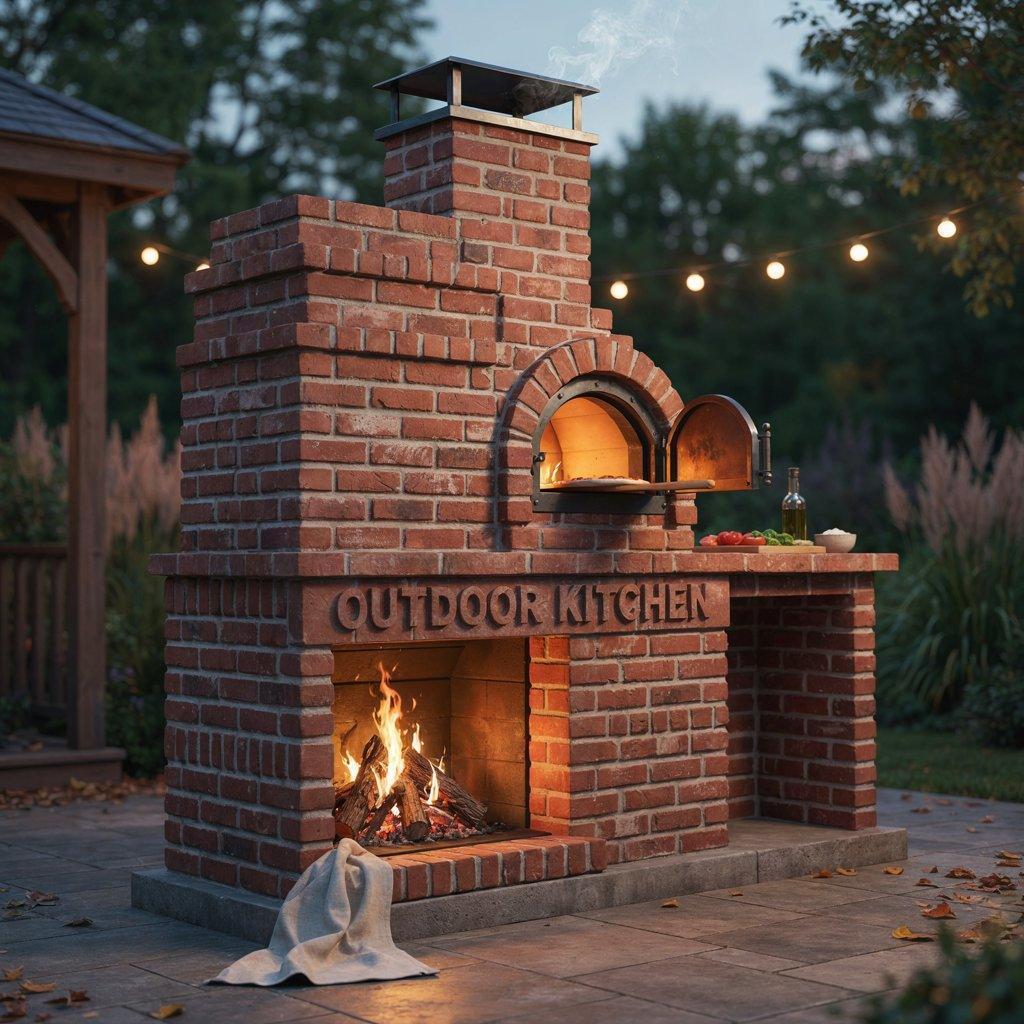
5. Brick Fireplace with Built-In Pizza Oven
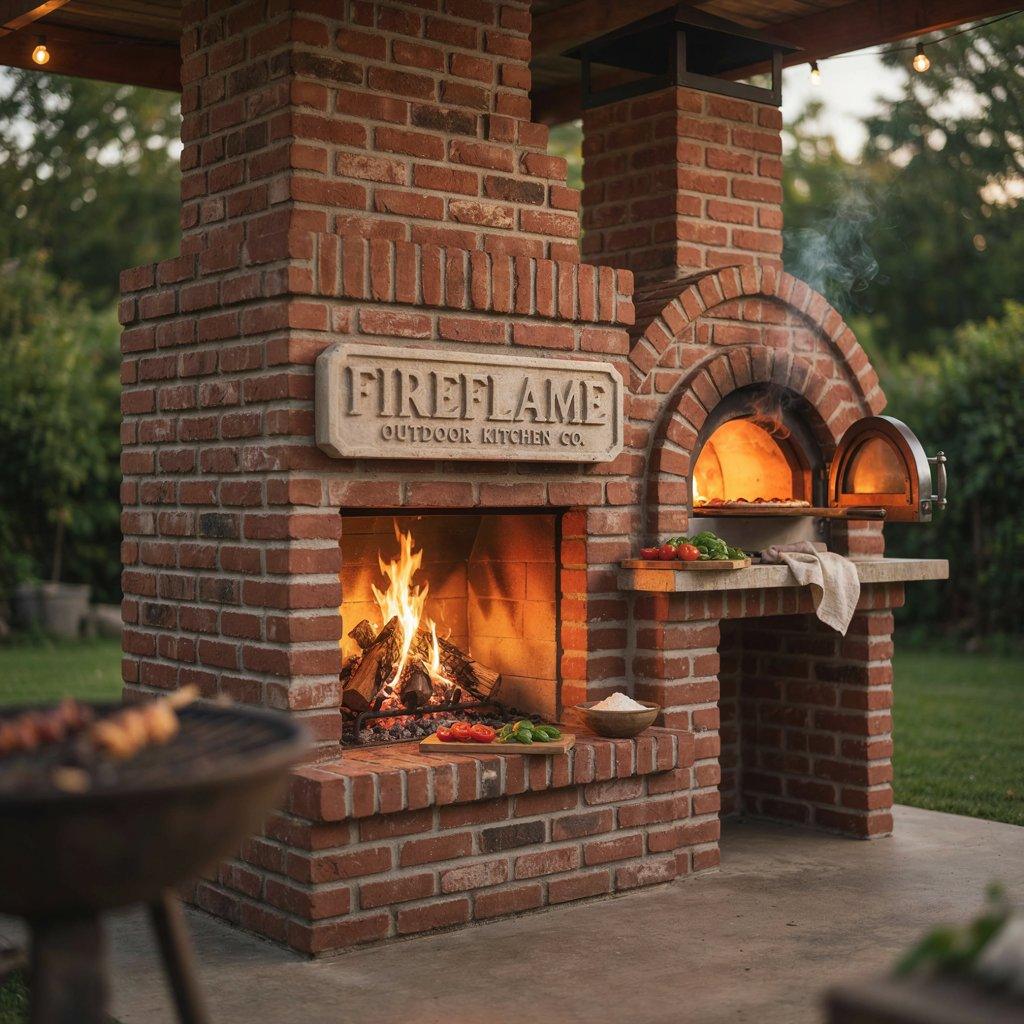
For serious outdoor cooks, a brick fireplace with an integrated pizza oven turns the gazebo into a full outdoor kitchen.
The firebox handles both heating and cooking, while the oven attachment lets you bake flatbreads, roast vegetables, or finish dishes with a smoky char. This setup requires a proper foundation and a chimney that extends above the roofline.
Fireclay brick is the right material for the firebox because it handles high heat without cracking. The rest of the structure can use standard red brick for a classic look.
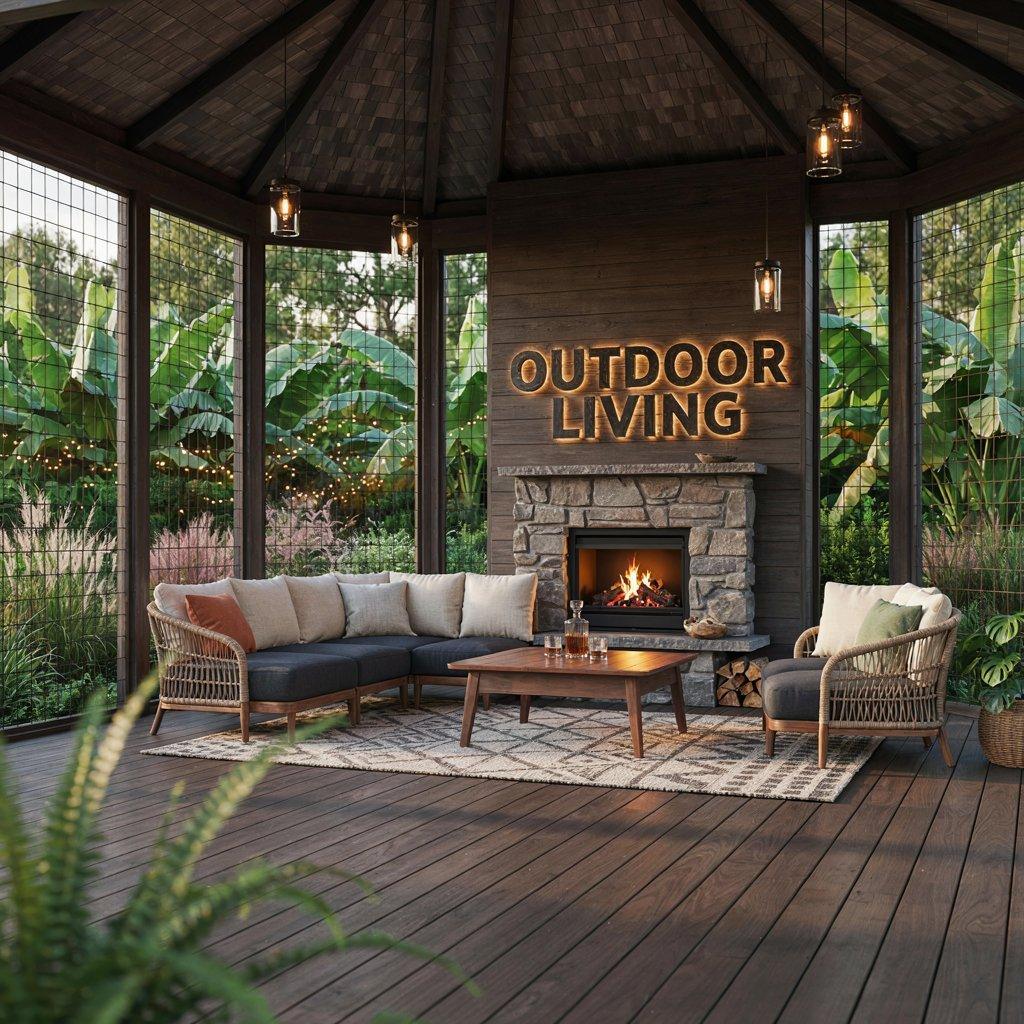
6. Screened Gazebo with a Freestanding Fireplace
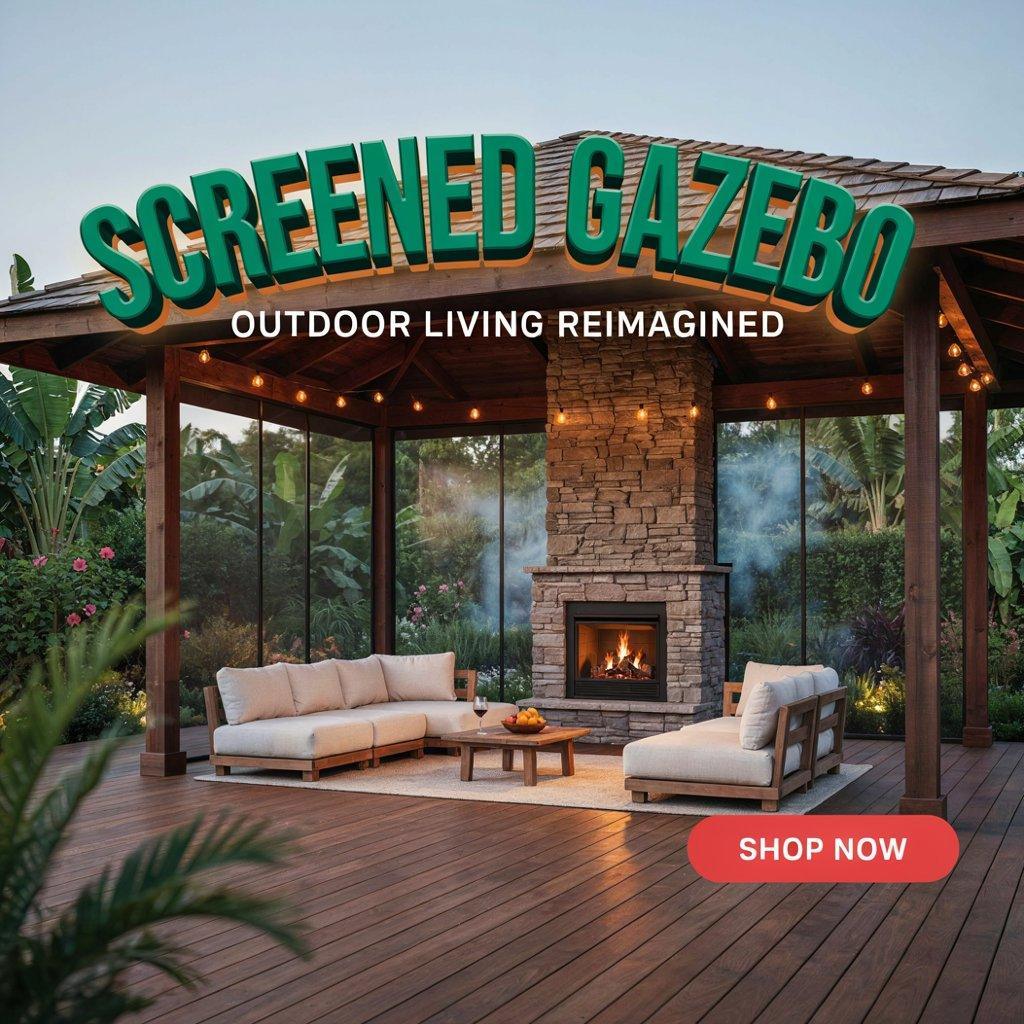
A screened gazebo keeps bugs out while letting the breeze in. Place a freestanding wood-burning or gas fireplace against one wall, leaving plenty of open floor space for furniture.
Screened panels also help contain sparks if you go with a wood-burning unit, though gas is still the safer bet under any roof. This setup is ideal for areas with heavy mosquito populations.
Make sure the screens are rated for heat exposure if the fireplace sits close to them. A freestanding unit is easier to swap out or upgrade later.
7. Small Gazebo with a Tabletop Fireplace
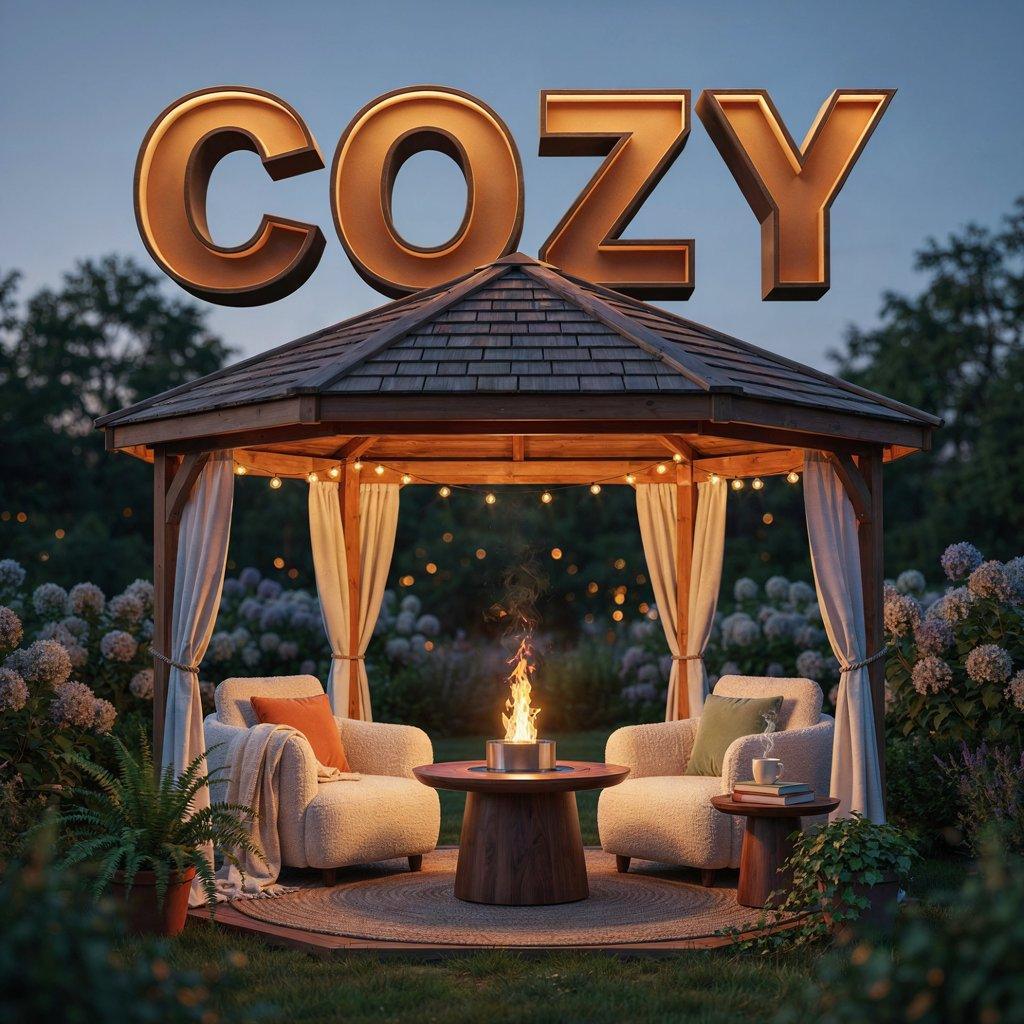
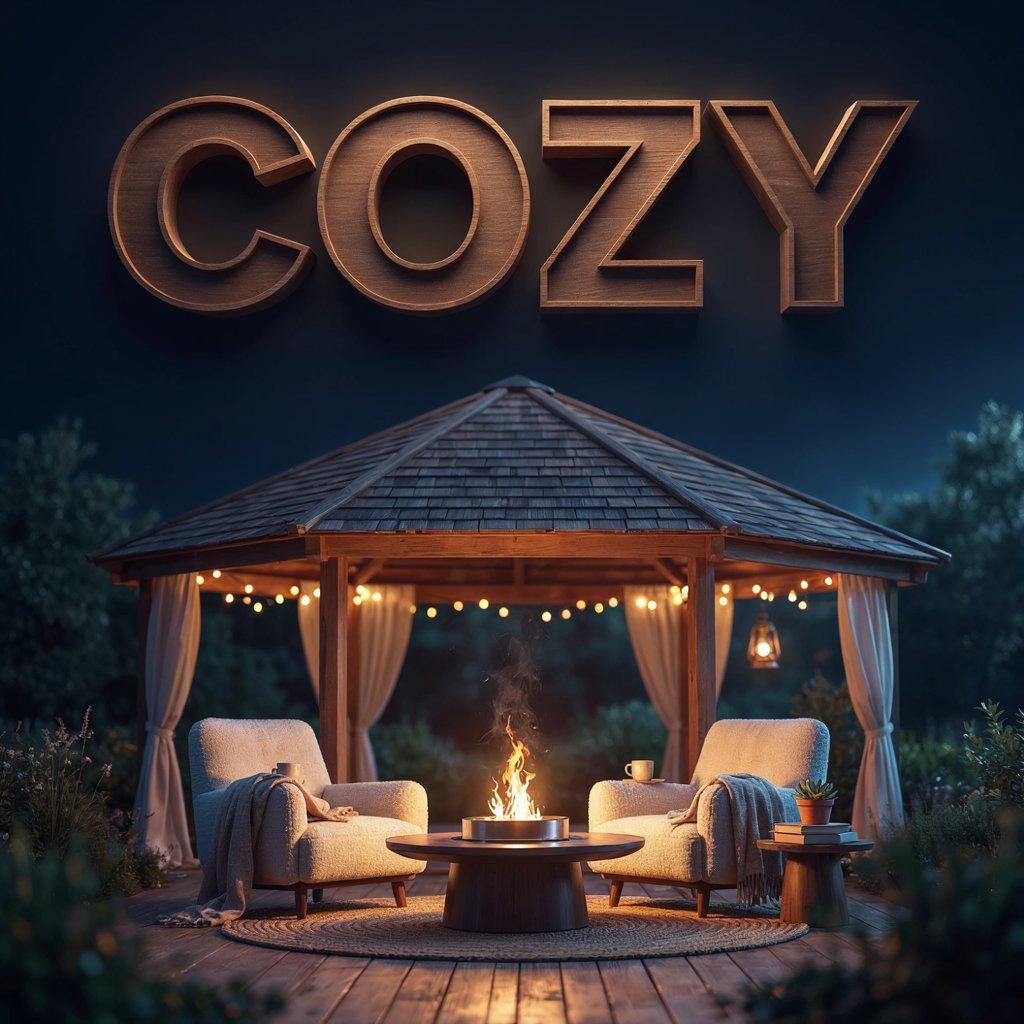
Not every backyard has room for a full-size hearth. A compact tabletop fireplace, like a portable gas or bioethanol unit, brings real flame ambiance to a small gazebo or even a balcony setup.
These units are lightweight, often under ten pounds, and can be placed right on a coffee table or dining table.
They’re perfect for apartment patios, tiny yards, or anyone who wants the look of a fireplace without the installation commitment. Pair it with two comfortable chairs and a side table for a simple, effective cozy zone.
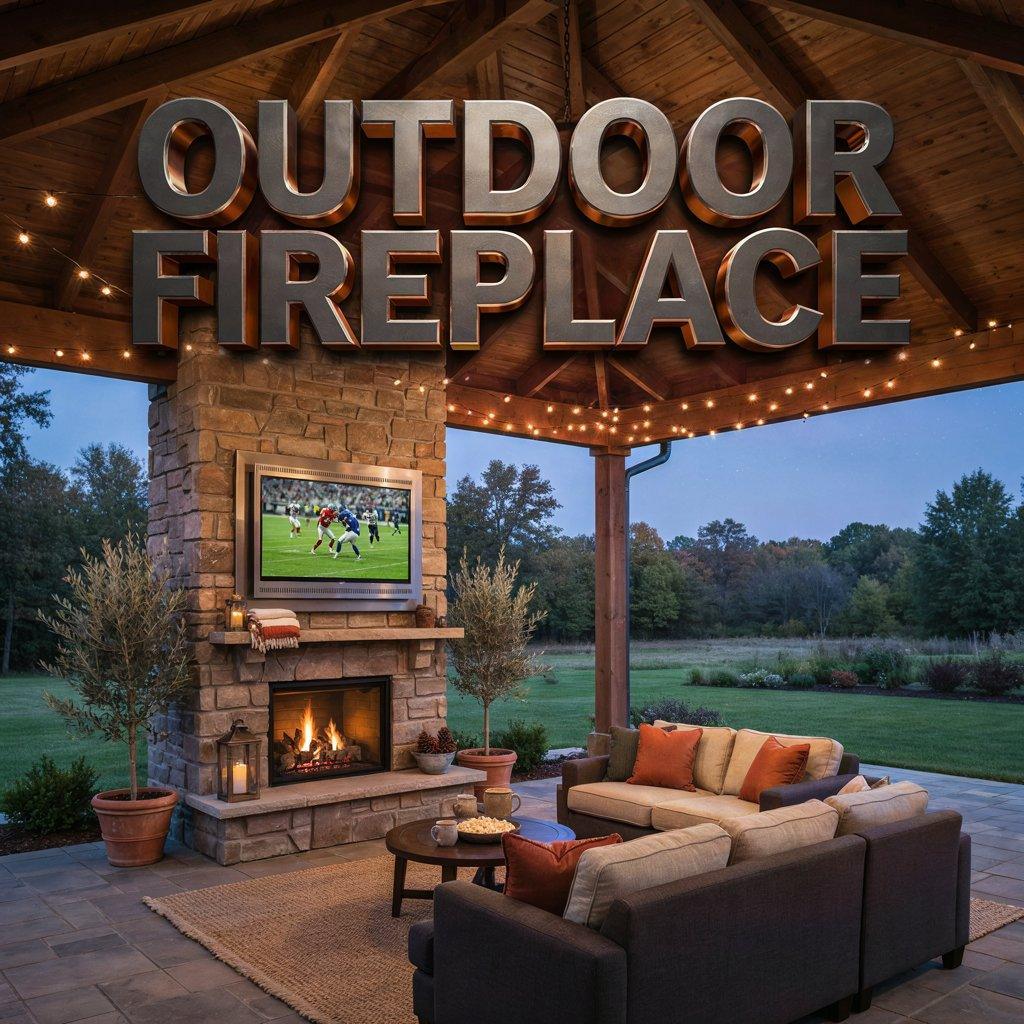
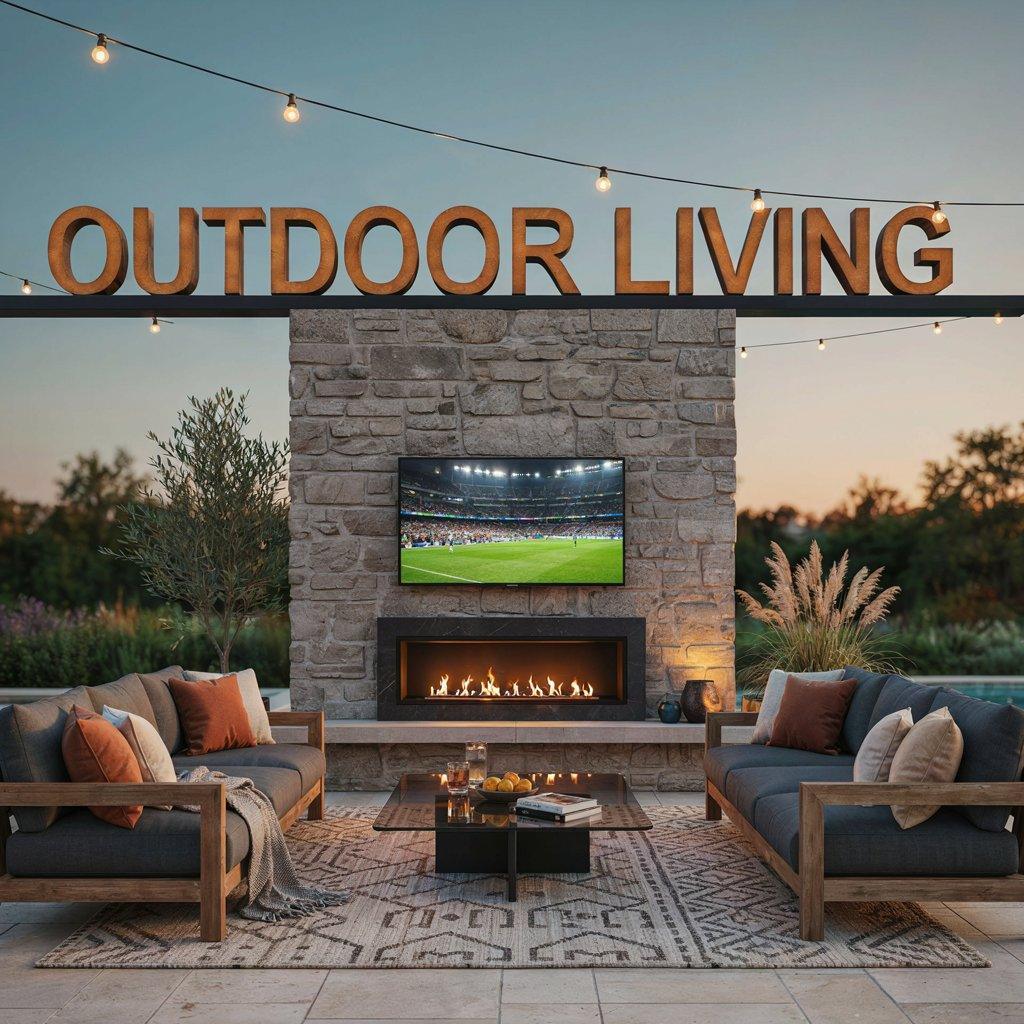
8. Outdoor Fireplace with a Mounted TV Above
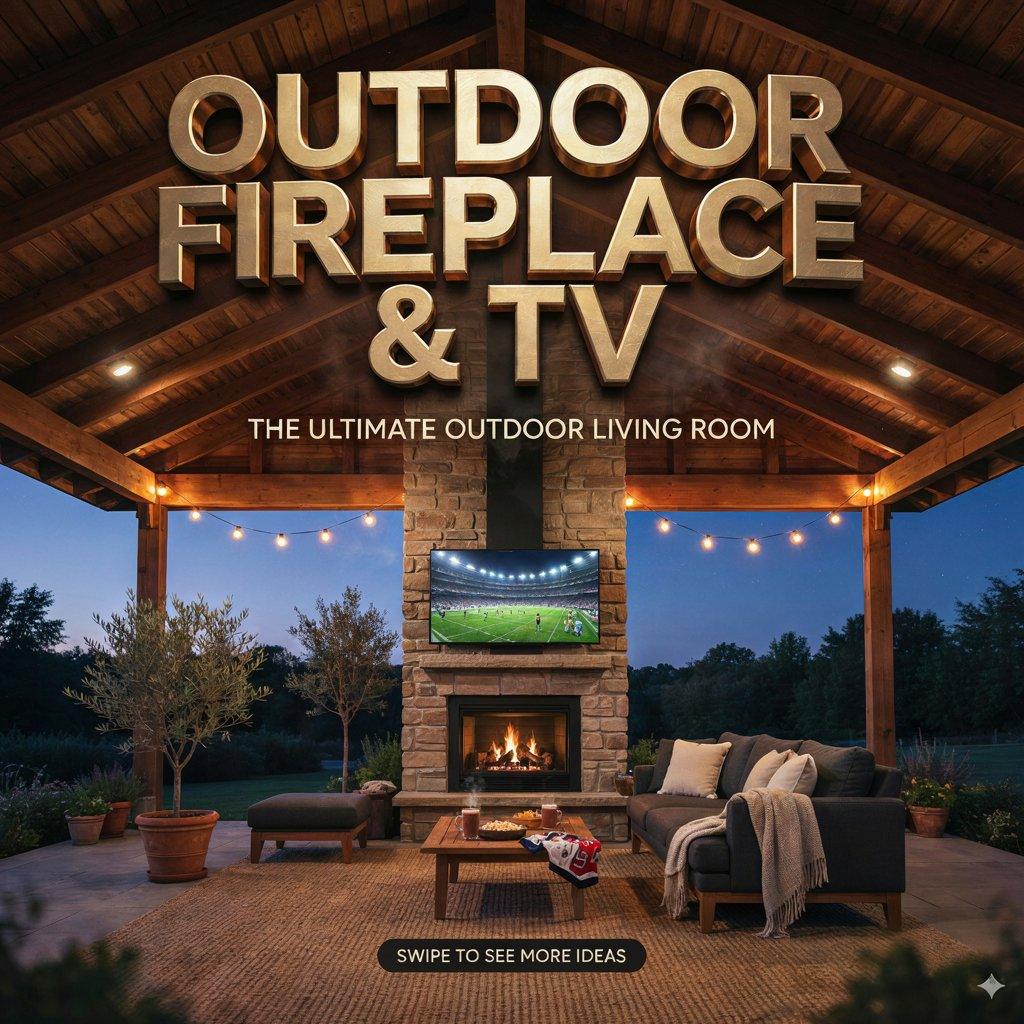
A stone or brick fireplace with a flat-screen TV mounted above it creates a true outdoor living room. This setup is popular for game days and movie nights under the stars.
Use a weatherproof TV enclosure or a model rated for outdoor use. The fireplace should be built with a heat shield behind the TV to protect electronics from rising warmth.
Run wiring through conduit inside the chimney chase. This idea works best in a larger gazebo with a solid roof and at least one wall for mounting.
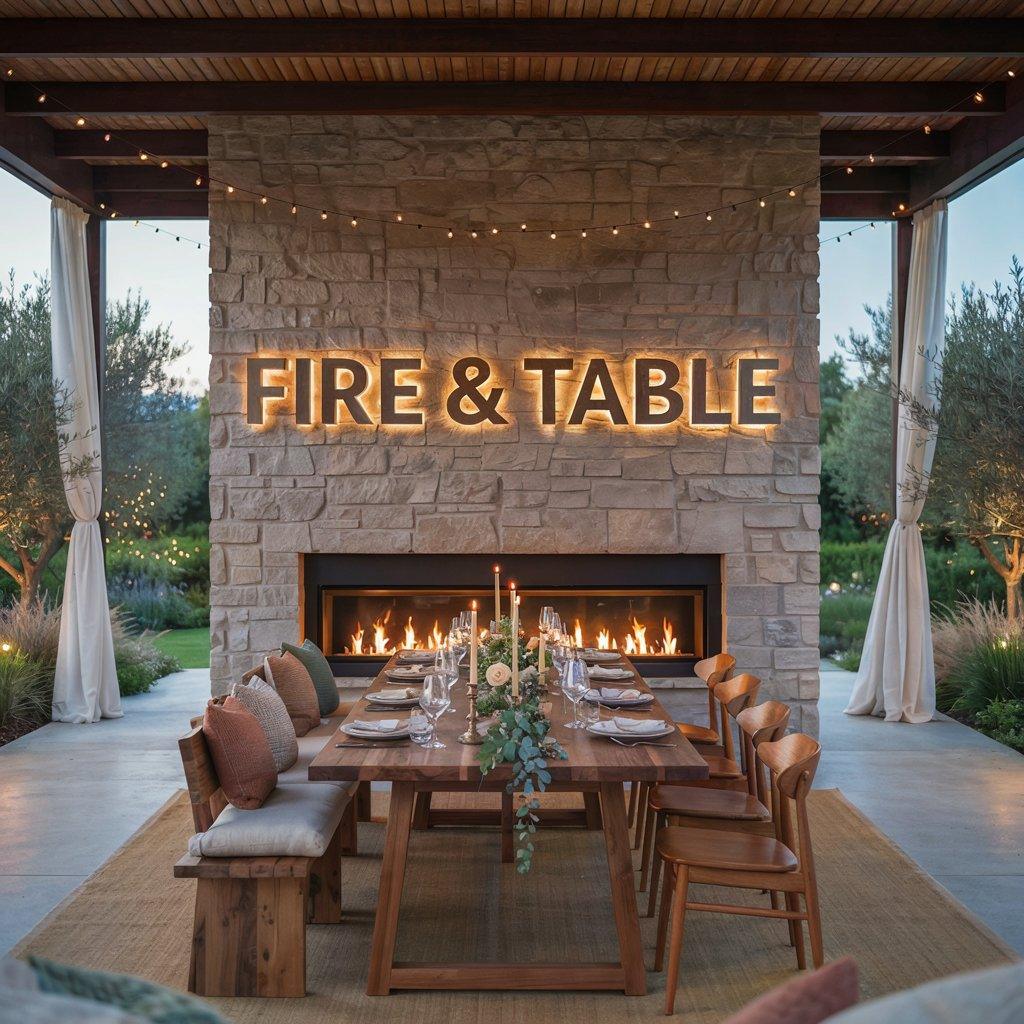
9. Fireplace and Dining Table Combination
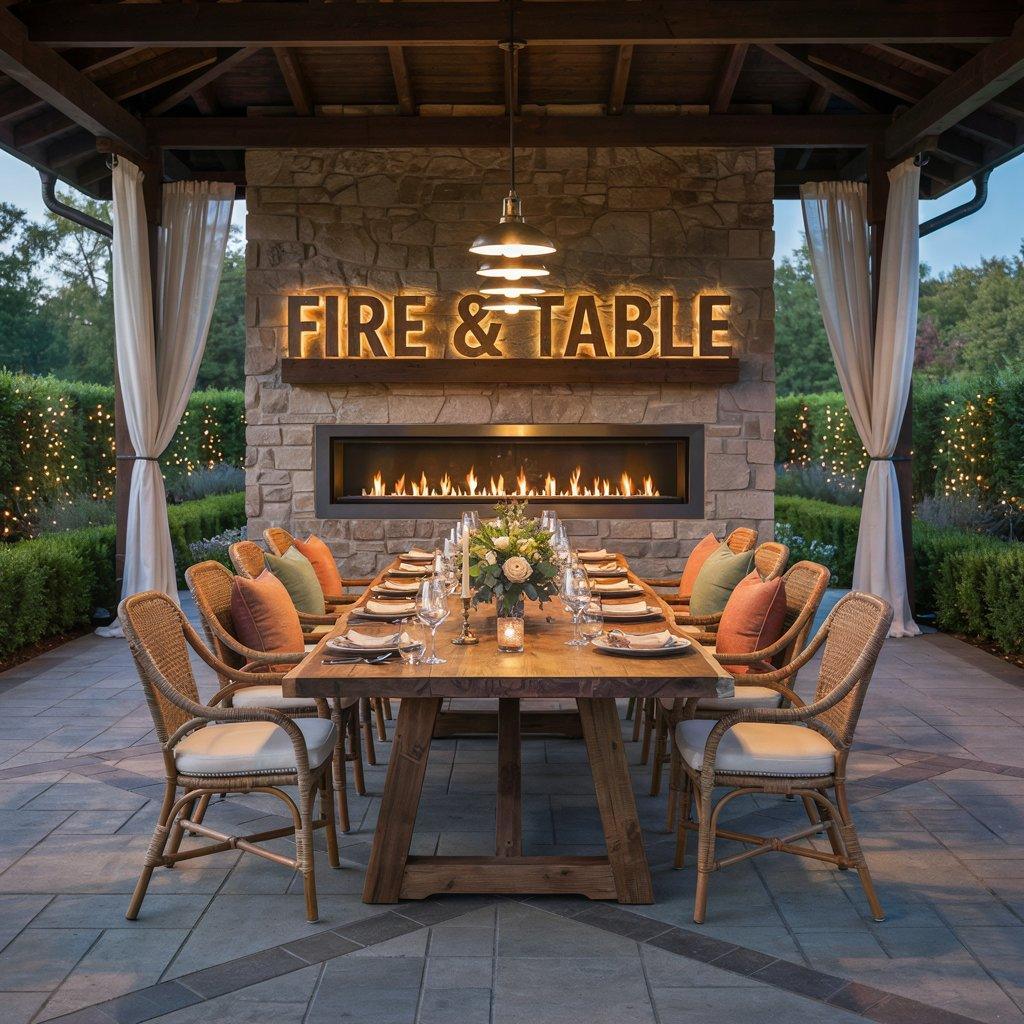
Instead of arranging seating in a circle, place a long dining table parallel to a linear fireplace. This lets you enjoy the fire while eating, and it keeps the fireplace from dominating the center of the gazebo. A gas linear unit works well here because it doesn’t produce smoke or sparks that could reach the table.
Use benches on one side and chairs on the other for a relaxed, communal feel. This layout is excellent for entertaining because the fire becomes a backdrop rather than the main event.
10. Gazebo with Fireplace and Outdoor Kitchen
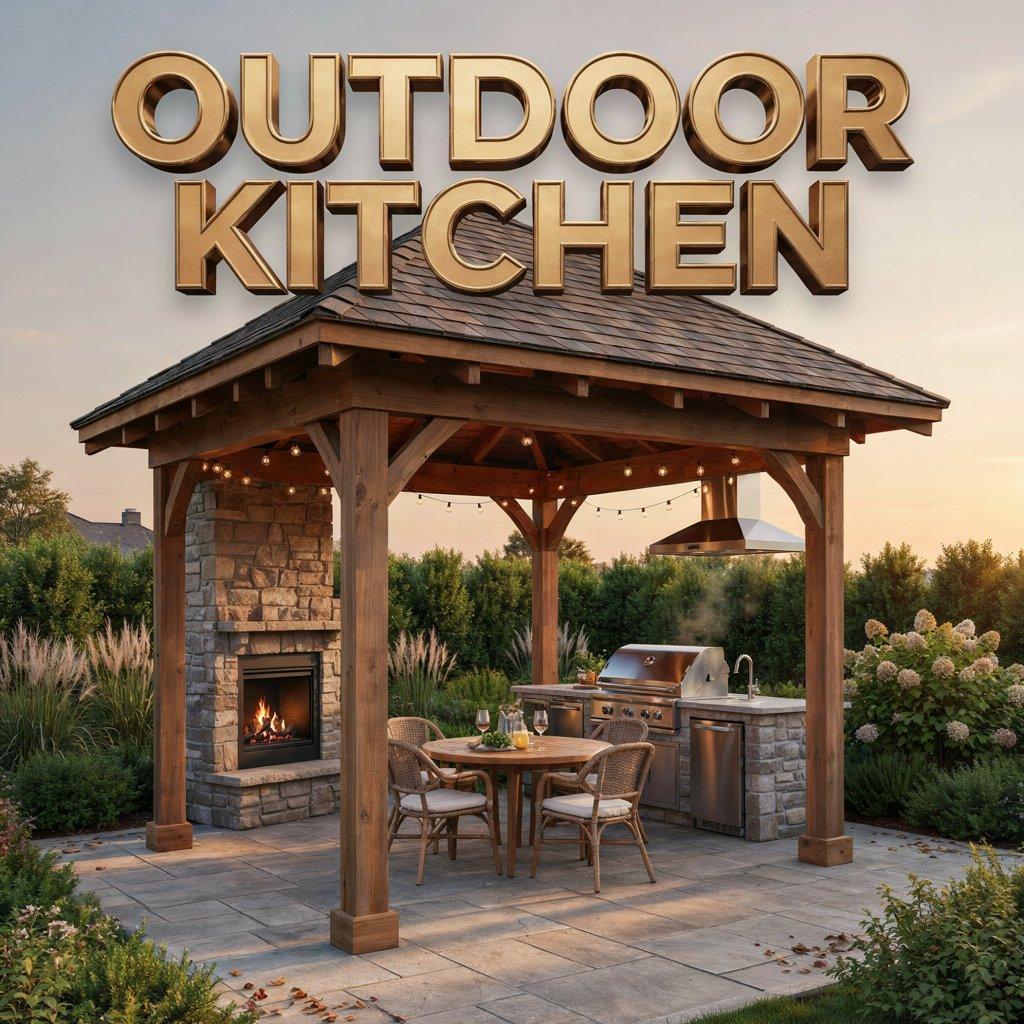
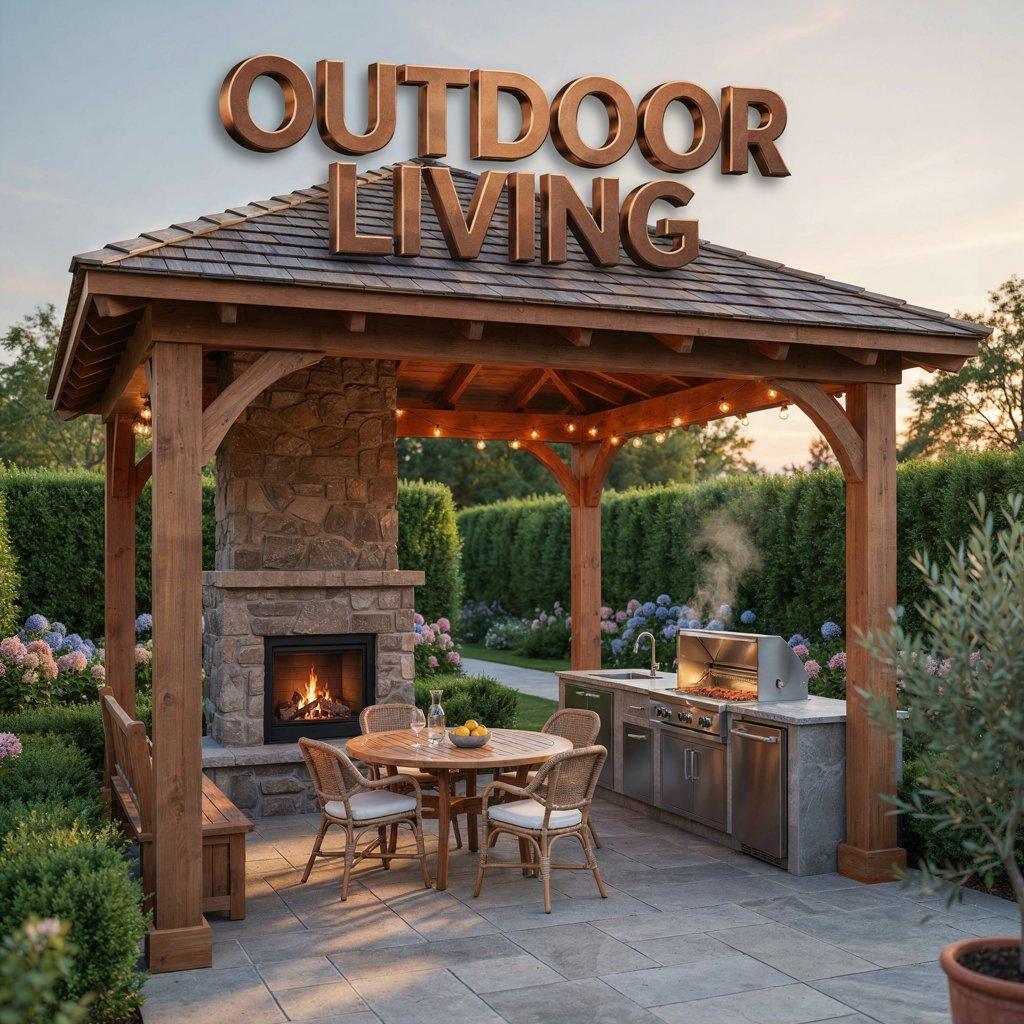
Combine a fireplace with a built-in grill, sink, and small refrigerator to create a complete outdoor kitchen under one roof.
The fireplace anchors one end of the gazebo, while the cooking zone occupies the opposite wall. This keeps heat sources separated and gives you clear work zones. Use stainless steel or stone countertops that can handle the elements.
A vented hood above the grill is a smart addition to pull smoke and grease away from the seating area. This is a bigger investment, but it turns the gazebo into the most-used room in the house.
11. Fireplace with a Stone Mantel for Decor
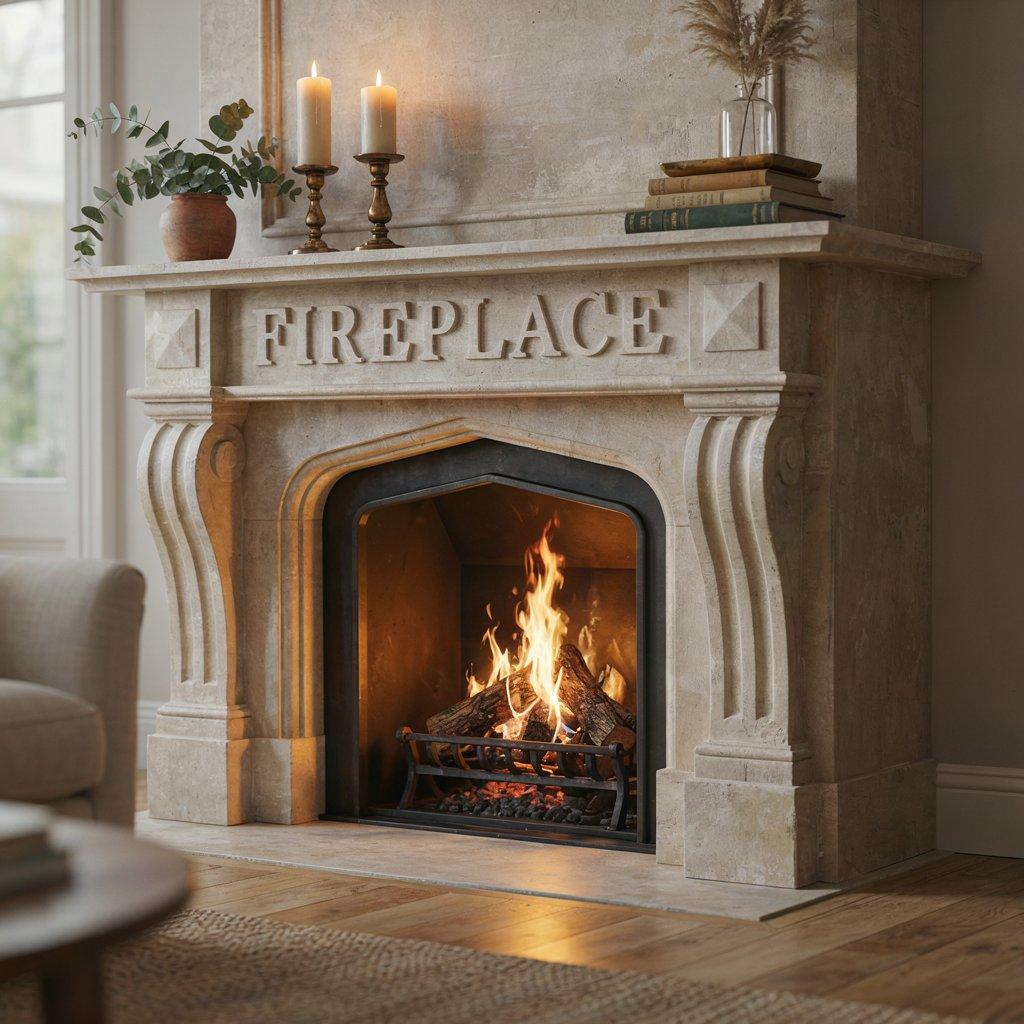
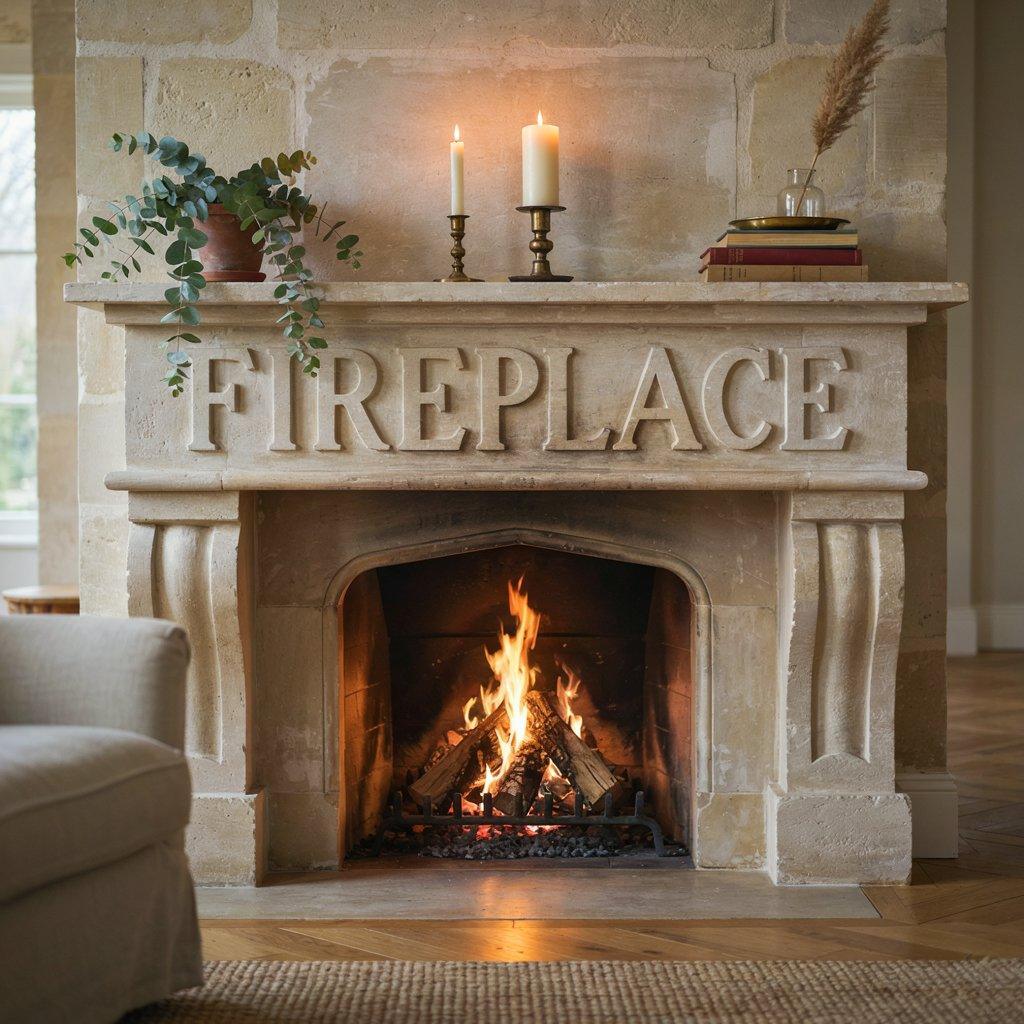
A stone or cast-stone mantel above the firebox gives you a place to display candles, small plants, or seasonal decorations.
It also adds architectural weight to the fireplace, making it feel more like an indoor hearth. Choose a mantel material that matches the fireplace surround for a cohesive look, or mix materials for contrast.
Keep decorations lightweight and heat-safe, especially if the mantel sits close to the firebox opening. This small detail makes a big difference in how finished the space feels.
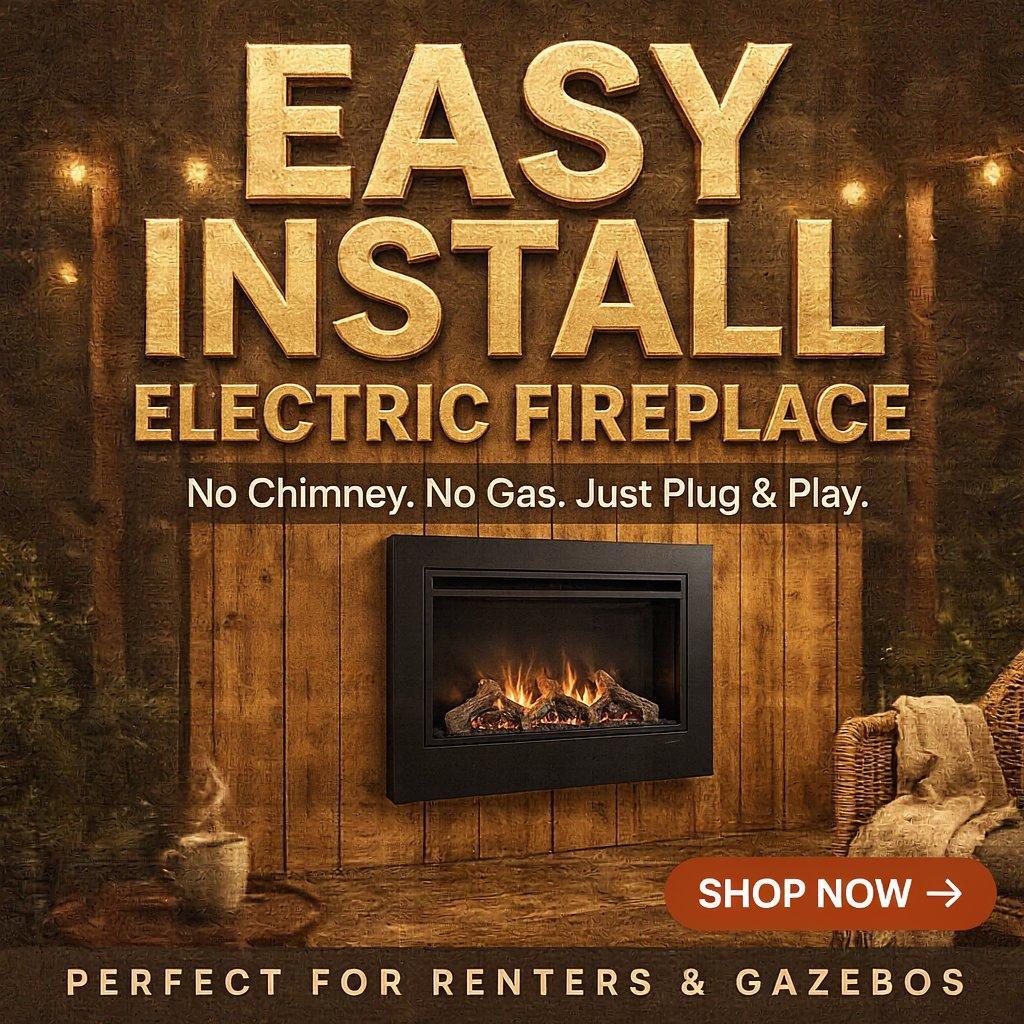
12. Electric Fireplace for Easy Installation
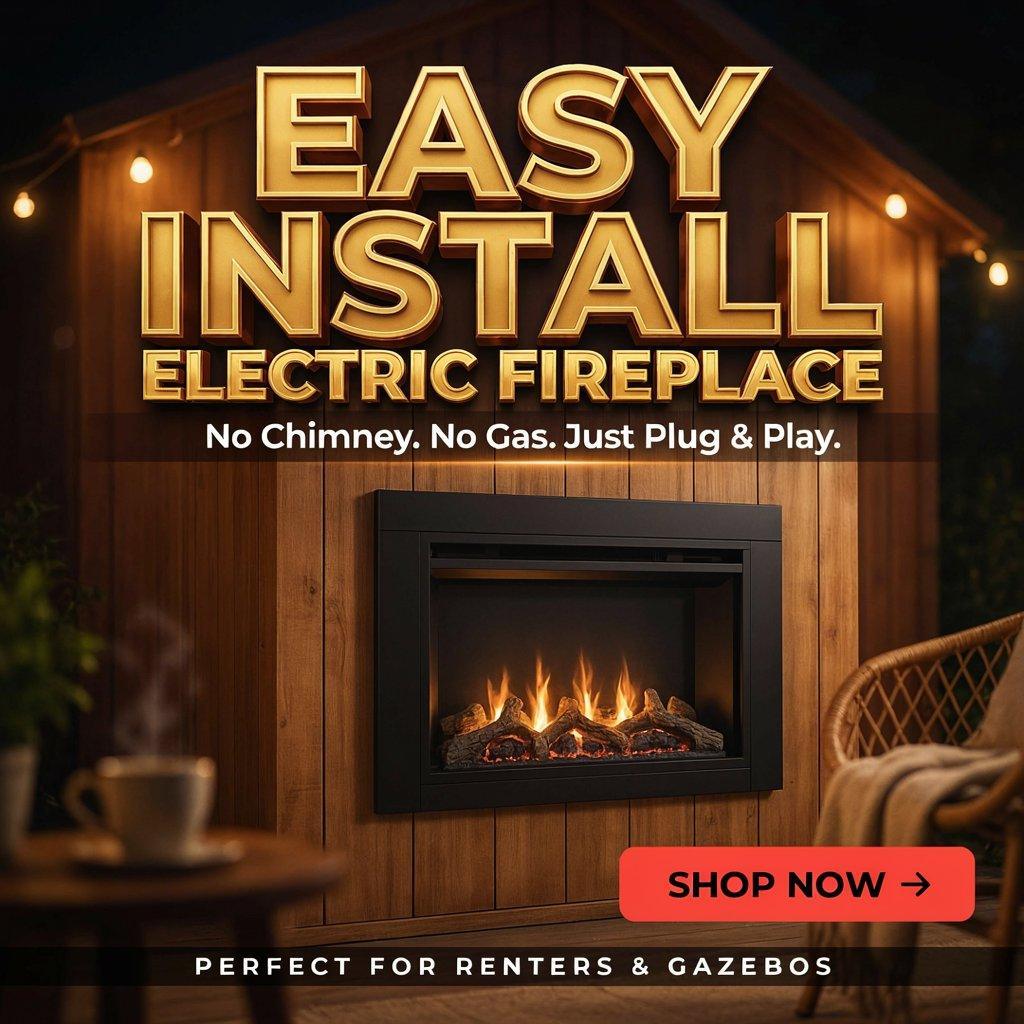
Electric fireplaces are the simplest option for a gazebo because they need no chimney, no gas line, and no venting.
Just plug them in and enjoy the flame effect with or without heat. Many models offer realistic log sets and adjustable flame colors. They’re not as powerful as gas or wood, but they work well for taking the chill off a mild evening.
This is a great choice for renters or anyone who wants a fireplace without construction. Place one against a solid wall or inside a simple surround for a finished look.
13. Propane Fireplace for Portable Warmth
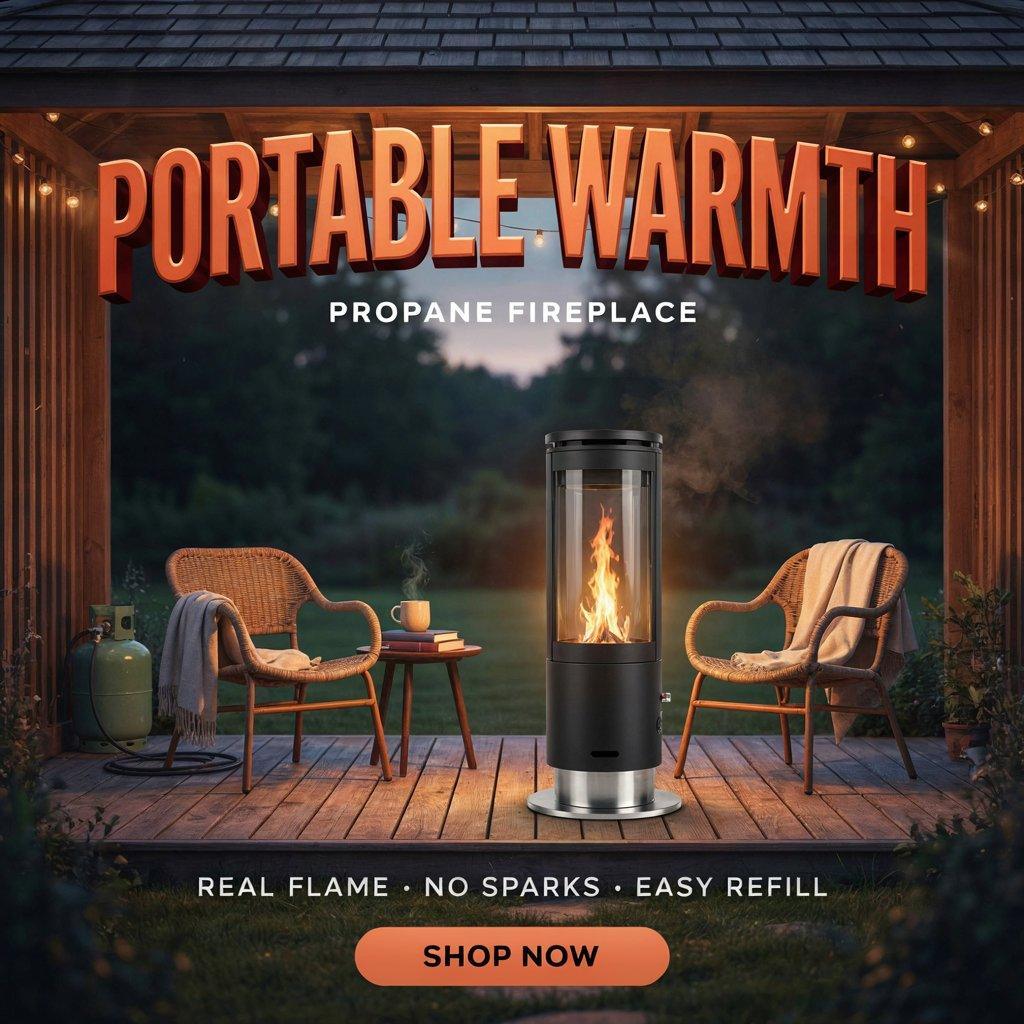
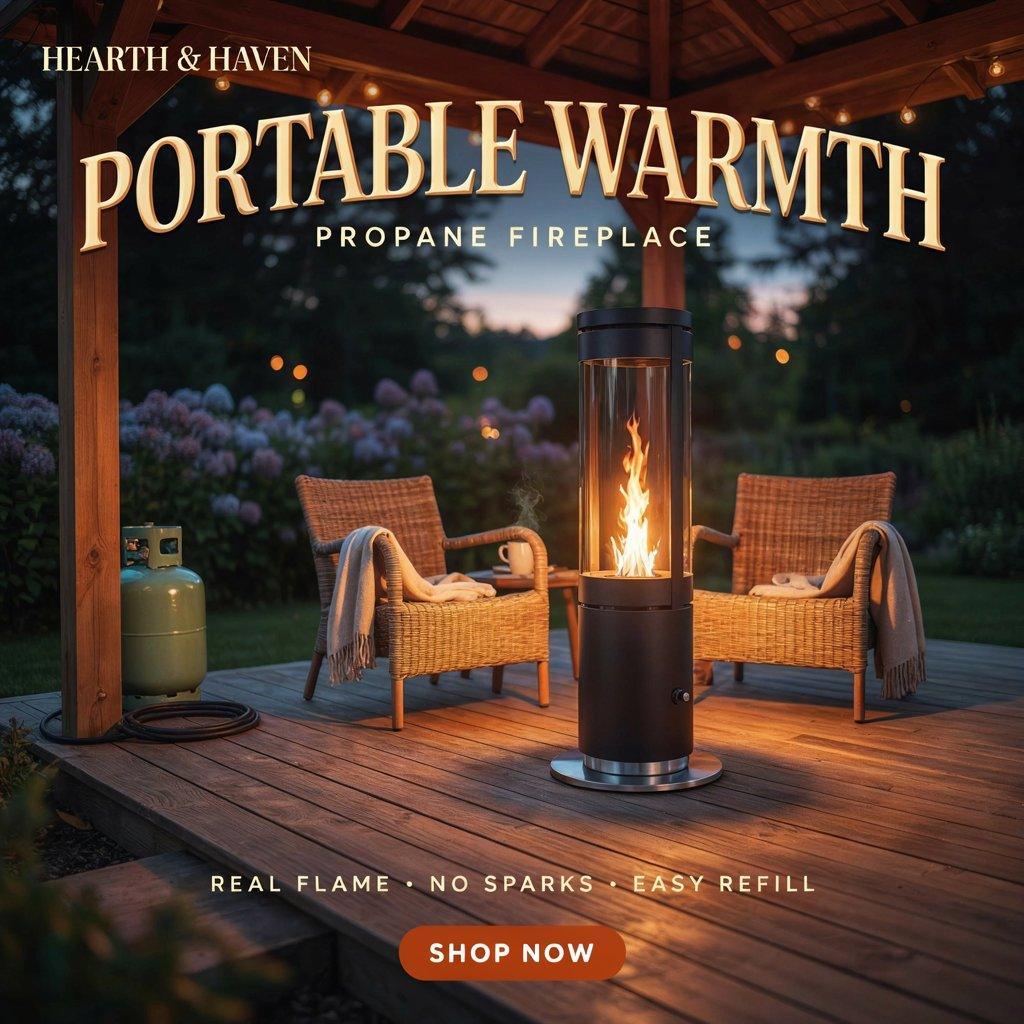
A propane fireplace gives you real flame and meaningful heat without the fixed installation of natural gas. You can move it around the gazebo as needed, and the fuel source is a standard tank that’s easy to refill.
Propane units are available as freestanding models, fire tables, and built-in inserts. They produce no sparks or embers, which makes them safer under a roof than wood. Just keep the tank outside the gazebo and run the hose underneath. Always check the manufacturer’s clearance requirements before placing it.
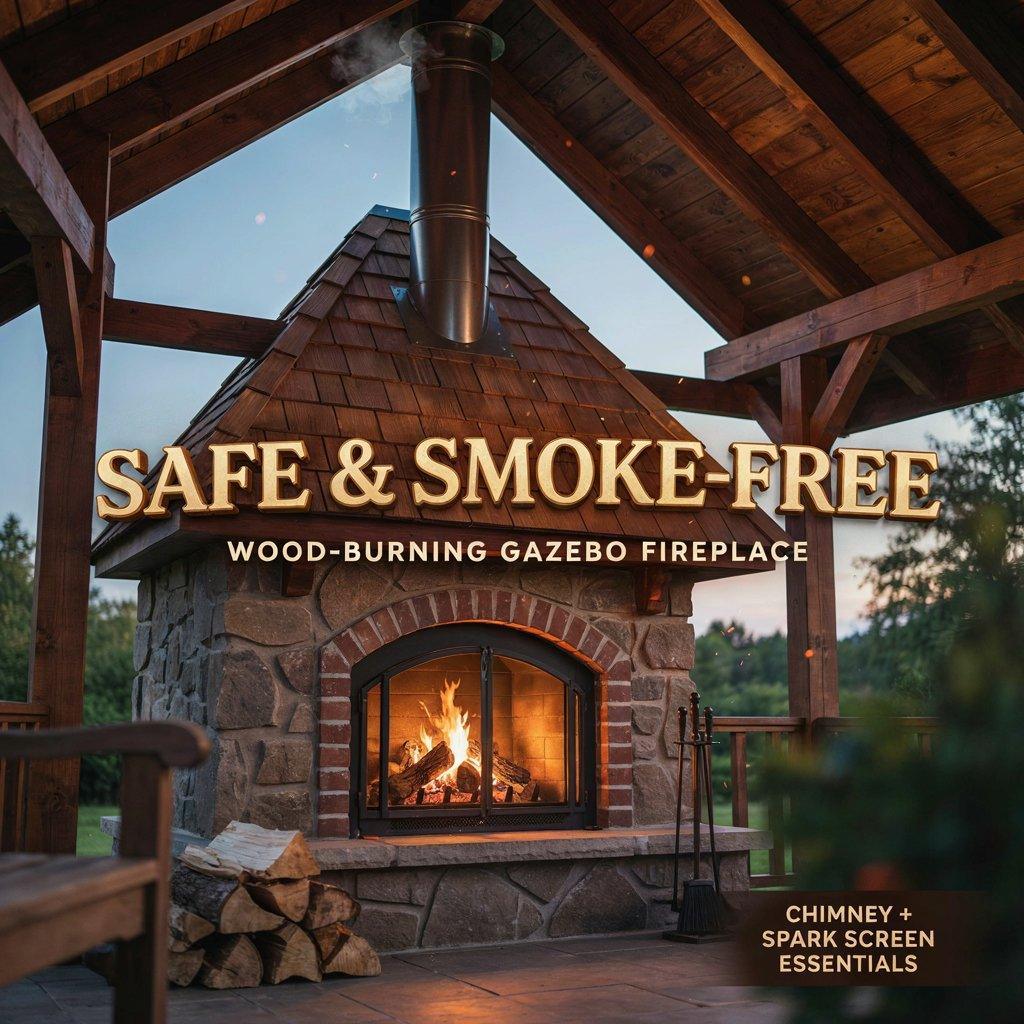
14. Fireplace with Chimney and Spark Screen
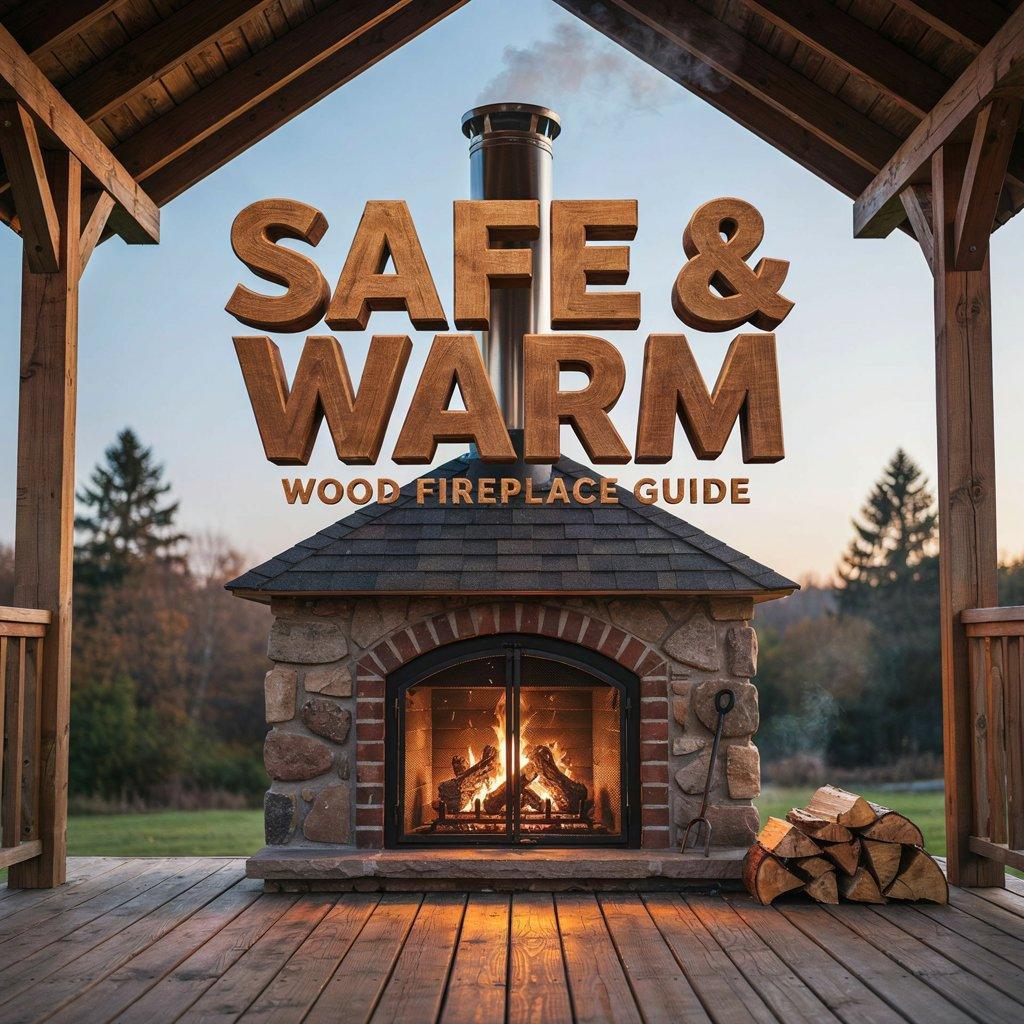
If you want a wood-burning fireplace in your gazebo, a proper chimney and spark screen are non-negotiable. The chimney directs smoke up and away, while the mesh screen catches flying embers.
The chimney must extend above the gazebo roof and be insulated from combustible materials. A spark screen also adds a layer of safety when the fire is burning.
This setup requires more planning and construction than gas or electric, but it delivers the authentic crackle and smell of a real wood fire. Check local codes before building.
15. Fireplace with String Lights and Lanterns
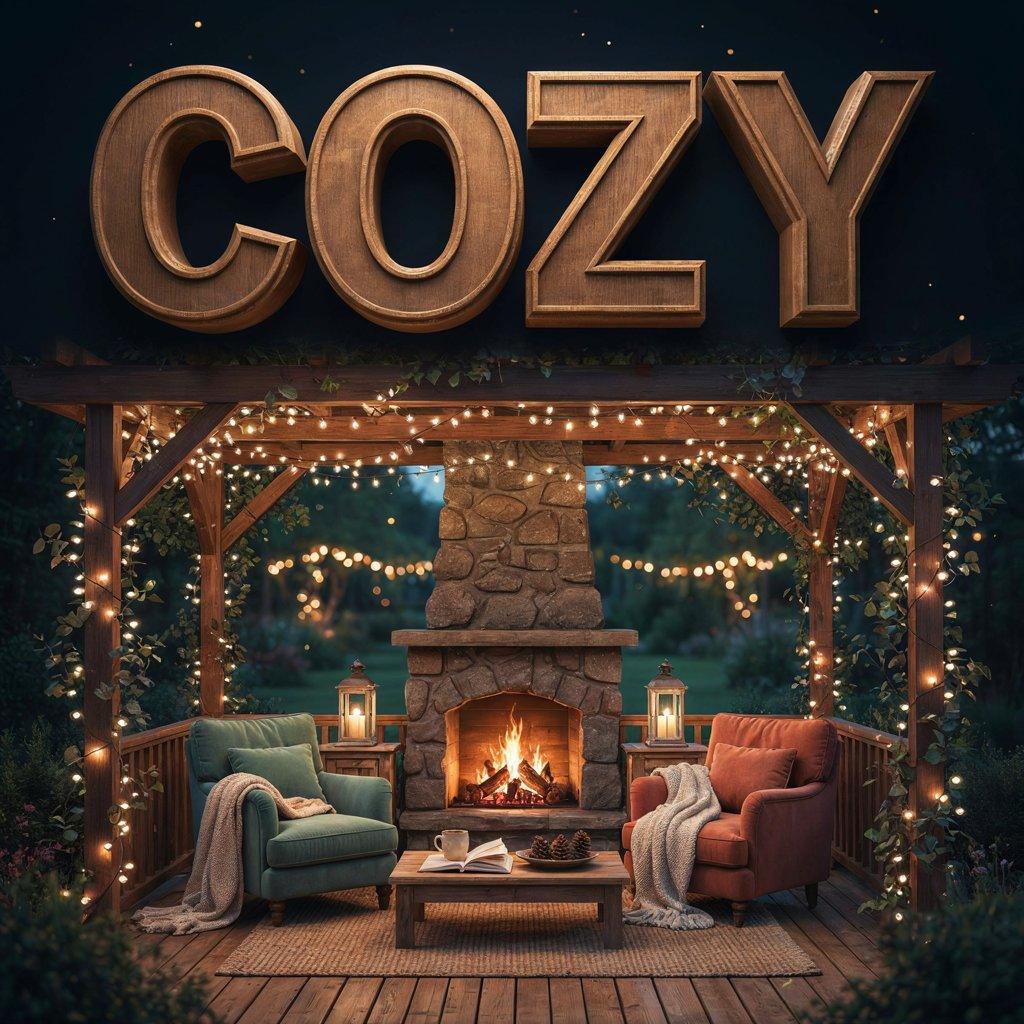
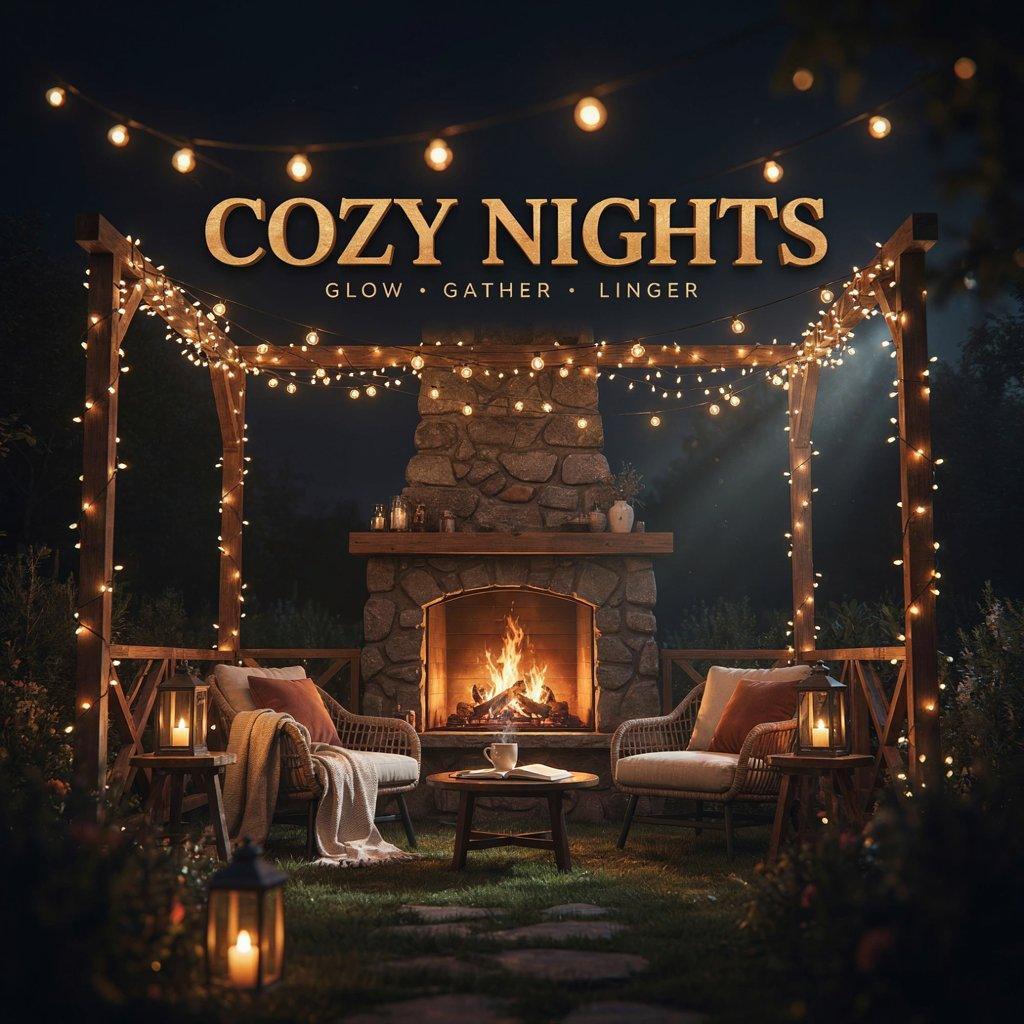
Layer your lighting to make the gazebo feel magical after dark. Drape warm-white string lights along the beams and railings, and place battery-operated lanterns on side tables near the fireplace.
The goal is soft, low light that complements the fire rather than competing with it. Avoid harsh overhead bulbs that wash out the flame.
String lights are inexpensive and easy to install, and they add a festive, welcoming glow that makes people want to linger. Use waterproof, outdoor-rated lights for safety.
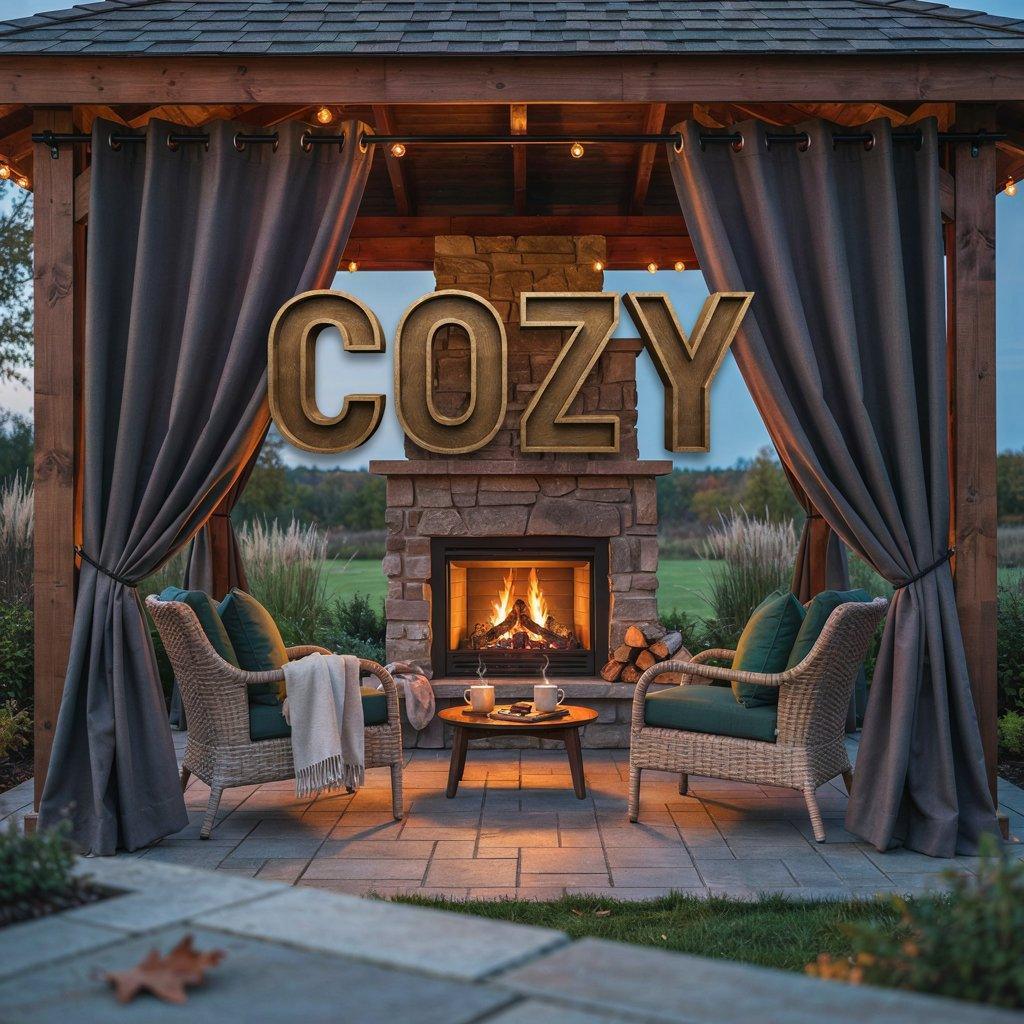
16. Fireplace with Heavy-Duty Curtains for Wind Protection
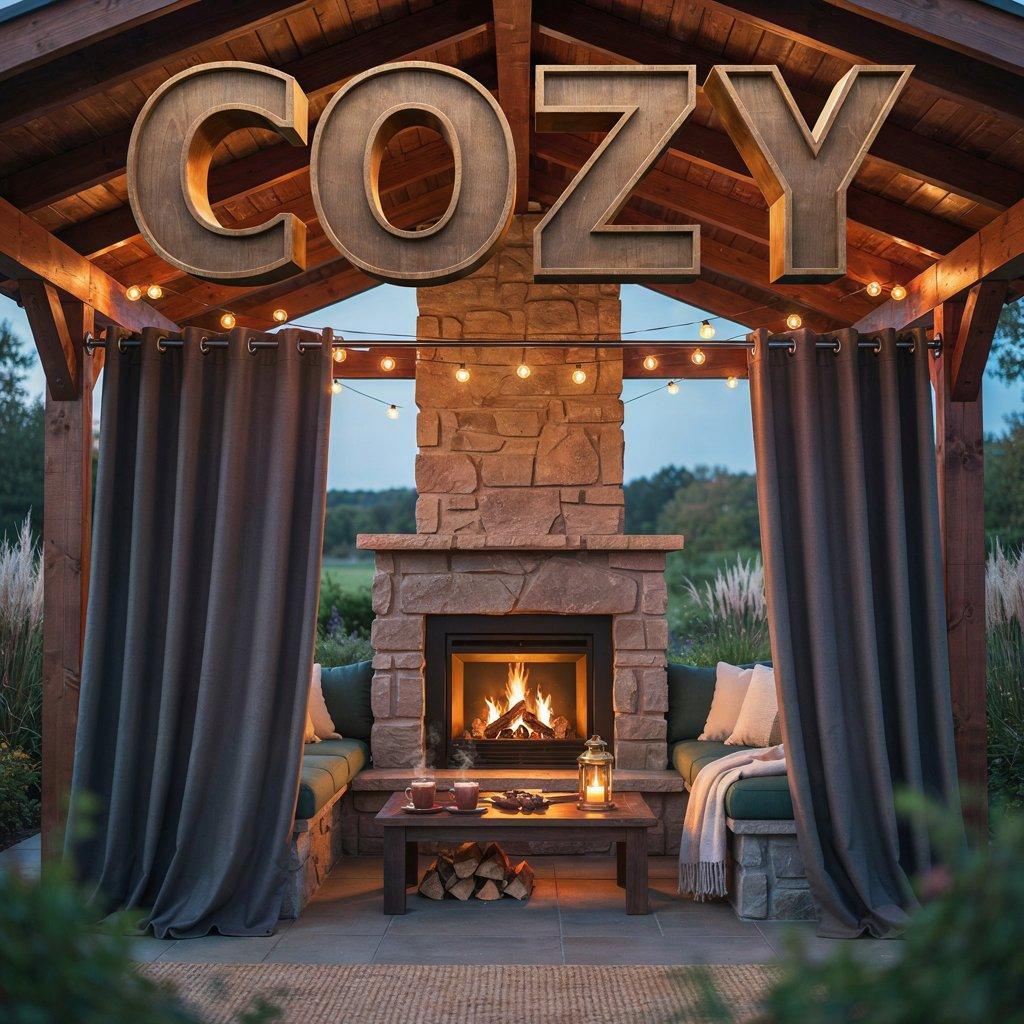
Weather-resistant curtains on the open sides of a gazebo block wind and trap heat, making the fireplace more effective on cool evenings.
Look for dense polyester or coated outdoor fabrics that resist fading and moisture. Curtains also add privacy and make the space feel more enclosed and intimate.
Choose a color that complements the fireplace surround, like charcoal, deep green, or warm beige. Roll them up during the day and drop them down when the temperature dips. This is one of the simplest upgrades you can make.
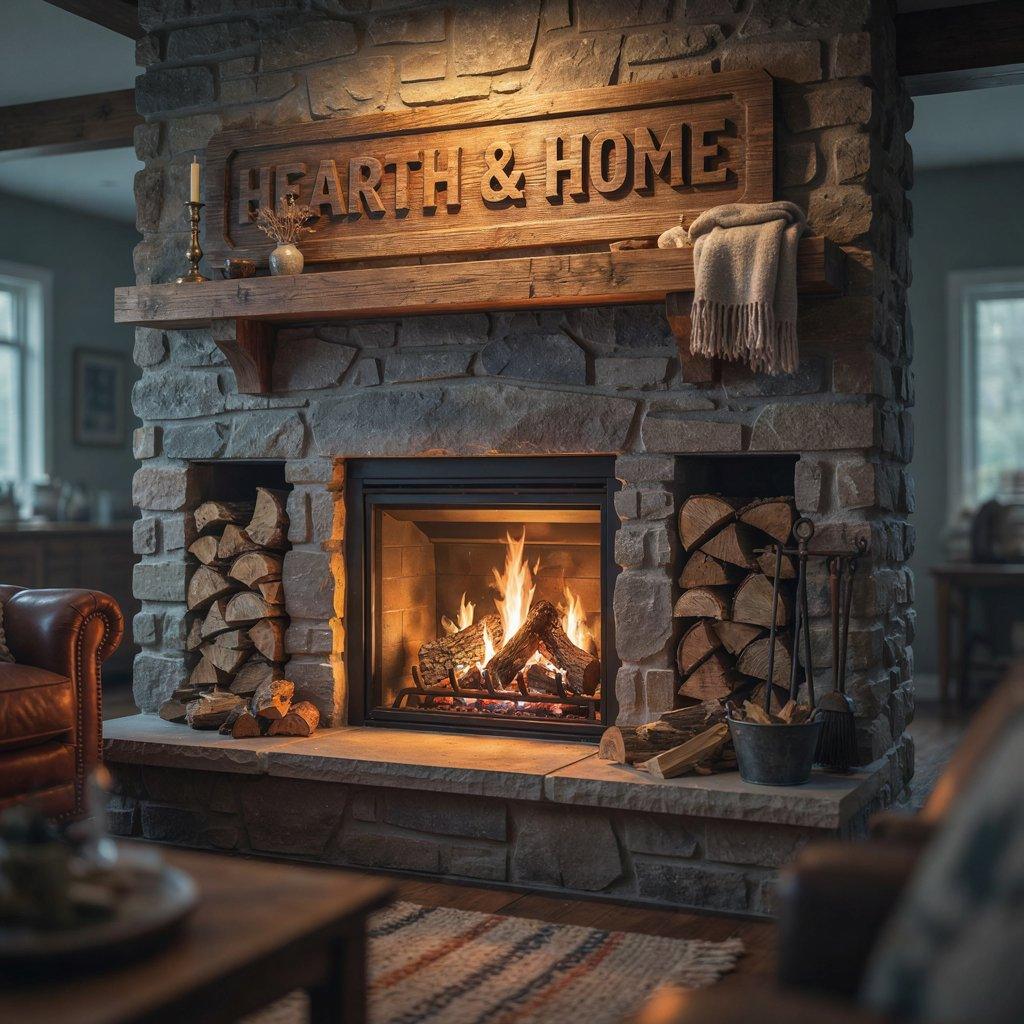
17. Fireplace with Built-In Wood Storage
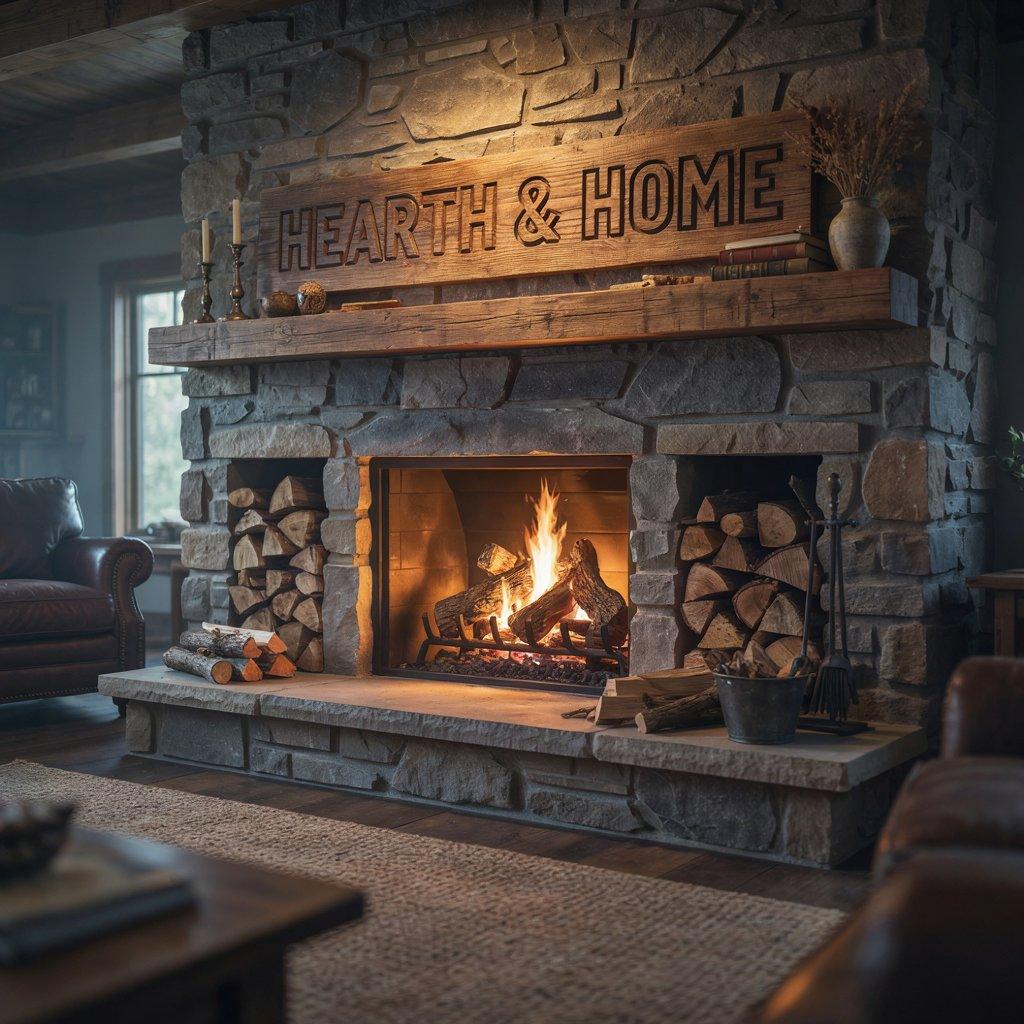
A fireplace with built-in wood storage keeps fuel close at hand and adds a practical design element. Niches on either side of the firebox can hold seasoned firewood, kindling, and fire-starting tools.
This works best with a masonry fireplace where you can design the storage into the blockwork. Keep the wood dry and away from the firebox opening.
A covered wood rack nearby is a good alternative if built-in storage isn’t possible. This detail makes the fireplace feel intentional and well-planned.
18. Fireplace with a TV and Lounge Seating
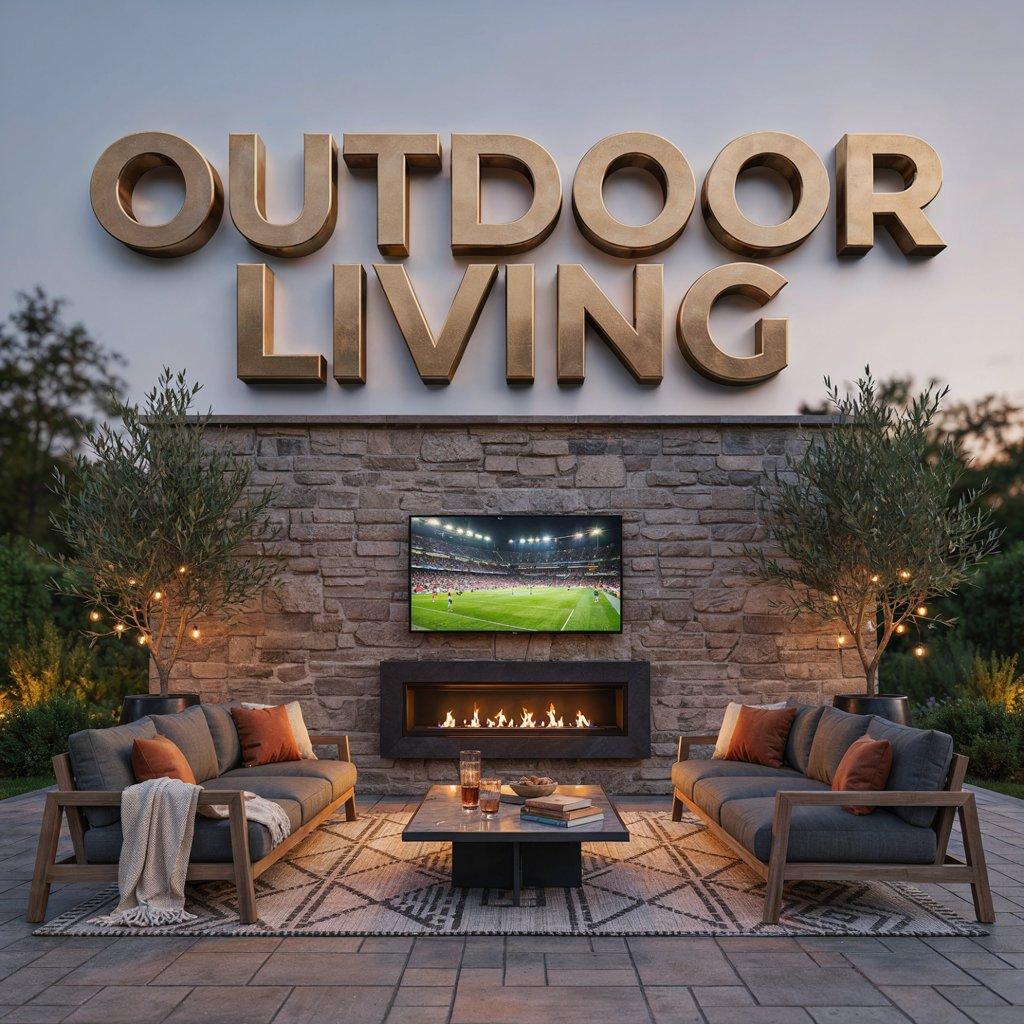
Pair a low-profile fireplace with a mounted TV and deep lounge seating for the ultimate outdoor relaxation zone. Use a sectional or two sofas arranged in an L-shape, with the fireplace and TV as the focal wall.
Add a coffee table and an outdoor rug to define the space. This layout is ideal for watching sports, movies, or just relaxing with a drink.
Keep the TV at a comfortable viewing height and use an outdoor-rated model or enclosure. The fireplace provides warmth and ambiance while the TV adds entertainment.
19. Fireplace with a Bar or Counter Area
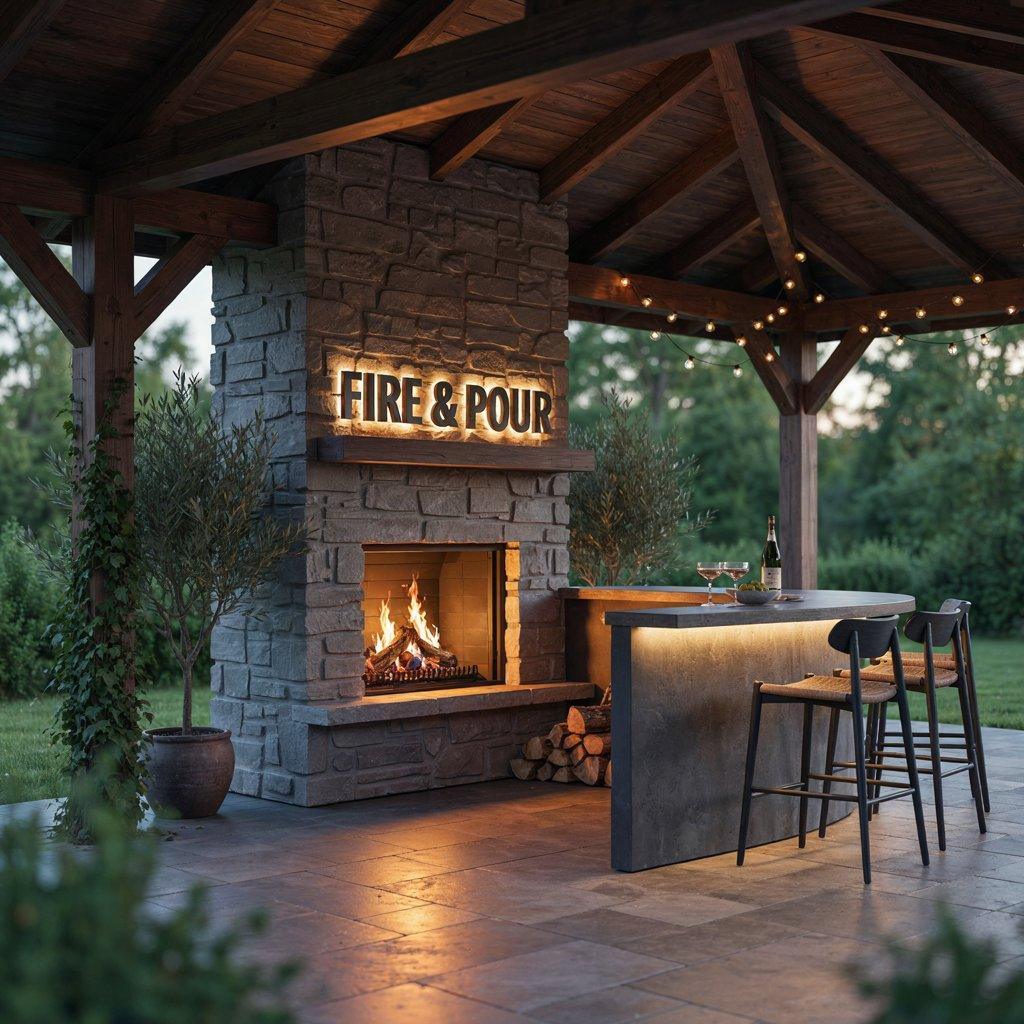
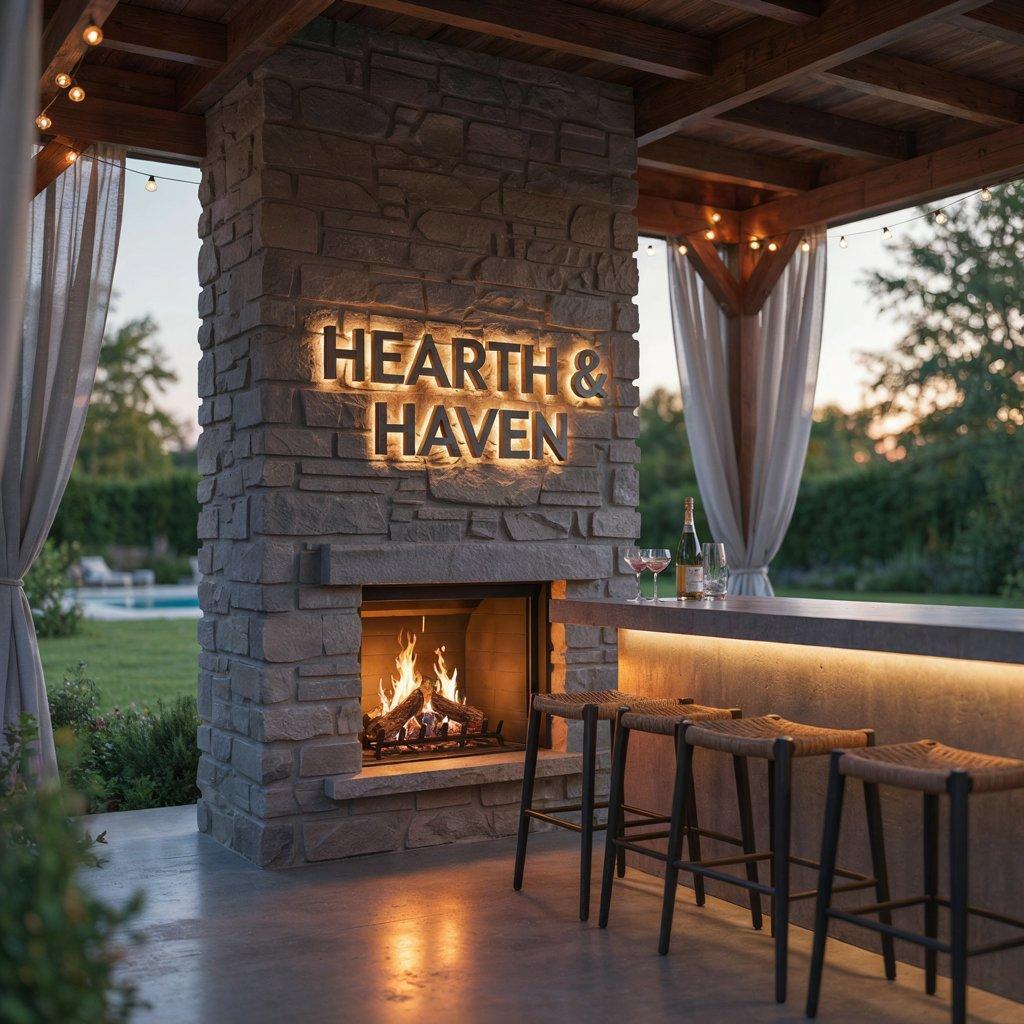
A fireplace with a raised bar counter creates a casual spot for drinks and appetizers. The counter can wrap around one side of the fireplace, giving guests a place to lean and chat while the fire burns.
Use stone or concrete for the countertop to handle heat and weather. Add bar stools on the outer side. This setup works well in a gazebo that’s used for entertaining, as it keeps the conversation flowing between the fire and the bar. It’s a smart use of space in a medium-sized structure.
20. Fireplace with a Chiminea or Brazier Alternative
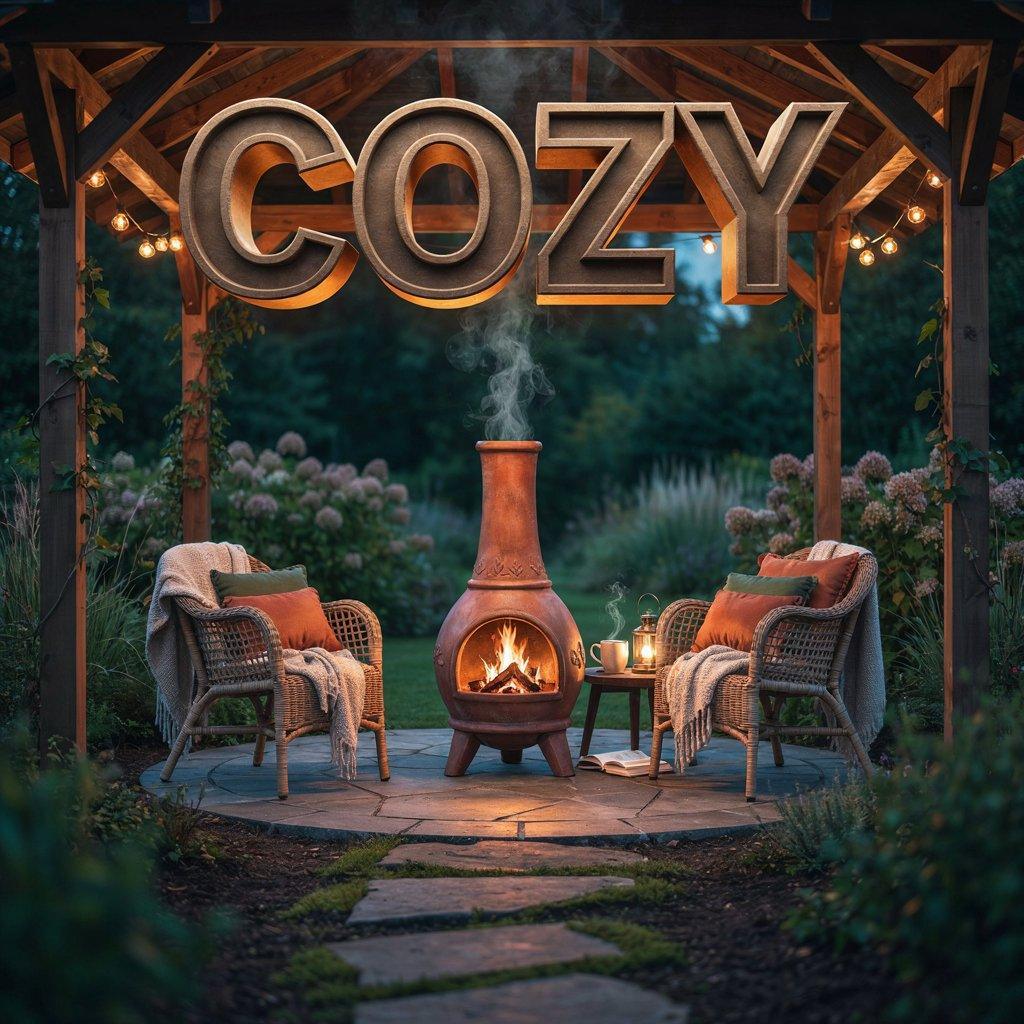
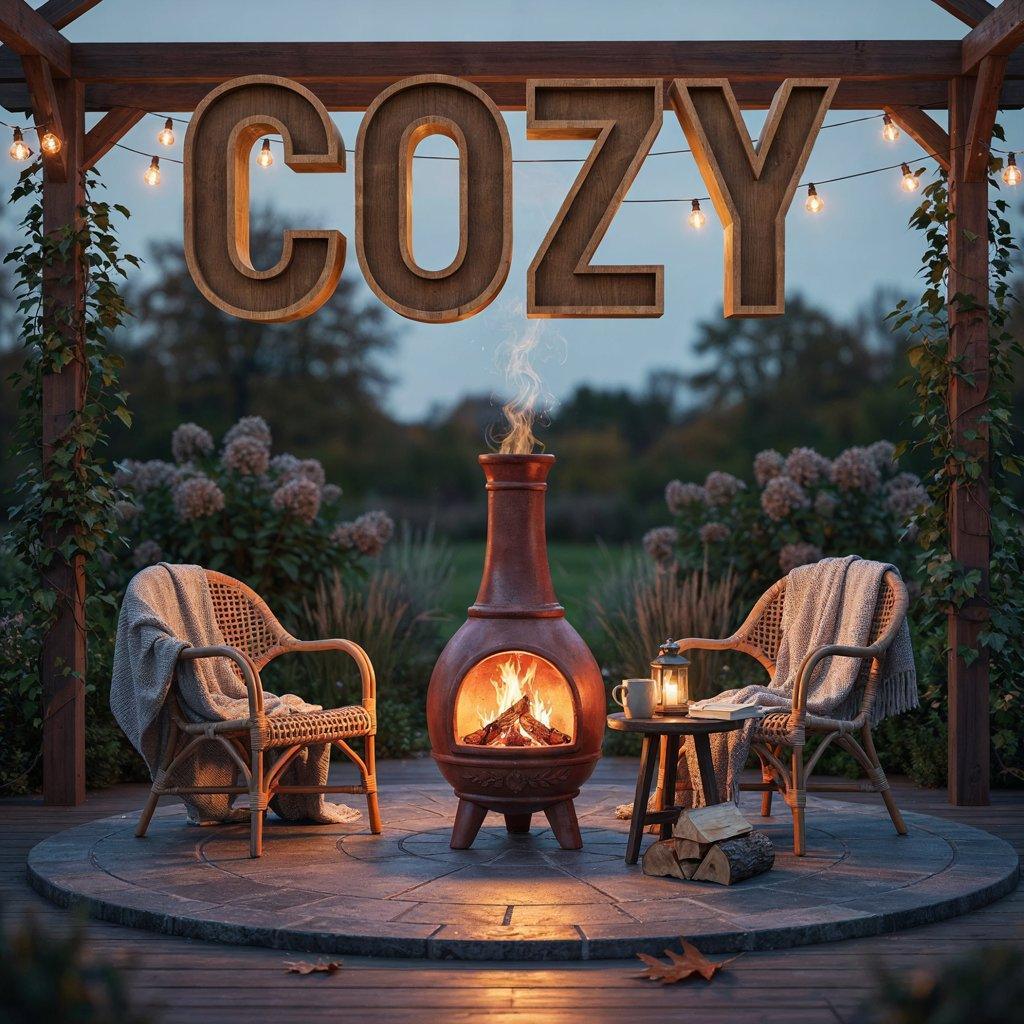
If a built-in fireplace isn’t in the budget, a chiminea or brazier placed inside a gazebo gives you the look and feel of a hearth without the construction.
Chimineas direct smoke upward through a narrow opening, which helps keep it out of your face. Braziers are open bowls that radiate heat in all directions. Both come in cast iron, steel, and clay.
Place them on a non-combustible surface and keep them away from curtains and furniture. This is a flexible, affordable option that still delivers cozy vibes.
FAQs
Can I put a wood-burning fireplace in a gazebo?
It’s possible, but it requires careful planning. You need a proper chimney, spark screen, and clearance from combustible materials.
Many experts recommend gas or propane instead because wood smoke can get trapped under the roof and sparks can damage the structure. If you go with wood, check local codes and use a professional installer.
How much clearance does a fireplace need in a gazebo?
Clearance depends on the fuel type and the manufacturer’s instructions. As a general rule, keep furniture, curtains, and other flammable items at least three feet away from the firebox.
For wood-burning units, the chimney needs clearance from the roof and any nearby wood. Always follow the manual and local building codes.
What’s the safest fuel type for a gazebo fireplace?
Gas and propane are generally considered the safest options for a covered structure because they produce no sparks or embers and can be turned off instantly.
Electric is also very safe but provides less heat. Bioethanol is another option, but it still produces some emissions. Wood is the riskiest under a roof.
Do I need a permit to add a fireplace to my gazebo?
That depends on where you live. Many areas require a permit for any permanent fire feature, especially one with a chimney or gas line. Check with your local building department before you start. Even if no permit is required, following safety guidelines is essential.
How do I keep smoke from building up under the gazebo roof?
Use a fireplace with a chimney or a low-smoke option like gas or propane. If you’re using wood, make sure the chimney extends above the roof and the gazebo has open sides for airflow.
Never use a wood-burning fire pit in a fully enclosed gazebo. Screens and walls should be designed to allow air movement.
Can I use a fire pit under a gazebo instead of a fireplace?
Yes, with precautions. Gas and propane fire pits are safer under a roof than wood-burning ones. Make sure the fire pit is rated for covered use and keep it away from combustible materials.
The roof limits airflow, so smoke and heat can build up. A fire pit works best in a gazebo with open sides and a high ceiling.
Conclusion
A gazebo with a fireplace isn’t just a backyard upgrade. It’s a reason to spend more time outside, even when the weather isn’t perfect. Whether you choose a simple tabletop unit, a built-in stone hearth, or something in between, the goal is the same: create a space where people want to gather, relax, and stay a little longer.
Start with safety. Pick the right fuel type for your structure, respect clearances, and check local rules. Then focus on comfort: good seating, soft lighting, and a layout that makes the fire the heart of the space. The ideas above are starting points. Mix and match them to fit your yard, your budget, and the way you actually live outdoors.
Related Post: