

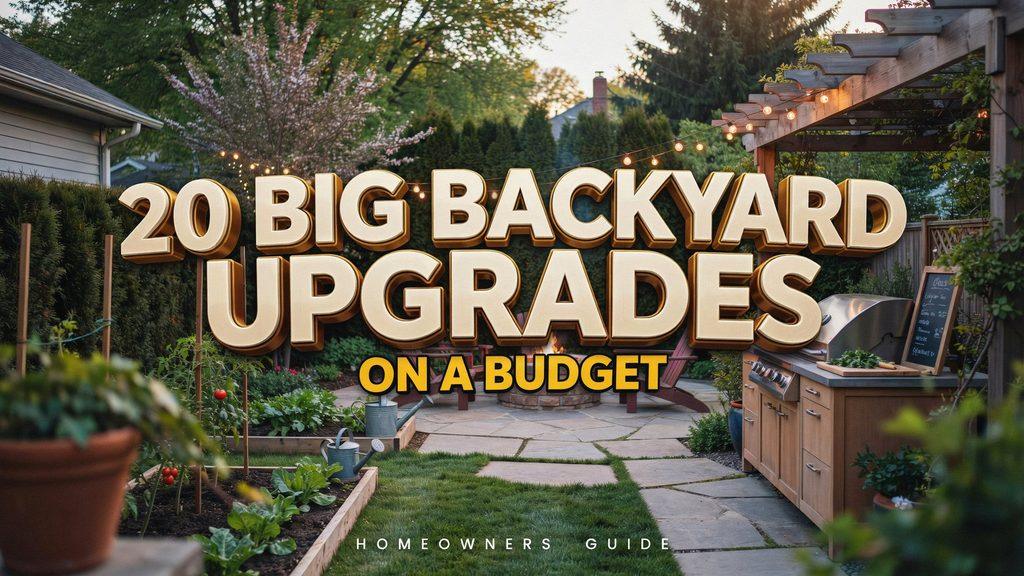
A big backyard can look impressive, but it can also be expensive to improve. Between landscaping, outdoor furniture, lighting, paths, privacy, and storage, it is easy to feel like you need a huge budget before you can make the space useful.
The smartest big backyard upgrades usually come from improving one problem at a time. You can create a better seating area, define an unused corner, improve privacy, add useful storage, or make a plain outdoor space feel more finished with simple changes.
Current budget landscaping guidance also recommends planning the space before buying materials, while affordable improvements such as gravel surfaces, fresh planting areas, lighting, paths, and upgraded outdoor zones can make a noticeable difference without requiring a complete renovation.
Here are 20 practical ideas you can tackle gradually. Some are simple weekend projects, while others can become larger improvements as your budget allows.
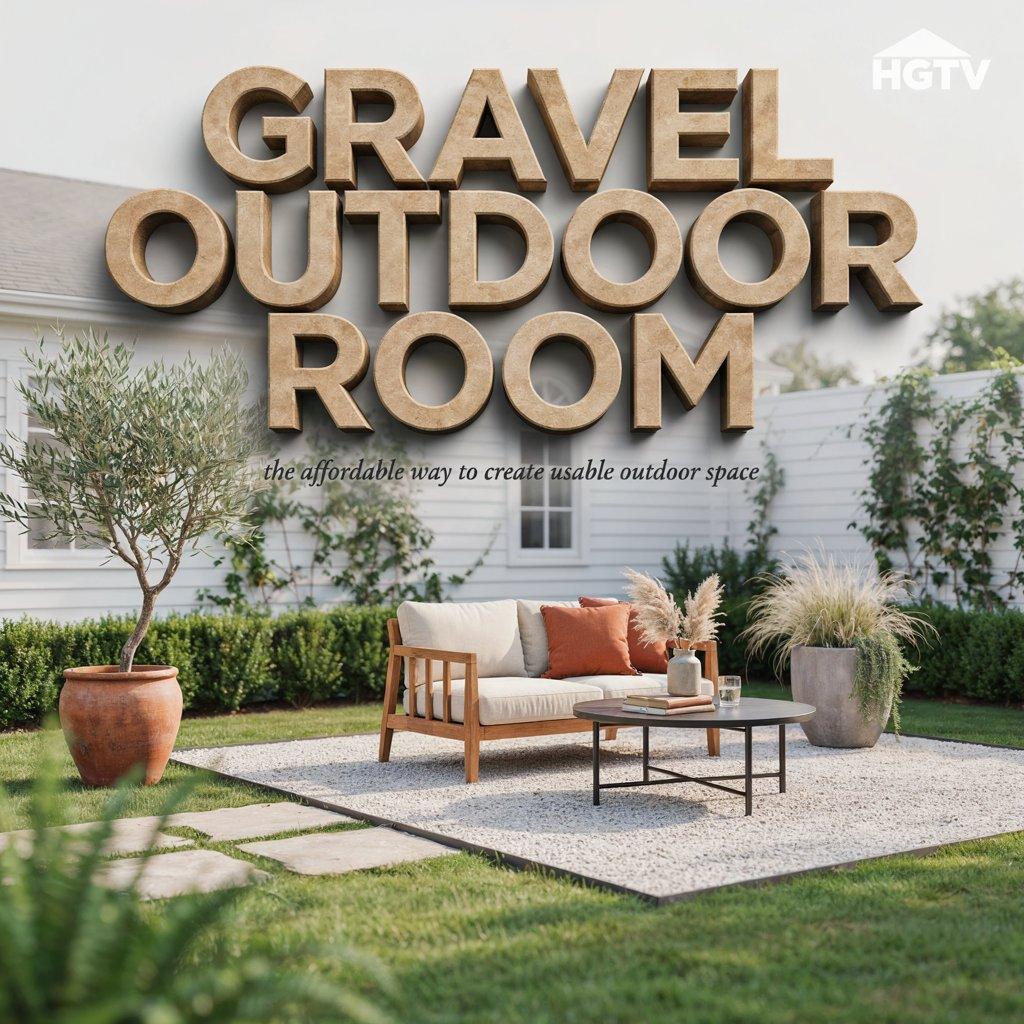
1. Create a Gravel Outdoor Room

If your backyard has a large unused section, turn part of it into a simple gravel outdoor room. You do not need to build an expensive concrete patio to create a useful surface.
Clear the area, level the ground, install suitable landscape fabric where appropriate, and add compacted gravel. Then place a small seating arrangement, dining table, or garden bench on top.
The important part is defining the area so it feels intentional rather than like a pile of stones. Use edging, large planters, or a simple walkway to connect it with the rest of the yard. Gravel patios are widely recommended as one of the more affordable ways to create usable outdoor space. (HGTV)
2. Add a Modern Privacy Screen

A backyard does not always need a new fence to feel private. A modern privacy screen can solve the problem in one small section without paying for a complete boundary replacement. Use a simple timber frame, slatted panels, trellis sections, or outdoor-rated screening material around the area where you sit most often.
For a more natural appearance, train climbing plants across part of the screen or place tall containers in front of it. This works especially well around a dining area, reading corner, or small outdoor workspace.
Instead of blocking the entire yard, focus on the places where privacy actually matters. Screens and living plant barriers are also useful ways to divide a backyard into separate zones. (House Beautiful)

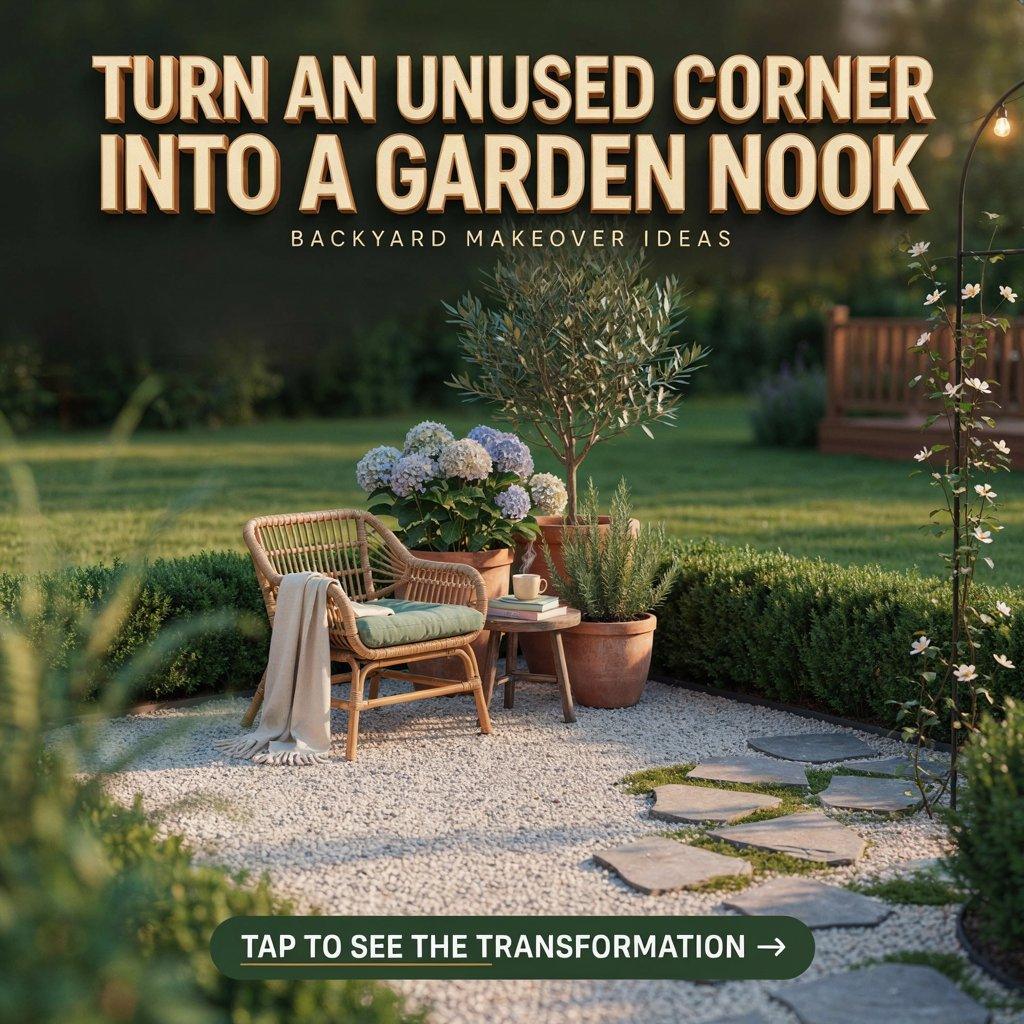
3. Turn an Unused Corner Into a Garden Nook
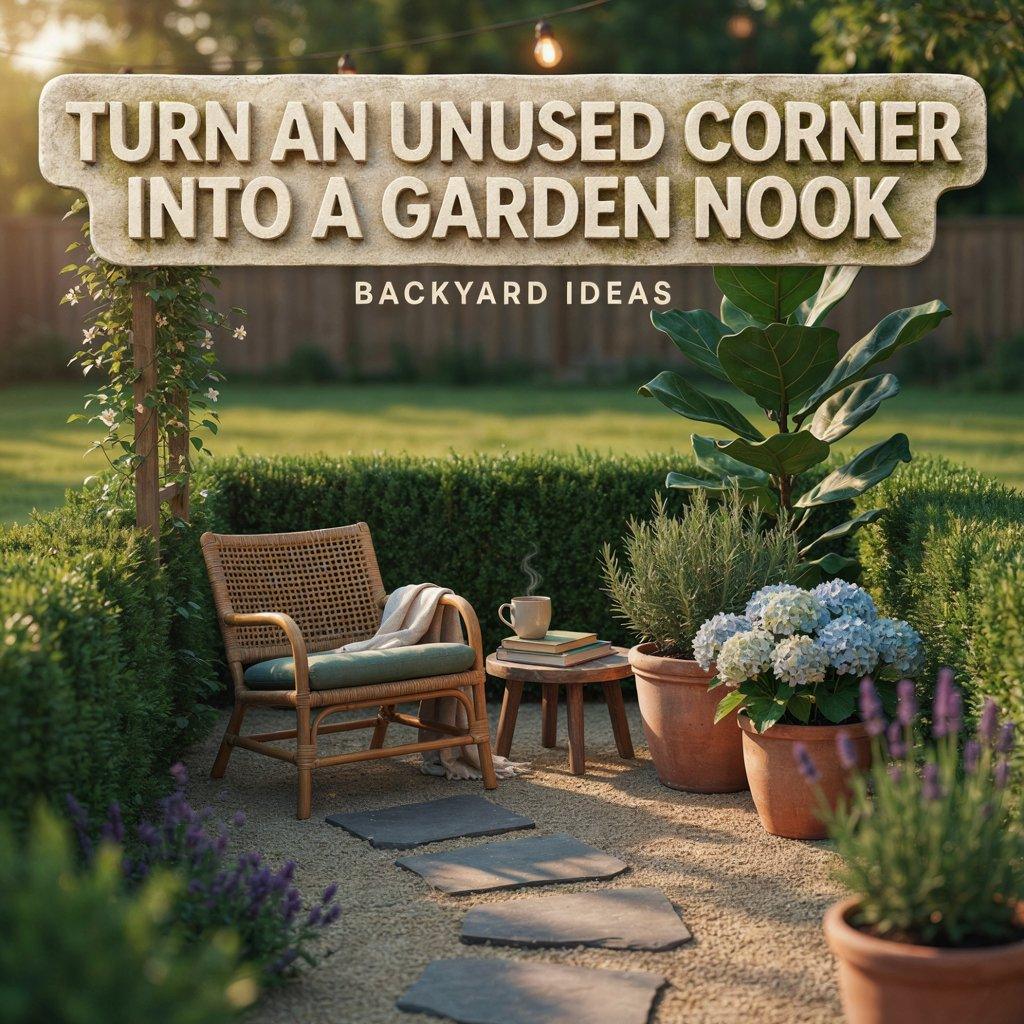
Large backyards often have corners that are completely wasted. Rather than trying to landscape the entire area, give one neglected corner a clear purpose.
A compact garden nook could include a comfortable chair, small side table, large container plants, and a narrow gravel or stepping-stone surface.
You can also use the space for herbs, flowering plants, or a small collection of shade-tolerant plants if the location receives limited sunlight. The trick is to make the corner look finished instead of simply placing random items there.
A defined edge, repeated plant containers, and one comfortable seat can make an otherwise forgotten section feel like a destination. It is a simple way to make a big backyard feel more useful without spending heavily.
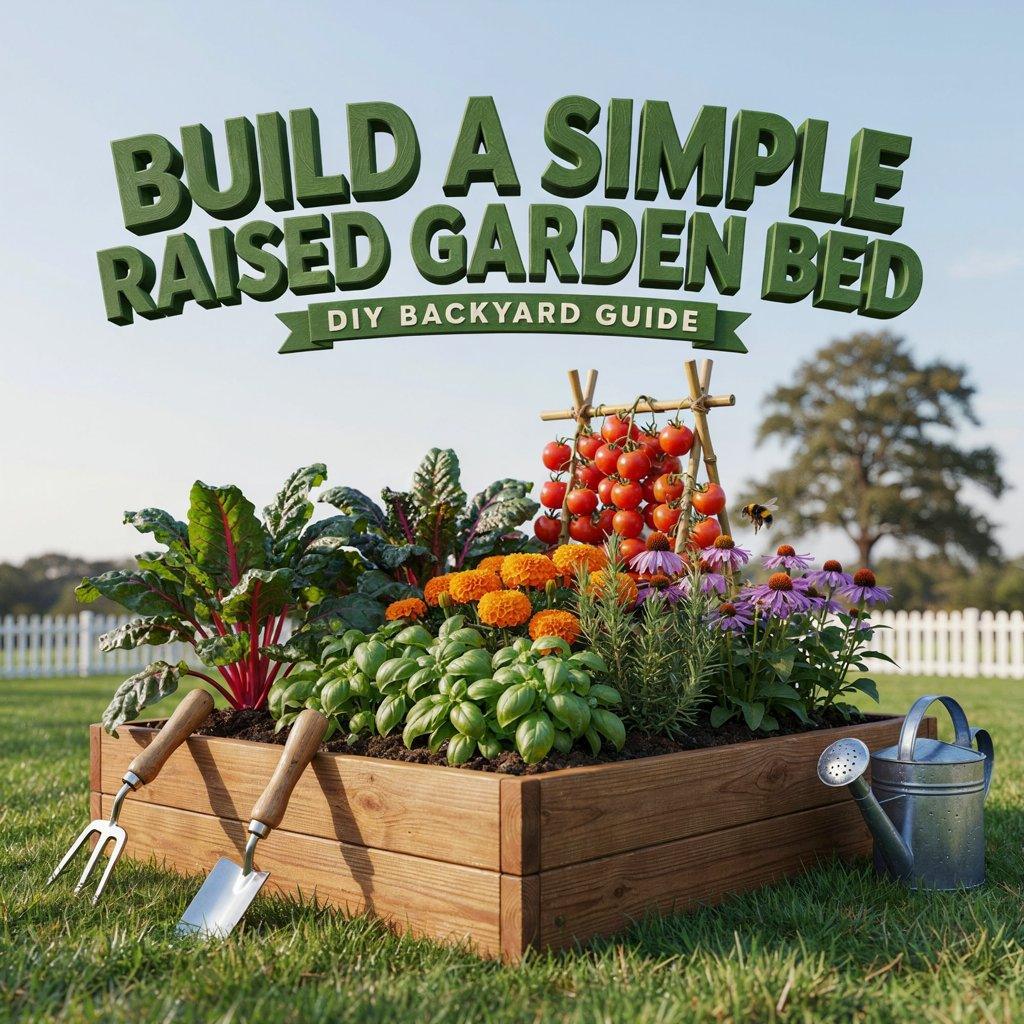
4. Build a Simple Raised Garden Bed
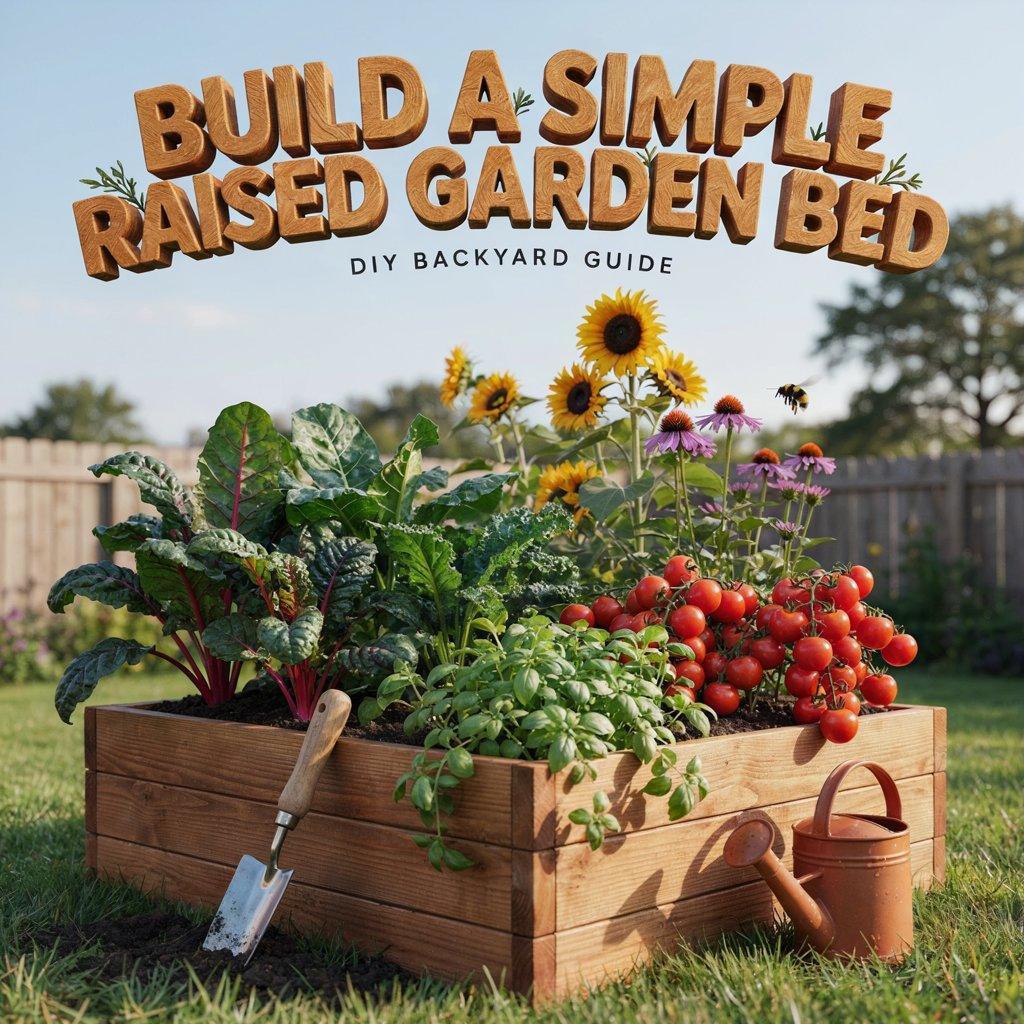
A raised garden bed can turn an ordinary section of lawn into a productive part of the backyard. You can build one from untreated suitable lumber, reclaimed materials that are safe for gardening, or a ready-made modular system. Keep the first bed manageable rather than creating a huge garden that becomes difficult to maintain.
Use it for herbs, vegetables, flowers, or pollinator-friendly plants suited to your local climate. Raised beds also give you better control over the growing area and can make planting easier to organize. Budget gardening guides commonly recommend DIY raised beds because they can be built without complicated tools or construction.
5. Upgrade the Fence With a Fresh Finish
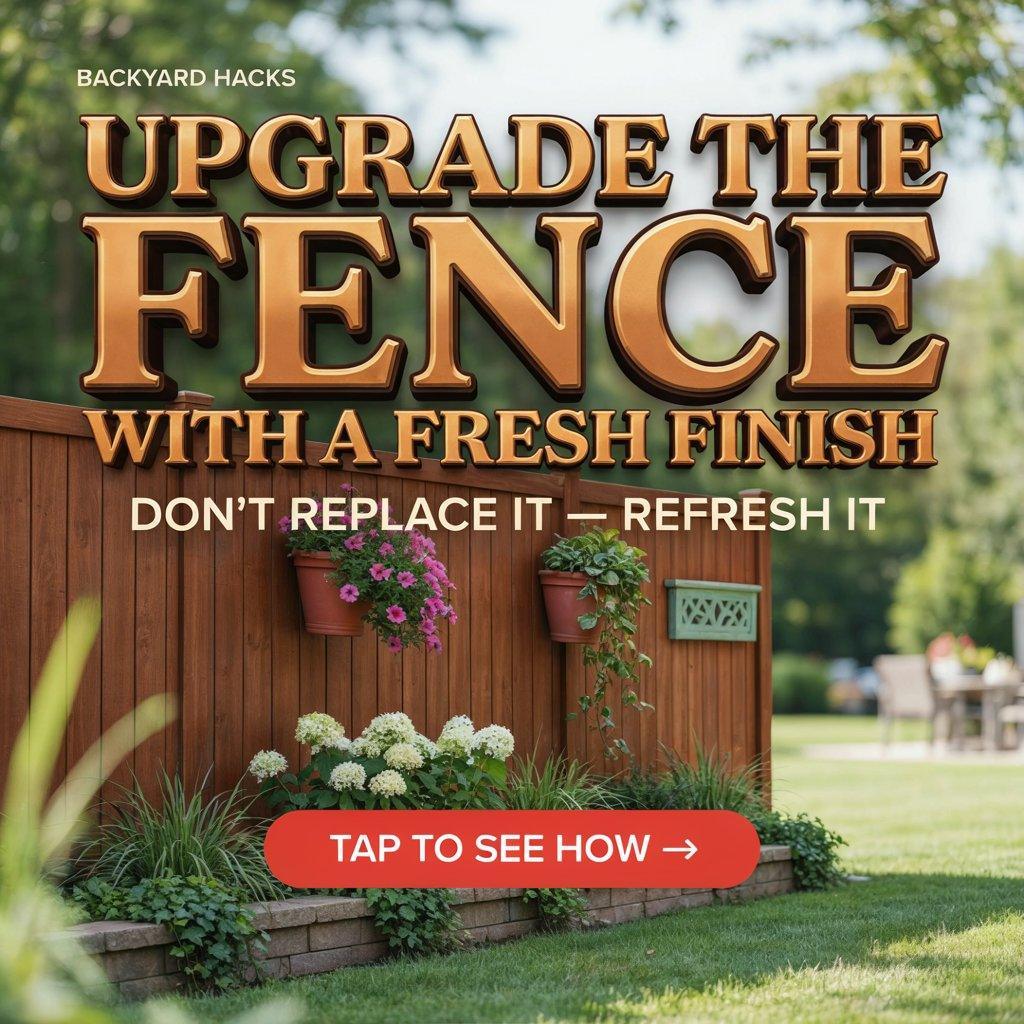
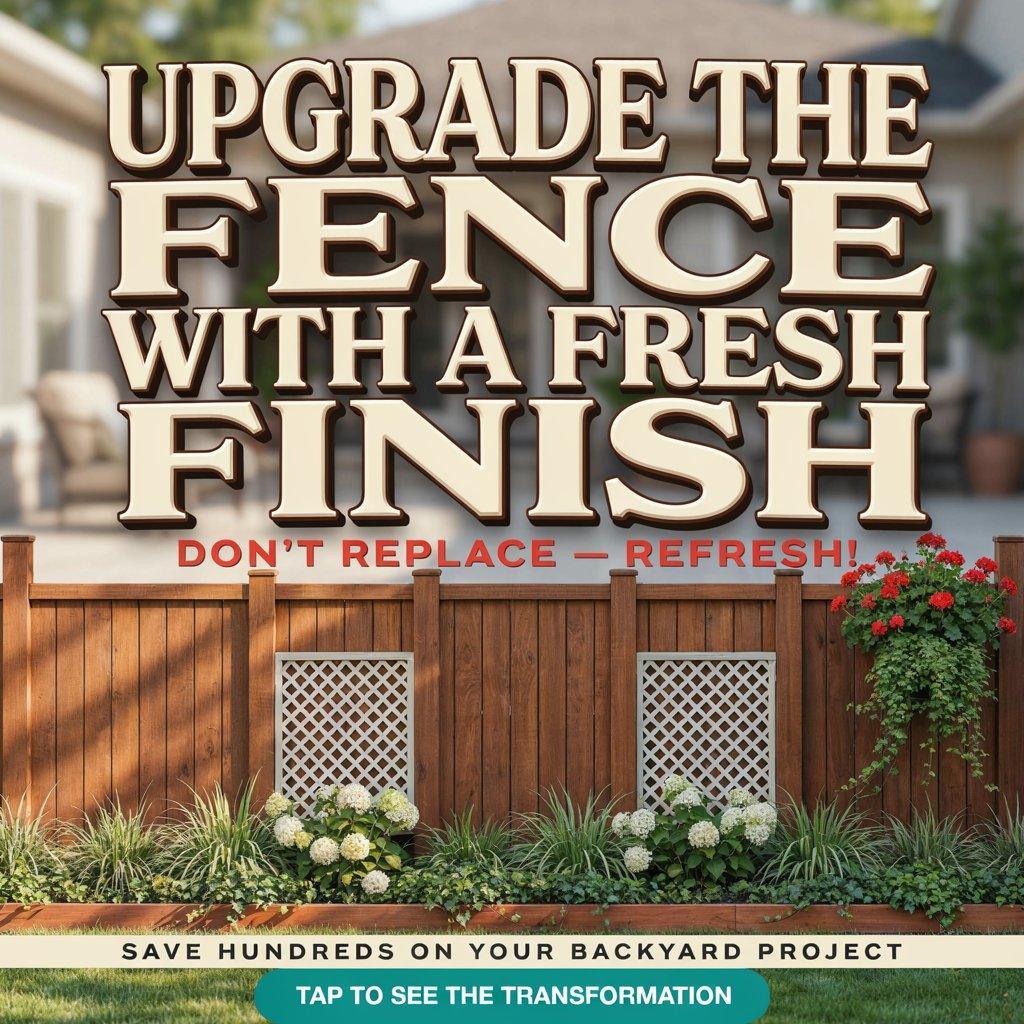
Replacing an entire backyard fence can become one of the most expensive projects on your list, especially when the existing structure is still sound. Before replacing it, check whether cleaning, repairing, painting, or staining can give it another useful life.
A fresh exterior finish can make an old fence look much cleaner and can provide a stronger background for plants and outdoor furniture. You can also combine the refreshed fence with a narrow planting strip, vertical planters, or a few simple decorative panels.
Home improvement sources regularly recommend refreshing an existing fence instead of automatically replacing it when the structure remains usable.
6. Install a Simple Stepping-Stone Walkway
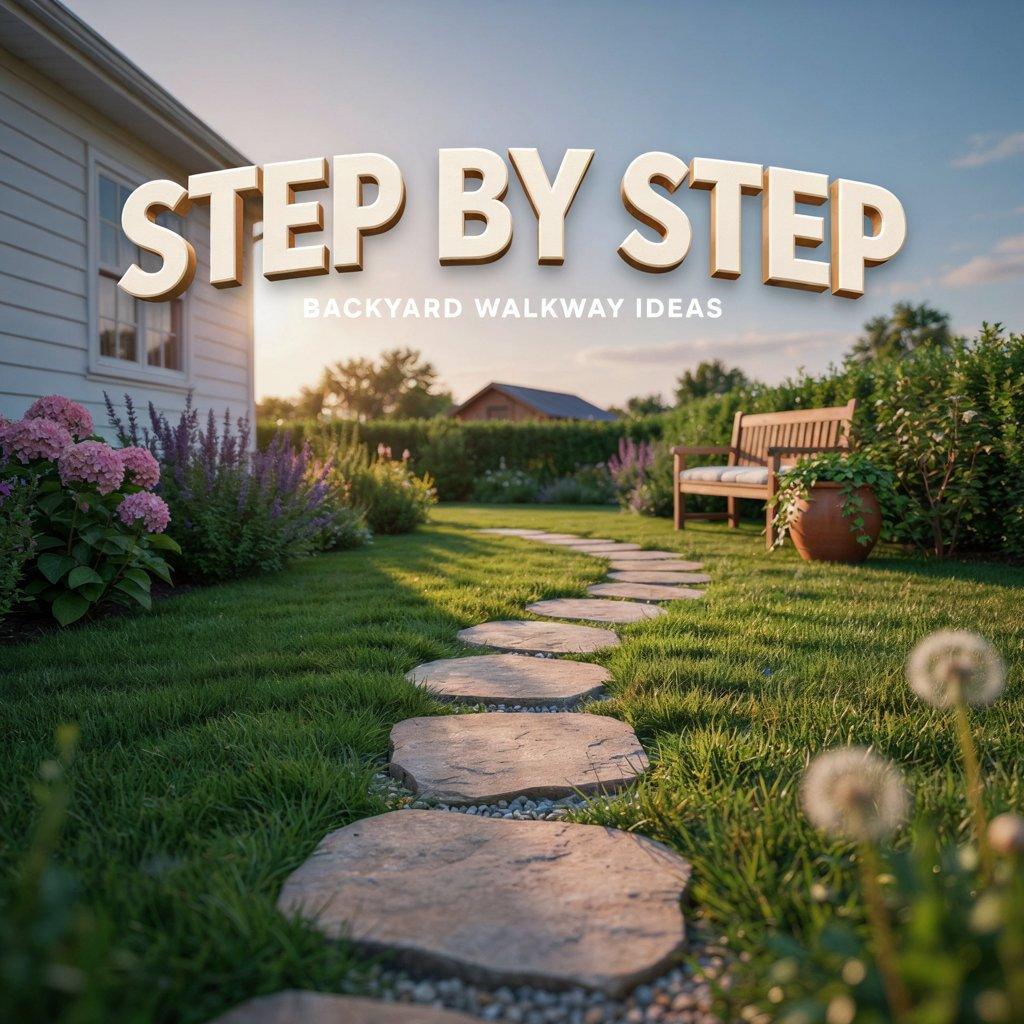
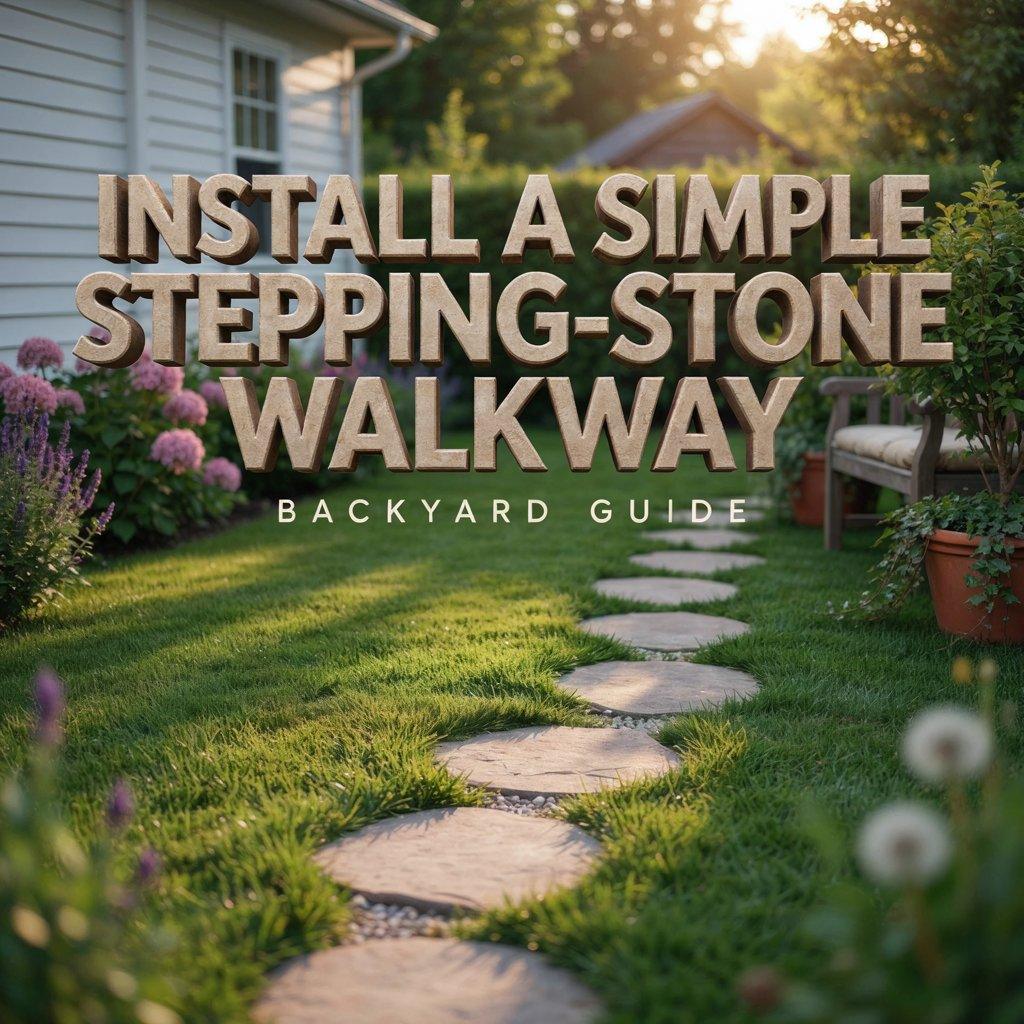
A stepping-stone walkway can make a large backyard feel more organized without the cost of a full paved path. Use affordable concrete stepping stones, natural stone pieces, or suitable reclaimed materials that are safe and stable underfoot.
Plan the route before buying anything. A path leading from the house to a garden, seating area, shed, or another useful zone can make the whole yard easier to navigate.
Keep the spacing comfortable for normal walking and make sure each stone sits securely and level with the surrounding ground. You can leave small spaces between stones for gravel or suitable ground cover. A simple path also helps divide a large lawn into separate areas.
7. Add a Small Shade Structure
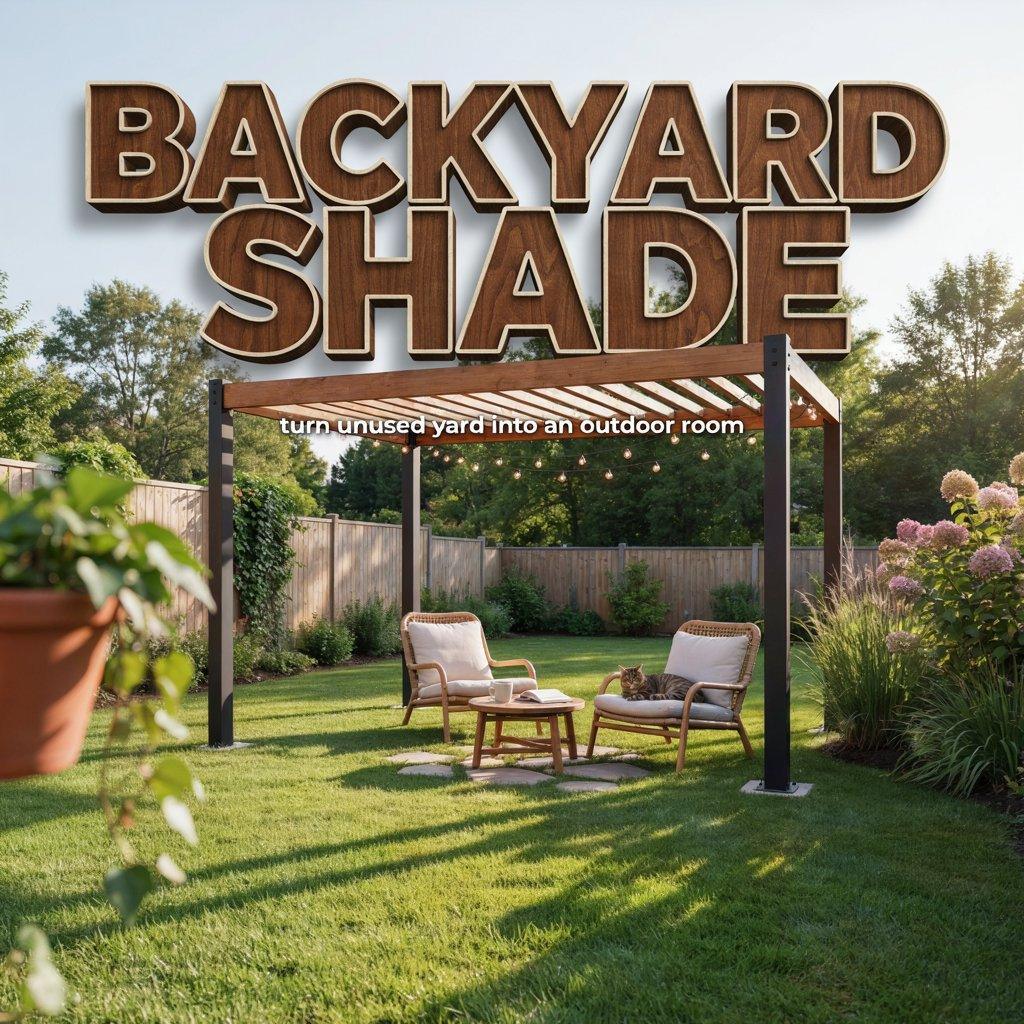
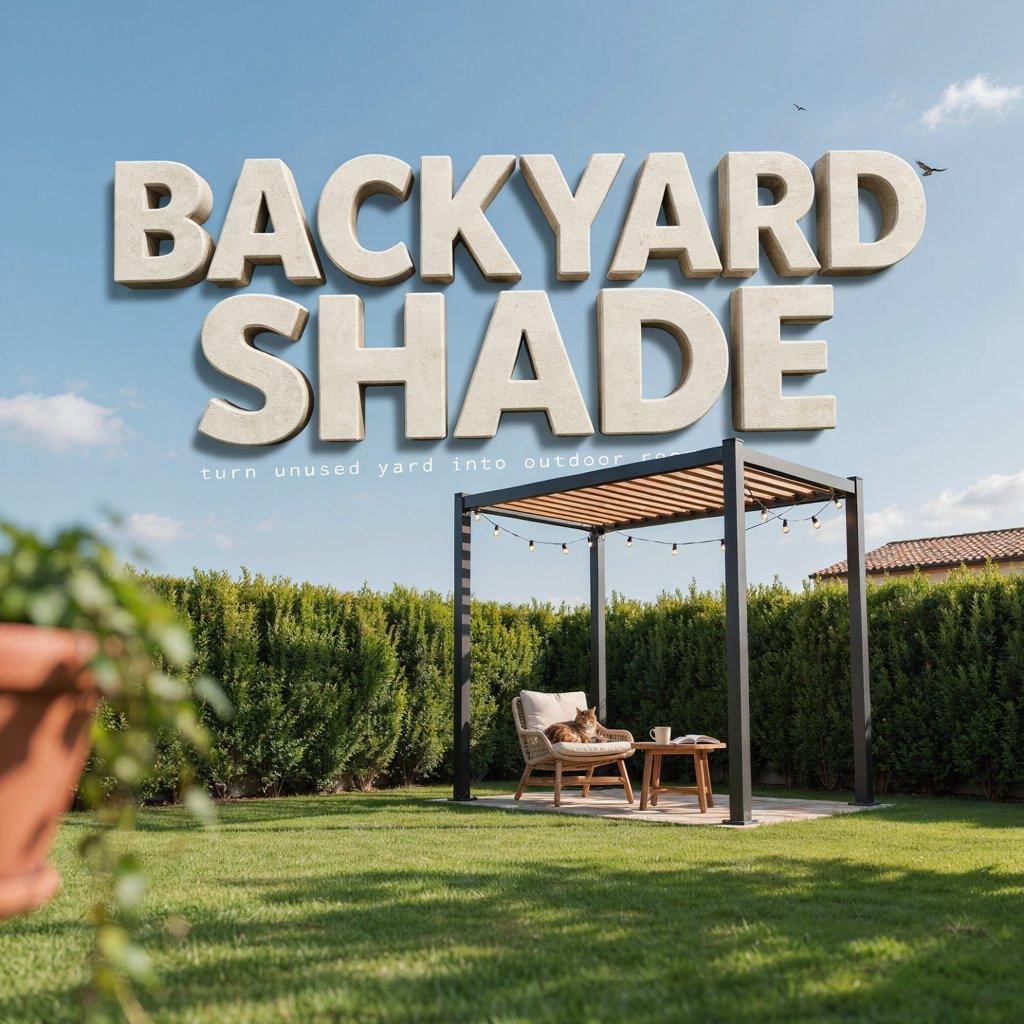
If your backyard gets too much direct sun, a small shade structure can make the space far more comfortable. You do not necessarily need a large permanent pergola. A compact freestanding shade frame, canopy, or simple pergola over one seating area can be enough.
Choose the location carefully by watching how the sun moves across the yard during the day. Put the structure where it will provide shade when your family normally uses the space. You can then add a table, chairs, or a small outdoor lounge underneath.
If you build a permanent structure, check local requirements first and make sure it is properly secured. Shade is one of the practical improvements that can turn an unused part of a backyard into a useful outdoor room.
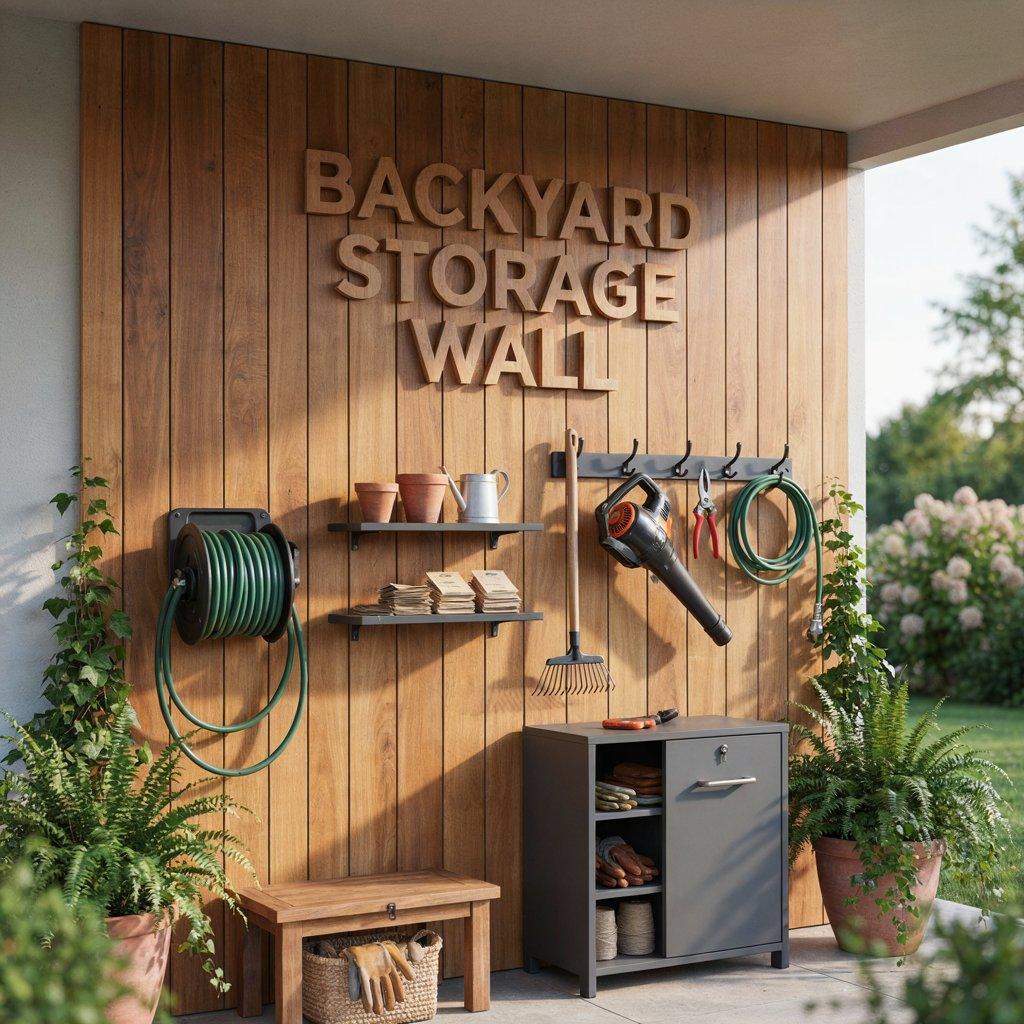
8. Create a Dedicated Backyard Storage Wall
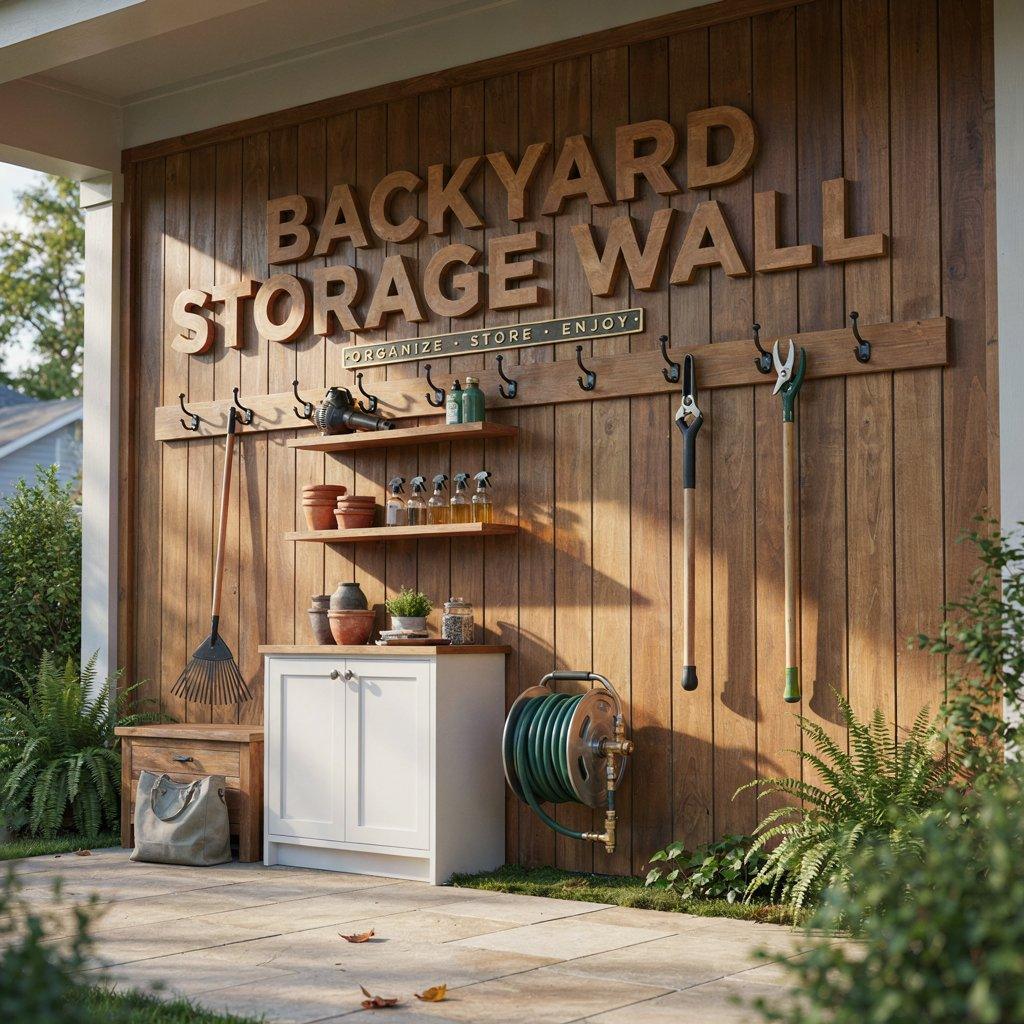
Instead of allowing garden tools, hoses, pots, and outdoor equipment to spread around the yard, create one organized storage wall. An unused fence section, shed wall, or covered exterior wall can become a practical storage station.
Install weather-resistant hooks, narrow shelves, tool holders, and a small cabinet where appropriate. Keep frequently used items at easy-to-reach heights and place less-used equipment higher up.
You can also add a simple hose holder and dedicated space for watering tools. This upgrade does not require a large shed and can make a surprisingly big difference in how clean the backyard looks. Good outdoor storage also protects equipment from unnecessary exposure to weather.
Home improvement guidance commonly recommends storage cabinets, shelves, and storage benches as lower-cost alternatives when a full shed is not practical.
9. Make a Simple Rain Garden
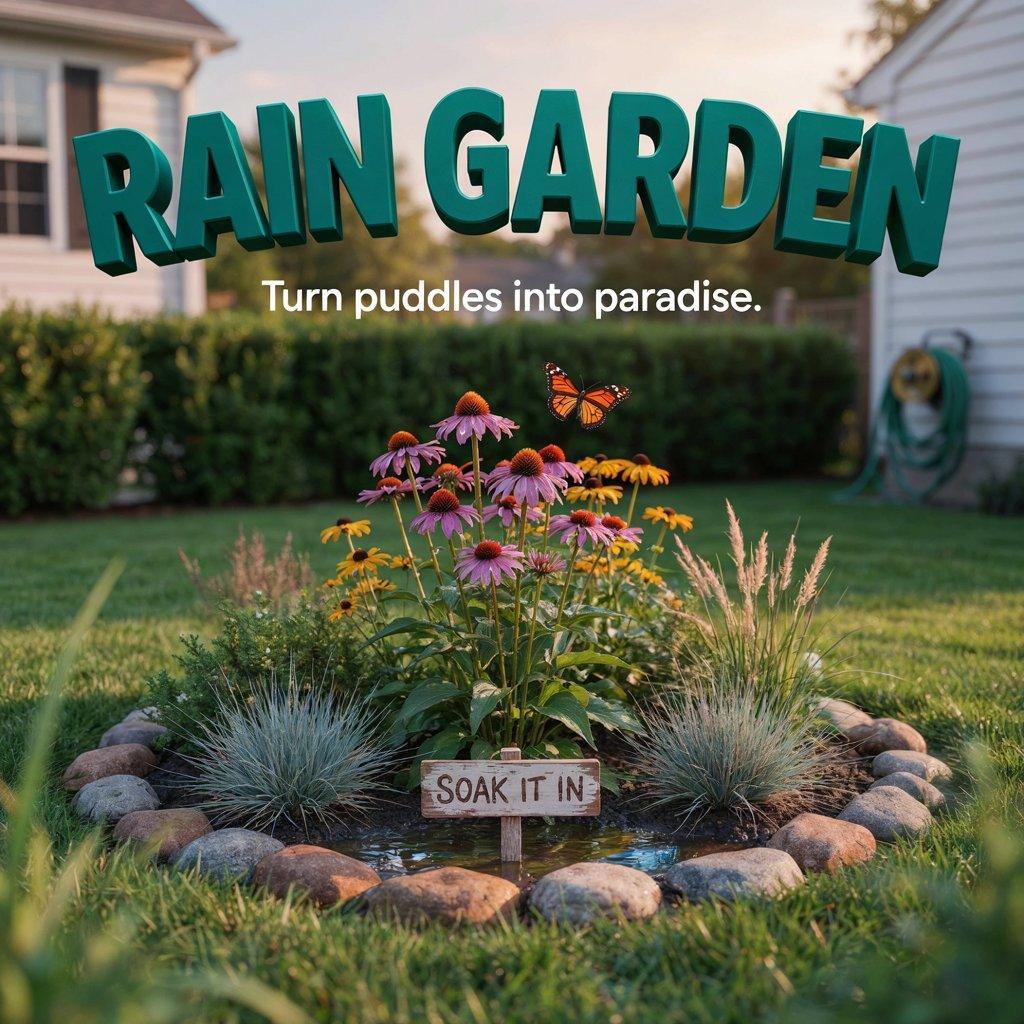
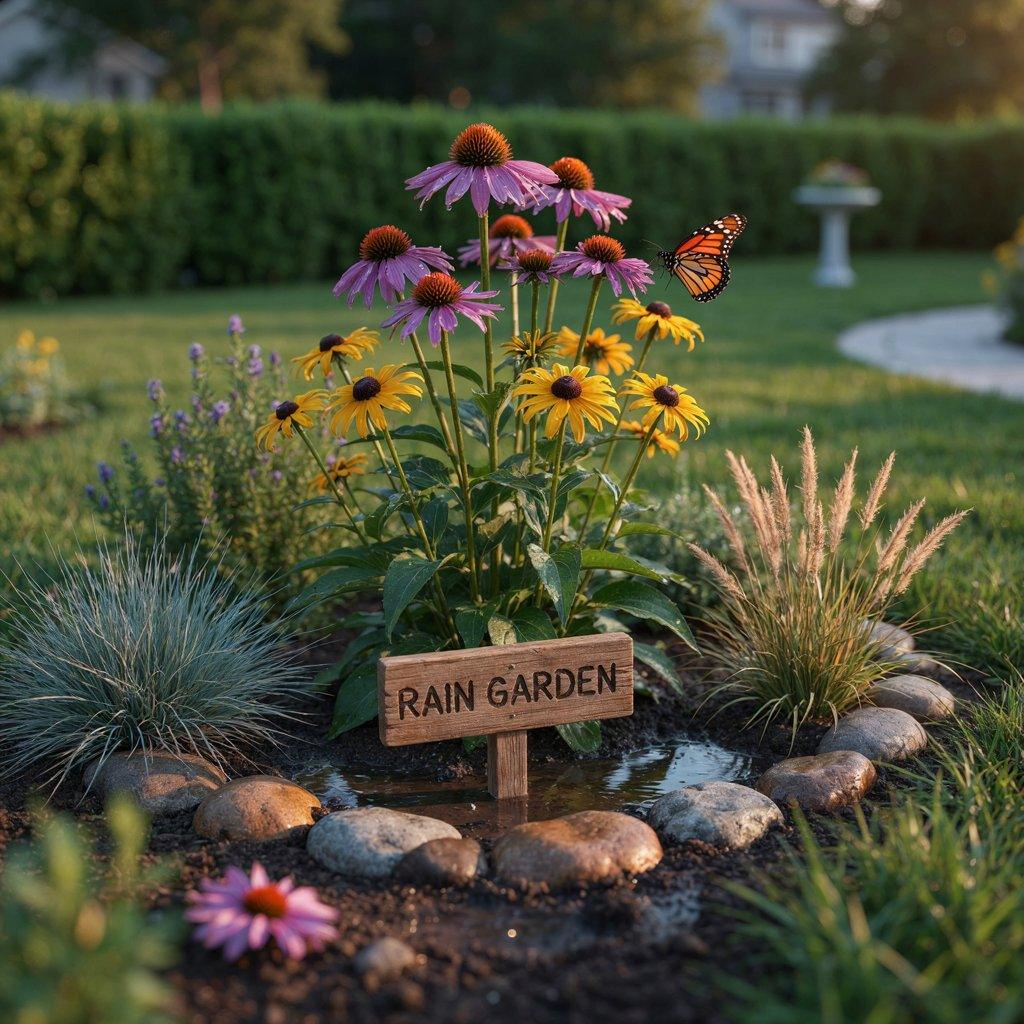
If rainwater regularly collects in one part of your backyard, turn the problem area into a useful landscape feature. A small rain garden can be planted with species suited to your local soil and rainfall conditions, helping create a dedicated place for water to soak into the ground.
First, understand where water naturally flows and make sure the area is suitable. Avoid placing it next to foundations or underground services. Then shape a shallow planting area and choose appropriate plants that can handle occasional wet conditions.
A rain garden can add texture and wildlife interest while giving an awkward section of the yard a purpose. Proper drainage should always come first in a backyard plan, especially before spending money on patios, paths, or other permanent improvements. (This Old House)
10. Build a Compact Outdoor Workstation
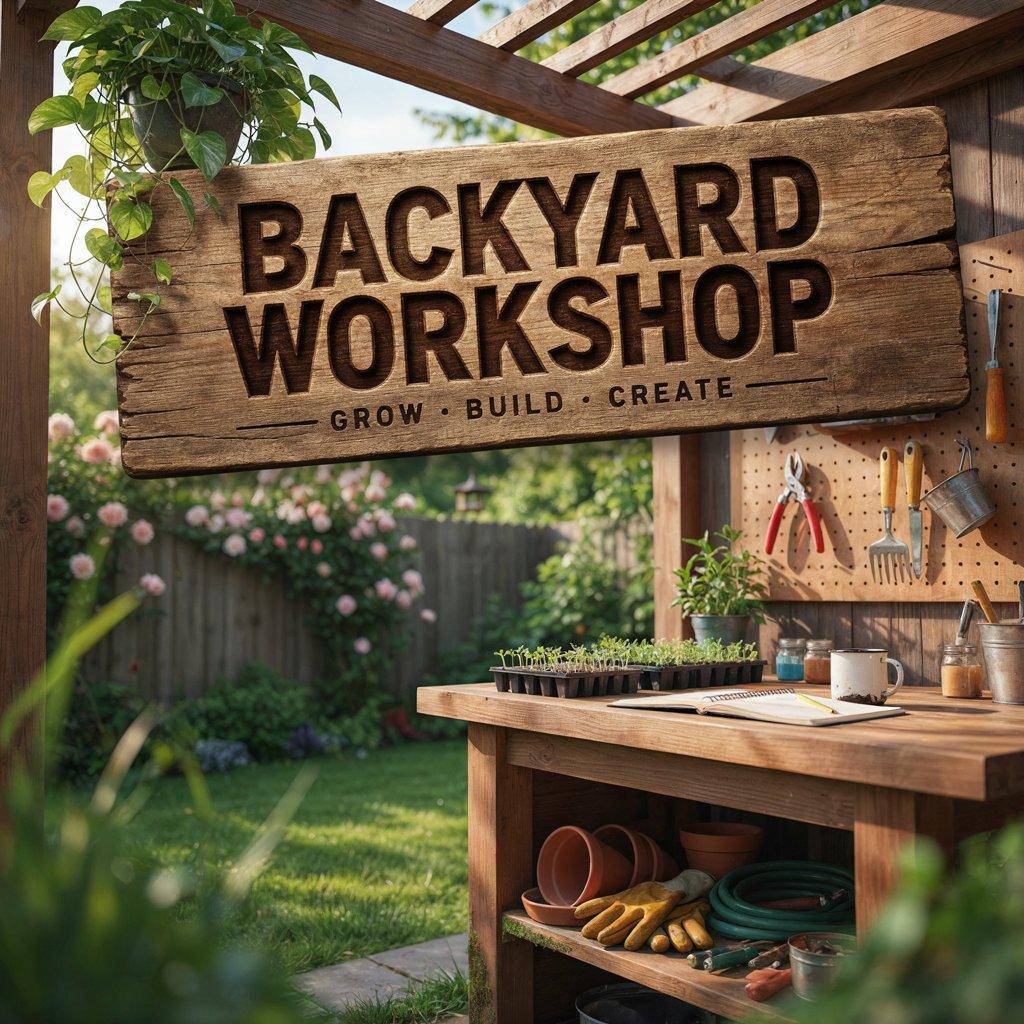
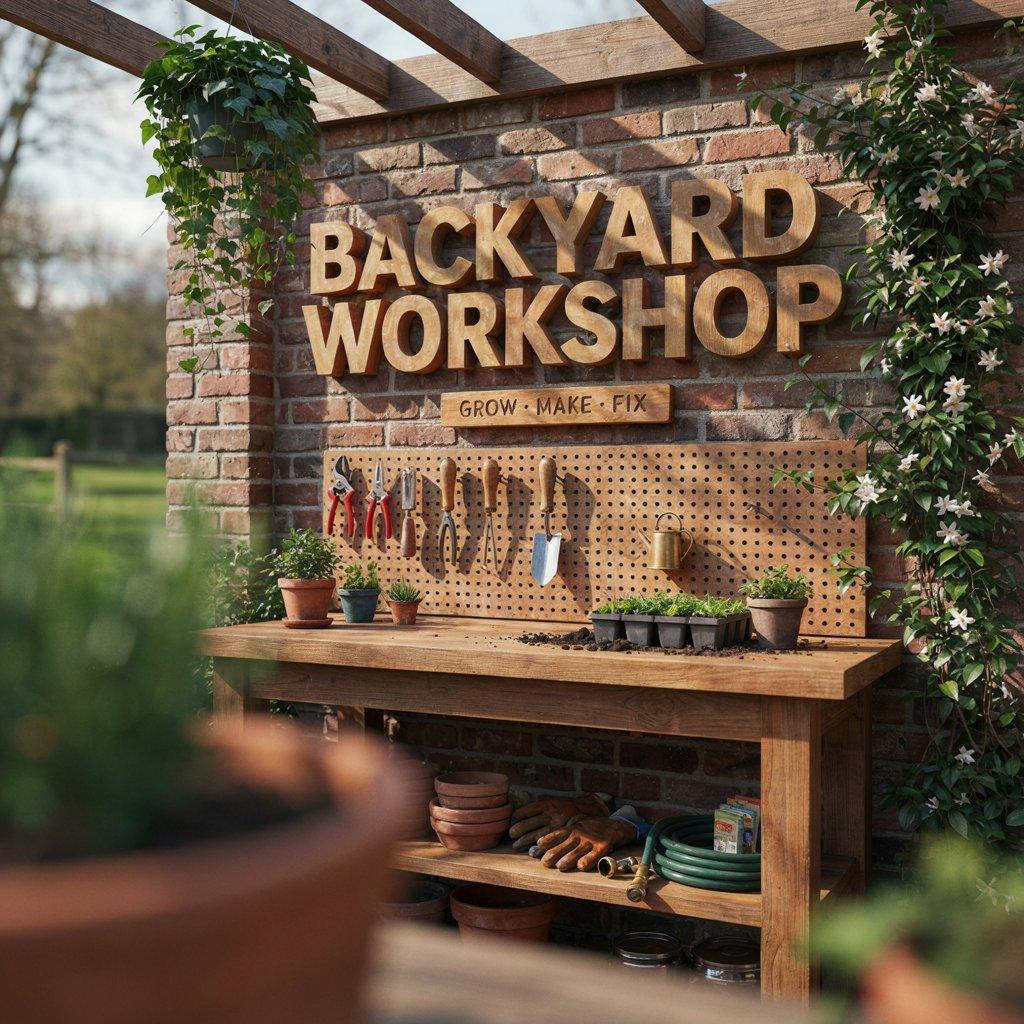
A backyard does not have to be only for relaxing. If you enjoy gardening, crafts, repairs, or other outdoor projects, create a small workstation where you can actually work comfortably. A sturdy outdoor-rated table or simple DIY workbench can provide a dedicated surface for potting plants, cleaning tools, starting seedlings, or handling small projects.
Place it somewhere with reasonable shade and protection from rain. Add a narrow shelf underneath for pots, gloves, hand tools, and other supplies. A pegboard or wall-mounted tool rack can keep frequently used equipment within reach.
This is especially useful in a large backyard because it gives an otherwise unused area a clear purpose. Instead of buying a complete outdoor workshop, start with the work surface and add storage as your budget allows.
11. Add a Built-In Planter Along the Patio Edge
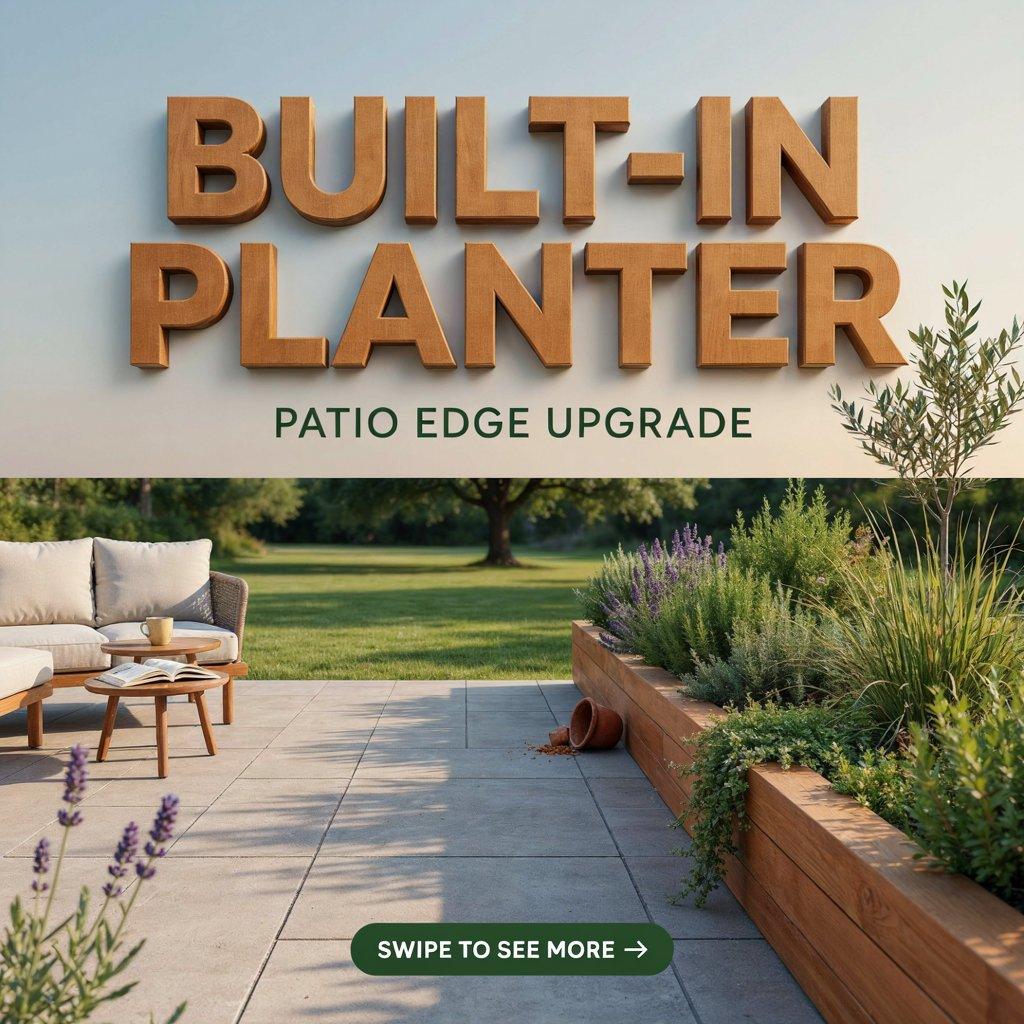
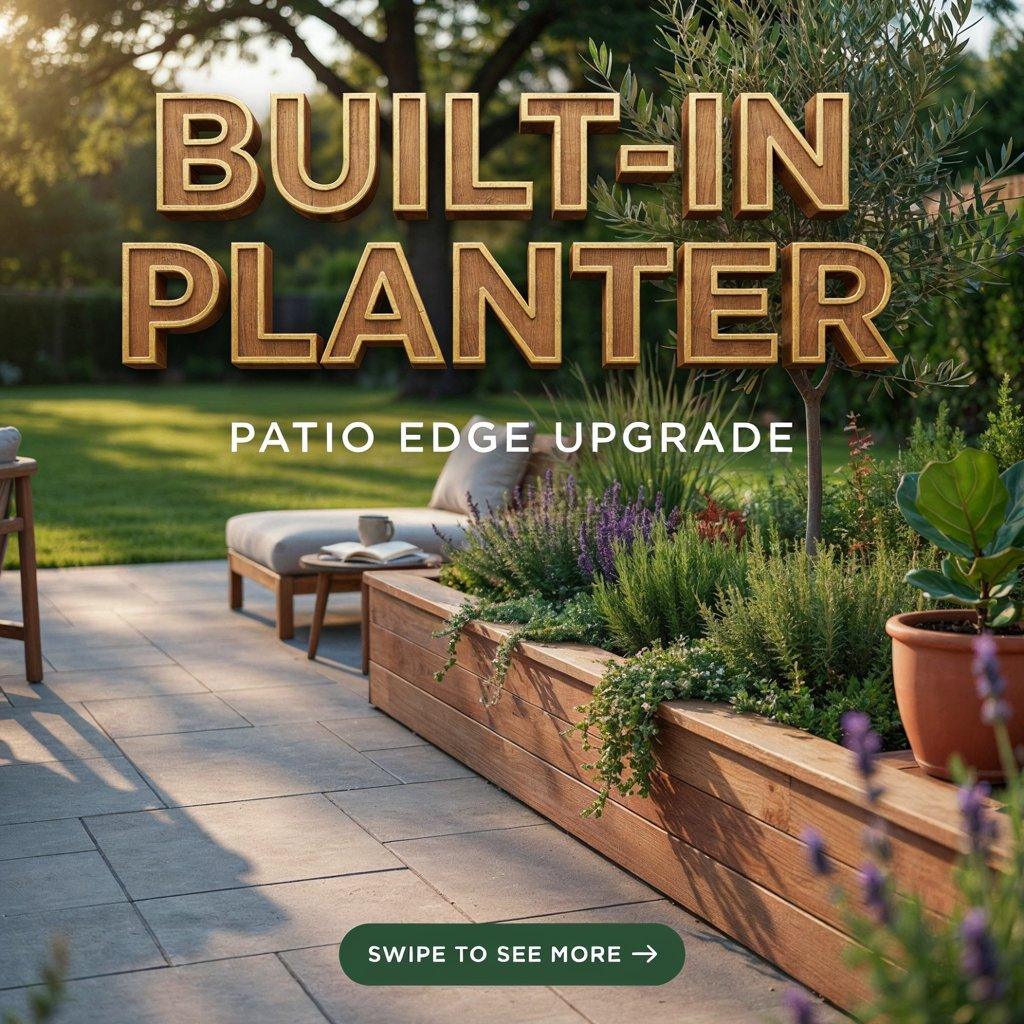
If your backyard seating area feels disconnected from the rest of the yard, add a narrow built-in planter along one edge. You can make a simple raised border from timber, masonry blocks, or another suitable outdoor material and fill it with plants that suit your climate and sunlight.
The planter does more than add greenery. It can visually separate the sitting area from the lawn and soften hard surfaces without taking up much walking space. Use a mixture of heights rather than filling the entire bed with one type of plant.
A few taller plants at the back and lower plants toward the front can create depth. This is a useful upgrade when you want a more finished backyard without rebuilding the entire patio.
12. Create a Backyard Utility Station
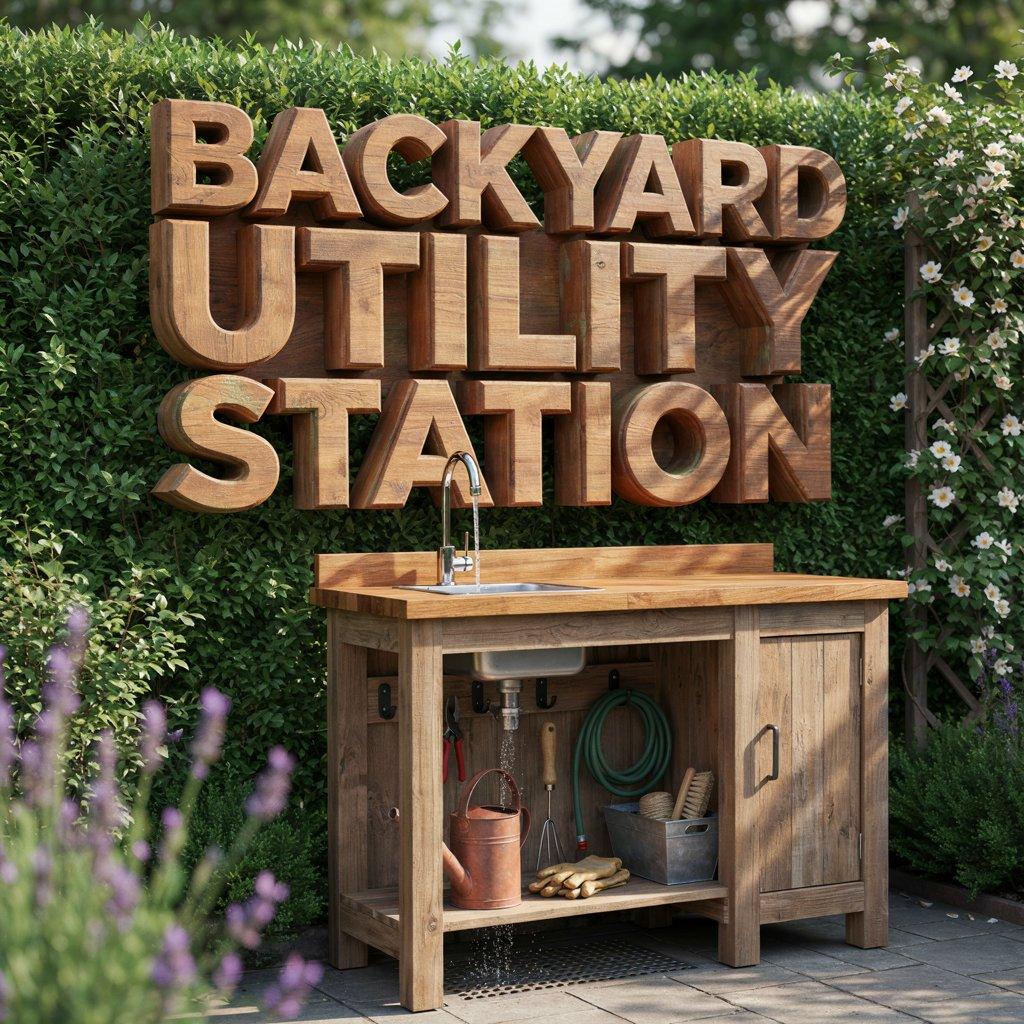
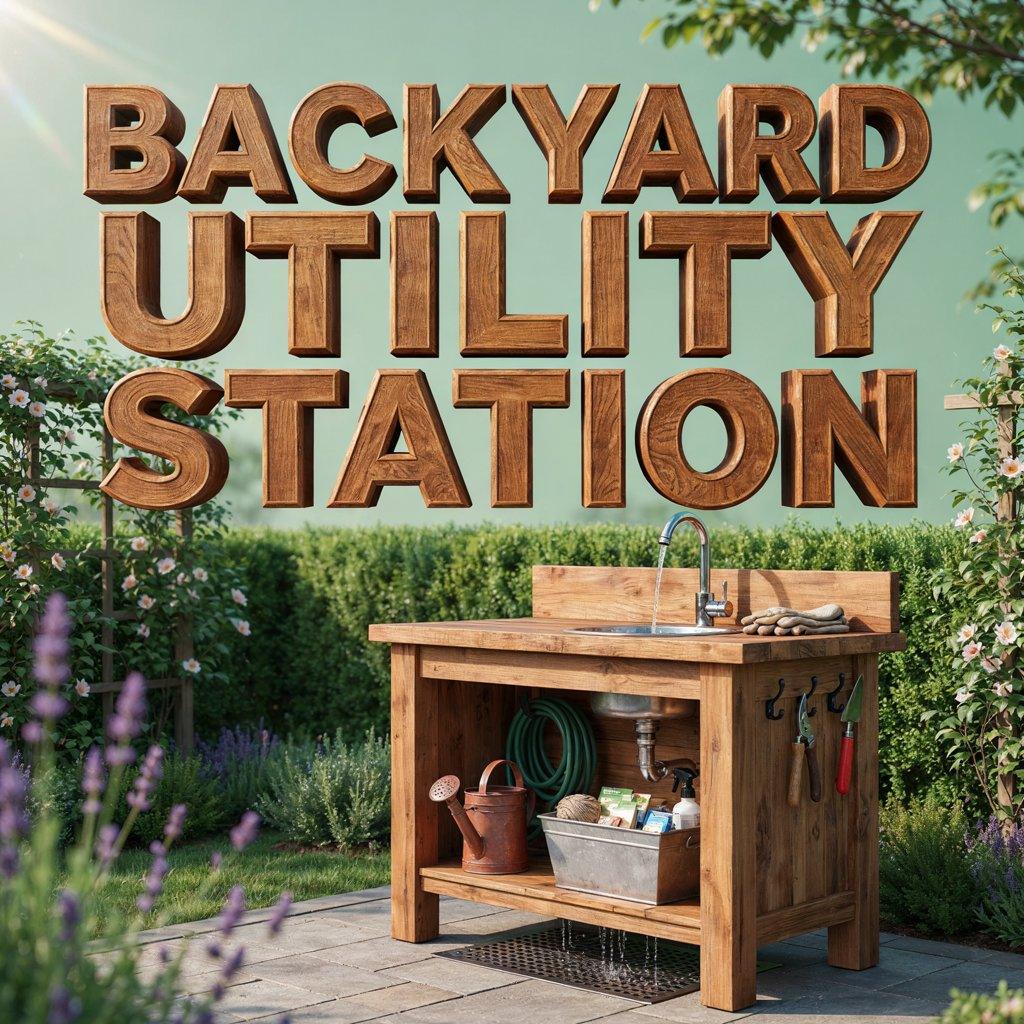
A dedicated utility station is one of those big backyard upgrades that looks simple but can solve several everyday problems. Choose an area near the garden or outdoor work zone and create a compact place for washing muddy shoes, filling watering cans, cleaning tools, or handling garden supplies.
A basic station can use a sturdy outdoor work surface, a weather-resistant shelf, hooks, and a suitable water connection where practical. Add a small container underneath for frequently used supplies.
Keep drainage in mind so water does not collect around the area. You do not need an elaborate outdoor sink to make this useful. The goal is to move messy garden tasks away from the house and give them a proper place in the backyard.
13. Replace Part of the Lawn With a Low-Maintenance Groundcover Area
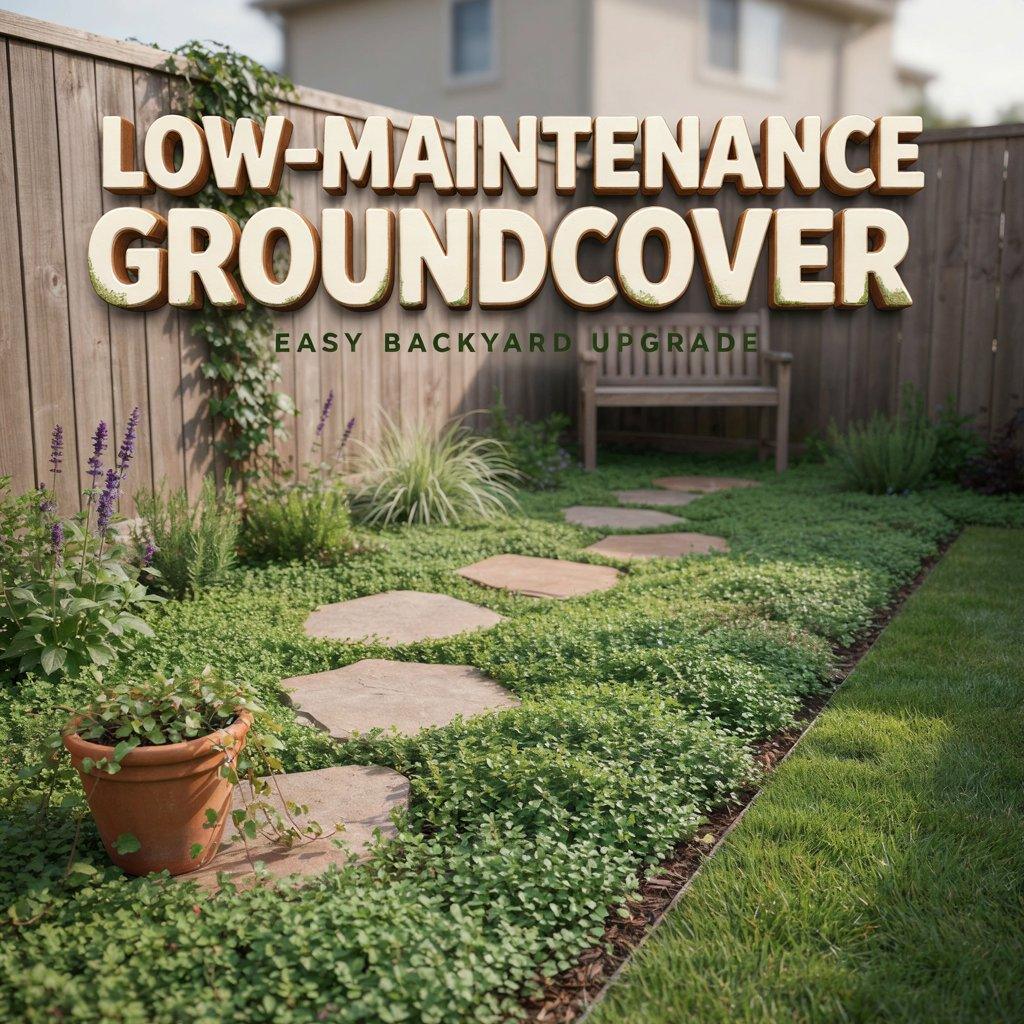
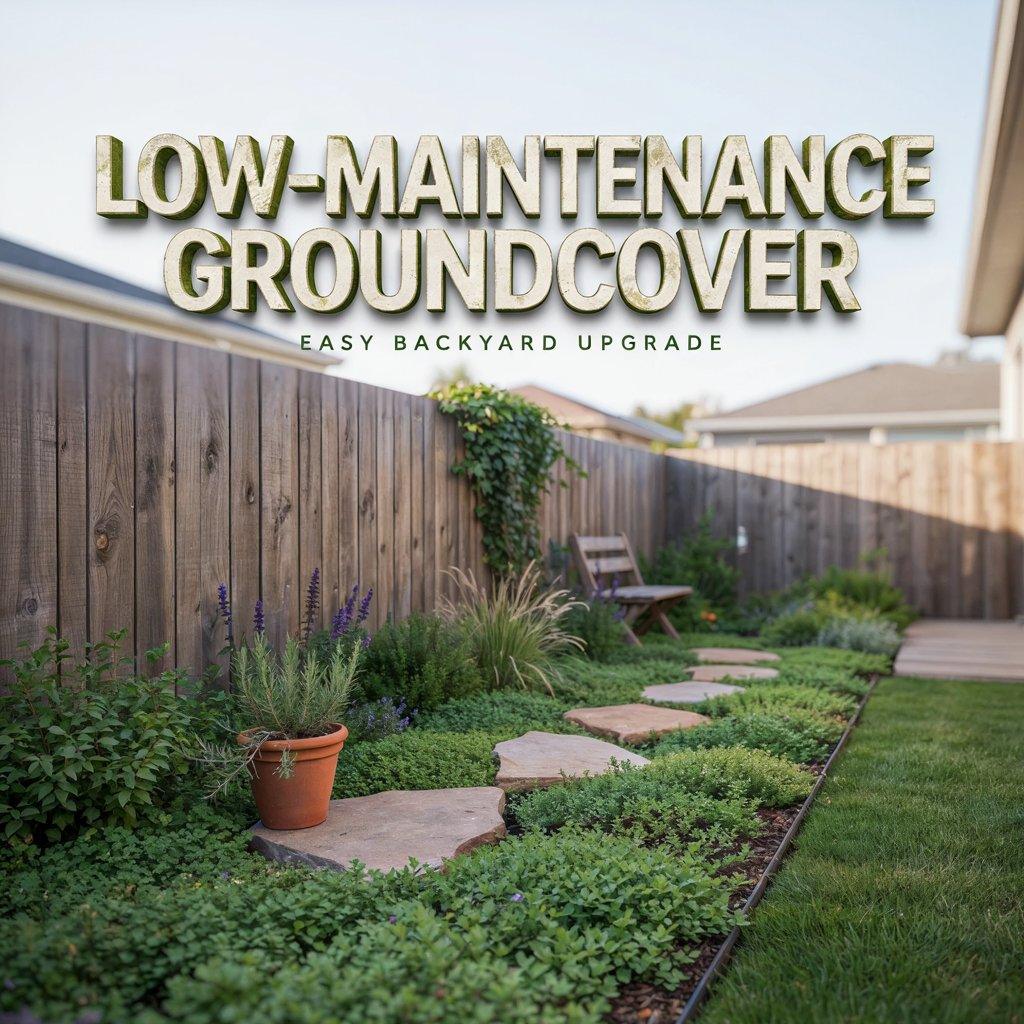
A large lawn can require regular mowing, watering, and maintenance. Instead of removing all of it, consider converting one difficult section into a low-maintenance groundcover area. This works particularly well in places where grass struggles because of shade, poor soil, slopes, or heavy foot traffic.
Choose plants that are appropriate for your local conditions rather than selecting them only because they look attractive in a photo. You can combine suitable groundcovers with a few stepping stones to create a simple walking route.
The result can reduce the amount of lawn that needs regular attention while giving the backyard more visual variety. Start with one section and see how it performs before expanding the idea across a larger part of the yard.
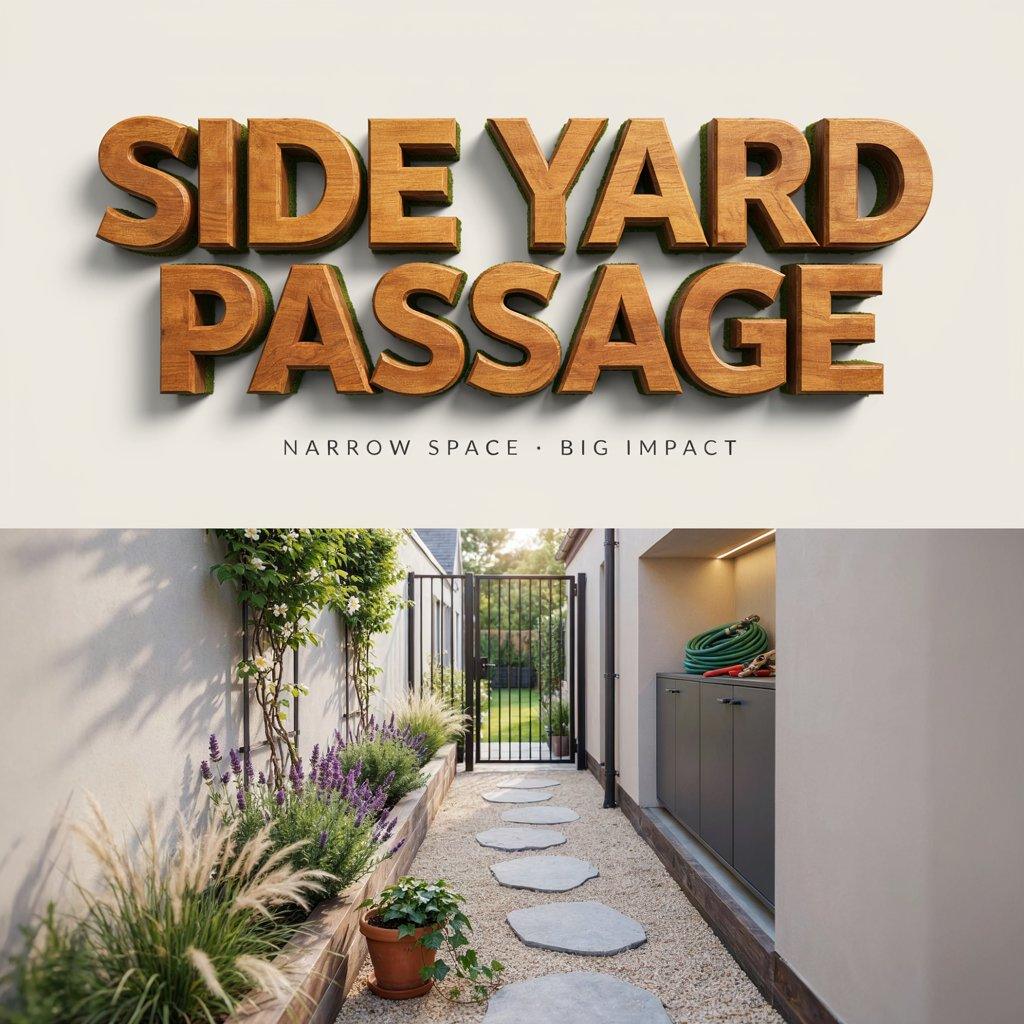
14. Turn a Side Yard Into a Useful Outdoor Passage
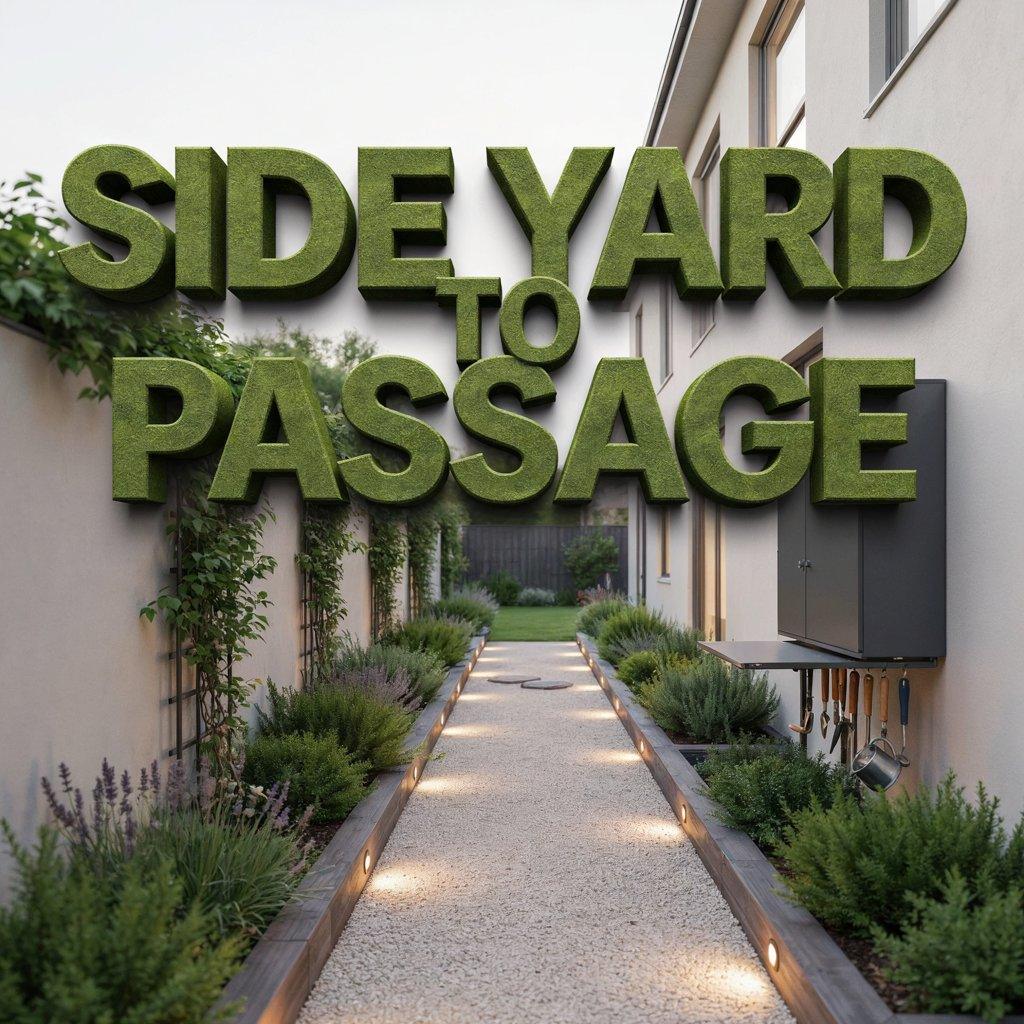
Side yards are often overlooked because they are narrow, but they can become one of the most useful parts of a property. Clear unnecessary clutter and create a defined walking surface using gravel, stepping stones, pavers, or another suitable material.
Then add practical features such as slim storage, wall-mounted tools, narrow planting beds, or vertical greenery. If the space is visible from the main backyard, keep the design simple and consistent with the rest of the property.
A side passage can also provide easier access between the front and back of the house, reducing the need to walk through the main outdoor living area. Before installing anything permanent, check drainage and access requirements so the new pathway does not create water or maintenance problems.
15. Install a Modular Outdoor Kitchen Station
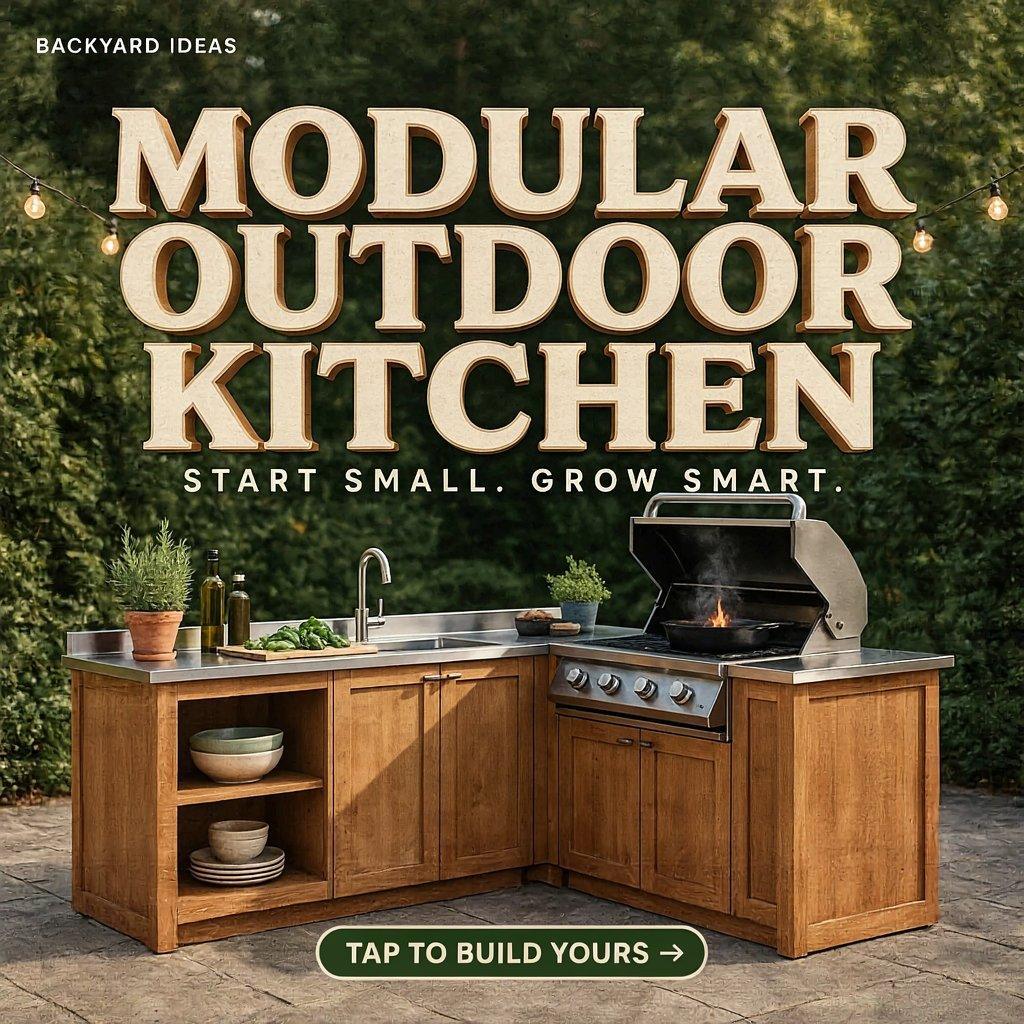
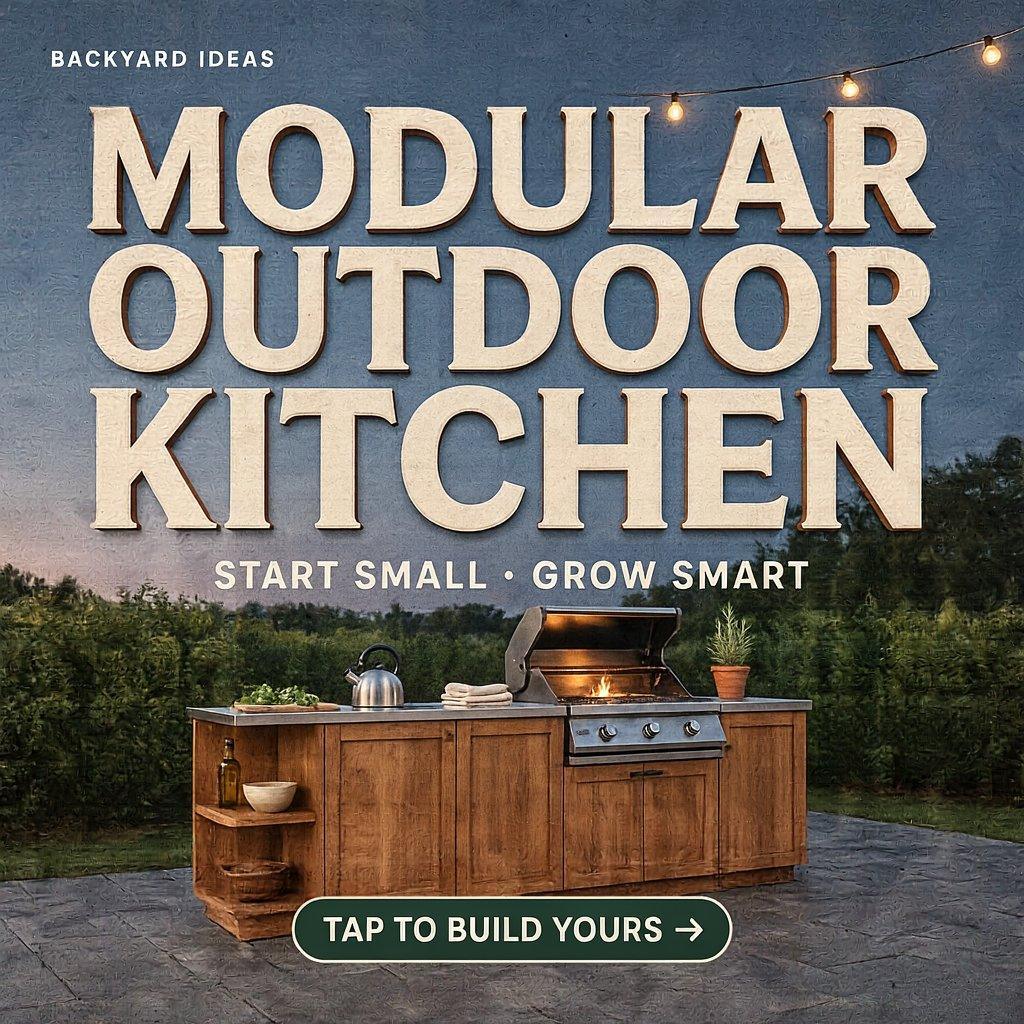
You do not need to build a permanent outdoor kitchen to make backyard cooking more convenient. A modular outdoor kitchen station can start with one sturdy weather-resistant cabinet or work surface and grow over time.
Begin with the feature you will actually use, such as a preparation counter, storage cabinet, or designated cooking area. Add other components later when your budget allows. Choose materials designed for outdoor conditions and keep cooking equipment safely positioned away from combustible structures and surfaces.
The advantage of a modular setup is flexibility. You can rearrange or expand it instead of committing to an expensive built-in installation immediately. It also gives a large backyard a clear entertaining zone without consuming the entire outdoor area.
16. Create a Flexible Backyard Movie Area

You can create an outdoor movie area without building a permanent theater. Choose a relatively flat section of the backyard, provide comfortable seating, and use a portable projector with a suitable outdoor screen or plain light-colored surface designed for projection. Keep electrical equipment protected from moisture and use outdoor-rated connections where required.
The key is making the area comfortable rather than expensive. Add a small side table for snacks, provide a clear walking path, and position the screen where nearby lighting will not interfere too much.
When you are not watching a movie, the same space can become a place for family games, reading, or relaxing. This makes the upgrade more useful throughout the year.

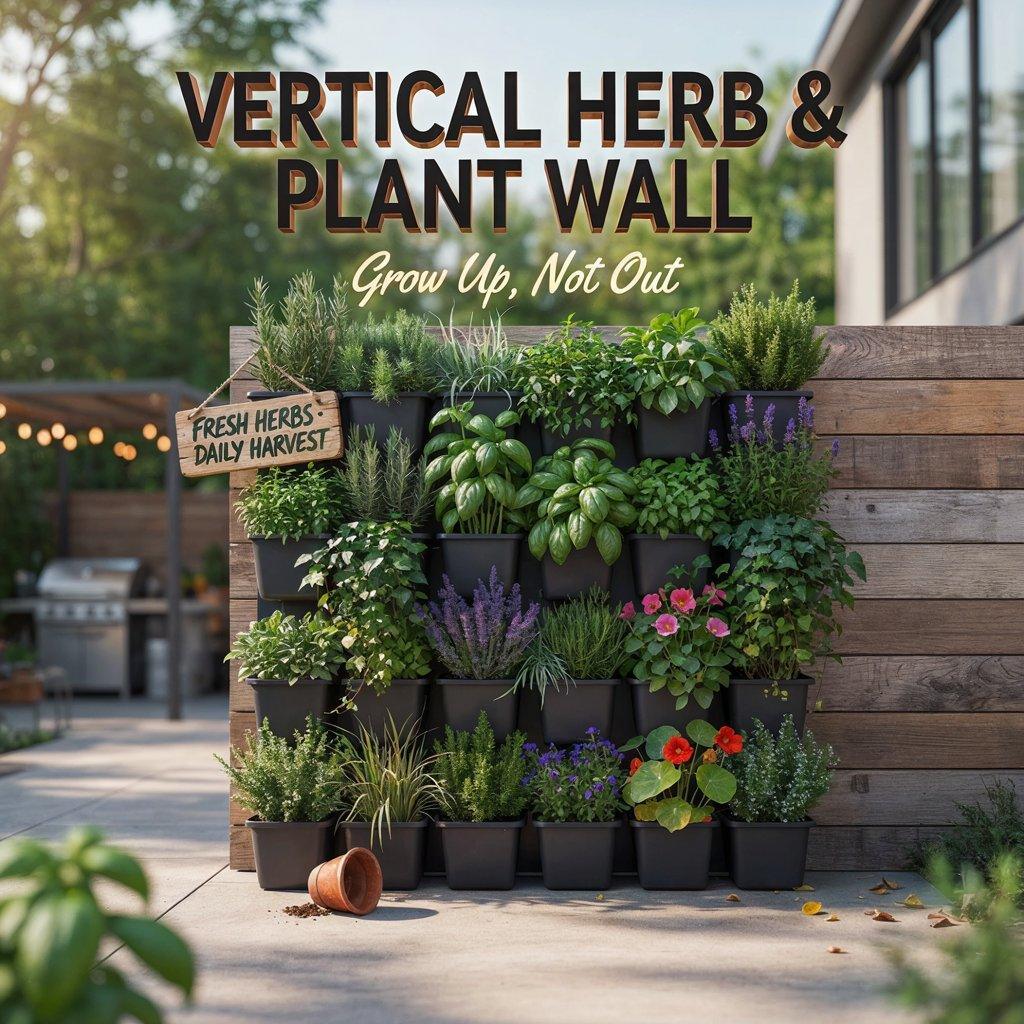
17. Add a Vertical Herb and Plant Wall
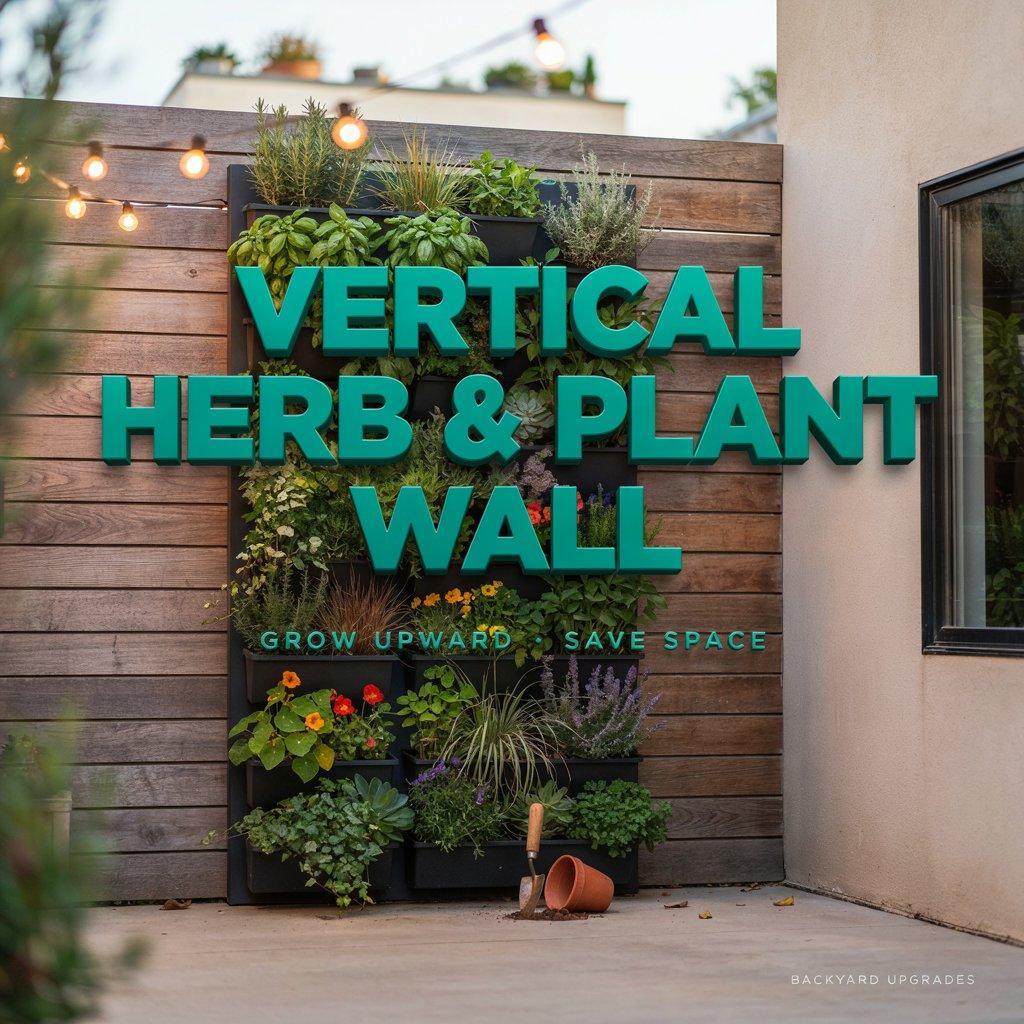
A vertical plant wall is a smart way to add greenery when you do not want to give up valuable ground space. Use a sturdy wall, fence section, or purpose-built outdoor frame to hold suitable containers. Herbs can work particularly well near the house or outdoor cooking area, while ornamental plants can make another section more attractive.
Choose containers with good drainage and use plants suited to the amount of sunlight available. Avoid overcrowding the structure because plants need room to grow and air to circulate.
You can start with a small arrangement and expand it later. This modern backyard upgrade is especially useful for homeowners who want more greenery without creating another large garden bed.
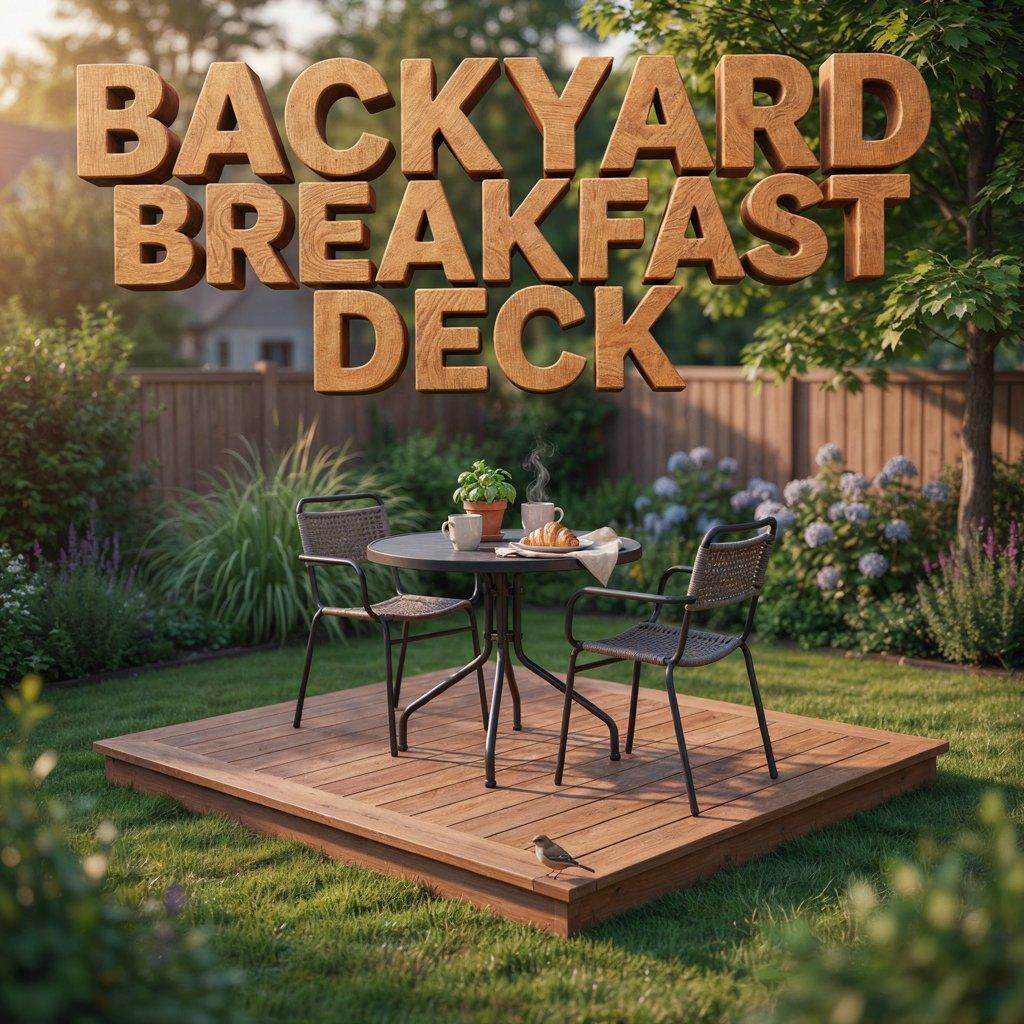
18. Build a Simple Backyard Breakfast Deck
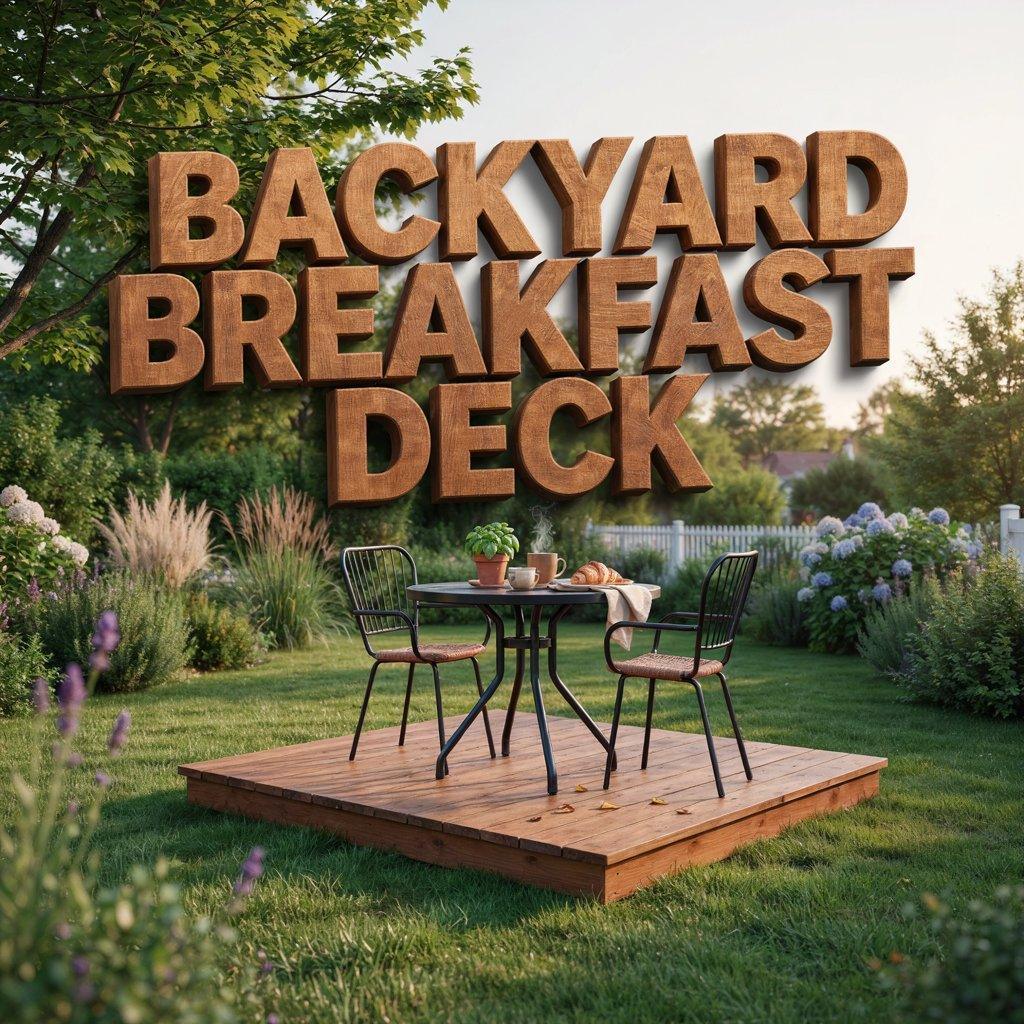
A small deck does not have to cover the entire backyard. Instead, create a compact platform in one useful location and turn it into a dedicated breakfast or morning seating area. A small table and two or four chairs may be all you need.
Before building, check that the location has suitable drainage and that the deck design follows local construction requirements. Use materials intended for outdoor conditions and provide proper support beneath the structure.
Keep the design simple rather than adding expensive built-in features. A small deck can make an otherwise overlooked part of a large yard feel purposeful. It can also serve as a quiet place for morning coffee, reading, or casual meals without competing with your main outdoor living area.
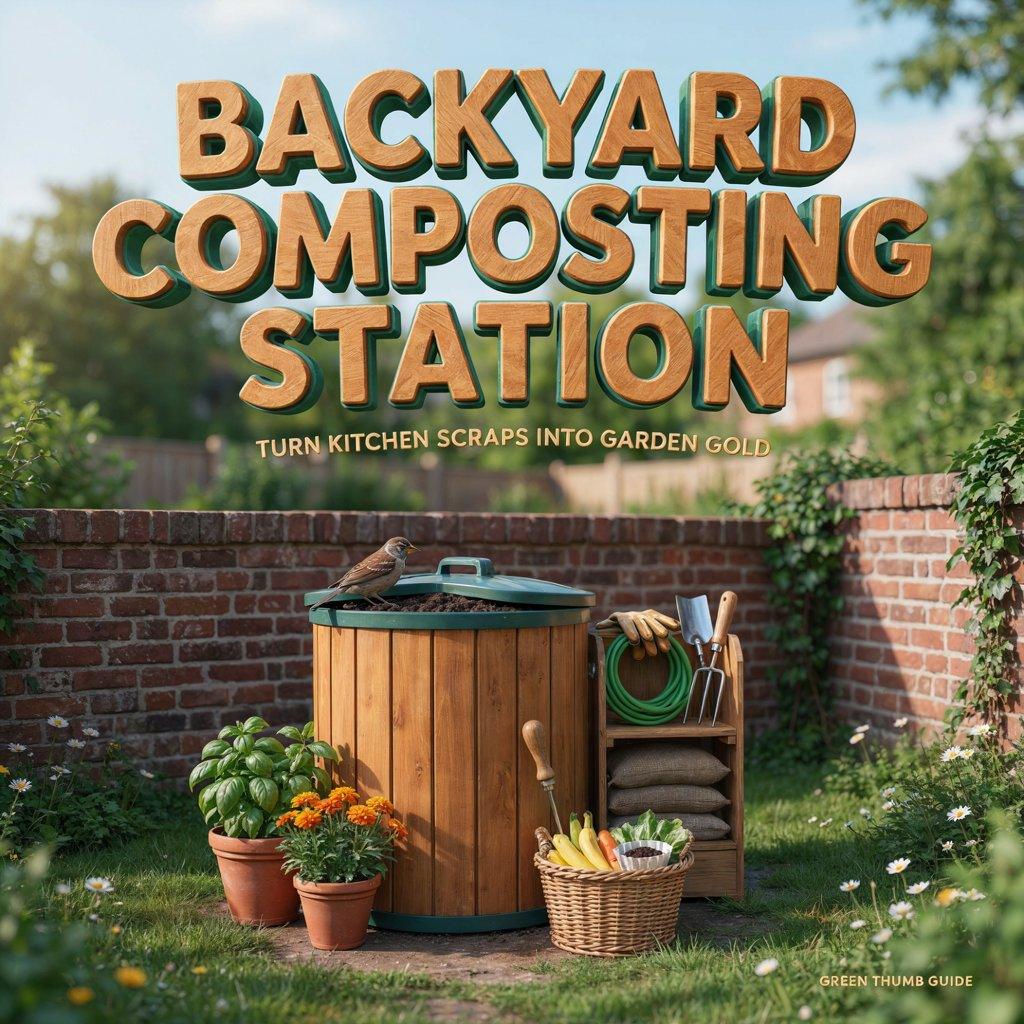
19. Add a Backyard Composting Station
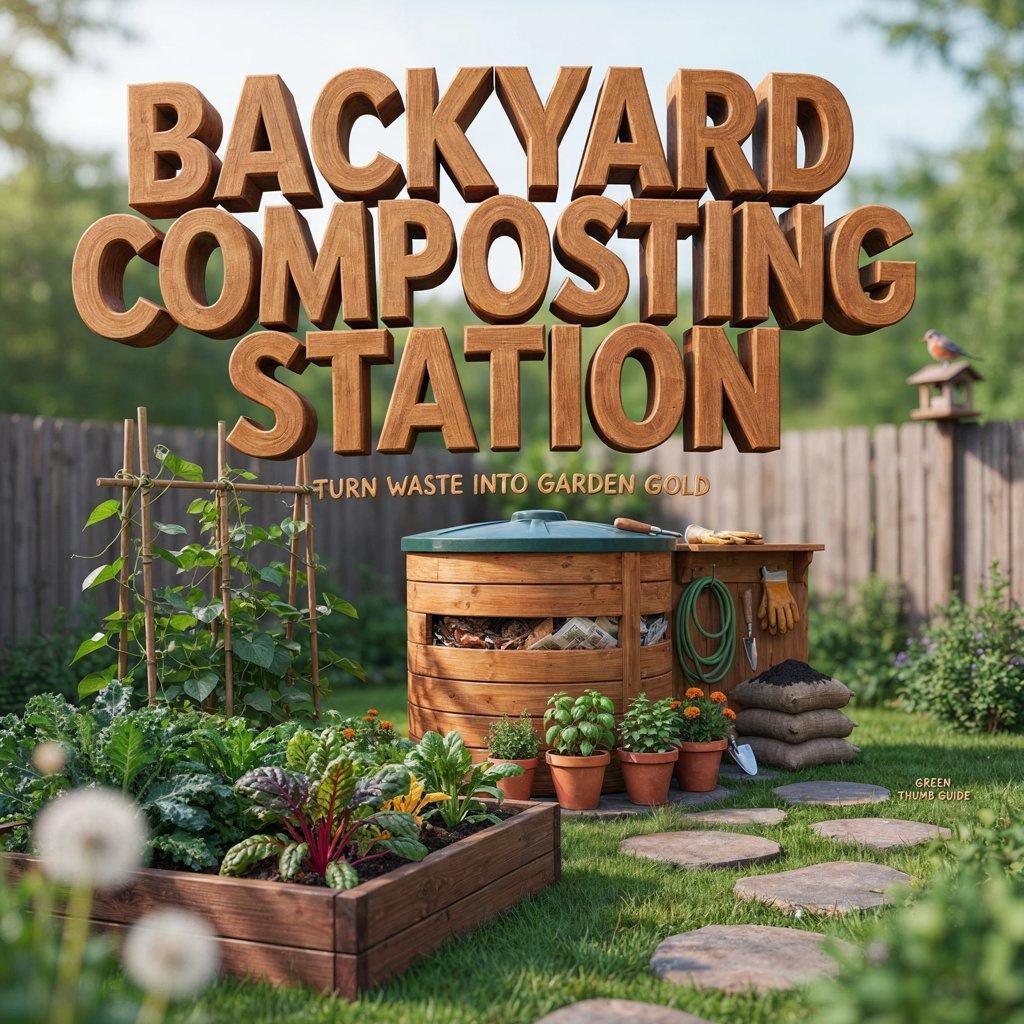
A composting station can turn suitable kitchen and garden waste into useful material for your garden while giving an unused backyard corner a practical purpose.
You do not need an expensive composting system. A suitable enclosed compost bin or simple purpose-built setup can work if it provides enough airflow and keeps the contents contained.
Place it somewhere convenient but not directly beside outdoor seating or areas where food is prepared. Learn what materials are appropriate for your composting method and keep the mixture balanced rather than adding large amounts of one material.
A small storage area beside the compost bin can hold garden tools or bags of soil. This upgrade is inexpensive, practical, and can reduce the amount of suitable organic waste sent away.
20. Create a Backyard Multi-Use Zone
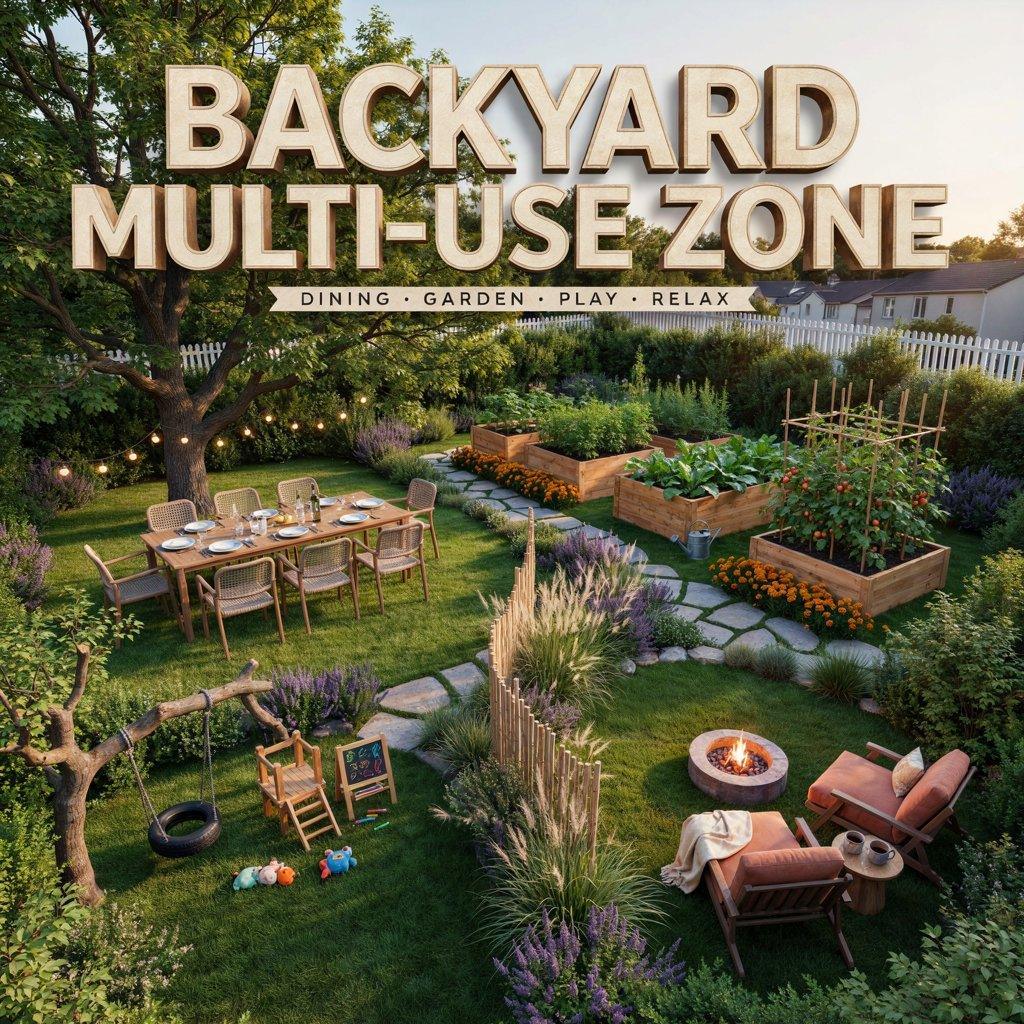
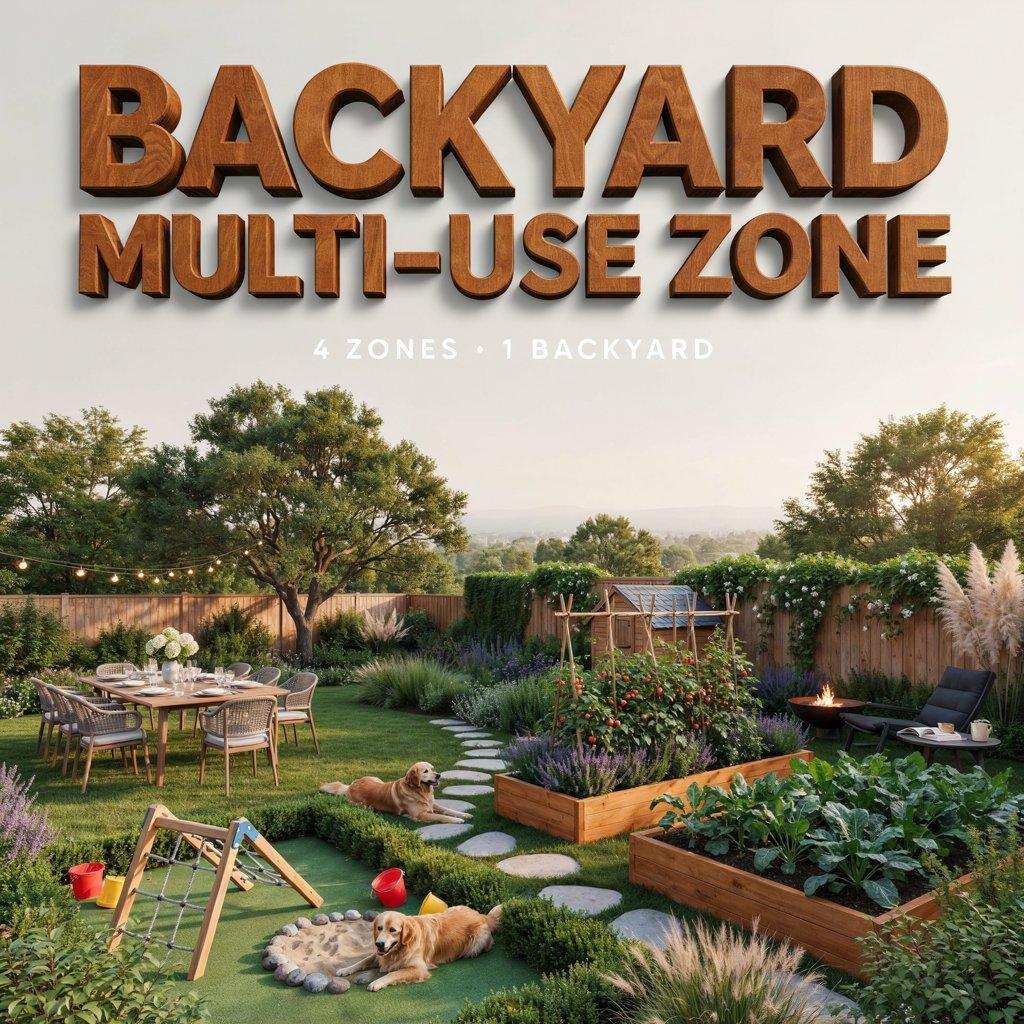
One of the best ways to upgrade a large backyard on a budget is to stop treating the whole space as one big lawn. Divide it into simple zones based on how you actually use the property. One section could be for dining, another for gardening, another for children or family activities, and another for quiet relaxation.
You do not need walls between the zones. Changes in ground material, planting, furniture placement, paths, or low screens can create natural boundaries. Start with the areas you use most and improve them first.
This approach helps prevent expensive purchases that do not solve a real problem. A well-planned backyard can feel much more useful even when the individual upgrades are relatively simple.
Key Takeaways
- Start with a plan: Decide what is missing before buying materials or furniture.
- Improve one area at a time: You do not need to renovate the whole backyard in one project.
- Use existing structures: Refreshing a fence, wall, or unused corner can cost much less than rebuilding.
- Create useful zones: Separate areas for dining, gardening, relaxing, storage, and activities.
- Choose low-maintenance improvements: Gravel, suitable groundcovers, organized storage, and practical planting can reduce future work.
- Think about drainage: Fix water problems before installing permanent paths, decks, patios, or garden features.
- Buy outdoor-rated materials: Anything exposed to rain, sun, or moisture should be suitable for outdoor use.
- Build gradually: A modular outdoor station, plant wall, storage system, or seating area can be expanded as your budget allows.
FAQs
1. What is the cheapest way to upgrade a big backyard?
The cheapest approach is usually to work with what you already have. Refresh an existing fence, reorganize an unused corner, add a simple gravel area, create a walkway, or improve garden beds instead of starting with major construction. Focus first on changes that solve an everyday problem.
2. How can I make a large backyard look more expensive on a budget?
Create clear zones and keep the design consistent. A defined seating area, simple walkway, coordinated planting, organized storage, and a refreshed fence can make a backyard look more finished. You do not need expensive materials everywhere. Good layout and careful maintenance often make a bigger difference.
3. What backyard upgrade adds the most practical value?
It depends on the property, but improvements that increase usable outdoor space are often worth considering. A properly built seating area, useful storage, improved drainage, functional pathways, or a well-planned outdoor dining zone can make the yard easier and more enjoyable to use.
4. Should I upgrade the lawn or remove some of it?
Do not remove a healthy lawn simply because it is common. Look at how you use the yard first. If a section is difficult to maintain, rarely used, or constantly struggles with shade or drainage, converting that particular area to planting, gravel, or another suitable surface may make more sense.
5. How can I upgrade my backyard little by little?
Start with one high-priority problem. For example, create a useful seating area first, then add a walkway, storage, planting, privacy, or lighting later.
Make sure each project works with the previous one. This prevents you from spending money on disconnected improvements that eventually need to be changed.
Wrapping It Up
A better backyard does not have to start with a major renovation or a large budget. The most useful big backyard upgrades are often the ones that make the space easier to use, easier to maintain, and better suited to your everyday life.
Start by looking at the parts of your yard that are currently being wasted. An empty corner can become a garden nook. An awkward side yard can become a useful pathway. An untidy fence can become a storage wall or planting backdrop. Even a large lawn can become more interesting when you divide it into practical outdoor zones.
The best approach is to work gradually. Choose one project, complete it properly, and then decide what the backyard needs next. With a little planning, practical materials, and some weekend work, you can make a noticeable improvement without trying to pay for everything at once.
Related Post: