
Let me guess: you’ve scrolled through those glossy patio photos on Pinterest, looked out your back door, and thought, “Yeah, that’s not happening on my budget.”
Here’s the thing nobody tells you. Most of those “luxury” outdoor spaces aren’t luxury at all. They’re cheap materials, smart choices, and a little elbow grease arranged with enough intention that your brain just reads them as expensive. The gap between a sad concrete slab and a patio that looks designed comes down to a handful of decisions, not a fat checkbook.
I’ve dug through advice from designers, DIYers, and home experts to pull together 20 backyard patio ideas that genuinely look expensive but aren’t. No fluff. No “just hire a landscaper” nonsense. Just real things you can actually do this weekend.
Let’s get into it.
1. Lay a Pea Gravel “Floor”
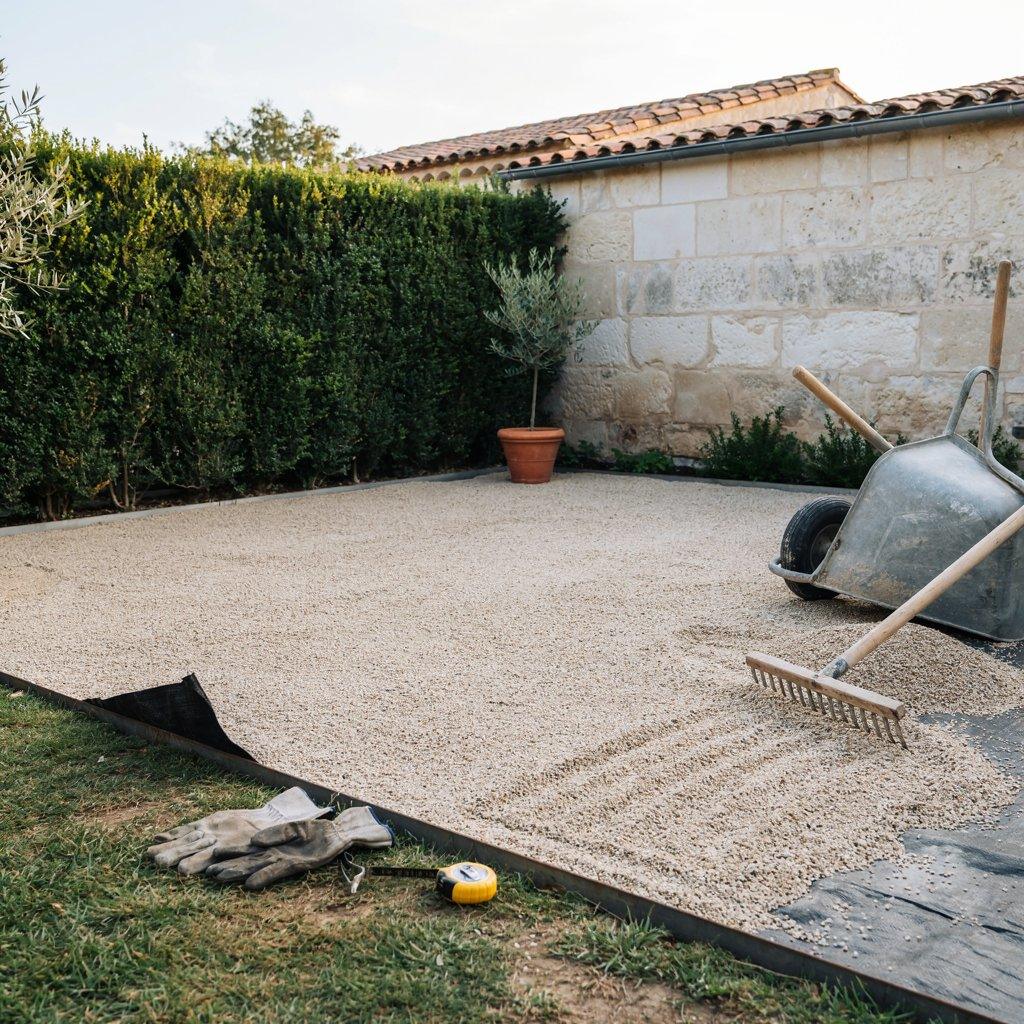
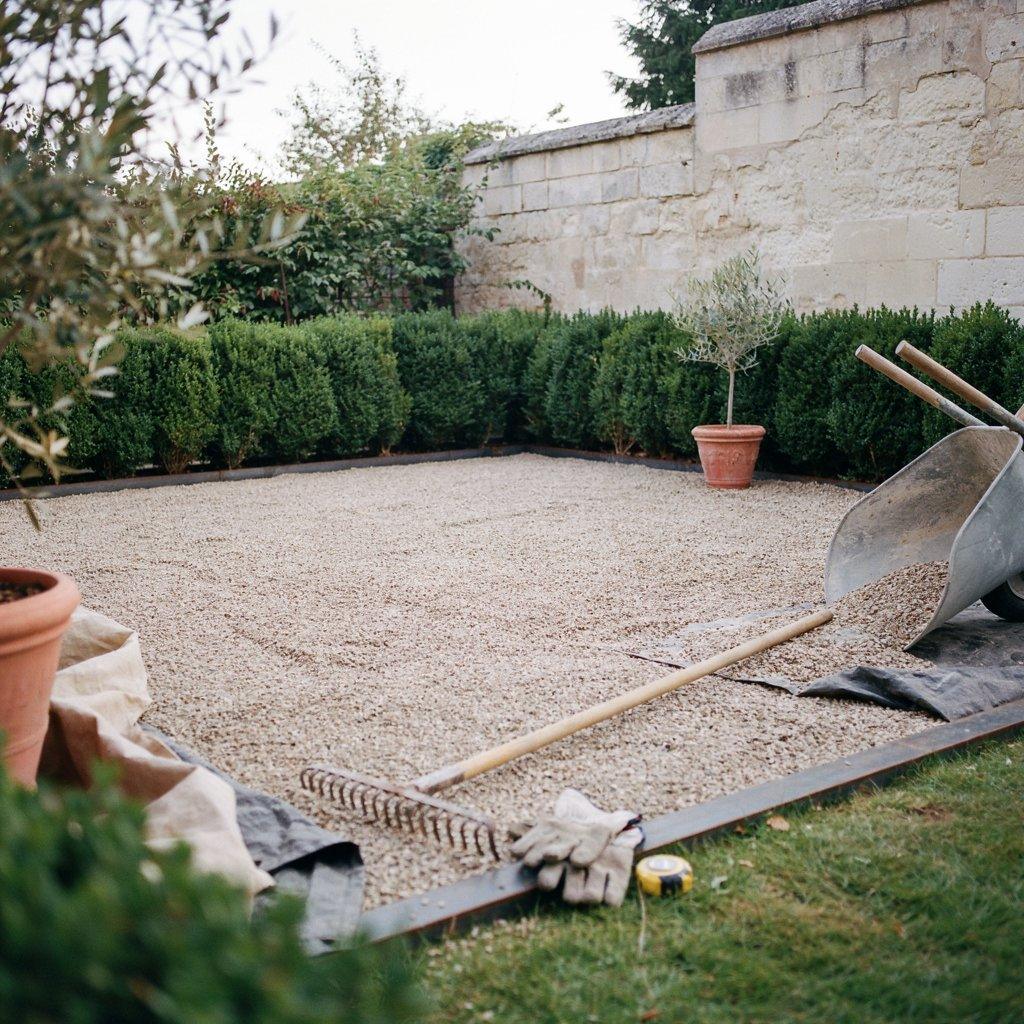
Nothing says “finished outdoor room” like a defined ground surface. Pea gravel is the cheapest permanent one out there. Excavate a few inches, lay landscape fabric to block weeds, edge it with timber or steel, and fill with gravel.
It drains instantly, needs no concrete base, and works on almost any terrain. A modest gravel patio costs a fraction of pavers or poured concrete, yet reads as a deliberate European courtyard surface.
The crunch underfoot alone makes a yard feel considered. It’s the highest-impact ground you can lay for the lowest spend.
2. Score and Stain Plain Concrete
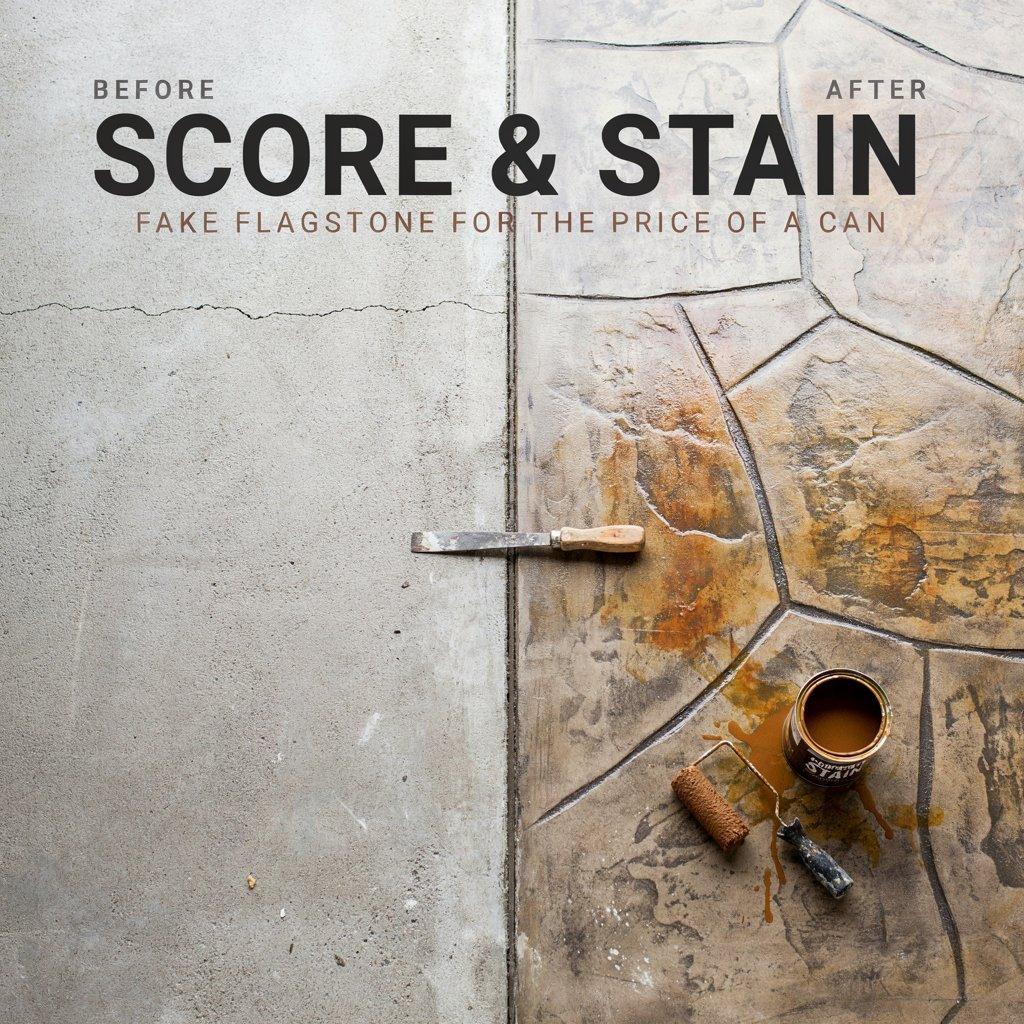
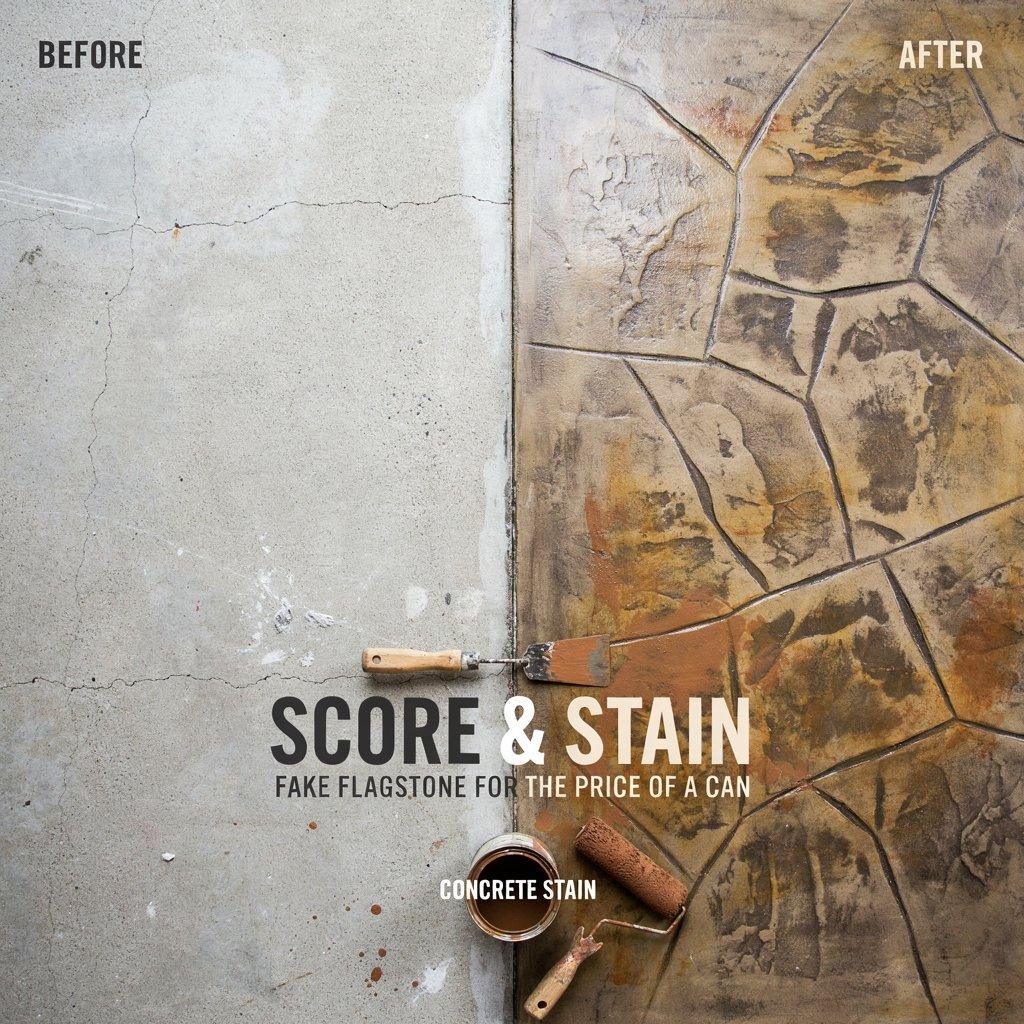
Got a boring concrete slab? You can make it look like expensive tile or flagstone for pocket change. Score the surface into a stone or tile pattern with a groover tool, then apply an acid stain after it cures.
The result mimics pricey natural stone at a tiny fraction of the cost. This is the classic “looks expensive, isn’t” move: same slab, transformed by two cheap steps. A can of concrete stain covers a big area, so the cost per square foot stays low while the perceived value jumps.
3. Hide Ugly Pavers Under an Outdoor Rug
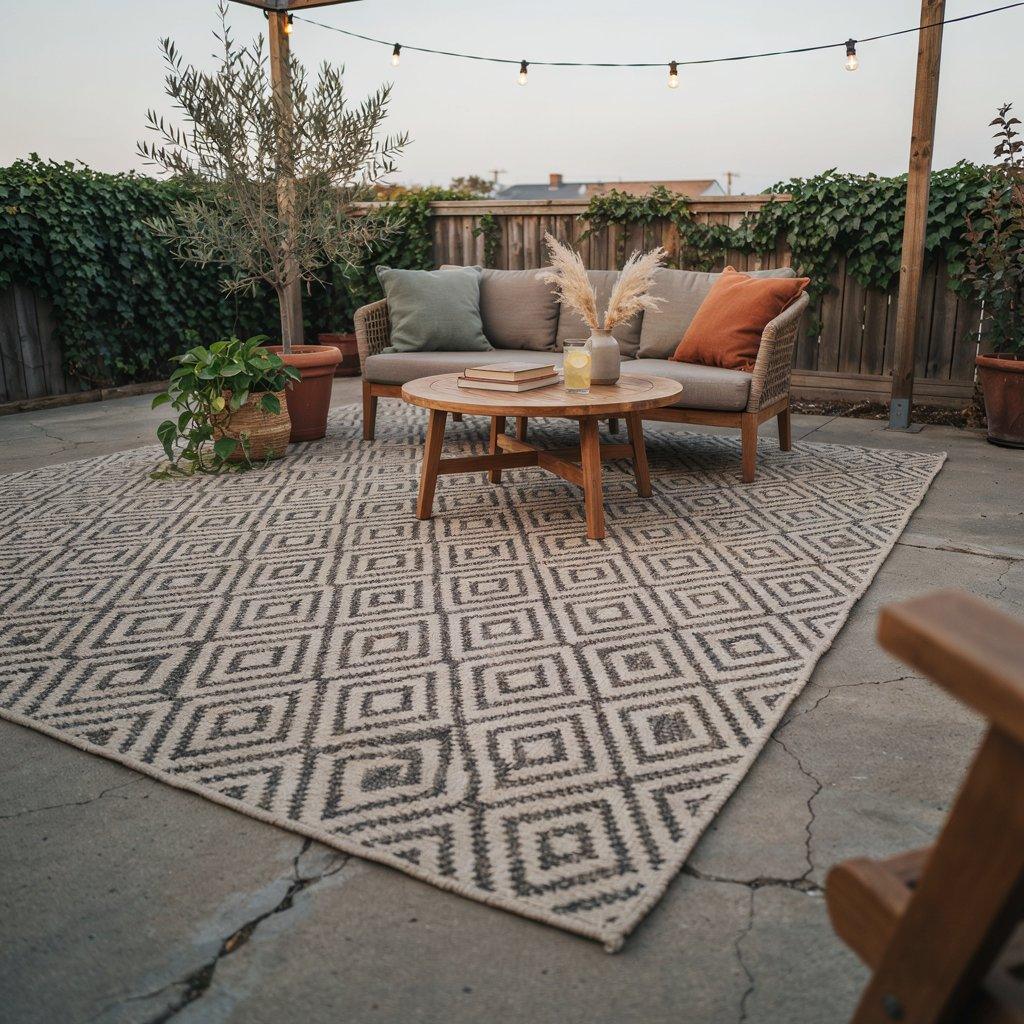
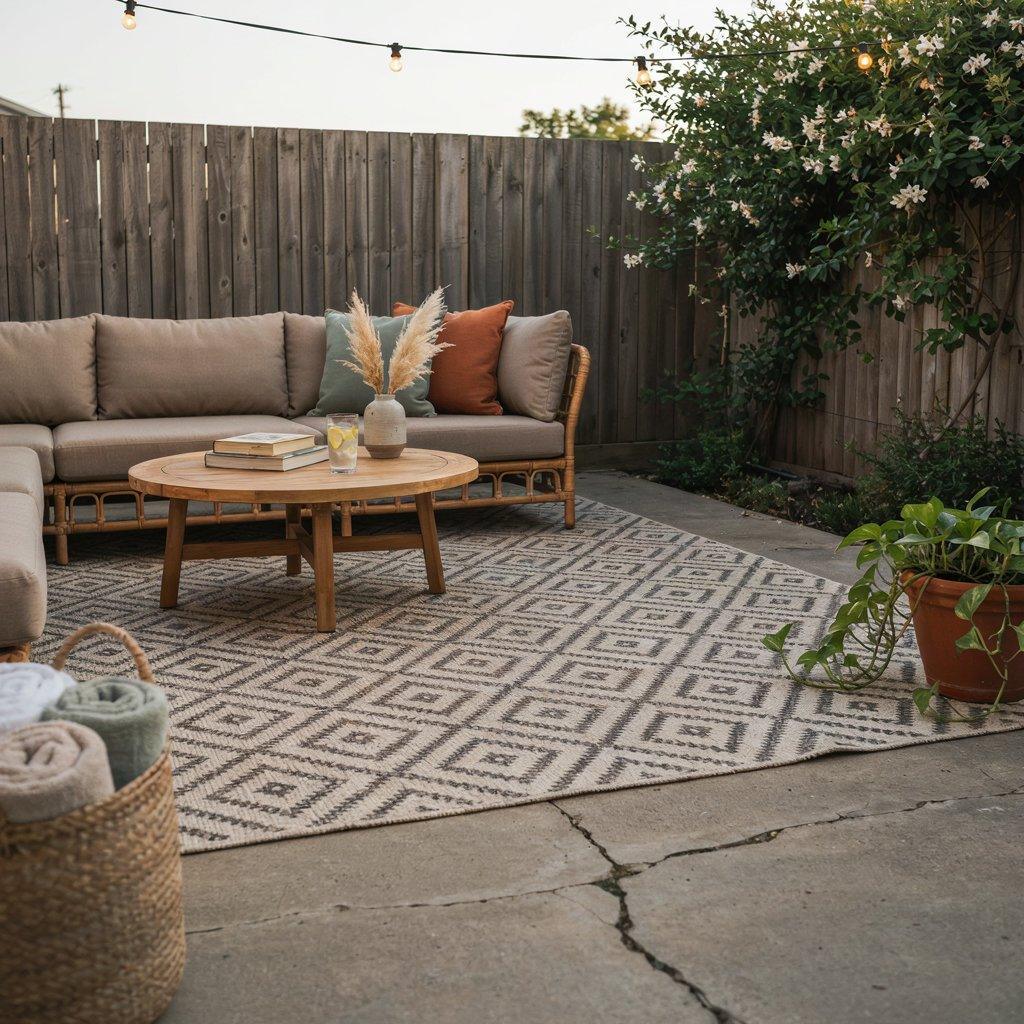
Cracked concrete or dated pavers you can’t afford to replace? Just cover them. A weatherproof outdoor rug thrown over a tired surface instantly makes the space feel like an outdoor living room. It’s completely renter-friendly, no demolition required.
A rug also anchors your seating, adds color and pattern, and defines the zone, all things that read as intentional design. It’s one of the fastest, cheapest ways to make a rough space look styled. Look for neutral tones or sophisticated geometric patterns in durable materials like polypropylene.
4. Let String Lights Do the Heavy Lifting
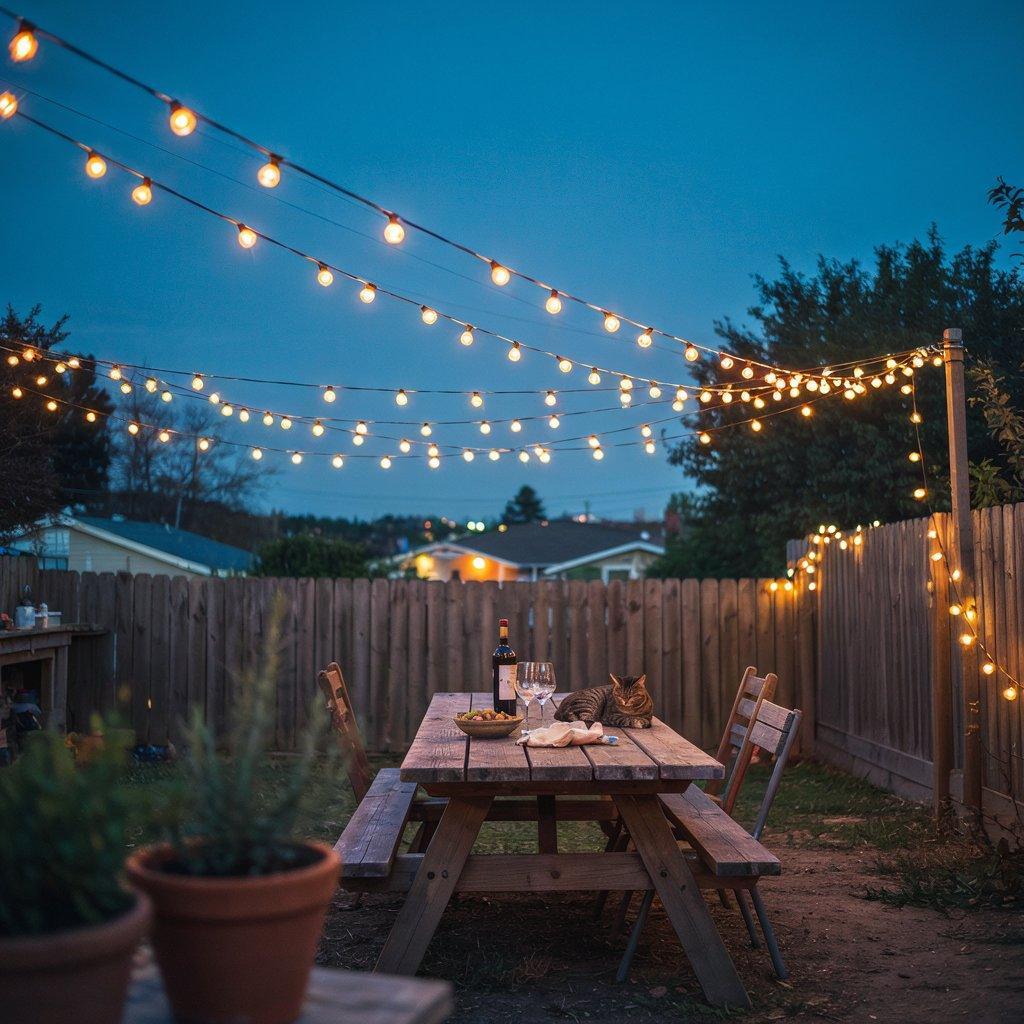
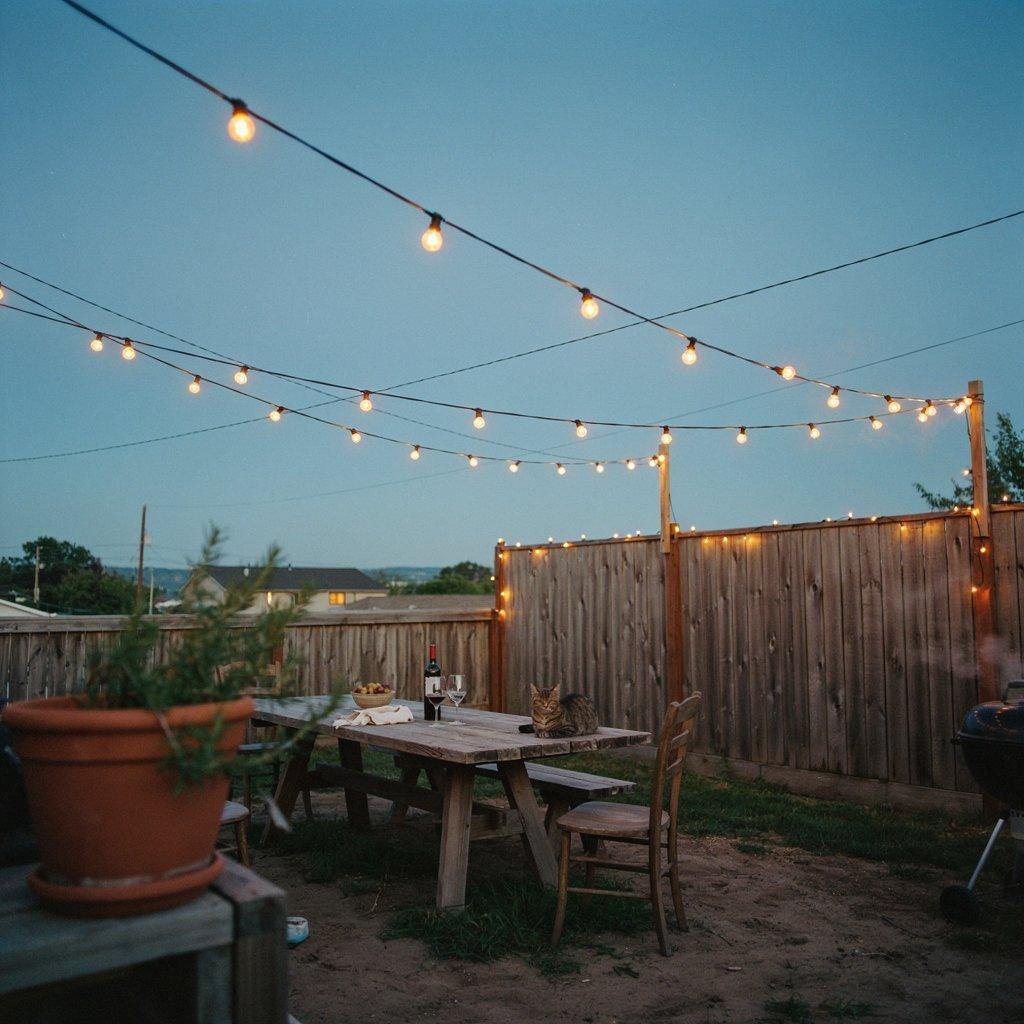
If you do one thing for ambiance, hang string lights. Commercial-grade LED strands are cheap, and draped overhead they create that warm, magical canopy that makes any gathering feel special.
They’re the outdoor jewelry that transforms a plain patio the moment the sun drops. Run them across the space, along a fence, or wrapped up posts.
One pro tip: hang them from a taut guide wire rather than post-to-post so they stay crisp and don’t sag into a droopy mess by week two. Few things deliver more expensive-looking atmosphere per dollar.
5. Paint or Stain for an Instant Refresh
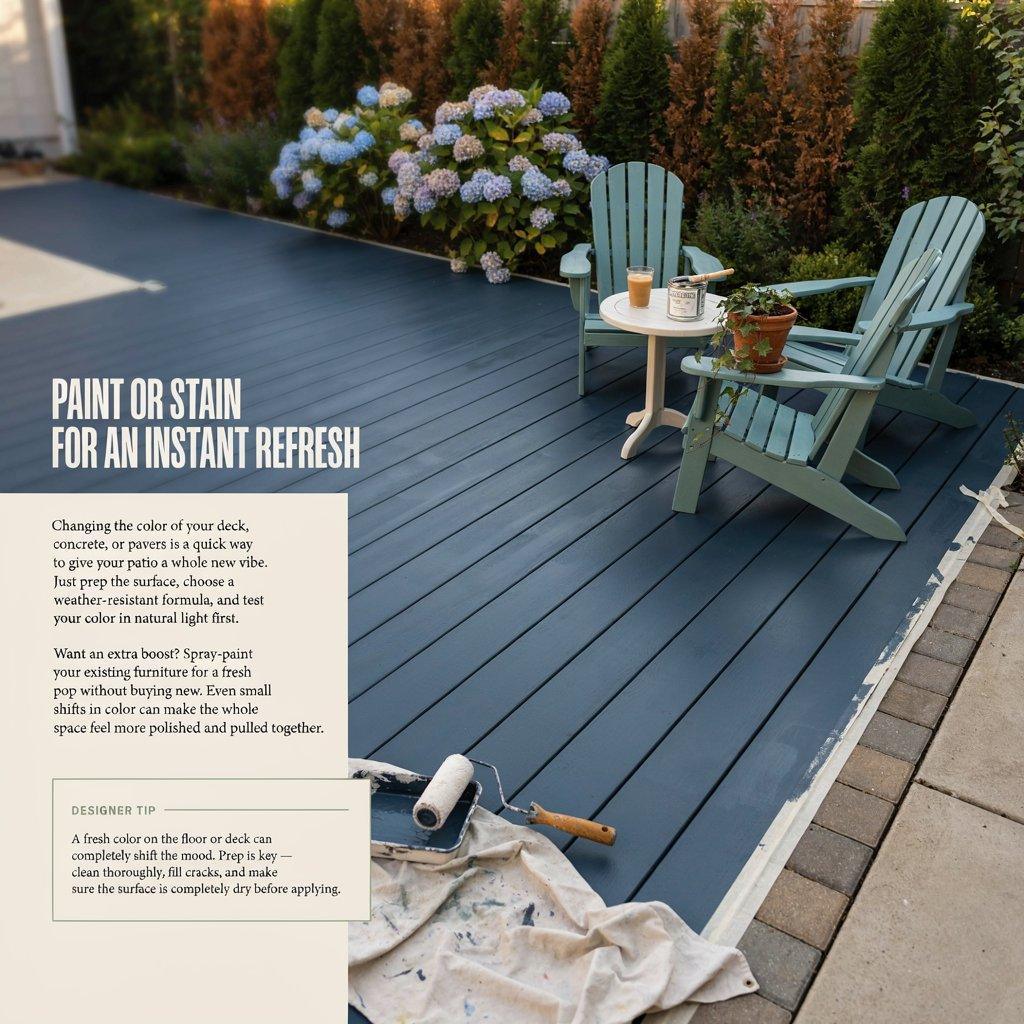
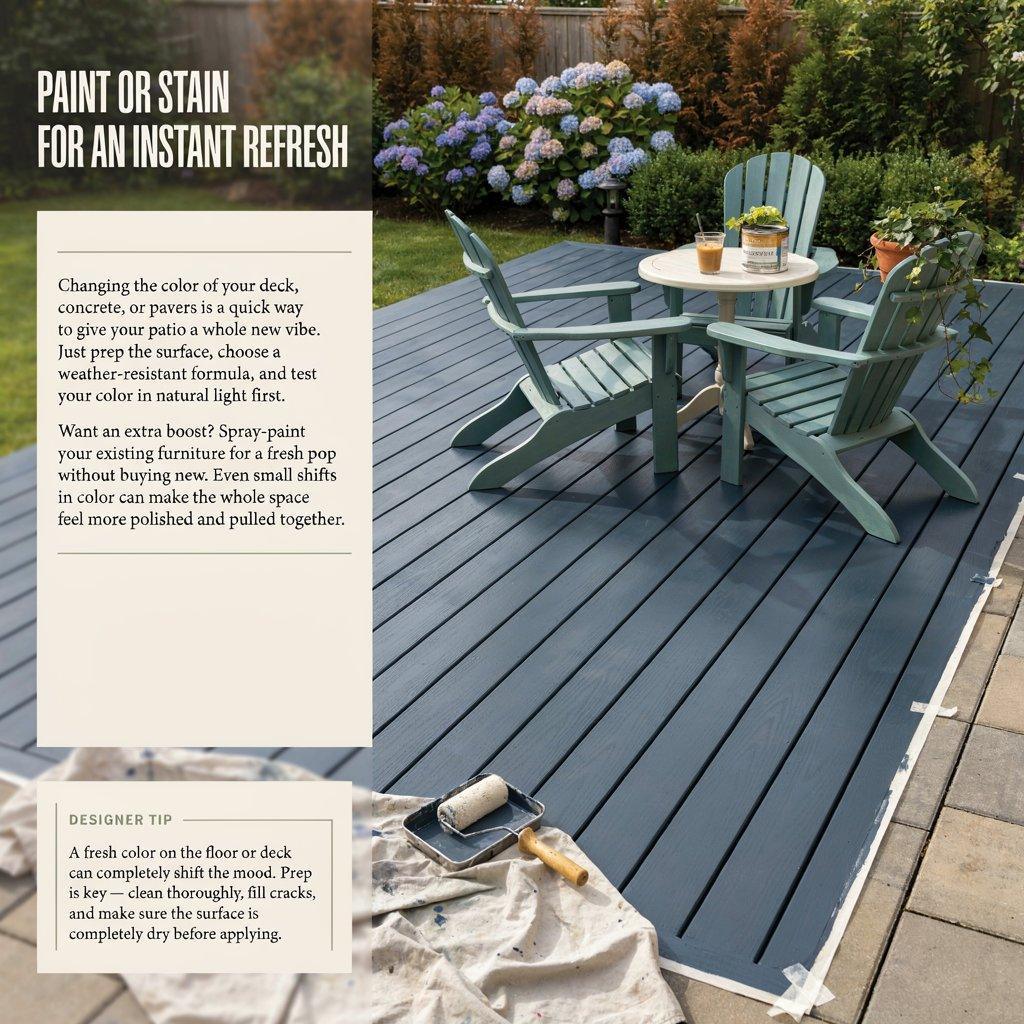
Changing the color of your deck, concrete, or pavers is a quick way to give your patio a whole new vibe. Just prep the surface, choose a weather-resistant formula, and test your color in natural light first.
Want an extra boost? Spray-paint your existing furniture for a fresh pop without buying new. Even small shifts in color can make the whole space feel more polished and pulled together.
Designers recommend a fresh color on the floor or deck to completely shift the mood. Prep is key: clean thoroughly, fill cracks, and make sure the surface is completely dry before applying.
6. Build a DIY Fire Pit
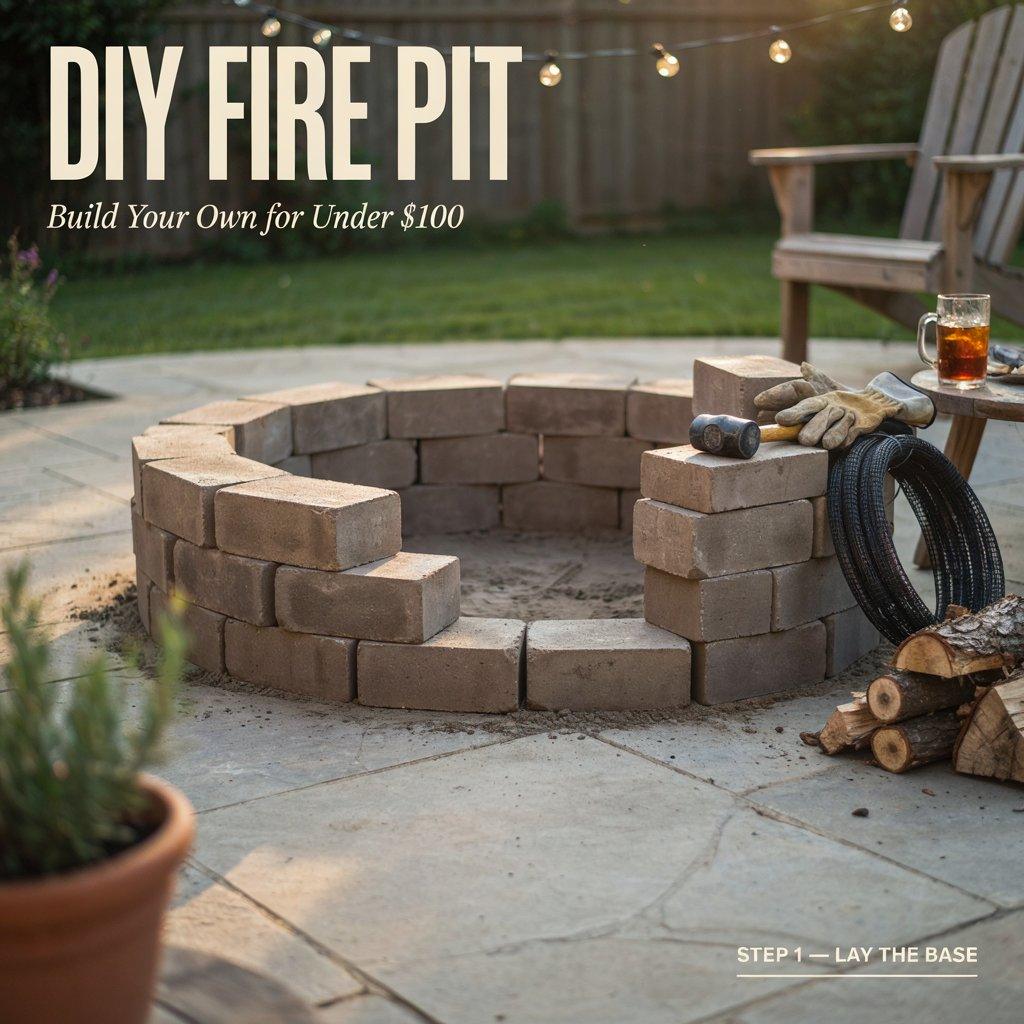
A fire pit adds warmth, ambiance, and a natural focal point that draws people in. You can drop a few hundred dollars on one, but you don’t have to.
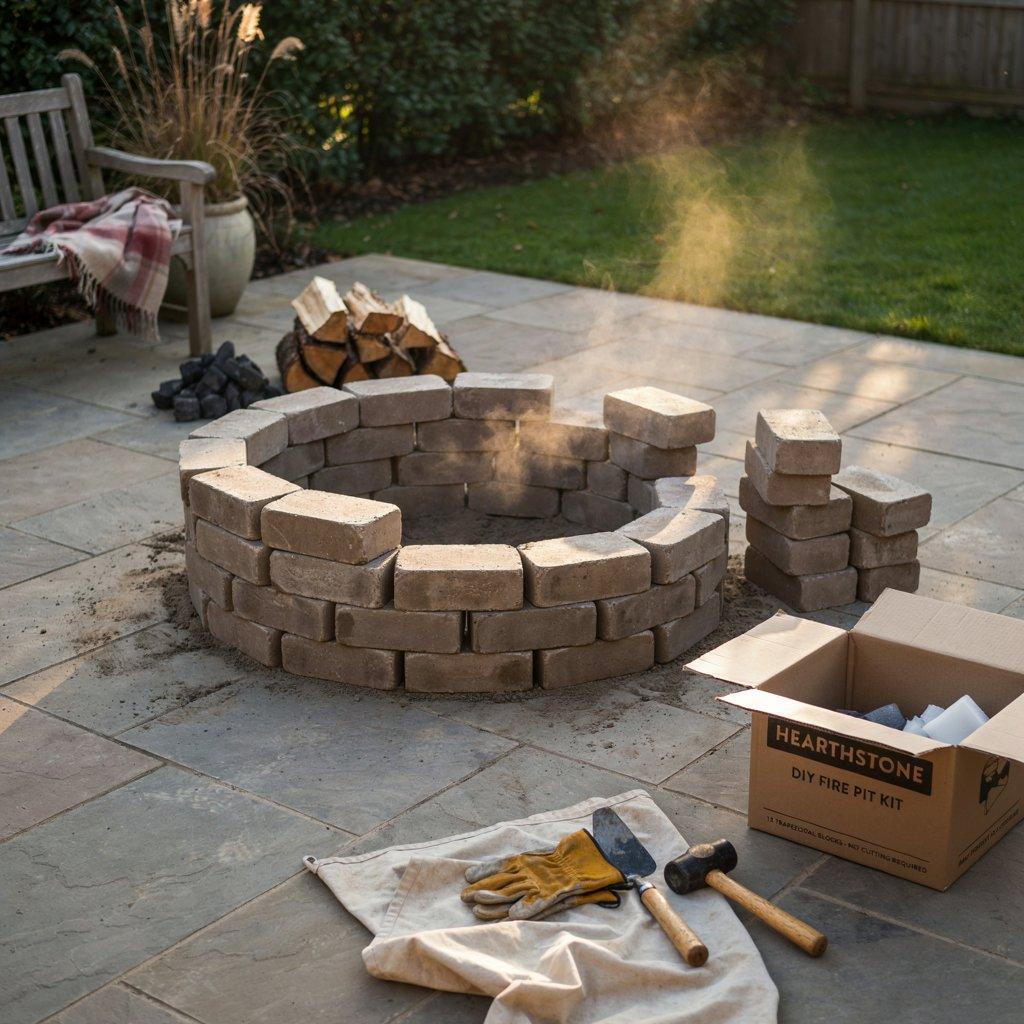
A budget-friendly option can add a cozy feel for well under $100, and there are plenty of tabletop versions available. If you want something more permanent, a fire-pit kit with heat-resistant cast-concrete blocks makes the job surprisingly easy.
The trapezoidal-shaped blocks are designed to form a circle with no cutting required, making them ideal for budget-conscious DIYers. Set up a designated spot on your patio or create a raised fire pit.
7. Add a DIY Privacy Screen
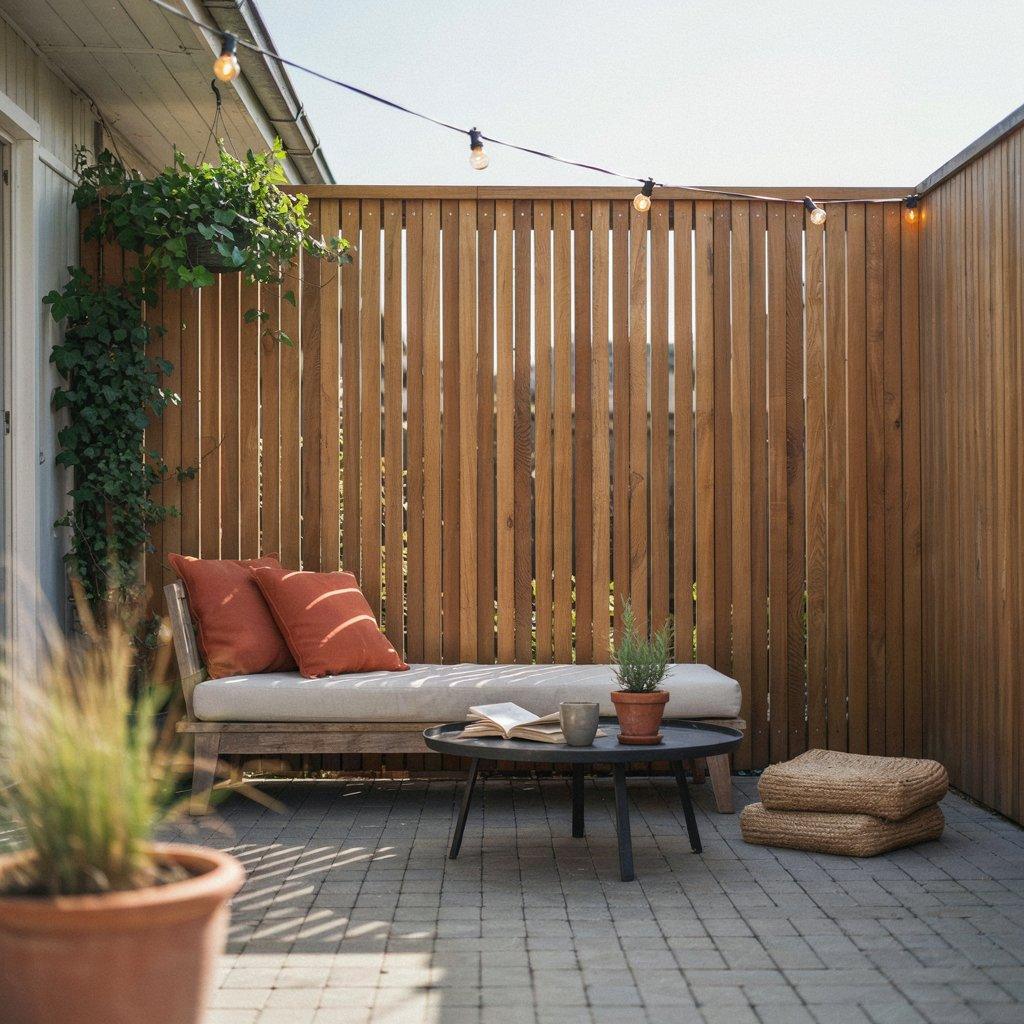
A privacy screen is a budget-friendly way to give your patio a makeover and is one of those design ideas most homeowners can assemble successfully.
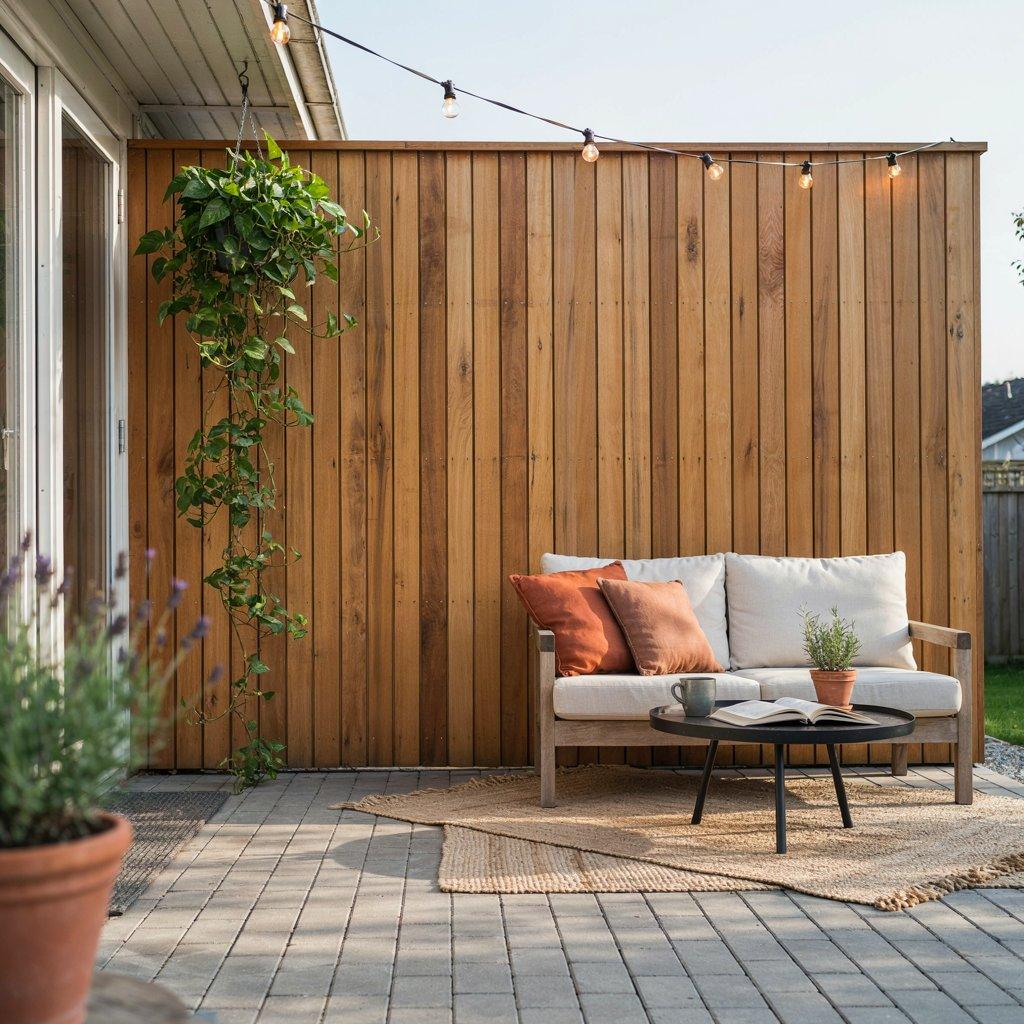
It works double duty: it blocks nosy neighbors and creates a sense of enclosure that makes your patio feel like a real outdoor room. You can build one from cedar garden stakes, lattice panels, or even a simple wooden frame with climbing plants.
The key is to make it look intentional rather than an afterthought. A slatted wall, for example, can turn an open breezeway into a cozy outdoor lounge without making the space feel completely cut off.
8. Turn Pallets Into a Dry Bar
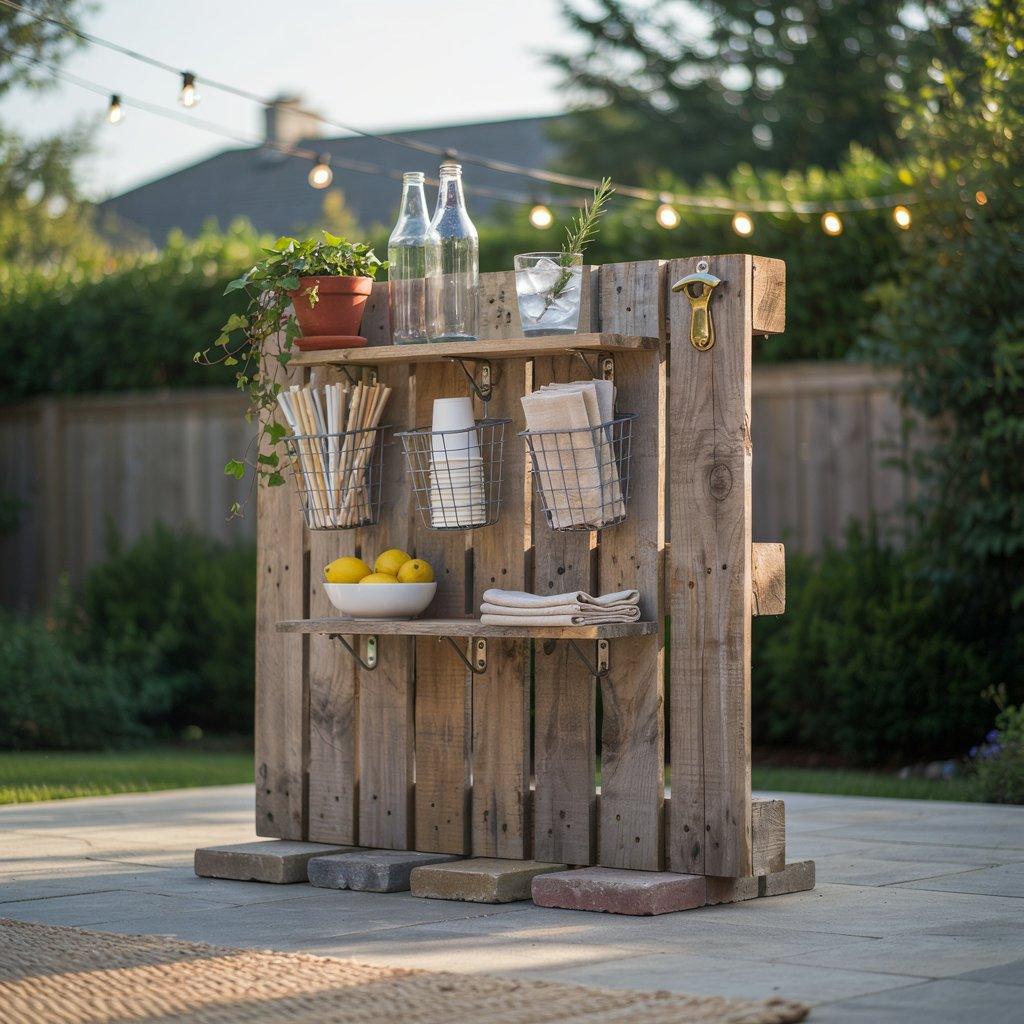
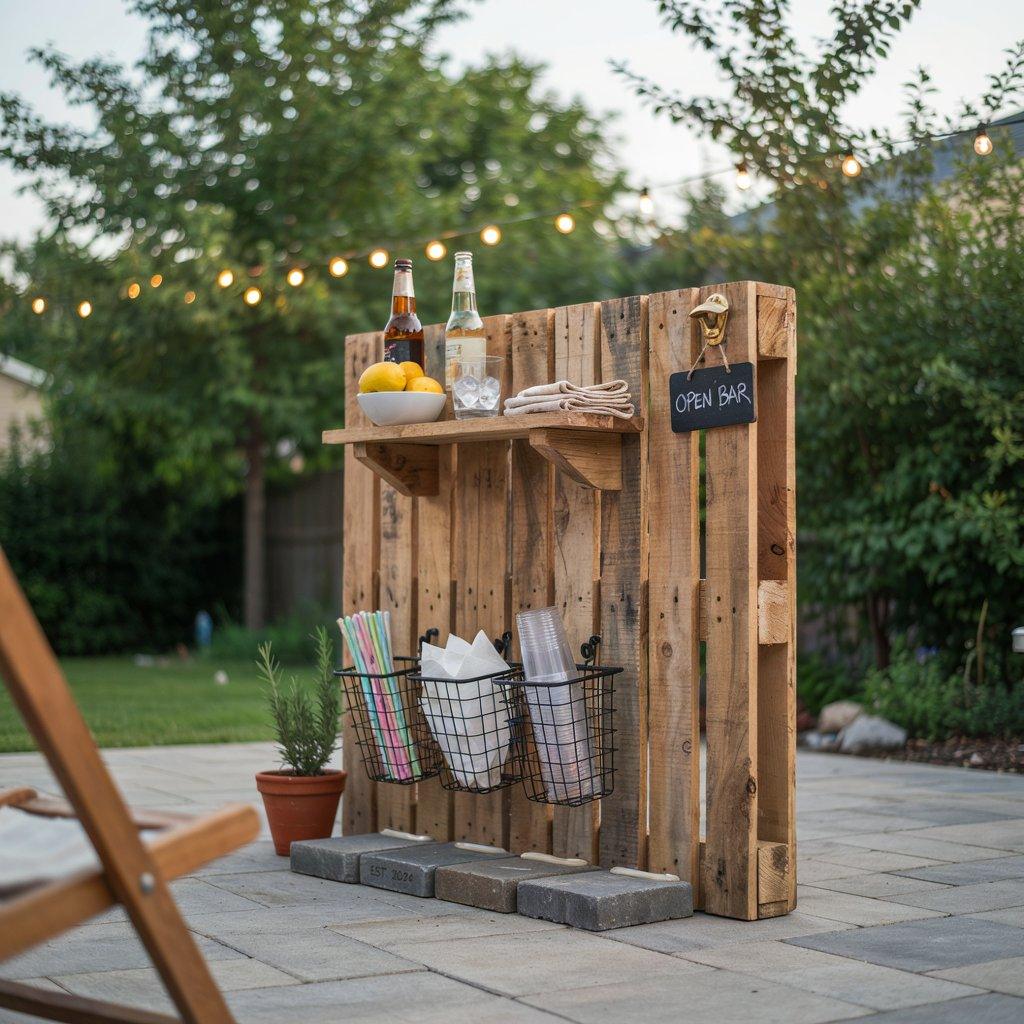
Two wooden pallets, some pavers, outdoor paint, and landscape adhesive. That’s basically it. This DIY dry bar has a small footprint, making it ideal for even the smallest backyards, and it looks like a custom piece you’d pay hundreds for.
Glue pavers along the base to counterbalance the weight of the top pavers for stability. You can even add a shelf using the cross boards. The slats on the face can hold over-the-door baskets for napkins, straws, and cups. Screw a bottle opener to the face and you’re done.
9. Break Travertine Into a “Crazy Pave” Patio
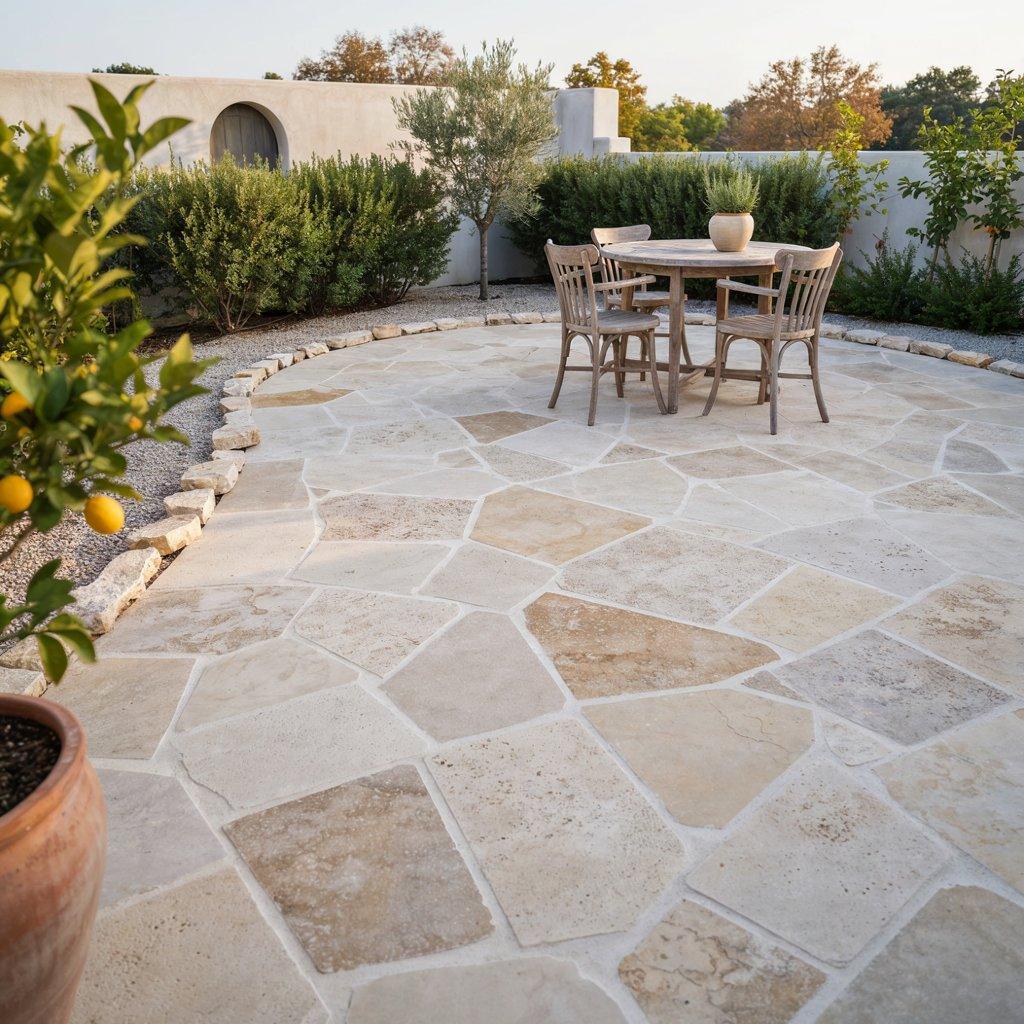
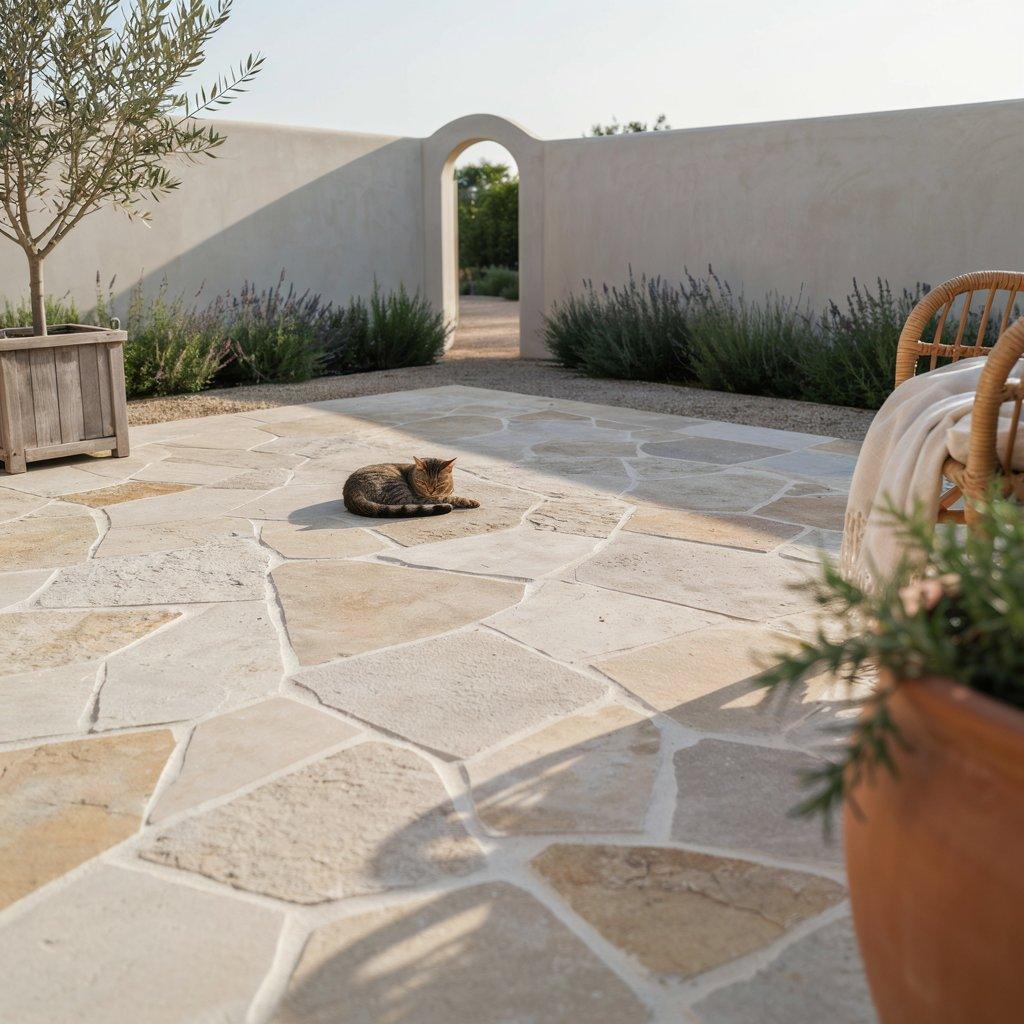
This one sounds wild but works beautifully. Instead of installing full square tiles, break travertine pieces into random shapes with a hammer.
That changes the entire look before installation even starts. Perfect grids make outdoor spaces feel rigid. Broken edges create movement and help the patio blend with gravel and landscaping. Source tumbled travertine from Facebook Marketplace or OfferUp.
The full 144-square-foot patio cost under $400 before reselling leftover pieces. White grout lines outline each stone piece and make the shapes stand out. The result looks closer to old European stonework than a standard backyard renovation.
10. Stack Cinder Blocks for Built-In Seating
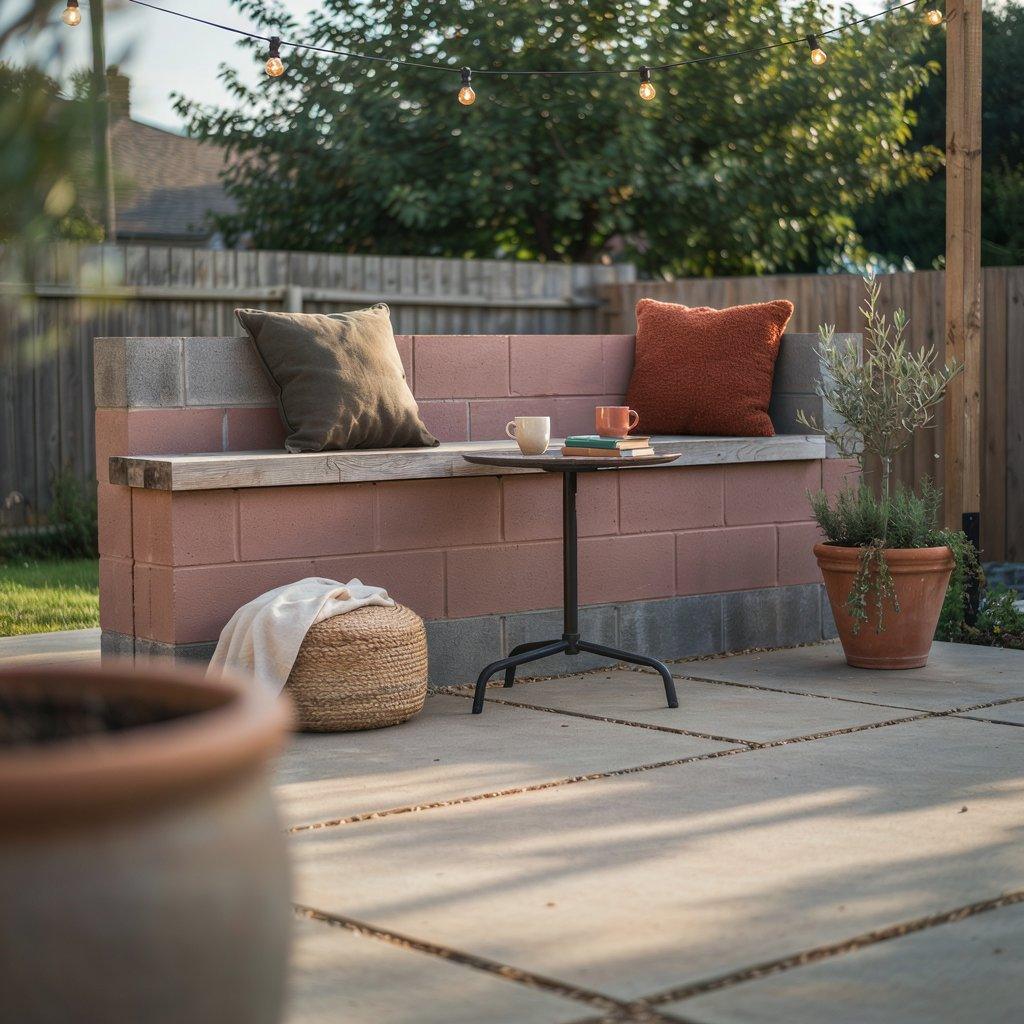
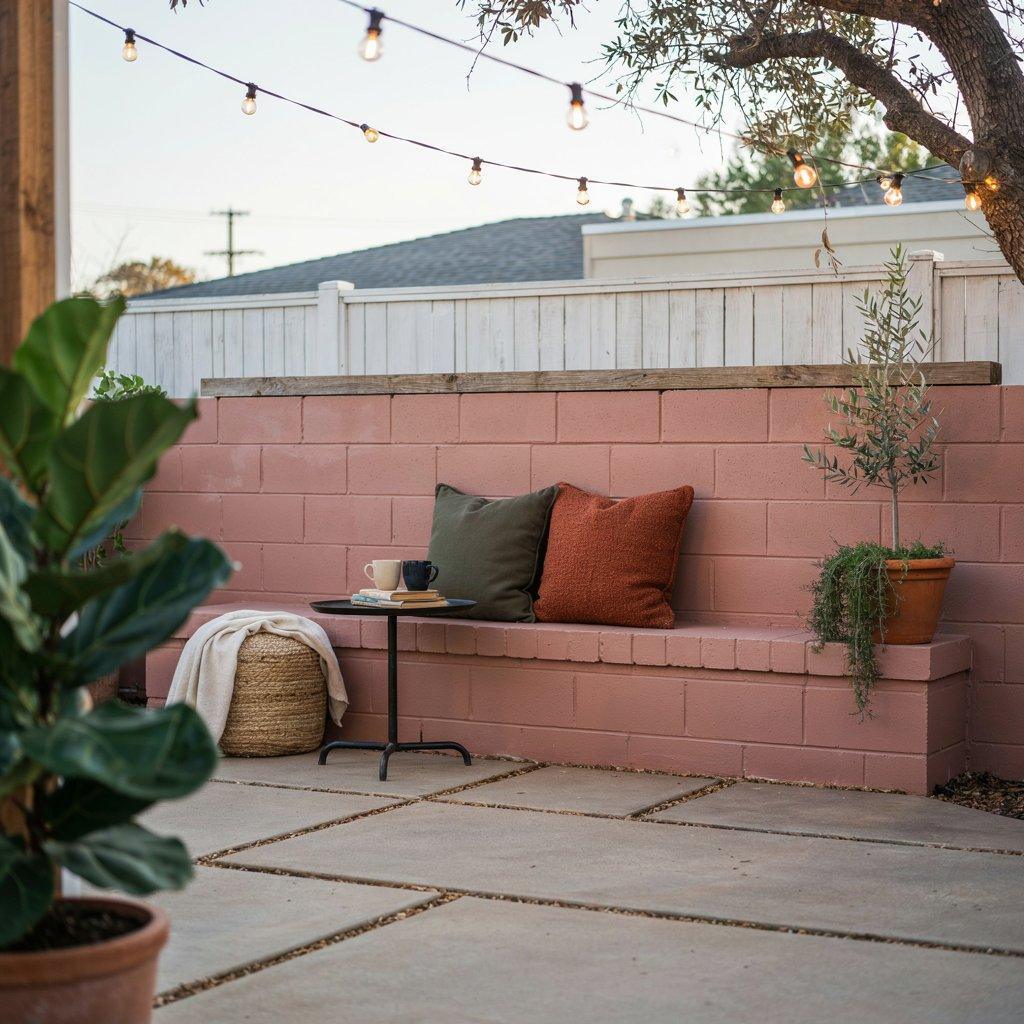
Instead of buying outdoor benches, use stacked cinder blocks and pressure-treated wood to build long seating that looks built-in.
This is a genuinely clever budget move because cinder blocks cost almost nothing and the result reads as permanent, custom hardscaping. You can paint the blocks to match your patio color palette, add outdoor cushions, and suddenly you’ve got a seating wall that would cost thousands if a mason built it.
It’s sturdy, weather-resistant, and gives your patio that finished, architectural feel that usually comes with a big price tag.
11. Go Big With Oversized Planters
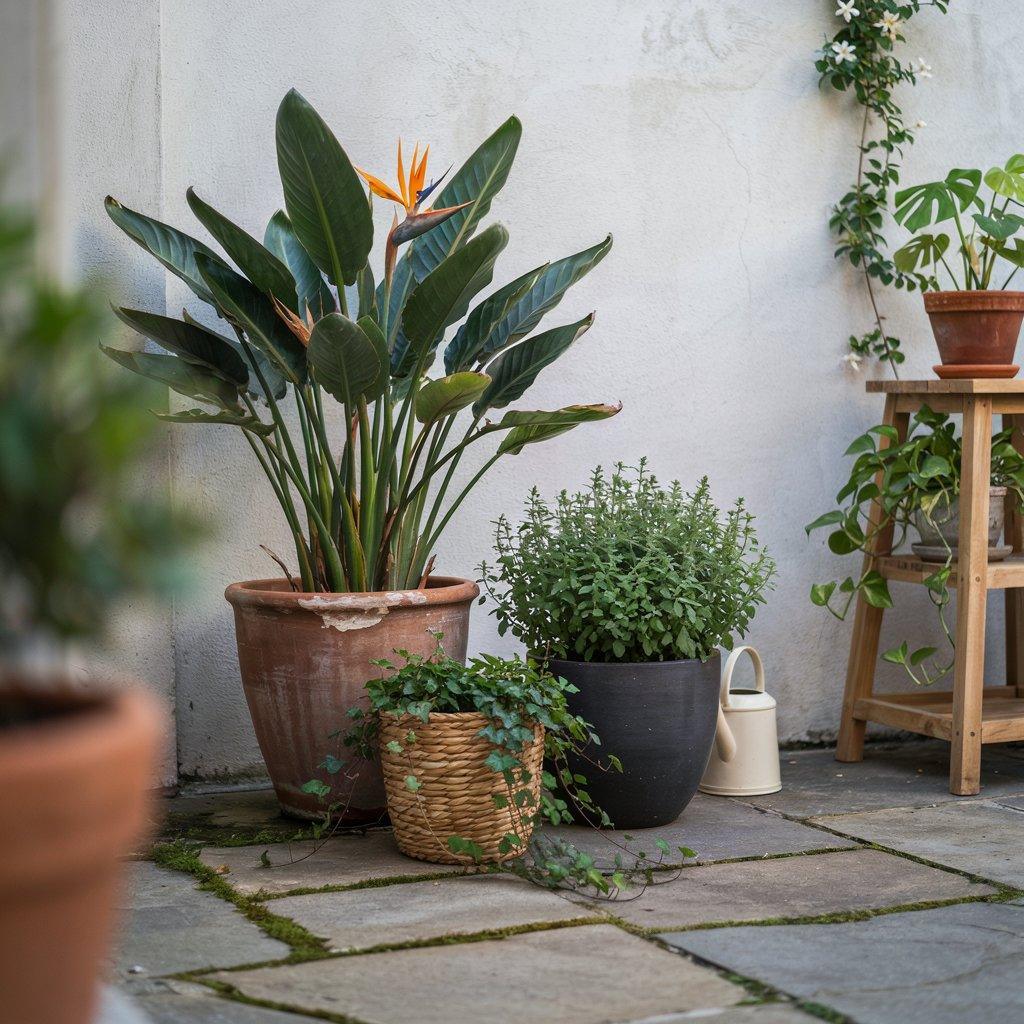
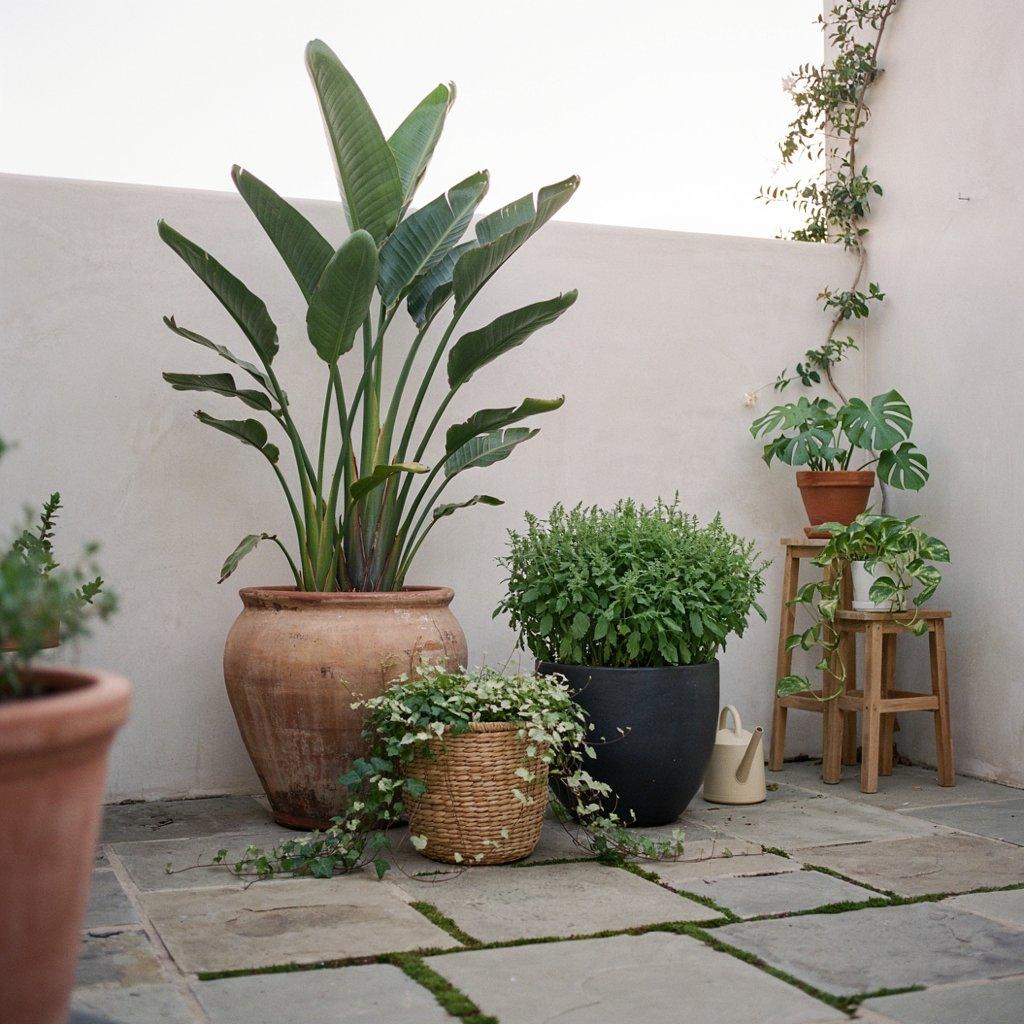
Don’t hold back on the planters. Select the largest size that will fit on your patio, and then go over the top with your plants. Follow the thriller, filler, and spiller rule: one tall showy plant, one that fills in the empty spots, and one that spills dramatically over the sides.
The best part? Planters don’t have to cost an arm and a leg. Tall plants create a sense of lushness that people don’t even realize they’re missing. Group them in odd numbers, like combinations of three, or fill a plant stand. This approach instantly takes your patio from barren to botanical.
12. Layer Your Lighting
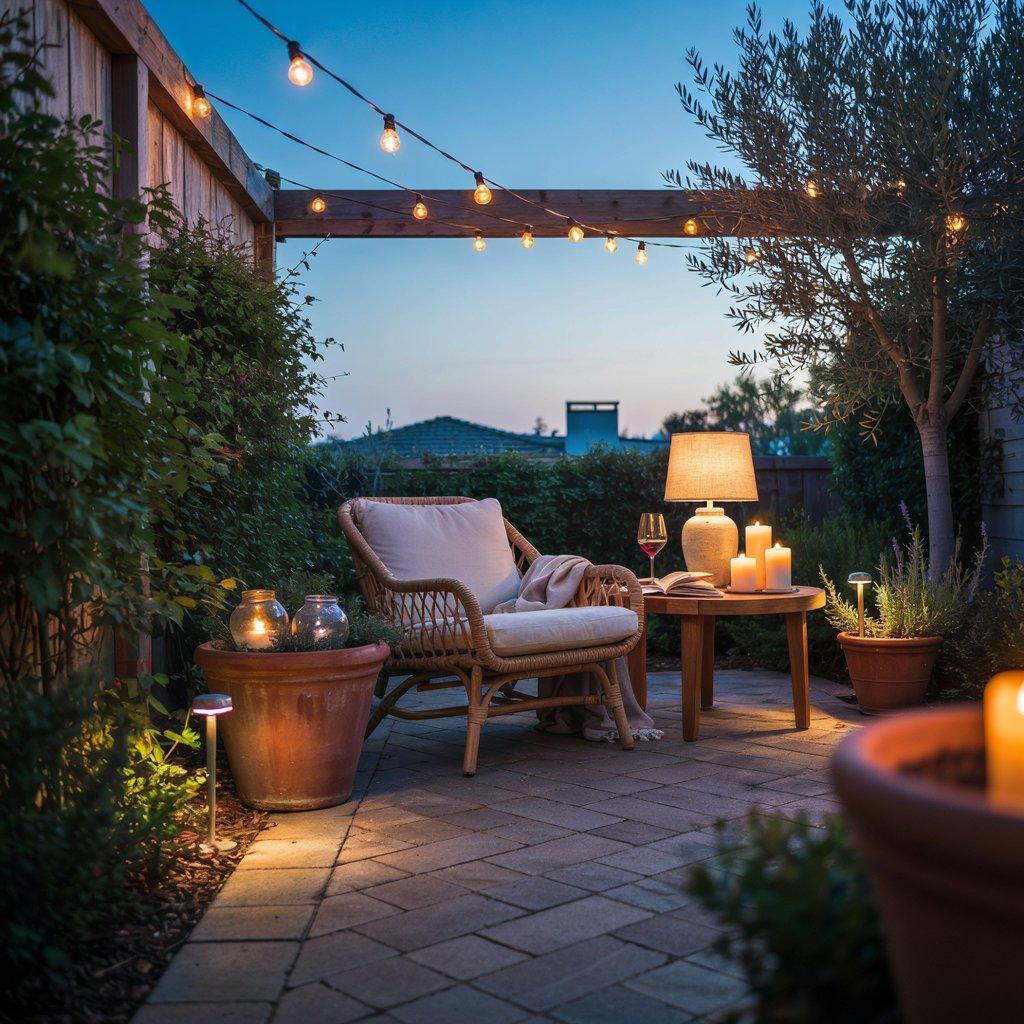
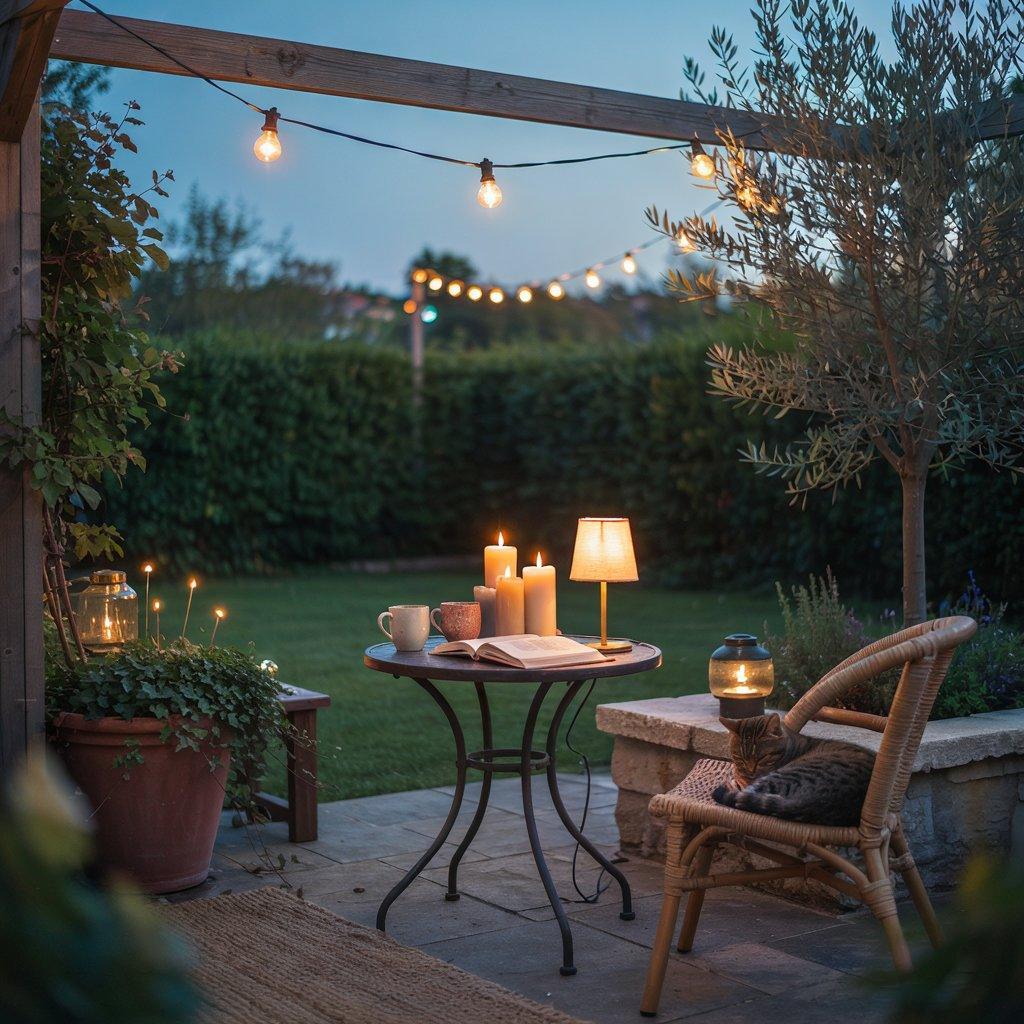
One light source is never enough. Layering is what makes a space feel designed. Use string lights overhead for ambiance, solar lanterns or cordless table lamps on surfaces for task lighting, and flameless candles for a warm glow. Designers consistently say lighting is as important outside as it is inside.
Consider overhead lighting to add sparkle and let the party continue after dark. Mix heights: hang lights high, place lanterns on side tables, and tuck solar stakes into planters. The layers create depth and make your patio feel like a real room rather than a slab with a chair.
13. Build a Trellis With Climbing Plants
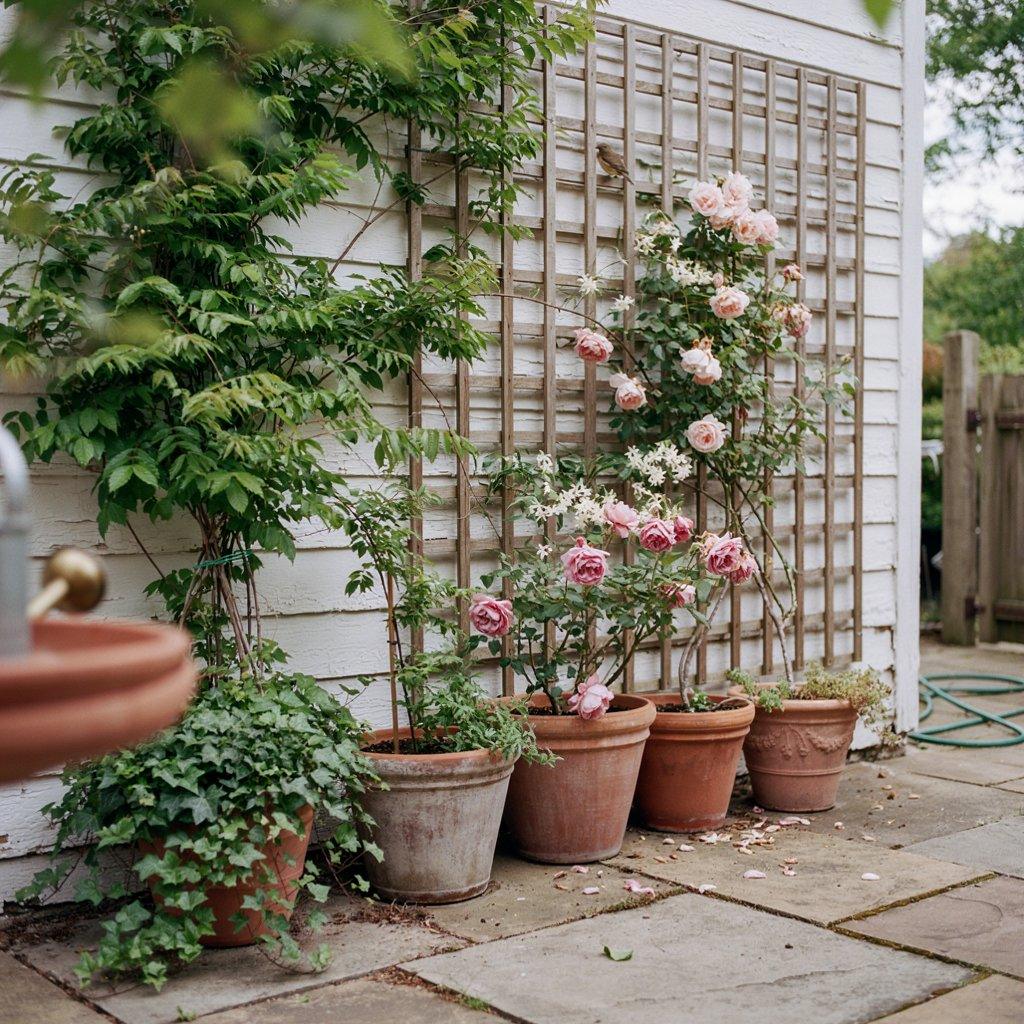
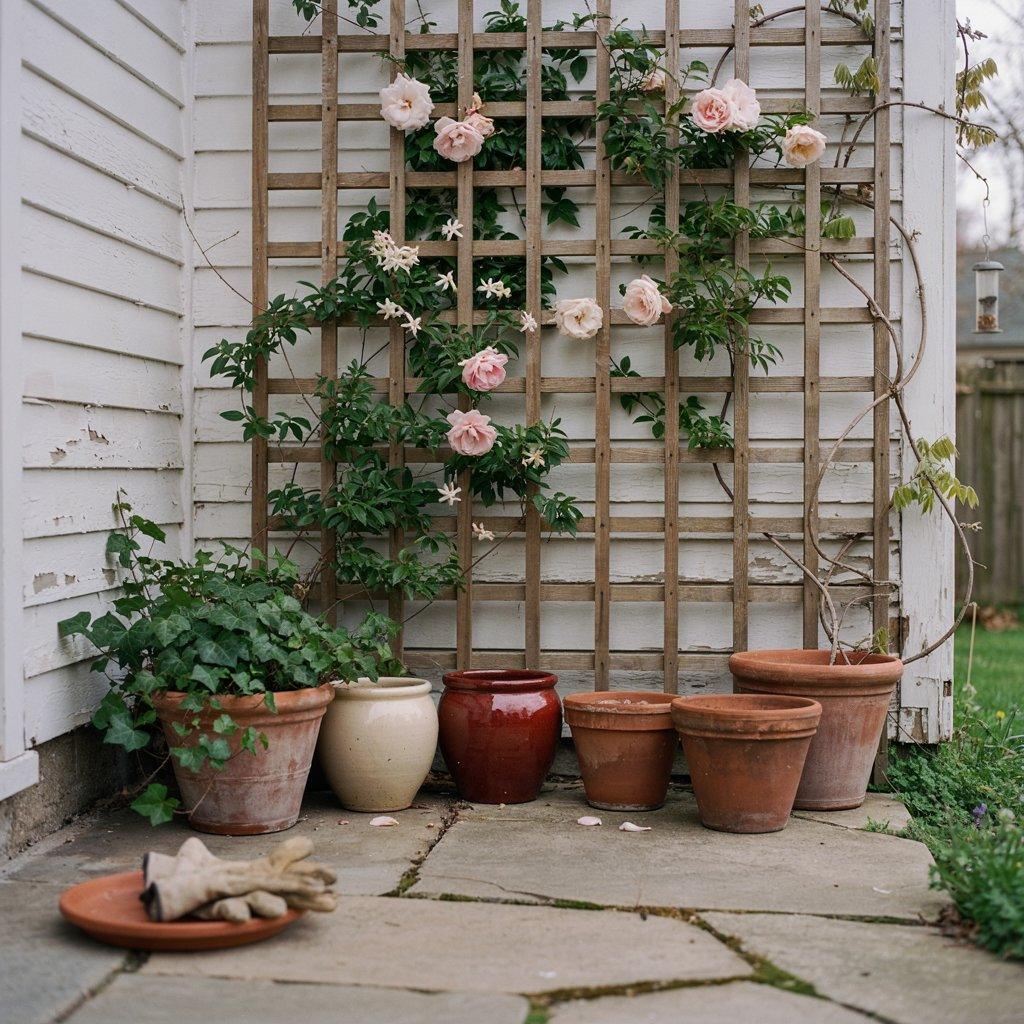
If your view is non-existent, add a wall trellis. You can create a big, impactful focal point with a simple and affordable trellis. Pick trailing and crawling varieties like ivy, jasmine, roses, and wisteria. Place one or two plants per trellis in terra cotta planters underneath and guide the vines up into the wood squares.
Pro tip: if your budget is tight, look for terra cotta pots on Facebook Marketplace, Buy Nothing Groups, and secondhand stores. The unifying material and color palette will create a cohesive look, and the varying designs will bring so much character.
14. Hang Outdoor Curtains
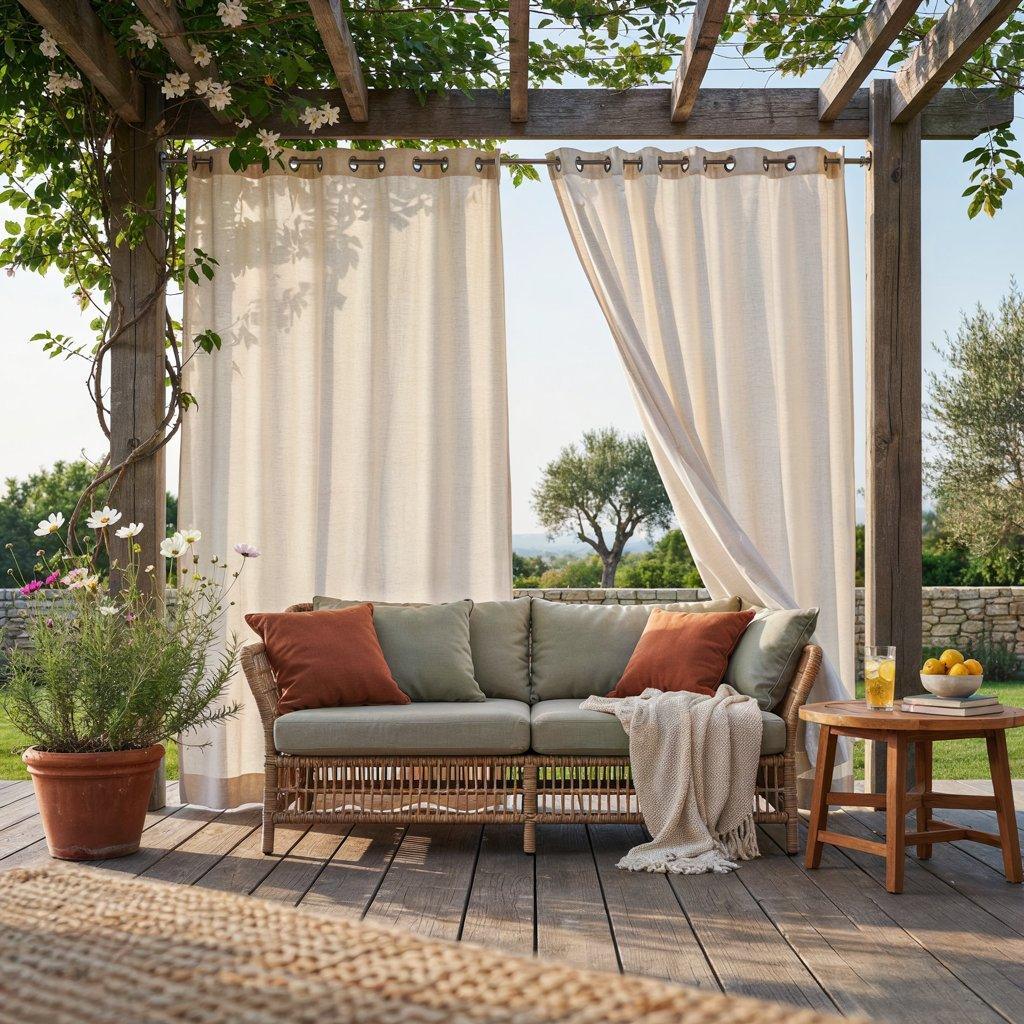
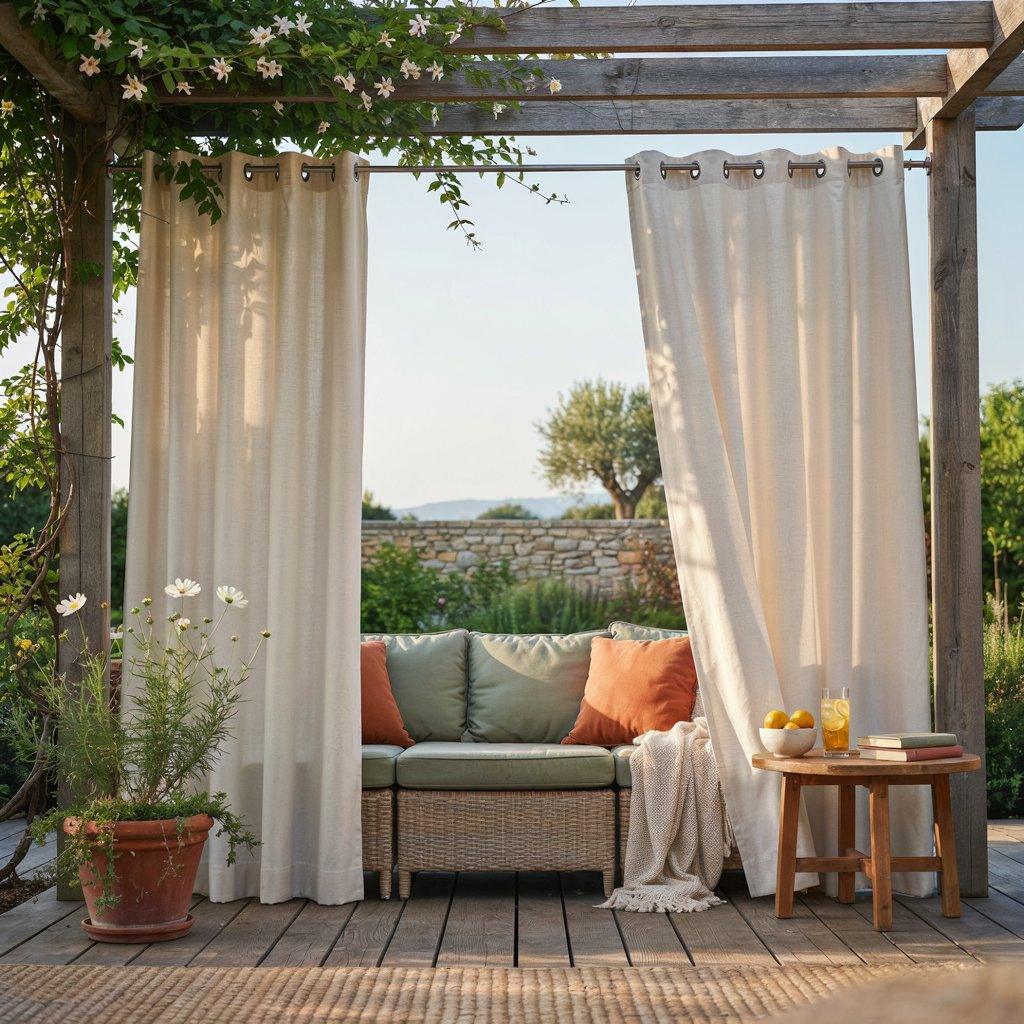
An indoor/outdoor curtain can instantly enhance your patio, creating a cozy, lived-in vibe that feels like a natural extension of your home. The goal is to create an atmosphere that feels intentional and soft rather than exposed and unfinished.
Choose fabrics that are both water repellent and UV resistant to keep them looking great season after season. Hang them from a pergola, a covered porch, or even a simple rod between two posts. They add privacy, soften harsh lines, and make the space feel more like a room and less like a concrete pad.
15. Spray Paint Your Old Furniture
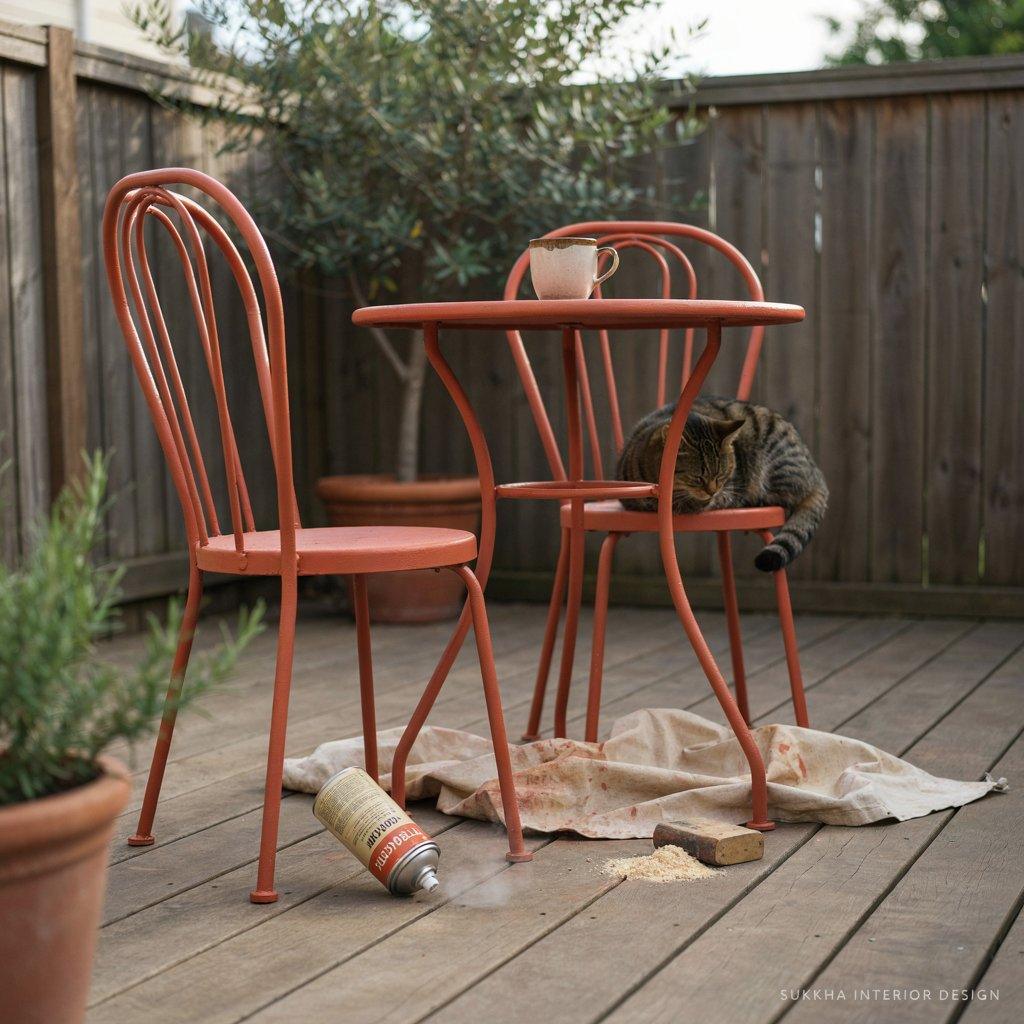
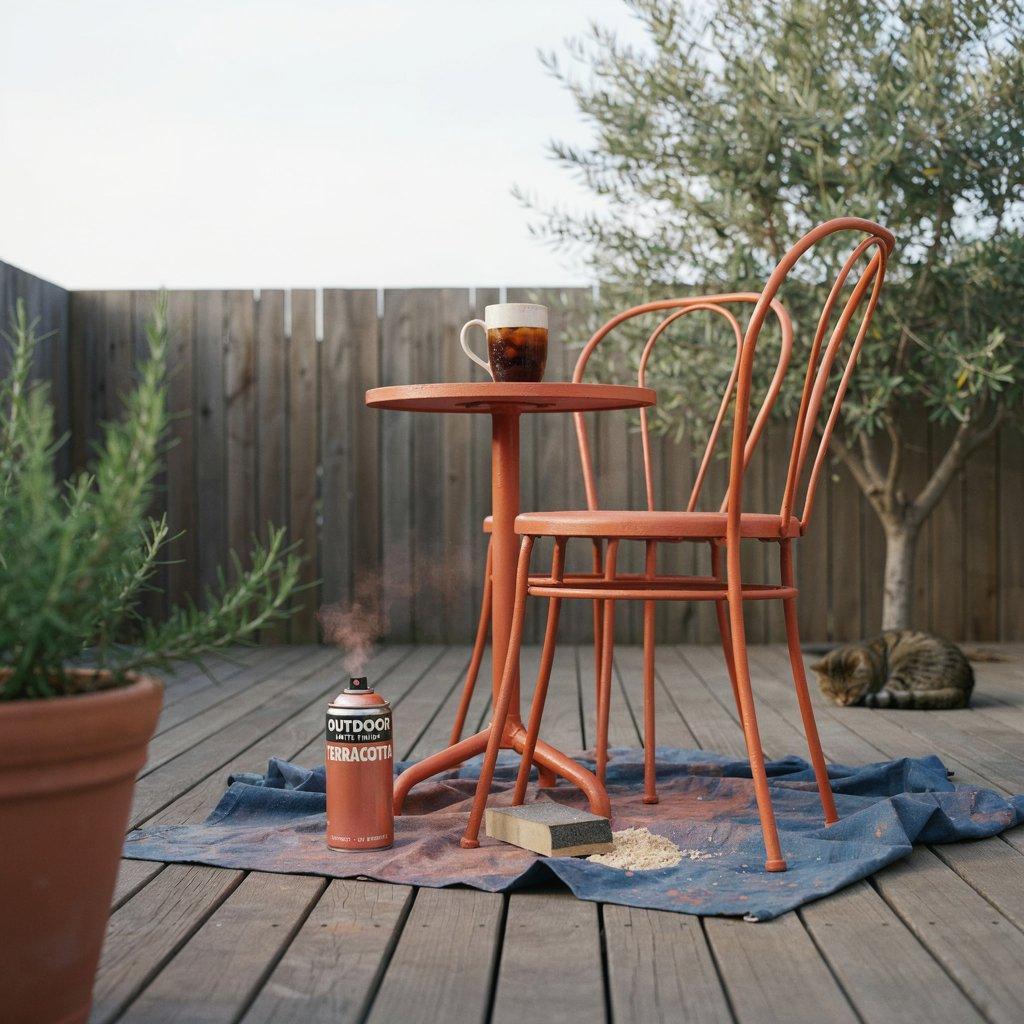
Instead of buying new patio furniture, give what you already have a fresh look. Sarah Bronstein, founder of Sukkha Interior Design, recommends spray painting patio furniture to give it new life.
She suggests a fun pop of color in a matte finish. Even small shifts in color can make the whole space feel more polished and pulled together.
This works on metal, wood, and plastic furniture. Just clean it thoroughly, sand any rough spots, and apply a few light coats of outdoor-rated spray paint. You’ll be shocked at how different the same furniture can look.
16. Shop Thrifted and Secondhand
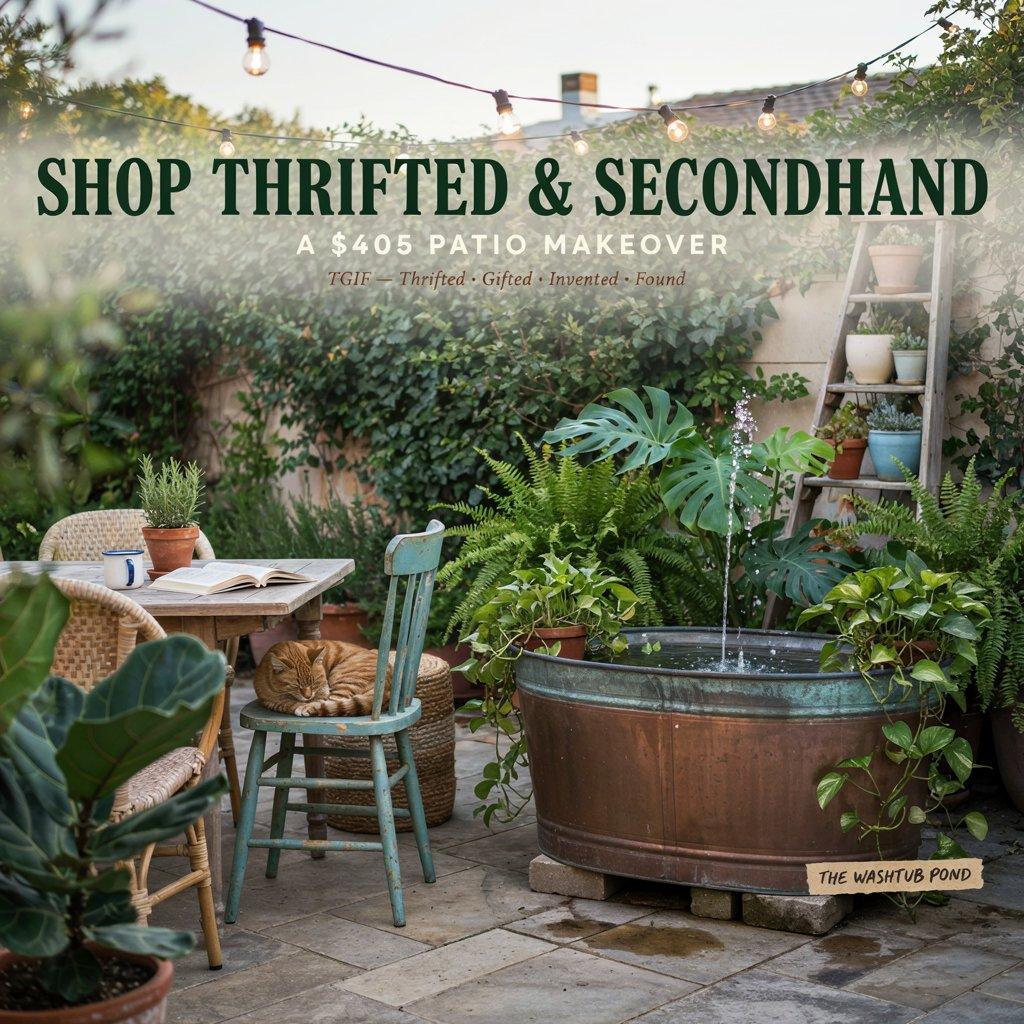
One designer transformed a neglected patio for just $405 using a “TGIF” philosophy: thrifted, gifted, invented, or found. The perfect plant or decor piece isn’t always available when you want it, so you have to wait it out and keep your eyes open. Start collecting items months before your project.
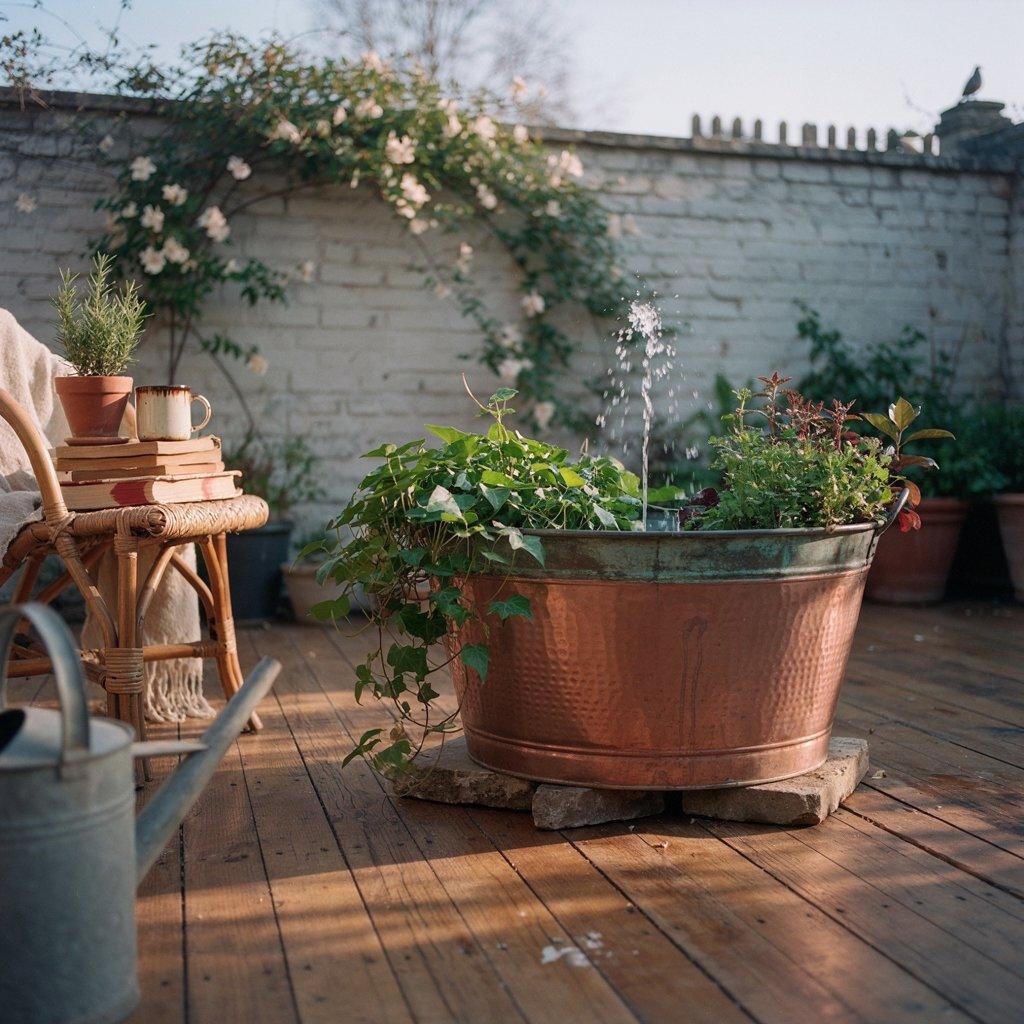
Flea markets, Facebook Marketplace, Buy Nothing Groups, and estate sales are goldmines. A washtub from a flea market became a stunning plant-filled copper pond that turned a regular patio into a spa-like retreat with the sound of water.
17. Stick to a Neutral Color Palette
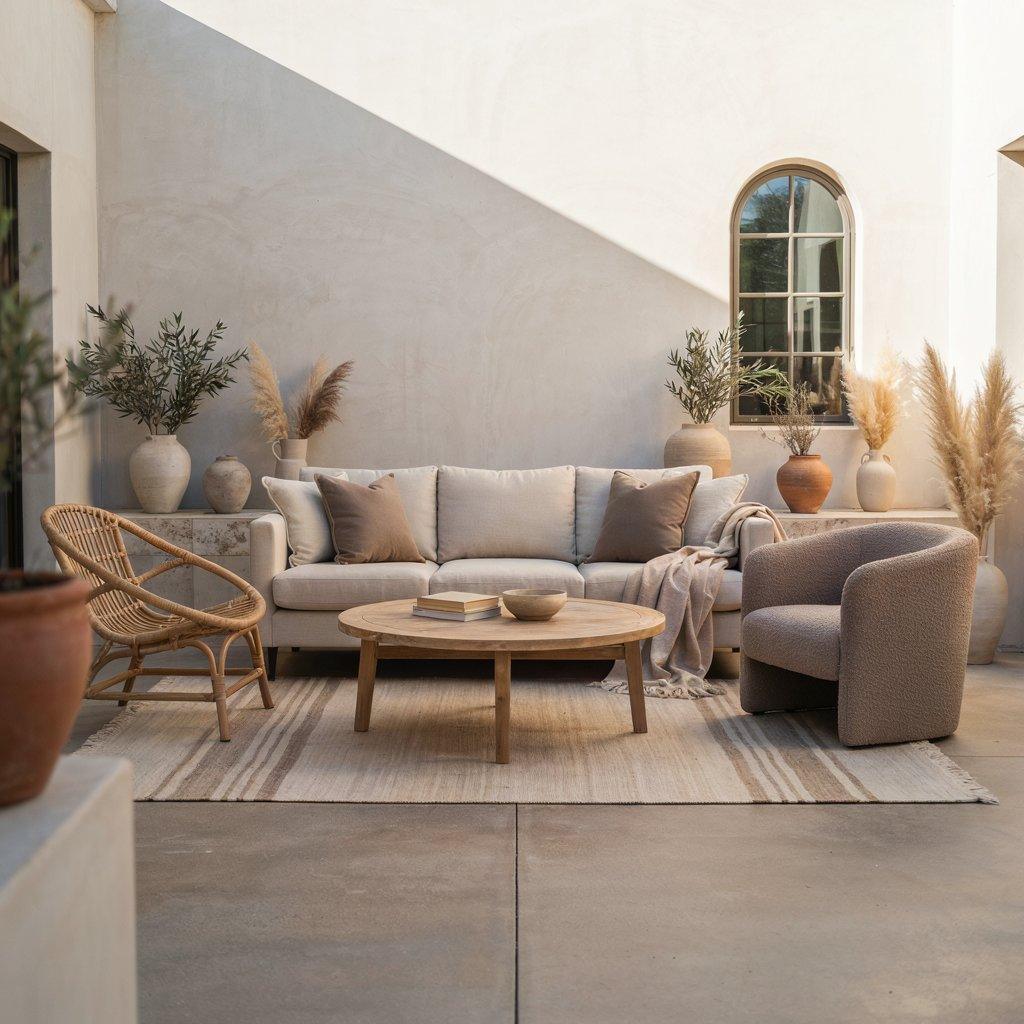
Sticking to a limited selection when it comes to hardscaping, furniture, and paint colors is a simple but effective method that elevates the overall look. Choose a sophisticated color palette and stick with it. Warm neutrals like cream, beige, and taupe work beautifully outdoors.
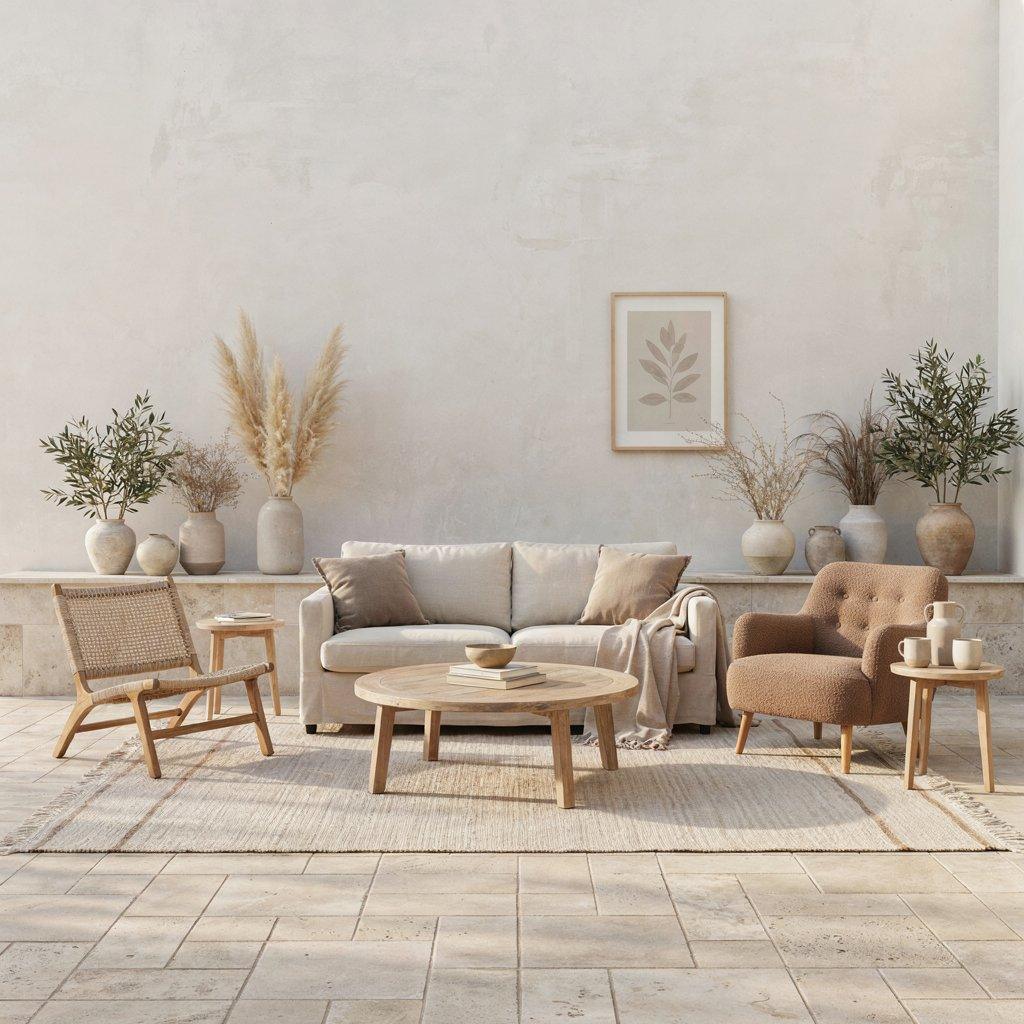
A unified palette makes even mismatched furniture and decor look intentional rather than chaotic. Spray paint mismatched pots in a few different shades of the same color for a rich, layered effect. Designers suggest creams, taupes, or grays. The restraint is what reads as expensive.
18. Use a Shade Sail or Market Umbrella
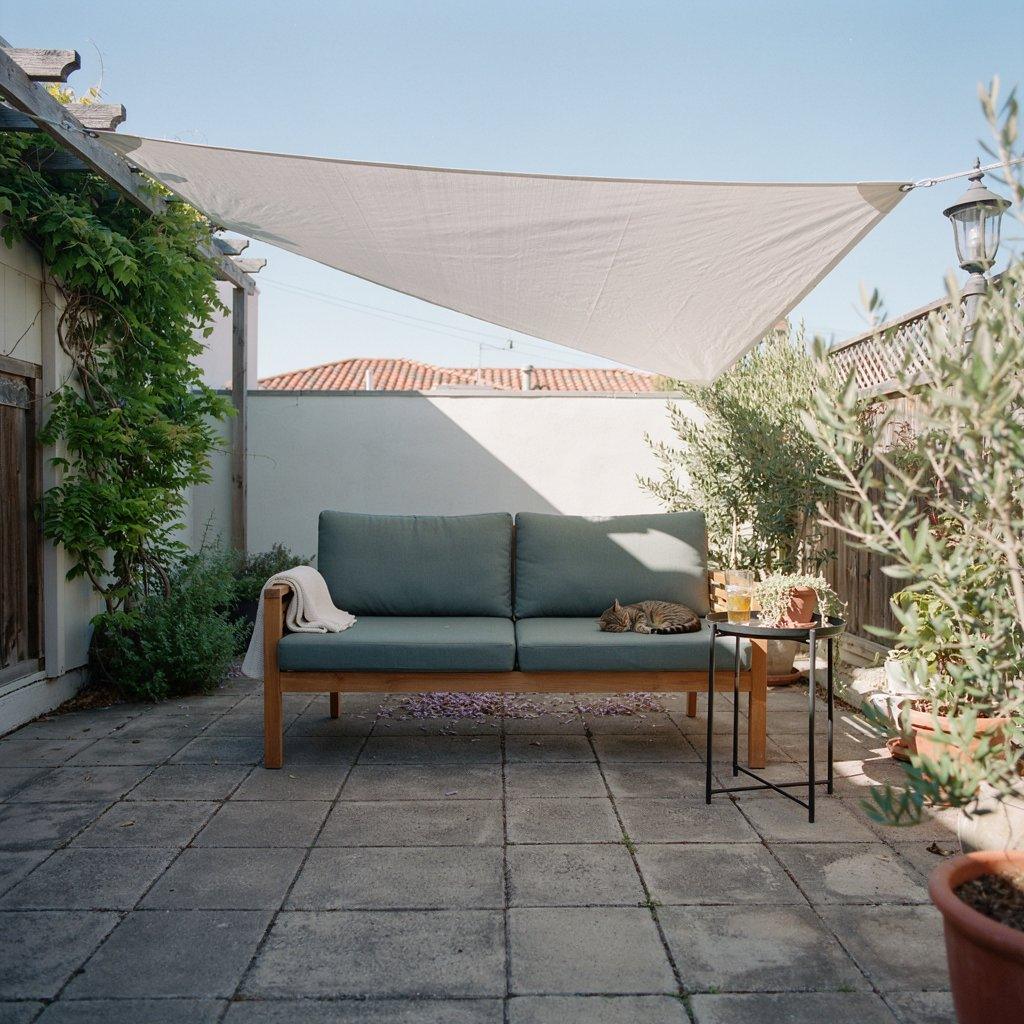
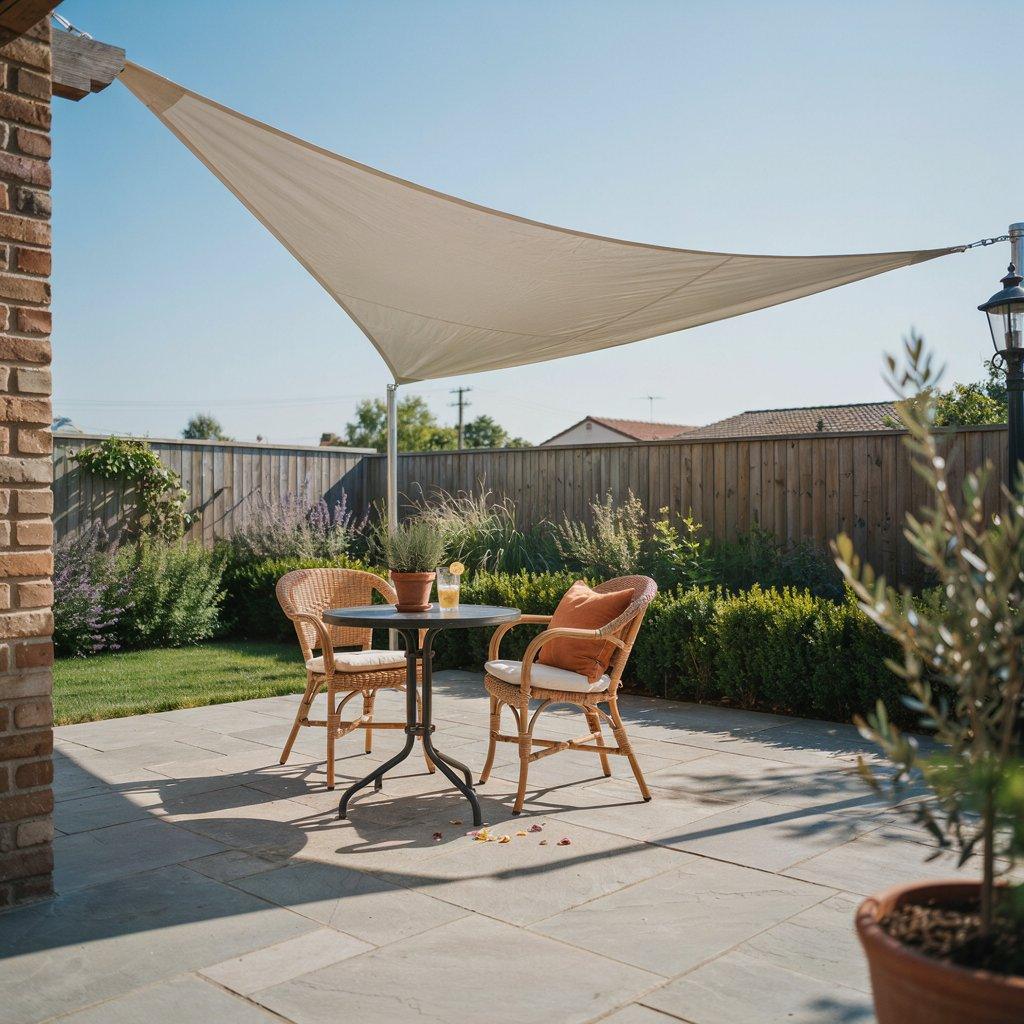
If a pergola isn’t in the budget yet, try a freestanding umbrella or a shade sail. A big market umbrella or a sail shade adds instant architectural interest and makes the space usable on hot days.
You can find 9-foot umbrellas for flexible shade over dining areas. A sail shade is particularly budget-friendly and looks modern and intentional when installed properly.
Add a couple of outdoor cushions and a compact side table to make it a real perch. Shade is one of those things that gets overlooked, but it completely changes how a space feels and functions.
19. Create a Container Garden
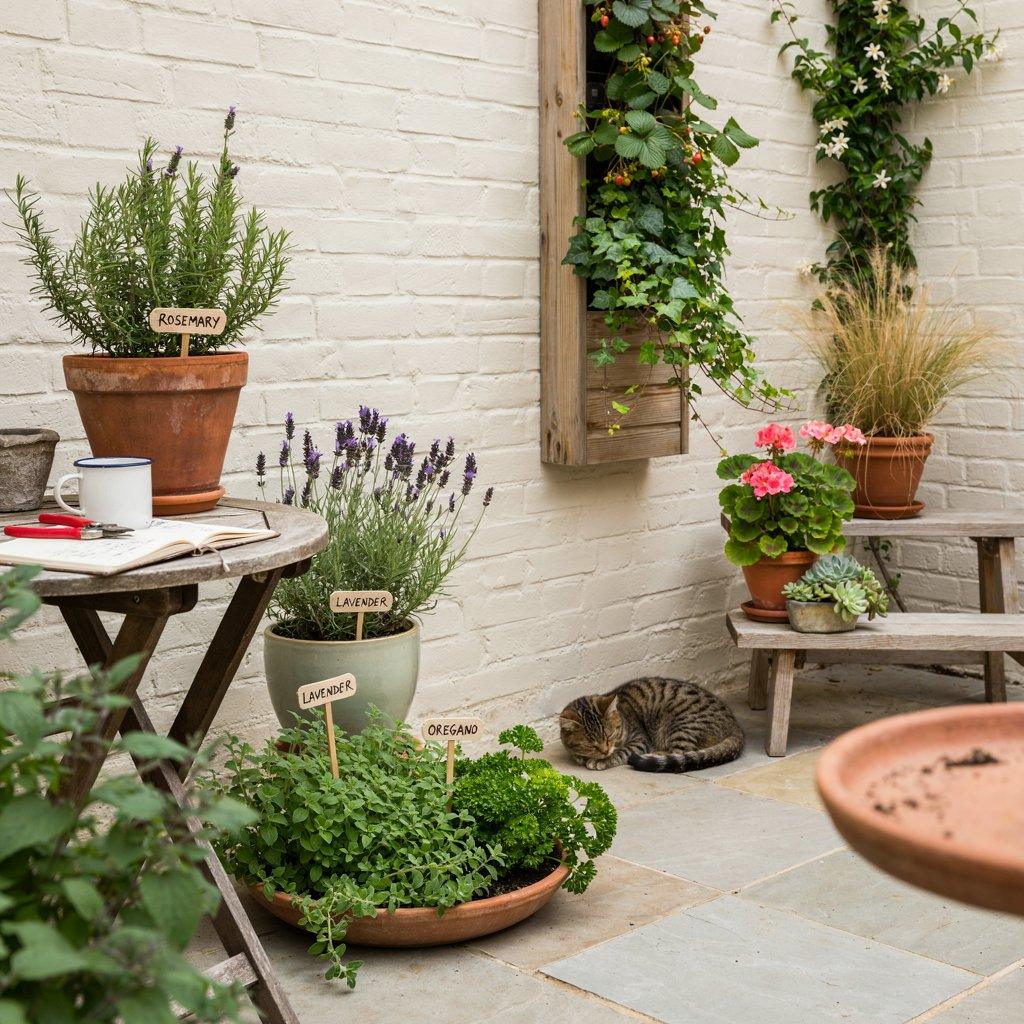
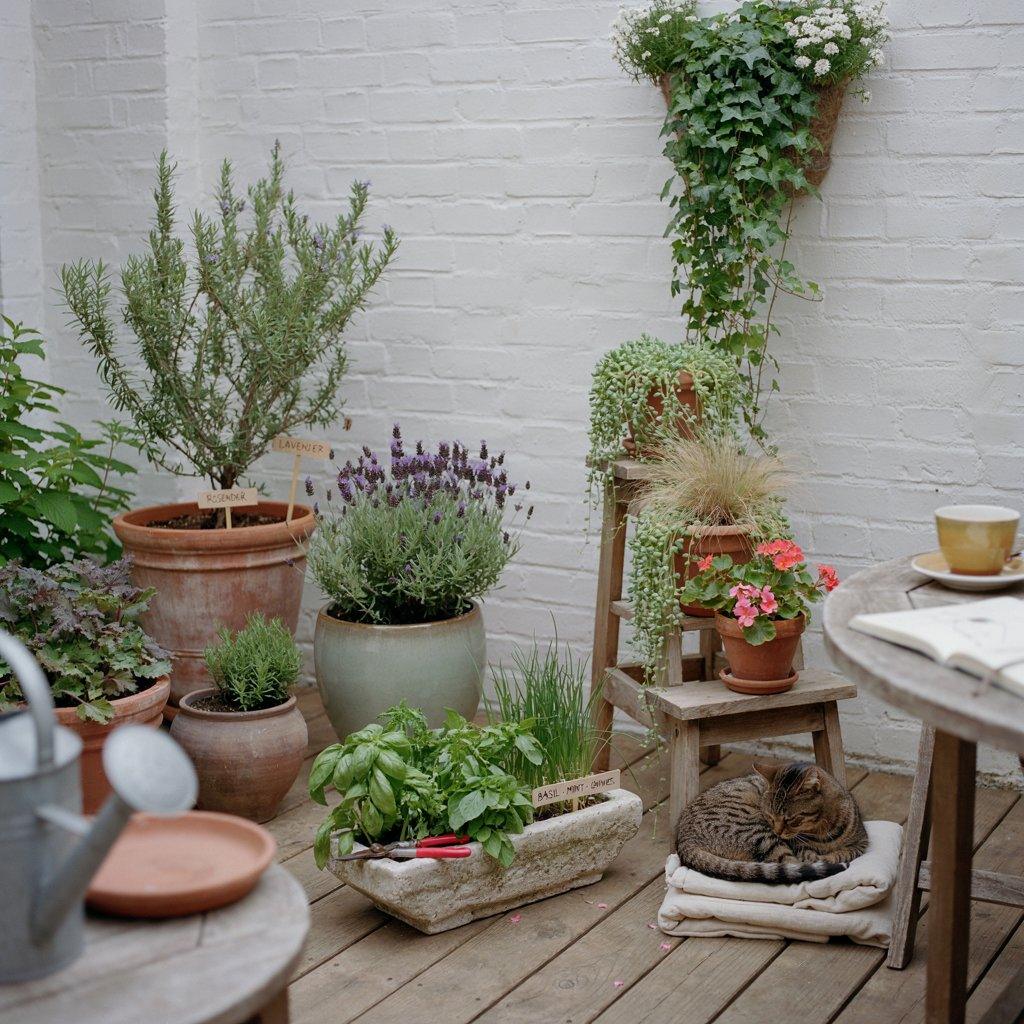
Plants are a game-changer for any patio. Furnish the space with potted plants at different heights to build levels and create visual interest.
Mix herbs, grasses, and flowering plants for texture, and add fragrant species to activate another one of your key senses. Consider vertical gardening options like wall planters or tiered stands to add greenery without taking up precious floor space.
Herbs like rosemary and lavender smell amazing and look beautiful. Container gardens are affordable, portable, and instantly make a bare patio feel alive and cared for. You can start small and add more over time.
20. Define Your Space With Edges
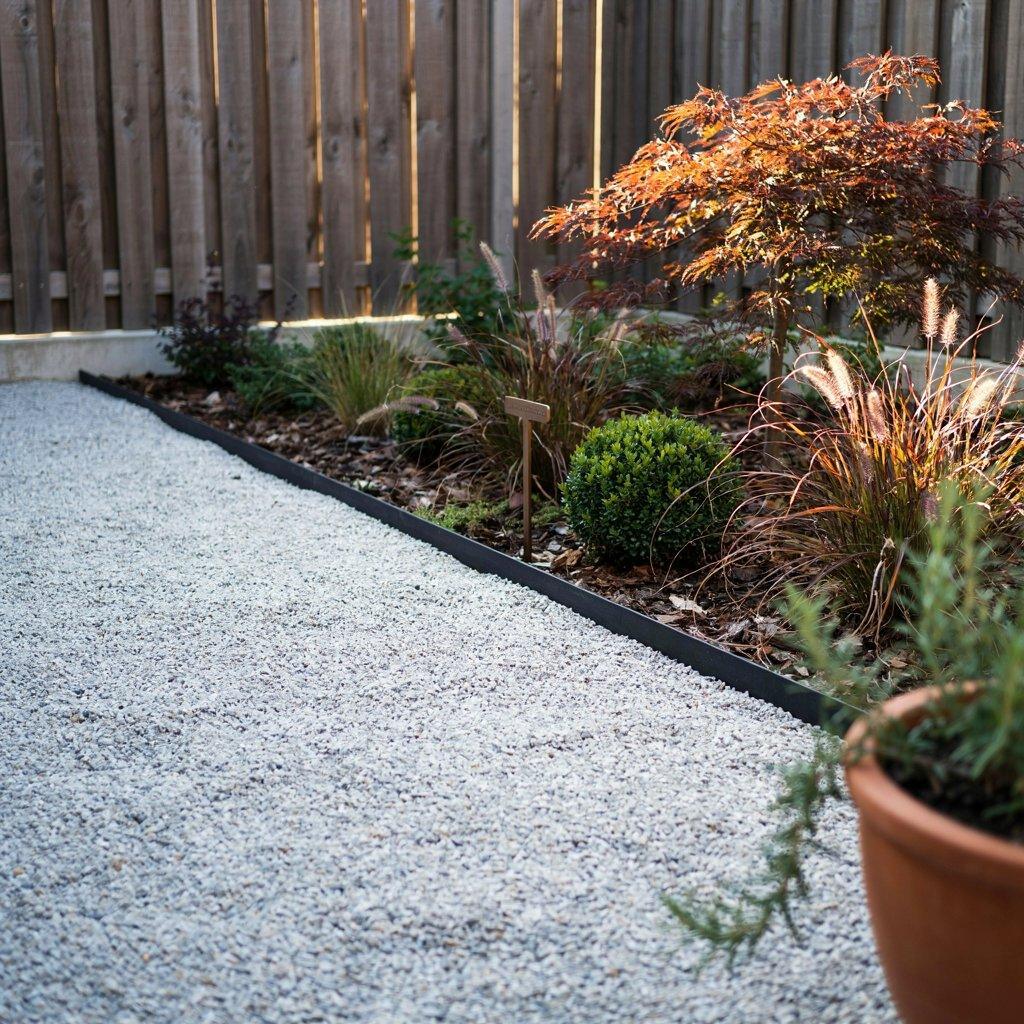
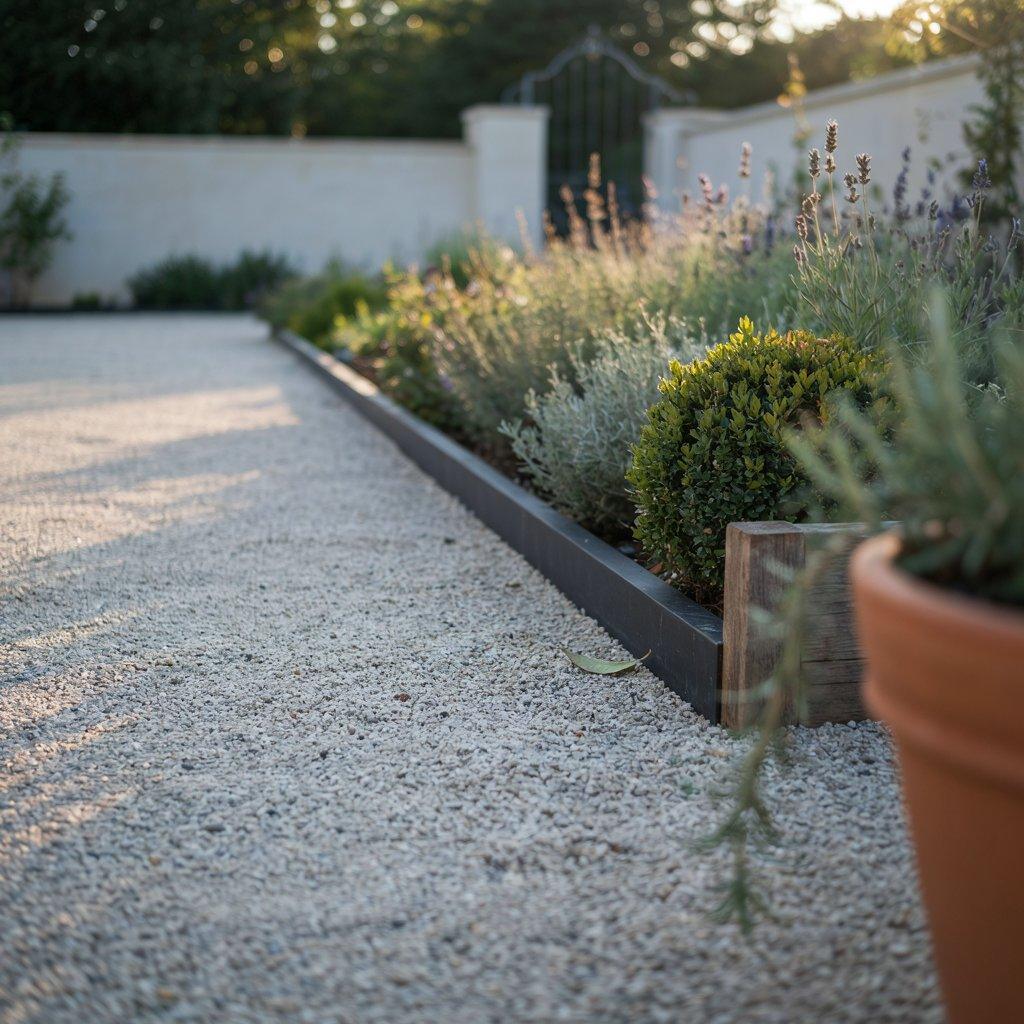
A crisp edge is what separates a pile of gravel from a designed patio. A ribbon of stone, metal, or another elevated material sharpens informality and gives it purpose.
Landscape designers love the contrast between the informality of gravel and a crisp perimeter. It gives the space structure while still allowing it to feel relaxed.
Use steel edging, timber borders, or even a band of pavers to create geometric borders that prevent gravel from migrating into planting beds. The defined edge makes everything look intentional and finished, which is the secret to a high-end look.
FAQs
How much does a budget patio makeover cost? A realistic budget for a DIY patio makeover typically ranges from $300 for basic improvements to $2,000 or more for a full refresh. One designer transformed a bare patio for just $405 using thrifted and found items.
What’s the cheapest way to make a patio look expensive? String lights and an outdoor rug. Both cost under $100 and instantly transform how a space feels. Layering lighting and defining zones with textiles are the highest-impact, lowest-cost moves you can make.
Can I do these ideas as a renter? Yes, many of them. Outdoor rugs, string lights, potted plants, furniture, and outdoor curtains are all renter-friendly. Even gravel patios can be done with landscape fabric and edging that you can remove later.
How do I hide ugly concrete? An outdoor rug is the fastest fix. You can also paint or stain the concrete, use stencils to create a tile pattern, or cover it with gravel or pavers. Painting a stencil directly onto concrete is a pro tip for defining a dining area.
What’s the most important thing to get right? The layout. Designers agree that getting design fundamentals like paving and layout right from the start is key to achieving a space that looks high-end. Stick to a simple layout rather than a complicated one, then invest in luxe-looking materials where it counts.
Wrapping It Up
Here’s the truth: your patio doesn’t need a big budget. It needs intention. A defined edge, a layered light source, a rug that anchors the seating, plants that add life. These are the things that make a space read as designed, and none of them require a contractor or a second mortgage.
Pick one idea from this list. Just one. Start there. Then add another when you’re ready. That’s how real people build beautiful outdoor spaces one smart choice at a time.
Your backyard is waiting. Go make it yours.
Related Post: