

Why Old Jeans Are a Goldmine for Makers
Denim is tough, timeless, and in demand. The global upcycled denim products market was valued at $1.09 billion in 2024 and is projected to reach $1.86 billion by 2031, growing at 8.2% annually.
The big shift? Buyers now want pieces that look like they belong in a modern home or on a styled shelf not like a recycled craft project. The best makers are moving past basic totes and into sculptural bowls, chunky rugs, and wearables that could sit in a boutique.
You don’t need a warehouse or a design degree. Most projects here use basic sewing skills or no sewing at all. What matters is picking the right projects and pricing them fairly.
Here are 20 modern projects people make and sell right now, with practical details on what each involves.
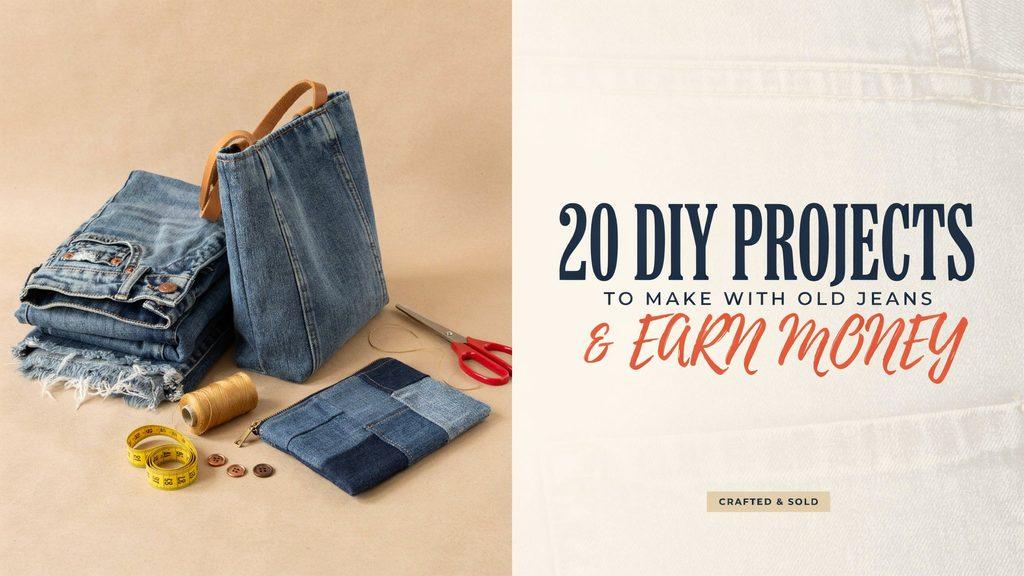
20 DIY Projects to Make With Old Jeans
1. Coiled Denim Rope Bowls
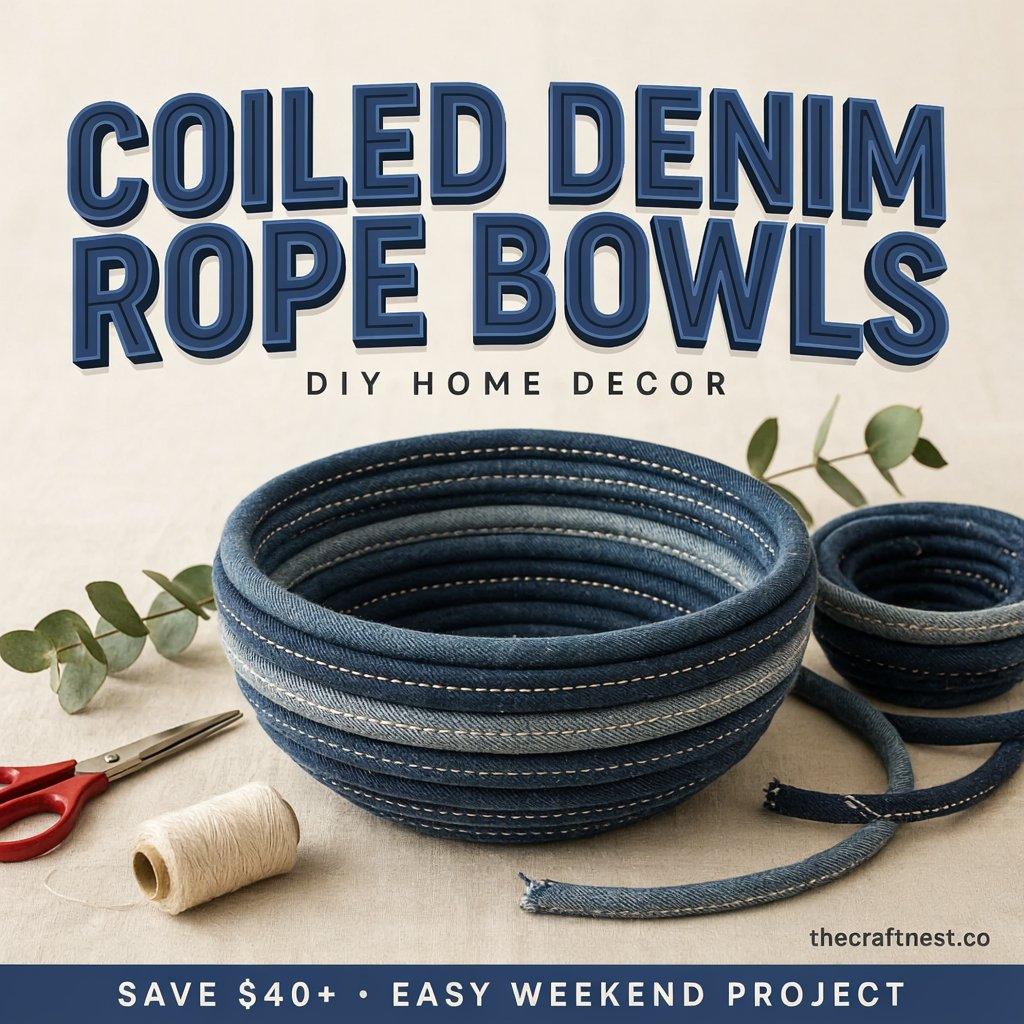
Cut denim into 1-inch strips, fold them into cord, and coil them into a bowl shape. Secure each row with a zigzag stitch or fabric glue.
The result is a textured, sculptural catch-all that looks like it came from a home goods store. These sell for $25 to $45 depending on size. Sustainability-focused home decor shoppers love them.
Use the sturdiest denim you have stretch denim won’t hold the coil shape. A single pair of jeans makes one large bowl or two small ones. They photograph beautifully, which helps with online sales.

2. Crocheted Denim Table Centrepieces
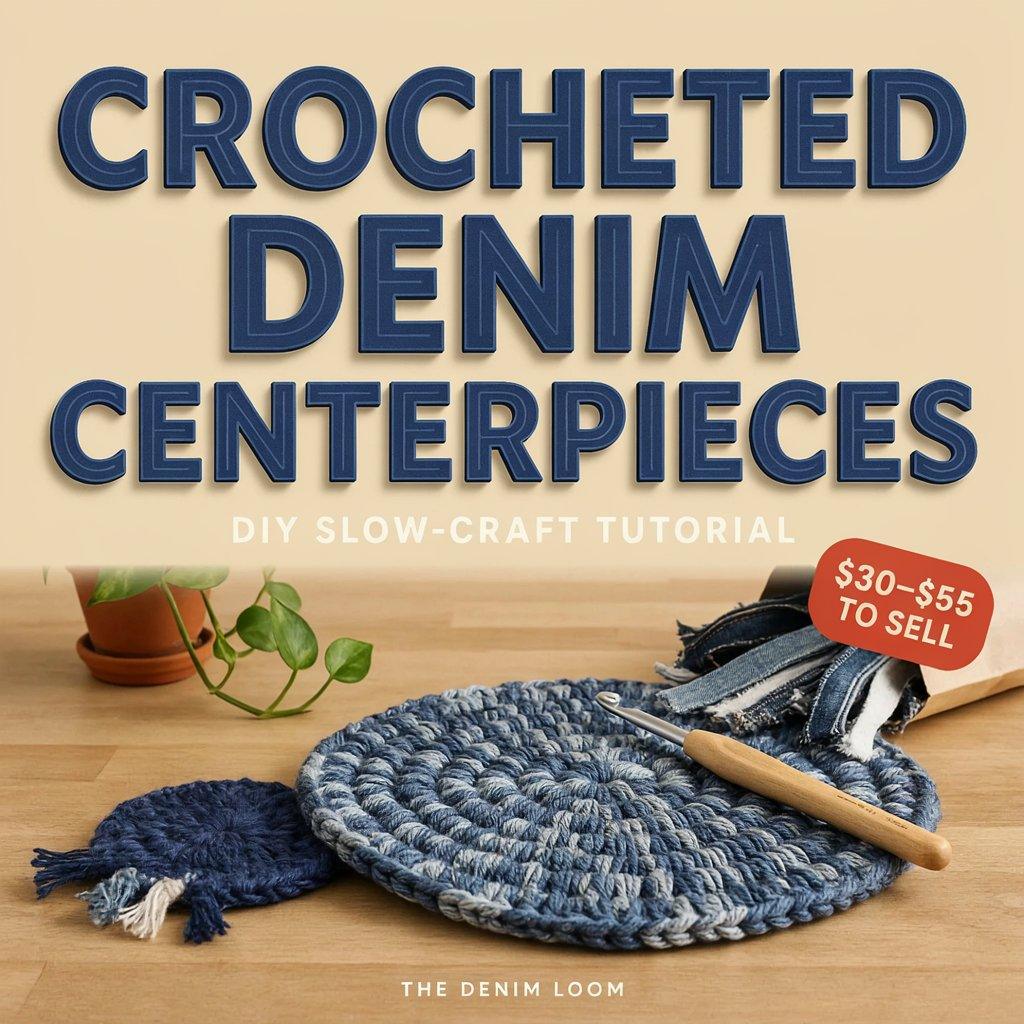
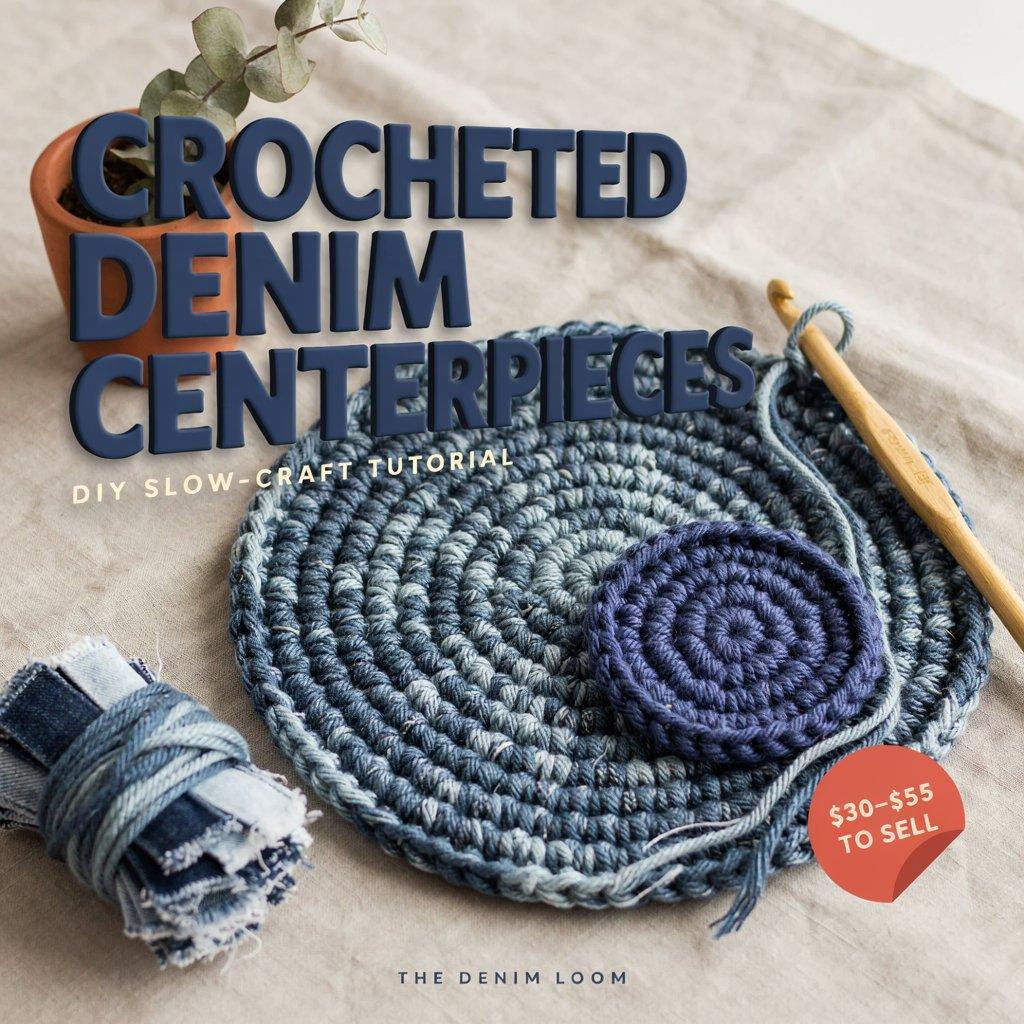
Cut denim into thin strips and connect them into “yarn.” Crochet that yarn into circular table mats, centrepieces, or even large rugs.
One expert suggests this slow-craft approach for makers who want a meditative process and a high-value product. A crocheted denim table centrepiece sells for $30 to $55. The chunky texture gives it a modern, organic feel that fits with the boho and minimalist decor trends.
Use a large hook (size N or P) and keep tension consistent. Each piece is naturally one-of-a-kind because the denim washes vary.
3. Braided Denim Rugs
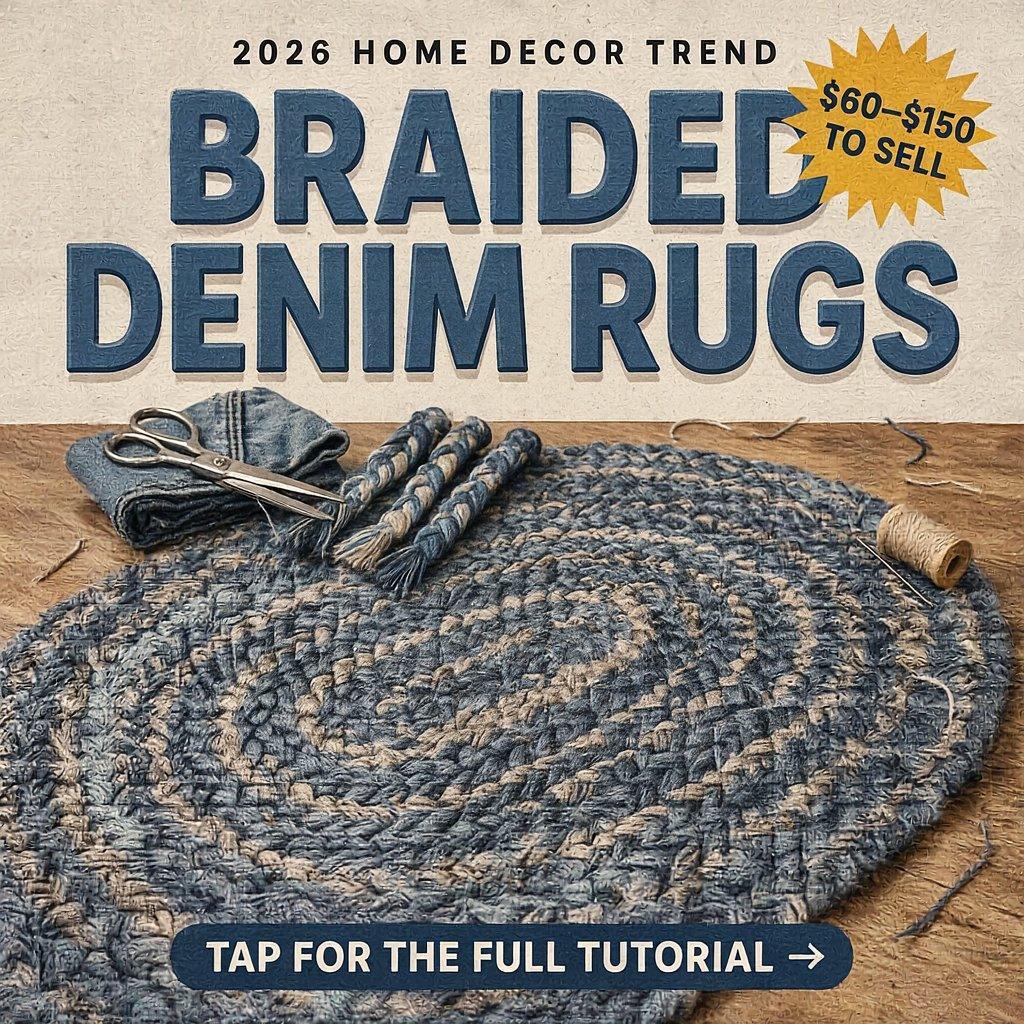
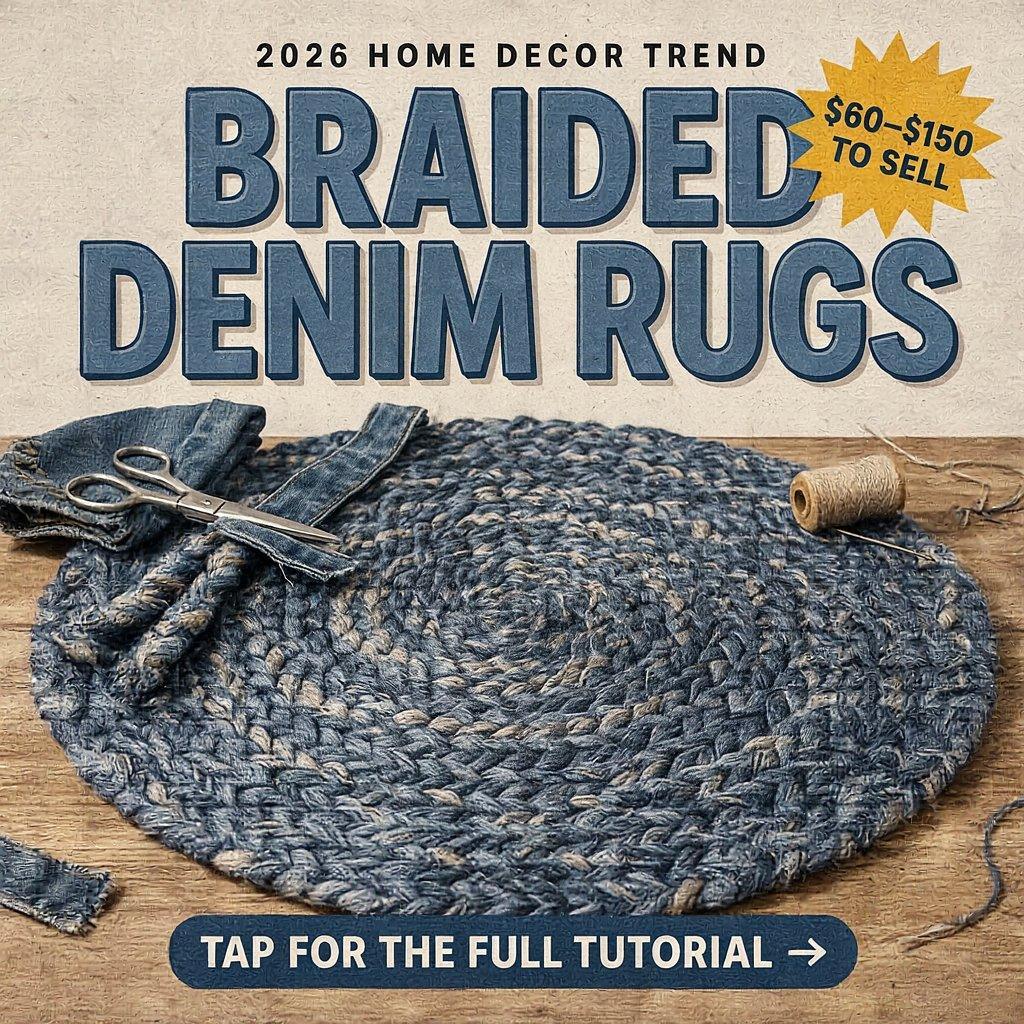
Braided denim rugs have become one of 2026’s biggest home decor movements, according to trend reports. Homes are leaning into texture and imperfection, and nothing says handmade like a braided denim rug.
Cut jeans into wide strips, braid three strands together, then coil and stitch the braid into an oval or round rug. These sell for $60 to $150 depending on size.
They’re heavy to ship, so local sales work best. A rug made from six to eight pairs of jeans has real presence. Use a strong thread and reinforce the centre where the coil starts.
4. Denim Laptop Sleeves

Measure your laptop and cut denim panels slightly larger. Line with fleece or felt for padding. Sew a simple flap closure with a button or Velcro. These sell for $25 to $45 depending on size and lining quality.
A laptop sleeve made from a single pair of jeans feels personal and sturdy in a way that mass-produced neoprene cases don’t. Use double stitching on the seams for durability.
Add a small back pocket from the jeans for storing a charger or notebook. They appeal to students and professionals who want functional gear with a story.

5. Denim Bucket Hats
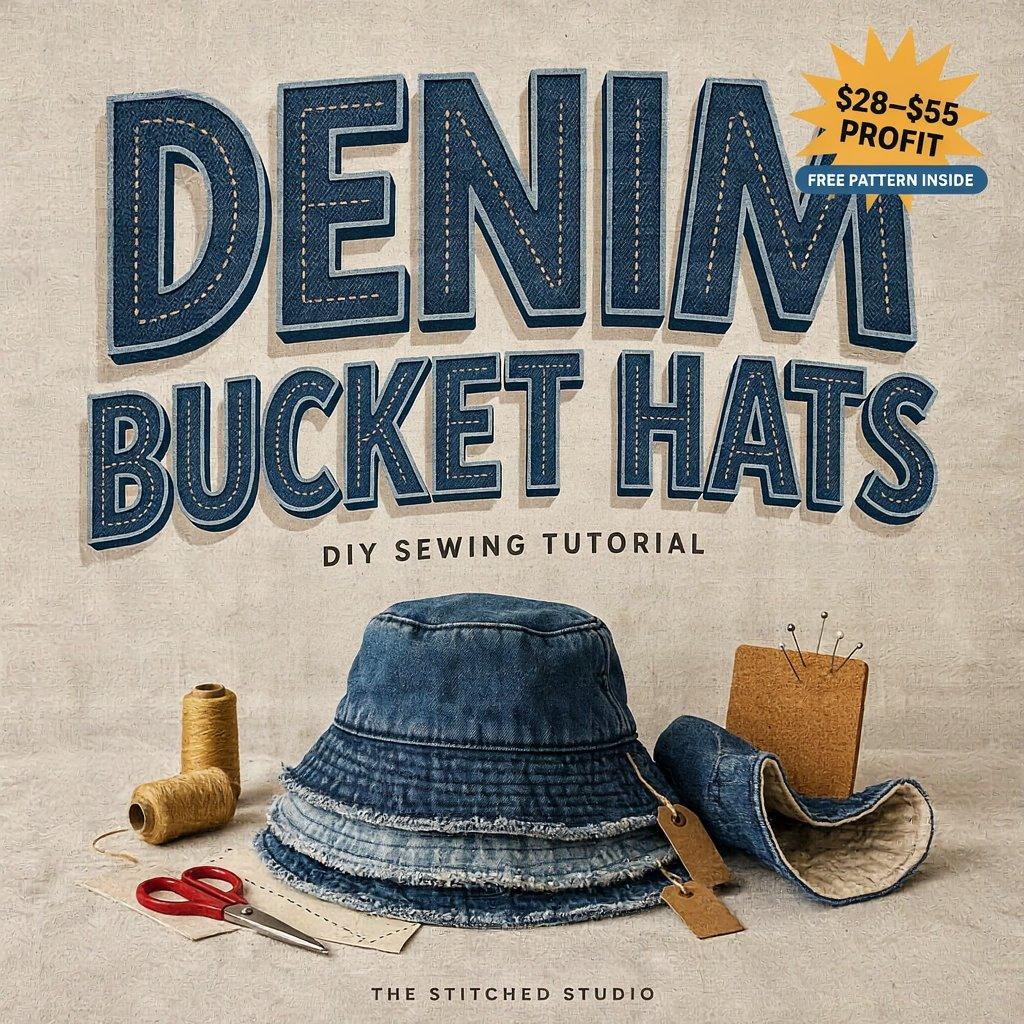
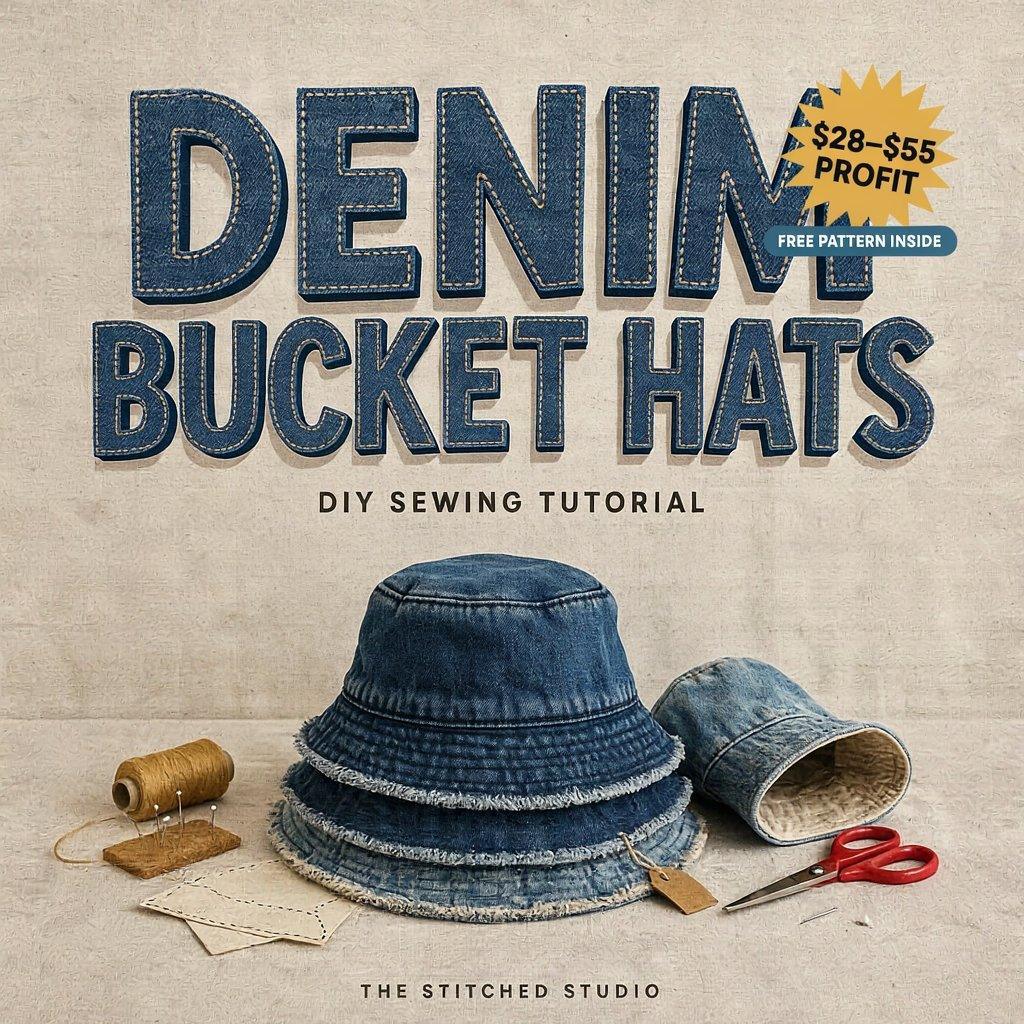
Bucket hats are back, and denim ones sell fast. Cut panels from old jeans using a free bucket hat pattern, then sew them together with a lining for structure. Use sturdy denim for the outer layer and a lighter cotton for the inner. These sell for $28 to $45.
Reversible versions push the price to $55. Frayed edges or mixed denim washes add a modern touch. This project requires more sewing skill than a tote bag, but the profit margin justifies the effort. One pattern works for multiple sizes just adjust the crown and brim measurements.
6. Denim Scrunchies and Headbands

Cut denim into 3×20-inch strips, fold them into a tube, and thread elastic through. Sew the ends closed. That’s a scrunchie. Headbands follow the same principle with a wider strip. These sell for $8 to $15 each, or $25 for a set of three.
Denim scrunchies are gentle on hair and hold styles well because the fabric has grip. Use the softer, worn sections of jeans for flexibility. Add a bead or embroidery detail to stand out. They’re excellent seller-table fillers small, cheap, and easy to grab.

7. Denim Phone Cases

Buy a plain phone case and cover it with denim. Cut a piece slightly larger than the case, wrap it around the edges, and glue it down with strong fabric adhesive. Cut holes for the camera and ports. This adds soft drop protection and gives the case a one-of-a-kind texture.
Denim phone cases sell for $18 to $30. They appeal to buyers who want something unique without paying boutique prices. Use thin denim for this project heavy denim makes the case bulky. Seal the edges with fabric glue to prevent fraying over time.

8. Denim Face Masks

Denim masks have been found to be effective in containing droplets, making them a practical option for everyday use. Cut two denim pieces and two cotton lining pieces using a standard mask pattern. Sew them together, leaving a gap for turning.
Add elastic ear loops. These sell for $12 to $20 each. Layer the denim with a cotton lining for comfort against the skin. Add a filter pocket for buyers who want extra protection. They’re a solid product for markets and online shops, especially in cooler months when fabric masks feel more comfortable than disposable ones.

9. Denim Keychain Tassels

Cut denim into thin ribbons about 4 inches long. Bundle ten to fifteen ribbons and bind the top tightly with thread. Attach a key ring. The result is a textured tassel that adds character to bags and keys. These sell for $5 to $8 each.
Use contrasting thread colours for the binding to make them pop. Denim keychains made from small offcuts are light, colourful, and easy to carry one Kenyan maker sells them as handmade accessories that support local craft. They’re excellent add-ons at checkout.

10. Denim Patch Packs for Visible Mending
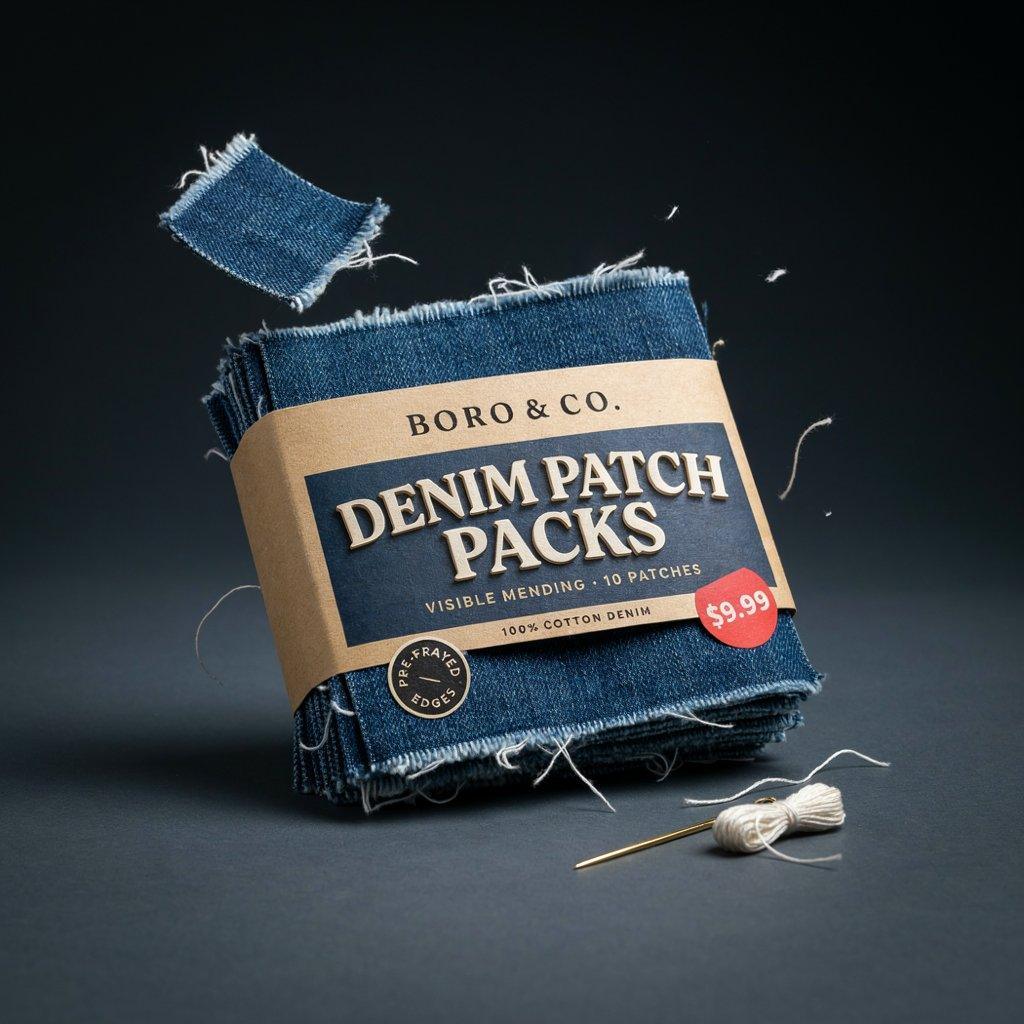
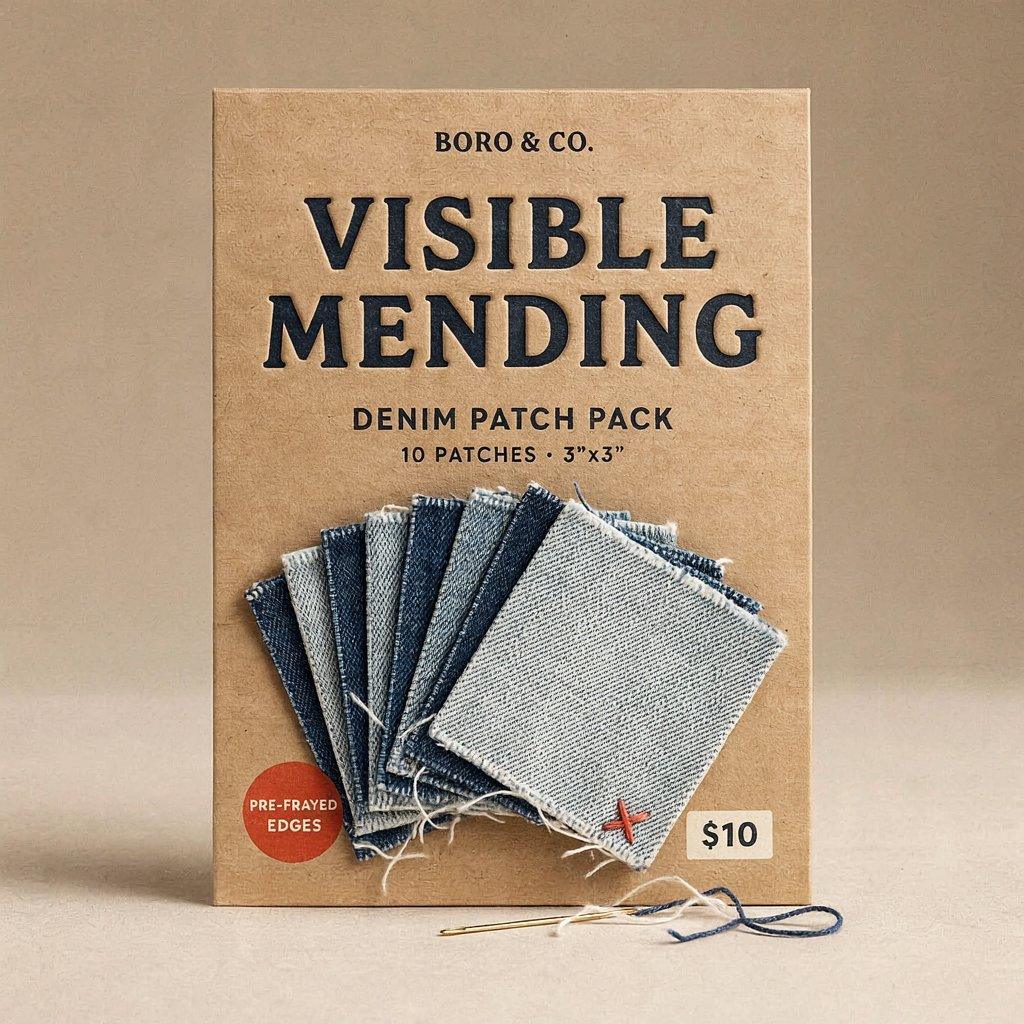
Cut denim into 3×3-inch squares for patching jeans, jackets, or bags. Sell them in packs of ten for $8 to $12. These appeal to people who repair their own clothes or want to add decorative patches. Pre-fray the edges for a distressed look or leave them clean for a minimalist finish.
The visible mending movement rooted in the Japanese practice of boro has made patched denim a style choice, not just a repair. This is the simplest project on the list. It’s a good way to use every last scrap of denim.
11. Denim Aprons

Cut the front panel from a pair of jeans, keeping the pockets intact. Add a neck strap and waist ties made from denim strips or webbing. The pockets become tool holders or phone slots. These sell for $35 to $55. They’re popular with gardeners, baristas, and crafters.
The denim is durable enough for real work, and the worn texture gives each apron character. Use the waistband as the top edge if it fits your size it’s already finished and sturdy. Line the apron if you want a more polished product.

12. Denim Plant Pot Sleeves

A jean leg cut to length and pulled over a plastic grow pot turns a $3 nursery container into something you leave out on purpose. No sewing required. Use the ankle hem as the finished bottom edge, then fold the raw top down into a cuff or glue a quick hem.
These sell for $10 to $18 each, or $30 for a set of three. Use a good no-sew adhesive because hot glue goes brittle and peels off in the sun. This is the project to start with if you’ve never made anything from old clothes.

13. Denim Hair Bows and Clips

Cut denim into bow shapes two loops and a centre strip. Sew or glue the layers together and attach a hair clip or elastic band. These sell for $8 to $14 each. Denim bows work on hair, bags, and belts, so they’re versatile.
Use different denim washes for a mixed set. Add a pearl or bead in the centre for a dressier look. They’re quick to make in batches and photograph well for social media. A pack of five in mixed washes sells for $35 to $50.

14. Denim Wine Gift Bags

Cut a denim tube wide enough to slide a wine bottle into. Sew the bottom closed and add a drawstring at the top using ribbon or denim strips. These sell for $10 to $18 each. They’re popular around holidays and make hostess gifts feel special.
Use the leg sections of jeans they’re already tube-shaped, which saves cutting and sewing time. Add a small pocket from the jeans as a decorative detail on the front. A set of two with different washes sells for $30 to $40.

15. Denim Book Sleeves
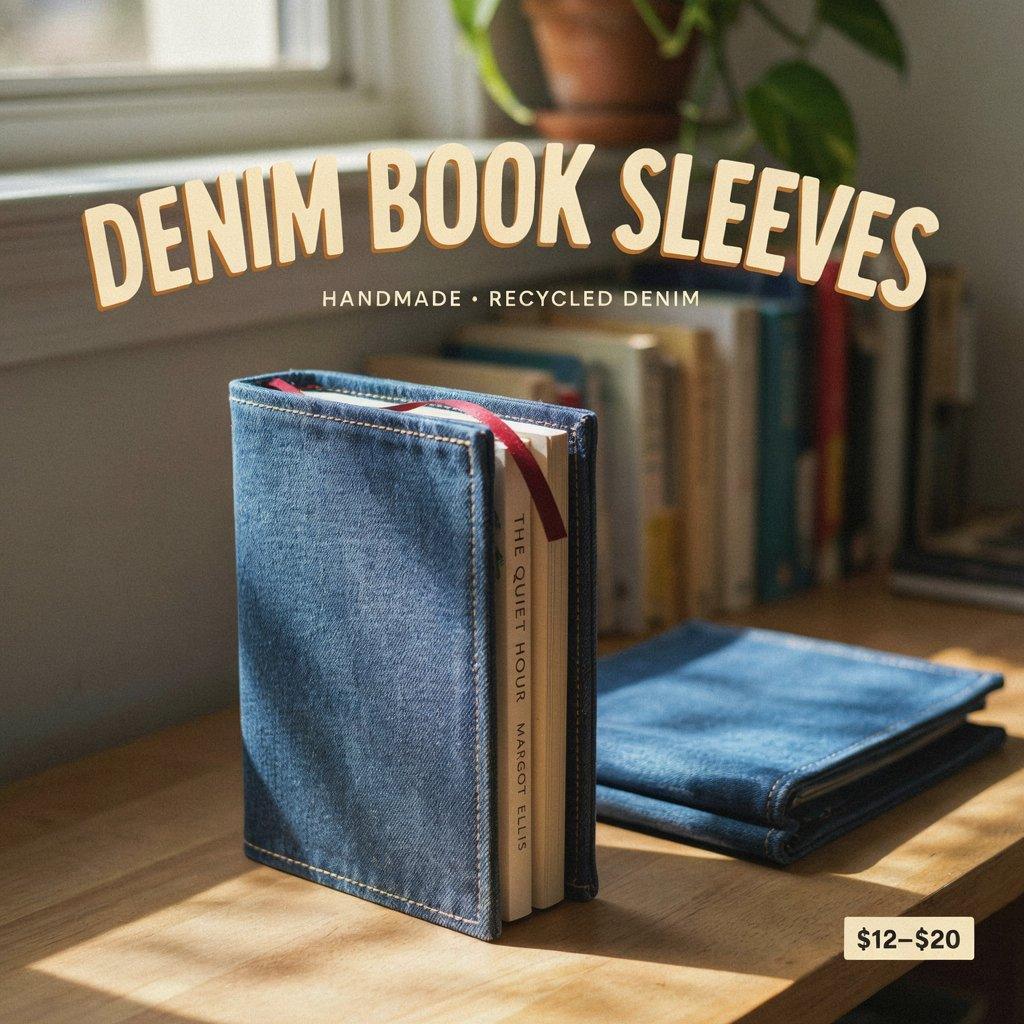
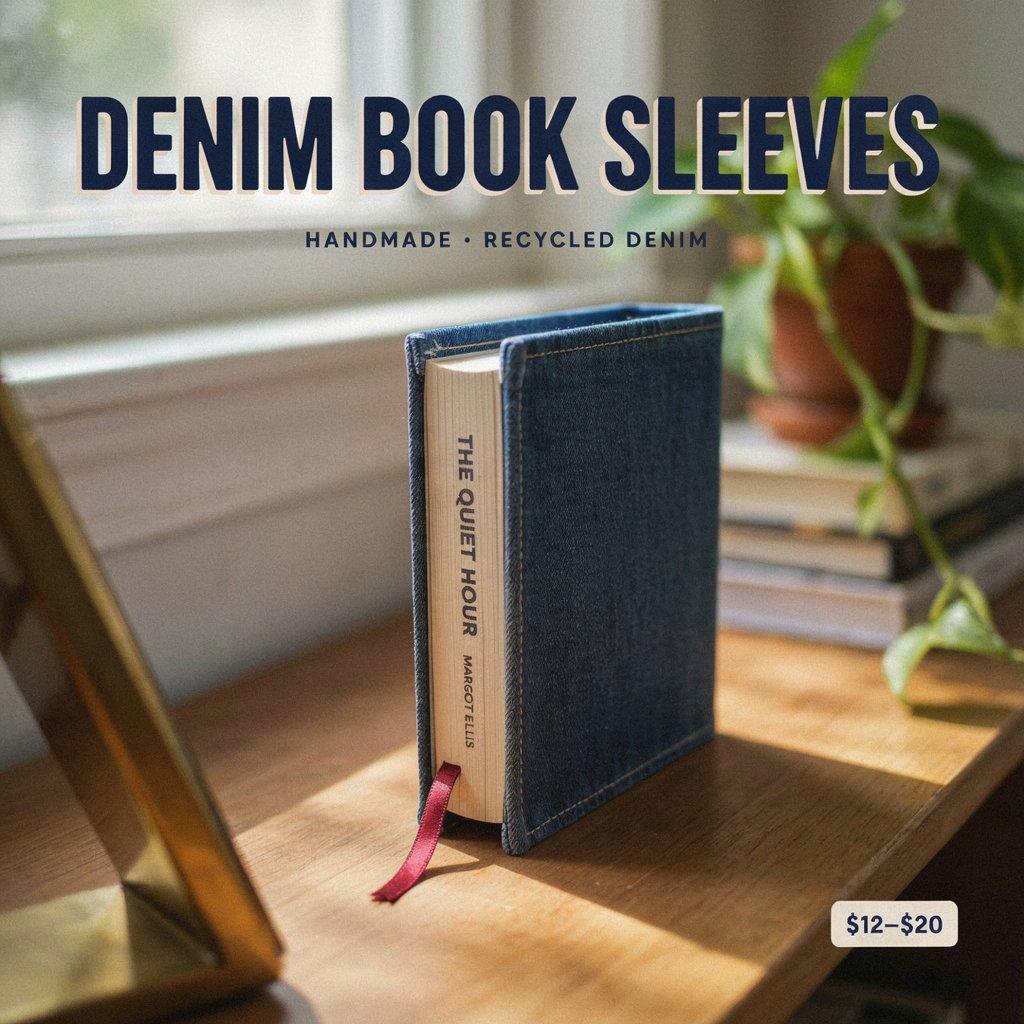
Cut denim to fit a standard paperback or hardcover book. Sew a sleeve that slides over the cover, leaving the pages accessible. Add a ribbon bookmark. These sell for $12 to $20. They appeal to readers and journalers.
Denim book sleeves protect books in bags and look great on a shelf. Use the softer, worn sections of old jeans for flexibility. A denim book cover softens with use and develops a patina over time. They’re simple to make and use up fabric that’s too small for bags.
16. Denim Cord Organizers
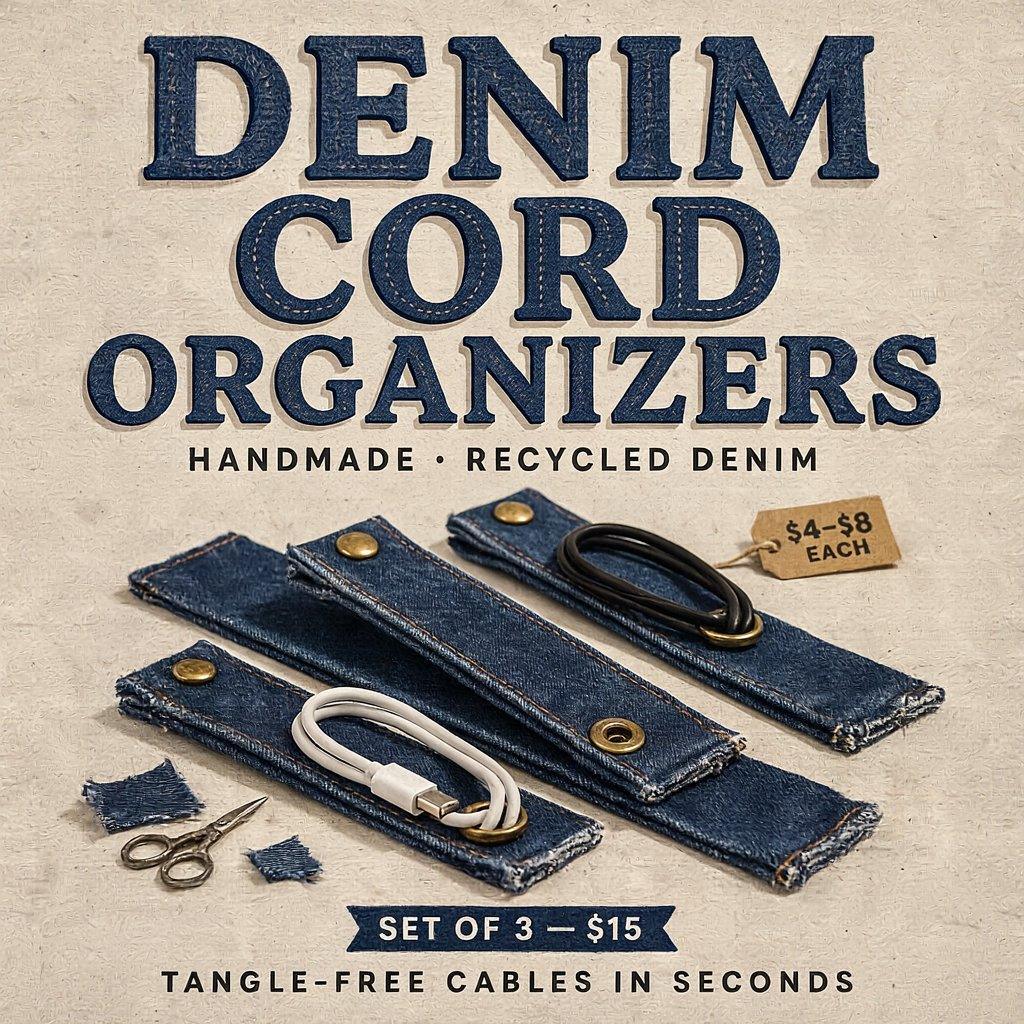
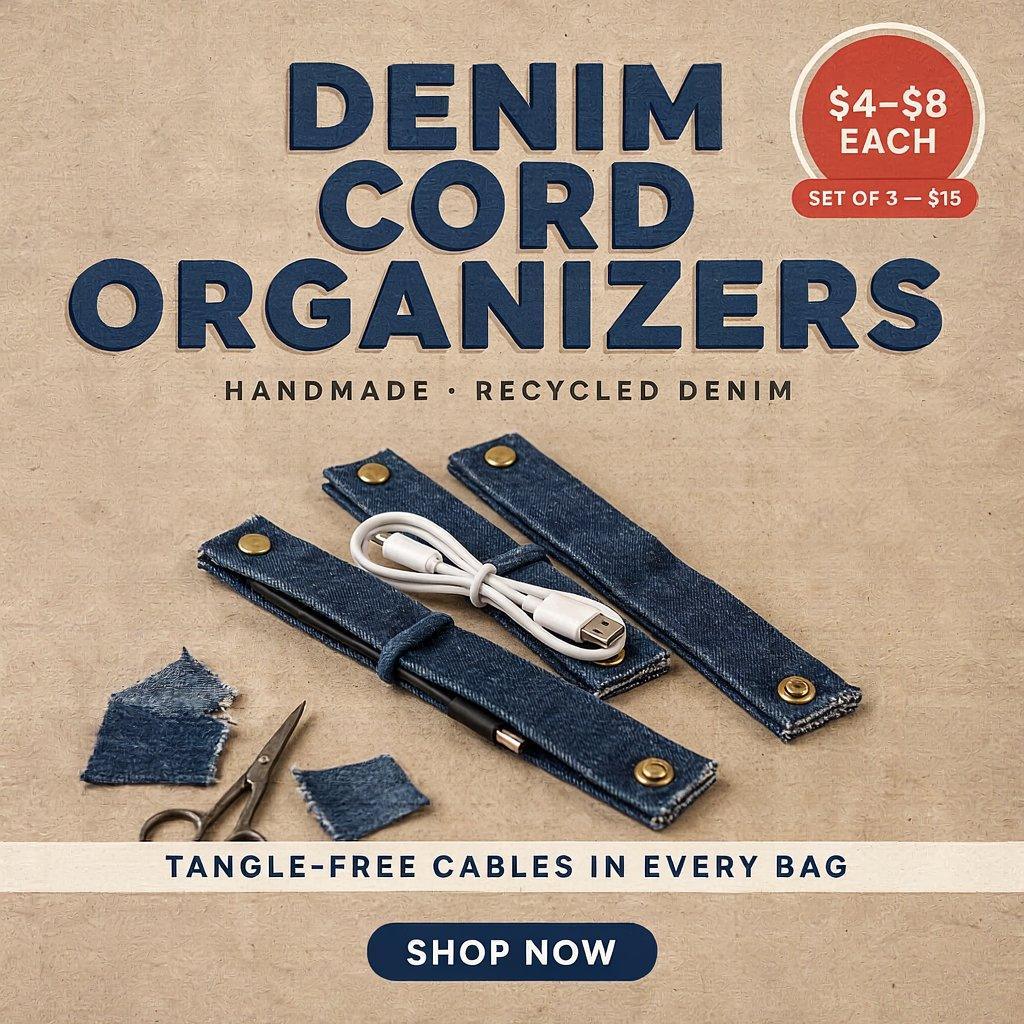
Snip denim into 1×3-inch strips and attach a metal snap to each end. These keep phone chargers and laptop cables from tangling in bags. They’re practical, small, and cheap to ship. Buyers appreciate useful items, and cord organizers fall into that category.
Price them at $4 to $8 each, or sell a set of three for $15. Batch production is key cut strips for fifty at once. They’re consistent sellers at artisan fairs and make great add-ons to larger purchases. Use the sturdiest denim scraps you have.
17. Denim Patchwork Throw Pillow Covers

Cut six-inch squares from soft, broken-in jeans. Arrange them so the topstitching lines almost meet across the patches, then sew the front together. Add an envelope back so you never fight a zipper. These sell for $30 to $55 per cover.
Hold yourself to two or three denim washes so it reads composed instead of scrappy. Avoid stiff raw selvedge for small squares the seam allowances stack up thick and your needle will jam. Stretch jeans ripple and refuse to lie flat once pieced.

18. Woven Denim Wall Hangings

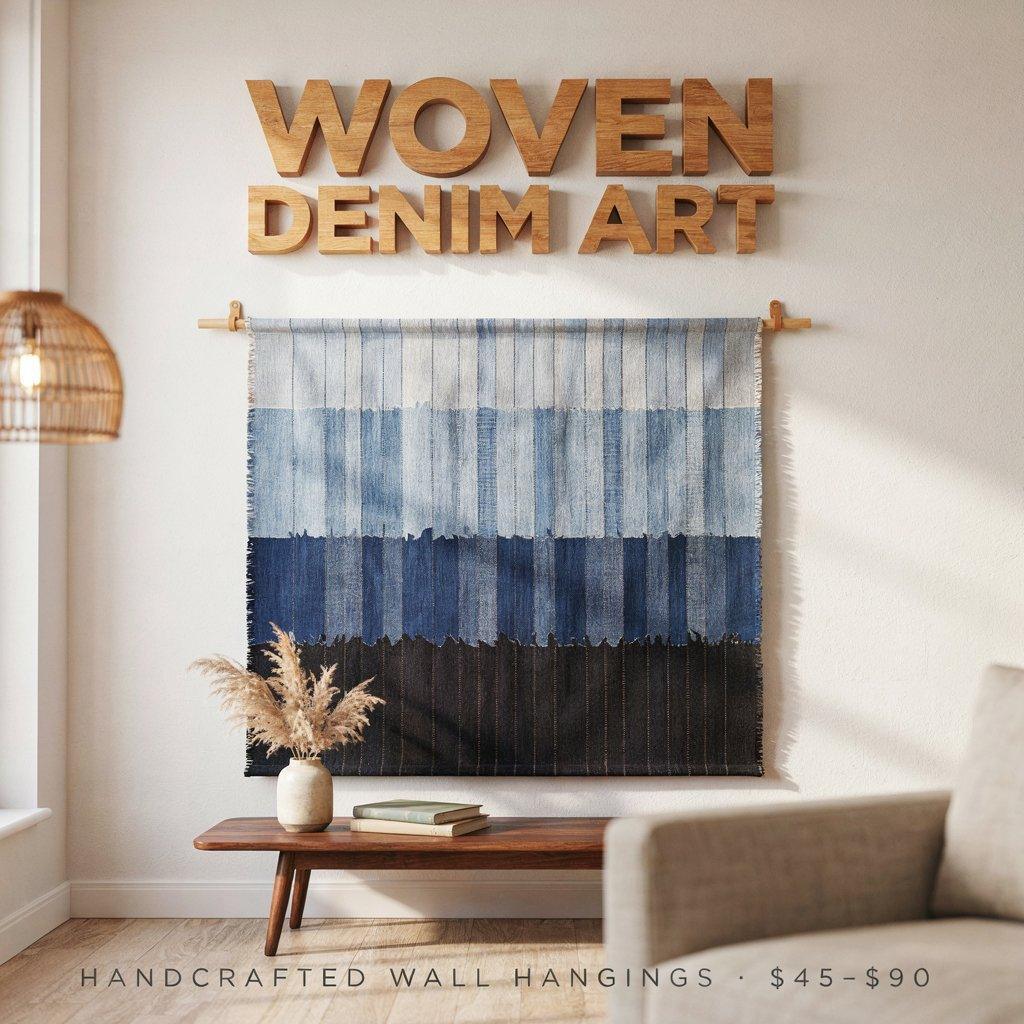
Sort denim strips by wash and weave them into a wall hanging that grades from light to dark. Use a simple frame loom or a piece of cardboard with notches. The result is a textured, modern art piece that fits the woven wall decor trend.
These sell for $45 to $90 depending on size. They’re slower to make than smaller projects, but the price reflects the craftsmanship. Use consistent strip widths for a clean look, or vary them for a more organic feel. Attach a dowel at the top for hanging.
19. Denim Dog Collars and Leashes

Cut denim into 1-inch strips and layer them for strength. Add a metal buckle and D-ring. These sell for $18 to $35 for collars and $30 to $50 for leashes. Denim is durable enough for real walks, and the worn texture gives each piece character.
Use the thickest denim you have thin denim won’t hold up to pulling. Reinforce the stress points with double stitching. Personalize with a name tag or embroidered initial for an extra $10. Dog owners spend on quality accessories, and handmade denim stands out.

20. Custom Embroidered Denim Jackets

Buy plain denim jackets from thrift stores and add hand embroidery, painted designs, or appliqué. This is the highest-value project here custom jackets sell for $80 to $200 or more. Floral designs, zodiac symbols, and personalized initials all sell.
One maker built a full side hustle turning thrifted denim into one-of-a-kind hats and jackets. This project requires more skill and time, but the profit margin justifies the effort. Show your process on Instagram or TikTok people love watching denim transform. Things to Make With Old Jeans

How to Price Your Denim Projects
Price at three times your material cost, plus an hourly rate for your time. If materials cost $3 and the item takes thirty minutes, a fair price is $15 to $20. Don’t undercharge handmade buyers expect to pay for quality.
Look at what similar items sell for on Etsy and at local markets, then position yourself in the middle of that range. The upcycled denim market is growing, and buyers are willing to pay for well-made goods.
Where to Sell Your Denim Crafts
Etsy works well for bags, jackets, and home decor. Amazon Handmade charges a 12.24% referral fee per sale, which is reasonable for the reach.
Local craft fairs and farmers markets are great for coasters, keychains, and small impulse items. Instagram and TikTok help you show the process people love watching denim transform. Start with one platform, get comfortable, then expand.
Frequently Asked Questions
Do I need a sewing machine?
No. Several projects on this list plant pot sleeves, keychains, tassels, and patch packs require no sewing at all. A basic needle and thread handle the rest. A sewing machine speeds things up for bags and larger items, but it’s not mandatory to start.
What kind of jeans work best?
100% cotton denim without stretch. Stretch denim frays unevenly and loses shape over time. Look for jeans with sturdy fabric and minimal wear in the areas you’ll cut. Thrift stores often sell damaged jeans in bargain bins for a dollar or two per pair.
How do I clean old jeans before using them?
Wash them in hot water with a small amount of detergent, and then dry on high heat. This shrinks the fabric slightly and removes any odors or residues. Cut after washing, not before.
Can I sell items made from other people’s jeans?
Yes. Once you buy or receive the jeans as a gift, they’re yours to transform. Some sellers offer a “send me your jeans” service where customers mail in their own denim for a custom piece this adds sentimental value and justifies higher prices.
How long does it take to make a denim rug?
A braided rug takes four to eight hours depending on size. A crocheted denim table centrepiece takes two to three hours. Batch production cuts the time per item significantly.
Final Thoughts
Old jeans are not trash. They’re material. The projects on this list range from ten-minute scrunchies to weekend rugs, and every single one has a market. Start with something small. Make ten of them. See what sells. Then scale up.
The denim upcycling space is growing because it works the products are durable, the story is good, and buyers are paying attention. You already have the raw material. What you make with it is up to you.