
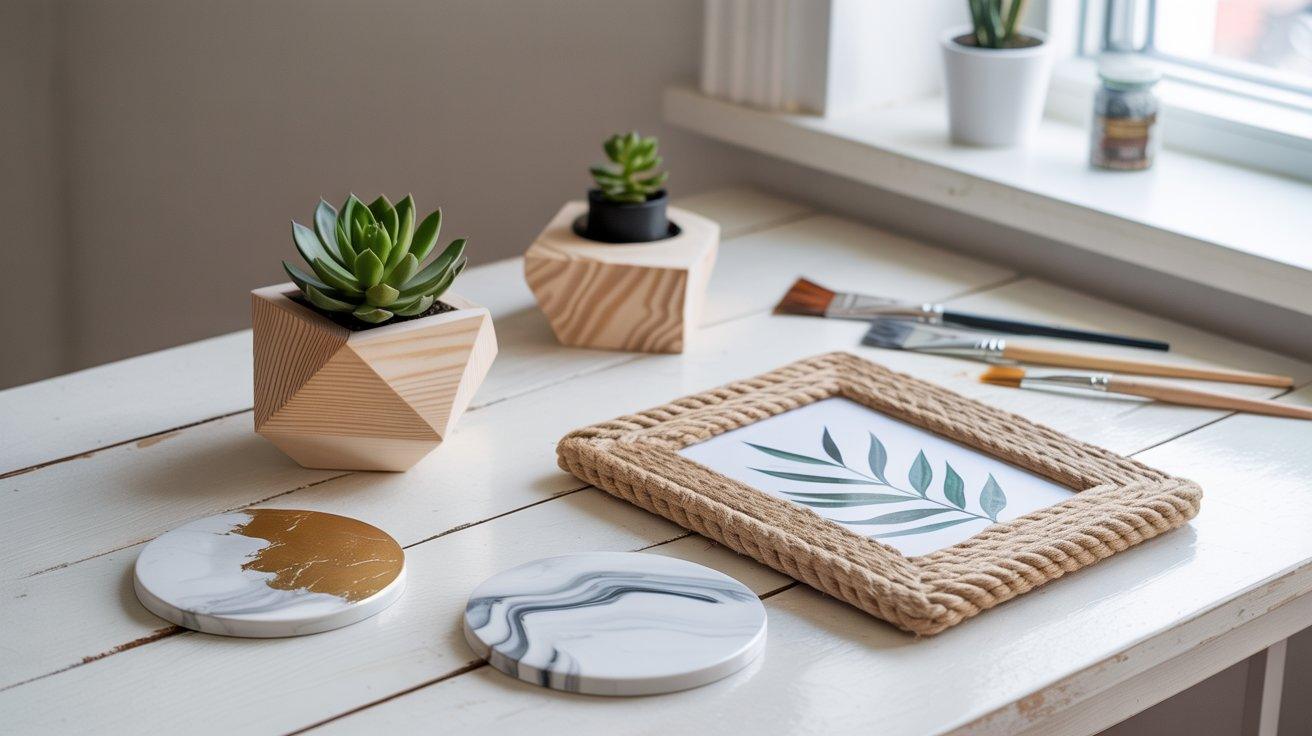
You want to make things for your home. But you’re not a pro. You don’t have a garage full of tools. And you’ve tried a few DIY projects before that ended up looking… not great.
I get it.
The problem isn’t you. It’s the projects. A lot of tutorials online assume you already know how to use a table saw or read a blueprint.
This article is different. Every project here is meant for a beginner. You’ll only need basic tools like a hammer, a drill, sandpaper, and paint. Maybe a saw, but nothing fancy. And the best part? These projects actually look good when you’re done. No shame. No “well, it was my first try.”
Let’s get started.
The 17 Projects
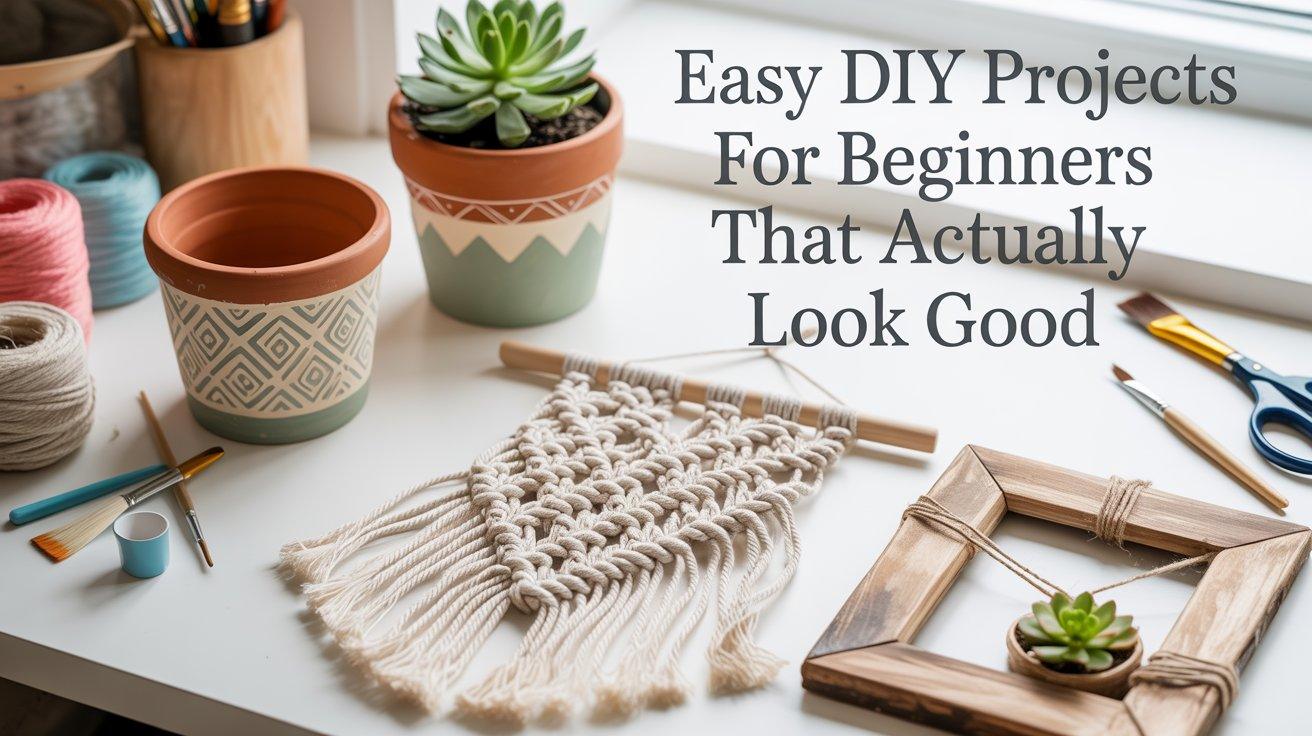
1. Wooden Crate Shelves
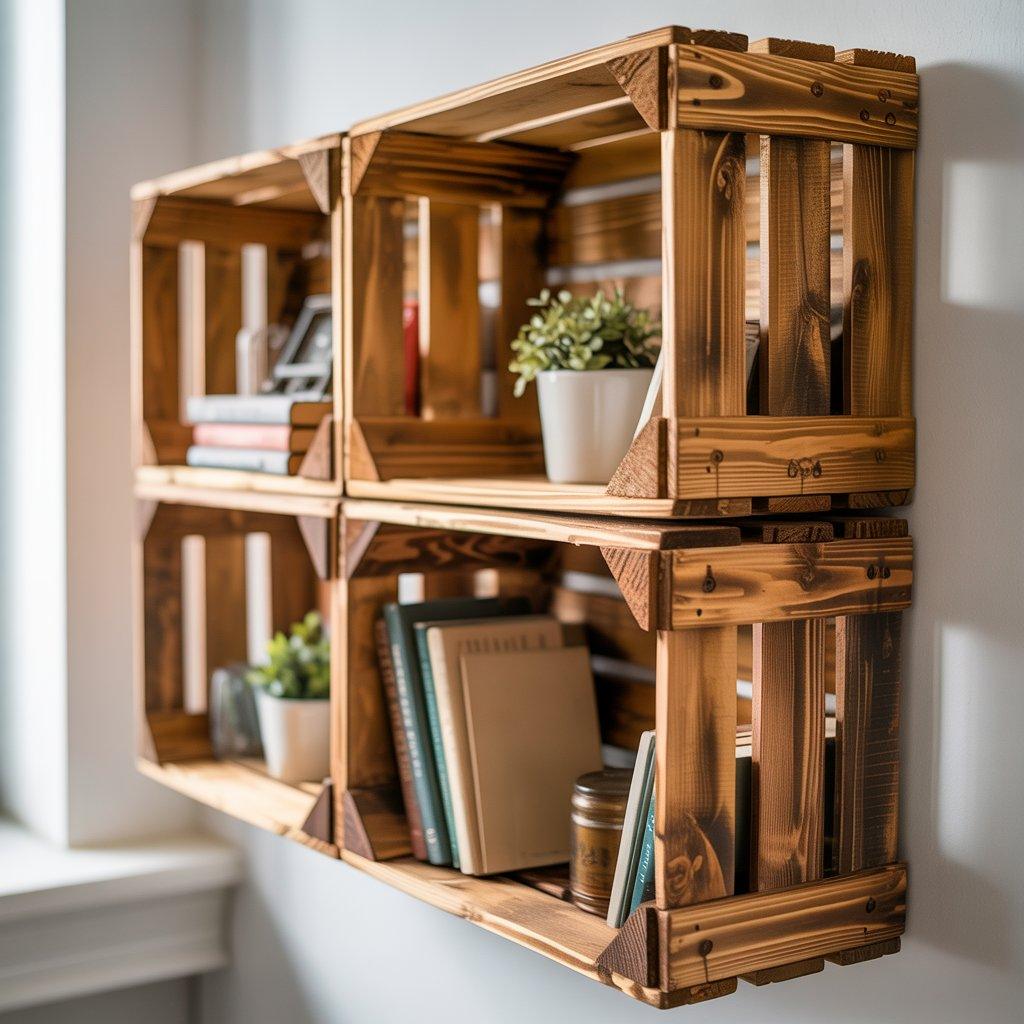
Go to any home store and buy a few untreated wooden crates. They usually cost around 10–10–15 each. Sand down any rough edges with medium-grit sandpaper.
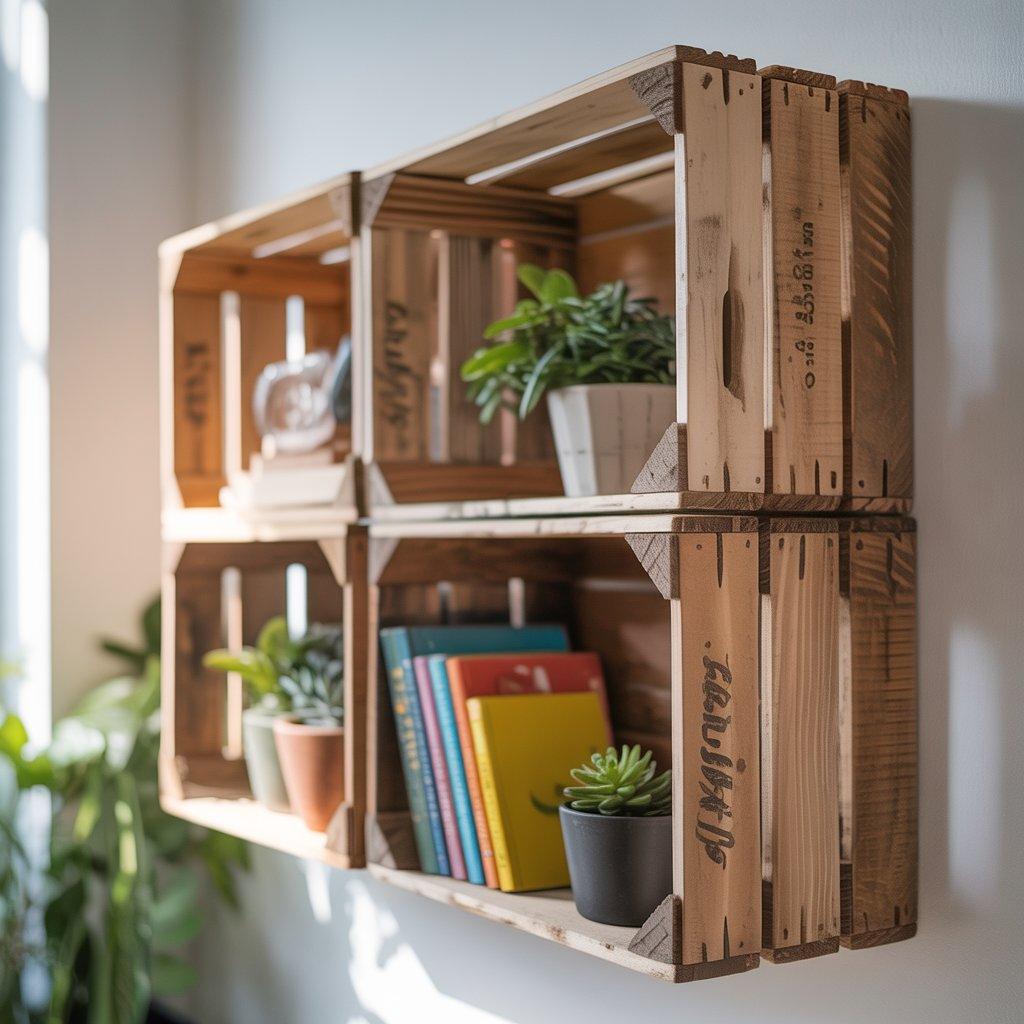
Then stain or paint them whatever color fits your room. Let them dry completely. Stack two or three crates on their side and screw them together from the inside using 1-inch screws. Mount the whole thing to the wall with L-brackets (screws into a stud). Or just leave them on the floor as a bookshelf.
The crates create instant cubbies for books, plants, or kids’ toys. It looks rustic and intentional, not like you ran out of furniture money.
2. Concrete Block Bench
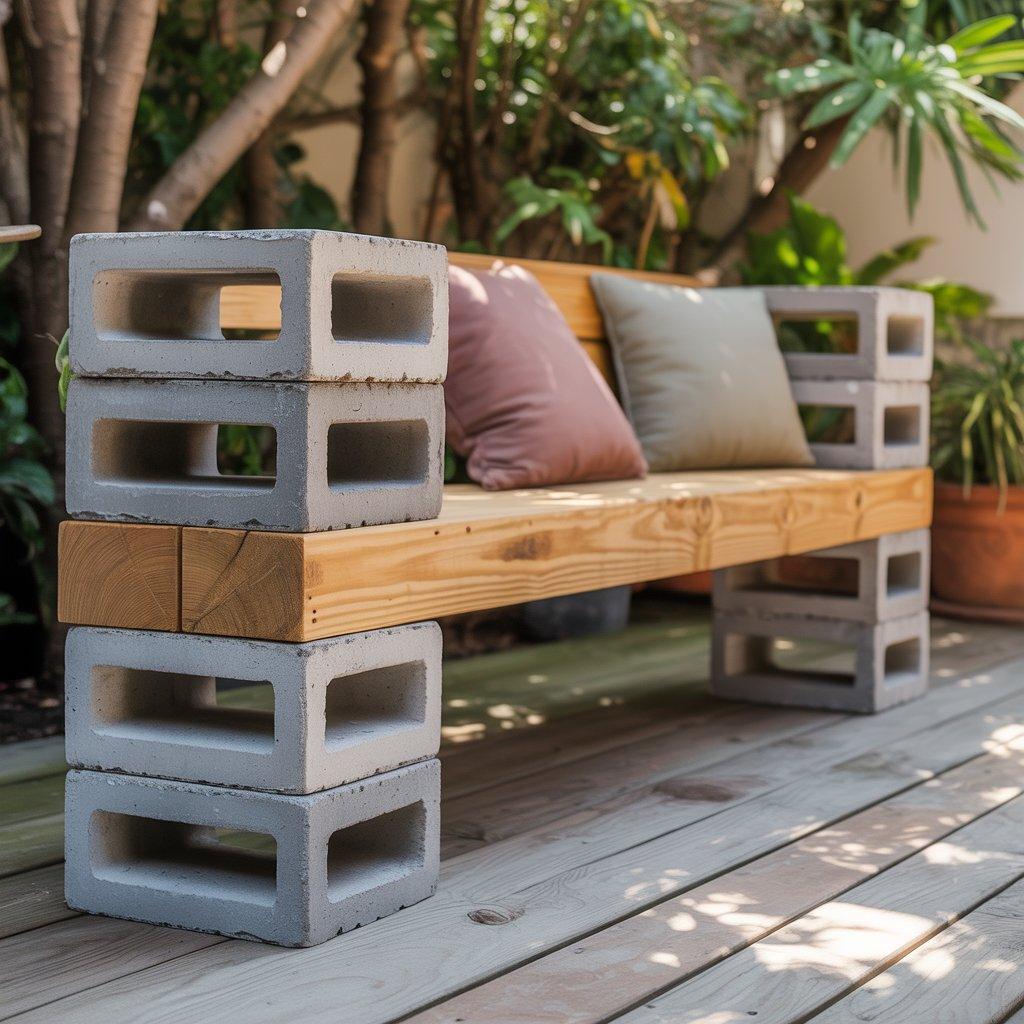
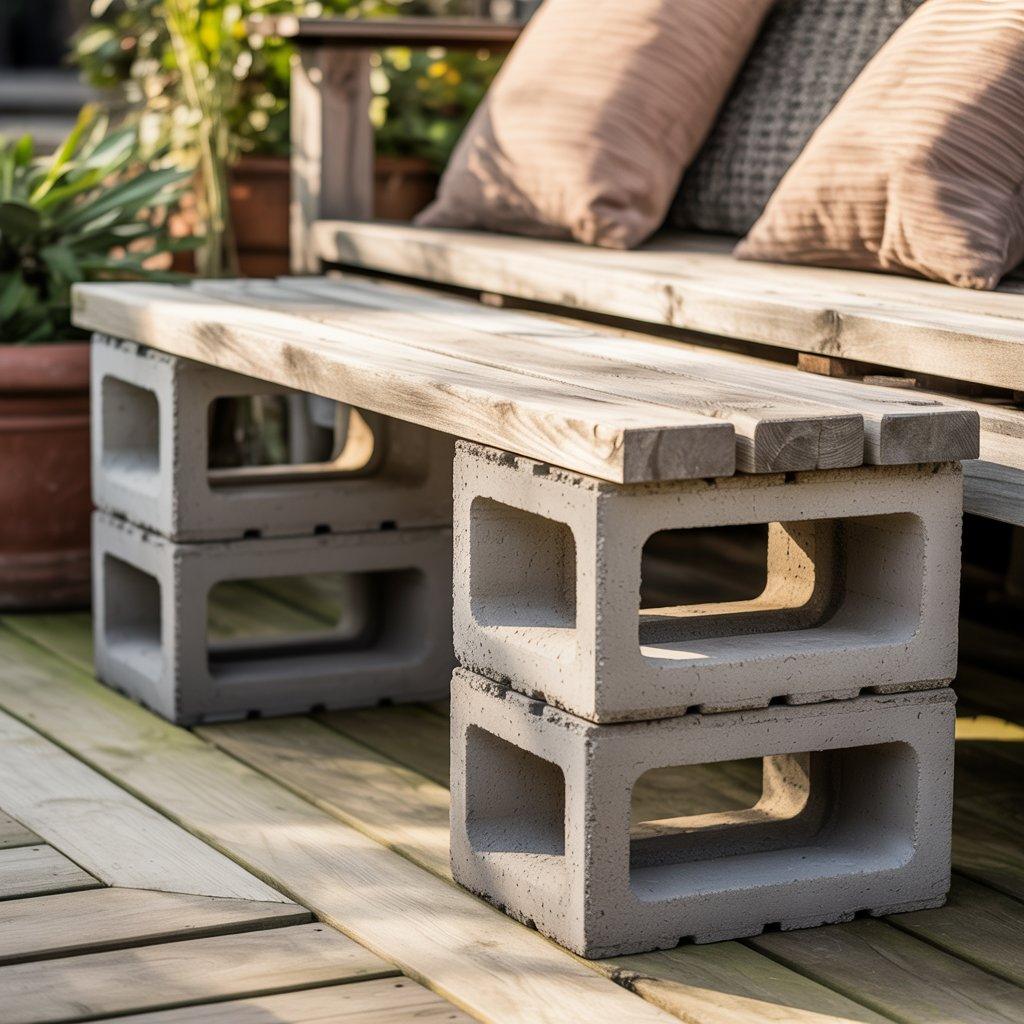
This is almost embarrassingly easy. Buy six to eight concrete blocks from a hardware store. Also buy two or three 4×4 wood posts cut to the length you want your bench. Clean the blocks with a damp rag.
Stack them in two piles for the ends (three blocks per pile, hollow sides facing up). Slide the wood posts into the hollow top openings of the blocks. The wood rests across the posts. That’s it. No glue, no screws. The weight of the wood holds everything together.
Add outdoor cushions if you want it softer. This bench can live on a porch or under a tree. It’s heavy enough that kids can’t tip it over.
3. Painted Terra Cotta Pots
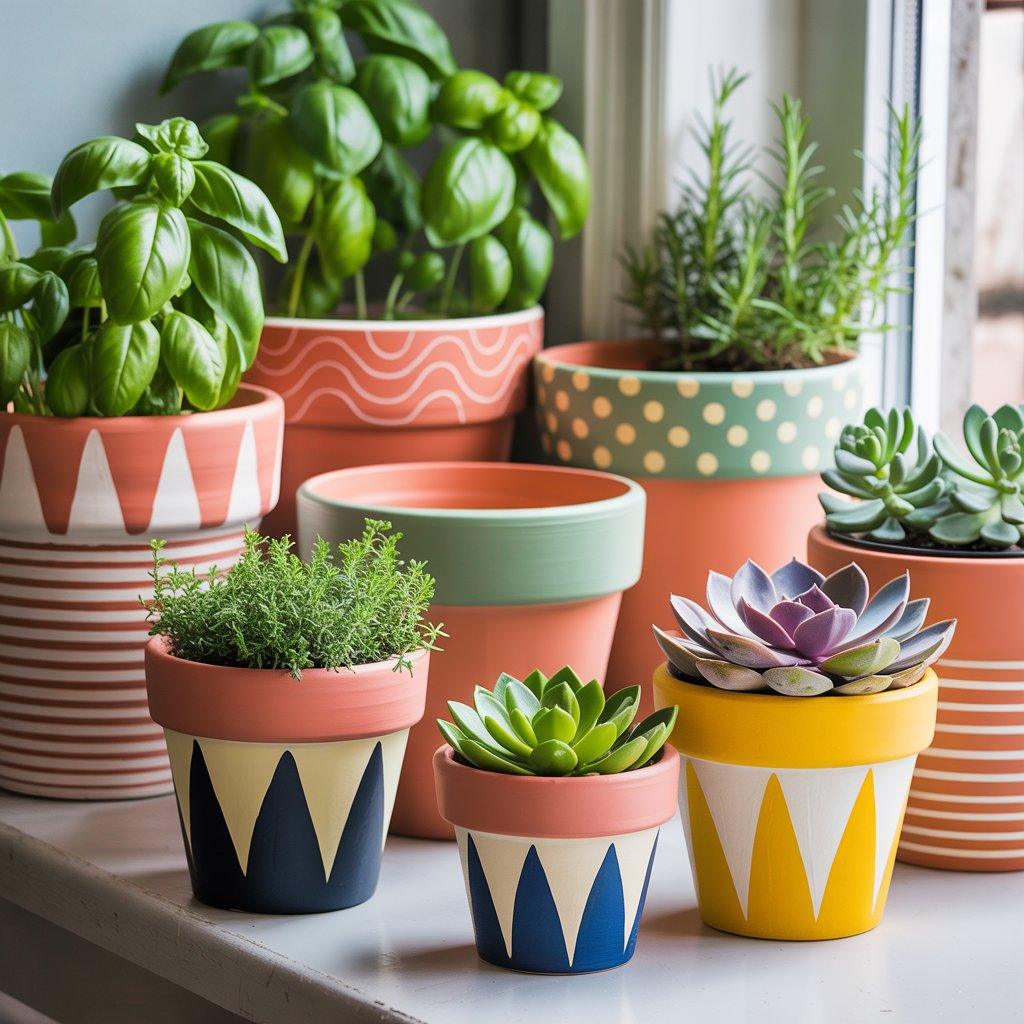
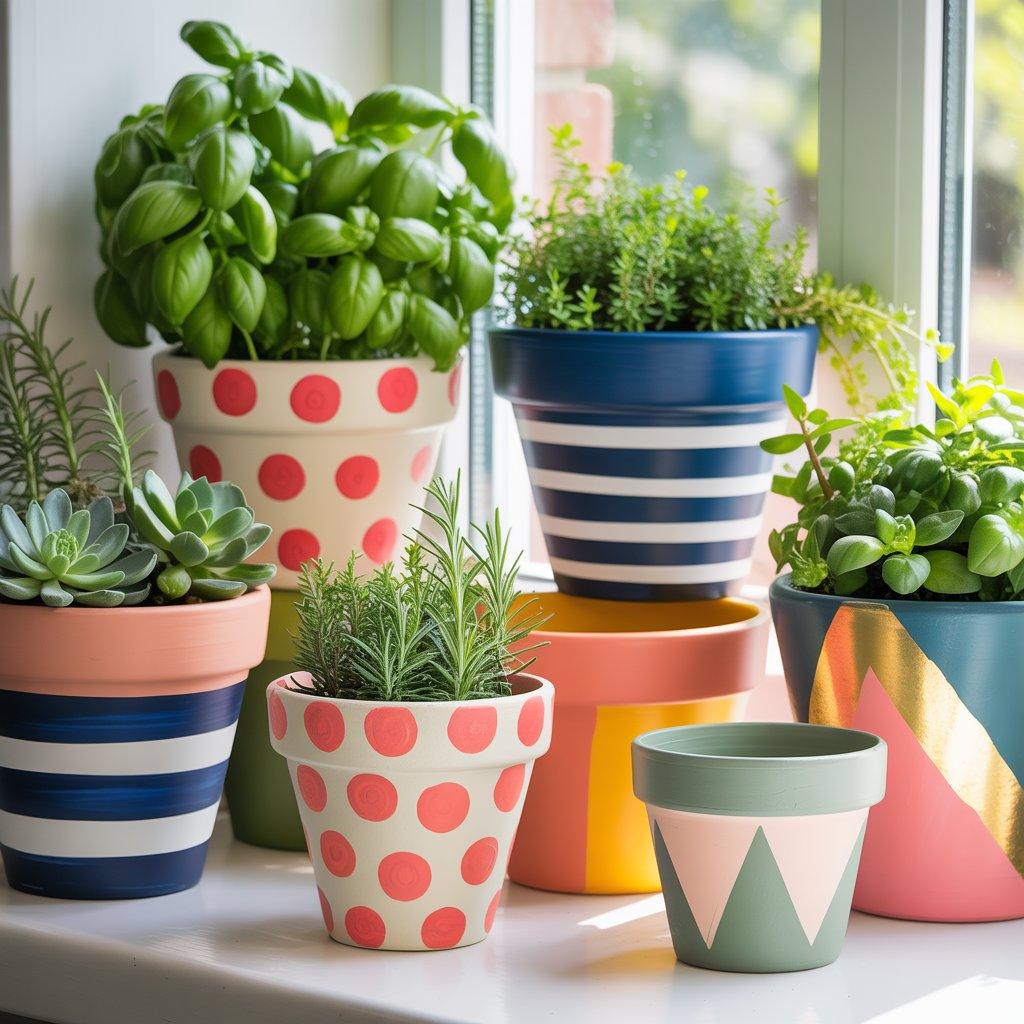
Plain terra cotta pots are cheap but boring. Buy a few in different sizes. Clean off any dust. Paint the outside with acrylic craft paint. Stripes, dots, triangles, or just one solid color.
Let each coat dry for an hour. Seal it with a clear spray sealer (outdoor if the pots will live outside). For a cleaner look, use painter’s tape to make straight lines. You can also dip the bottom half in paint for a two-tone look.
These pots look expensive but cost less than $5 each. Fill them with herbs, succulents, or fake plants. Group three together on a windowsill or porch step. Kids can help with painting too.
4. Floating Corner Shelves
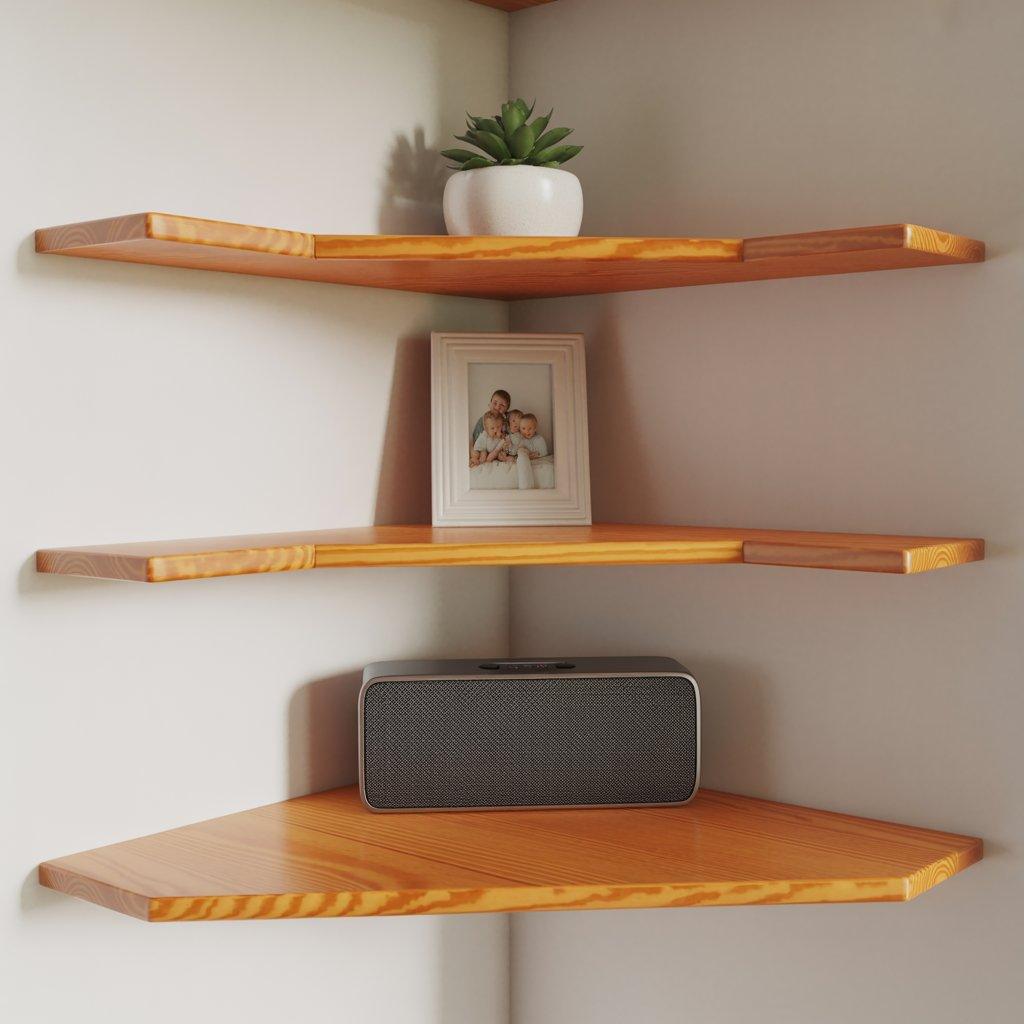
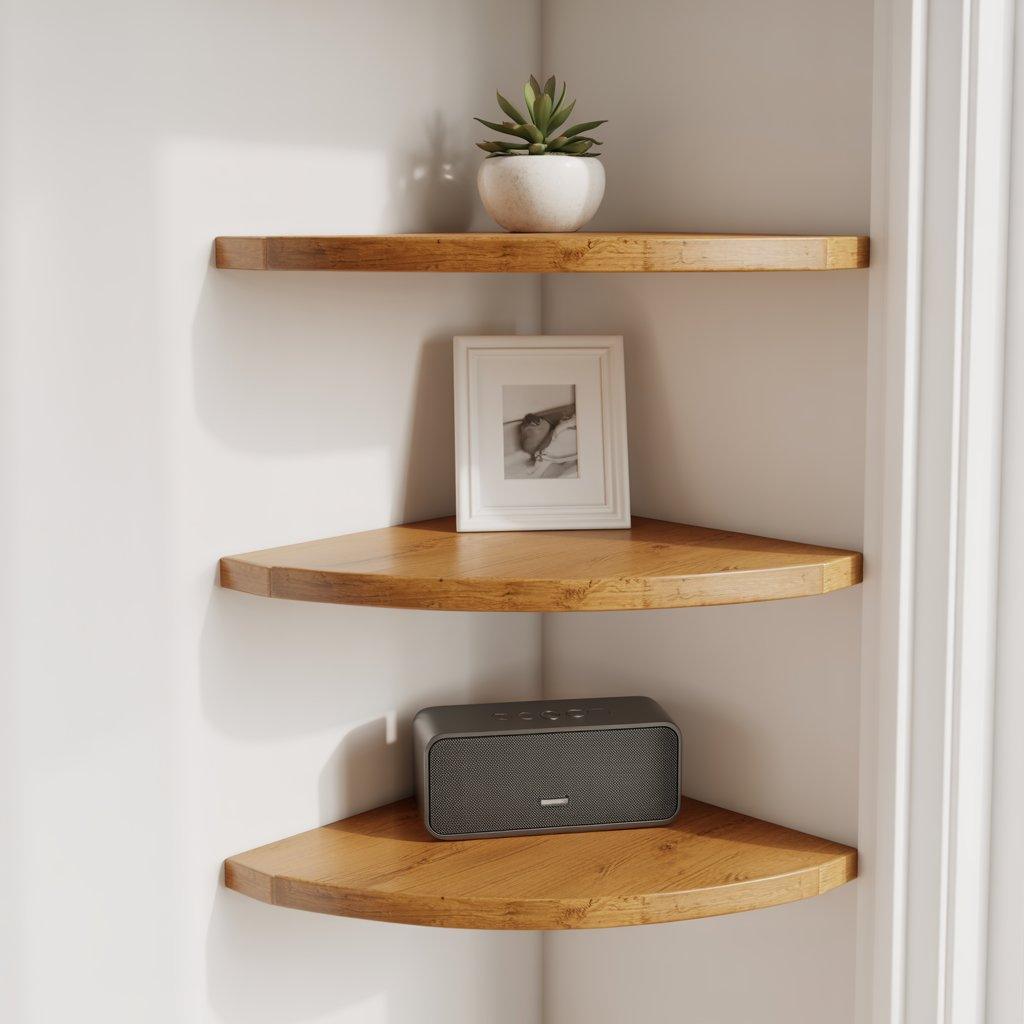
Buy a 1×6 pine board from the hardware store. Cut it into three pieces: two pieces at 16 inches long, one piece at 14 inches. Sand all edges smooth. Paint or stain them. Buy three metal corner brackets (L-brackets work too).
Screw one bracket into the wall studs in a corner of your room. Place the 14-inch shelf on top of the bracket and screw up from underneath. Repeat with the two 16-inch shelves on the other walls.
The shelves will wrap around the corner without visible hardware. They’re perfect for small plants, photos, or a Bluetooth speaker. This project takes about an hour and costs under $30.
5. Rope-Wrapped Lamp Base
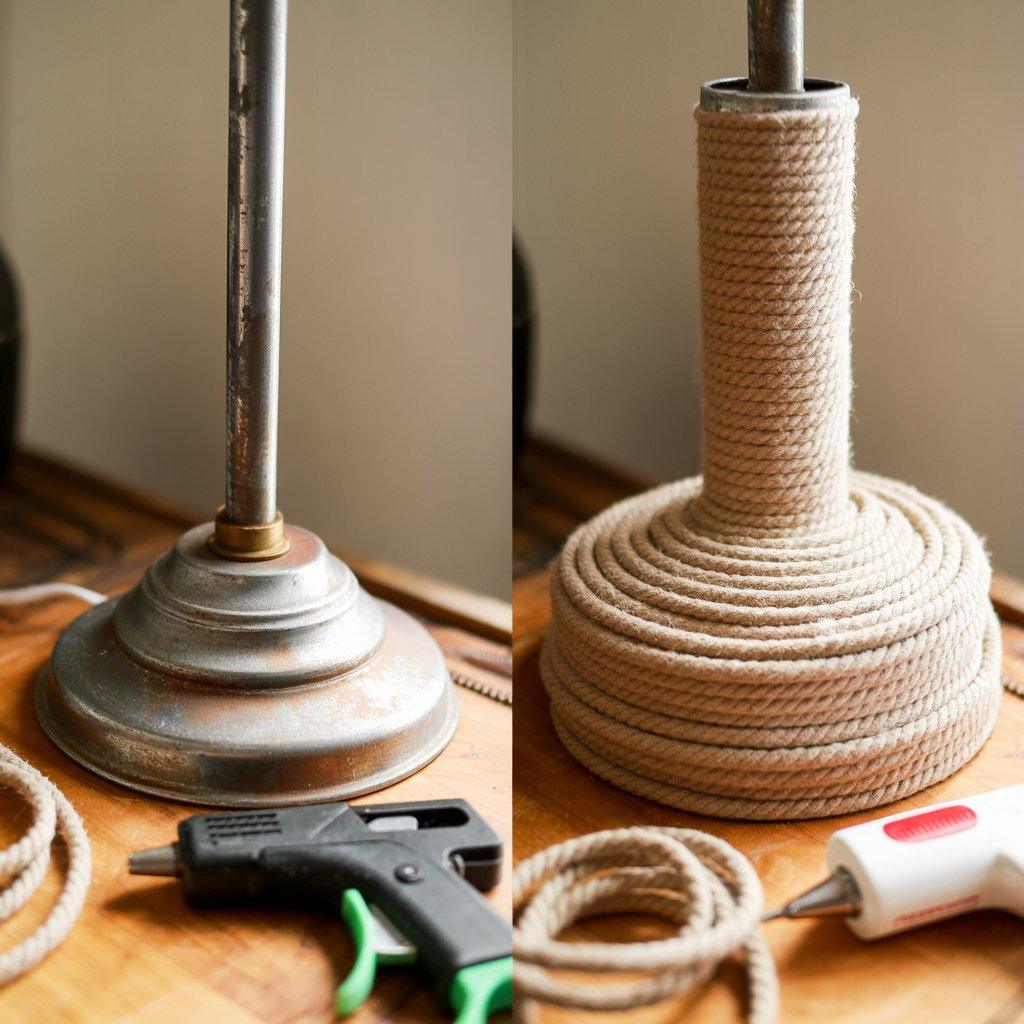
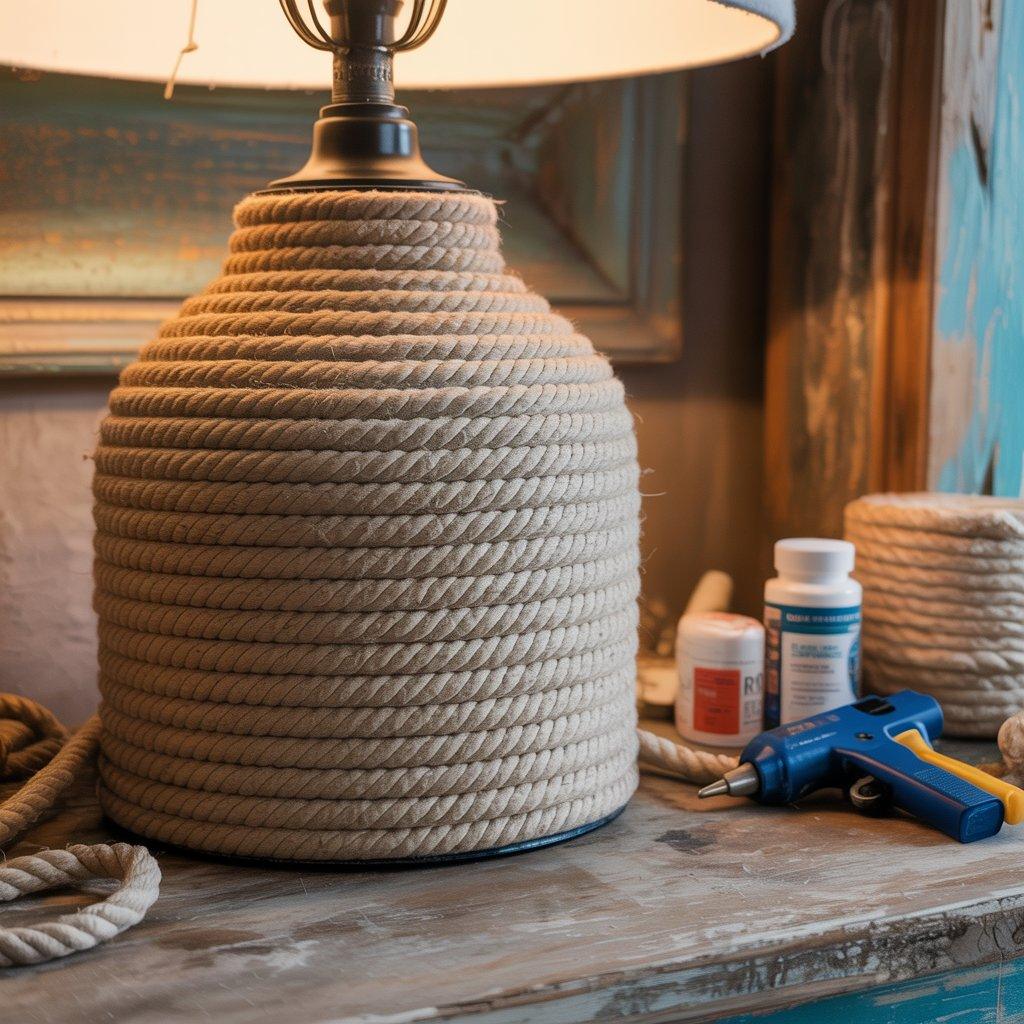
Find an old lamp with a plain metal or wood base. You can get one at a thrift store for $5. Clean it well. Use a hot glue gun to attach the end of a thick cotton rope (about 1/4 to 1/2 inch thick) to the bottom of the base.
Wrap the rope tightly around the base, adding a line of glue every few wraps. Keep going until you cover the whole base. Cut the rope and glue the end down. That’s it.
The rope adds texture and hides ugly old finishes. It works for floor lamps or table lamps. It looks a little bit beachy, a little bit farmhouse. And you can’t mess it up uneven wraps just add character.
6. Hanging Plant Shelf from a Cutting Board
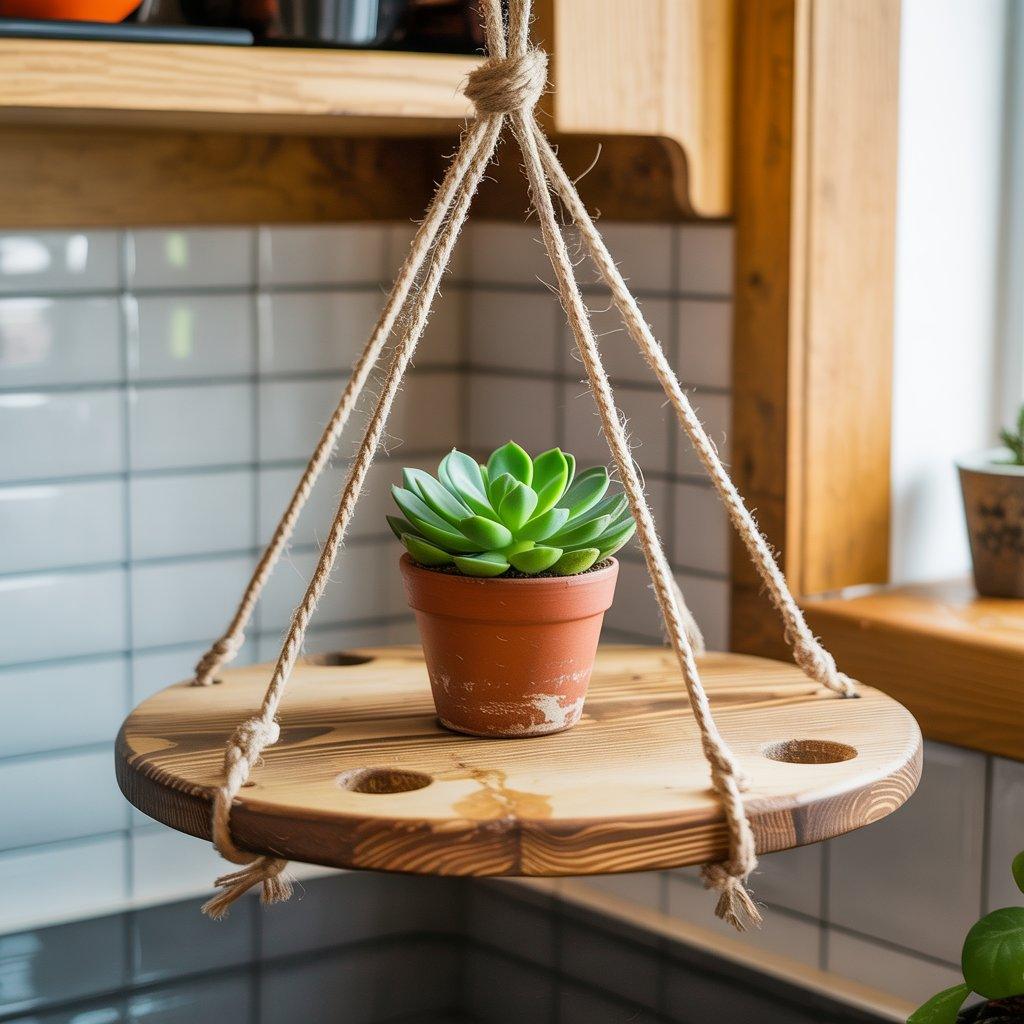
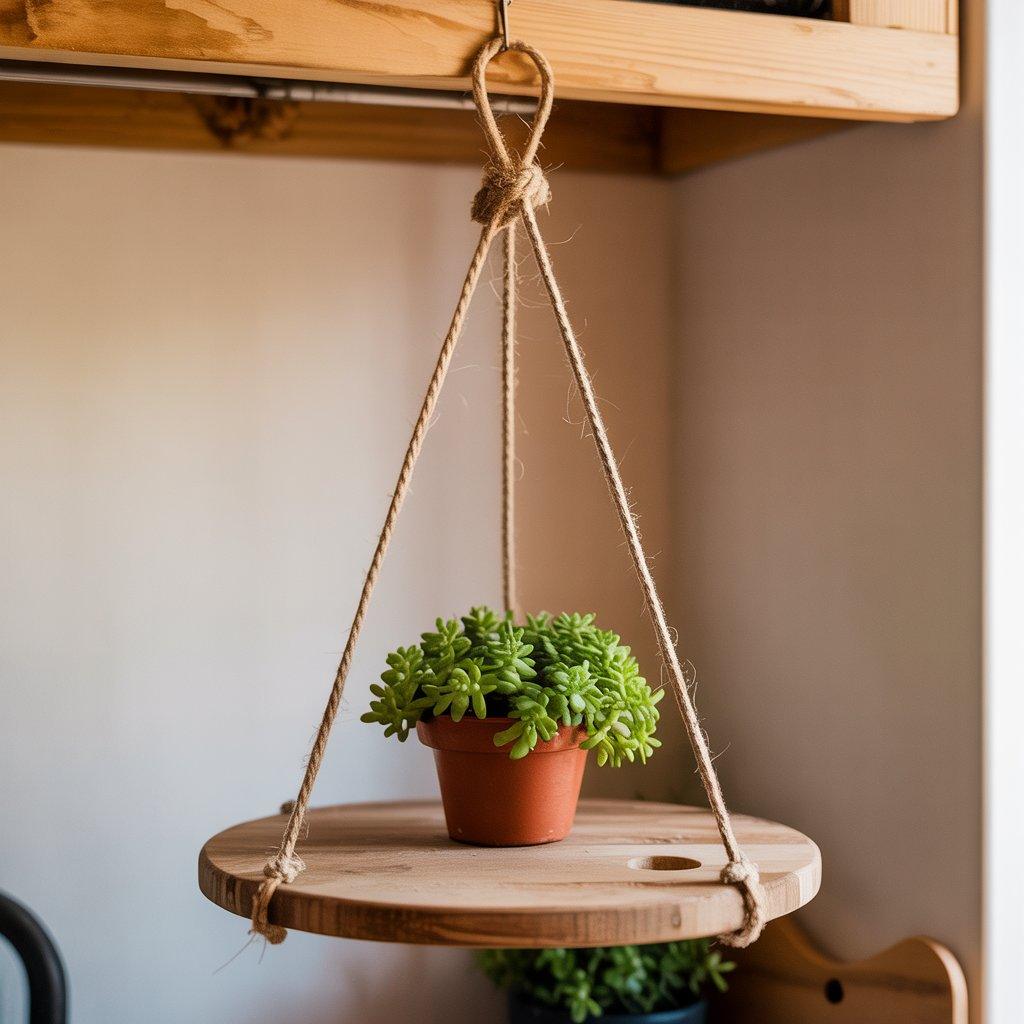
Get a cheap wooden cutting board (the kind with a hole for hanging). Buy three pieces of rope, each about 3 feet long. Drill three small holes around the edge of the board if it doesn’t already have them.
Thread each rope through a hole and tie a knot underneath. Gather the three ropes at the top and tie them together in a big knot. Hang the whole thing from a ceiling hook.
Place a small potted plant on the board. The cutting board acts as a sturdy shelf. You can stain or paint it first if you want. This project costs about $15 total and takes 20 minutes. It looks great in a kitchen corner or above a desk.
7. Simple Headboard from a Single Board
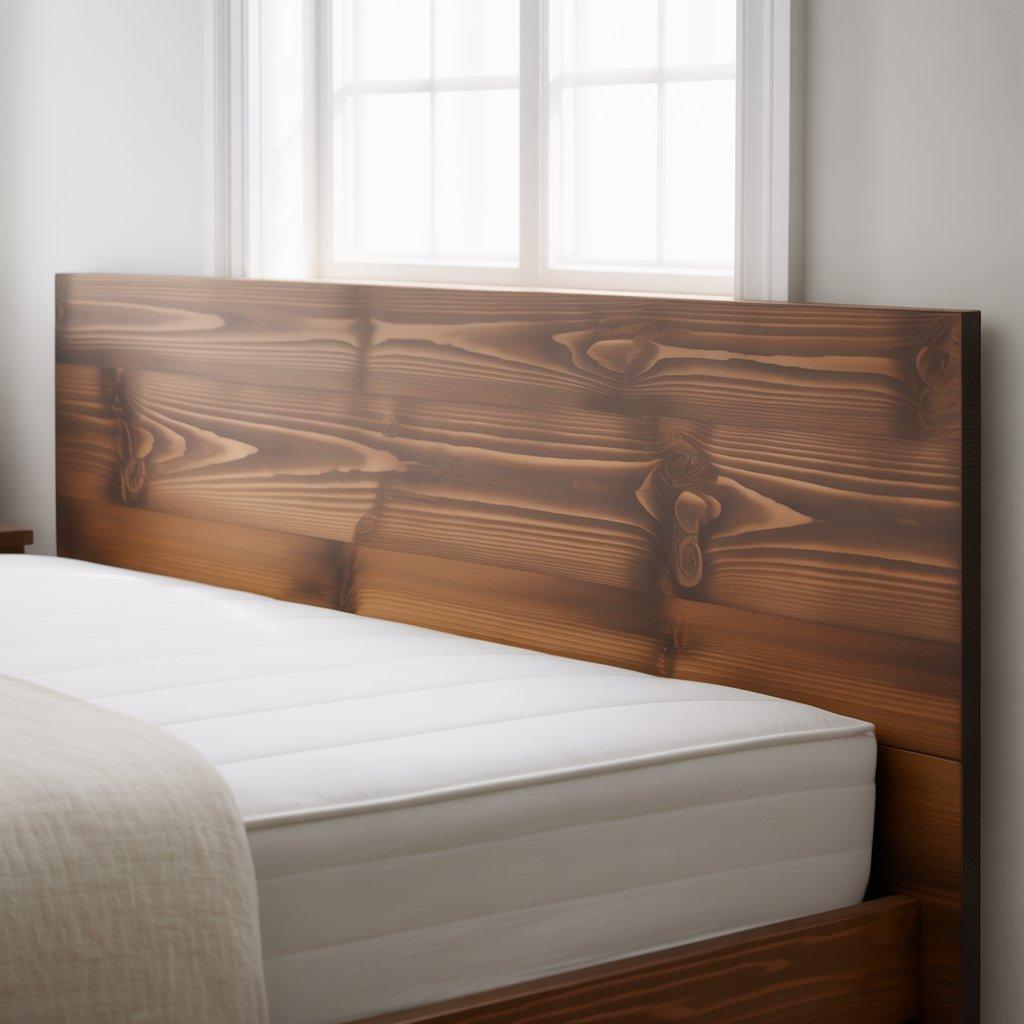
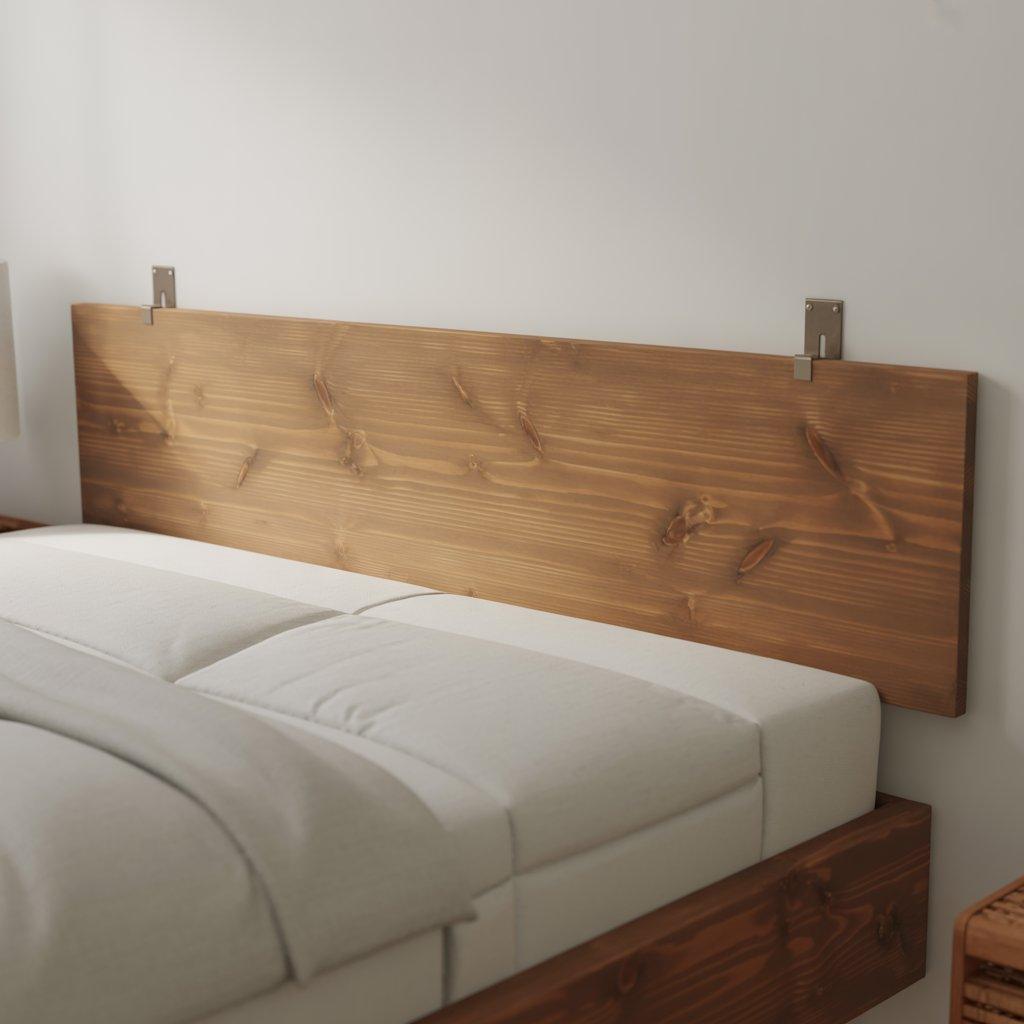
Buy one 1×8 pine board, cut to the width of your bed (queen is 60 inches, full is 54 inches). Sand it smooth. Stain it a dark color or paint it white. Attach two small metal picture hangers to the back of the board.
Hang it on the wall behind your bed so the bottom of the board is a few inches above the mattress. That’s your headboard. It looks clean and modern. You can also add a second board below it for a taller look.
No need to attach it to the bed frame. The wall does the work. Total cost: about 20–20–30. This is one of those projects that looks like you spent a lot more time and money than you actually did.
8. Fabric-Covered Cork Board
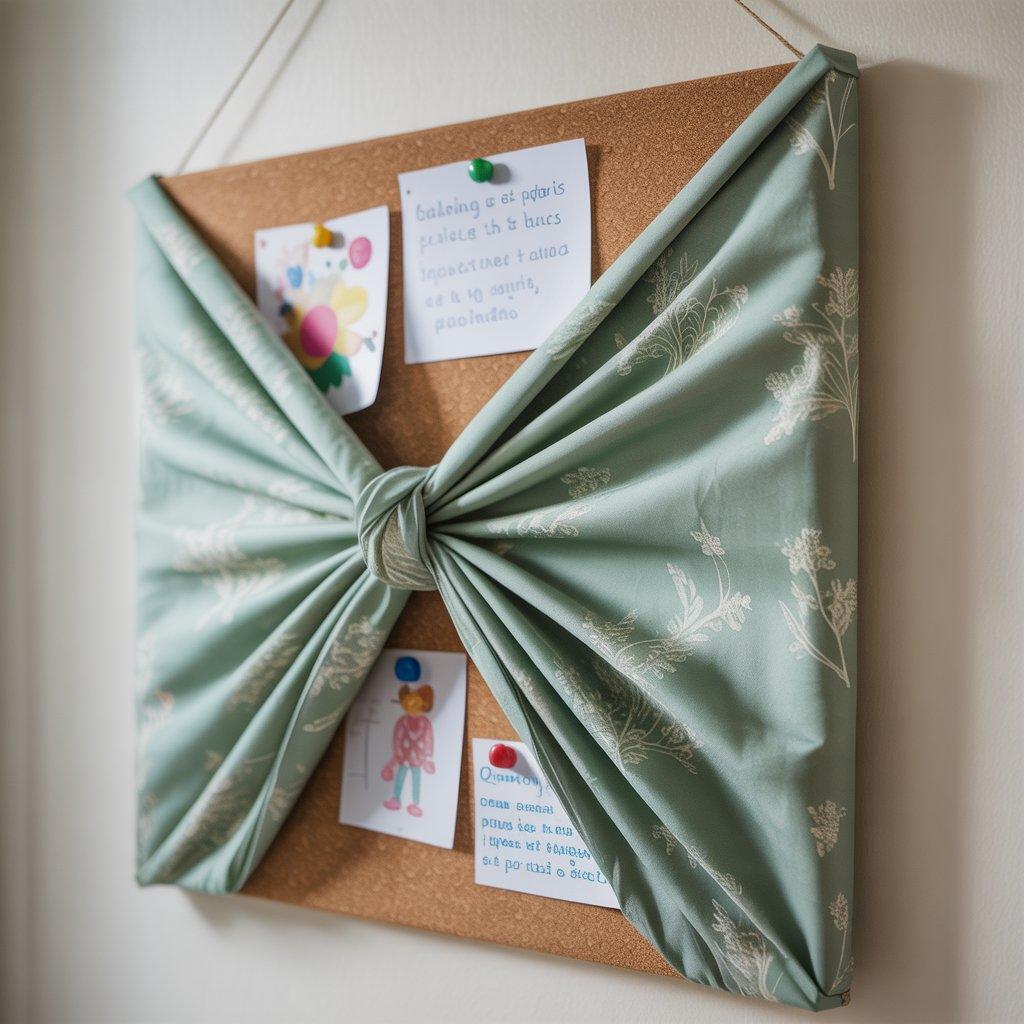
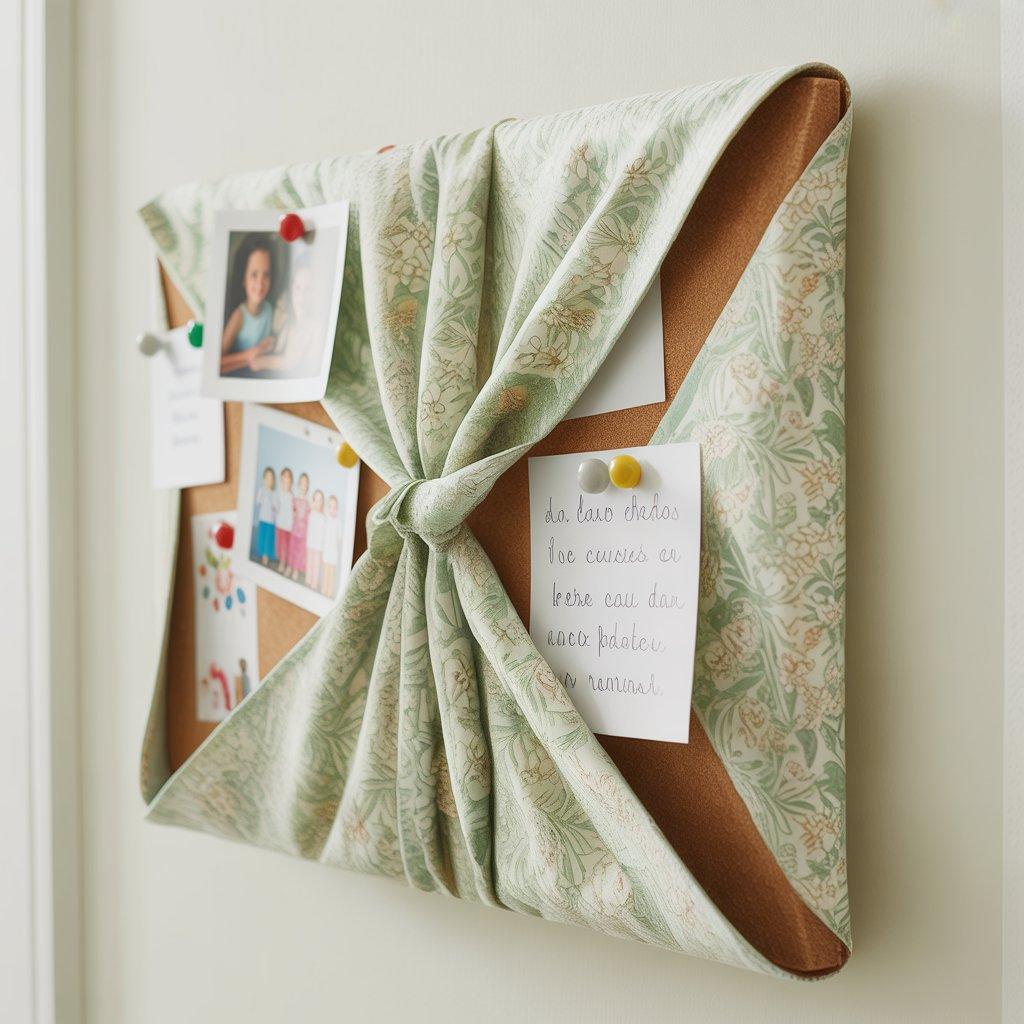
Buy a cork board from a dollar store or office supply store. Buy half a yard of fabric you like (cotton works well). Lay the fabric face down. Put the cork board on top, cork side down.
Pull the fabric tight around the edges and staple it to the back of the cork board (use a staple gun). Fold the corners like you’re wrapping a gift. Hang the board on the wall using command strips or small nails.
Now you have a pretty bulletin board that doesn’t look like an office supply. Use it for reminders, kids’ artwork, or photos. You can make three small ones and hang them in a row. Total cost under $15.
9. Wine Cork Trivet
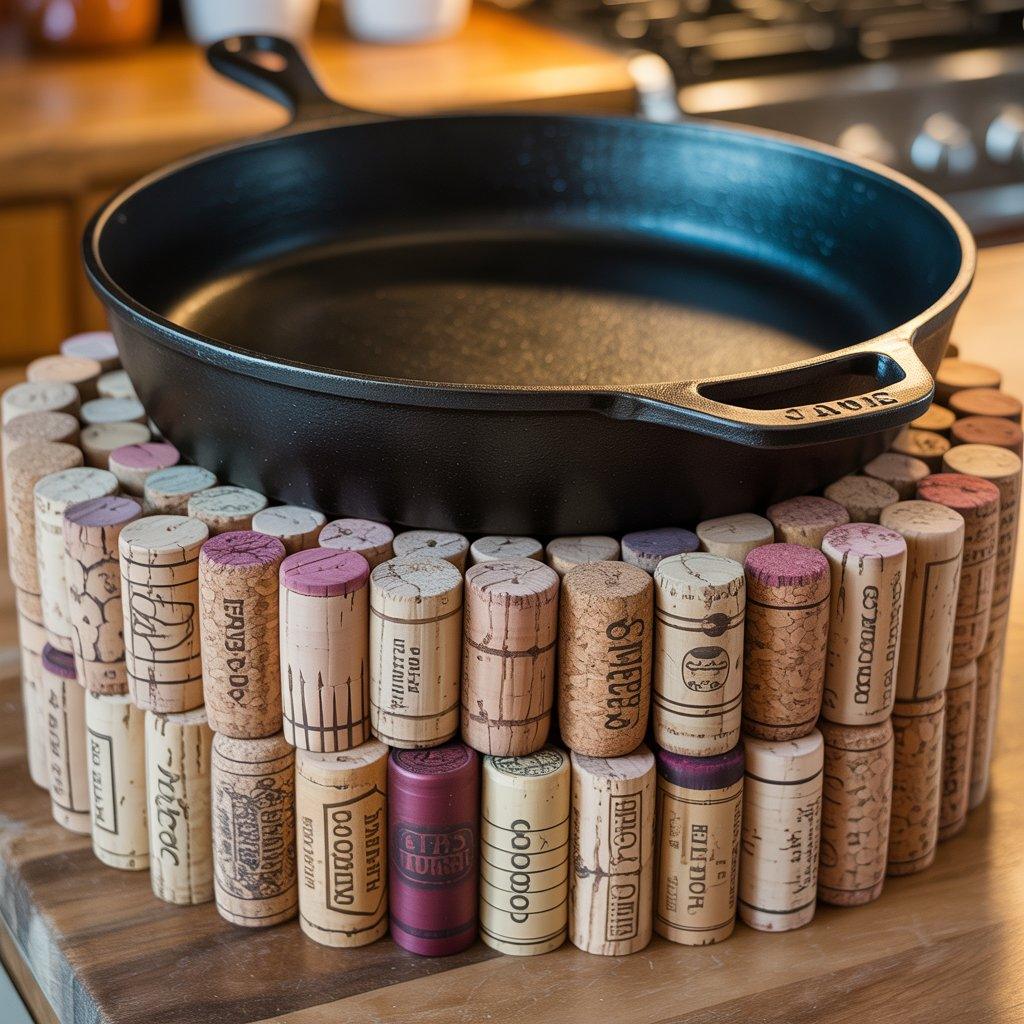
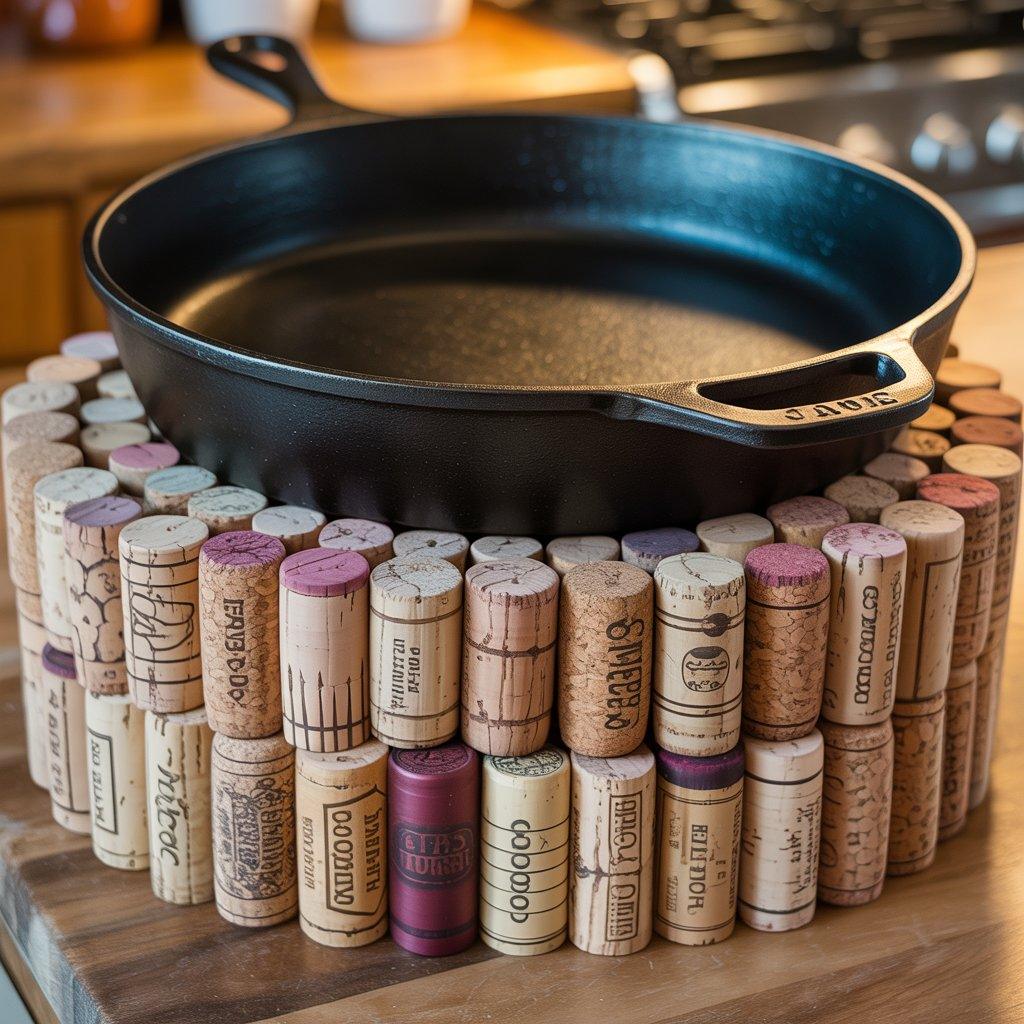
Save up about 40 wine corks. You can also buy a bag of used corns online cheap. Arrange them in a square or circle on a flat surface.
Glue them together side by side using a hot glue gun. Once the main shape is dry, flip it over and glue the corks to each other on the back too. Let it dry overnight. You now have a heat-proof trivet for hot pots and pans. It looks organic and rustic.
If you want it sturdier, glue the cork cluster onto a thin piece of cardboard or cork sheet. This project costs almost nothing if you save corks. It’s a great one to do with older kids.
10. Paint Stick Wall Art
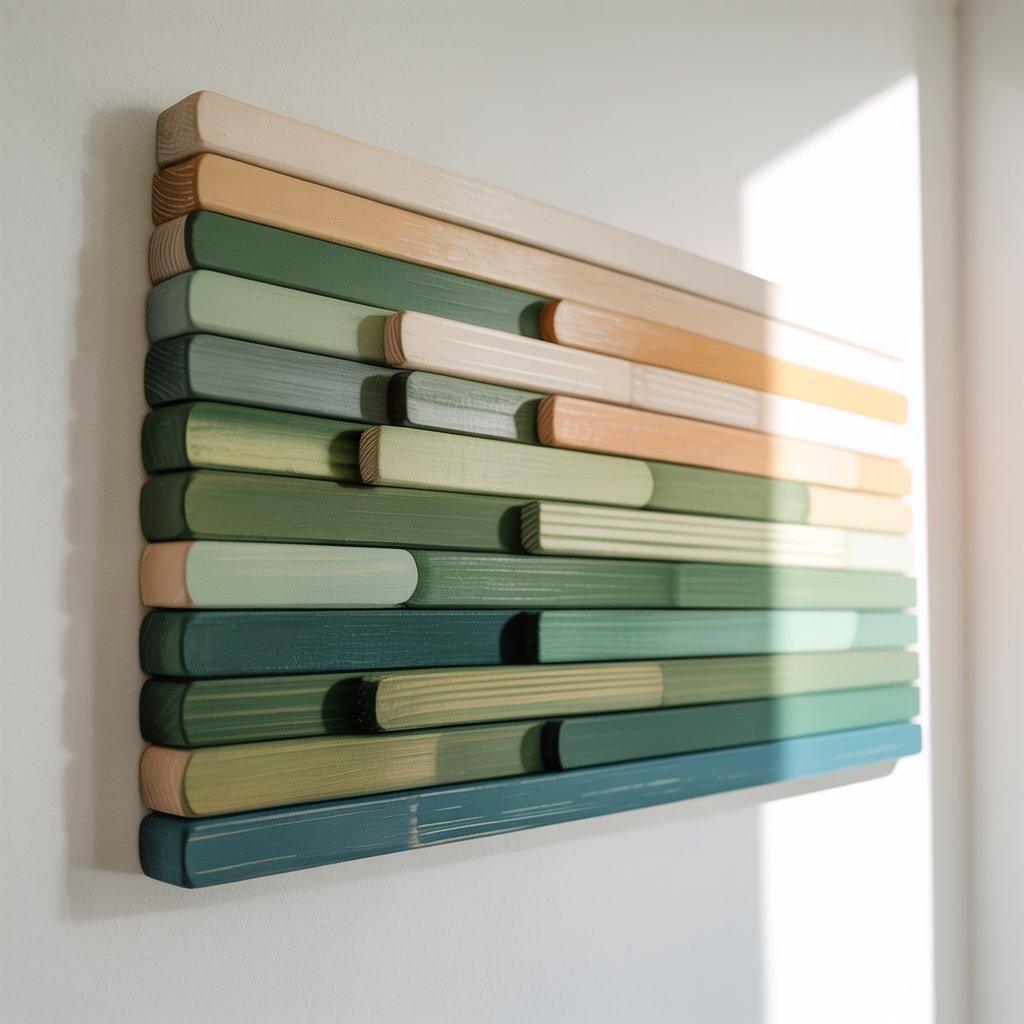
Go to a hardware store and ask for 10–15 free paint stir sticks. They usually give them away. Sand off any rough edges. Line them up side by side on a flat surface.
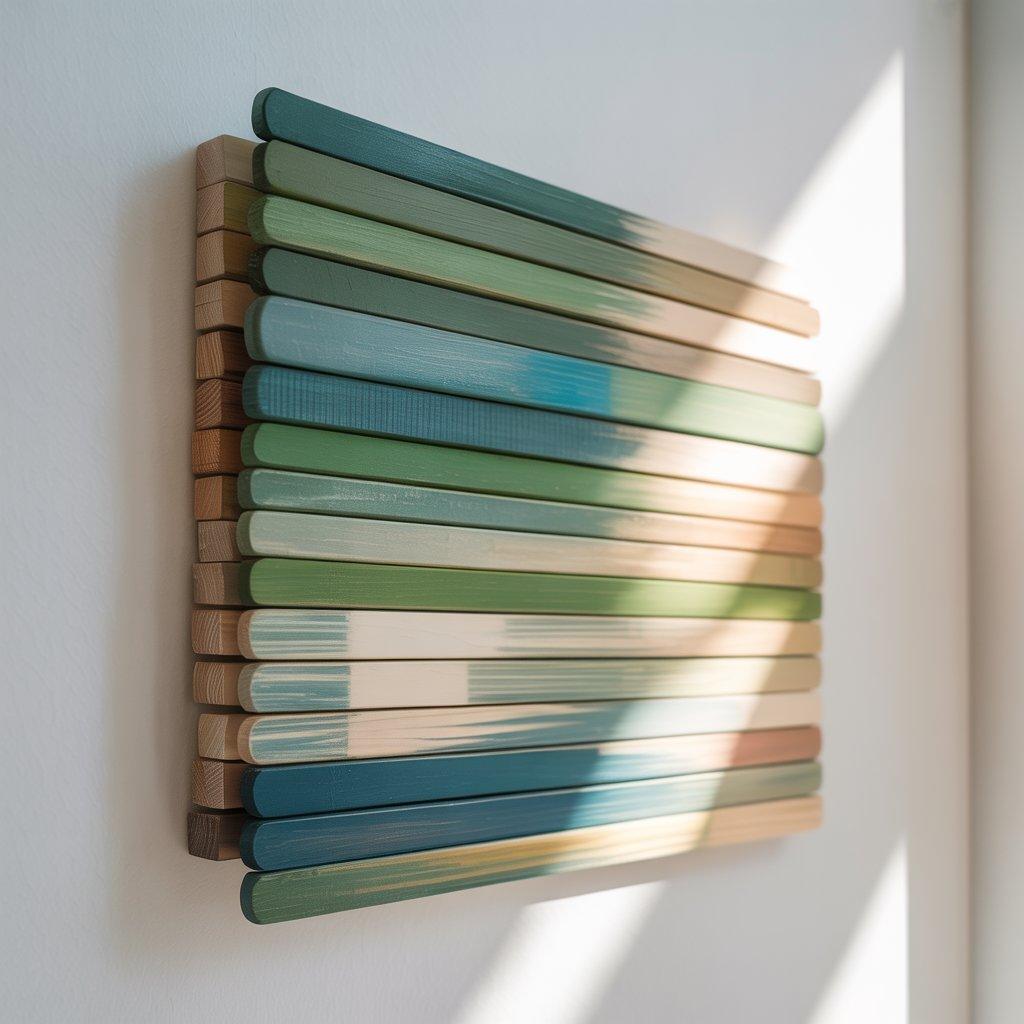
Glue them to two thin strips of wood running across the back (perpendicular to the sticks). Let the glue dry. Paint the front of the sticks in a pattern: stripes, alternating colors, or a ombre fade.
Once dry, hang it on the wall like a piece of art. You can also leave the wood natural and just seal it. This looks like modern wooden wall art but costs almost nothing. It’s also very lightweight.
11. Leather Strap Hanging Shelf
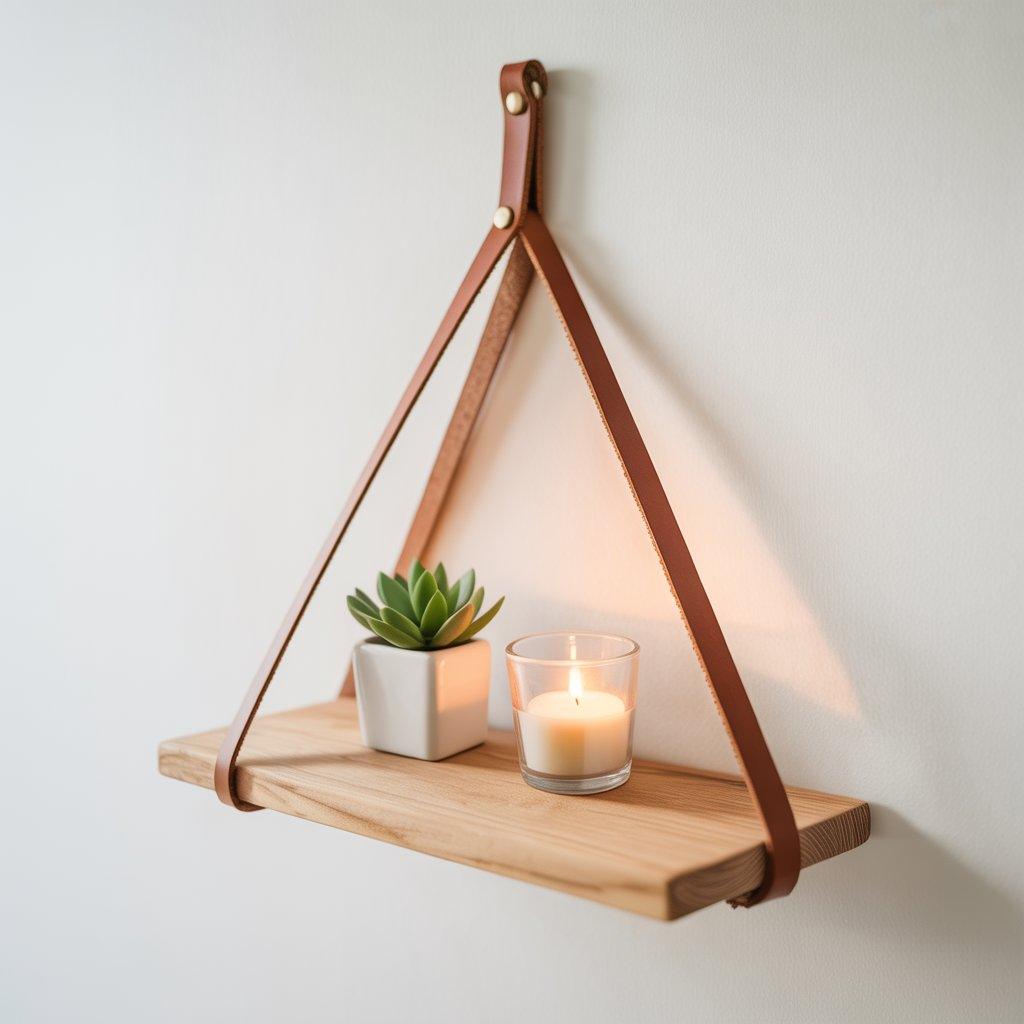
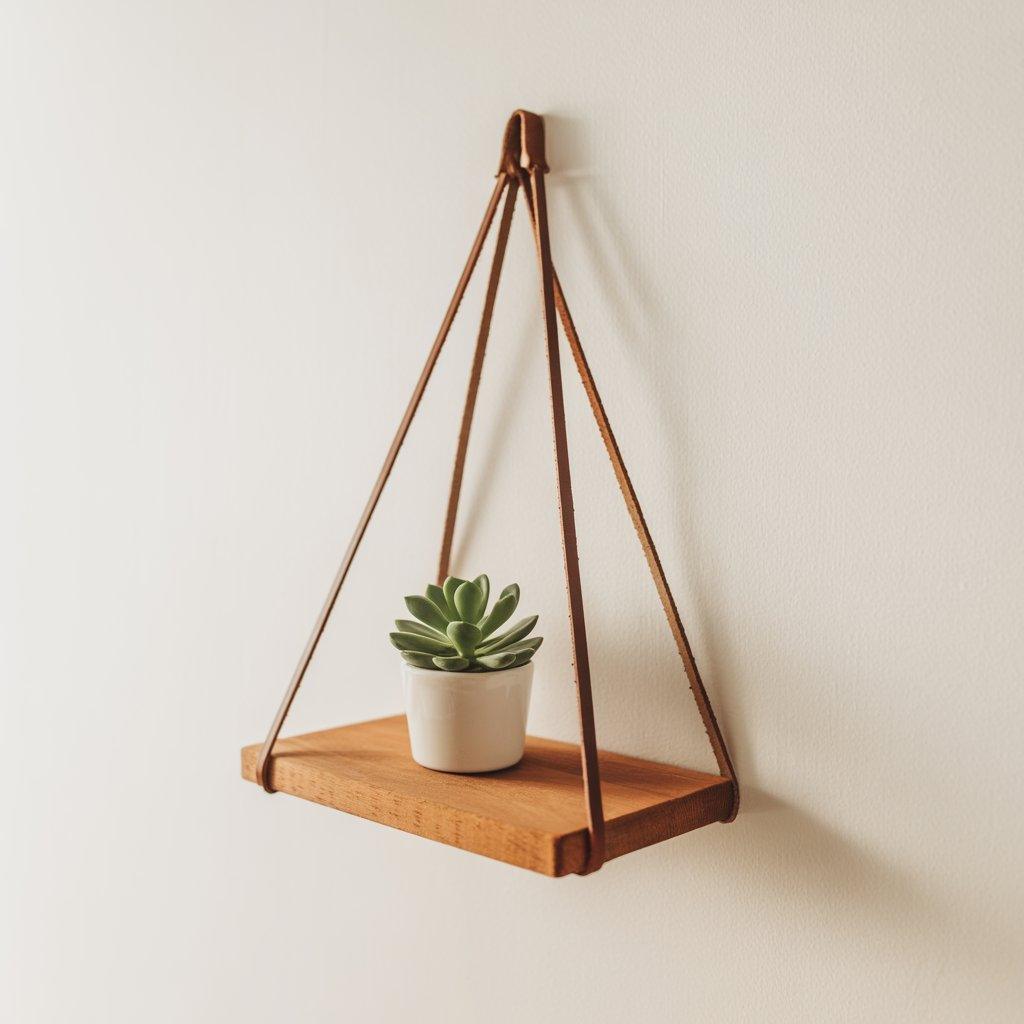
Buy a small wood plank (about 12 inches by 6 inches). Drill two small holes near each corner. Buy two leather belts from a thrift store (or buy leather straps online).
Cut the belts to your desired length. Screw one end of each belt into the wall studs, spaced apart the width of the plank. Drape the plank over the belts so the belts go through the four holes.
The leather holds the plank like a hammock. This creates a tiny floating shelf for a candle or a small plant. It looks very hip and Scandinavian. The whole project takes 30 minutes and costs under $20.
12. Copper Pipe Curtain Rod
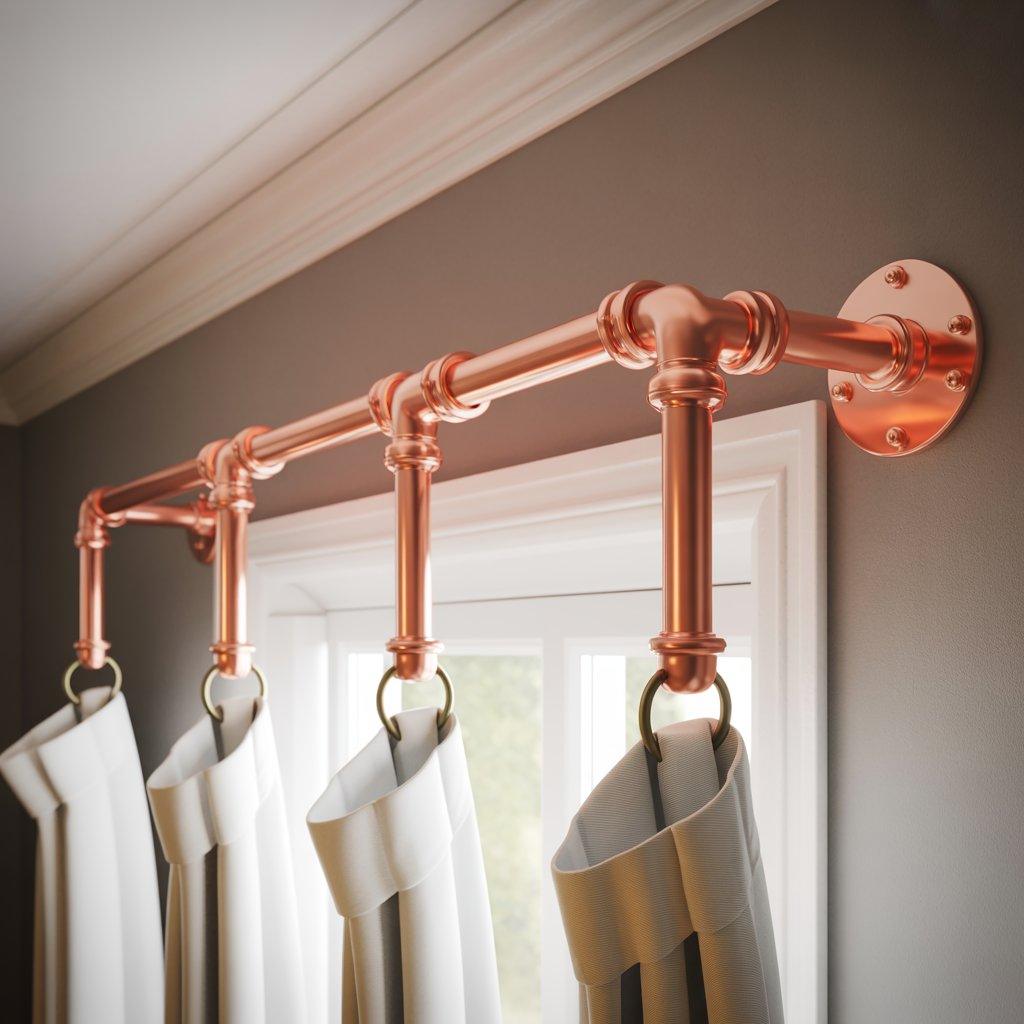
Buy a length of 1/2 inch copper pipe from the hardware store. Also buy two copper pipe floor flanges and two 45-degree elbow joints.
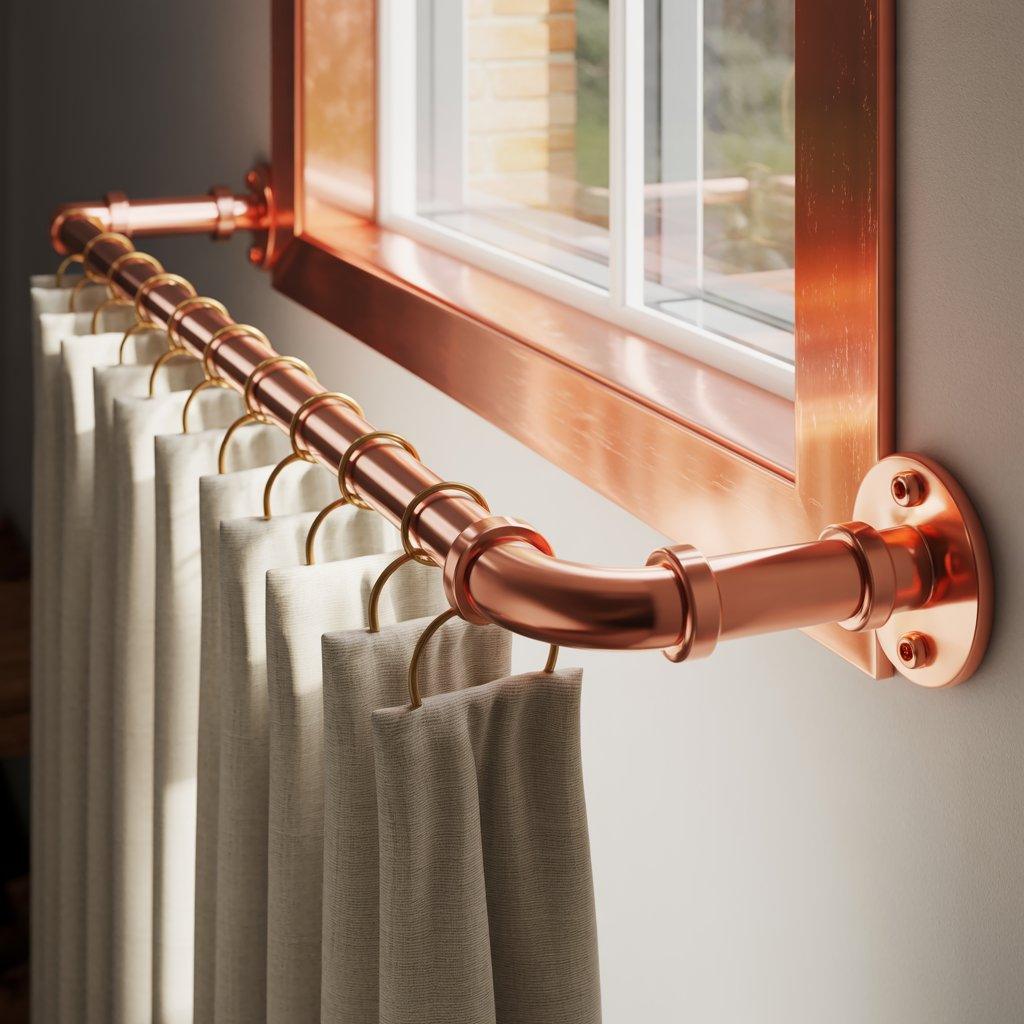
Cut the pipe to your window width. Attach the elbows to each end of the pipe. Attach the flanges to the elbows. Screw the flanges into the wall on either side of your window. Slide your curtain rings onto the pipe before you attach the second flange.
The copper looks warm and expensive. You don’t need to paint it. It will develop a natural patina over time. This project costs about 25–25–40, which is cheaper than most store-bought rods. And it looks way better.
13. Mason Jar Soap Dispenser
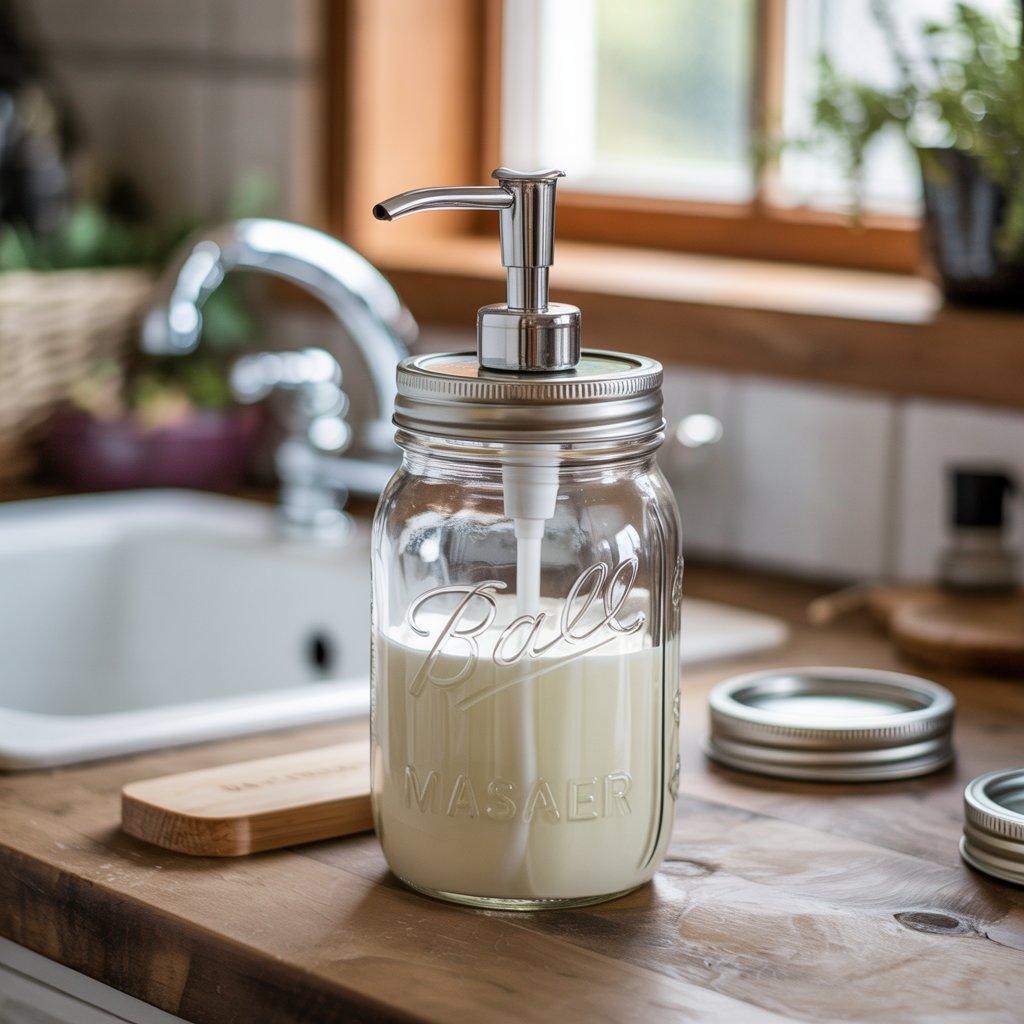
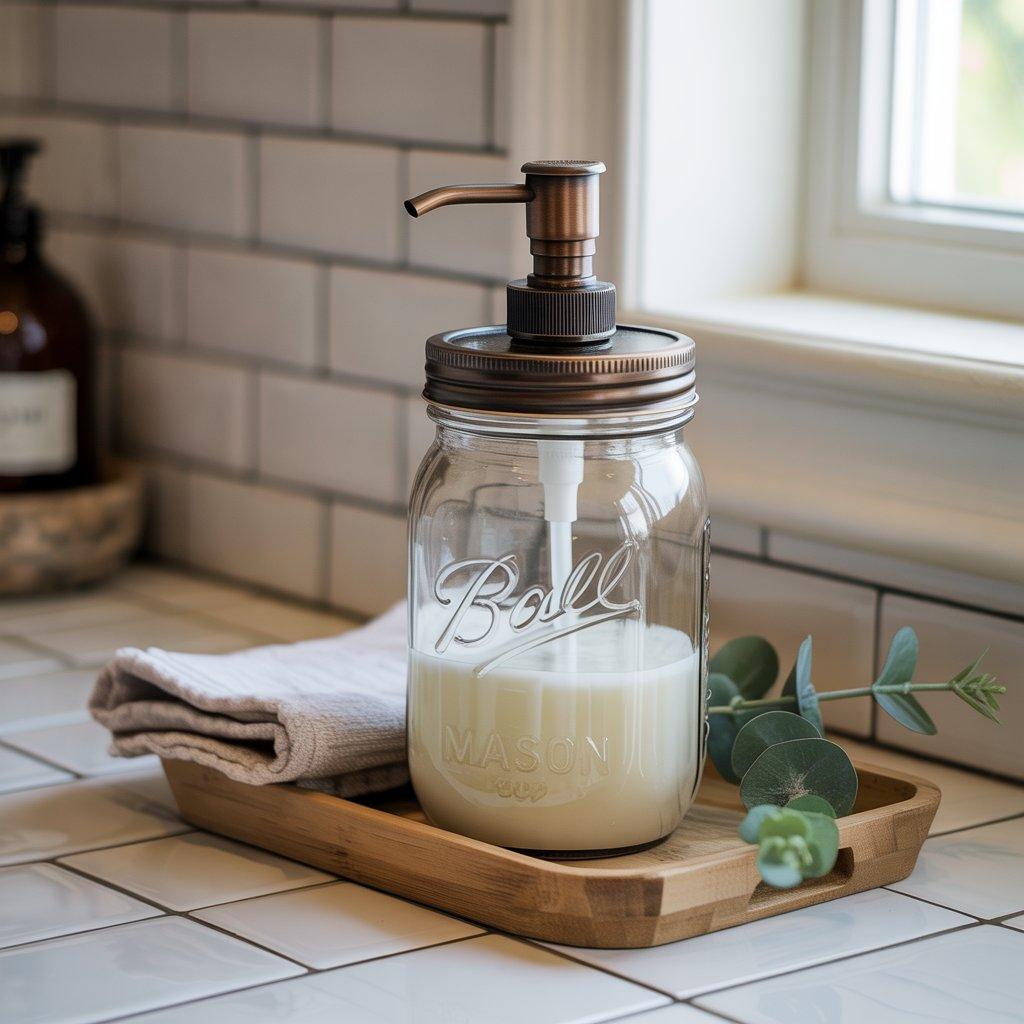
Take a glass mason jar (any size). Buy a pump top that fits mason jars (sold online or at hardware stores). Drill a hole in the metal lid if it doesn’t already have one.
Screw the pump top into the lid. Fill the jar with liquid soap. Screw the lid on. That’s it. You now have a soap dispenser that looks like it came from a fancy home store. You can paint the jar or leave it clear.
You can also use it for lotion or dish soap. Keep one at the kitchen sink and one in the bathroom. Total cost: about $8. It’s reusable forever.
14. Branch Coat Rack
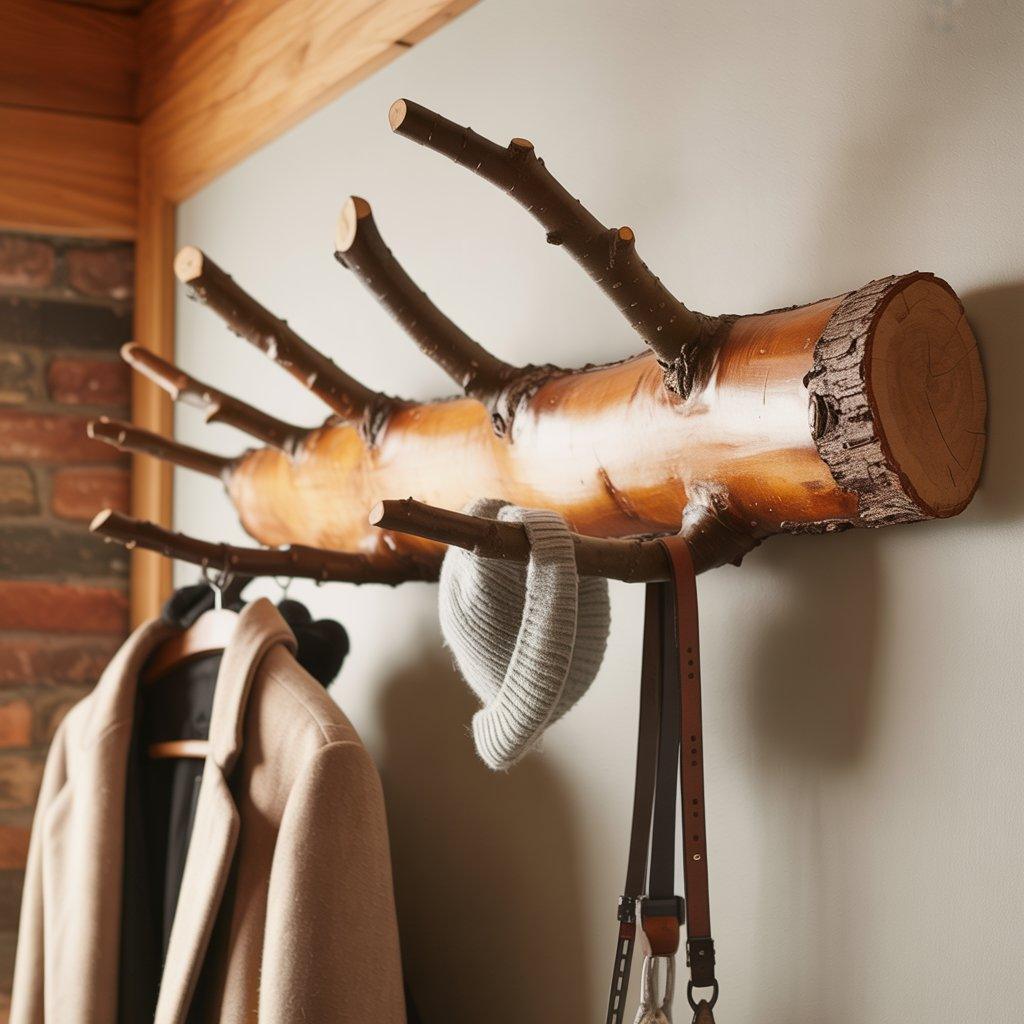
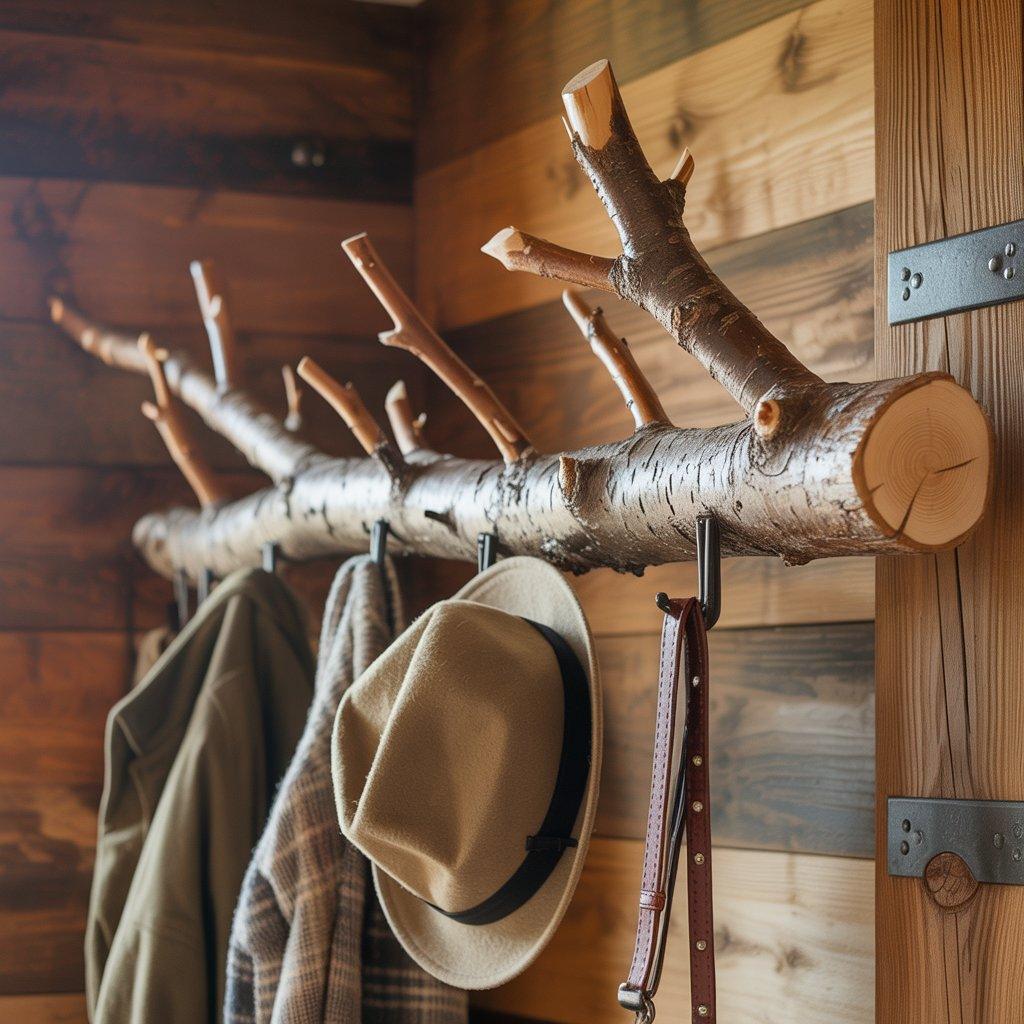
Find a fallen tree branch that’s about 2–3 feet long and has several smaller branches sticking out. Let it dry indoors for a week. Sand off any loose bark. Stain or seal it if you want.
Screw two small metal brackets into the wall studs. Set the branch on top of the brackets and screw the branch into the brackets from underneath (use small wood screws). Hang coats, hats, or leashes on the smaller branches.
This looks like something from a mountain cabin. It’s free if you find the branch yourself. Just make sure the wood is dry so it doesn’t drip sap on your coats.
15. Painted Faux Tile Backsplash
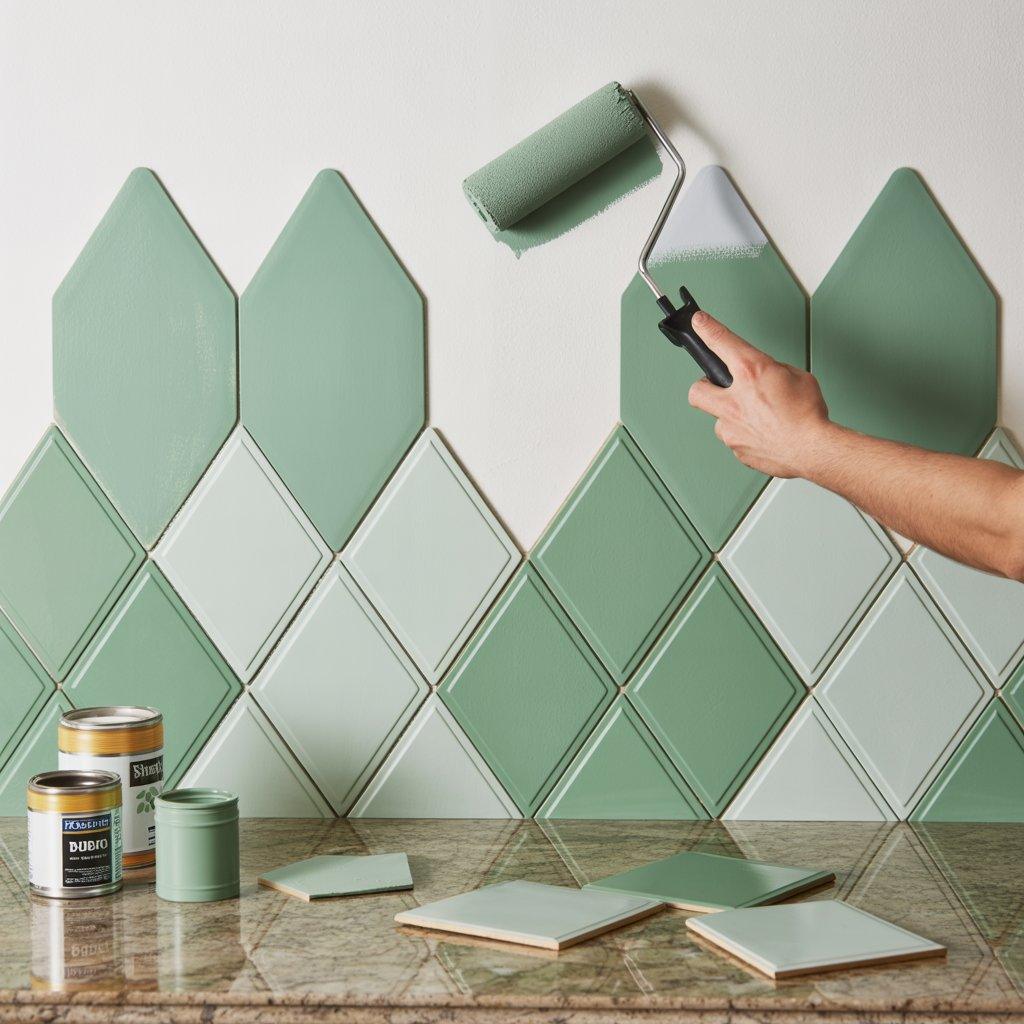
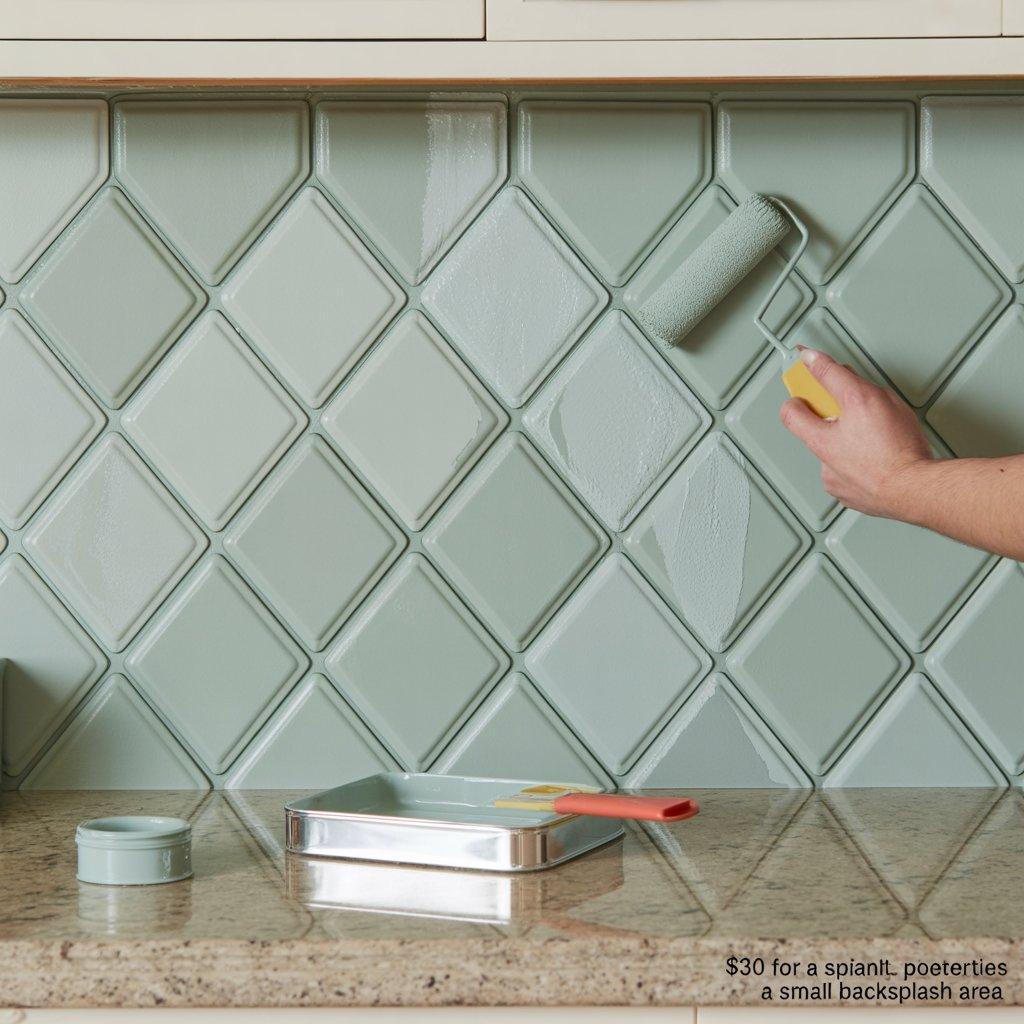
Buy a roll of peel-and-stick vinyl floor tiles (the cheap ones, about 1each).Cutthemintosquaresordiamonds.Arrangethemonyourkitchenorbathroomwallinapattern.Stickthemdownonebyone.
Thenpaintovertheentirethingwithsemi−glosswallpaintinanycoloryoulike.Thepainthidesthefactthatthey’revinyl.Thetextureofthetilesgivesatilelook.Thisisarental−friendlyprojectbecauseyoucanpeeleverythingofflater.Itcostsabout1each).Cutthemintosquaresordiamonds.
Arrangethemonyourkitchenorbathroomwallinapattern.Stickthemdownonebyone.Thenpaintovertheentirethingwithsemi−glosswallpaintinanycoloryoulike.Thepainthidesthefactthatthey’revinyl.
Thetextureofthetilesgivesatilelook.Thisisarental−friendlyprojectbecauseyoucanpeeleverythingofflater.Itcostsabout30 for a small backsplash area. It’s not real tile, but from standing distance, no one can tell.
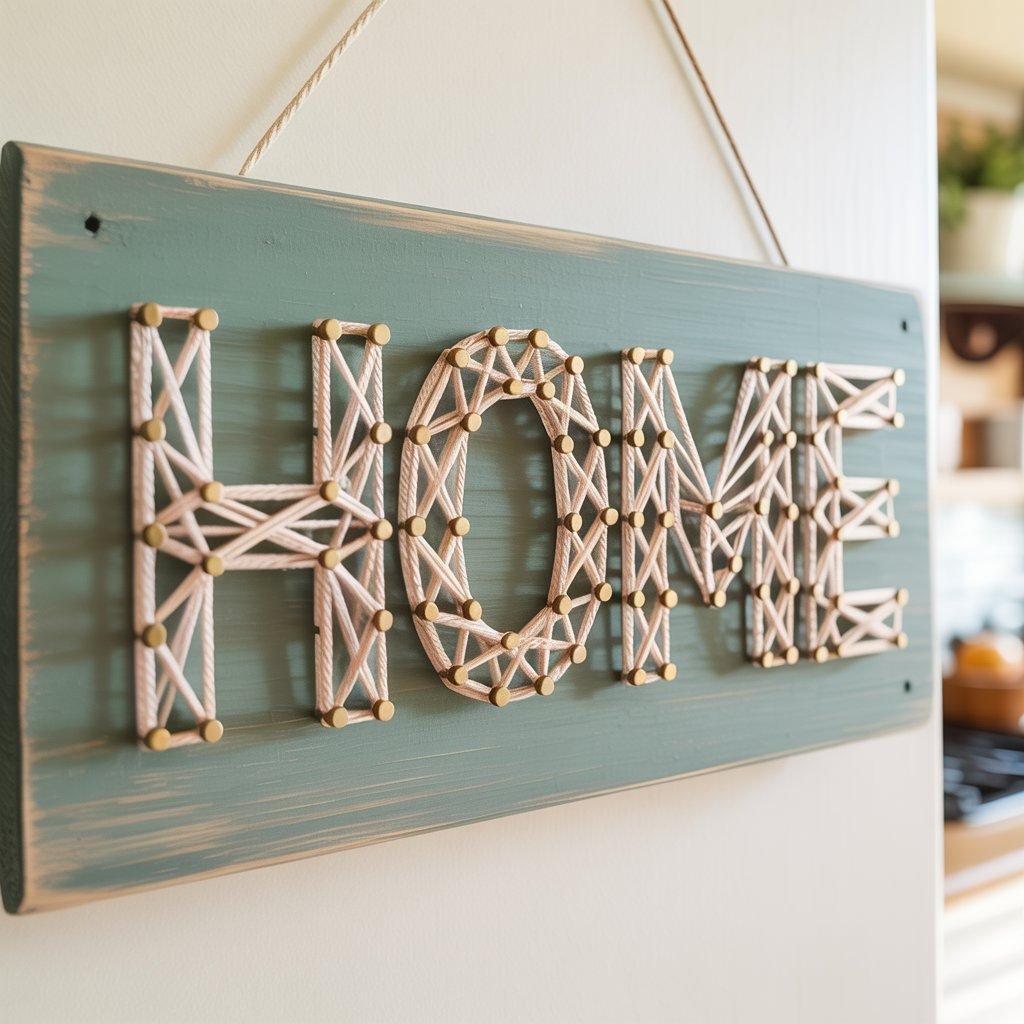
16. String Art Word Sign
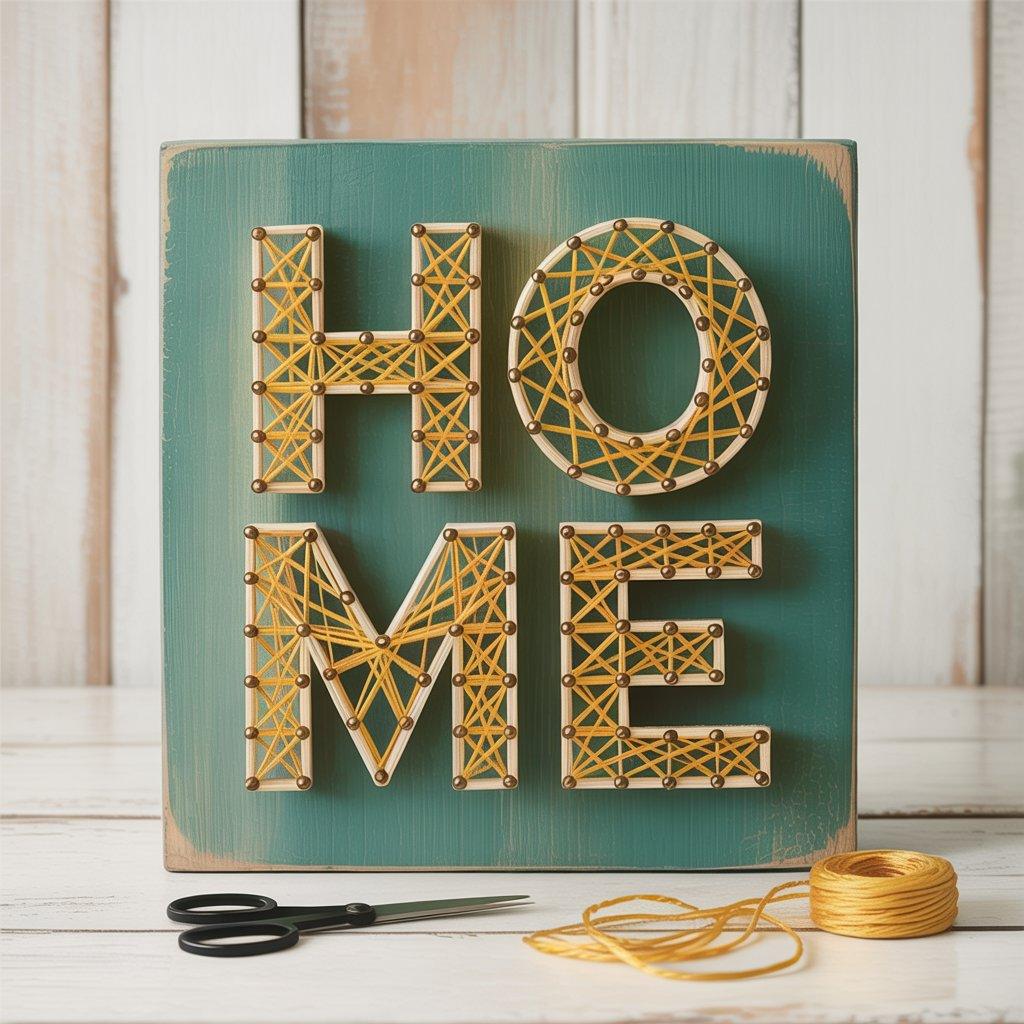
Buy a square wood plaque from a craft store. Paint it a solid color. Print out a word you like (like “HOME” or “EAT”) in a simple font. Tape the paper to the wood.
Hammer small nails along the outline of each letter, spacing them about half an inch apart. Remove the paper. Tie a piece of colorful string or embroidery floss to one nail. Weave the string back and forth between the nails, wrapping around each one.
Keep going until the inside of the letters is filled with string. Tie off at the last nail. Hang it on the wall. This looks complicated but it’s just patience. Great for a kitchen or entryway.
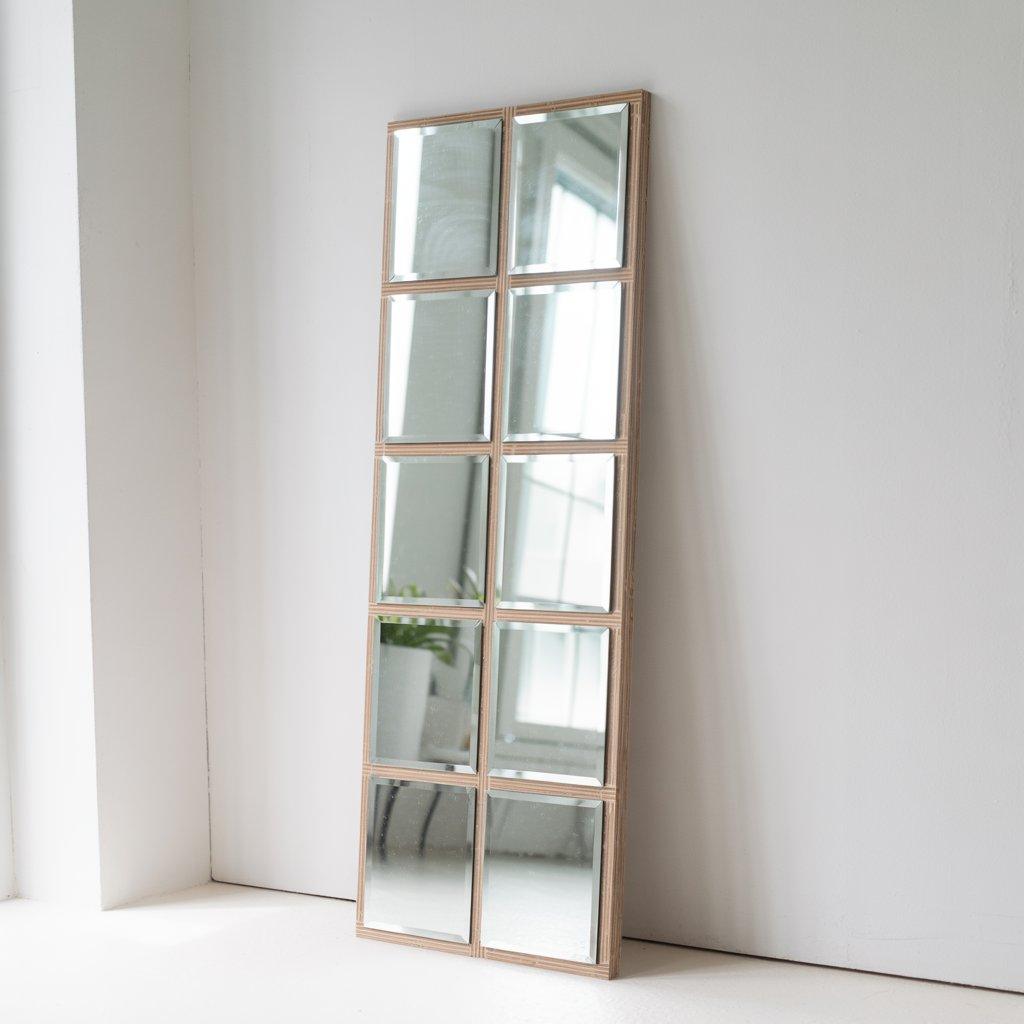
17. Plywood Floor Mirror
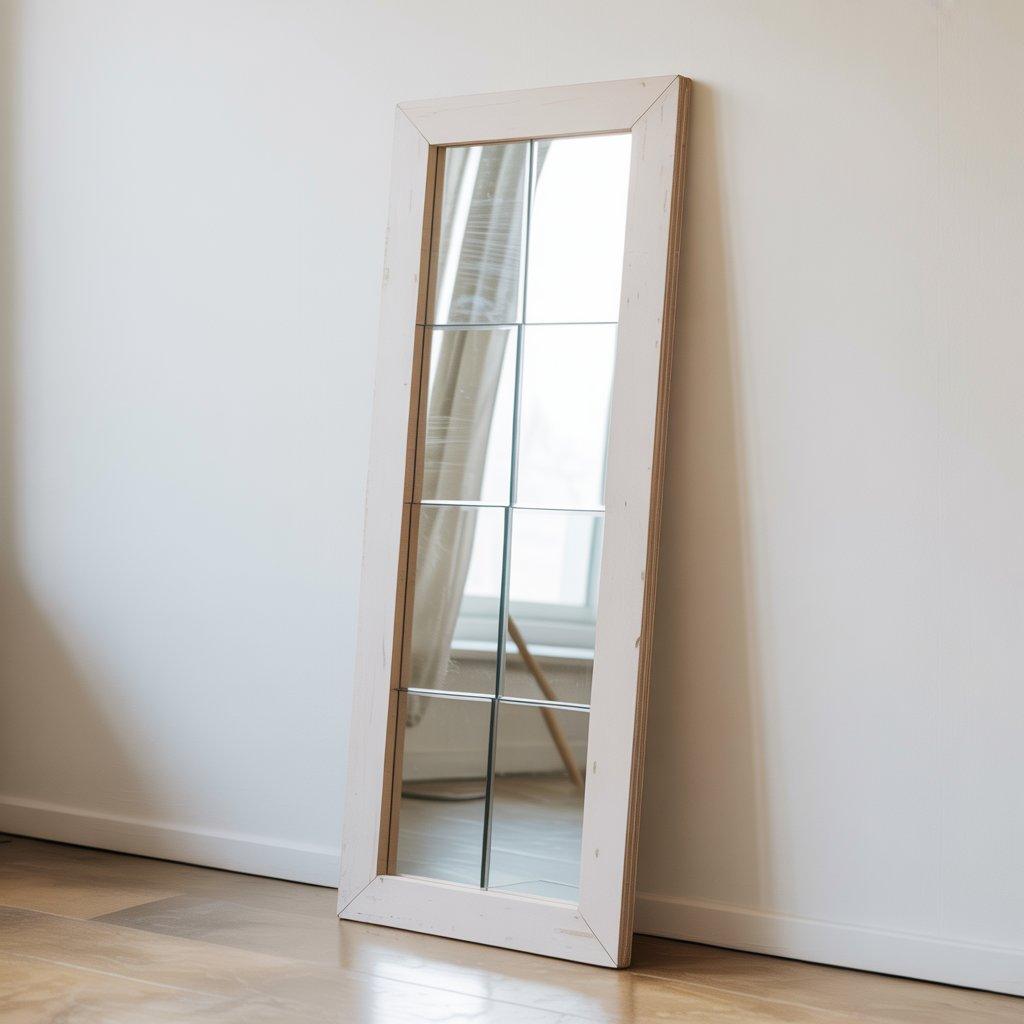
Buy a 4×8 sheet of 1/2 inch plywood. Have the hardware store cut it into a long rectangle: 20 inches wide by 60 inches tall.
Sand the edges smooth. Paint the plywood white or black. Buy a pack of stick-on mirror tiles (six 12×12 inch tiles work). Peel and stick the tiles onto the plywood in a grid. Leave a small border of wood showing around the edges.
Attach two small sawtooth picture hangers to the back. Hang it on the wall like a big mirror. Total cost: about 40–40–50. A store-bought mirror this size would cost $150 or more. The plywood gives it a chunky, modern frame look.
Tips for Beginner DIYers
Start small. Don’t build a dining table your first weekend. Make a shelf or a pot first.
Measure twice, cut once. It’s an old saying for a reason. A wrong cut wastes wood and money.
Watch a video first. Before you start any project, watch a 5-minute YouTube tutorial. Seeing someone else do it helps a lot.
Buy a basic tool kit. You need a hammer, screwdriver set, drill, measuring tape, level, sandpaper, and a hand saw. That’s it for these projects.
Ask for help at the hardware store. Tell them you’re a beginner. They will cut wood for you for free.
Common Mistakes to Avoid
#1: Skipping the sanding. Sanding feels like extra work, but rough edges look bad and can give splinters. Always sand.
#2: Using the wrong paint. Outdoor projects need outdoor paint. Furniture needs furniture paint. Read the label.
#3: Not checking if the wall is level. A crooked shelf looks terrible. Use a level every time.
#4: Buying cheap tools. A $10 drill will break. Spend a little more on a name brand. It lasts years.
#5: Rushing the drying time. Paint and glue need time to cure. If you rush, the project falls apart.
AFQs
Q1: What’s the absolute easiest DIY project for a beginner?
A: Painted terra cotta pots or the concrete block bench. Both require almost no tools and can’t really go wrong.
Q2: I don’t have a drill. Can I still do these?
A: Yes. Many projects here don’t need a drill (pots, rope lamp, cork trivet, paint stick art). For ones that do, borrow one or buy a cheap $30 drill.
Q3: How do I cut wood if I don’t have a saw?
A: Most hardware stores will cut wood for free when you buy it. Just give them your measurements at the lumber desk.
Q4: My project came out crooked. Can I fix it?
A: Usually yes. Unscrew it, remeasure, and try again. Most DIY mistakes are fixable. Don’t throw it away.
Q5: Where do I find project ideas that aren’t too hard?
A: Pinterest is good but search for “beginner DIY” not just “DIY.” Also YouTube channels like “Ana White” or “DIY Huntress” have real beginner stuff.
Design and Styling Ideas
Group small projects together. Three painted pots on a windowsill. Two floating shelves with plants. A set of string art signs. Grouping makes them look like a collection.
Stick to one color family. If you paint your projects, use whites, light woods, or muted colors. Bright neon colors can feel like a kids’ craft zone.
Add greenery. A DIY shelf looks better with a small plant on it. A rope lamp looks better next to a leafy plant. Plants make everything look intentional.
Mix textures. Combine wood, rope, painted metal, and fabric in one room. Too much of one material looks flat.
Don’t overdo it. Make one or two projects for a room. Three at most. Too many DIY pieces in one space can feel cluttered.
Conclusion
You don’t need to be a professional carpenter to make nice things for your home. These 17 projects prove that. They use basic tools, affordable materials, and simple steps. And when you’re done, you get something that actually looks good not like a craft project.
Pick one project from this list. Start there. Don’t try to do all 17 at once.
The rope lamp takes an hour. The painted pots take an afternoon. The plywood mirror takes a weekend. Go at your own pace.
And when someone asks where you bought that floating corner shelf or that leather strap shelf? Just smile and say, “I made it.”
Related post: