
A lot of landscaping advice sounds like it’s written for someone with a tractor and a full crew. You just want your yard to look decent not perfect, just nice enough to sit in without feeling embarrassed.
The good news, you don’t need a huge budget or special skills. I’ve pulled together 20 landscaping ideas from places like Better Homes & Gardens, This Old House, and real gardeners who learned by doing. These are things you can actually finish in a weekend. No hype.
A few small landscaping changes turn that space into somewhere you actually want to hang out. Plus, it adds value to your home. But mostly, it makes your life better. Let’s get started.
Backyard Landscaping Ideas for Beginners
1. Start with a Simple Edge Along Your Lawn
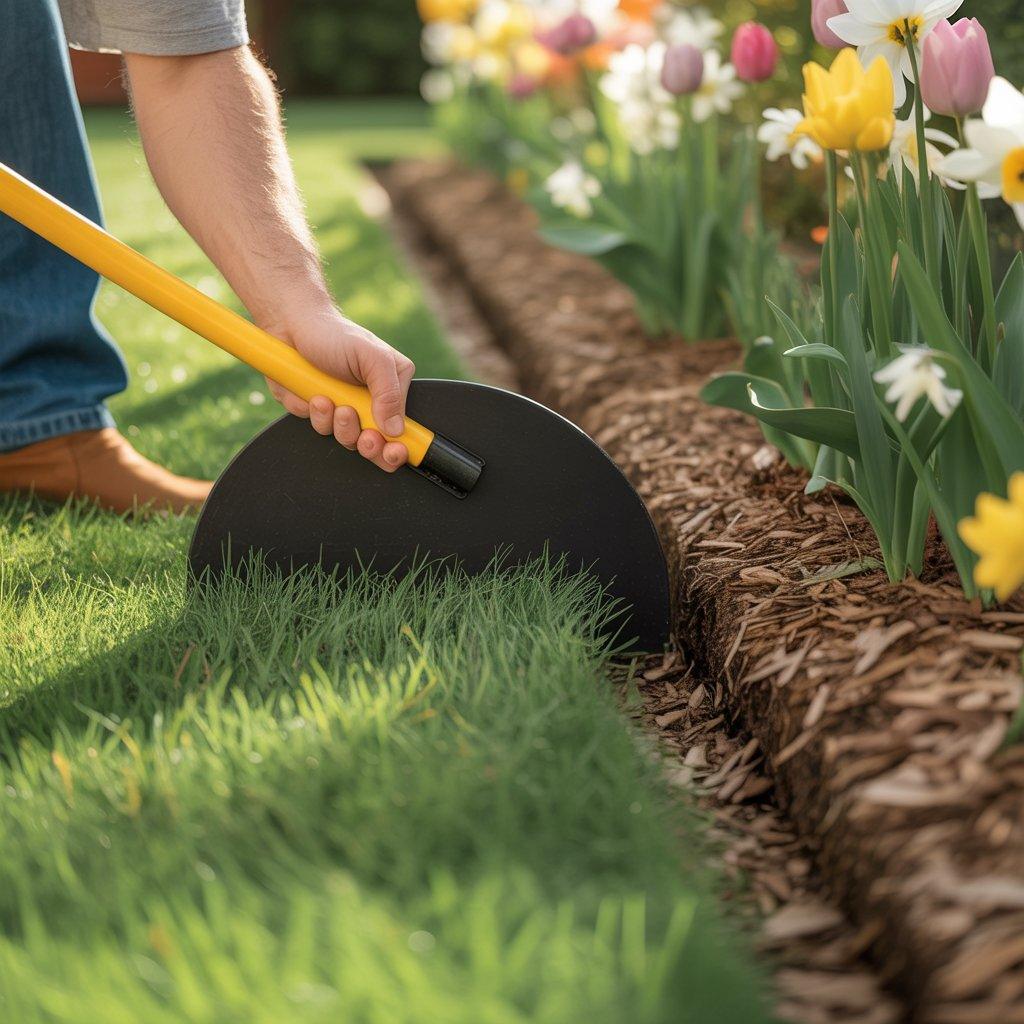
Grab a flat shovel or an edging tool and cut a clean line between your grass and your flower beds. That one move makes everything look ten times tidier. You don’t need fancy stone or metal edging just a defined trench.
Do this every spring, and your yard instantly looks more “done.” It takes about an hour for a medium yard. This product can help you: a manual edging tool with a half‑moon shape is cheap and easy to use.
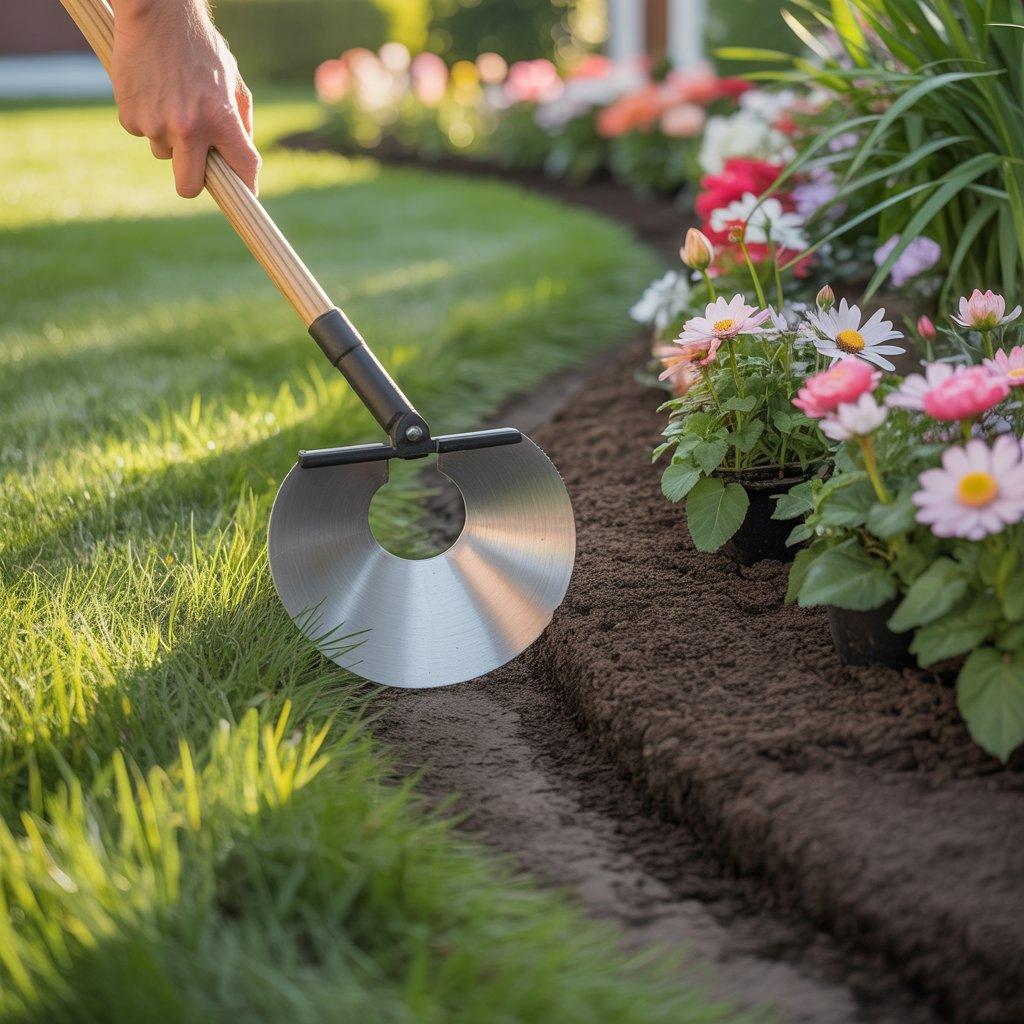
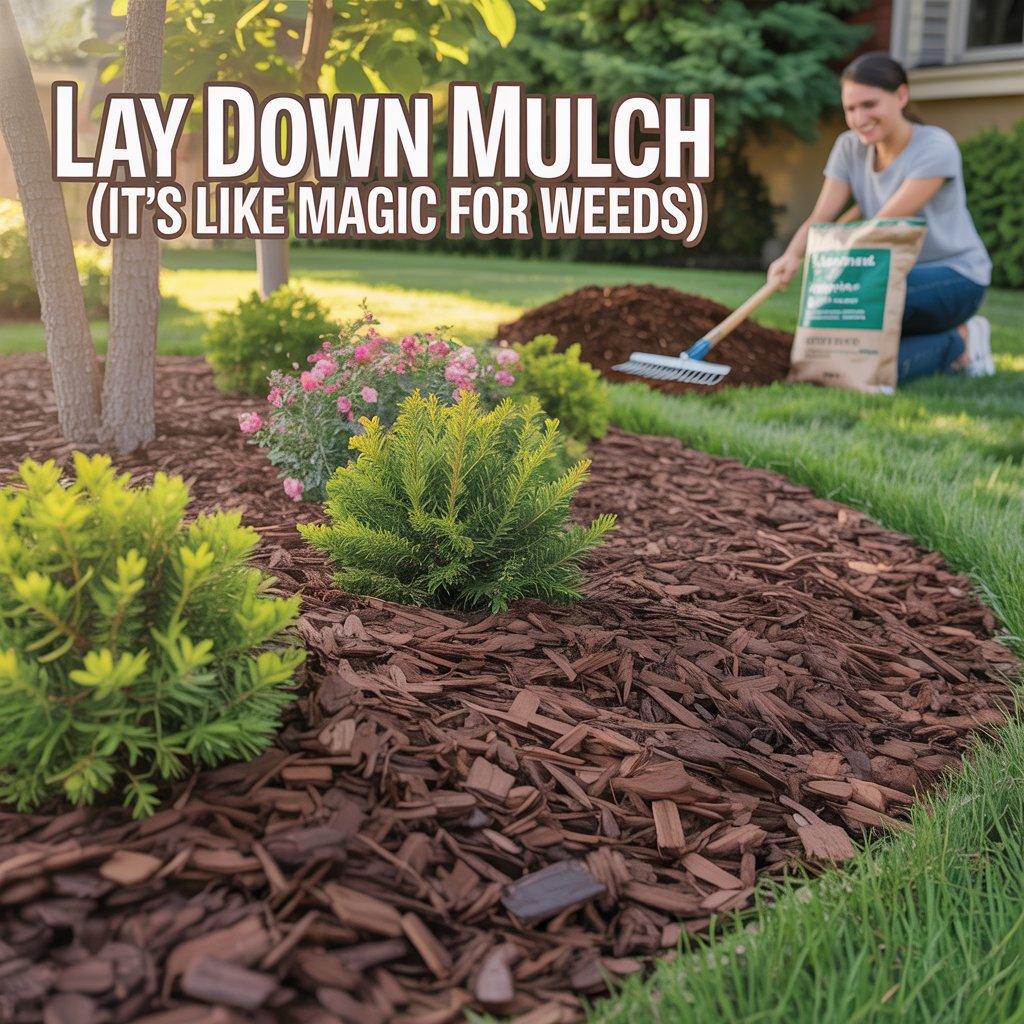
2. Lay Down Mulch (It’s Like Magic for Weeds)
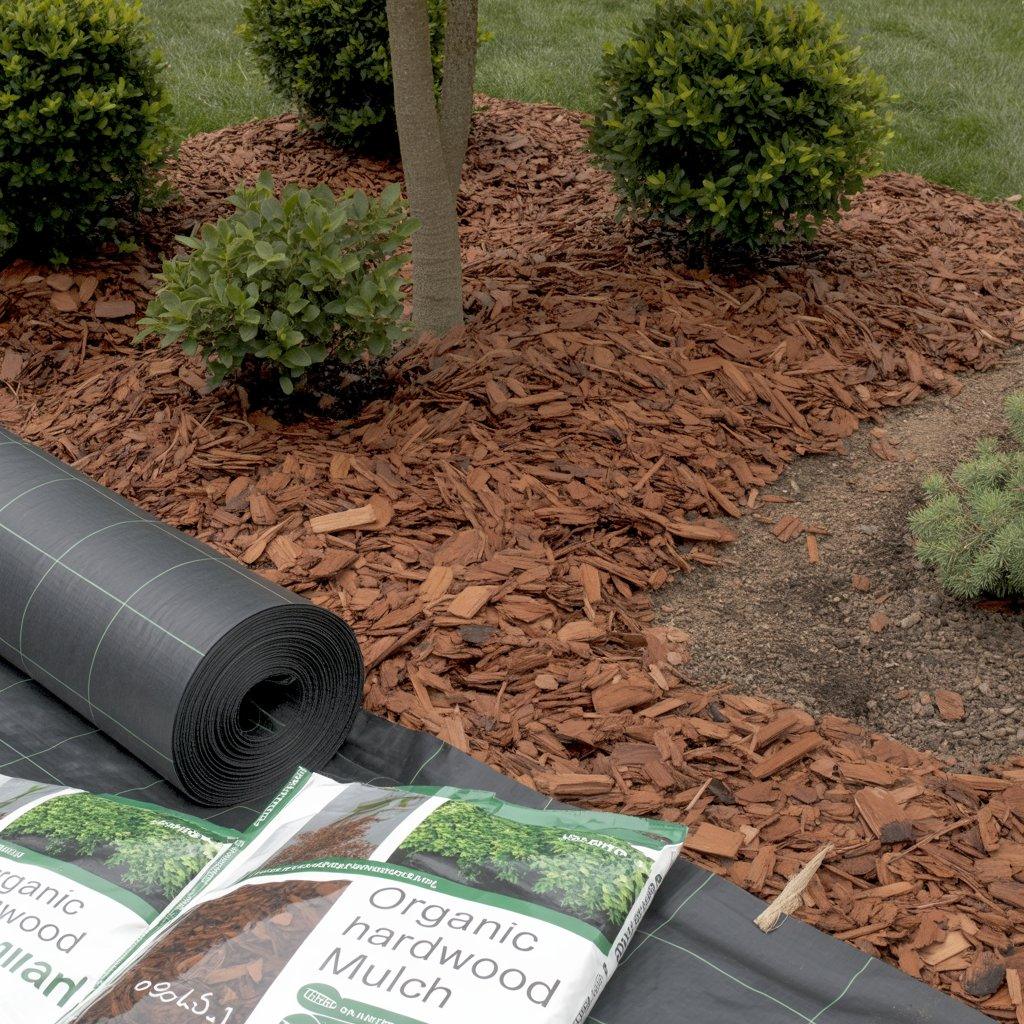
Mulch does three things: stops weeds, holds moisture, and makes your beds look uniform. Go for natural, undyed hardwood mulch or shredded leaves. Spread it about two to three inches thick around trees, shrubs, and garden beds.
Don’t pile it against the trunks that causes rot. A few bags go a long way. This product can help you: a landscaping fabric laid down before the mulch blocks even more weeds, but it’s optional.
3. Plant Low‑Maintenance Perennials
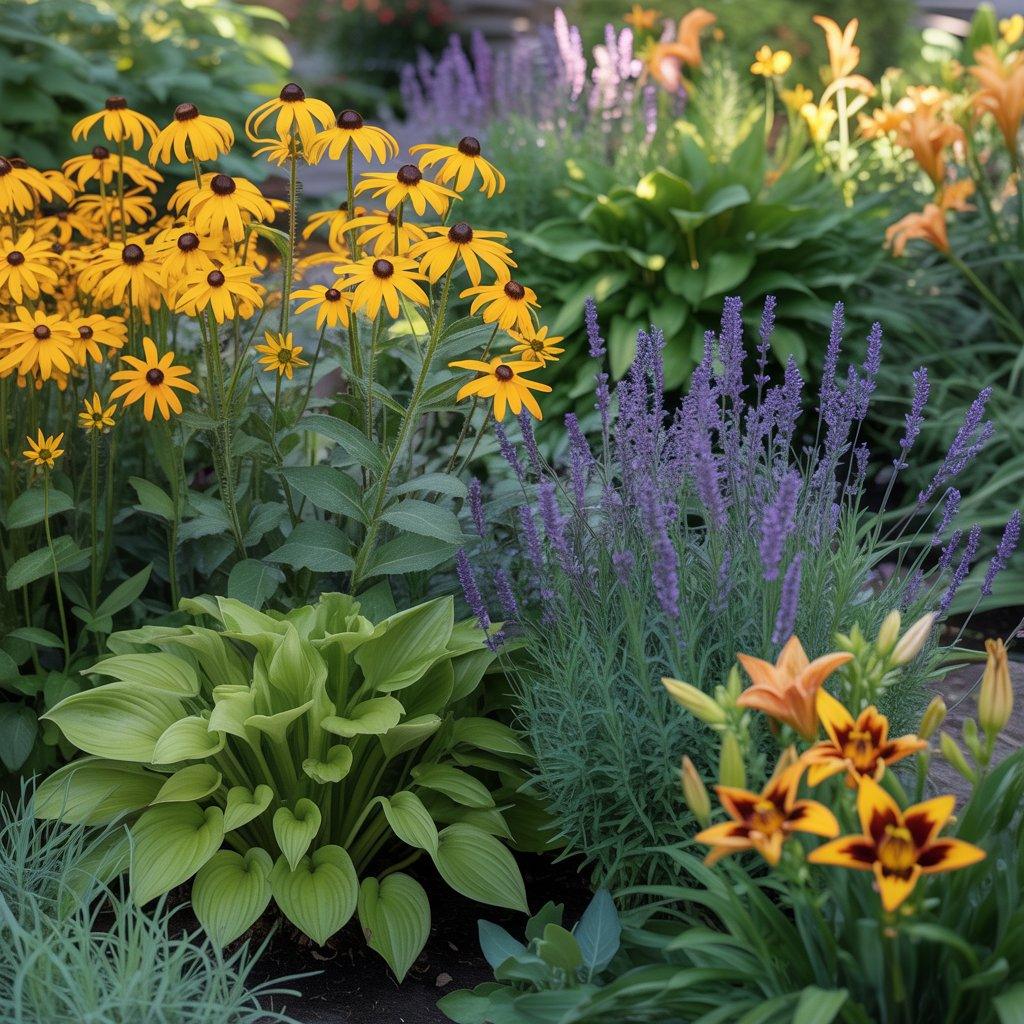
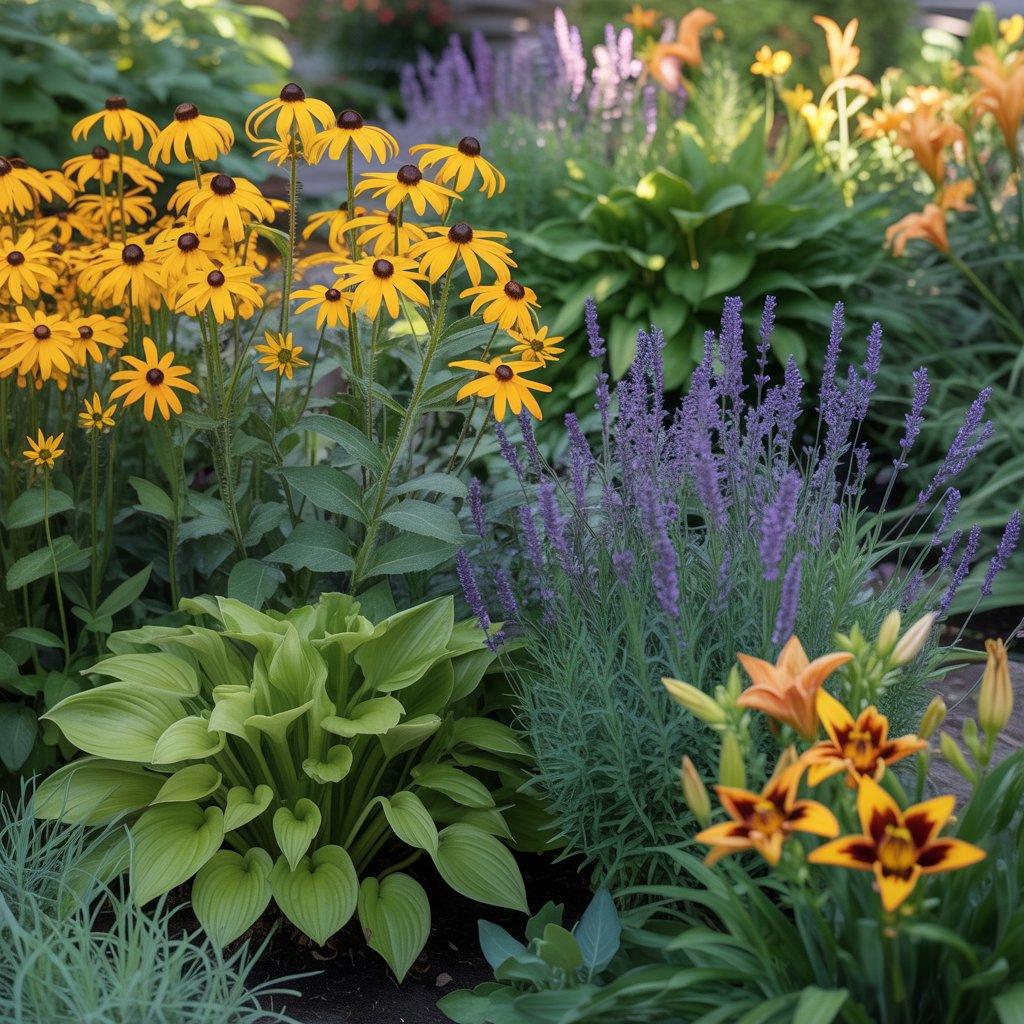
Forget high‑maintenance flowers. Perennials come back every year, so you plant once and enjoy for years. Try black‑eyed Susans, hostas, daylilies, or lavender.
These are tough plants that don’t need constant watering or babying. Pick ones that match your sun level hostas love shade, lavender loves sun. Plant them in groups of three or five for a natural look.
4. Use Stepping Stones to Create a Path
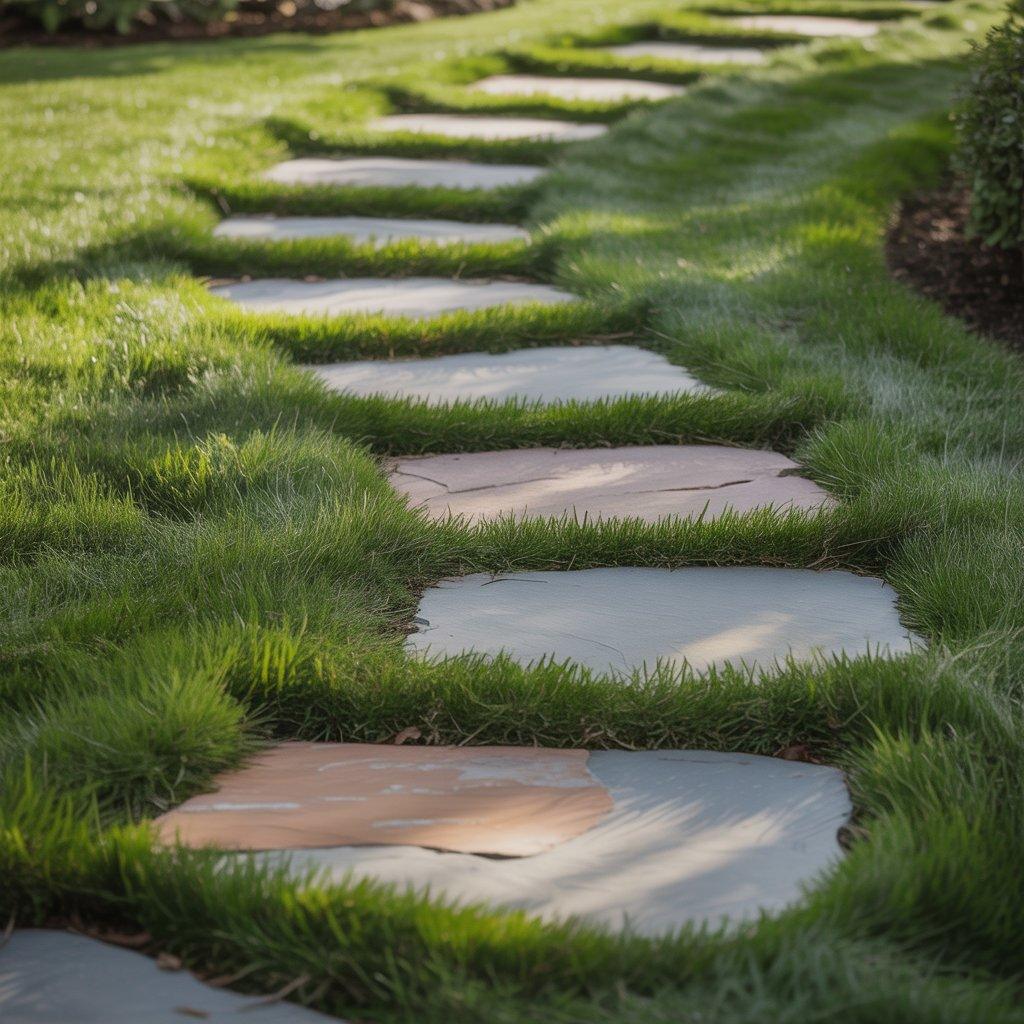
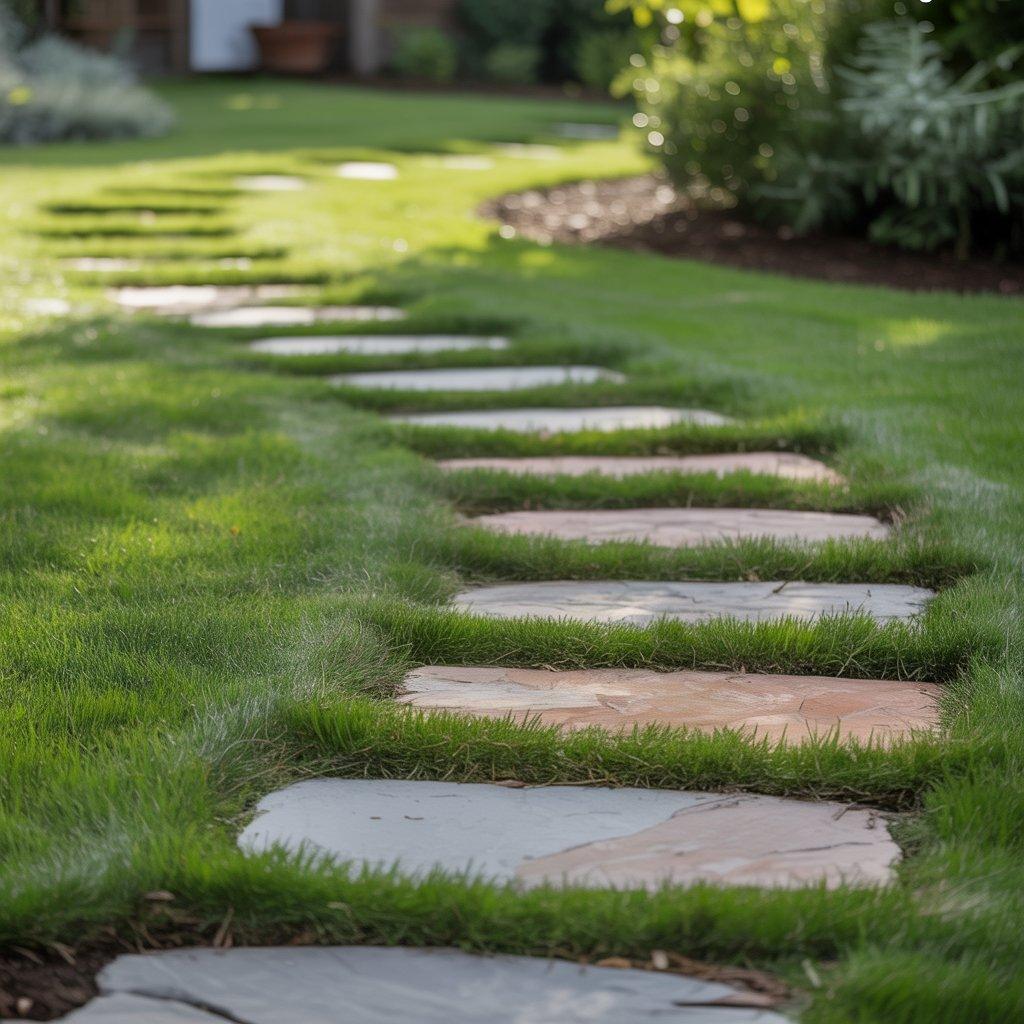
A dirt path through the grass looks messy. Lay down flat stepping stones (concrete or natural flagstone) to guide people where you want them to walk. Space them about one step apart.
Dig a shallow hole for each so they sit flush with the ground. Then mow right over the grass between them. It’s an afternoon project that changes the whole feel of your yard.
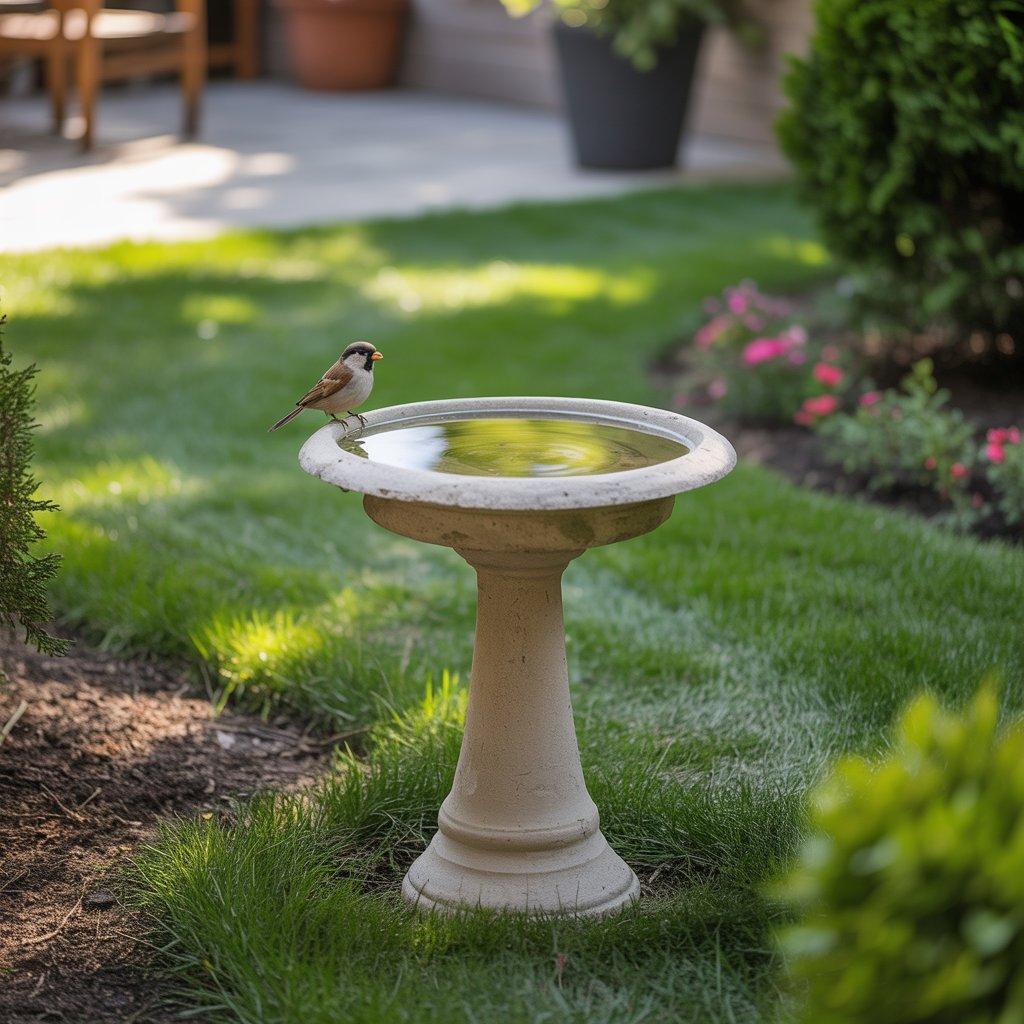
5. Add a Simple Bird Bath as a Focal Point
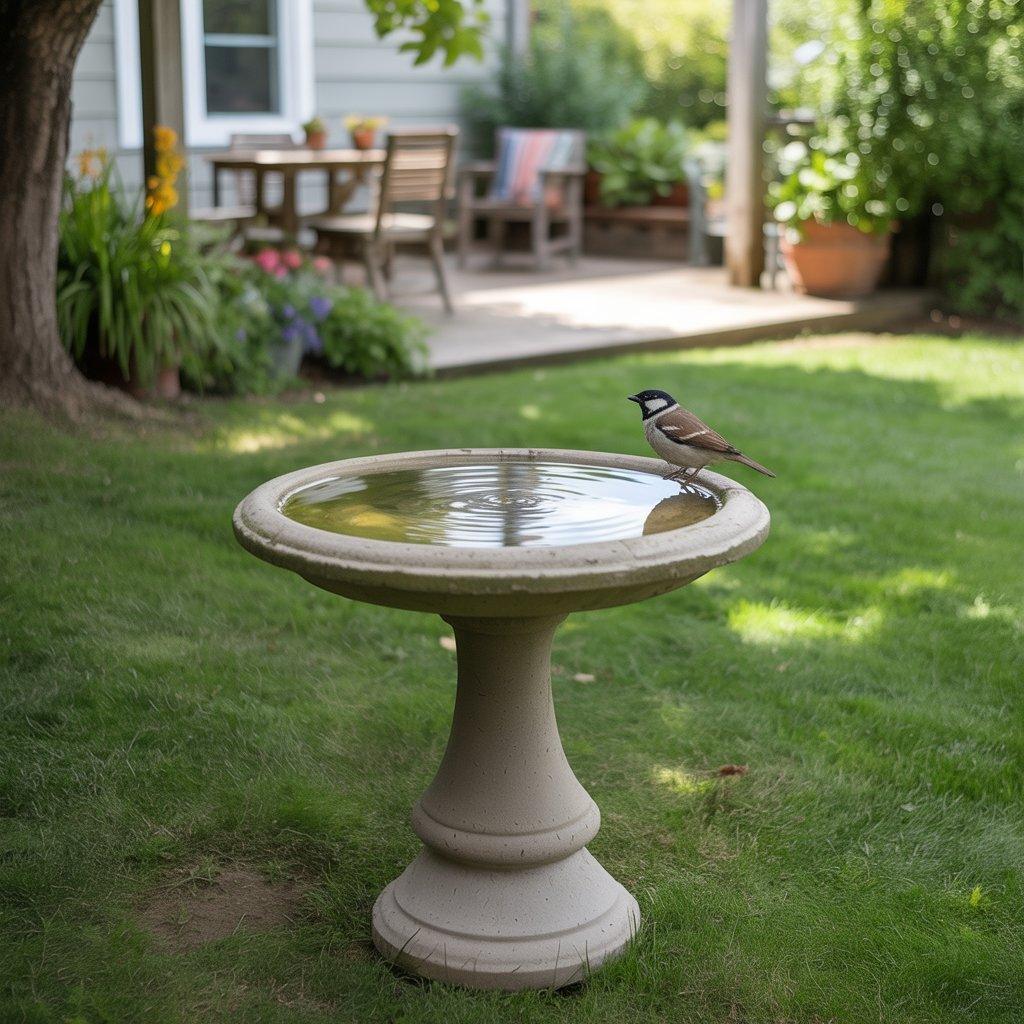
Every yard needs one thing that catches your eye. A basic concrete bird bath costs around $40 at a home store. Put it where you can see it from your kitchen window or patio.
Birds will come, and the sound of water (even still water) feels peaceful. Don’t overthink it no need for fountains or pumps at first.
6. Build a Small Rock Garden in a Bare Corner
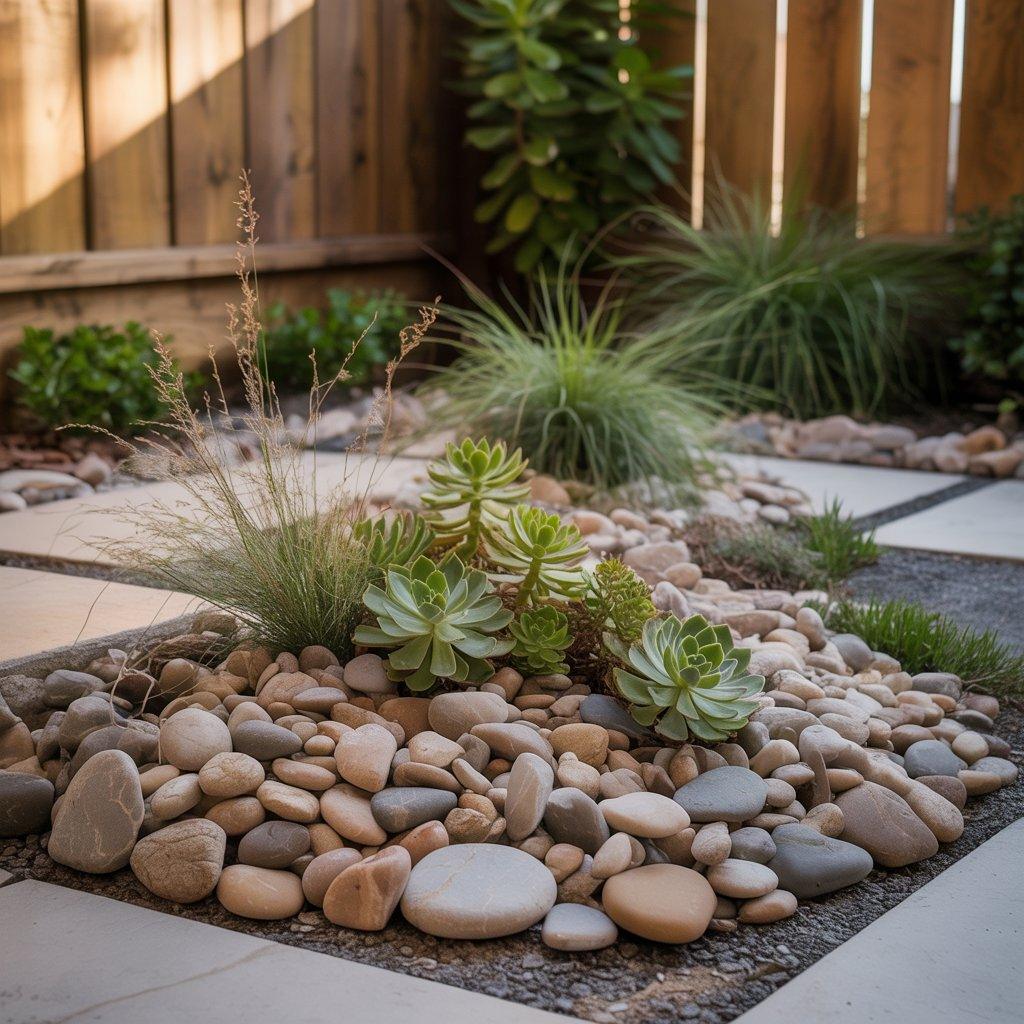
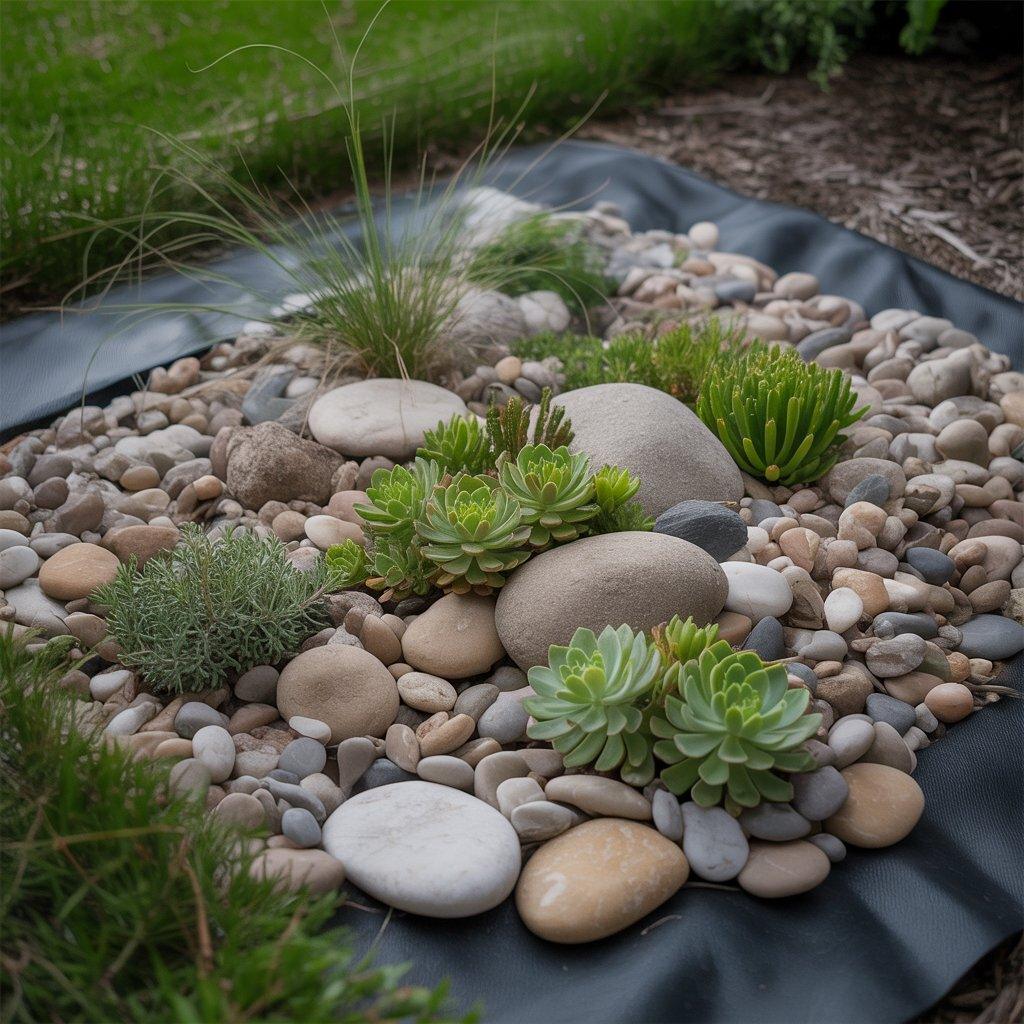
Got a spot where nothing grows? That’s perfect for a rock garden. Clear the weeds, lay down landscape fabric, then spread a mix of small and medium river rocks.
Add a few drought‑tolerant plants like sedum or ornamental grass. No mowing, no watering. It turns a problem area into a feature.
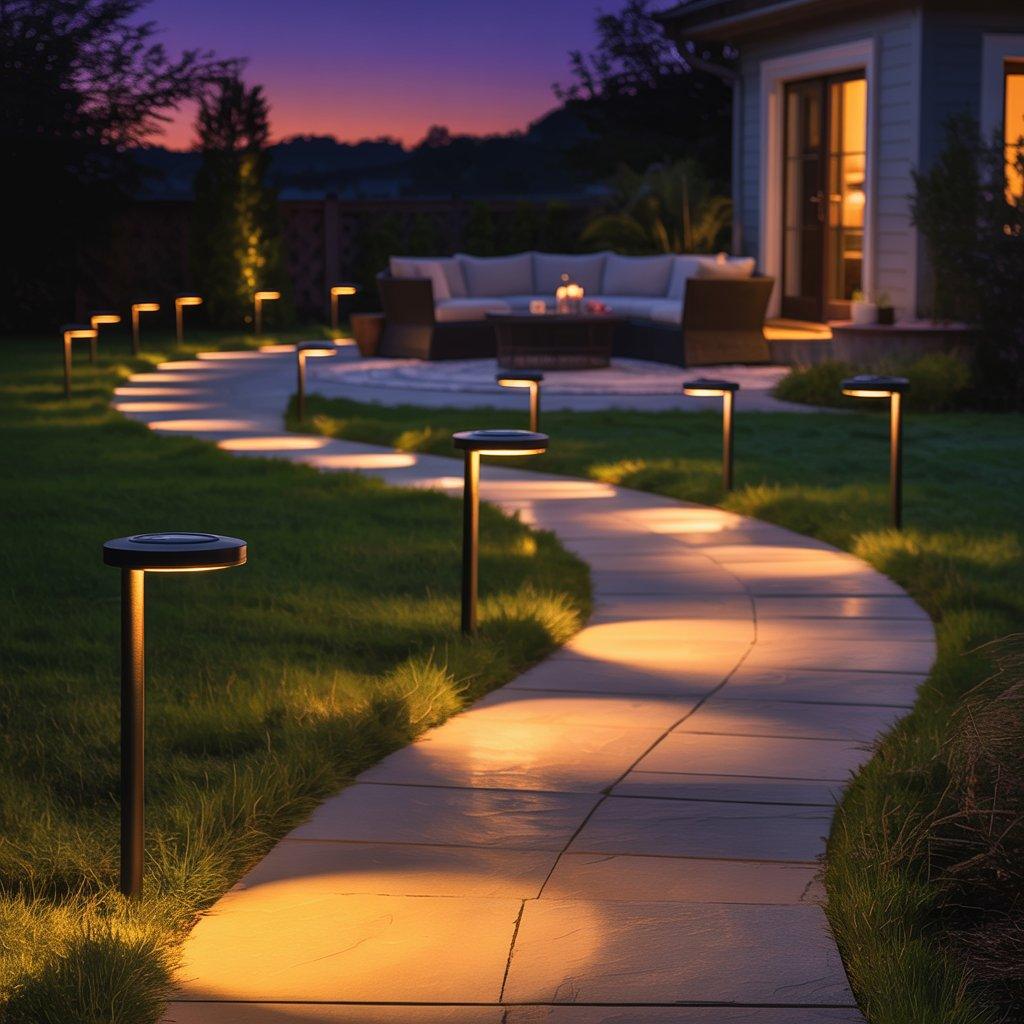
7. Install Solar Path Lights for Nighttime Vibes
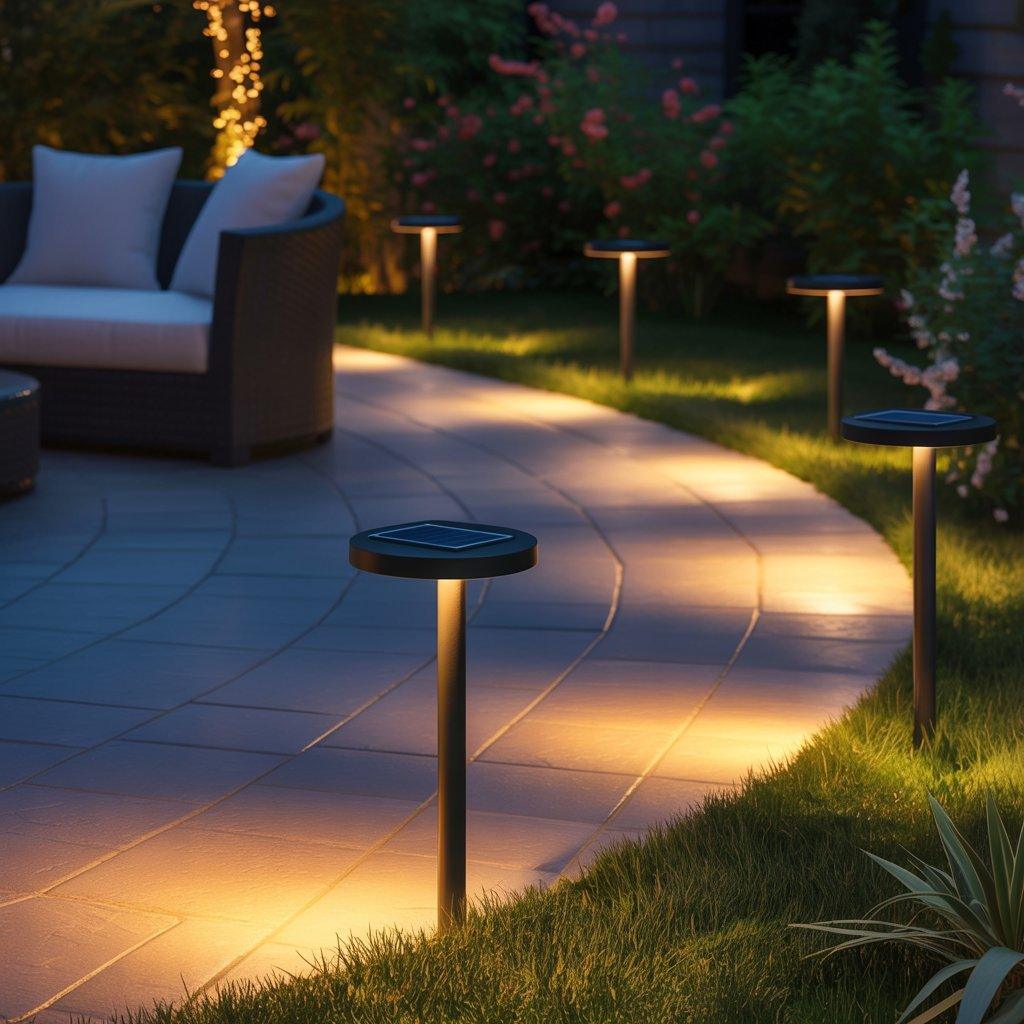
You don’t need an electrician. Solar lights stake right into the ground. They charge during the day and turn on automatically at dusk. Line them along a walkway or around your patio.
They’re cheap (under $20 for a pack of six) and make your yard feel magical after dark. Just make sure they get direct sun during the day.
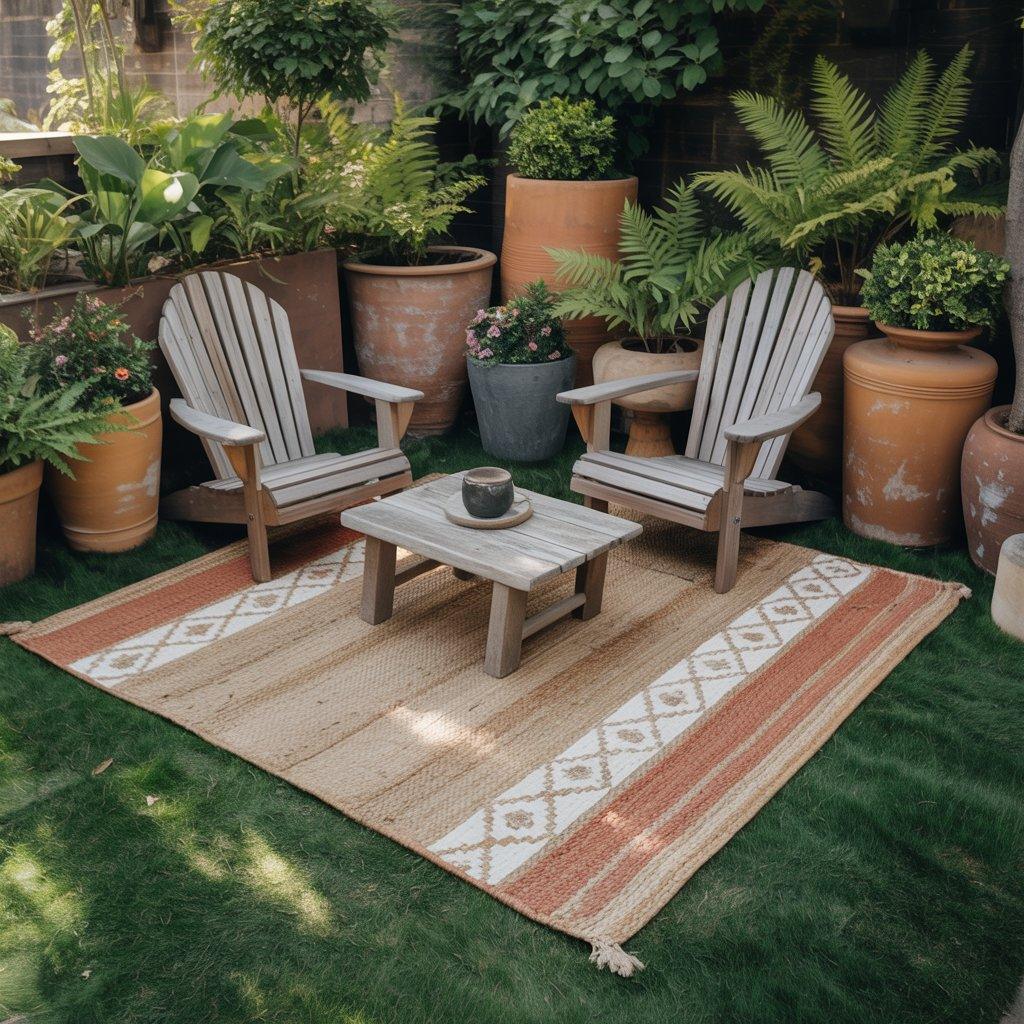
8. Create a “Room” with a Simple Seating Area
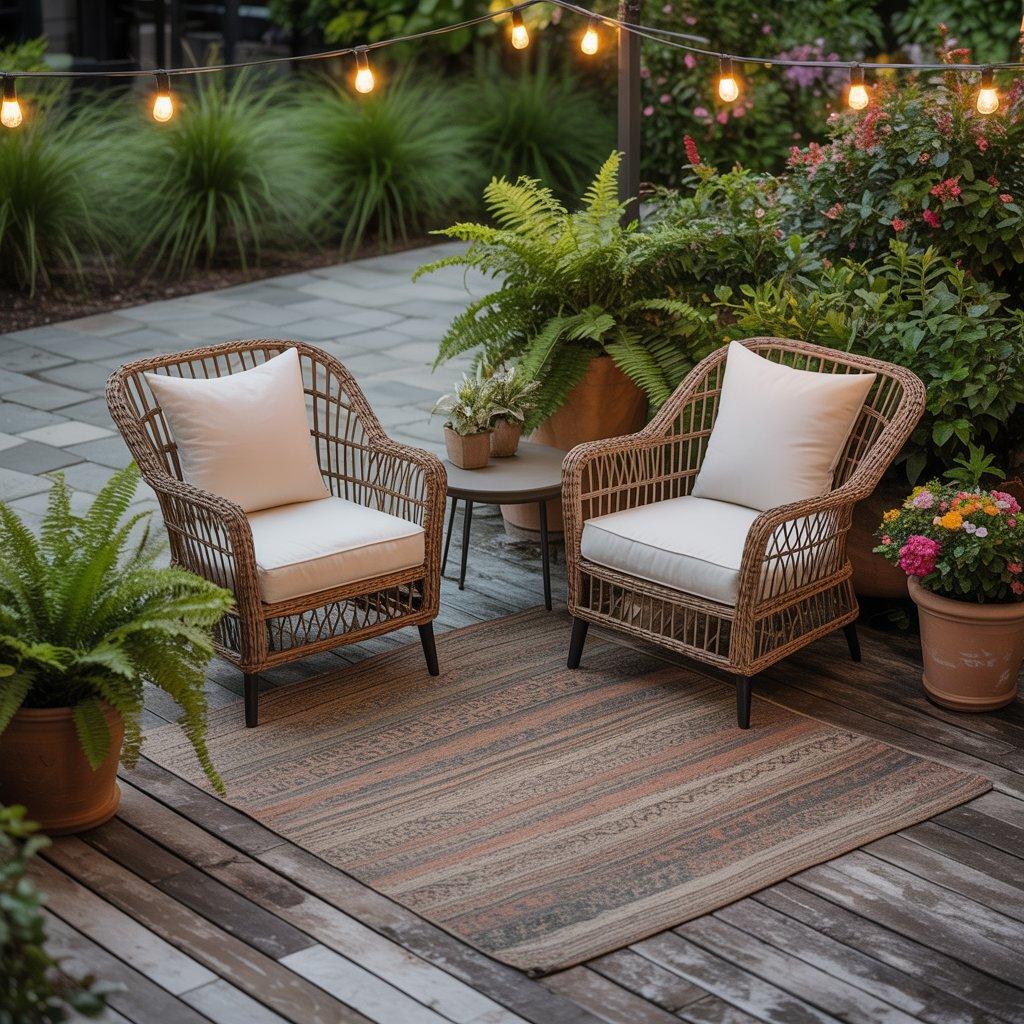
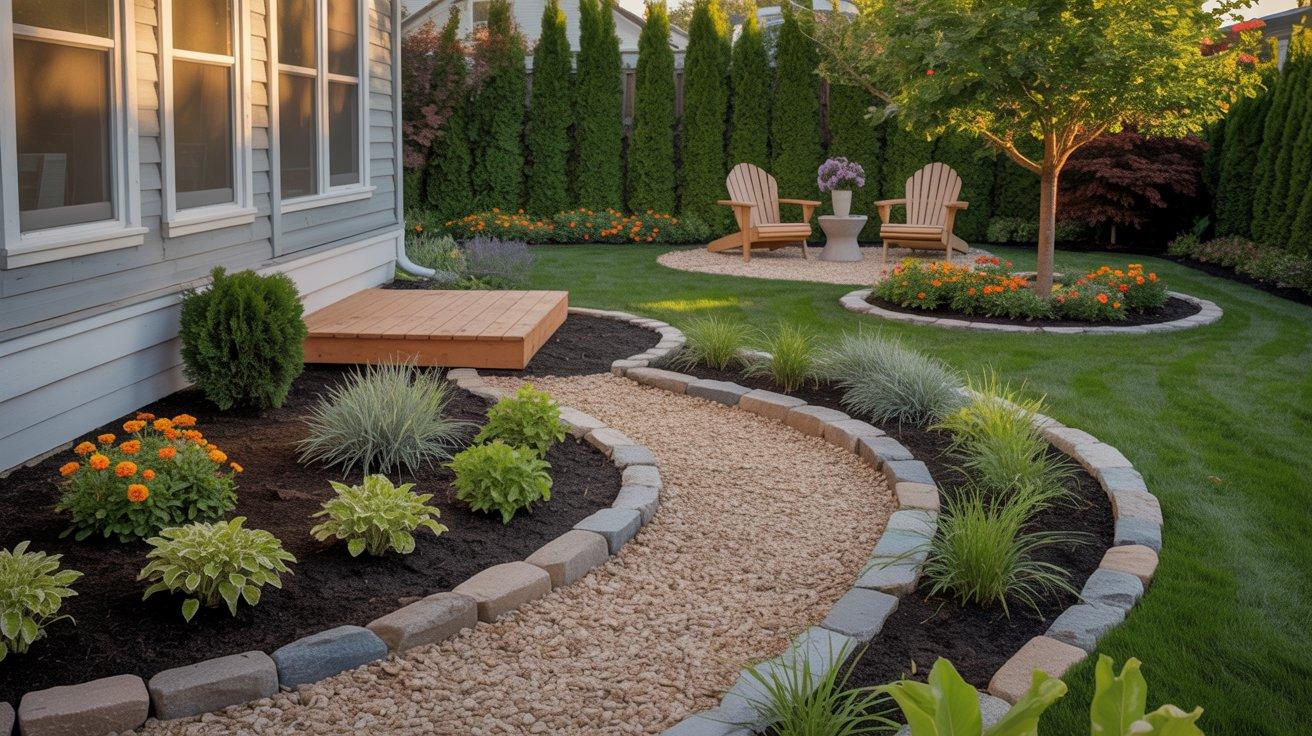
You don’t need a deck. Just move some outdoor chairs or a bench onto a flat patch of grass or gravel. Define the space by putting down an outdoor rug or arranging pots around it.
Suddenly, you have an outdoor “room.” This is one of the easiest landscaping ideas because it uses furniture instead of plants.
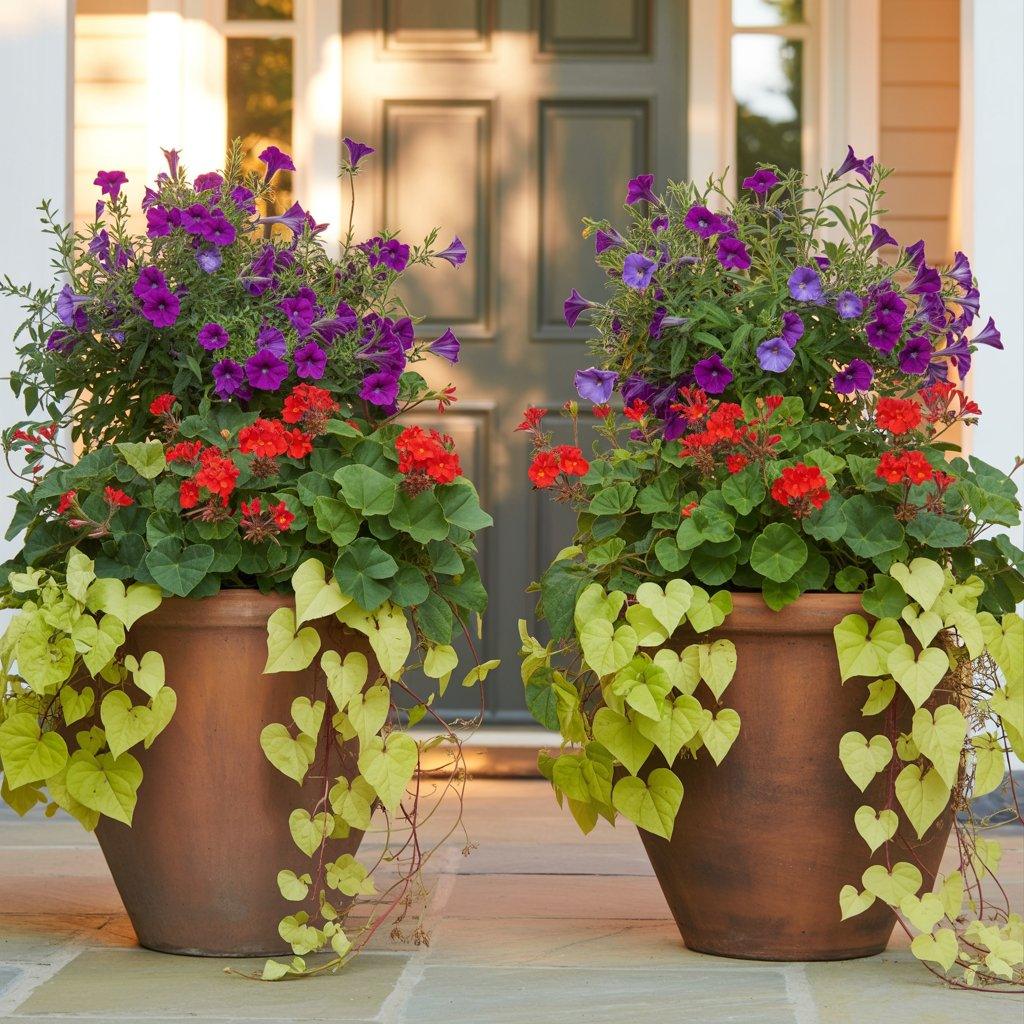
9. Use Large Pots to Add Instant Color
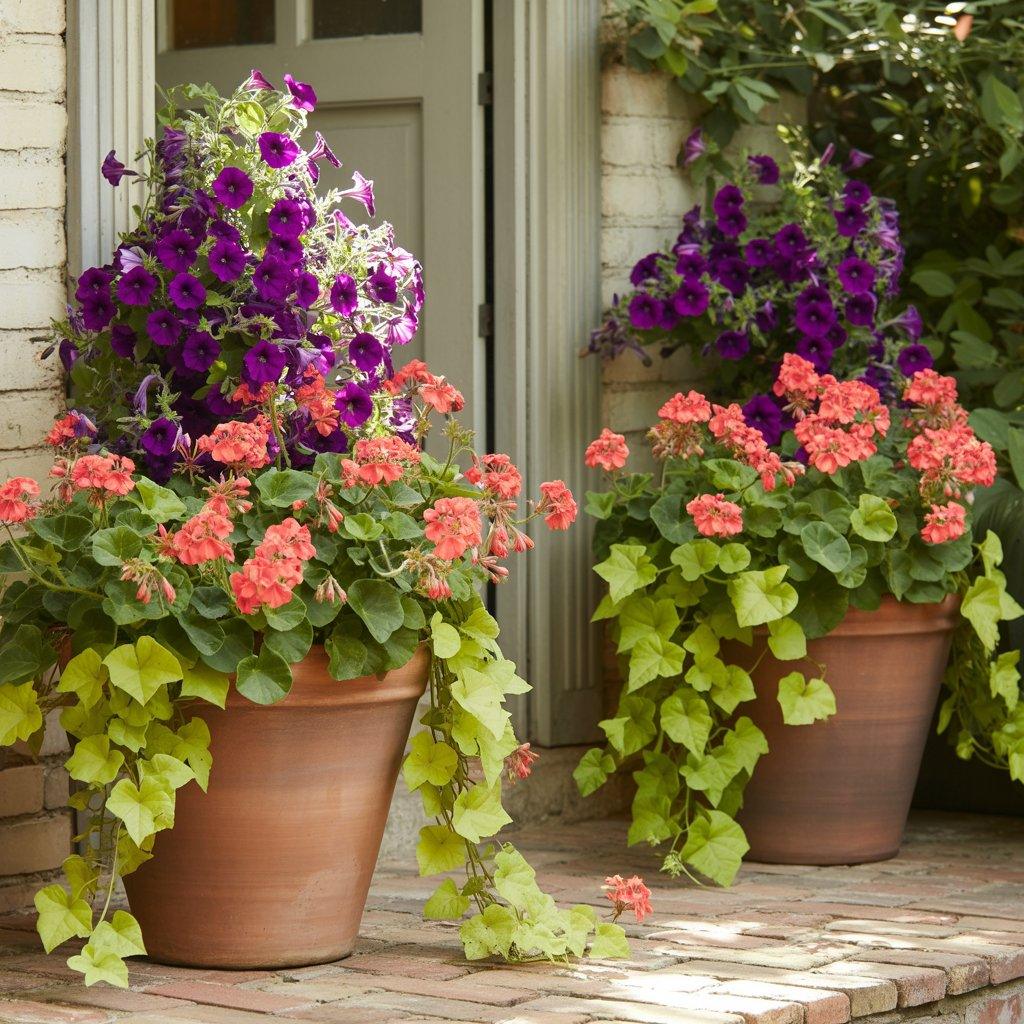
If digging in the dirt feels like too much, use big pots. Place one on each side of your front door or back patio.
Fill them with a thriller (tall plant), filler (medium plant), and spiller (trailing plant). Petunias, geraniums, and sweet potato vine are foolproof. Water them when the soil feels dry. That’s it.
10. Grow a Small Herb Garden Near the Kitchen
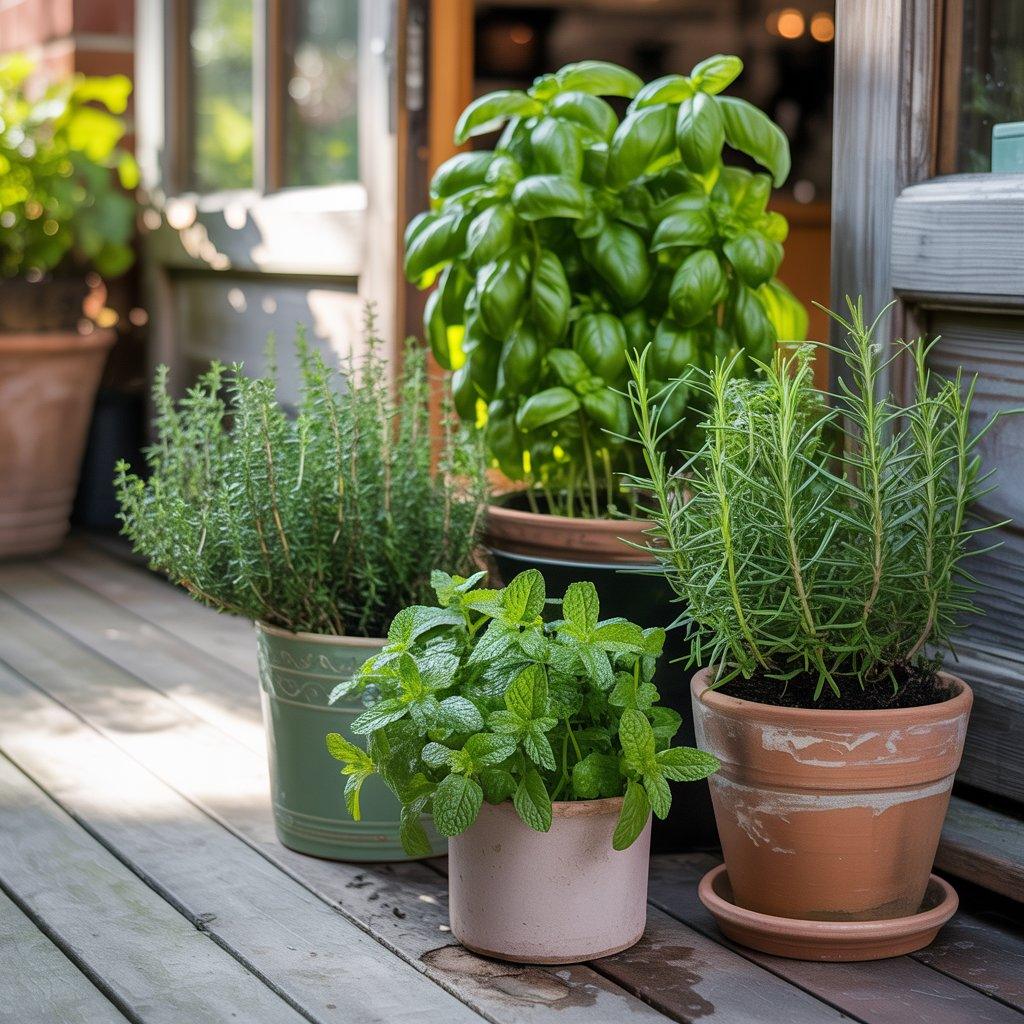
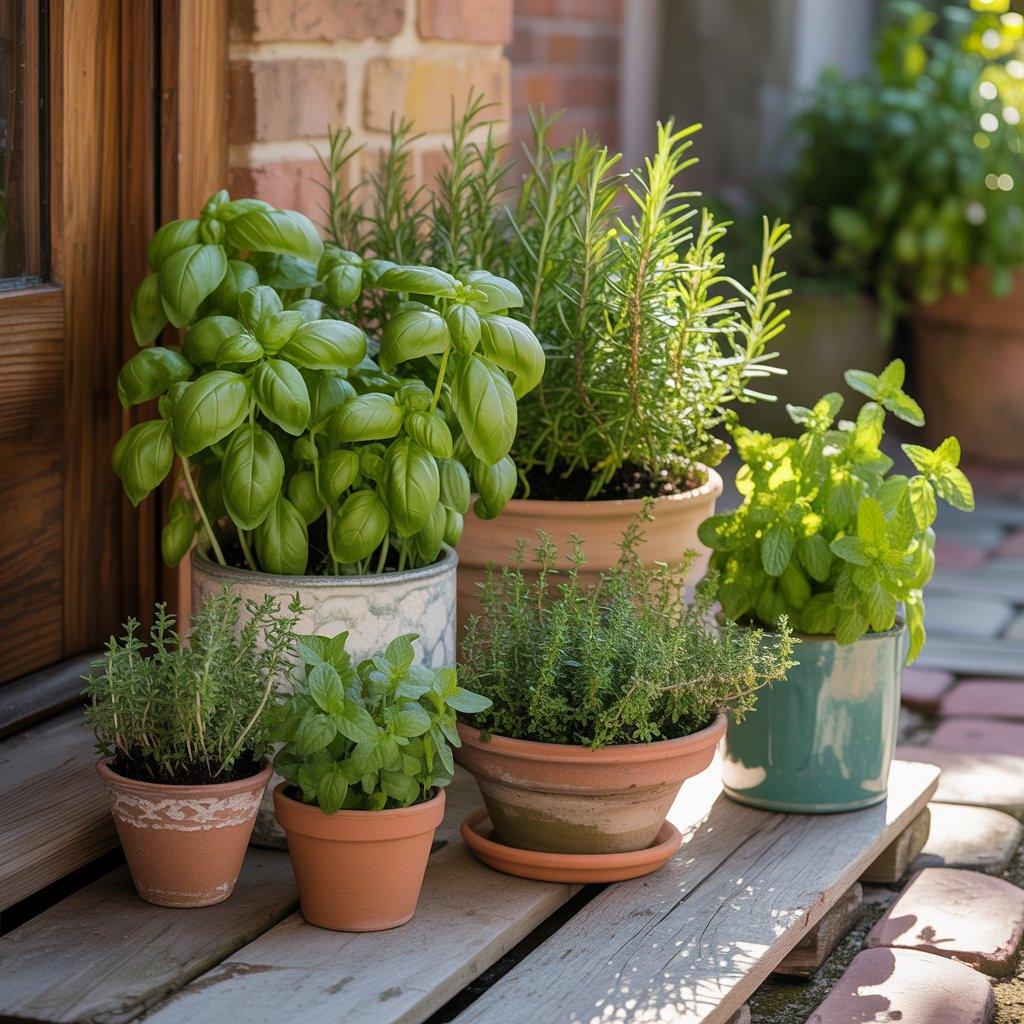
Herbs are nearly impossible to kill. Basil, rosemary, thyme, and mint thrive in pots or a tiny raised bed. Put them close to your back door so you actually use them.
Rosemary is evergreen in many climates, so it looks good year‑round. Mint spreads like crazy keep it in a pot by itself.
11. Replace a Patch of Grass with Ground Cover
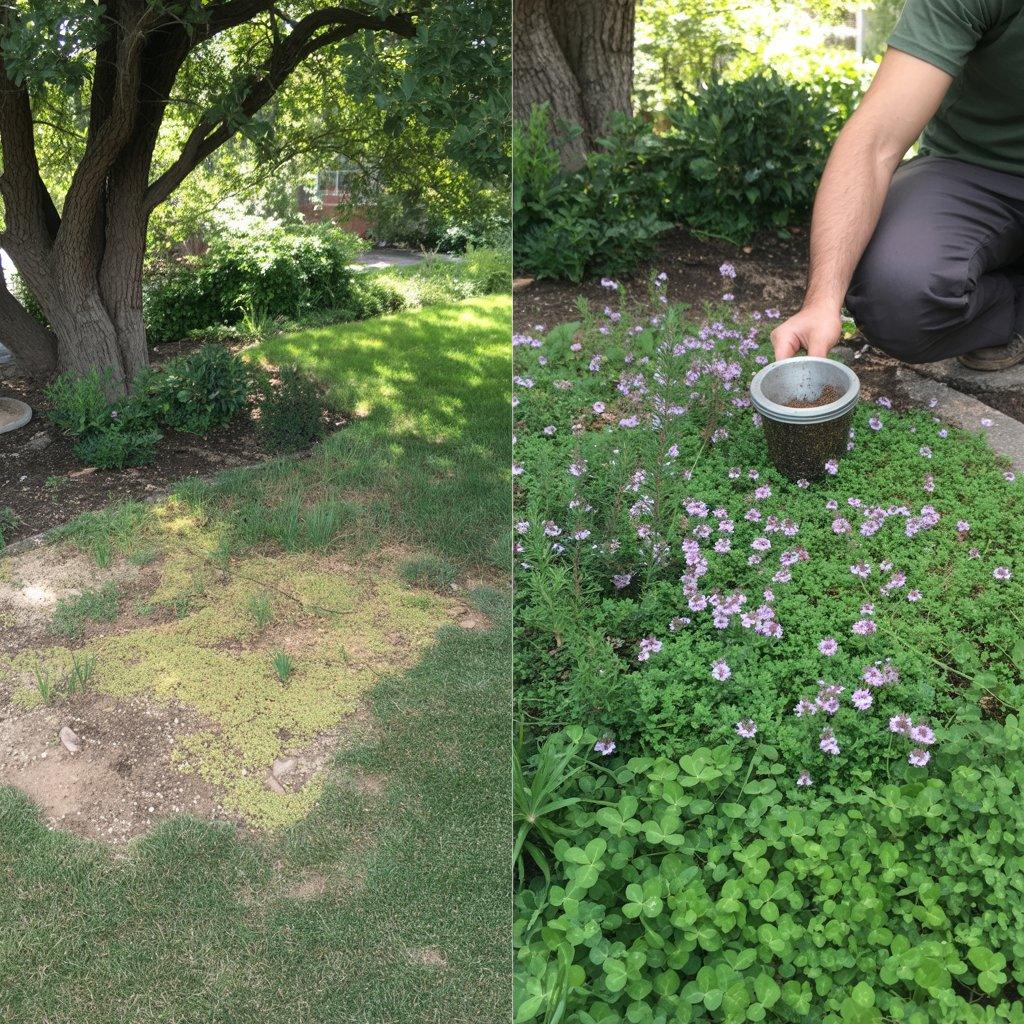
Grass is a lot of work. In shady spots or steep slopes, replace it with ground cover like creeping thyme, vinca minor, or clover. These plants stay low, need no mowing, and often flower.
Clover stays green without much water. This product can help you: a hand‑held seed spreader makes sowing ground cover seeds fast and even.
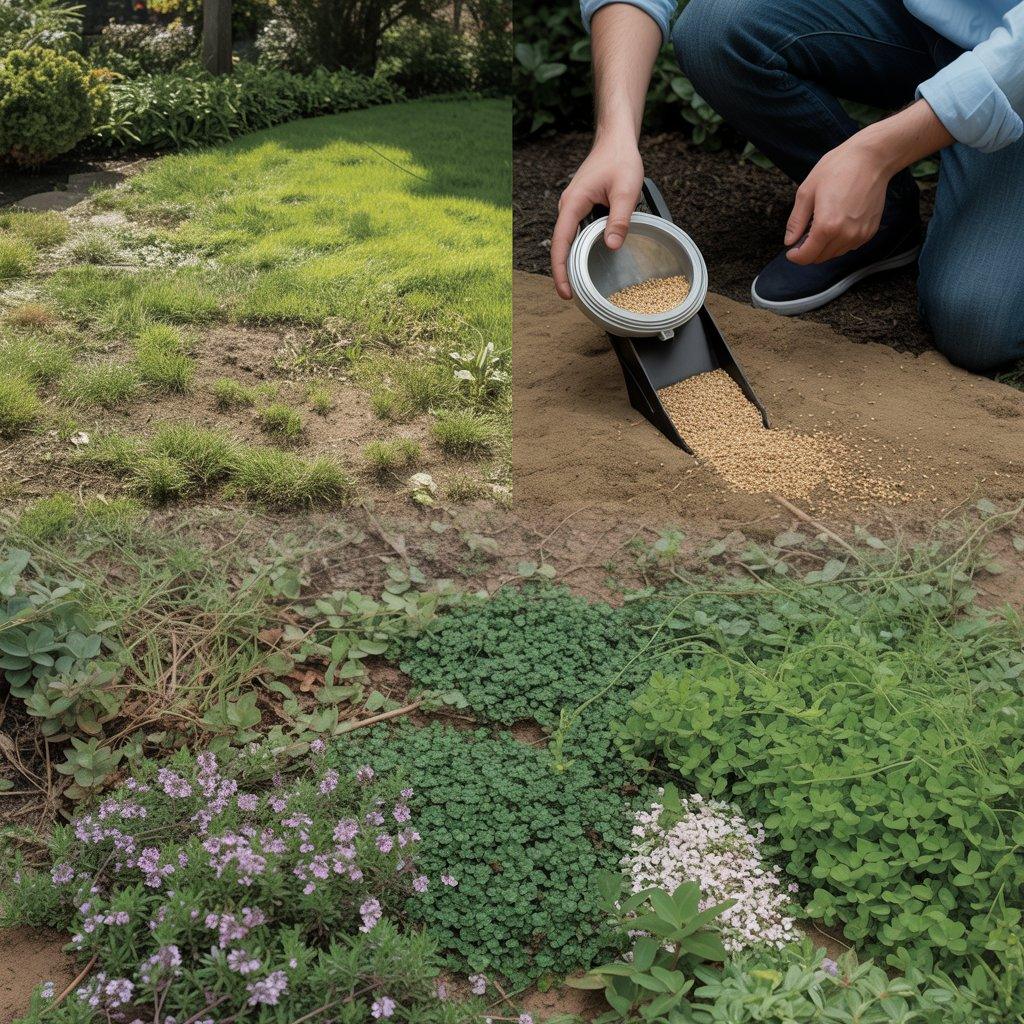
12. Add a Small Water Bowl (Not a Full Pond)
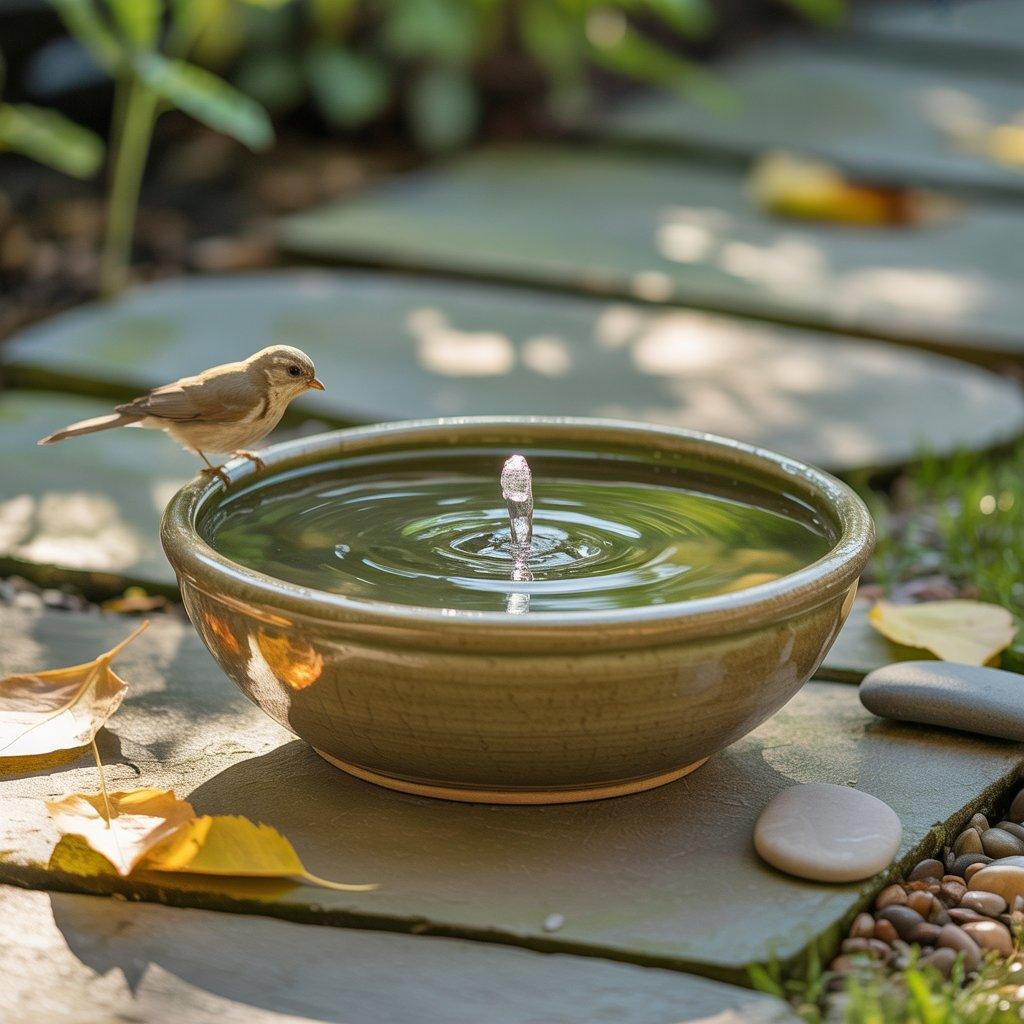
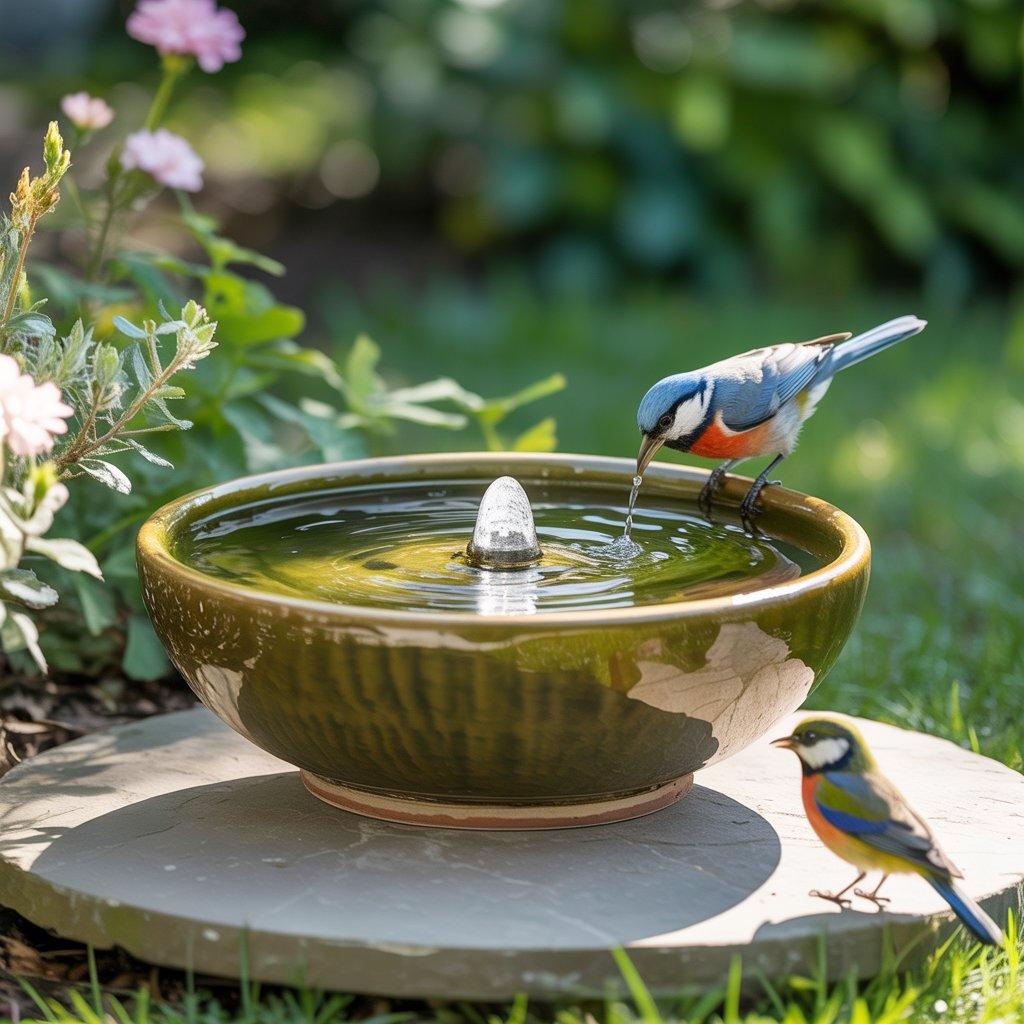
A full pond is a project. A water bowl is simple. Buy a glazed ceramic bowl (no drainage hole), put it on a flat surface, and fill it with water.
Add a small solar fountain to keep it moving. It attracts birds and makes a gentle sound. Clean it once a week so mosquitoes don’t move in.
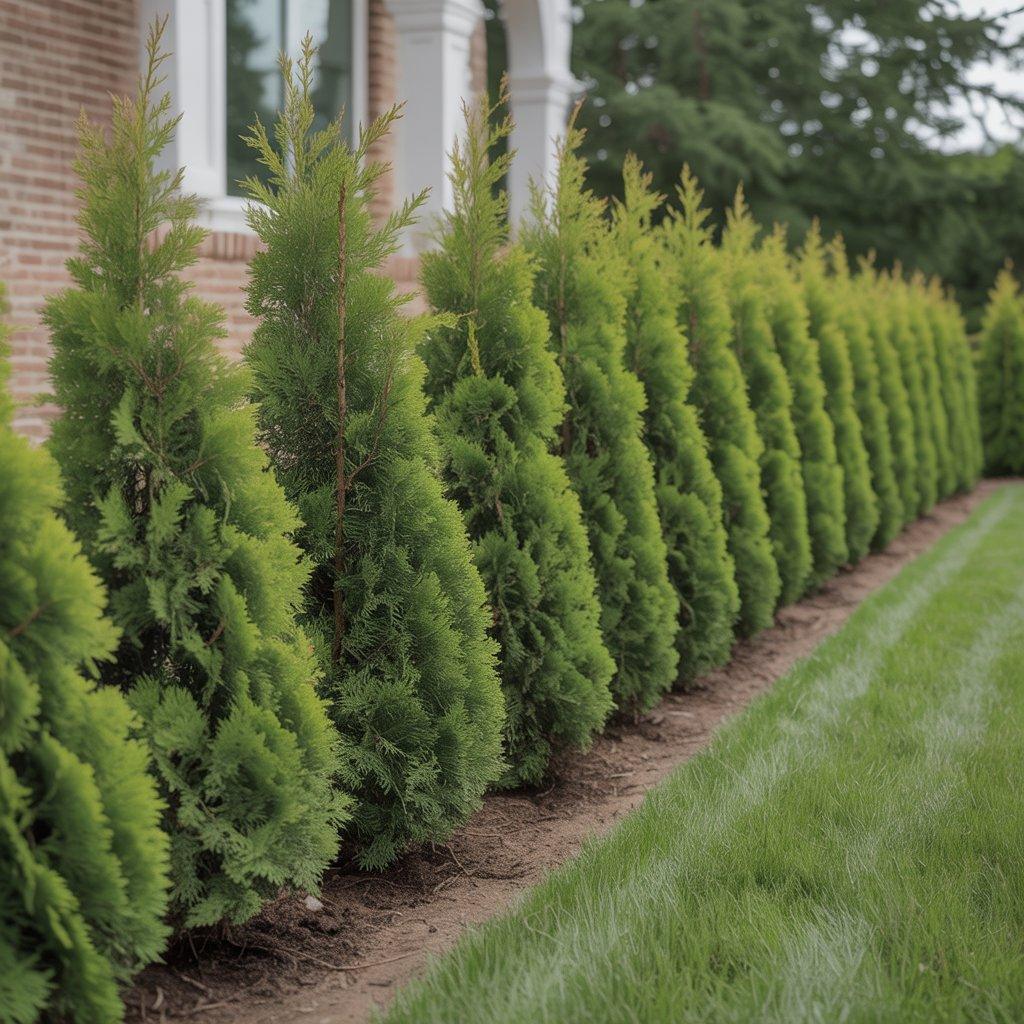
13. Plant a Fast‑Growing Hedge for Privacy
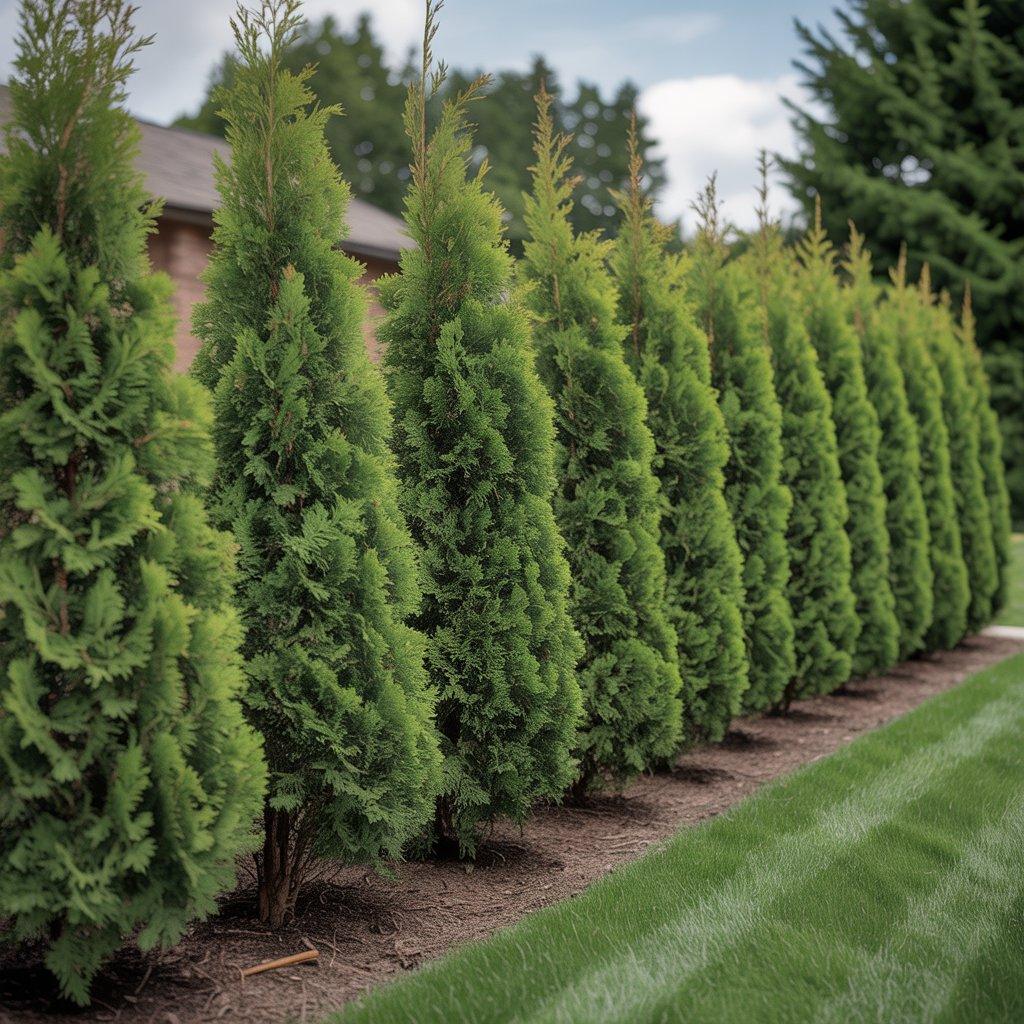
Don’t want the neighbors watching you grill? Plant a row of arborvitae, privet, or wax myrtle. These grow fast and create a green wall.
Space them according to the tag (usually 3–4 feet apart). Water them well the first year. A hedge feels softer than a fence and adds value.
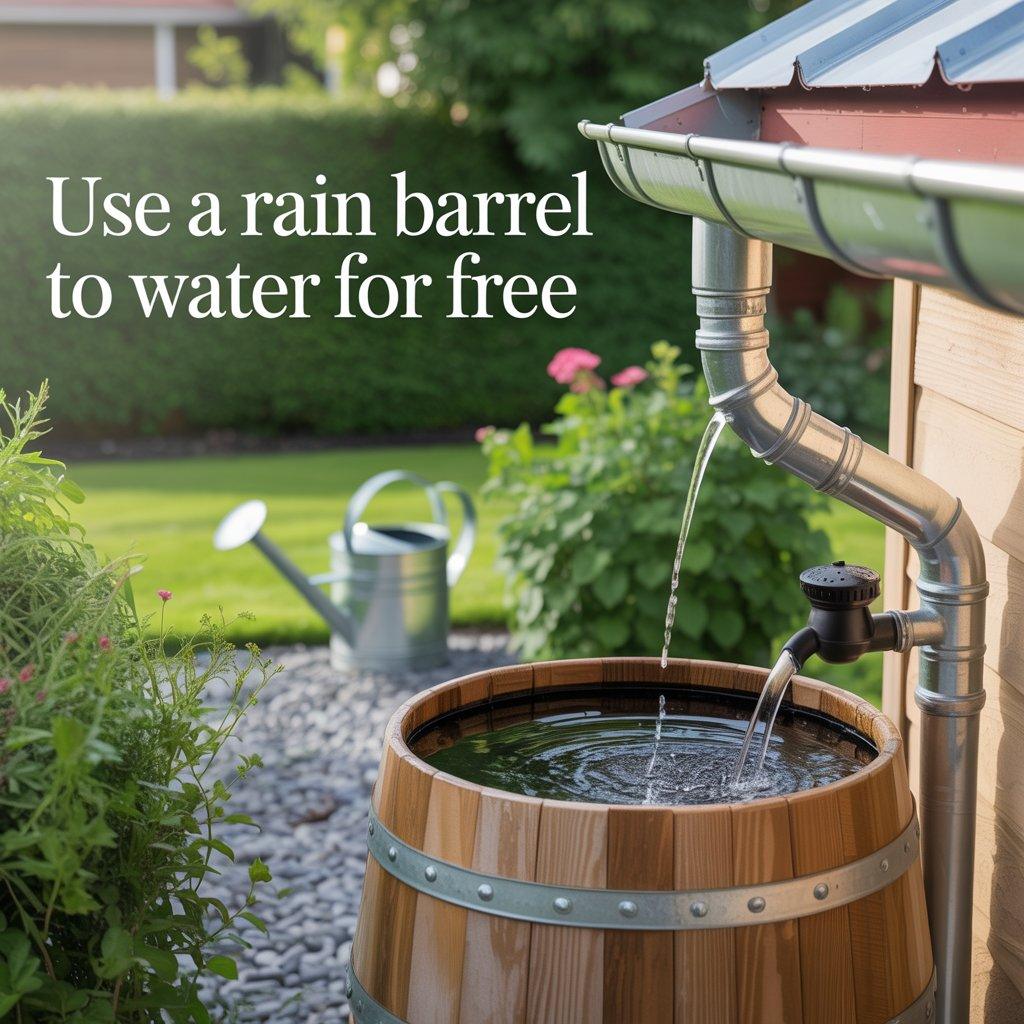
14. Use a Rain Barrel to Water for Free
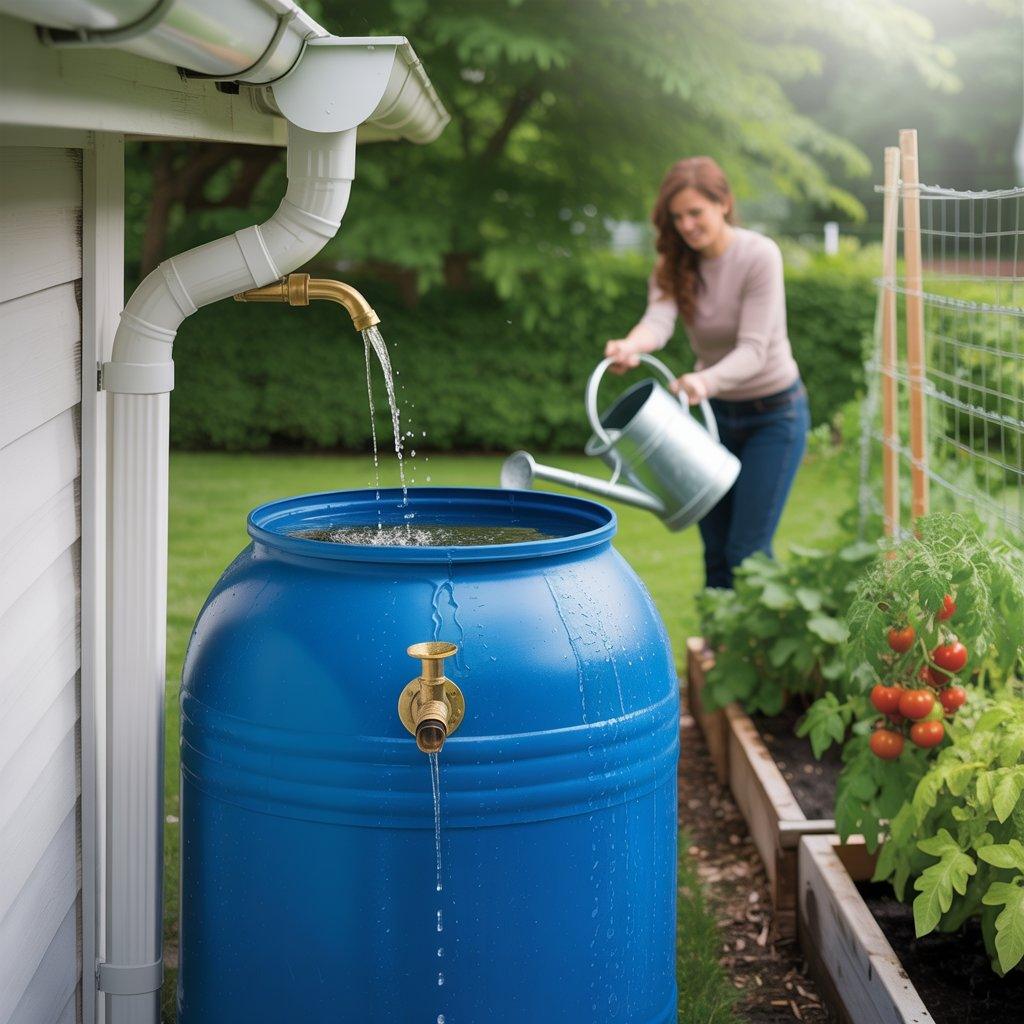
Attach a rain barrel to your downspout. It collects water from your roof, and you use it for your plants. One good rain fills a 50‑gallon barrel.
Your plants love rain water (no chlorine), and your water bill goes down. This product can help you: a rain barrel kit with a spigot and a diverter makes setup easy.
15. Add a Small Flagstone Patio (No Concrete Needed)
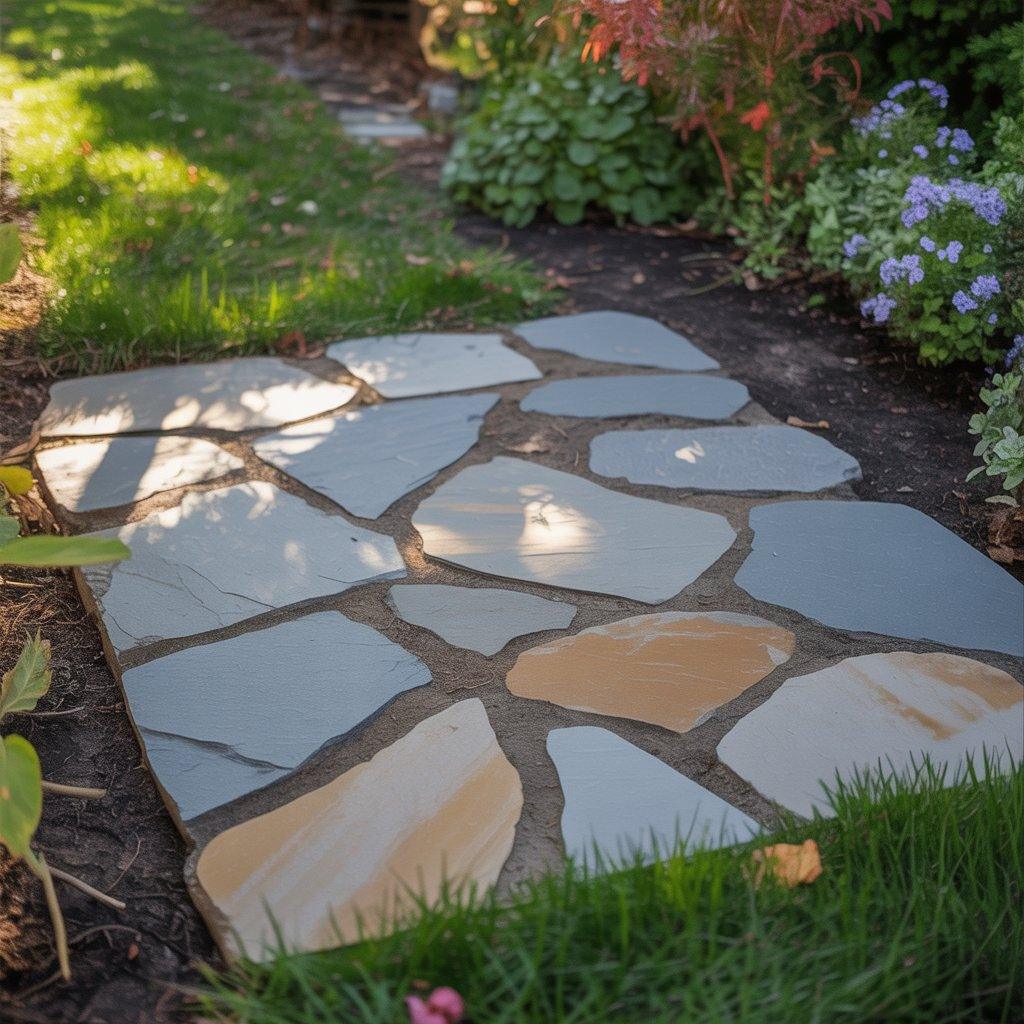
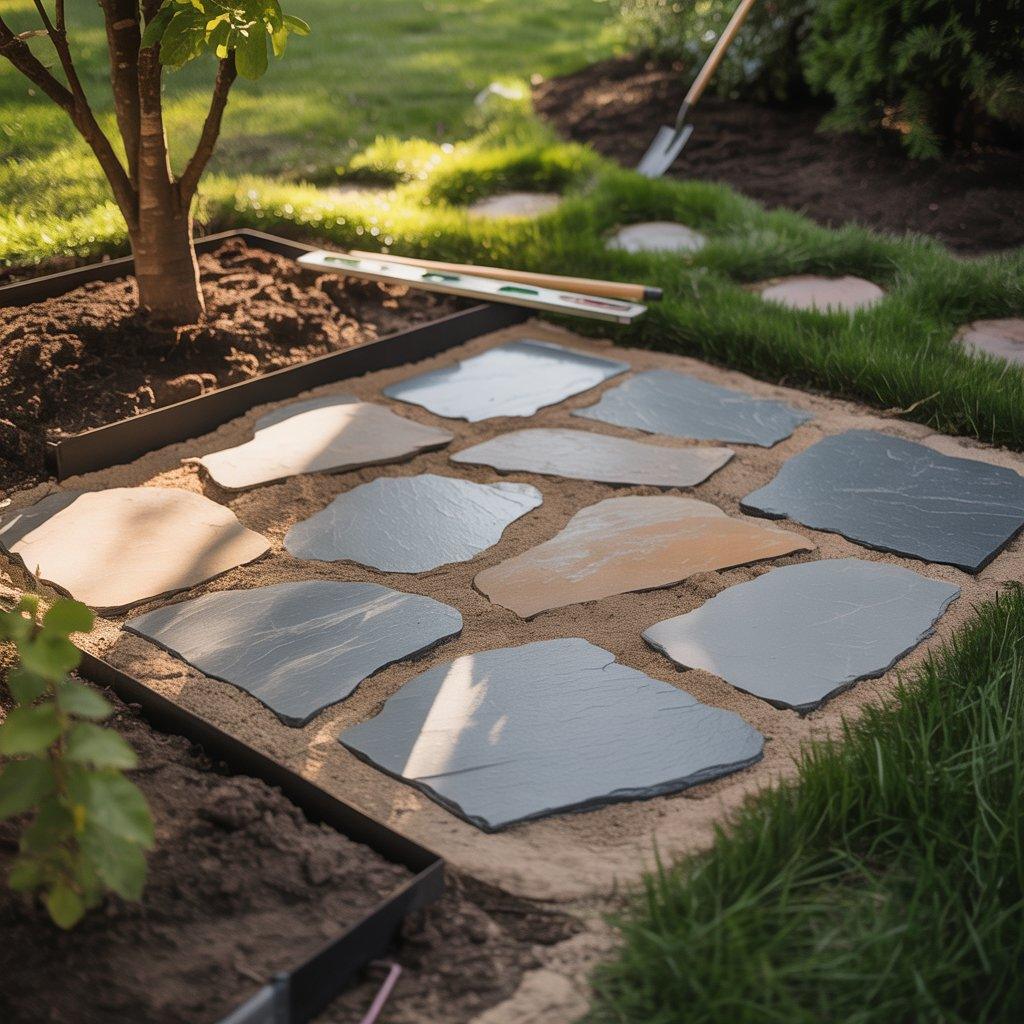
You don’t need to pour concrete. Buy a few square feet of flagstone pieces. Dig out the grass in a small circle or rectangle. Level the dirt.
Set the stones in place like a puzzle. Sweep sand into the cracks. A 6×6 foot patio costs around $100 and takes one weekend.
16. Frame Your Front Walk with Dwarf Shrubs
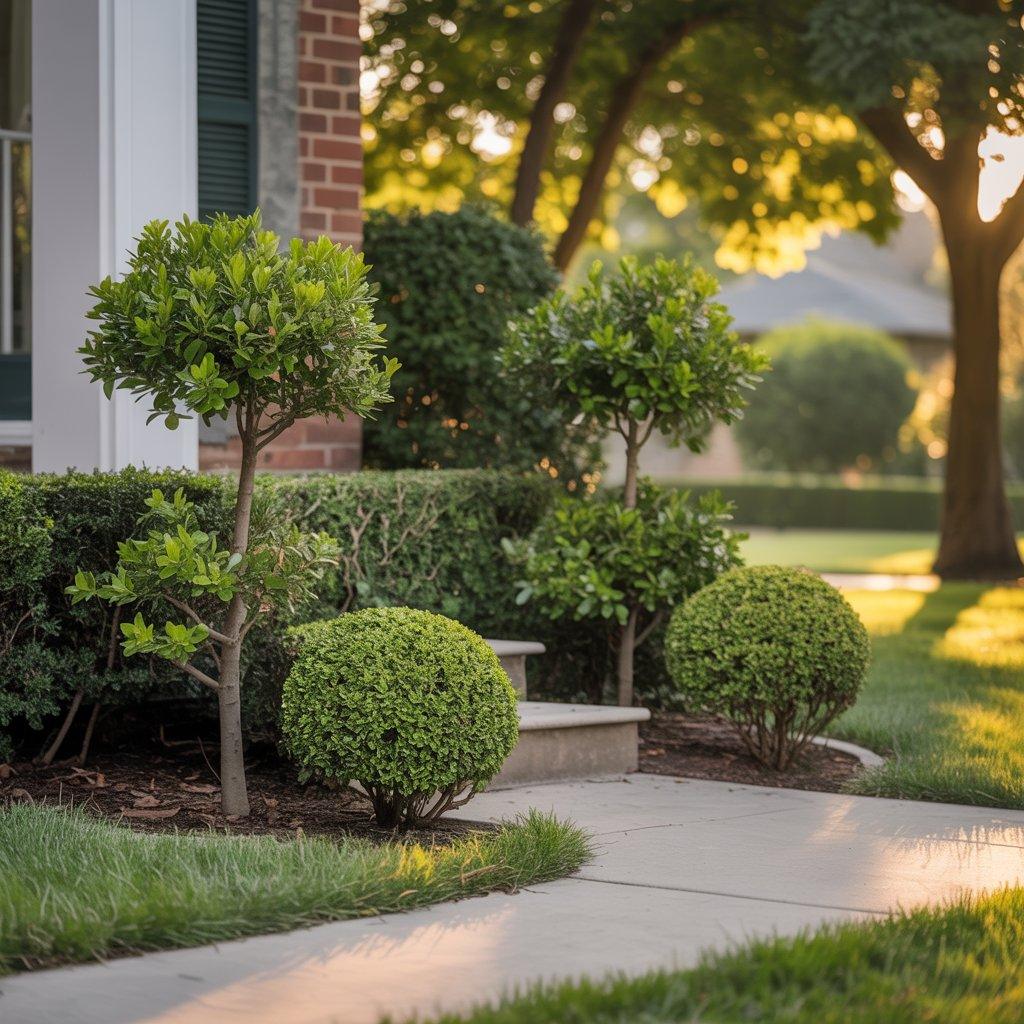
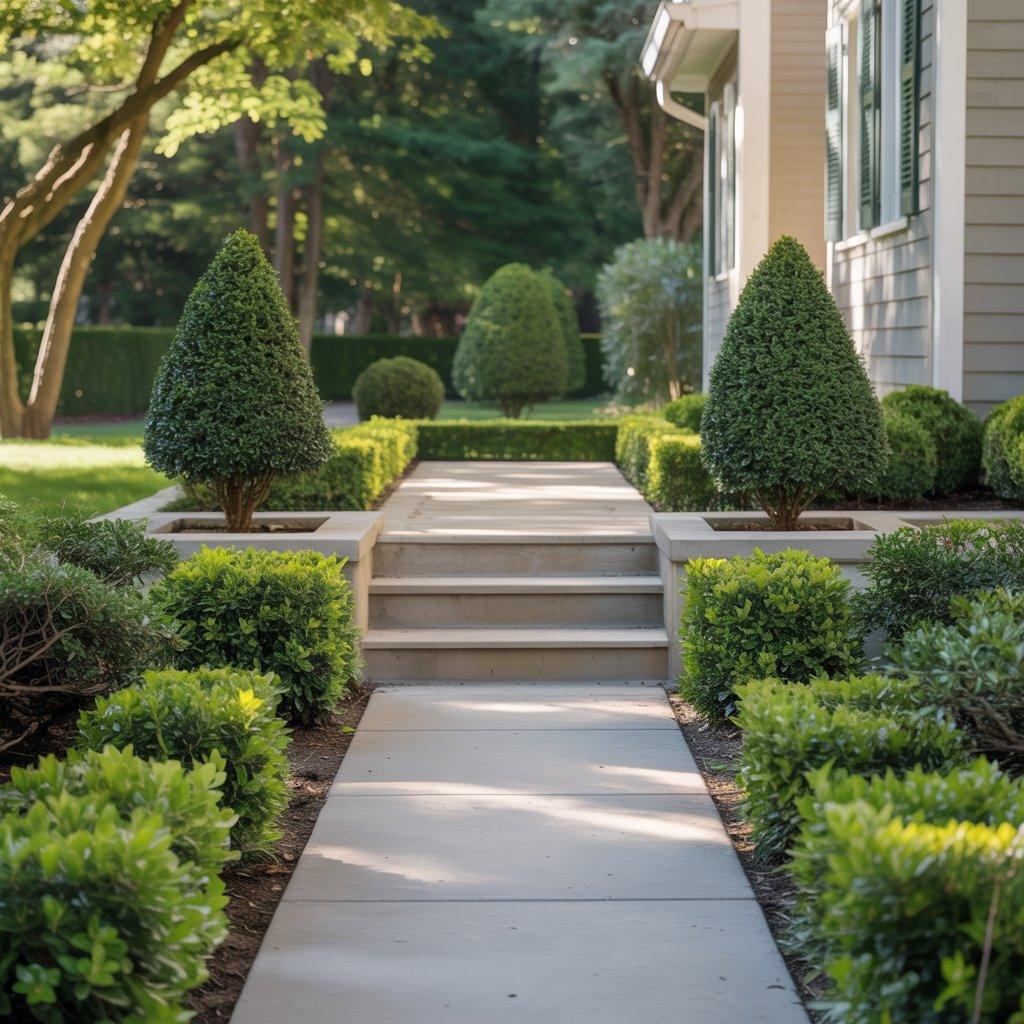
Boxwoods, dwarf yaupon holly, or spirea are low‑maintenance and stay small. Plant one on each side of your front steps.
Then add a couple more every few feet along the walk. It’s a classic look that real estate agents love. Trim them once a year with hand pruners.
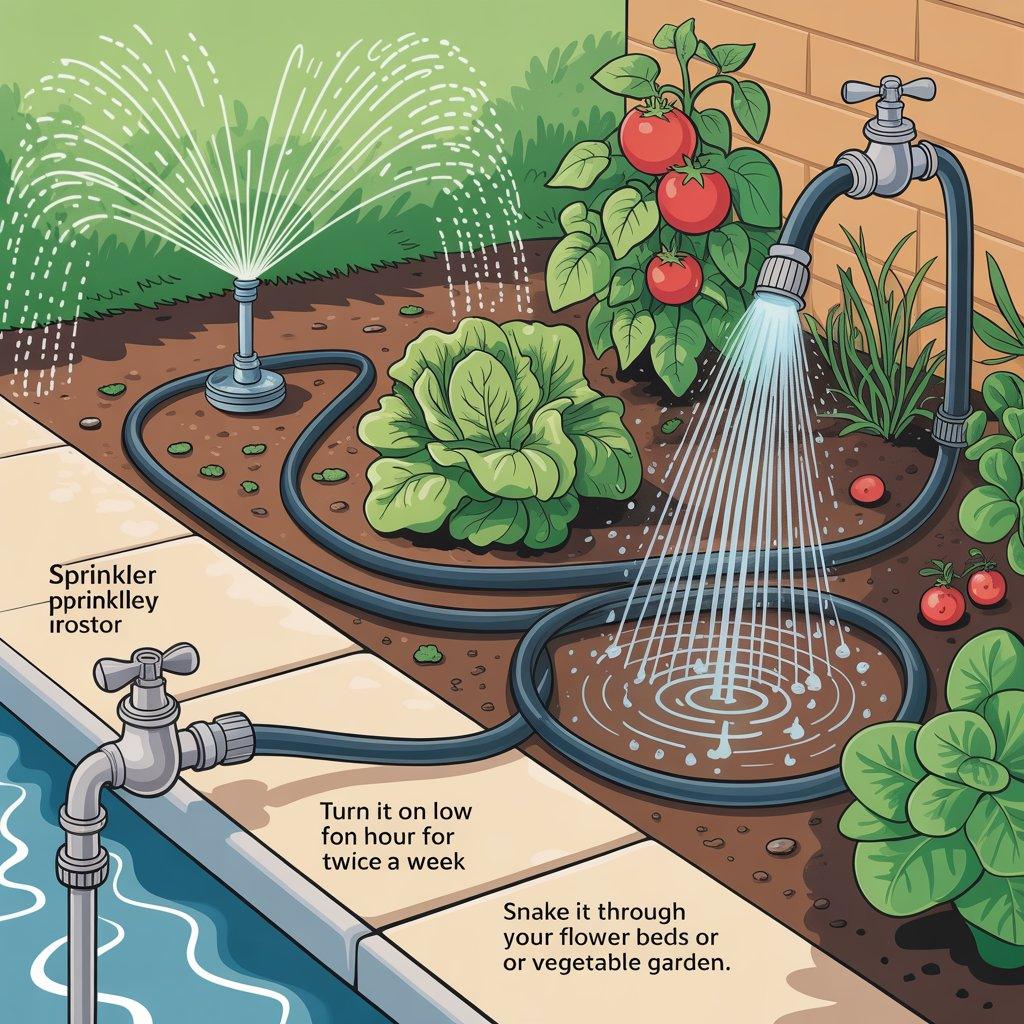
17. Use a Soaker Hose Instead of a Sprinkler
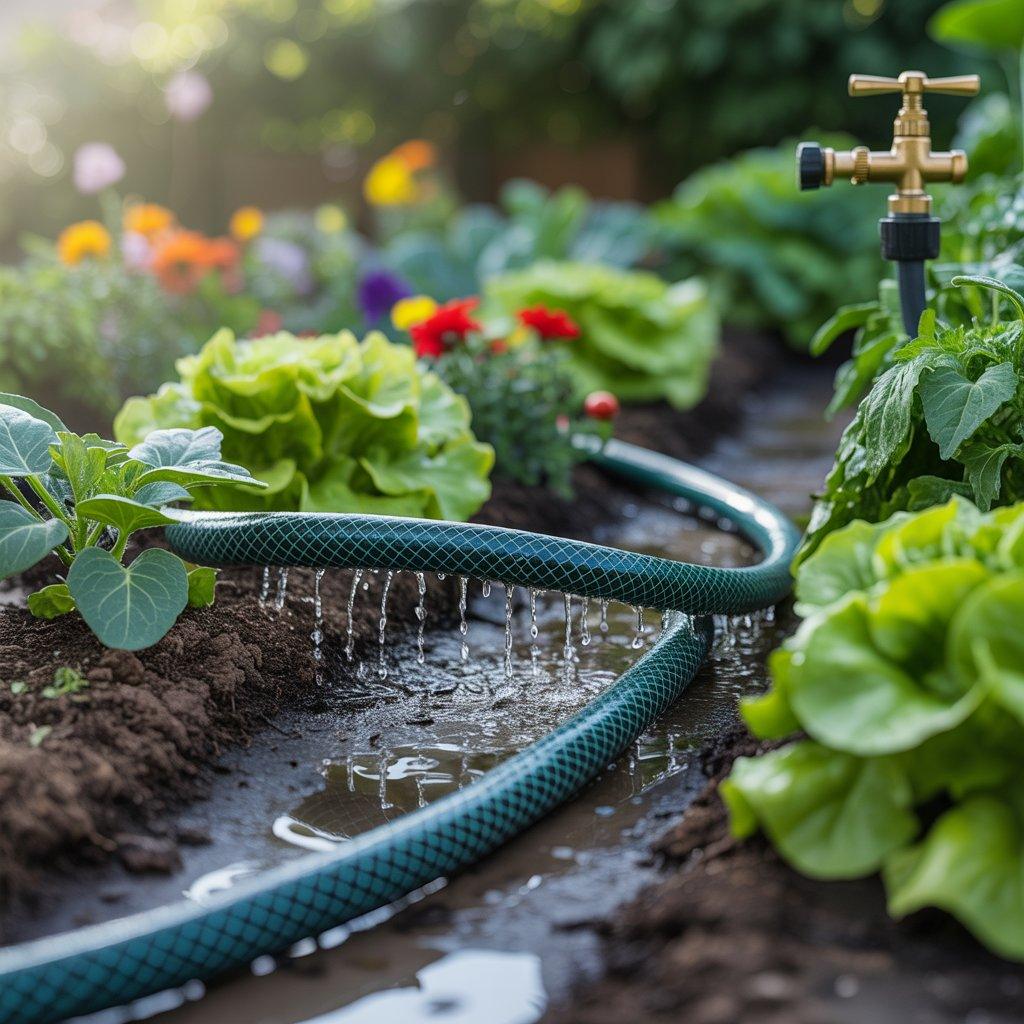
Sprinklers waste water. A soaker hose weeps water slowly right at the roots. Snake it through your flower beds or vegetable garden.
Turn it on low for an hour twice a week. You’ll use way less water, and your plants will be happier. This product can help you: a timer attached to your faucet turns the hose on and off automatically.
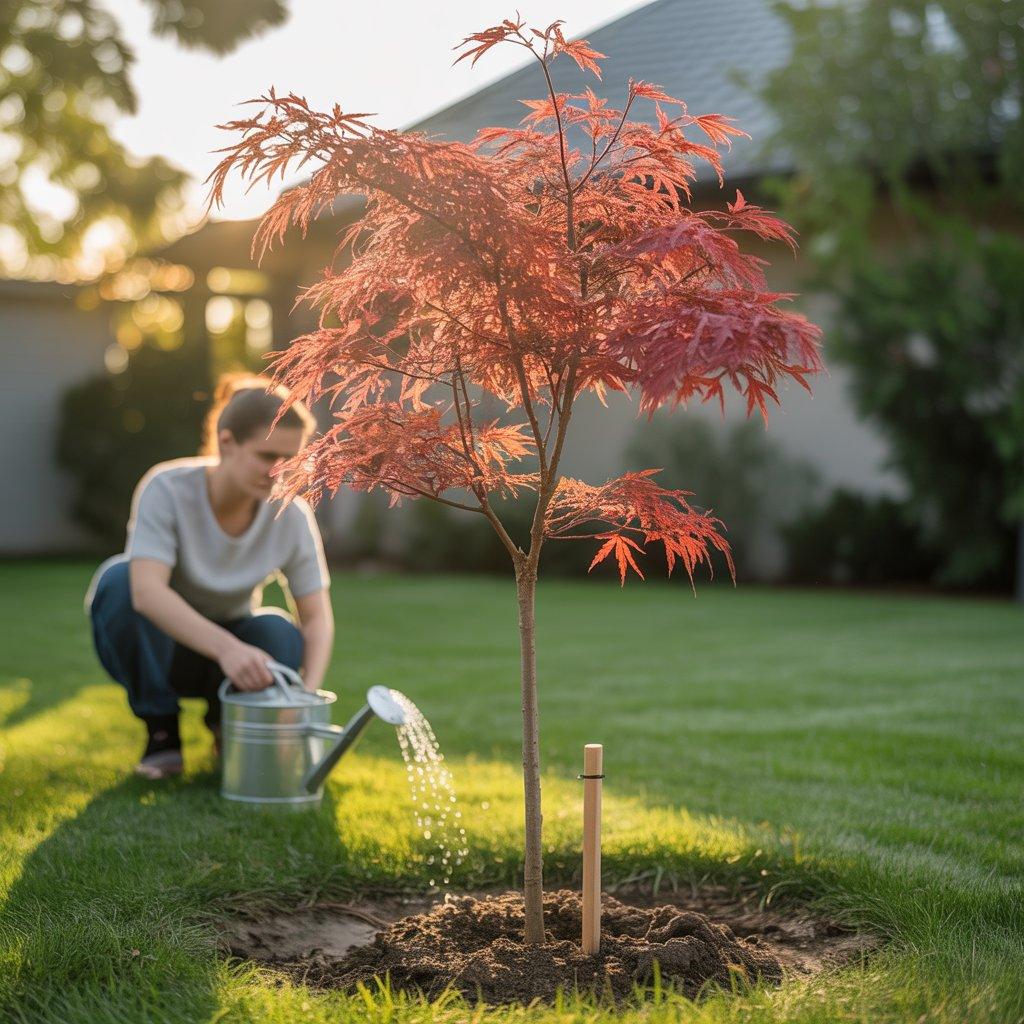
18. Plant a Small Tree for Shade
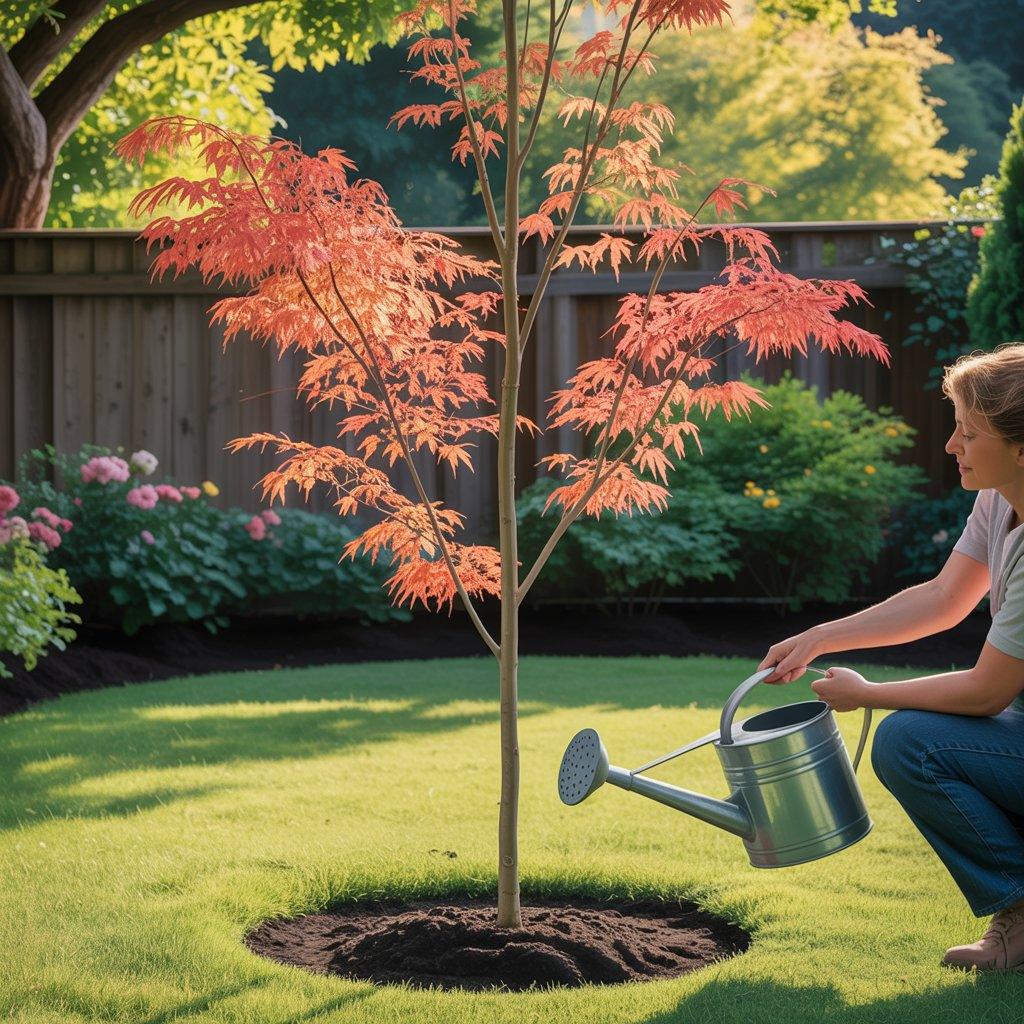
One tree changes a whole yard. A Japanese maple, redbud, or dogwood stays small enough for most backyards. Dig a hole twice as wide as the root ball but no deeper.
Water it deeply once a week for the first year. In three years, you’ll have shade and a place to hang a hammock.
19. Make a Simple Compost Corner
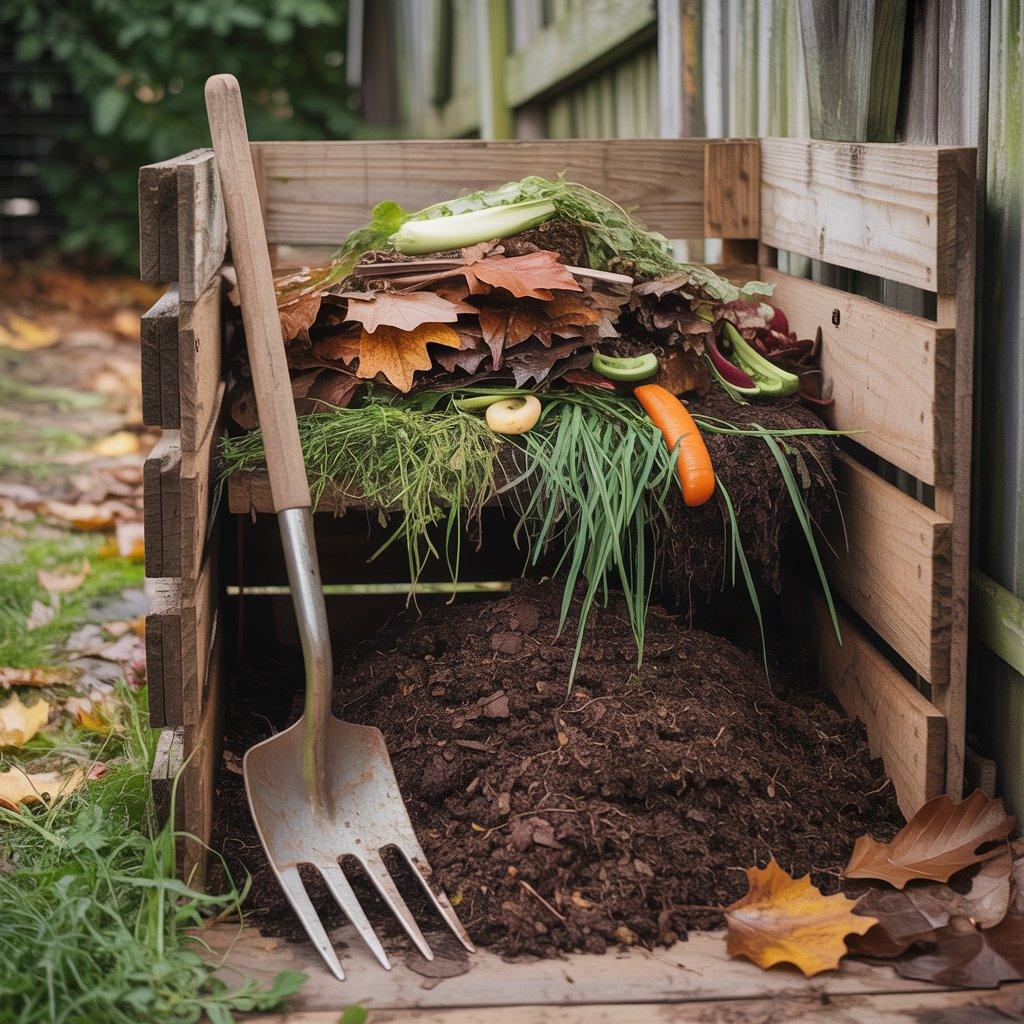
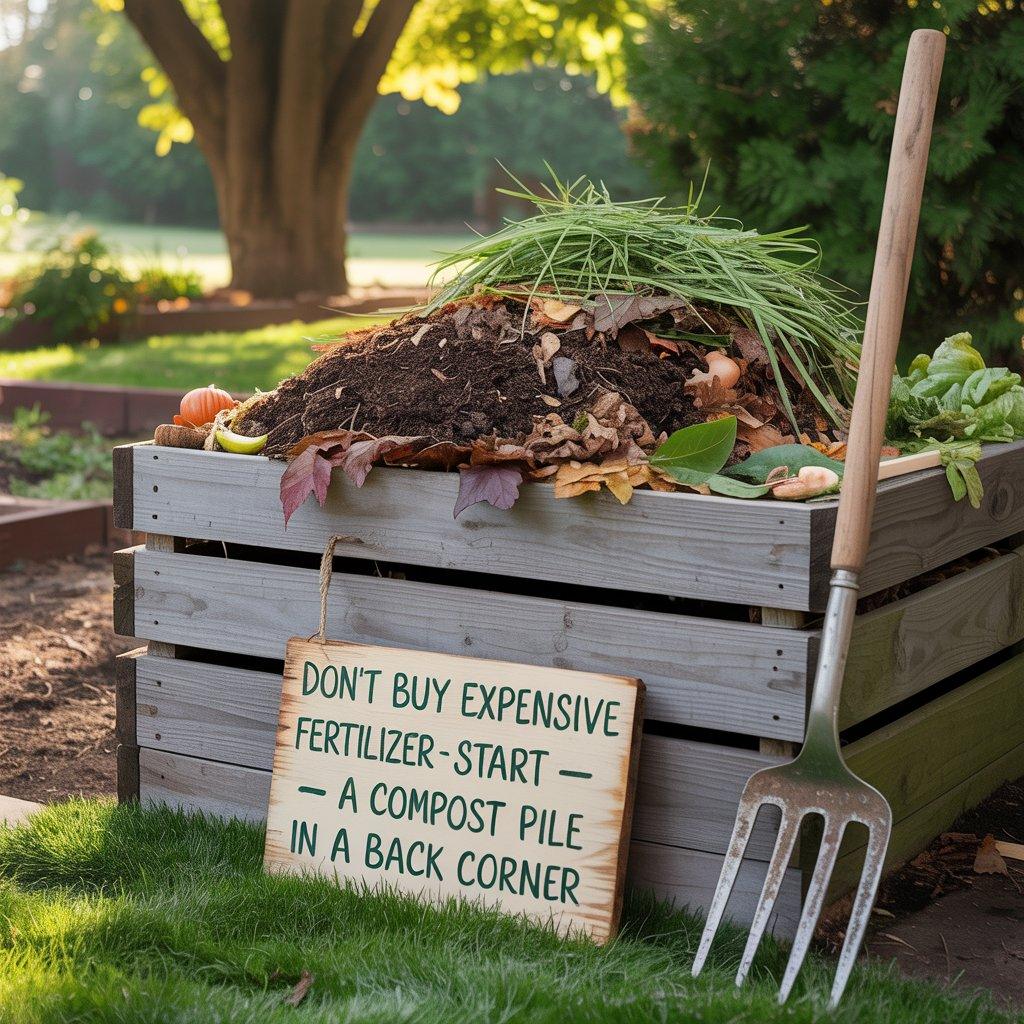
Don’t buy expensive fertilizer. Start a compost pile in a back corner. Throw in grass clippings, leaves, veggie scraps, and coffee grounds.
Turn it with a pitchfork every couple weeks. In a few months, you get black gold for your soil. It’s free, and it cuts your trash.
20. Just Mow Higher and Less Often
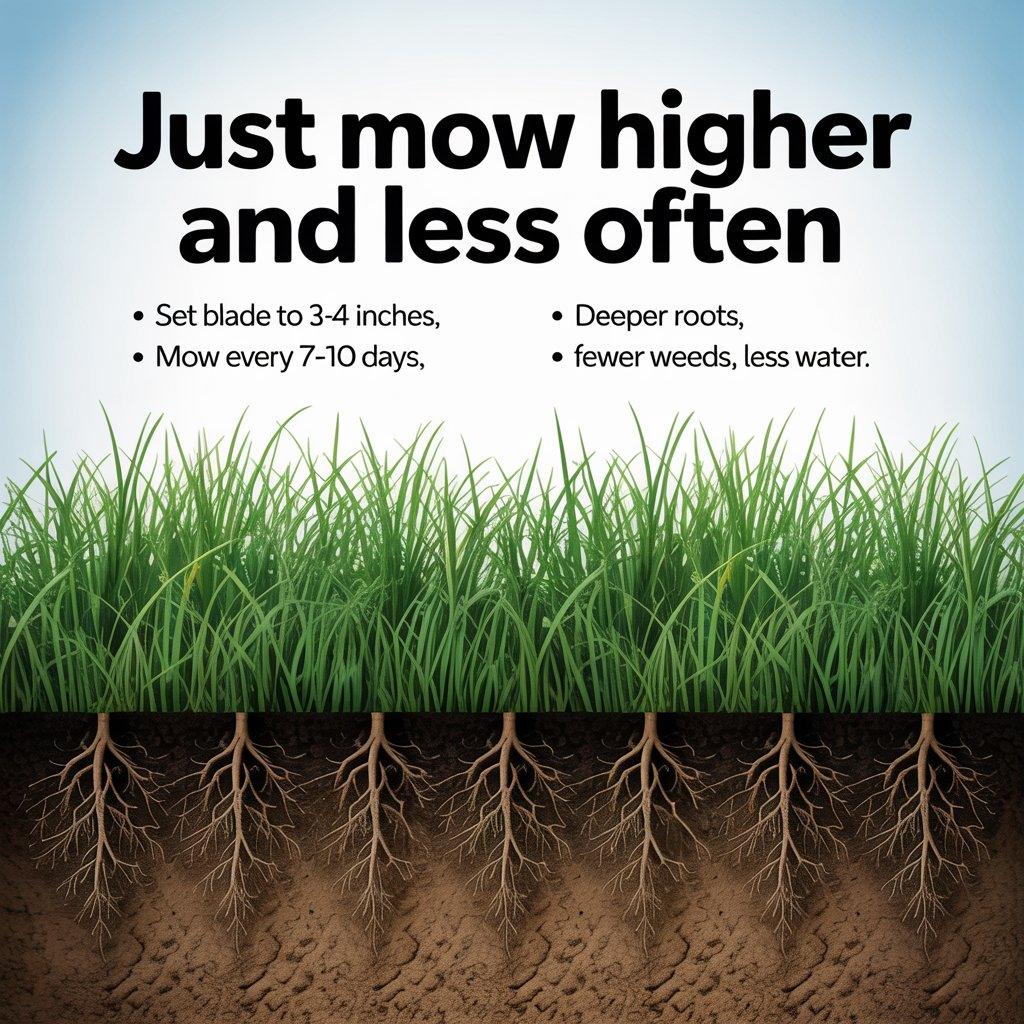
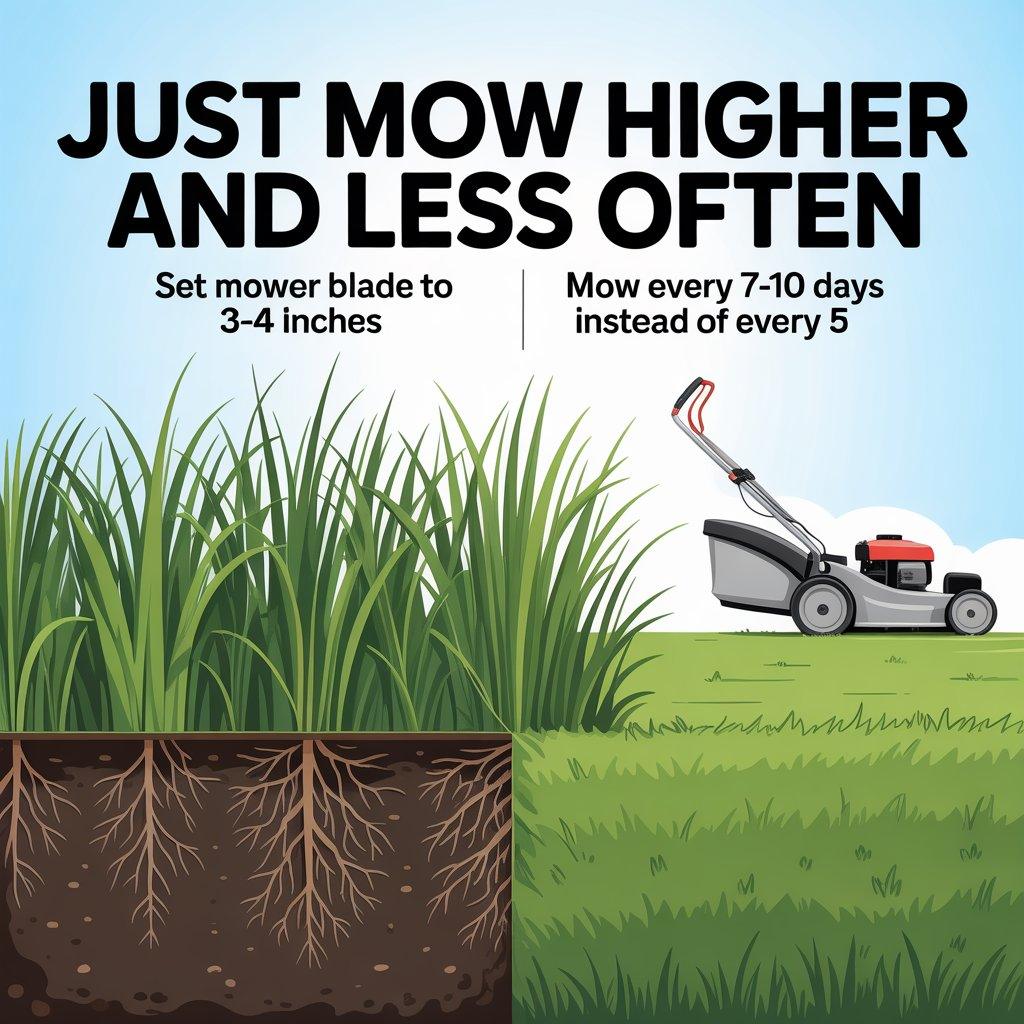
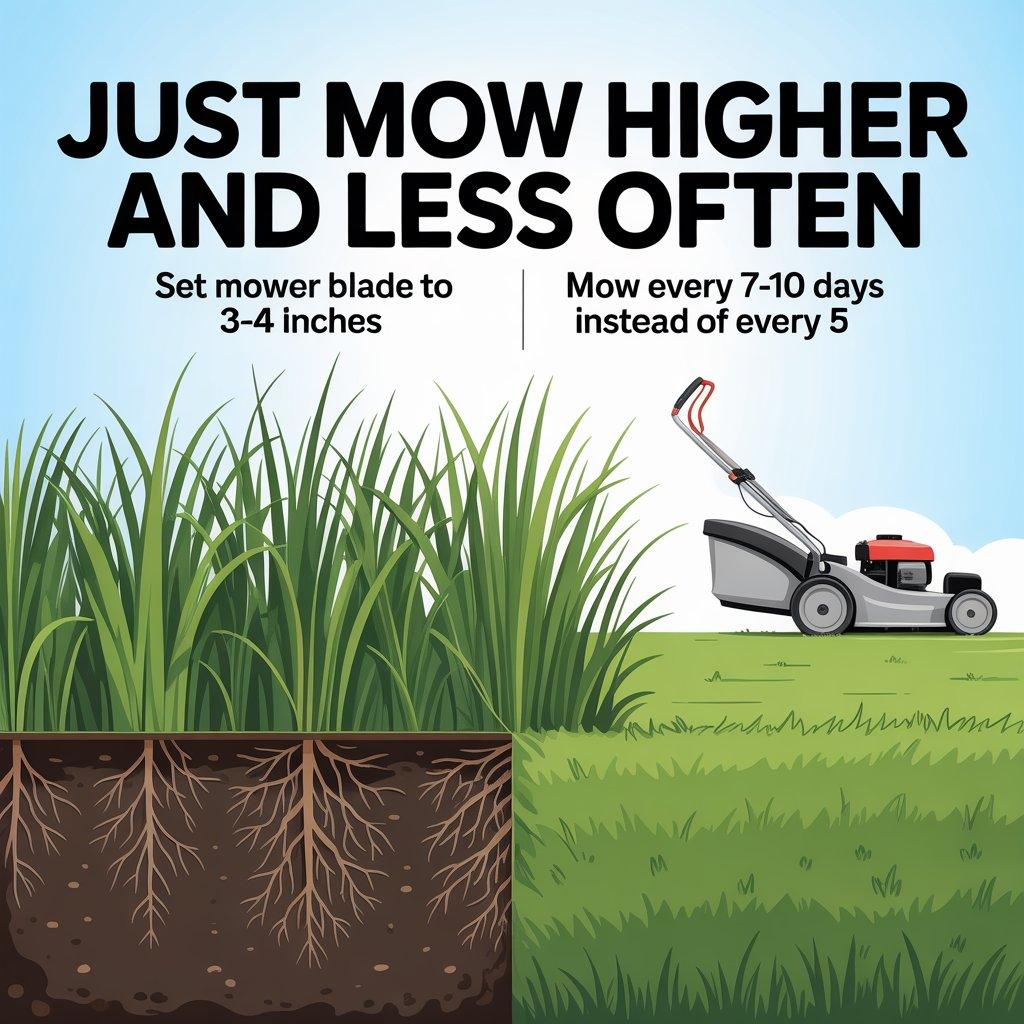
This is the easiest landscaping tip. Set your mower blade to 3–4 inches. Taller grass grows deeper roots, crowds out weeds, and needs less water.
Mow every 7–10 days instead of every 5. Your lawn will look greener and healthier without any extra products.
21. Use Edging to Keep Grass in Check
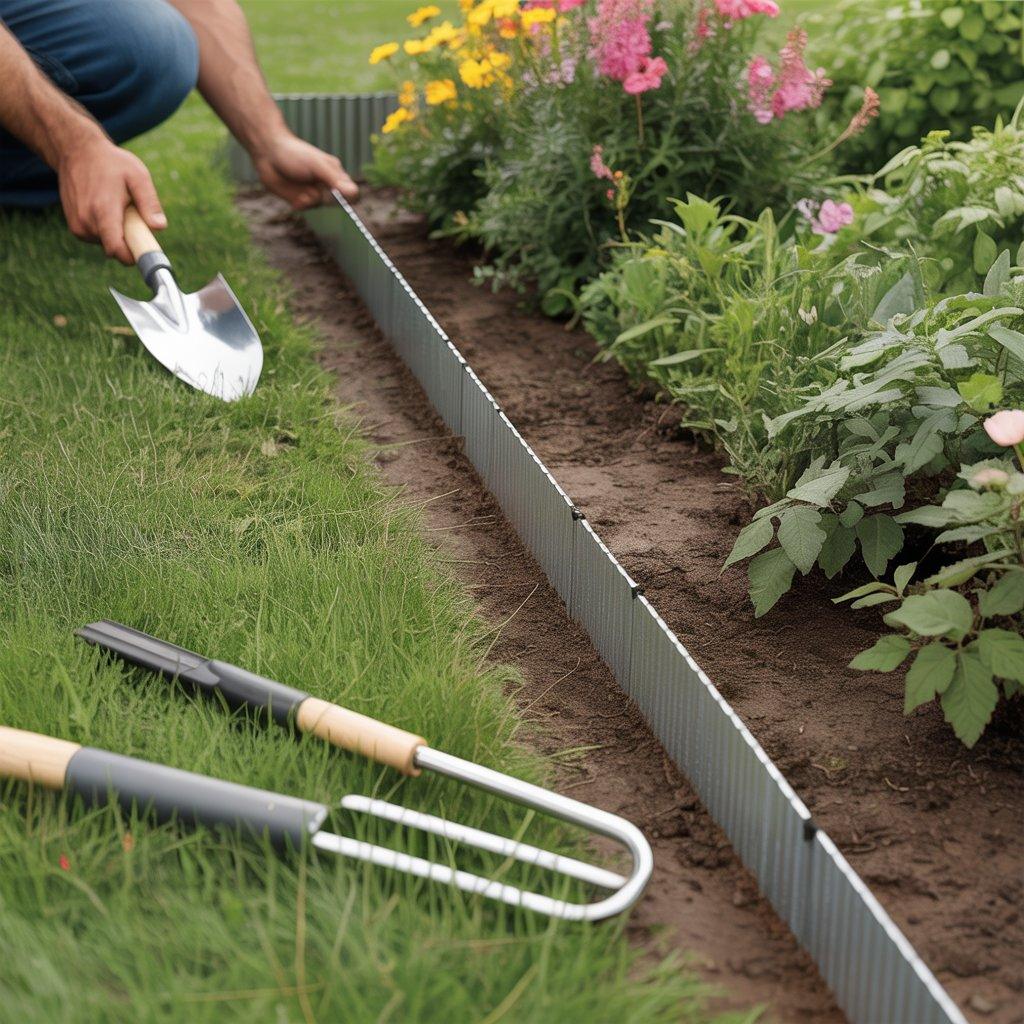
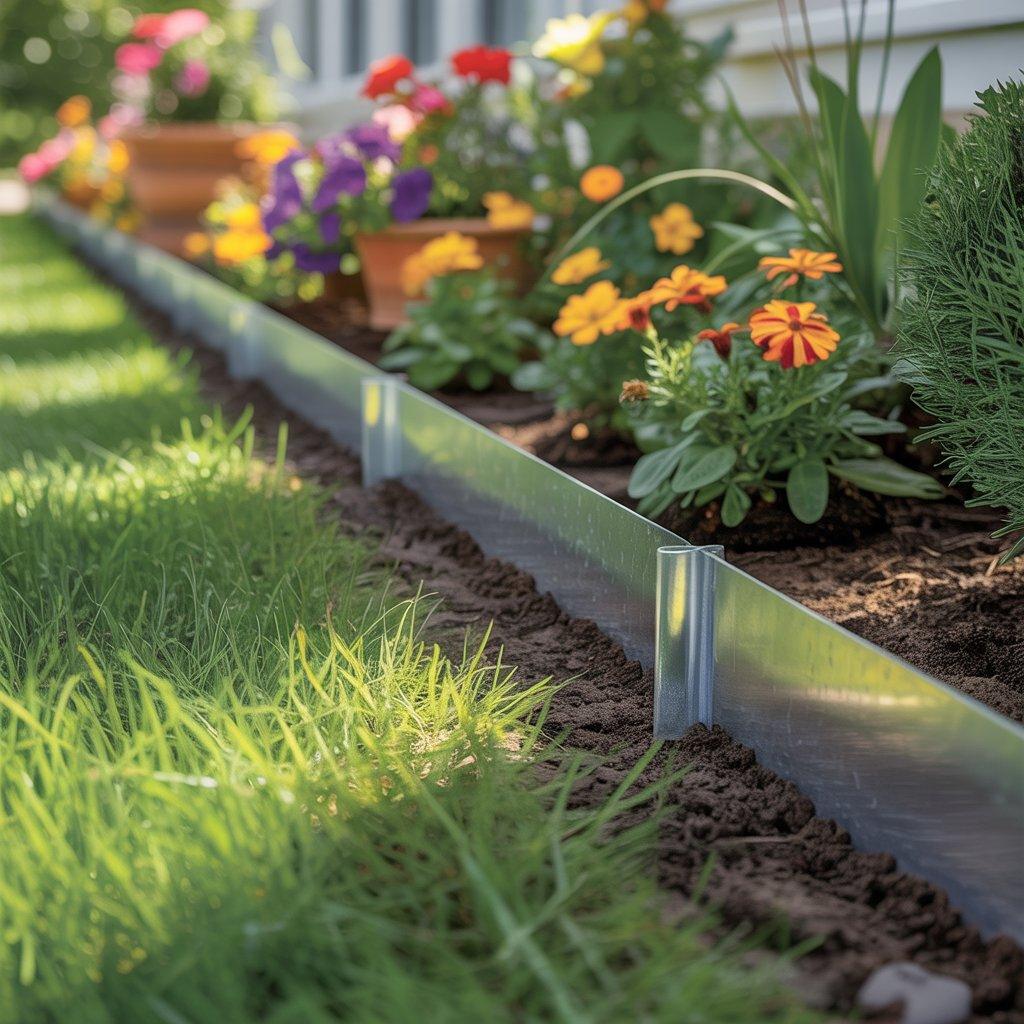
Grass loves to creep into your flower beds. It’s a constant battle. Solve it with physical edging. You can buy cheap plastic or metal edging strips at any hardware store. Dig a shallow trench along your border, set the edging in so about an inch sticks up above the soil, and backfill.
This creates a real barrier that stops grass roots from sneaking over. Metal edging looks cleaner and lasts longer, but plastic works fine for a few seasons.
Another option: dig a deep, V-shaped trench with a sharp edger and just maintain it. Either way, keeping grass where it belongs saves you hours of pulling runners every summer.
22. Add a Simple Bird Bath or Water Feature
You don’t need a pond with a pump. A basic bird bath does two things: it looks nice, and it brings birds into your yard. Birds eat bugs, so that’s a win.
Buy a concrete or glazed ceramic bird bath for $40–$80. Put it somewhere visible from your window or patio. Fill it with water every few days and scrub out the algae once a month.
That’s it. If you want something fancier, try a “bubbling rock” kit – it’s a recirculating pump and a drilled stone. But start simple. A bird bath is an easy landscaping win that adds life and movement.
23. Plant Low-Growing Ground Cover on Slopes
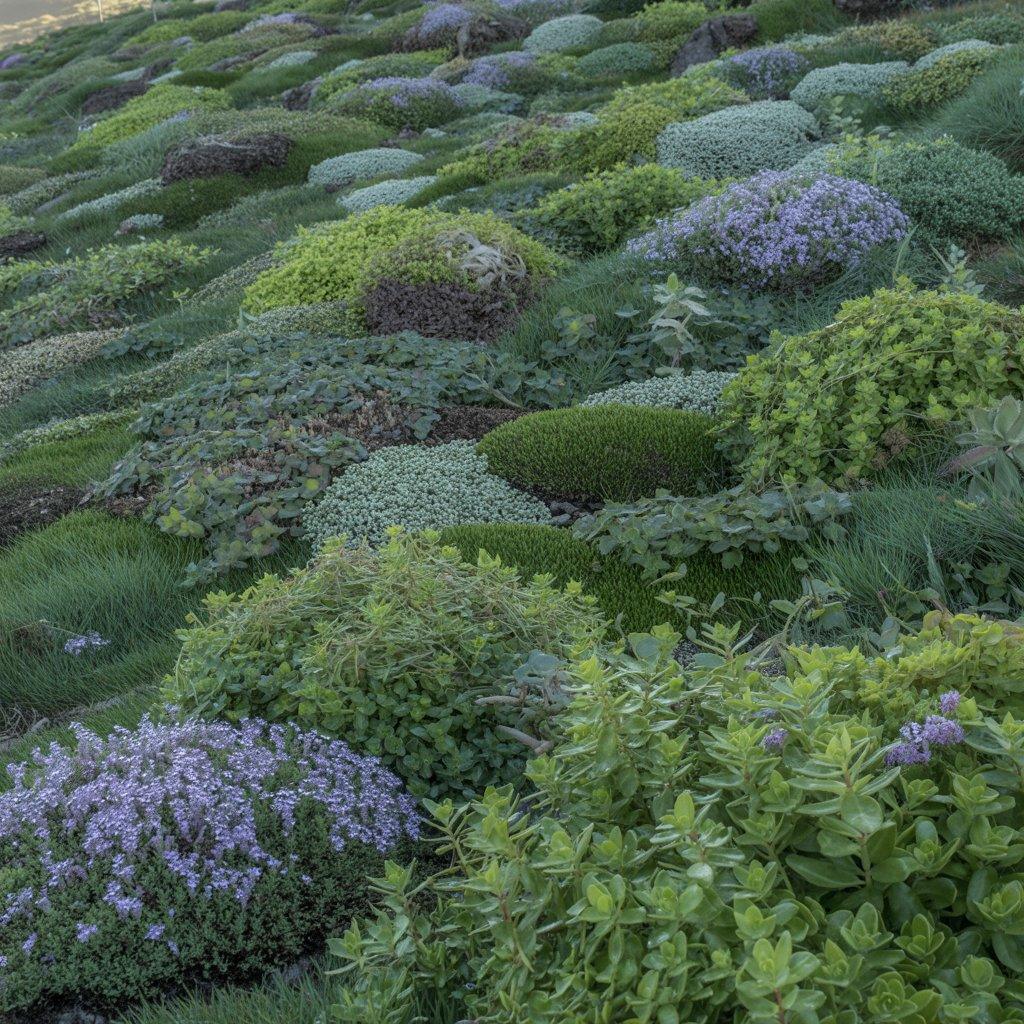
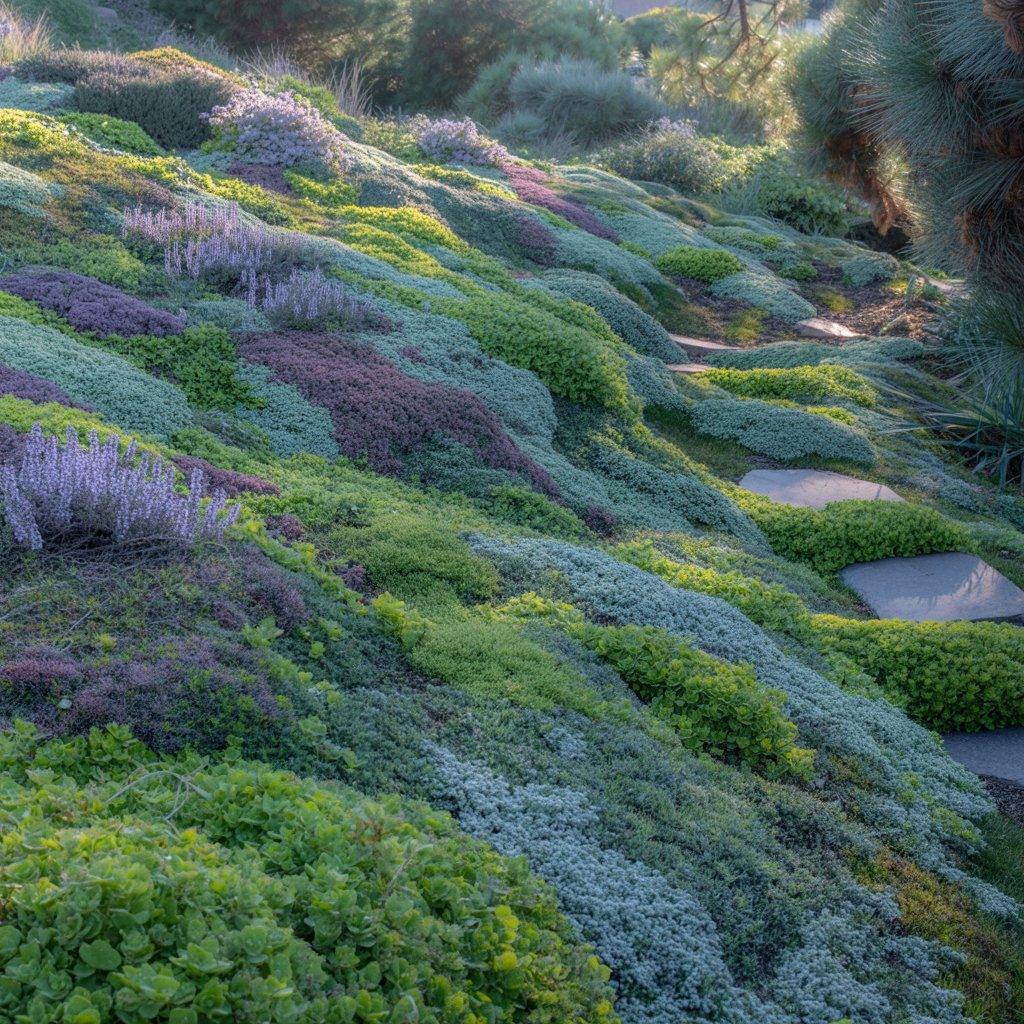
Slopes are a pain. Mowing them is dangerous, and rain washes away your mulch. The fix is ground cover. These are low plants that spread and hold soil in place. Good beginner options: creeping thyme, sedum, vinca minor, or clover.
They don’t need mowing. Plant them about a foot apart, water them regularly for the first few months, and then let them fill in. Within a year or two, you’ll have a green, weed-free slope that looks like a carpet. Creeping thyme even flowers and smells good when you walk on it. No more slipping on wet grass.
24. Build a Simple Raised Bed with Untreated Wood
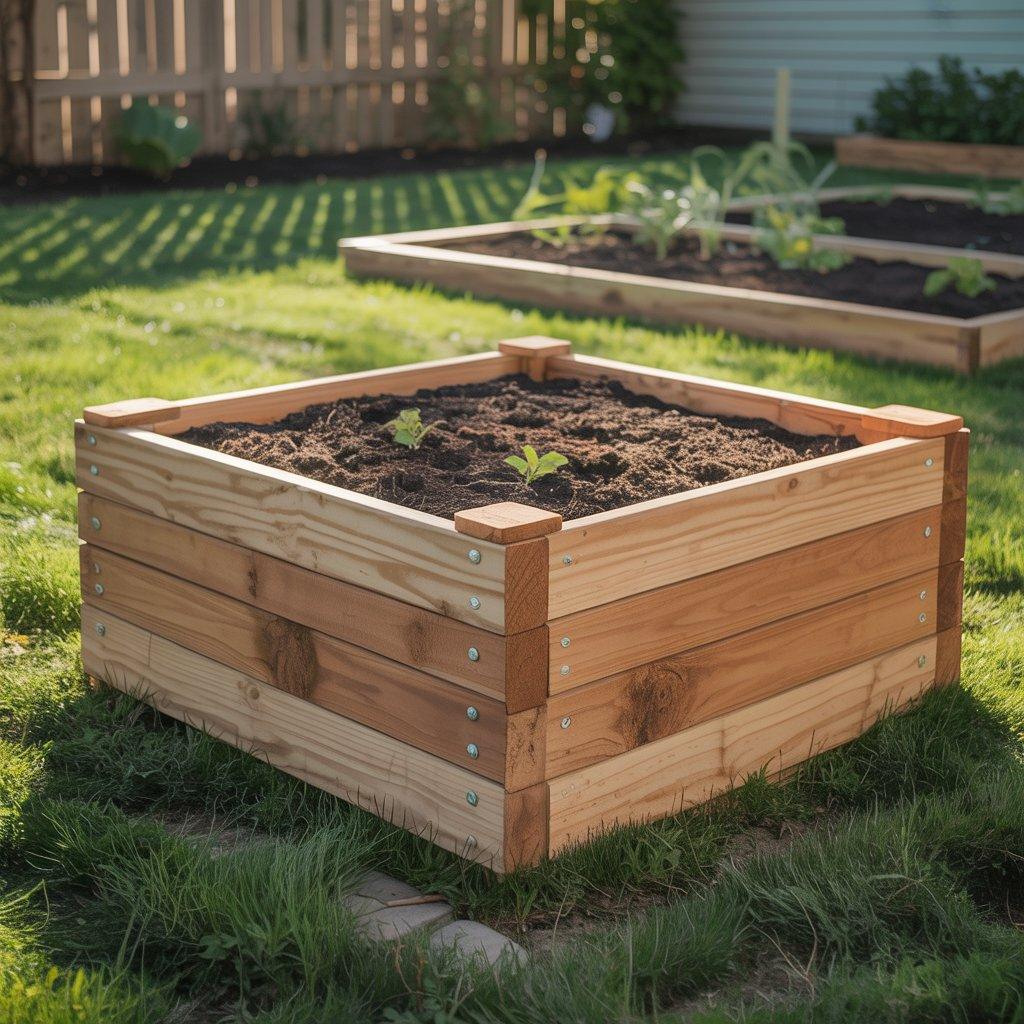
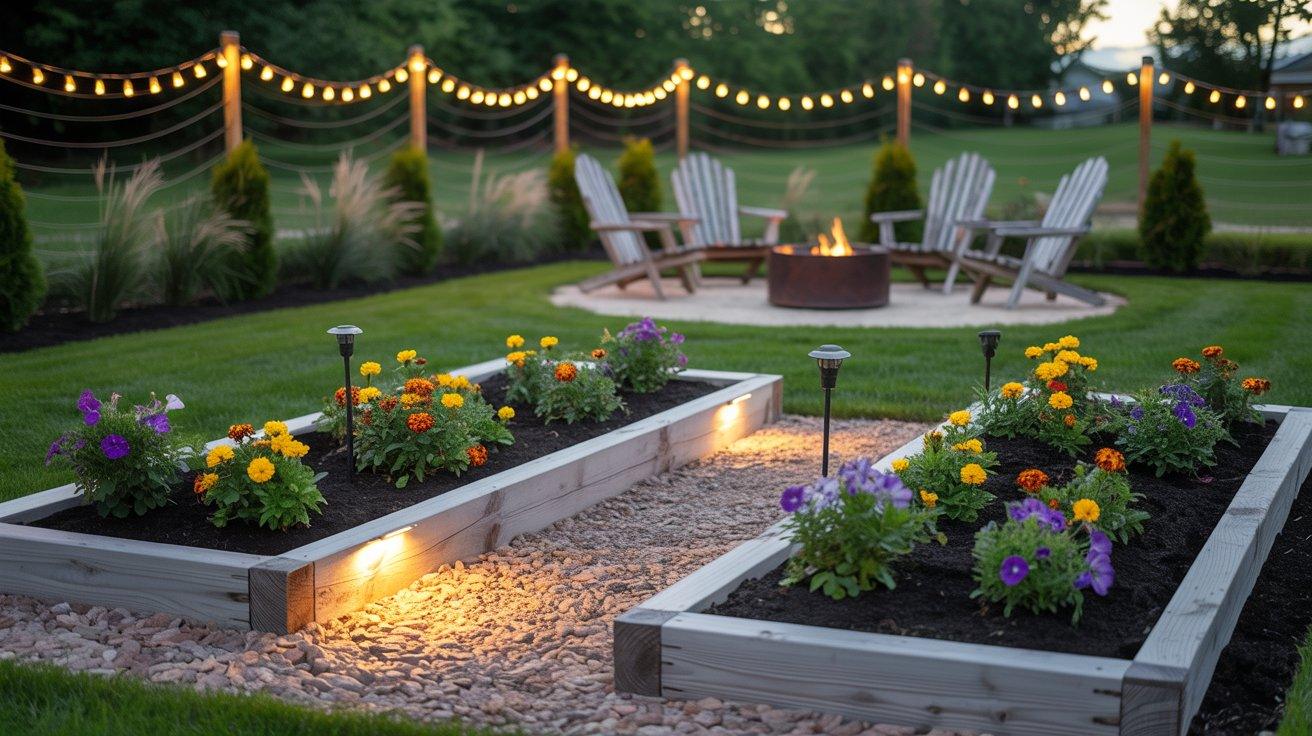
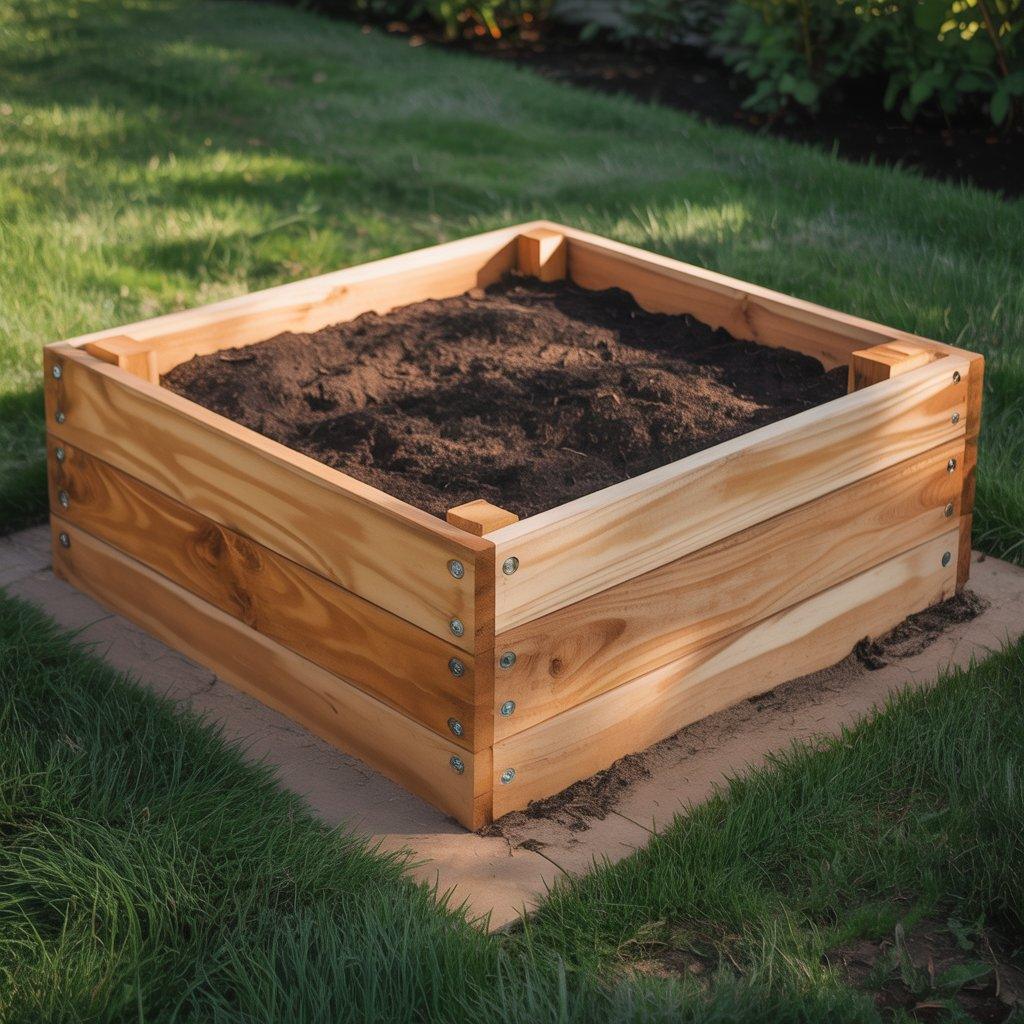
Raised beds aren’t just for vegetables. A small raised bed (4 feet by 4 feet) makes a great flower or shrub planter. It gives you clean, defined space and saves you from bending over so much.
Buy three 8-foot-long untreated cedar or pine boards (2×6 or 2×8). Cut one in half to make the ends. Screw the corners together with deck screws. Set it on level ground, fill with topsoil, and plant. Don’t use treated wood near edibles chemicals can leach.
Cedar lasts longer but costs more. Pine is cheap and will last a few years. Paint or stain the outside if you want. This project takes two hours and makes your yard look intentional.
25. Add a Dry Creek Bed for Drainage Problems
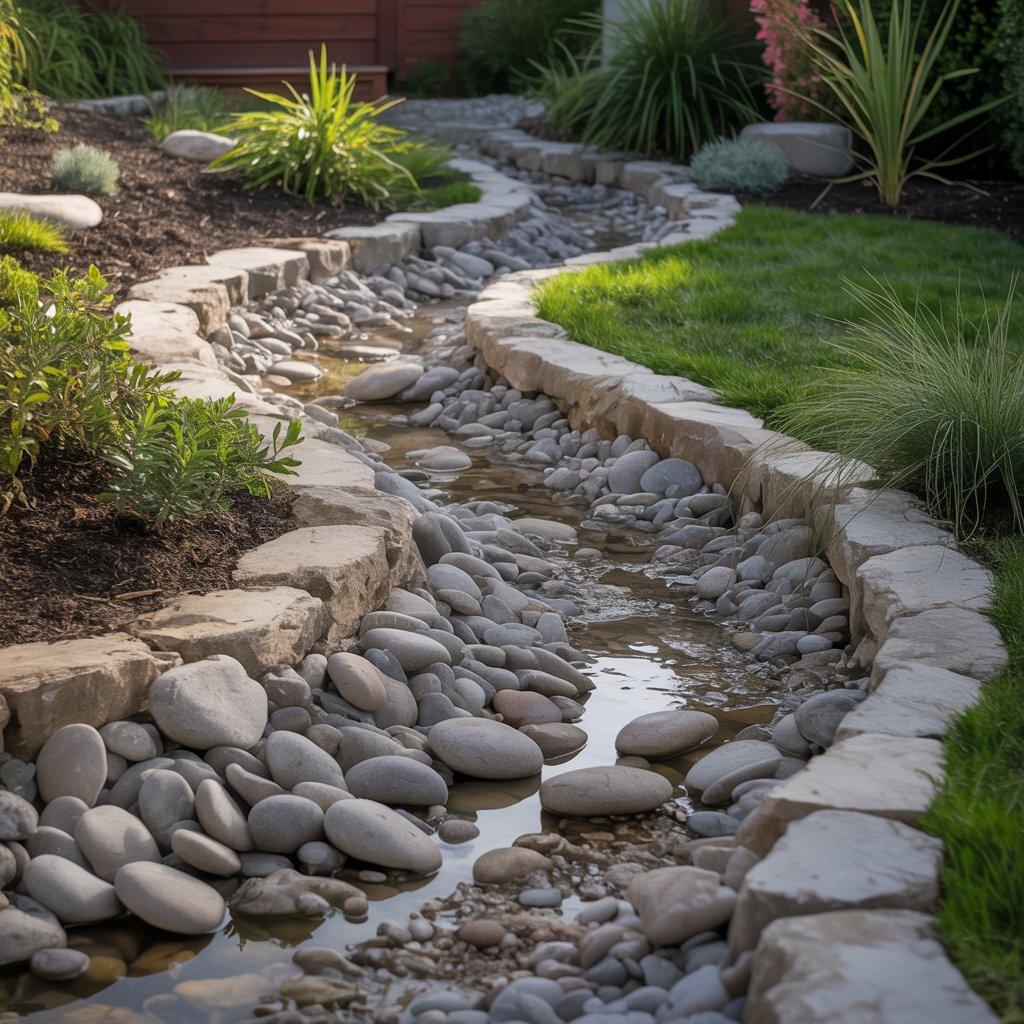
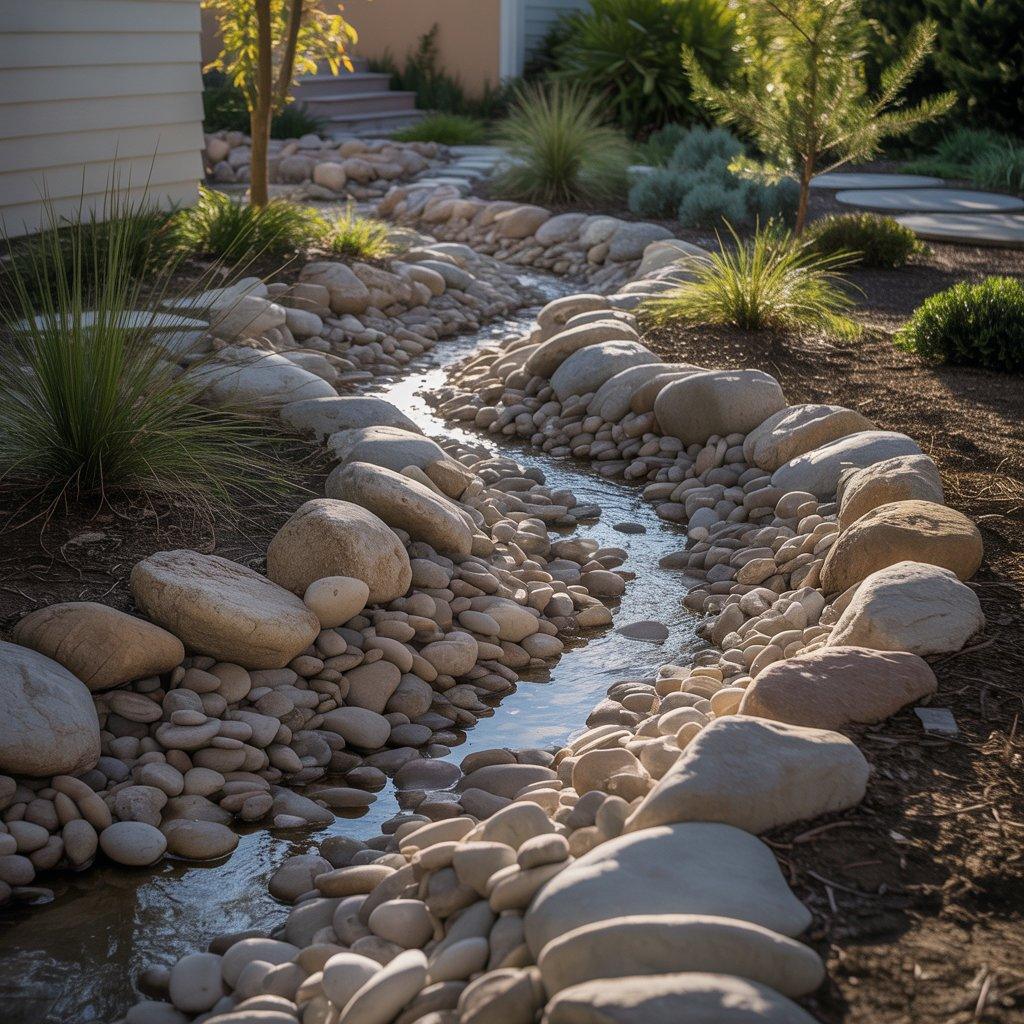
Got a spot where water always pools after rain? Instead of fighting it, work with it. Dig a shallow trench that looks like a natural stream bed, starting where the water collects and ending where you want it to drain.
Line the trench with landscape fabric, then fill it with river rocks or smooth pebbles of different sizes. Bigger rocks on the bottom, smaller on top. It looks like a dry creek bed that only fills when it rains.
You’ve solved a drainage problem and added a cool design feature. No plumbing skills needed. Just a shovel, some rocks, and a Saturday afternoon.
26. Use a Single Large Boulder as a Focal Point
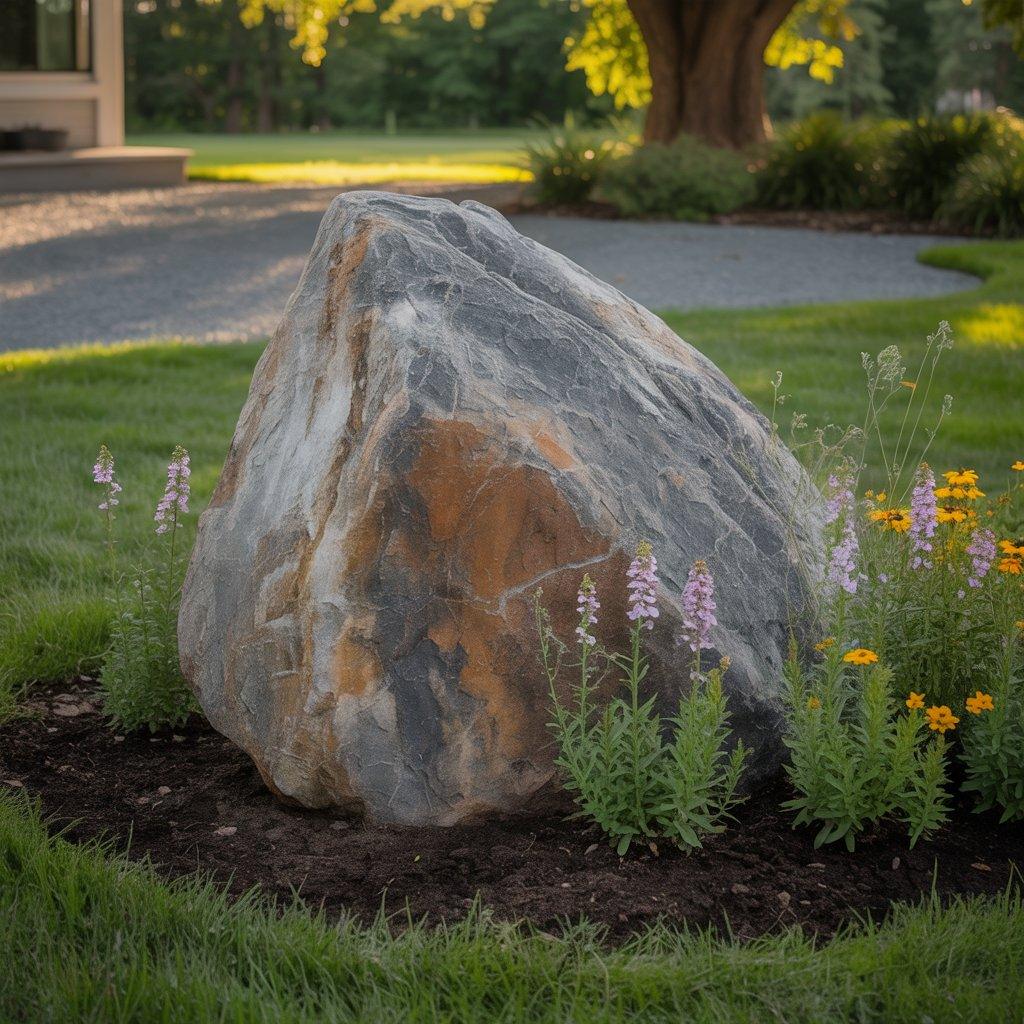
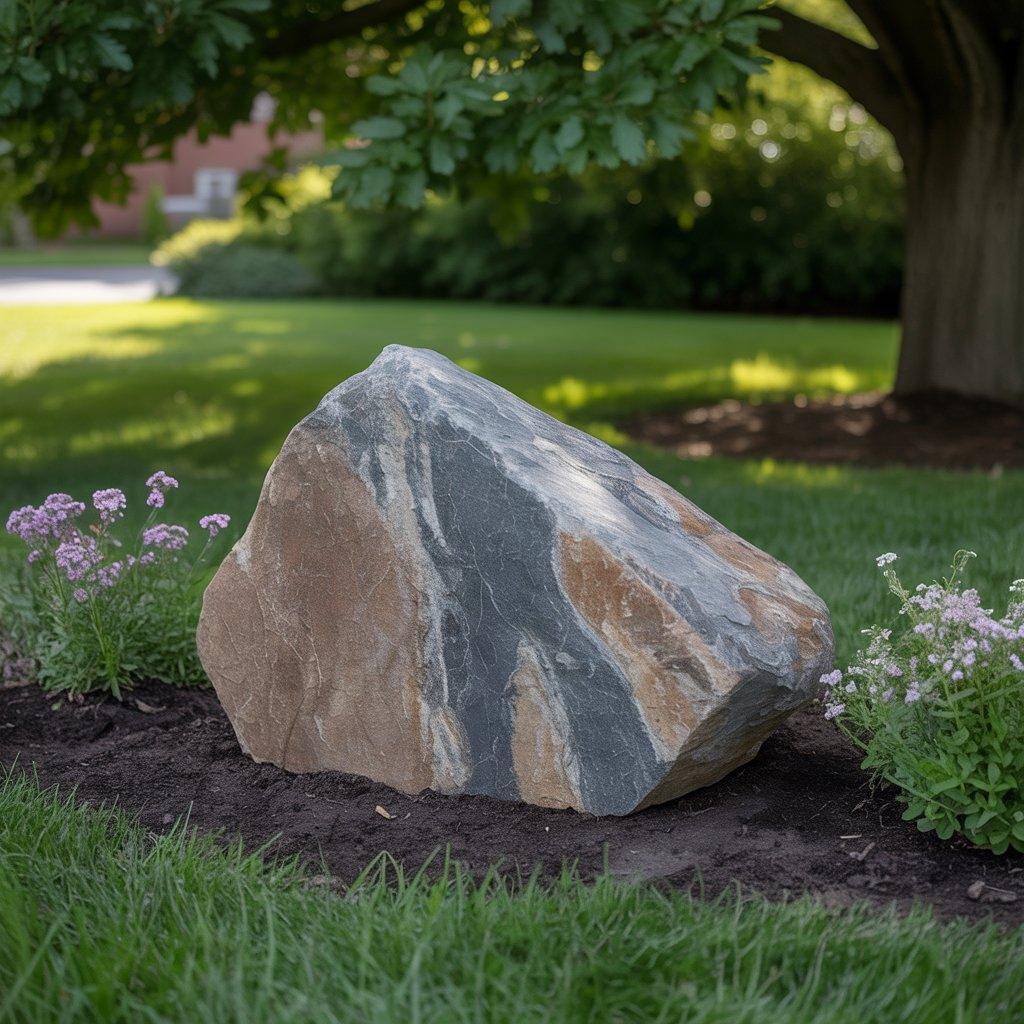
Sometimes the easiest idea is the best: buy one big rock. A single boulder (2–3 feet across) costs maybe $50–$150 from a landscape supply yard. Have them deliver it or haul it in a pickup truck.
Set it in a visible spot near your new gravel patio, at the edge of a flower bed, or under a tree. Half-bury it so it looks natural. That’s it. One boulder adds weight and permanence to your yard.
It breaks up empty space and gives your eye something to land on. You can plant low flowers around it later. Simple, timeless, and impossible to mess up.
27. Install a Small Trellis with a Climbing Vine
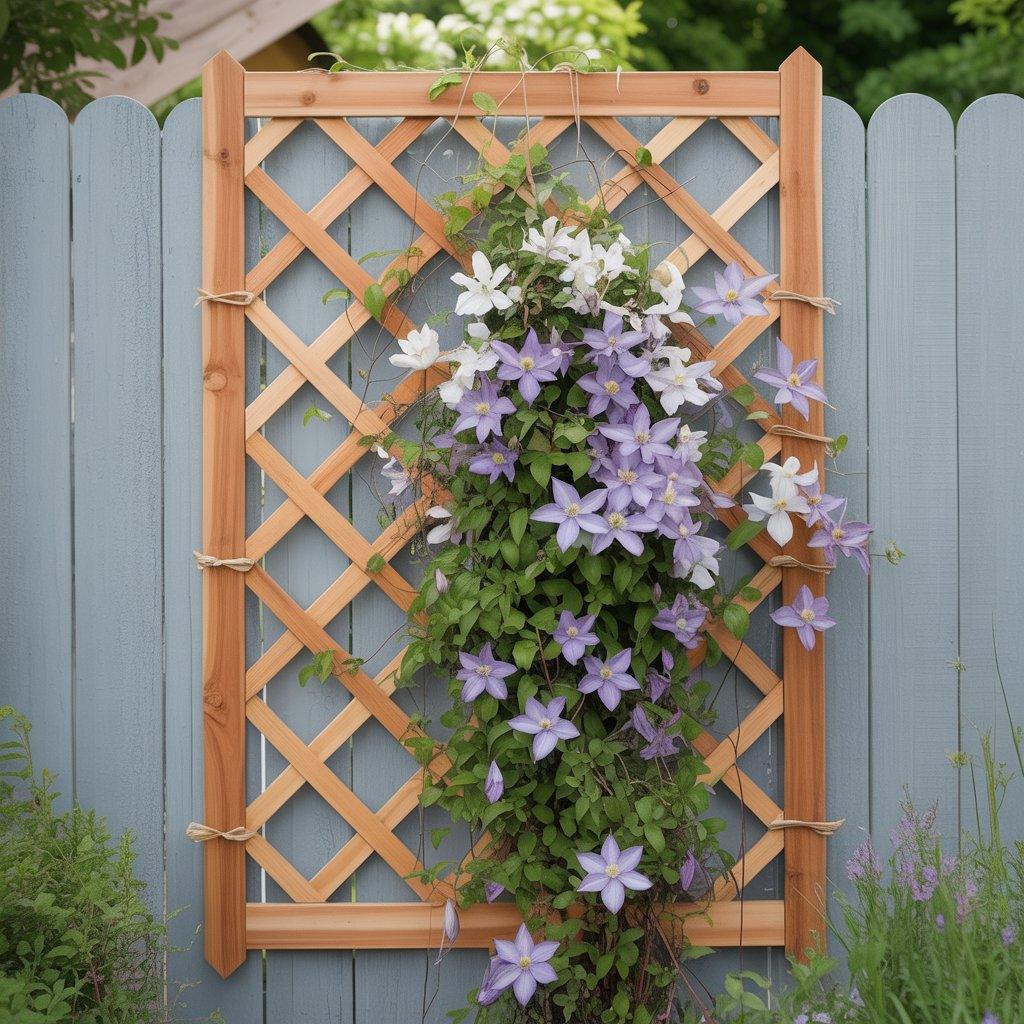
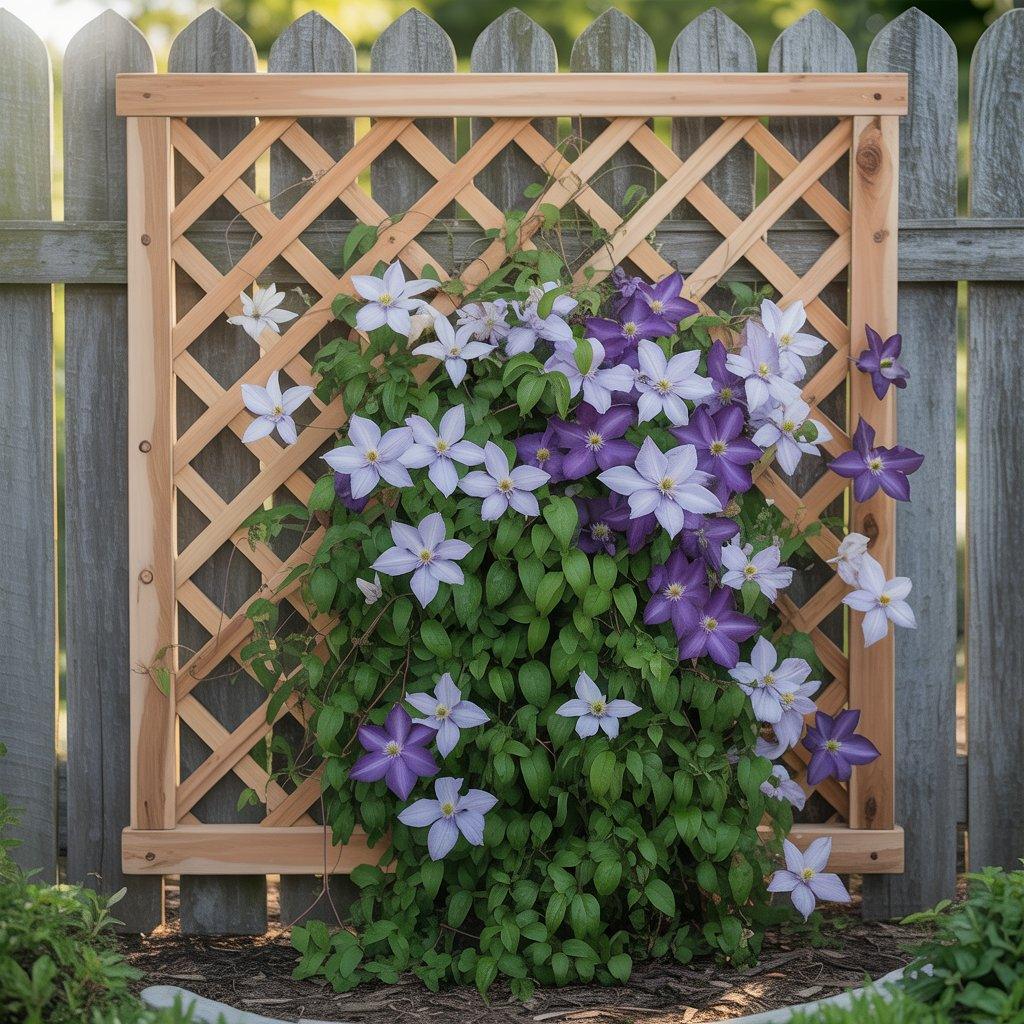
Bare fences or blank walls are boring. A trellis fixes that fast. Buy a ready-made wooden or metal trellis (about 4–6 feet tall) from a hardware store. Attach it to your fence or push its stakes into the ground. Plant a climbing vine at its base.
Good beginner vines: clematis, jasmine, or morning glory. Water it regularly, and loosely tie the vines to the trellis as they grow. Within one summer, you’ll have a wall of green and flowers.
It adds height and softens hard surfaces. Just avoid invasive vines like English ivy or wisteria – they take over. Pick something well-behaved.
Quick Tips for Beginners
- Start small. Pick one flower bed or one corner of the yard. Don’t try to do everything at once.
- Work with what you have. Got a sunny spot? Plant sun‑loving things. Shady? Hostas and ferns.
- Buy plants in the fall. Nurseries often discount perennials by 50% or more.
- Keep a garden notebook. Just a cheap spiral where you write what worked and what died.
Mistakes to Avoid
- Planting too deep. The root ball should sit level with the ground. If you bury the stem, the plant rots.
- Overwatering. Most plants die from too much love. Stick your finger in the soil. If it’s wet, wait.
- Using rocks instead of mulch. Rocks get hot and reflect heat. Mulch keeps soil cool and moist.
- Ignoring your soil. A $10 soil test tells you if you need lime or fertilizer. Don’t guess.
FAQs
Q: How much does beginner landscaping cost?
A: You can start for under $100. A few bags of mulch, some seeds or small perennials, and a shovel. Most of my ideas cost $20–$50 each.
Q: When is the best time to start?
A: Spring or early fall. The weather is mild, and rain helps new plants settle in. Summer heat is hard on fresh plantings.
Q: I have no tools. What do I buy first?
A: A flat shovel, a hand trowel, pruning shears, and a garden hose. That’s about $50 total at a home store. Add a wheelbarrow later.
Simple Designs or Styling Ideas
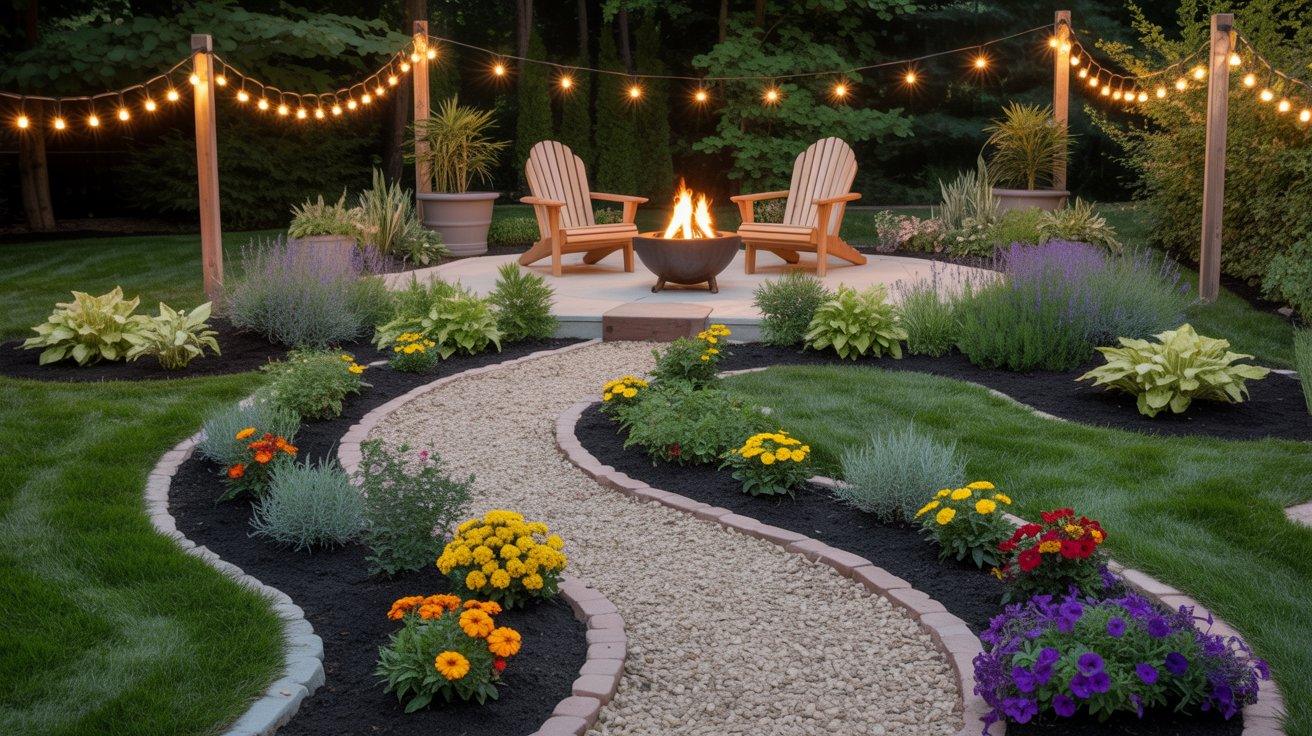
- The “Circle of Chill” Arrange a ring of stones, put a fire pit in the middle, and surround it with four Adirondack chairs. Fill the ring with pea gravel.
- The “Walkway Welcome” Line your front walk with solar lights on one side and a row of small boxwoods on the other. Add two large pots by the door.
- The “Low Work Lawn” Reduce your grass to just a central oval. Surround it with mulched beds filled with low maintenance shrubs and ground cover.
Conclusion
You don’t need to be a pro to have a backyard that feels good to be in. Start with one or two of these 27 ideas this weekend. Maybe just cut a border and throw down some mulch. Or lay a few stepping stones and add a bird bath. See how that feats. Then add something else next month – a boulder, a trellis, or a dry creek bed.
Related Post: