

Before you toss that worn-out pair of jeans, stop. Those faded, ripped, out-of-style denim pieces sitting at the back of your closet are not trash they are inventory.
Denim is one of the most durable, versatile, and buyer-friendly materials in the handmade marketplace, and the demand for upcycled goods keeps climbing. A report from ThredUp found the sustainable fashion market grew 185% between 2020 and 2025, and denim bags alone sell for $35 to $80 on Etsy and Pinterest.
This guide skips the generic tote bag tutorial you have seen a hundred times. Instead, you will find fresh, modern denim projects that people actually want to buy right now, complete with pricing guidance, selling strategies, and a production schedule that fits into real life.

Why Denim Sells (and Why Buyers Love It)
Denim is forgiving to work with, already familiar to shoppers, and carries a built-in story that makes it an easy yes at a market table. Buyers are not just purchasing a product. They are buying the idea that something discarded got a second life.
That narrative sells. It photographs well. It feels intentional rather than crafty. And because every pair of jeans has a different wash, weight, and wear pattern, no two pieces ever look the same which means your product cannot be duplicated by a factory.
The key is choosing projects that solve a real problem or fit a specific moment. Christmas gifting is that moment. Small, useful, beautifully made denim items fly off tables in November and December because they are affordable, unique, and easy to wrap.
Unique Denim Projects Nobody Else Is Making (Yet)
These are not your standard denim coasters. Each project below is a modern twist on upcycling that fills a real gap in the handmade market.
Denim Laptop Sleeve With Hidden Cable Pocket
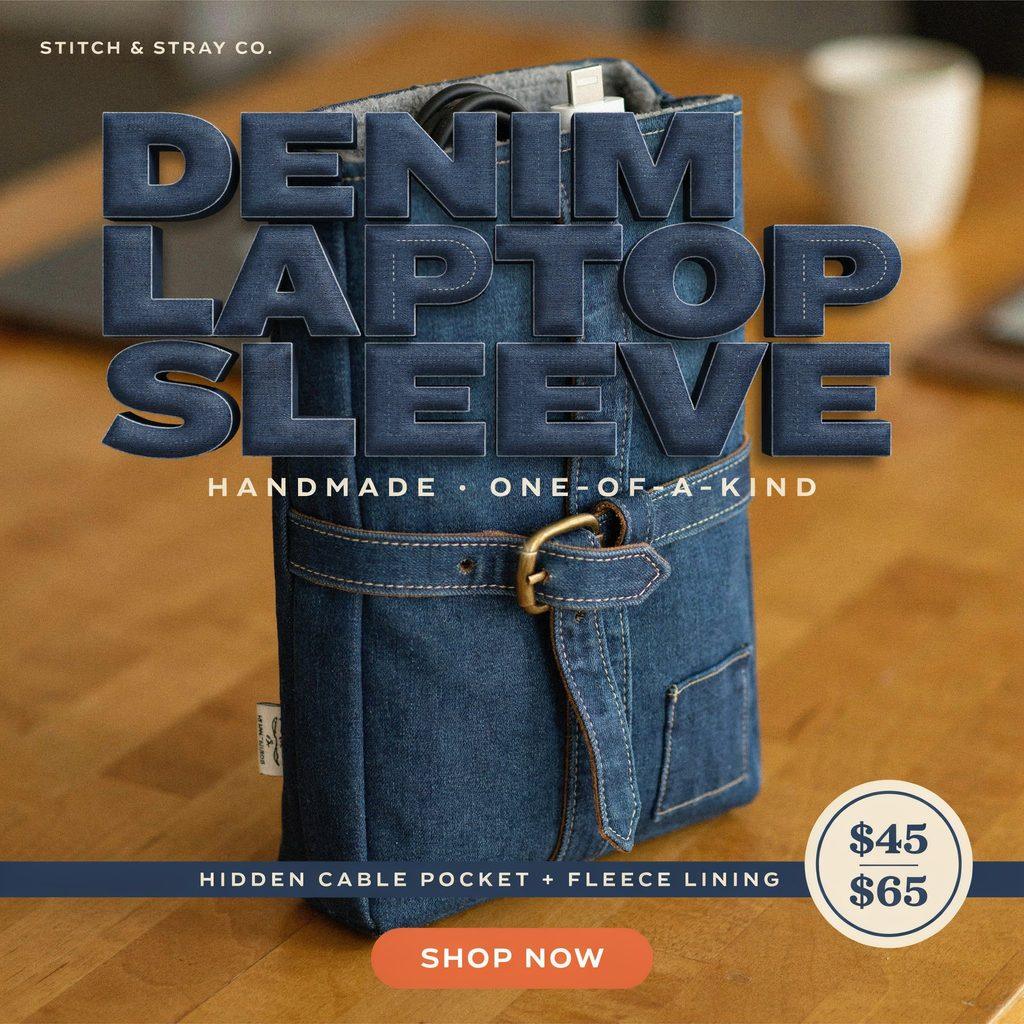
A padded denim laptop sleeve that looks professional enough for a coffee shop meeting but carries the personality of a one-of-a-kind piece.
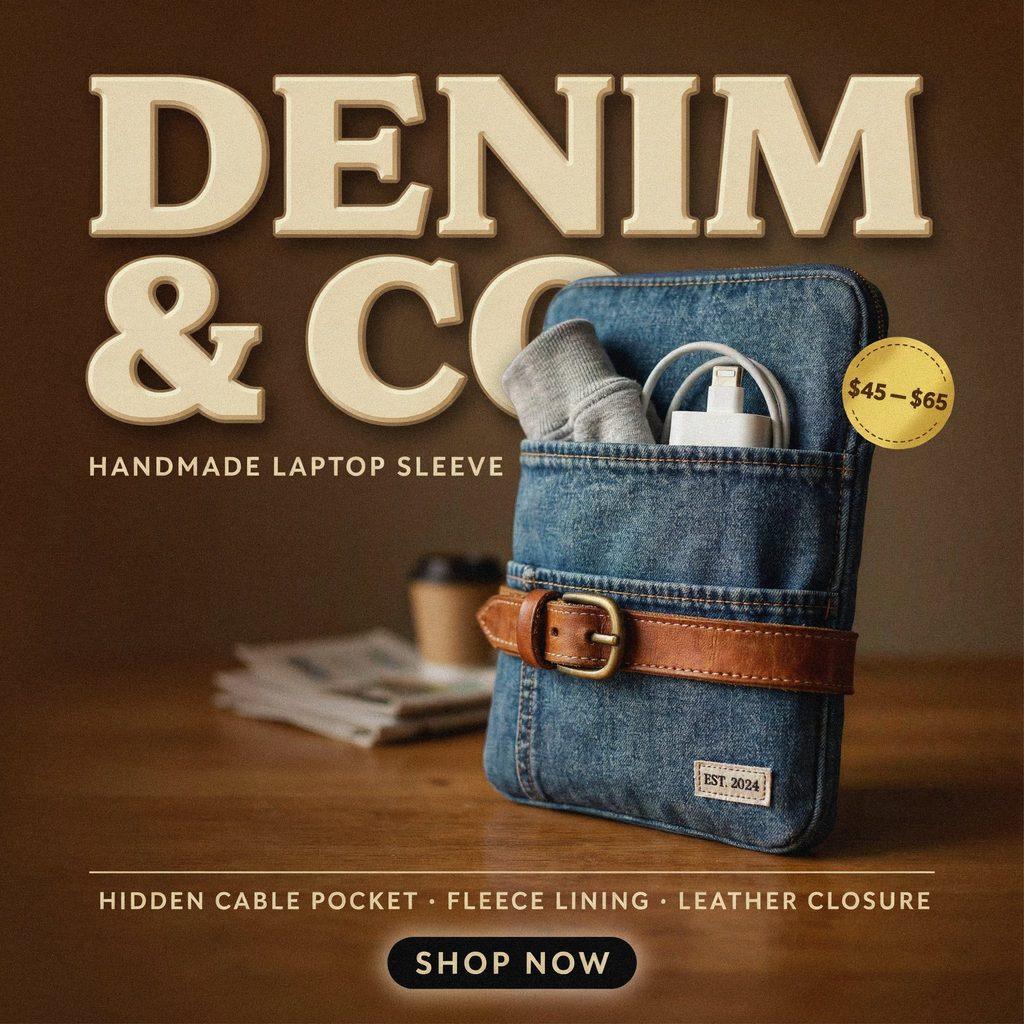
The magic is in the details: an interior slip pocket sized for a charger and cable, a soft fleece lining cut from an old sweatshirt, and a closure made from a repurposed leather belt strap. Denim holds structure without puckering, which means the sleeve keeps its shape even after months of use.
Most handmade laptop sleeves use canvas or neoprene. Denim stands out because it ages beautifully. Price yours between $45 and $65 depending on the laptop size and finishing details. This is a project for someone comfortable with straight seams and basic measurements.
Cut two rectangles of denim slightly larger than the laptop, add a layer of fusible foam for padding, and line the inside with flannel or microfiber to prevent scratches.
Denim Jewelry Roll for Travel
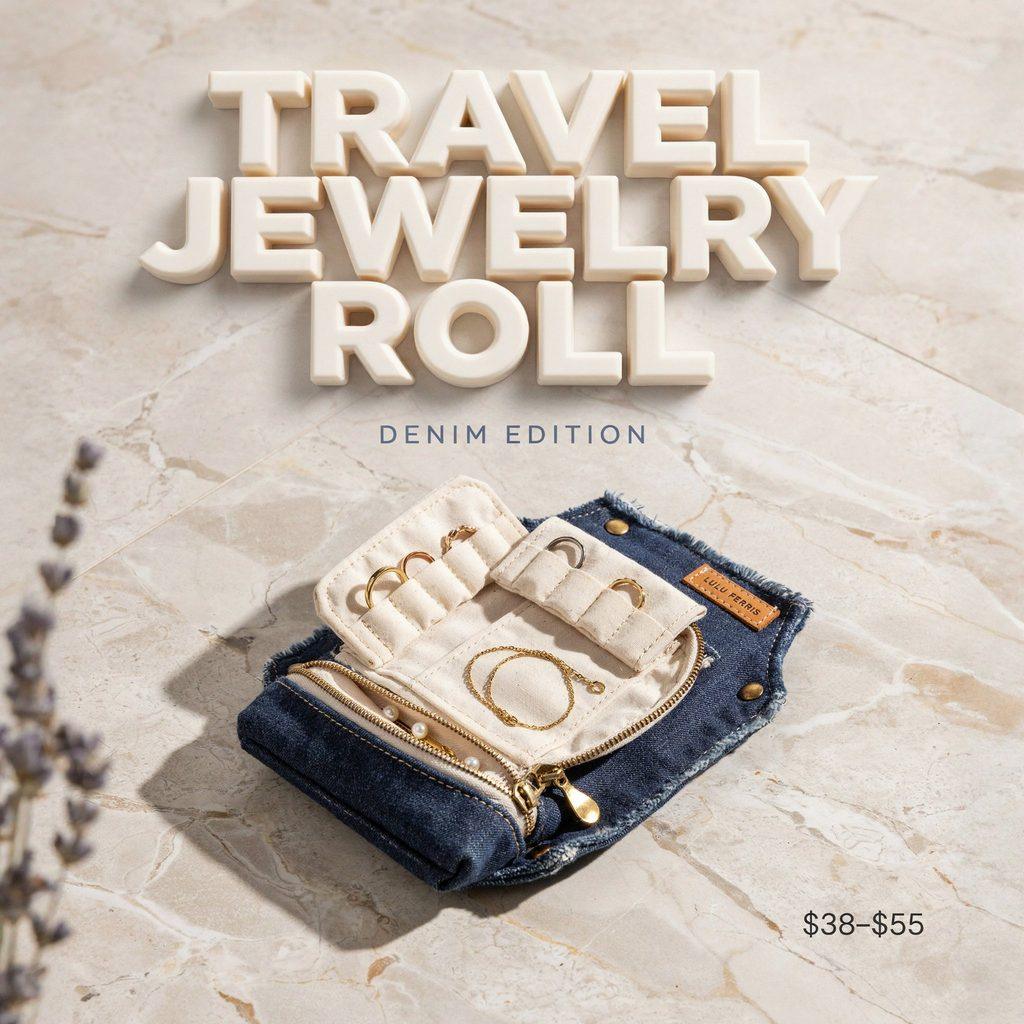
A jewelry roll that folds into a compact bundle but opens flat to reveal padded ring rolls, a necklace pocket, and a zippered compartment for earrings. This is the kind of product that solves a specific frustration: tangled necklaces and lost earrings on vacation.
The denim exterior is durable enough for a suitcase, and the worn softness makes it feel broken-in rather than stiff. Lulu Ferris’s travel jewelry case design uses canvas for body, but denim works just as well and gives the piece a rougher, more modern edge.
Batch production is your friend here. Cut all your exterior and lining pieces at once, sew the pockets in assembly-line fashion, then assemble. Price at $38 to $55. These sell especially well in the weeks before summer travel season and as Christmas gifts for people who have everything.

Denim Plant Hanger With Brass Hardware

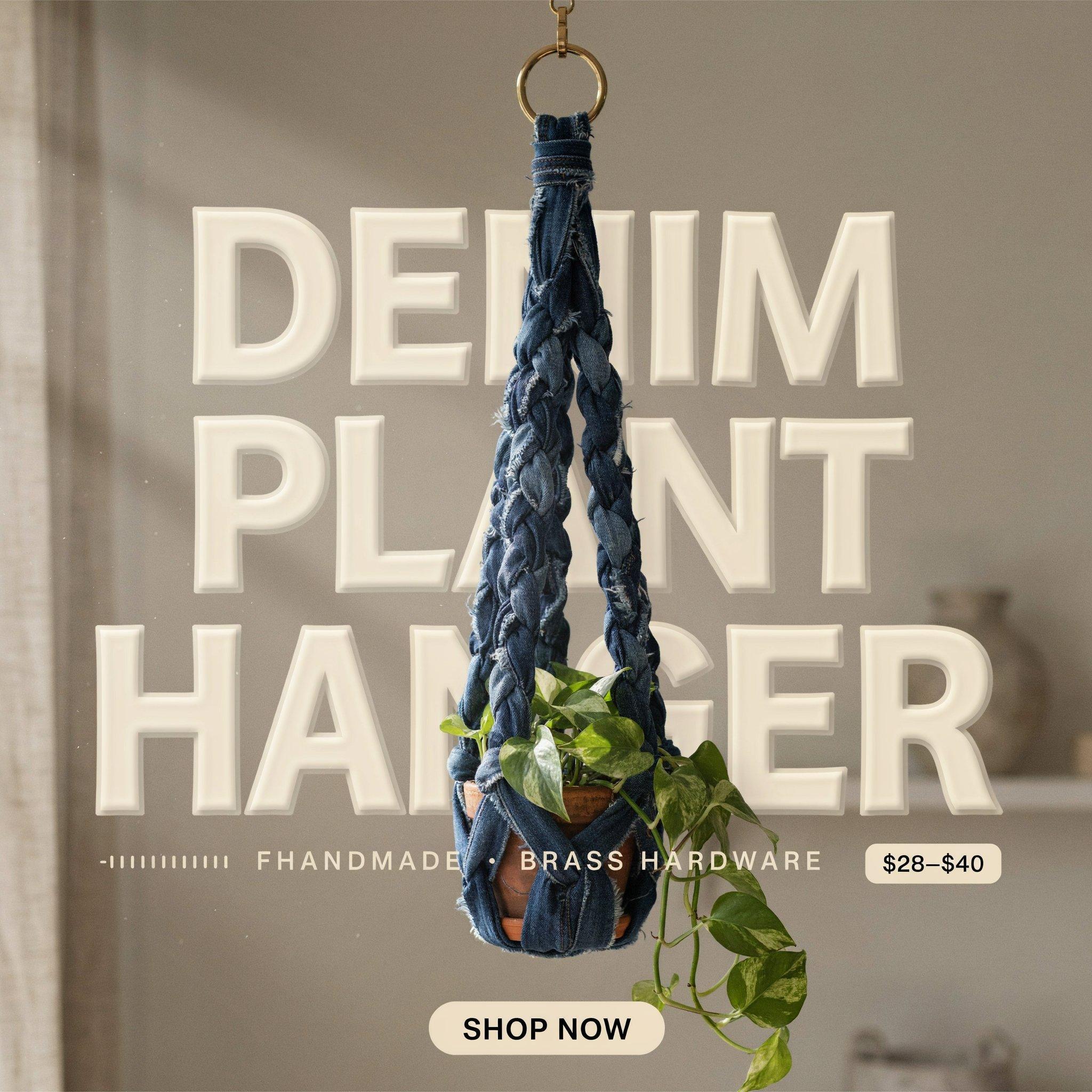
Macrame plant hangers are everywhere. Denim plant hangers are not and that is exactly why they sell. Levi’s has a tutorial for a denim plant holder that uses 25 strips of denim cut into three-quarter-inch widths and a two-inch metal ring.
The strips are knotted around the ring and braided down to cradle a pot. The result is a raw, textural piece that looks at home in a modern apartment or a bohemian living room. What makes this a strong seller is the price point. Materials cost almost nothing if you are using scrap denim legs.
You can charge $28 to $40 for a single hanger and $50 to $70 for a set of two. The knots take about 35 minutes to complete once you get the rhythm down. Photograph them with a trailing pothos plant and bright natural light, and they practically sell themselves.
Denim Wine Bottle Gift Bag
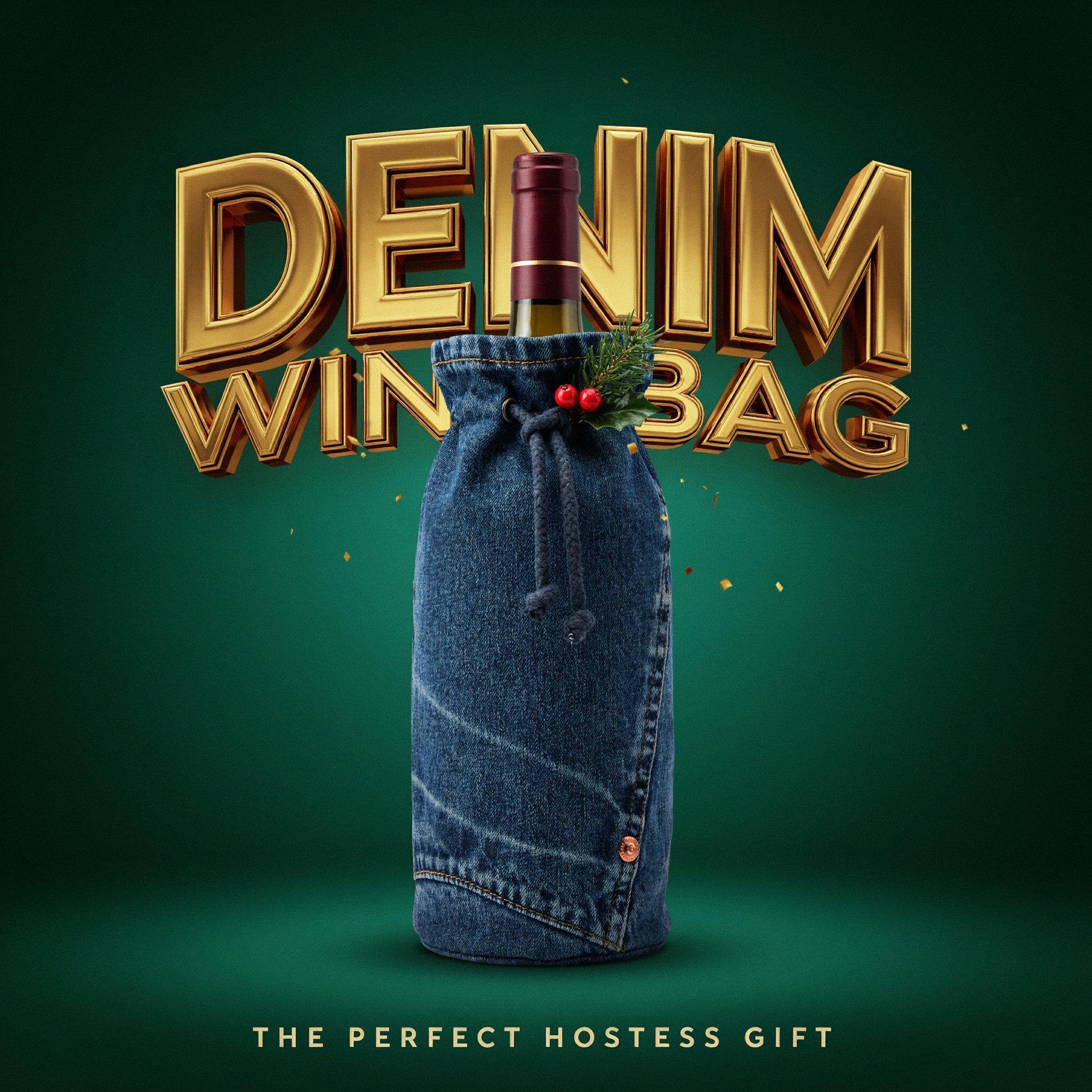
A wine bag made from a single jean leg is one of those projects that looks more complicated than it is. Cut a 14-inch tube from the calf of the jeans, use the existing hem as the mouth of the bag so you finish exactly one edge, and add a drawstring closure at the top.
A standard 750ml bottle slides in perfectly. The calf cut is important because the thigh is too wide and the bag will look sloppy. The calf gives a snug, tailored fit. For Christmas, these are gold. People buy wine as hostess gifts all December long, and a denim wine bag turns a $15 bottle into a thoughtful present.
Price the bag alone at $18 to $25, or bundle it with a bottle for $35 to $45. The bundle strategy moves inventory faster because the buyer does not have to think about what goes inside.

Denim Book Sleeve for Kindle and Paperbacks
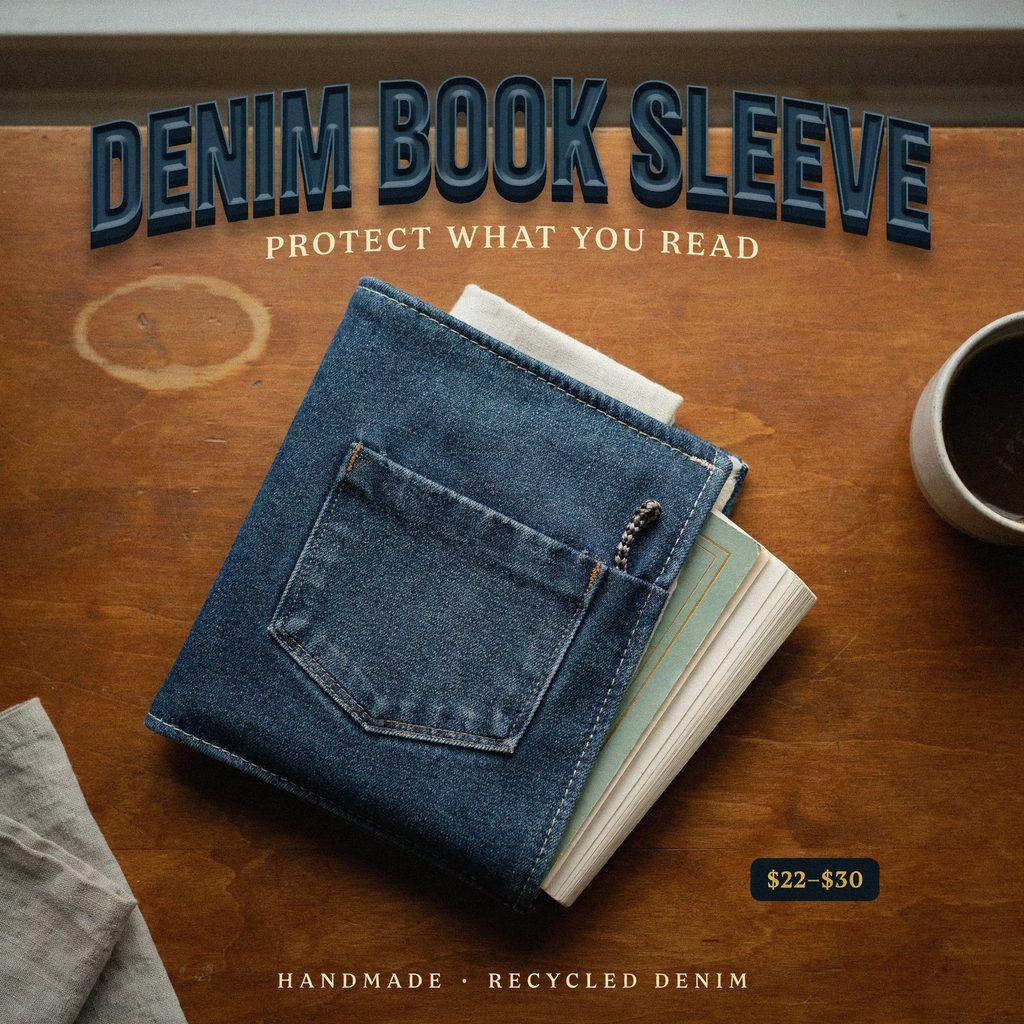
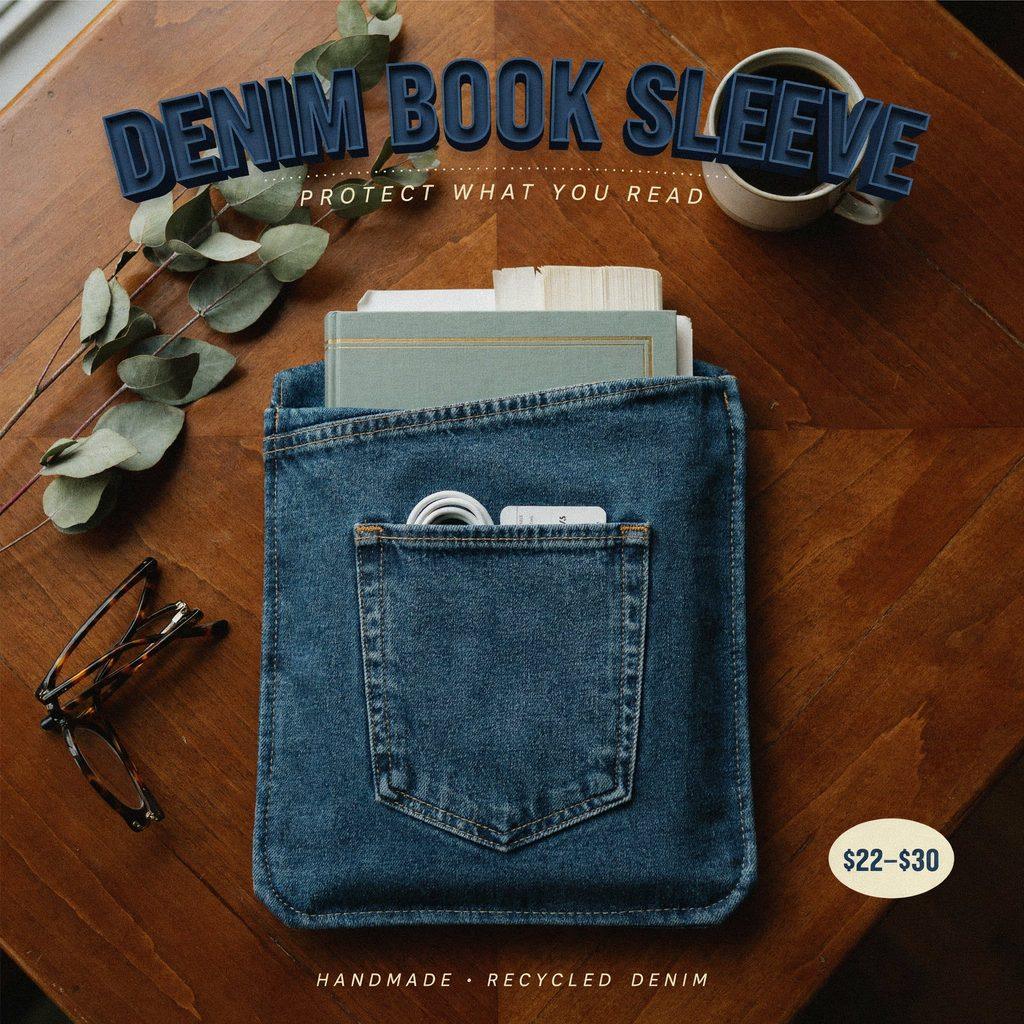
A padded denim sleeve that protects a Kindle, iPad Mini, or paperback book in a bag. The denim exterior takes a beating so your device does not. Inside, a layer of fusible foam and a soft cotton lining keep the screen safe.
The front features a small pocket cut from the original jean’s coin pocket, perfect for a charging cable or a library card. Book sleeves are a growing category in the handmade market, and denim versions stand out because most are made from quilt cotton.
They photograph beautifully stacked on a nightstand with a book half-pulled out. Price at $22 to $30. These are quick to batch-produce: cut 20 exterior panels, 20 linings, 20 foam layers, then sew them in one sitting. The coin pocket detail adds a level of finish that justifies the higher end of that price range.
How to Make Your First Denim Product This Weekend
You do not need a dedicated craft room or a serger. Here is the realistic version.
Step 1: Source your denim. Ask friends and family first. Most people have a pair of jeans they cannot bring themselves to throw away but will happily hand over. Thrift stores often have bargain bins with damaged jeans for a dollar or two. Look for 100% cotton denim without stretch. Stretch denim is harder to work with and does not hold structure.
Step 2: Wash and dry everything. Denim shrinks. You want that shrinkage to happen before you cut, not after you sew. Wash on cold, dry on medium heat, and iron flat.
Step 3: Cut strategically. The back pockets are the most valuable part of the jeans. Cut them off with a half-inch border of surrounding denim so you can fold it back and frame the pocket. The legs are your flat panels. The waistband is a ready-made strap. The seams are rope. Nothing goes in the trash until you have inspected every part.
Step 4: Batch your production. Do not make one item from start to finish. Cut ten items, then sew ten items, then finish ten items. This cuts production time per item down to minutes instead of hours.
Step 5: Photograph in daylight. Natural light, a clean background, and a prop that shows the product in use. A mug on a coaster. A charger wrapped in a cord organizer. A plant in a hanger. Buyers need to see themselves using the thing.
premium tool
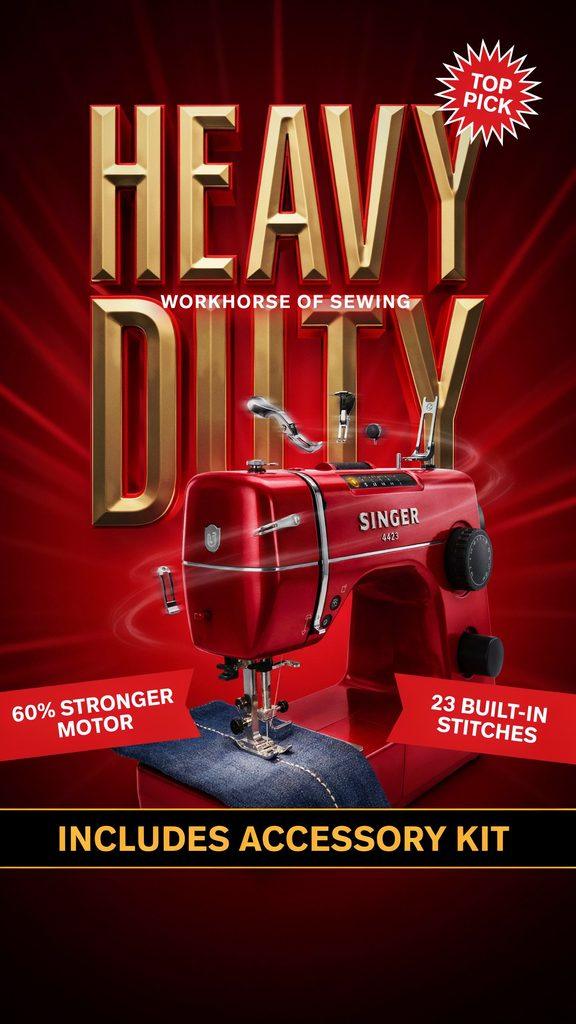
1. SINGER 4423 Heavy Duty Sewing Machine
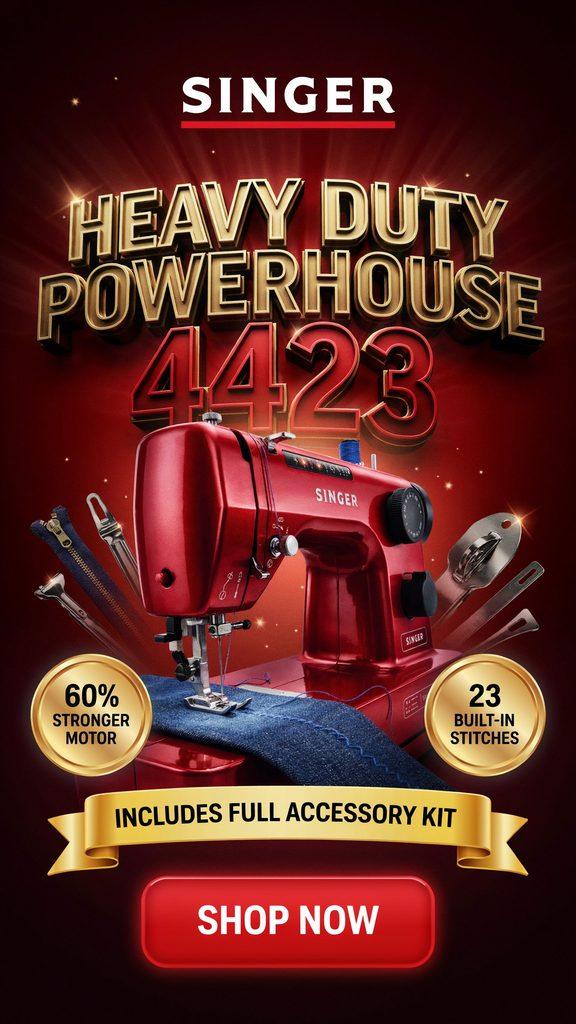
Why recommend this: This is the workhorse that makes every sewing project on the list possible. The 60% stronger motor and heavy-duty metal frame are specifically built to pierce through thick denim seams without jamming or skipping stitches.
The 23 built-in stitches cover everything from the wine bag drawstring channel to the laptop sleeve topstitching. It is the single highest-commission item on this list because it is a premium tool, not a cheap accessory. The included accessory kit (zipper foot, buttonhole foot, quilting guide) means the buyer does not need to purchase extra presser feet to get started.
Headline to swap:
The One Machine That Makes Denim Sewing Actually Enjoyable — SINGER 4423 Heavy Duty
👉👉 Check price on Amazon.com
Where to Sell Your Denim Creations
Etsy remains the strongest platform for upcycled denim because the search traffic is already there. Shoppers type “upcycled denim bag” and “recycled denim gift” into the search bar every day. The competition is real, but the niche is deep enough that a well-photographed, clearly described product can rank.
Local craft fairs and Christmas markets are where denim wine bags and small gifts shine. People are already in buying mode. They want something that feels handmade and special.
A table with denim items priced under $30 will see constant foot traffic. Place a dish of $18 wine bags near the register and watch them disappear as add-on purchases.
Instagram and Facebook Marketplace work well if you show the process. Post a video of a pair of jeans being deconstructed and a new product emerging. People love transformation content. They will ask where to buy before you even list the item.
Consignment shops and local boutiques that focus on sustainable or locally made goods are always looking for new makers. Walk in with three samples and a price sheet. If they say yes, you have a retail shelf without any marketing effort.
Your Production Timeline: A Realistic Look
Do not try to launch with twenty products. Start with one or two.
Weekend One: Choose your project. Make three samples. Keep one, give one away, and photograph one. Decide on your price based on materials, time, and what similar items sell for.
Weekend Two: Batch-cut ten units. Sew five. Finish five. List them on Etsy or post them on Instagram.
Weekend Three: Evaluate what sold. If the wine bags moved but the laptop sleeves did not, make more wine bags. Do not keep making what people are not buying.
Weekend Four: Restock your bestseller. Add one new variation, like a wine bag in a darker wash or a jewelry roll in a smaller size. Introduce it to your existing customers first.
This rhythm keeps you from burnout and lets you test the market without overcommitting.
Key Takeaways
- Old jeans are not trash. They are a material with high resale value and strong buyer appeal in the upcycled market.
- The best-selling denim projects are small, useful, and giftable: wine bags, jewelry rolls, plant hangers, book sleeves, and laptop sleeves.
- Price your work based on the finish and the story, not just the materials. Denim carries a sustainability narrative that buyers pay for.
- Batch production is the difference between a hobby and a side income. Cut many, sew many, finish many.
- Start with one product, test it, and let sales tell you what to make next.
FAQs
Do I need a heavy-duty sewing machine to work with denim?
A standard machine can handle denim if you use the right needle. Switch to a size 16 or 18 denim needle and use strong thread. Go slowly over thick seams and use a hump jumper if your machine struggles.
Can I make these projects without a sewing machine?
Some of them, yes. The no-sew denim seam coils and the plant hanger are entirely hand-workable with fabric glue and knots. The wine bag can be made with fabric glue if you are not selling it as a washable item.
How much should I charge for a denim wine bag?
Between $18 and $25 for the bag alone. If you bundle it with a bottle of wine, charge $35 to $45. The bundle sells faster because it is a complete gift.
Is it legal to sell products made from old jeans I did not buy new?
Yes. You are selling your own handmade product, not reselling a branded item as-is. The moment you transform the denim into a new object, it becomes your creation. Just avoid using logos or trademarks from the original brand in your product photos.
What if I cannot find enough old jeans?
Ask your local thrift store if they have a bargain bin for damaged denim. Post on local Facebook groups asking for donations. Most people are happy to give away torn jeans rather than throw them out.
premium tool
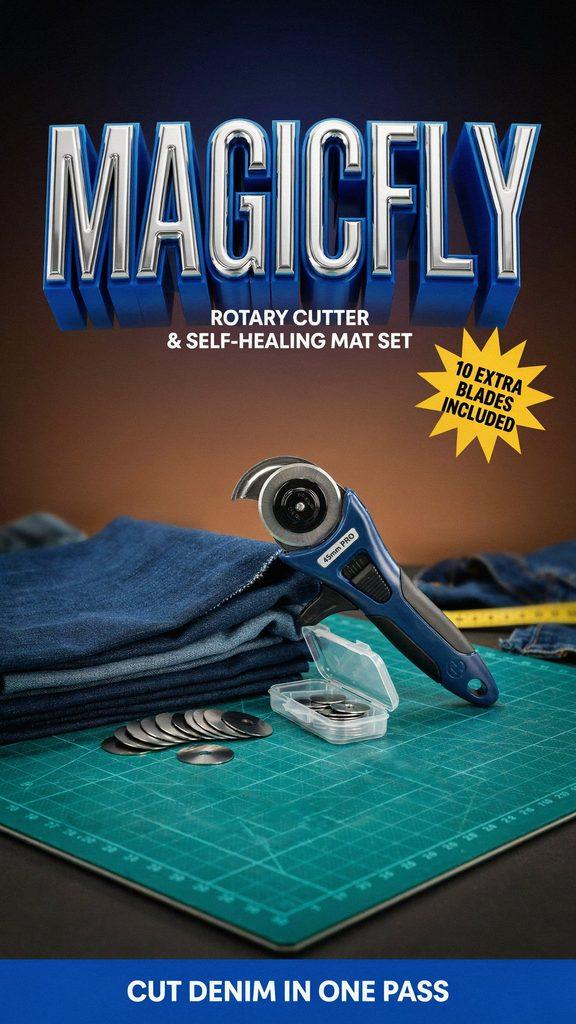
2. Magicfly Rotary Cutter and Self-Healing Mat Set
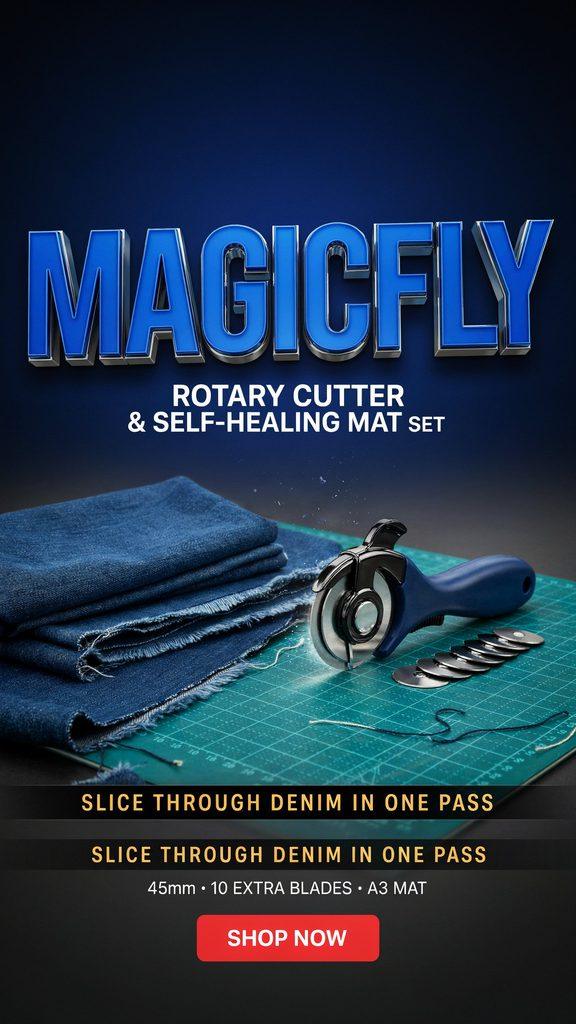
Why recommend this: Cutting denim with scissors is slow, uneven, and hard on your hands. This set changes the entire workflow. The 45mm rotary cutter slices through multiple layers of denim in one pass, and the A3 double-sided self-healing mat protects your table while giving you a measured grid for straight cuts every time.
The kit includes 10 extra blades, which matters because denim dulls blades quickly. For the laptop sleeve, book sleeve, and wine bag projects, clean straight edges are the difference between a product that looks handmade and one that looks homemade. This is a mid-range commission item with high conversion because the price point is accessible for beginners.
Headline to swap:
Stop Struggling With Scissors — This Rotary Cutter Set Cuts Denim Like Butter
👉👉 Check price on Amazon.com
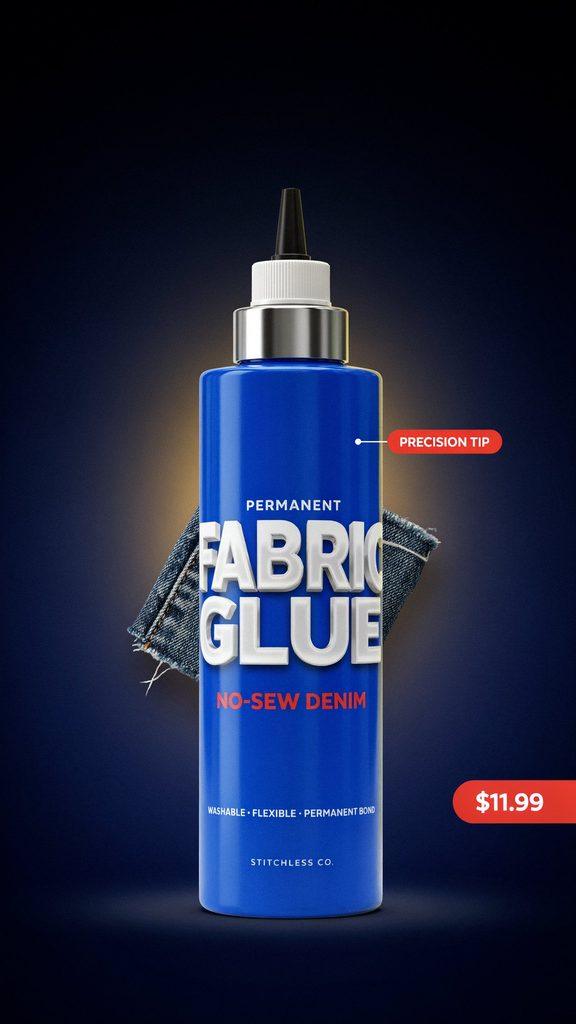
3. Permanent Fabric Glue for No-Sew Denim Projects
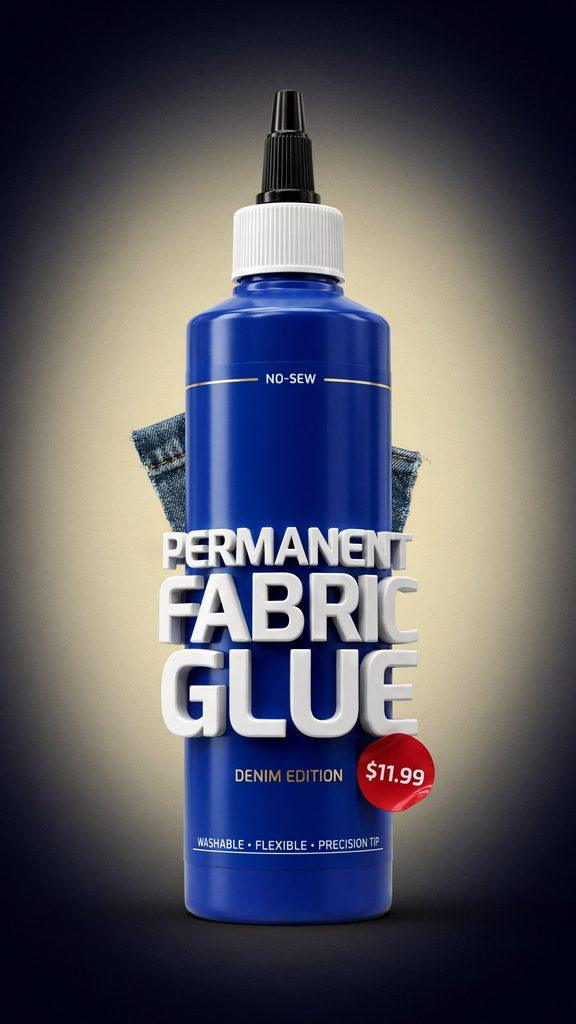
Why recommend this: Not everyone owns a sewing machine, and not every project requires one. This fabric glue creates a permanent, washable, flexible bond on denim without a single stitch.
It is the entry point for the no-sew version of the wine bag, the denim plant hanger (for securing knots), and any patch or embellishment work. The precision tip applicator keeps the glue exactly where you want it, which prevents the messy seep-through that ruins denim projects.
At under $12, this is a low-ticket item, but it converts extremely well because the barrier to purchase is almost zero. It pairs naturally with the sewing machine recommendation as a bundle suggestion.
Headline to swap:
No Sewing Machine? No Problem — This Fabric Glue Holds Denim Permanently
👉👉 Check price on Amazon.com
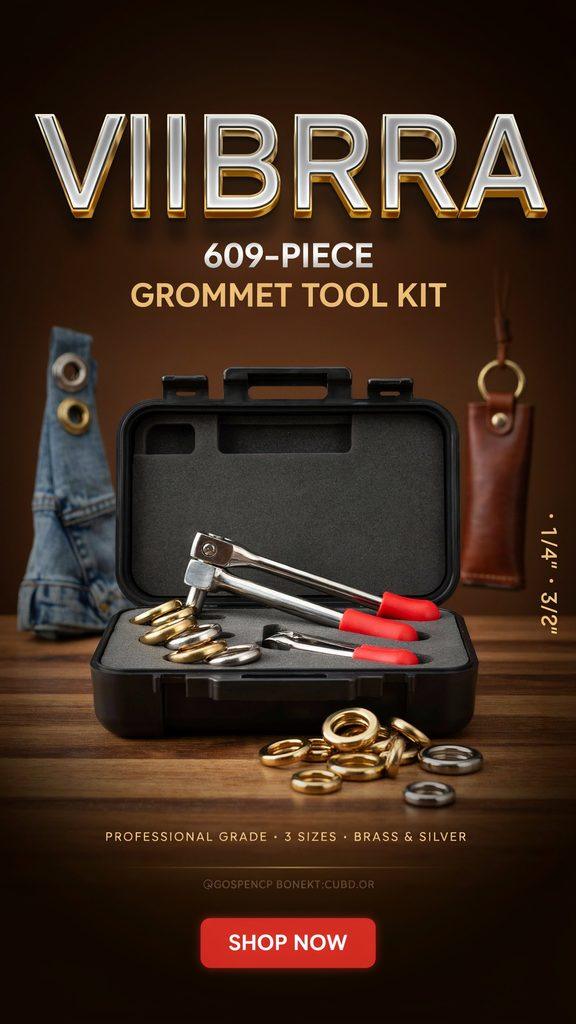
4. Viibrra 609-Piece Grommet Tool Kit
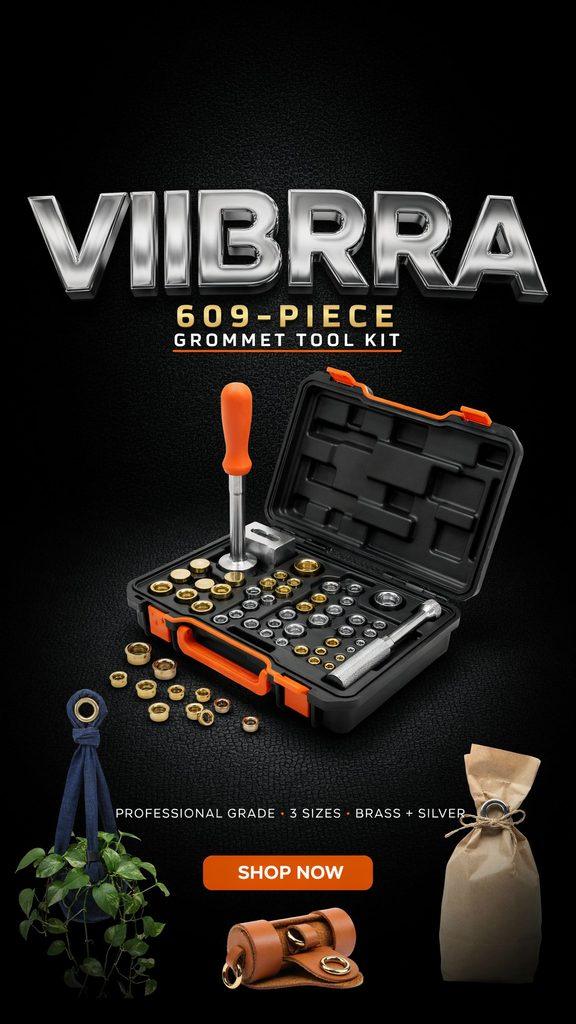
Why recommend this: The denim plant hanger and the wine bag both benefit from professional-looking hardware. This kit includes 600 grommets in three sizes (1/2, 1/4, and 3/8 inch) plus the setting tools and hole punch needed to install them.
A brass or silver grommet at the top of a wine bag transforms it from a fabric tube into a finished gift. The same grommet system works for the jewelry roll (for a hanging loop) and the laptop sleeve (for a wrist strap option).
This is a niche tool that most crafters do not already own, which means it has low competition in the affiliate space and high relevance for anyone following this guide.
Headline to swap:
The Hardware Kit That Makes Homemade Denim Gifts Look Store-Bought
👉👉 Check price on Amazon.com
Quick Reference Table
| Product | Best For | premium tool Tier |
|---|---|---|
| SINGER 4423 Sewing Machine | Every sewn project on the list | High (premium tool) |
| Magicfly Rotary Cutter Set | Cutting denim accurately and fast | Mid-range |
| Permanent Fabric Glue | No-sew versions of wine bag and plant hanger | Low-ticket, high conversion |
| Viibrra Grommet Tool Kit | Plant hanger, wine bag, jewelry roll finishing | Mid-range, niche |
Wrapping It Up
The pile of old jeans in your closet is not a chore. It is a starting point. Denim is forgiving, durable, and already loved by buyers who want something that feels real and handmade.
You do not need to be an expert seamstress to make something sellable. You need one good product, a batch production system, and the willingness to show up at a market or hit publish on a listing.
Start with the wine bag. It is the easiest project on this list and the fastest to sell during the holidays. Once you see that first sale come through, the rest of the pile starts looking less like clutter and more like possibility.
Related Post: