
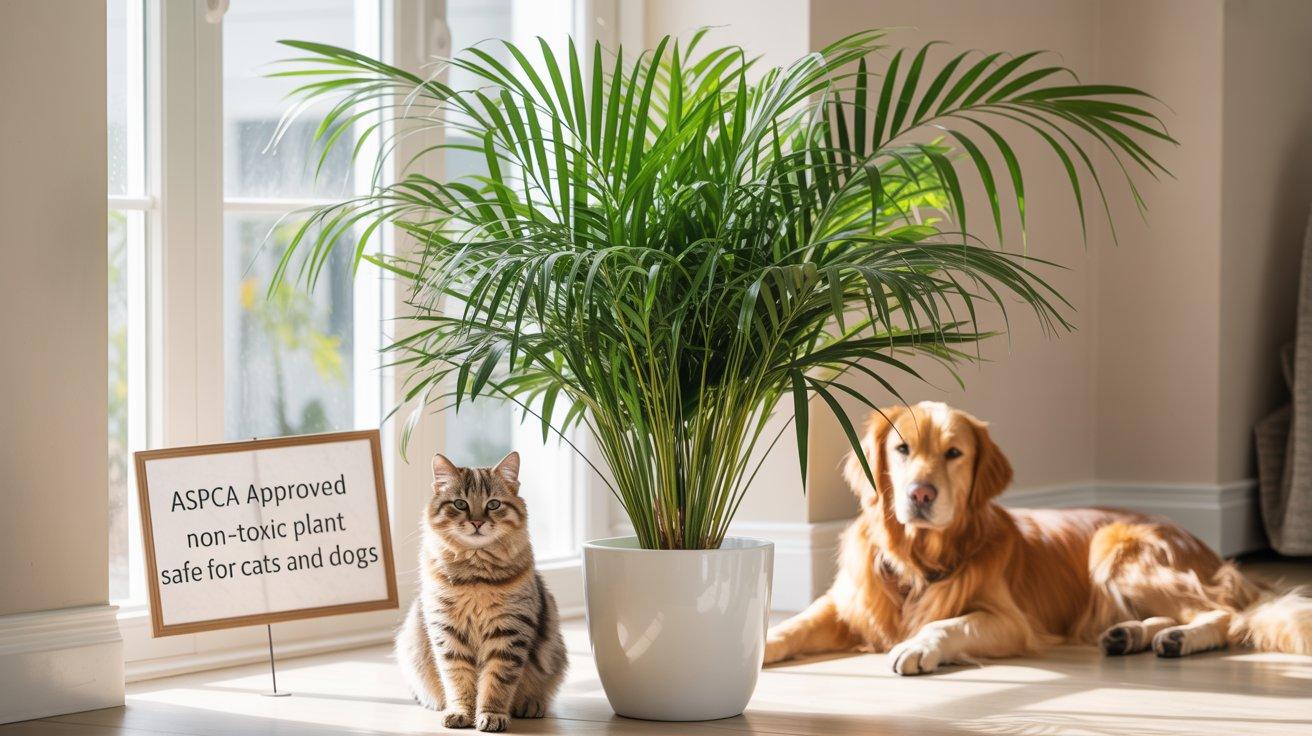
You love having plants around. But you also have a cat who chews on everything green. Or a dog who thinks every pot is a snack. So you end up with fake plants that collect dust. Or no plants at all.
That’s a bummer. Because there are actually beautiful houseplants that’s won’t hurt your pets if they take a bite.
The Areca Palm is one of them. The ASPCA lists it as non-toxic to cats, dogs, and even horses. That means you can bring one home without worrying about a trip to the emergency vet.
Below is what you need to know about this plant how to keep it alive, what mistakes to avoid, and where to put it so it looks good.
Why This Matters
A lot of popular houseplants are toxic to pets. Lilies can cause kidney failure in cats. Sago palms can kill a dog. Even peace lilies, while not deadly, cause mouth burning and stomach upset.
So pet owners have a real problem. You want a green, lively home. But you don’t want to risk your animal’s health.
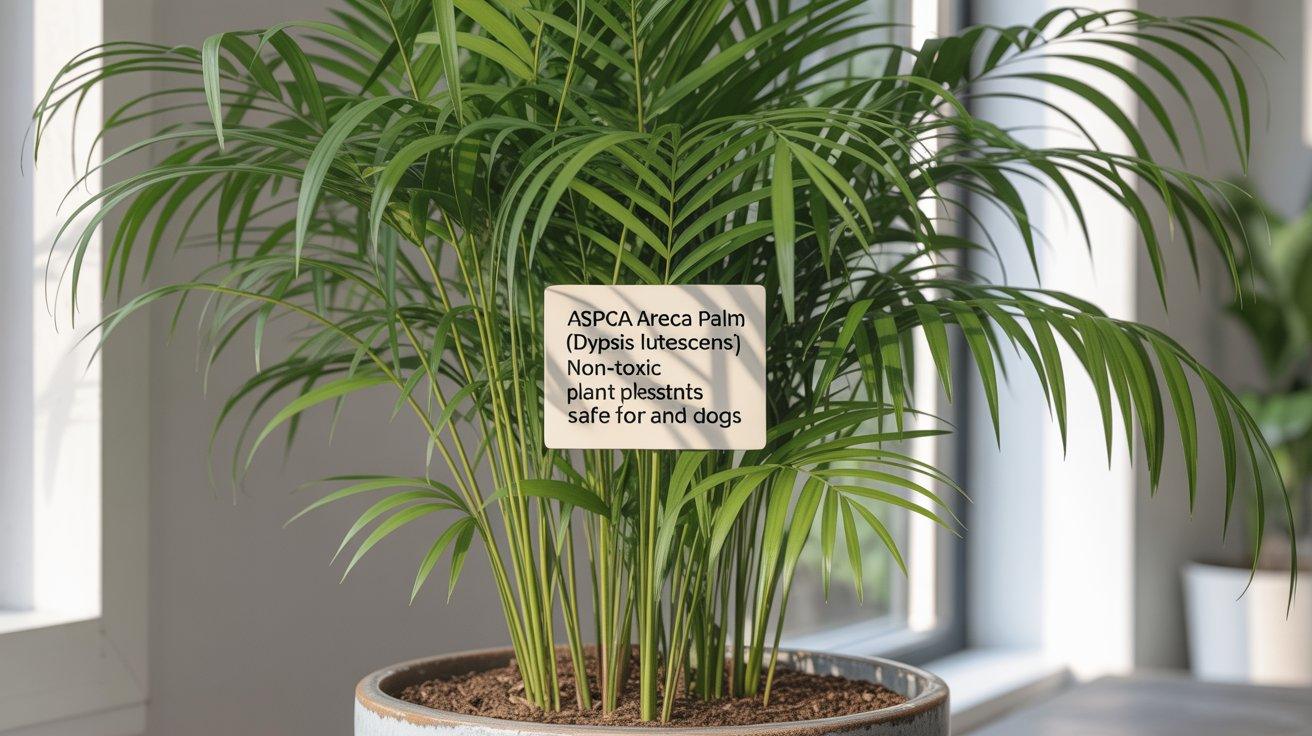
The ASPCA Areca Palm solves that. It’s a true palm, not a cycad (which is the dangerous kind). Its official name is Dypsis lutescens, but you might know it as butterfly palm, bamboo palm, or golden cane palm. Whatever you call it, the science is clear: it’s safe.
And it looks great. The feathery fronds arch out like a fountain. They add height and texture to any room. You get the tropical look without the stress.
Main Content: Detailed Tips for a Thriving Areca Palm
Light
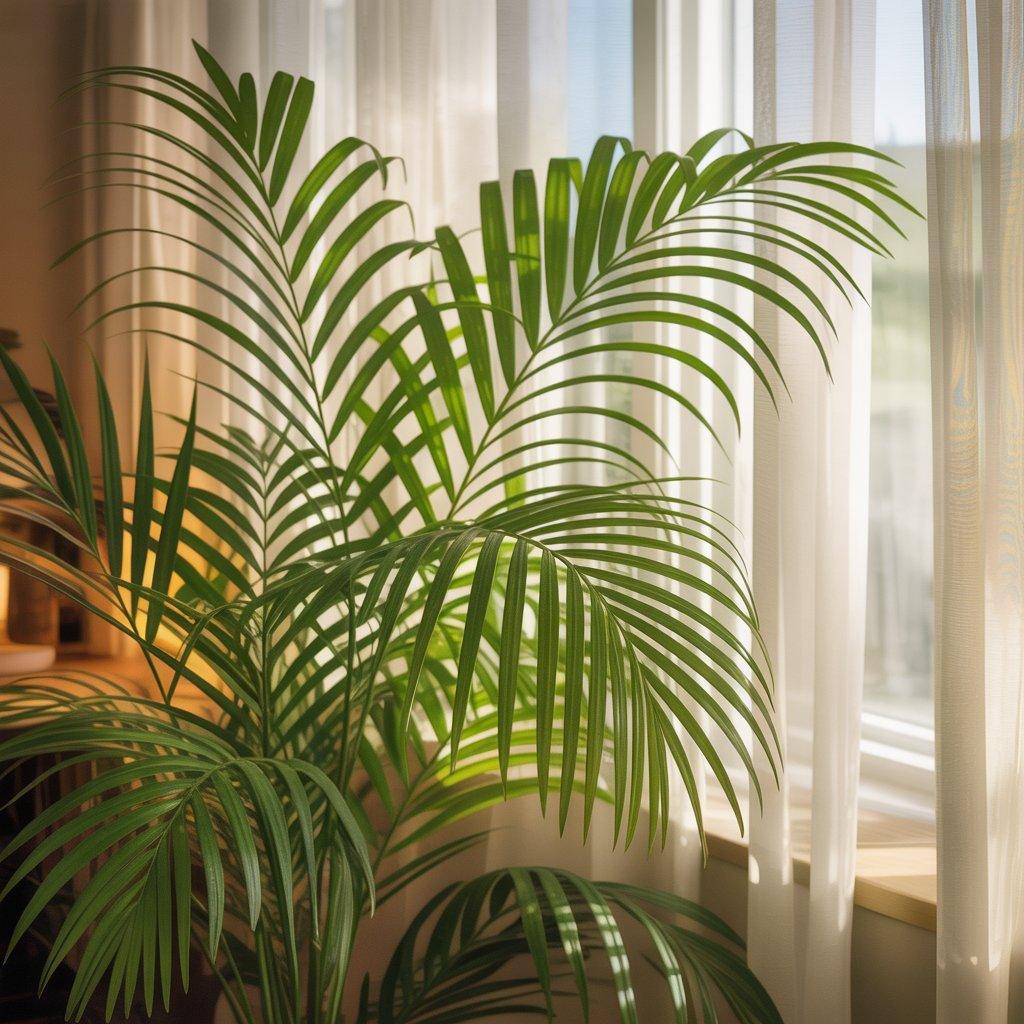
Areca palms need bright, indirect light to do well. A south or west-facing window with sheer curtains is perfect the plant gets plenty of light, but the harsh rays are filtered out. Direct sunlight burns the leaves, leaving crispy brown patches. Too little light makes the fronds turn yellow and droopy.
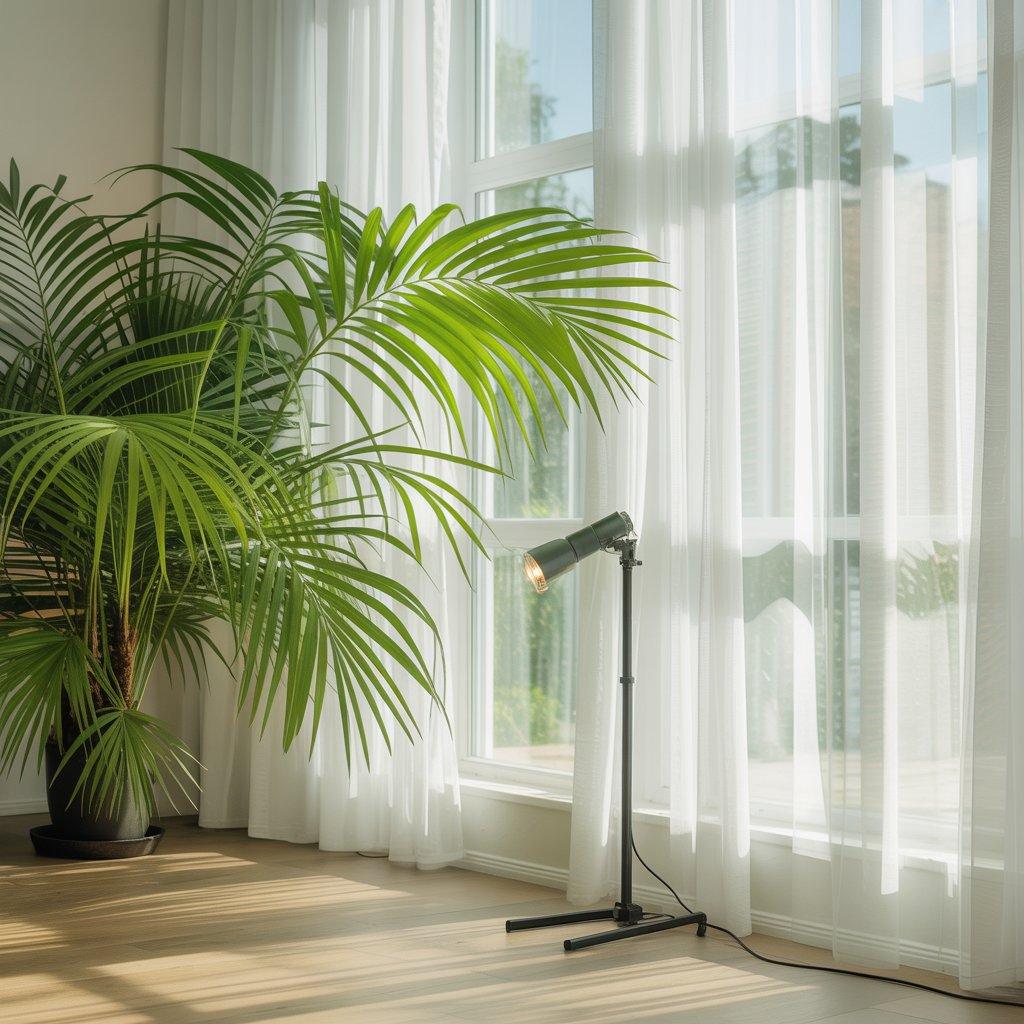
If your home doesn’t have a spot with enough natural light, you can use a grow light. Place it a few feet above the plant and run it for 10–12 hours a day. Rotate the pot every few weeks so all sides of the plant get even light and grow evenly.
Water
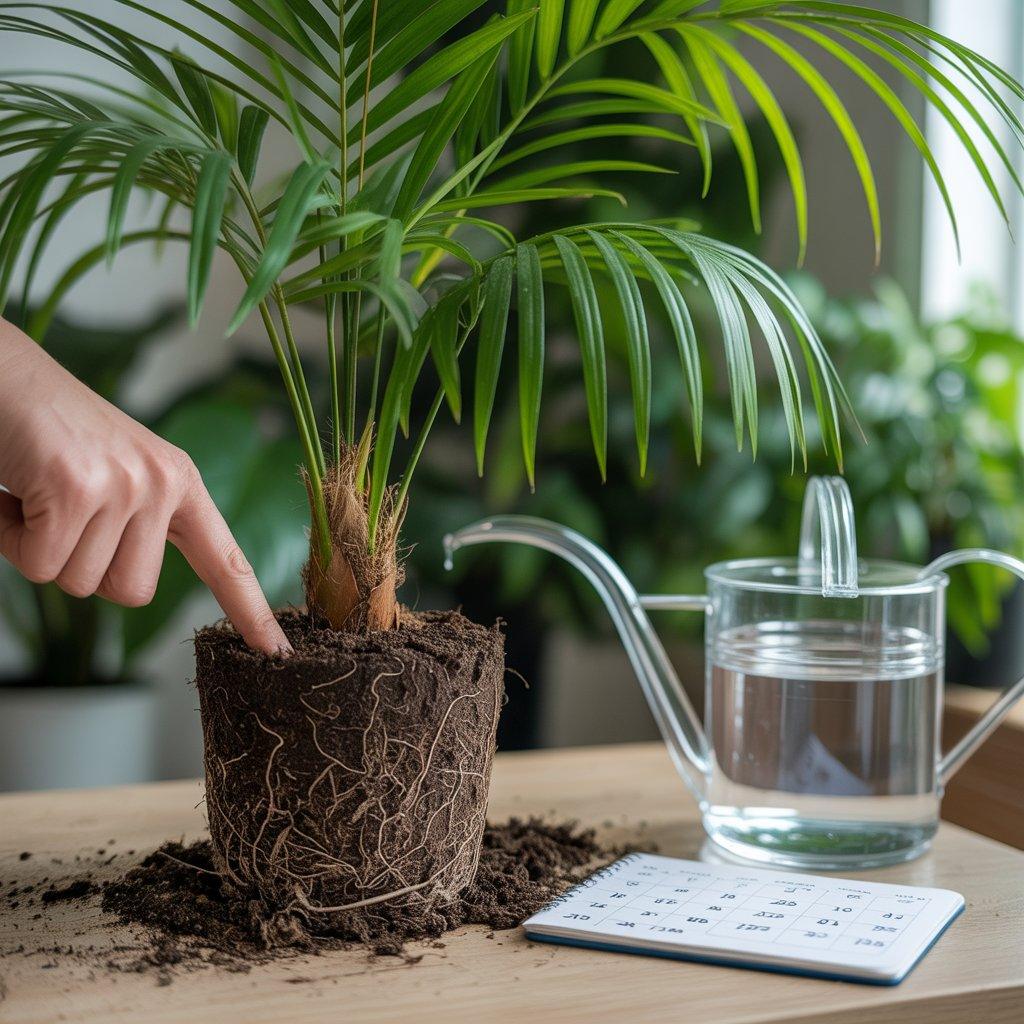
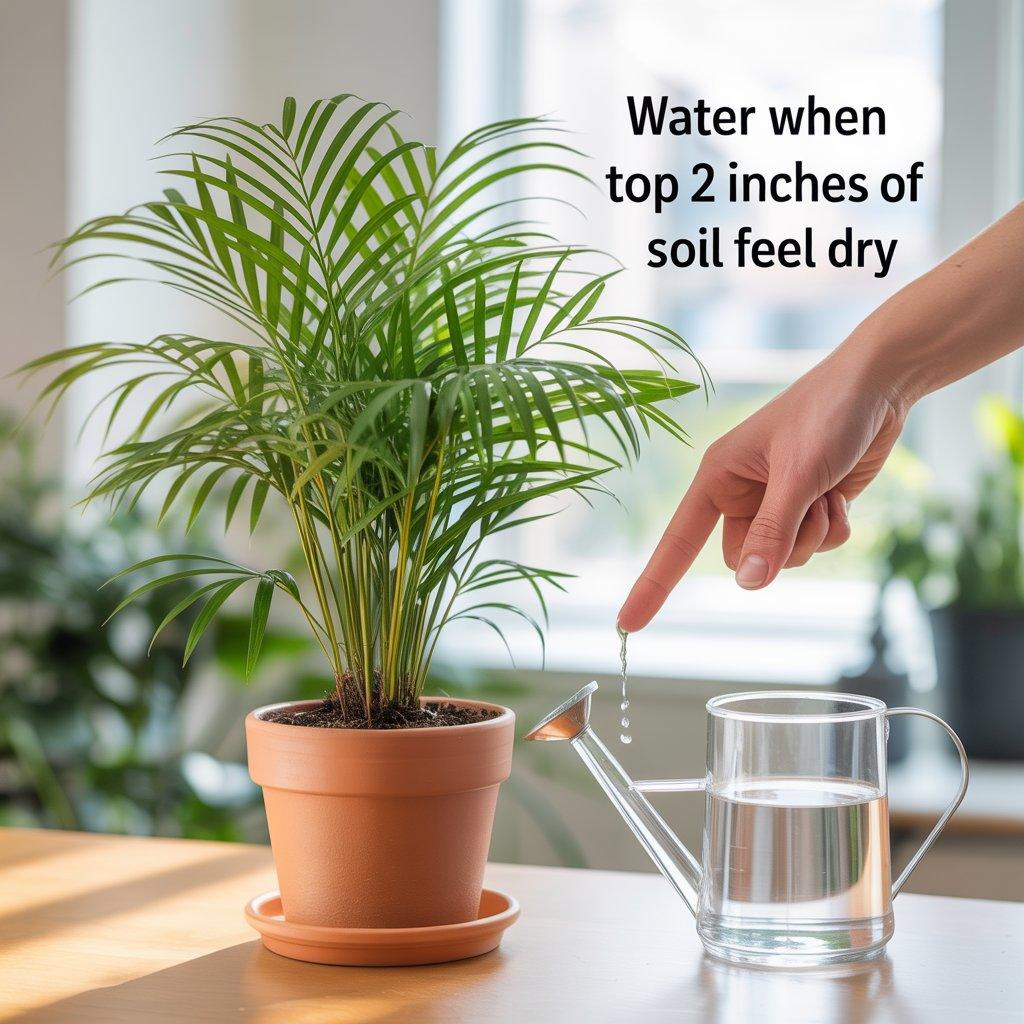
Overwatering is the number one killer of Areca palms. These plants like moist soil, not soggy mud. Before you water, stick your finger about two inches into the soil. If it feels dry down there, go ahead and water. If it still feels wet, wait a few more days.
In most homes, watering once a week works fine during spring and summer. In winter, cut back to every 10–14 days. Use room-temperature filtered water if you can. Tap water often contains chlorine and fluoride, which can cause brown leaf tips.
Soil and Pot
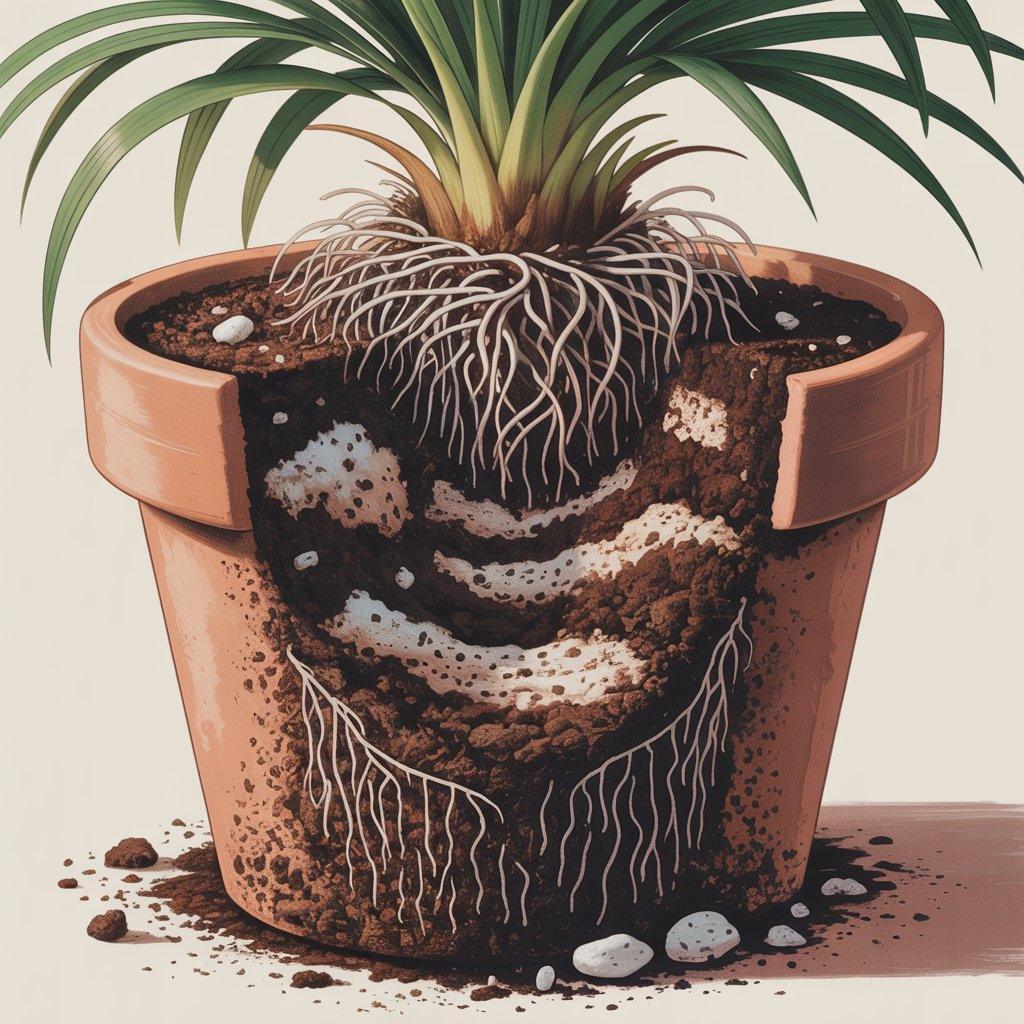
Areca palms need soil that drains fast. A standard peat-based potting mix is okay, but adding perlite, sand, or orchid bark makes it even better. This keeps the roots aerated and prevents water from sitting around them.
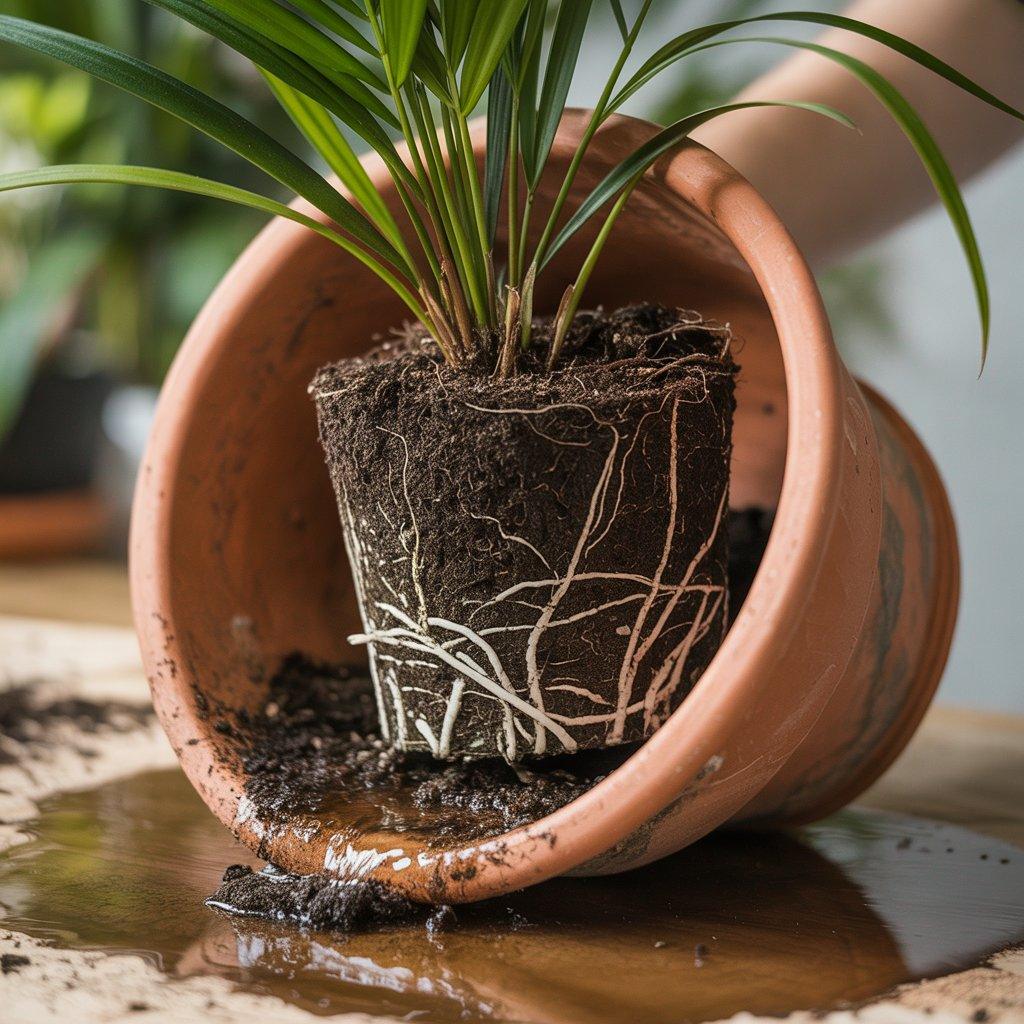
Your pot must have drainage holes. That’s non-negotiable. Without them, water pools at the bottom and root rot sets in fast. When you repot (every 2–3 years), move up just one pot size. Too big of a pot holds too much moisture for the roots to handle.
Humidity
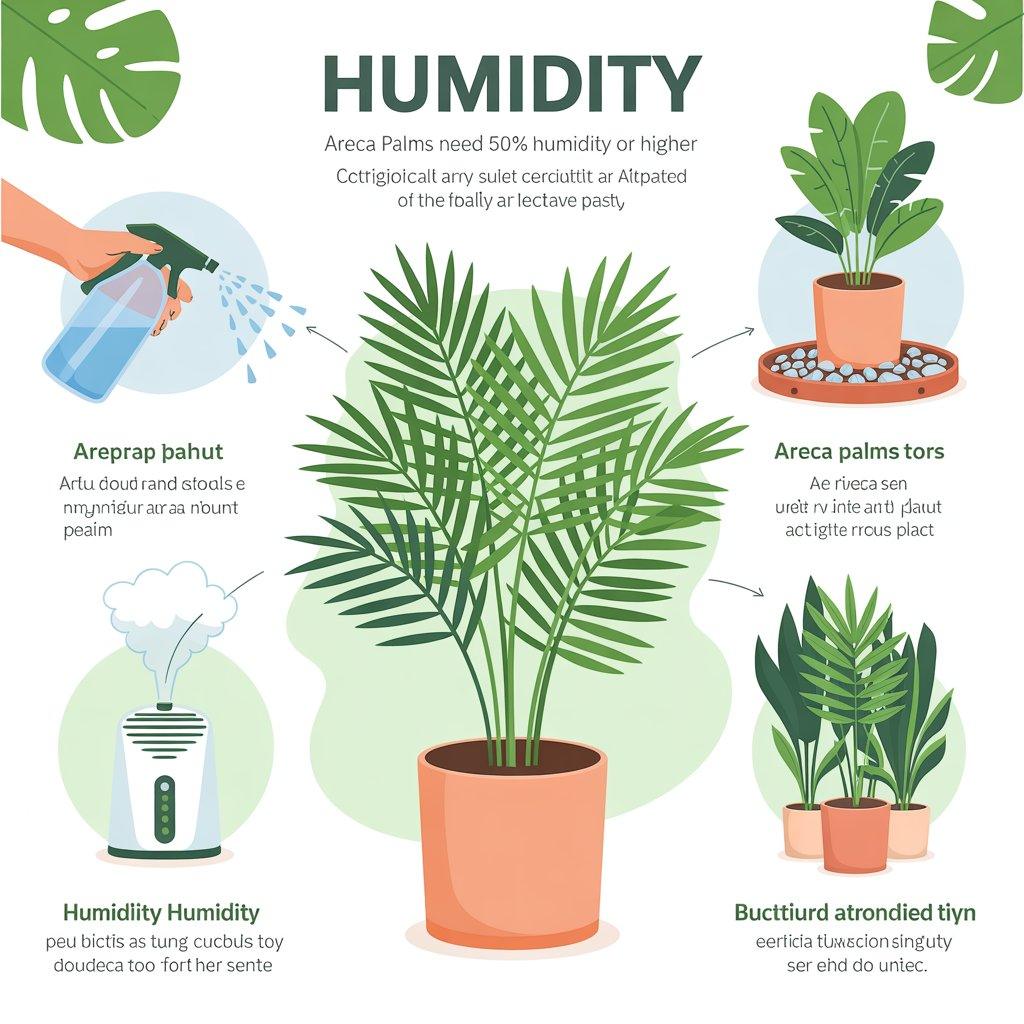
Areca palms come from tropical Madagascar. They like humid air ideally 50% or higher. Most homes, especially in winter, are much drier than that.
To boost humidity, try these tricks:
- Mist the leaves every few days with a spray bottle.
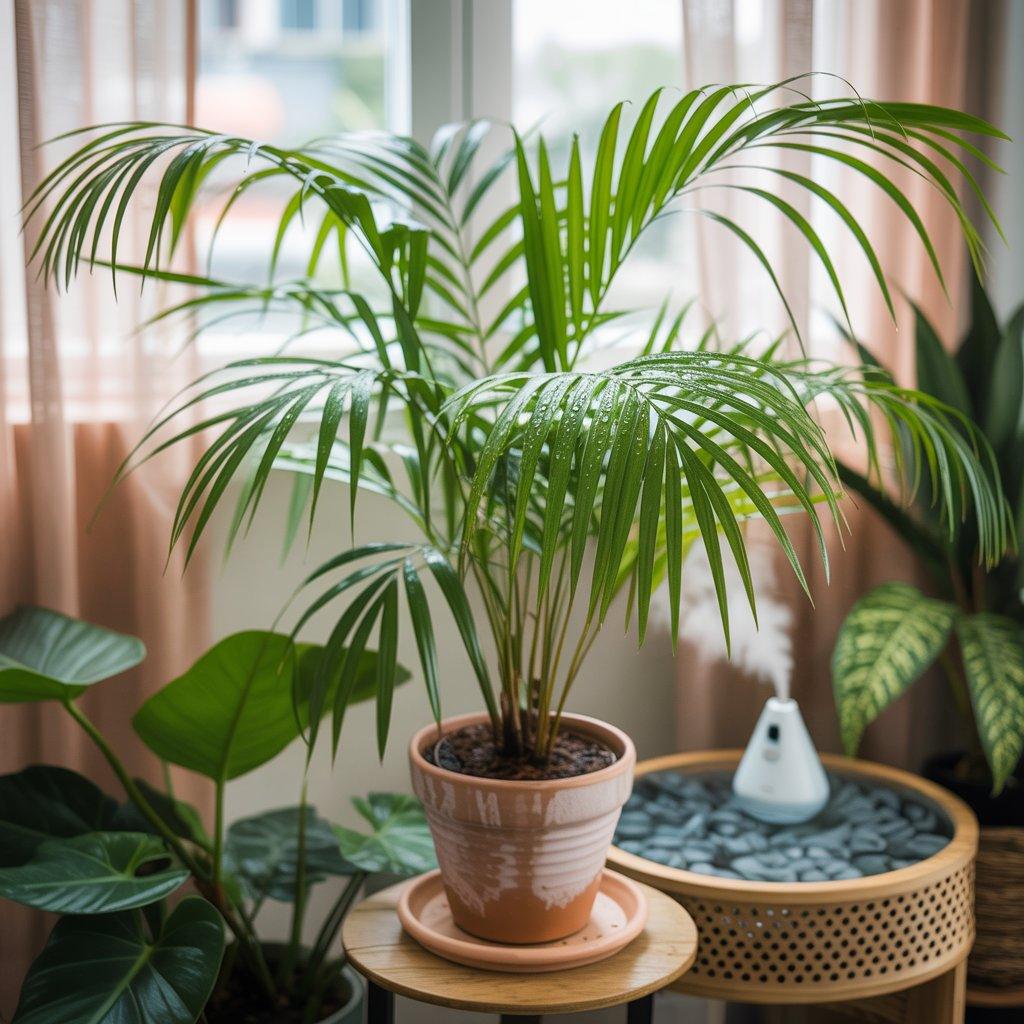
- Set the pot on a tray filled with pebbles and water (the pot itself should sit on the pebbles, not in the water).
- Run a small humidifier nearby.
- Group several plants together they create their own little moist microclimate.
Temperature
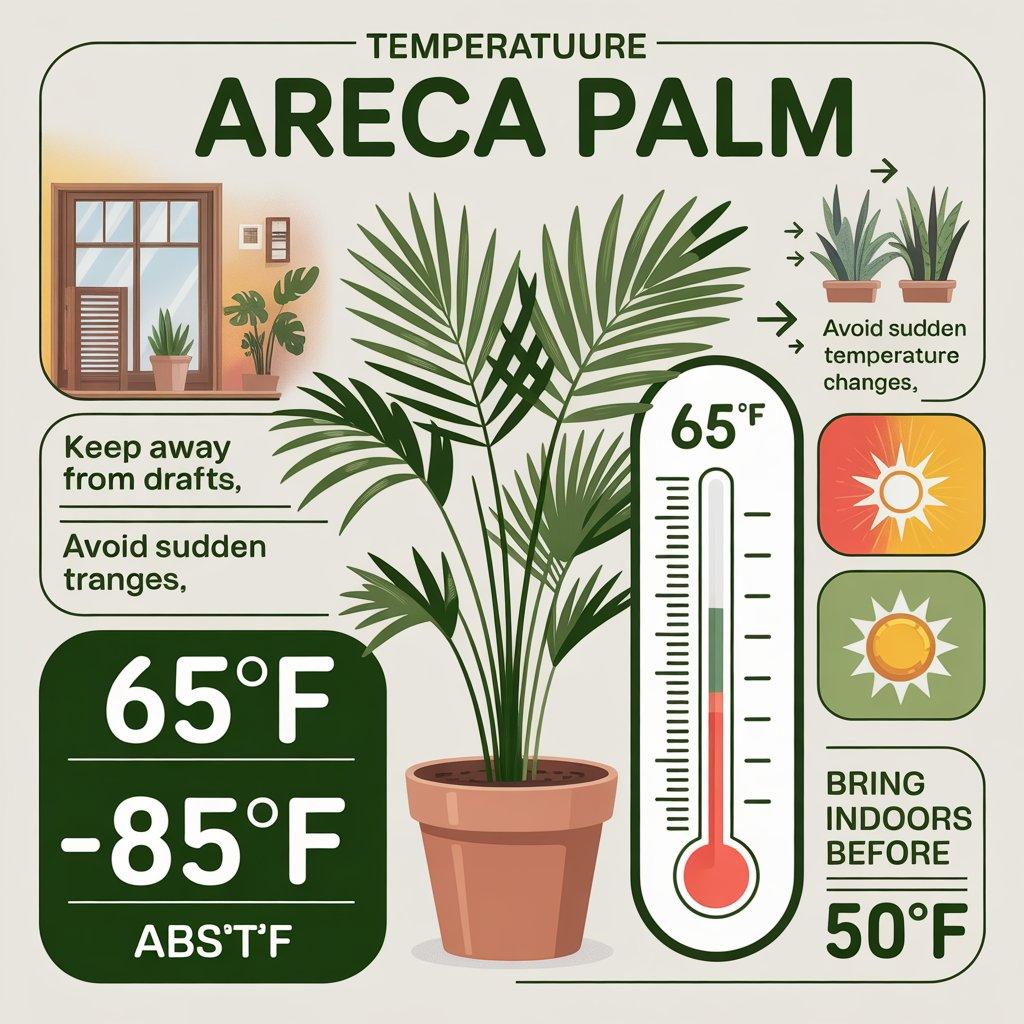
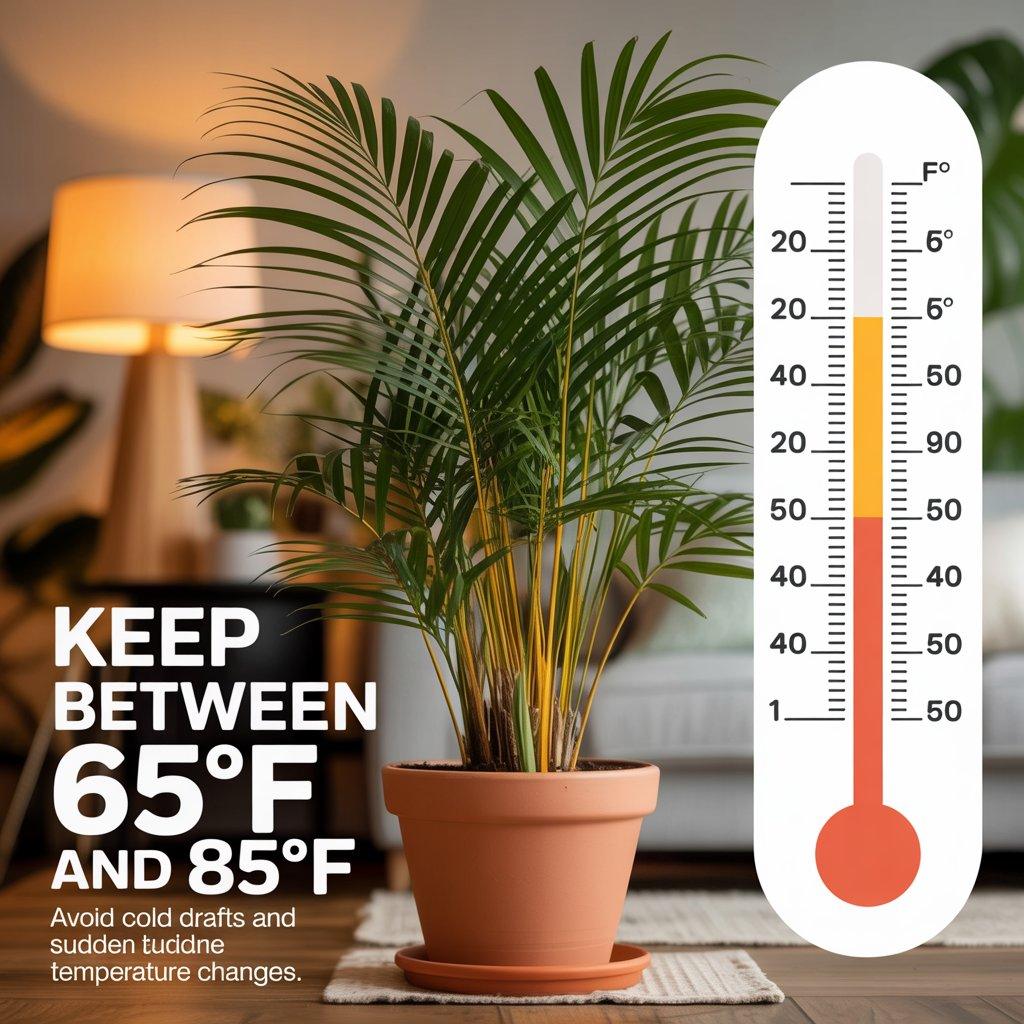
Keep your Areca palm in a room that stays between 65°F and 85°F. It will tolerate brief drops, but don’t let it get below 50°F for long. Also, keep it away from cold drafts, air conditioning vents, and heating ducts. Sudden temperature swings stress the plant out.
If you move the plant outside for summer, bring it back inside before nights get chilly. This is strictly an indoor plant in most climates.
Fertilizer
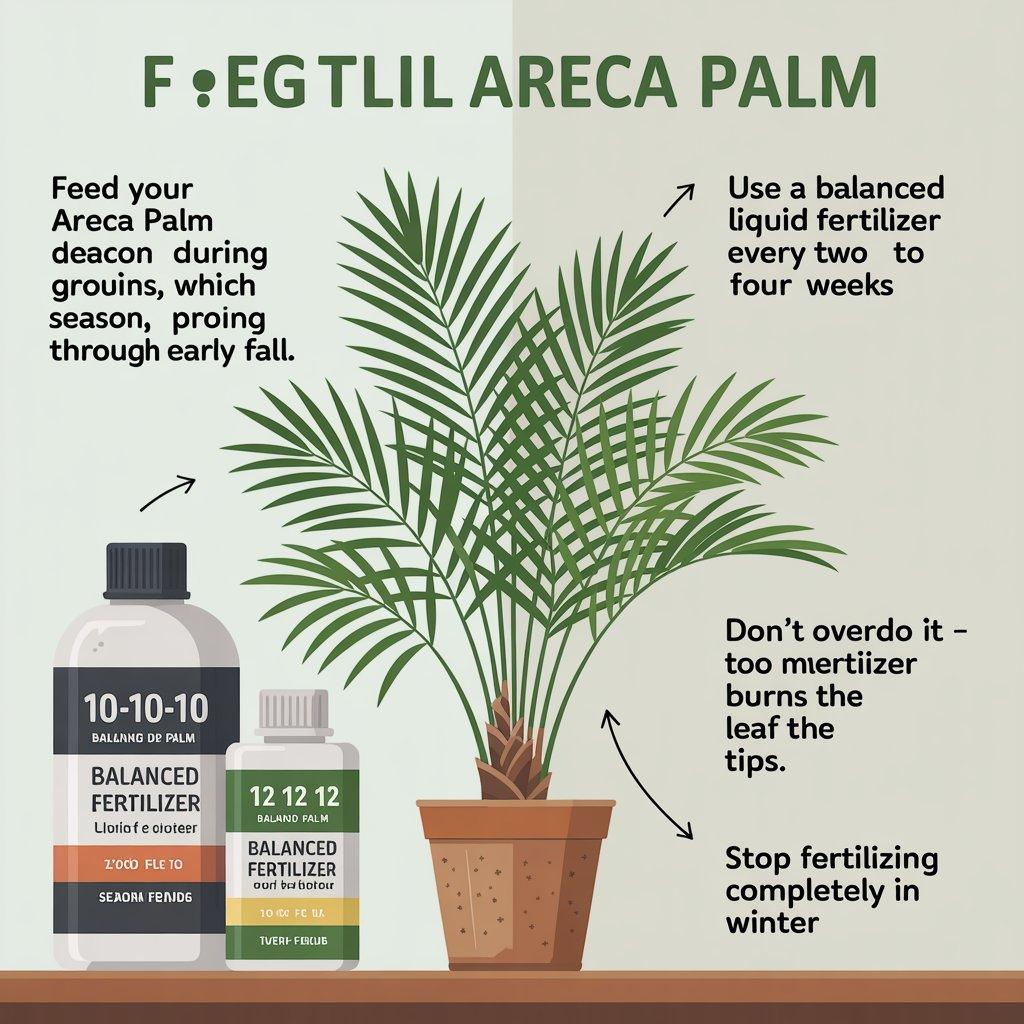
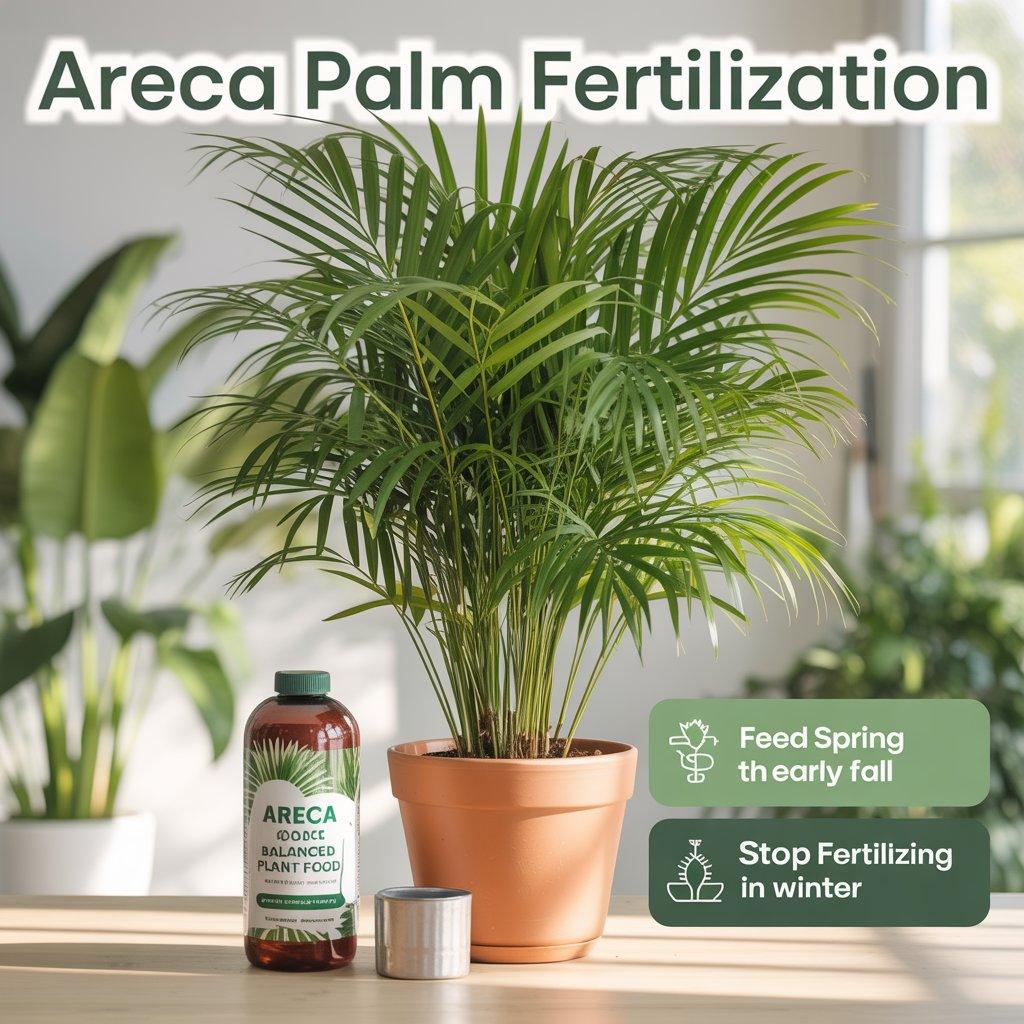
Feed your Areca palm during the growing season, which runs from spring through early fall. Use a balanced liquid fertilizer (10-10-10 or 12-12-12) every two to four weeks. Follow the label directions and don’t overdo it too much fertilizer burns the leaf tips.
Stop fertilizing completely in winter. The plant’s growth slows down, and adding nutrients at that point only causes problems.
Pruning and Cleaning
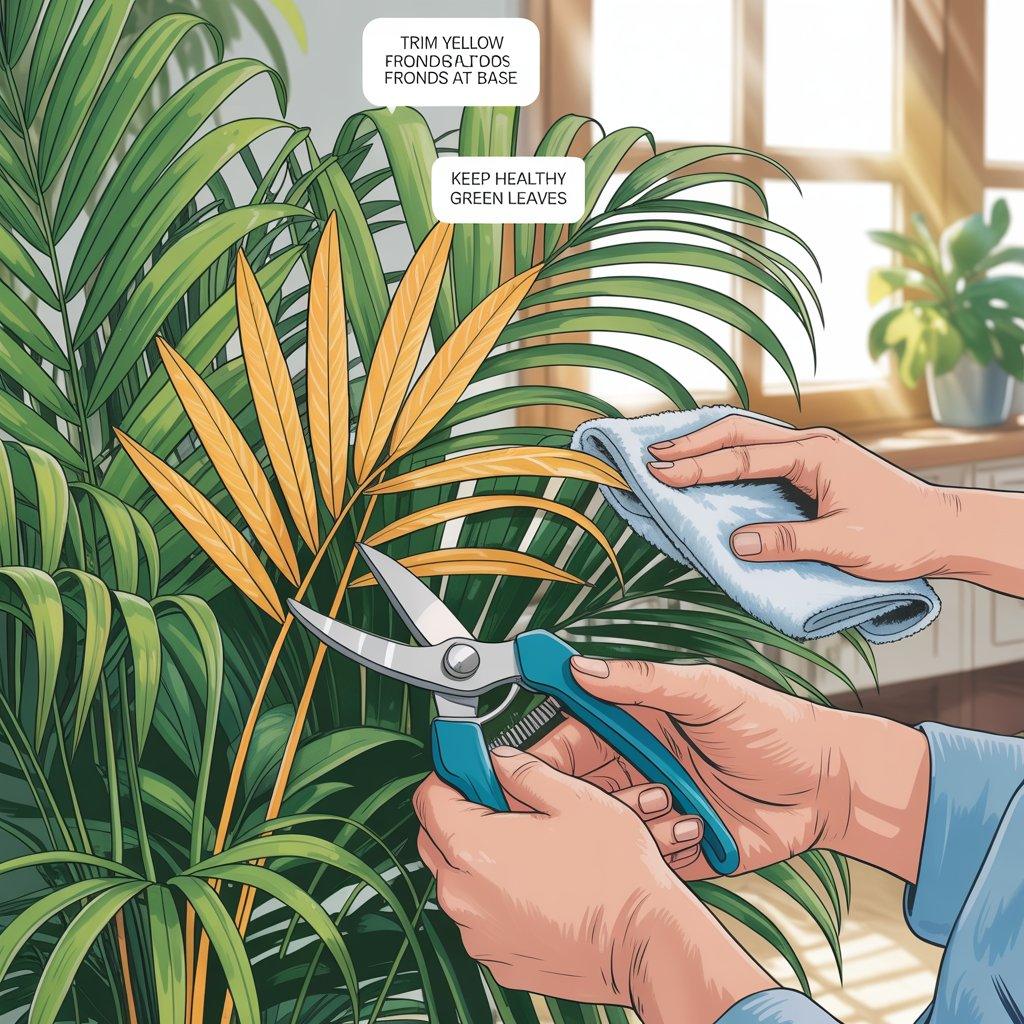
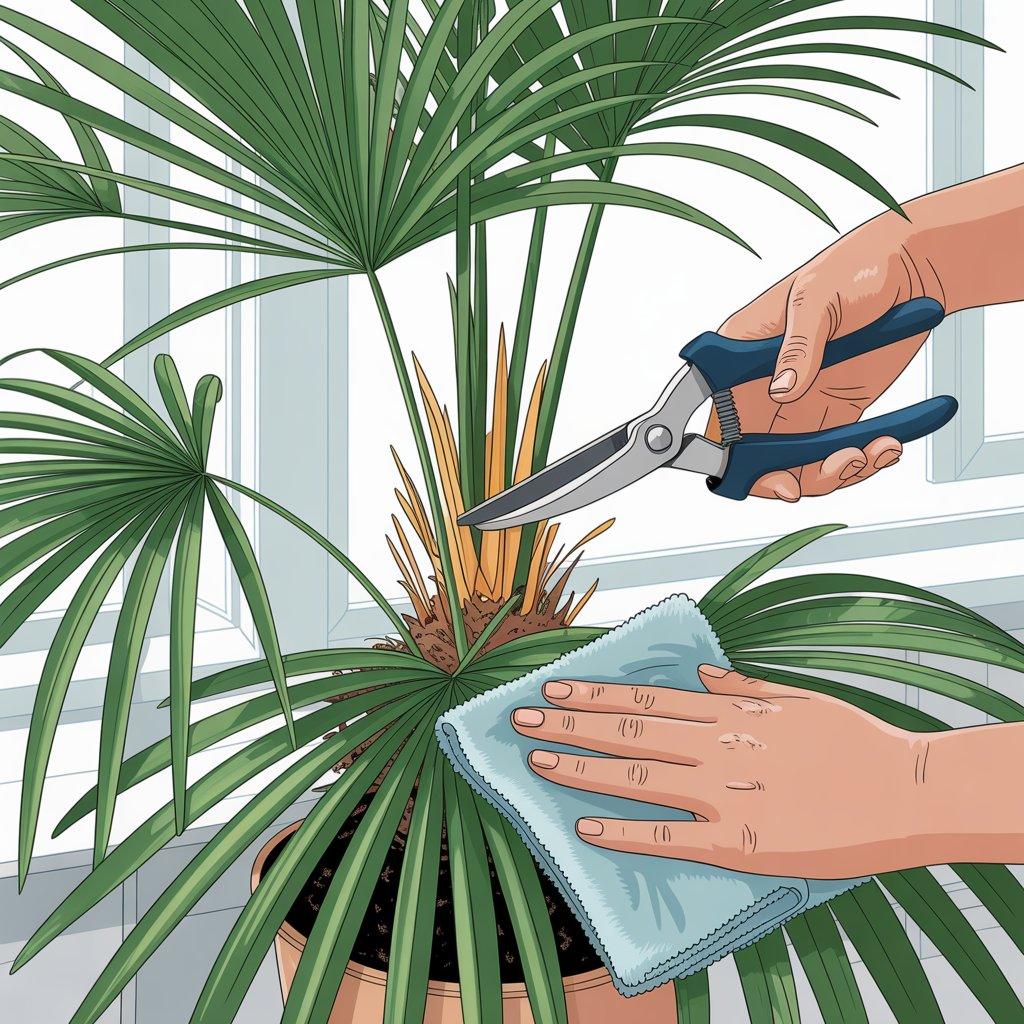
Trim off yellow or brown fronds at the base using clean, sharp scissors or pruners. This keeps the plant looking tidy and directs energy toward new growth. Don’t cut healthy green leaves the plant needs them for photosynthesis.
Dust builds up on the wide fronds over time. Every couple of weeks, wipe them gently with a damp cloth. This lets the leaves breathe and soak up more light. It also makes the plant look much better.
Repotting
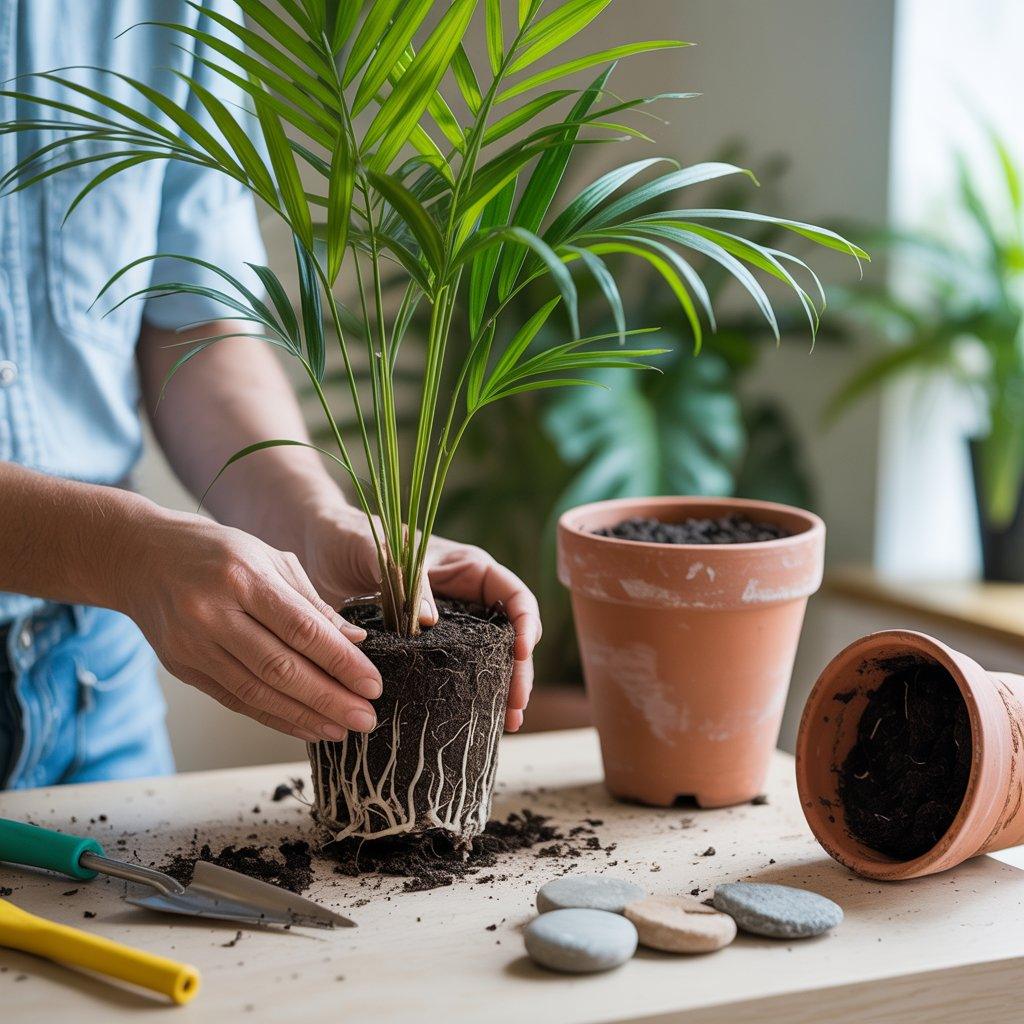
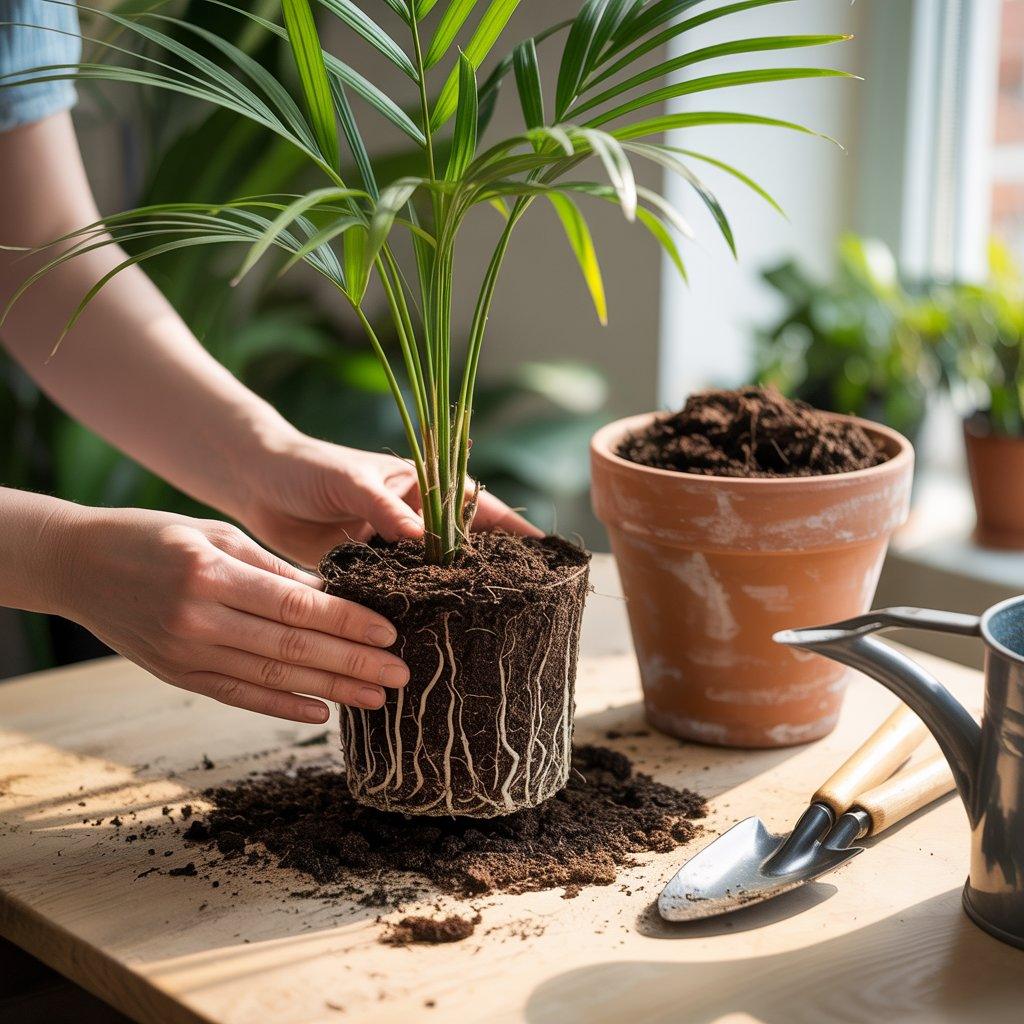
Young Areca palms need repotting every year or two. Older, established plants can go two to three years between repots. Look for signs like roots growing out of the drainage holes or water running straight through the pot (meaning the soil is too compacted).
When you repot, choose a container that’s only one size larger than the current one. Gently loosen the root ball before placing it in fresh soil. Water thoroughly after repotting to help the roots settle in.
Mistakes to Avoid
Even good plant owners make these errors. Here’s what to watch for.
Overwatering. This is the most common mistake. People water on a schedule instead of checking the soil. Always check first. If the soil is wet, walk away.
Using tap water. City water often has chlorine and fluoride. Over time, these chemicals build up in the soil and cause brown leaf tips. Rainwater or distilled water is much better.
Putting the plant in direct sun. Areca palms do not like harsh afternoon sunlight. The leaves burn quickly, leaving ugly brown scorch marks that don’t heal.
Letting the soil go bone dry. On the other hand, don’t let the plant dry out completely either. If the leaves start drooping and the fronds feel crispy, you’ve waited too long.
Ignoring humidity. Dry air causes brown tips no matter how well you water. If you see browning, mist the plant or get a humidifier.
Over-fertilizing. More food is not better. Too much fertilizer burns the roots and shows up as yellow or brown leaf tips. Follow the label and feed lightly.
Not cleaning the leaves. Dust blocks light and attracts pests. A quick wipe every two weeks makes a big difference.
Repotting into a huge container. A massive pot holds too much water. The roots sit in wet soil and rot. Always go up just one size.
FAQs
Q1: Is the Areca Palm really safe for cats and dogs?
Yes. The ASPCA lists Dypsis lutescens as non-toxic to dogs, cats, and horses. That said, eating any plant can cause mild stomach upset simply because the animal’s system isn’t used to it. But you won’t see organ failure or life-threatening symptoms.
Q2: My Areca Palm has brown tips. What’s wrong?
Brown tips usually come from low humidity, tap water chemicals, or over-fertilizing. First, switch to filtered water. Second, increase humidity around the plant with misting or a pebble tray. Third, cut back on fertilizer.
Q3: Why are the lower fronds turning yellow?
If it’s just the older, bottom fronds, that’s normal. Areca palms naturally shed their oldest leaves as they grow new ones. Trim off the yellow ones at the base. If the yellowing spreads to newer leaves higher up, then you have a problem likely overwatering or poor light.
Q4: How tall will an indoor Areca Palm get?
Indoors, a healthy Areca palm typically reaches 6 to 7 feet tall. It grows slowly, adding about 6 to 10 inches each year. It can take a decade to hit its full height. Outdoors in warm climates, it can soar up to 30 feet.
Q5: Does the Areca Palm clean the air?
Yes. NASA’s clean air study from the 1980s ranked Areca palms among the best plants for removing indoor air pollutants like formaldehyde, xylene, and toluene. It also adds moisture to dry air, which is a nice bonus.
Q6: Can I put my Areca Palm outside for the summer?
You can, but only if nighttime temperatures stay above 50°F. Put it in a shaded or filtered-sun spot — no direct afternoon light. Bring it back inside before fall temperatures drop. Also, check for pests like spider mites before returning it indoors.
Q7: My Areca Palm has spider mites. What do I do?
Spider mites love dry, dusty conditions. Wipe the leaves down with a damp cloth to remove the mites and their webs. Then spray the plant with insecticidal soap or neem oil, following the label instructions. Increase humidity going forward to prevent a comeback.
Design and Styling Ideas
Areca palms work in just about any room. Here are a few simple ways to make them look great.
- Put it in a corner. The tall, arching fronds fill empty corners nicely. Place the palm in a woven basket or ceramic planter that contrasts with your wall color. Add a small side table nearby with a few books or a small succulent to create a complete vignette.
- Flank a sofa or TV console. One Areca palm on each side of a piece of furniture creates natural symmetry. This trick works especially well in living rooms and home offices. It draws the eye up and makes the ceiling feel higher.
- Pair with minimalist furniture. The palm’s soft, feathery texture balances out sharp lines from modern sofas, glass tables, or metal shelves. The contrast looks intentional and polished.
- Use as a natural room divider. A large, bushy Areca palm placed between two seating areas gives each zone its own identity. The dense foliage blocks direct sight lines without blocking light completely.
- Put it near a window with sheer curtains. The plant gets the bright, indirect light it wants. Plus, the sunlight passing through the fronds casts interesting shadows on the wall that shift throughout the day.
- Go boho or coastal. Areca palms fit right in with rattan furniture, jute rugs, and natural wood accents. Place one in a woven basket and layer with a macrame hanger nearby. It reads as relaxed and tropical.
- Add seasonal touches. Wrap the pot with fairy lights for winter. Tuck a few small ornaments into the fronds for a holiday party. In summer, set the planter on a tray with seashells and a citronella candle.
Conclusion
The Areca Palm gives you something rare a beautiful, full-sized houseplant that won’t hurt your cat or dog. The ASPCA has verified it. Thousands of pet owners grow it without issue.
Keep it in bright, indirect light. Water when the top two inches of soil dry out. Boost humidity if your home is dry. That’s really it.
You don’t have to choose between a green home and a safe home. The Areca Palm is proof of that. Go get one. Your pets will be fine. And you’ll finally have that tropical corner you’ve been wanting.
Related Post: