
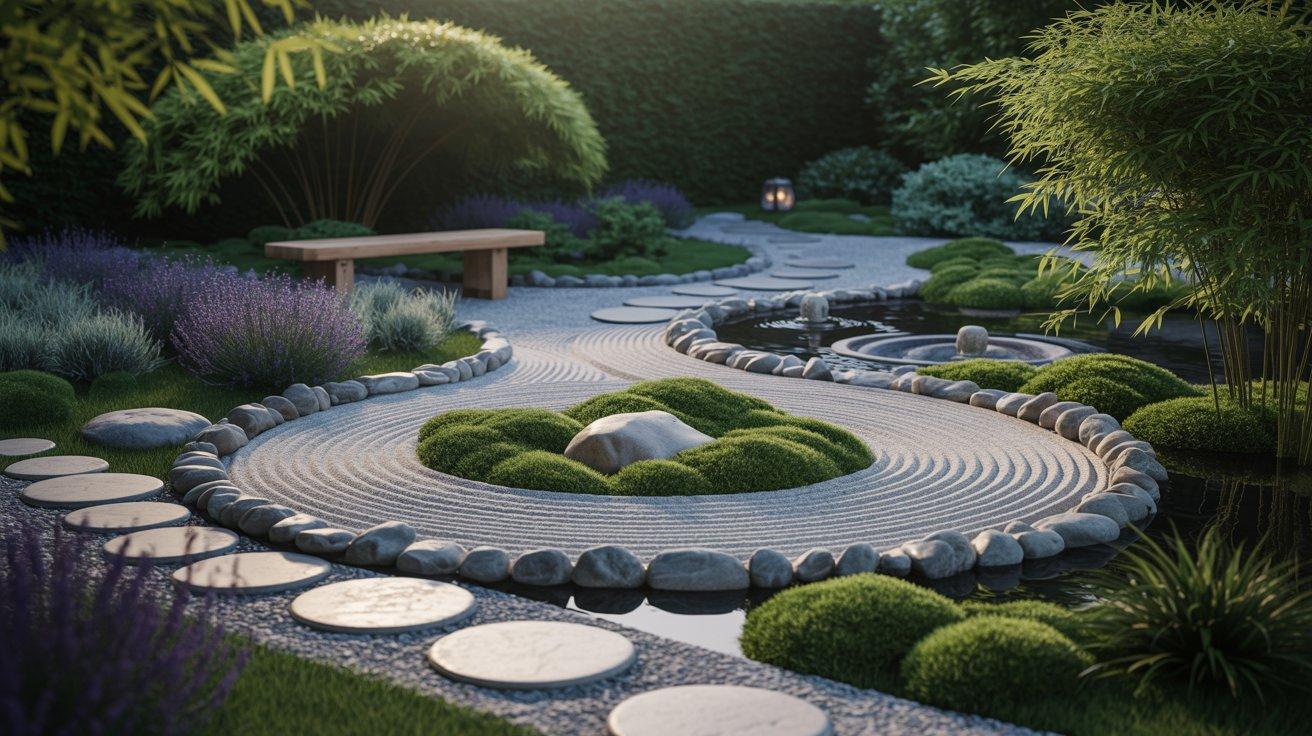
You don’t need a big yard to make a meditation garden. A small corner works fine. Even a few pots on a balcony can do the job.
The point isn’t to impress anyone. It’s to create a spot where you can sit, breathe, and let your mind slow down. Somewhere that feels separate from the rest of your day.
I’ve helped friends turn messy side yards and empty patios into quiet spaces. Nothing fancy. Just a few plants, a place to sit, and some thought about what makes a person feel calm.
Below I’ll show you how to create a meditation garden that actually works for real life. No expensive landscaping required.
Why This Matters
Most of us spend all day surrounded by noise. Phones buzz. Cars drive by. Kids yell. The TV runs in the background. It’s hard to find even five minutes of quiet.
A meditation garden gives you a break from all that. It doesn’t have to be big or perfect. Just having a spot outdoors where you sit regularly can lower your stress and help you think more clearly.
Studies show that spending time in green spaces reduces anxiety and improves mood. You don’t need to travel to a fancy retreat center. You can build that peace right outside your door.
How to Create a Meditation Garden – 10 Key Ideas
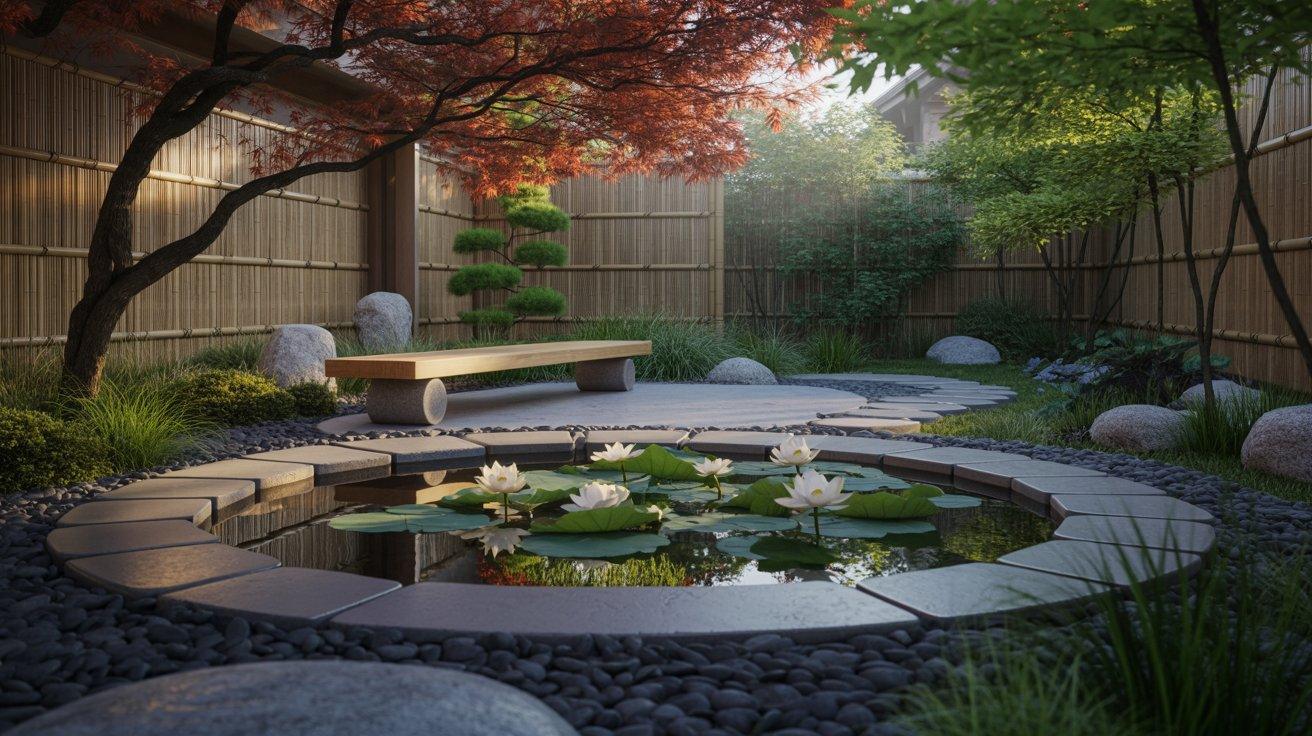
1. Pick a Quiet Corner
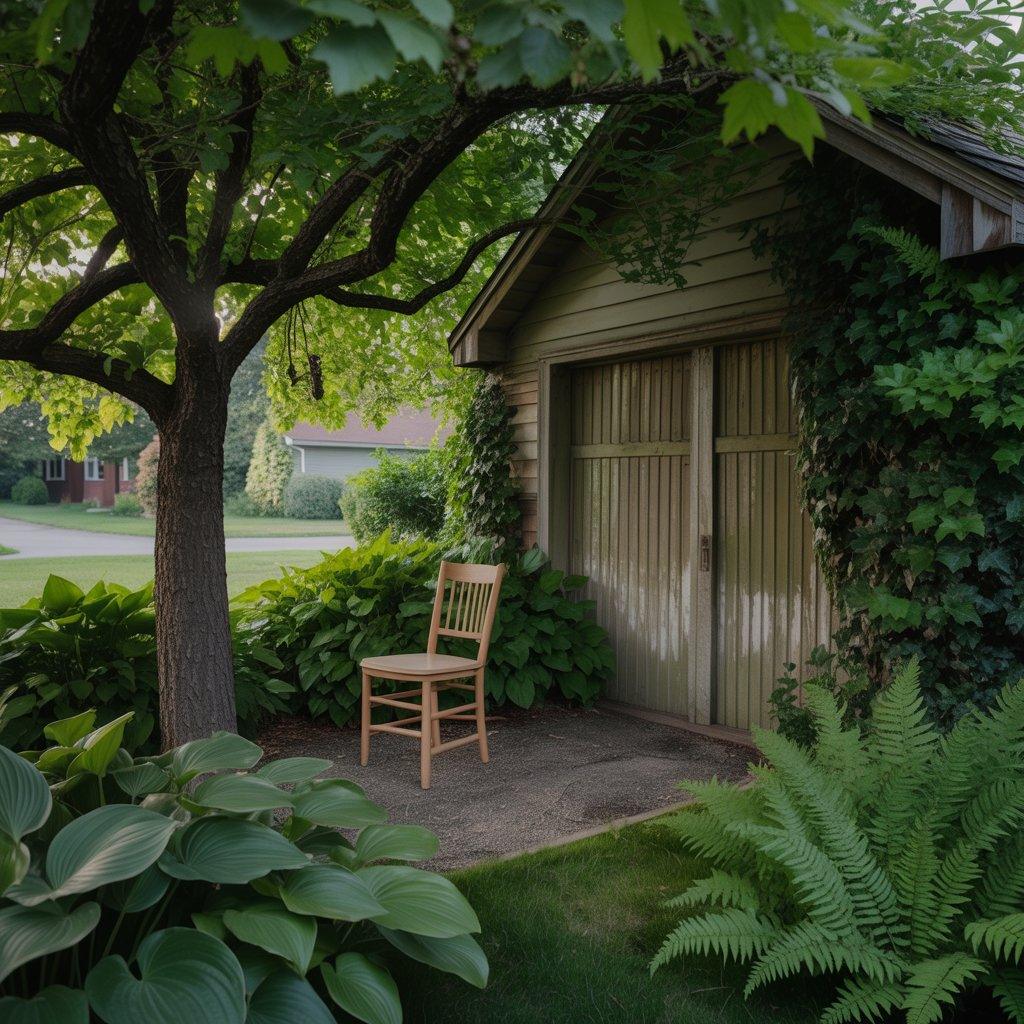
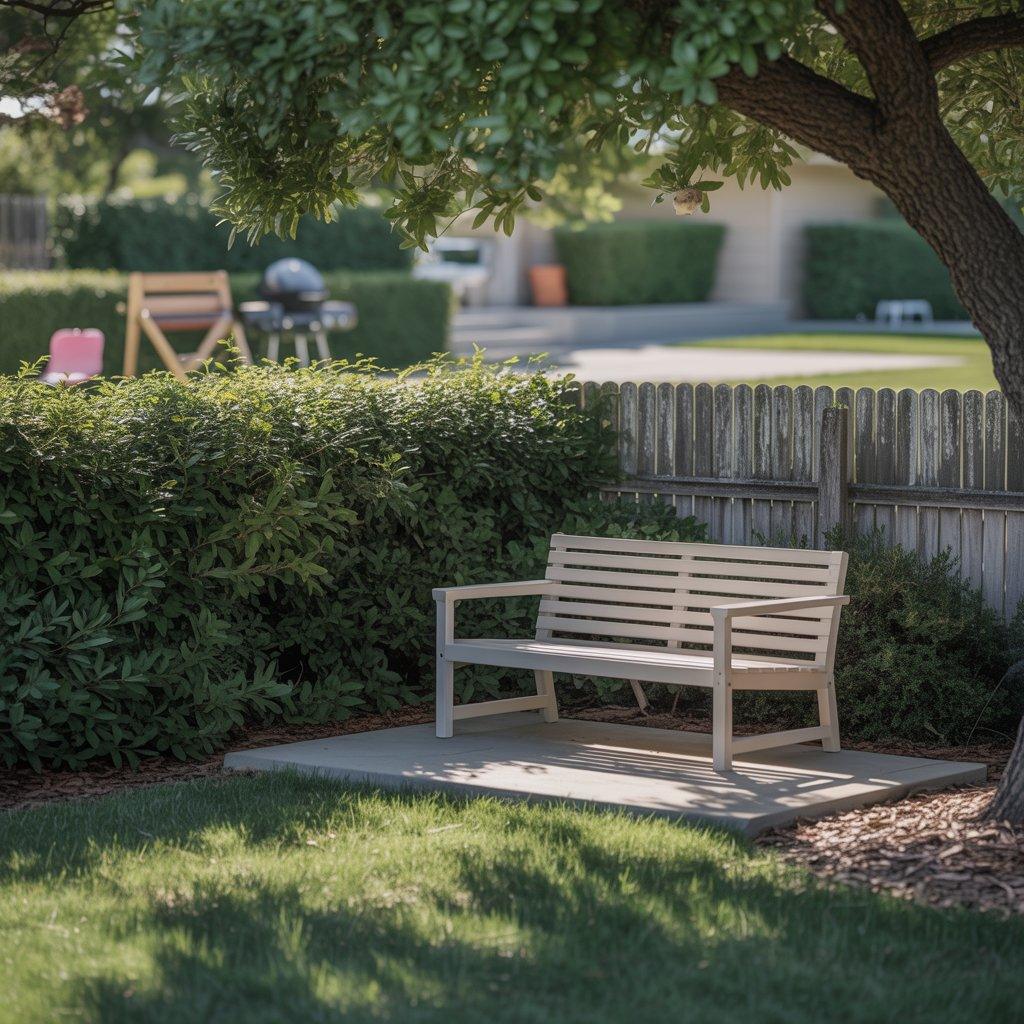
Walk around your yard and notice where you feel most hidden. Maybe it’s behind the garage. Maybe it’s under a big tree. Maybe it’s a strip along the side of the house that nobody uses. That’s your spot. You don’t need a view or perfect sunlight.
You just need some separation from the main activity areas like the grill, the play set, or the driveway. Once you pick the spot, spend a few days sitting there for five minutes. See how it feels. If you hear too much road noise or neighbors, pick another corner. Trust your gut.
2. Add a Simple Path
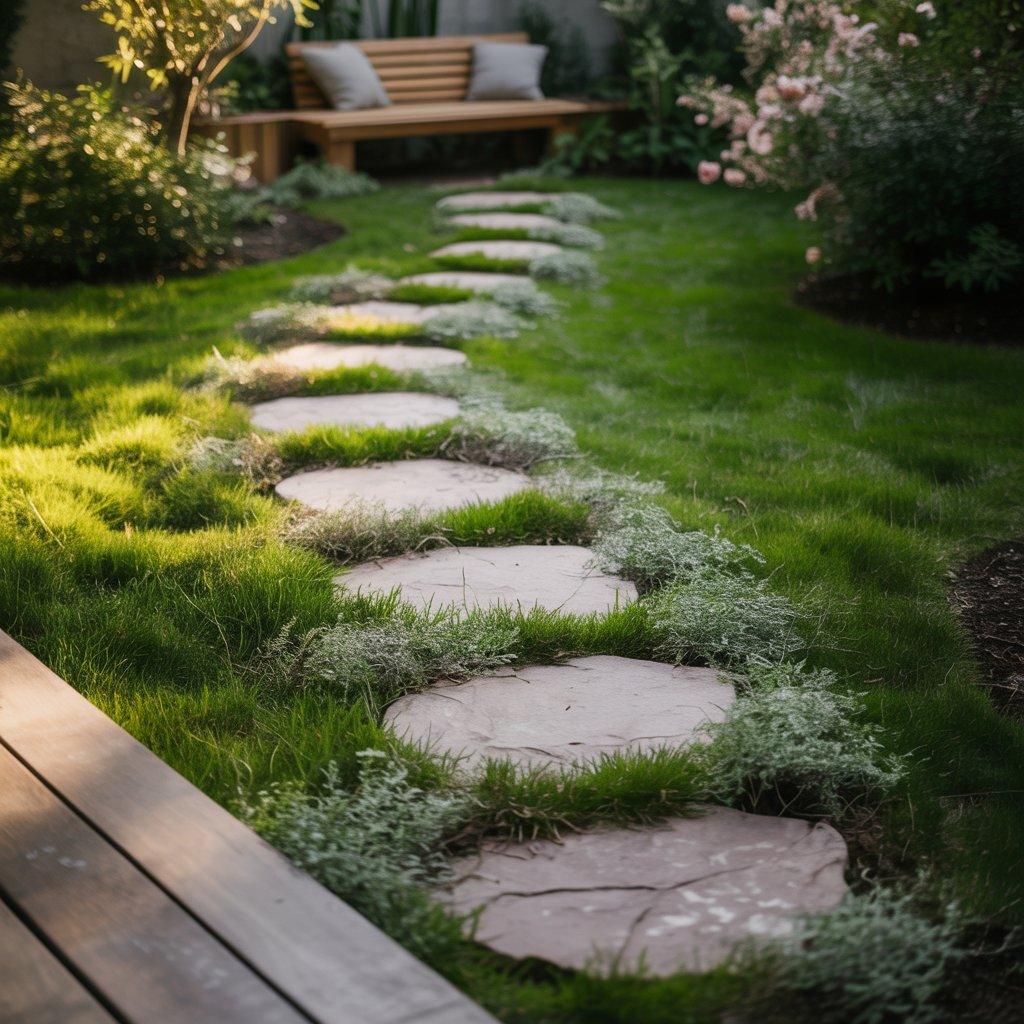
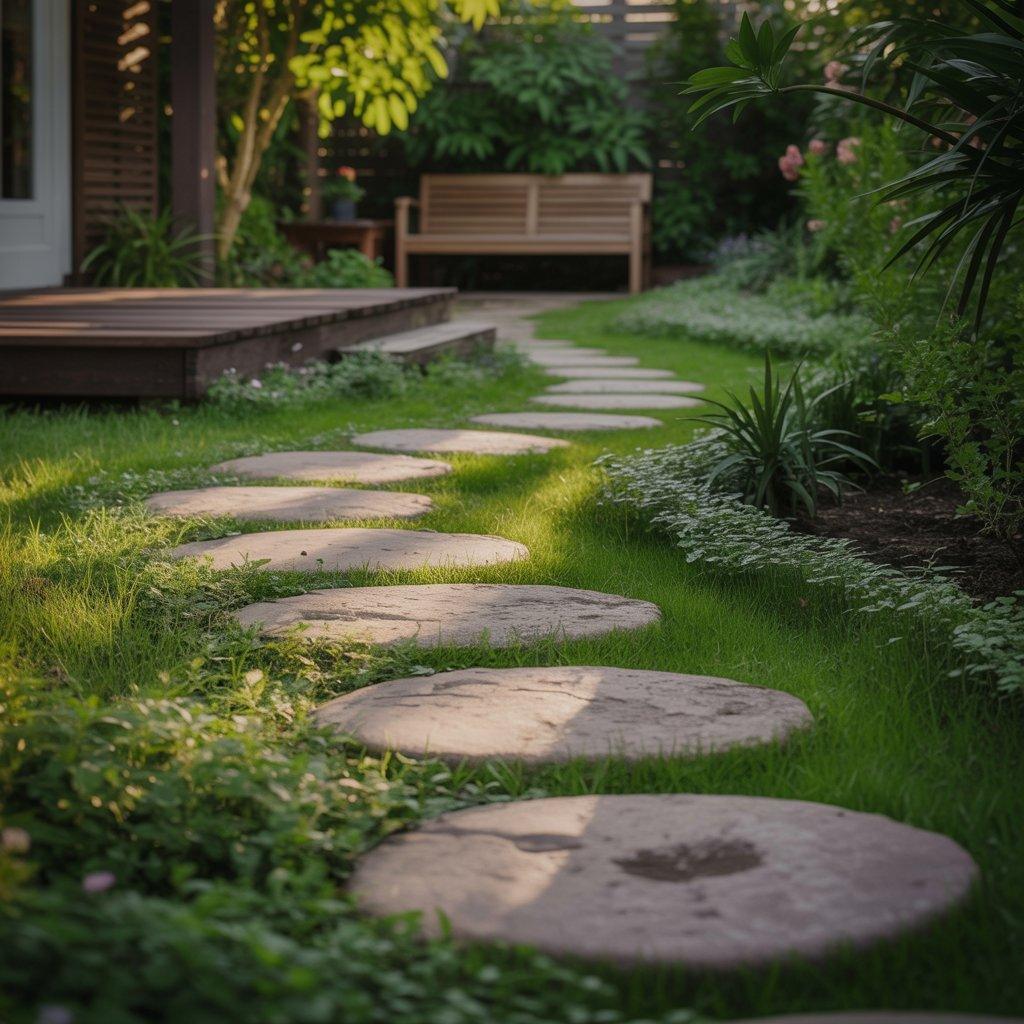
A path tells your brain “you are going somewhere special.” It doesn’t have to be fancy. Stepping stones work great. You can buy them at any garden center for a few dollars each. Lay them in the grass or on bare dirt.
Leave gaps for moss or small ground covers to grow between them. Gravel is another cheap option. Just put down landscape fabric first so weeds don’t pop through. The path should lead from your house or patio to your sitting spot. Every time you walk it, your mind starts shifting into a calmer gear.
3. Choose a Comfortable Seat
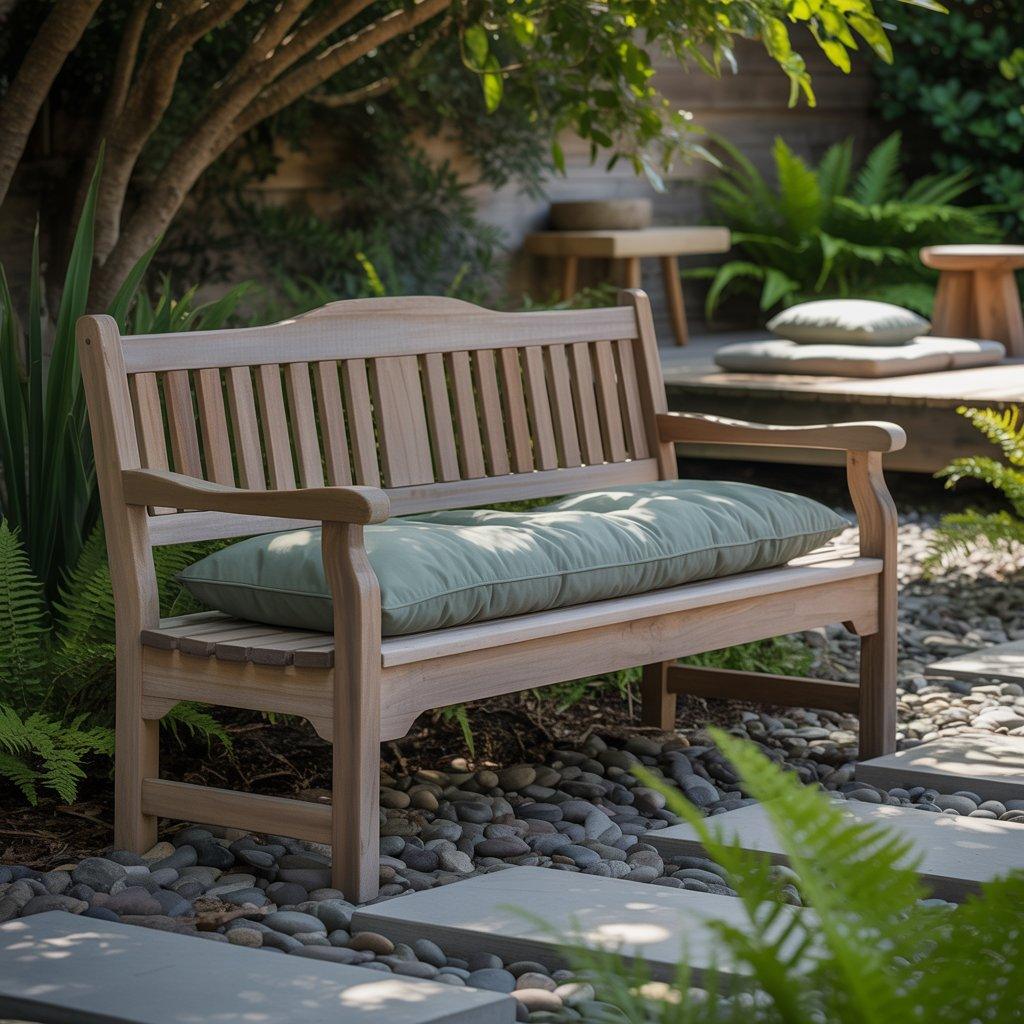
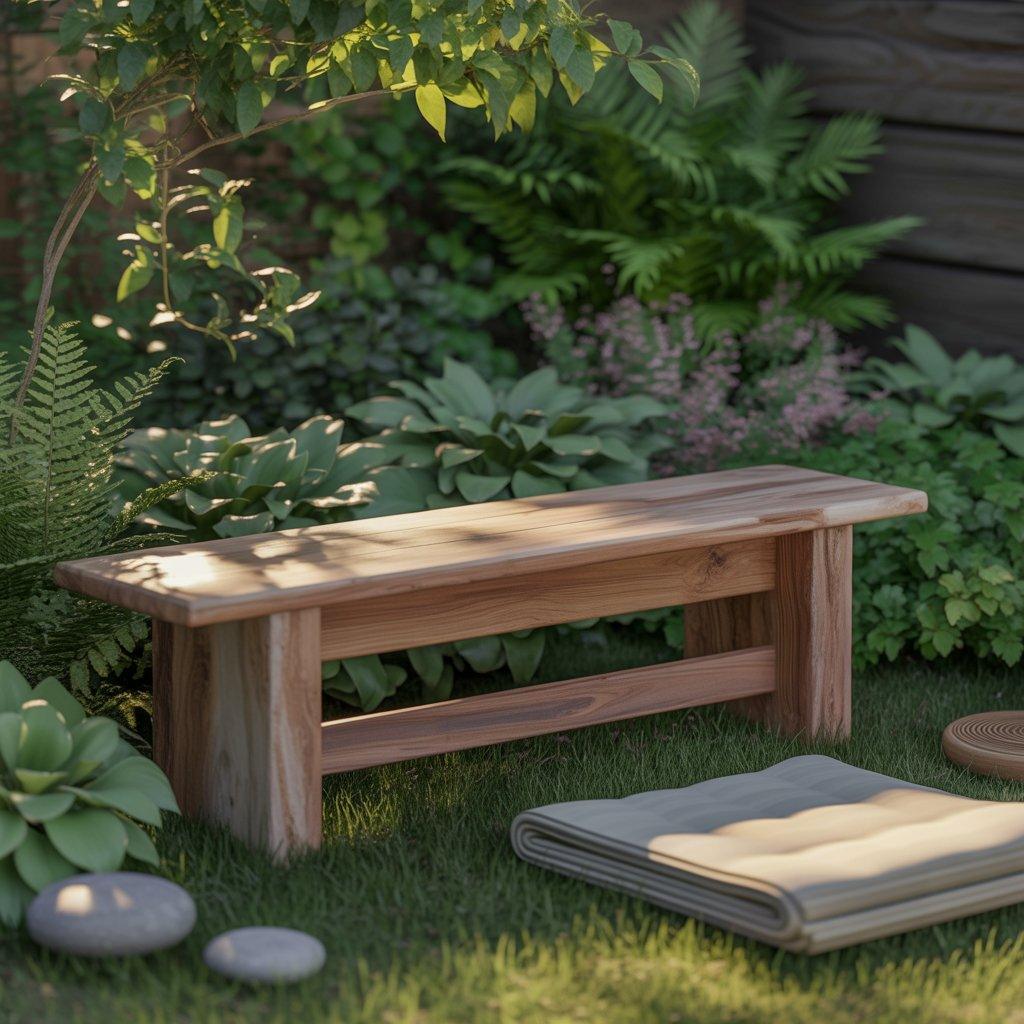
You won’t use the garden if sitting there hurts. A simple wooden bench works well. So does a flat rock with a cushion on top. Some people like a low meditation stool that tilts you slightly forward. Others prefer a thick mat on the ground.
Test a few options before you buy anything. Sit for ten minutes. Does your back ache? Are your legs falling asleep? Keep looking until you find something that feels good for at least 20 minutes. Remember that the seat will live outside, so choose weather-resistant materials like cedar, teak, metal, or stone.
4. Plant Soft Textures
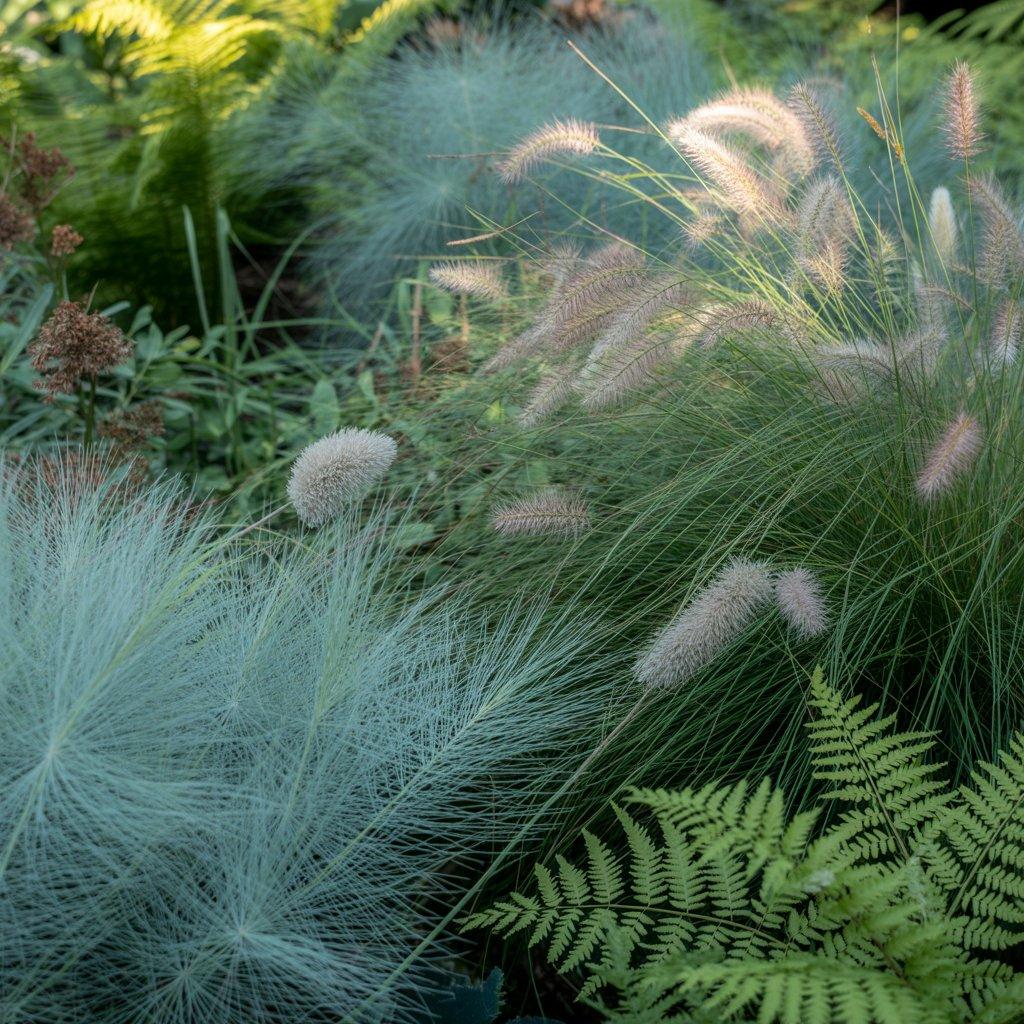
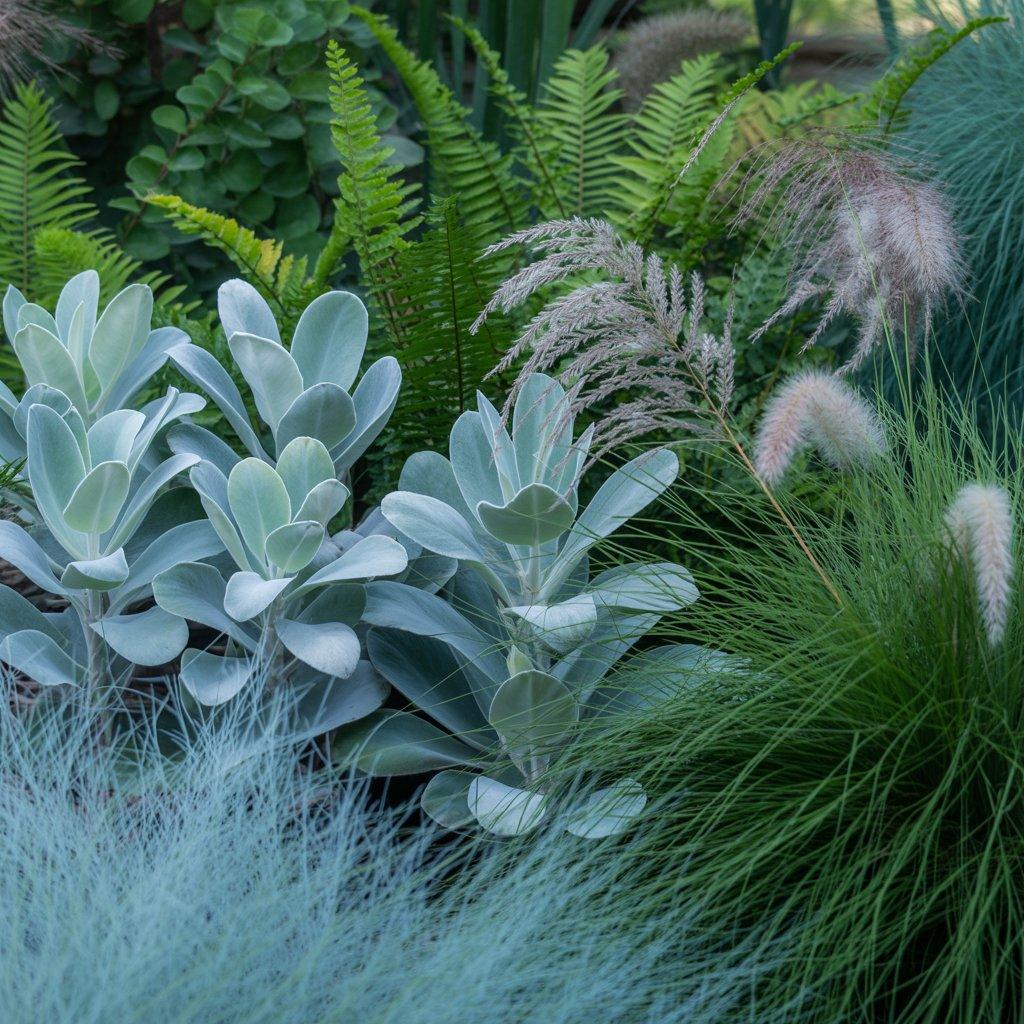
Plants with soft, feathery leaves feel calming. Ornamental grasses like Mexican feather grass or blue fescue sway in the breeze and make a gentle shushing sound.
Lamb’s ear has silvery, velvety leaves that you’ll want to touch. Ferns add a cool, woodland feel. Avoid spiky plants like yucca or cactus. They send a different message. Stick with rounded shapes and soft edges.
You don’t need a lot of different plants. Repeating the same two or three types actually looks more peaceful than a crowded flower bed.
5. Add a Water Feature
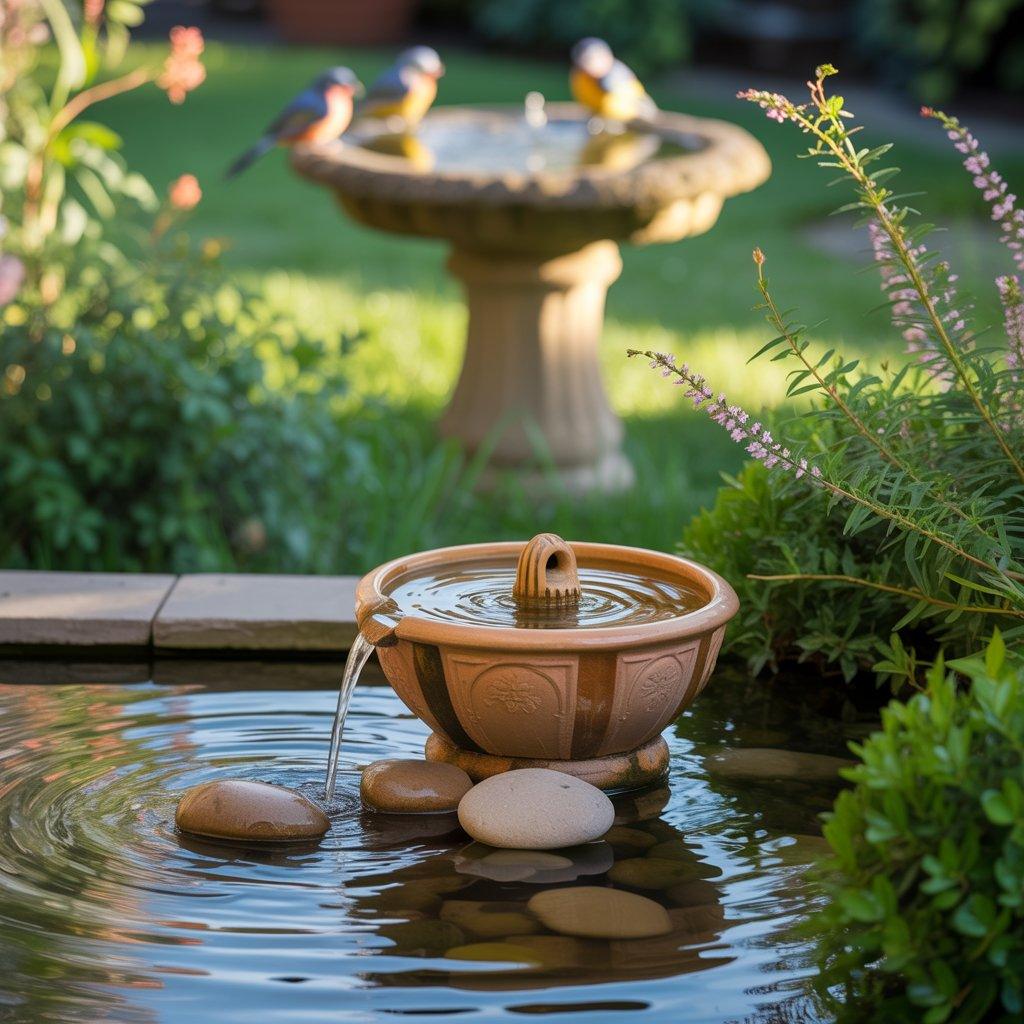
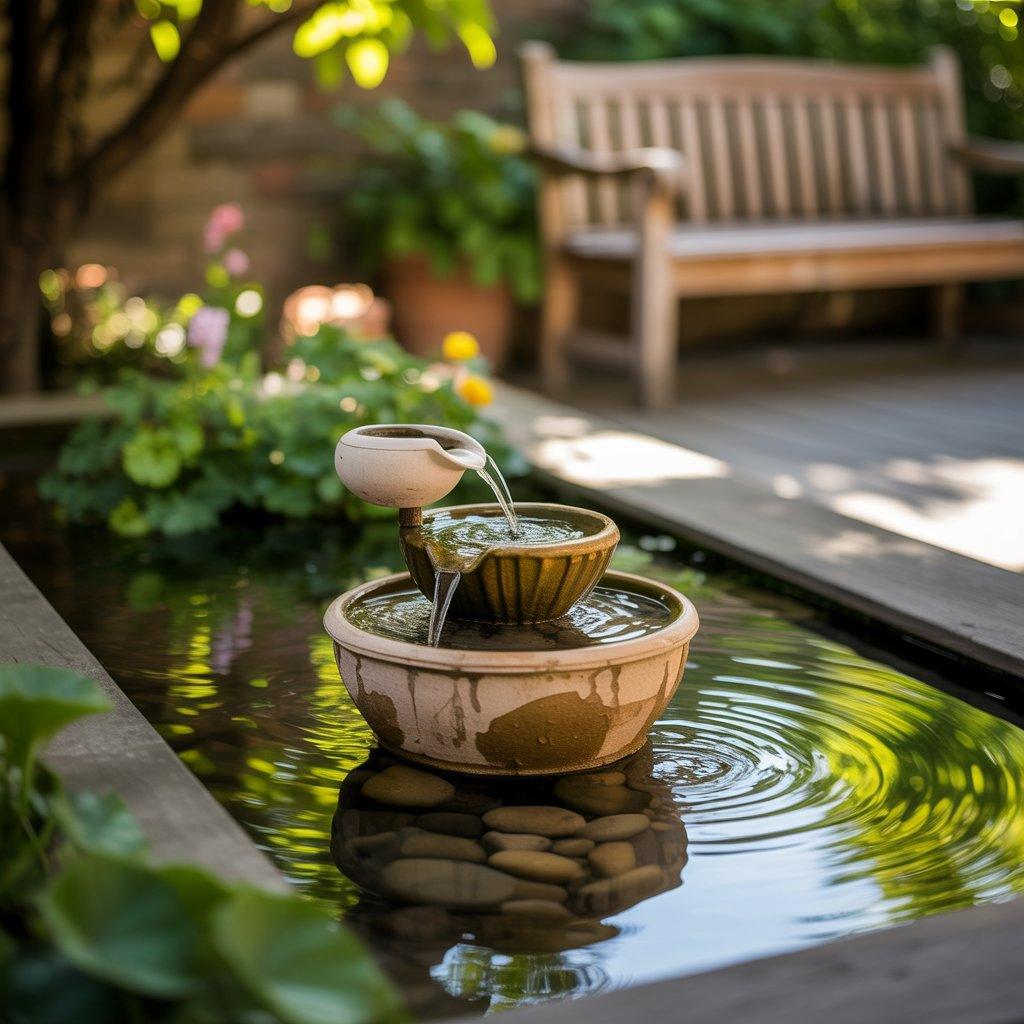
Moving water covers up annoying background noise like traffic or lawnmowers. A small fountain is perfect. You can find plug-in fountains for under $50 at home stores.
Or make your own with a ceramic pot, a small pump, and some rocks. The sound of trickling water tells your nervous system to relax. If you don’t want to mess with pumps and electricity, a simple birdbath works too.
The water doesn’t have to move. Just having it there attracts birds, and watching birds is its own form of meditation.
6. Use a Focal Point
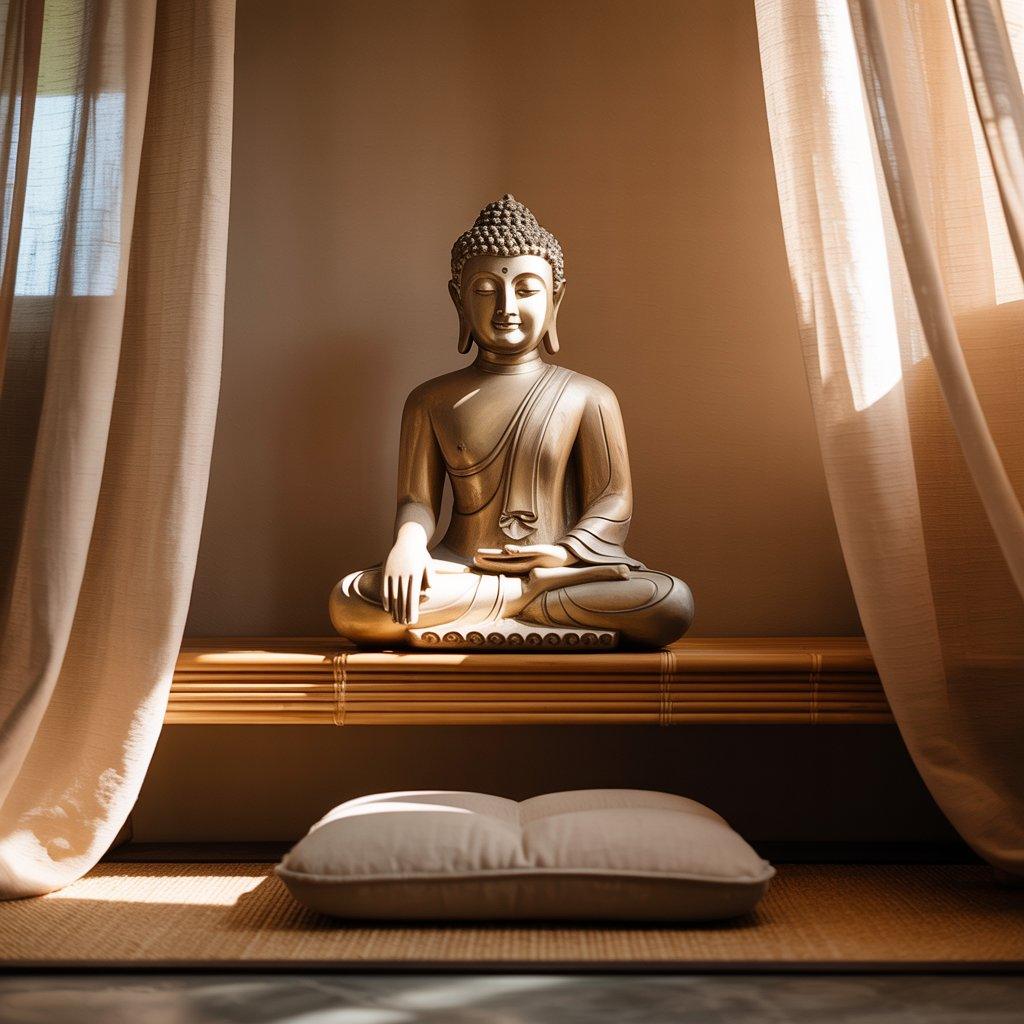
A focal point gives your eyes somewhere to rest. It could be a statue of Buddha, a large smooth rock, a piece of driftwood, or even a pretty pot with a single flower.
Place it at eye level from your seat. Keep it simple. One thing is enough. Too many decorations feel cluttered and busy. The focal point should be something you find beautiful or meaningful.
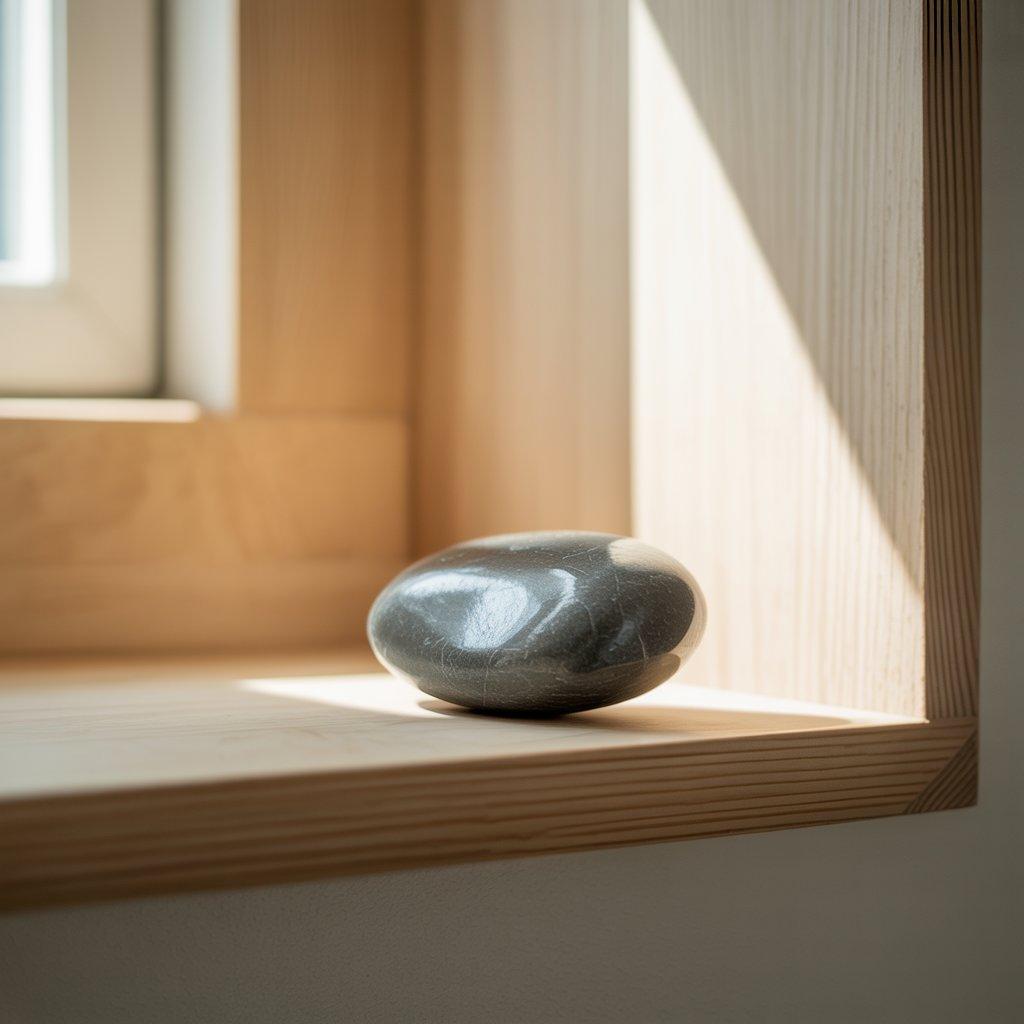
It doesn’t have to be expensive. A smooth river rock you found on a family trip works perfectly. The point is to have something gentle to look at while your mind settles.
7. Block the Outside World
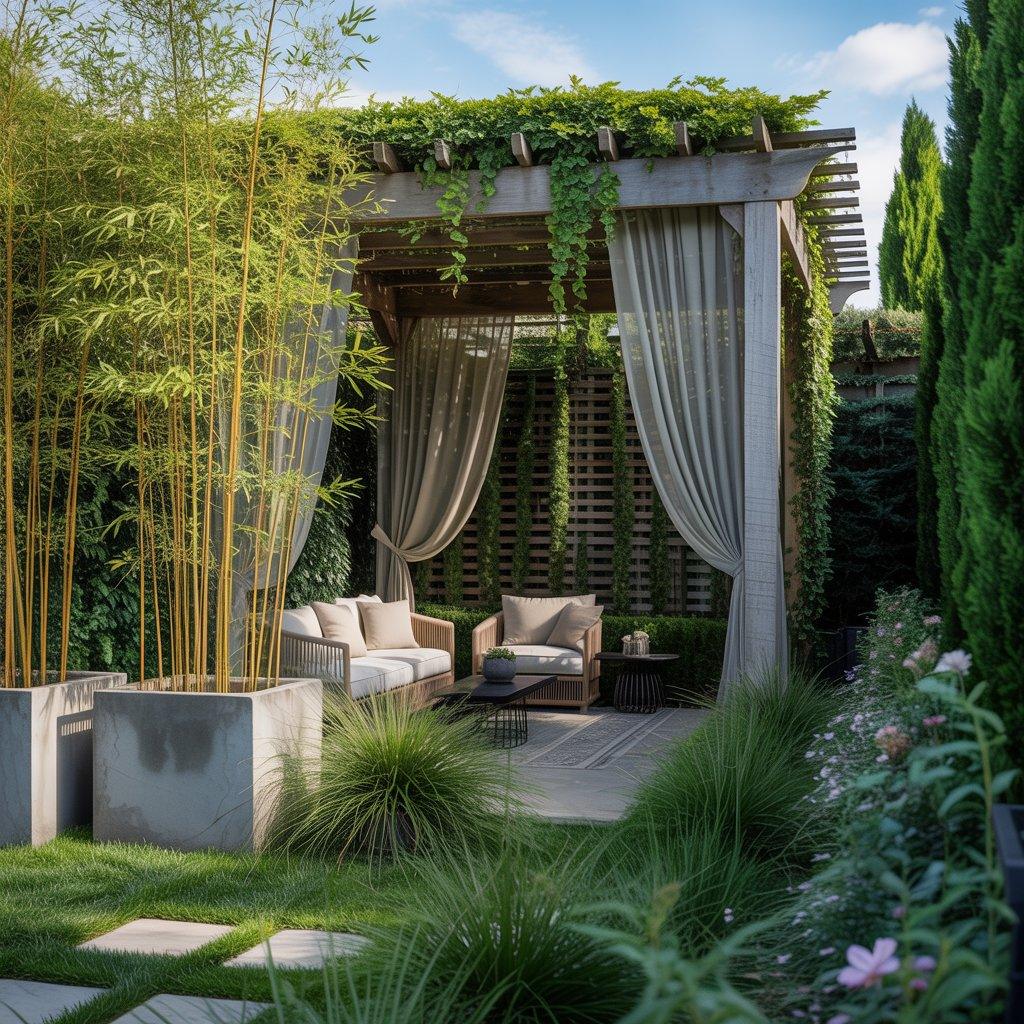
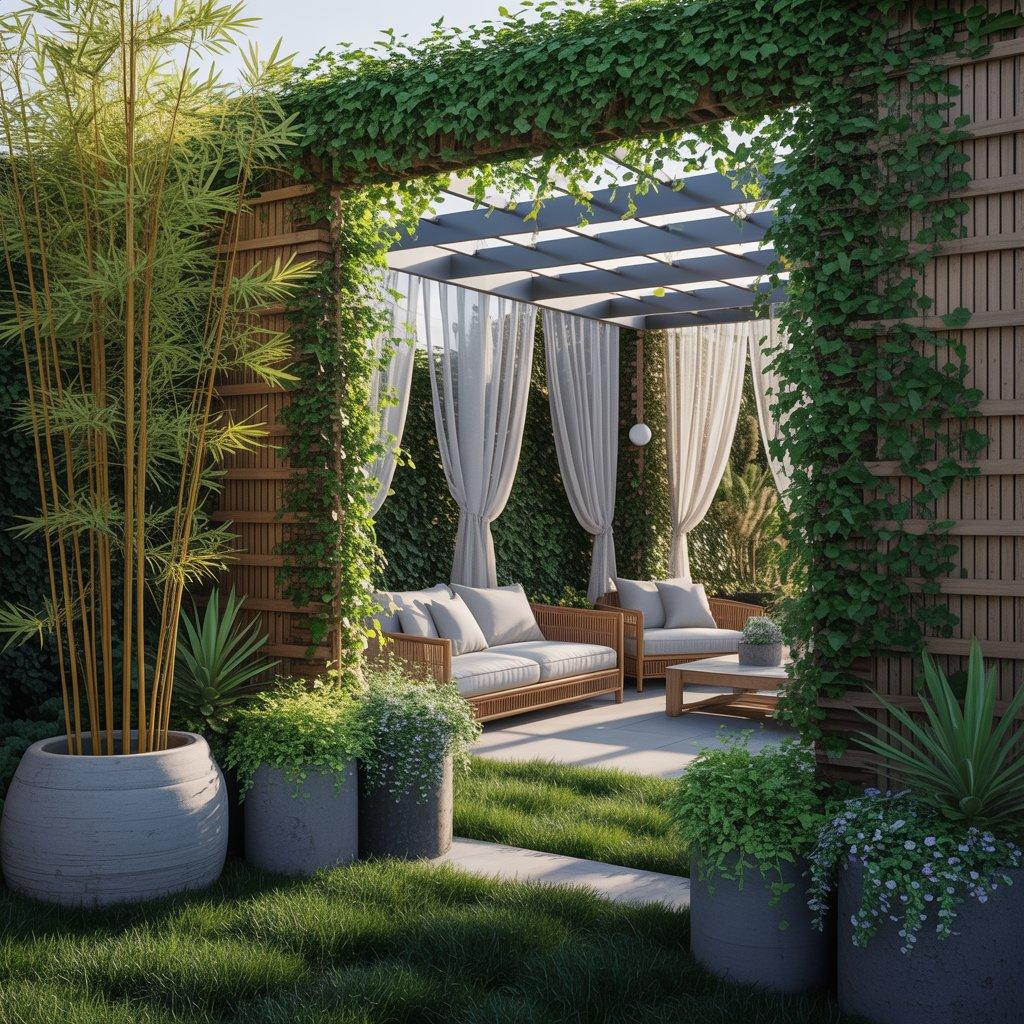
You want the garden to feel tucked away. Fencing is the most obvious solution, but it’s not the only one. Tall plants like bamboo (in a container so it doesn’t spread), arborvitae, or clumping grasses can create a living wall.
A trellis with climbing vines works too. Even a simple curtain rod with an outdoor curtain hung from a pergola can block the view of your neighbor’s trash cans.
The goal is to reduce distractions so you can focus inward. You don’t need total privacy. Just enough so your eyes don’t keep wandering to things that need doing.
8. Keep Colors Calm
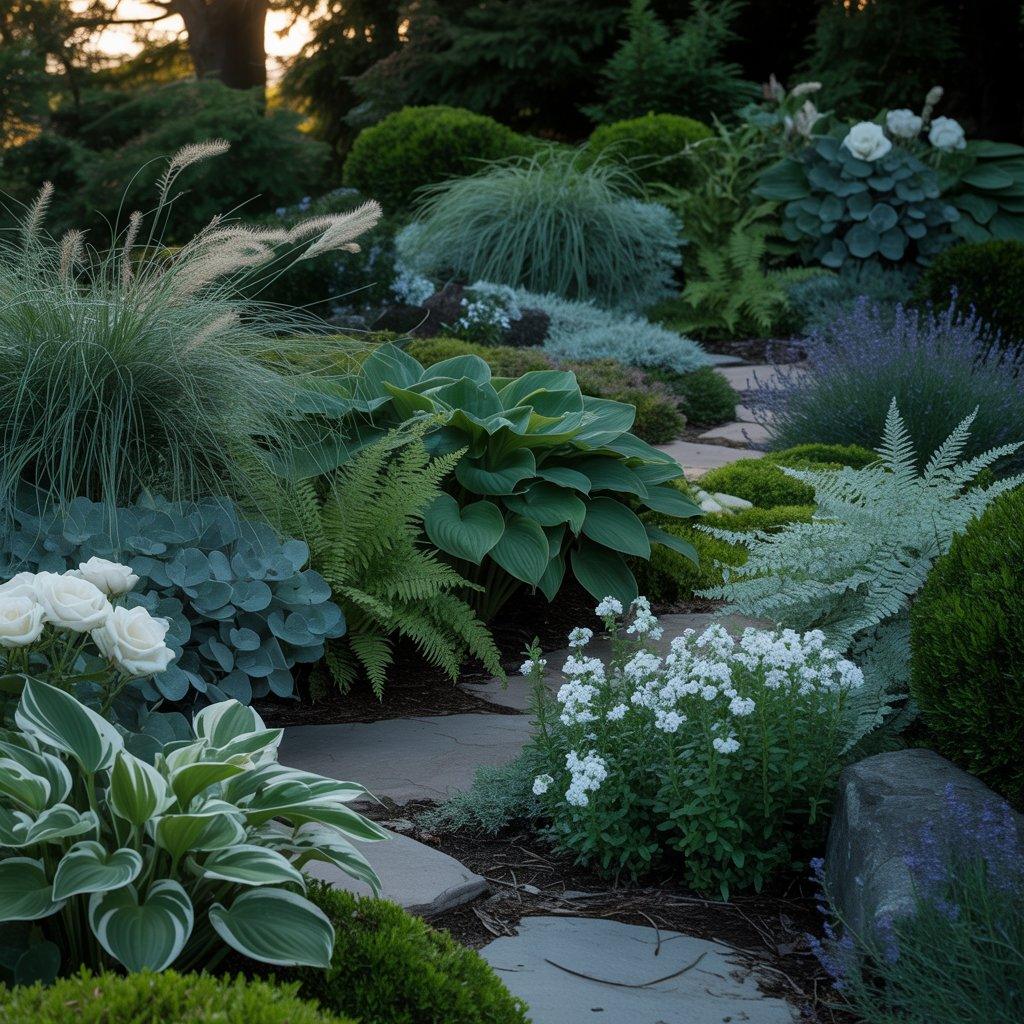
Bright reds, oranges, and neon pinks are exciting, not calming. For a meditation garden, stick with cool or neutral colors. Whites, pale pinks, soft lavenders, light blues, and lots of green.
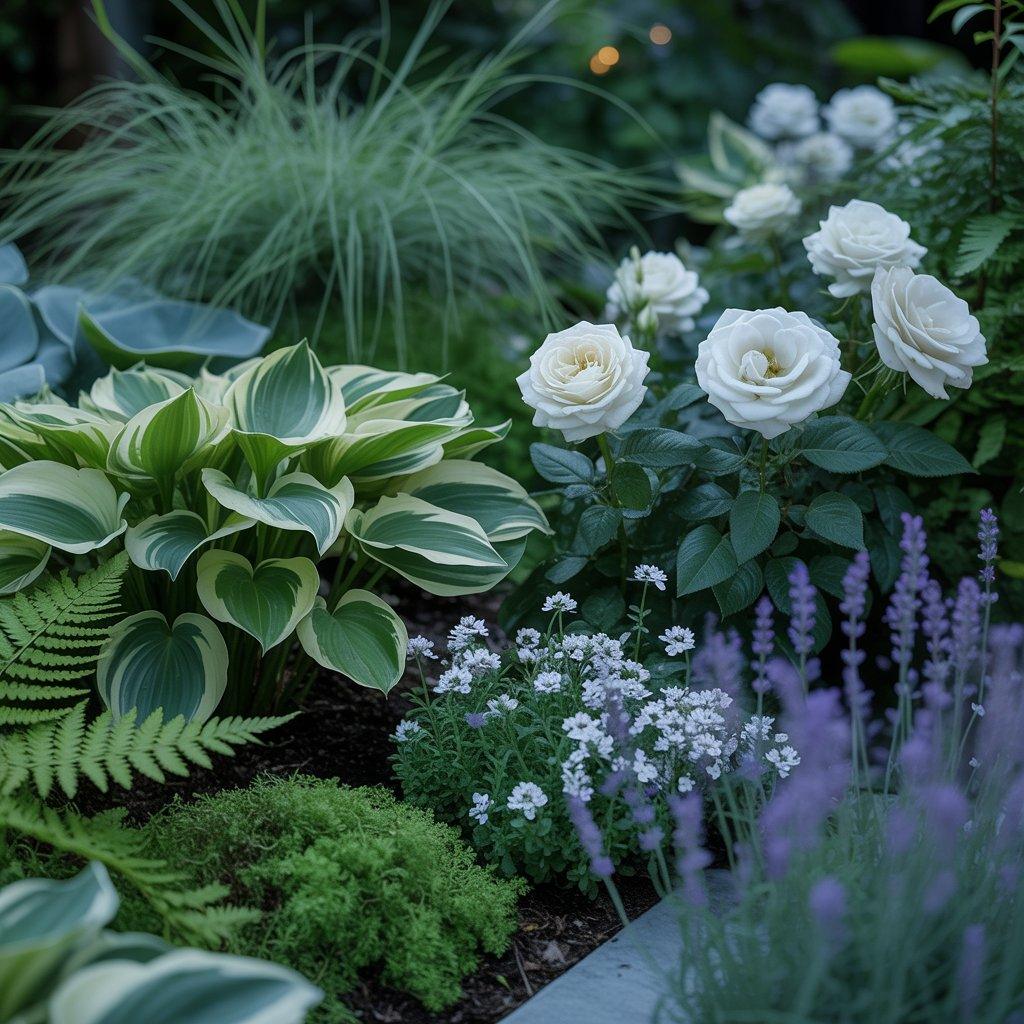
White flowers actually glow in low evening light, which extends the time you can use the garden. Green is the most restful color for human eyes. So don’t worry if you have no flowers at all.
A garden of different greens hostas, ferns, moss, and grasses is perfectly peaceful. If you want flowers, try white roses, lavender, or sweet alyssum.
9. Include Fragrance
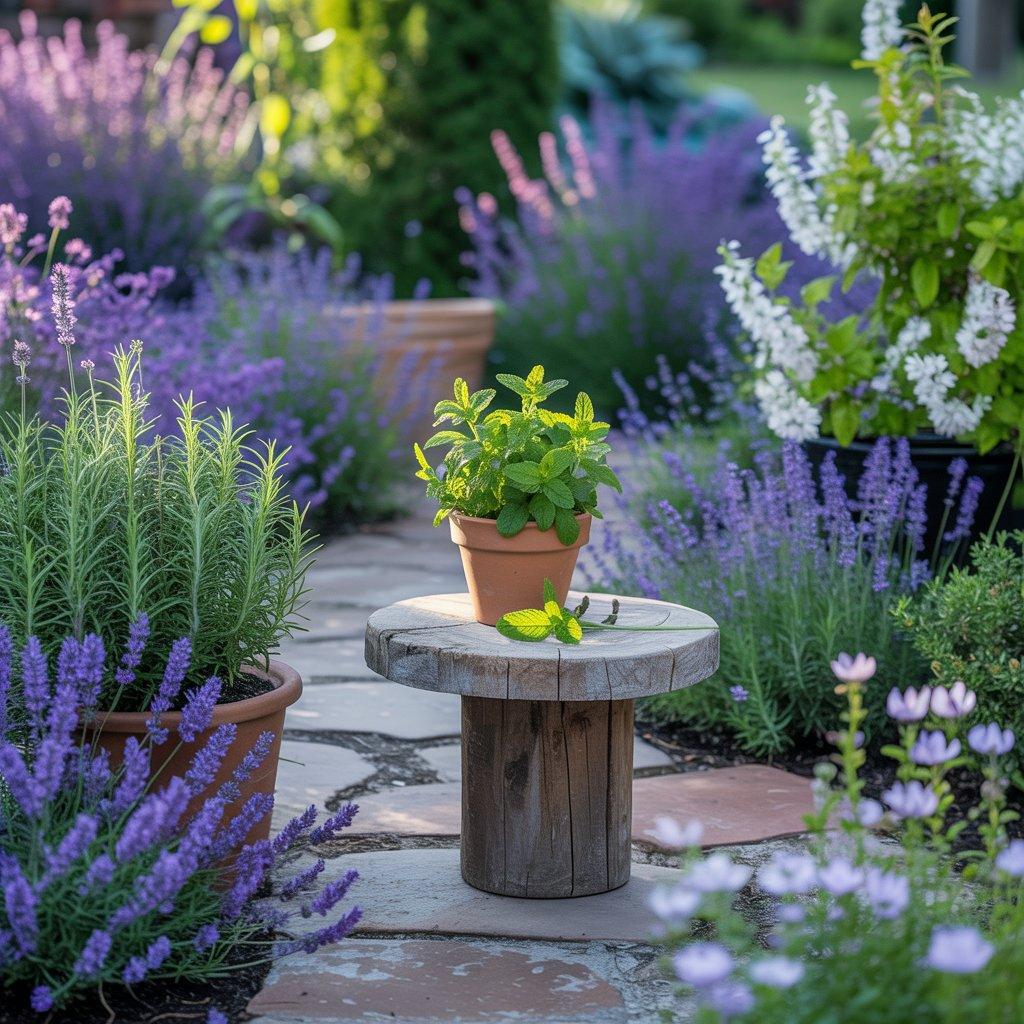
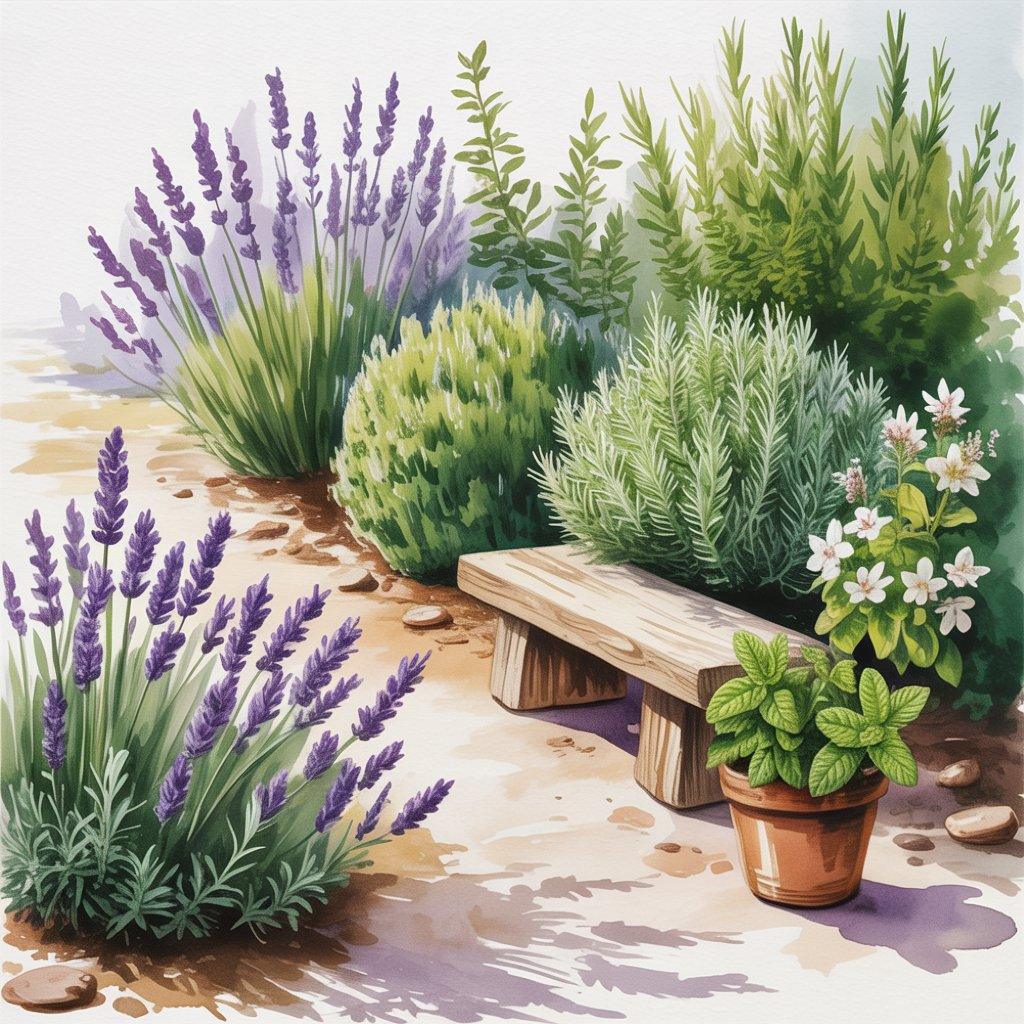
Smell is strongly linked to memory and mood. A few fragrant plants can turn your garden into a place you actually want to visit. Lavender is the classic choice.
It smells clean and calming. Rosemary gives off a woody, fresh scent when you brush against it. Jasmine or moonflower smell sweet in the evening. Plant them near your seat or along the path where you’ll brush them.
Even one small pot of mint (keep it in a container or it takes over) gives off a strong, refreshing smell when you rub a leaf.
10. Add a Wind Chime or Bell
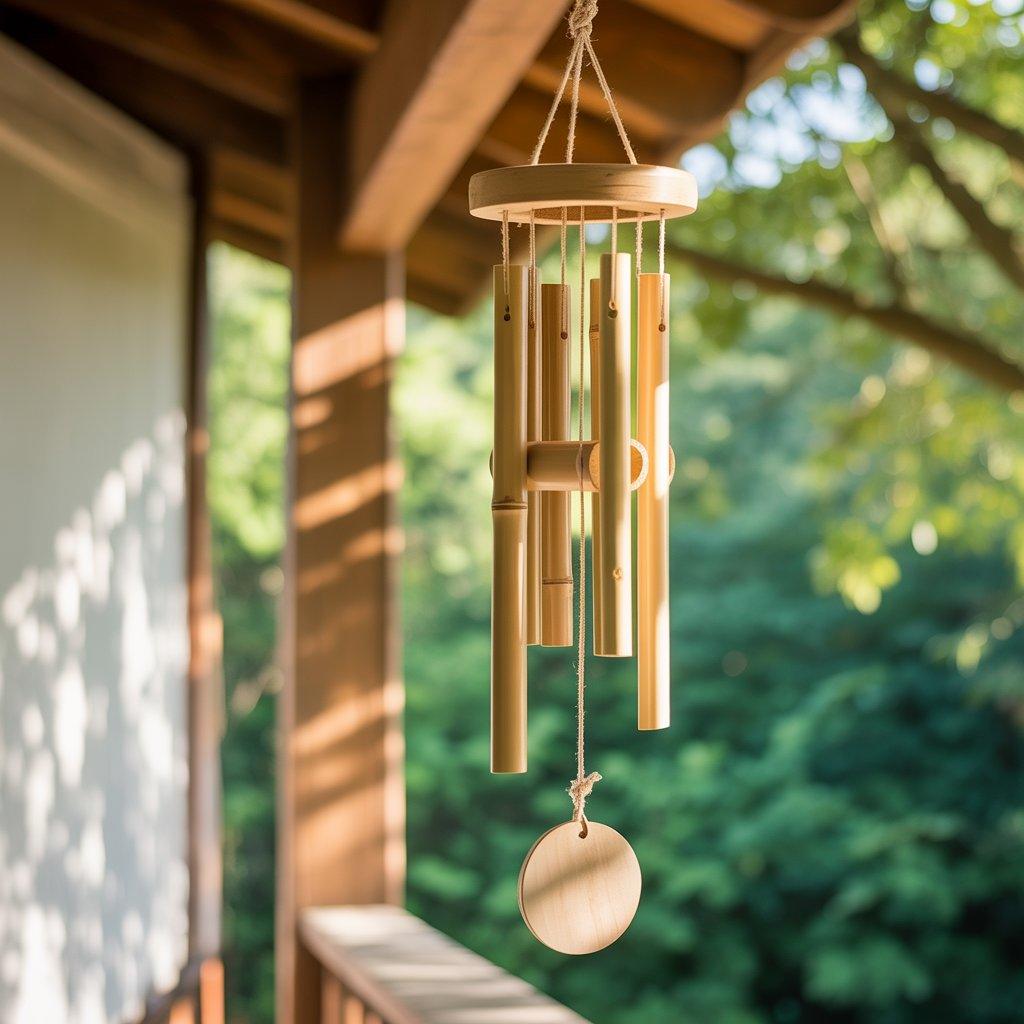
Wind chimes add gentle sound without any work from you. Stick with bamboo or wood chimes, not loud metal ones. The sound should be soft and low, not sharp and ringing.
Hang it where the breeze hits but not directly over your head. If you don’t like chimes, hang a single bell on a string. Ring it once when you sit down to start your practice.
The sound marks the beginning of your quiet time. Over time, that single ring will trigger a relaxation response just from hearing it.
Simple Products That Make a Meditation Garden Better
You don’t need much. But a few well‑chosen items can turn a plain corner into a spot you actually want to visit. Below are five products I recommend. Each one is built to last outside and won’t break your budget.
🛒 5 Recommended Products for Your Meditation Garden
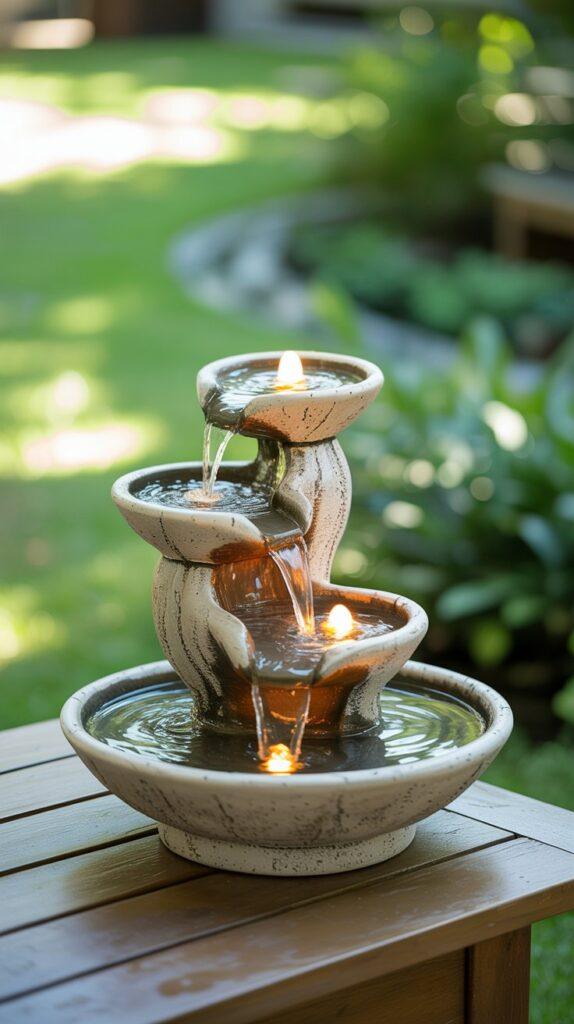
1. Alpine Corporation Outdoor Tabletop Water Fountain
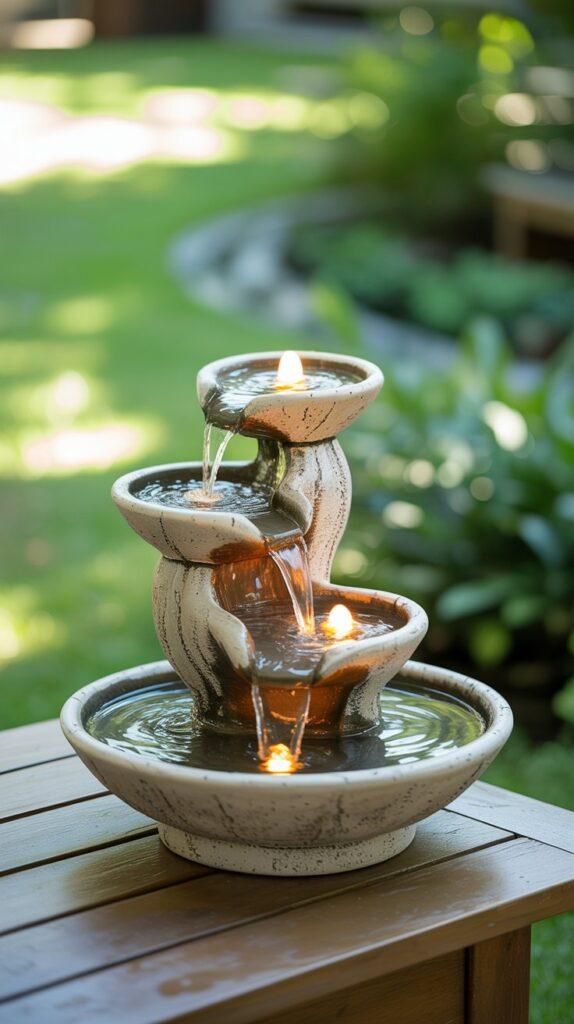
Best for: Adding a soothing water feature (Idea #5)
This ceramic fountain stands 11 inches tall and has three tiers that create gentle trickling sounds. It runs on a quiet electric pump and includes LED lights.
Perfect for small gardens, patios, or even indoor meditation spaces. The natural stone finish blends into any garden style. No plumbing required just plug it in and add water.
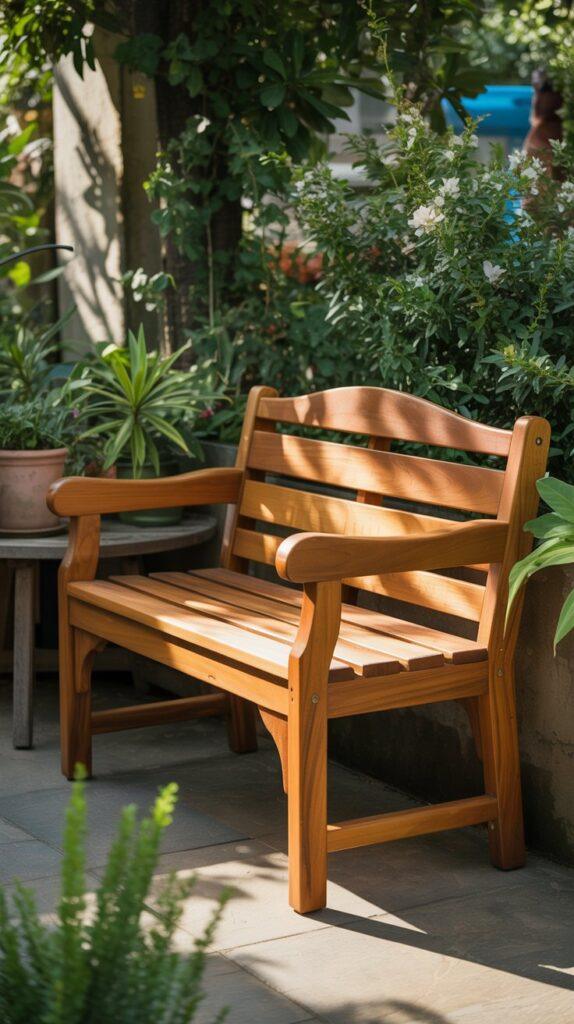
2. Greesum 4‑Foot Wooden Garden Bench
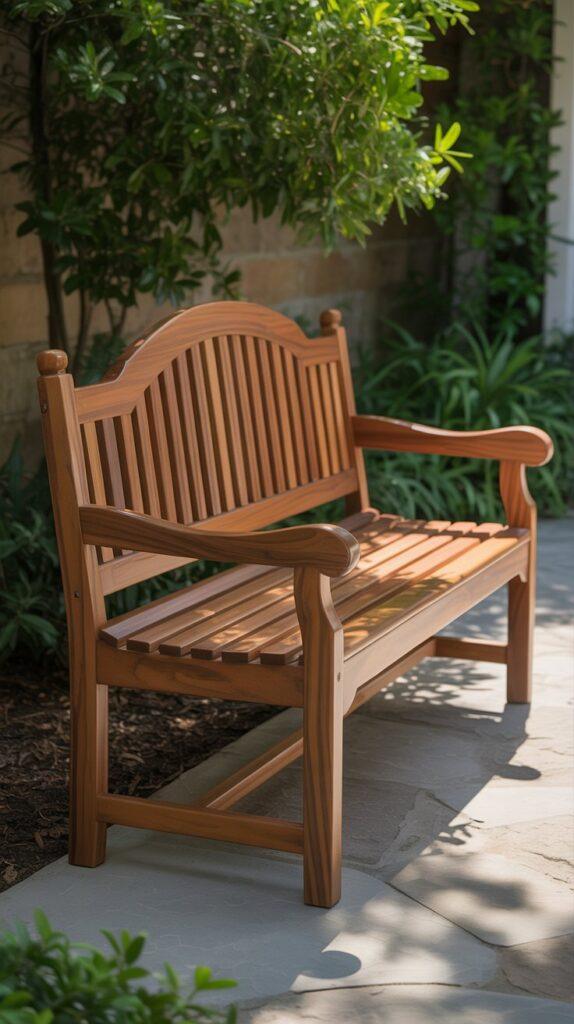
Best for: A comfortable place to sit (Idea #3)
This solid acacia wood bench has a curved back and armrests. It holds up to 500 pounds and comes with a weather-resistant finish.
The 4‑foot size fits two adults comfortably but doesn’t take up much space. Assembly takes about 15 minutes. Acacia wood naturally resists rot, so it lasts for years outside. Perfect for that quiet corner you picked.
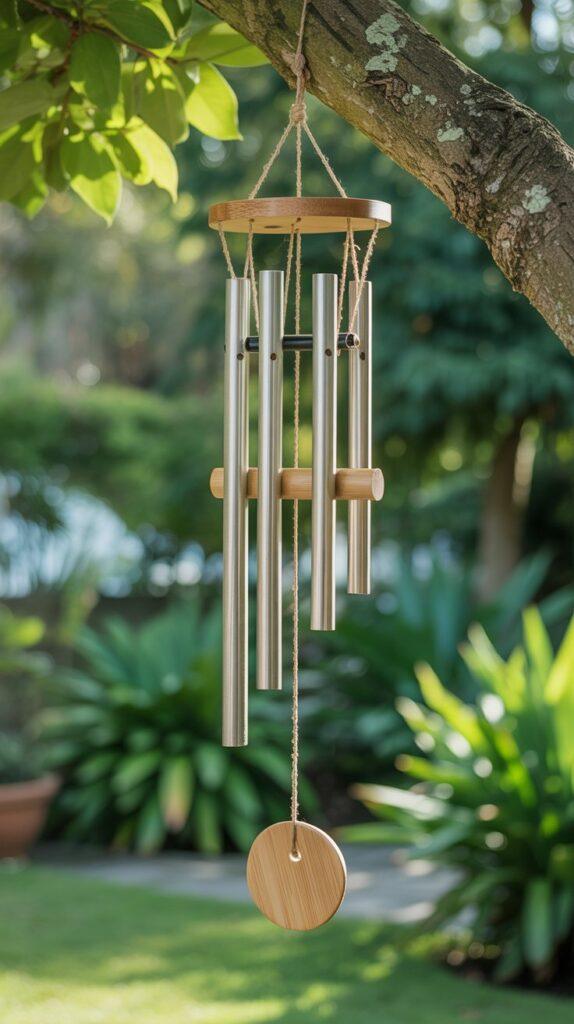
3. Woodstock Chimes of Olympia Wind Chime
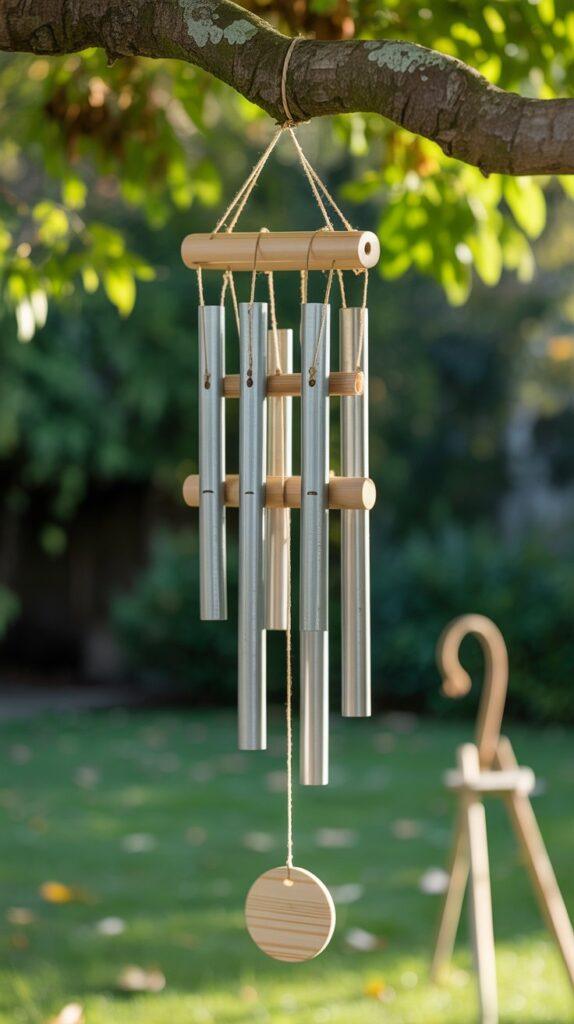
Best for: Gentle background sound (Idea #10)
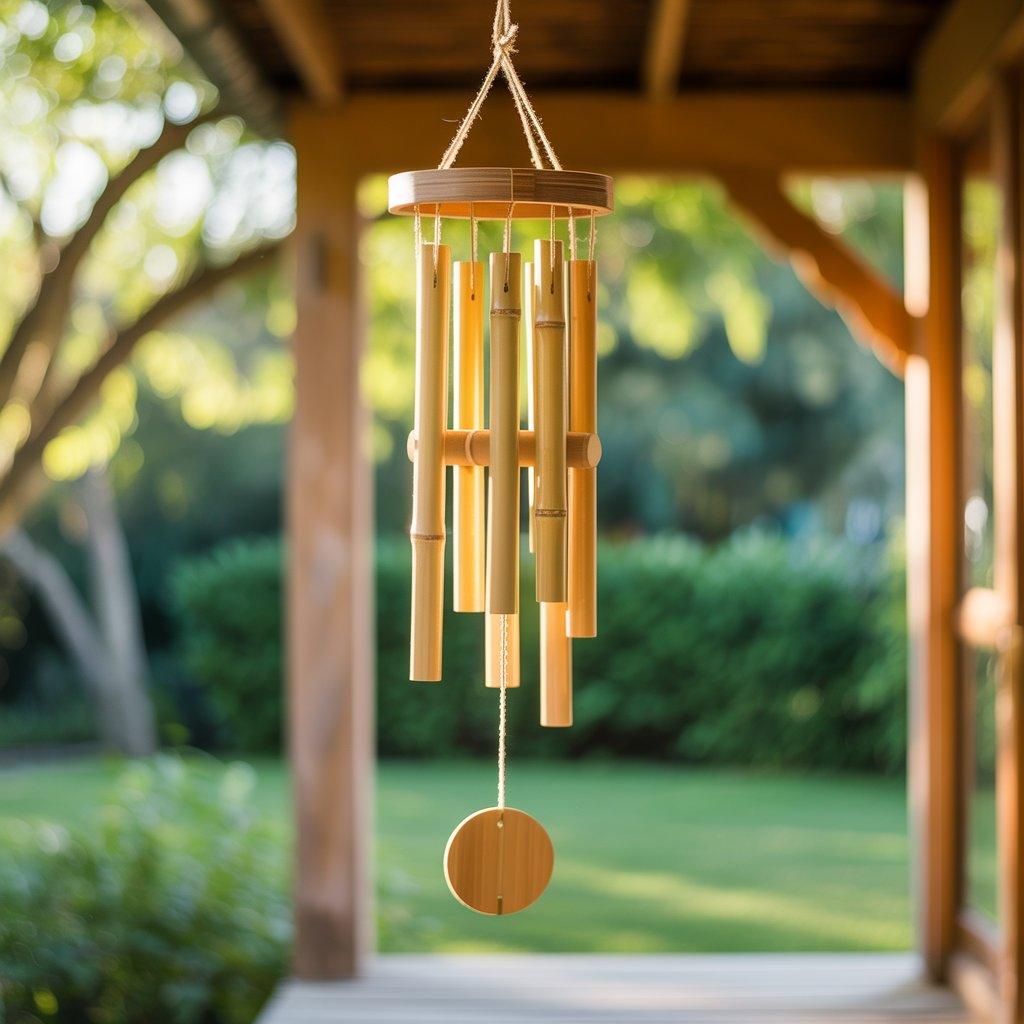
These bamboo wind chimes produce soft, warm tones not loud, metallic clanging. The 26‑inch length hangs nicely from a tree branch or shepherd’s hook. They’re tuned to a pentatonic scale, which sounds good with almost any breeze.
The wood naturally weathers to a silver-gray over time. If you want a single bell instead, Woodstock also makes a “Meditation Bell” that rings with a pure, lingering tone.
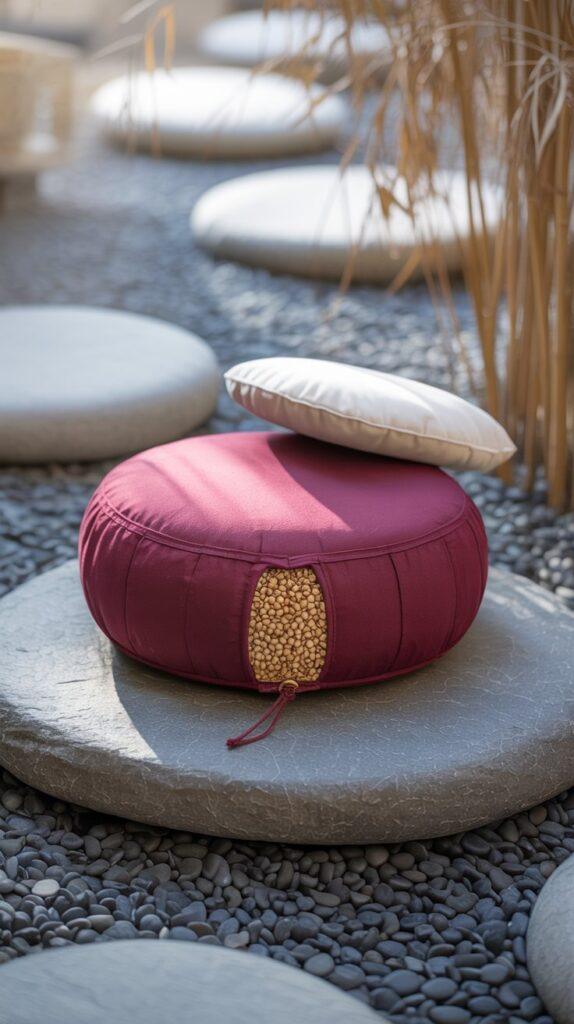
4. Zafu Meditation Cushion with Buckwheat Hulls
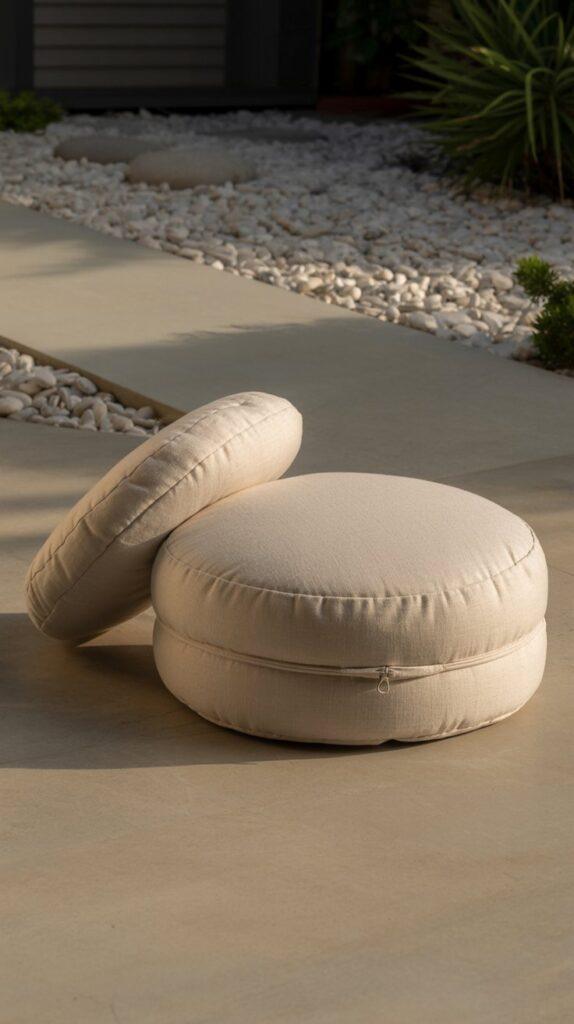
Best for: Sitting on the ground comfortably (Idea #3 alternative)
This round cushion measures 14 inches wide and 6 inches thick. It’s filled with buckwheat hulls that mold to your body and provide steady support. The cotton cover zips off for washing.
A removable polyester fiberfill cushion on top adds extra softness. Use it alone or on a flat stone. This is ideal if you prefer sitting close to the ground instead of on a bench.
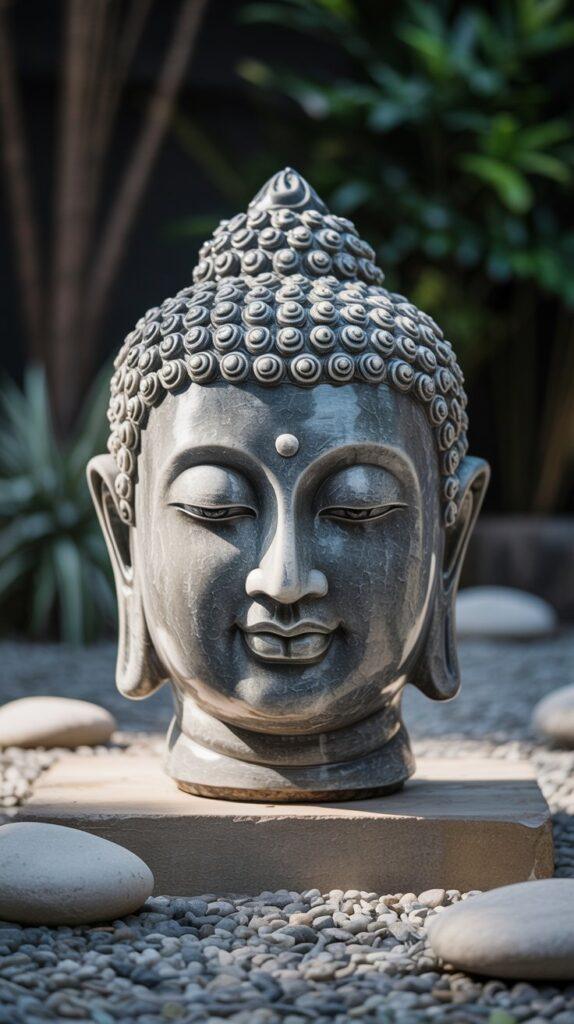
5. Design Toscano Buddha Head Statue
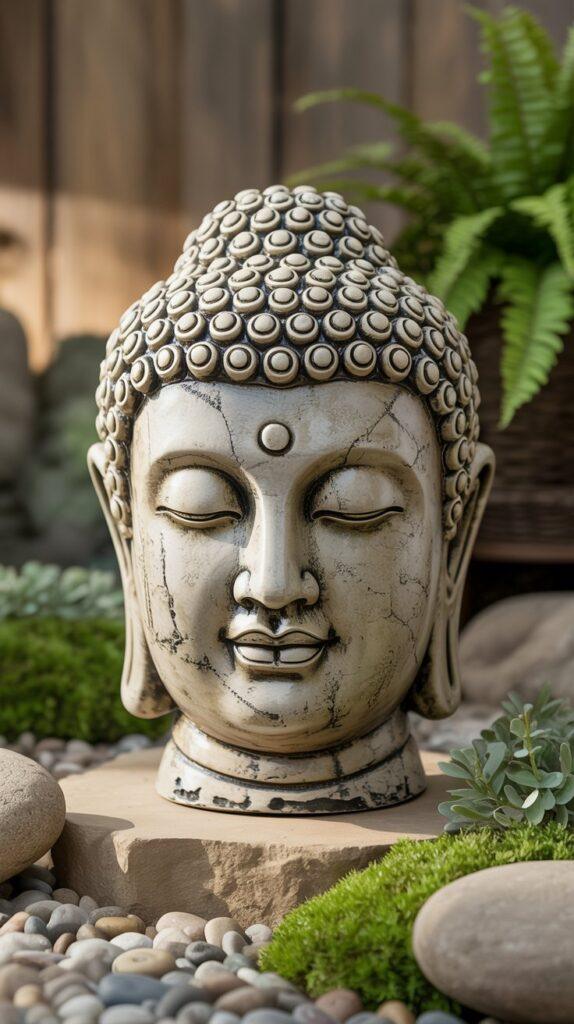
Best for: A calming focal point (Idea #6)
This 11‑inch tall resin statue has a weathered stone finish that looks like aged granite. The face is serene and balanced. Resin is lightweight and weather-resistant, so you can leave it outside year‑round.
Place it at eye level from your seat on a small pedestal or flat rock. Design Toscano is known for high‑quality garden statues that don’t look cheap. This one won’t chip or fade after one season.
Tips for Keeping Your Meditation Garden Peaceful
- Visit every day, even for two minutes. A garden you ignore becomes overgrown and stressful. A garden you sit in becomes a habit.
- Keep a small hand broom nearby. Sweep leaves off the path or bench before you sit. The act of sweeping is itself calming.
- Water plants early morning. That’s when the garden is quietest. You’ll hear birds instead of traffic.
- Leave your phone inside. The whole point is to get away from screens. If you need a timer, use a simple kitchen timer or an analog watch.
- Add a small table or flat rock. Big enough for a cup of tea or a candle. Having somewhere to set things down reduces fidgeting.
- Let it be imperfect. A fallen leaf, a slightly crooked stone, a plant that didn’t make it. That’s nature. Don’t fight it.
Mistakes to Avoid
- Making it too big. A large garden needs constant maintenance. That becomes a chore, not a retreat. Start small.
- Choosing high-maintenance plants. If you hate pruning and deadheading, pick tough plants like sedum, ornamental grasses, and lavender.
- Forgetting about bugs. Standing water breeds mosquitoes. Use a fountain with moving water, and consider a citronella plant near your seat.
- Putting it in full afternoon sun. You won’t meditate if you’re baking. Pick a spot with morning sun or dappled shade.
- Over-decorating. Three Buddha statues, five wind chimes, seven garden gnomes. That’s not peaceful. That’s a yard sale.
- Skipping a path. A path signals transition. Without it, the garden feels like just another part of the lawn.
AFQs
Q1: How small can a meditation garden be?
A corner as small as 4 feet by 4 feet works. That’s enough space for a chair, one small plant, and a flat stone. You can even make a meditation garden on a 3-foot by 3-foot balcony using pots.
Q2: What are the cheapest materials to use?
Gravel for paths is cheap. Free rocks from a creek or field work as decorations. Potted plants from a local nursery’s clearance section. A simple wooden stool instead of a bench. You can create a meditation garden for under $50.
Q3: Do I need direct sunlight for plants?
No. Many peaceful plants love shade. Hostas, ferns, moss, and hellebores all thrive in low light. If your spot is shady, lean into ferns and moss. If it’s sunny, use lavender, ornamental grasses, and sedum.
Q4: How do I keep mosquitoes away?
Remove any standing water. Use a fountain with moving water instead of a birdbath. Plant lemon balm, citronella grass, or lavender near your seat. A small fan pointed at your lower body also keeps mosquitoes away because they’re weak flyers.
Q5: Can I make a meditation garden for winter?
Yes. Evergreens like dwarf Alberta spruce, boxwood, and holly keep the garden looking alive. Ornamental grasses leave seed heads that catch frost. A bench with a waterproof cushion lets you sit on clear winter days. The quiet of a snowy garden is deeply peaceful.
Design & Styling Ideas
- The Minimalist Garden: One bench. One rock. One small evergreen. Raked gravel instead of plants. Clean, simple, and easy.
- The Woodland Nook: Ferns, hostas, moss, and a wooden bench under a tree. Add a small trickling fountain. Best in shade.
- The Herb Circle: Plant lavender, rosemary, thyme, and sage in a ring around a central stone or chair. The smell is amazing.
- The Container Garden: Use large pots in a small corner. One tall grass, one medium flowering plant, one trailing plant per pot. Group three pots together.
- The Zen Gravel Garden: A small rectangle of gravel raked in straight lines. One large rock. No plants. Very low maintenance.
Conclusion
You don’t need a landscape designer or a big budget to create a meditation garden. Pick a quiet corner. Add a place to sit. Choose a few soft plants. Block out distractions. Then sit there.
The garden doesn’t do the work. You do. But having a spot that’s just for being still makes the work much easier.
Start this weekend. Clear out a corner. Set down a chair. Sit for five minutes. That’s how every meditation garden begins with one person deciding to slow down.
Related post: