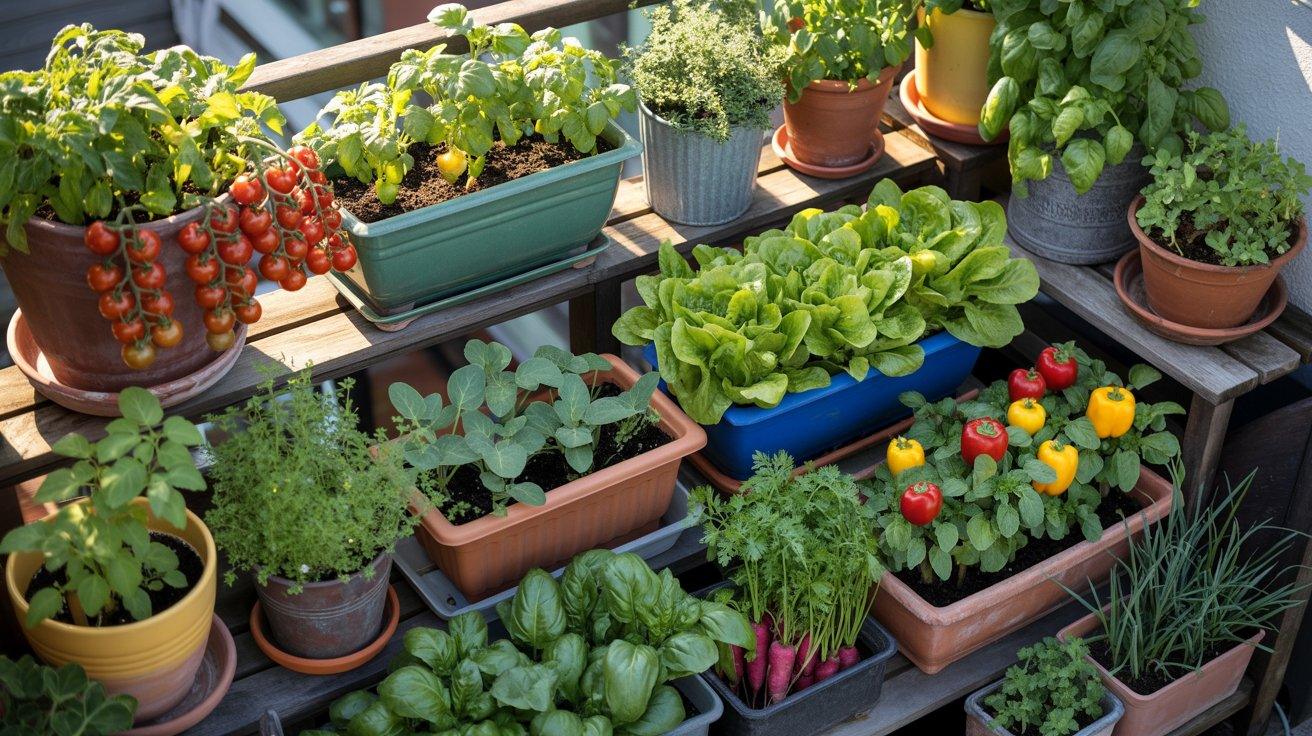
You don’t need a huge backyard to grow your own food. I’ve seen people pull amazing harvests from a tiny apartment balcony, a concrete patio, or even a sunny windowsill. The trick isn’t space it’s picking the right vegetables.
Some plants are naturally small. Others just don’t mind being crowded in a pot. And a few will actually produce more if you keep them contained. This isn’t about fancy gardening. It’s about getting real food from a small spot.
I’ve grown vegetables in every tight space you can imagine, and I’ve also made plenty of mistakes. This list cuts through the noise and gives you the vegetables that actually work when space is tight.
You shouldn’t have to miss out on fresh, homegrown food just because you don’t have acres of land. Plant growing your own saves money and tastes way better than store-bought. Small-space gardening is realistic, low-cost, and something almost anyone can do.
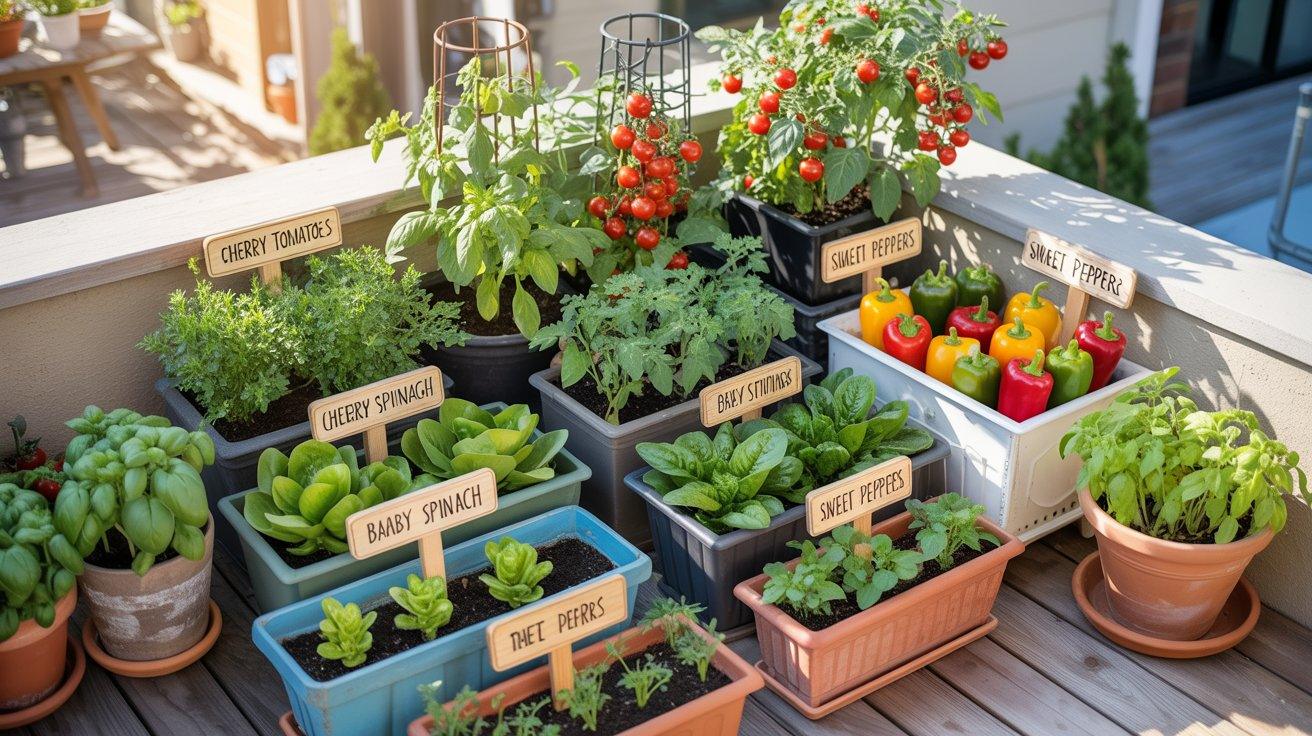
Best Vegetables to Grow in Small Spaces
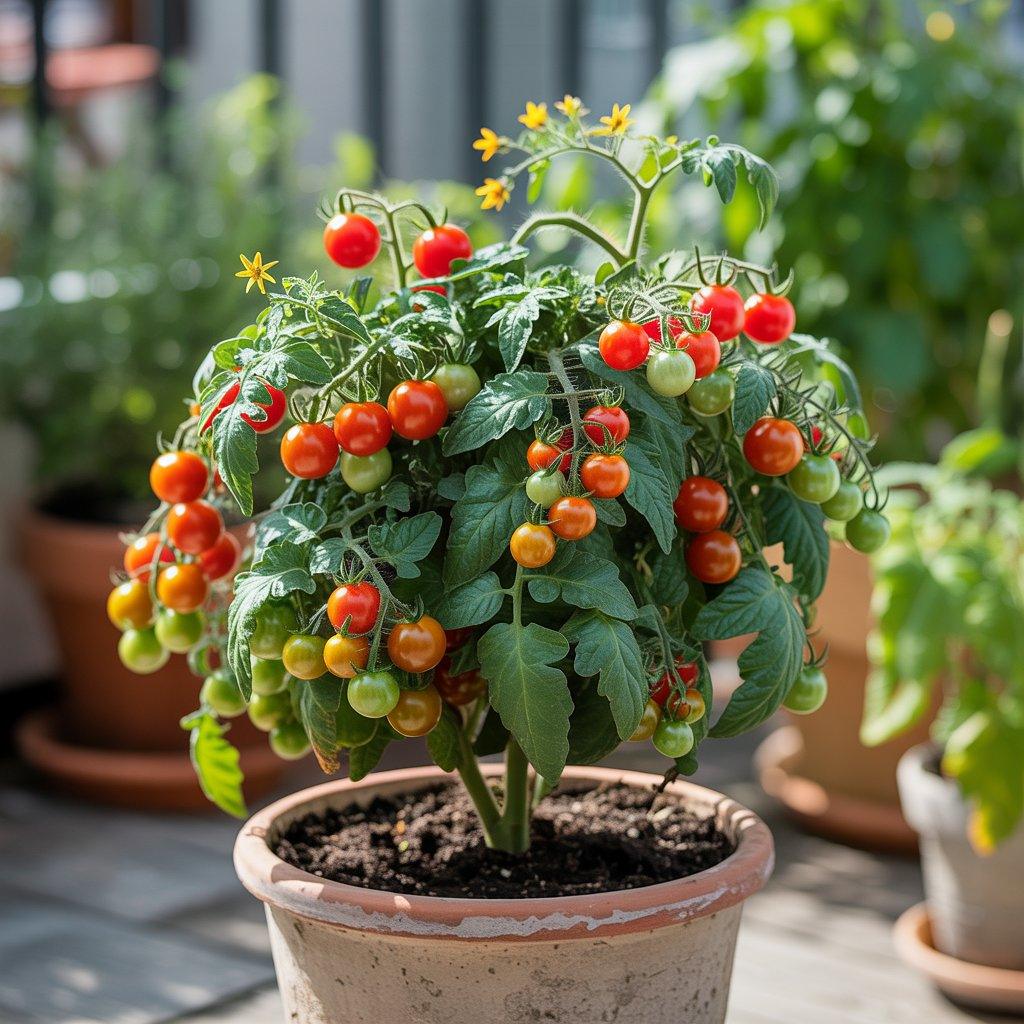
Cherry Tomatoes
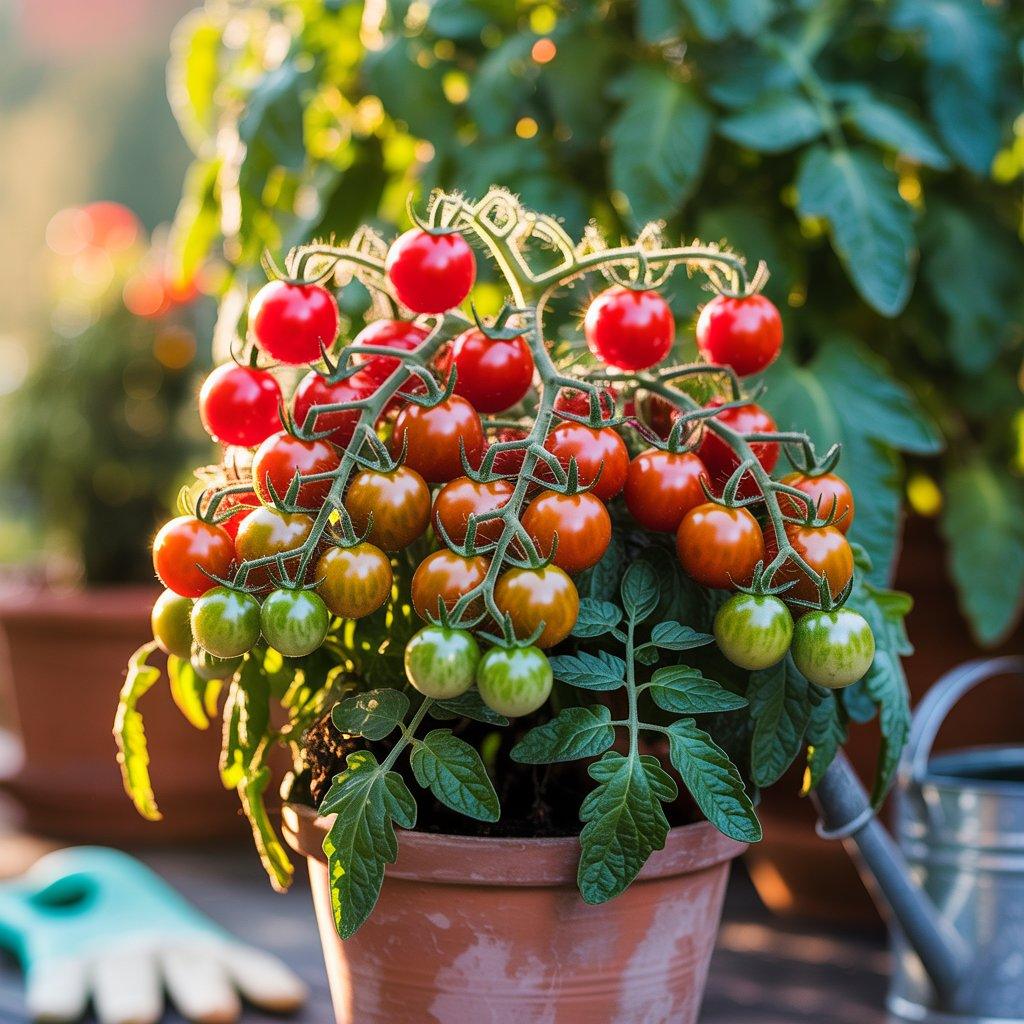
These are the undisputed champions of small-space growing. You don’t need a giant beefsteak plant. Look for “determinate” or “bush” varieties like Tiny Tim or Patio Princess. They grow compact, often staying under two feet tall.
A single plant in a 5-gallon bucket or a 12-inch pot will give you handfuls of sweet tomatoes all summer long. Put them where they get at least six hours of direct sun. Water when the top inch of soil feels dry don’t drown them.
Tap the flowers gently with your finger every day to help them set fruit. No bees needed. You’ll be picking ripe cherry tomatoes in about 60 days. They taste like candy, nothing like the mushy ones from the grocery store.
Cherry Tomatoes – Black Duck Brand 43 Assorted Vegetable & Herb Seed Packets – Includes high-yield, non-GMO heirloom tomato seeds.
Radishes
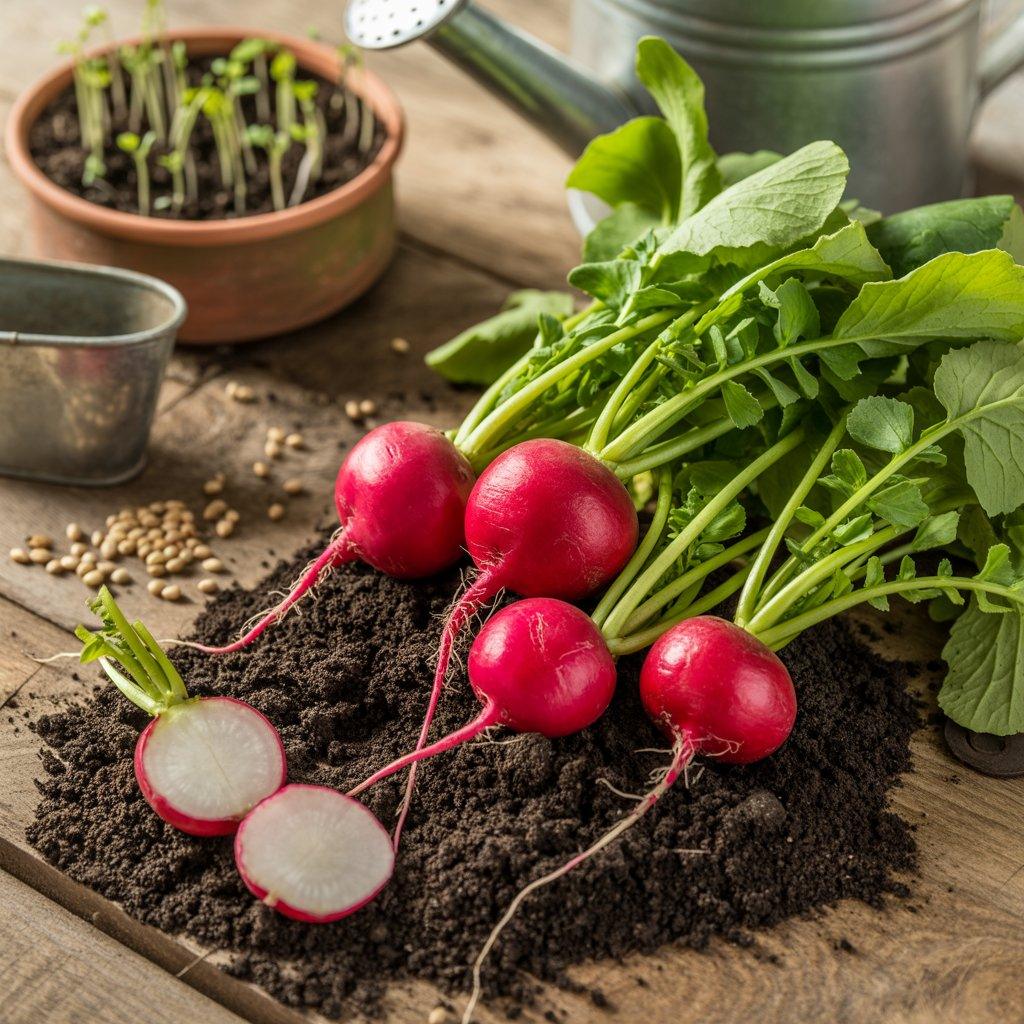
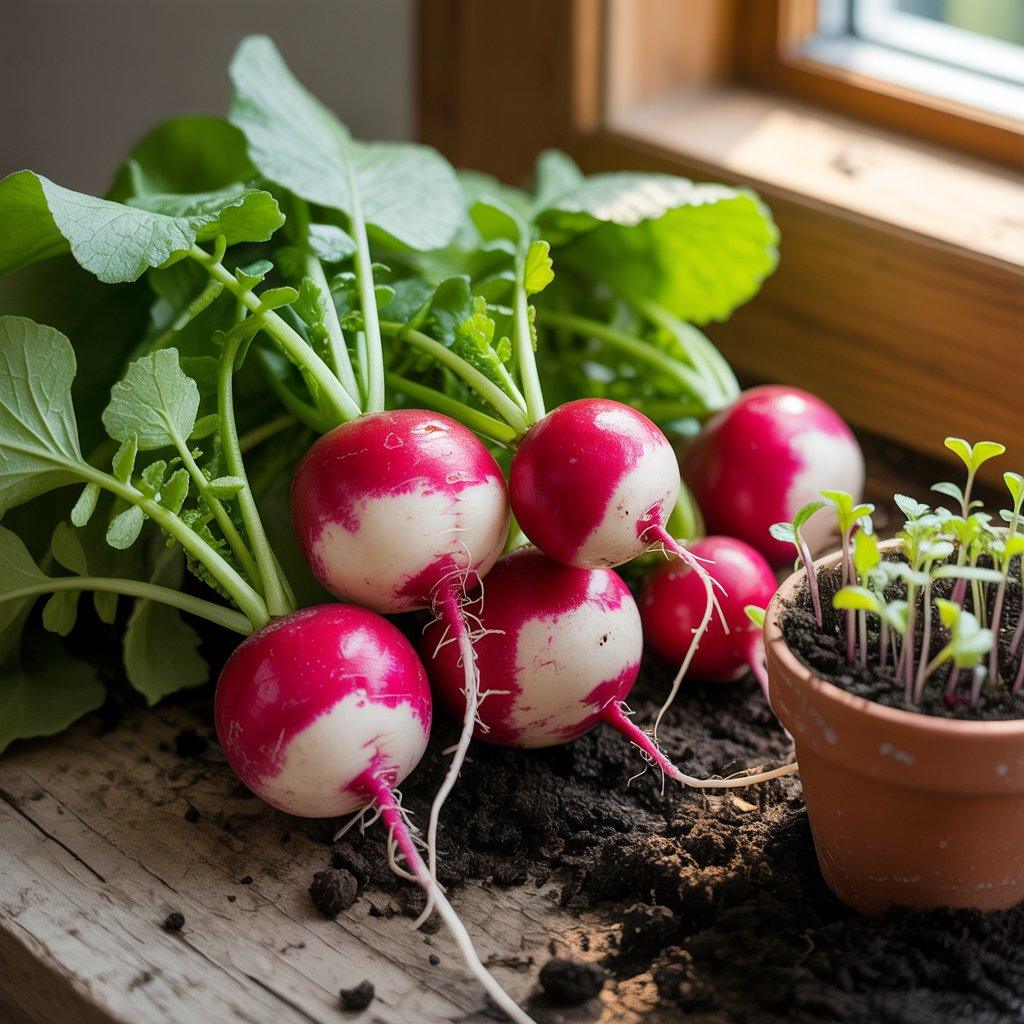
Radishes are the speedsters of the vegetable world. You can go from seed to harvest in less than 30 days. That means you can grow multiple batches in one season, even on a tiny windowsill.
They don’t need deep pots just 4 to 6 inches of soil is plenty. Scatter the seeds about an inch apart, cover lightly and water. That’s it. The trick is to not let the soil dry out completely, or they get spicy and woody.
Pick them when the red shoulder pops above the dirt. If you forget and leave them too long, they split. But even then, you can eat the seed pods they taste like spicy peas. Radishes take almost no effort and make you feel like a real gardener fast.
Open Seed Vault – 32-Variety Heirloom Survival Seed Bank – Includes fast-maturing radish seeds.
Bush Beans
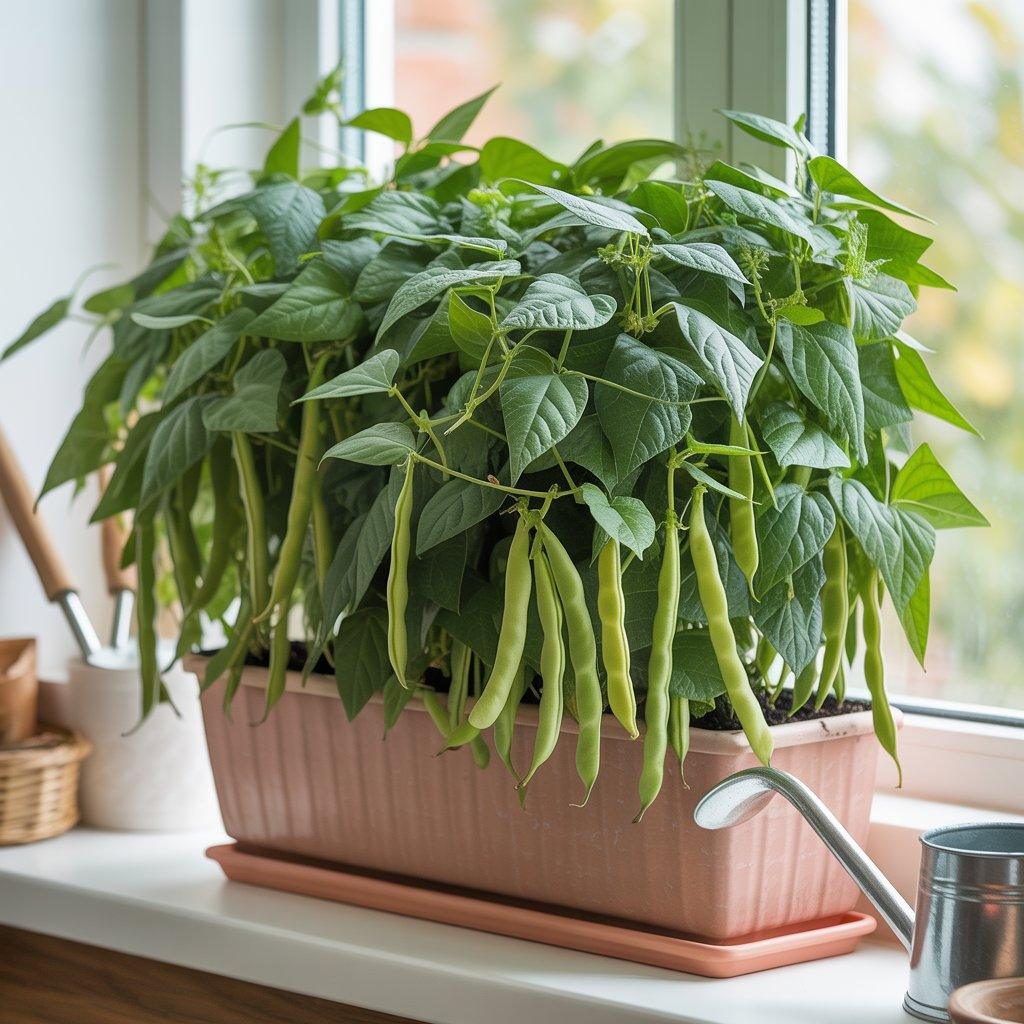
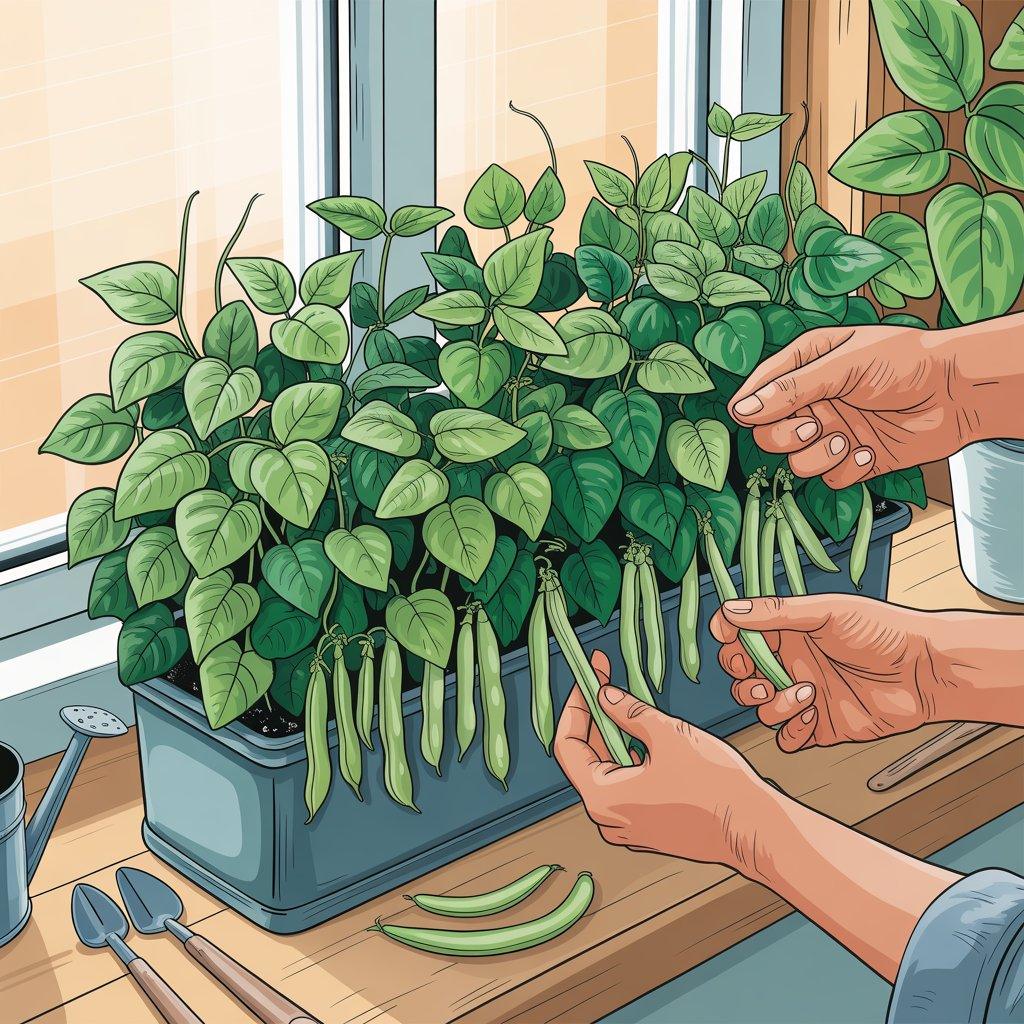
Skip the pole beans that climb all over the place. Bush beans grow in a tidy, self-supporting clump. They only get about 18 inches tall. A 10-inch deep pot or a standard window box works great.
Plant the seeds about two inches apart, water them in, and in about 50 days you’ll have fresh beans. The more you pick, the more they produce. Check them every couple days.
If you see beans starting to bulge with seeds, you waited too long pick them when they’re smooth and pencil-thin. Bush beans don’t need a trellis or any special care. It just sun and water. They’re one of the most reliable vegetables for beginners.
Park Seed Cobra Pole Bean Seeds – French climbing variety, a top seller for container gardeners.
Leaf Lettuce
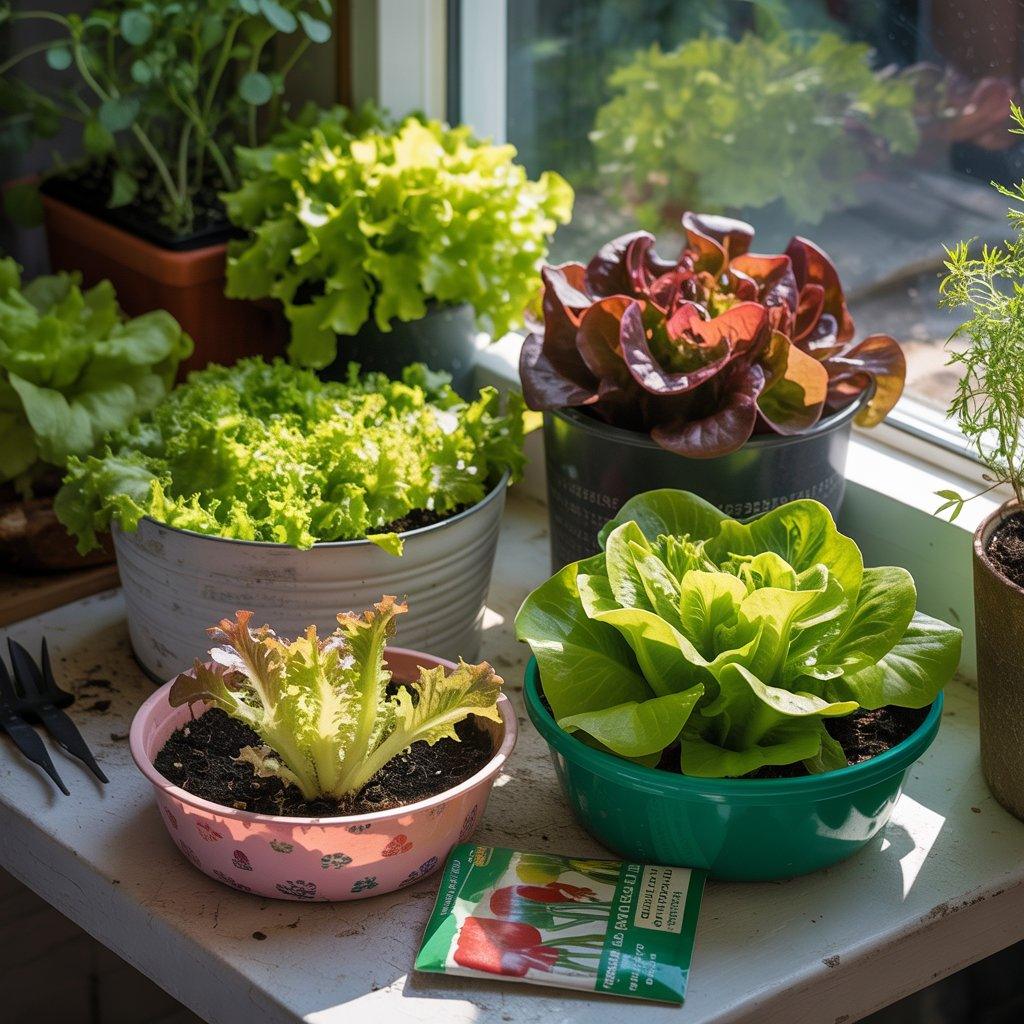
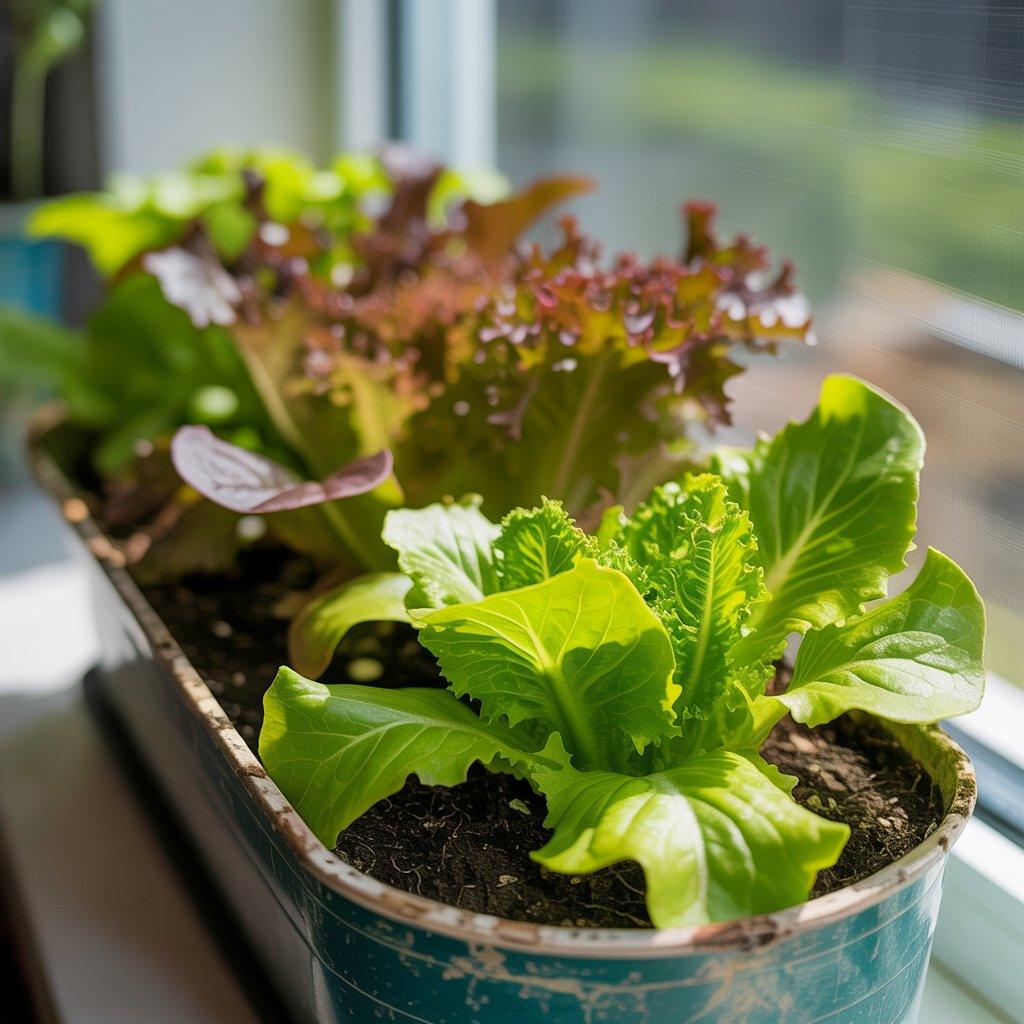
Head lettuce takes up too much room and grows slowly. Leaf lettuce is the opposite. You can plant it in shallow bowls, old plastic tubs, or any container with drainage holes.
Sprinkle seeds on top of the soil, press them down gently, and keep the surface damp. In three weeks, you’ll have baby leaves ready to cut. And here’s the magic: cut the outer leaves and leave the center, and it keeps growing for months. Varieties like Black Seeded Simpson or Red Sails are super forgiving.
Lettuce actually prefers some afternoon shade, especially in hot weather. If it gets bitter or shoots up a tall stalk, that’s bolting pull it and start over. But that usually takes two months, so you get plenty of salads first.
HOME GROWN Non-GMO Heirloom Lettuce Seeds – 10 Variety Pack – High germination rate, perfect for your leaf lettuce section.
Peppers (Hot or Sweet)
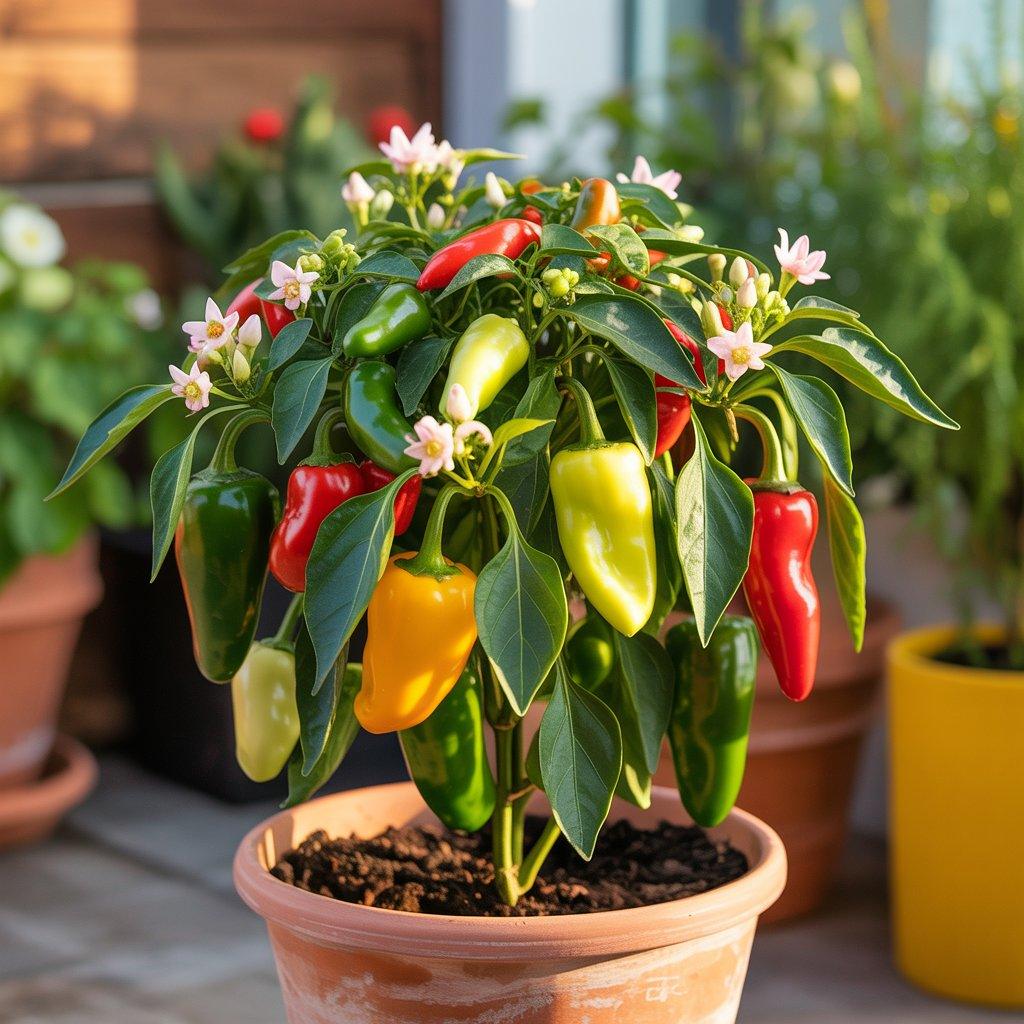
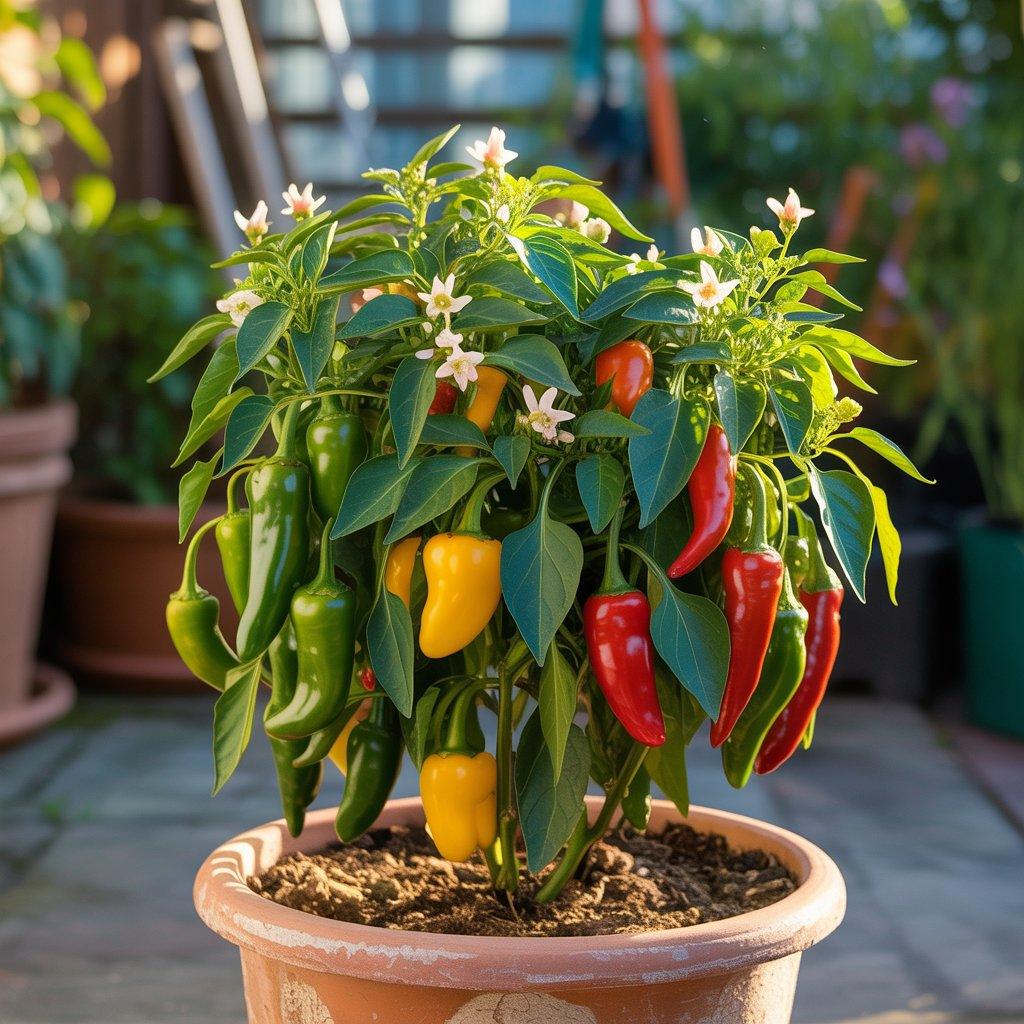
Pepper plants naturally stay compact, especially smaller varieties like Shishito, Jalapeño, or Lunchbox peppers. One plant in a 2-gallon pot will keep producing all summer. They love heat, so put them in the sunniest spot you have.
Let the soil dry out slightly between watering peppers hate wet feet. You’ll see white flowers first, then tiny green peppers. Most turn red, yellow, or orange if you leave them longer. Hot peppers get hotter the longer they stay on the plant.
The best part you can bring the whole pot inside before the first frost and keep picking for another month. Peppers are one of the few vegetables that actually do better in pots than in the ground.
Mammoth F1 Hybrid Jalapeno Hot Pepper Seeds, 25+ Seeds – Highly rated for container gardening.
Green Onions (Scallions)
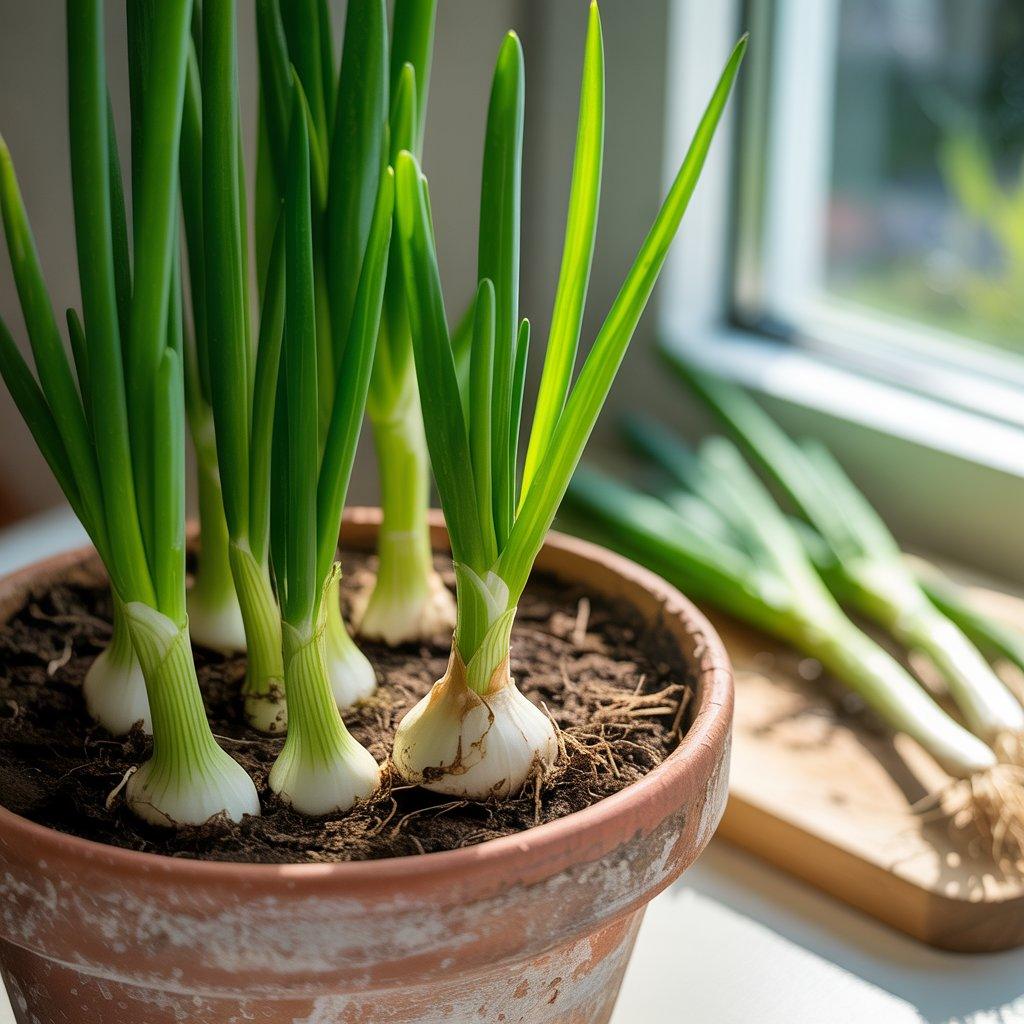
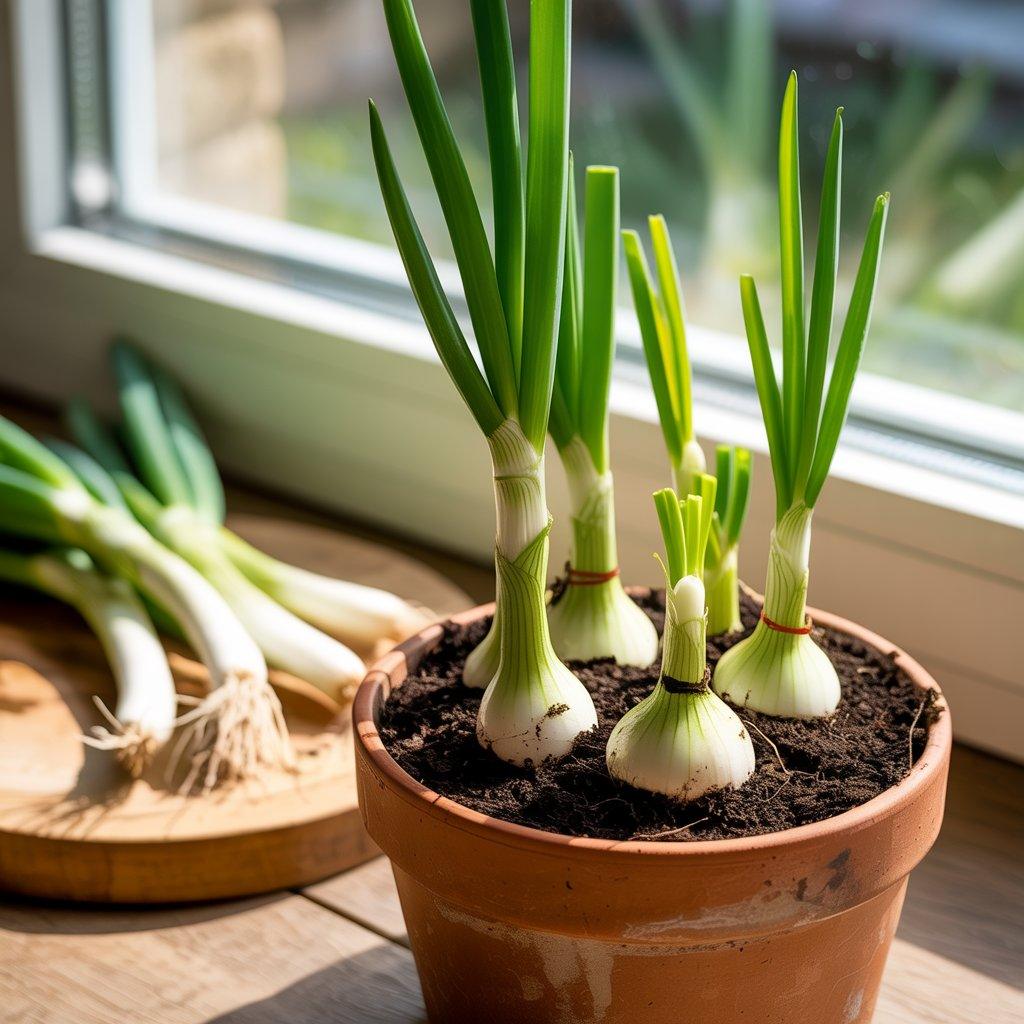
You don’t even need seeds for this one. Buy a bunch of green onions from the store with the roots still attached. Trim the green part down to about an inch above the white. Stick the white root ends in a small pot of soil, about an inch deep.
Water them and put them in a sunny window. In a week, you’ll see new green shoots. In three weeks, they’re full size again. You can keep cutting them back and they regrow at least three or four times. No special soil, no fertilizer, almost zero work.
If you want to start from seed, just sprinkle them thickly in a shallow pot. They’re practically impossible to kill. This is the easiest vegetable on the entire list.
Survival Garden Seeds – 35-Variety Heirloom Seed Vault – Contains spring onion seeds ideal for pots.
Spinach
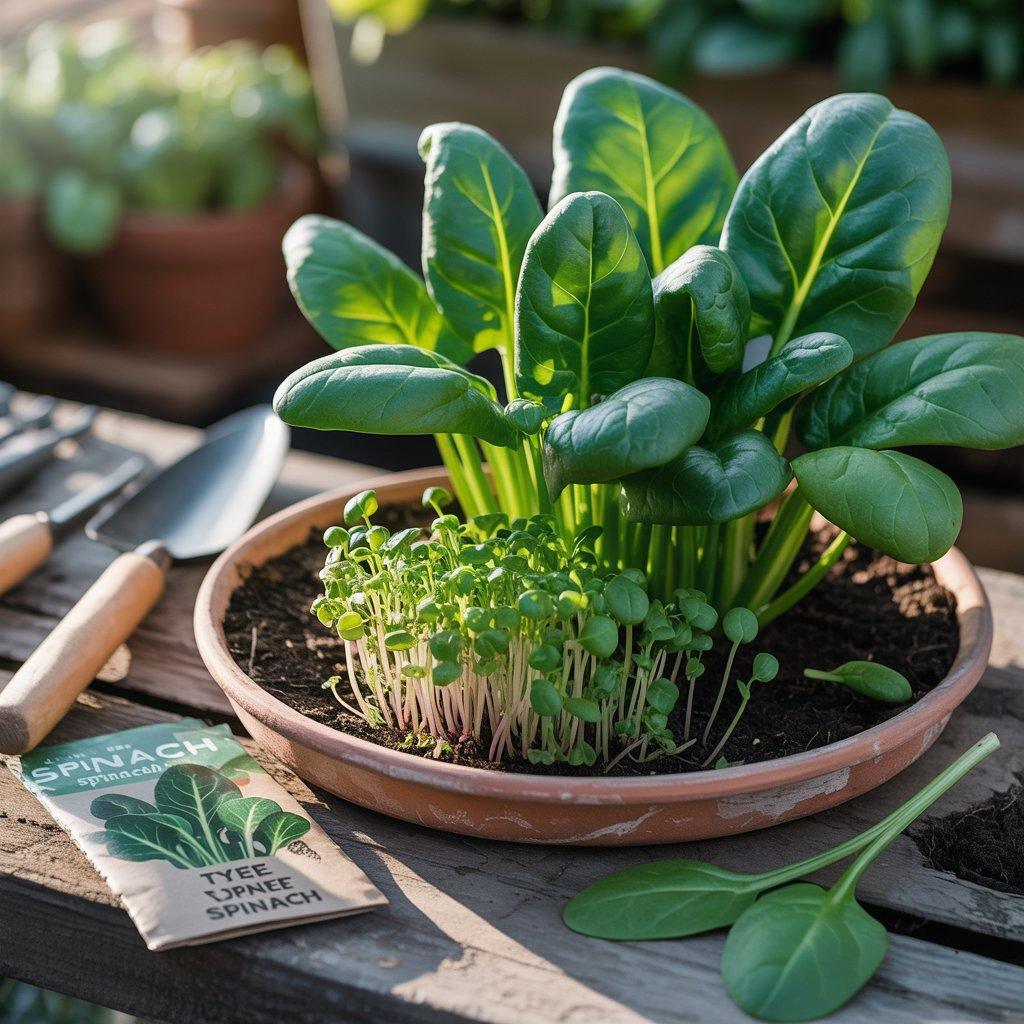
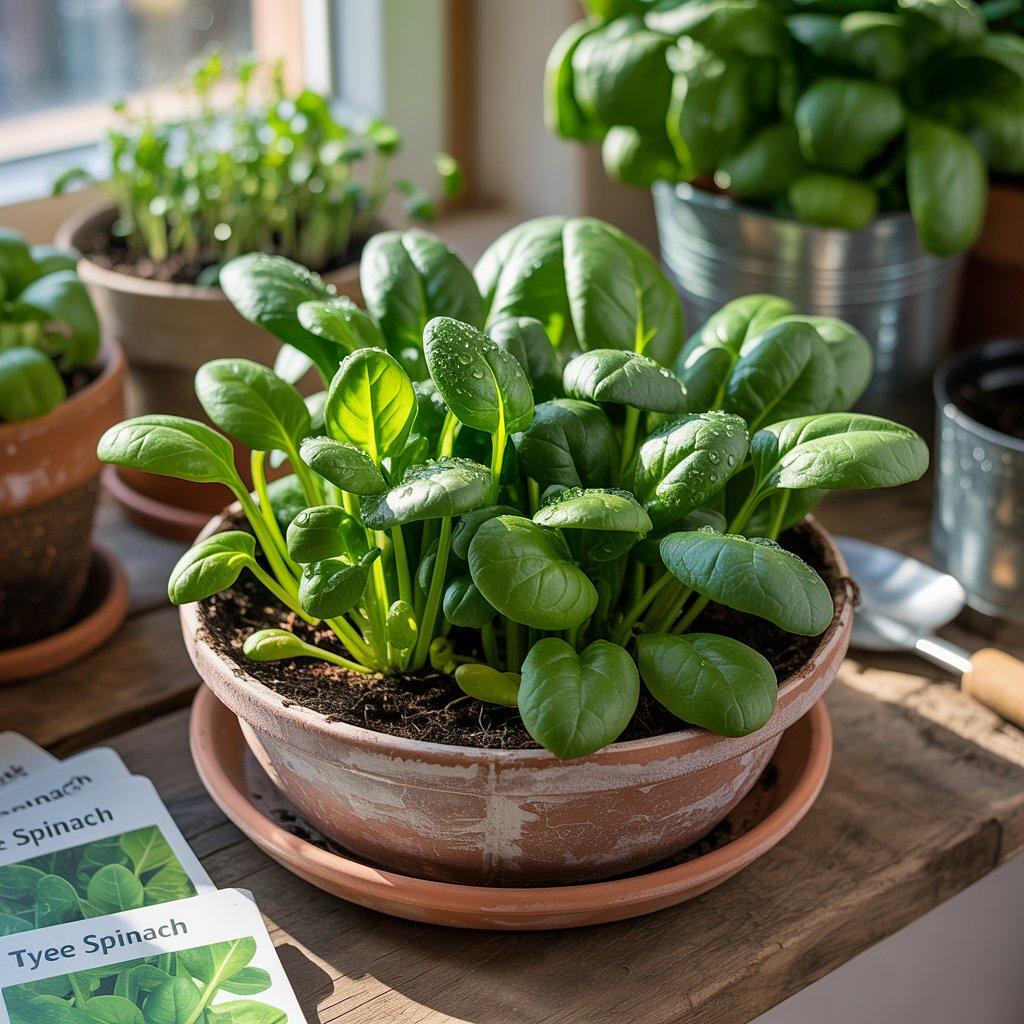
Spinach loves cool weather and small spaces. You can grow it in a pot as shallow as 6 inches. Plant seeds in early spring or late summer summer heat makes it bitter. Scatter them thickly, then when they sprout, thin them so the rest have room.
Here’s a trick most people don’t know: eat the ones you thin out as microgreens. They’re tender and sweet. For the ones you leave, keep cutting the outer leaves and the center keeps producing. A single 12-inch pot can give you a handful of spinach every week for two months.
Varieties like ‘Space’ or ‘Tyee’ are slow to bolt. If you only have morning sun, spinach is fine with that. It’s one of the few vegetables that doesn’t demand full sun all day.
Seed Needs – Tyee Spinach Seeds – Slow to bolt, perfect for your spinach section.
Carrots (Short Varieties)
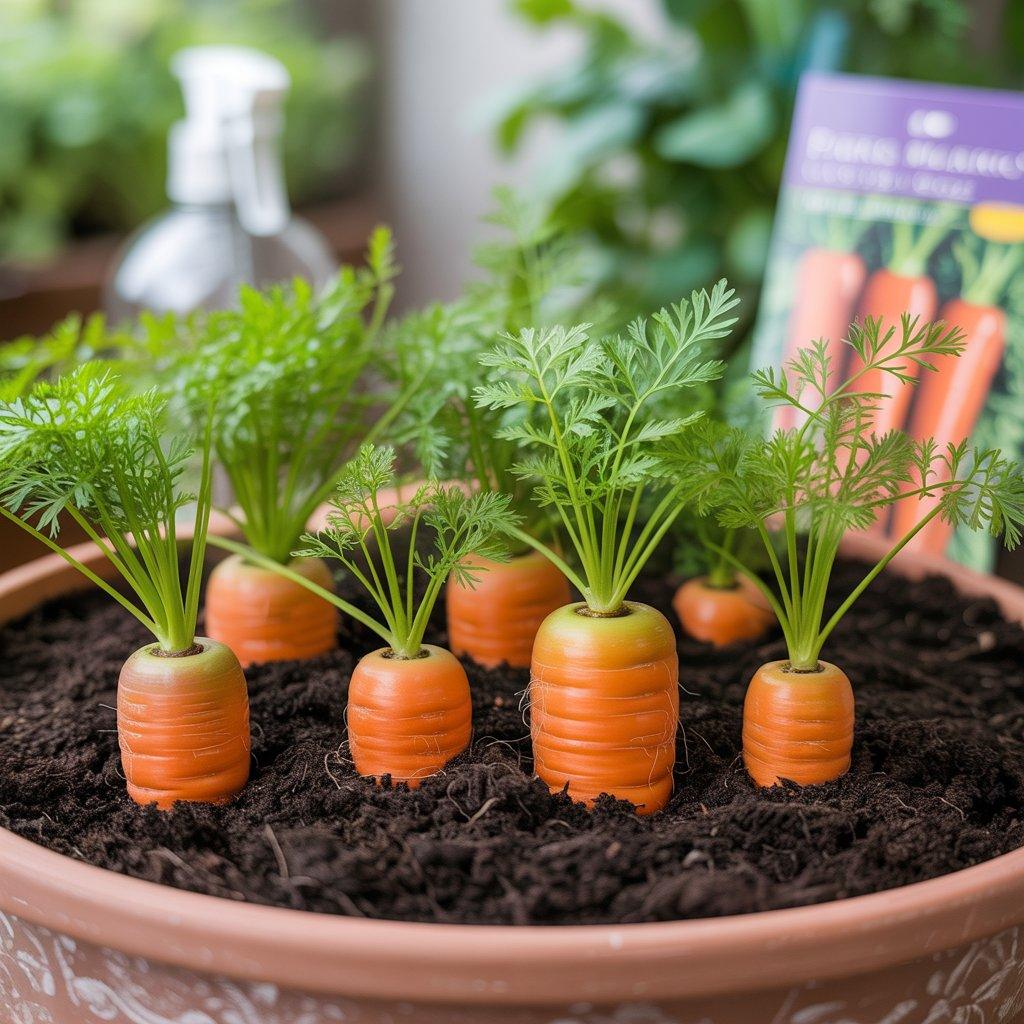
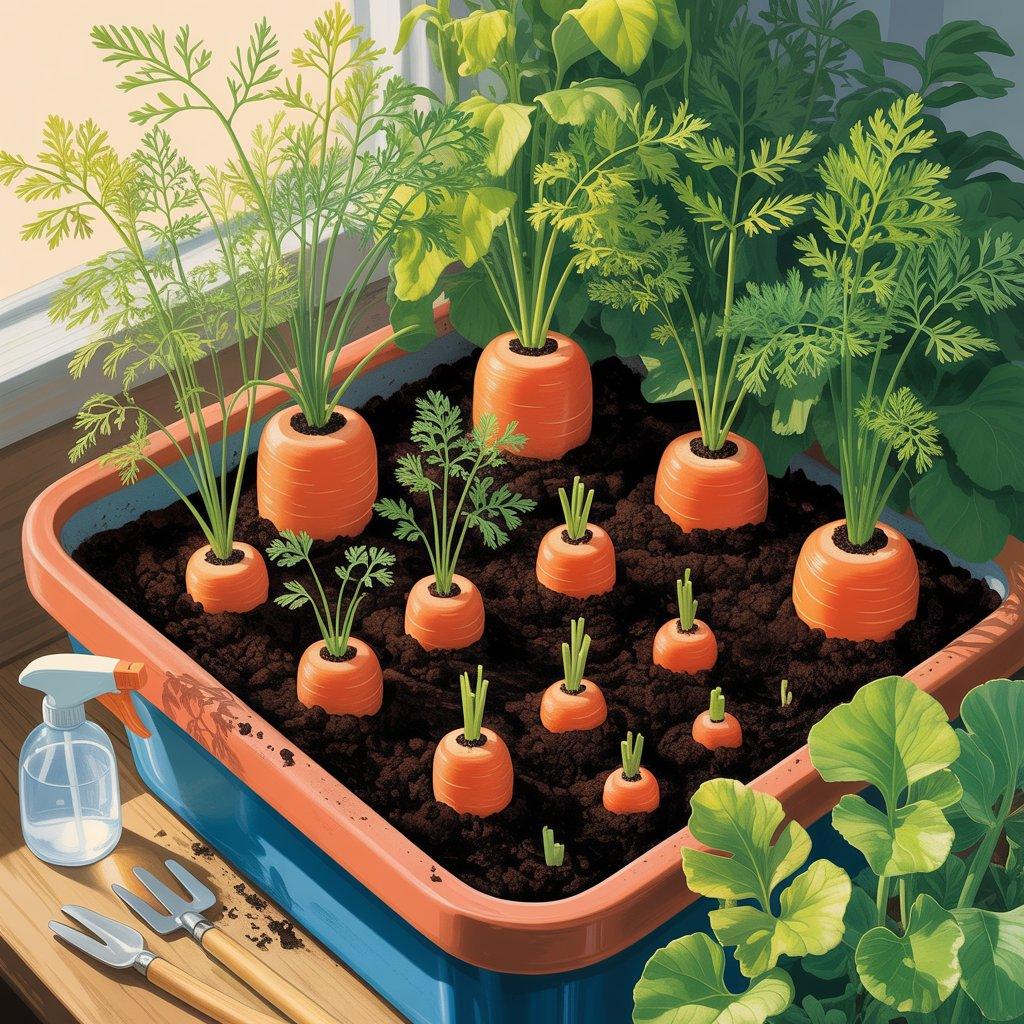
Most people think carrots need deep garden soil. But short, round varieties like ‘Paris Market’ or ‘Thumbelina’ grow perfectly in a pot that’s only 6 to 8 inches deep.
Fill your container with loose potting mix nothing with rocks or heavy clumps. Scatter the seeds on top, then cover them with a thin layer of soil, about a quarter inch. Keep the surface damp with a spray bottle so you don’t wash the seeds away.
Thin the seedlings to about two inches apart once they’re an inch tall. That part hurts, but it’s necessary. If you don’t thin, you’ll get twisted, tiny carrots. Harvest when you see the orange top poking above the soil. Baby carrots are ready in about 50 days. They’re sweeter than big ones anyway.
Open Seed Vault – 15,000+ Heirloom Seeds (Carrot included) – The variety pack includes Paris Market-style carrots.
Swiss Chard
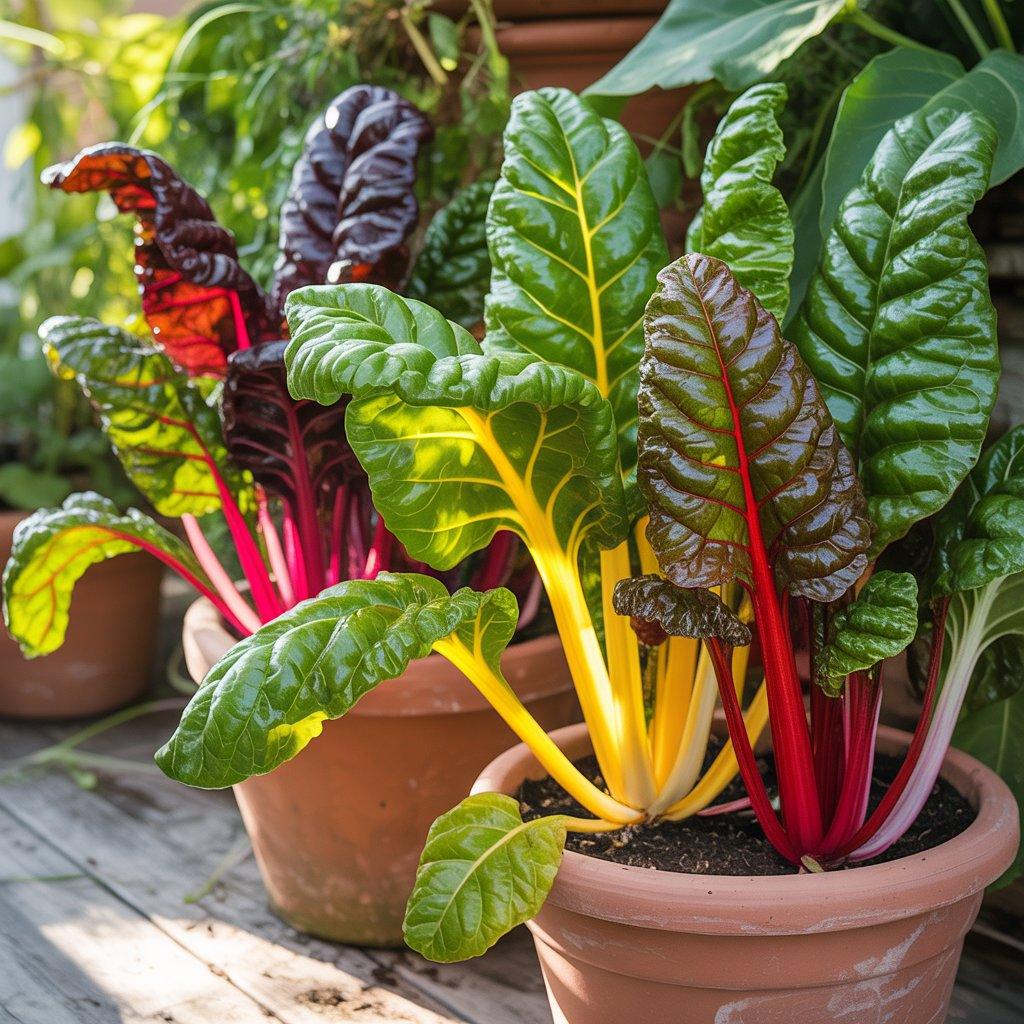
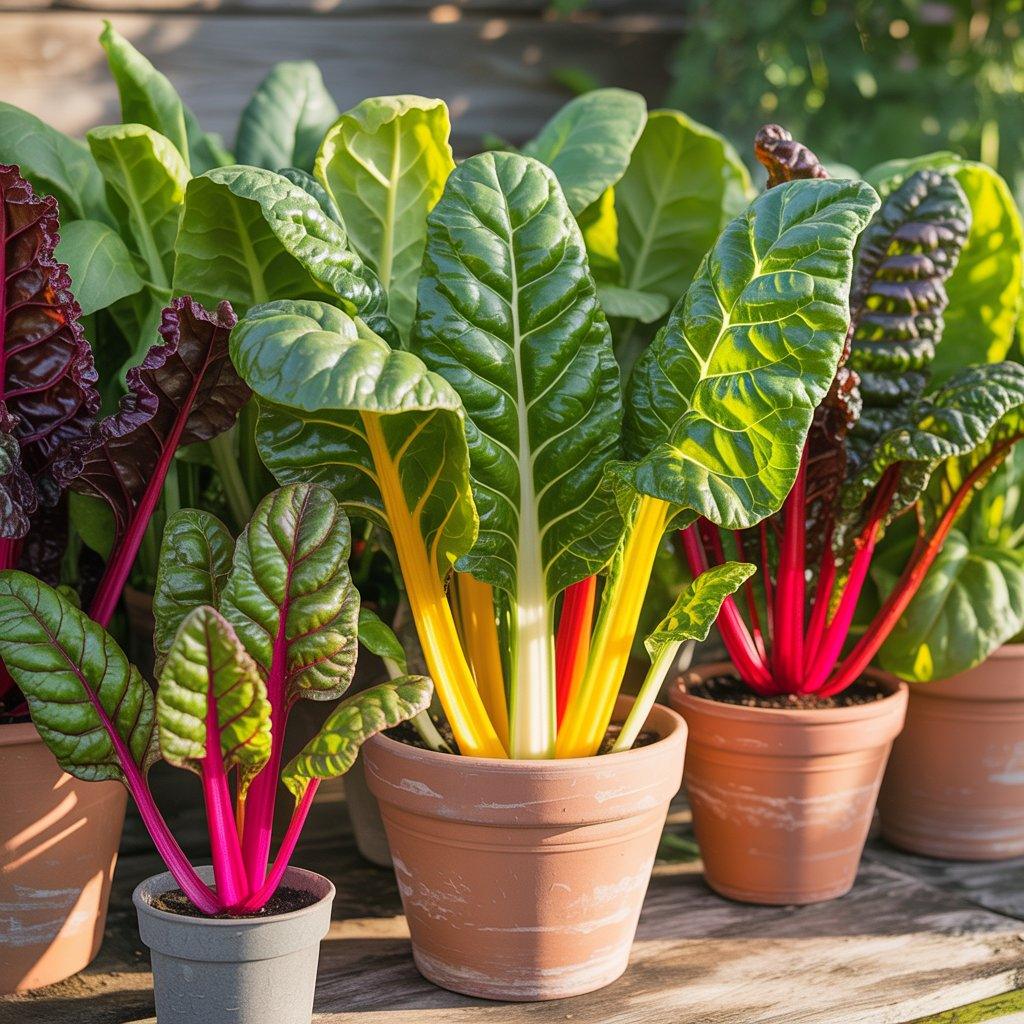
Swiss chard is the vegetable that keeps on giving. It grows beautifully in a pot that’s at least 8 inches deep. Plant seeds about two inches apart. In a month, you’ll have leaves big enough to eat. Here’s the trick: don’t pull the whole plant.
Just snap off the outer leaves near the base. The center keeps growing new ones. You can do this all season long, sometimes into early winter if it’s mild. Chard handles heat better than spinach and doesn’t get bitter.
The stems come in bright colors red, yellow, pink so it actually looks pretty on a patio. Cook it like spinach or eat small leaves raw in salads. One pot can feed a family of four for months.
Organo Republic 40-Variety Heirloom Vegetable Seed Pack – Contains bright-stemmed Swiss chard seed packets.
Dwarf Peas
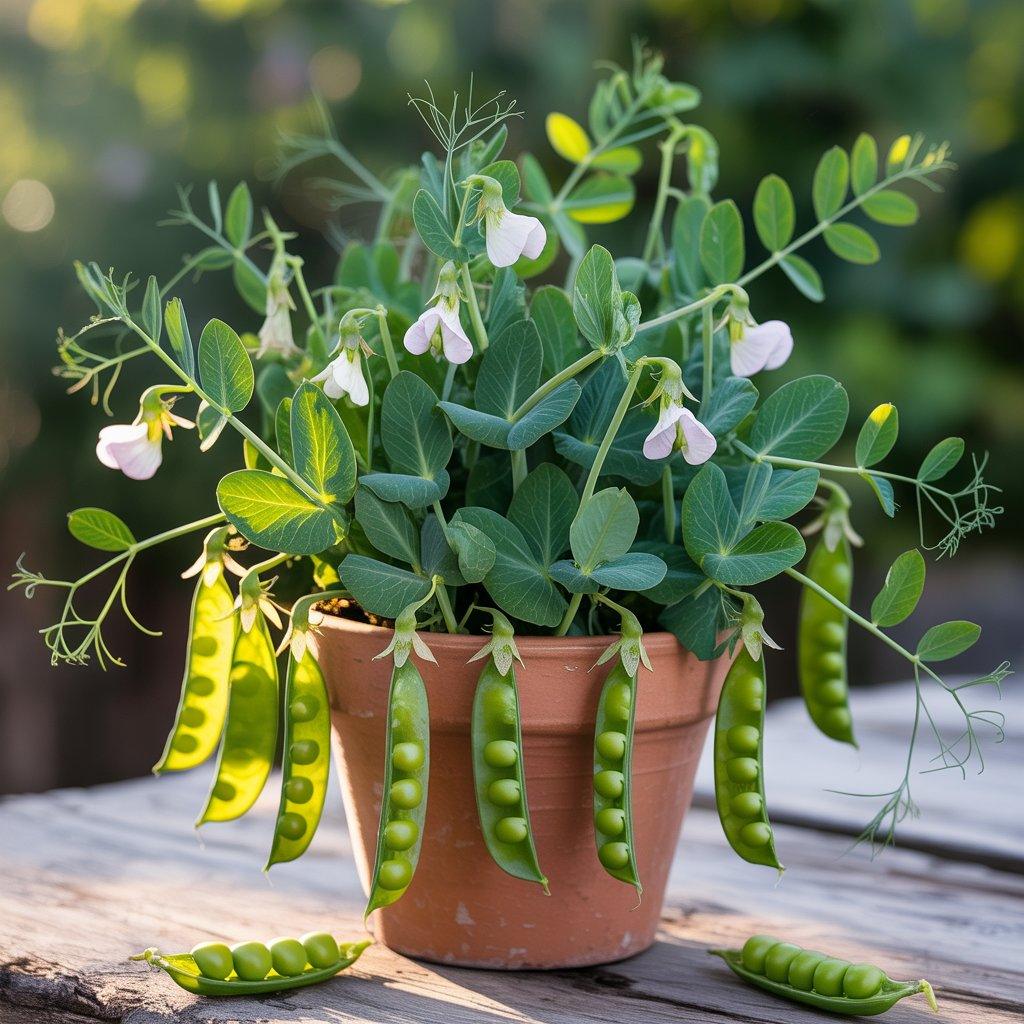
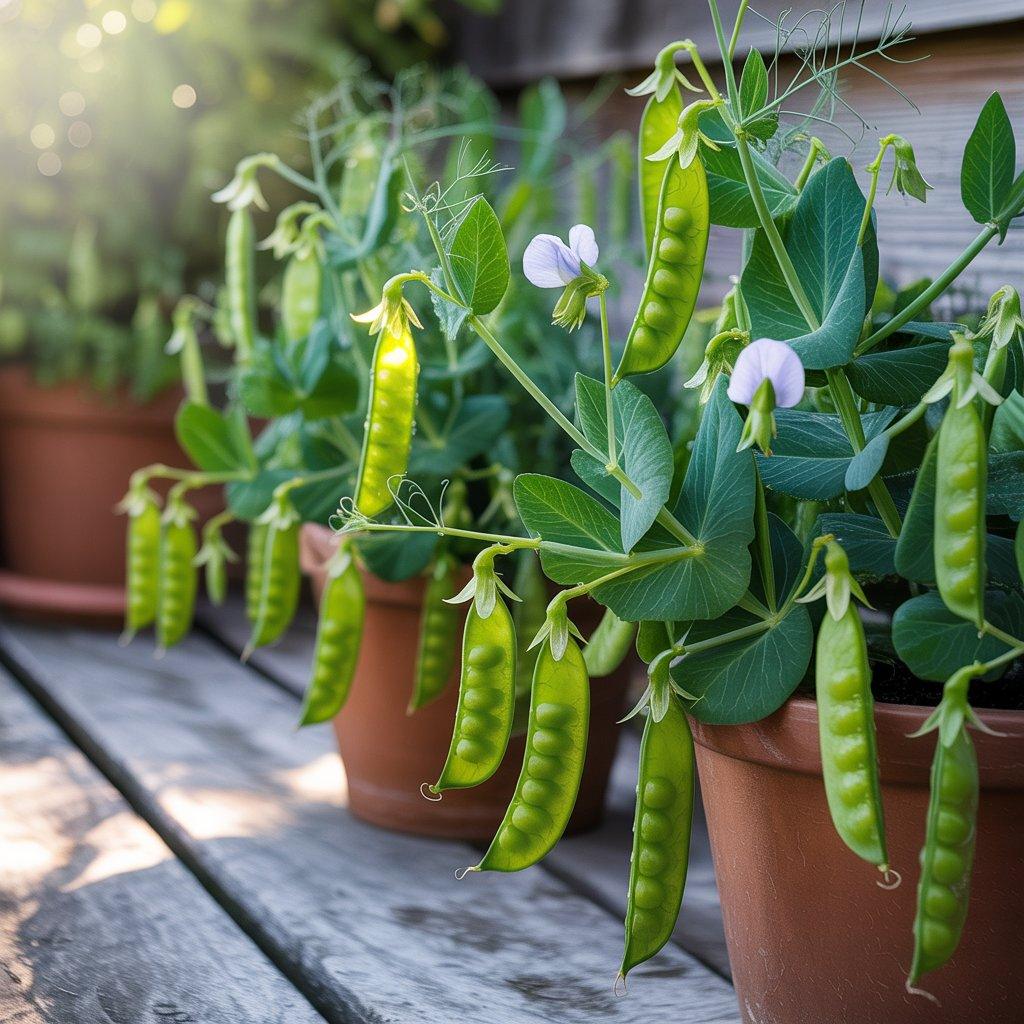
Regular peas climb six feet and need a trellis. Dwarf or “patio” peas like ‘Tom Thumb’ or ‘Little Marvel’ only reach about 8 to 10 inches tall. They grow in a cute little bush. Use a pot that’s at least 8 inches deep.
Plant seeds one inch apart, water, and put the pot in a spot with morning sun and afternoon shade if you live somewhere hot. Peas are a cool-weather crop, so plant them in early spring or fall. You’ll see flowers, then tiny pods.
Pick the pods when they’re plump but before the peas inside get hard. Eat them raw off the vine they’re so sweet. You can also let them get bigger and shell them. Either way, they taste nothing like frozen peas.
Dwarf Peas – Ferry-Morse Starter Collection – 15-Variety Garden Seed Set – Includes compact pea varieties for container growing.
Beets (Baby Beets)
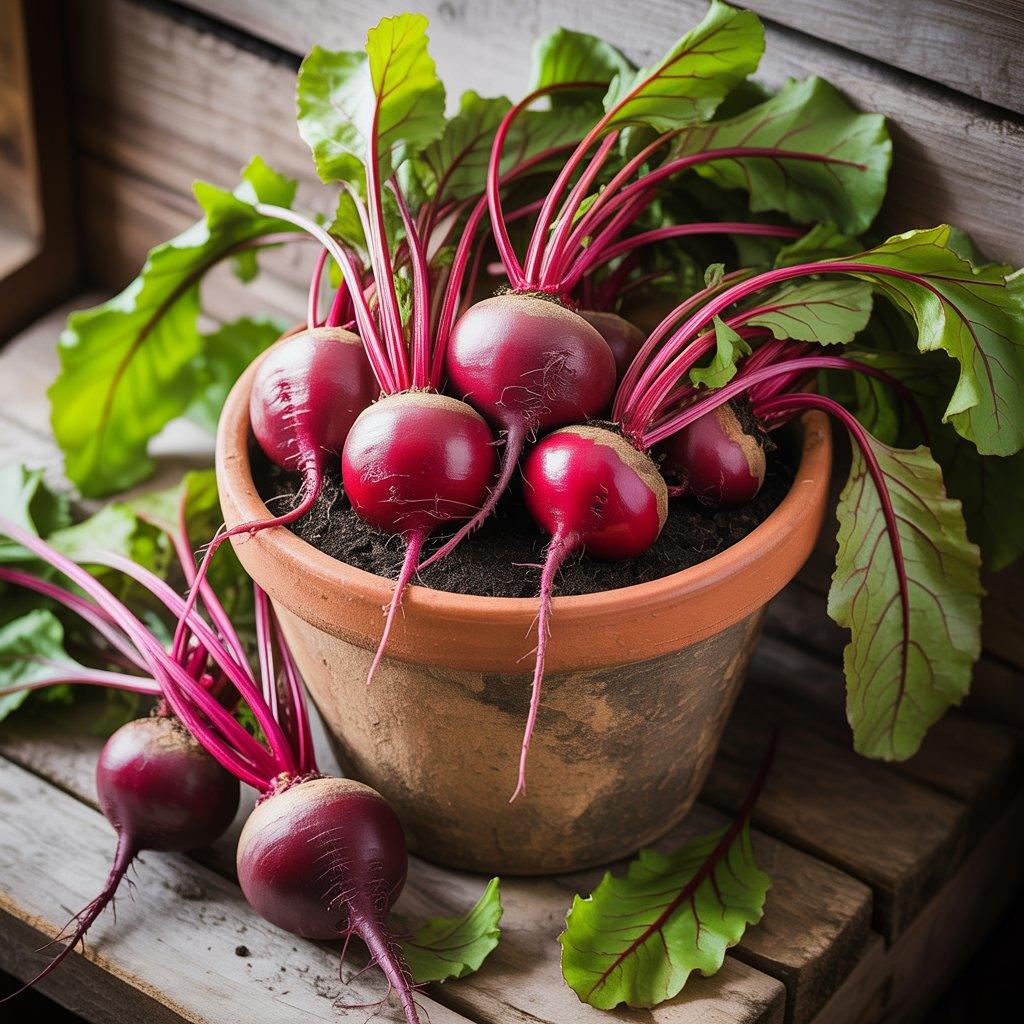
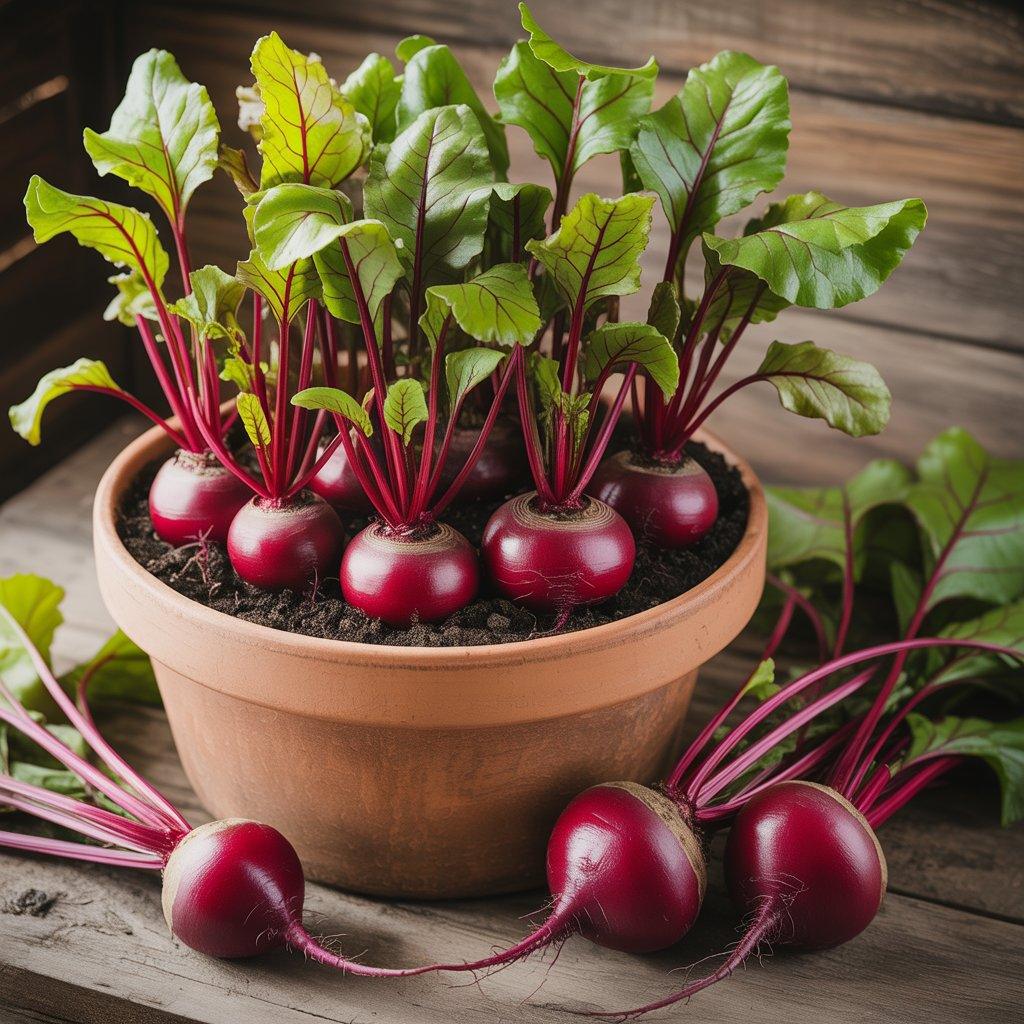
Full-size beets need room, but baby beets are perfect for pots. Look for varieties like ‘Little Ball’ or ‘Baby Beat’. Use a pot that’s 8 to 10 inches deep.
Fill it with loose, rock-free soil. Plant seeds about two inches apart. Beet seeds are actually little clusters, so you might get two or three seedlings from one seed. Thin them to one per spot when they’re small. Don’t throw the thinned ones away the tiny leaves are great in salads.
In about 50 days, you’ll have golf-ball-sized beets. Pull them, roast or pickle them, and eat the leaves too (they taste like chard). Beets are forgiving and don’t need much fertilizer. Just don’t let the soil dry out completely or they get woody.
Sow Right Seeds – Baby Beat Beet Seeds – Specifically labeled for container-friendly baby beet growing.
Herbs (Basil, Cilantro, Parsley)
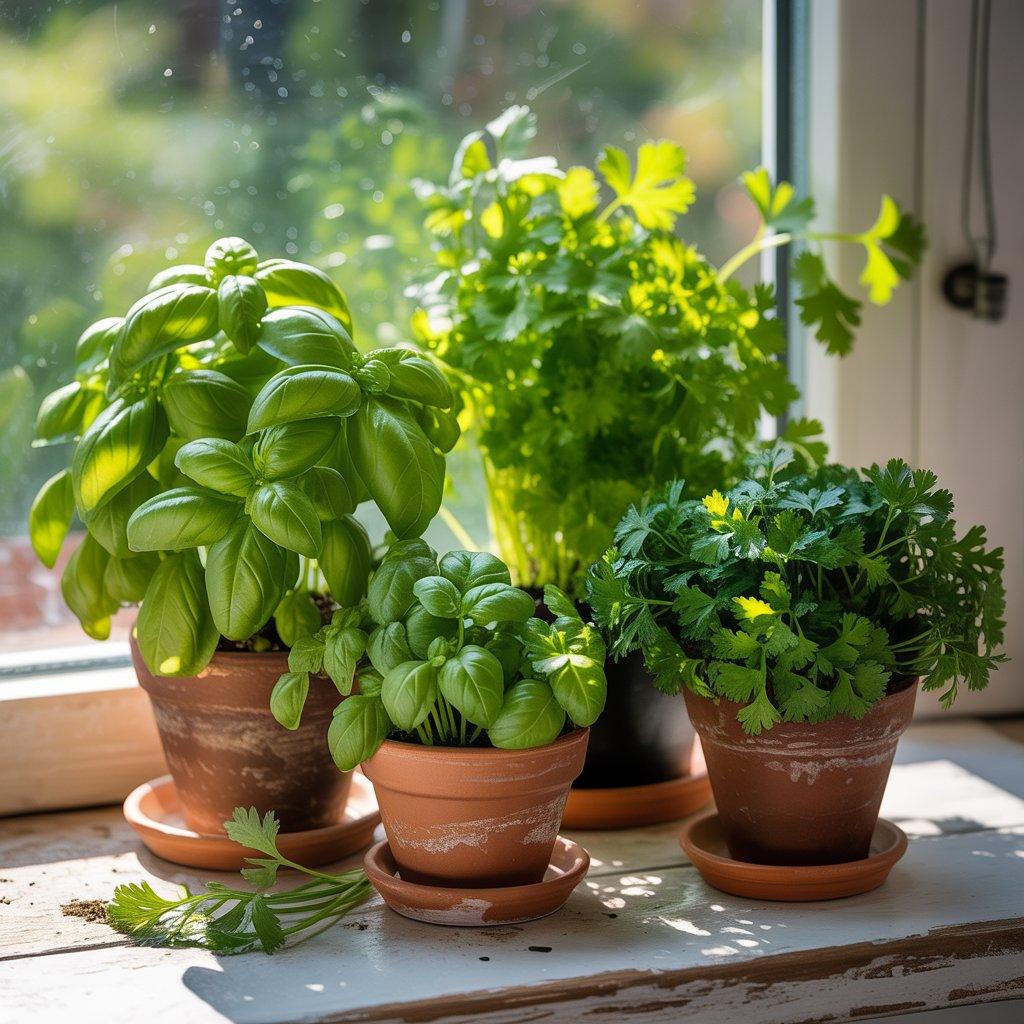
Herbs aren’t vegetables, but they grow the same way and they make everything you cook better. Basil loves a small pot and full sun. Pinch the top leaves regularly and it gets bushy, not leggy.
Cilantro grows fast but bolts in heat, so plant it in a pot you can move to shade when it gets hot. Parsley is slow to start but then produces for months. Use a 6-inch deep pot for each herb, or plant several together in a wider bowl.
Water when the soil surface feels dry. Snip what you need fresh. Never take more than a third of the plant at once. Having herbs right outside your door changes how you cook. Fresh basil on a tomato sandwich? That’s summer.
HECTOLIFE 200-Pc 4-Inch Plant Nursery Pots + Burpee Basil Seeds – This bundle includes both the pots mentioned in your “Tips for Success” section and basil seeds. 👉 Check price on Amazon.com
Helpful Sections
Tips for Success
Pick the biggest pot you can fit
Bigger pots hold more soil, which means they don’t dry out as fast. A dry pot is the number one killer of container vegetables.
Use potting mix, not garden soil
Garden soil is too heavy for pots. It turns into a brick. Buy a bag of potting mix that says “for containers” on the label.
Put pots where they get sun
Most vegetables need at least 6 hours of direct sun. Watch your space for a day or two. Mark the sunny spots with a piece of tape.
Water when the soil feels dry an inch down
Stick your finger in. If it’s dry, water deeply until it runs out the bottom. If it’s damp, wait.
Mistakes to Avoid
Overwatering
This is the most common mistake. People think they’re helping, but they drown the roots. Let the soil dry a little between waterings.
Using a pot with no drainage holes
A hole in the bottom is not optional. Without it, water collects and rots the roots. Drill a hole or use a different pot.
Planting too many seeds in one pot
But one cherry tomato plant per 5 gallon pot. Not three. Crowded plants fight for food and get sick. Give them room.
Forgetting to fertilize
Potting mix has some food, but after a month, it runs out. Use a liquid fertilizer for vegetables every two weeks. Follow the label.
Frequently Asked Questions
Can I grow these vegetables indoors?
Yes, but only if you have a very sunny south-facing window or a grow light. Without enough light, they get leggy and produce almost nothing.
How often should I water small pots?
Small pots dry out fast. In hot weather, you might need to water every single day. Larger pots can go two or three days.
What if I only have a shady balcony?
Focus on leafy things like lettuce, spinach, and green onions. They tolerate less sun. Tomatoes and peppers need full sun, so skip those.
When do I start seeds?
Check your local “last frost date.” Count backwards. Radishes and lettuce can go out early. Tomatoes and peppers need warm soil, so start them inside first.
Design and Styling Ideas
Use a vertical pallet garden
Stand a wooden pallet on its side. Staple landscape fabric to the back and bottom. Fill with soil and plant herbs and lettuce in the gaps. Leans against any wall.
Hang shoe organizers on a railing
A fabric over-the-door shoe holder works great for shallow-rooted greens. Hang it on a sunny balcony railing. Each pocket holds one plant.
Stack pots with a strawberry tower
Buy a tall, tapered pot with holes on the sides. Plant strawberries or herbs in each hole and tomatoes on top. Takes up almost no floor space.
Group pots by height
Put tall tomatoes in the back, medium peppers in the middle, and low lettuce in the front. It looks intentional and every plant gets light.
Conclusion
You don’t need land to grow real food. Pick two or three vegetables from this list. Get a bag of potting mix and a few basic pots. Put them in the sunniest spot you have. Water when the soil feels dry. That’s it.
Start small. Like cherry tomatoes and green onions. Once you see that first ripe tomato, you’ll be hooked. And honestly that homegrown taste beats anything from the store. Give it a shot. You’ve got this.
Related post: