
Winter does a number on your yard. Leaves pile up. Branches snap. The lawn gets matted and sad. Then spring comes, and suddenly everyone’s yard looks great except yours.
You don’t need a landscaping crew. You just need a plan.
A good spring yard cleanup checklist keeps you from feeling overwhelmed. You do one thing at a time. In a weekend or two, your yard goes from messy to ready. No hype. No expensive tools. Just real work that pays off.
Let’s get into it.
Why Spring Yard Cleanup Matters
Cleaning up in spring isn’t just about looks. It helps your grass and plants grow stronger. Wet leaves from winter can smother your lawn and invite fungus. Broken branches can damage new growth. And if you wait too long, weeds take over before you even start.
A little work now saves you hours of fighting problems later. Plus, it feels good to walk outside and see a yard that’s ready for cookouts, kids, or just sitting in a chair with coffee.
Main Content: Spring Yard Cleanup Checklist
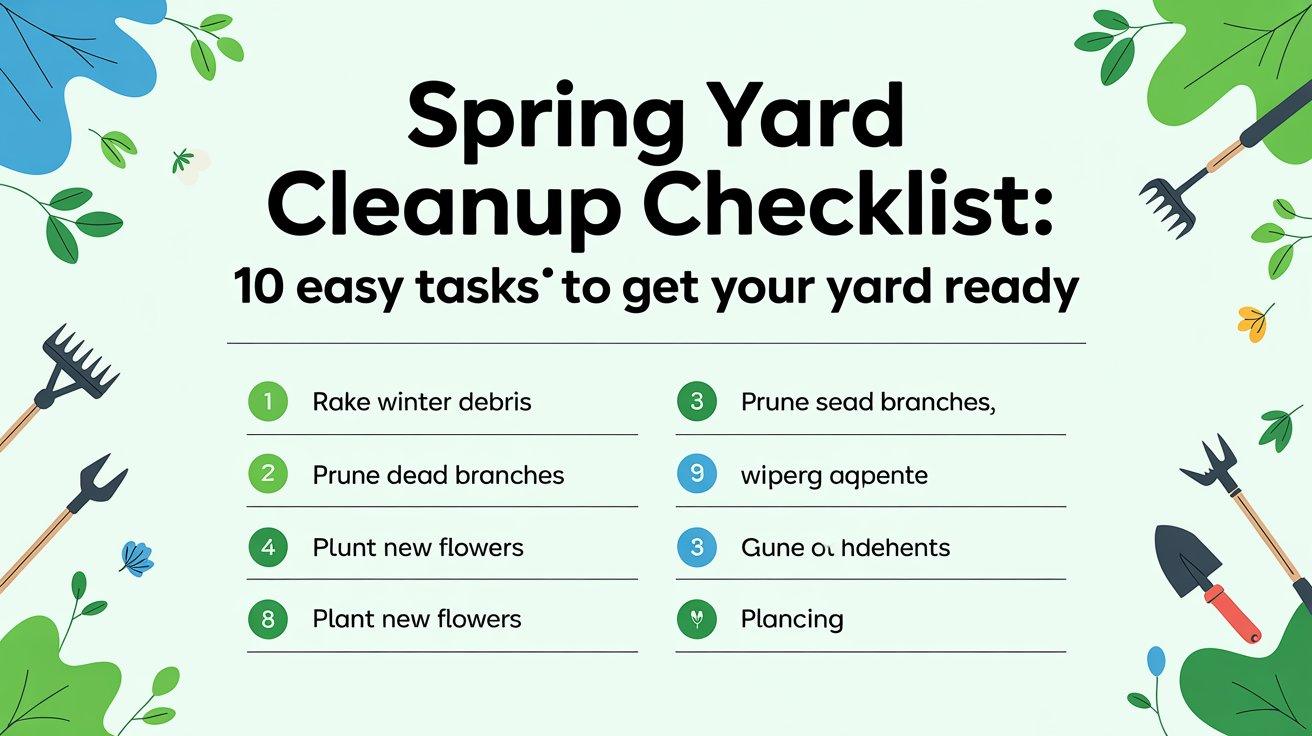
Here are 10 tasks to knock out. Do them in order, and you won’t backtrack or waste time.
1. Walk the yard and pick up big debris
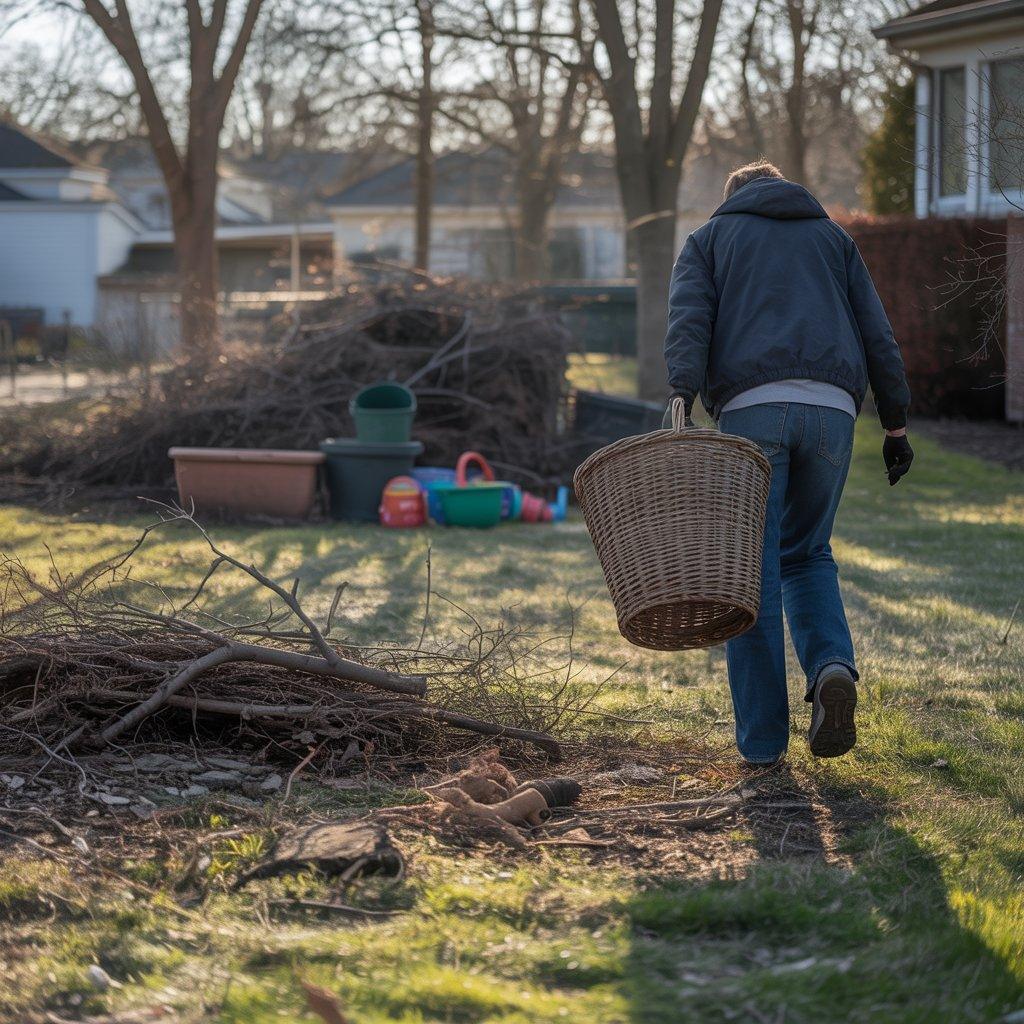
Before you do anything else, just walk around. Look for fallen branches, twigs, trash that blew in over winter, and any toys or pots that got left out. Pick up everything bigger than your fist. Put branches in a pile for later hauling. Throw away trash.
This takes maybe 20 minutes, but it makes the rest of the cleanup way easier. You won’t be running over sticks with the mower or tripping on things. Start simple. You’ll feel like you already made progress.
2. Rake up leaves and dead grass
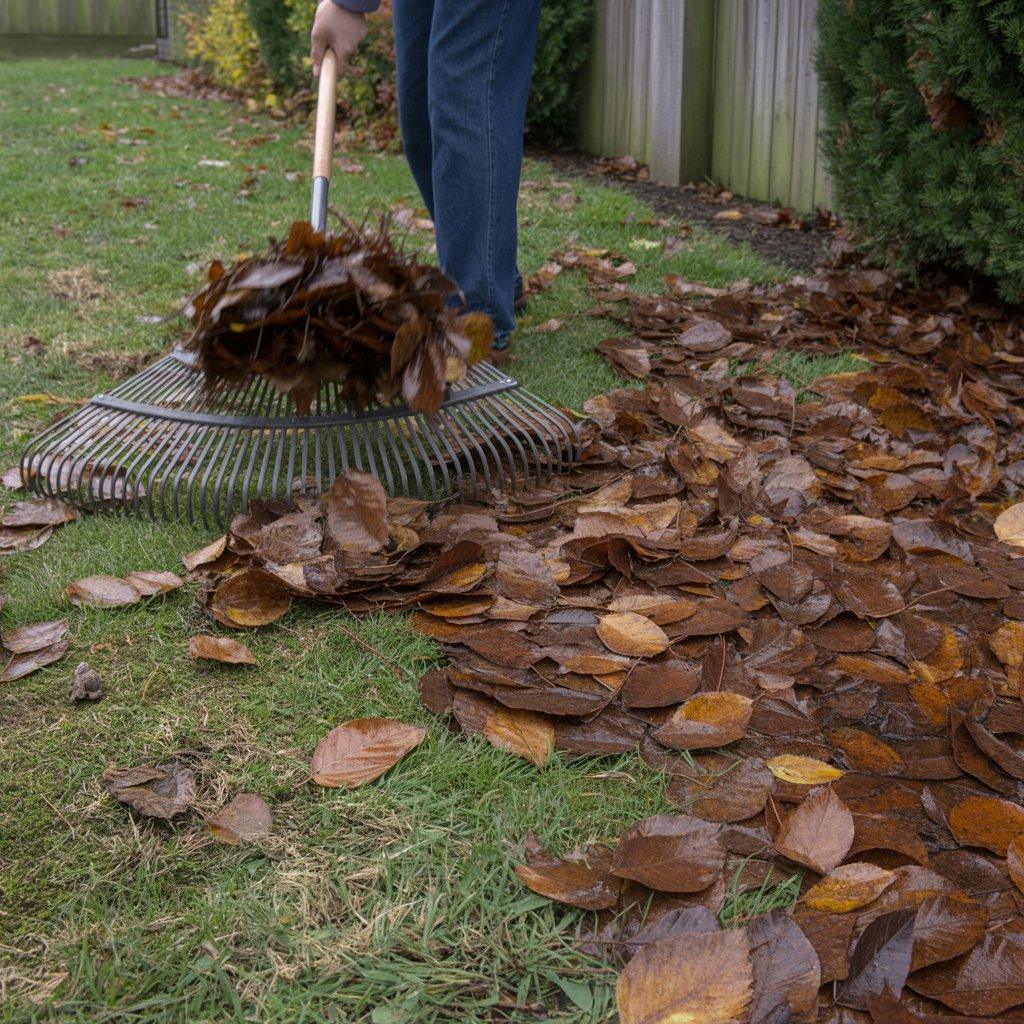
Winter leaves get wet and matted. They stick together like a heavy blanket. Use a stiff rake and pull them up. Don’t just push them around actually gather them. If the leaves are shredded, they can go into compost or bag them for yard waste.
Pay attention to spots near fences and under bushes where leaves hide. Raking also pulls up dead grass (thatch), which lets air and water reach the soil. Your lawn will thank you. Do this before mowing, or you’ll just chop leaves into smaller messes.
3. Cut back dead perennial plants
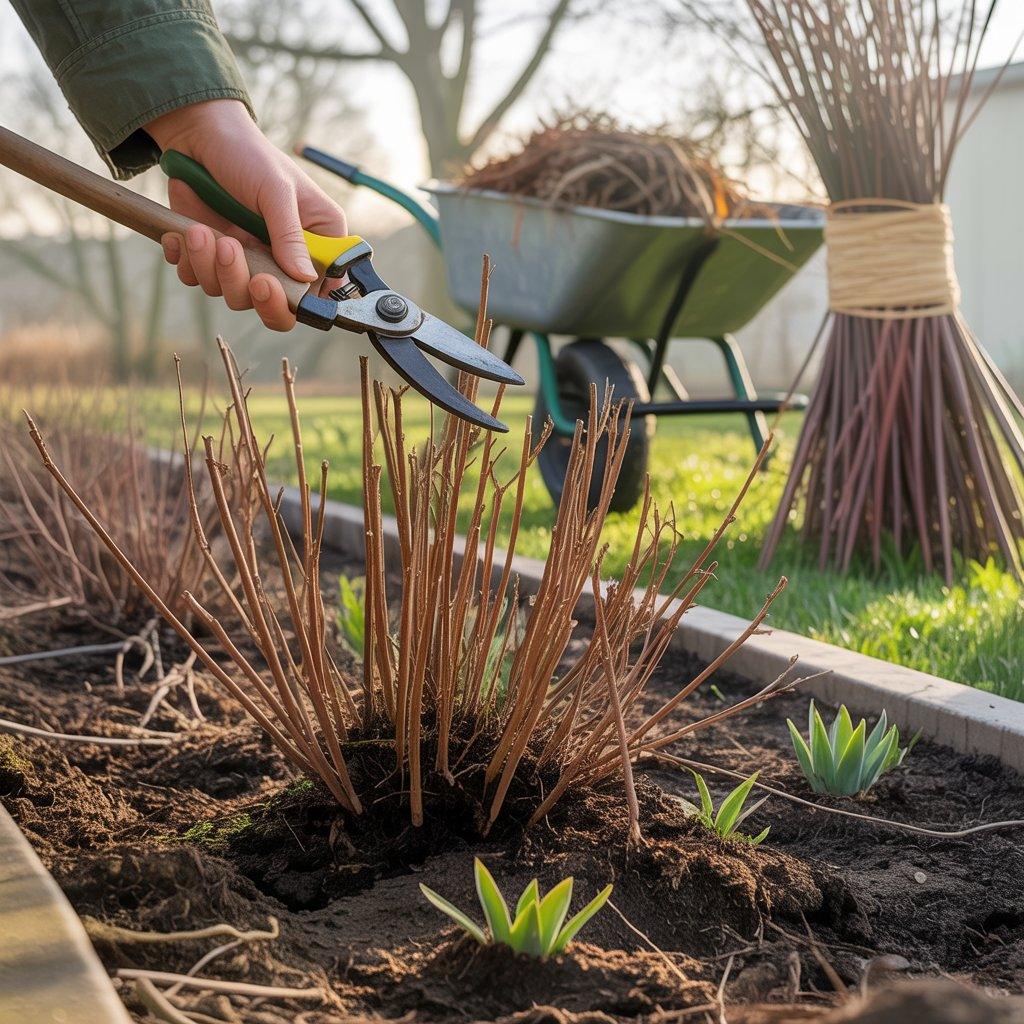
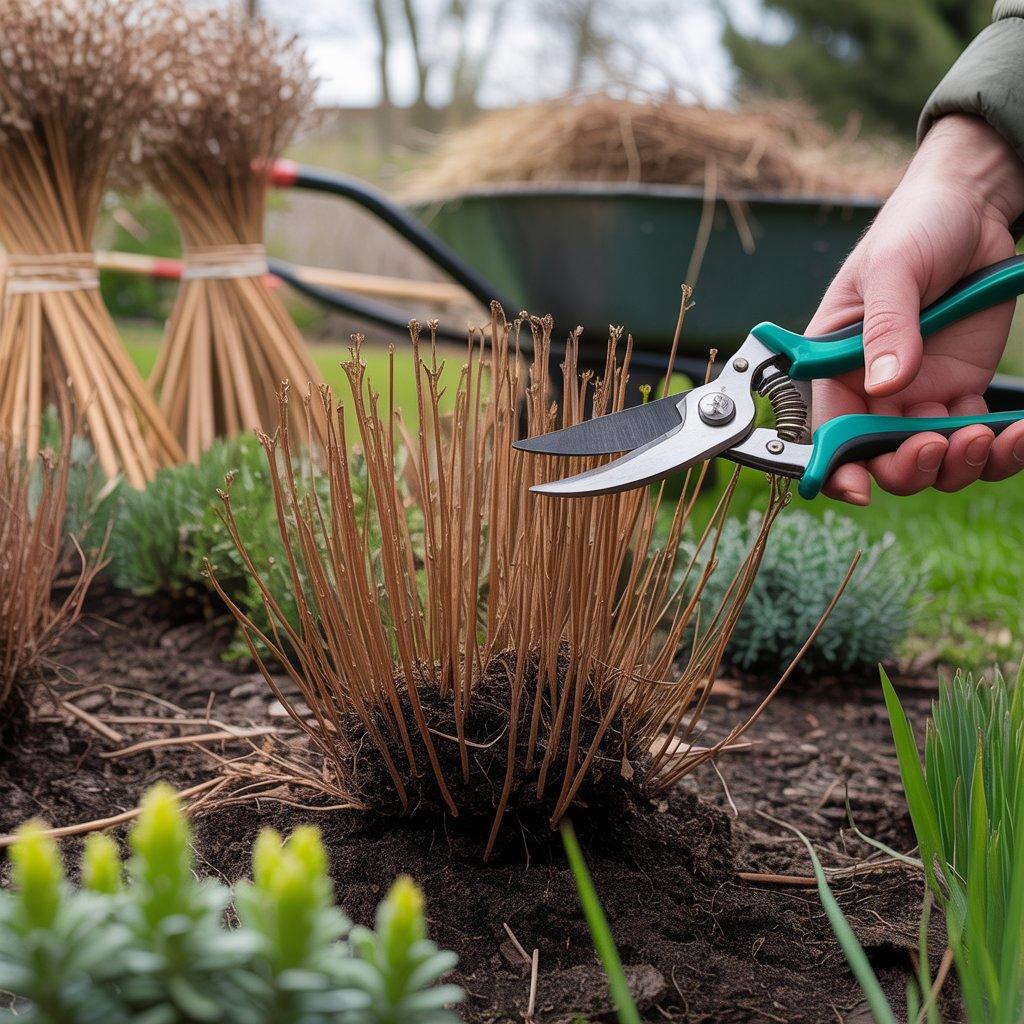
Remember those brown, crispy stems from last year’s flowers? They’re not coming back. Use hand pruners or garden shears to cut them down to about two inches above the ground. This clears the way for new green growth. Be careful not to cut any fresh shoots hiding at the base.
For ornamental grasses, tie them in a bundle with string before cutting so you don’t make a giant mess. Throw the dead stuff in your compost or yard waste pile. Your flower beds will look 100 times better in an hour.
4. Prune shrubs and summer-blooming bushes
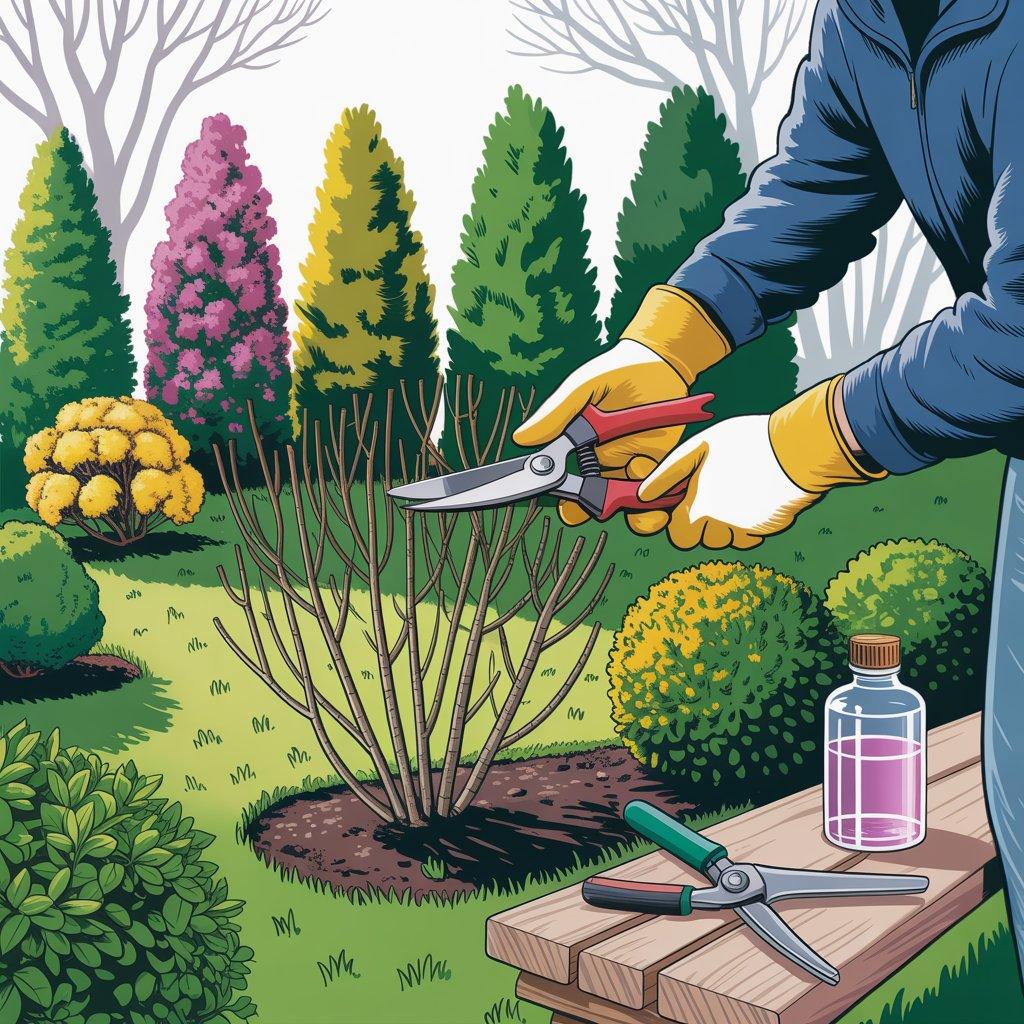
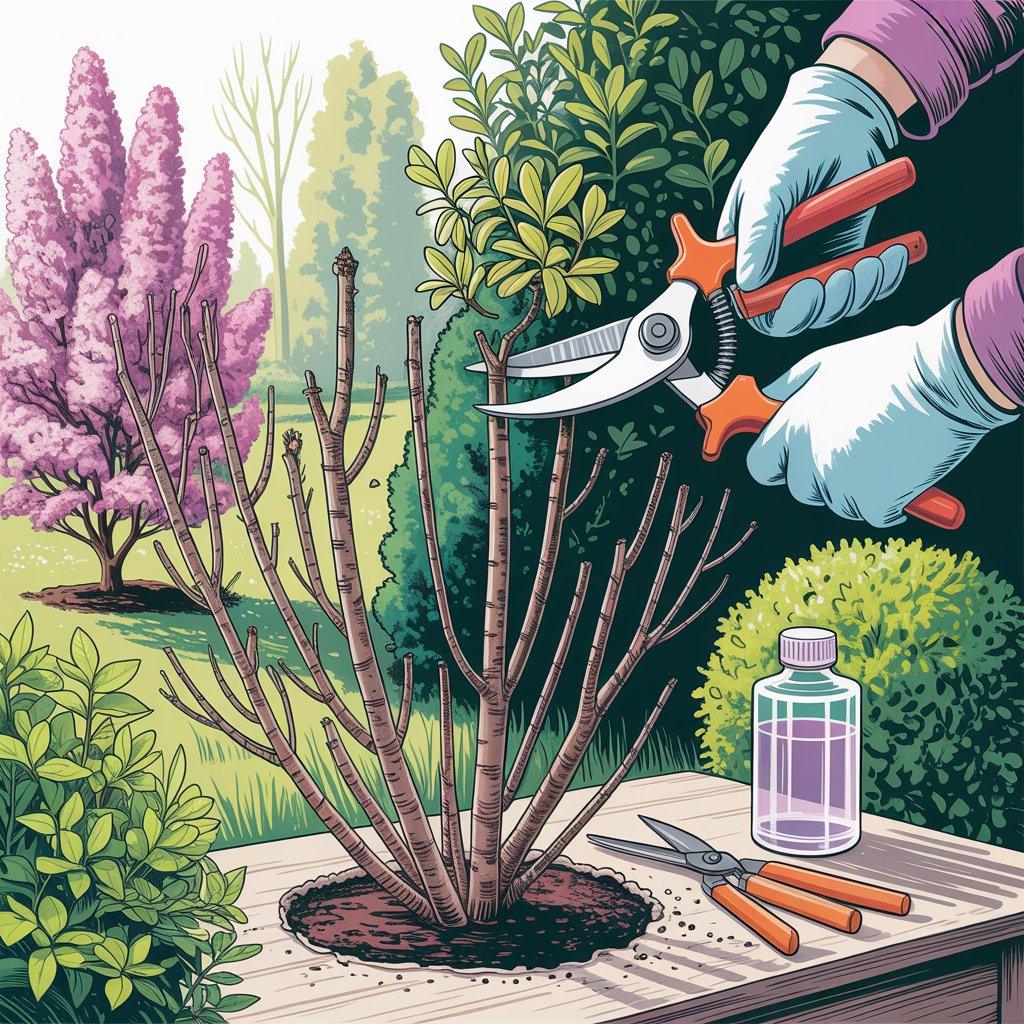
Late winter or early spring is the right time to prune many bushes. Cut out any dead, broken, or crossing branches. Shape the plant so air can flow through the middle. For summer-blooming shrubs like butterfly bush or spirea, you can cut them back pretty hard.
For spring-blooming ones like lilac or forsythia, wait until after they flower otherwise you cut off this year’s blooms. If you’re not sure, just remove dead wood and leave the rest. Clean pruners with rubbing alcohol between plants so you don’t spread disease.
5. Clean out garden beds
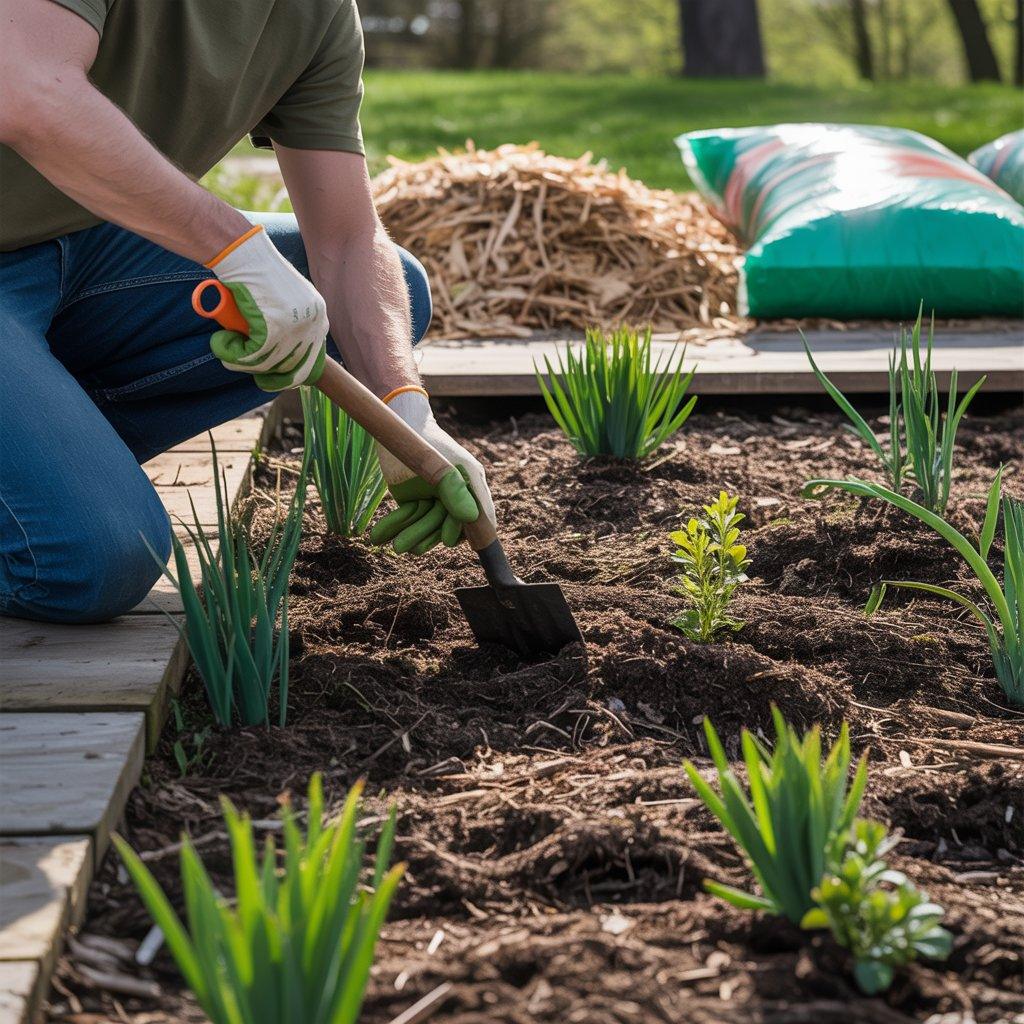
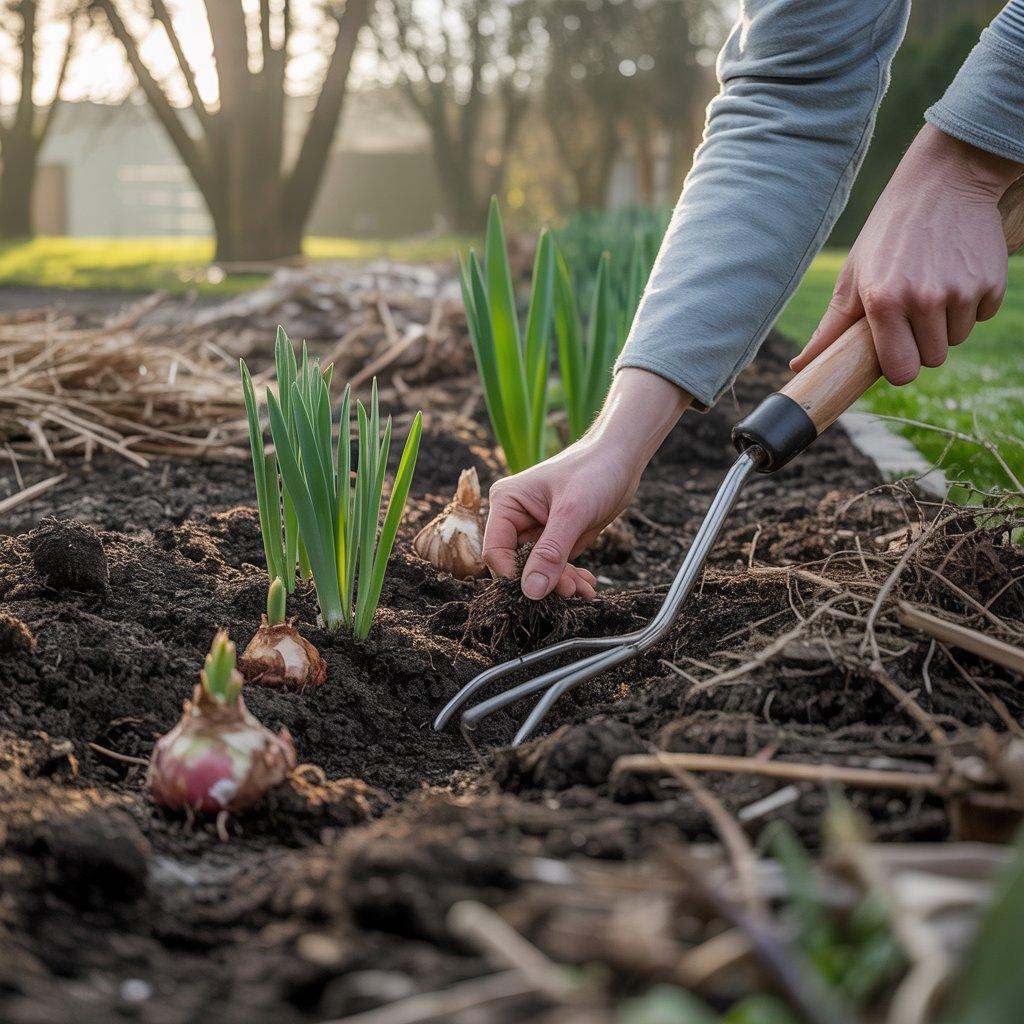
Now that debris is gone and plants are cut back, get into the beds. Pull any weeds that already started growing. They’re small now, so they come out easy. Rake out old mulch if it’s moldy or packed down. Fluff up the soil surface with a hand cultivator or rake.
This wakes up the bed and lets rain soak in. If you see bare soil, add a fresh two-inch layer of mulch. That stops new weeds and keeps moisture in. Don’t pile mulch against plant stems or tree trunks leave a little space so air can get to the bark.
6. Edge your lawn borders
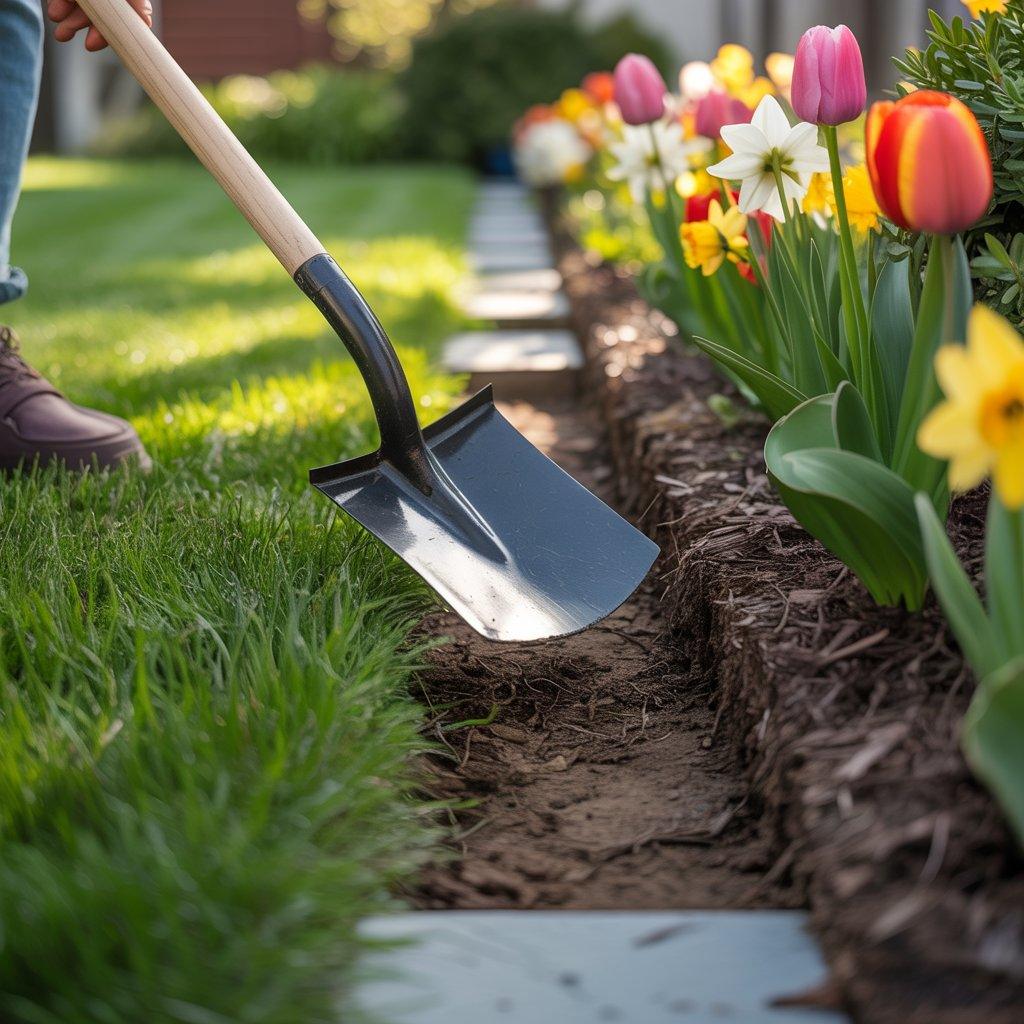
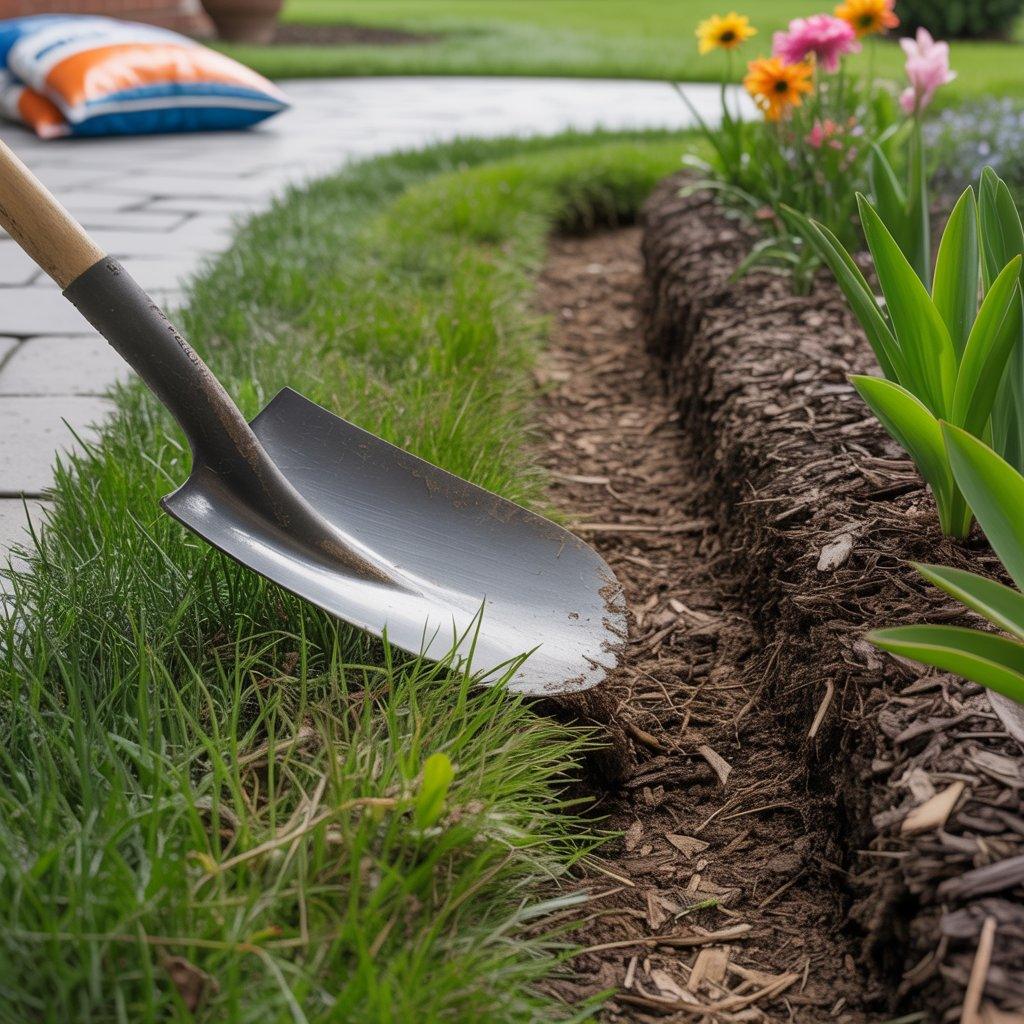
Grass creeps into flower beds over winter. An edger or a flat shovel fixes that. Cut a clean line along driveways, walkways, and garden beds. Angle the shovel slightly toward the grass side. Remove the strip of grass and roots. This one step makes everything look sharp and intentional.
It also stops you from running over flowers with the mower later in the season. Do this before you mulch, so the mulch sits neatly against the edge. It’s a small job that makes a huge difference in how “professional” your yard looks.
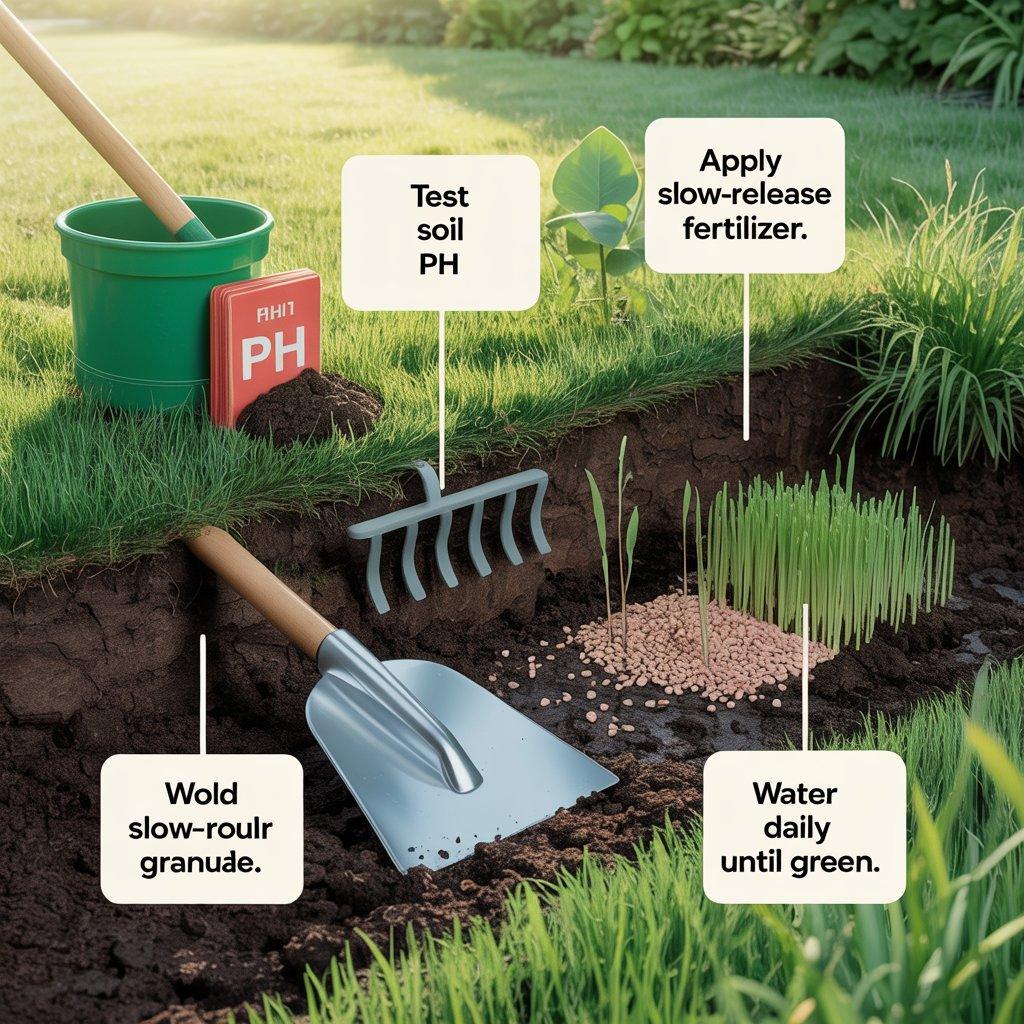
7. Test and wake up your lawn
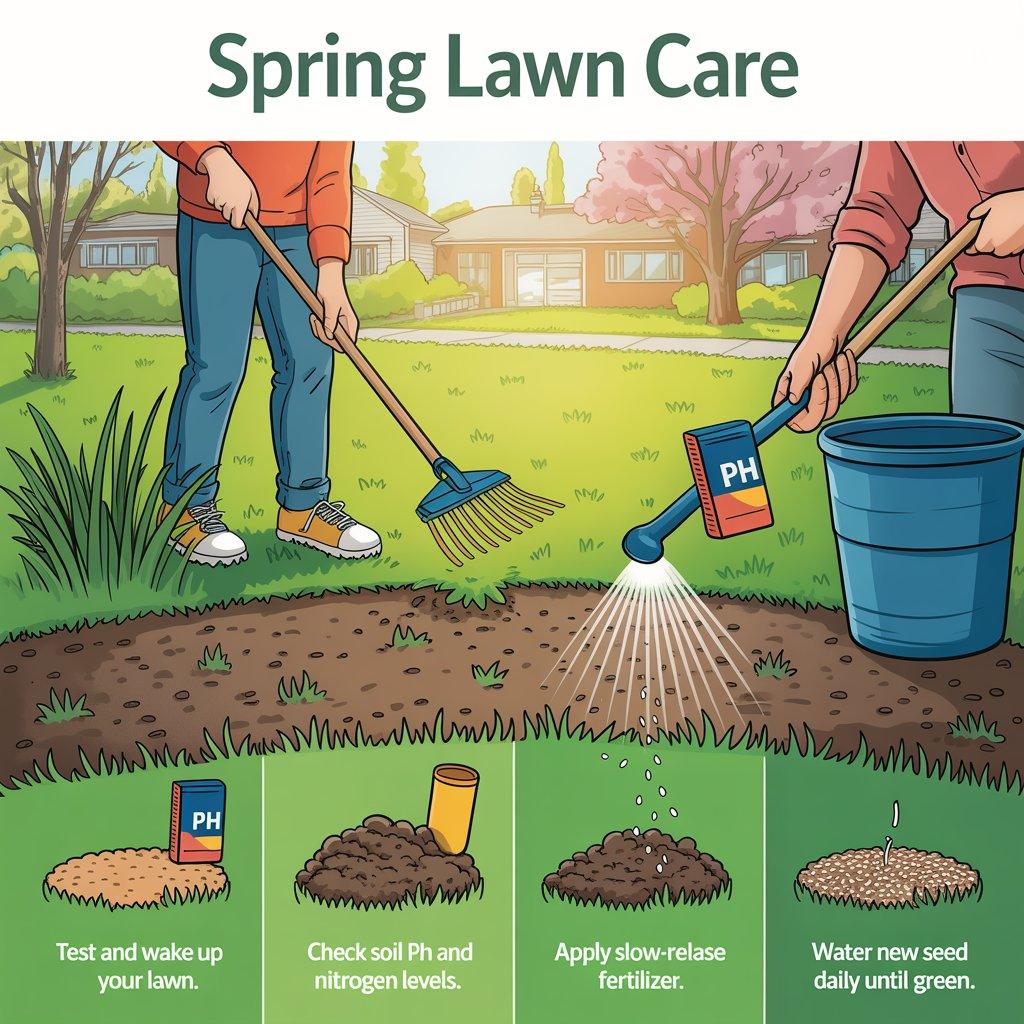
Once the ground isn’t frozen and muddy, check your lawn. Rake any leftover dead patches. Then do a simple soil test with a kit from the hardware store. You want to know if your soil is too acidic or low on nitrogen. Most lawns do well with a slow-release fertilizer in spring.
Don’t go crazy more isn’t better. Follow the bag instructions. If you have bare spots, rough up the soil and sprinkle grass seed. Keep it watered lightly every day until you see green. Wait to mow until the grass is about three inches tall, and never cut off more than one-third of the blade.
8. Check and clean your hardscapes
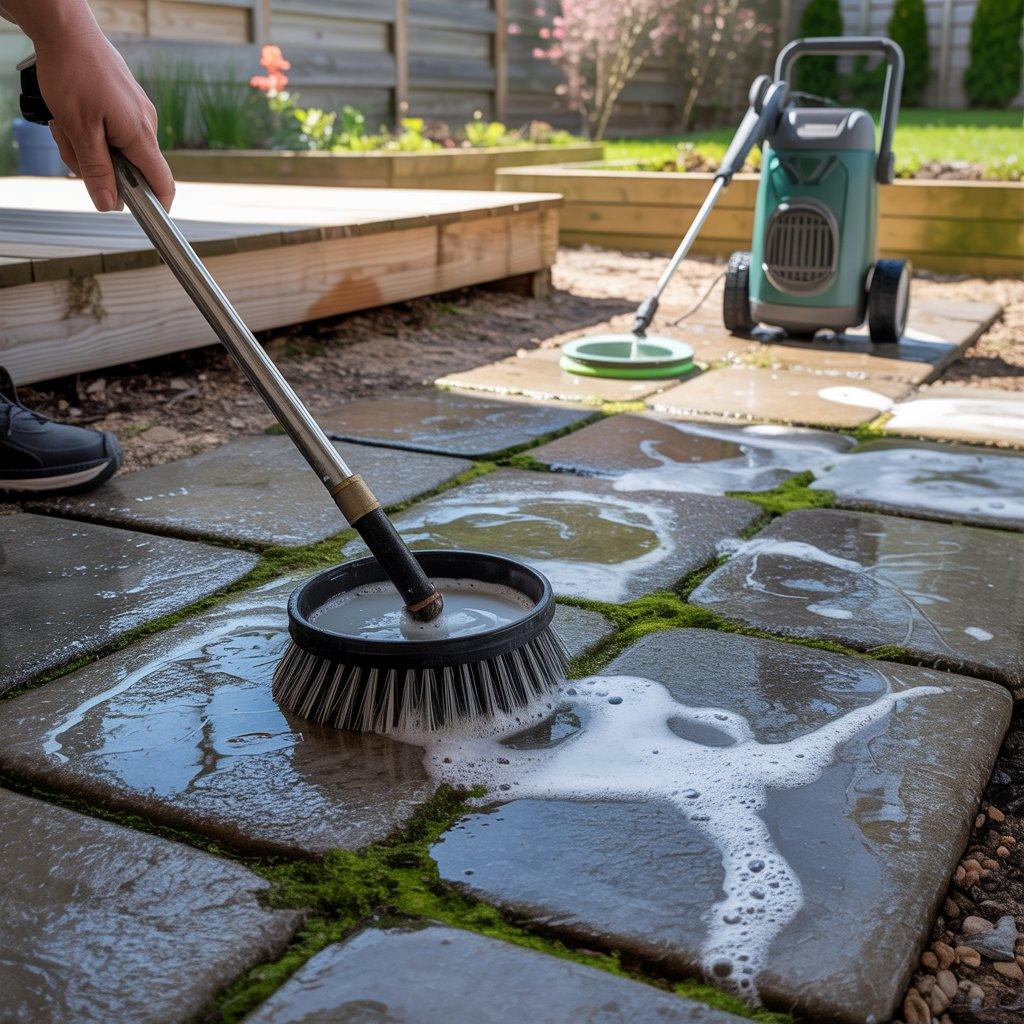
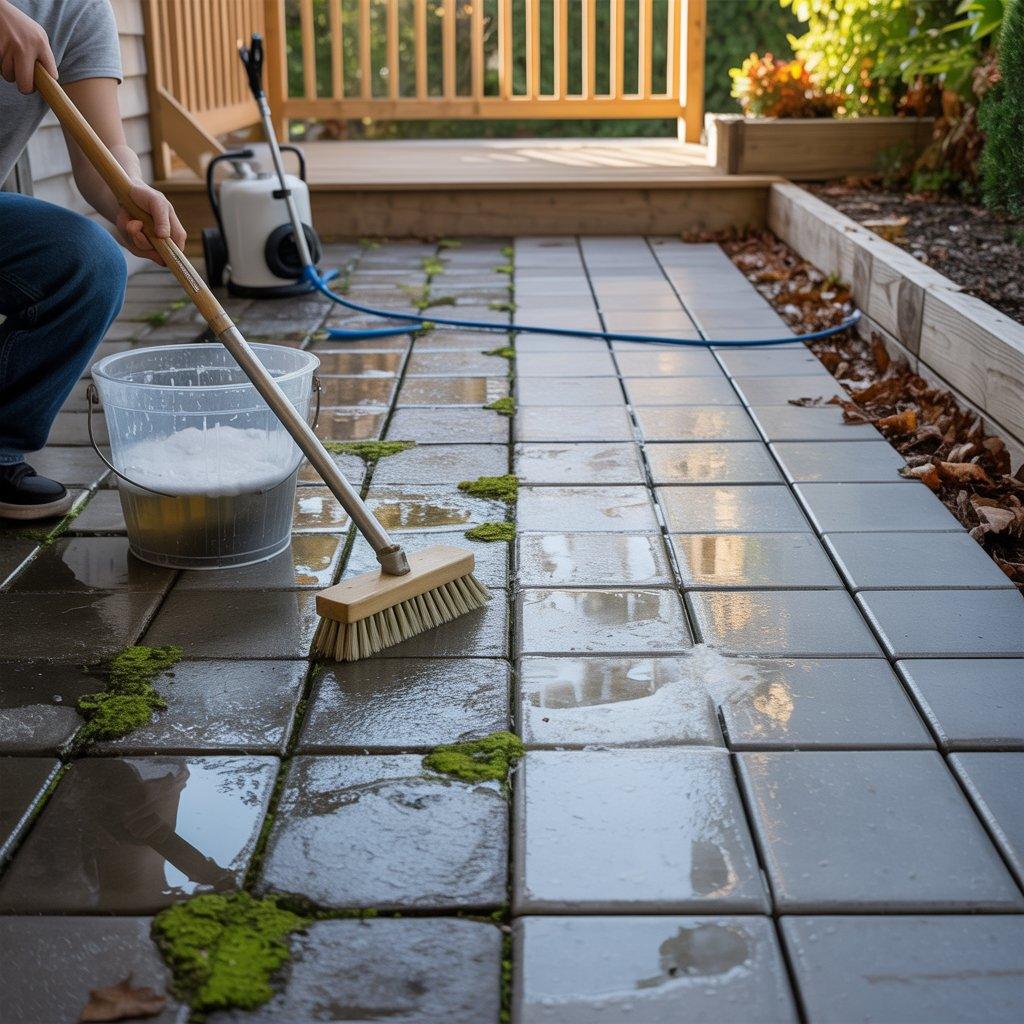
Look at your patio, walkways, and driveway. Winter leaves stains, moss, and algae. Mix warm water with a little dish soap and scrub with a stiff brush. For tougher stains, use a pressure washer on low setting don’t get too close or you’ll etch the concrete.
Sweep sand back into paver joints if it washed out. Fix any loose stones or bricks. Also check your fence, deck, and raised beds for rot or loose boards. A little cleaning and small repairs now prevent big problems later. You’ll be surprised how much brighter everything looks.
9. Get your tools and mower ready
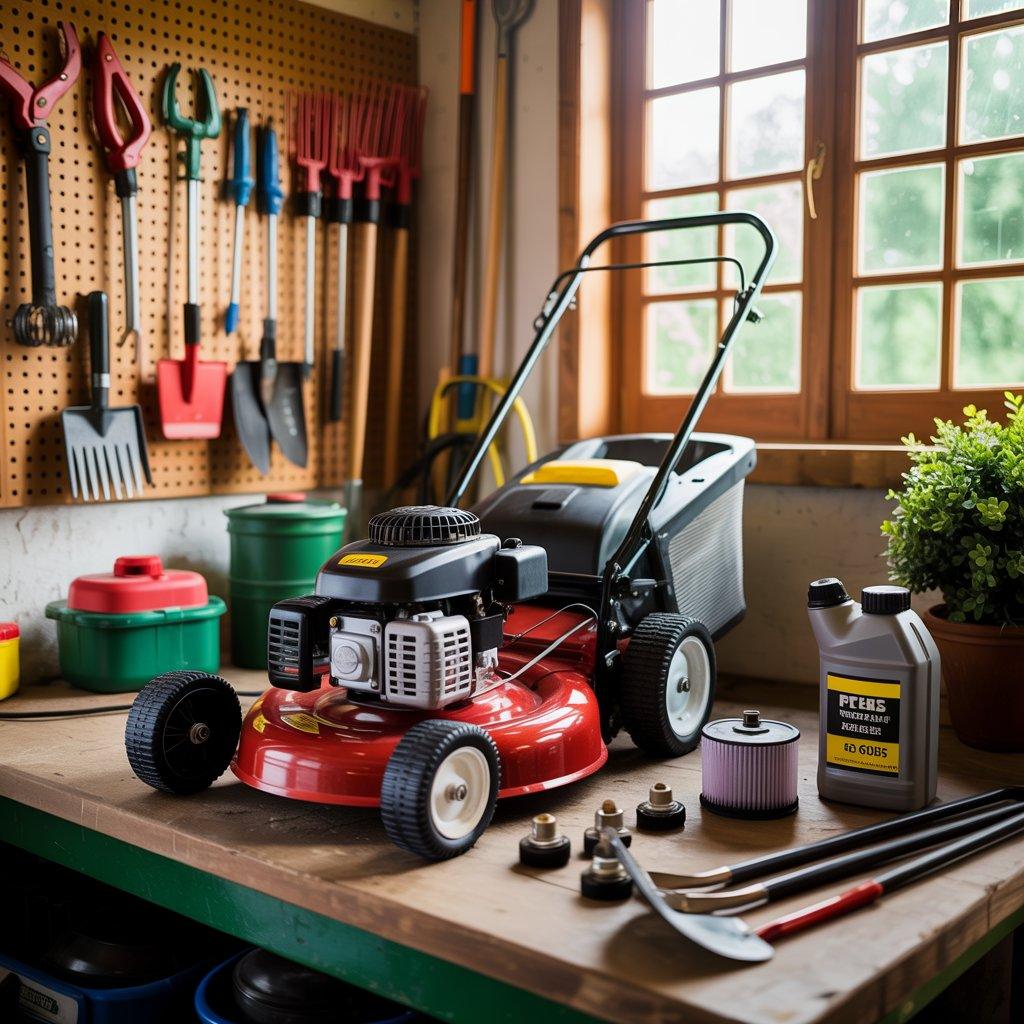
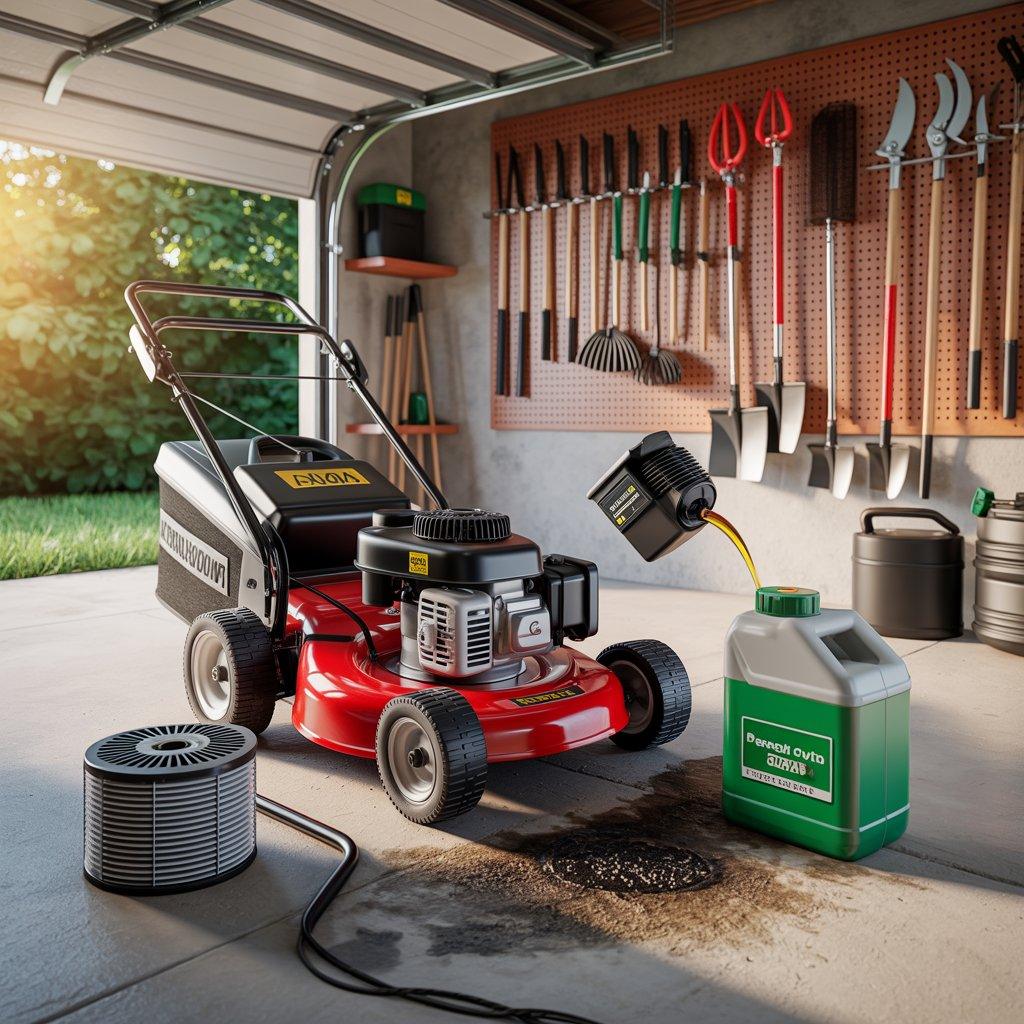
Nothing slows you down like a mower that won’t start. Before you need it, change the oil, clean or replace the air filter, and put in fresh gas. Sharpen the mower blade a dull blade tears grass instead of cutting it, which turns your lawn brown.
Do the same for pruners, loppers, and shovels. Wipe off rust, oil hinges, and tighten loose handles. Hang everything up so it’s easy to find. Future you will be so grateful. This takes maybe an hour, but it saves you from cursing in the middle of mowing season.
best lawn mower for small yard: Check price on amazon.com
10. Make a plan for yard waste
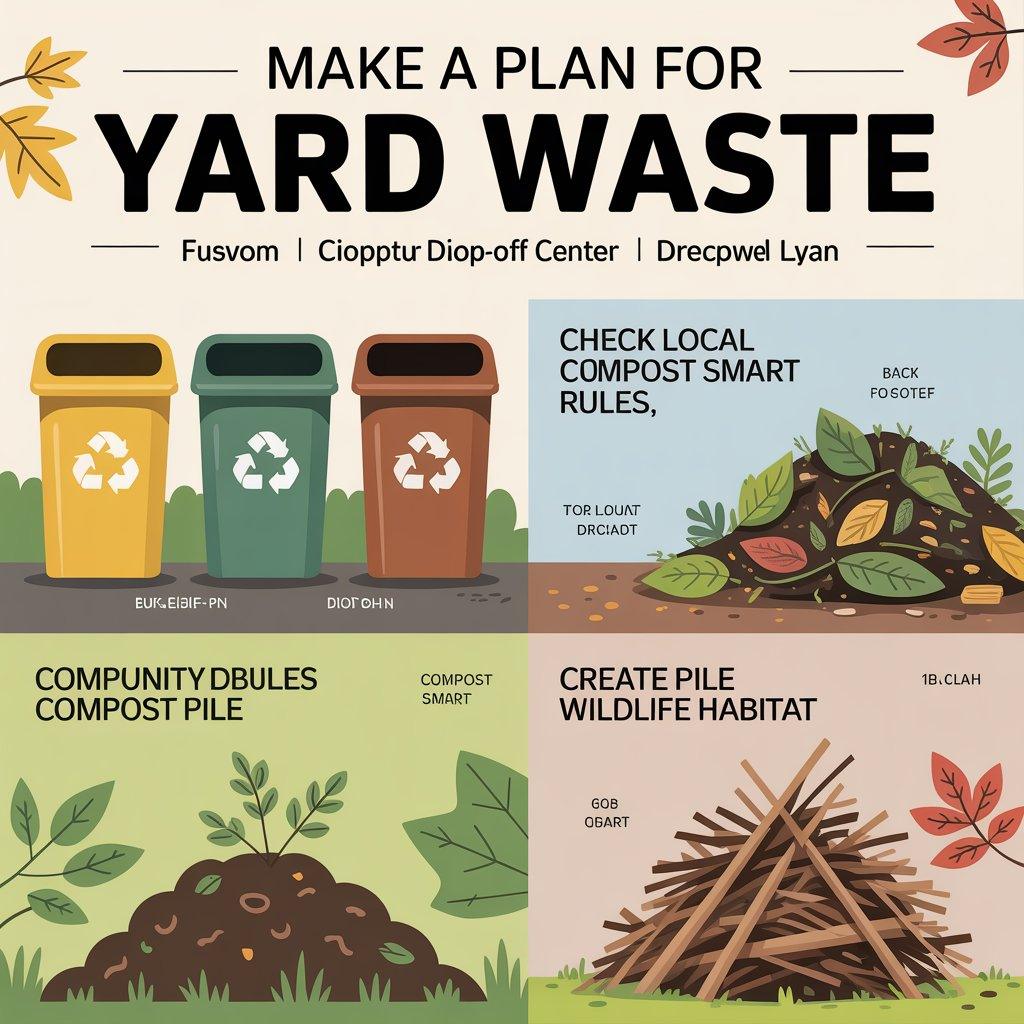
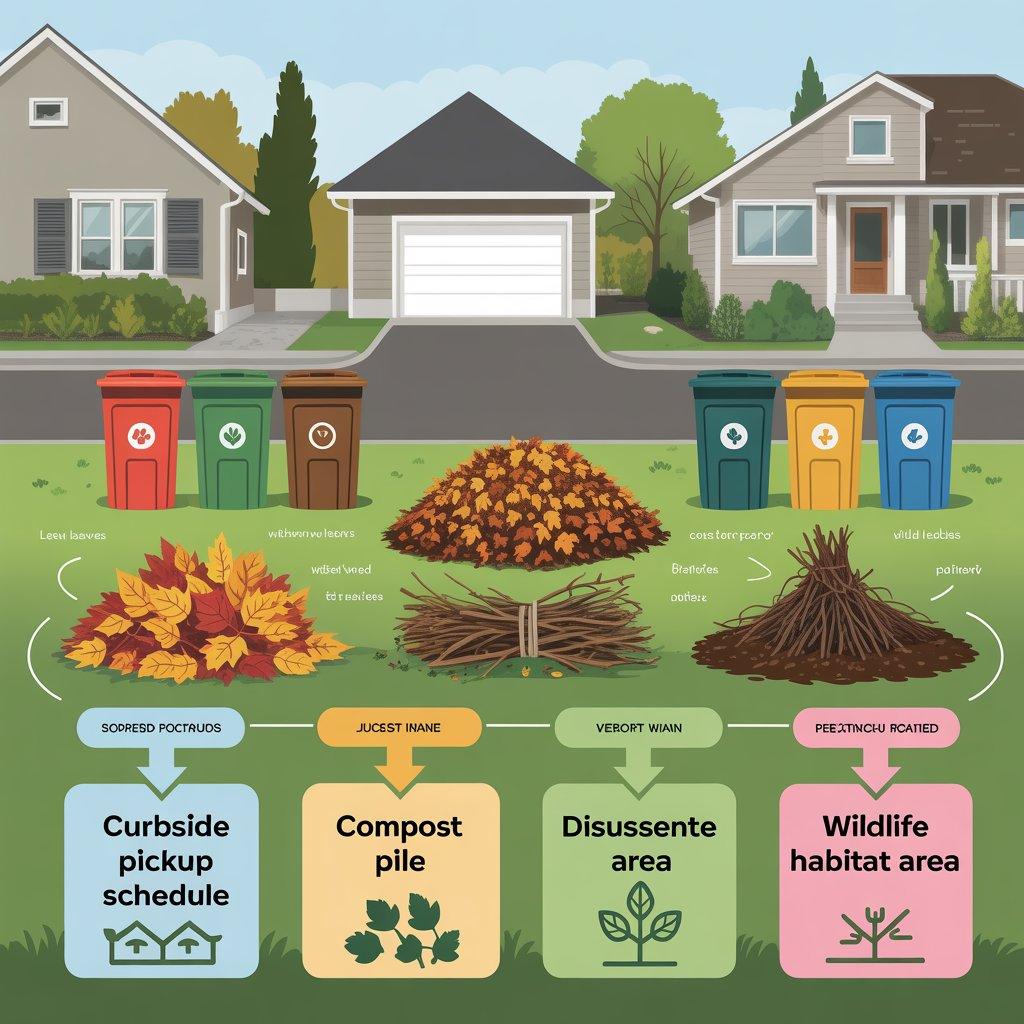
All those leaves, branches, and dead plants have to go somewhere. Check your town’s rules for yard waste. Some have curbside pickup on certain days. Others have a drop-off site. If you have space, start a compost pile for leaves and soft plant material.
Don’t put diseased plants or invasive weeds in compost bag those separately. Rent a chipper for branches if you have a lot. Or just pile branches in a corner for wildlife habitat. The key is having a plan so you’re not stuck with trash bags sitting around for weeks.
Tips to Make Spring Yard Cleanup Easier
- Dress for the work: Gloves, long pants, closed-toe shoes, and eye protection. You’ll thank me when you grab a thorny branch.
- Work in zones: Split your yard into four sections. Finish one before moving on. It feels less overwhelming.
- Use a tarp: Pile leaves and branches on a tarp, then drag it to the curb or compost pile. Way faster than carrying bags.
- Take breaks: Drink water. Stretch your back. This isn’t a race.
- Sharpen as you go: Dull tools make you work twice as hard. Stop and sharpen every hour or so.
Mistakes to Avoid During Spring Cleanup
| Mistake | Why It Hurts |
| Raking too early | Wet soil compacts easily. Wait until ground is firm but not muddy. |
| Cutting spring bulbs | If daffodils or tulips are up, don’t cut their leaves. Let them die back naturally. |
| Piling mulch against tree trunks | Causes rot and hides pests. Leave a mulch-free ring around the base. |
| Using too much fertilizer | Burns grass and runs off into storm drains. Follow package directions exactly. |
| Ignoring your gutters | Clogged gutters dump water near your foundation. Clean them same time as yard. |
Frequently Asked Questions (AFQs)
Q: When should I start spring yard cleanup?
A: Wait until the ground isn’t frozen and most snow is gone. Usually mid-March to early April, depending where you live. Don’t work on soggy soil you’ll compact it.
Q: Do I have to rake leaves if I mulch them with my mower?
A: A thin layer of shredded leaves is fine. Thick matted leaves need raking. If you can’t see the grass through the leaves, rake.
Q: How do I remove moss from my lawn?
A: Moss grows where grass won’t too shady, too wet, or too compacted. Rake out moss, then fix the real problem (add lime, improve drainage, or trim trees).
Q: Can I prune everything in spring?
A: No. Spring-blooming shrubs like lilac, azalea, and forsythia flower on old wood. Prune them right after they bloom, not before.
Q: What’s the easiest way to kill weeds in spring?
A: Pull them when they’re small. For tough perennial weeds like dandelion, use a weeding tool to get the whole taproot. Avoid chemical sprays if you have kids or pets.
Simple Design & Styling Ideas After Cleanup
Once your yard is clean, think about small upgrades that make it feel like an outdoor room.
- Define edges: Use stones, bricks, or metal landscape edging between lawn and beds. It looks crisp and holds back grass.
- Add a focal point: A birdbath, a potted tree, or even a painted bench draws the eye and gives the yard personality.
- Layer your plants: Put tall plants in back, medium in middle, short in front. It looks natural and hides bare soil.
- Use repeat colors: Pick two or three flower colors and use them throughout. It ties everything together without looking messy.
- Lighting: A few solar path lights or string lights make the yard usable after dinner.
You don’t have to do all this at once. Pick one idea each year. Your yard will slowly become a place you actually love.
Conclusion
Spring yard cleanup doesn’t have to be a monster job. Break it into small steps. Start with debris, then leaves and dead plants. Clean up beds, edge the lawn, and get your tools ready. Avoid the common mistakes like raking too early or pruning the wrong shrubs. And remember done is better than perfect. Even half a checklist puts you ahead of most neighbors.
Grab your gloves. Walk outside. Pick up one branch. That’s how it starts.
Related Post: