
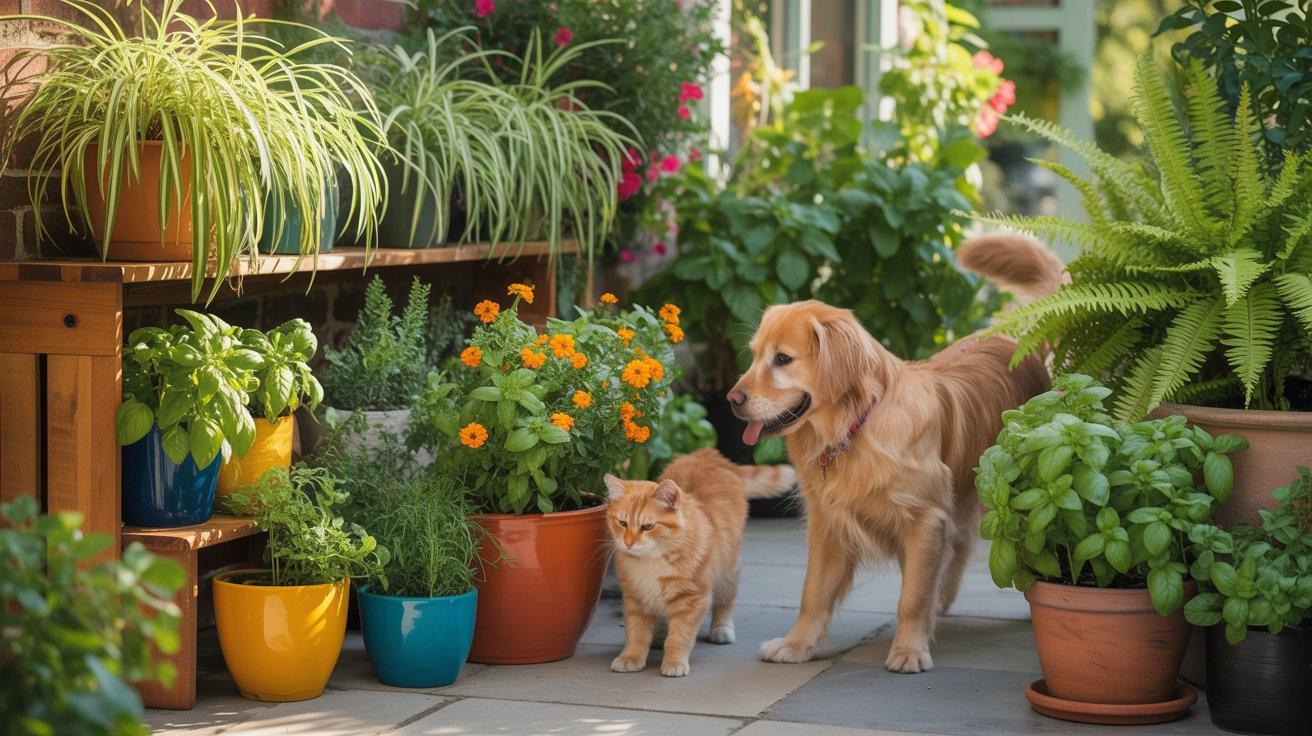
You want a yard that looks good and smells fresh. But if you have a dog who chews on everything or a cat who nibbles on leaves, you have to be careful. Many common plants can actually make your pets sick.
The good news is that you don’t have to choose between a beautiful garden and happy, healthy pets. There are plenty of outdoor plants that look great and are completely safe. We found 12 of the best ones that add color, clean the air, and won’t hurt your furry family members. Let’s dig in.
Why This Matters
Your pets are curious by nature. They love to sniff, dig, and sometimes take a little taste of your garden. Having a yard full of toxic plants doesn’t just ruin your landscaping when they dig it up. It can send you and your pet on a stressful, expensive trip to the emergency vet.
It’s much easier to build a garden you can both enjoy from the start. Using these 12 cat and dog friendly outdoor plants means you can stop worrying every time they go outside. You can relax knowing your yard is a safe place for everyone.
12 Pet-Safe Outdoor Plants
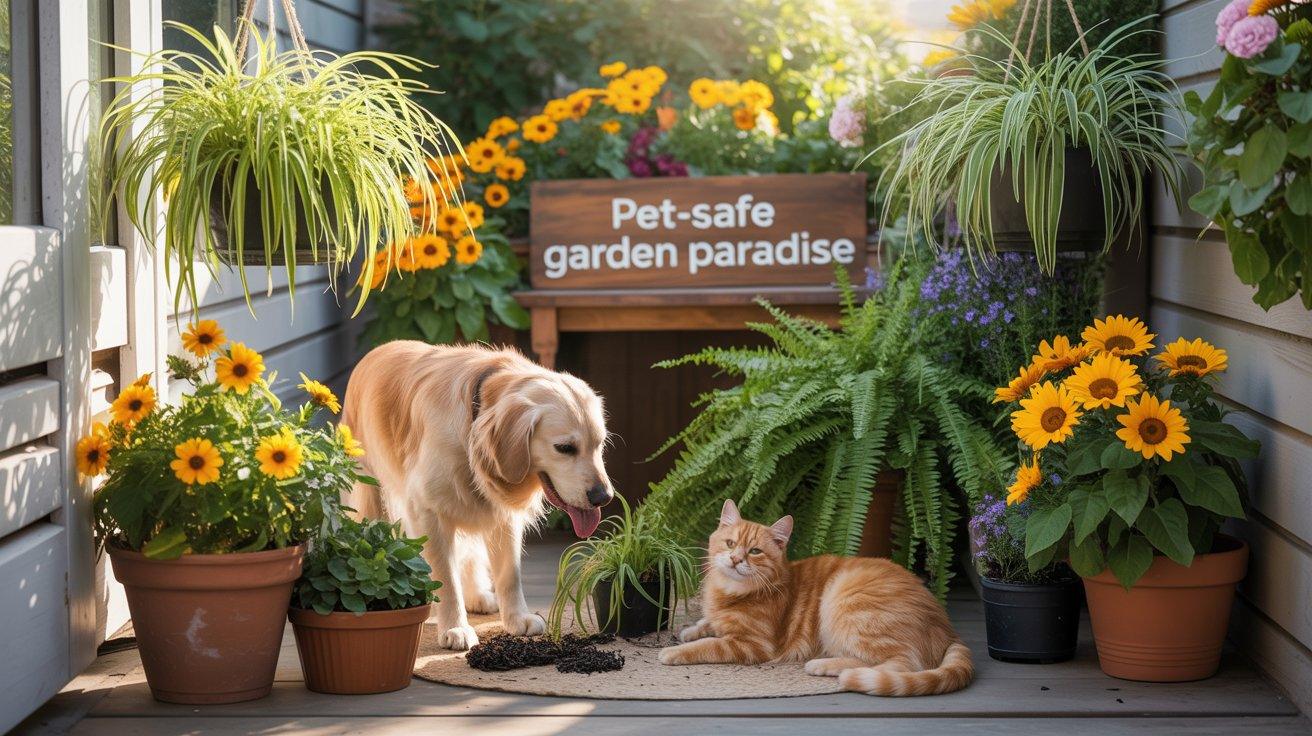
1. Areca Palm: The Air-Purifying Tropical Beauty
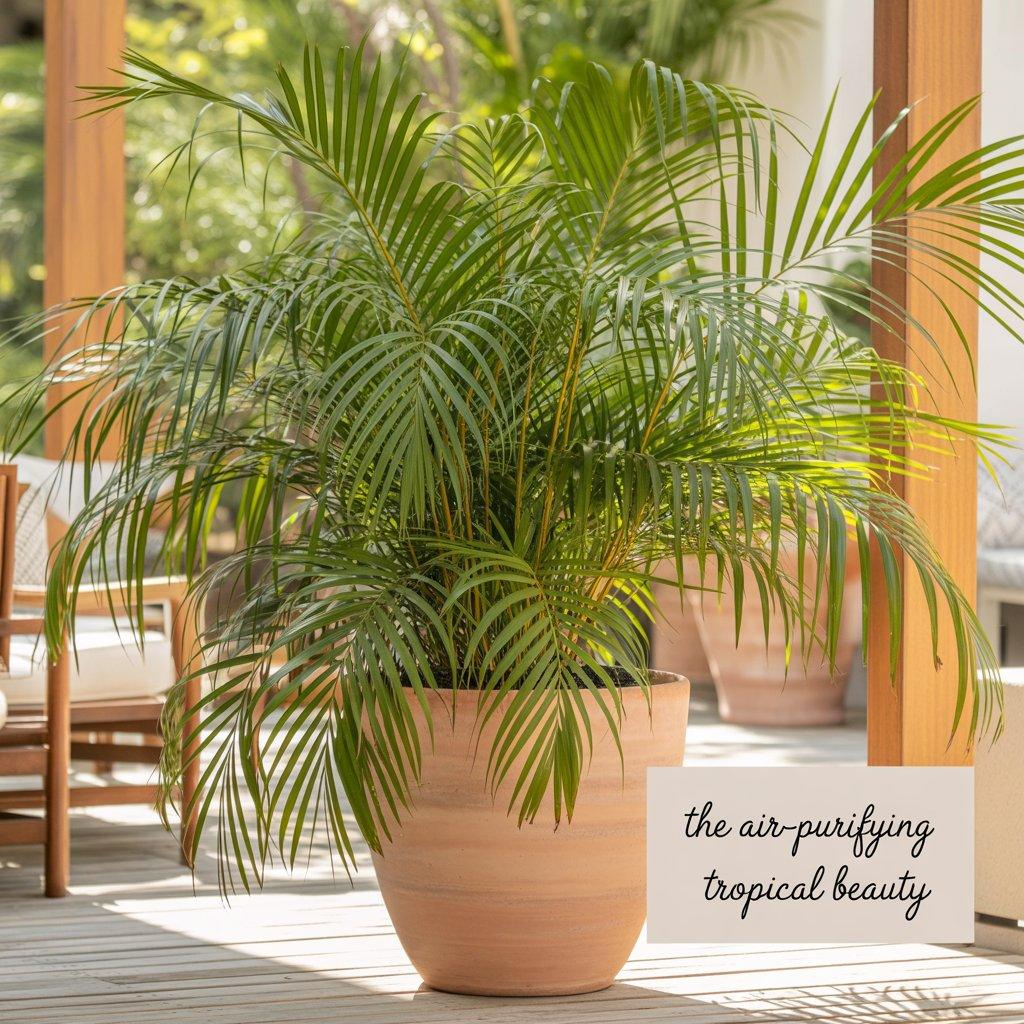
The Areca Palm brings a relaxed, tropical feel to any outdoor space. Its feathery, arching fronds add a soft texture that looks great on a patio or porch. This palm is a safe choice because the ASPCA lists it as non-toxic to both cats and dogs.
On top of being safe, it’s a natural air purifier. It helps add moisture to the dry air and filters out common toxins, which makes the air around your home feel fresher. They grow well in pots and prefer bright, indirect light.
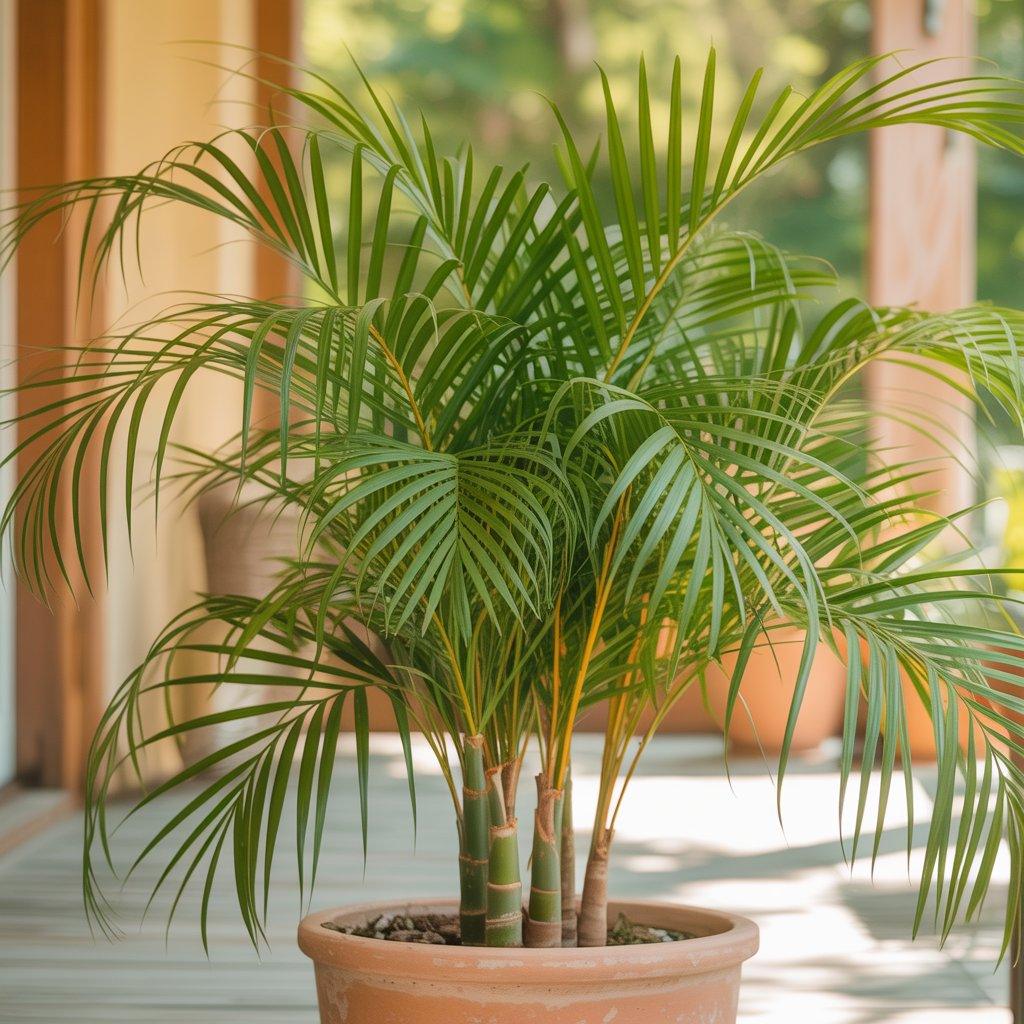
2. Prayer Plant: The One with the Moving Leaves
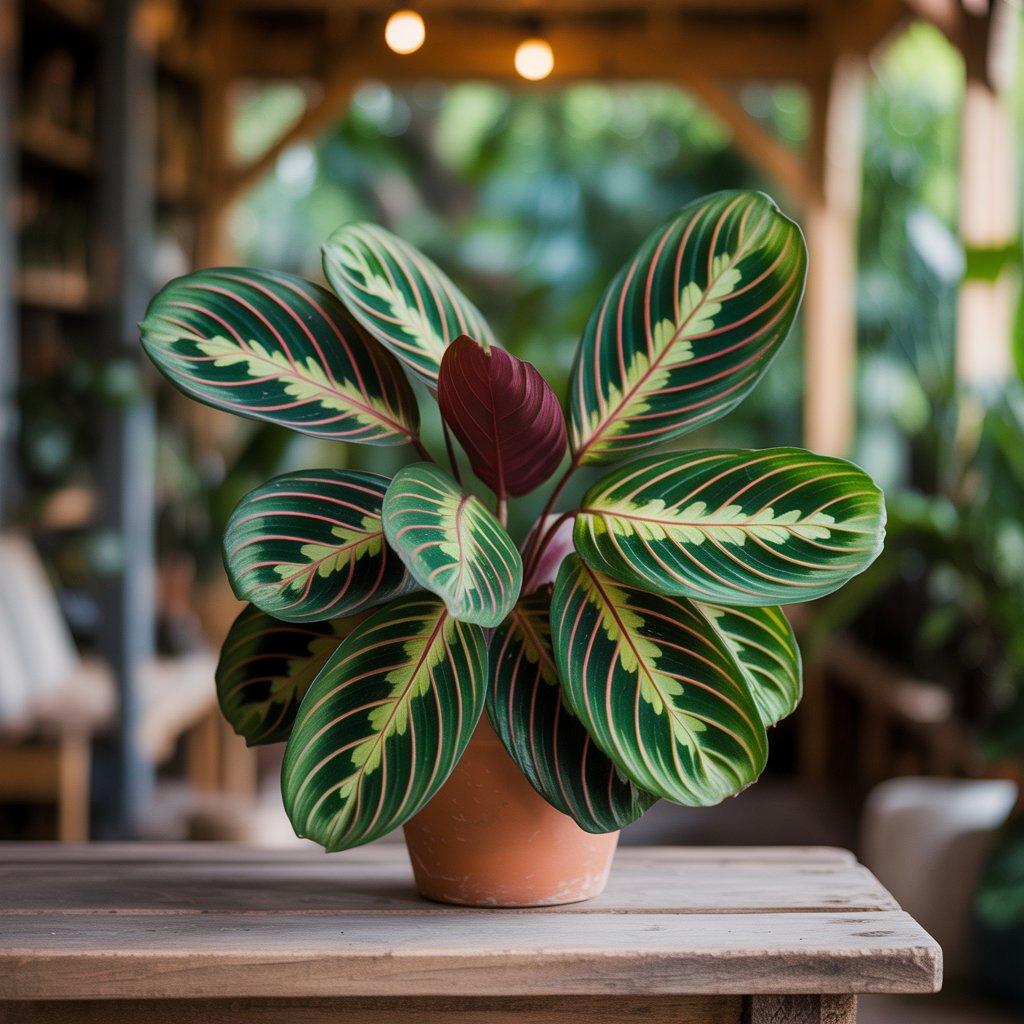
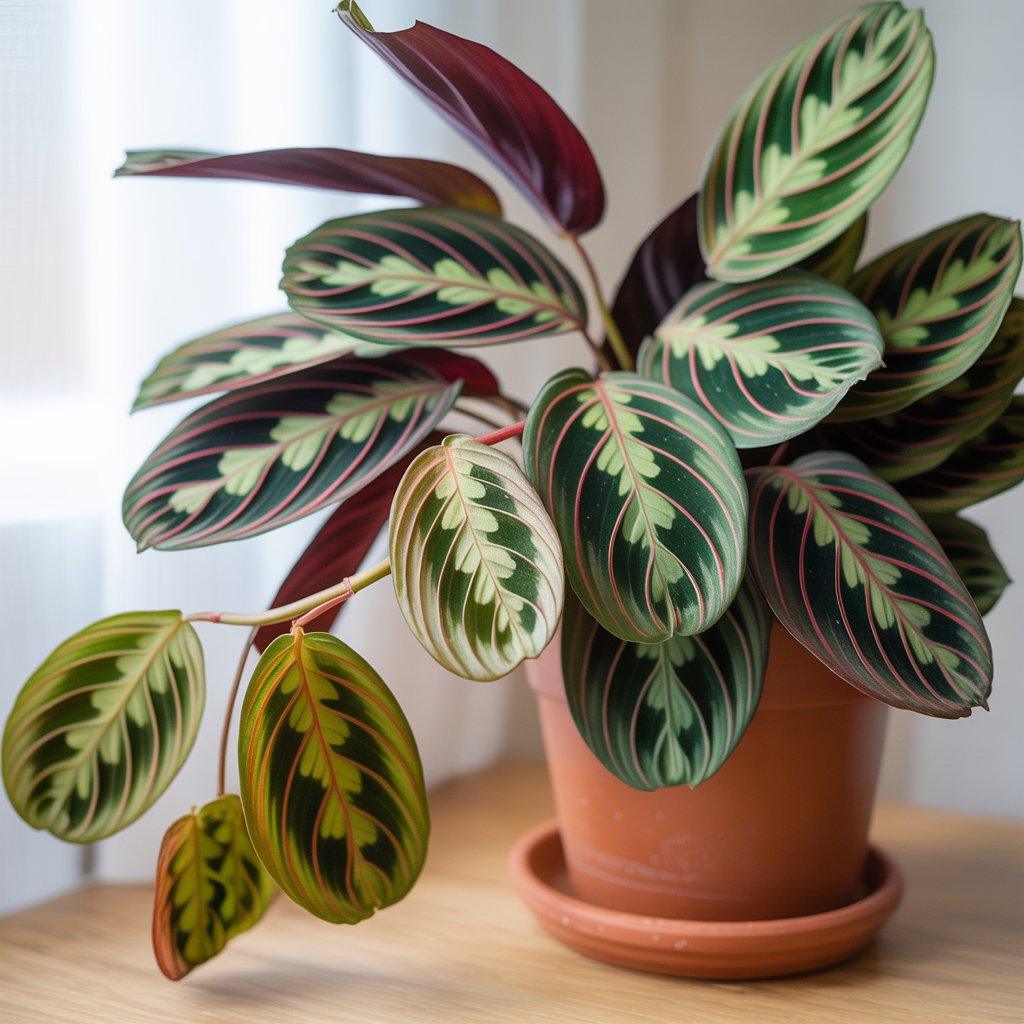
This plant gets its name from a cool trick. At night, its patterned leaves fold up like hands in prayer. Kids and adults find it fascinating. The Prayer Plant is non-toxic, so you don’t have to worry if your cat swats at its colorful leaves.
The patterns on the foliage come in shades of green, red, and cream, which adds a unique piece of art to your garden. It loves warm, humid spots with indirect light, making it a great conversation starter on your covered patio.
3. Peperomia: The Low-Maintenance Space Saver
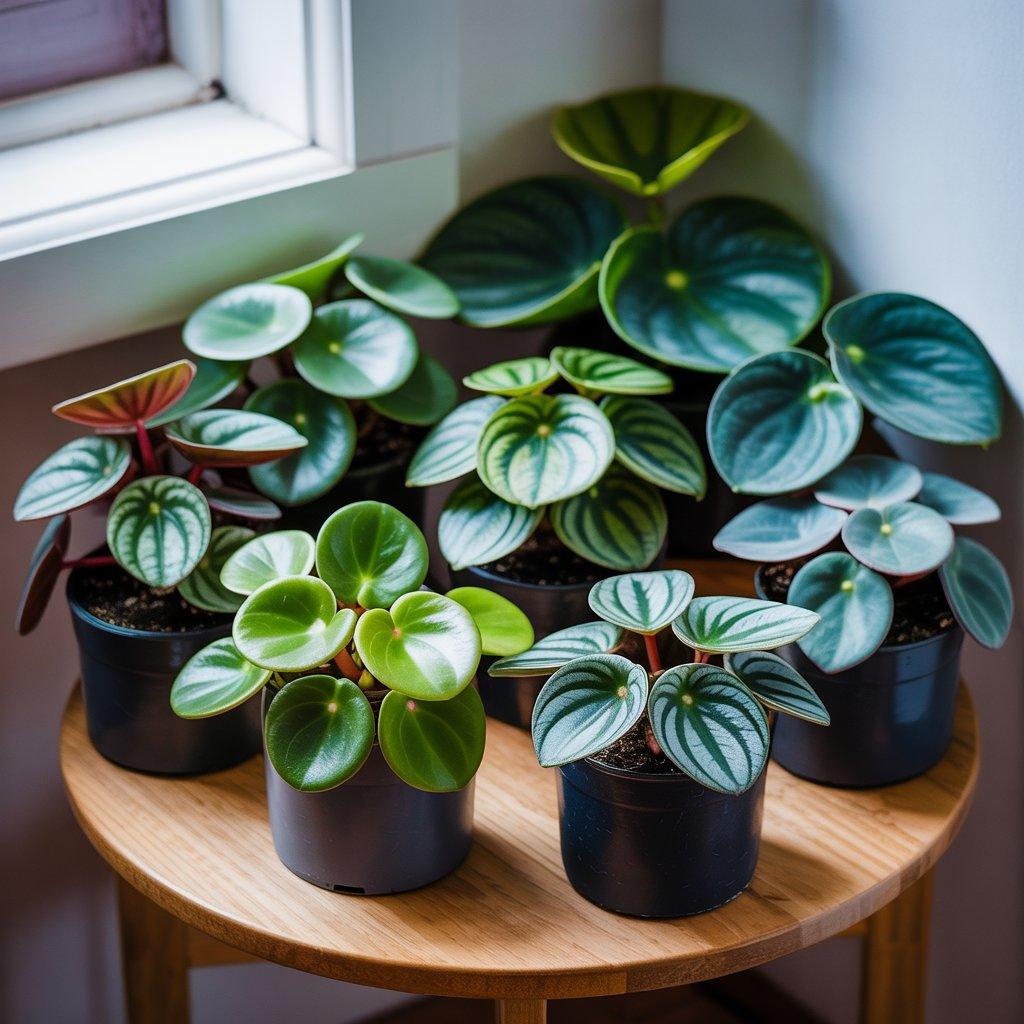
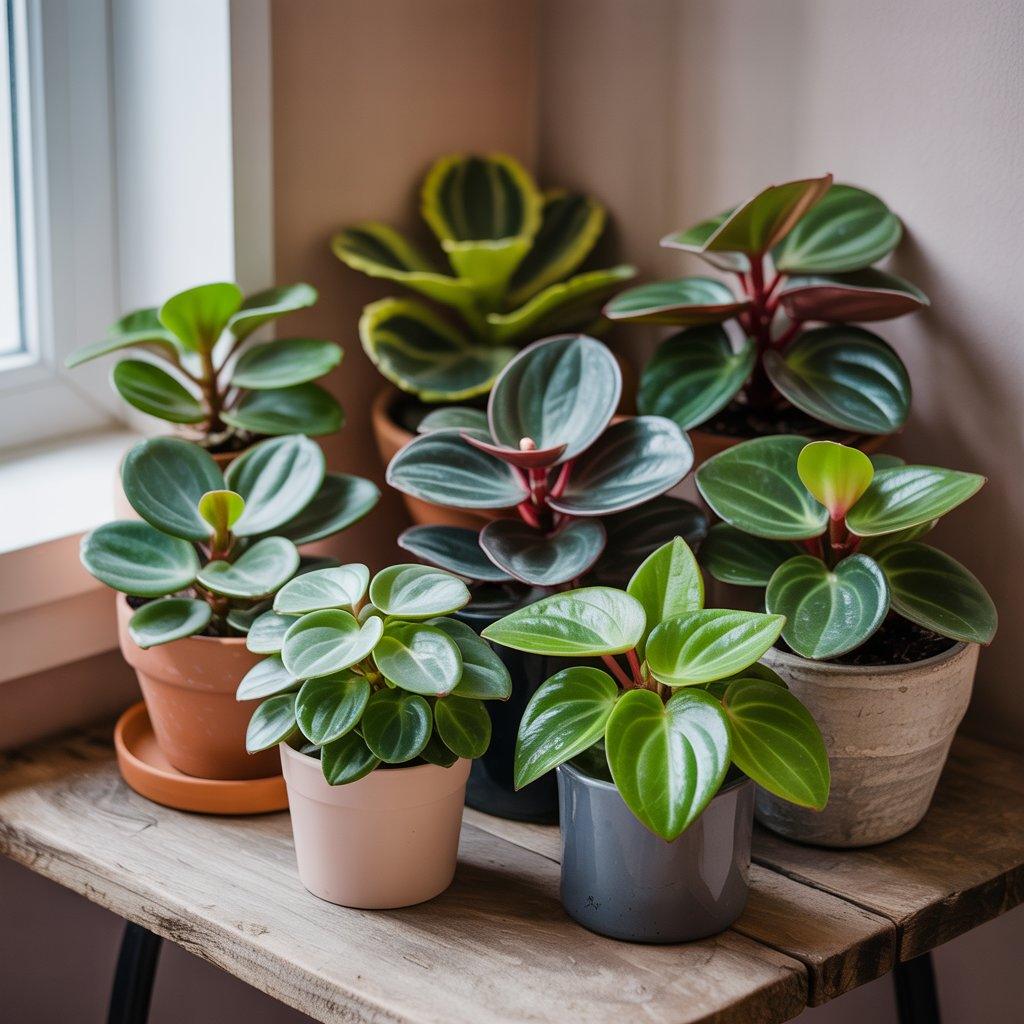
Peperomias are perfect if you don’t have a lot of room or a green thumb. They are compact plants with thick, fleshy leaves that come in many colors and textures.
You can find them with wavy, smooth, or even striped leaves. They are completely pet-safe and super easy to care for.
They don’t need constant watering and they do just fine in lower light, which makes them ideal for small porches or corners of the garden. You can place them on a small table out of the way, and they’ll still look amazing.
4. Calathea: The Striking Decorative Foliage
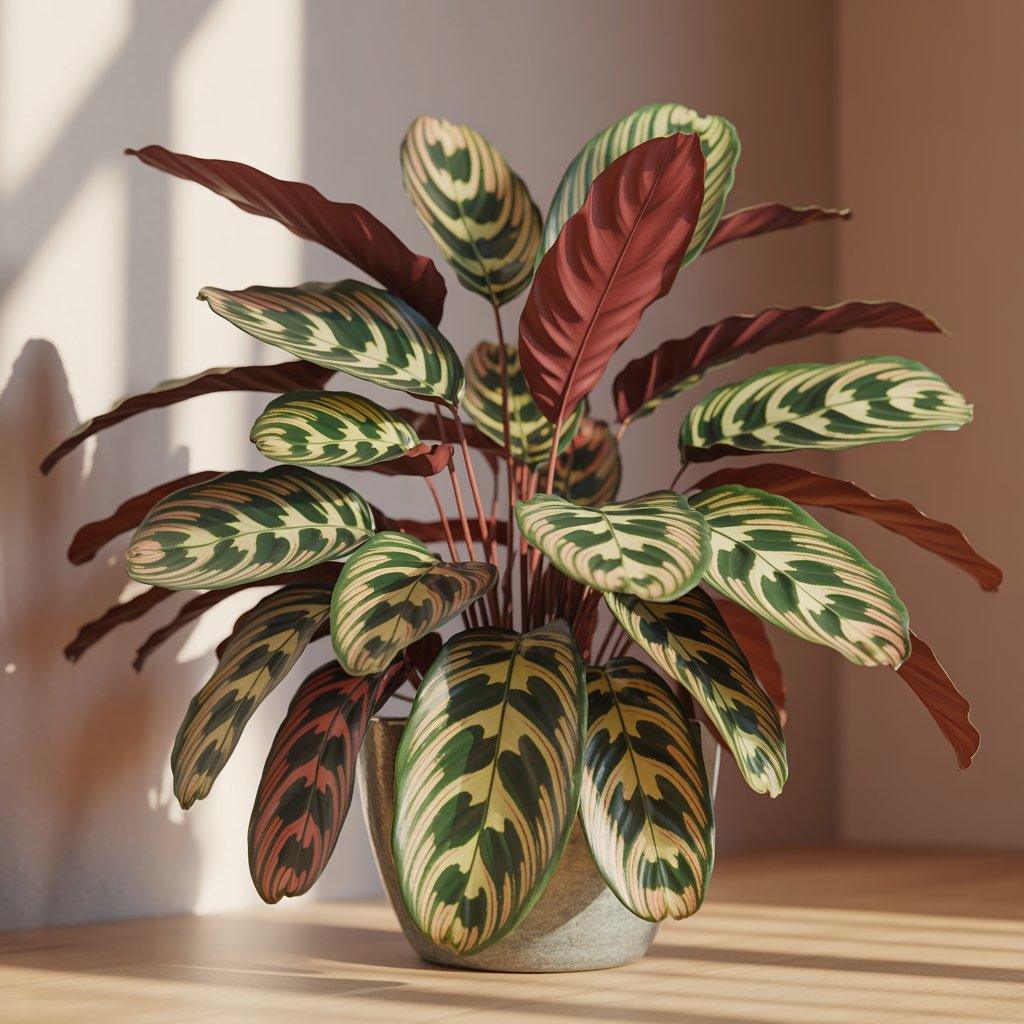
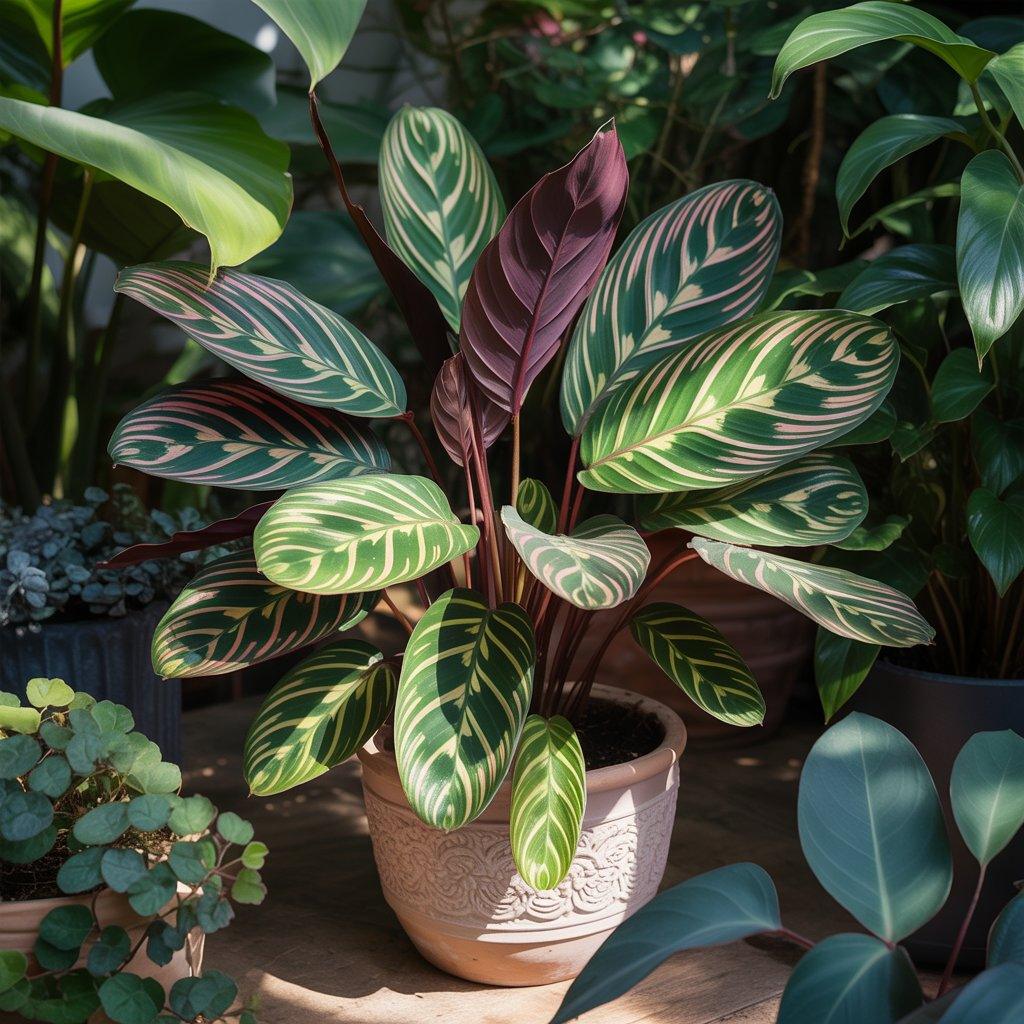
Calatheas are famous for their stunning leaf patterns. You’ll find varieties with leaves that look like they’ve been painted with pinstripes, peacock feathers, or even a rose pattern.
They are often called “living plants” because their leaves move throughout the day. Most importantly, they are non-toxic, so you can place them anywhere outside without risking your pet’s health.
They add a real splash of color and design to a shady spot, but keep them away from direct hot sun which can burn their delicate leaves.
5. Boston Fern: The Lush Air Humidifier
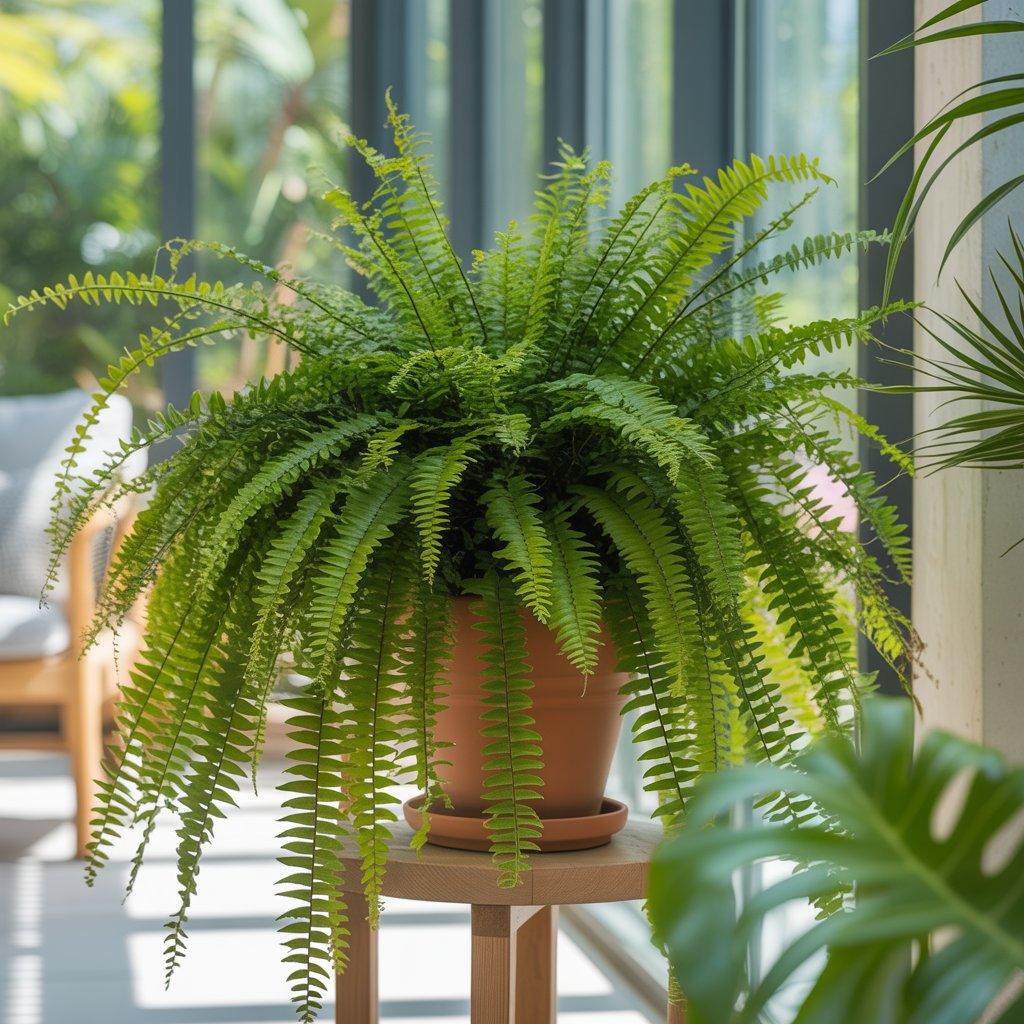
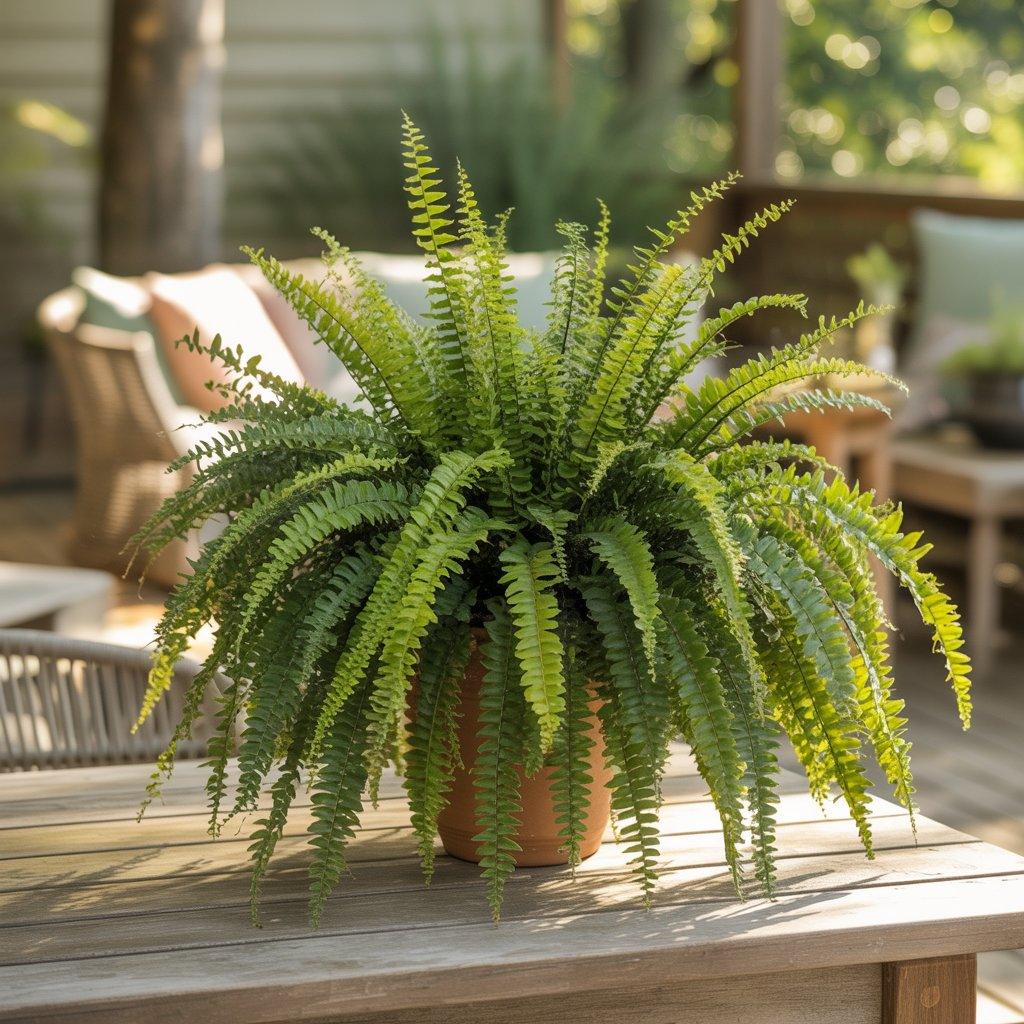
The Boston Fern is a classic for a reason. Its long, arching fronds create a lush, green look that softens any corner of your patio.
This fern is famous for its ability to clean indoor and outdoor air. It’s also harmless to both dogs and cats, so it’s a safe choice for busy households. It naturally adds humidity to the air, which is nice on a dry day.
The Boston Fern thrives in a spot with indirect light and moist soil, making it a beautiful, worry-free addition to your home.
6. Sunflowers: The Cheerful Giants
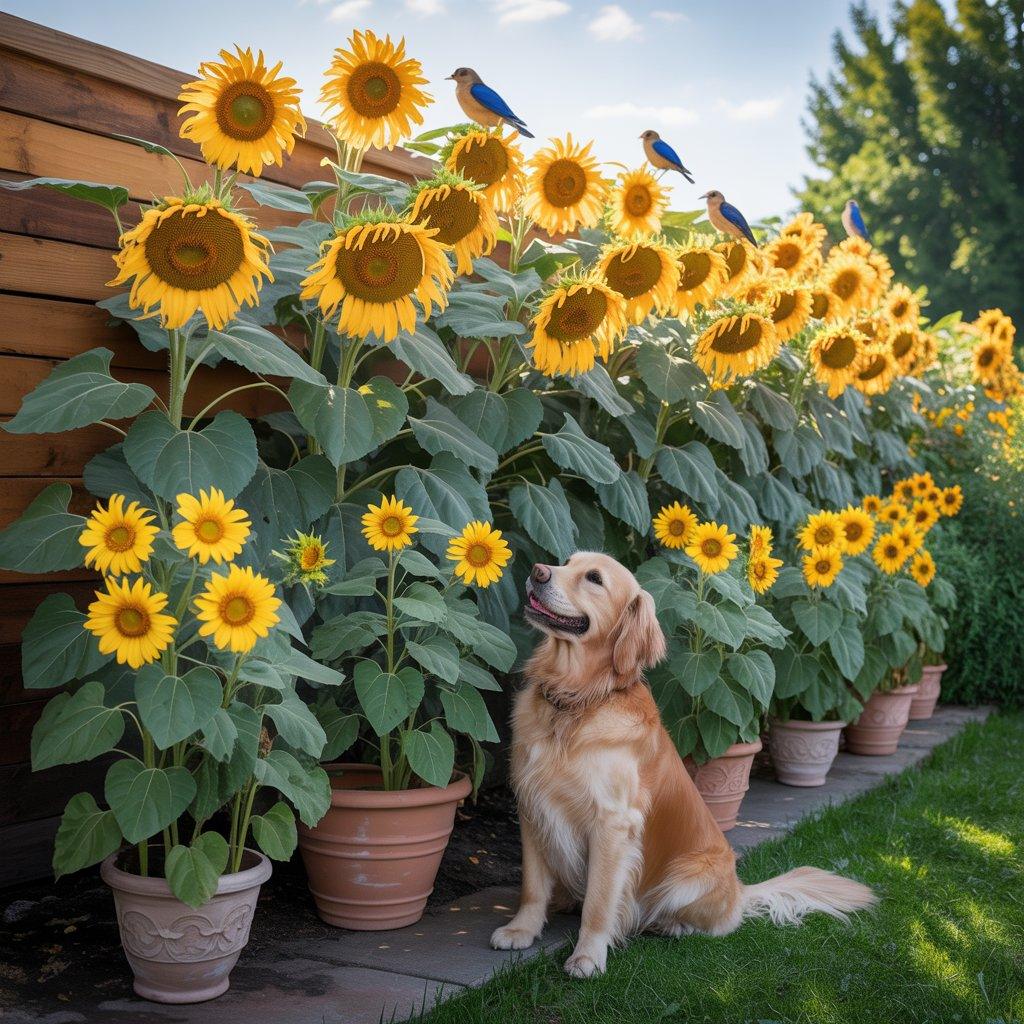
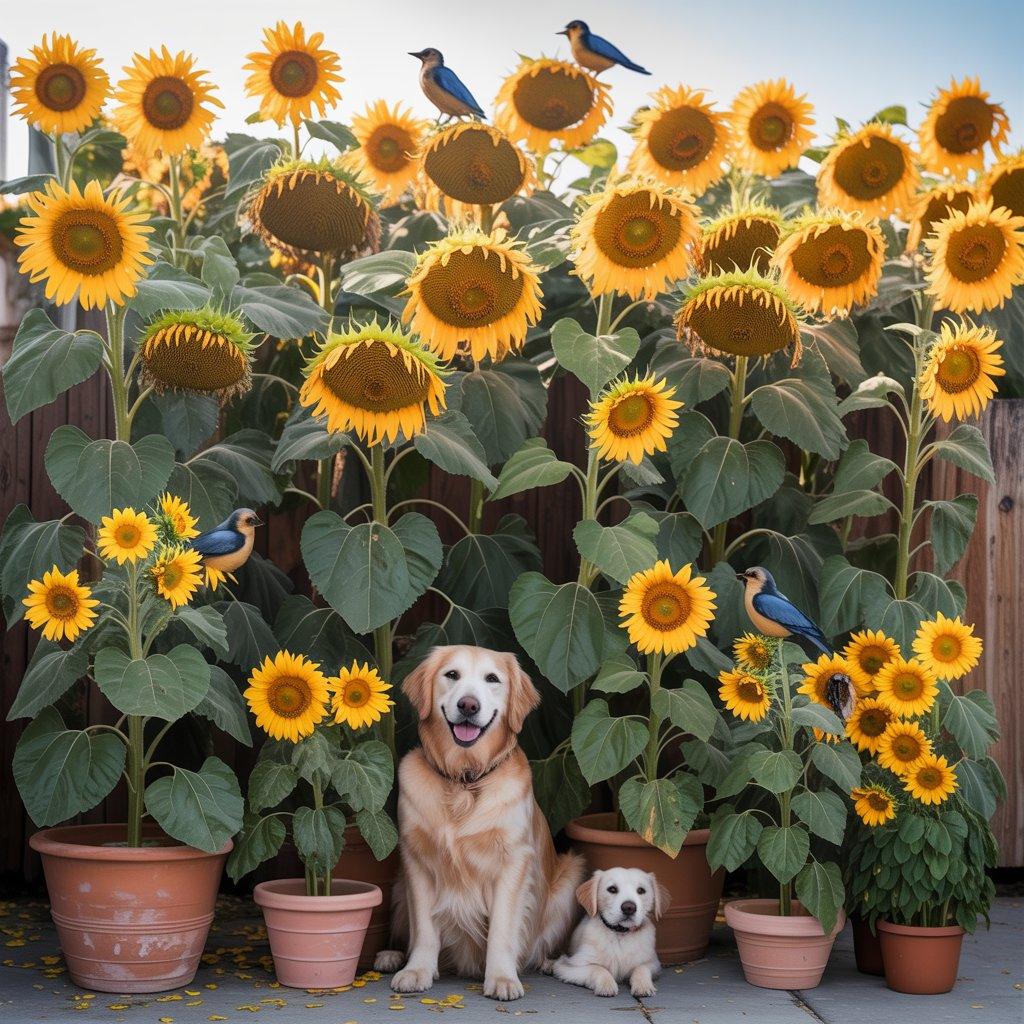
Sunflowers are an easy win for a pet-friendly garden. These bright, towering flowers are completely non-toxic to dogs and cats. They bring a fun, happy energy that’s hard to beat.
Sunflowers come in many sizes, from giant 10-foot varieties to smaller, bushy ones perfect for pots. Their seeds also attract birds, which will give your pets something to watch from the window.
You can plant them along a fence for a beautiful backdrop. Just give them a sunny spot and some water, and they’ll grow fast.
7. Marigolds: The Natural Pest Patrol
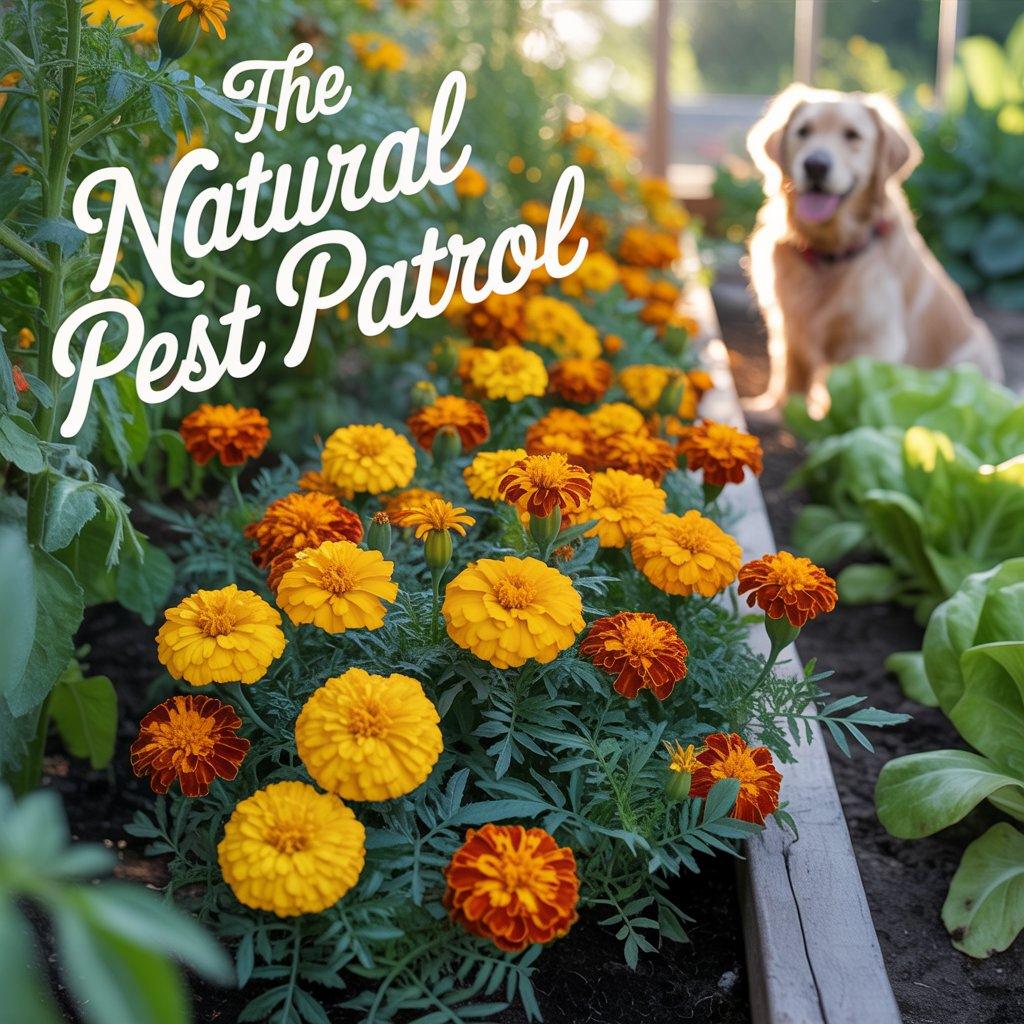
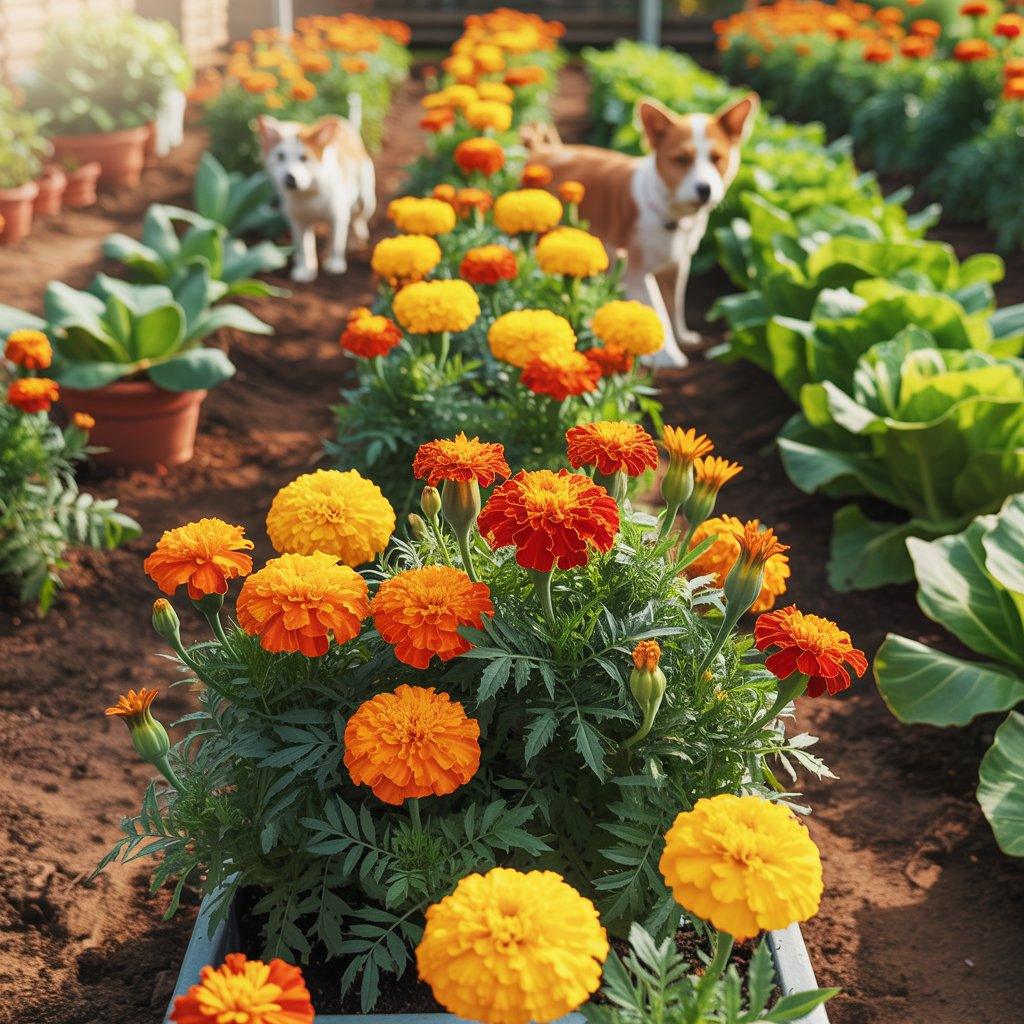
Marigolds do more than just look pretty. Their vibrant yellow and orange blooms act as a natural pest repellent, keeping bugs away from your veggie patch.
They are also considered safe and non-toxic for both cats and dogs. These flowers are super easy to grow and bloom all summer long.
You can plant them in garden beds or in pots to add a pop of bright color. Their strong scent that humans like is something pests hate, making them a smart, safe choice for your yard.
8. Snapdragons: The Playful Spikes
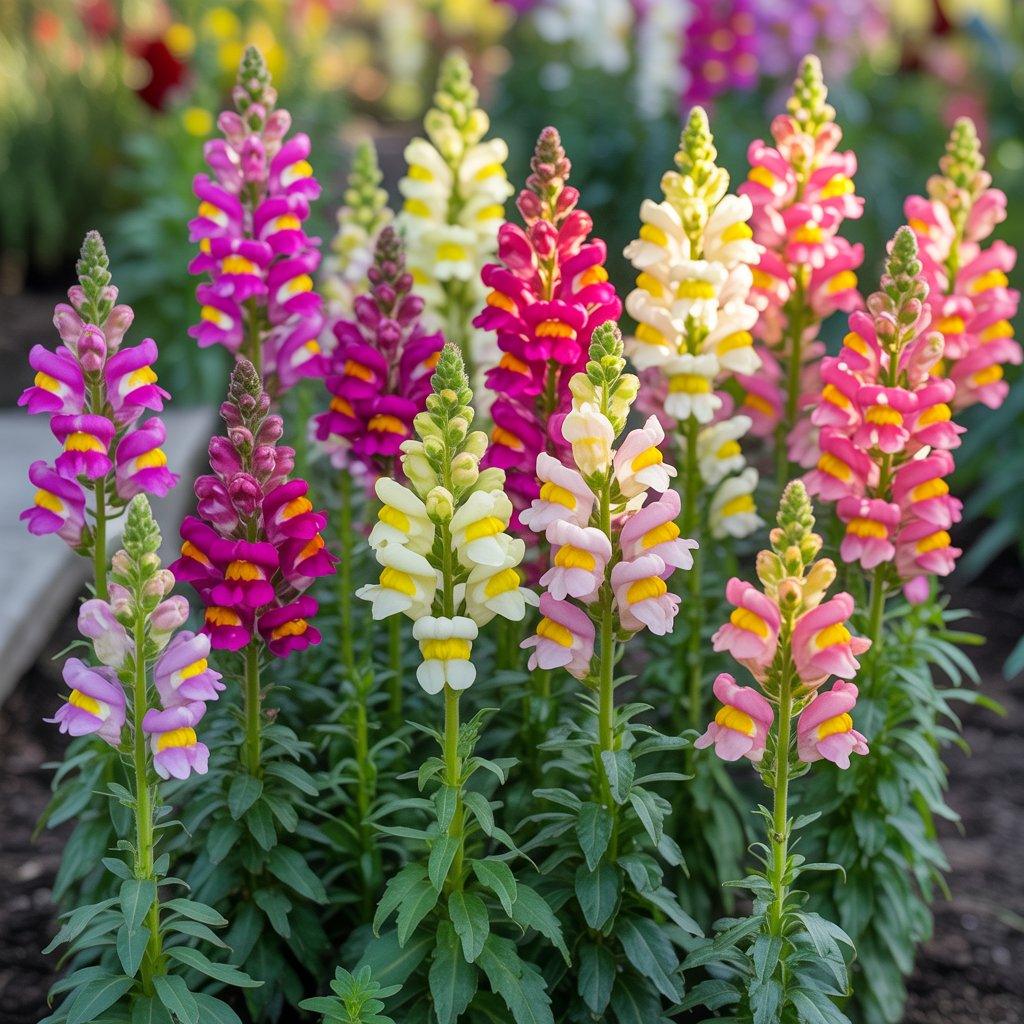
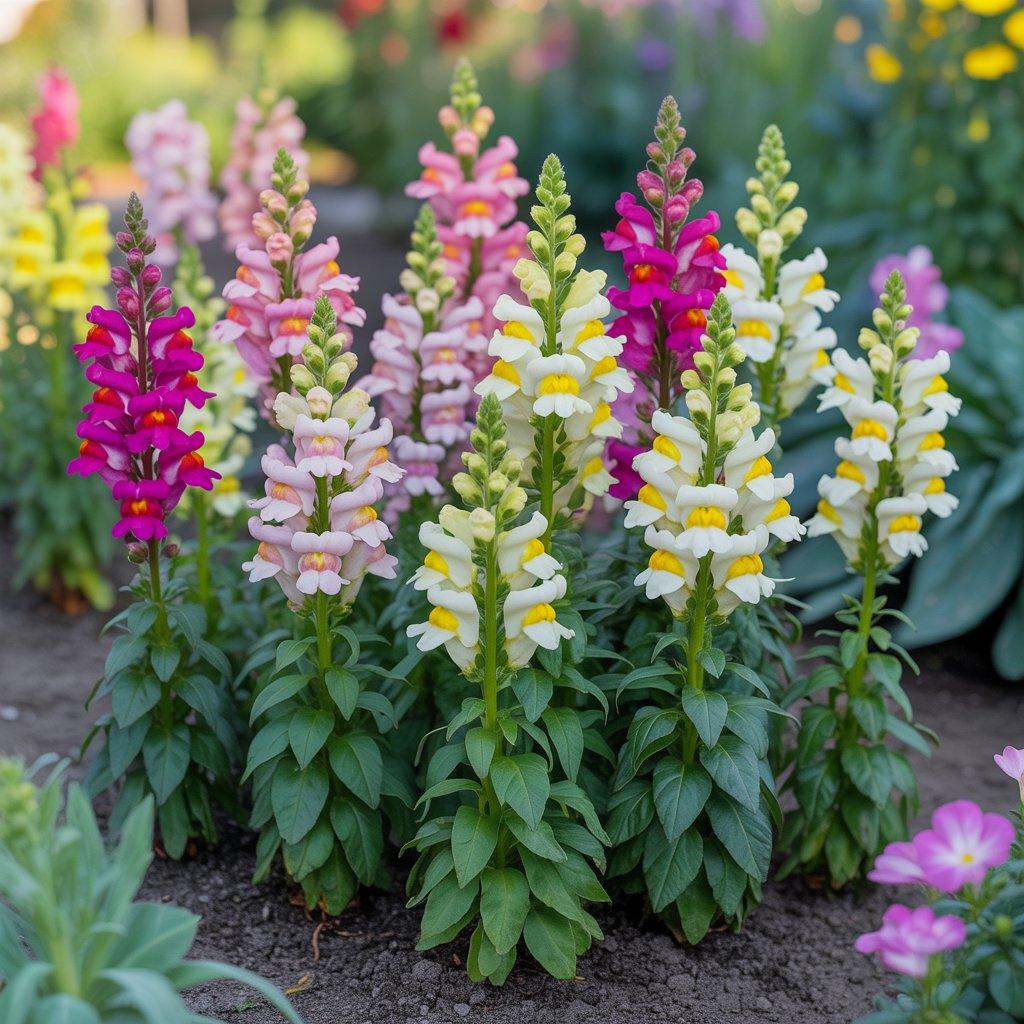
Snapdragons add a fun, vertical element to any garden bed. Their tall, colorful spikes of flowers are a favorite for kids because you can gently squeeze the sides and watch the “dragon mouth” open and close.
These plants are listed as safe for dogs and cats. They bloom best in the cooler weather of spring and fall, providing bright color when some summer flowers start to fade.
You’ll find them in almost every color of the rainbow. Plant them in a sunny spot with well-drained soil for the best show.
9. Rosemary: The Fragrant Herb
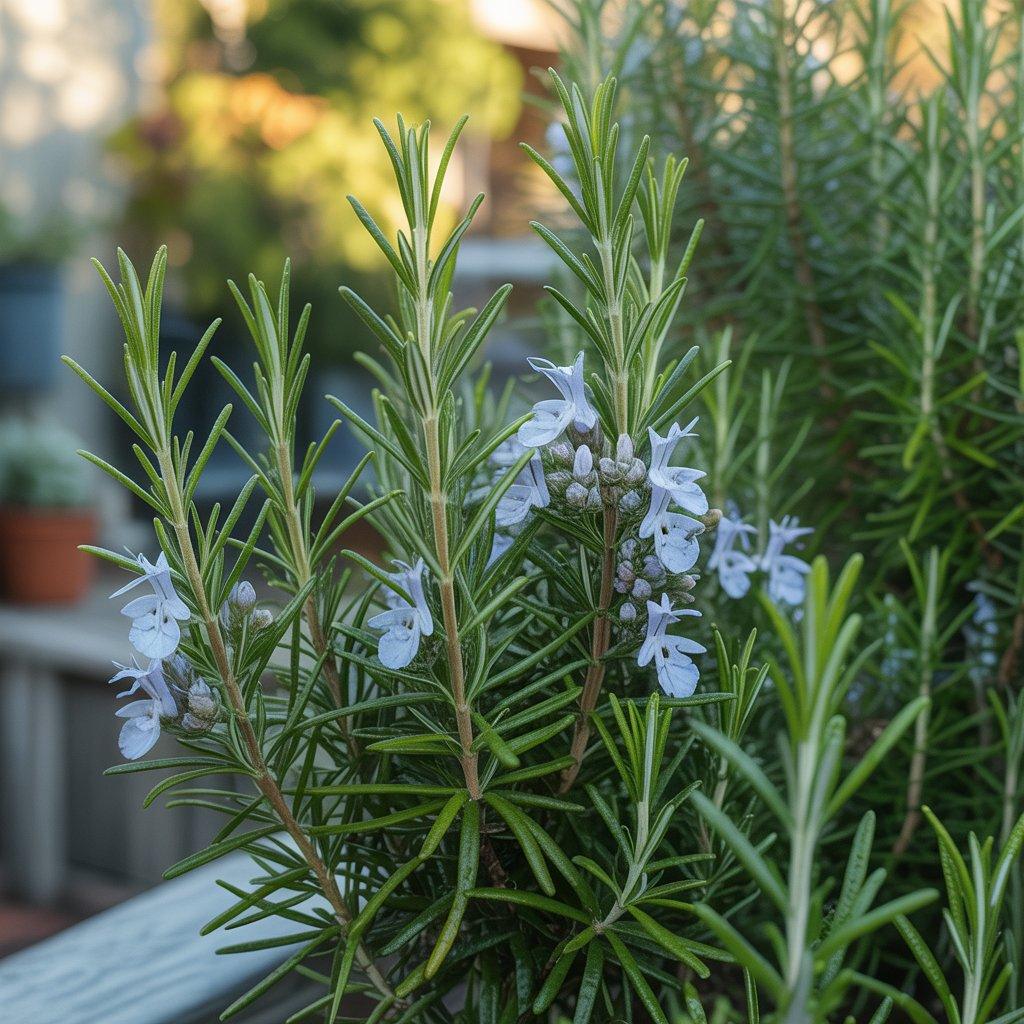
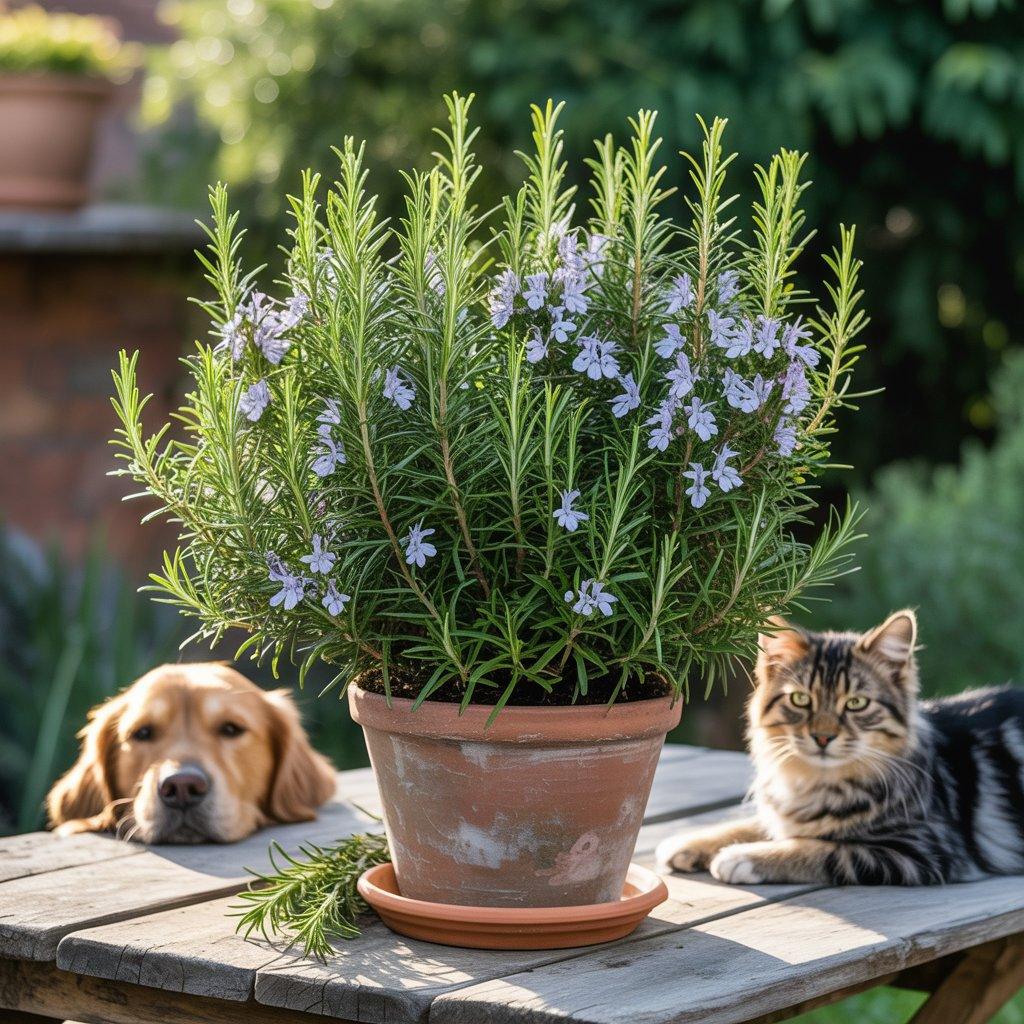
Rosemary is a woody, fragrant herb that is very safe for your pets. It has a strong, pleasant smell that many dogs and cats seem to ignore, and the leaves are non-toxic if they take a small bite.
The plant produces small blue flowers in the spring and summer. You can grow it in a pot or as a small hedge.
It’s very drought-tolerant, so it’s great if you forget to water sometimes. It also gives you fresh herbs for cooking. It’s a practical, safe, and beautiful plant for any pet-friendly garden.
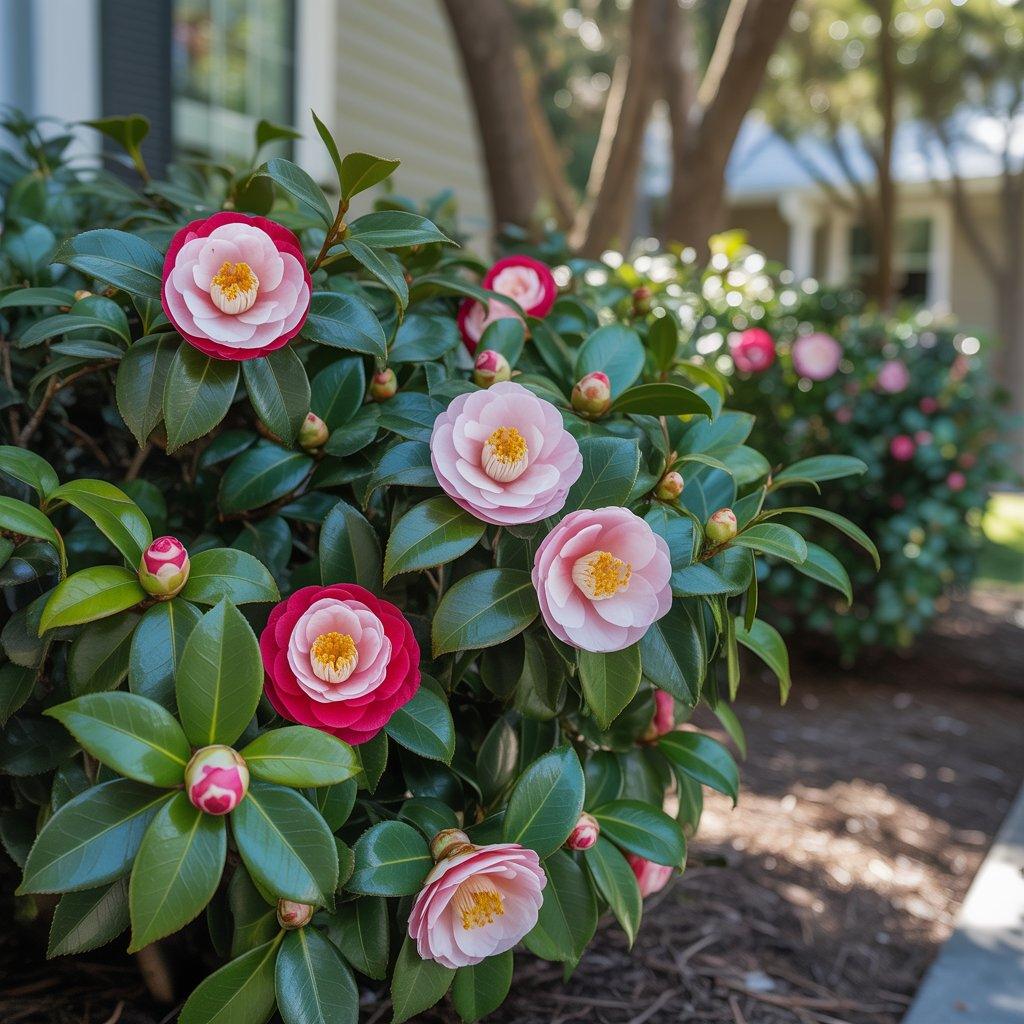
10. Camellia: The Winter Bloomer
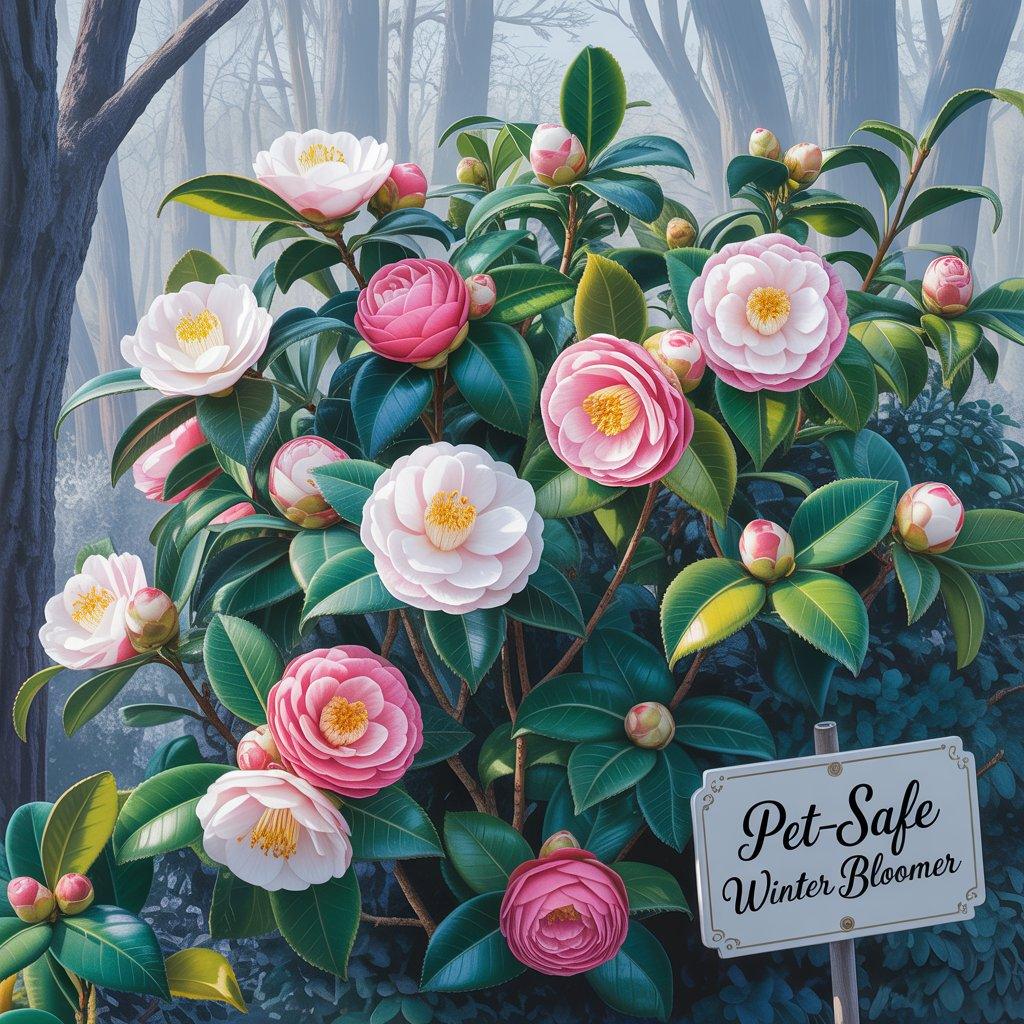
If you want a blooming shrub that’s safe for pets, go with Camellia. This plant is listed as non-toxic to dogs and cats by the Animal Health Foundation and VCA Hospitals.
Camellias are prized for their beautiful, rose-like flowers that bloom in the fall, winter, or early spring when many other plants are dormant. Their glossy, dark green leaves look good all year round.
They grow as an evergreen shrub, making a great, safe hedge or foundation plant. They like acidic soil and a bit of shade from the hot afternoon sun.
11. Spider Plant: The Hardy Hanging Basket
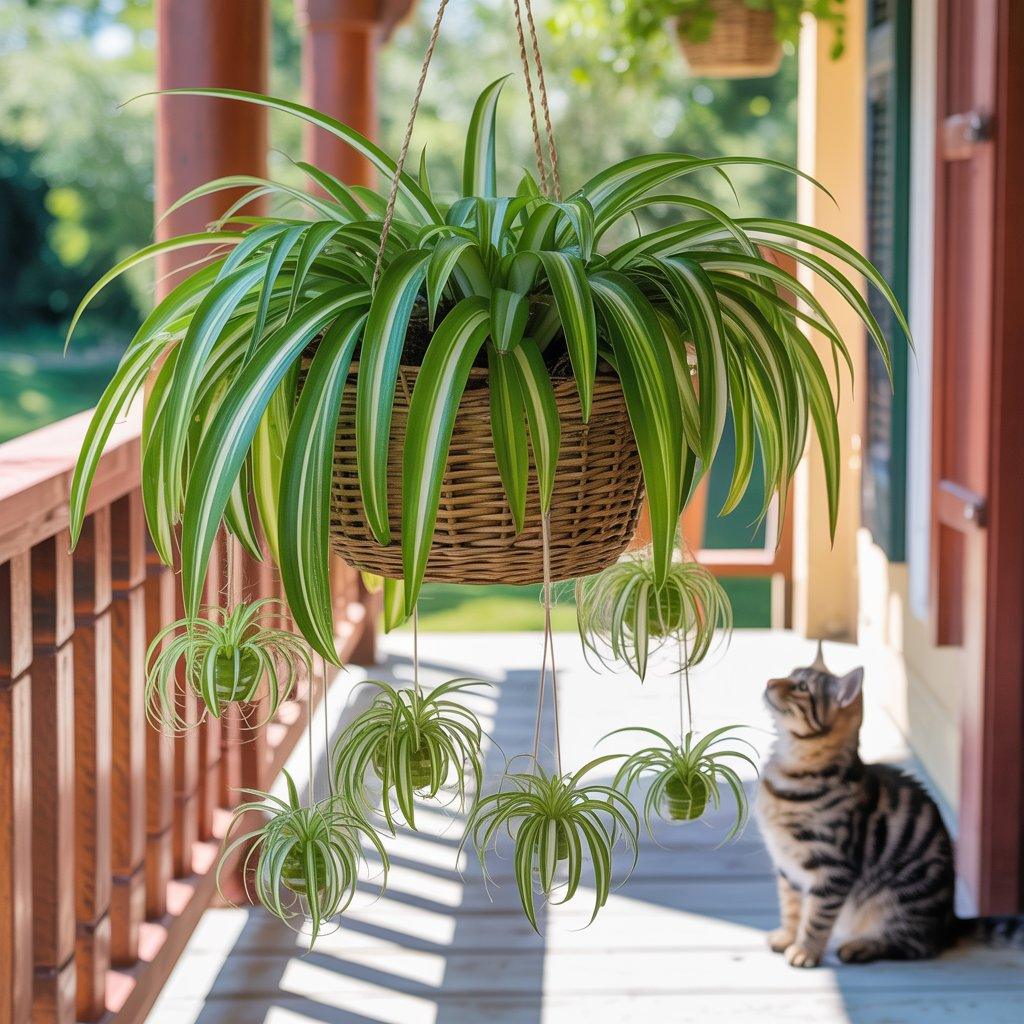
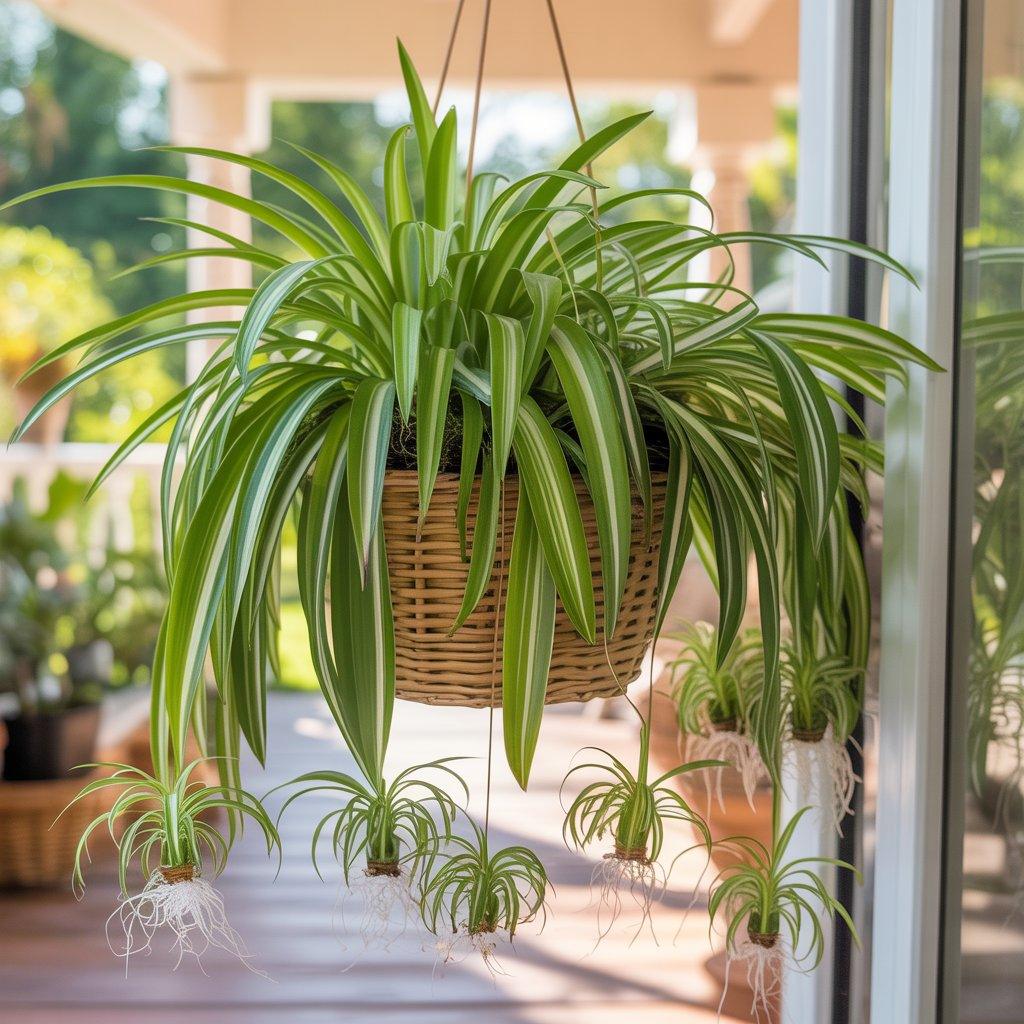
The Spider Plant is famous for being nearly indestructible. It’s an extremely popular pet-safe plant because it’s non-toxic to cats and dogs. It grows long, arching leaves that are often green with white stripes.
It also produces “babies” or spiderettes that hang down from the mother plant, which looks great in a hanging basket.
These are perfect for a porch or patio. While they are safe, some cats find them mildly hallucinogenic and might nibble on them. It’s a fun, easy plant to care for.
12. Basil: The Versatile Herb
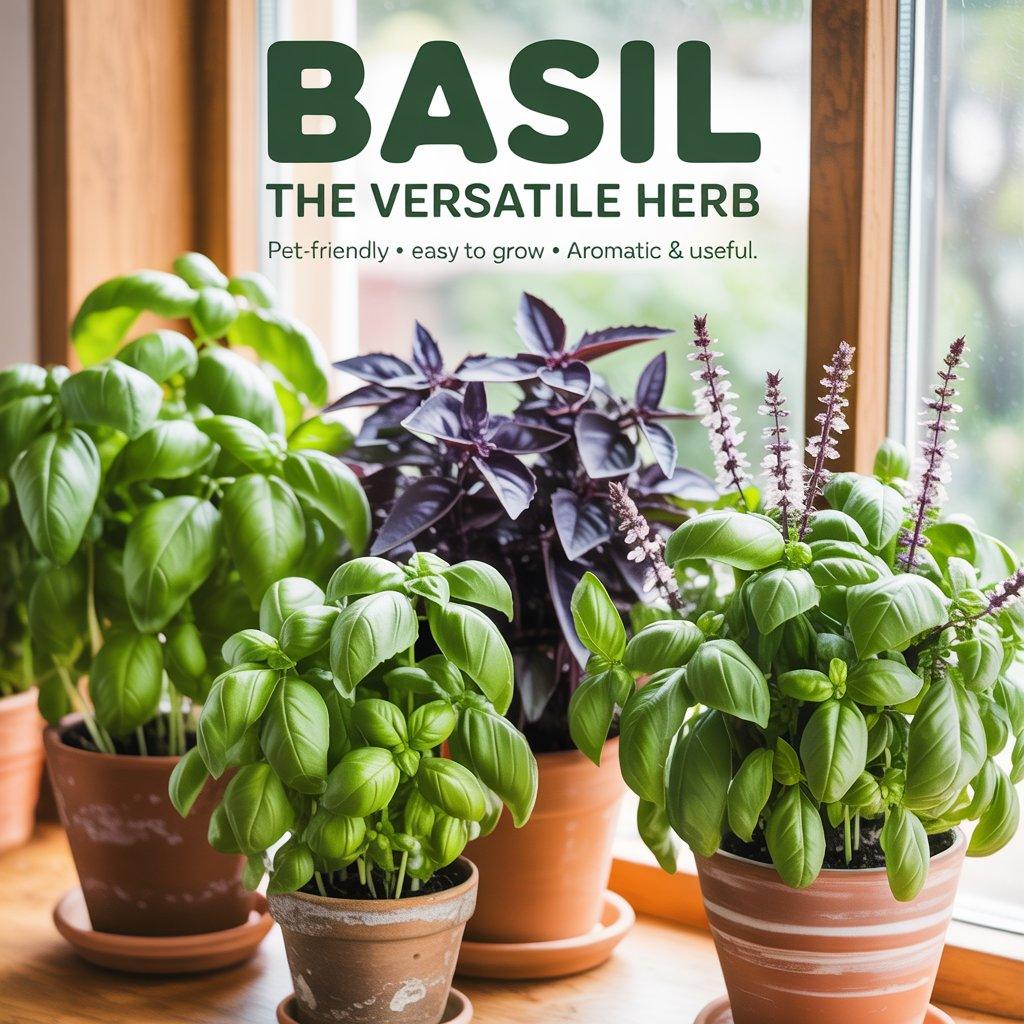
Basil is a wonderful, pet-friendly herb that smells amazing. It is considered non-toxic and safe for both cats and dogs. There are many varieties, like classic sweet basil, spicy Thai basil, and purple basil. They all have a delicious scent and are easy to grow in pots or garden beds.
Basil loves warm sun and regular water. You can snip the leaves for cooking, and the plant will keep growing back. Plus, the strong aroma may even help deter some pests. It’s a beautiful, useful, and safe plant to have around your pets.
Tips for a Pet-Safe Garden
- Start Small: Don’t replace your whole yard at once. Start with a few pet-safe plants in pots or a small garden bed. See how your pets react to them before you add more.
- Give Them Their Own Spot: Create a small patch of “pet grass” (like wheatgrass or oat grass) just for your dog or cat. It gives them a safe place to chew and graze, keeping them away from your other flower beds.
- Create a Cool Hangout: Make sure your garden has shady spots for your pets to rest. You can plant a larger, non-toxic shrub or put a small umbrella near a favorite spot. Provide a clean, full bowl of fresh water at all times.
Mistakes to Avoid
- Using Toxic Mulch: Be careful with cocoa bean mulch. It smells like chocolate, which is very tempting to dogs, but it contains theobromine and caffeine, which are toxic to them. Stick to safer options like shredded pine or cedar.
- Forgetting About Bulbs: Some spring bulbs like tulips and daffodils are highly toxic to pets, especially the bulbs themselves. If you plant these, make sure they are in an area your pet cannot access. Lilies are extremely dangerous, especially for cats.
- Using Harsh Chemicals: Avoid using chemical fertilizers, pesticides, or herbicides in areas your pet can reach. These can cause serious health problems. Look for organic, pet-safe gardening products instead.
FAQs
Q: Are any of these plants completely 100% safe if my pet eats a lot of them?
A: While these plants are non-toxic and won’t cause organ failure or serious poisoning, eating a large amount of any plant material can still cause mild stomach upset like vomiting or diarrhea. It’s always a good idea to discourage your pets from eating your plants, even safe ones.
Q: What are some common outdoor plants that are very dangerous for cats?
A: True lilies (like Easter lilies, Tiger lilies, and Asiatic lilies) are extremely dangerous for cats. Even a tiny amount of pollen or a few bites of a leaf can cause sudden, severe kidney failure. Sago palms and azaleas are also highly toxic to pets.
Q: My dog loves to dig. How can I protect my garden?
A: You can build a small, designated digging pit filled with sand or loose dirt. Bury some toys or treats in it to encourage your dog to dig there instead of in your flower beds. You can also use a low, decorative fence to protect more delicate plants.
Q: What about roses? Are they safe for dogs and cats?
A: Roses themselves are not considered toxic to dogs and cats. However, the thorns can cause physical injury to your pet’s paws, nose, or mouth. If your pet is very curious, it might be safer to choose a thornless variety.
Design & Styling Ideas
You can easily design a beautiful, safe garden. Use taller plants like Sunflowers at the back of a bed. Place Camellias or Rosemary as a safe, green hedge around a seating area. Add a pop of bright color with Marigolds or Snapdragons.
For a shady spot under a tree, Boston Ferns or Calatheas in decorative pots will thrive. Herbs like Basil and Rosemary are perfect for pots near your grill, where they look nice and are within reach for cooking.
Conclusion
Having a great-looking yard and keeping your pets safe is totally possible. You just need to know which plants to pick. The 12 plants we covered from the lush Boston Fern to the cheerful Marigold prove that you don’t have to choose between a beautiful garden and a happy pet. Start by swapping out one or two high-risk plants this week. Add a pop of safe color with a pot of Marigolds or a hanging Spider Plant. Before you know it, you’ll have a gorgeous outdoor space that the whole family, including the four-legged members, can enjoy worry-free.
Related Post: