
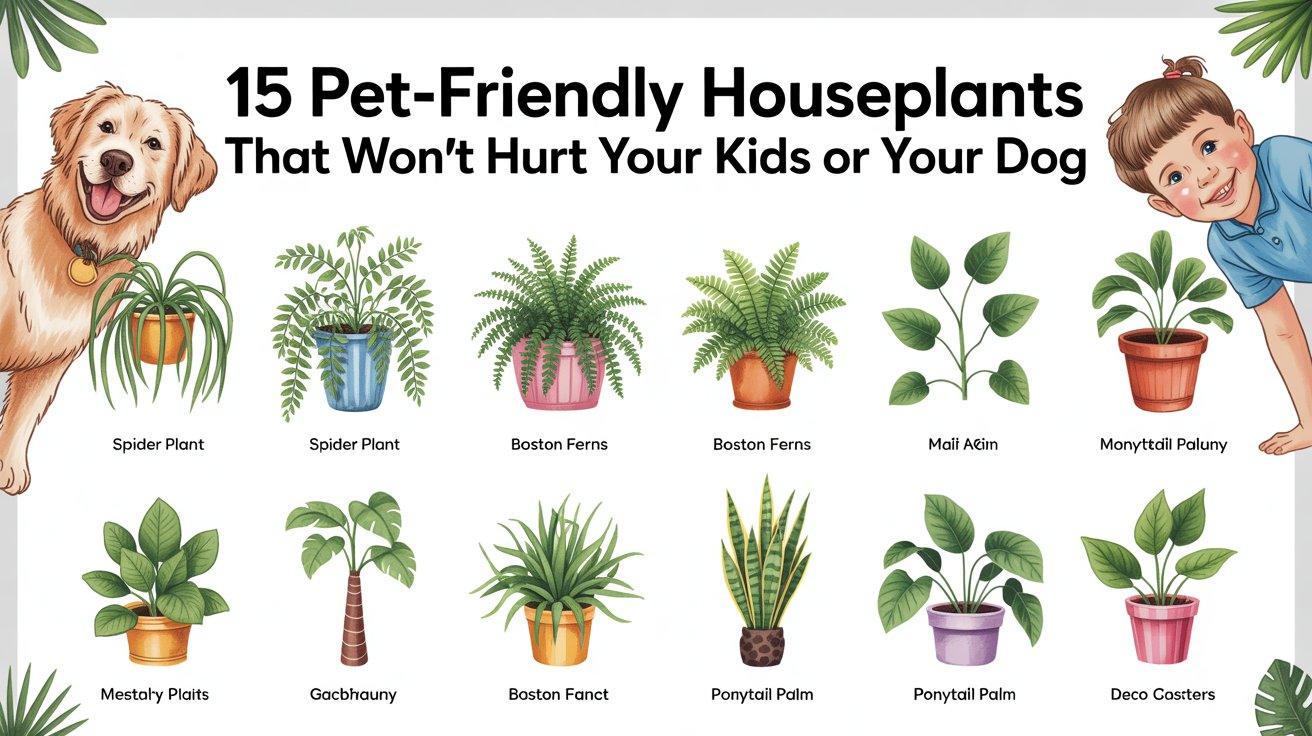
You love having plants around the house. They make the place feel alive. But if you’ve got a curious toddler who puts everything in their mouth or a dog that nibbles on leaves, you have to be careful.
A lot of common houseplants are actually toxic. We’re talking peace lilies, pothos, even aloe vera. They can cause upset stomachs, drooling, or worse.
The good thing there are plenty of beautiful houseplants that are totally safe. You don’t have to choose between a green home and a safe home.
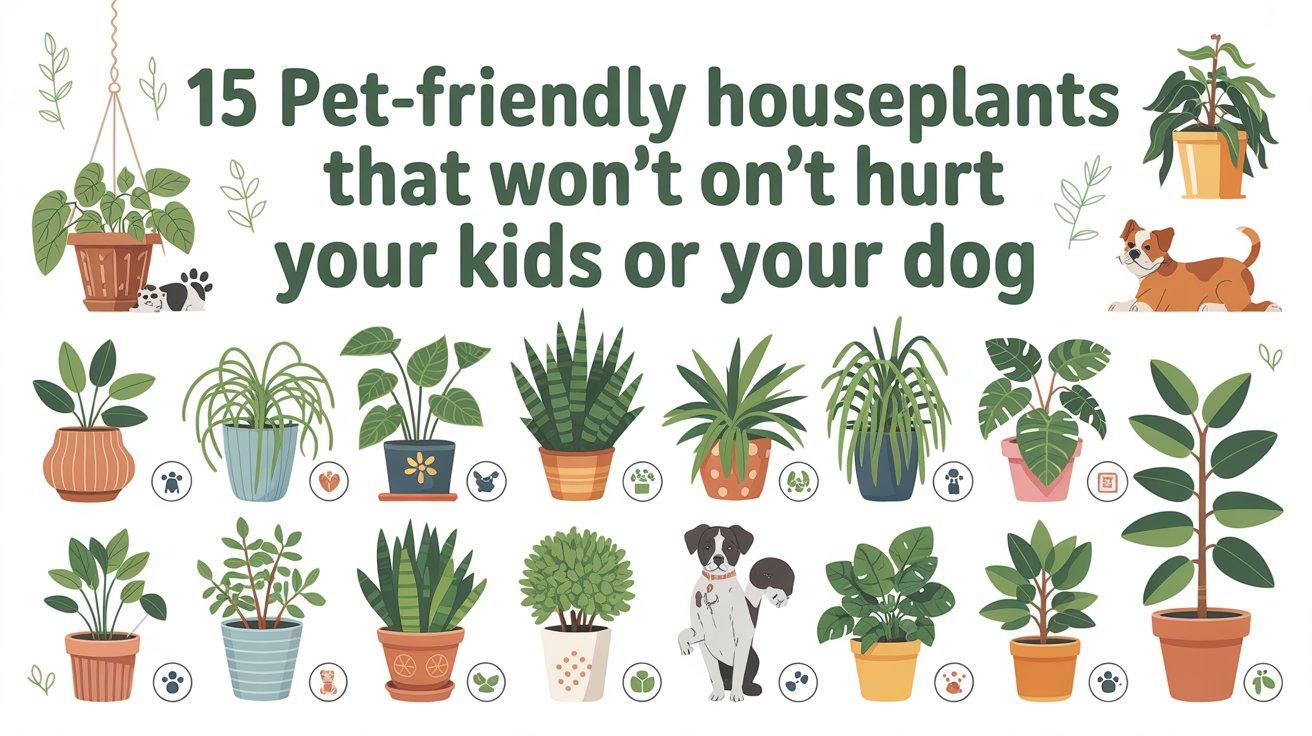
Here are 15 pet-friendly houseplants that won’t hurt your kids or your dog.
Why This Topic Matters
Every year, thousands of kids and pets end up at the doctor or vet because of toxic plants. According to the ASPCA’s Poison Control Center, plant toxicity calls are among the most common. The problem is that many popular houseplants are dangerous. Parents and pet owners often don’t know until it’s too late.
Kids under three explore with their mouths. Dogs chew on leaves out of boredom or curiosity. Cats are even worse about nibbling.
But you don’t have to get rid of all your plants. You just need to choose the right ones. The plants on this list have been checked against the ASPCA’s toxic plant database. They are safe for both two-legged and four-legged family members.
15 Houseplants That Are Safe for Kids and Dogs
1. Spider Plant (Chlorophytum comosum)
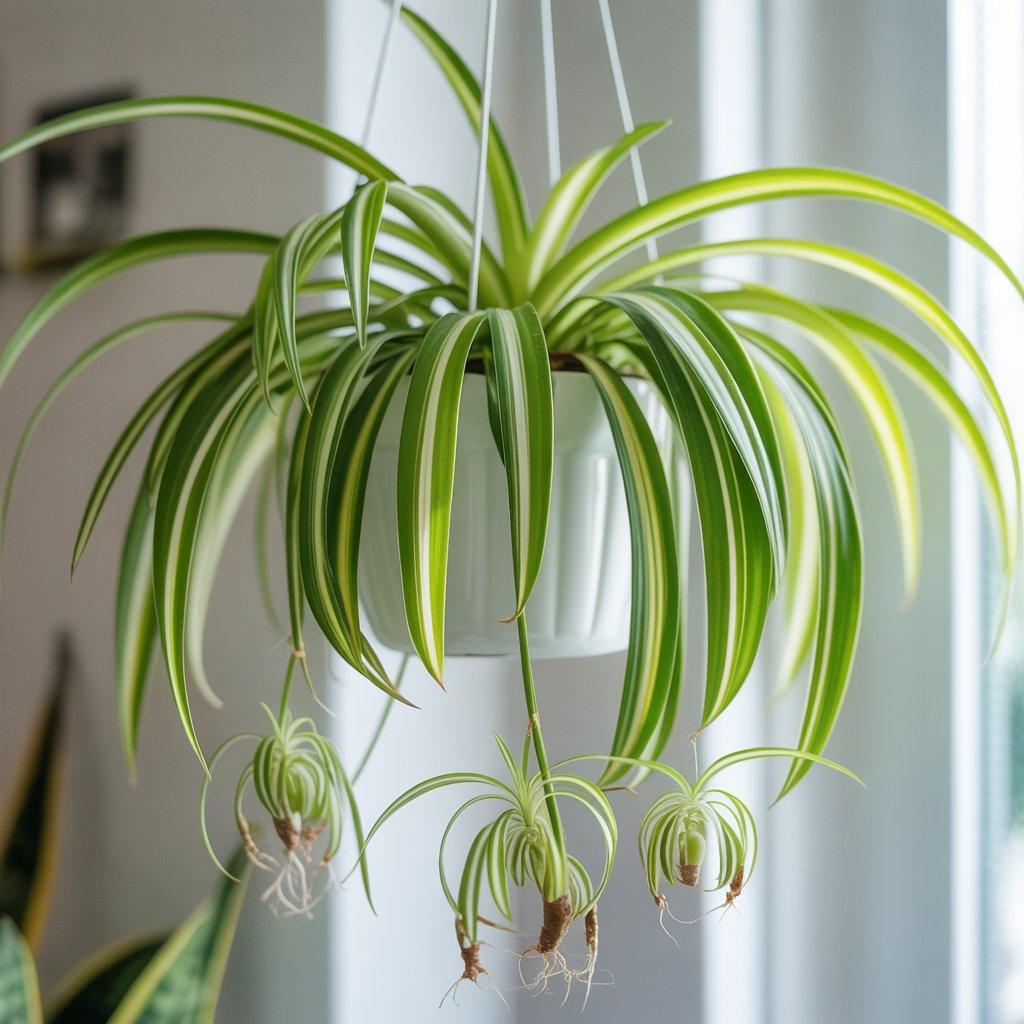
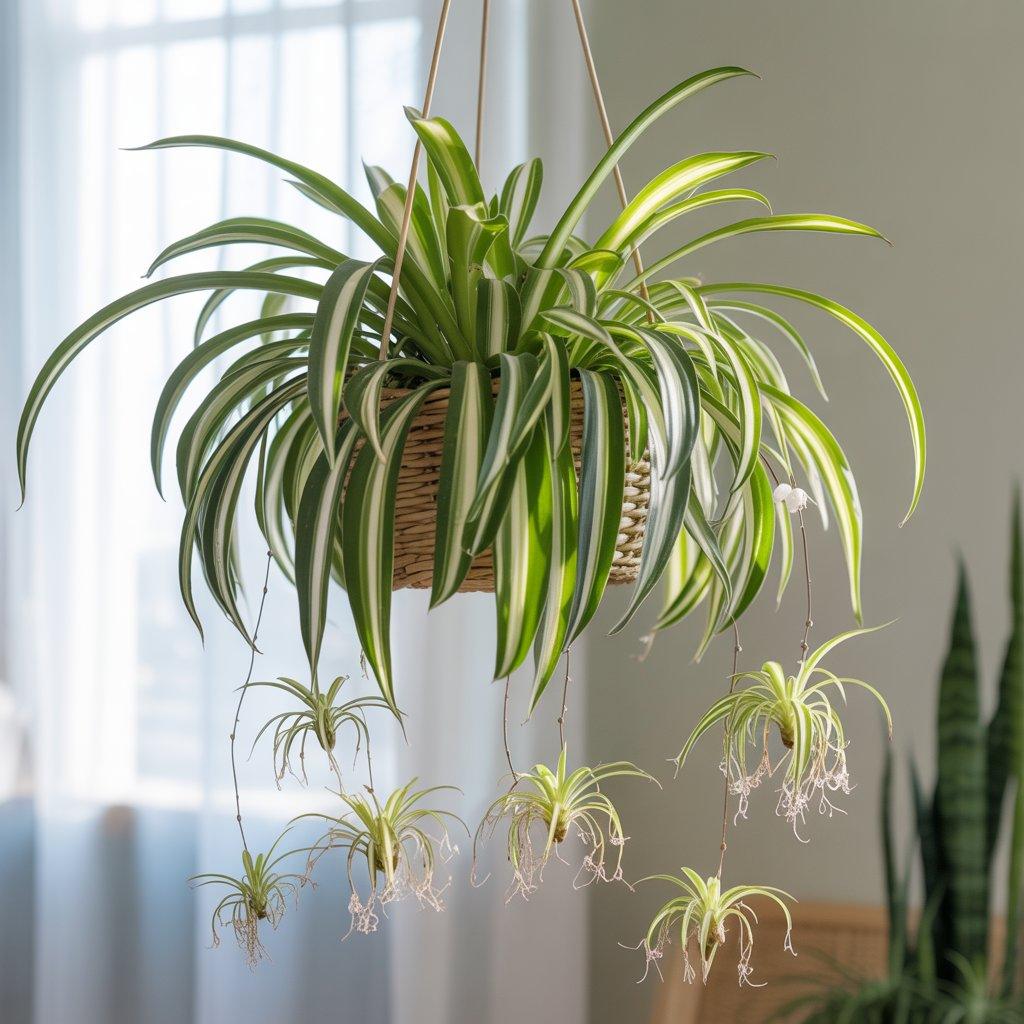
The spider plant is probably the most popular pet-friendly houseplant out there. It’s nearly impossible to kill, which is great if you forget to water things.
The long, arching green and white leaves look nice in a hanging basket or on a shelf. According to the ASPCA, spider plants are non-toxic to both dogs and cats. Kids can touch them without any issues. Even if your toddler pulls off a leaf and chews it, you won’t end up at the vet or the ER.
The plant also cleans the air. It removes things like formaldehyde and carbon monoxide. Just give it indirect light and water when the soil feels dry. That’s it.
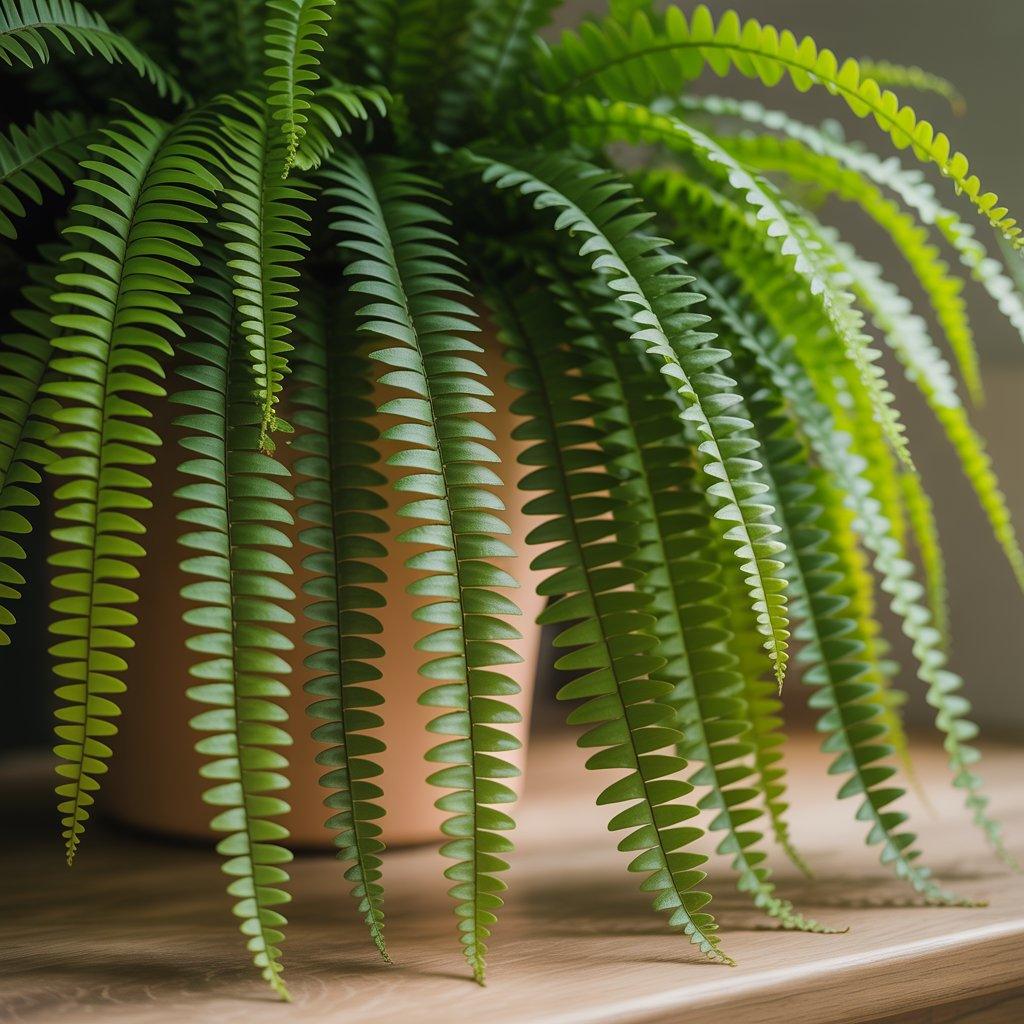
2. Boston Fern (Nephrolepis exaltata)
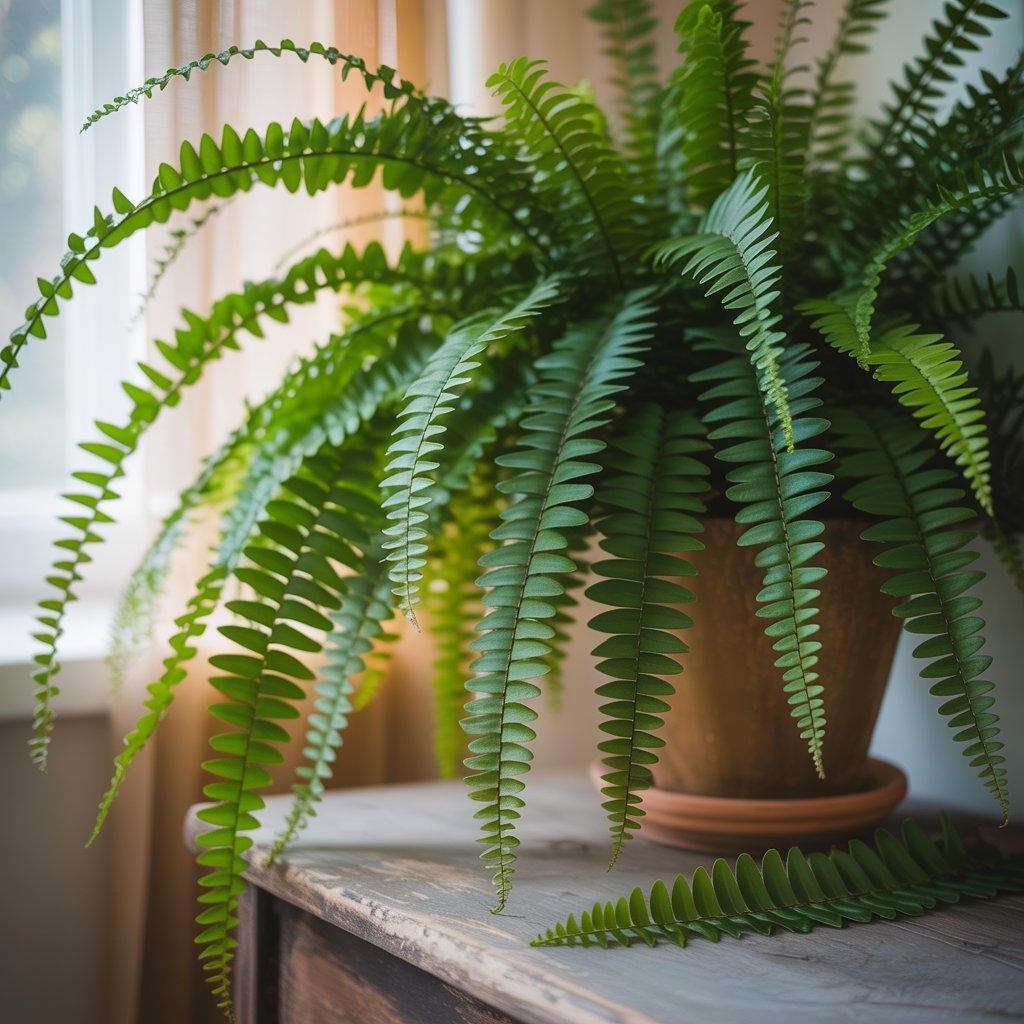
Boston ferns have been around for generations. Your grandmother probably had one on her porch. The good news is they’re completely safe for kids and pets.
The feathery fronds look soft and inviting, but they won’t cause harm if someone takes a bite. That said, no plant tastes good, so most kids and dogs will spit it out anyway. Boston ferns like humidity and indirect light. They do really well in bathrooms or kitchens.
Keep the soil moist but not soaking. One thing to know: they can be a little messy. Old fronds drop off. But that’s a small price to pay for a safe, beautiful plant.
3. Areca Palm (Dypsis lutescens)
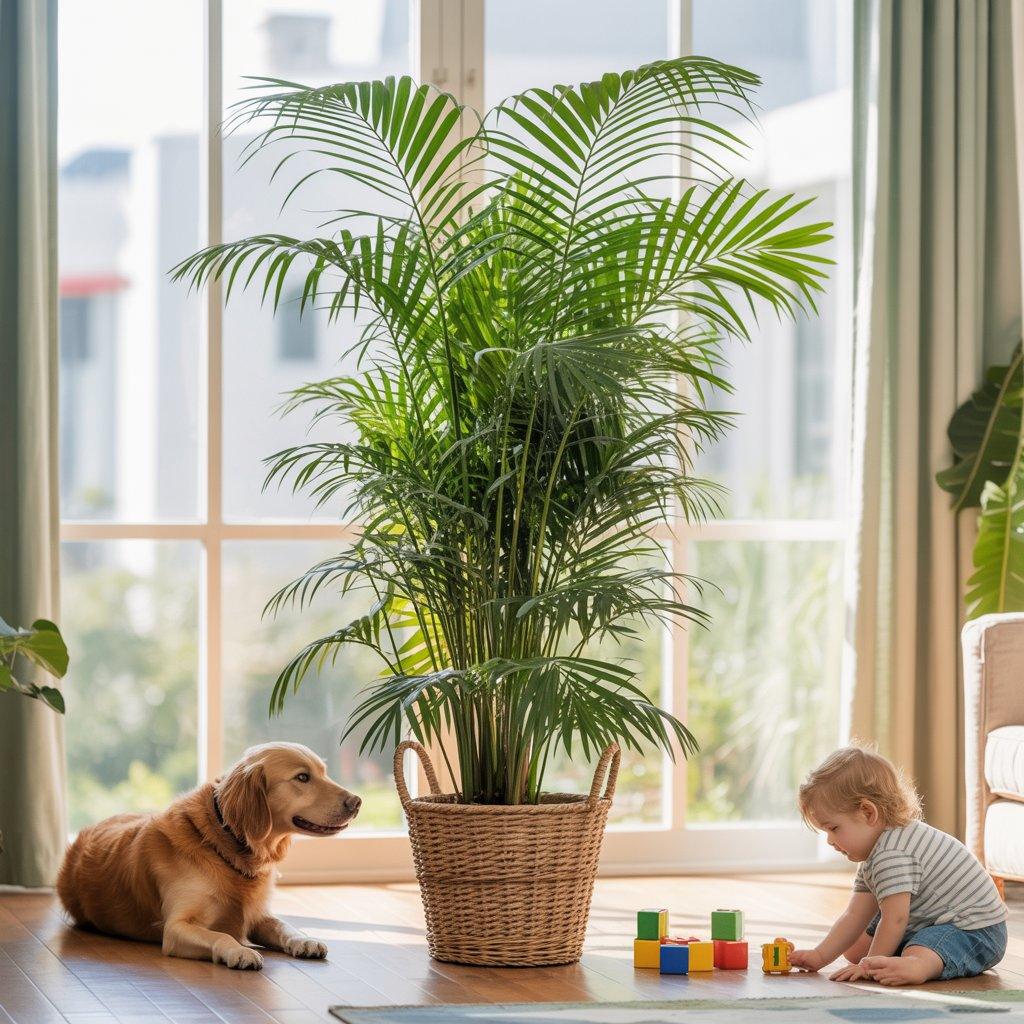
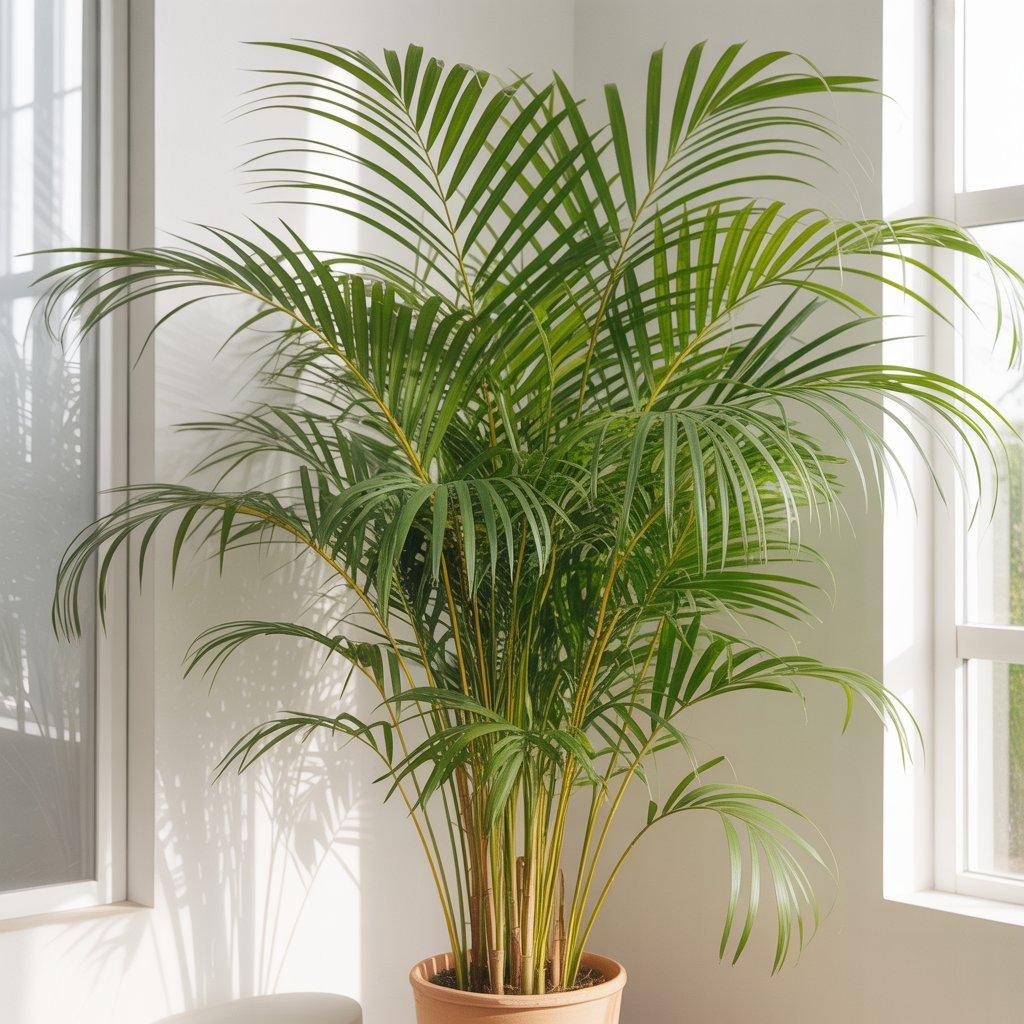
If you want that tropical, indoor-jungle look, get an areca palm. It grows tall and bushy, with lots of thin green fronds. It’s non-toxic to dogs and kids.
The ASPCA lists it as safe. Some people call it the “butterfly palm” because the leaves curve like butterfly wings. This palm is also one of the best air-purifying plants. It adds moisture to dry indoor air, which helps during winter. Areca palms like bright, indirect light.
Don’t overwater them. Let the top inch of soil dry out first. They can grow up to 6 or 7 feet tall inside, so give it room. No worries if your dog brushes against it or your kid pulls a frond.
4. Calathea (Various species)
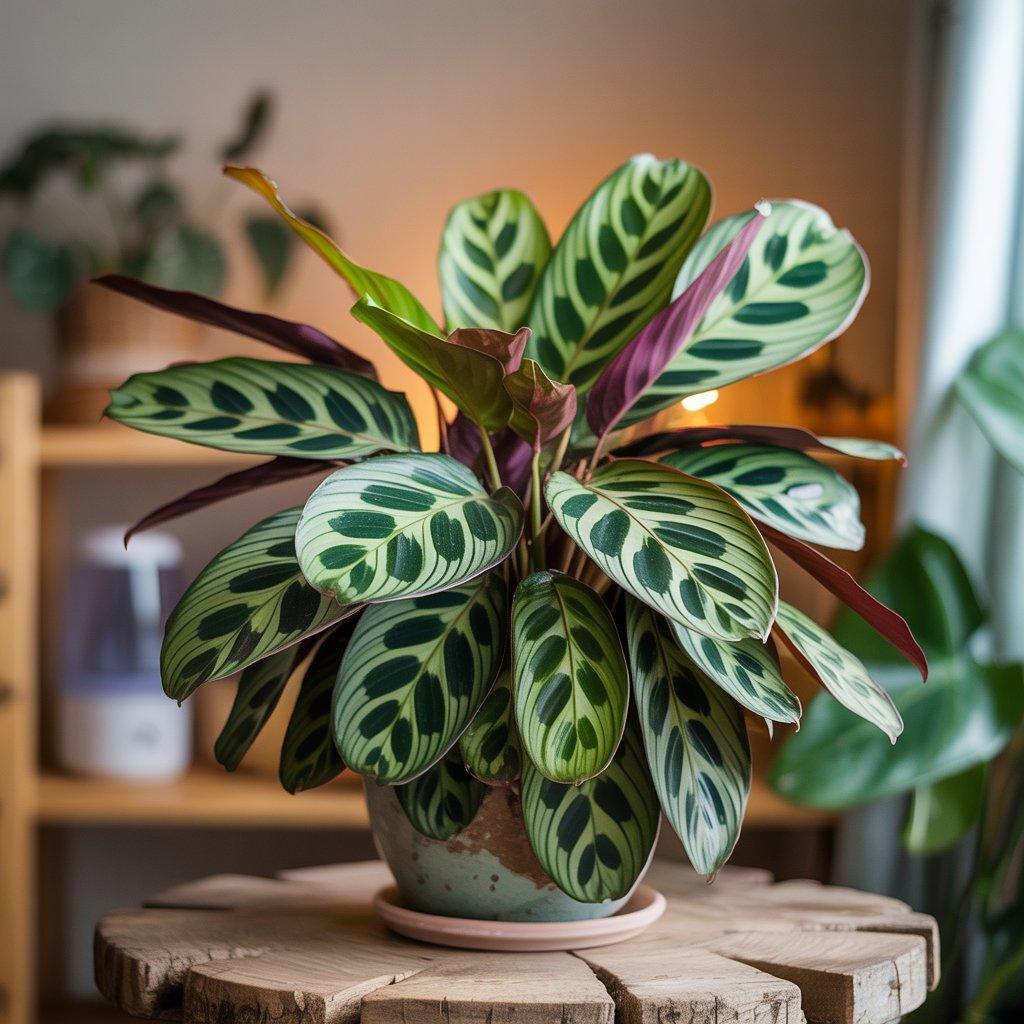
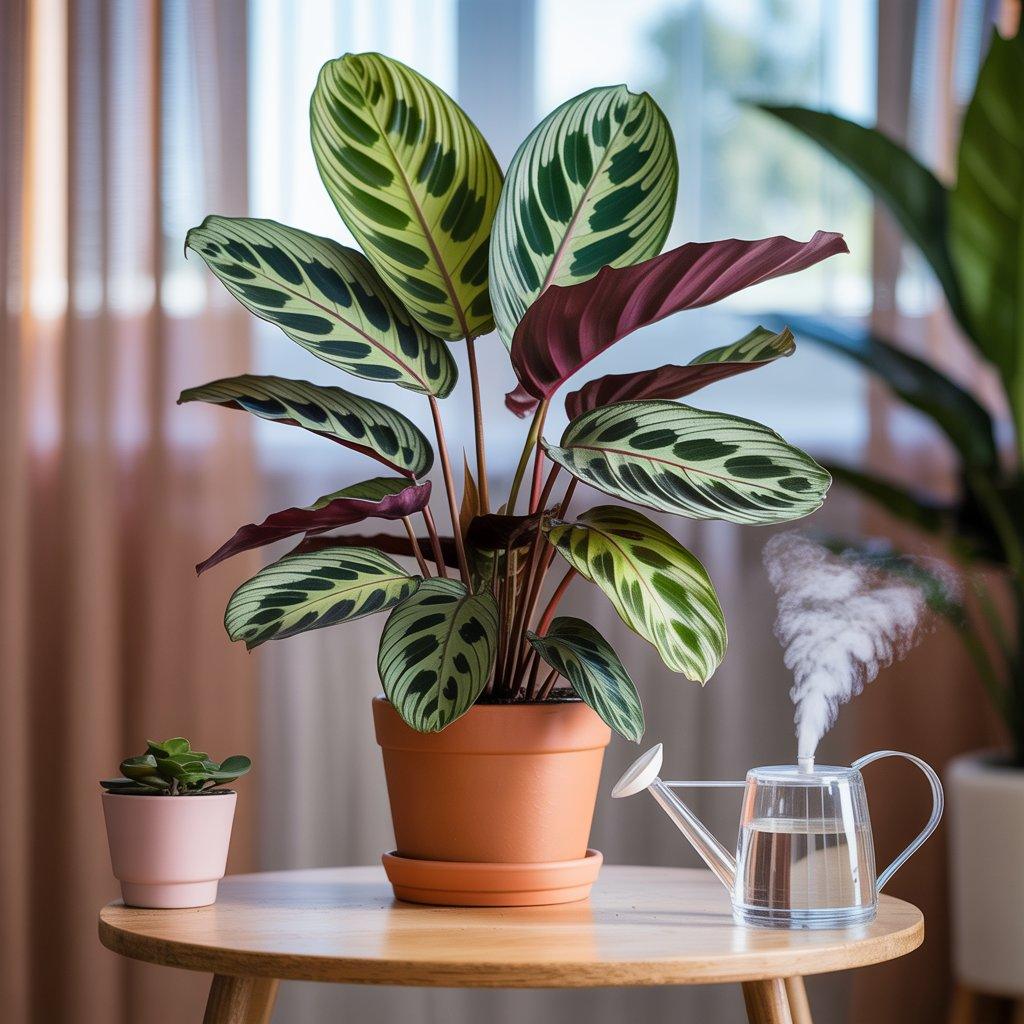
Calatheas are sometimes called “prayer plants” because their leaves fold up at night. They come in amazing patterns stripes, dots, even purple undersides. And every single one is safe for kids and dogs. That’s rare for a plant this fancy-looking.
You can put a calathea on a low table or the floor without worrying. The leaves are non-toxic. Calatheas do need a bit more care than a spider plant. They like humidity and indirect light. If the air is too dry, the leaf edges turn brown.
A small humidifier nearby helps. Water with filtered water if your tap water has a lot of minerals. But for a safe, beautiful plant, it’s worth the extra effort.
5. Parlor Palm (Chamaedorea elegans)
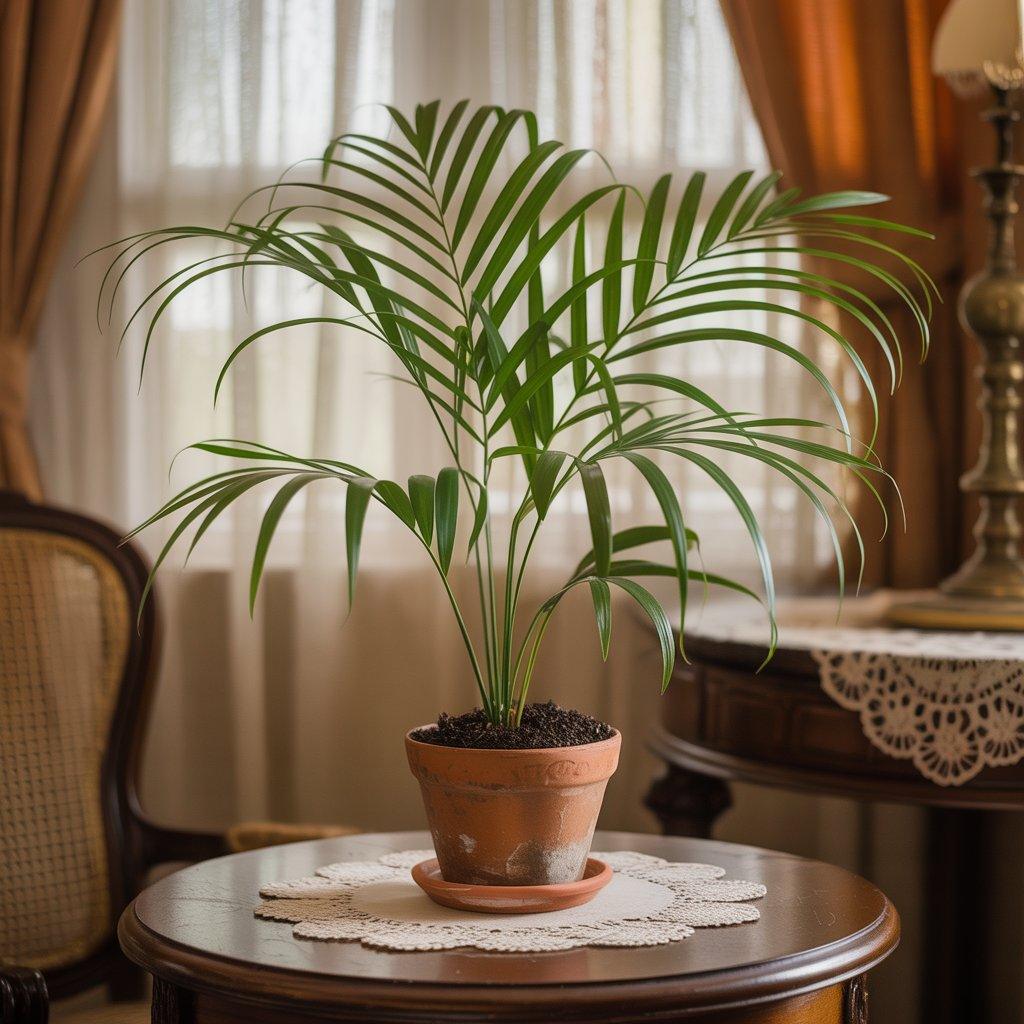
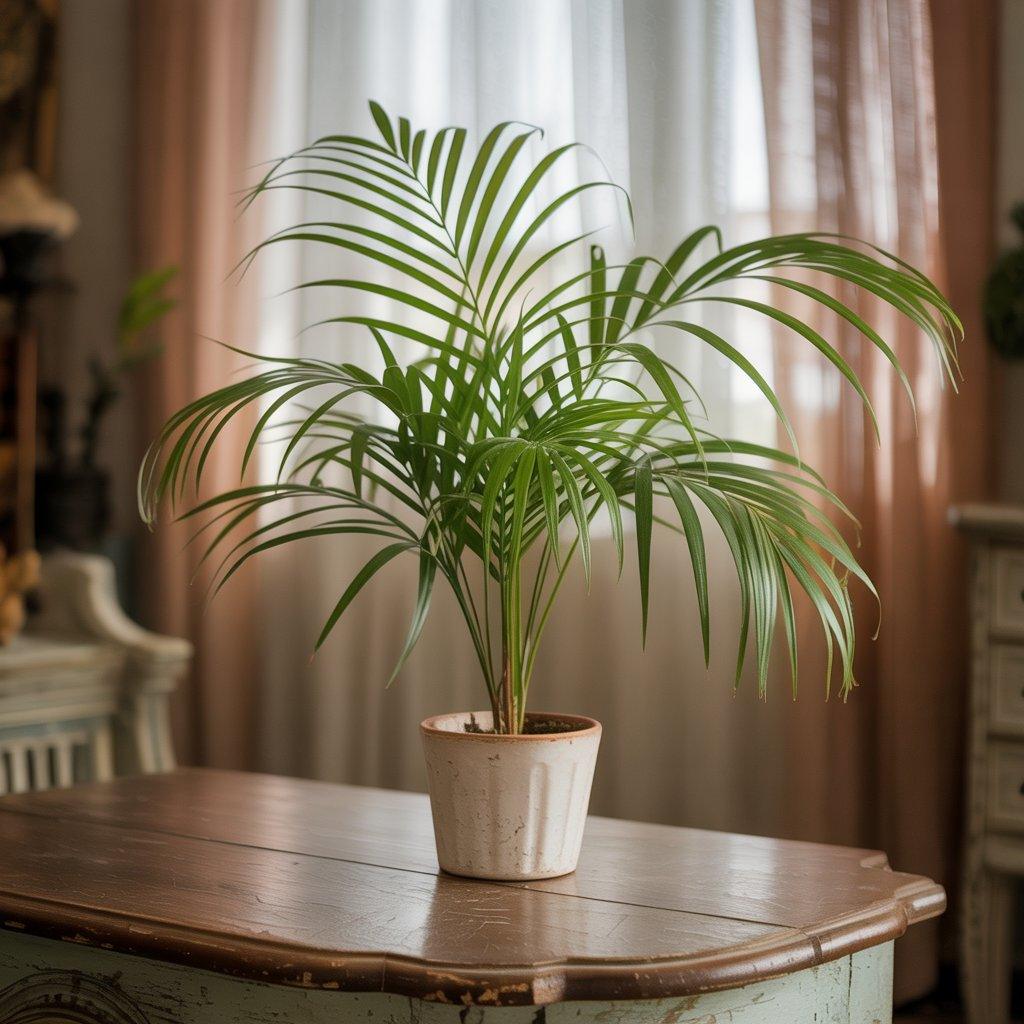
The parlor palm is a classic. People have grown them indoors since Victorian times. It’s small and slow-growing, which makes it perfect for a tabletop or a corner. The ASPCA says it’s non-toxic to dogs and cats.
Kids can touch it, pull on it, even taste it (though why would they?) without getting sick. Parlor palms don’t need much light. They handle low light better than most palms. They also don’t need constant watering. Let the soil dry out a bit between waterings.
If the leaf tips turn brown, you’re probably overwatering. This is a great first plant for a family because it’s so forgiving. And it stays small for years.
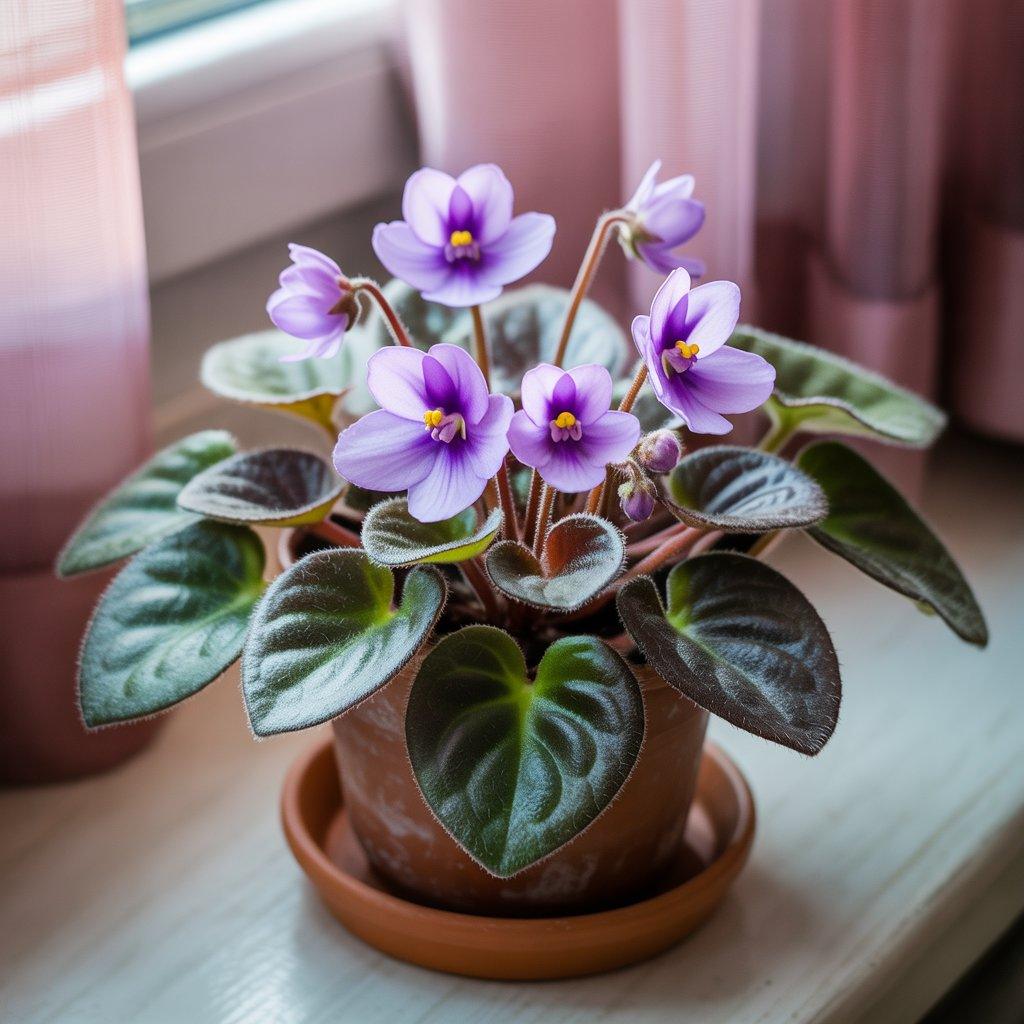
6. African Violet (Saintpaulia)
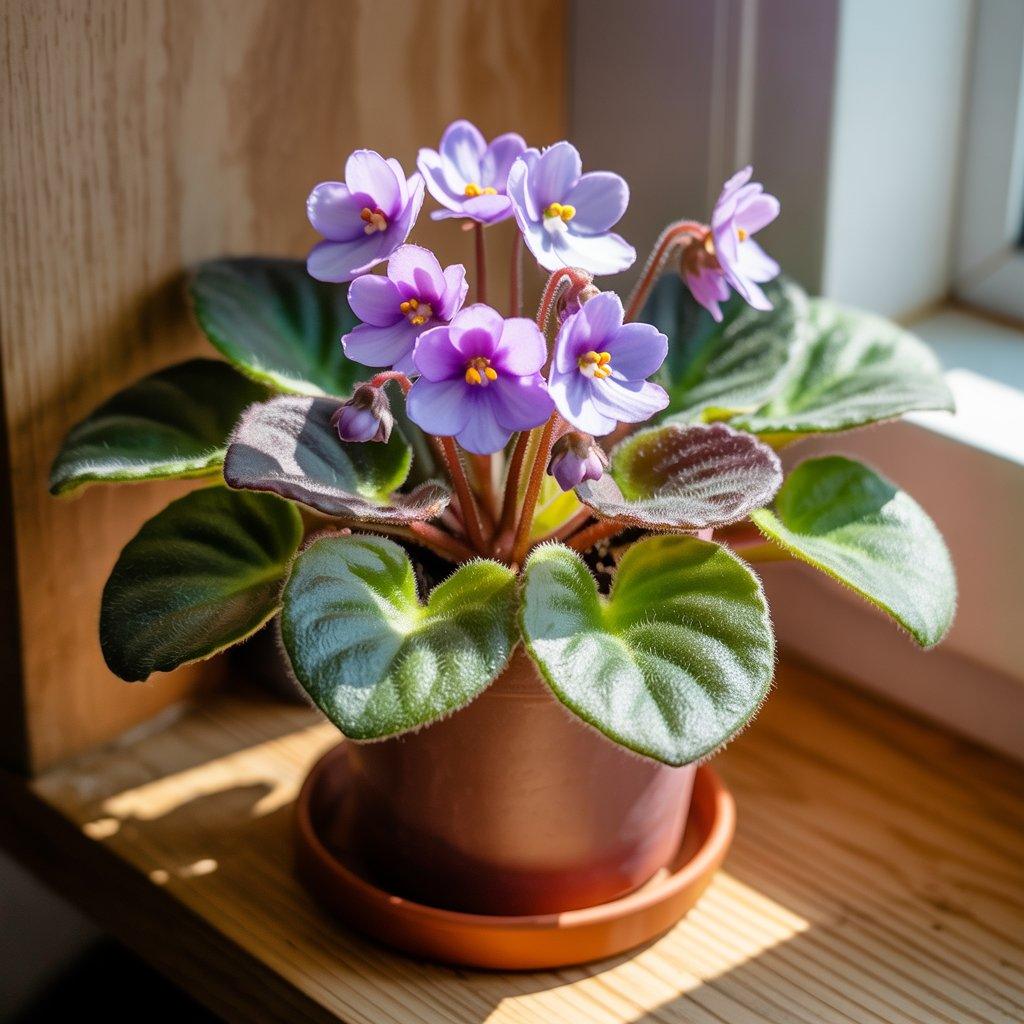
African violets are small, colorful, and completely safe. They bloom in purple, pink, white, and blue. The fuzzy leaves are soft to touch.
Neither kids nor dogs will get sick from nibbling them. According to the ASPCA, African violets are non-toxic to dogs, cats, and even horses. That’s about as safe as it gets. These plants like bright, indirect light. Don’t get water on the leaves it causes spots.
Water from the bottom by setting the pot in a saucer of water. They stay small, so they’re great for countertops or shelves out of reach of very busy toddlers. But even if a toddler reaches one, no harm done.
7. Christmas Cactus (Schlumbergera)
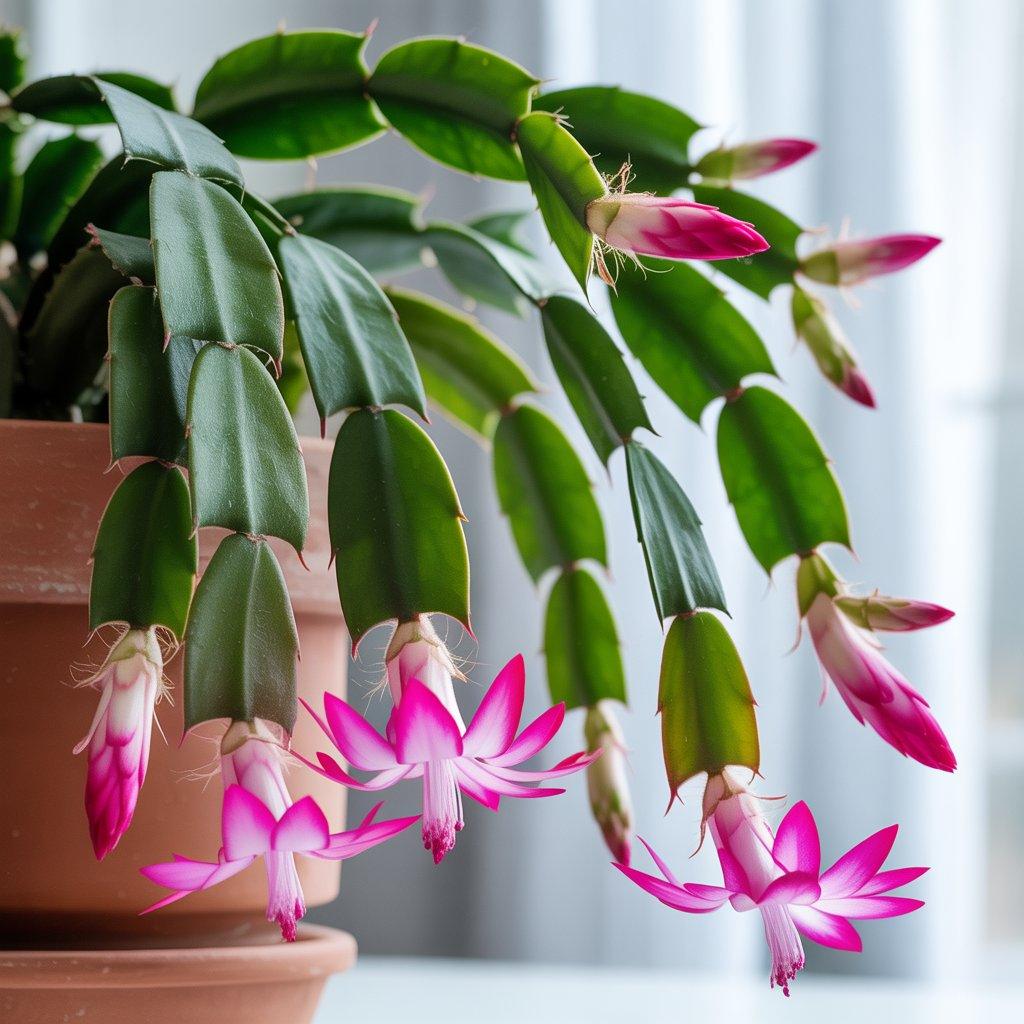
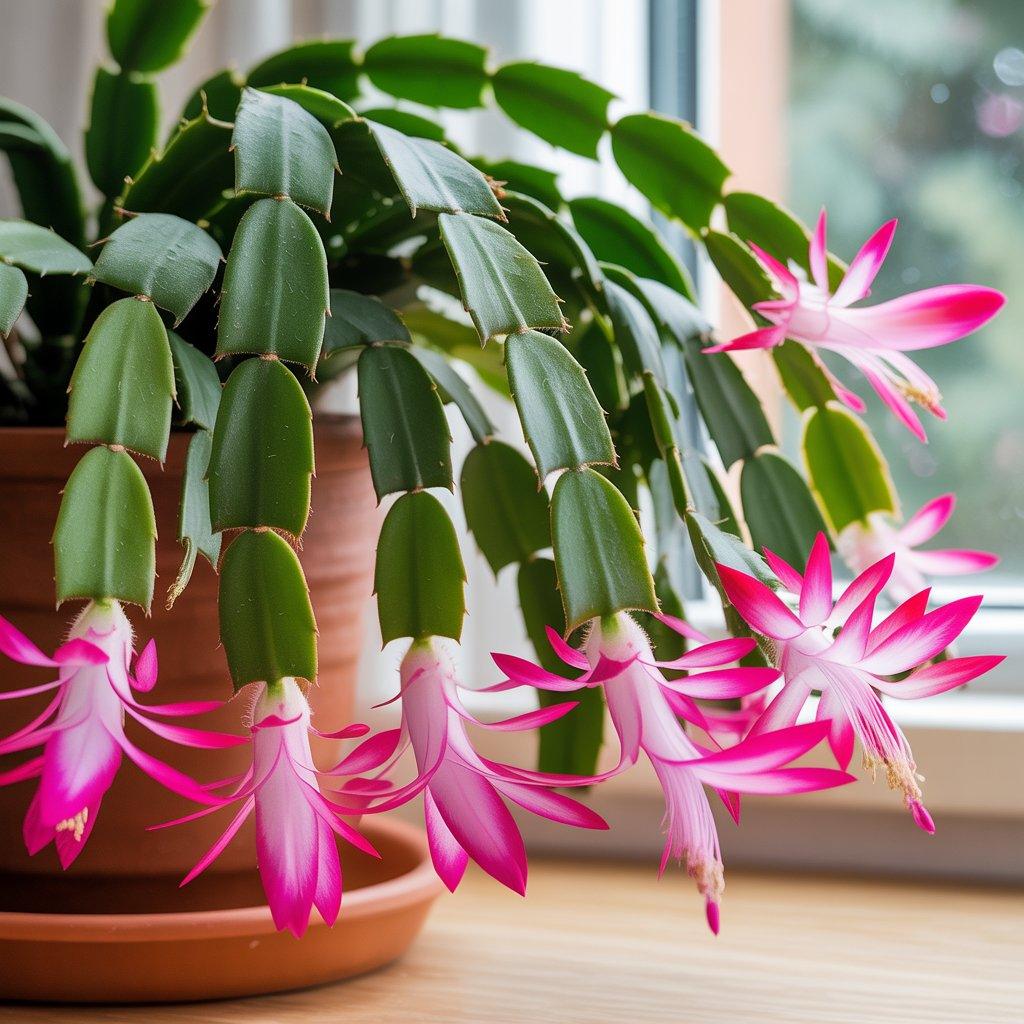
Don’t confuse this with the regular cactus that has sharp spines. Christmas cactus has flat, rounded leaves with soft edges. No spikes. It blooms around winter with bright pink or red flowers.
And it’s non-toxic to kids and dogs. The ASPCA confirms it’s safe. A lot of people worry about cacti because of the needles, but this one is different. You can put it on a low table without fear.
Christmas cactus likes indirect light and a little more water than desert cacti. Let the top inch of soil dry out, then water. It’s easy to propagate too. Break off a leaf, stick it in soil, and you get a new plant.
8. Friendship Plant (Pilea involucrata)
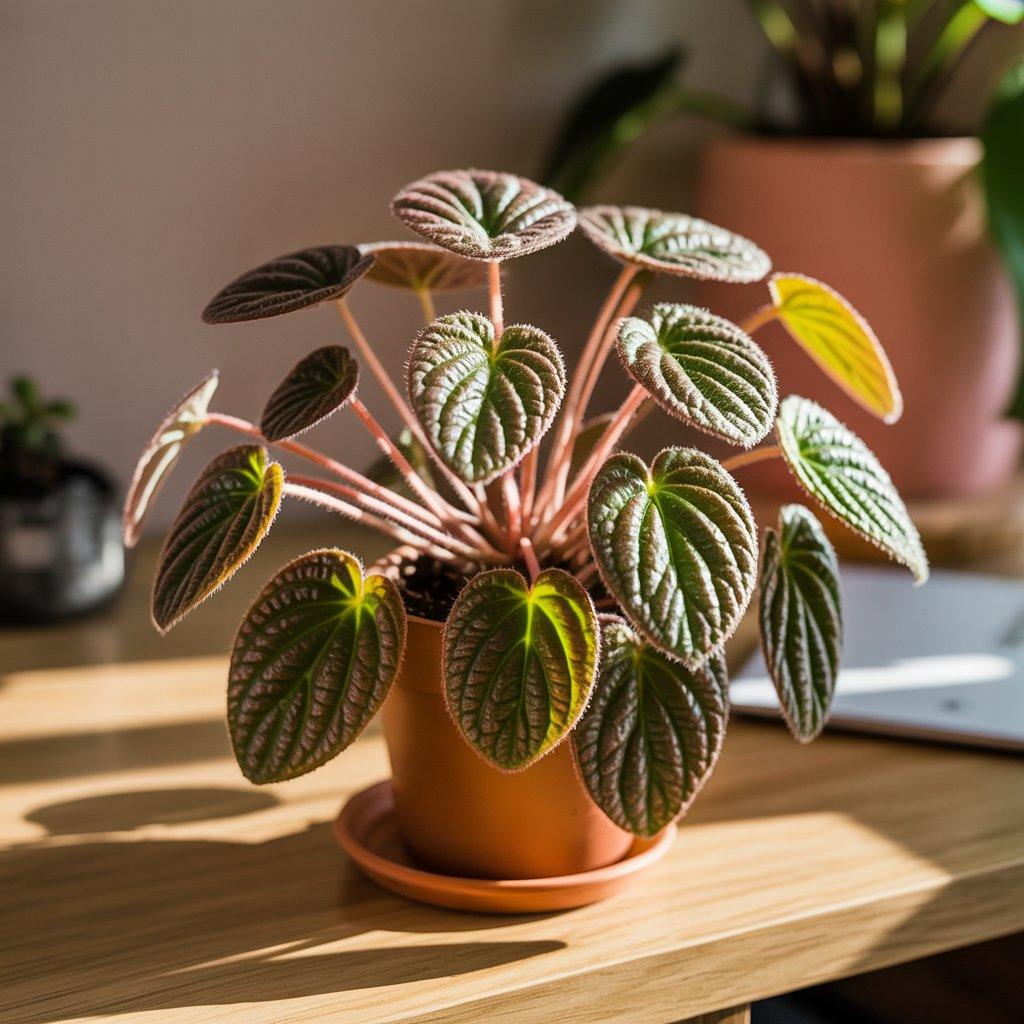
The friendship plant gets its name because it’s easy to share. It grows quickly and produces baby plants you can give to friends. The leaves are textured with deep veins and a bronze-green color.
It’s safe for both kids and dogs. No toxicity concerns at all. This plant likes humidity and indirect light. It does great in terrariums or small pots on a desk. Keep the soil evenly moist but not soggy. If the leaves start to droop, water it.
If they turn yellow, you’re overwatering. It stays small and compact, so it’s perfect for families with limited space. Kids can help water it without worry.
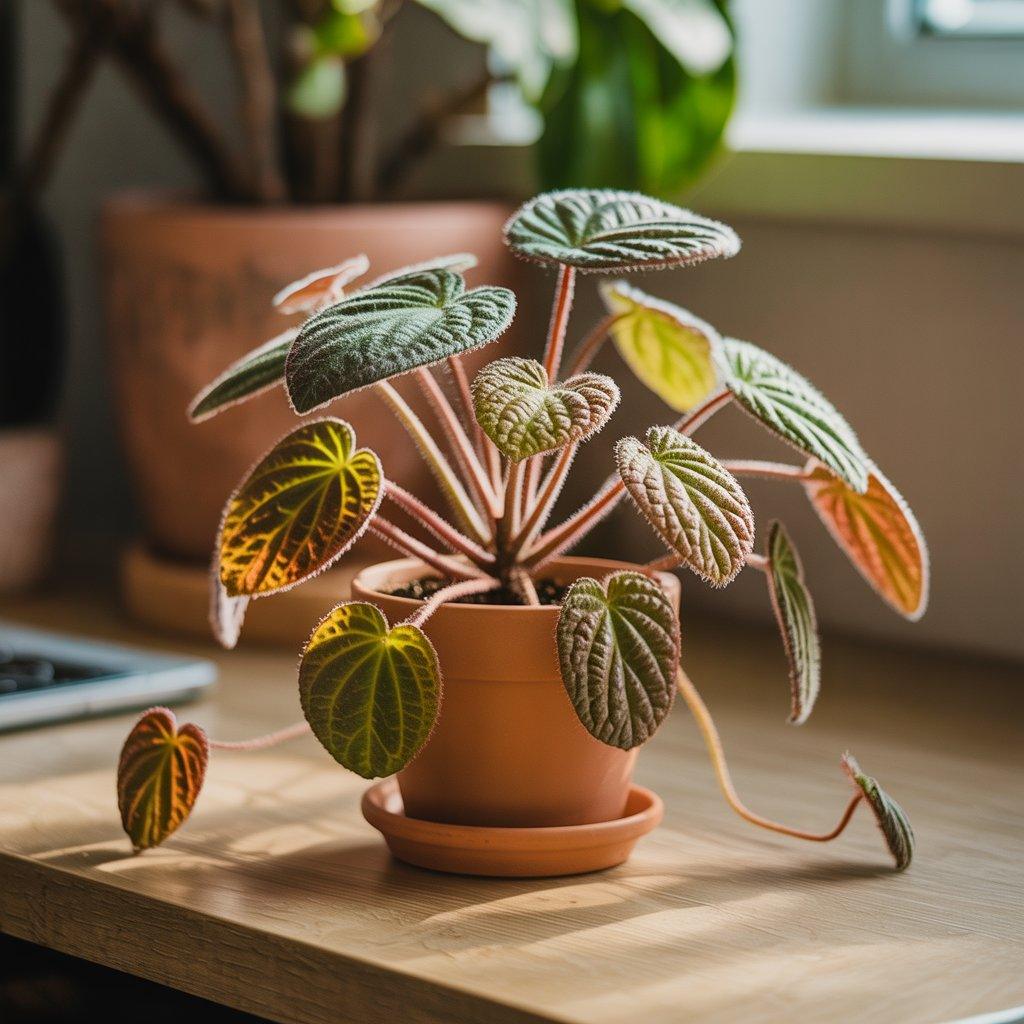
9. Peperomia (Various species)
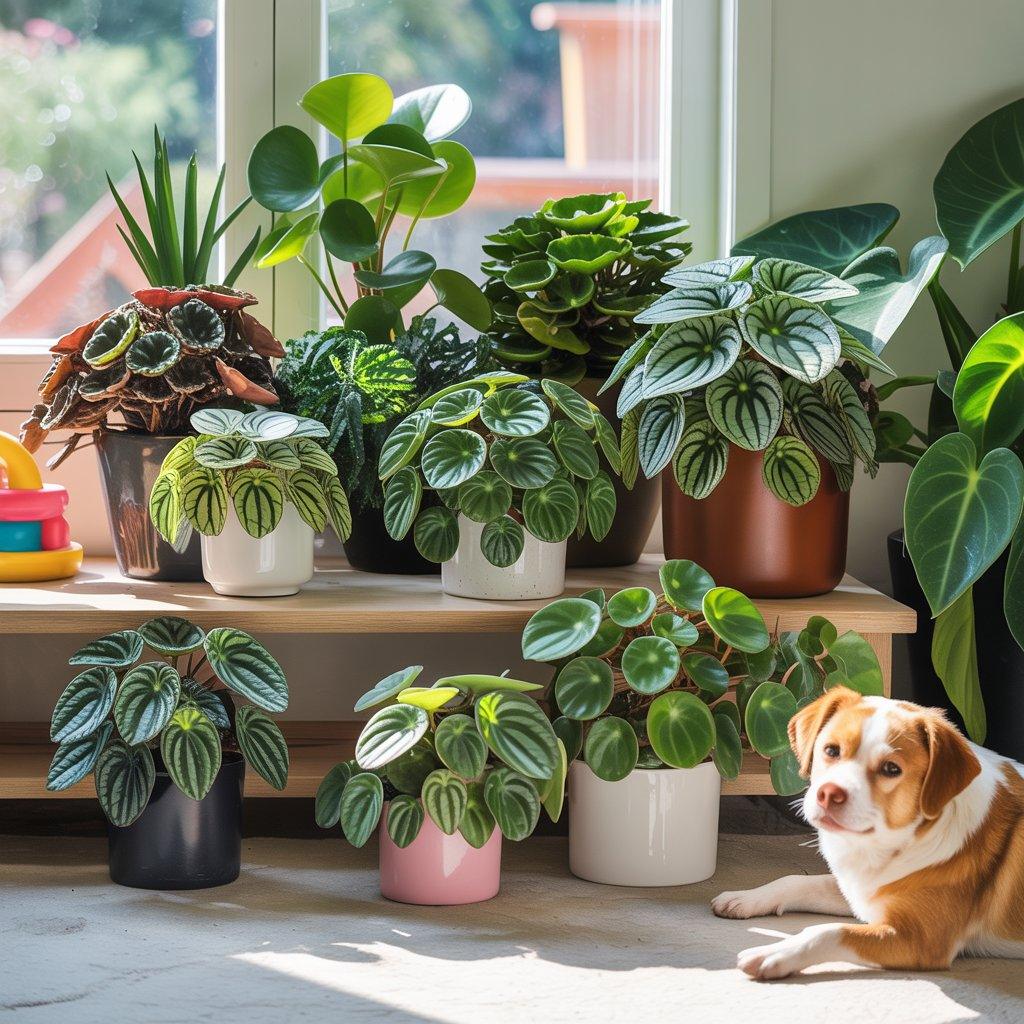
Peperomias come in all shapes and sizes. Some have round, waxy leaves. Others have rippled or striped leaves. All of them are non-toxic to kids and dogs. The ASPCA lists peperomias as safe.
This makes them a great choice for low shelves or floor pots. They’re also very easy to care for. Peperomias like bright, indirect light but can handle lower light too. Water only when the soil feels dry. They store water in their thick leaves, so they tolerate neglect.
That’s handy when you’re busy with kids and pets. The watermelon peperomia has leaves that look like little watermelons. Very fun to look at.
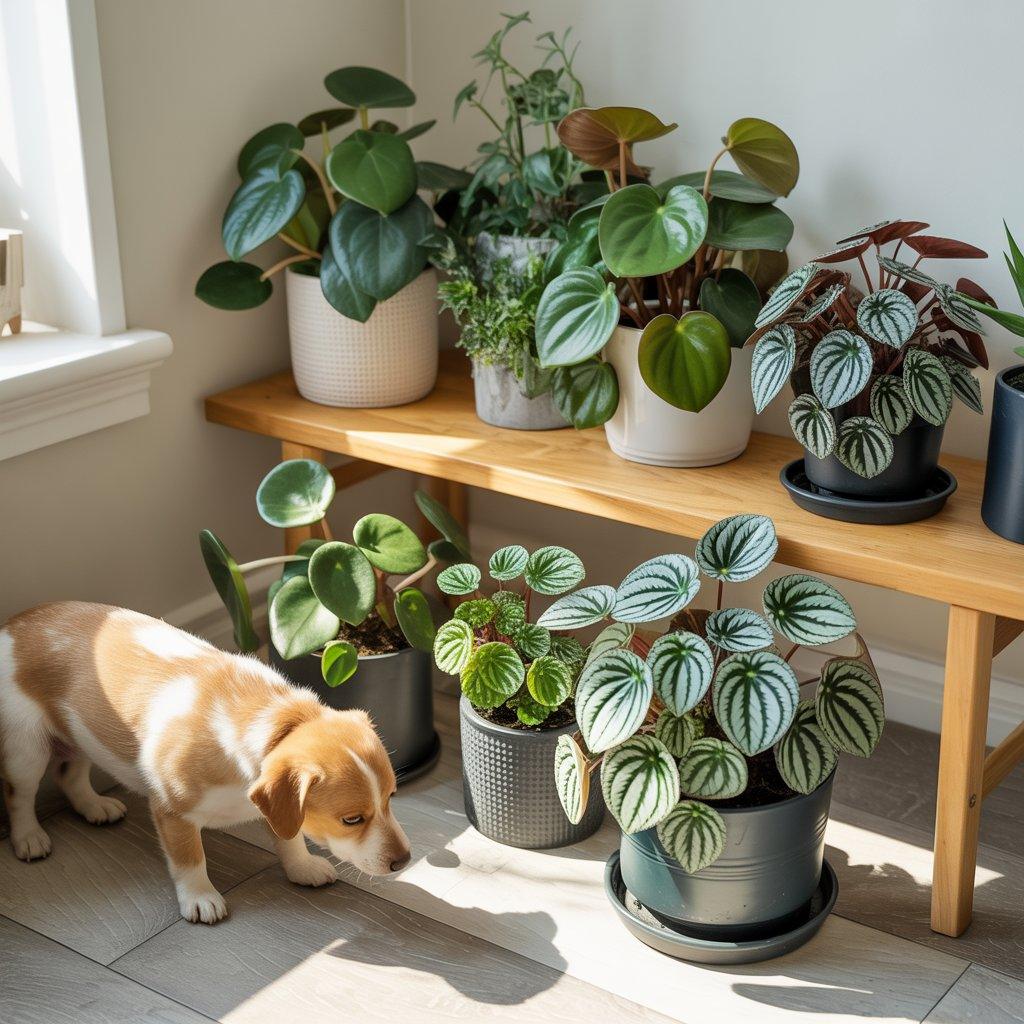
10. Swedish Ivy (Plectranthus verticillatus)
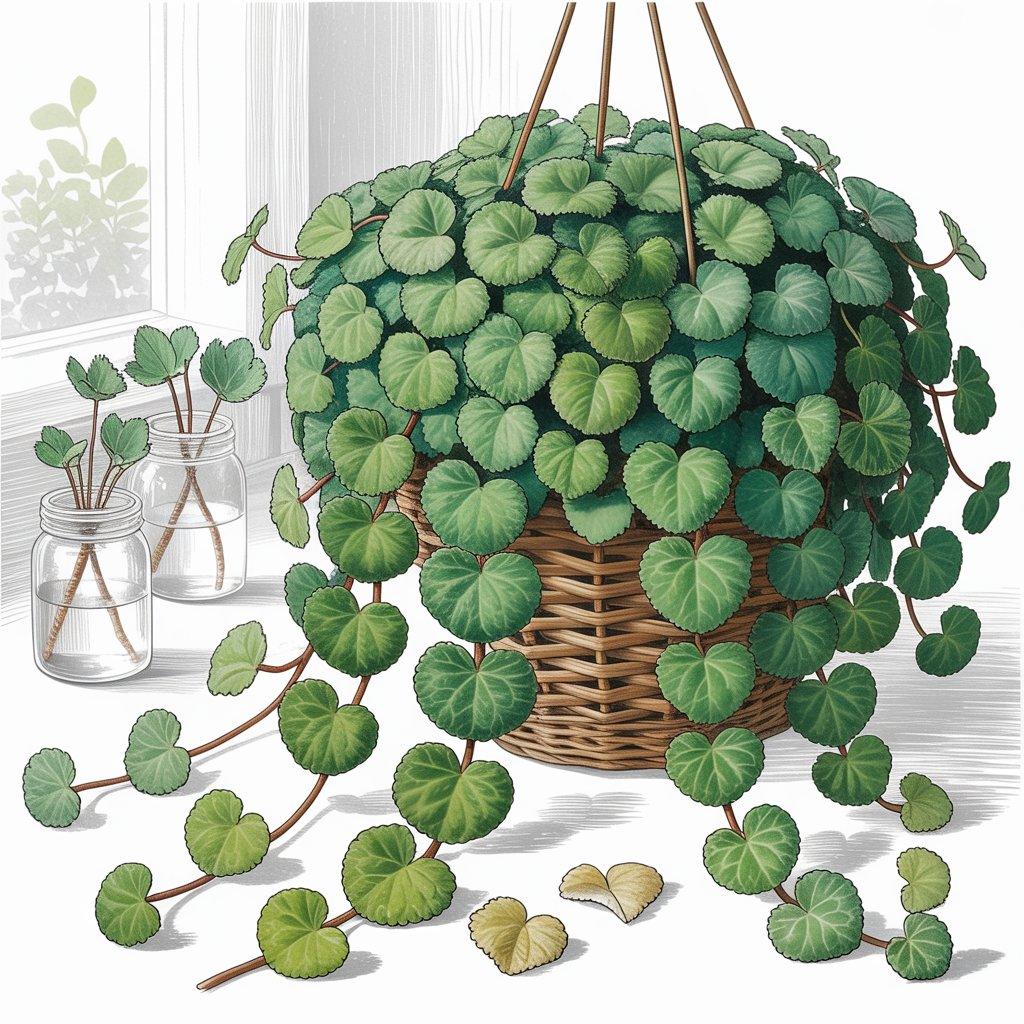
Swedish ivy is not a true ivy, but it trails nicely from hanging baskets. The rounded, scalloped leaves are waxy and green. It grows fast and looks full. And it’s completely safe for kids and dogs.
Swedish ivy is actually related to mint. It has a mild scent when crushed. This plant likes bright, indirect light. Water when the top inch of soil is dry. It’s very forgiving if you forget a week. You can pinch back the stems to keep it bushy.
The cuttings root easily in water. Give them to friends with kids and pets. It’s a great starter plant for families who want to try something a little different.
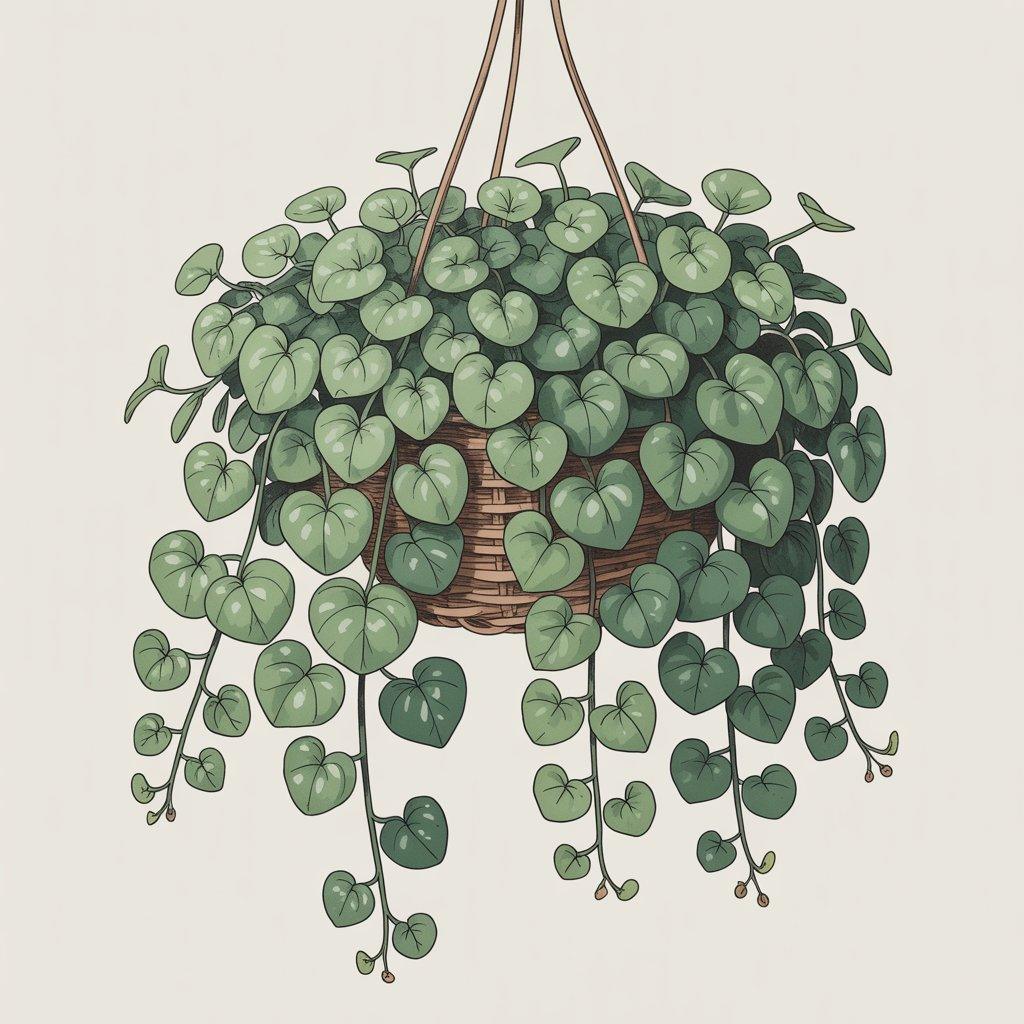
11. Baby Rubber Plant (Peperomia obtusifolia)
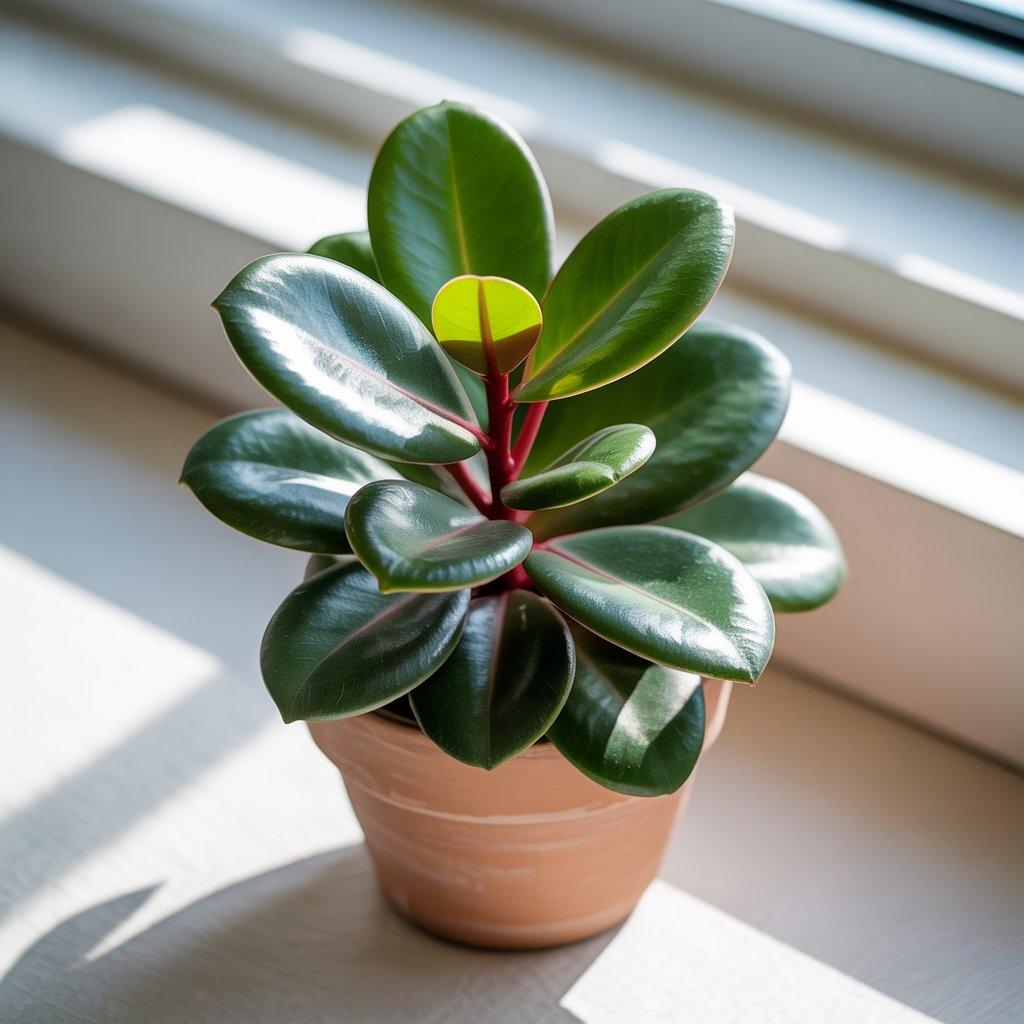
Don’t let the name fool you. This is not a rubber tree. It’s a small peperomia with thick, shiny, round leaves. It looks a bit like a jade plant but without the toxicity. Jade plants are actually dangerous for dogs.
Baby rubber plant is safe. The ASPCA confirms it. The leaves are tough and waxy. Even if a dog chews one, it won’t cause vomiting or diarrhea. Baby rubber plants are slow growers.
They stay small and neat. They like bright, indirect light but handle low light too. Water when the soil is dry. This is one of the safest plants you can own around young kids who grab everything.
12. Polka Dot Plant (Hypoestes phyllostachya)
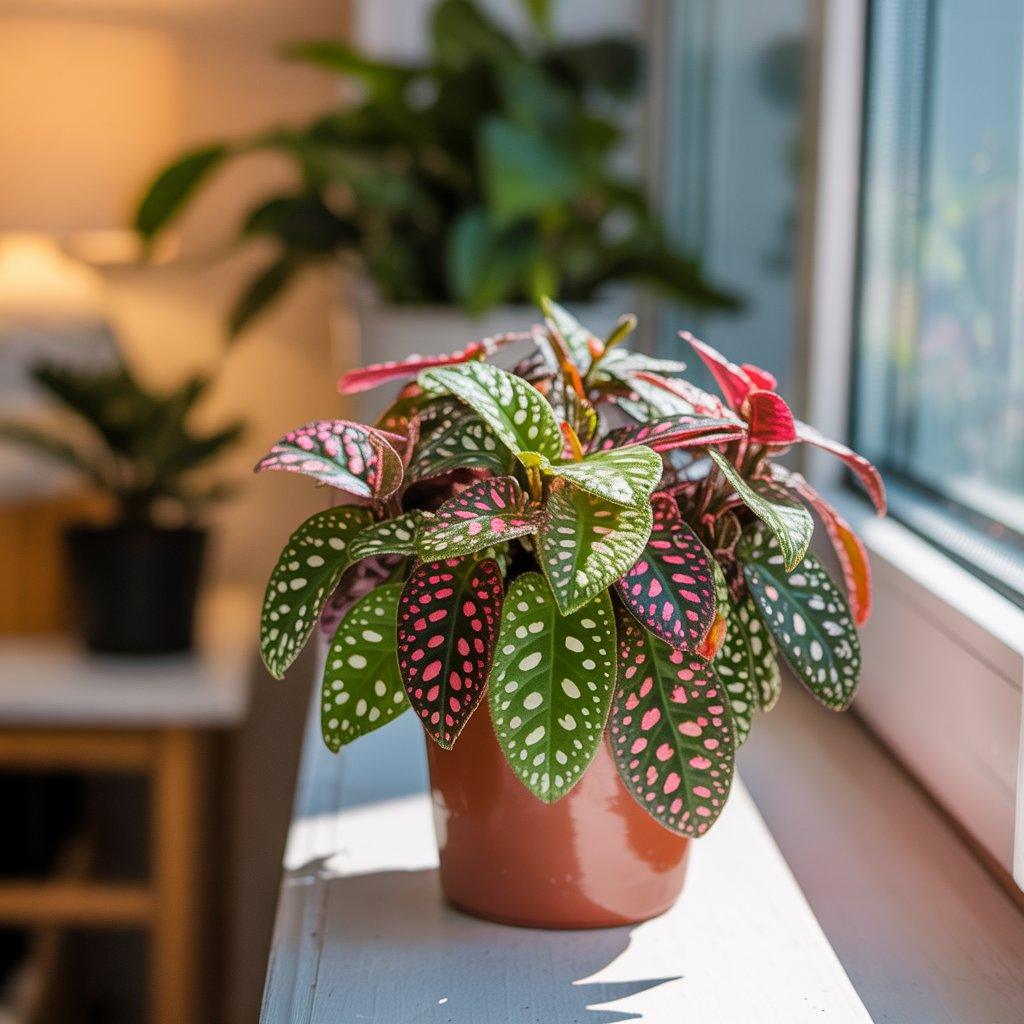
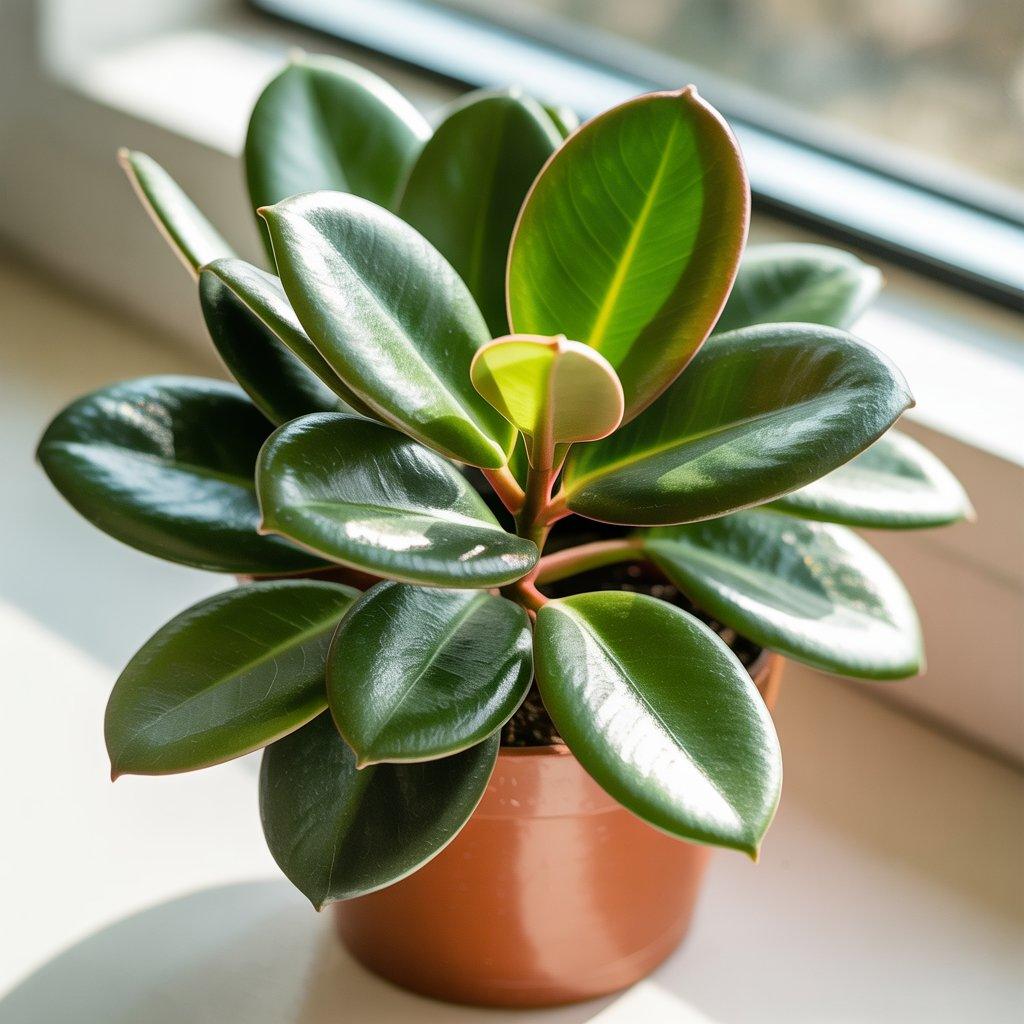
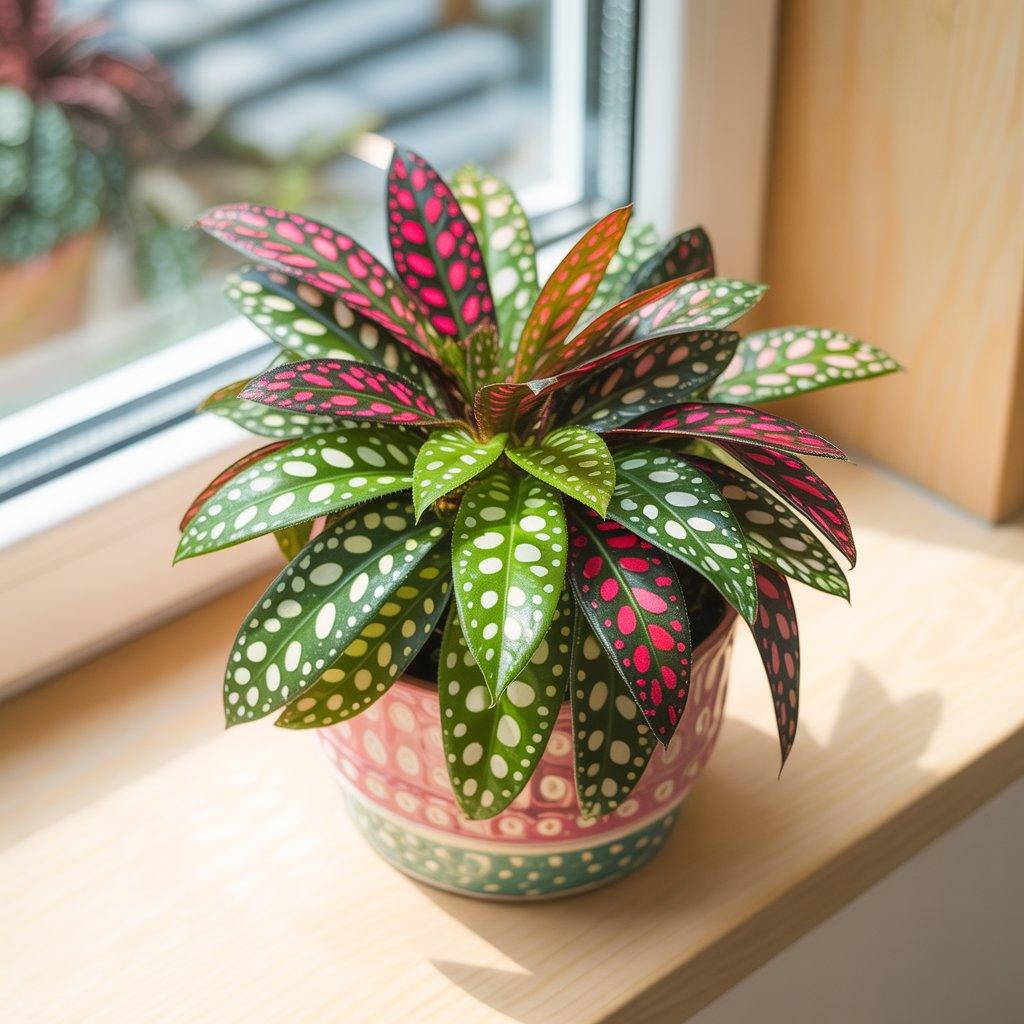
The polka dot plant is fun to look at. It has green leaves covered in pink, white, or red spots. It looks like someone splattered paint on it. Kids love it. And it’s completely non-toxic to dogs and kids.
The ASPCA says it’s safe. This plant stays compact if you pinch it back. If you don’t, it gets tall and leggy. It likes bright, indirect light. More light brings out the spots. Water when the top half-inch of soil is dry.
If it wilts, water it and it bounces back fast. Polka dot plants are cheap and easy to find. They’re a great way to add color to a shelf or desk without any safety worries.
13. Cast Iron Plant (Aspidistra elatior)
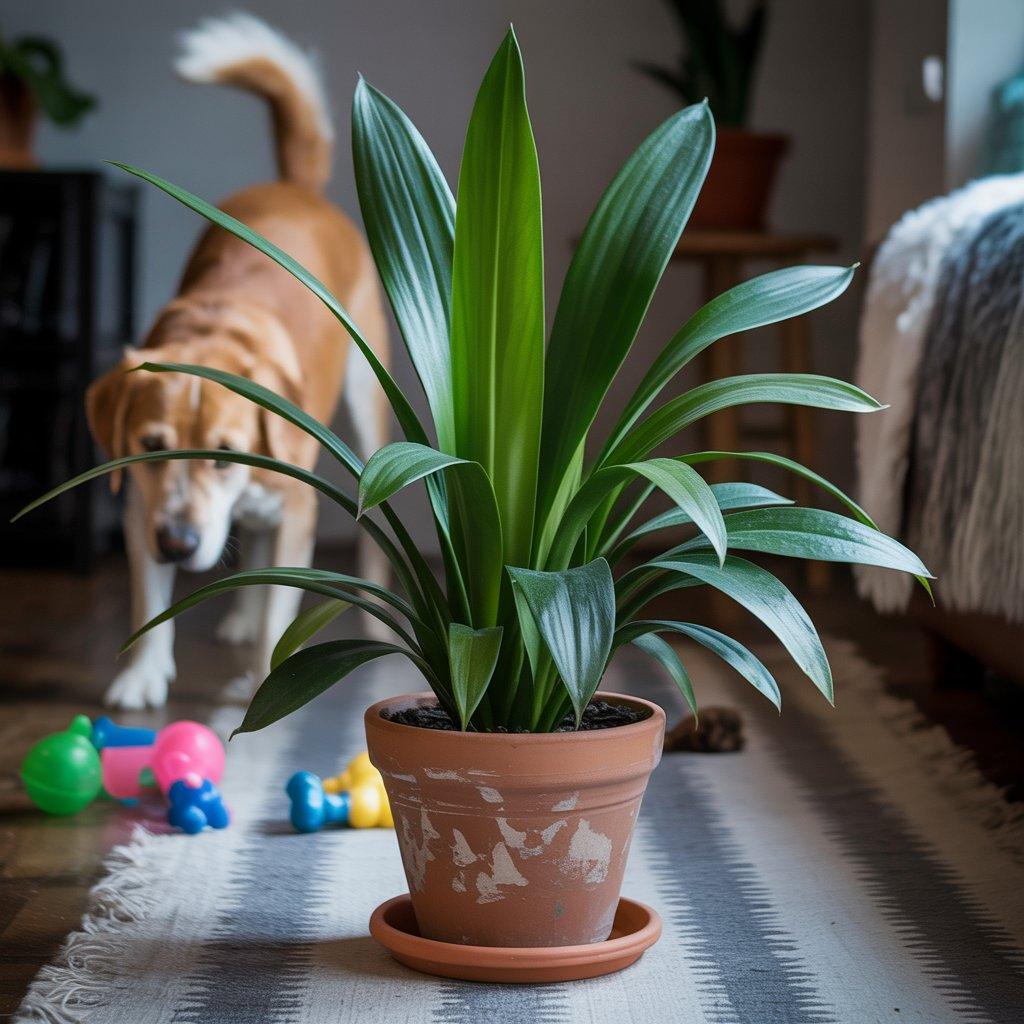
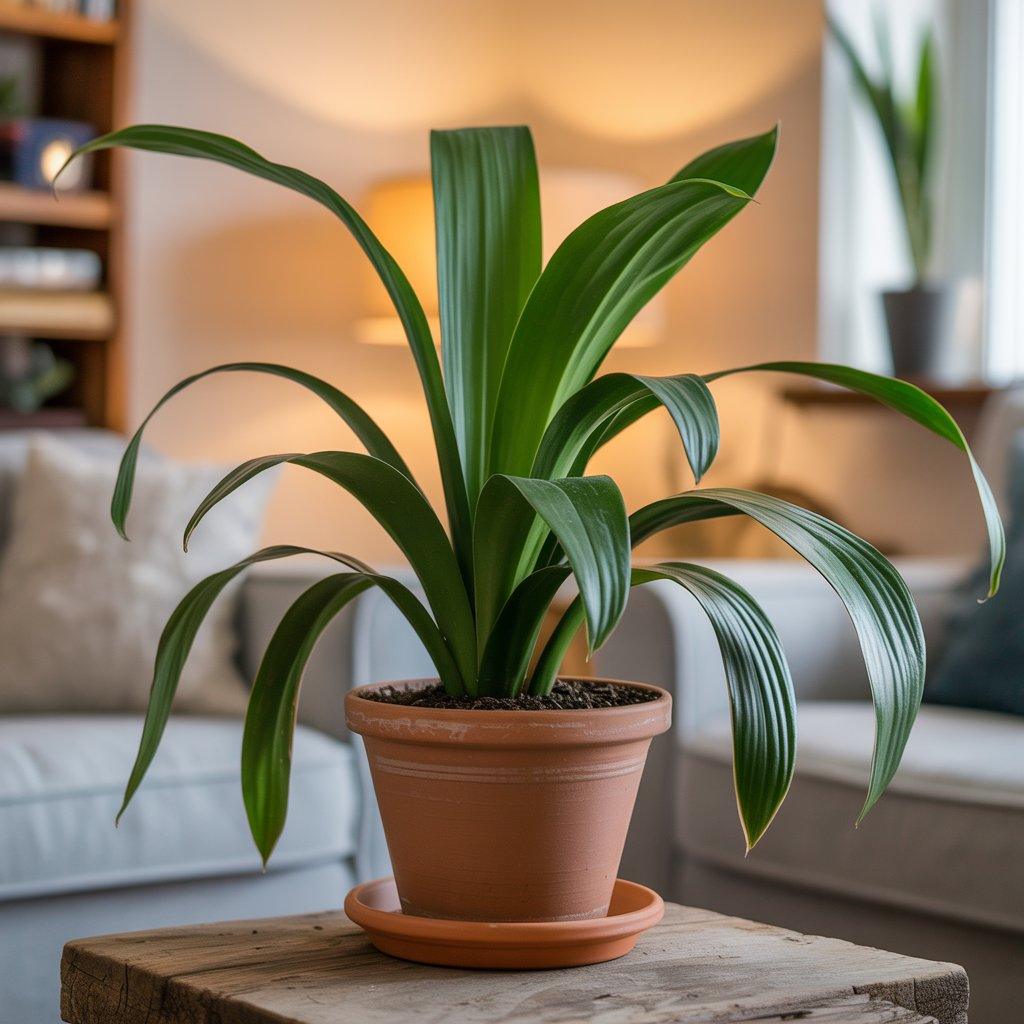
The cast iron plant got its name because it’s nearly unkillable. It handles low light, dry air, and neglect. It’s perfect for busy families. And it’s safe for kids and dogs. No toxicity concerns at all.
The leaves are long, dark green, and pointed. They grow straight up from the soil. This plant grows slowly, but it lives for decades. You can put it in a dark corner and forget to water for two weeks. It’ll be fine. Just don’t overwater it.
Let the soil dry out completely between waterings. Cast iron plants are great for homes with dogs that wag tails into everything. The sturdy leaves don’t break easily.
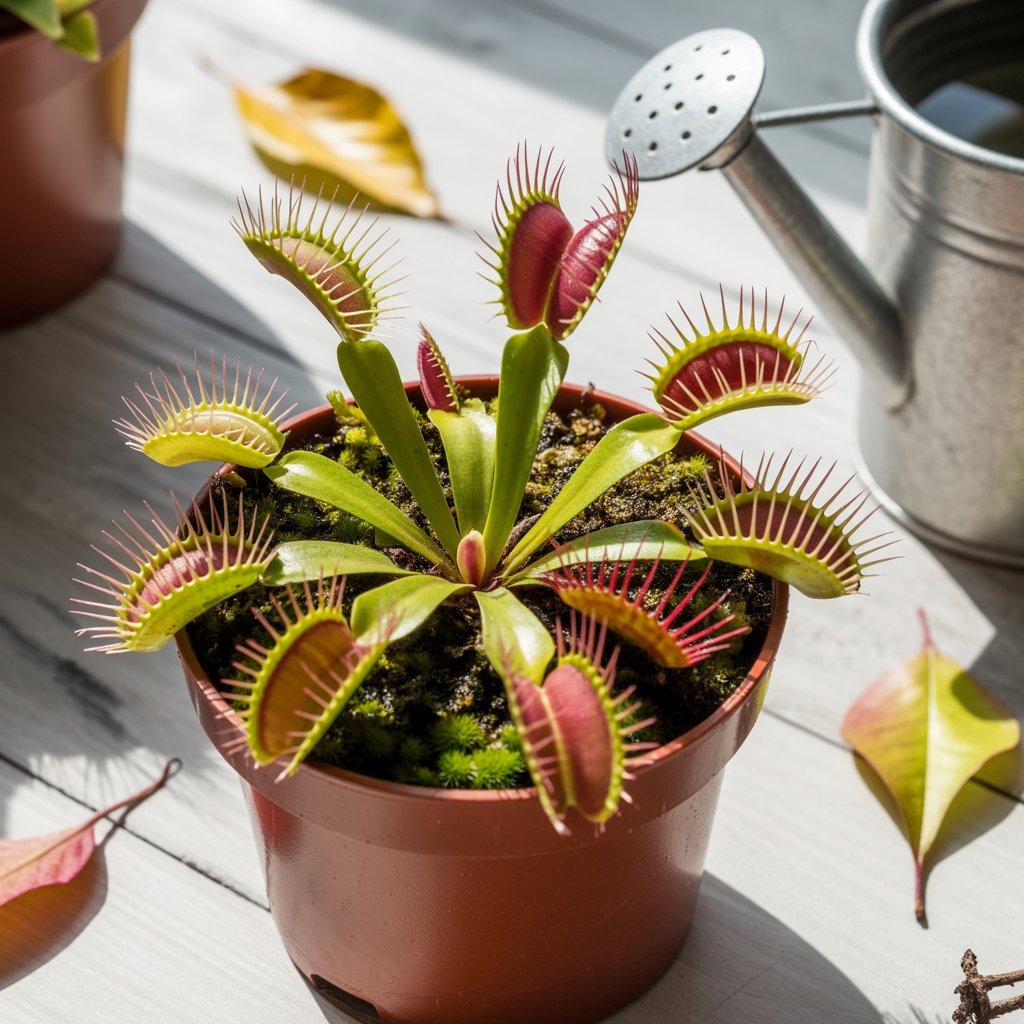
14. Venus Flytrap (Dionaea muscipula)
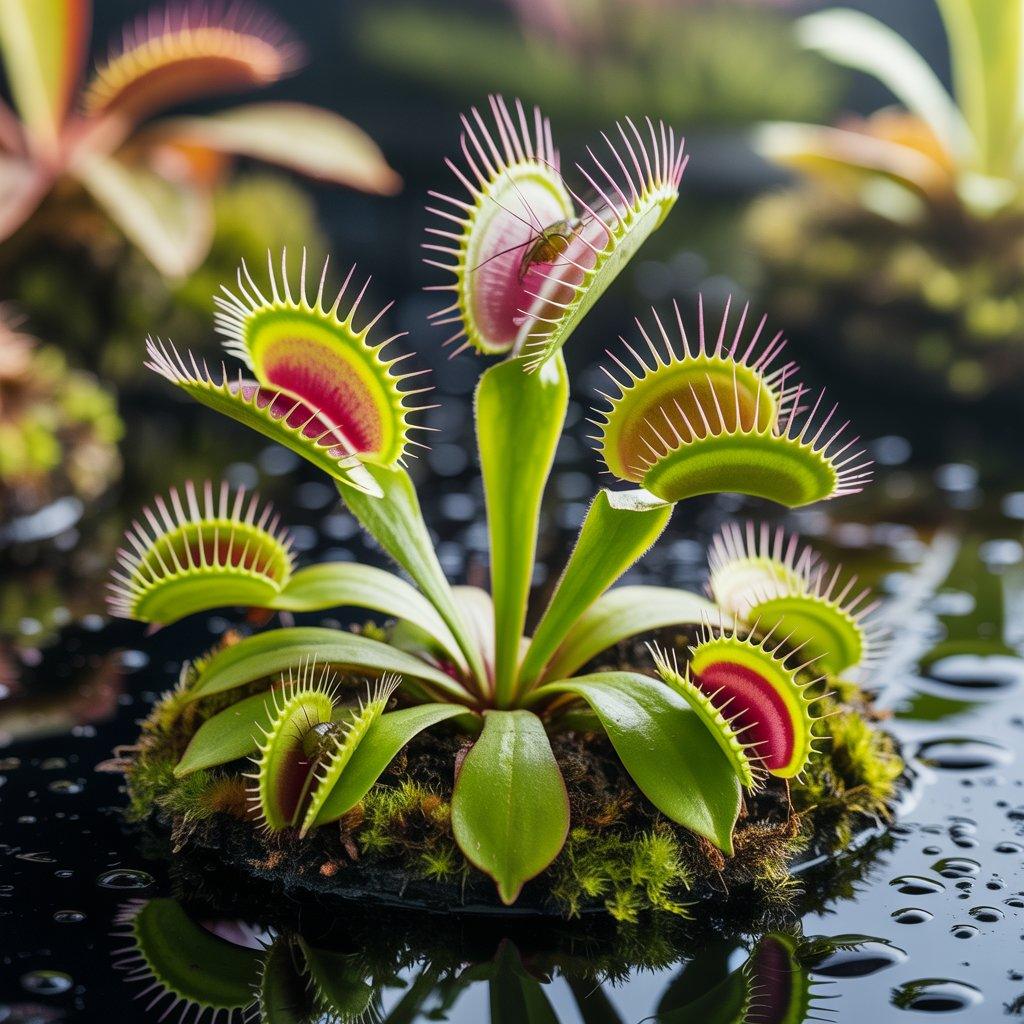
This one sounds scary. A plant that eats bugs? That can’t be safe for kids, right? Actually, Venus flytraps are completely non-toxic to kids and dogs. The traps are small and weak.
They can’t hurt fingers or paws. If a kid sticks a finger in, the trap just closes gently. No pain. No poison. The plant only eats insects. According to the ASPCA, it’s safe. The real challenge is keeping it alive.
Venus flytraps need pure water (distilled or rain water), full sun, and a winter dormancy. They’re not easy, but kids think they’re the coolest plant ever. If you’re up for a project, this one is safe and fun.
15. Maranta (Maranta leuconeura)
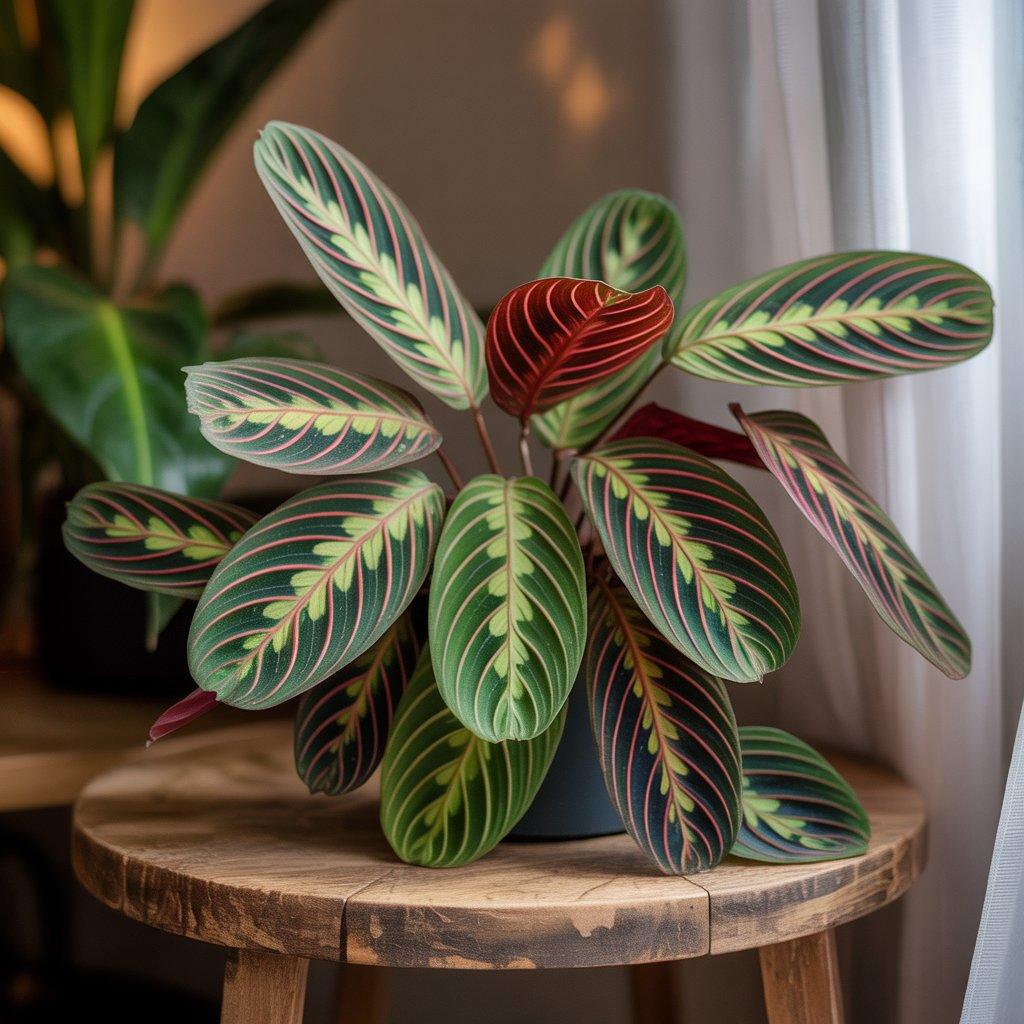
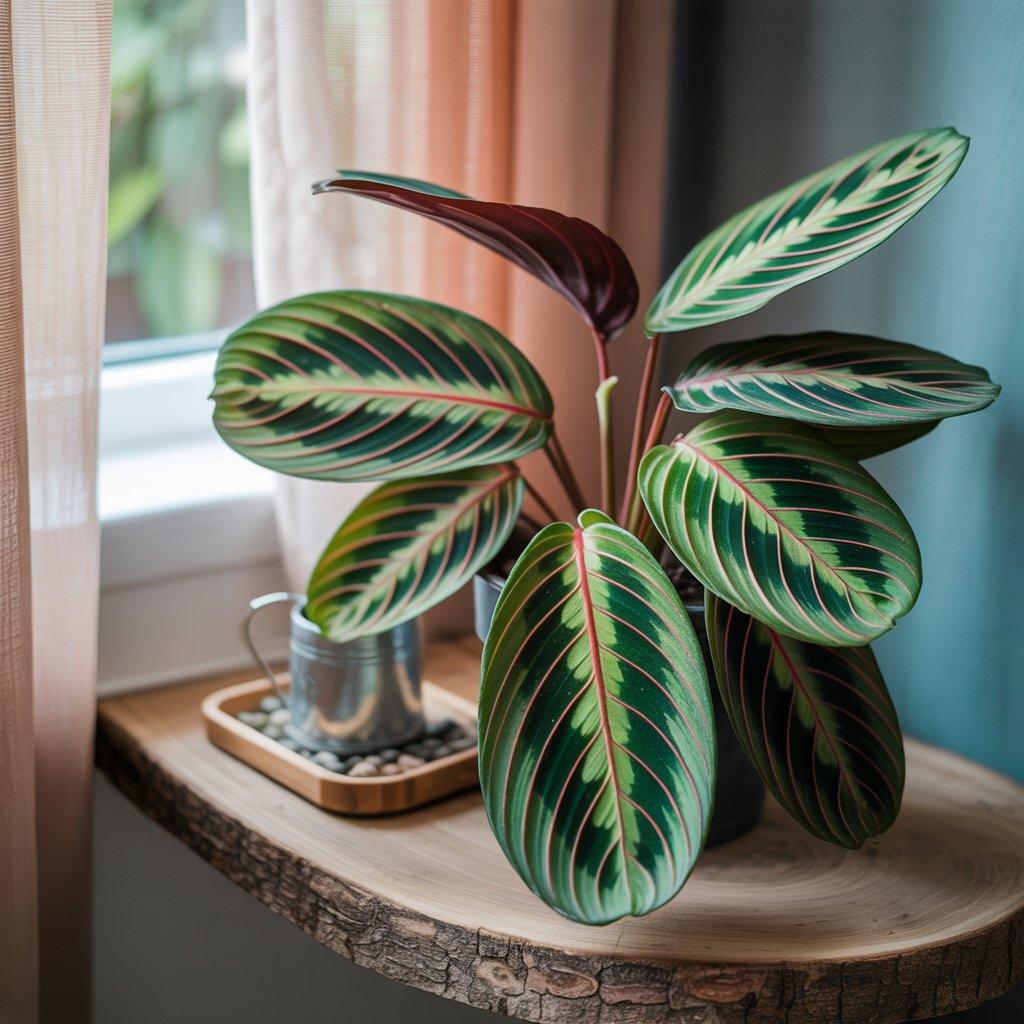
Marantas are close cousins to calatheas. They’re also called prayer plants. The leaves have beautiful red veins or herringbone patterns. They fold up at night like hands in prayer. And they are 100% safe for kids and dogs. The ASPCA confirms it.
You can put a maranta on a low table or let it trail from a shelf. The leaves are non-toxic. Marantas like humidity and indirect light. They don’t like tap water with chlorine or fluoride.
Use filtered water or let tap water sit out overnight. Keep the soil evenly moist. If the leaves curl, it’s thirsty. This plant moves visibly throughout the day. Kids love watching it.
Tips for Keeping Your Kids and Pets Safe Around Houseplants
Even with safe plants, you should still take a few precautions.
Put plants out of reach when possible. Use hanging baskets, tall plant stands, or shelves. This keeps dirt from being dug up and water from being spilled.
Teach kids not to eat leaves. Say something like, “Plants are for looking, not for lunch.” Repeat it often.
Watch for signs of chewing. If your dog suddenly starts nibbling a plant, they might be bored. Give them a chew toy instead.
Use heavy pots. A light plastic pot tips over easily. A ceramic or clay pot stays put. This matters when kids or dogs bump into things.
Avoid small decorations. Don’t put rocks, marbles, or moss on top of the soil. A curious toddler or dog could swallow them.
Common Mistakes to Avoid
#1: Assuming “pet-friendly” means kid-friendly.
Most lists only check for dog and cat toxicity. But a plant safe for a dog is also safe for a child. The same chemicals that hurt pets hurt kids. So if the ASPCA says it’s safe for pets, it’s safe for kids too.
#2: Forgetting about the soil.
Some potting mixes have fertilizer pellets or perlite. Those aren’t toxic, but they can be a choking hazard. Cover the soil with a layer of pebbles (big enough not to swallow) or use a mesh cover.
#3: Using chemical pesticides.
Even if the plant is safe, the spray might not be. Use natural pest control like neem oil or insecticidal soap labeled safe for homes with kids and pets.
#4: Putting safe plants in reach of a destructive pet.
A dog won’t get sick from eating a spider plant. But they might knock the whole pot over and make a mess. Use wall-mounted planters or tall stands.
Frequently Asked Questions (From People Also Ask)
Q1: What common houseplants are toxic to dogs and kids?
A: Peace lily, pothos (devil’s ivy), snake plant, aloe vera, sago palm, and philodendron. These can cause mouth irritation, vomiting, or worse. Avoid them entirely if you have young kids or dogs.
Q2: Is aloe vera safe for kids and dogs?
A: No. Aloe vera is toxic to both. The gel inside is used for burns, but the outer leaf contains saponins. If a dog or child eats it, they will likely vomit or have diarrhea. Keep aloe out of reach or don’t have it at all.
Q3: Are succulents safe for families?
A: Some are, some aren’t. Safe ones include haworthia, echeveria, and burro’s tail. Toxic ones include jade plant, aloe vera, and kalanchoe. Always check the specific type before buying.
Q4: Where can I find a reliable list of toxic plants?
A: The ASPCA website has a searchable database. Search for “ASPCA toxic plants” and you’ll get a full list by plant name. They also have photos to help you identify them.
Q5: What should I do if my dog or kid eats a unknown plant?
A: Stay calm. Call poison control for humans at 1-800-222-1222. For pets, call your vet or the ASPCA Poison Control hotline at 1-888-426-4435. Have the plant name or a photo ready.
Styling Ideas for Pet-Friendly Houseplants
You don’t have to hide your plants just because you have kids and dogs. Here are some ways to display them safely.
Use hanging planters. Hang spider plants, ferns, or Swedish ivy from the ceiling. They trail down beautifully and stay out of reach.
Try wall-mounted pots. Attach small pots to the wall at a height where kids can’t grab and dogs can’t jump.
Get a tall plant stand. A metal stand with two or three tiers lifts plants off the floor. Dogs can’t reach, and toddlers can’t tip them over.
Use a glass cabinet. An IKEA glass cabinet works as a mini greenhouse. It keeps plants safe from chewing and digging, plus it looks great.
Group plants on a high shelf. A floating shelf near the ceiling is perfect for calatheas and peperomias. Water with a step stool.
Conclusion
You can have a house full of green plants without risking your kid’s or dog’s health. The key is knowing which plants to buy. Stick with spider plants, ferns, palms, calatheas, peperomias, and the others on this list. Avoid peace lilies, pothos, aloe, and sago palm.
Check the ASPCA database before buying anything new. Keep your plants in heavy pots or out of reach. And teach your kids that plants are for looking, not tasting.
With a little planning, your home can be both beautiful and safe for every member of your family both the two-legged and four-legged ones.
Related Post: