

A small backyard does not have to feel crowded, exposed, or unfinished. With the right layout, even a limited outdoor area can become a quiet place to sit, read, enjoy a meal, or simply take a break.
The key is not trying to fit everything into the space. Instead, make a few thoughtful changes that give the backyard a sense of privacy, comfort, and purpose. Vertical planting, partial screens, flexible furniture, layered greenery, and small details can make a surprisingly big difference.
Here are practical ways to turn a small backyard into a private outdoor retreat without making it feel packed.
1. Create a Private Corner Instead of Screening the Whole Backyard
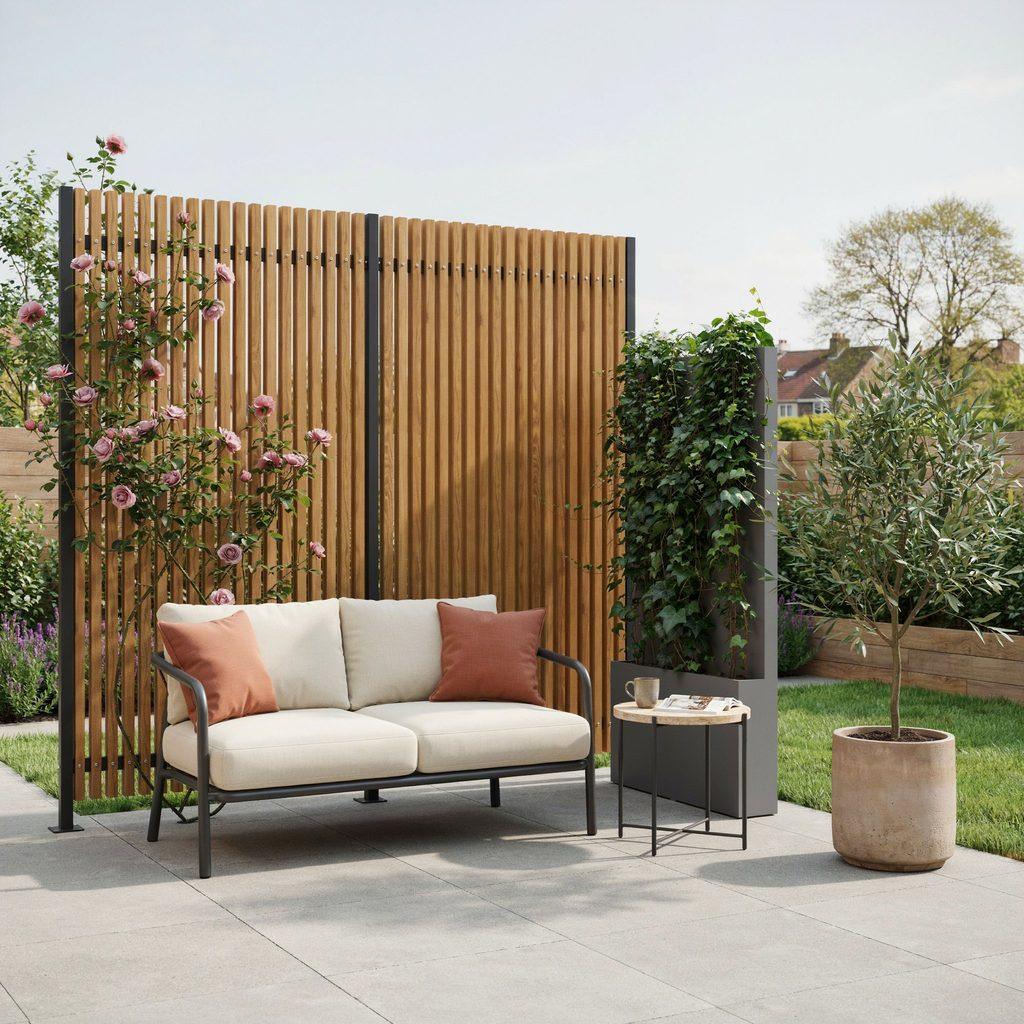
One of the easiest ways to make a small backyard feel private is to create privacy around the area you actually use. You do not need to block every boundary.
Choose one corner for a chair, small bench, or compact outdoor sofa, then place a narrow screen, tall planter, or climbing plant behind it.
This creates a sheltered feeling without closing off the entire garden. The RHS recommends balancing privacy with light and views rather than automatically using solid screening everywhere. (RHS)
Try a modern slatted screen or a slim vertical planter wall behind your seating. You get a private retreat while leaving the rest of the yard visually open.
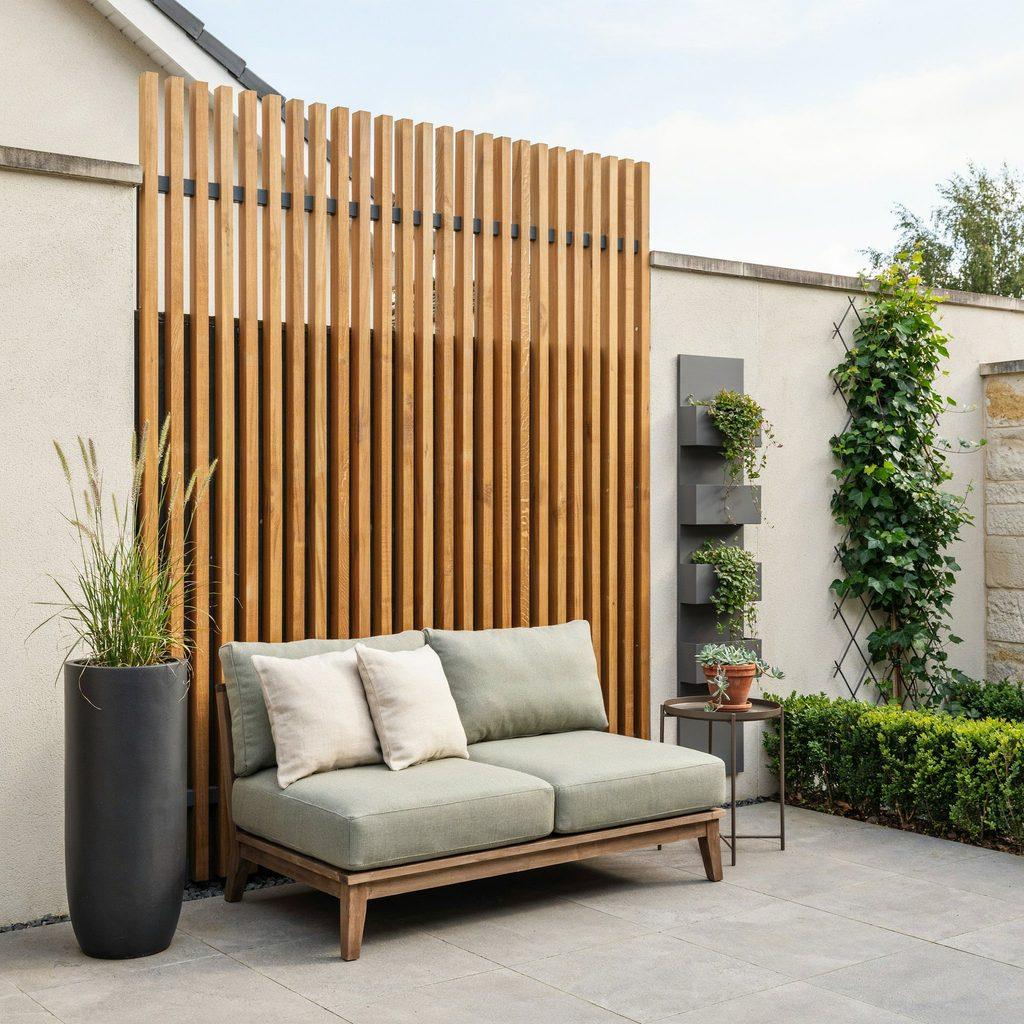
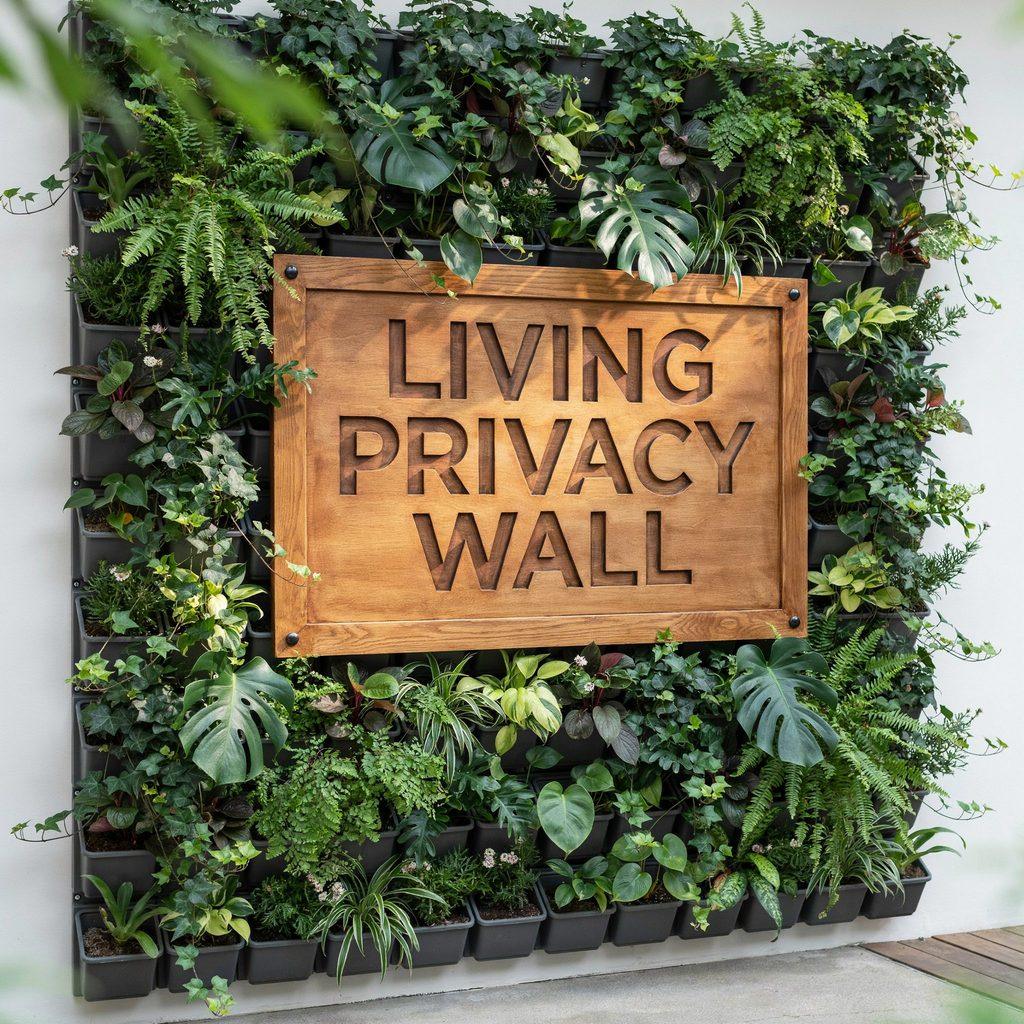
2. Use a Living Privacy Wall That Works Vertically
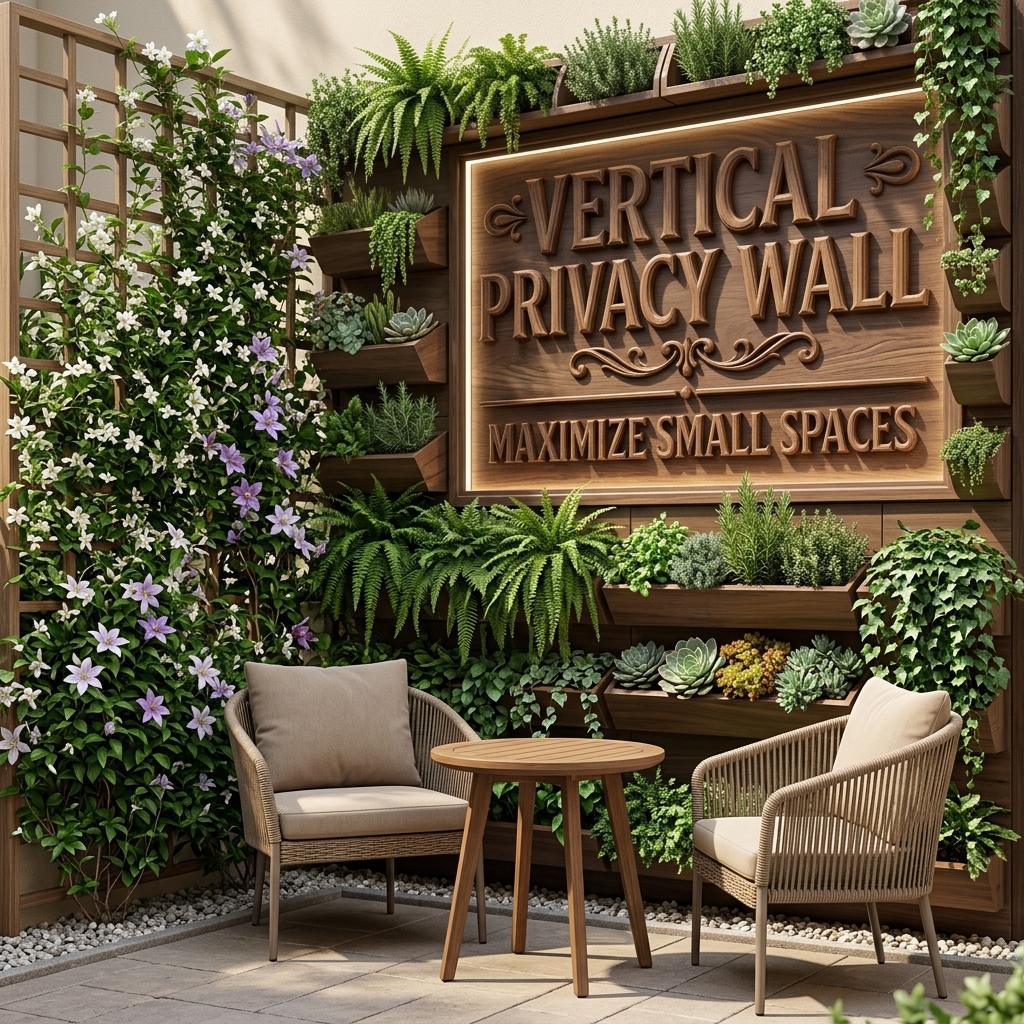
When floor space is limited, look upward. A vertical privacy wall can combine plants, screening, and decoration without taking up much ground space.
A simple trellis with climbing plants can soften a fence while creating a greener backdrop for your seating area. You can also use narrow wall-mounted planters or a tiered plant shelf to add layers.
RHS guidance for small gardens specifically recommends using walls, shelves, climbers, and different planting heights to make every part of the space useful.
For a modern look, try a slim modular living-wall panel rather than rows of small pots. Choose plants suited to your sunlight and climate, and keep the arrangement simple so the wall feels like part of the garden rather than extra clutter.
3. Make the Seating Area Feel Like an Outdoor Room
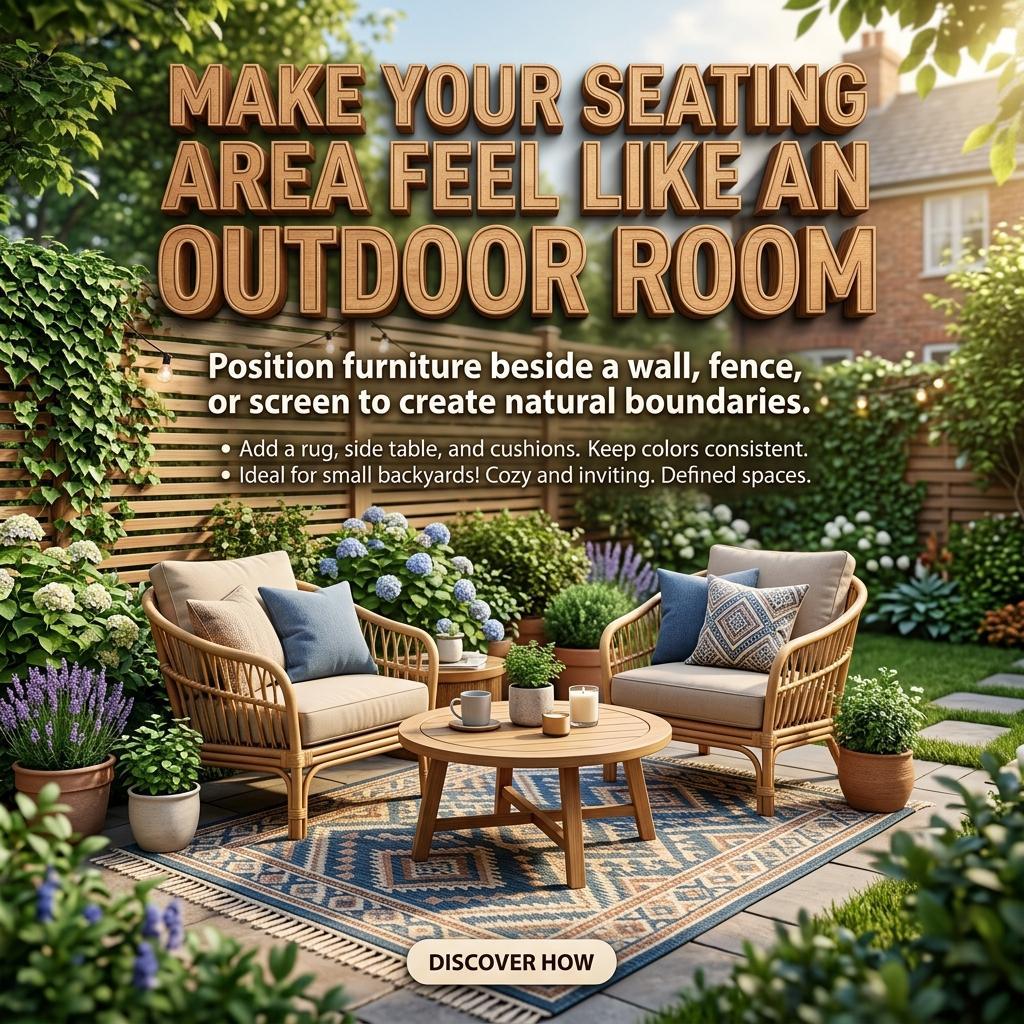
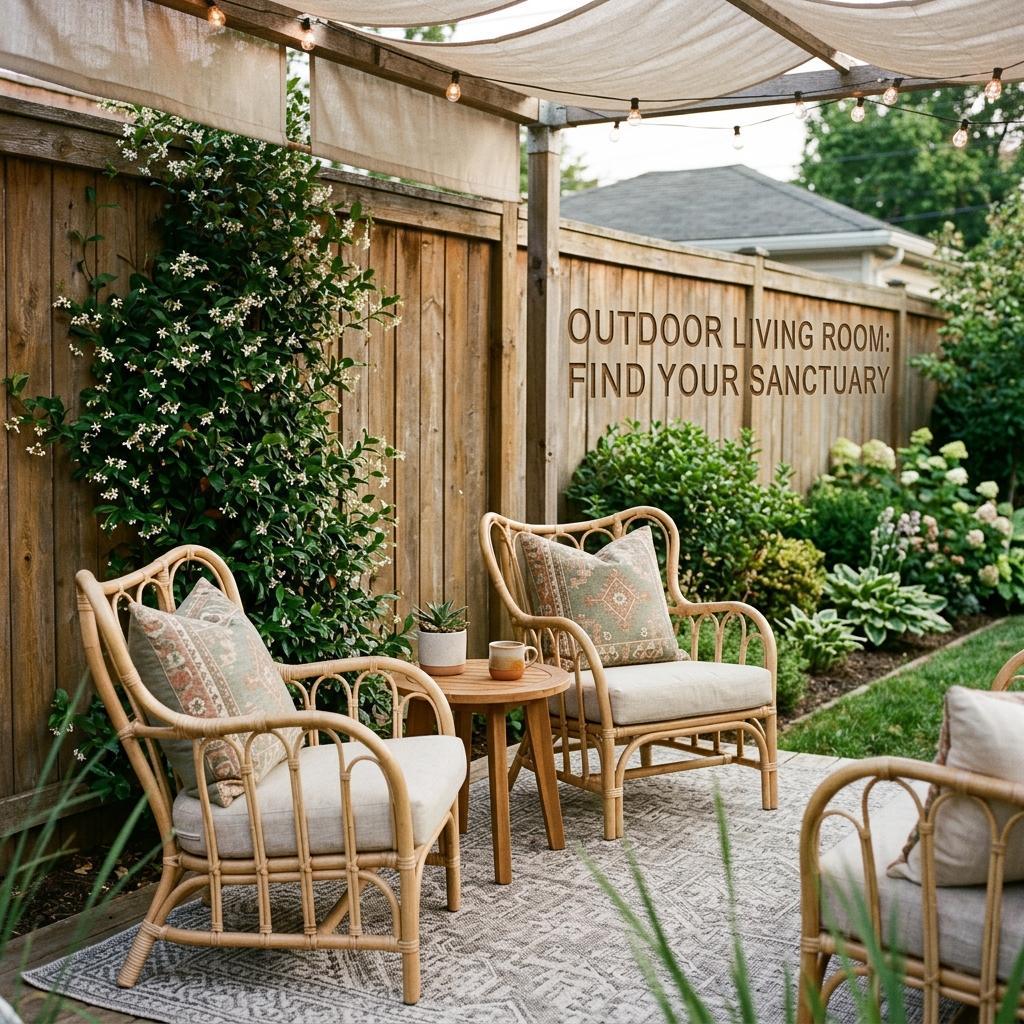
A small backyard becomes much more relaxing when the seating area has a clear identity. Instead of placing chairs randomly in the middle of the yard, position them beside a wall, fence, planting bed, or screen. This gives the seating area a natural boundary and makes it feel more like a room.
A compact two-seat sofa or two lightweight chairs can be enough. Add one outdoor rug, a small side table, and a comfortable cushion or two. Keep the colors and materials consistent so everything feels connected.
This approach follows a useful small-garden principle: furniture should help define the space without taking over the entire yard. Flexible or foldaway furniture can also free up floor space when the area needs to serve another purpose.
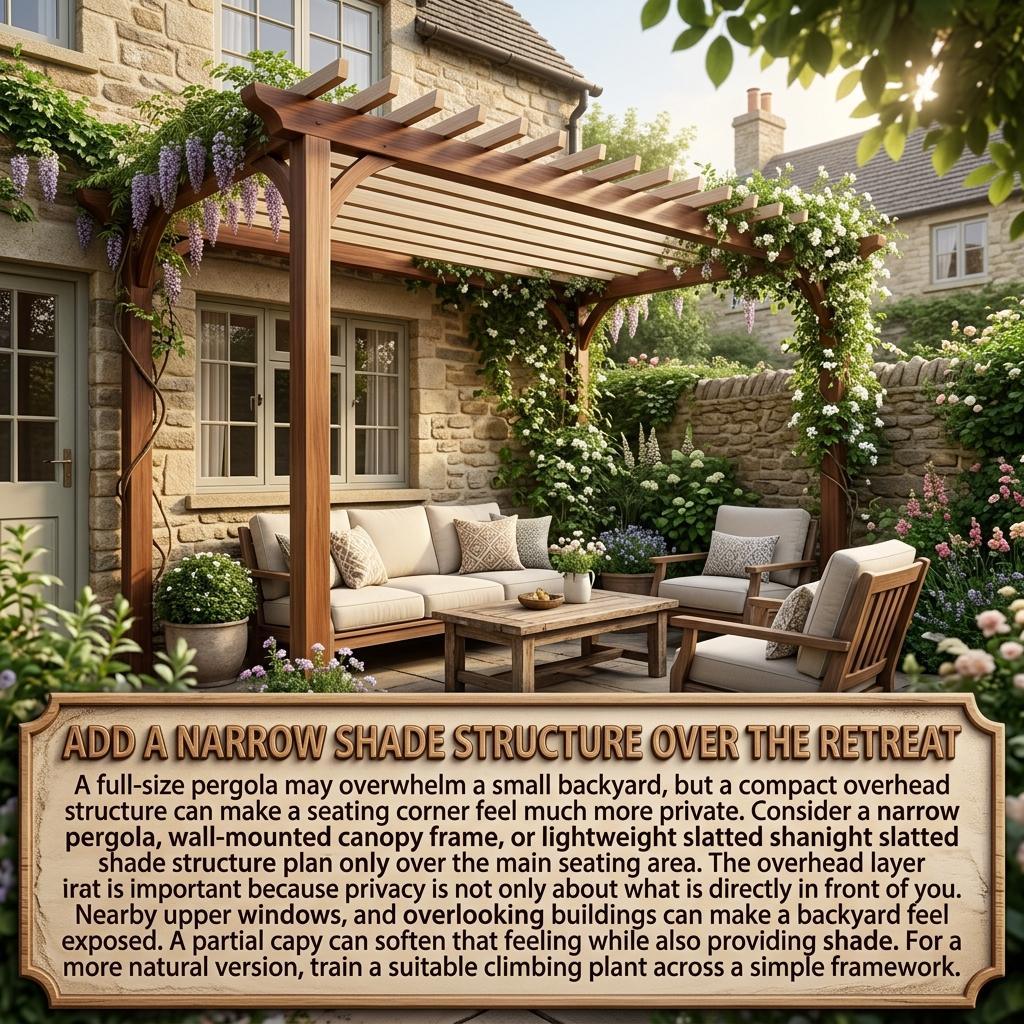
4. Add a Narrow Shade Structure Over the Retreat
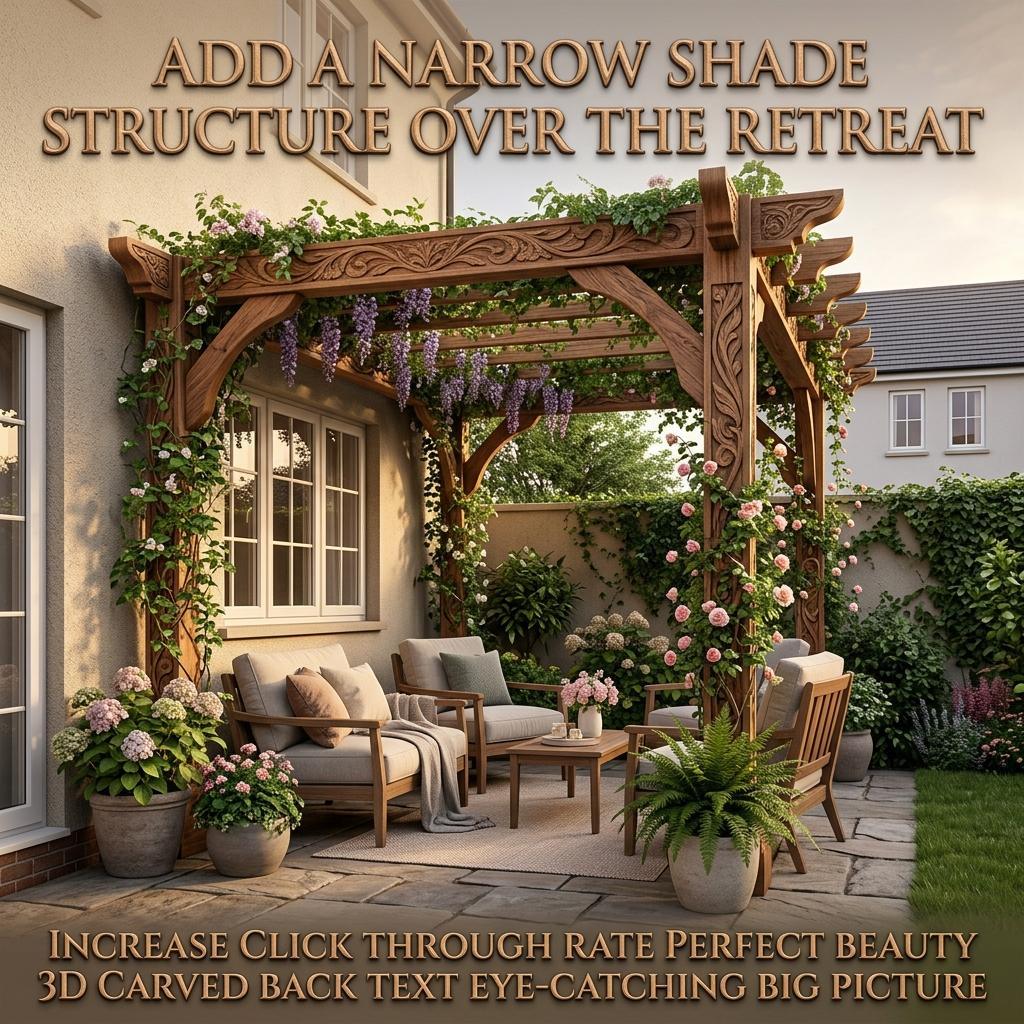
A full-size pergola may overwhelm a small backyard, but a compact overhead structure can make a seating corner feel much more private. Consider a narrow pergola, wall-mounted canopy frame, or lightweight slatted shade structure positioned only over the main seating area.
The overhead layer is important because privacy is not only about what is directly in front of you. Nearby upper windows and overlooking buildings can make a backyard feel exposed. A partial canopy can soften that feeling while also providing shade.
For a more natural version, train a suitable climbing plant across a simple framework. Houzz has highlighted compact yards where climbing plants create overhead shade, while RHS also recommends climbers on simple structures for shade and privacy. (Houzz)
5. Design a “Hidden Nook” Behind Plants
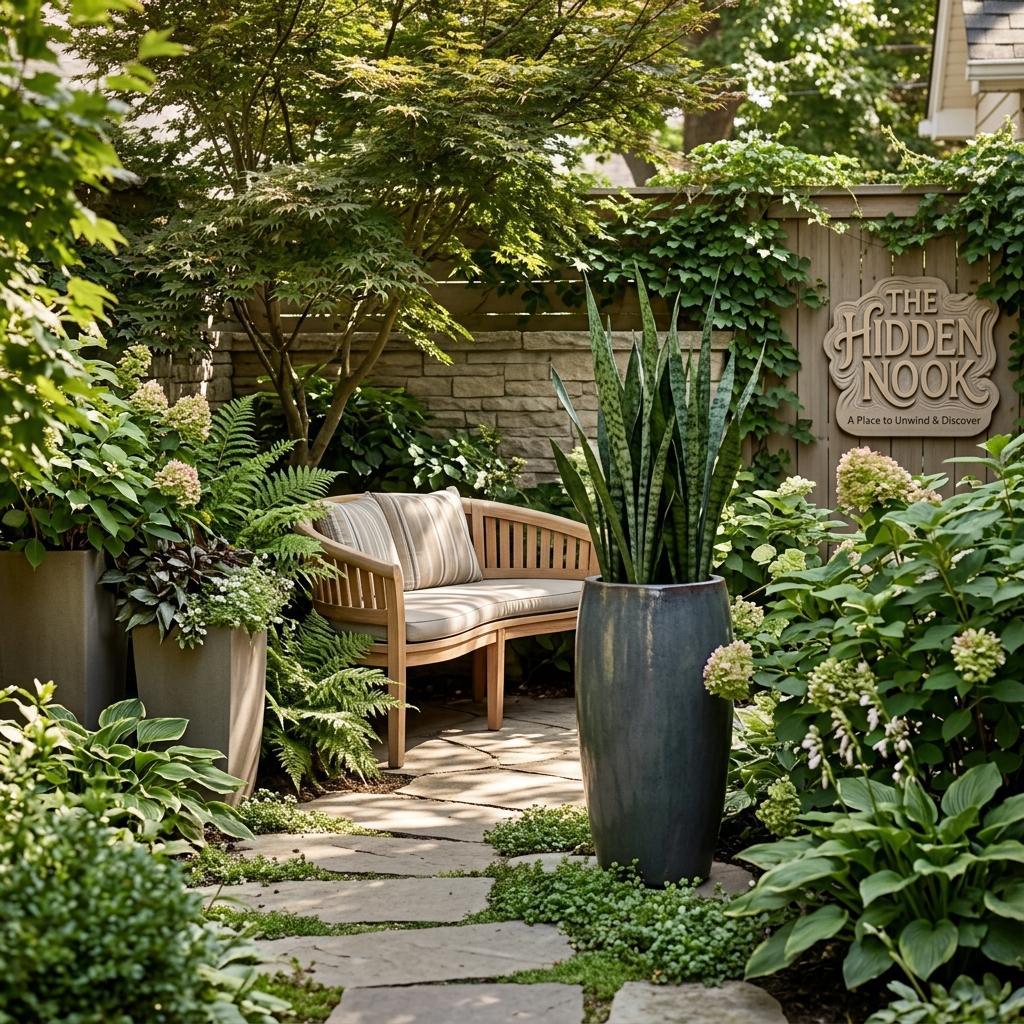
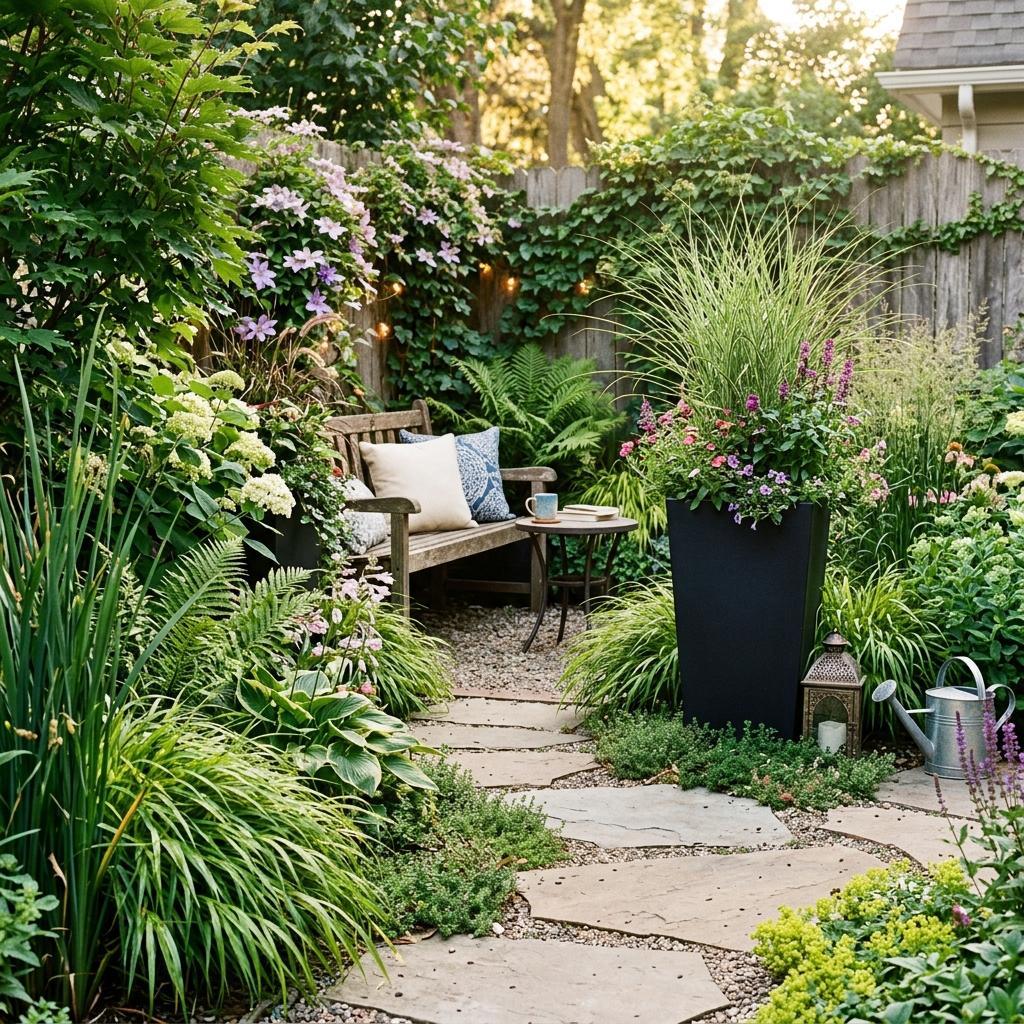
A small backyard can feel larger when everything is not visible at once. Instead of putting your seating directly in the open, hide part of it behind plants, a narrow screen, or a change in planting height. You only need enough coverage to make the seating area feel discovered rather than exposed.
Try placing a compact chair or bench behind a group of taller container plants. Leave a small opening leading into the seating area. From the house, the garden then has another layer to explore.
This “conceal and reveal” approach is being used in contemporary small-yard design because hidden features and layered views can make compact gardens feel more interesting and inviting.
For a modern touch, use one tall architectural planter as the visual doorway into the nook rather than surrounding the entire area with pots.
6. Use Movable Planters to Change Your Privacy When Needed
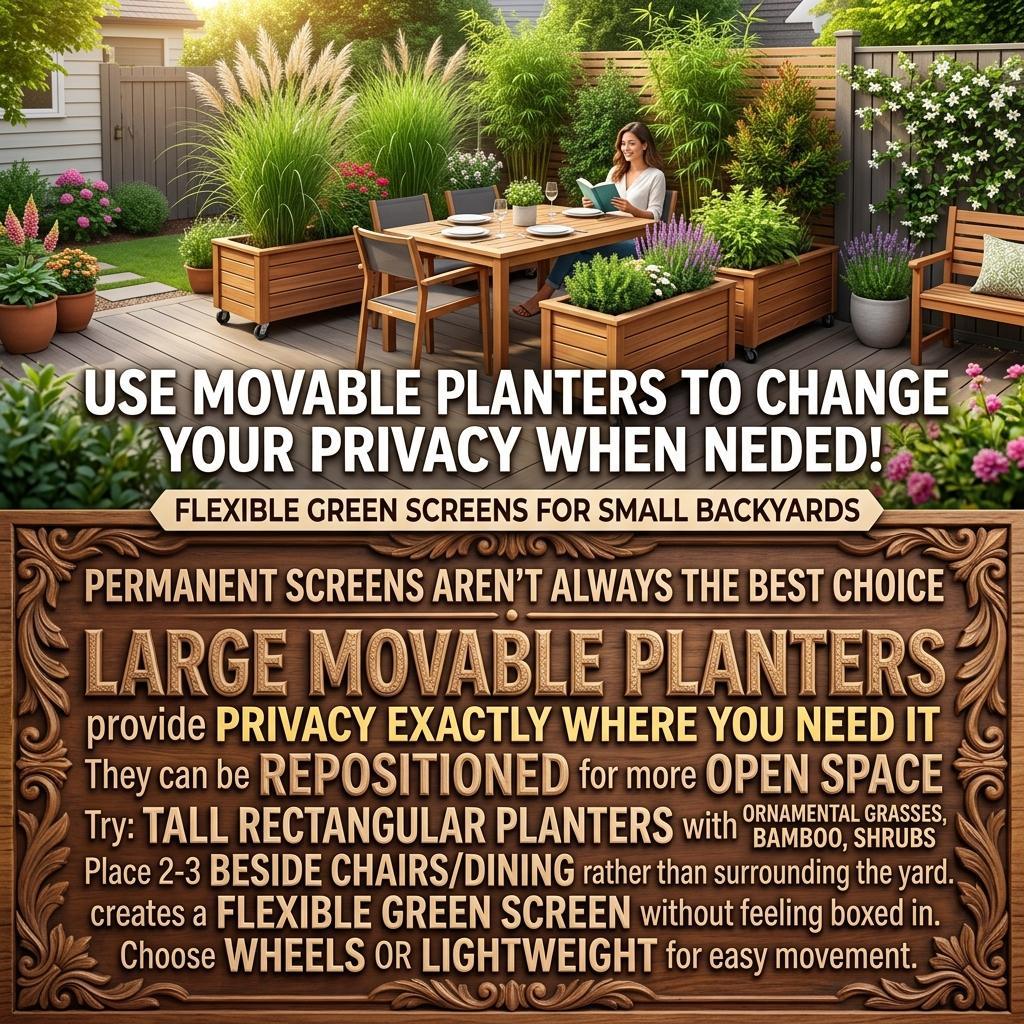
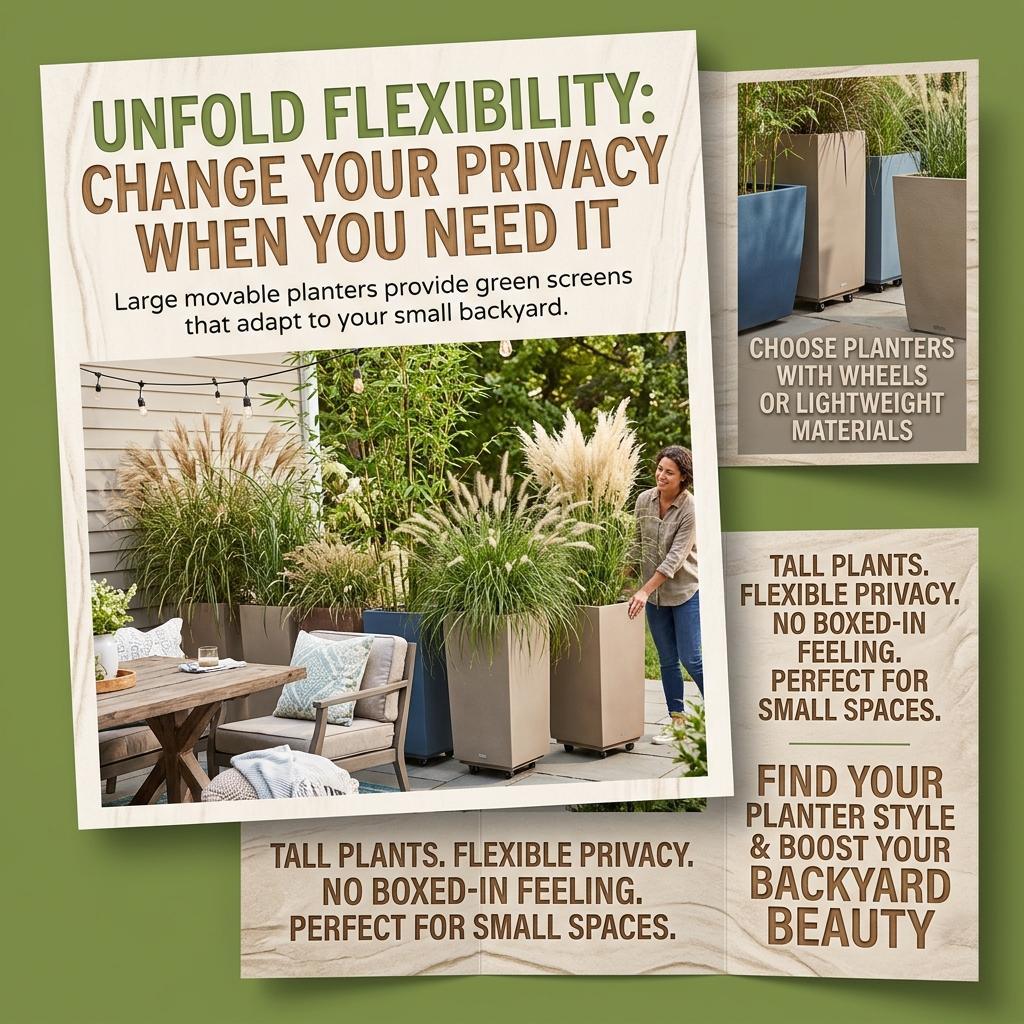
Permanent privacy screens are not always the best choice for a small backyard. Large movable planters can give you privacy exactly where you need it and can be repositioned when you want more open space.
Try tall rectangular planters with ornamental grasses, bamboo suited to containers, shrubs, or other upright plants that grow well in your climate. Place two or three together beside a chair or dining area rather than surrounding the whole yard.
This creates a flexible green screen without making the space feel boxed in. Choose planters with wheels or lightweight construction if you expect to move them often. The result is a backyard that can change with your needs.
7. Add a Small Water Feature for a Calmer Atmosphere
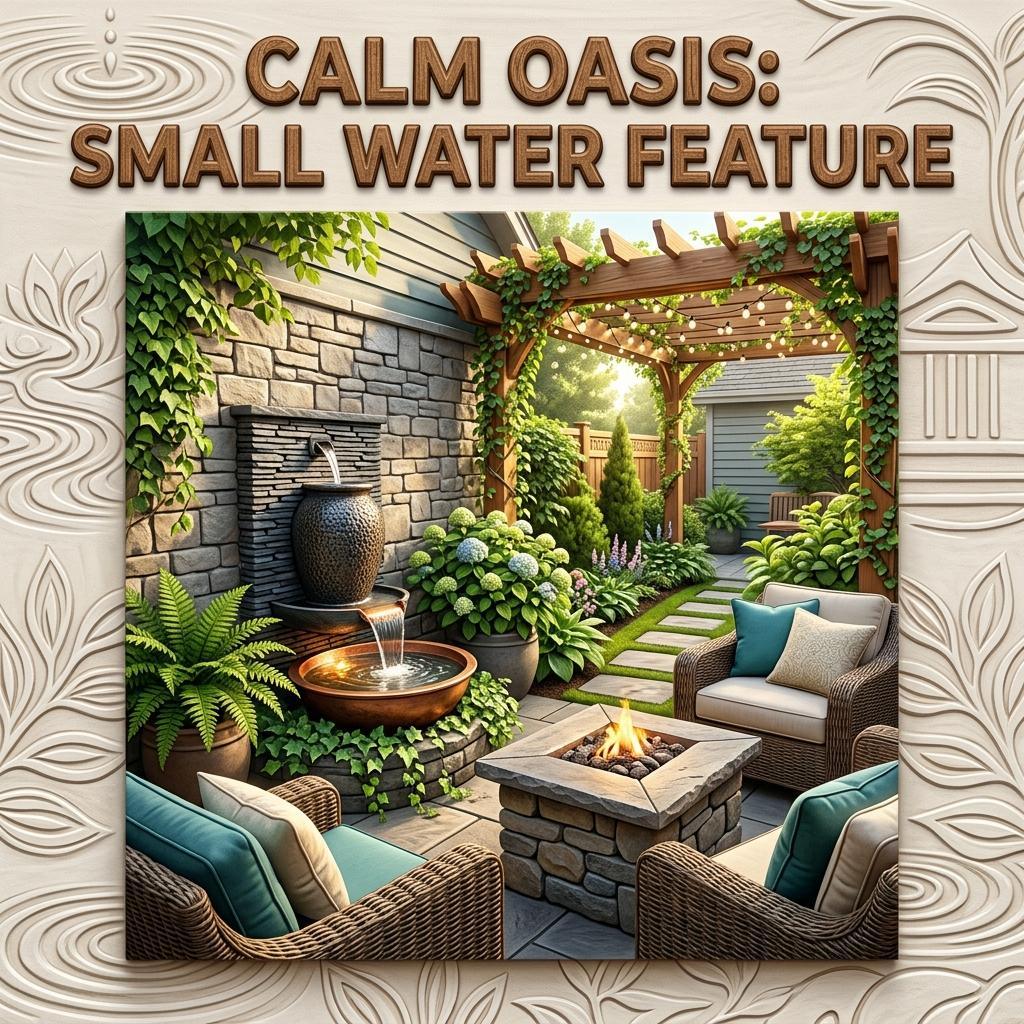
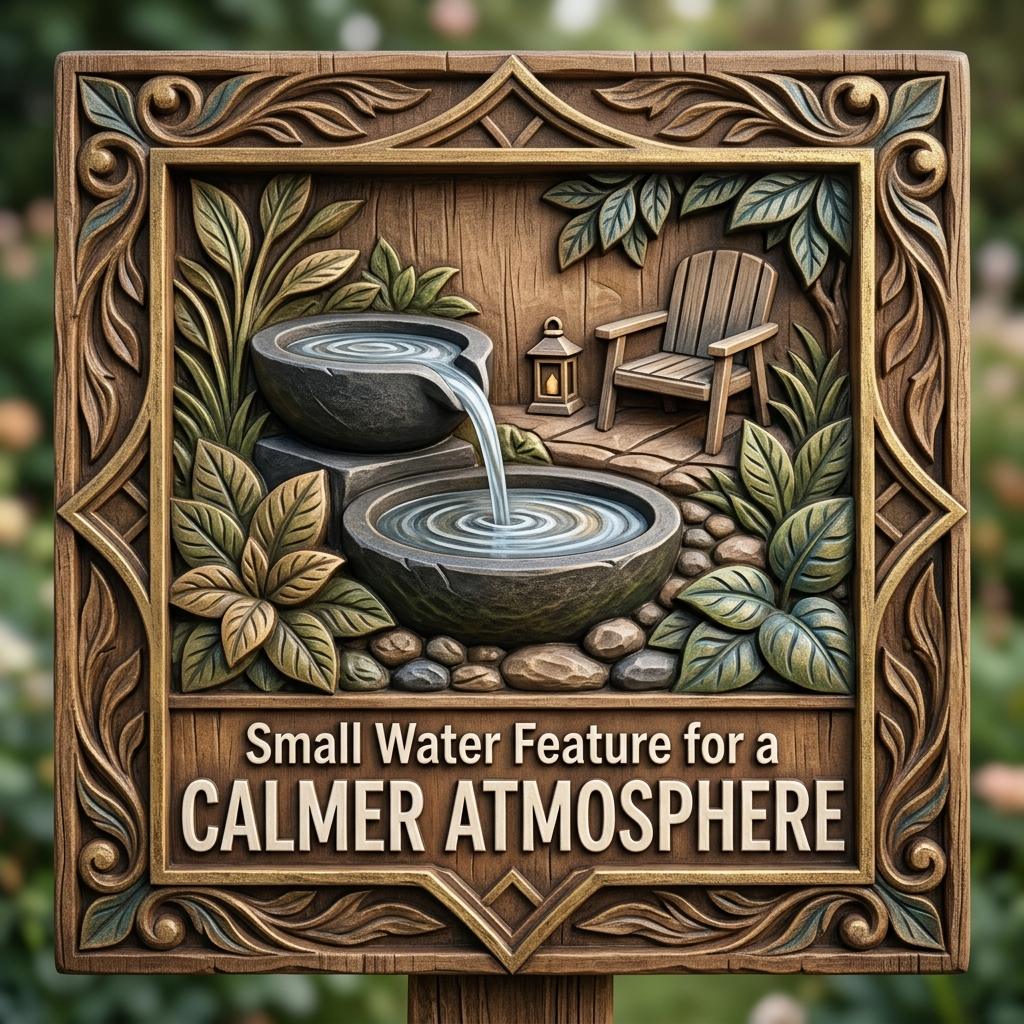
You do not need a large pond to make a backyard feel peaceful. A compact wall fountain, tabletop water bowl, or narrow recirculating water feature can provide the gentle sound of moving water without taking up much room.
Position it near your seating area where you can hear it without making it the main focus. A simple dark stone bowl or modern ceramic feature can also become an attractive focal point. Keep the design proportional to the yard and choose a low-maintenance model with a recirculating pump.
Water can help soften background noise from nearby streets or neighbors, making your small outdoor retreat feel more separate from the surrounding area.
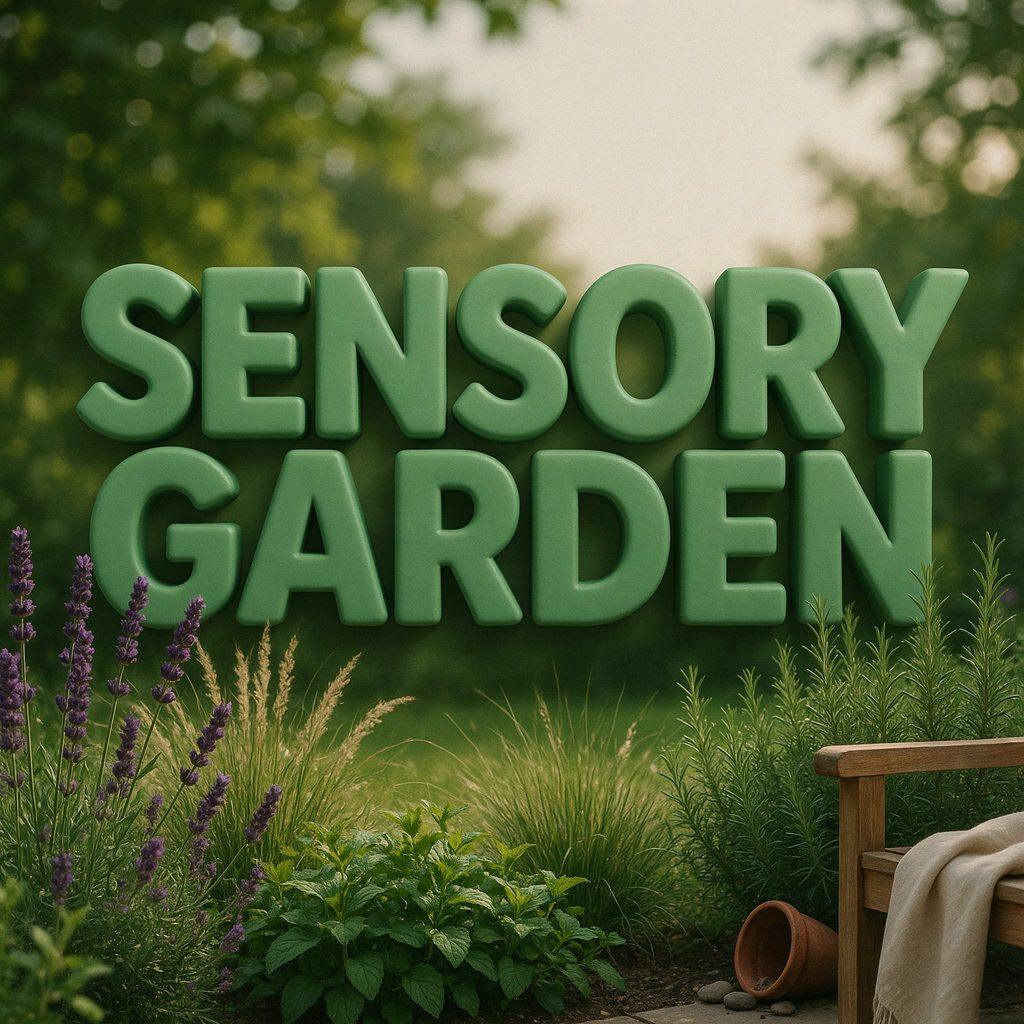
8. Build a Sensory Garden Around Your Seating Area
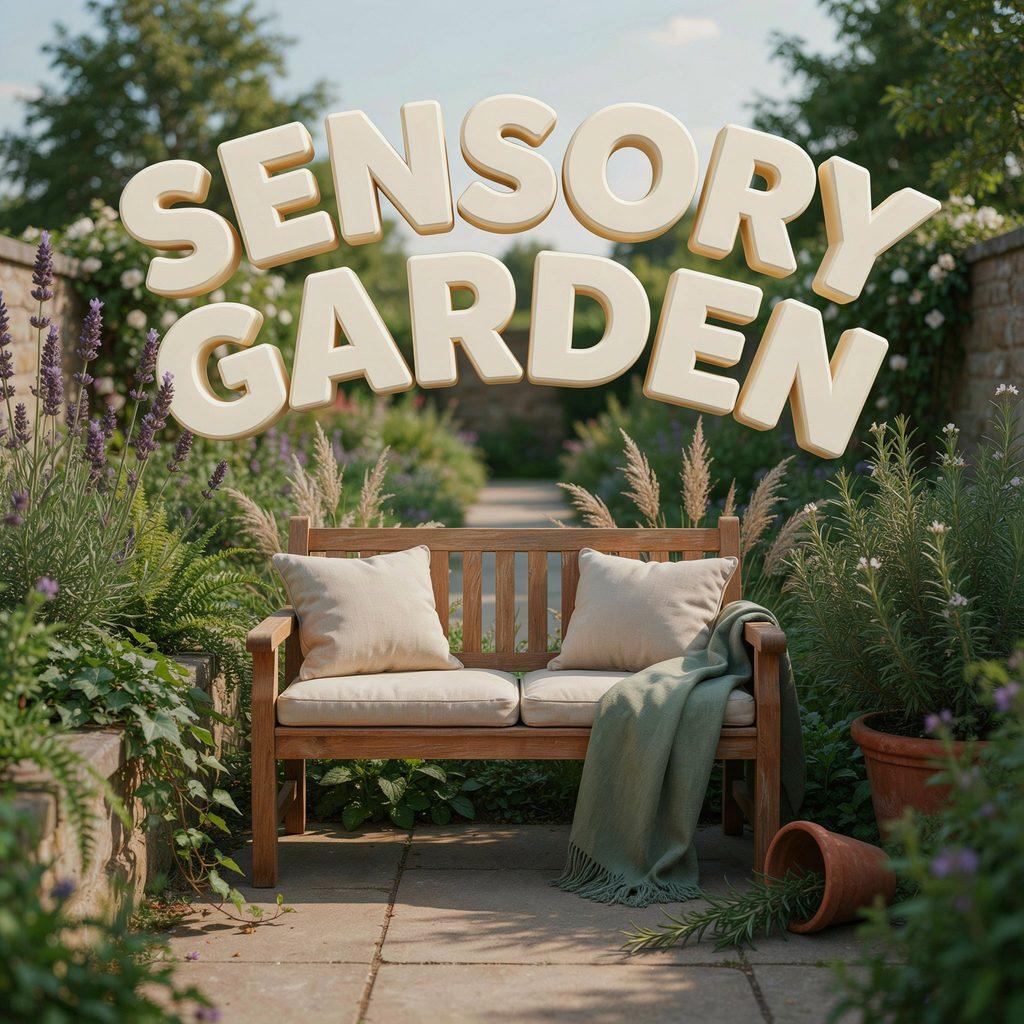
A private retreat should feel good, not simply look good. Add plants that give you something to experience when you sit outside. Fragrant herbs, flowers, textured grasses, and plants with interesting leaves can create a small sensory garden around the seating area.
Lavender, rosemary, mint, ornamental grasses, or locally suitable fragrant plants can add different scents and textures. Avoid filling every available space with containers. Instead, group several plants at different heights so they form a natural edge around your retreat.
This approach gives the backyard more depth while making the space enjoyable throughout the day. Choose plants according to your local growing conditions and the amount of sunlight available.
9. Choose a Compact Outdoor Storage Bench
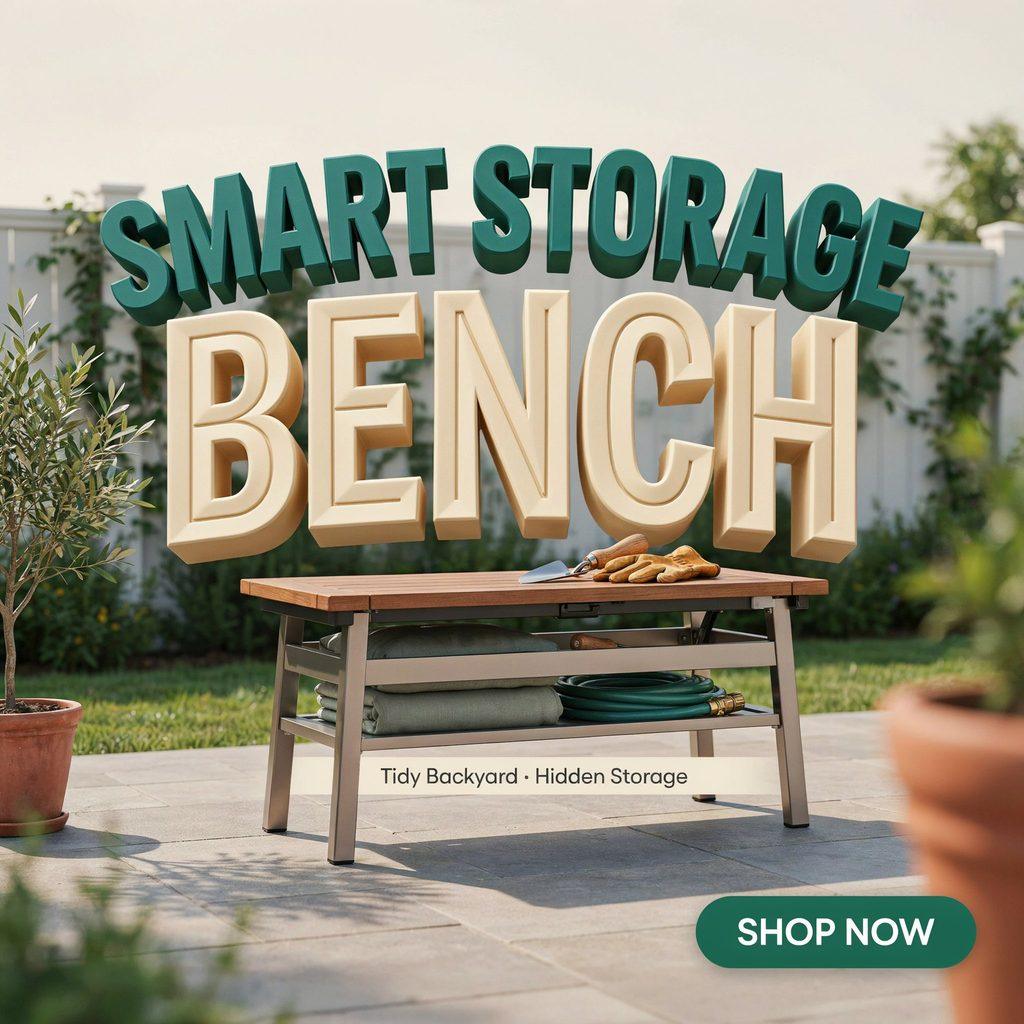
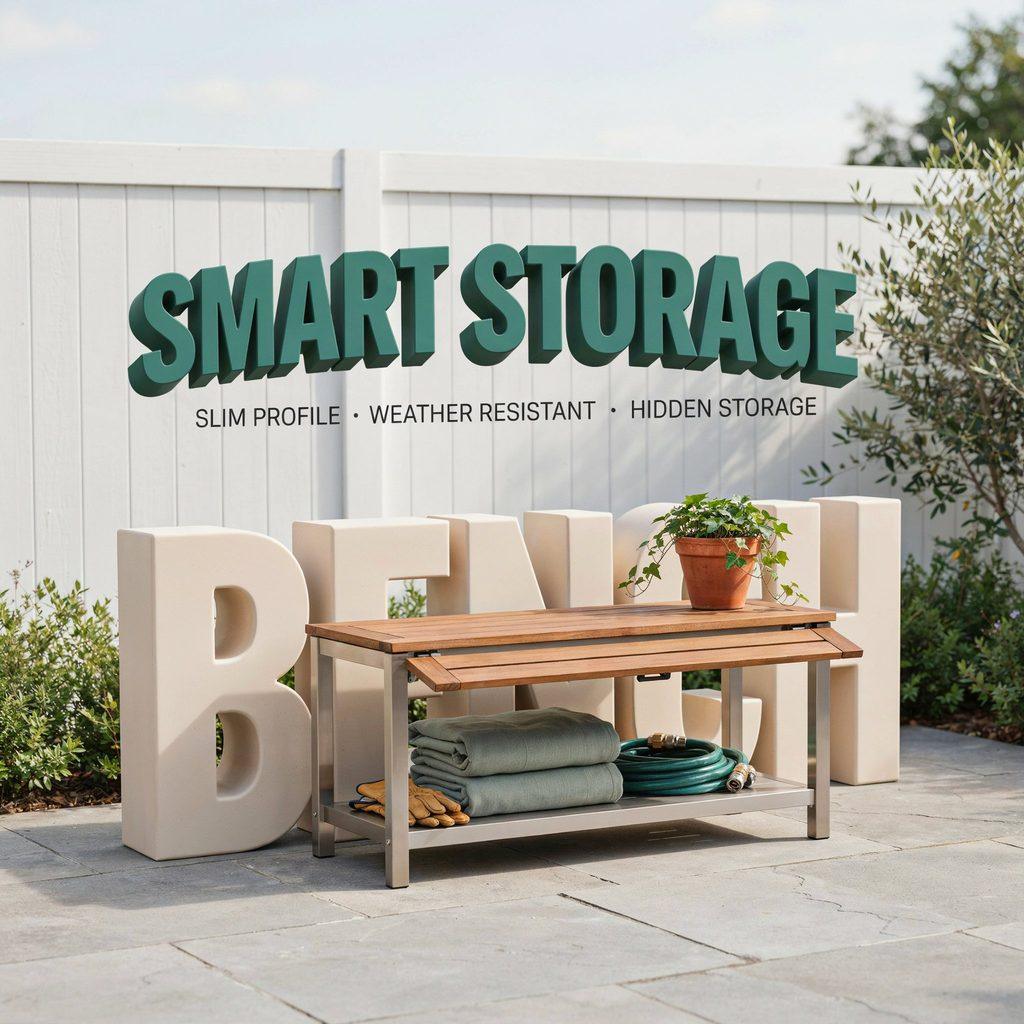
Clutter can quickly make a small backyard feel even smaller. A storage bench solves two problems at once by providing somewhere to sit while hiding cushions, gardening tools, outdoor games, or other small items.
Look for a weather-resistant bench with a slim profile rather than a deep storage box that takes up valuable floor space. You can also build a simple custom bench along a wall or fence and use the space underneath for concealed storage.
Keep frequently used items inside so the seating area can be cleared quickly. A tidy backyard feels more spacious because your eyes can move across the garden without constantly stopping at loose objects.
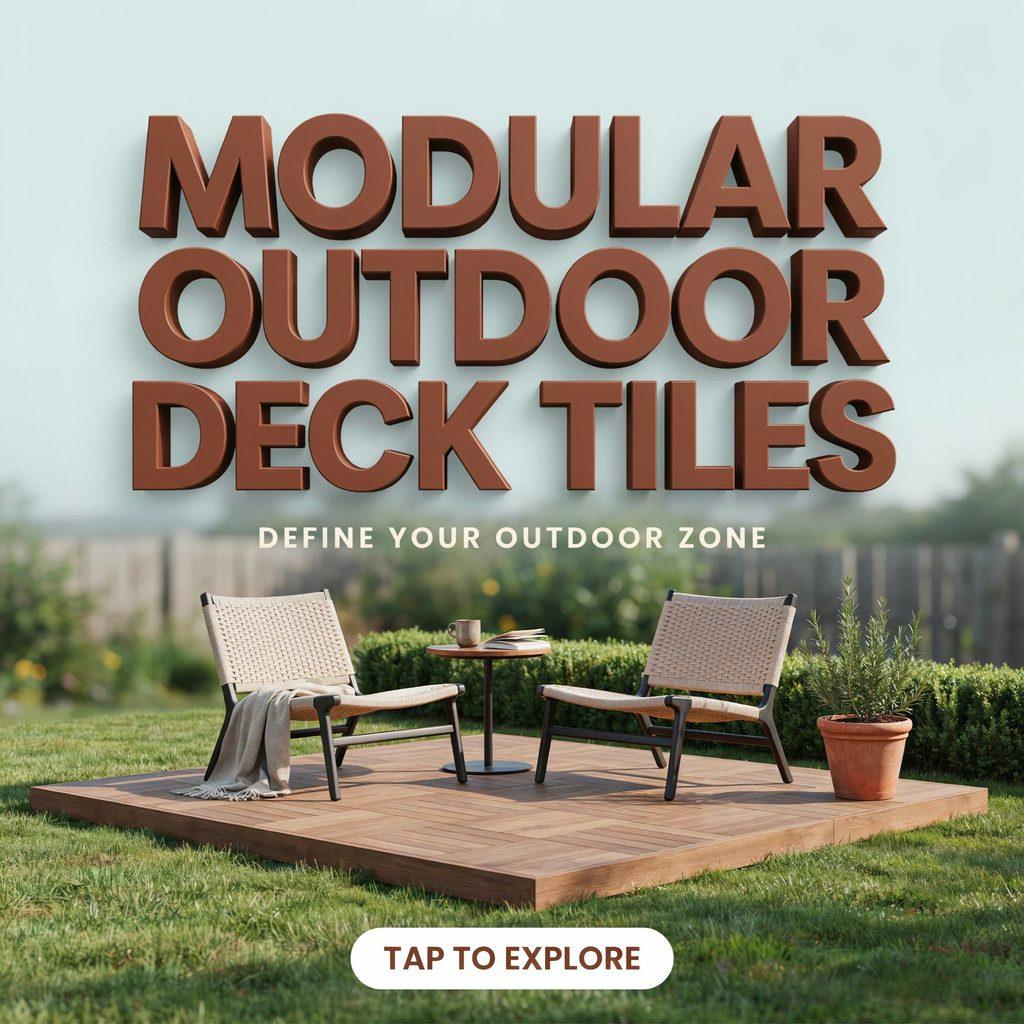
10. Create a Small Outdoor Floor Zone With Modular Tiles
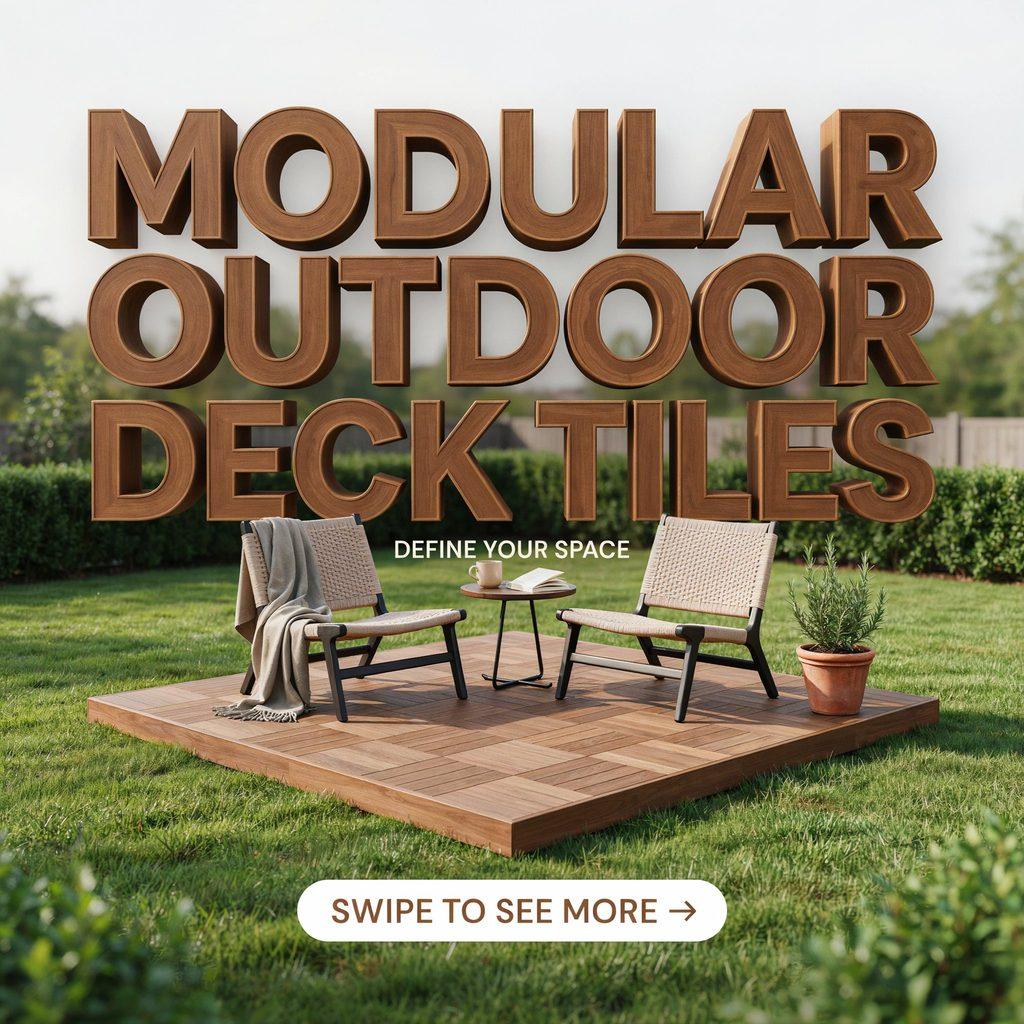
Changing the surface beneath your seating can make a small backyard feel like it has a separate destination. Instead of installing an expensive permanent patio, consider interlocking outdoor deck tiles or removable modular flooring.
They can define a compact seating area without requiring the whole backyard to be paved. Wood-look composite tiles, stone-effect panels, or other weather-resistant options can create a clean modern base for two chairs and a small table.
Keep the flooring area slightly larger than the furniture footprint so it feels intentional. This is especially useful for renters or homeowners who want a flexible improvement that can be changed later without redesigning the entire backyard.
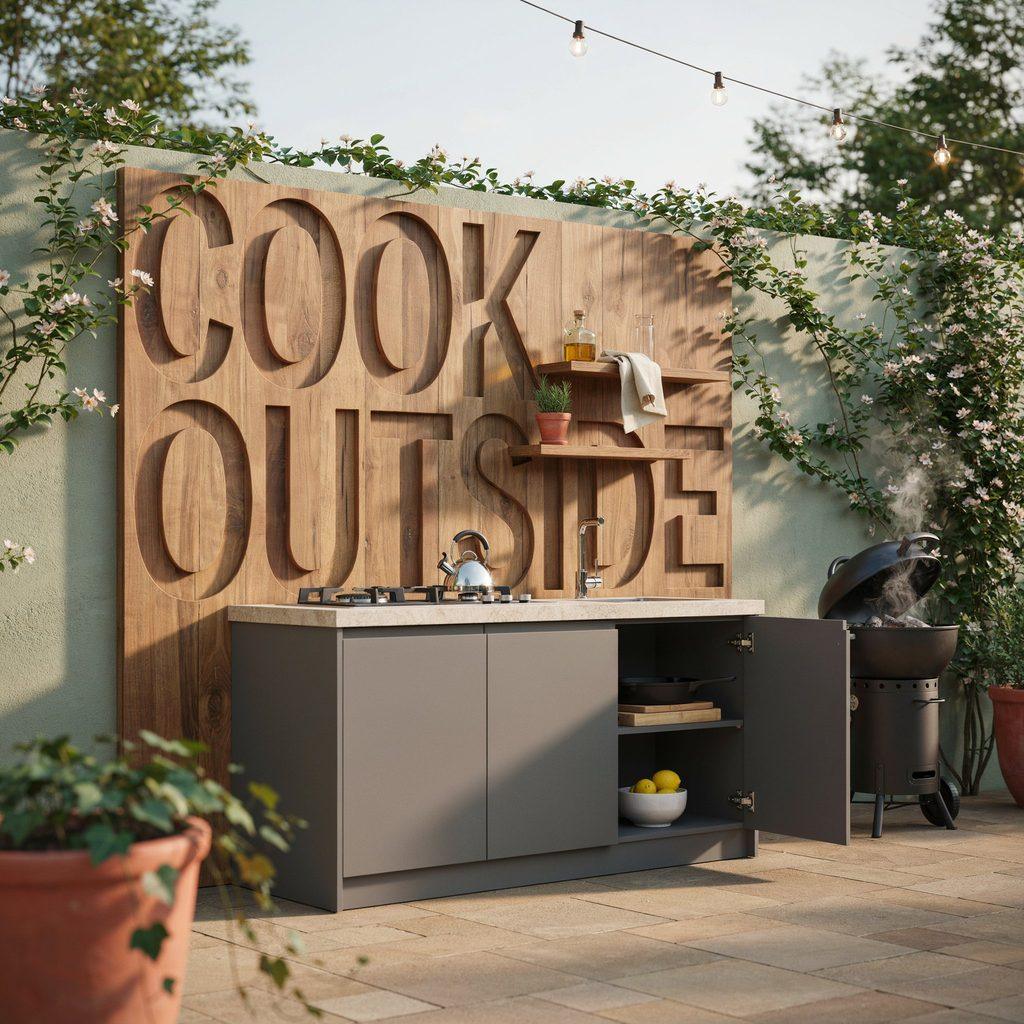
11. Add a Slim Outdoor Kitchen Station
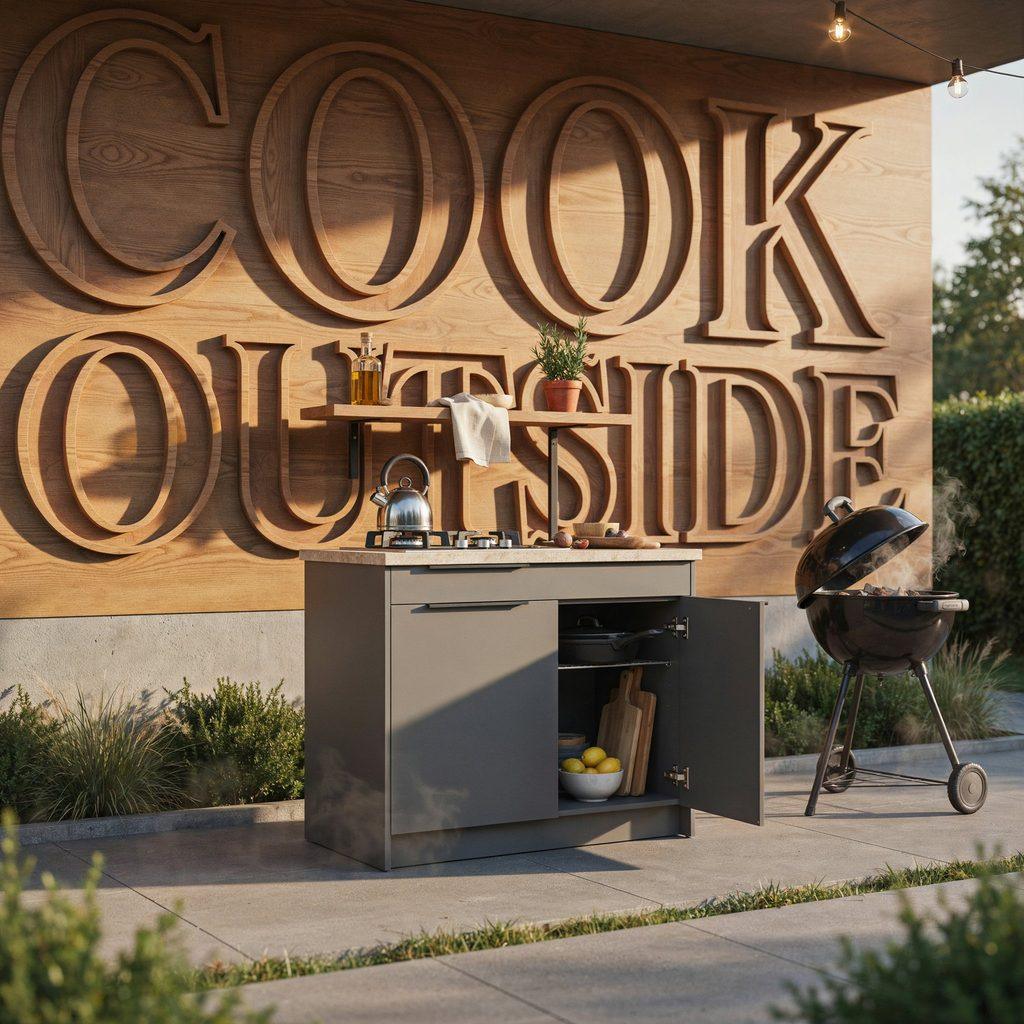
You do not need a full outdoor kitchen to enjoy cooking outside. A narrow prep station can turn a small backyard into a useful entertaining space without taking over the garden.
Look for a compact outdoor cabinet with a weather-resistant worktop, or build a simple counter along an existing wall. Keep the setup focused on what you actually use, such as a small prep surface, storage underneath, and space for a portable grill if appropriate.
A slim station also keeps cooking equipment organized instead of scattered around the yard. Add one or two shelves for frequently used items, but avoid filling them with decorations. The goal is a practical outdoor cooking corner that leaves enough room to relax.
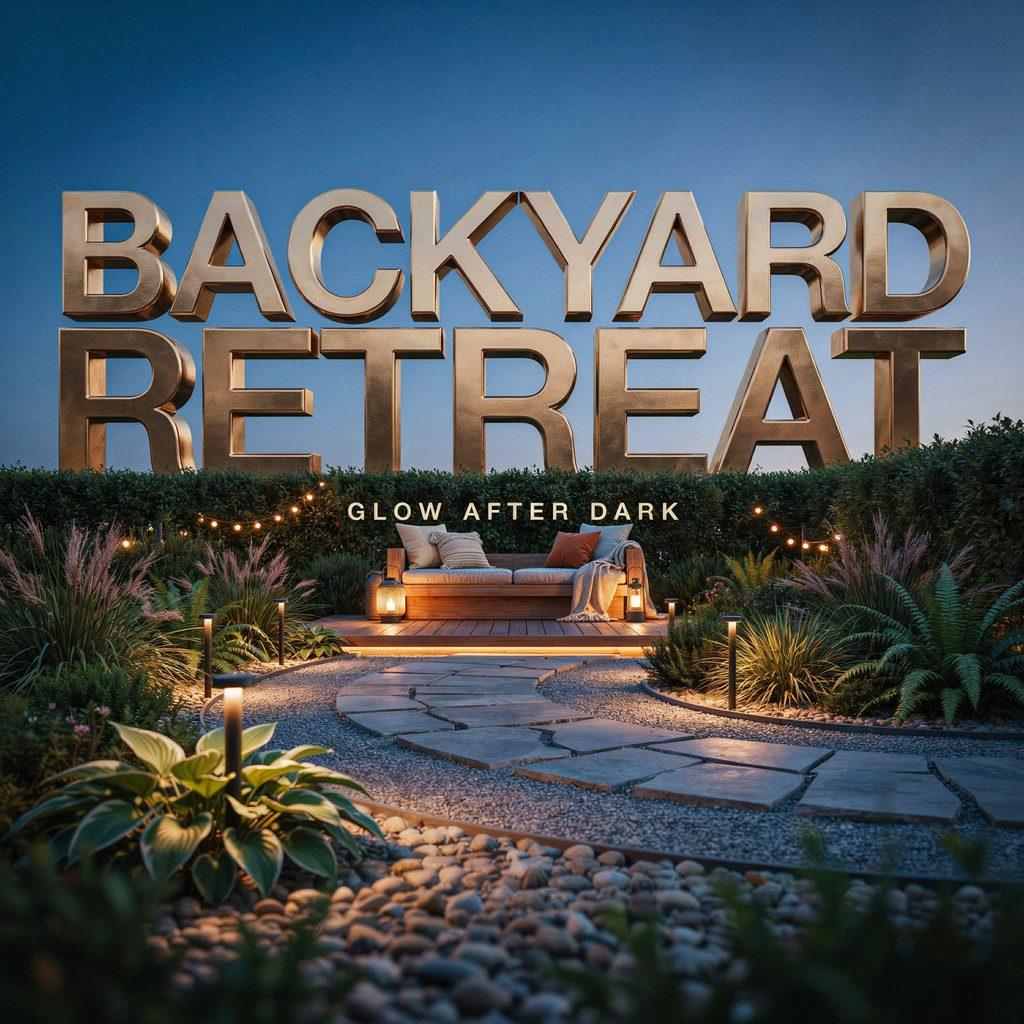
12. Install Soft, Low-Level Lighting Around the Retreat
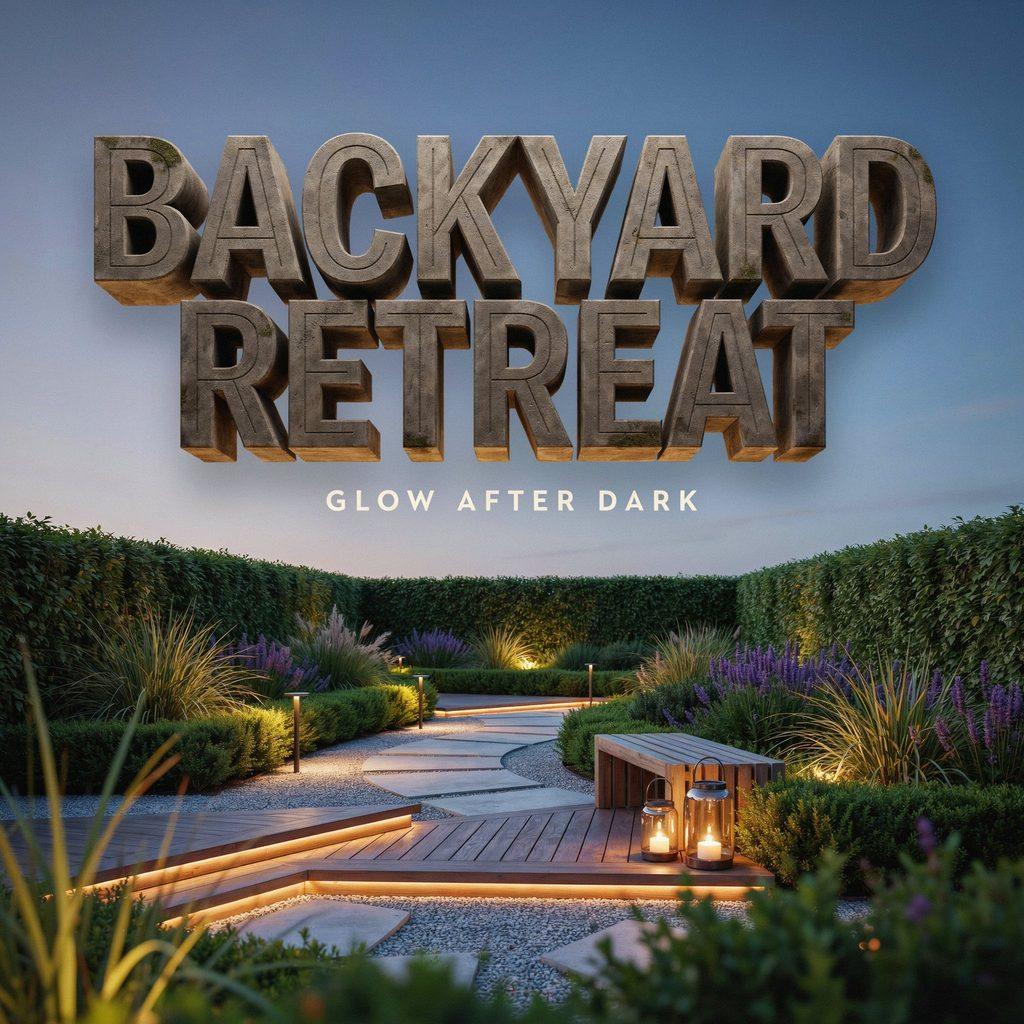
Lighting can make a small backyard feel more private after sunset, but you do not need to cover everything in bright lights. Use a few low-level lights around paths, planting beds, steps, or the edge of your seating area.
Warm, gentle lighting can help define the retreat without making the yard feel overdesigned. Solar path lights are useful where wiring is difficult, while rechargeable outdoor lamps can be moved whenever you change the layout.
Hide or position the light sources carefully so you see the glow rather than staring directly into bright bulbs. This creates a softer evening atmosphere while helping you move safely around the garden after dark.
13. Try a Fold-Away Outdoor Workstation
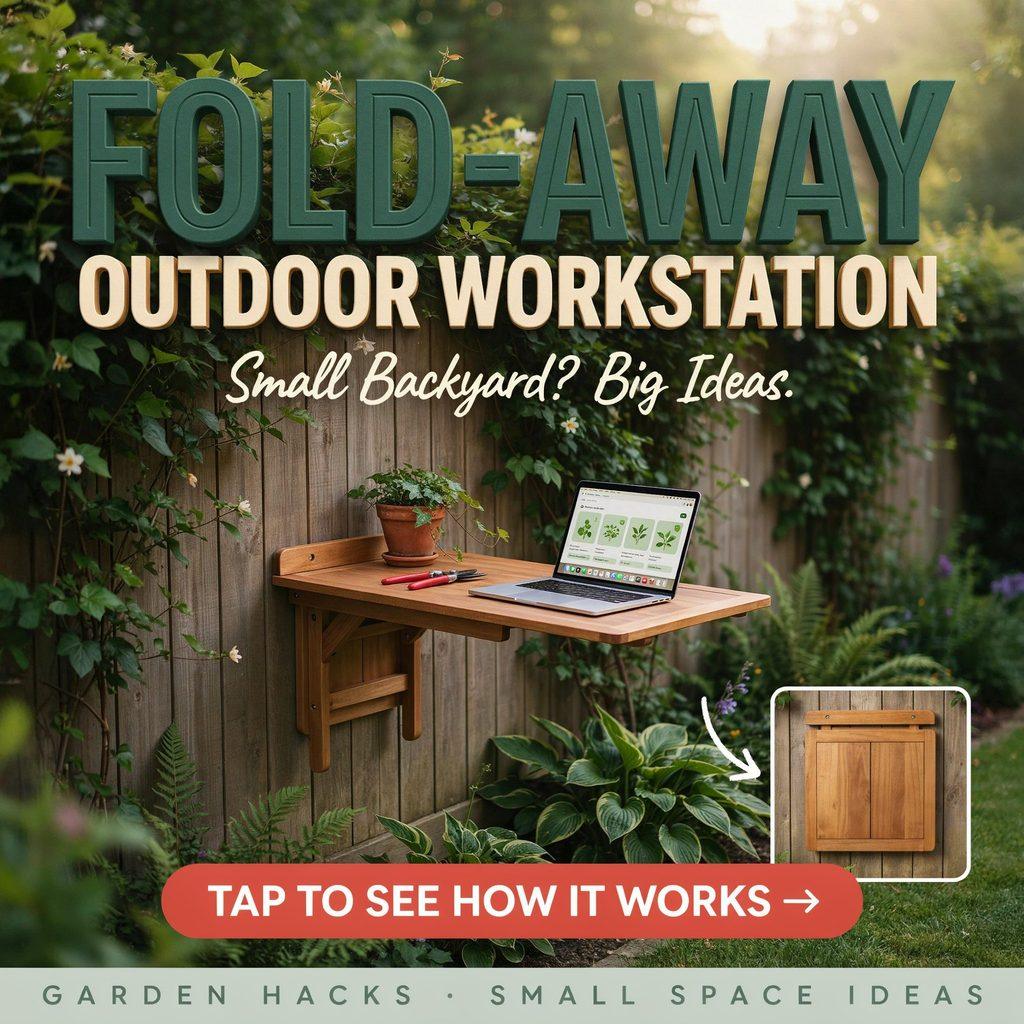
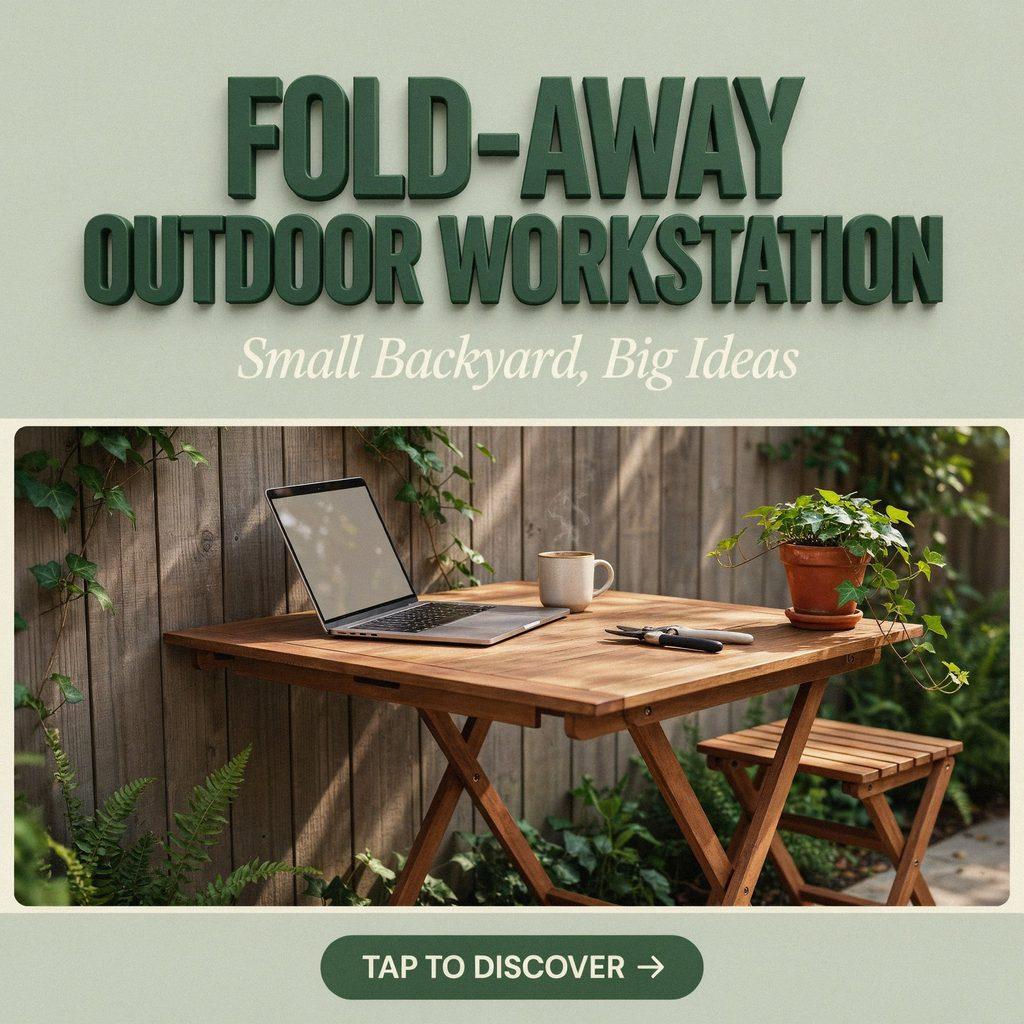
A small backyard can serve more than one purpose if furniture can disappear when you are finished using it. A fold-down wall table can work as a gardening bench, laptop surface, breakfast table, or place to pot plants.
When the work is finished, fold it against the wall and regain valuable floor space. Pair it with a folding chair or stool that can be stored nearby. This idea works particularly well along a boundary wall, shed, or covered outdoor area.
Choose weather-resistant materials and install the table securely. Instead of adding another permanent piece of furniture, you create a useful feature that appears only when you need it.
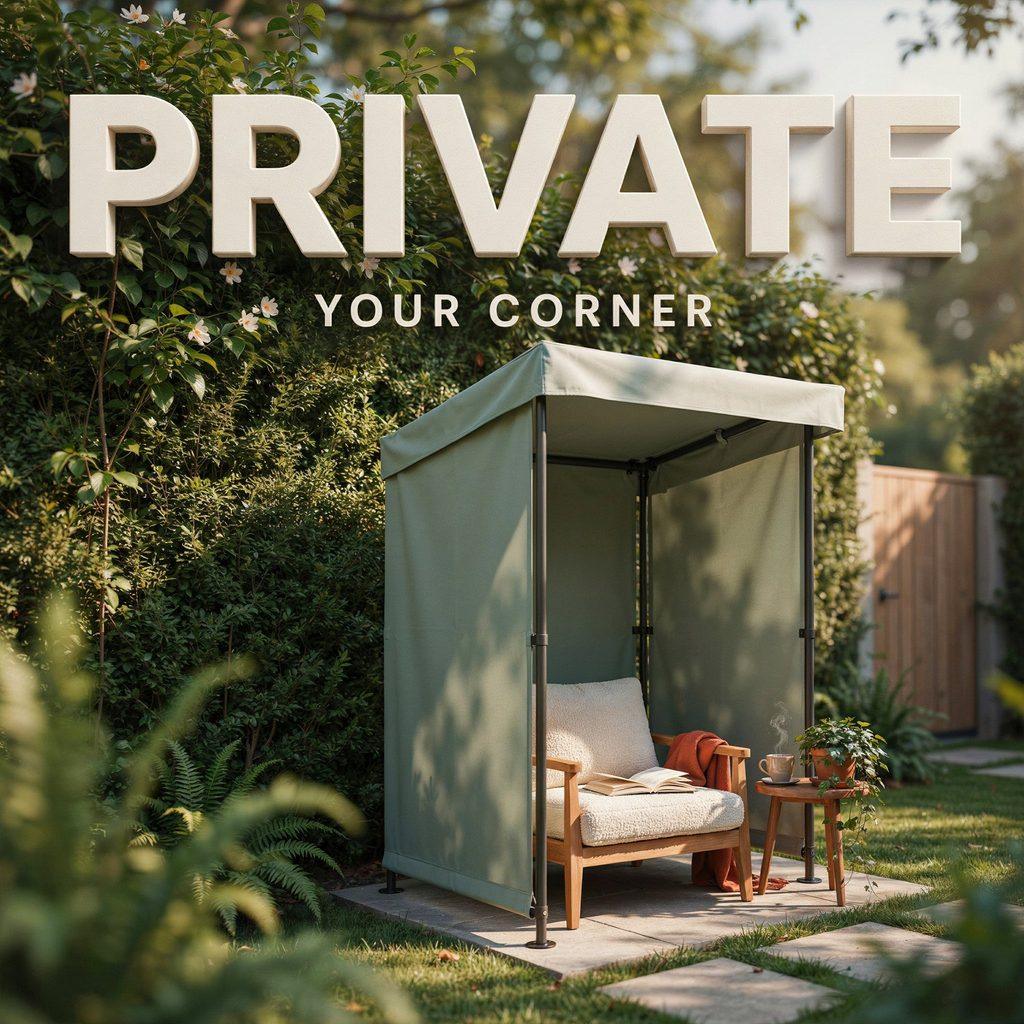
14. Use a Modern Privacy Canopy Over One Chair
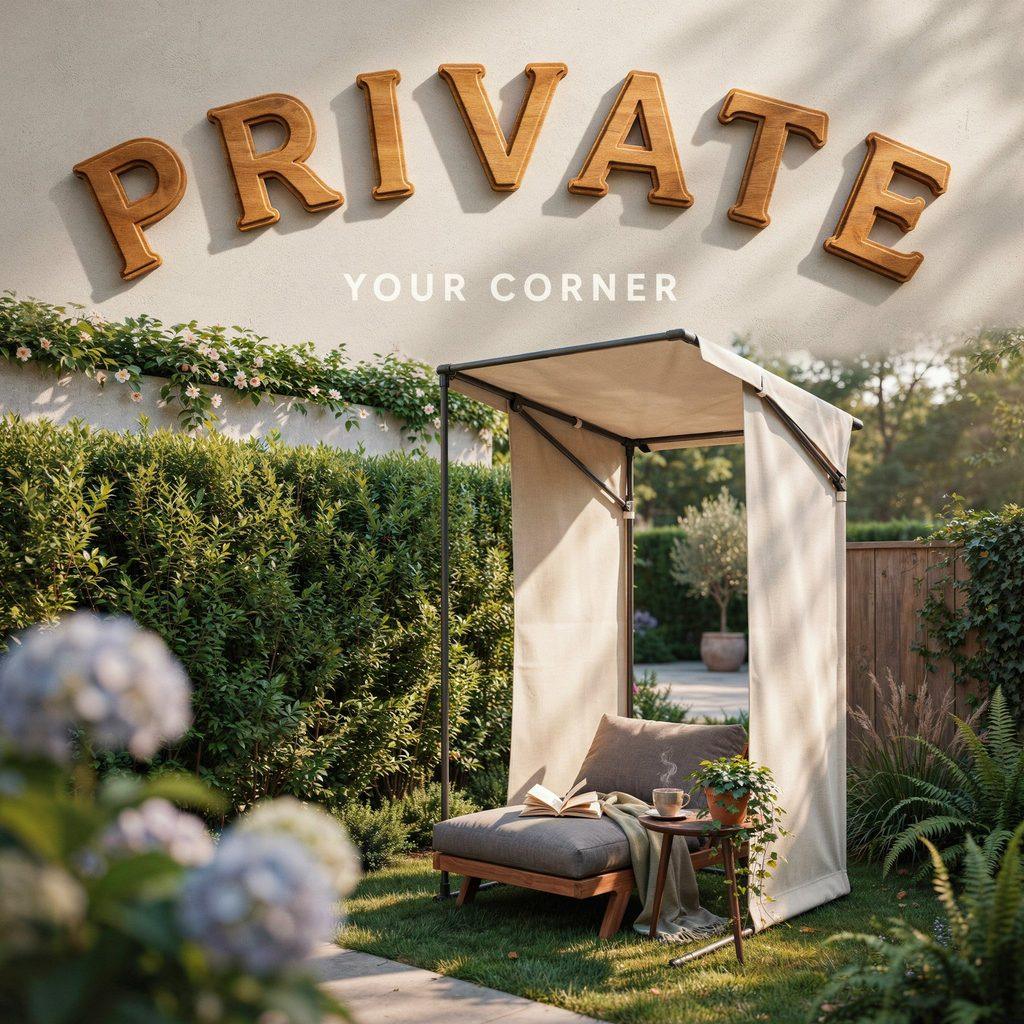
Sometimes you only need a private place for one person. A compact privacy canopy can turn an unused corner into a personal reading or relaxing spot without taking over the backyard.
Look for a simple outdoor canopy with adjustable fabric sides, or create a lightweight frame using a suitable outdoor fabric. Position it beside greenery or a fence so the structure blends naturally into the garden.
A chair, small side table, and outdoor cushion may be all you need underneath. Keep the canopy open on at least one side so the area does not feel closed. This creates a sheltered retreat while keeping the rest of the backyard visually open.
15. Give the Backyard One Strong Focal Point
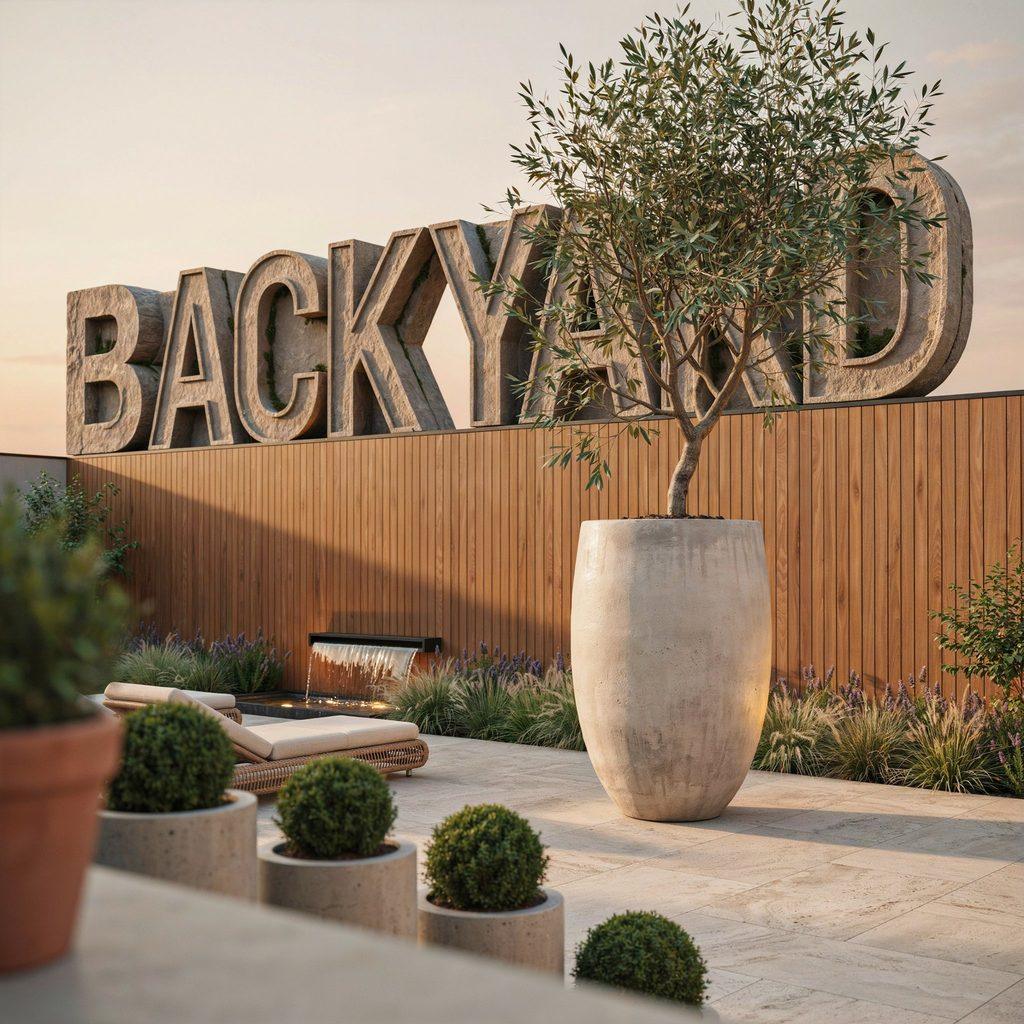
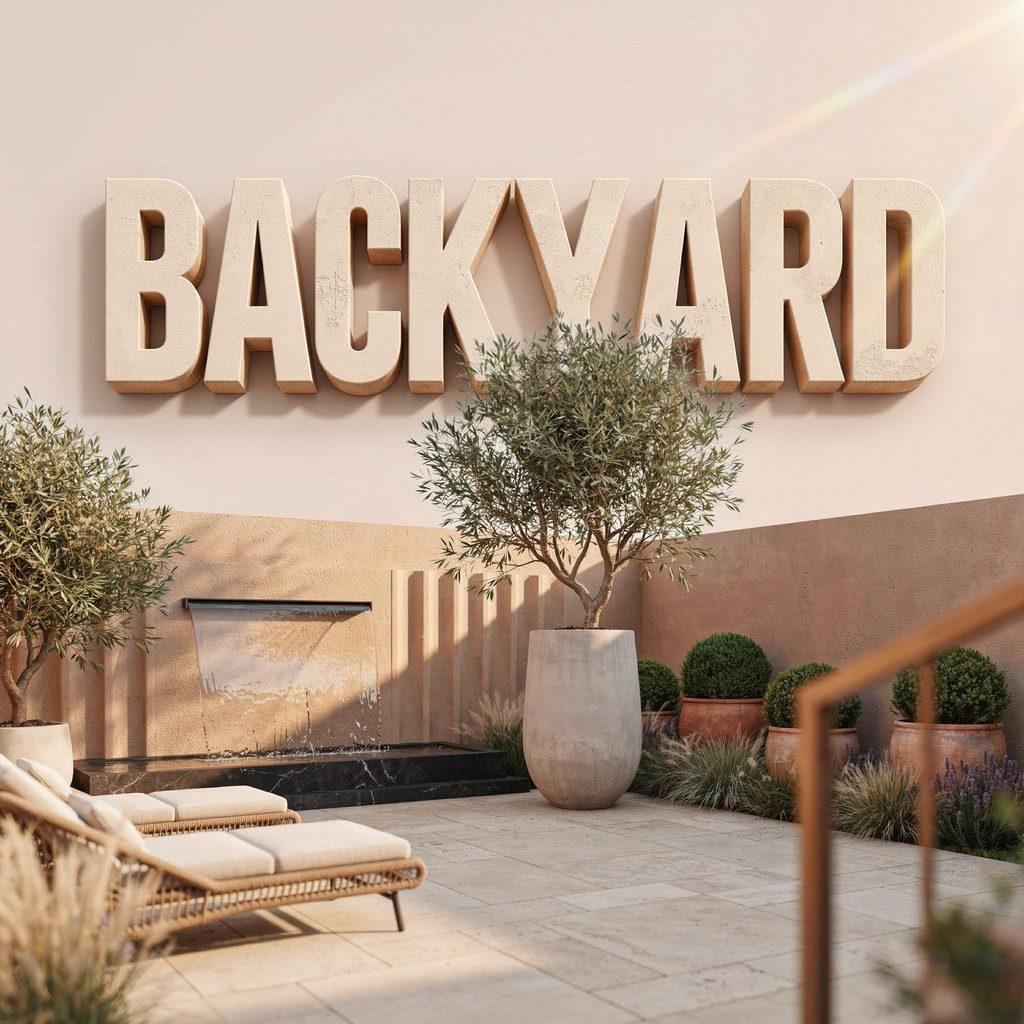
A small backyard can become visually confusing when every corner contains something different. Instead, choose one feature that naturally attracts attention. It could be a sculptural planter, a beautiful tree, a compact water feature, a textured garden wall, or an unusual outdoor chair.
Place it where it can be seen from the house or seating area, then keep the surrounding space simple. This creates a clear destination and prevents the backyard from feeling overcrowded.
Repetition can also help: use similar materials or plant shapes in smaller amounts around the focal point. The result is a more organized garden that feels intentional rather than simply filled with outdoor accessories.
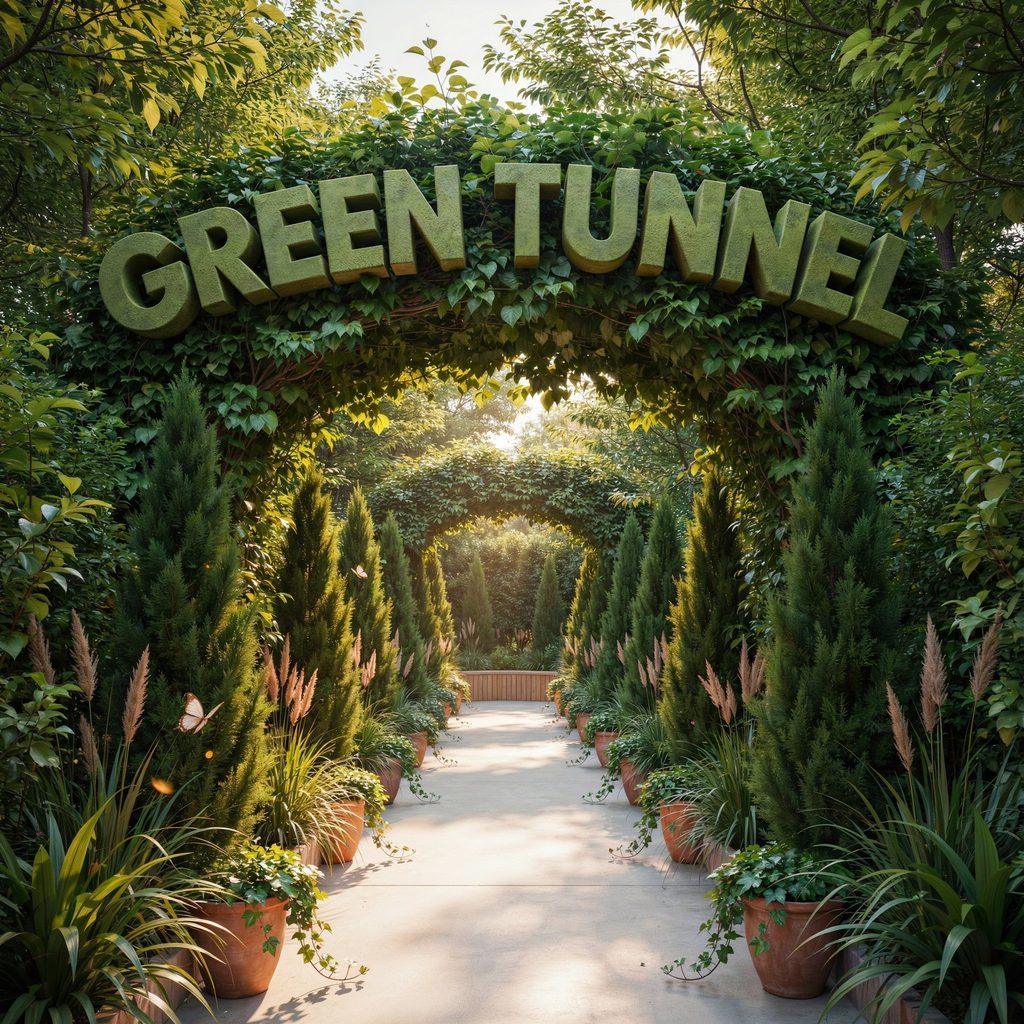
16. Create a Green Tunnel With Tall Plants
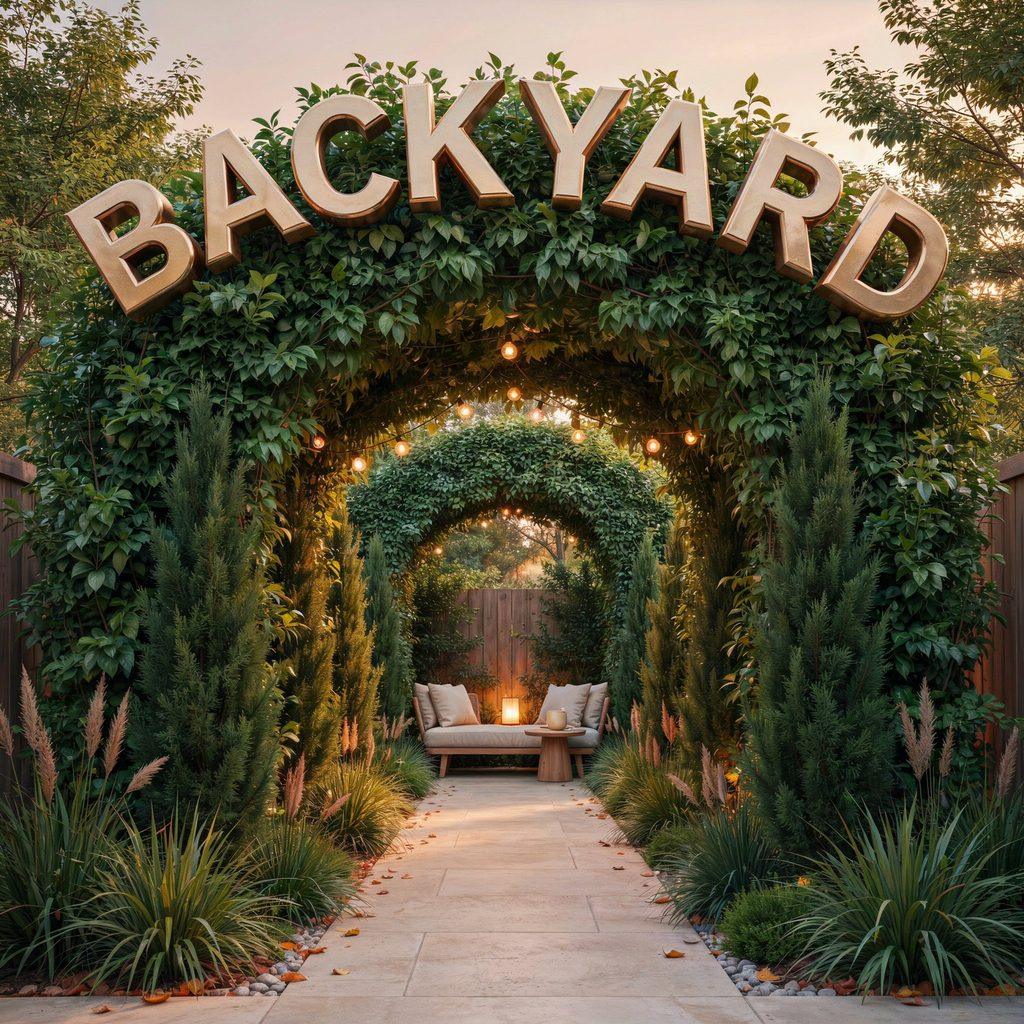
Tall, narrow plants can make the entrance to a small backyard feel like the beginning of a private retreat. Instead of planting heavily around the entire boundary, use two groups of upright plants to frame a path or seating area.
Ornamental grasses, columnar shrubs, or suitable container plants can create this effect without using much ground space. Keep the middle of the garden open so the planting does not make the area feel cramped.
You can also repeat the same plant on both sides to create a cleaner modern look. The simple change in height gives the backyard more depth and makes the seating area feel slightly removed from the rest of the garden.
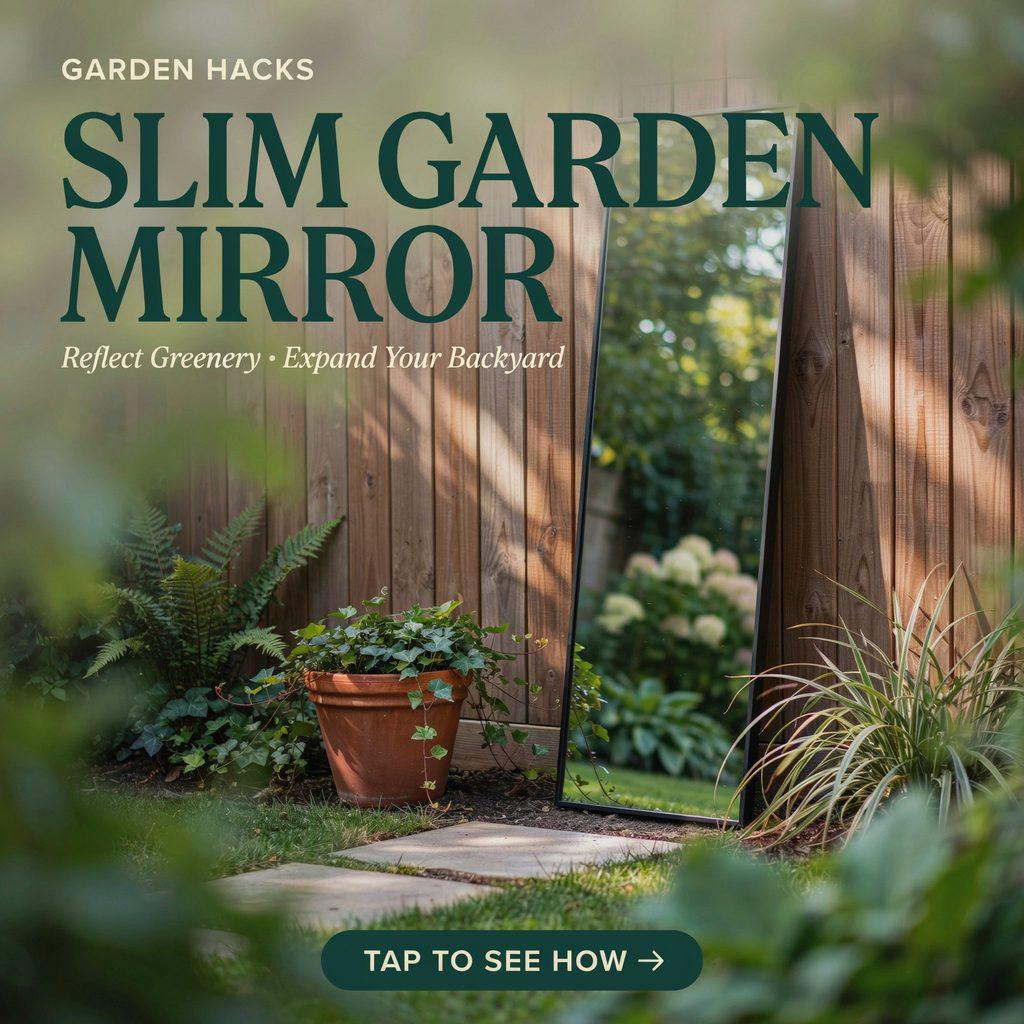
17. Add a Slim Garden Mirror to Reflect Greenery
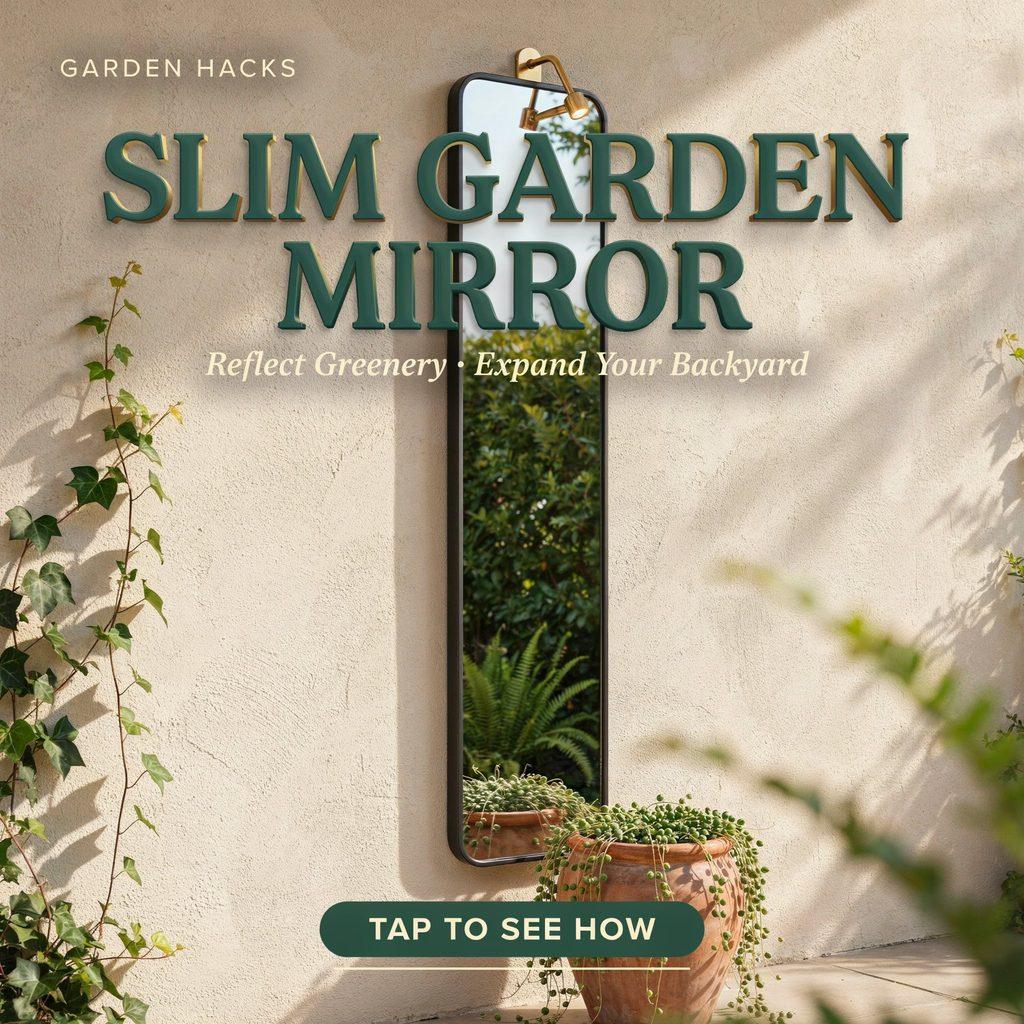
A carefully positioned outdoor mirror can make a small backyard appear deeper by reflecting plants, light, and open space.
Choose a weather-resistant mirror designed for outdoor use and place it against a wall or fence where it reflects greenery rather than a neighboring property. A tall narrow mirror can work particularly well in a small space because it draws the eye upward.
Avoid covering an entire wall with mirrors, as that can make the feature look artificial. One well-placed mirror is usually enough. Check the reflection from different angles before fixing it permanently, and make sure it is securely mounted for outdoor conditions.
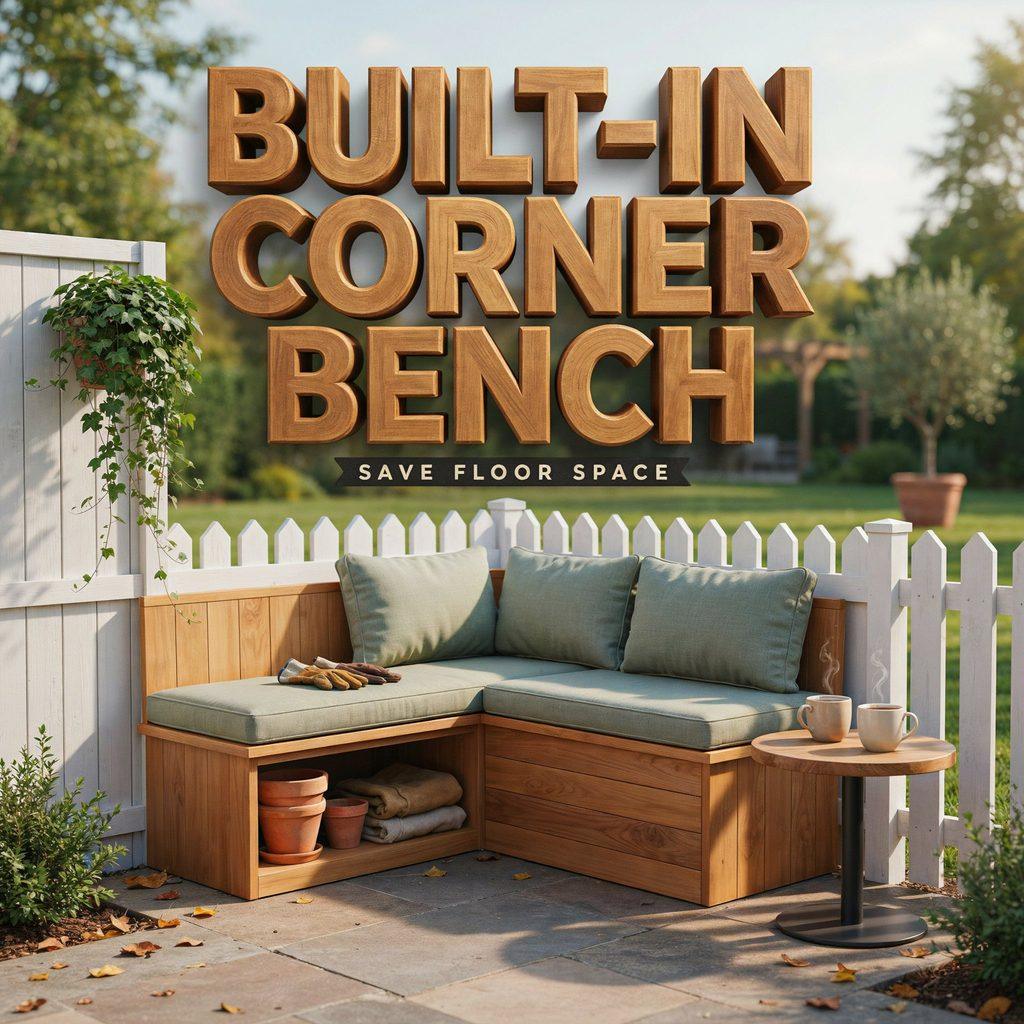
18. Use a Built-In Corner Seat to Save Floor Space
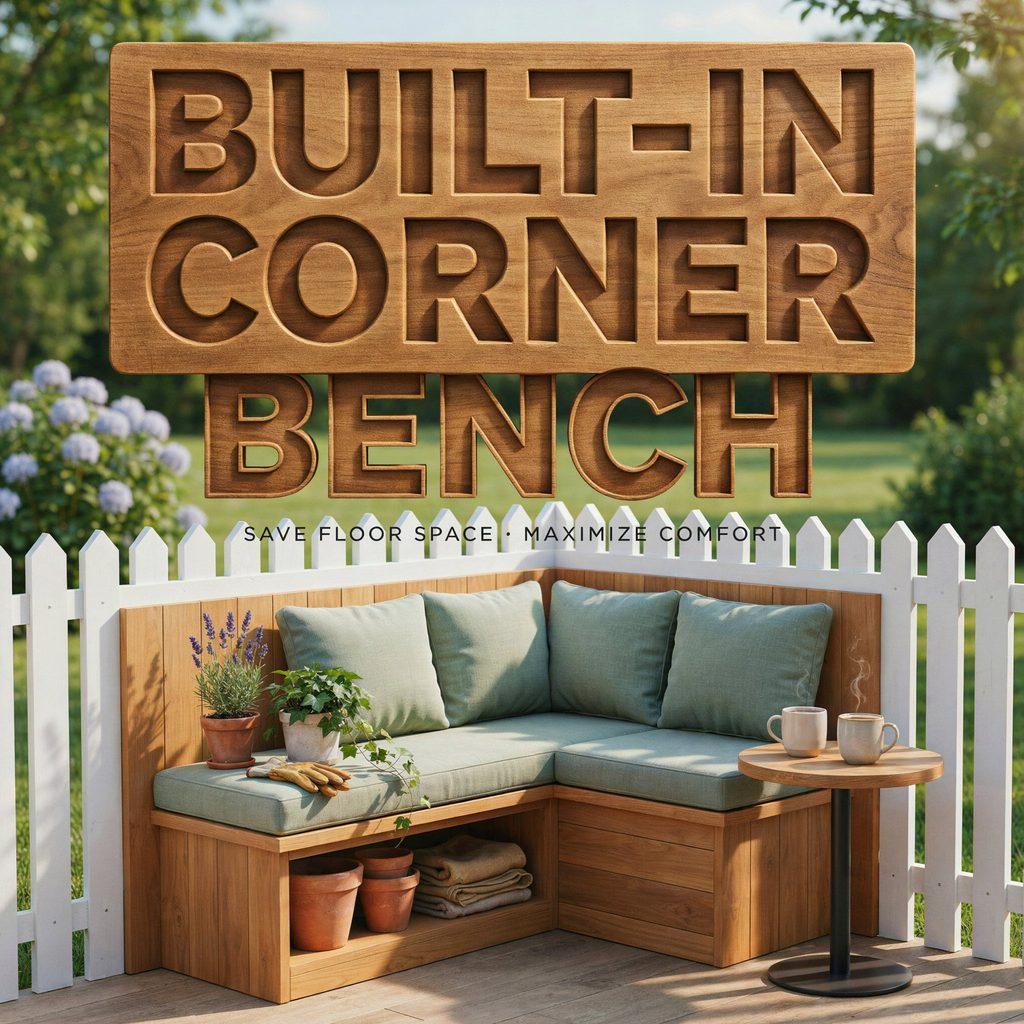
A built-in corner bench can provide more seating while using an area that might otherwise be wasted. Place it where two walls or fences meet, then add weather-resistant cushions when you want extra comfort.
The space underneath can provide storage for gardening supplies, cushions, or outdoor accessories. Because the bench follows the shape of the backyard, it usually takes less room than several separate chairs. Keep the design simple with a straight seat and a narrow back if space is limited.
Add a small movable table rather than a large permanent one. This gives you a comfortable place to sit while keeping the center of the backyard available for other activities.
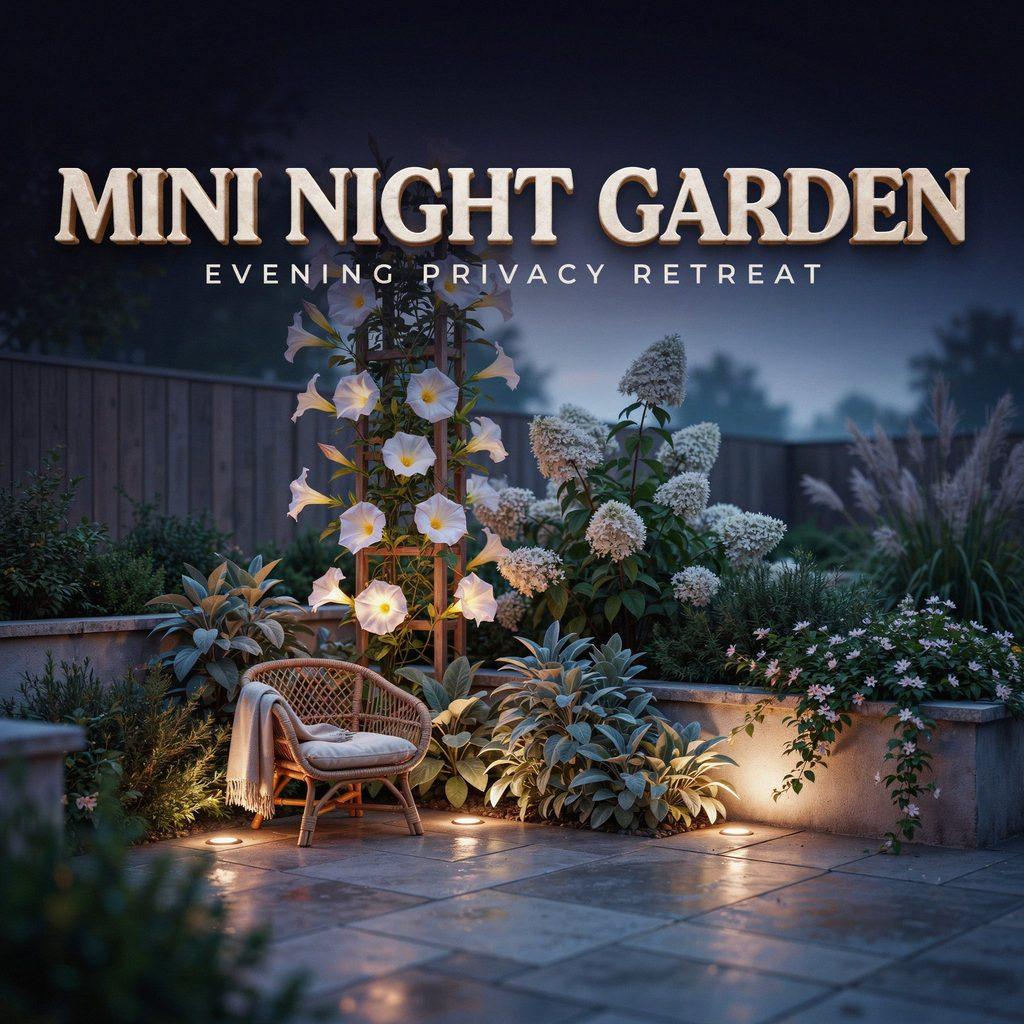
19. Create a Mini Night Garden for Evening Privacy
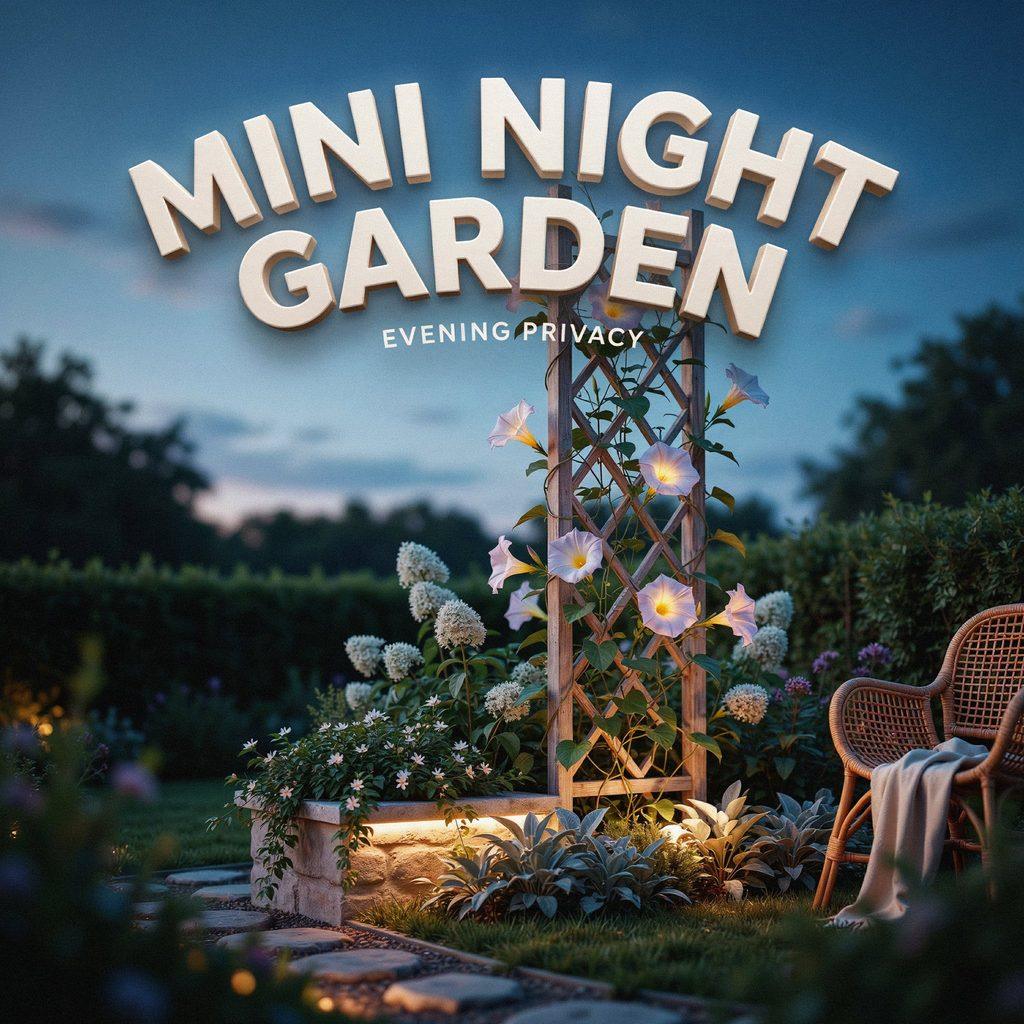
Design one part of the backyard specifically for evening use. Choose plants with pale flowers, silvery leaves, interesting textures, or noticeable fragrance so they remain enjoyable after the sun begins to set.
Place a few plants near your seating area and use subtle low-level lighting to highlight them. You can then spend time outdoors without needing bright overhead lighting. The plants also create a softer visual boundary around the retreat.
Choose species that suit your local climate rather than copying a plant list from another region. A small night garden does not need dozens of plants. A few carefully selected varieties can create a peaceful evening setting without taking away valuable floor space.
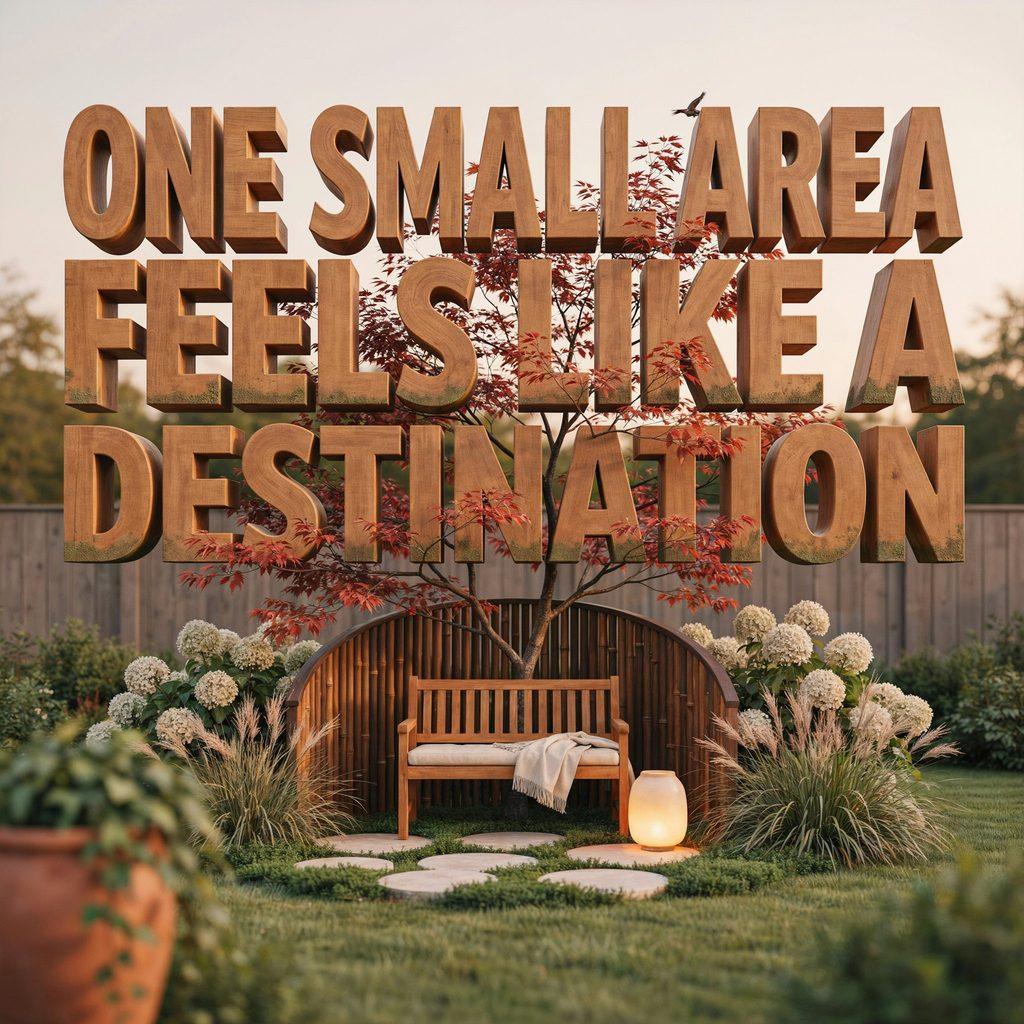
20. Make One Small Area Feel Like a Destination
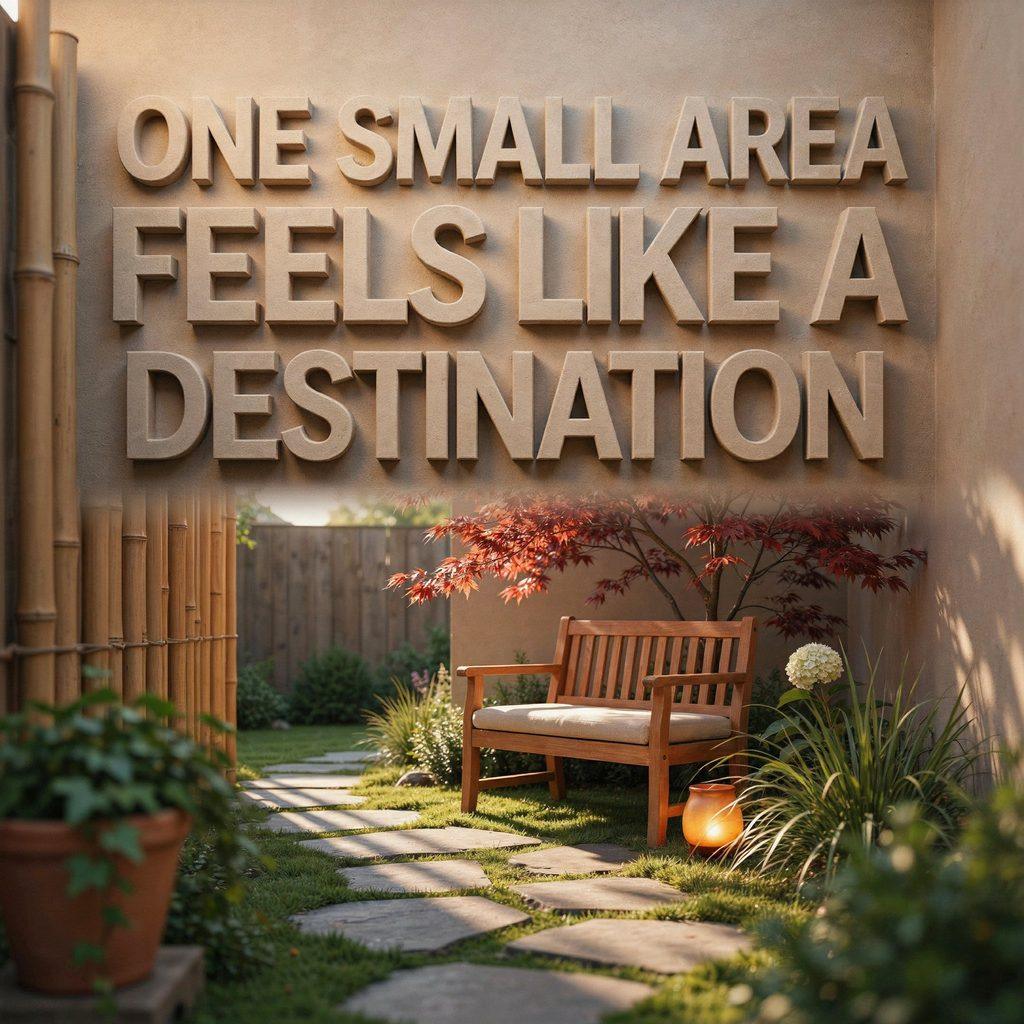
The most effective small-backyard retreats often have one place that feels worth walking toward. It could be a comfortable chair beneath a small tree, a compact bench at the end of a path, or a tiny dining area surrounded by plants.
You do not need a large garden to create this feeling. Use a change in flooring, a small screen, or a group of plants to separate the destination from the rest of the yard. Keep the route simple and avoid filling the space with unnecessary decorations.
When one area has a clear purpose, the entire backyard can feel more organized, private, and relaxing even when the actual footprint is quite small.
Key Takeaways
- Think vertically: Walls, trellises, climbers, and tall planters can provide privacy without using much floor space.
- Create one retreat zone: A small seating area usually works better than trying to furnish the entire backyard.
- Use flexible features: Movable planters, folding furniture, and modular flooring allow the layout to change when needed.
- Layer your privacy: Combine plants, screens, furniture, and overhead elements instead of relying on one solid barrier.
- Keep the center open: Too much furniture or decoration can make a small backyard feel even smaller.
- Add sensory details: Fragrance, foliage texture, gentle water sounds, and soft lighting can make the space more enjoyable.
- Choose useful products: Storage benches, fold-away tables, vertical planters, and compact water features can serve a purpose while saving space.
- Create a destination: Give the backyard one comfortable place that naturally becomes the spot where you want to spend time.
Modern Products Worth Considering for a Small Backyard
When shopping for a small outdoor retreat, look beyond oversized patio furniture. Newer compact products can solve specific problems without consuming much space.
A modular vertical garden system is useful when you want greenery but have very little ground area. A self-watering planter can reduce the daily work of caring for container plants, especially during hot periods. A portable rechargeable outdoor lamp can provide flexible evening lighting without permanently installing wiring. Another useful option is a compact roll-top outdoor storage cabinet, which can hide gardening supplies while taking up less visual space than several separate storage containers.
The best product is not necessarily the newest one. Choose something that solves a real problem in your backyard and earns the space it occupies.
How to Make a Small Backyard Feel Bigger Without Losing Privacy
The trick is to create boundaries without making every boundary solid. A completely enclosed backyard may feel private, but it can also feel smaller.
Instead, combine different levels of screening. Use a fence as the main boundary, plants for softness, a narrow screen for the seating area, and an overhead feature where privacy is needed from above.
You can also create depth by placing shorter plants near the house and taller plants farther away. A narrow path or change in paving can encourage the eye to travel through the garden rather than stopping at the nearest wall.
Most importantly, leave some areas open. A small backyard needs breathing room. Privacy works best when it feels natural rather than forced.
FAQs
1. How can I make my small backyard more private without building a tall fence?
Use several smaller privacy solutions instead of one large barrier. Tall planters, climbing plants, trellises, slatted screens, and strategically positioned furniture can block unwanted views while keeping the garden open.
Focus on screening the areas where you actually sit rather than trying to hide the entire backyard. This normally creates a more comfortable result and preserves sunlight and airflow.
2. What is the best furniture for a small backyard?
Choose furniture that has more than one purpose or can be moved easily. A storage bench can provide seating and hidden storage, while a folding table can become a dining or gardening surface when needed.
Two comfortable chairs may also be better than a large outdoor sofa if floor space is limited. Measure the available area before buying anything and leave enough room to walk around it.
3. How do I make a small backyard feel cozy without making it cluttered?
Start with one main seating area and add only a few useful features. A small rug, compact table, several plants, and soft lighting may be enough. Avoid putting decorations in every empty corner.
Instead, repeat a few materials or plant types to create a connected look. Keeping some open space is important because it allows the garden to breathe and makes the useful areas stand out.
4. What plants are good for creating privacy in a small backyard?
Look for plants that grow upward rather than spreading widely. Suitable choices depend on your climate, soil, sunlight, and available space. Upright shrubs, ornamental grasses, climbers, and carefully selected container plants can all work.
If using bamboo, choose a suitable clumping variety and manage it properly rather than planting an aggressive spreading type. Local nurseries can help you select plants that perform well in your conditions.
5. Can a small backyard really feel like a private outdoor retreat?
Yes. The size of the backyard matters less than how clearly the space is organized. A comfortable seating spot, layered planting, partial screening, useful storage, and gentle lighting can create the feeling of a separate outdoor room. You do not need to install everything at once. Start with the area where you spend the most time and improve it gradually.
Wrapping It Up
Making a small backyard feel like a private outdoor retreat is mostly about using the available space carefully. You do not need expensive landscaping or a large collection of outdoor furniture.
Start with privacy around the area you actually use. Add vertical greenery, choose furniture that earns its space, and introduce a few features that make the backyard more comfortable. A small water feature, movable planter, storage bench, soft lighting, or compact canopy can make a noticeable difference when each one has a clear purpose.
Most importantly, resist the temptation to fill every empty area. A successful small backyard should give you somewhere to sit, breathe, and enjoy being outside.
With a thoughtful layout and a few modern space-saving features, even a modest backyard can become a comfortable private retreat that feels like your own little escape.
Related Post: