

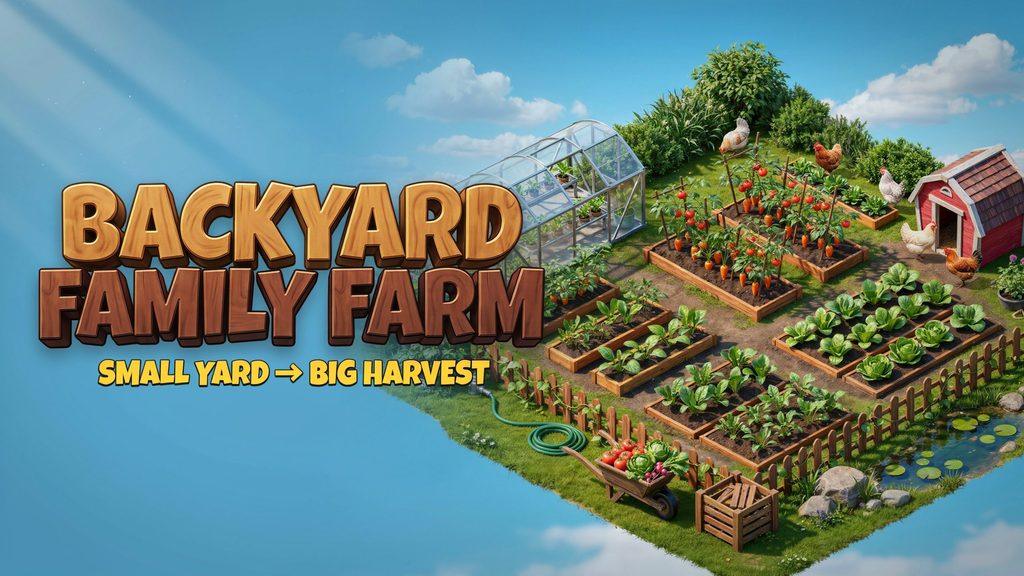
A productive family farm does not require acres of open land. Some of the most efficient homesteads in the country operate on a quarter acre or less, using smart zoning, vertical growing, and careful planning to produce eggs, vegetables, fruit, and herbs for a household year after year.
The layouts below are drawn from real homesteaders, permaculture designers, and backyard farming experts. Each one is designed to be practical, manageable, and genuinely useful for a family that wants to grow more of its own food.
1. The Four-Zone Family Homestead
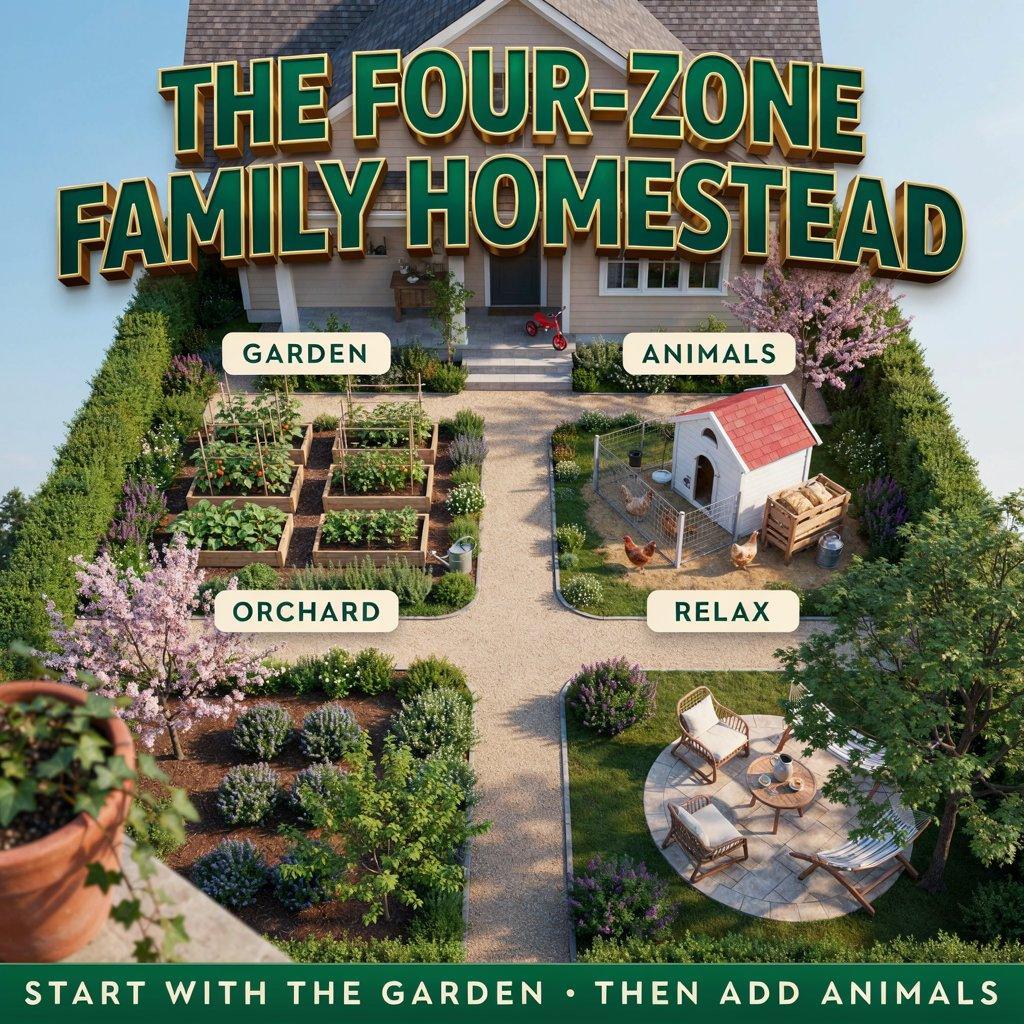
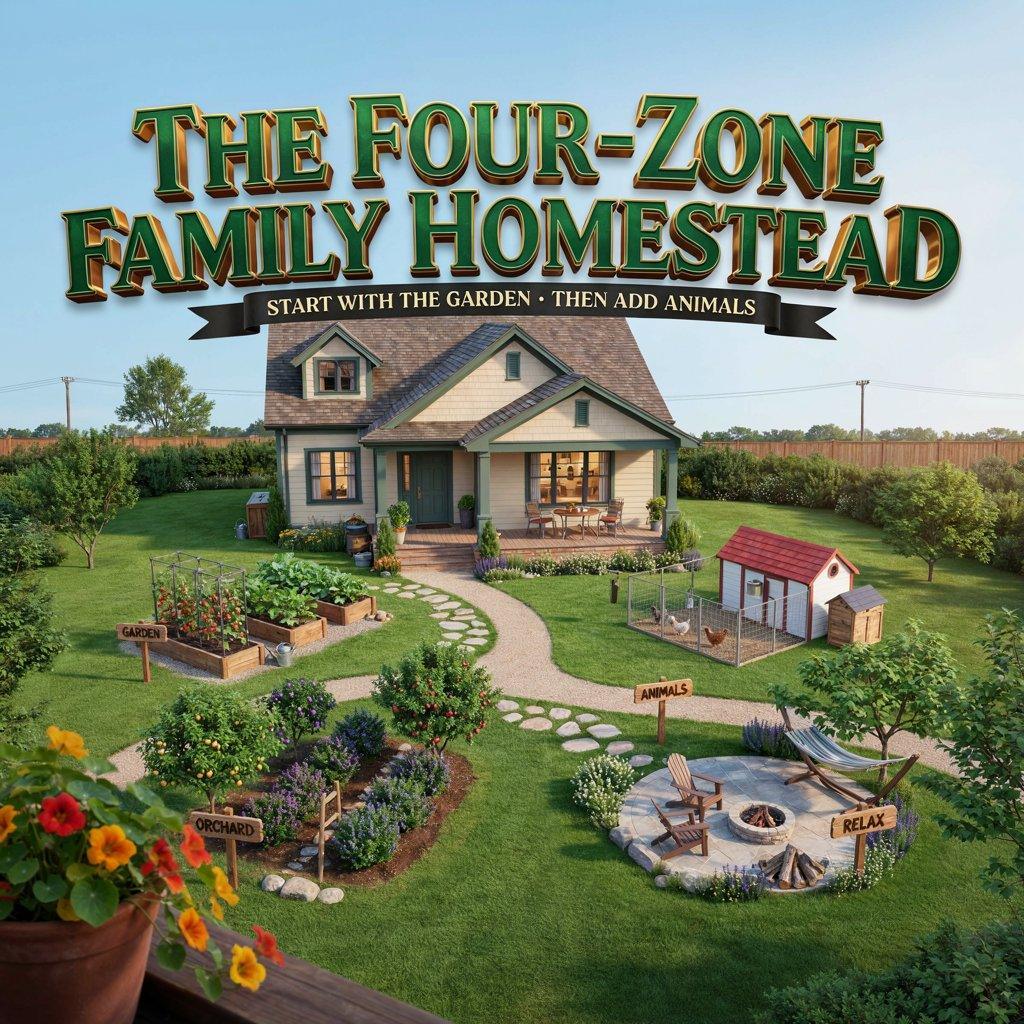
This layout organizes a small yard into four clear zones: a garden zone with raised beds and herbs, an animal zone with a coop and feed storage, an orchard zone for berry bushes and dwarf fruit trees, and a relaxation zone with a patio and shade trees.
The key is grouping similar functions together so you are not walking from one end of the yard to the other every time you collect eggs or grab a handful of basil.
Families with young children especially benefit from this design because the play area sits near the house, within sight of the kitchen window. Start with the garden zone first, then add animals once you have a rhythm.
2. The Quarter-Acre Family Farm
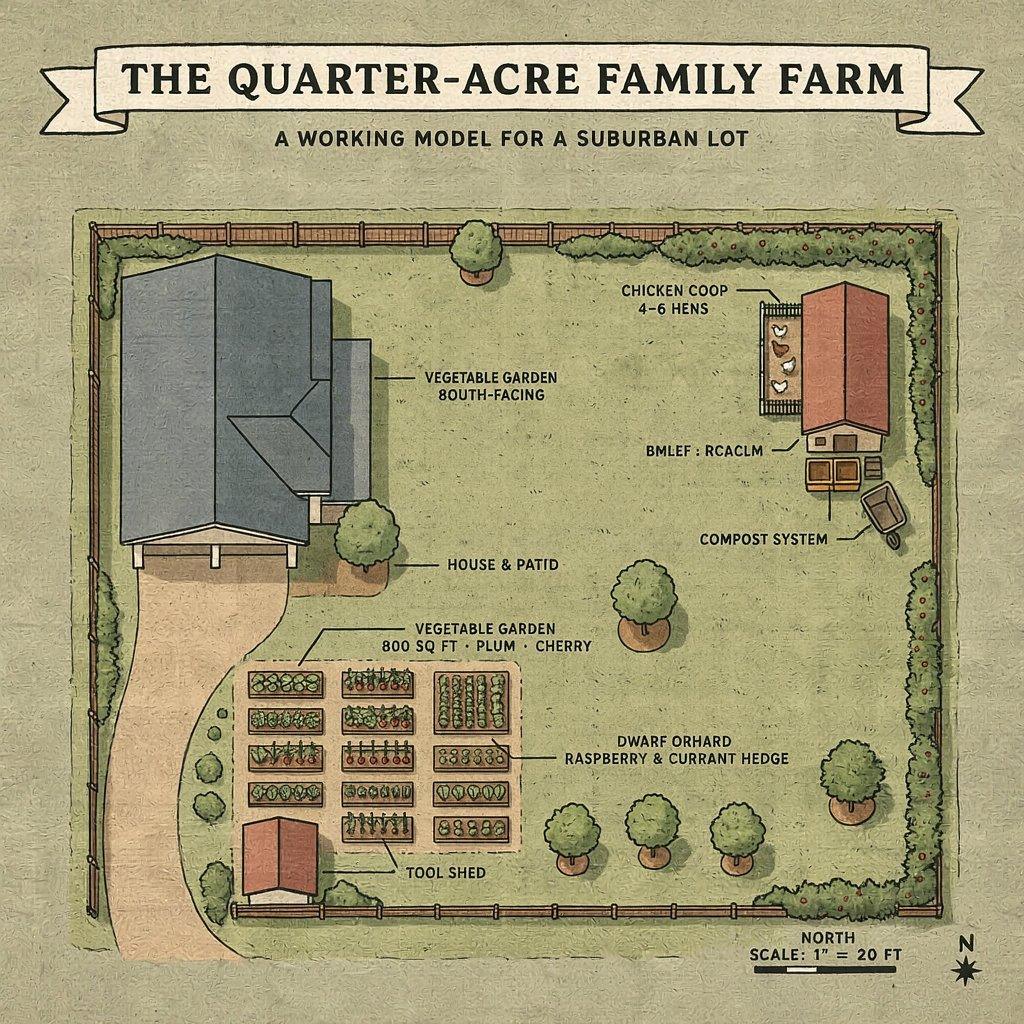
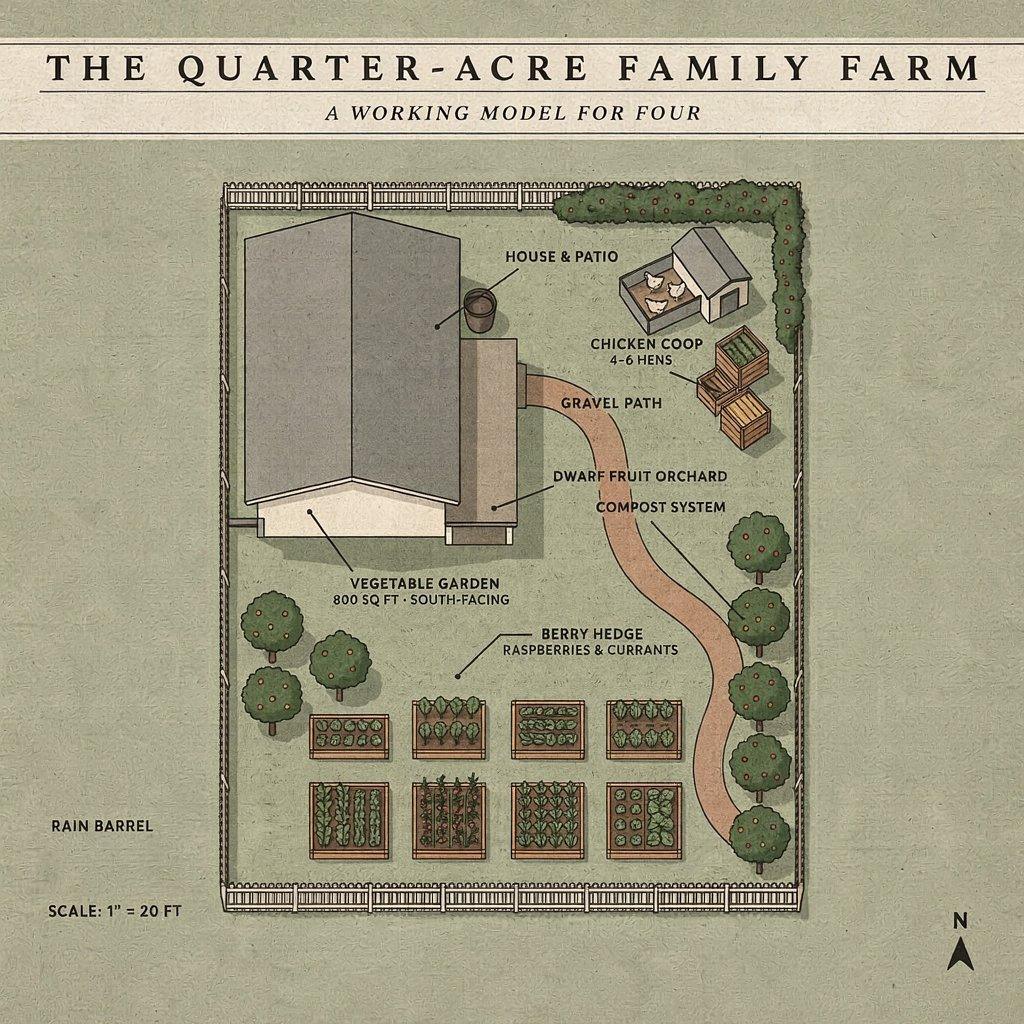
A quarter acre can feed a family of four surprisingly well. A working model for this size includes six to eight raised beds totaling around 800 square feet of growing space, a small orchard of dwarf fruit trees, a chicken coop for four to six hens, and a compact composting system.
The vegetable garden takes the sunniest spot, usually the south side of the yard, while the chicken coop goes in a back corner where odours stay away from the patio.
Berry bushes like raspberries and currants work well along fence lines, where they double as a living boundary. This layout is realistic for most suburban lots and can be built in phases over two or three seasons.
3. The Keyhole Garden Cluster
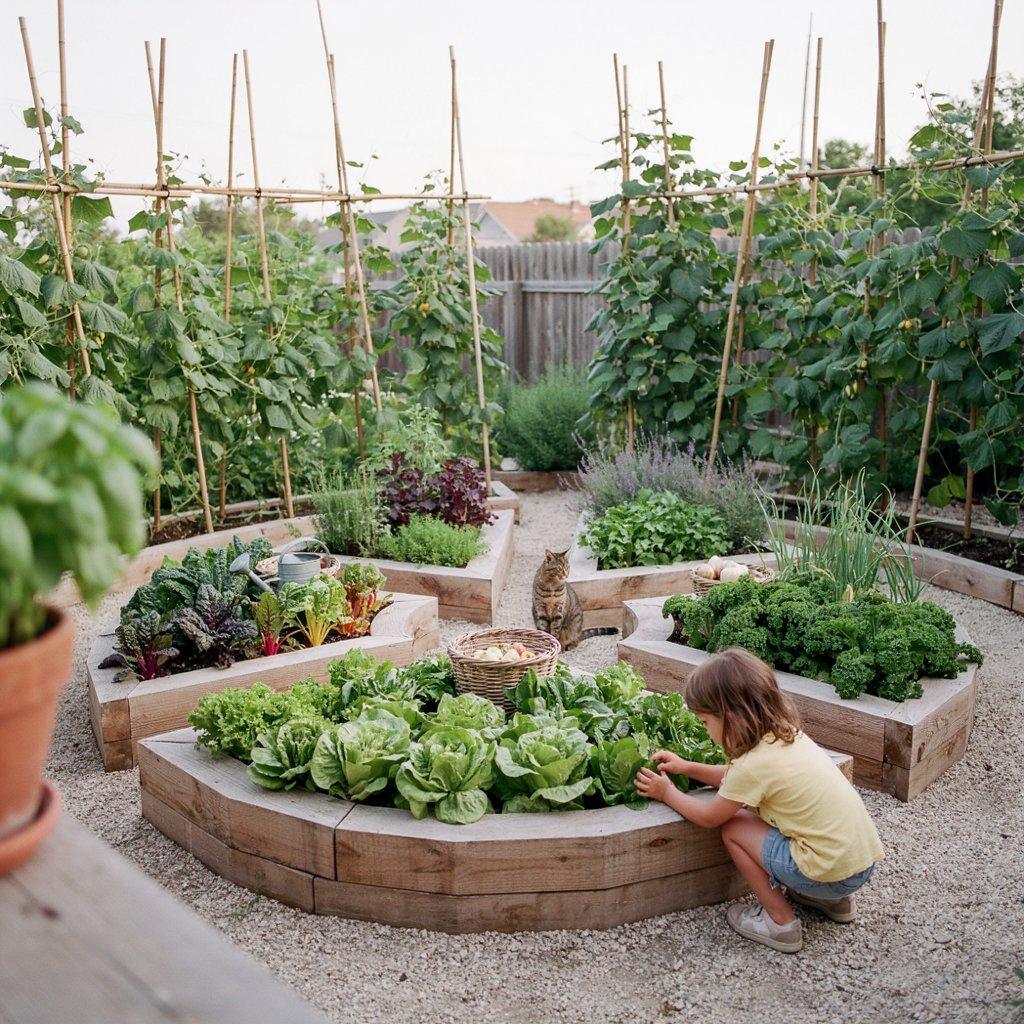
Keyhole gardens are circular raised beds with a notch cut into one side, giving you a path to the centre so every plant is within arm’s reach.
A cluster of three or four keyhole beds, each six to eight feet across, can fit into a corner of a small yard and produce a serious amount of salad greens, herbs, and root vegetables.
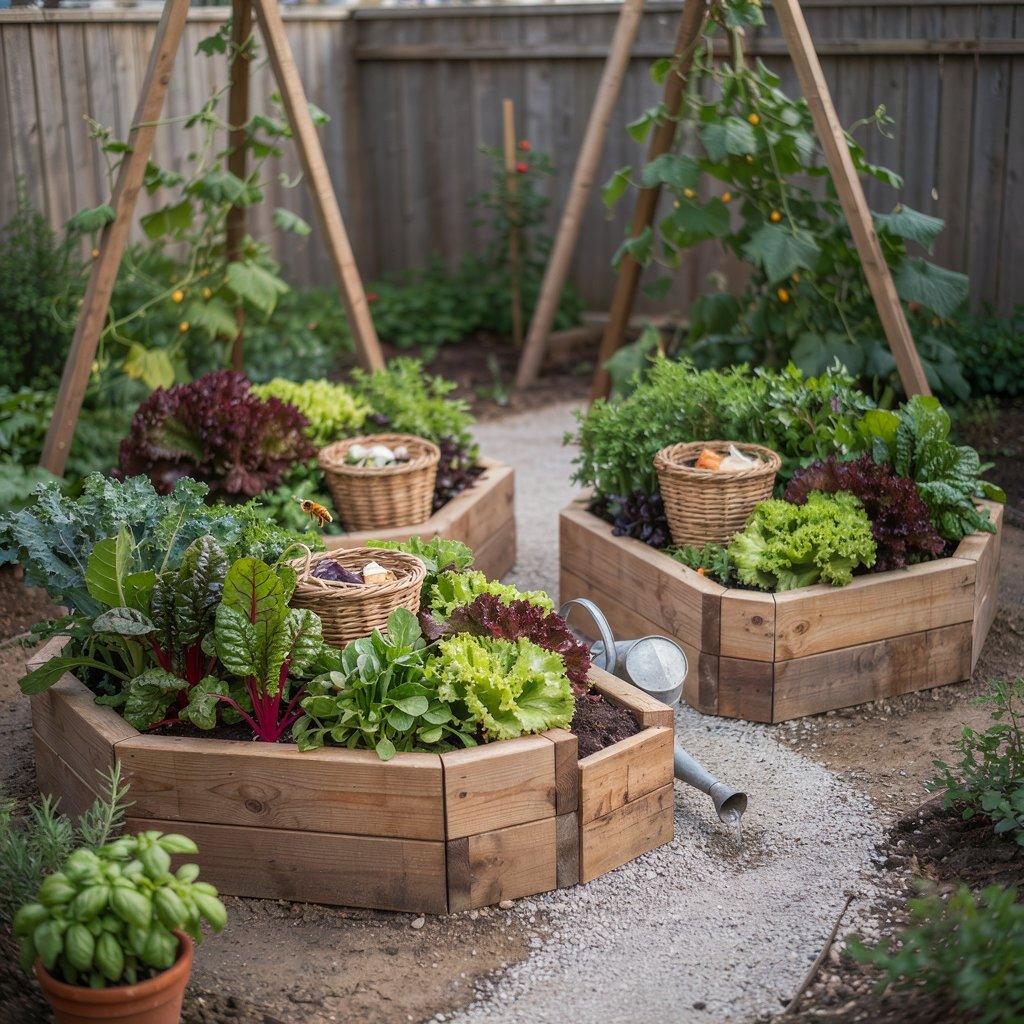
The centre of each keyhole holds a compost basket, so you feed the soil while you water. This layout is excellent for families with limited mobility or young children because you never have to step into the bed or stretch across it. Pair the cluster with a few tall trellises behind the beds for beans and cucumbers.
4. The Vertical Family Farm
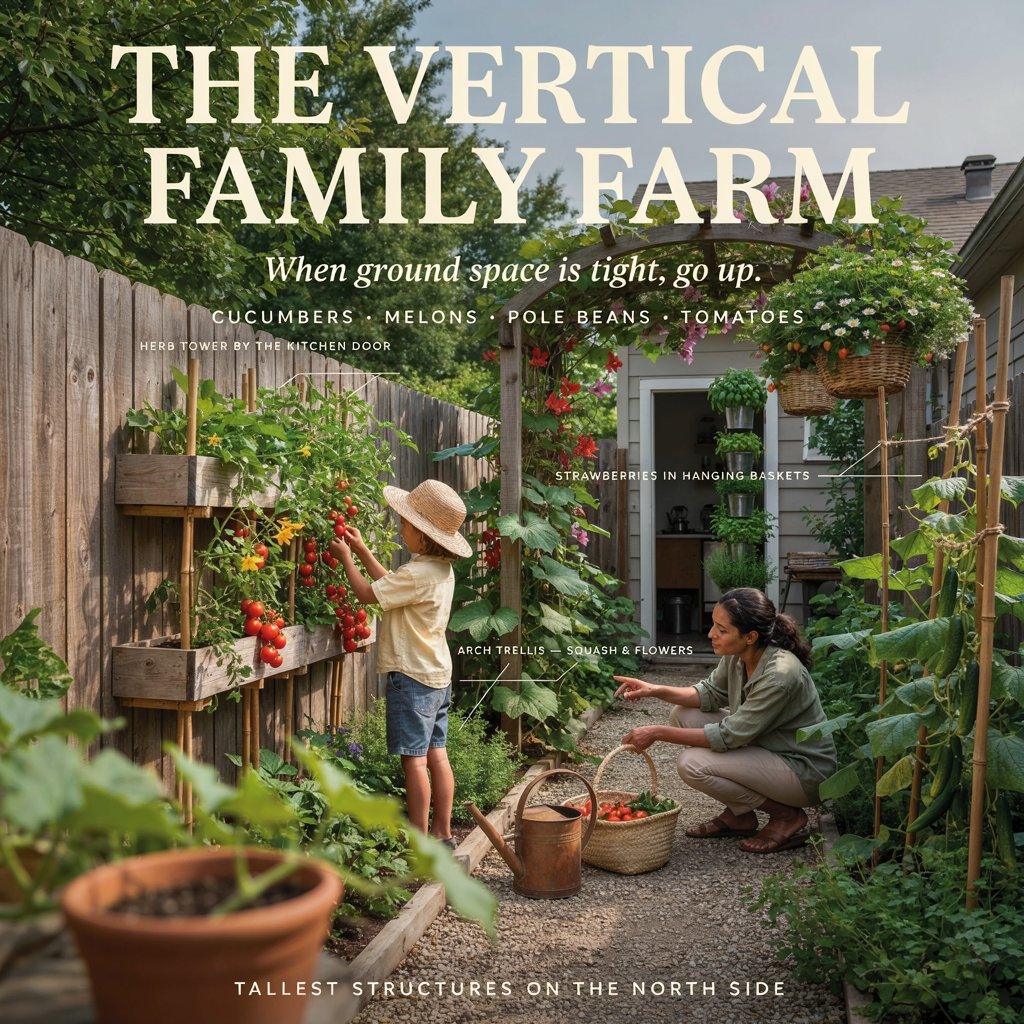
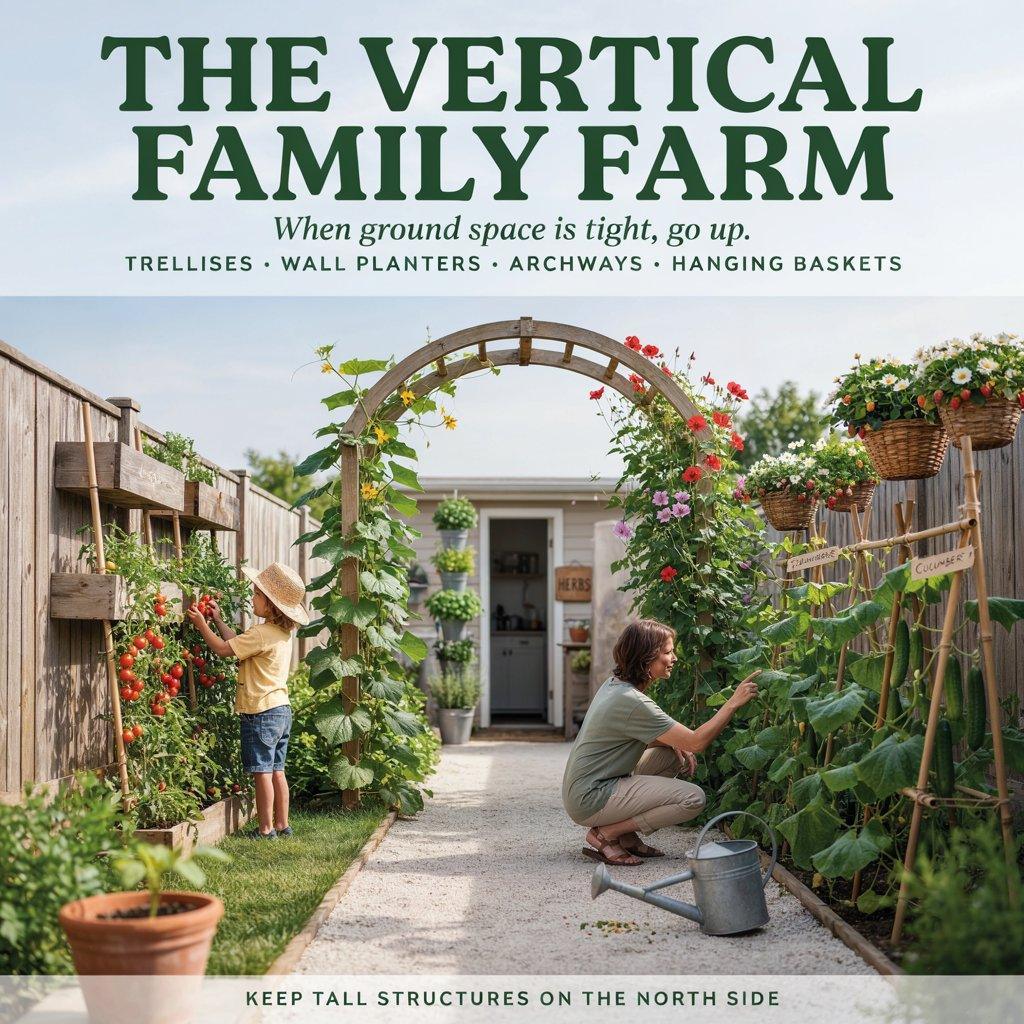
When ground space is tight, go up. This layout uses trellises, wall-mounted planters, archways, and hanging baskets to multiply growing area without expanding the footprint. Cucumbers, melons, pole beans, and tomatoes all climb happily.
Strawberries grow well in hanging baskets, and herbs thrive in vertical towers near the kitchen door. A single arch trellis over a garden path can support squash on one side and climbing flowers on the other.
Families with small children love this design because the vertical elements are visually engaging and the harvestable plants sit at eye level for little hands. Keep the tallest structures on the north side of the yard so they do not shade shorter crops.
5. The Food Forest Backyard
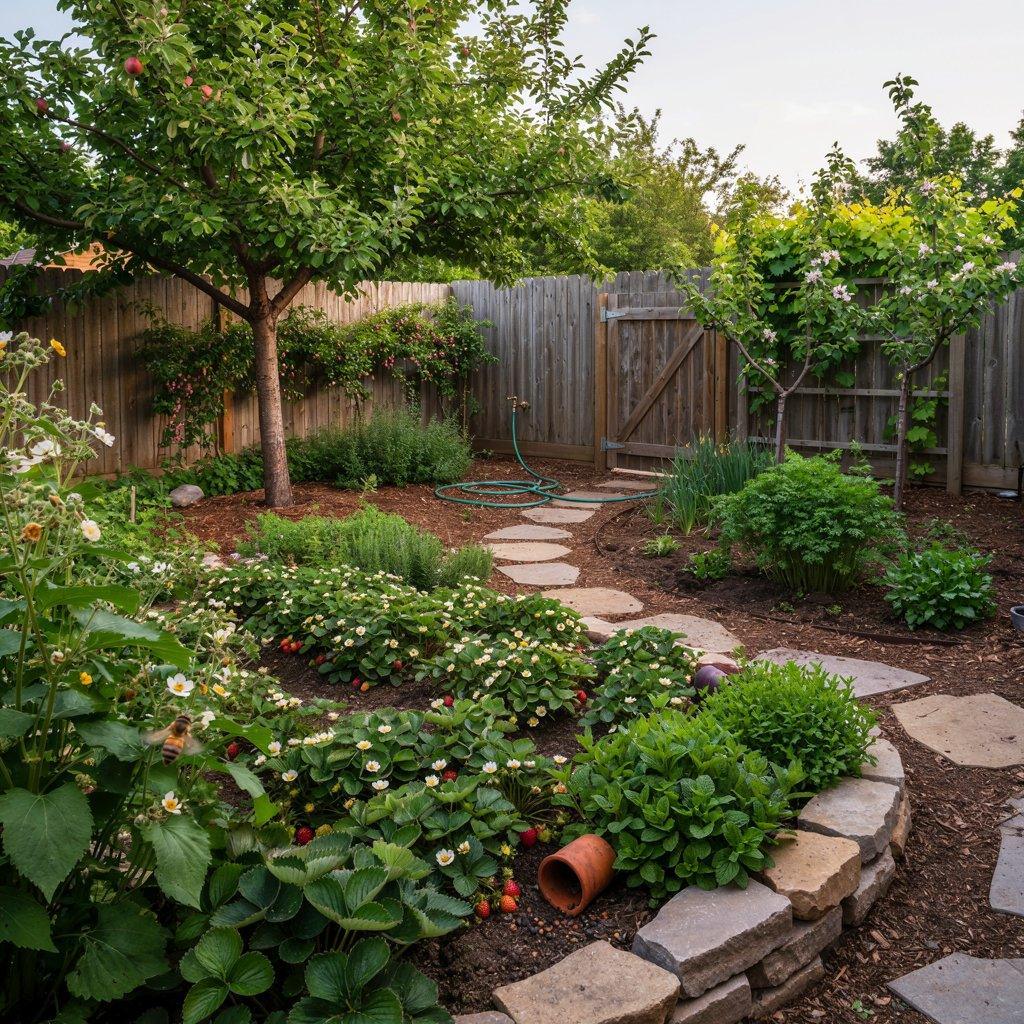
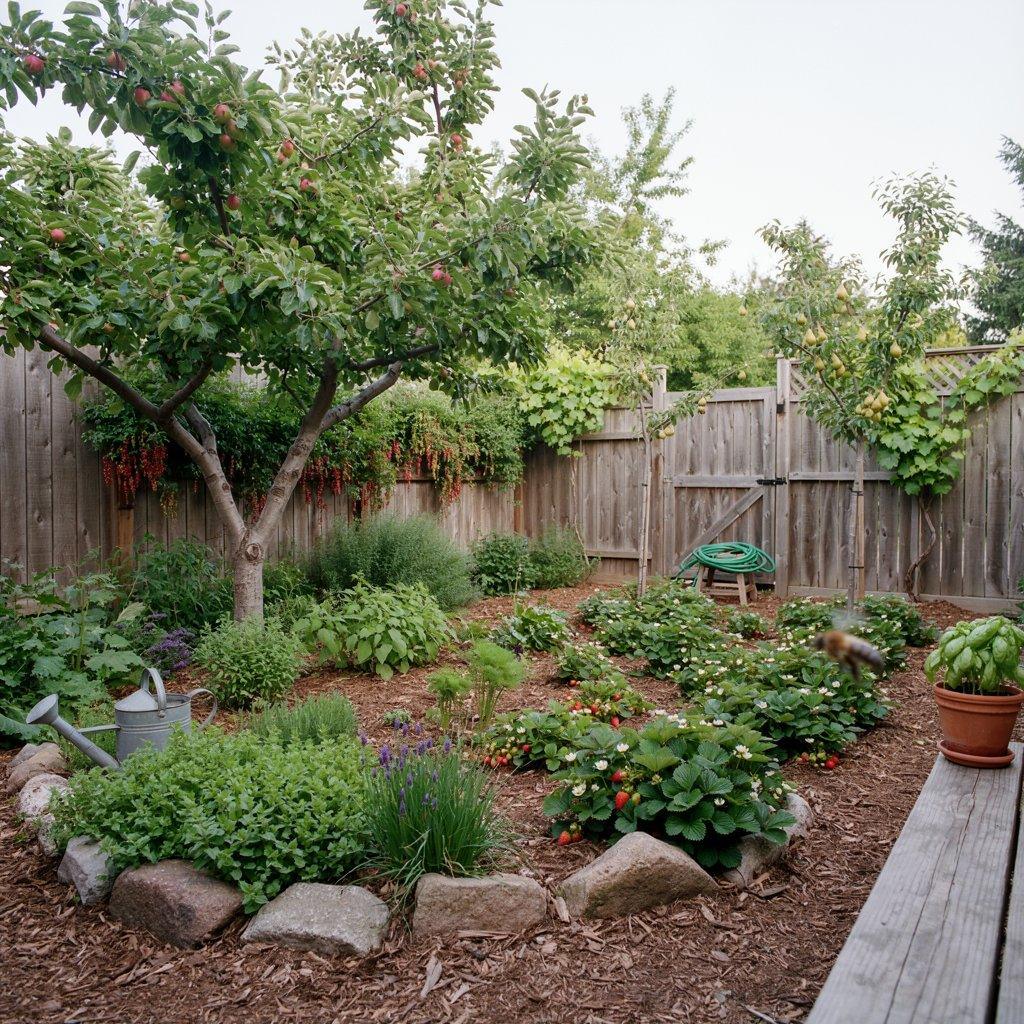
A backyard food forest mimics the layers of a natural woodland, stacking productive plants from canopy to ground cover. The top layer is a canopy of large fruit trees, the middle layer holds smaller fruit and nut trees on dwarf rootstock, and the lower layers include berry shrubs, vines, and shade-tolerant herbs.
In a small yard, this might look like one or two standard fruit trees, three or four dwarf trees, a row of currant or gooseberry bushes, and a ground cover of strawberries and mint.
The food forest requires less annual work than a vegetable garden once established, and it supports pollinators and beneficial insects. This is a good long-term layout for families who want a low-maintenance harvest that improves every year.
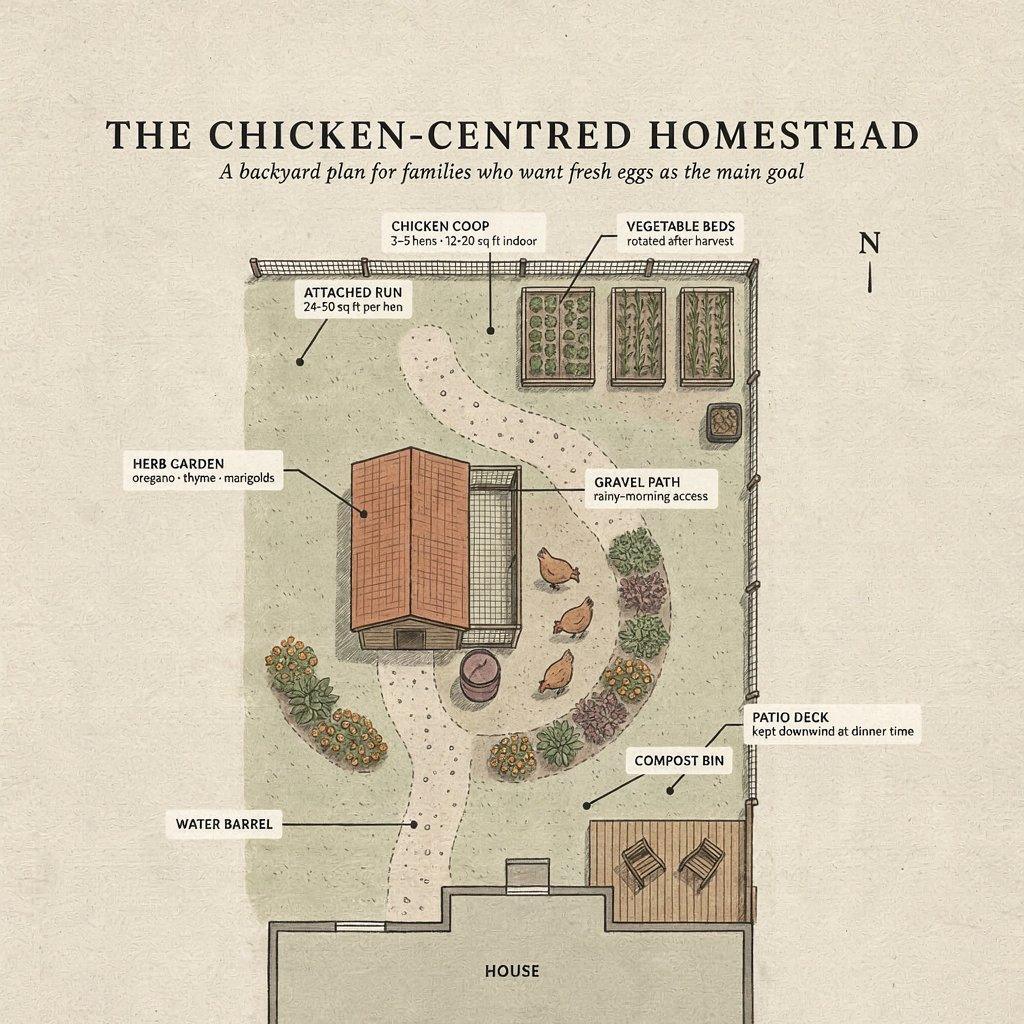
6. The Chicken-Centred Homestead
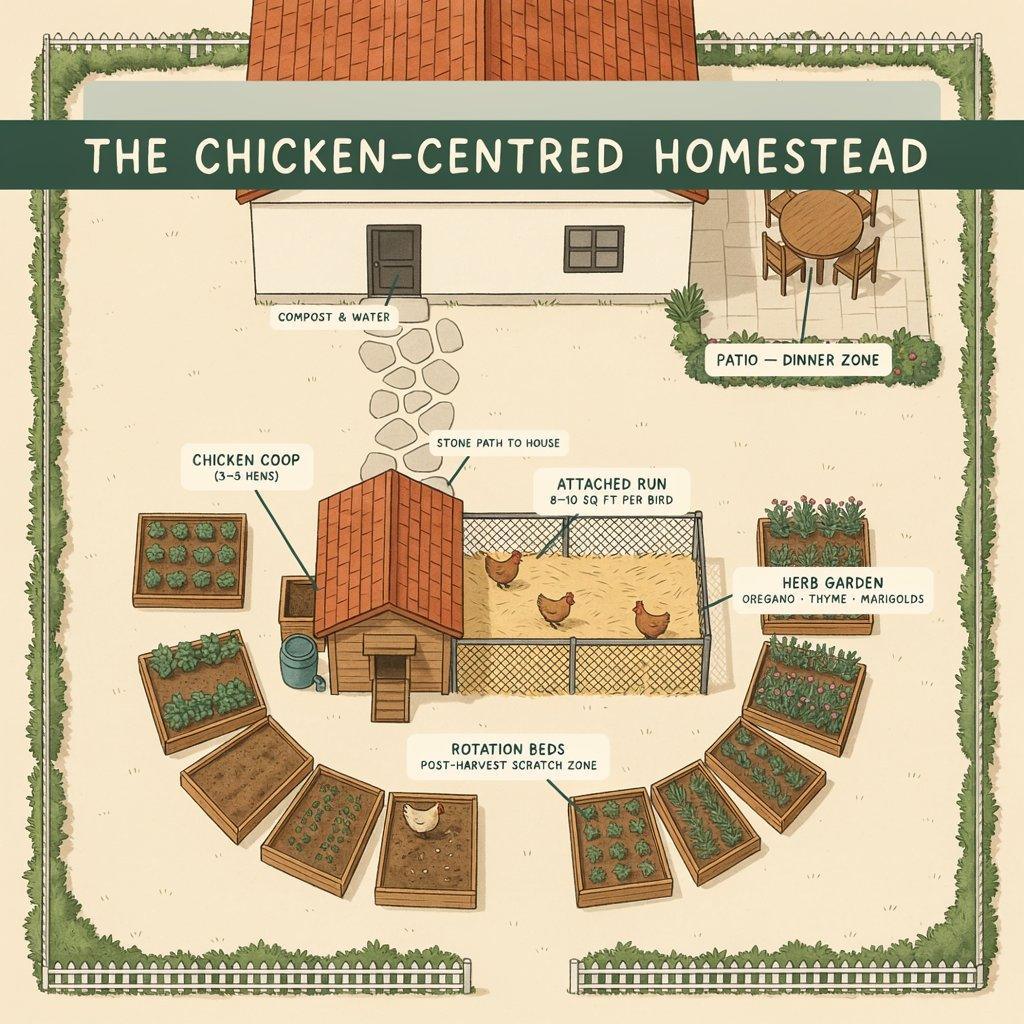
For families who want fresh eggs as the main goal, this layout puts the chicken coop at the heart of the design. A coop for three to five hens needs about four square feet of indoor space per bird and eight to ten square feet of run space each.
Position the coop so it is easy to reach from the house on a rainy morning, but far enough from the patio that you are not smelling it during dinner. Chickens can be rotated through garden beds after harvest to scratch, fertilize, and break pest cycles before the next planting.
Surround the coop with a small herb garden chickens enjoy pecking at oregano, thyme, and marigolds, and the herbs help mask odours.
7. The All-Raised-Bed
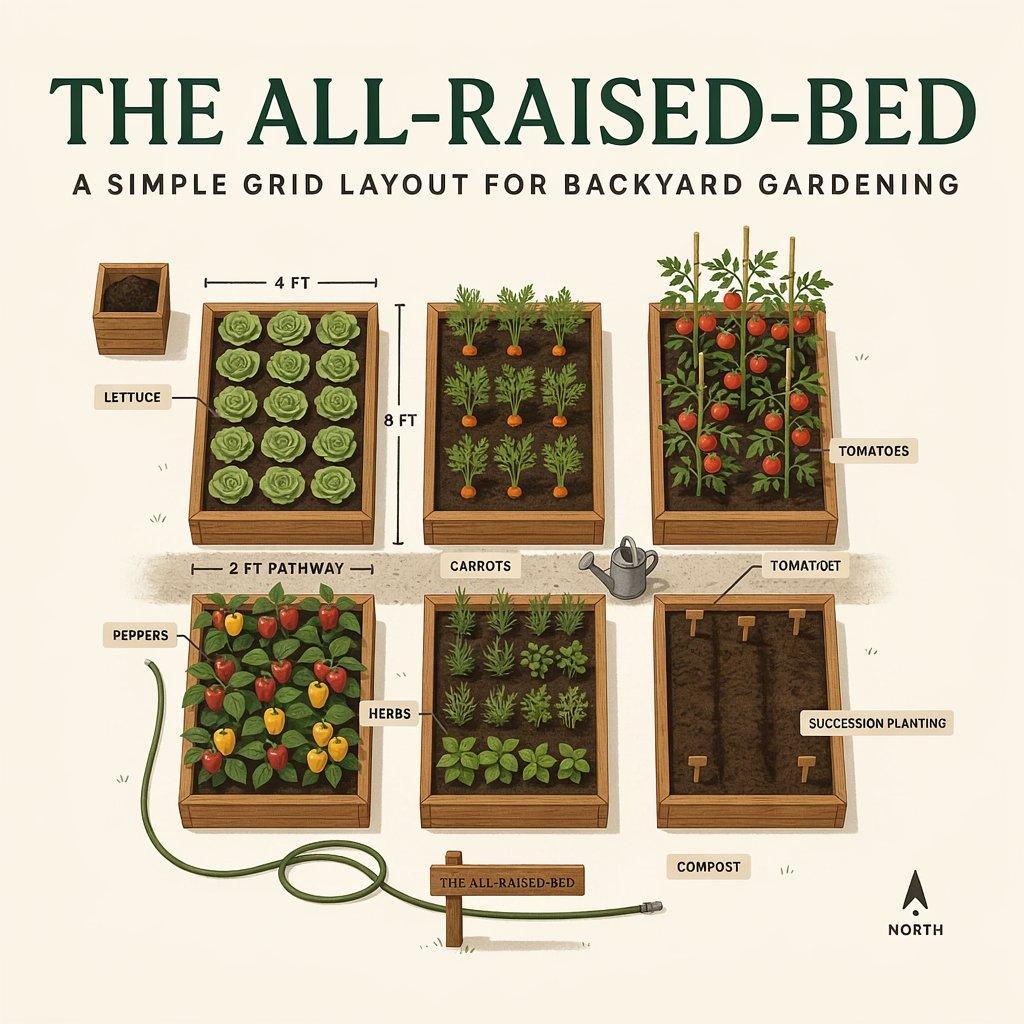
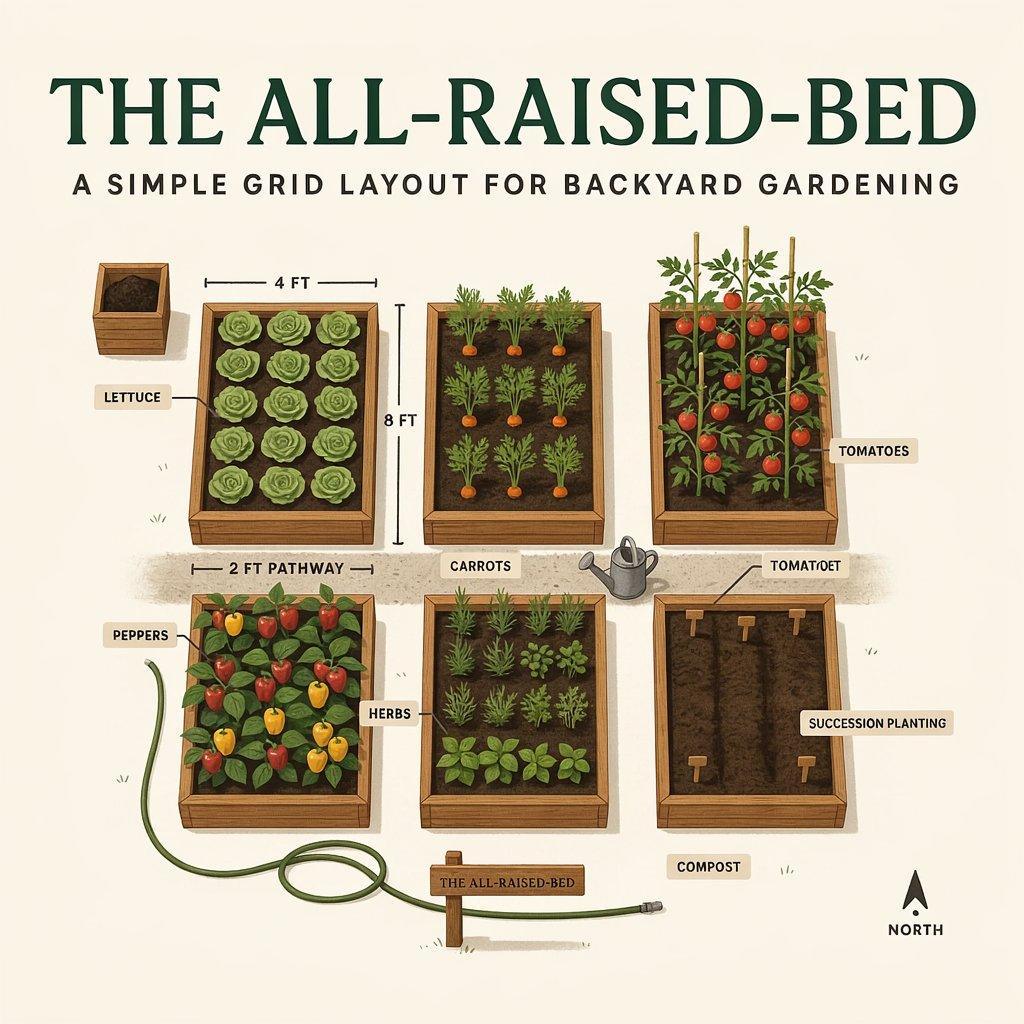
This is the simplest layout to build and the easiest to manage. Every growing space is a raised bed, usually four feet wide and eight feet long, arranged in a grid with two-foot pathways between them.
Raised beds give you complete control over soil quality, reduce weeds, and make succession planting straightforward. A family with four to six beds can grow a steady rotation of lettuce, carrots, tomatoes, peppers, and herbs from spring through autumn.
The downside is the upfront cost of building the beds and filling them with soil, but the long-term ease of maintenance makes it worthwhile. This layout works especially well in yards with poor native soil or heavy clay.
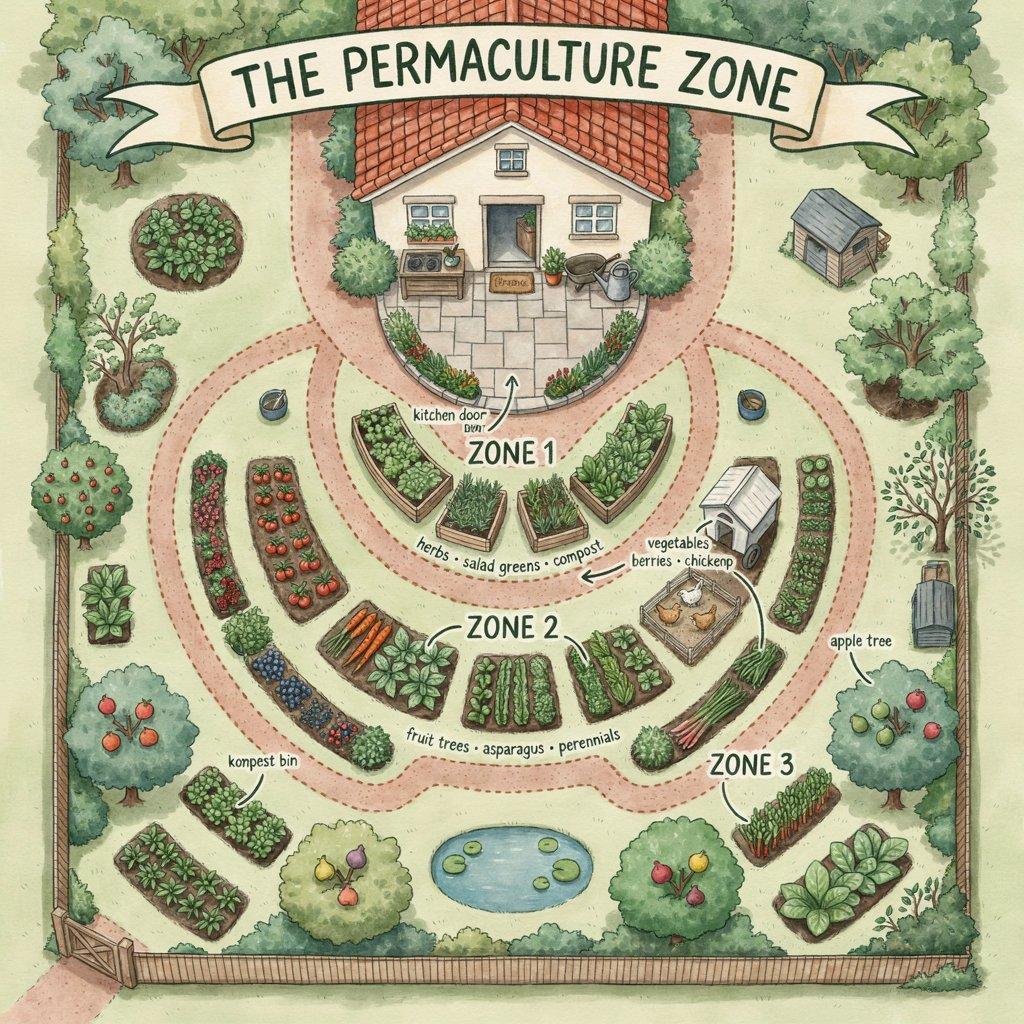
8. The Permaculture Zone
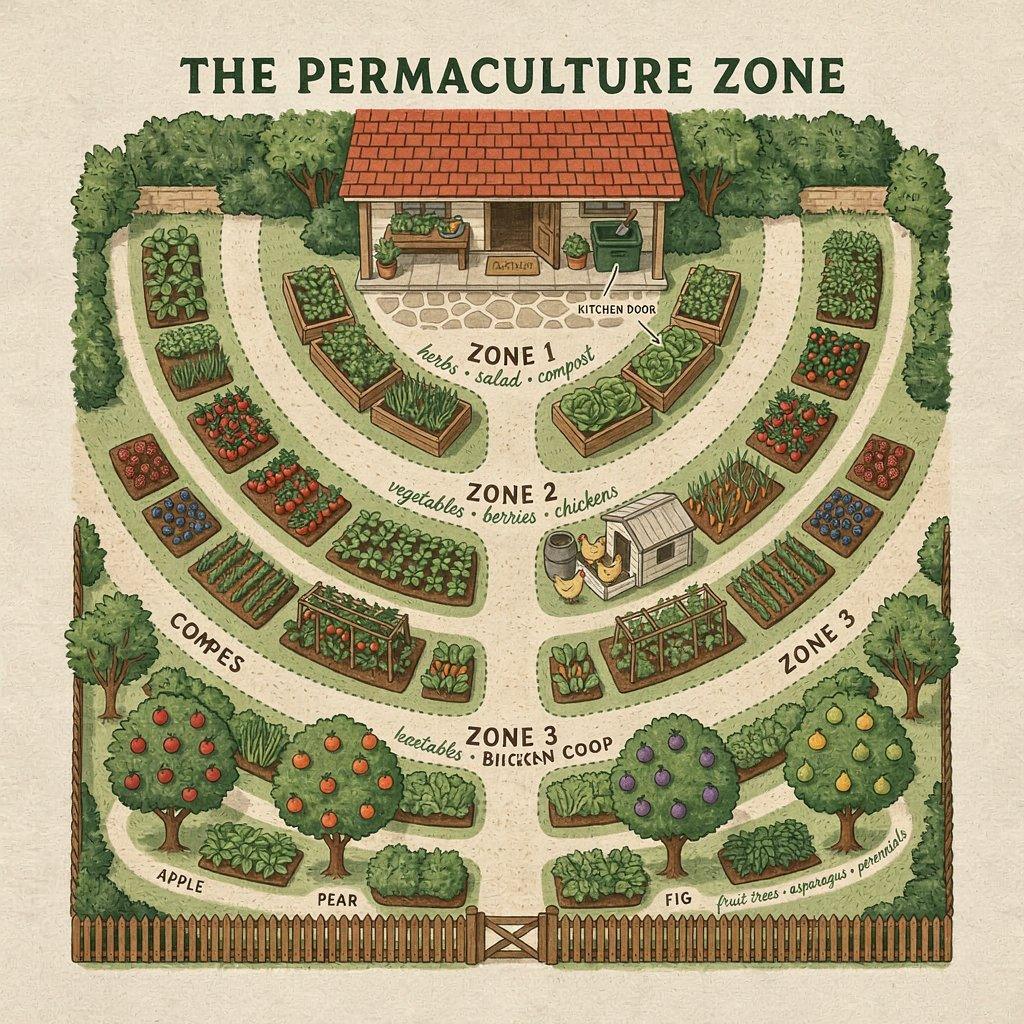
Permaculture zoning places the most frequently used elements closest to the house and the least frequently visited elements farthest away. Zone 1, right outside the kitchen door, holds herbs, salad greens, and a compost bin.
Zone 2, a bit farther out, contains the main vegetable beds, berry patches, and the chicken coop. Zone 3, the farthest zone in a small yard, is for fruit trees, asparagus, and larger perennial crops that need seasonal attention rather than daily care.
This layout saves time because you are not trudging to the back of the yard every time you need a sprig of parsley. It also mirrors how traditional farmsteads were organized for efficiency.
9. The Square Foot Garden Family
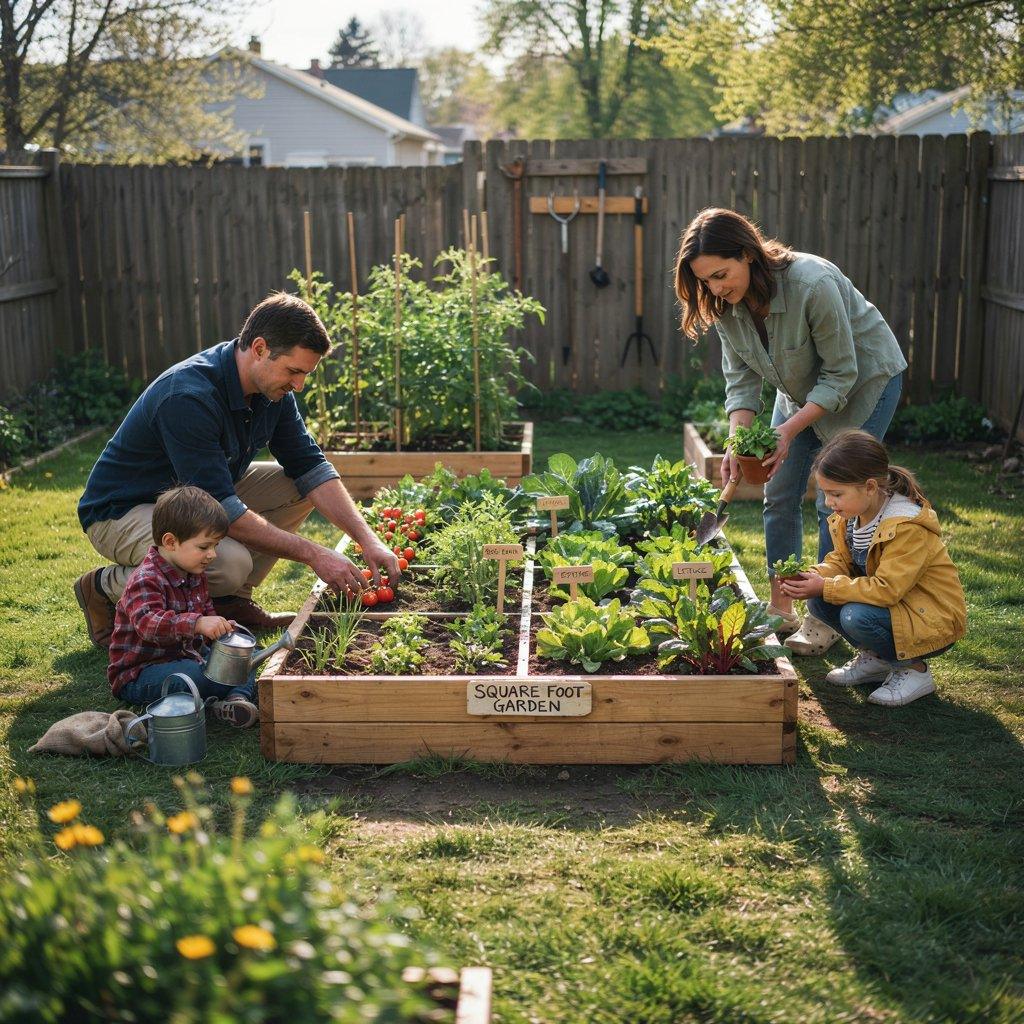
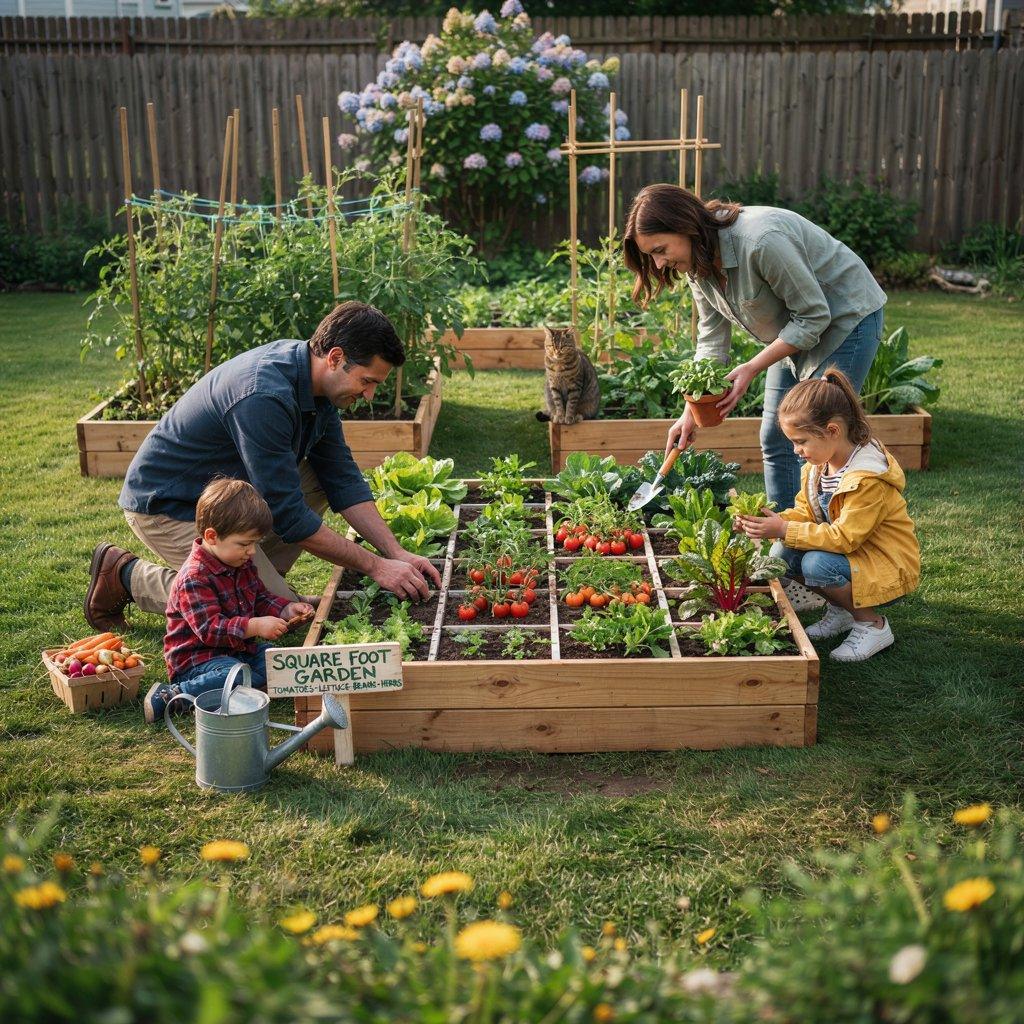
Square foot gardening divides raised beds into a grid of one-foot squares, with each square planted with a specific crop at a specific spacing.
A four-by-four bed gives you sixteen squares, which can hold sixteen lettuce plants, nine bush bean plants, or four tomato plants. A family with three or four square foot beds can produce a surprising amount of food in a compact area.
The grid system makes planning and crop rotation easy, and children can help with planting because the squares are clearly defined. This layout is ideal for beginners because it removes the guesswork from spacing and succession planting.
10. The Rainwater Harvest
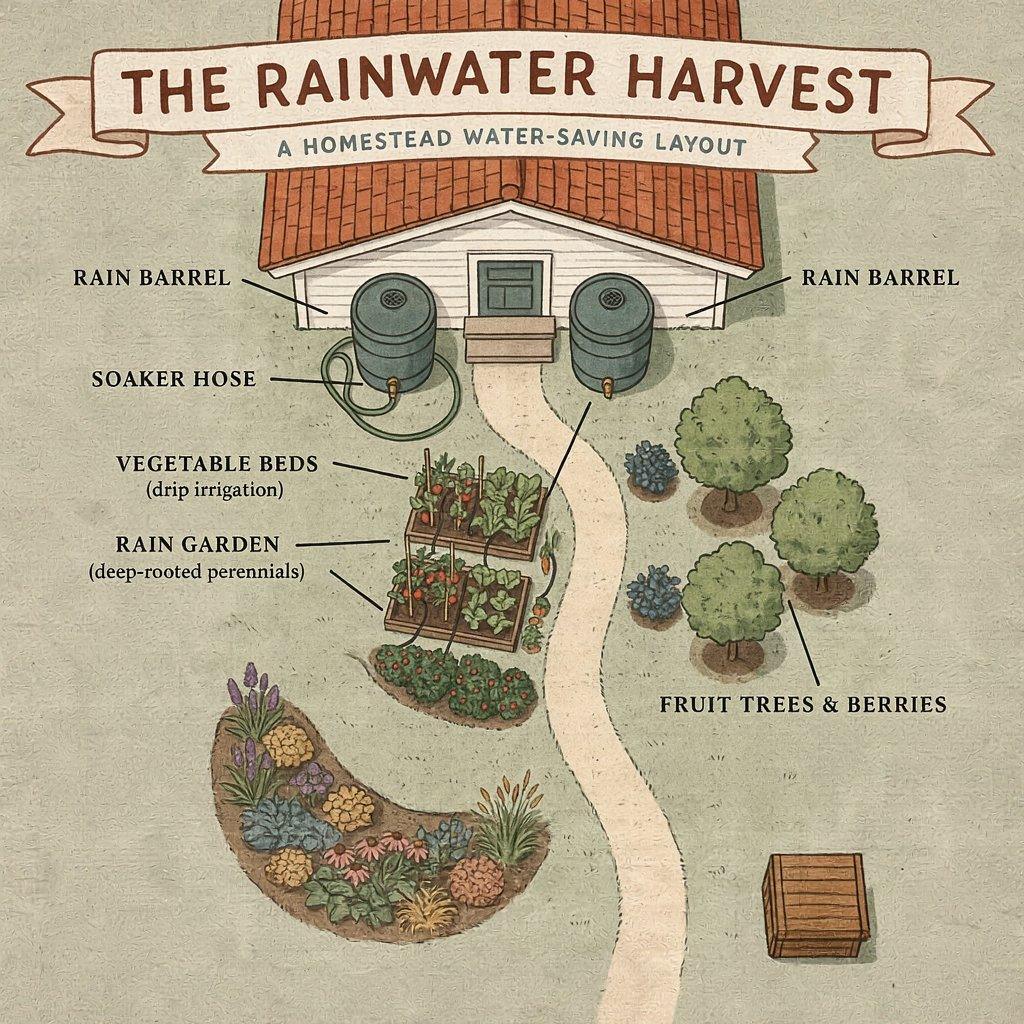
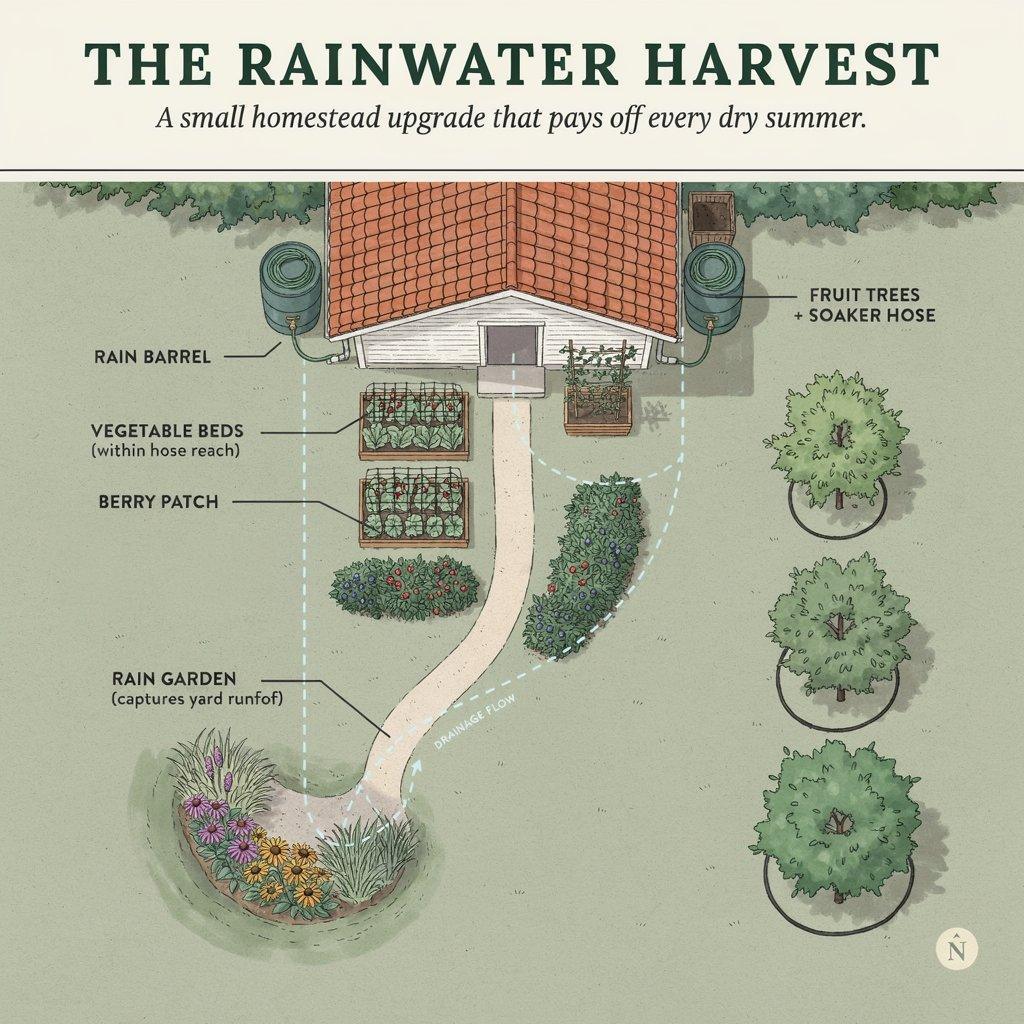
Water access can make or break a small farm. This layout places rain barrels at the downspouts of the house and groups thirsty plants vegetables, berries, and fruit trees within easy hose distance of those barrels.
Rain gardens, shallow depressions planted with deep-rooted perennials, capture runoff from the yard and channel it into the soil instead of the storm drain. In a small yard, even one or two rain barrels can cut your watering labour significantly.
Position the garden beds close to the water source and use drip irrigation or soaker hoses to reduce evaporation. This is one of the easiest homestead upgrades a family can make, and it pays off every dry summer.
11. The Orchard and Berry Lane
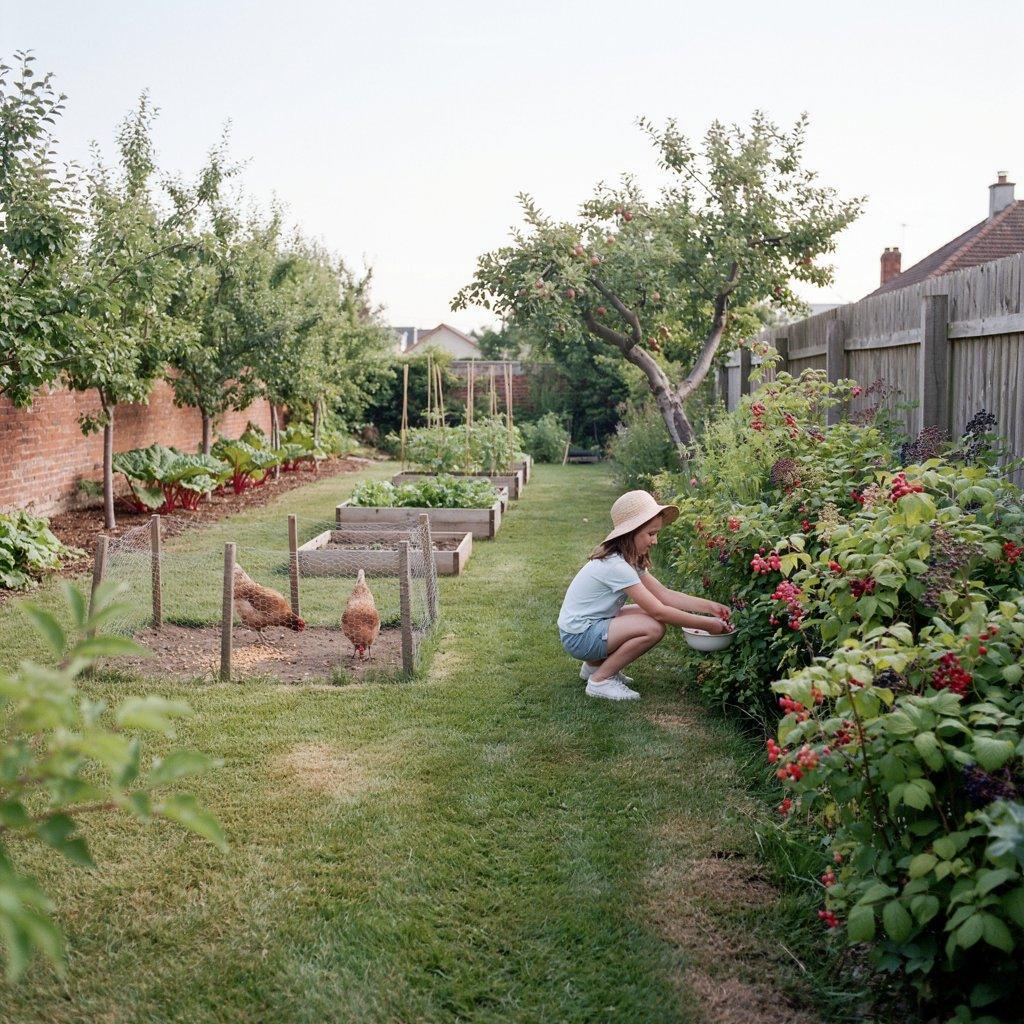
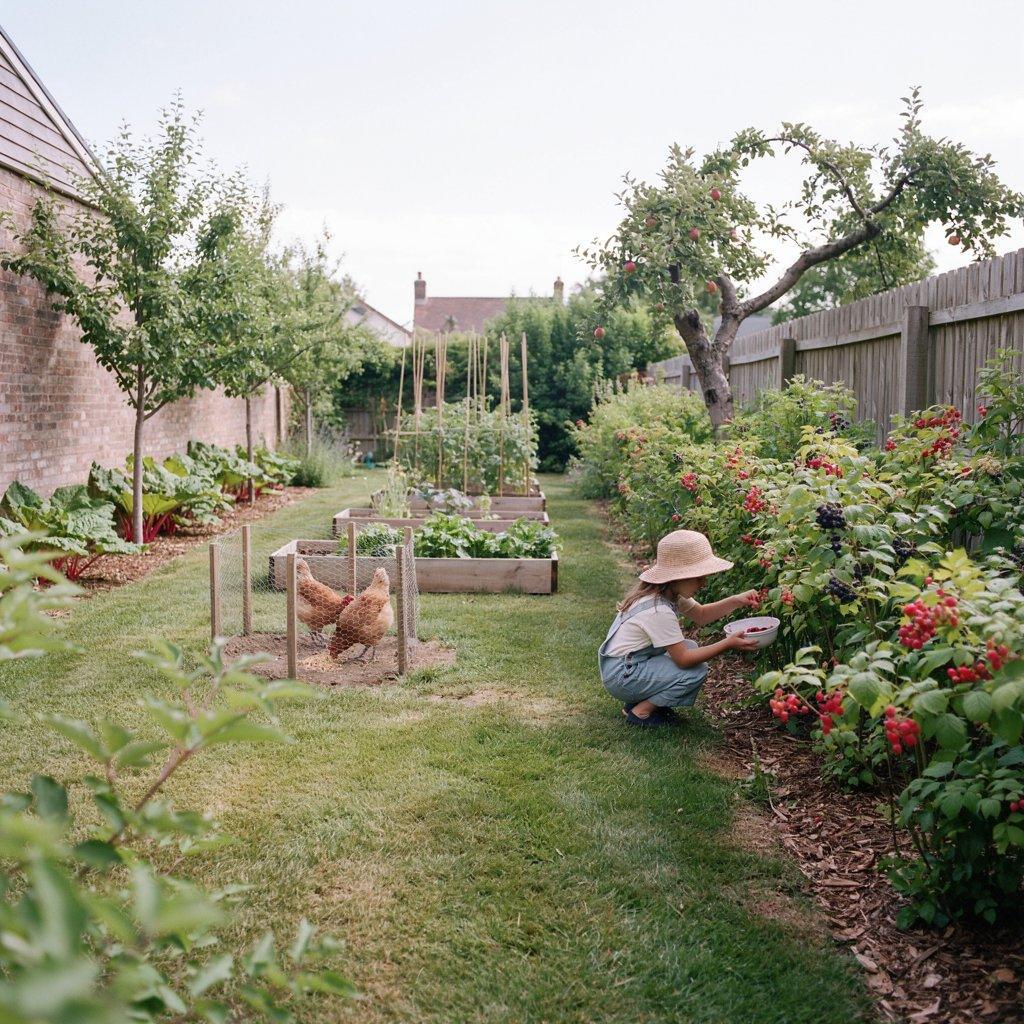
This layout dedicates the perimeter of the yard to perennial food production. Berry bushes raspberries, blackberries, currants, and elderberries line the fence, while dwarf fruit trees sit at the corners or along the south-facing wall.
A narrow strip of asparagus or rhubarb fills the space beneath the fruit trees. The centre of the yard stays open for raised beds, a chicken run, or a play area.
Berry lanes are excellent for families because children can graze directly from the bushes, and the perennials return year after year with minimal replanting. The main work is pruning, mulching, and harvesting, which can be shared across the family.
12. The Mobile Chicken Tractor
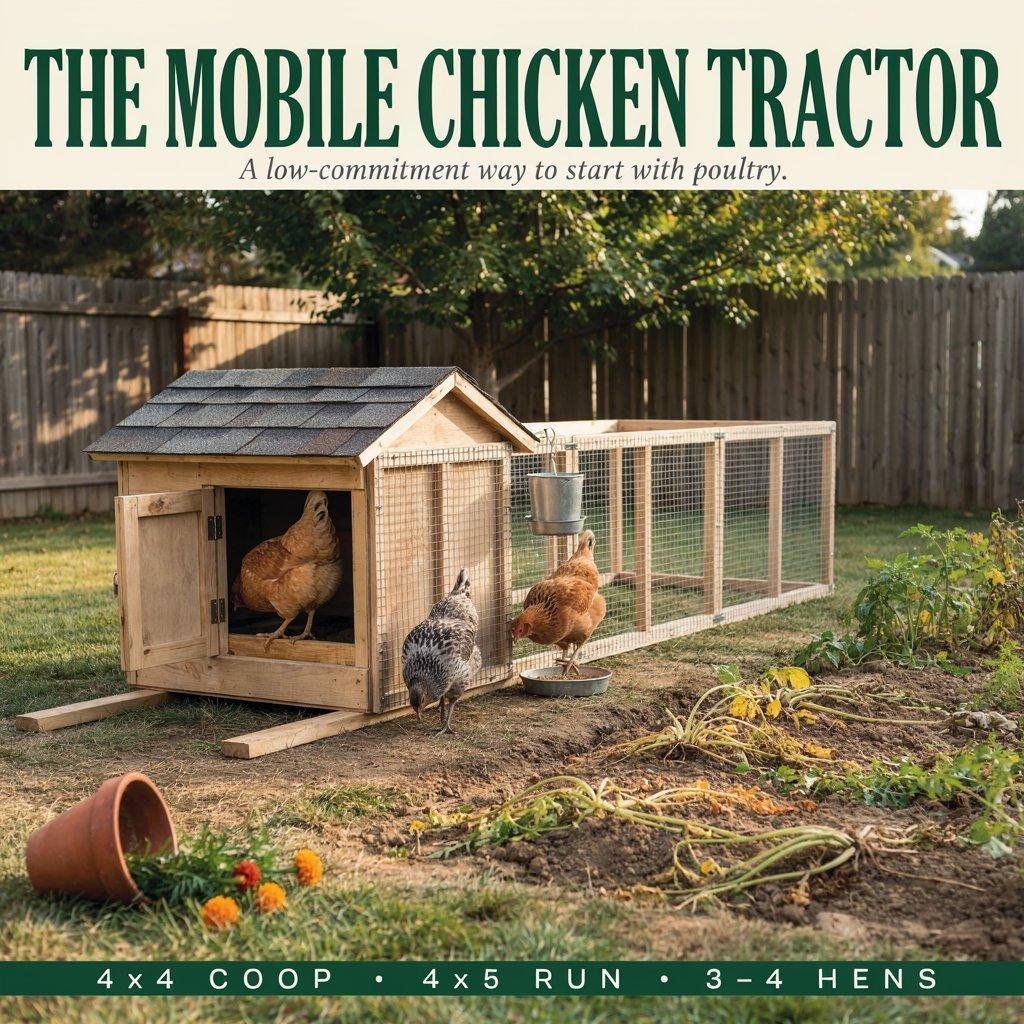
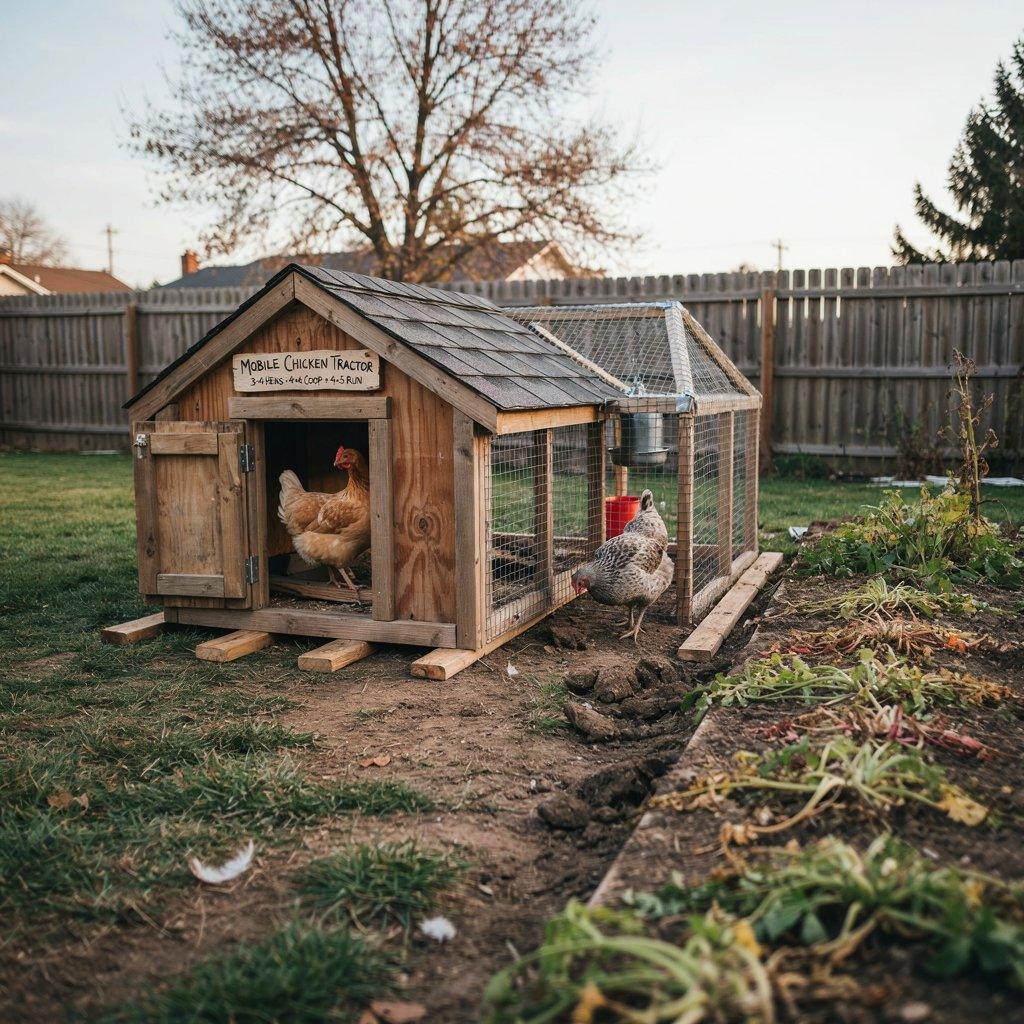
A chicken tractor is a portable coop and run that moves across the yard, letting your hens fertilize and scratch different patches of ground in rotation.
A tractor for three to four hens can be as small as four by four feet for the sheltered area, with an attached run of four by five feet. Move it every few days to fresh grass. This layout suits families who want the benefits of chickens eggs, pest control, fertilizer without a permanent coop structure.
The tractor can be parked over a finished garden bed in autumn so the chickens clean up crop residue and leave behind a layer of manure. It is a low-commitment way to start with poultry.
13. The Family Production Garden
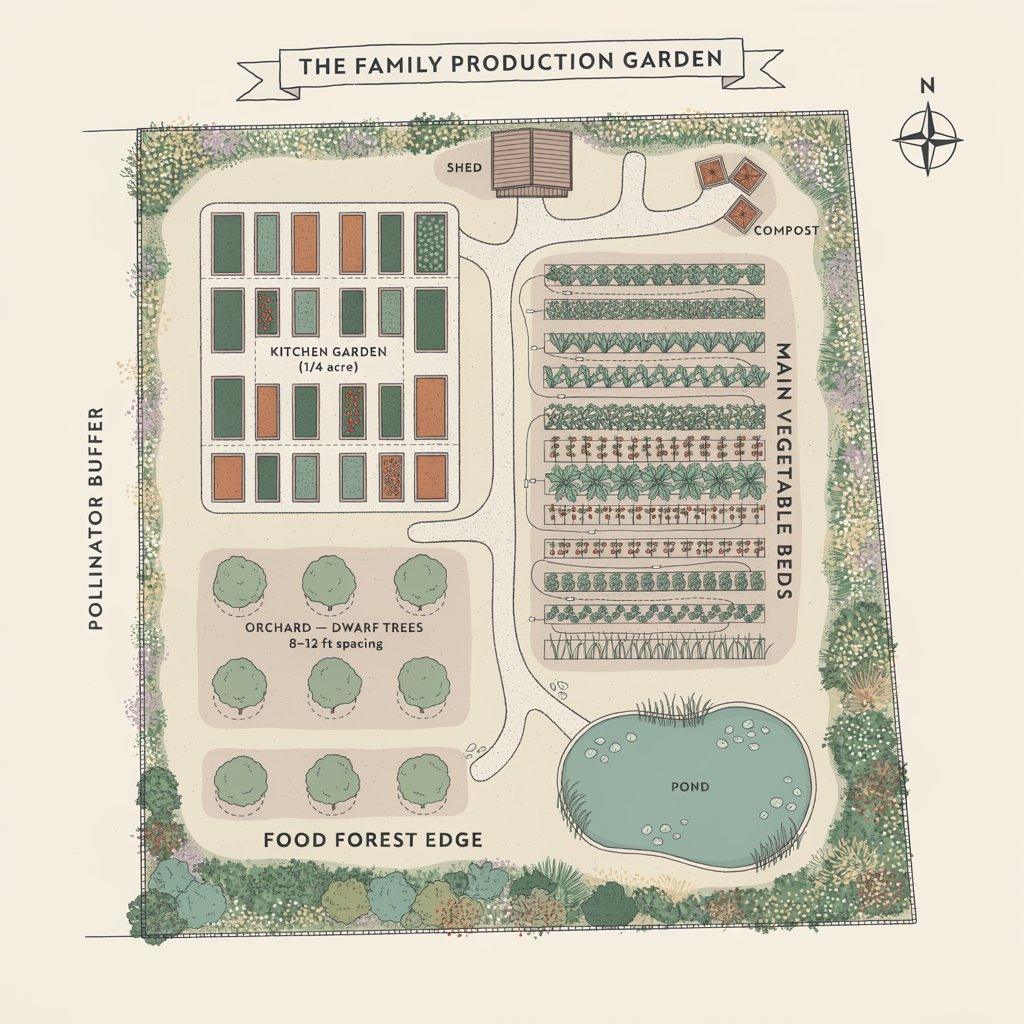
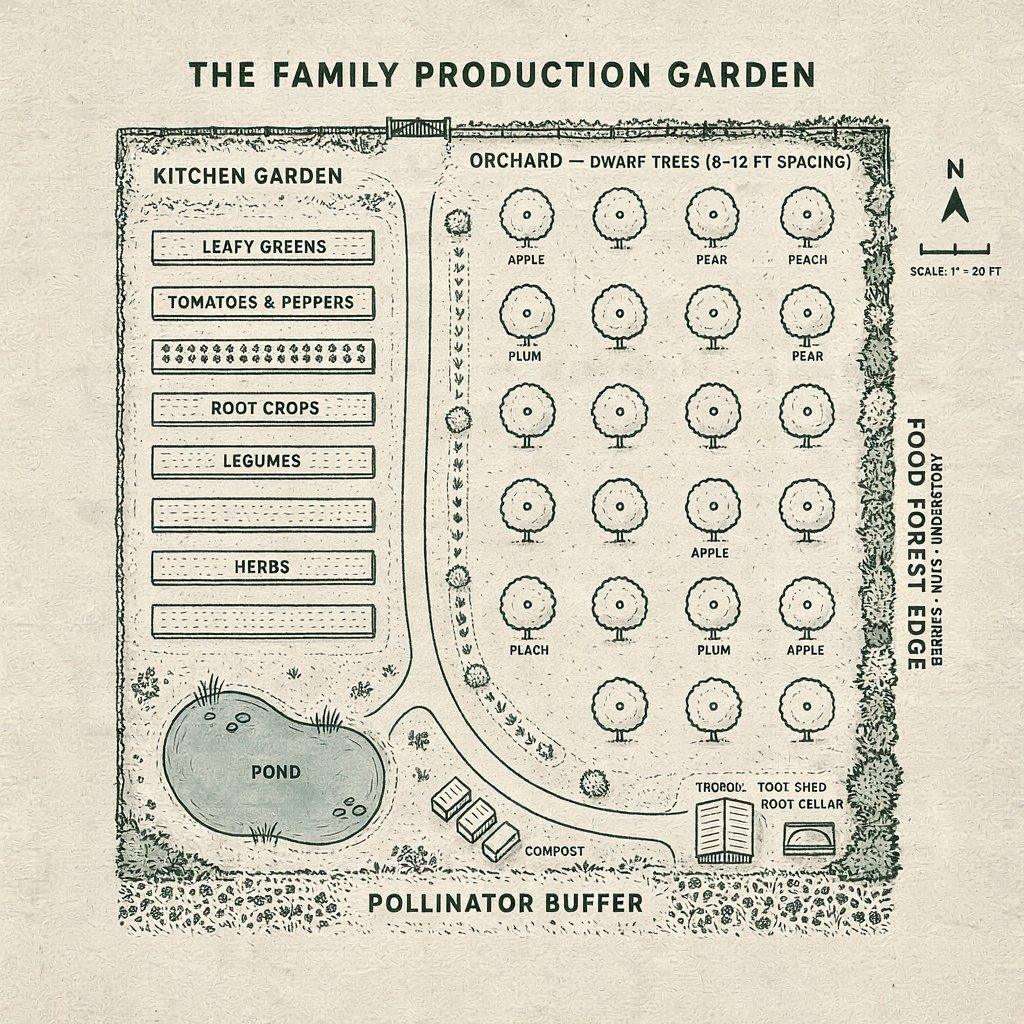
If your family’s main goal is to grow as much food as possible, this layout dedicates the majority of the yard to intensive production. The kitchen garden and main vegetable beds take about a quarter of an acre, with raised beds arranged for easy access and crop rotation.
The orchard and fruit tree area covers another portion, with dwarf trees spaced eight to twelve feet apart. The remaining space holds a food forest edge, a small pond, and buffer zones for pollinators.
This layout is more work than the others, but it can produce a significant portion of a family’s fresh produce for most of the year. It requires a realistic plan for preserving and storing the surplus.
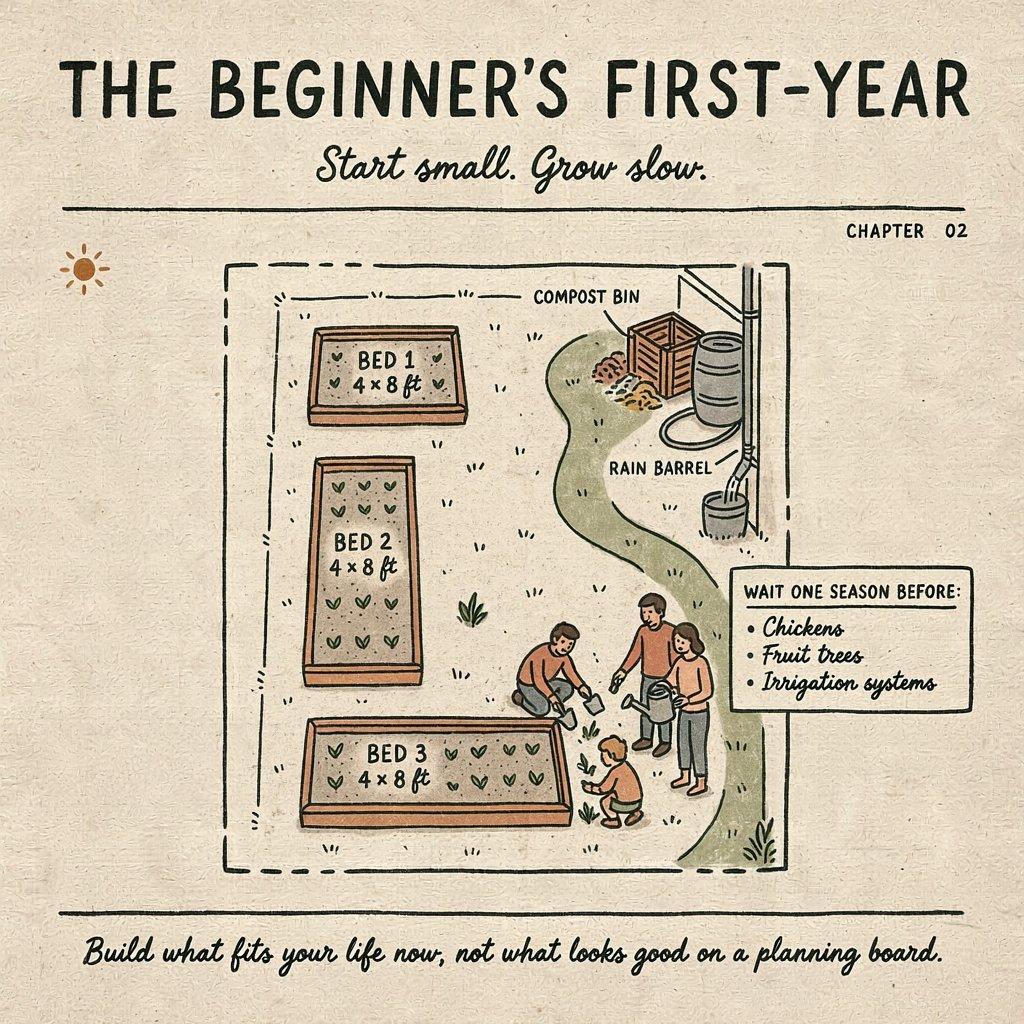
14. The Beginner’s First-Year
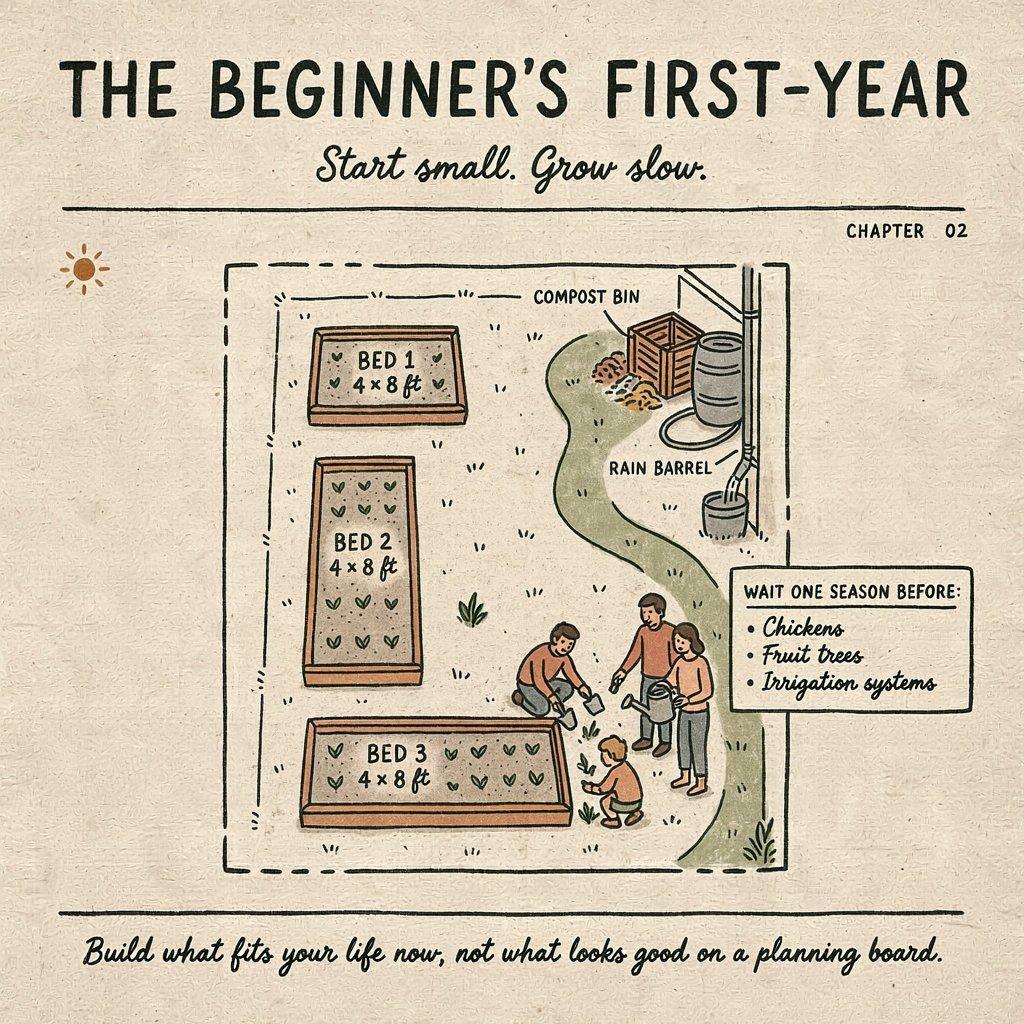
The best layout for a family just starting out is the smallest one. Plant two or three raised beds, four by eight feet each, and see how much time and energy you actually have for gardening.
Add a compost bin and a rain barrel. Wait a full season before adding chickens, fruit trees, or irrigation systems. This layout is not the most impressive on paper, but it is the most likely to succeed because it does not overwhelm you in the first year.
Most thriving family farms grew one project at a time: a small garden first, then a chicken coop, then a fruit tree. Build what fits your life now, not what looks good on a planning board.
FAQs
How much space does a family farm need to be productive?
A productive family farm can fit on a quarter acre or less. The key is zoning, vertical growing, and choosing crops and animals that match your space and daily routine. A family of four can realistically aim for around 800 square feet of growing space to eat well through the growing season.
What should I start with if I have never farmed before?
Start with two or three raised beds and a compost bin. Grow easy crops like lettuce, radishes, herbs, and bush beans. Add chickens or fruit trees in the second year once you understand how much time you actually spend in the garden. Starting small is the single most reliable way to avoid burnout.
Can I keep chickens on a small suburban lot?
Yes, many families keep three to five hens on less than a quarter acre. You need a secure coop and run, and you should check your local ordinances first. A coop for three to five hens needs roughly four square feet of indoor space per bird and eight to ten square feet of run space each.
How do I decide where to put the vegetable garden?
Choose the sunniest spot in the yard, ideally one that gets six to eight hours of direct sunlight daily. Place it close to a water source and within easy walking distance from the kitchen door. Group thirsty plants together so you can water efficiently.
What is the biggest mistake new backyard farmers make?
Placing high-use areas too far apart. If the chicken coop is at the back of the yard and the compost bin is at the front, you will waste time and energy every day. Keep daily-use elements herbs, salad greens, compost, and the coop close to the house.
Conclusion
A thriving family farm is not defined by acreage. It is defined by intention. The layouts above are not fantasies; they are working models drawn from real homesteaders who started with small yards and built something productive one season at a time. Pick one layout that fits your space and your family’s energy, start with the simplest elements, and expand as you learn. The first raised bed is the hardest part. Everything after that is just a matter of paying attention.
Related post: