

You do not need acres of land to grow food, raise a few animals, and get your kids outside. A small backyard can become a working hobby farm with the right plan. The trick is picking a layout that fits your space and your family’s energy.
These 12 designs are practical, beginner-friendly, and built for real life. Each one shows you what to put where, so you can stop scrolling and start building.
1. The Beginner’s Starter Plot
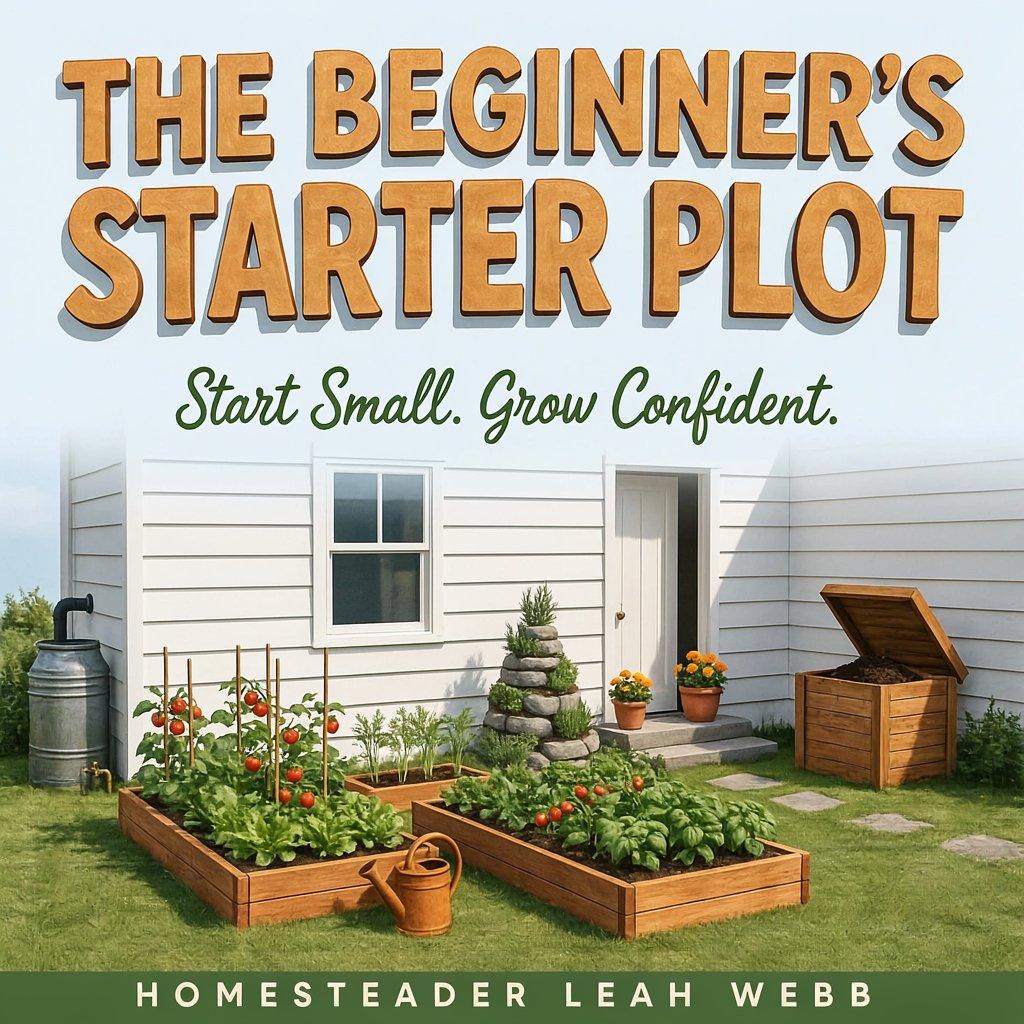
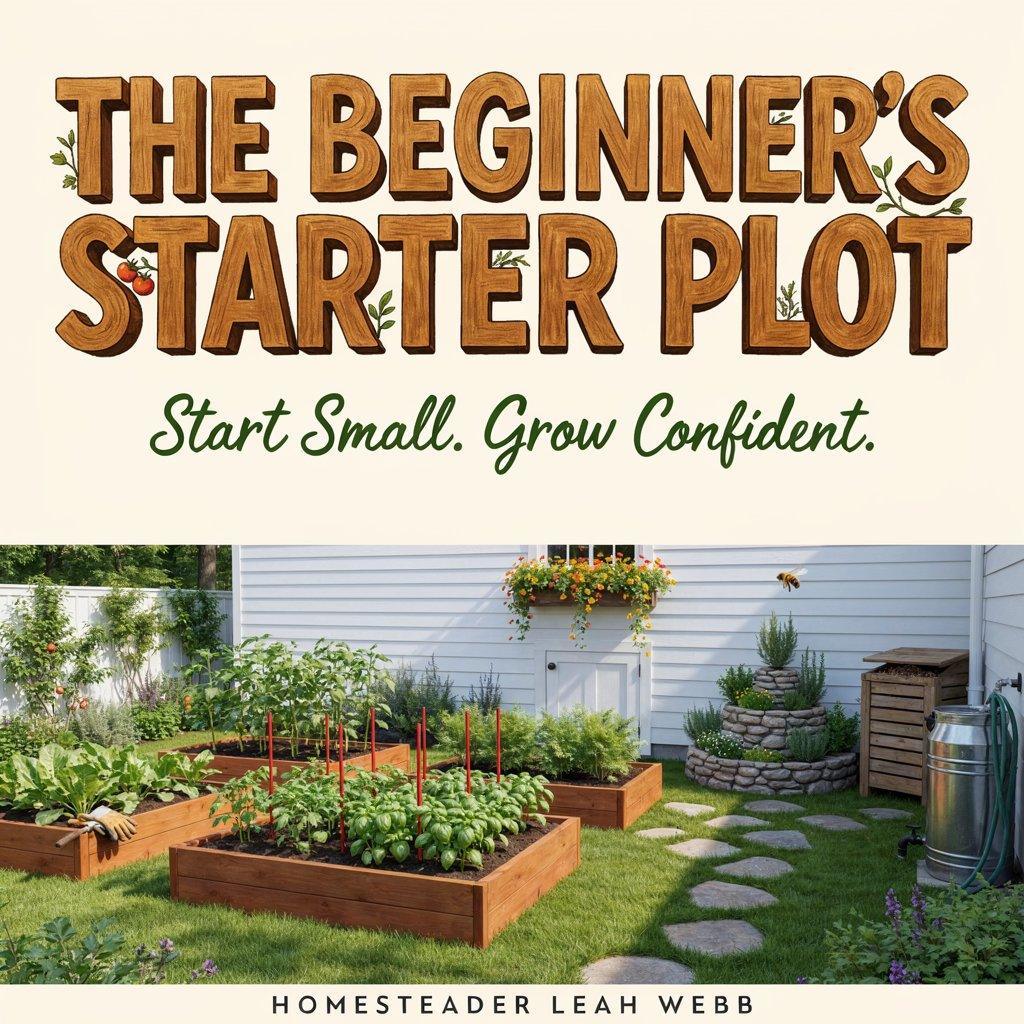
If your family is brand new to hobby farming, keep things simple. Start with two 4×8 raised beds for vegetables and a small herb spiral near the kitchen door. Add a compost bin in the corner and a single rain barrel under a downspout.
This layout works because it teaches you how your yard behaves where the sun hits, where water pools, and how much time you actually have for chores. Homesteader Leah Webb recommends exactly this approach: begin with one or two small beds and expand once you understand your space.
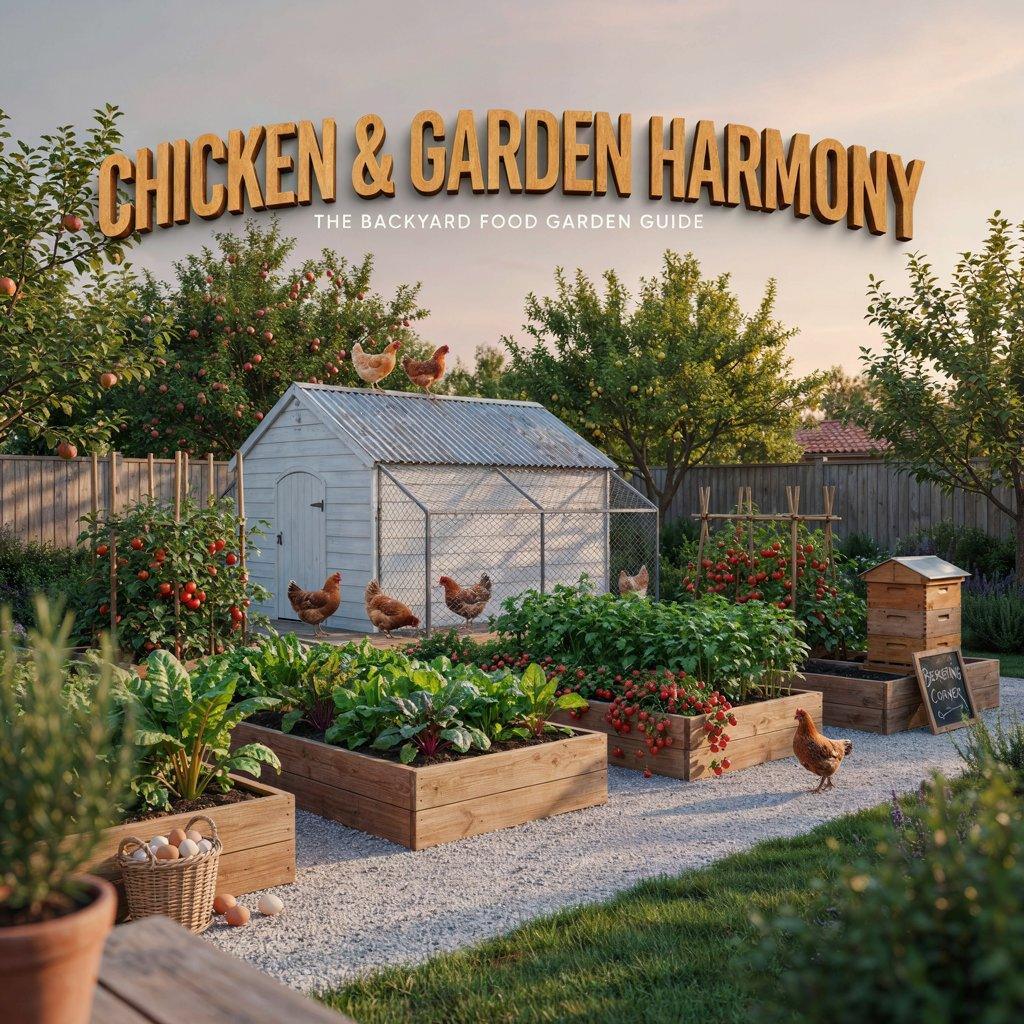
2. Chicken and Garden Harmony
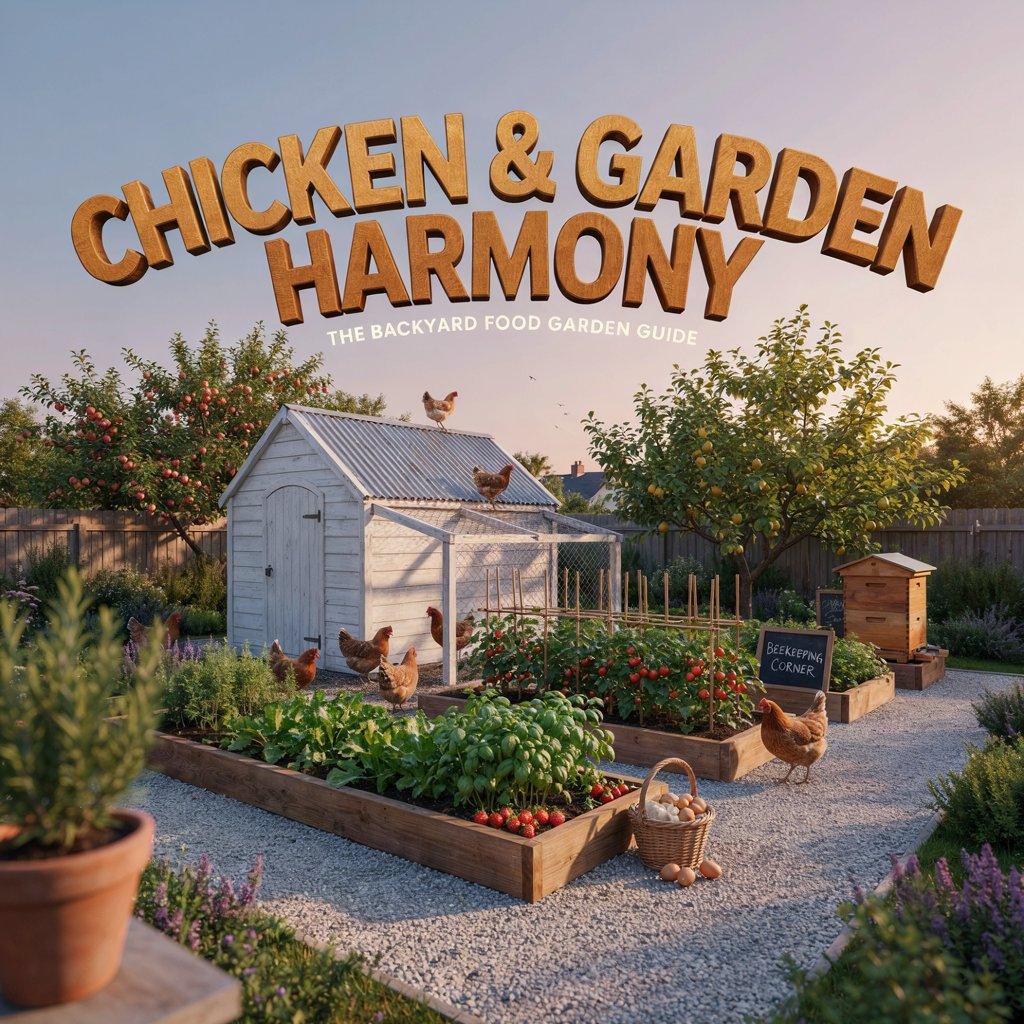
This classic layout places a chicken coop along the back fence with a run that borders your raised beds. The birds get shade from fruit trees planted behind the coop. You get fresh eggs, natural fertilizer, and pest control.
The garden feeds your family and gives the chickens kitchen scraps. Bunnings garden expert Ash Burke used this exact design in his 70-square-metre backyard food garden, with raised beds linked by gravel paths and a beehive tucked nearby. It feels like its own little room in the yard.
3. The Zoned Family Farm
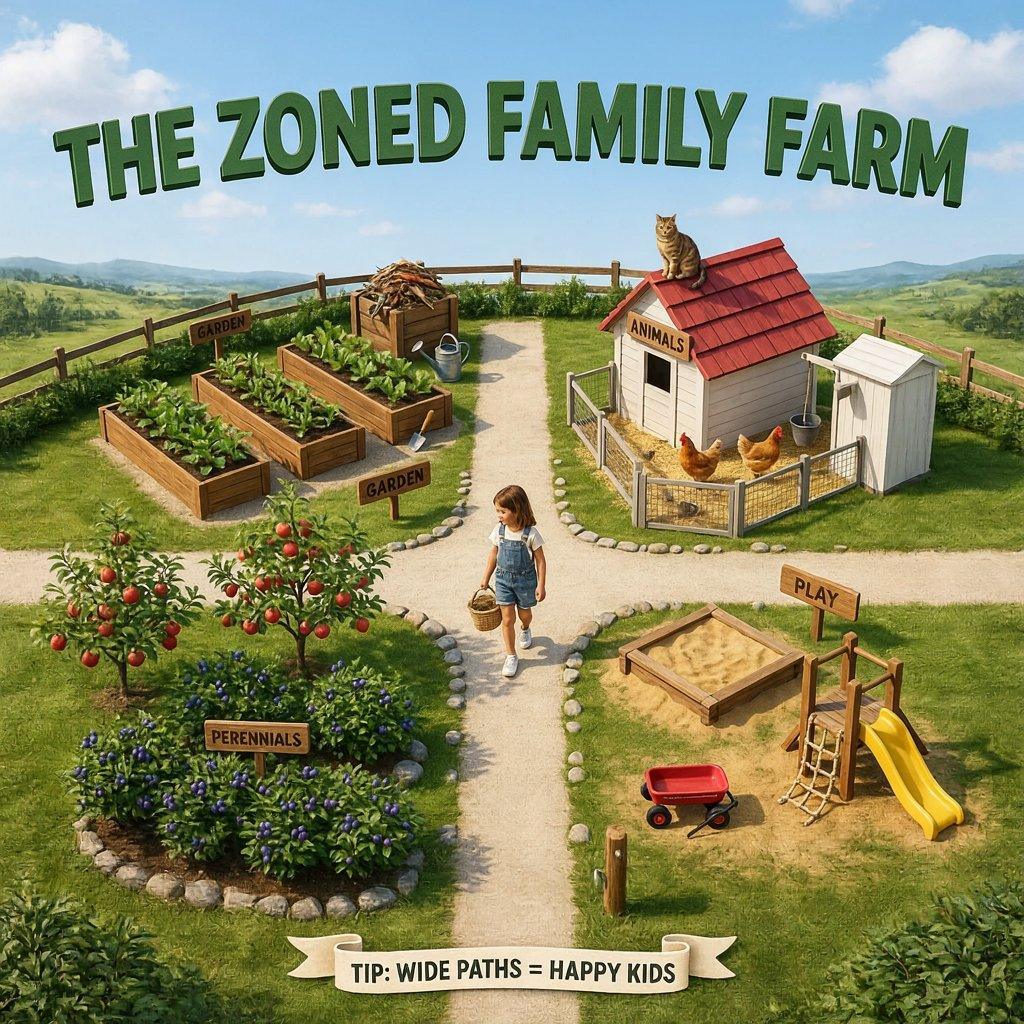
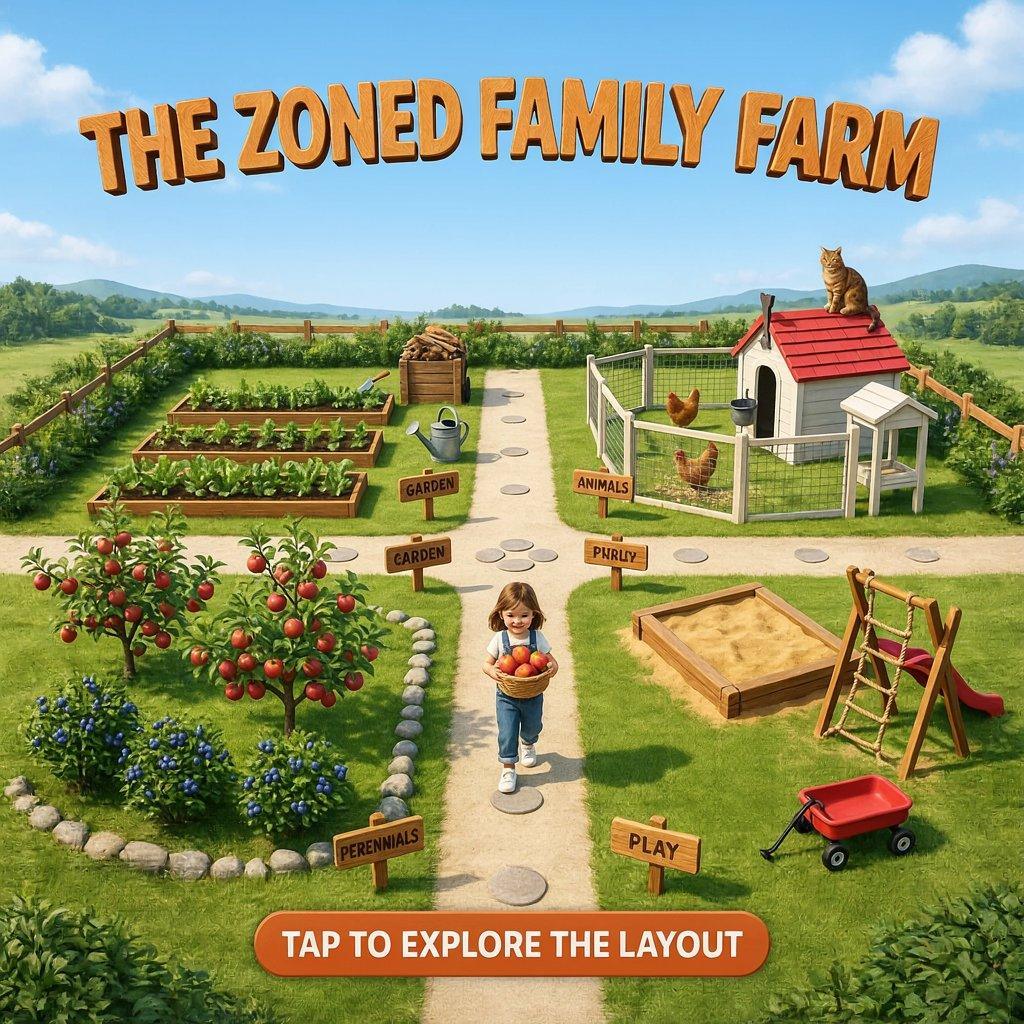
Zoning keeps a small farm from feeling crowded. Divide your yard into four clear areas: a garden zone with raised beds and compost, an animal zone with a coop and feed storage, a perennial zone with berry bushes and dwarf fruit trees, and a play zone with a sandbox or small climbing structure.
Wide paths connect everything so kids can move safely. This layout came from a Texas homesteading guide that recommends grouping areas by function so your farm flows naturally instead of becoming a maze.
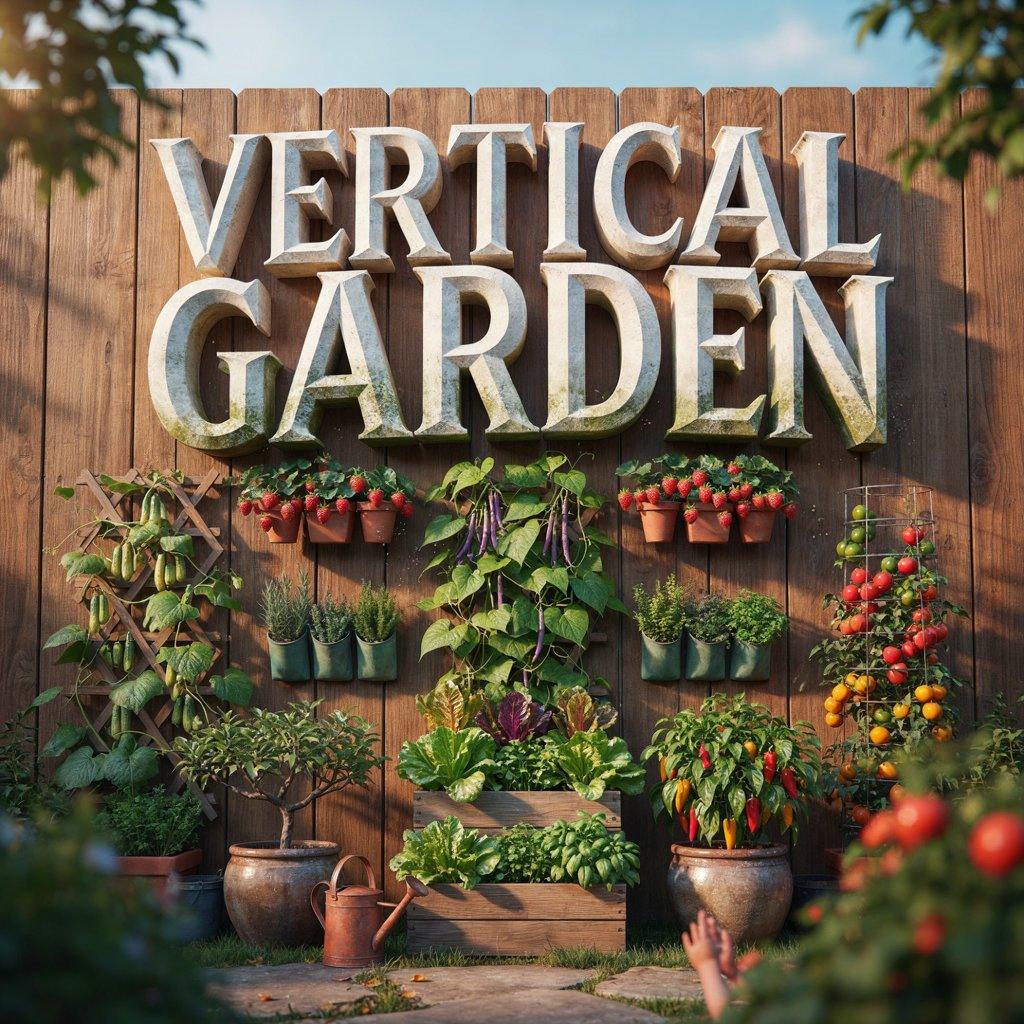
4. Vertical Growing Wall
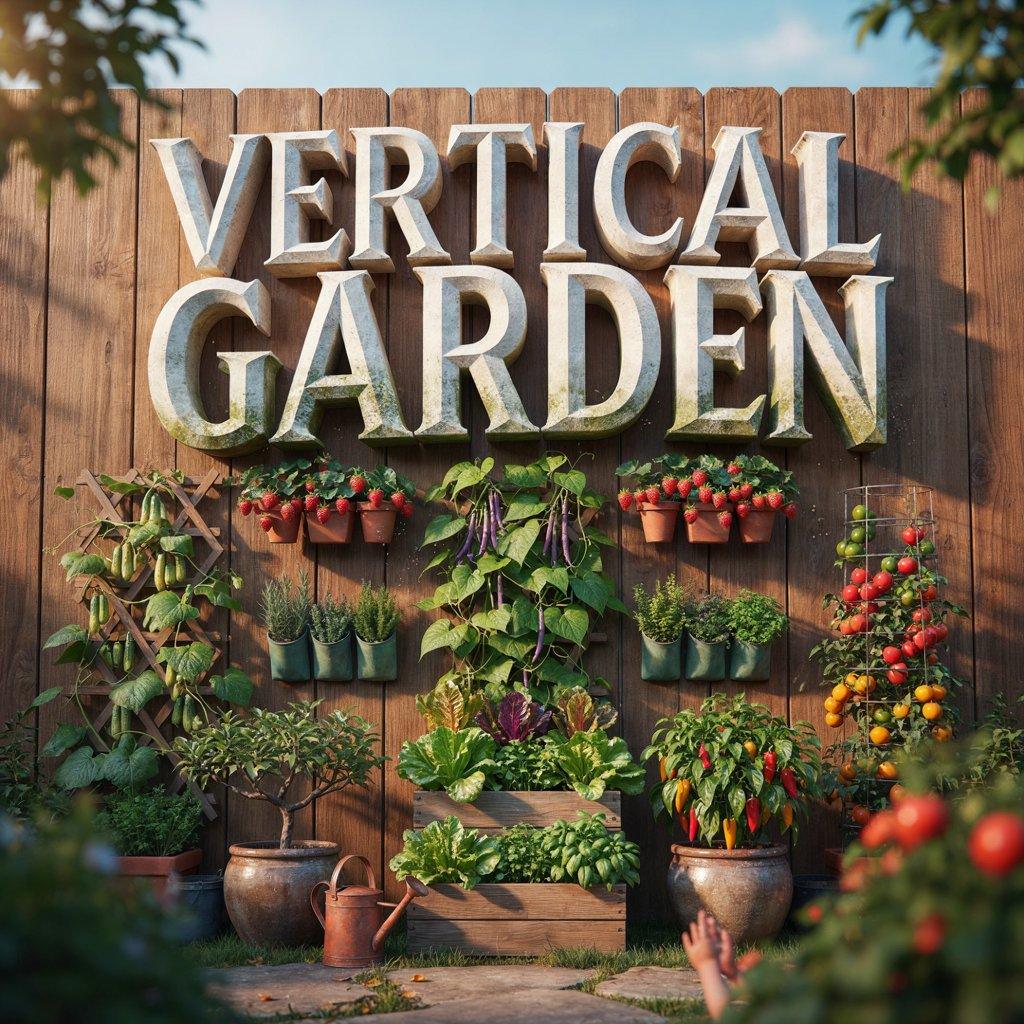
When ground space is tight, go up. This layout uses a sunny fence or side wall for tiered planters, trellises, and hanging baskets. Grow cucumbers, beans, and tomatoes on vertical supports. Tuck strawberries into hanging pots and herbs into wall-mounted pockets.
At the base, place two or three containers for dwarf fruit trees or peppers. One permaculture guide notes that small yards under 200 square feet work best with vertical systems and just two to four espaliered trees. Kids love climbing plants because they can pick from eye level.
5. The Mini Orchard Row
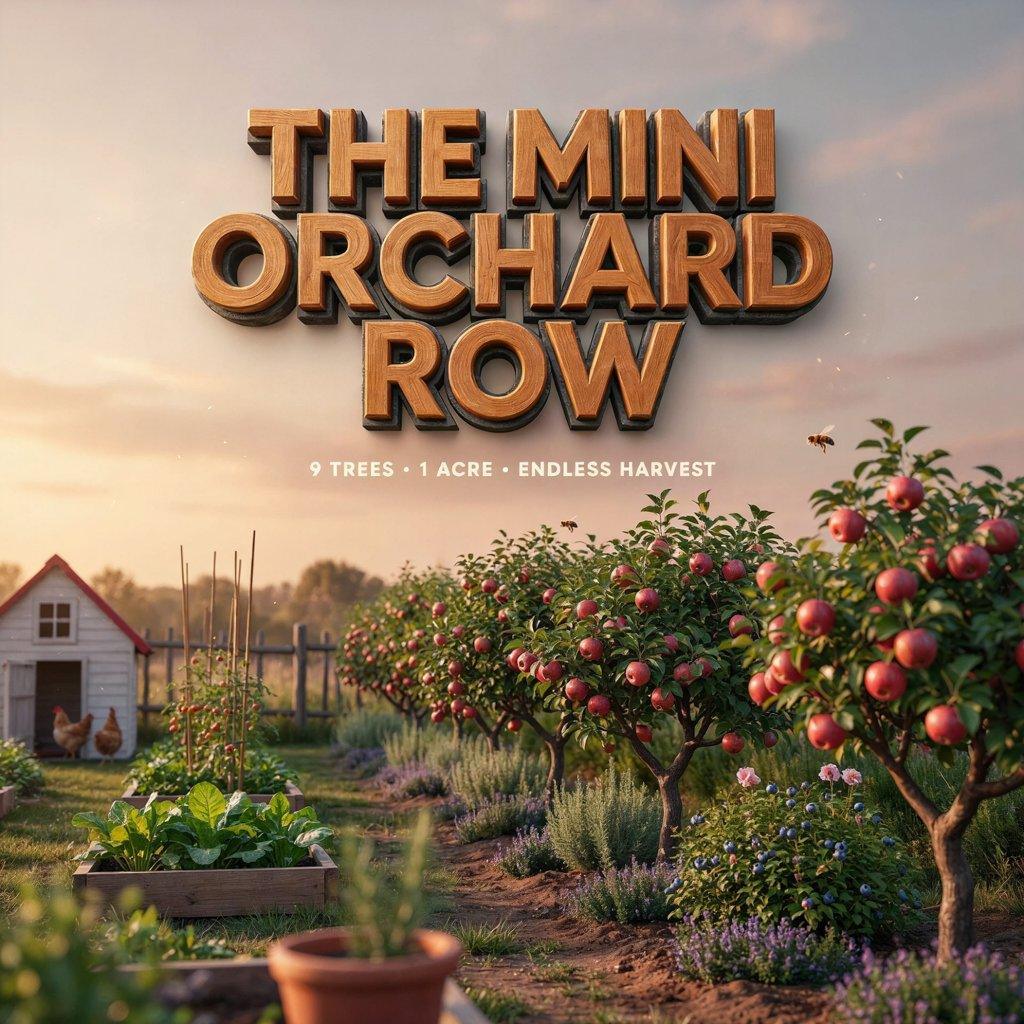
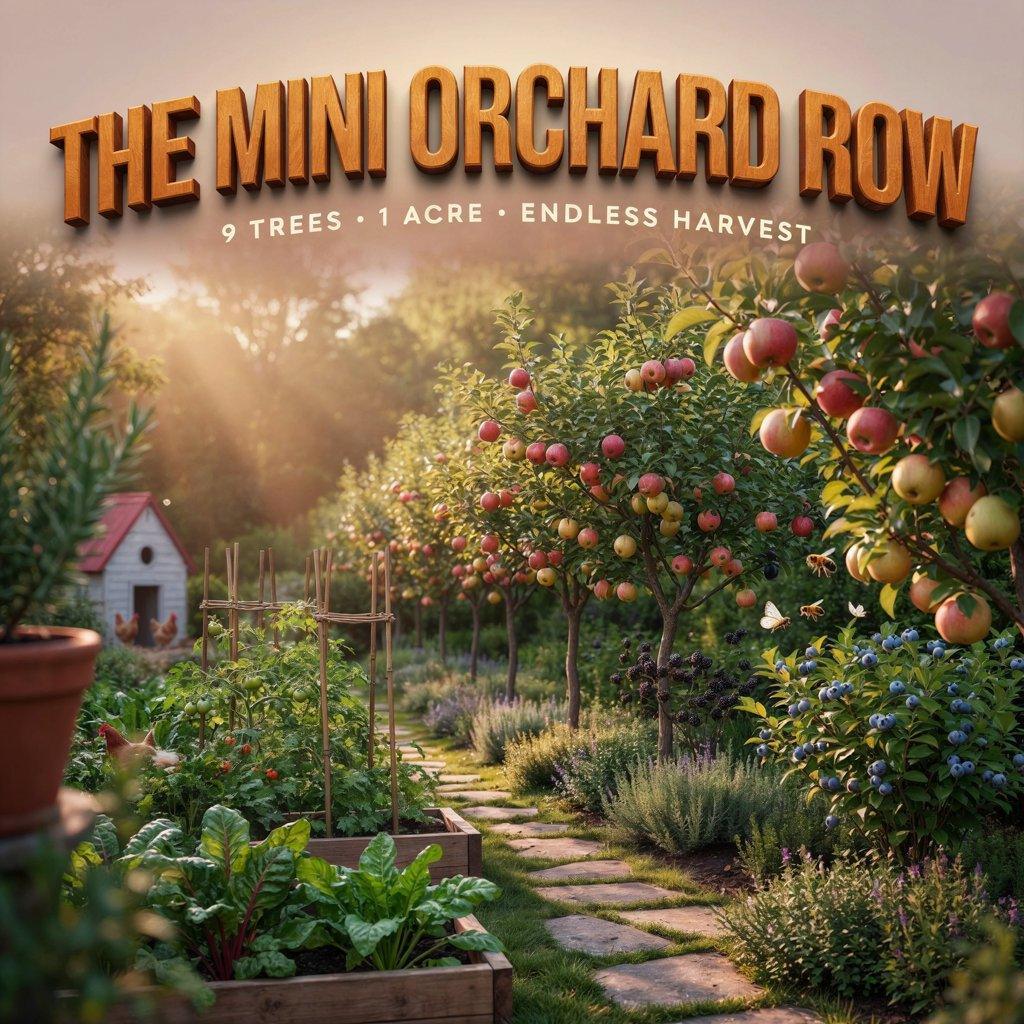
Plant a row of dwarf fruit trees along one side of your yard, spaced about eight to ten feet apart. Underneath, plant berry bushes like blueberries or blackberries. Between the trees, add low-growing herbs such as thyme and sage. This layout gives you years of harvests without replanting.
The trees shade the bushes, the herbs attract pollinators, and the whole row looks tidy. Jason Leppig’s one-acre homestead design fits nine fruit trees alongside garden beds and animal pens, proving that even a compact orchard row pulls its weight.
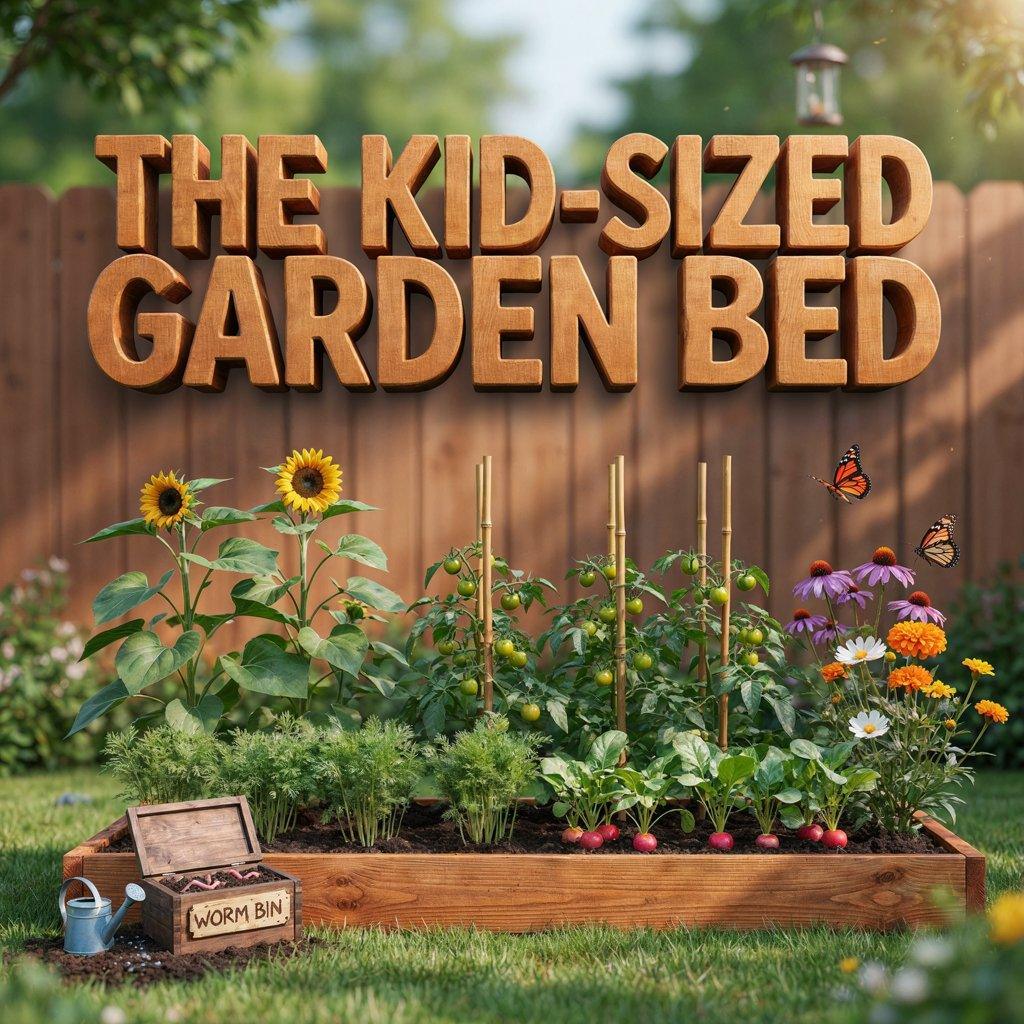
6. The Kid-Sized Garden Bed
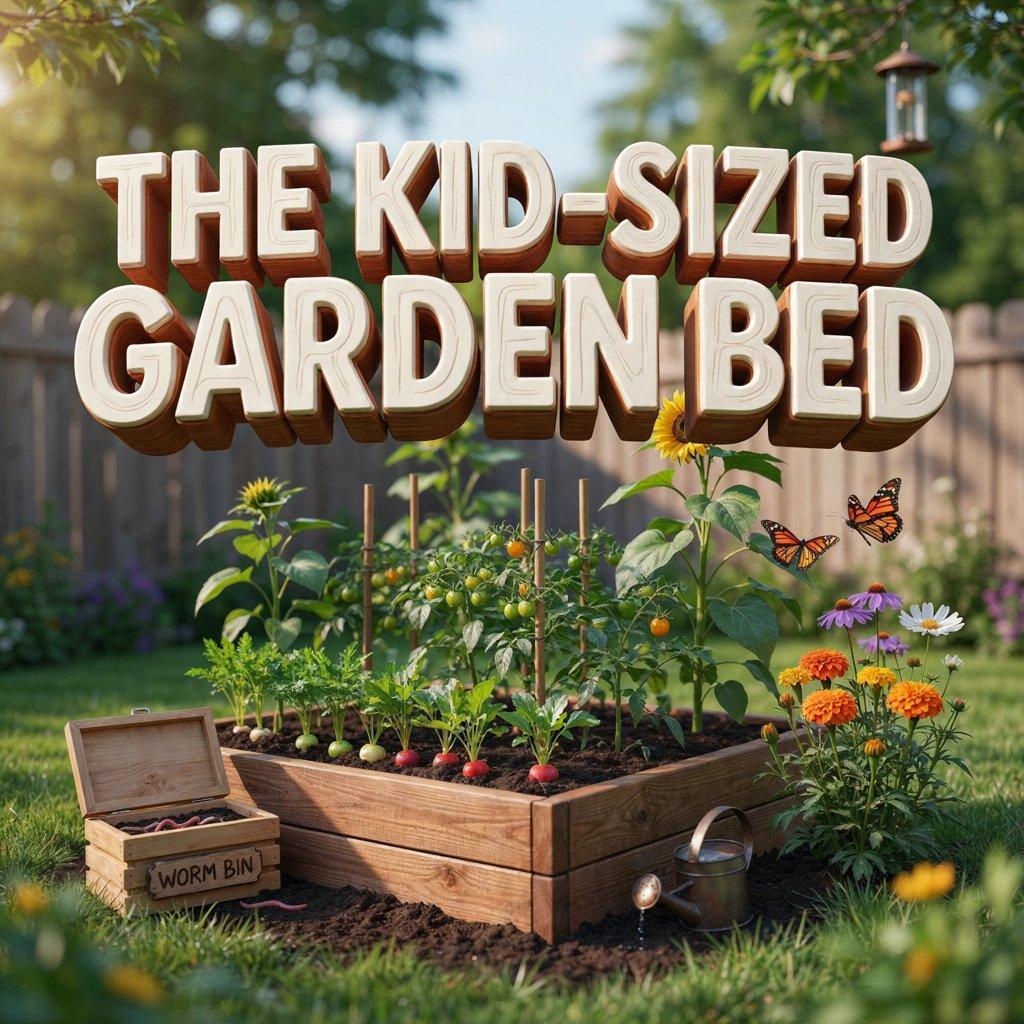
Give your children their own patch. Build one or two low raised beds that are just their height, and let them choose what to plant. Sunflowers, radishes, and cherry tomatoes are fast and satisfying.
Add a worm farm or butterfly-attracting flowers nearby. A family-friendly planning guide suggests creating a kid-sized bed and including interactive elements like mud kitchens or worm bins to keep little hands busy. This layout works alongside any of the others. It teaches responsibility without feeling like a chore.
7. The Quarter-Acre Micro Farm
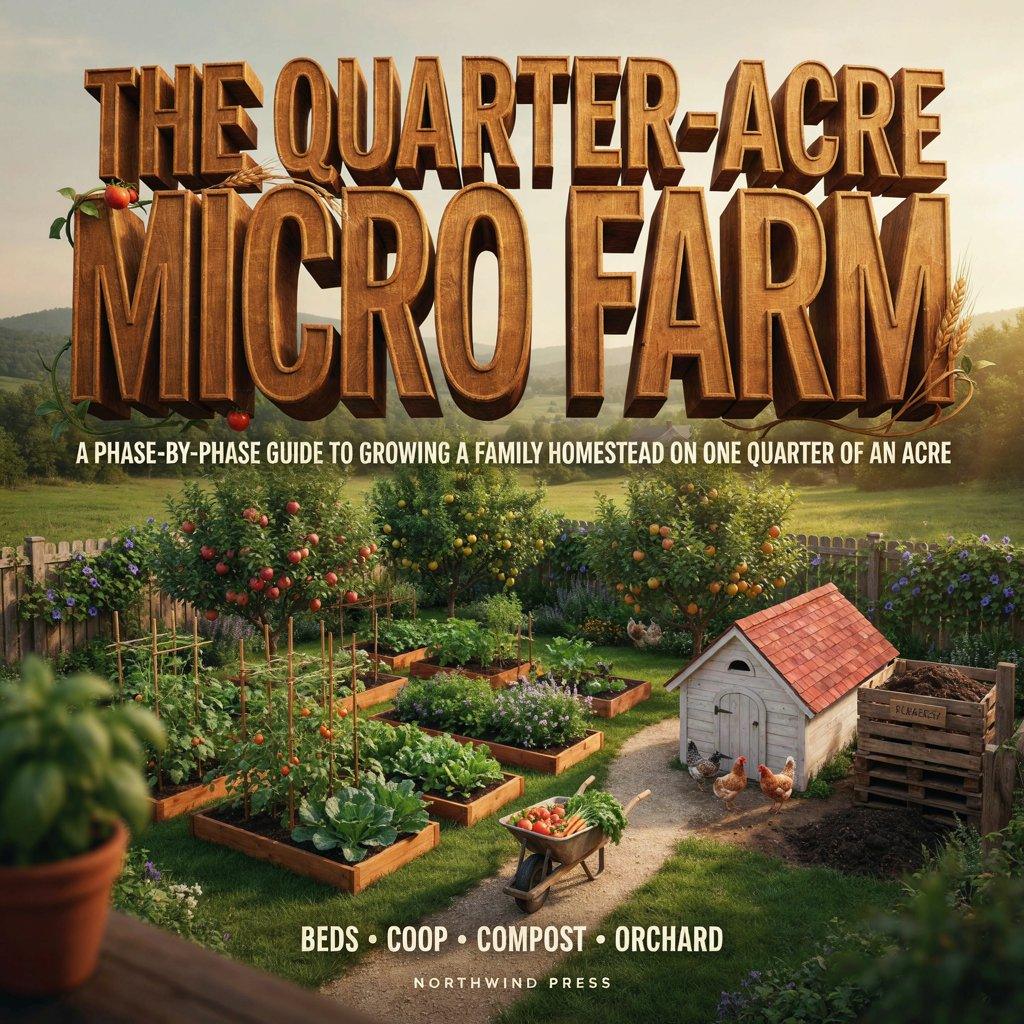
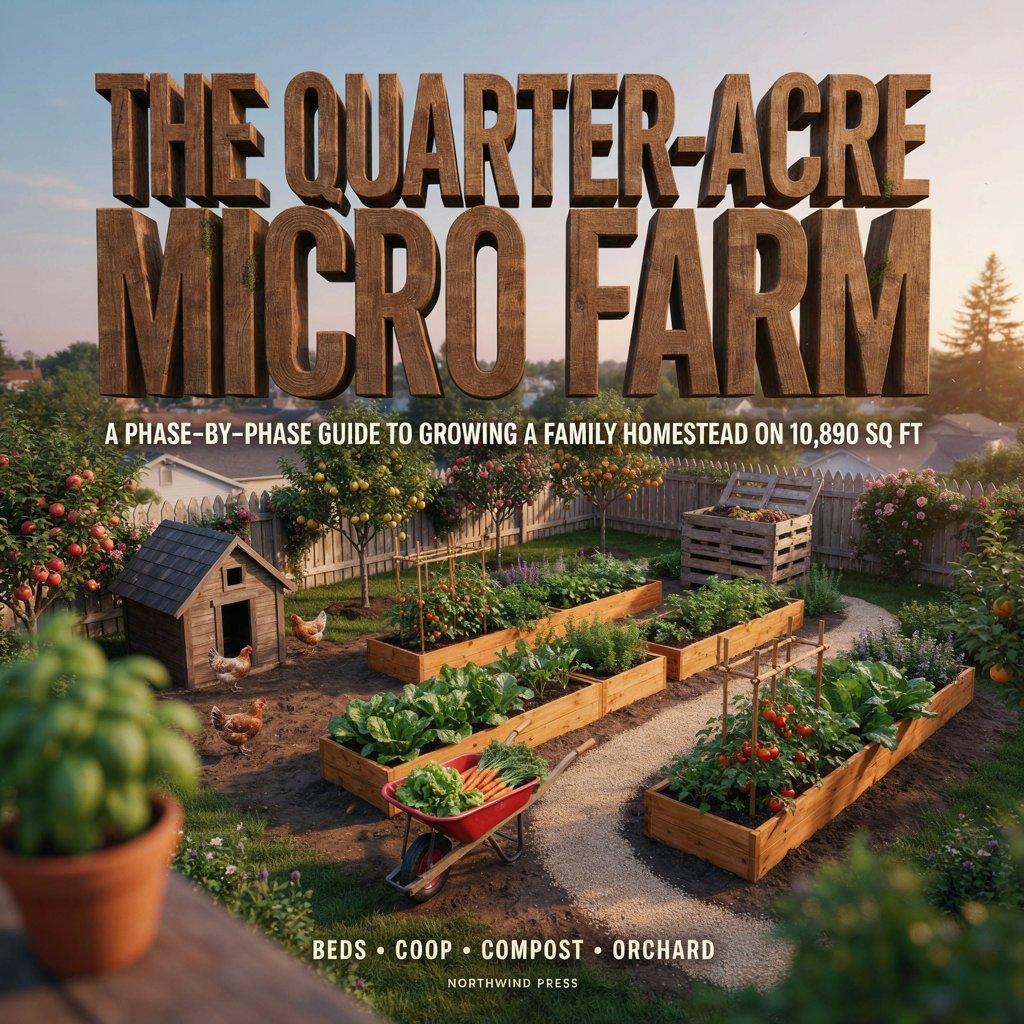
A quarter acre is about 10,890 square feet enough for a serious family setup. This layout fits six to eight raised beds, a small chicken coop, a compost station, and a few dwarf fruit trees.
A micro-homestead guide for this size recommends roughly 2,000 to 3,000 square feet for vegetables, 1,000 for perennials, and 500 for livestock, with wide paths for wheelbarrows. It is ambitious but doable if you build it in phases over a couple of seasons.
8. The Pollinator Pathway
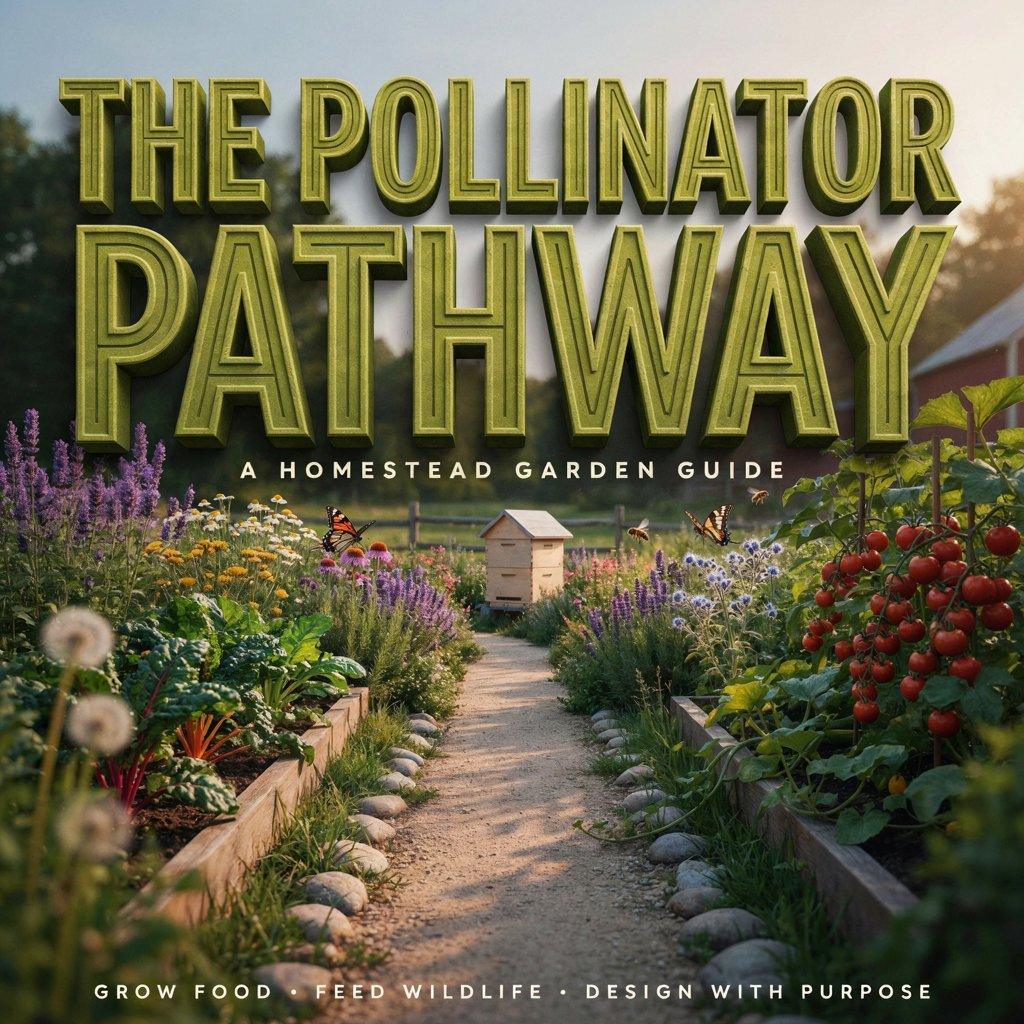
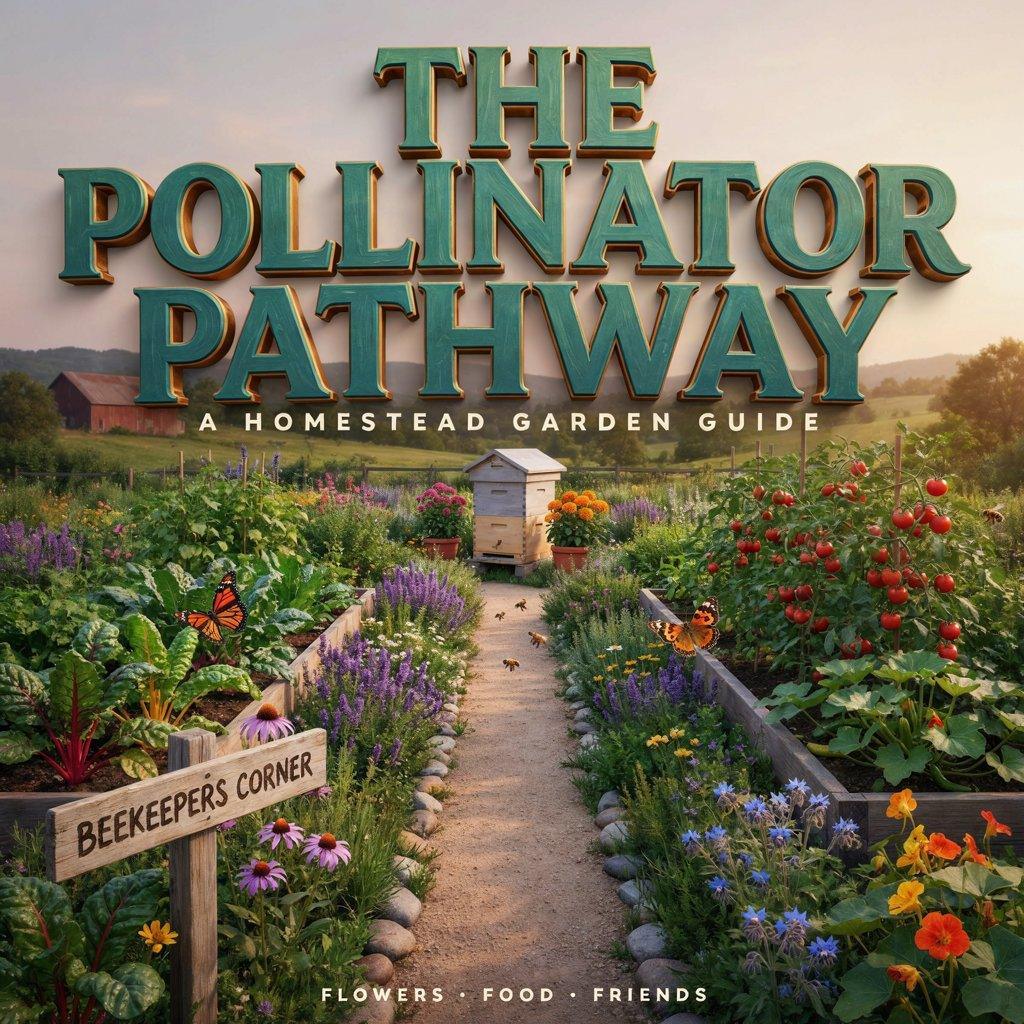
This layout turns your yard into a haven for bees and butterflies while still producing food. Plant a central path of flowering herbs and native blooms, with vegetable beds on either side.
Add a small beehive at the far end, away from high-traffic areas. The flowers feed the pollinators, the pollinators boost your vegetable yields, and the whole space feels alive.
A homestead garden guide describes a flower-framed vegetable pathway that draws in bees and butterflies while keeping the design practical and productive.
9. The No-Dig Layered Farm
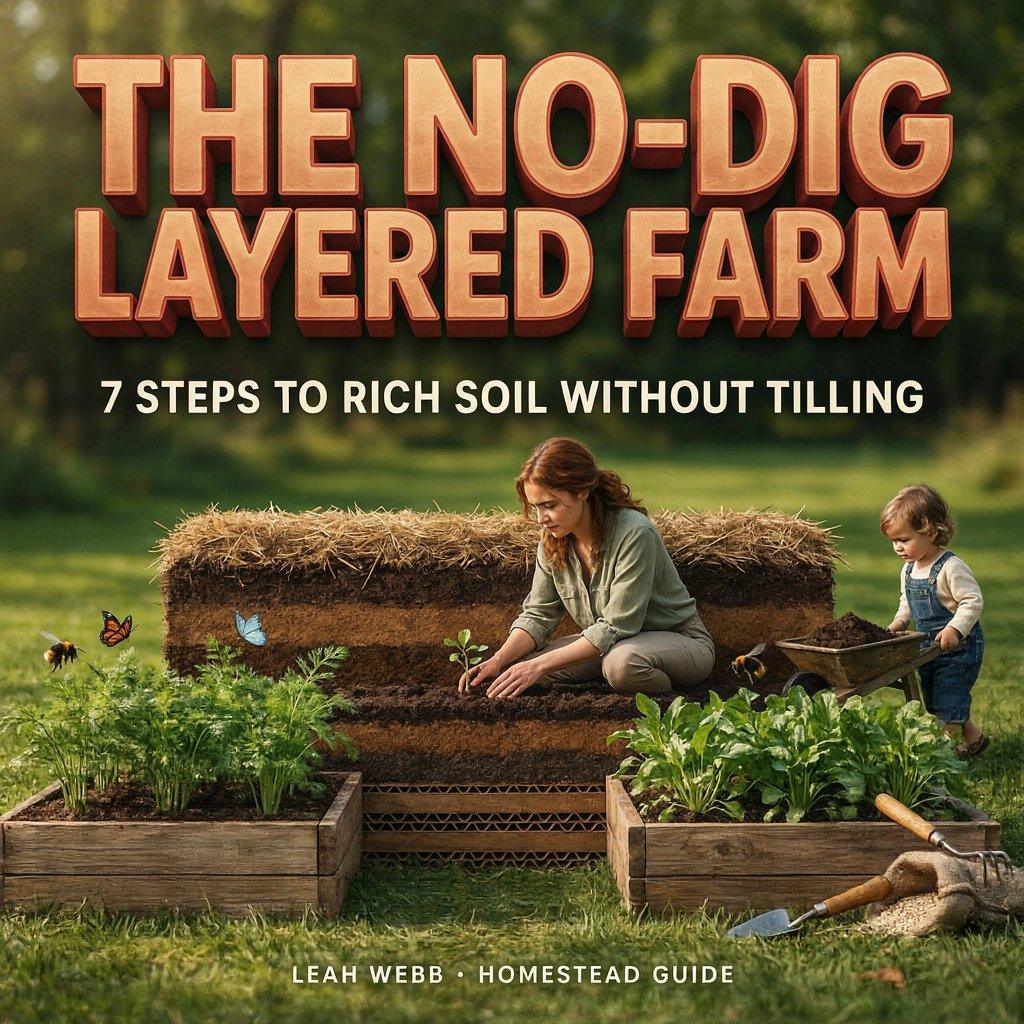
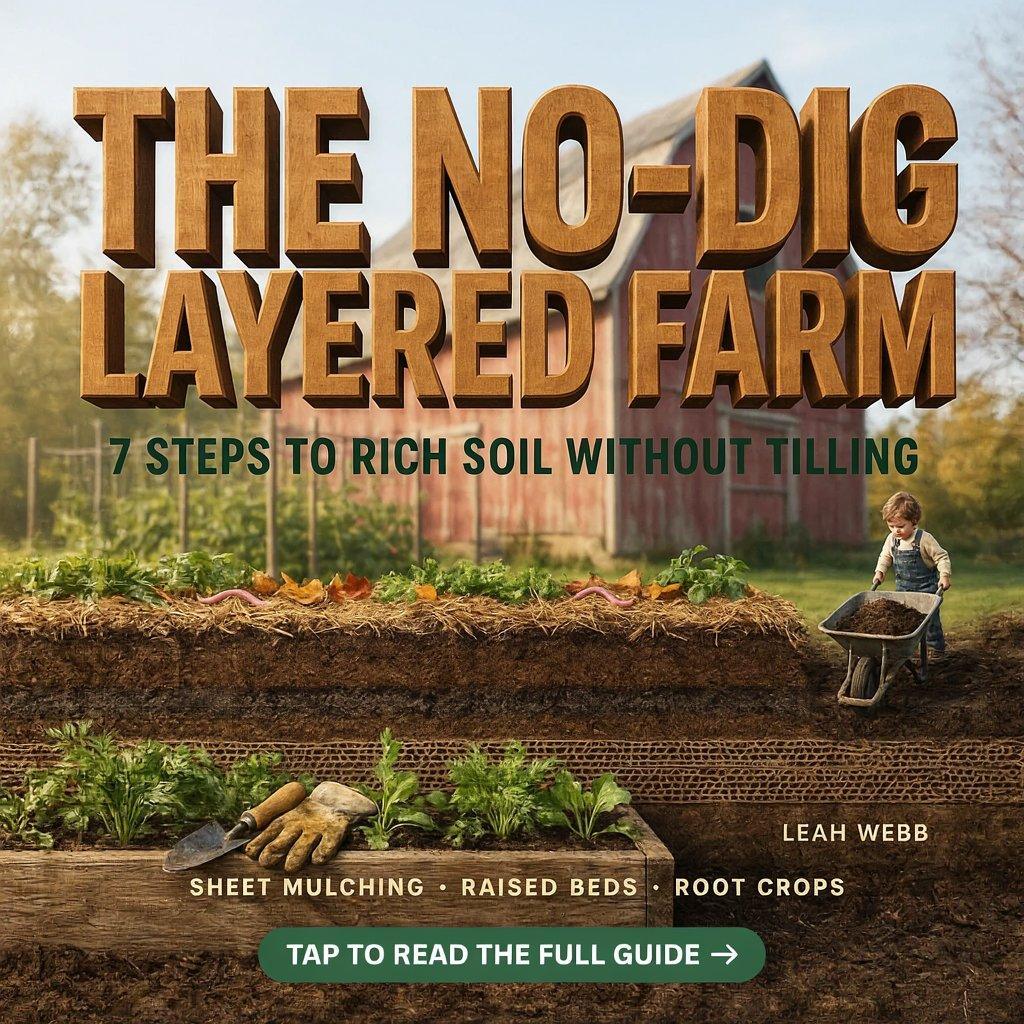
If digging sounds like too much work, this is your layout. Cover your lawn with cardboard, then layer compost, topsoil, and mulch on top. Plant directly into the layers. This method builds healthy soil without tilling and suppresses weeds naturally.
Leah Webb’s seven-step homestead plan highlights sheet mulching as a key technique for developing soil in new growing spaces. Add a few raised beds on top for carrots and root crops. Your kids can help haul wheelbarrows of compost it is messy, fun, and productive.
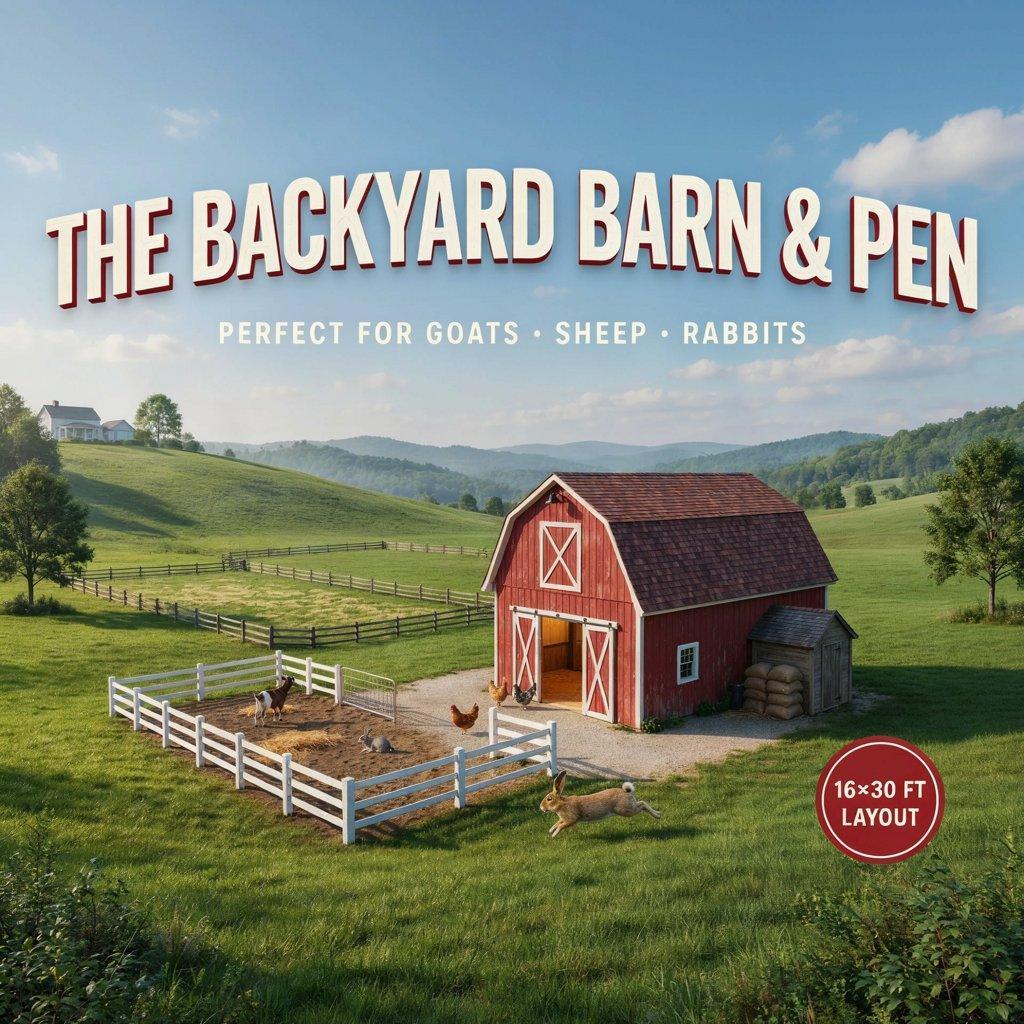
10. The Backyard Barn and Pen
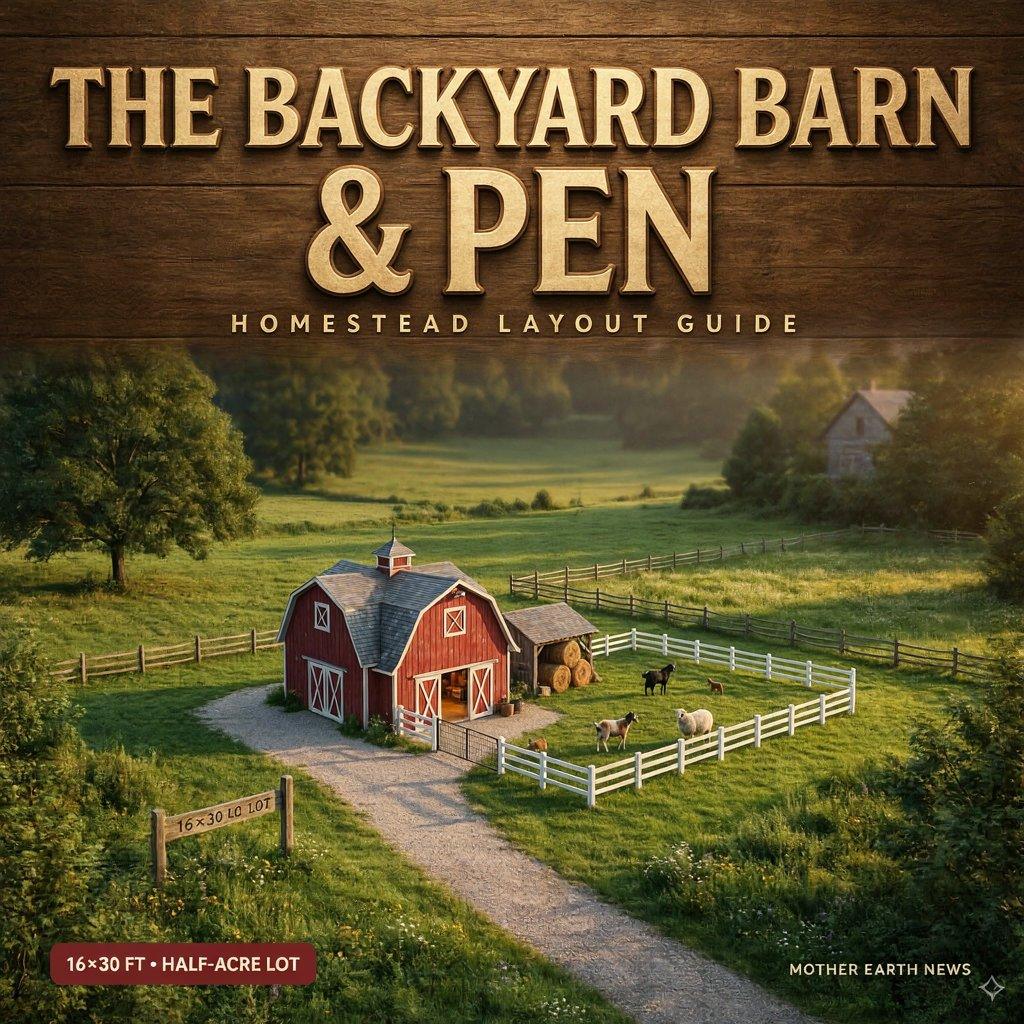
For families with goats, sheep, or rabbits, a small barn and pen layout works well. A 16-by-30-foot barn can house 30 hens, 20 rabbits, four goats, or three sheep, according to Mother Earth News.
Place the barn on a gravel pad with a fenced pen attached. Rotate animals between two small pasture areas to keep the grass healthy. Keep the barn downwind from your house and close to feed storage. This layout needs more room, but it fits on a half-acre lot if you plan carefully.
11. The Container Farm
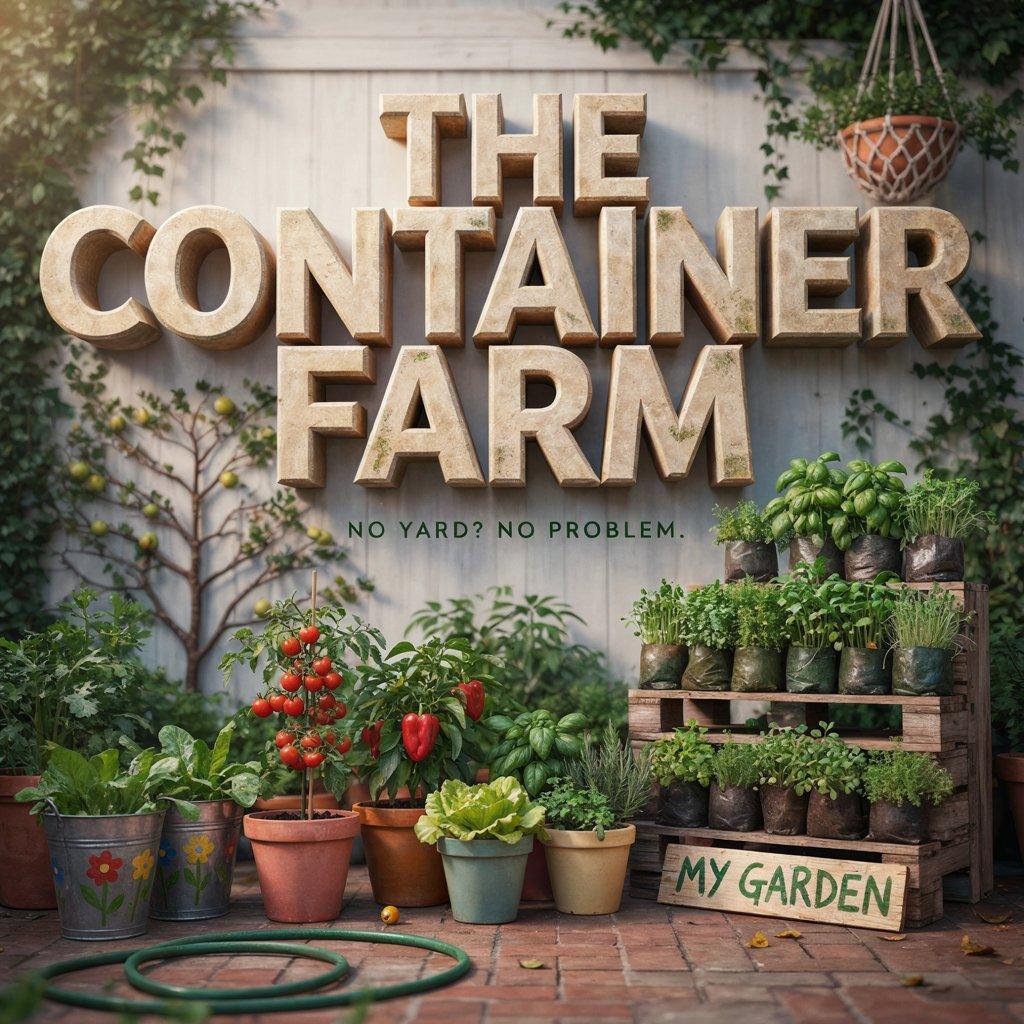
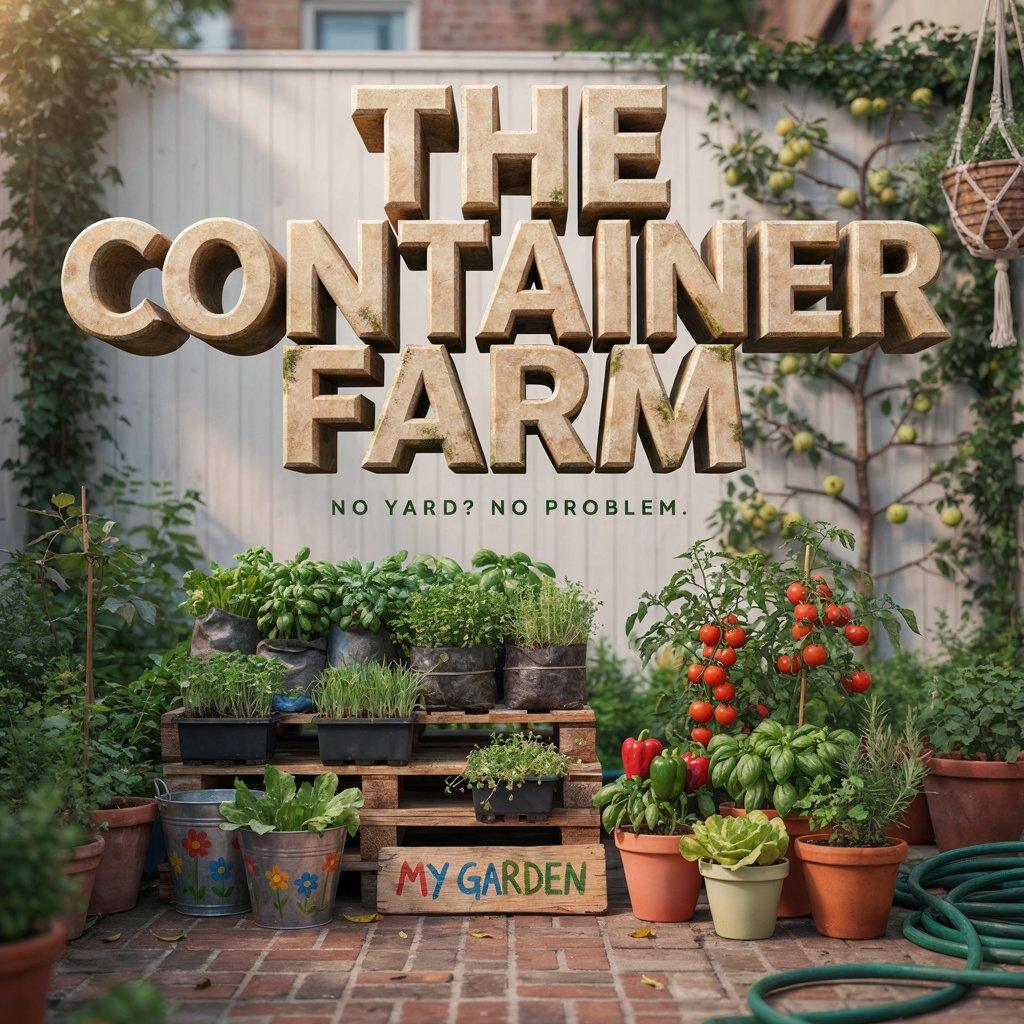
No yard? No problem. This layout uses large containers, grow bags, and repurposed buckets on a patio, deck, or driveway.
Grow tomatoes, peppers, lettuce, and herbs in pots. Stack containers vertically on sturdy shelves. A container farm works for renters and families with tiny outdoor spaces.
One small-space guide recommends focusing on containers and just two to four espaliered trees for patios under 200 square feet. Kids can paint the pots and claim their own plants, which makes the whole project feel personal.
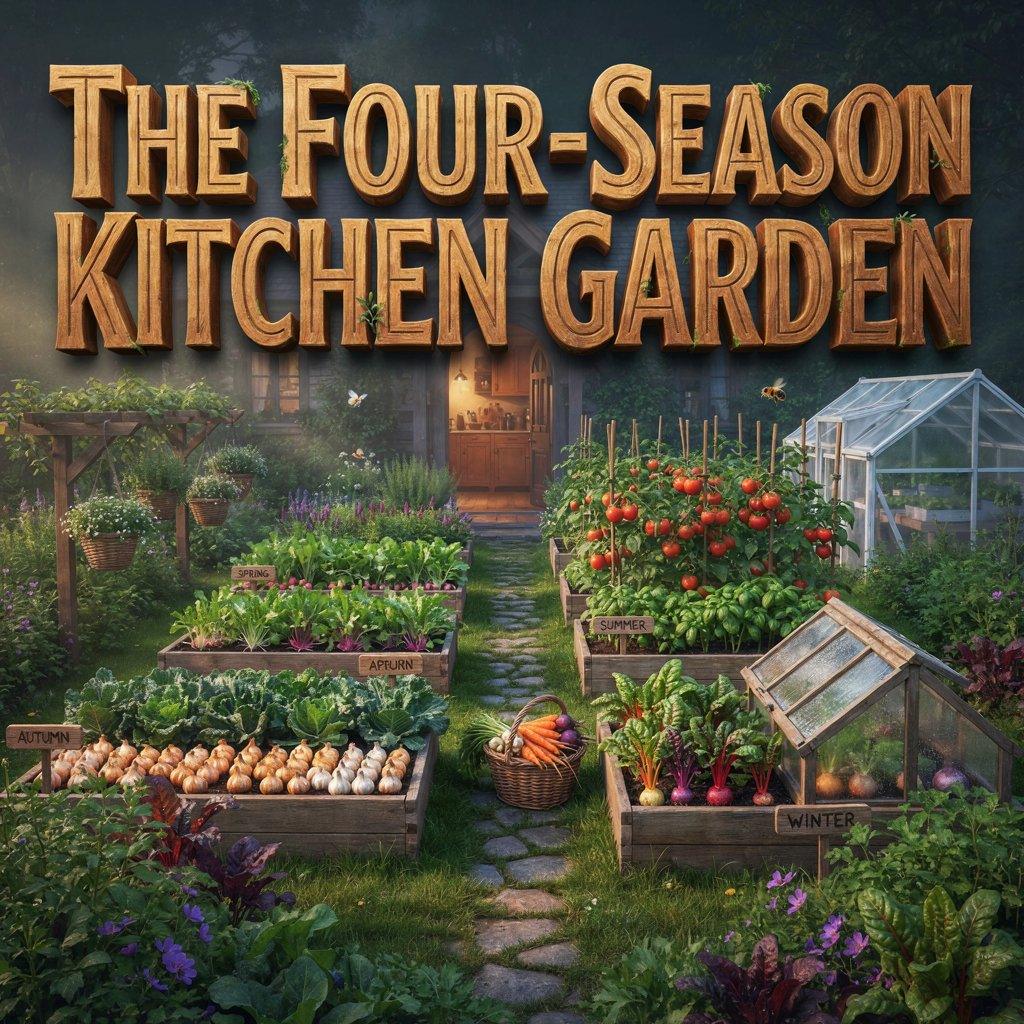
12. The Four-Season Kitchen Garden
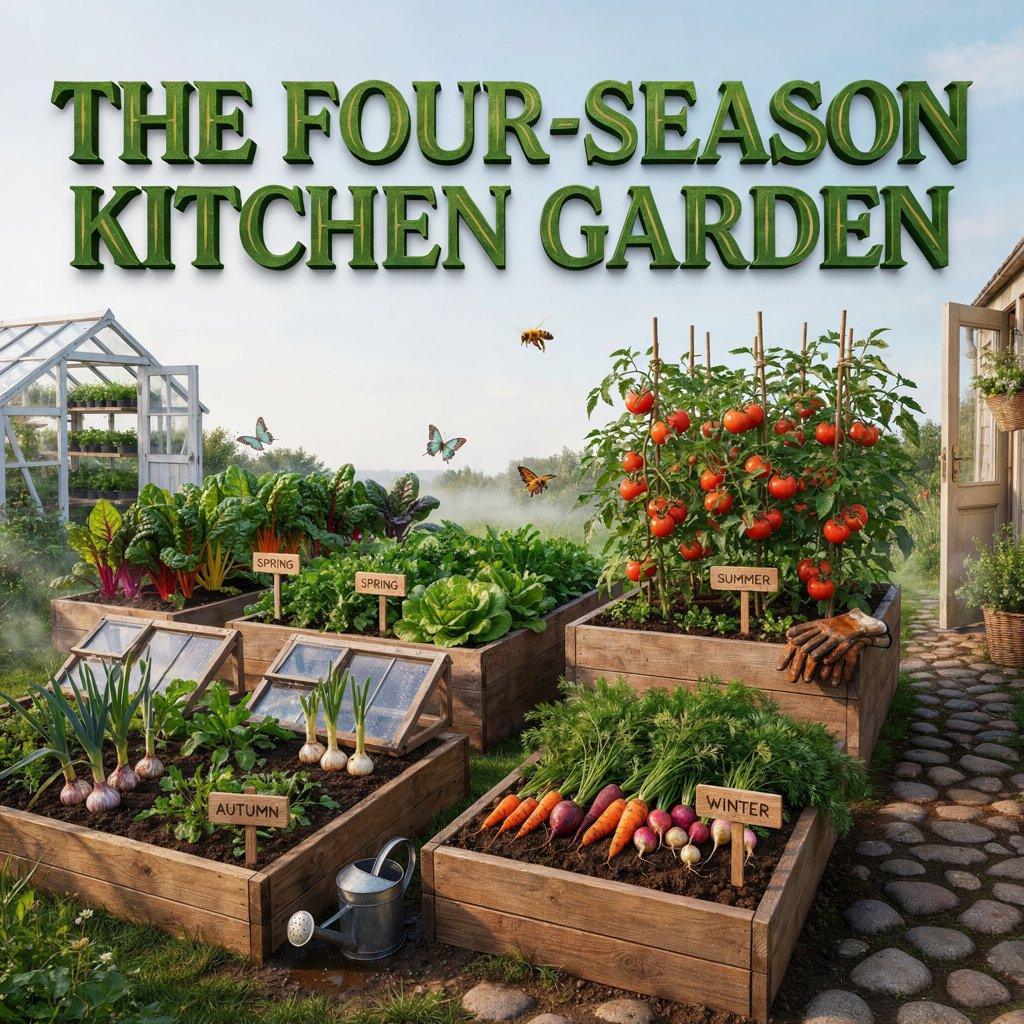
This layout keeps food coming almost year-round. Build four raised beds and assign each one a season. Use cold frames or row covers to extend your growing into fall and winter. Plant garlic in autumn, greens in early spring, tomatoes in summer, and root crops for storage in fall.
The seven-step homestead model includes four-season growing as a core stage, with cold frames and greenhouses extending the harvest. Place this garden close to your kitchen door so you can grab herbs and salad greens while dinner is cooking.
FAQs
How much space do I really need for a hobby farm?
You can start with as little as 100 square feet for a couple of raised beds and a few containers. A quarter acre gives you room for chickens, fruit trees, and a serious vegetable garden. The key is matching the layout to your actual space, not forcing a big design into a small yard.
What animals are best for a small backyard farm?
Chickens, rabbits, and quail are the most beginner-friendly. They need modest space, are relatively quiet, and produce eggs or meat. Goats and sheep need more room and stronger fencing, so they suit half-acre lots or larger.
How do I keep kids involved without it feeling like forced labor?
Give them their own patch. A kid-sized raised bed, a worm farm, or a chicken they name and care for builds real ownership. Keep tasks short and match them to attention spans. Harvesting is the reward let them pick and eat what they grow.
Do I need a permit for a backyard farm?
Many cities allow chickens and small gardens, but rules vary. Check your local zoning for limits on animal numbers, coop distances from property lines, and whether beehives are allowed. A quick call to your city office saves headaches later.
What is the easiest layout to start with?
The Beginner’s Starter Plot. Two raised beds, a compost bin, and a rain barrel require minimal investment and teach you the basics. You can add animals or an orchard row in year two once you know how your yard works.
Conclusion
A hobby farm does not require a farm-sized budget or a farm-sized yard. It requires a plan that fits your family and your space. Start with one layout, build it well, and let it grow with you.
The Beginner’s Starter Plot can become the Chicken and Garden Harmony. The Kid-Sized Garden Bed can sit beside the Mini Orchard Row. Pick the design that makes you want to walk outside tomorrow morning. Then grab a shovel, call the kids, and build something real.
Related Post: