
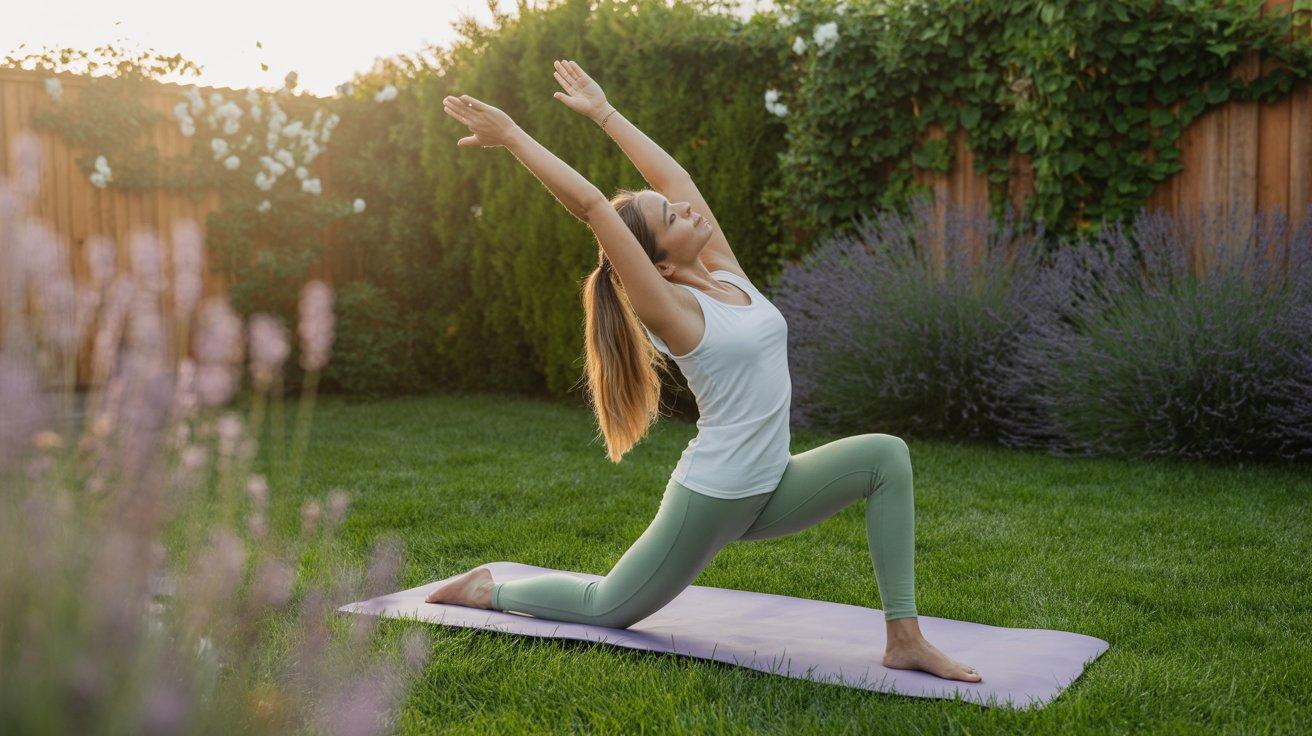
You don’t need a gym membership or a fancy studio to get a good yoga session in. Your own backyard works fine.
There’s something about doing sun salutations while the actual sun is coming up. The grass under your feet, The quiet. Maybe a bird or two wakes up. It’s calm. And it’s free.
This routine is simple enough for beginners but stretches you out enough that experienced yogis will still feel it. You’ll move through poses that wake up your spine, open your hips, and get your bloods flowing. No talk about “aligning your chakras” unless that’s your thing. Just real moves that help you feel less stiff and more ready for the day.
All you need is a flat spot of grass or a yoga mat. Maybe a towel if the ground is damp. It takes about 10 to 15 minutes.
Why This Matters
Mornings can feel rushed. You wake up, grab your phone, and suddenly you’re already behind. A backyard yoga routine forces you to slow down before the day takes over.
Moving your body first thing helps with stiffness from sleeping. It wakes up your muscles and gets your breathing deeper. Plus, being outside even for ten minutes has been shown to lower stress and improve mood. You don’t need to become a morning person overnight. You just need to roll out a mat and try a few moves.
10-Minute Morning Yoga Routine in Your Backyard
1. Cat‑Cow Stretch (2 minutes)
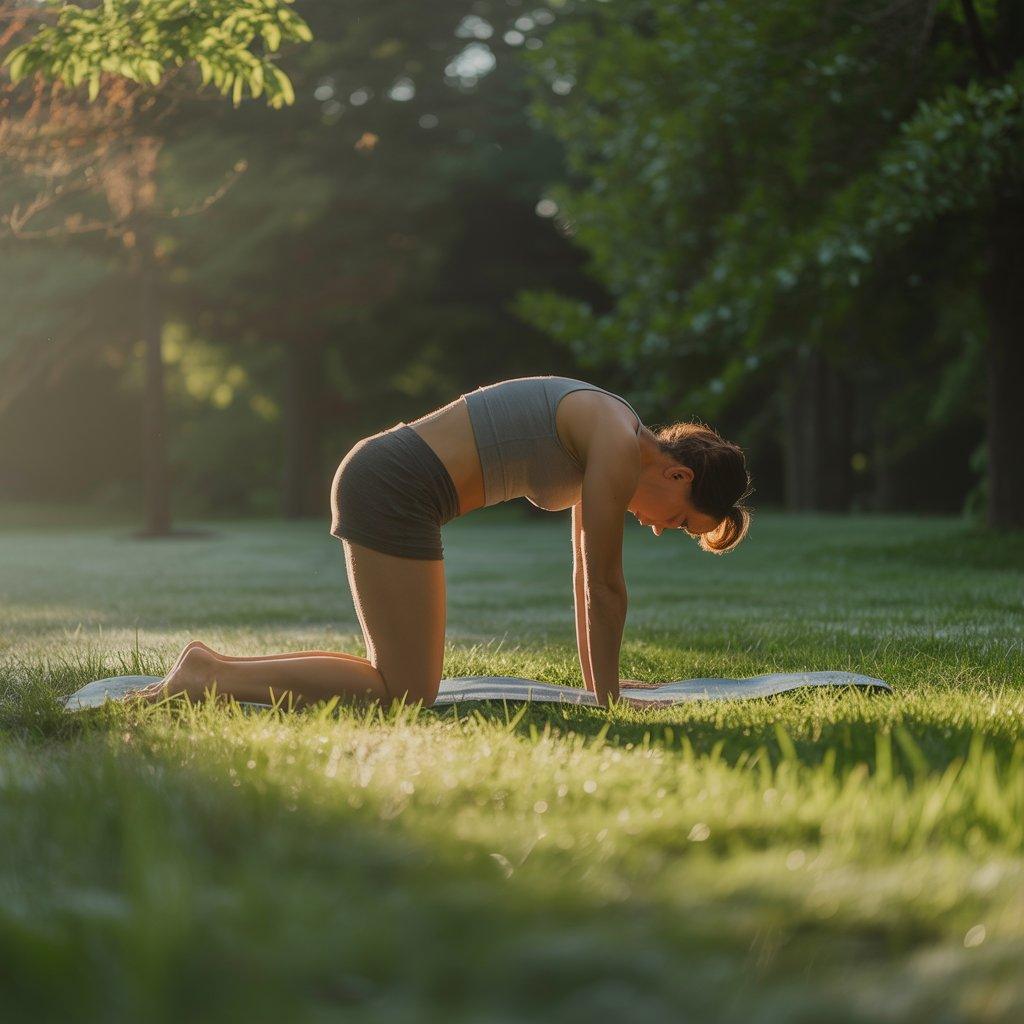
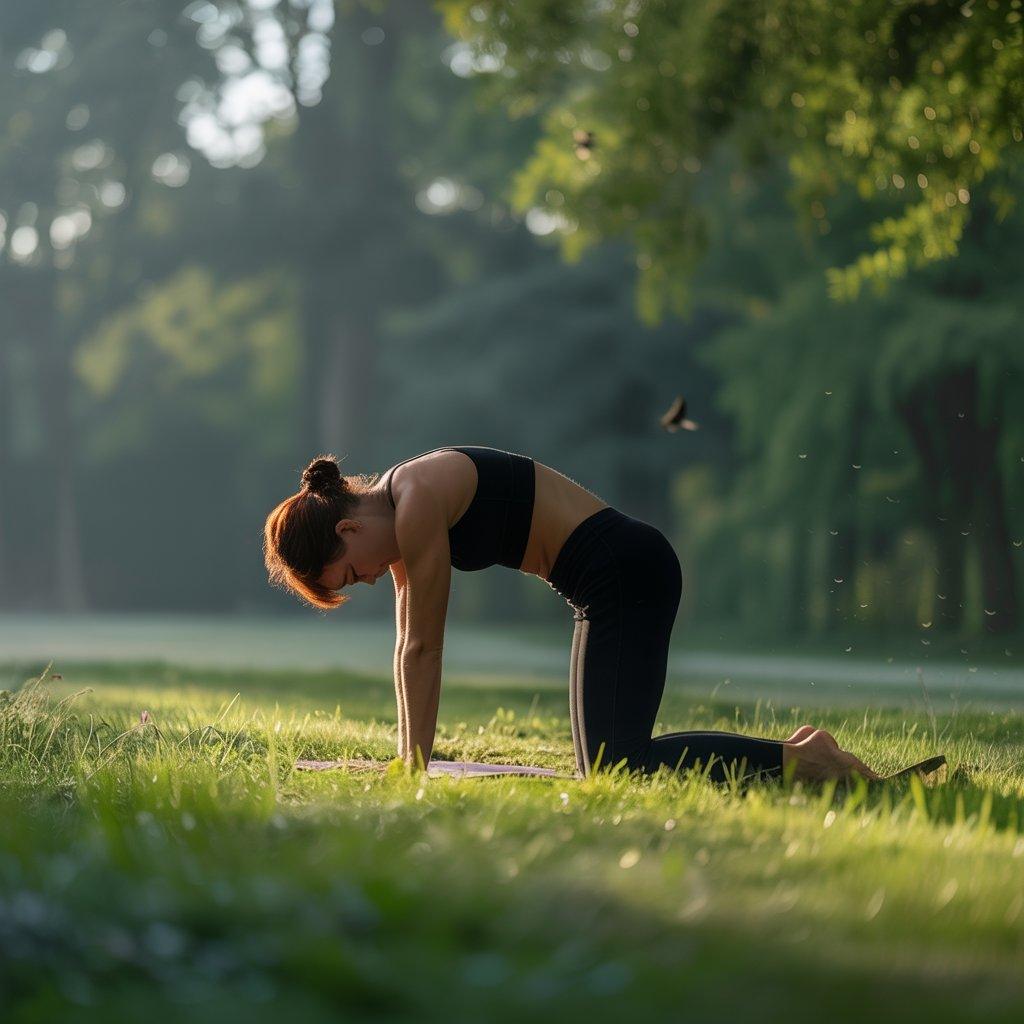
Start on your hands and knees in the grass. Place your hands under your shoulders and your knees under your hips. Inhale, drop your belly down, lift your chest and tailbone up.
That’s cow pose. Exhale, round your spine toward the sky, tuck your chin to your chest. That’s cat pose. Move slowly with your breath. This warms up your spine and loosens your back after sleeping.
You’ll feel the stretch from your neck all the way down to your hips. Do this for about 8 to 10 slow rounds. If your wrists bother you, make fists instead of flat hands. Go at your own pace.
2. Downward Facing Dog (1 minute)
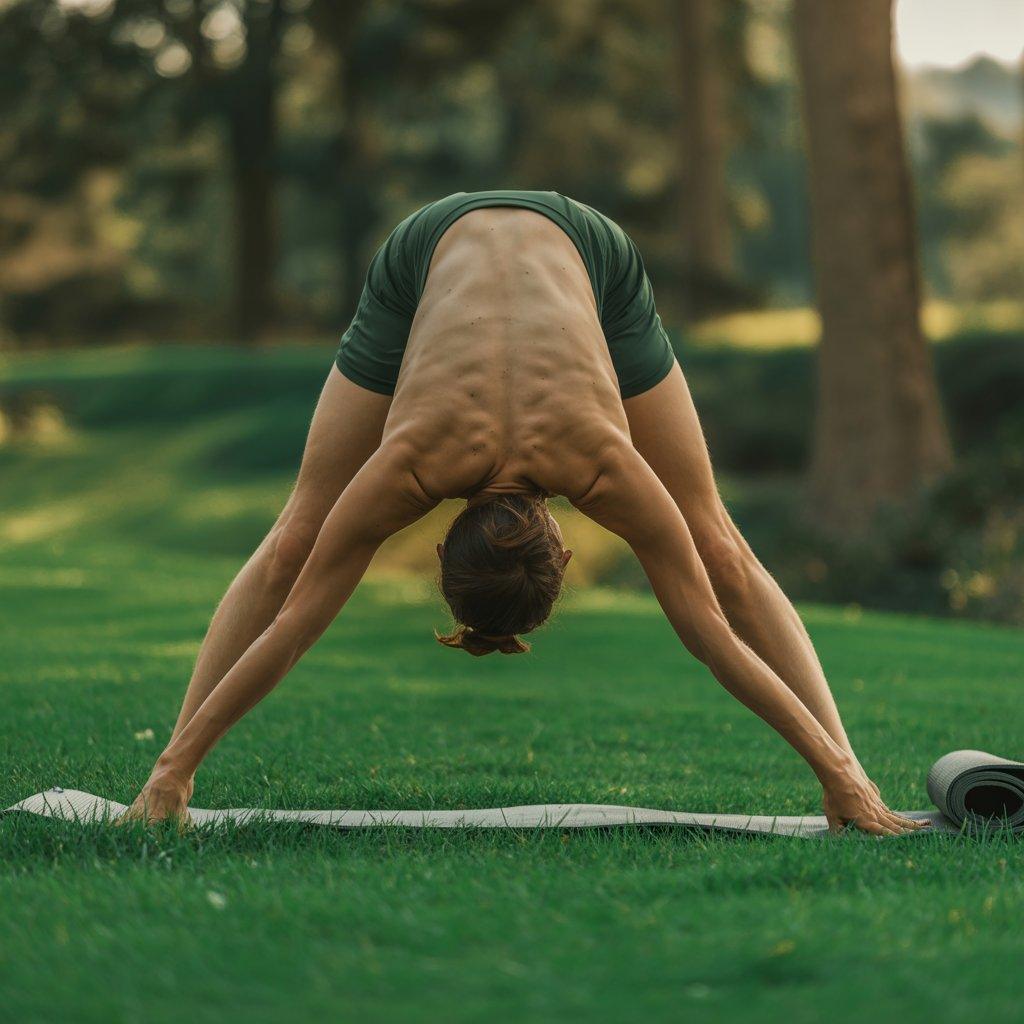
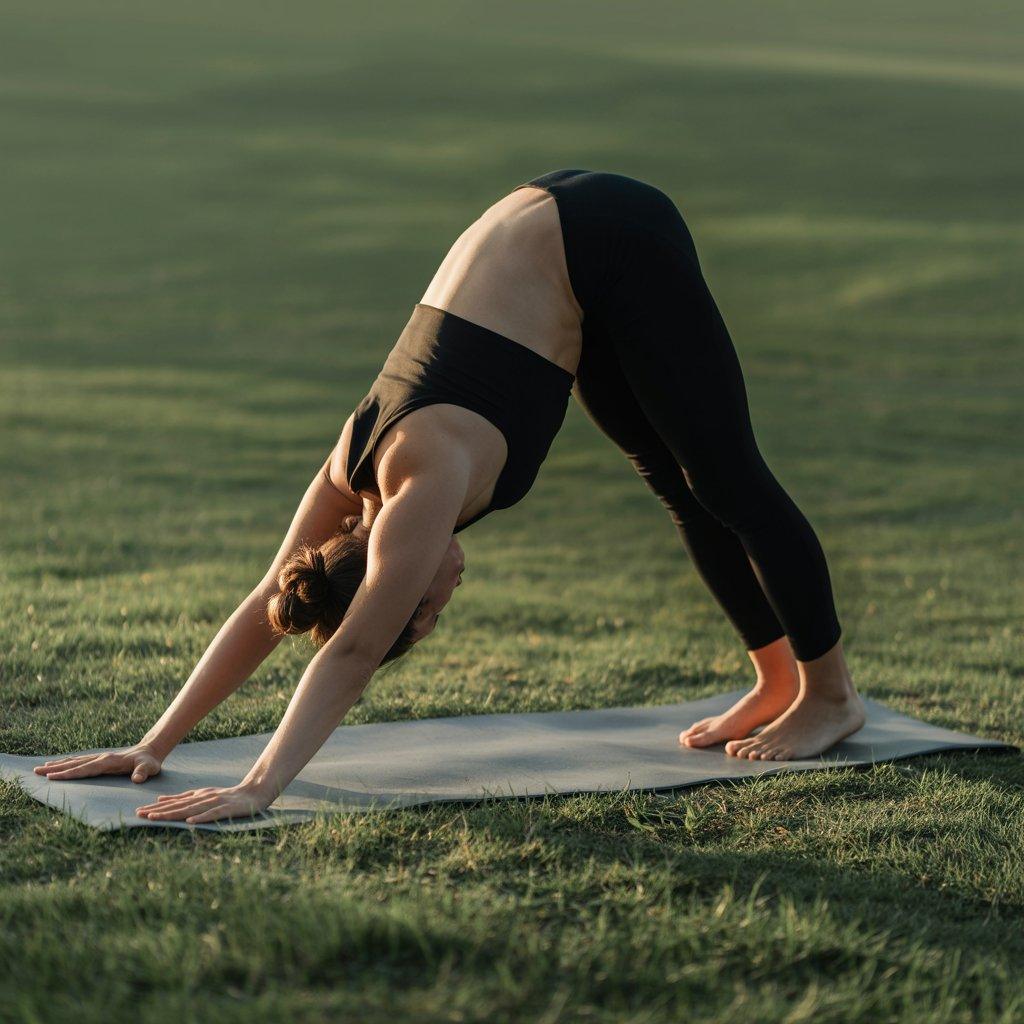
From hands and knees, tuck your toes and lift your hips up and back. Your body should look like an upside‑down V. Keep a slight bend in your knees if your hamstrings feel tight.
Press firmly through your hands and spread your fingers wide. Let your head hang heavy between your arms. This pose stretches your shoulders, hamstrings, and calves all at once.
It also wakes up your whole body because your heart is slightly higher than your head. Hold for 5 to 8 slow breaths. If the grass is slippery, use a mat. Don’t lock your elbows.
3. Forward Fold (1 minute)
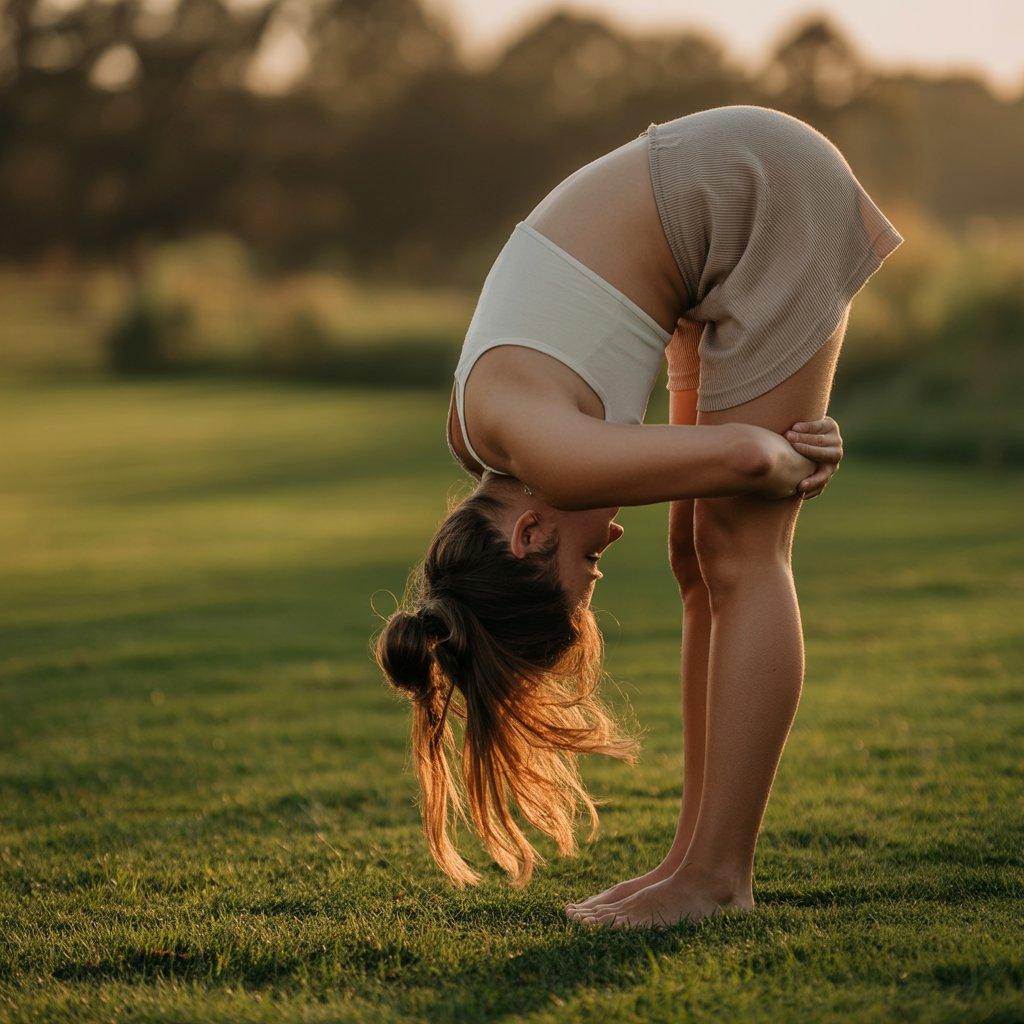
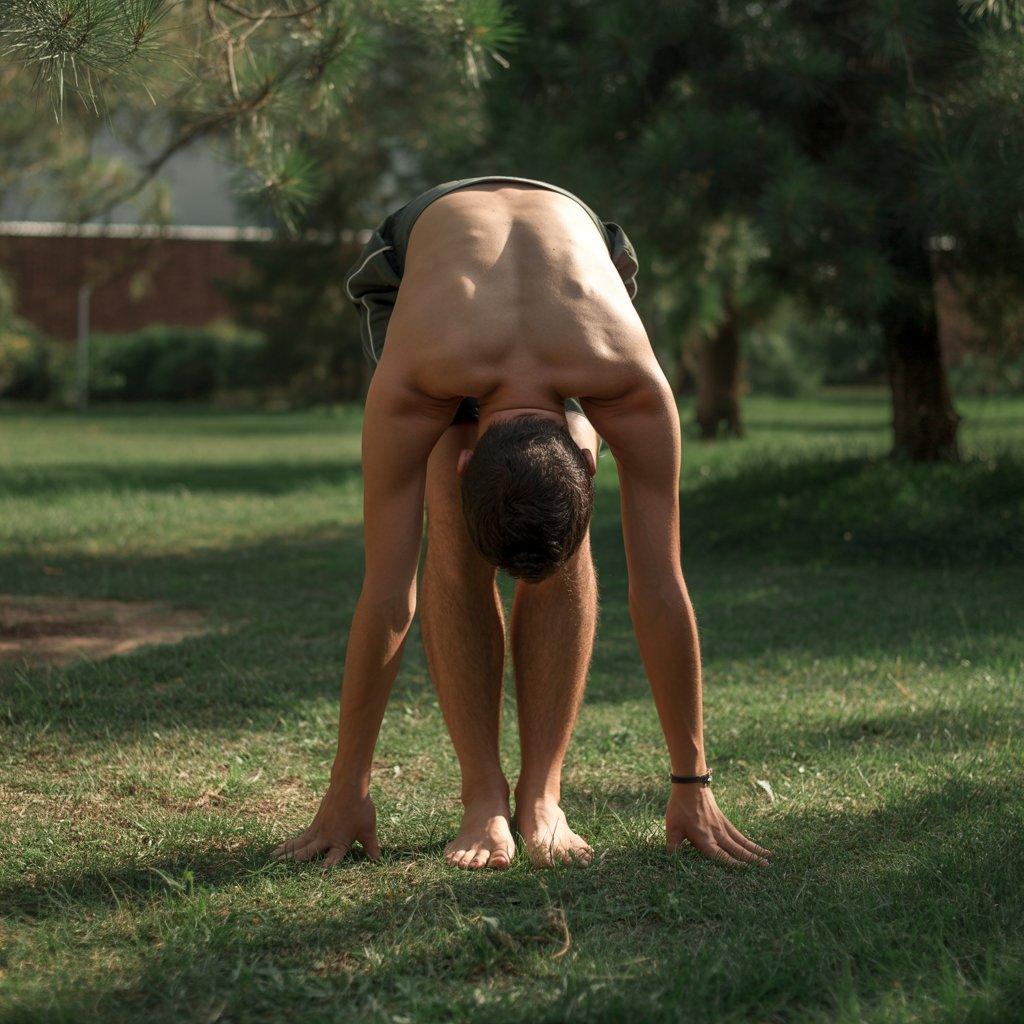
Stand up tall at the front of your mat or grassy spot. Place your feet hip‑width apart. Inhale, reach your arms up. Exhale, fold forward from your hips.
Let your head hang heavy. Bend your knees as much as you need to. Grab opposite elbows and sway gently side to side. This pose releases tension in your lower back and hamstrings.
It also calms your mind because blood flows toward your head. Don’t bounce or pull yourself deeper. Just hang there. Breathe slowly. After a minute, place your hands on your shins and slowly roll up to standing.
4. Low Lunge (1 minute per side)
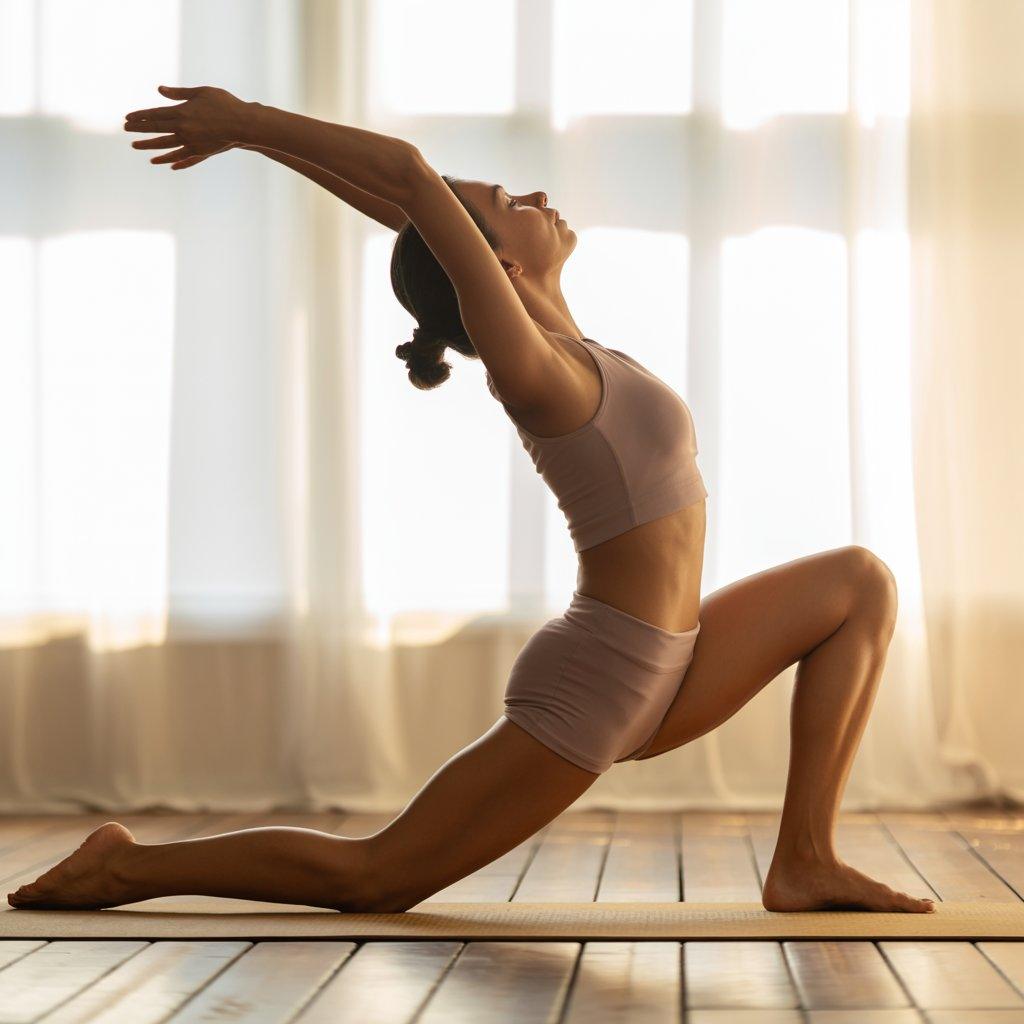
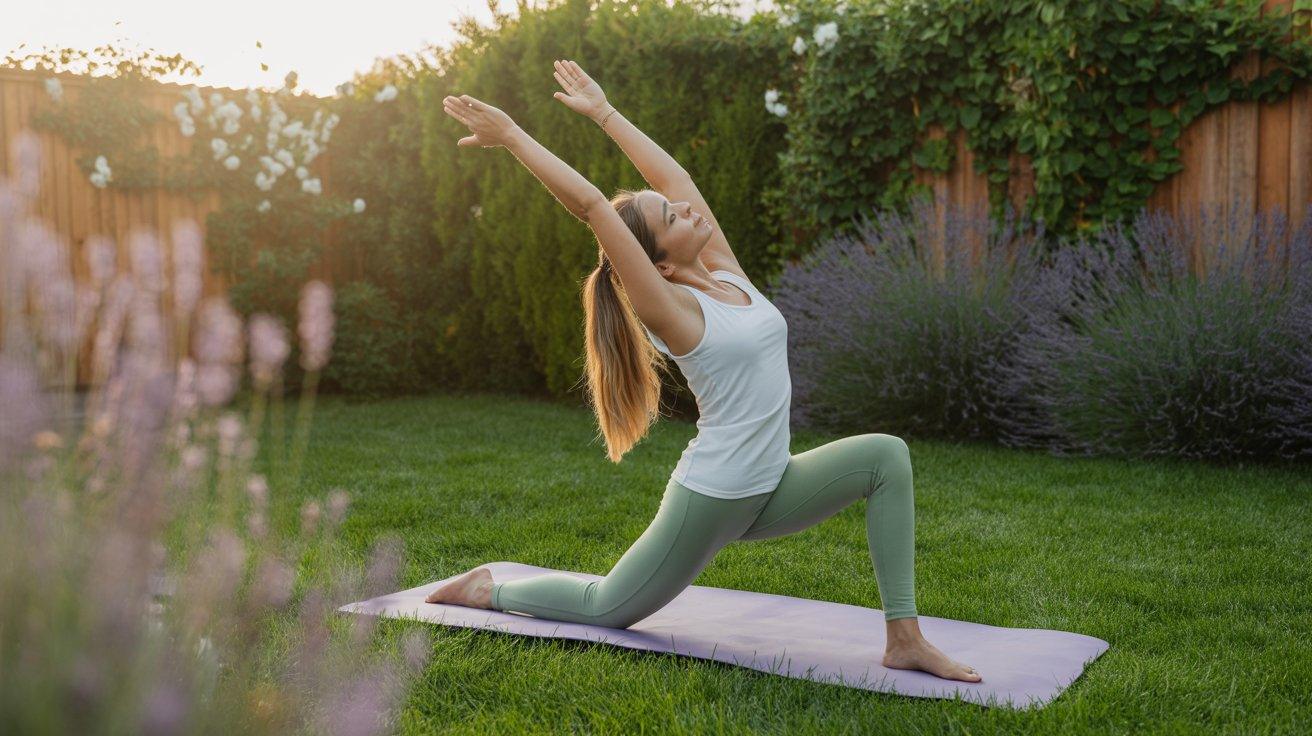
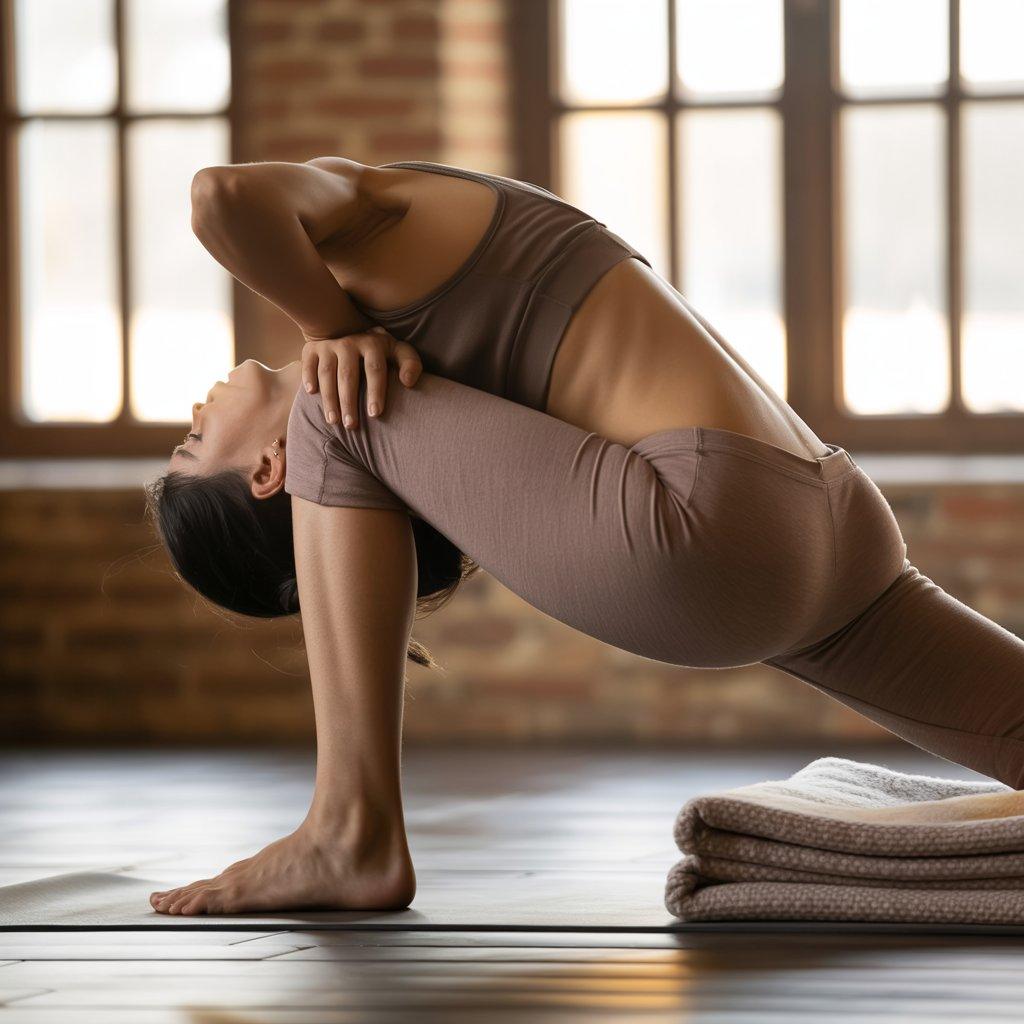
From standing, step your right foot back about three or four feet. Lower your back knee to the ground if it’s comfortable. Keep your front knee bent directly over your front ankle. Inhale, reach your arms up overhead.
Keep your hips square to the front. This pose opens your hip flexors and quadriceps, which get tight from sitting. You’ll feel a stretch along the front of your back thigh. Hold for 5 to 8 breaths. Then switch sides.
If your back knee hurts, put a towel or folded blanket under it. Keep your core engaged so you don’t sink into your lower back.
5. High Plank (30 seconds to 1 minute)
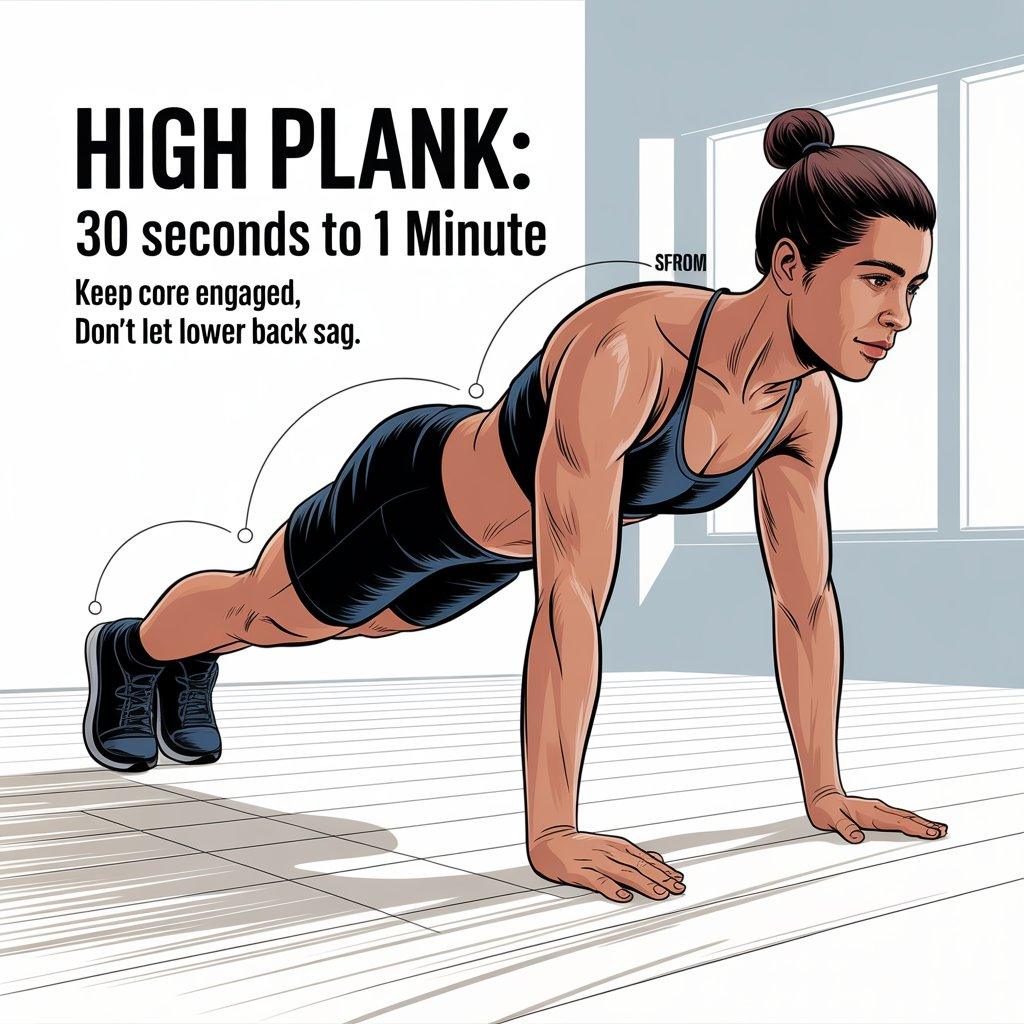
From your lunge, step back into a straight line from your head to your heels. Your hands should be under your shoulders. Keep your belly button pulled in so your lower back doesn’t sag.
Look at the ground right between your hands. This pose builds strength in your arms, shoulders, and core. It doesn’t look flashy, but it works. If full plank feels too hard, lower your knees to the ground.
Hold for as long as you can with good form. That might be 15 seconds at first. That’s fine. Work up to one minute over time. Don’t hold your breath.
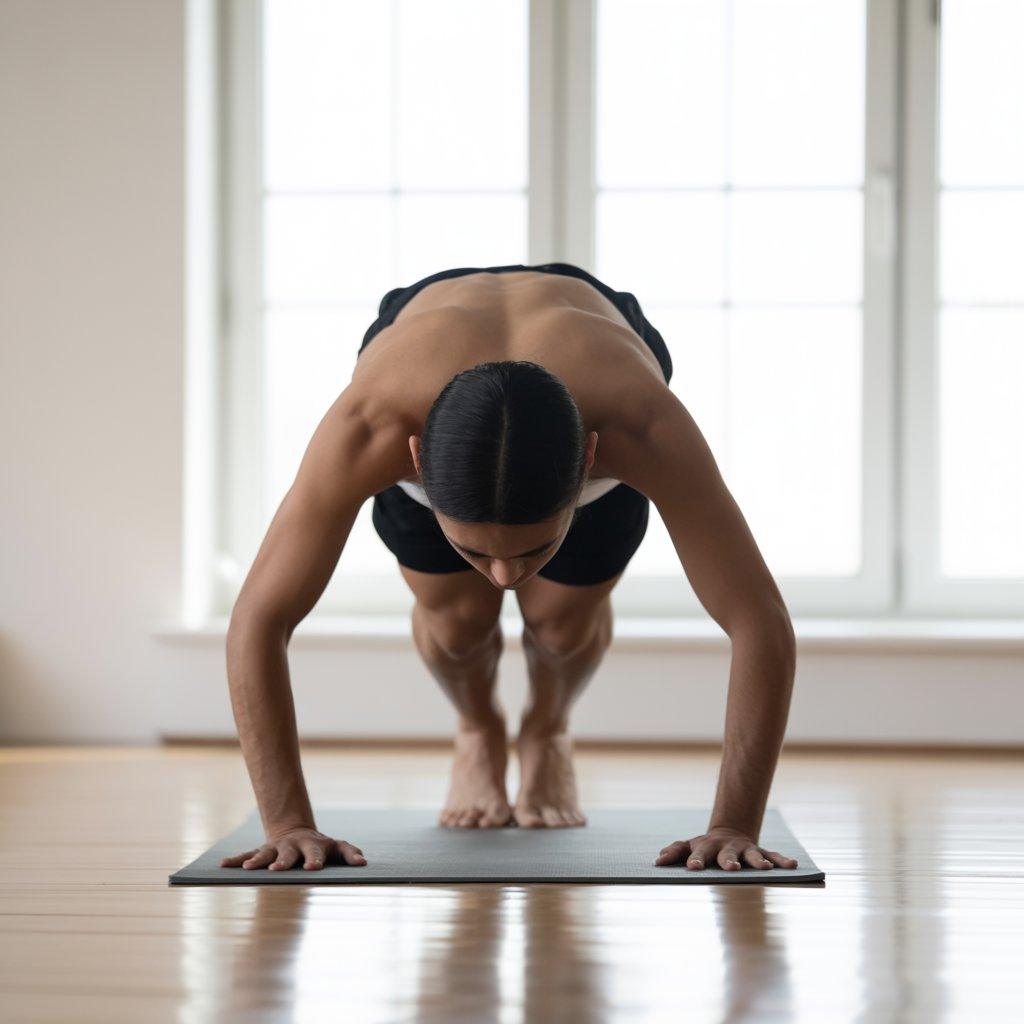
6. Child’s Pose (1 minute)
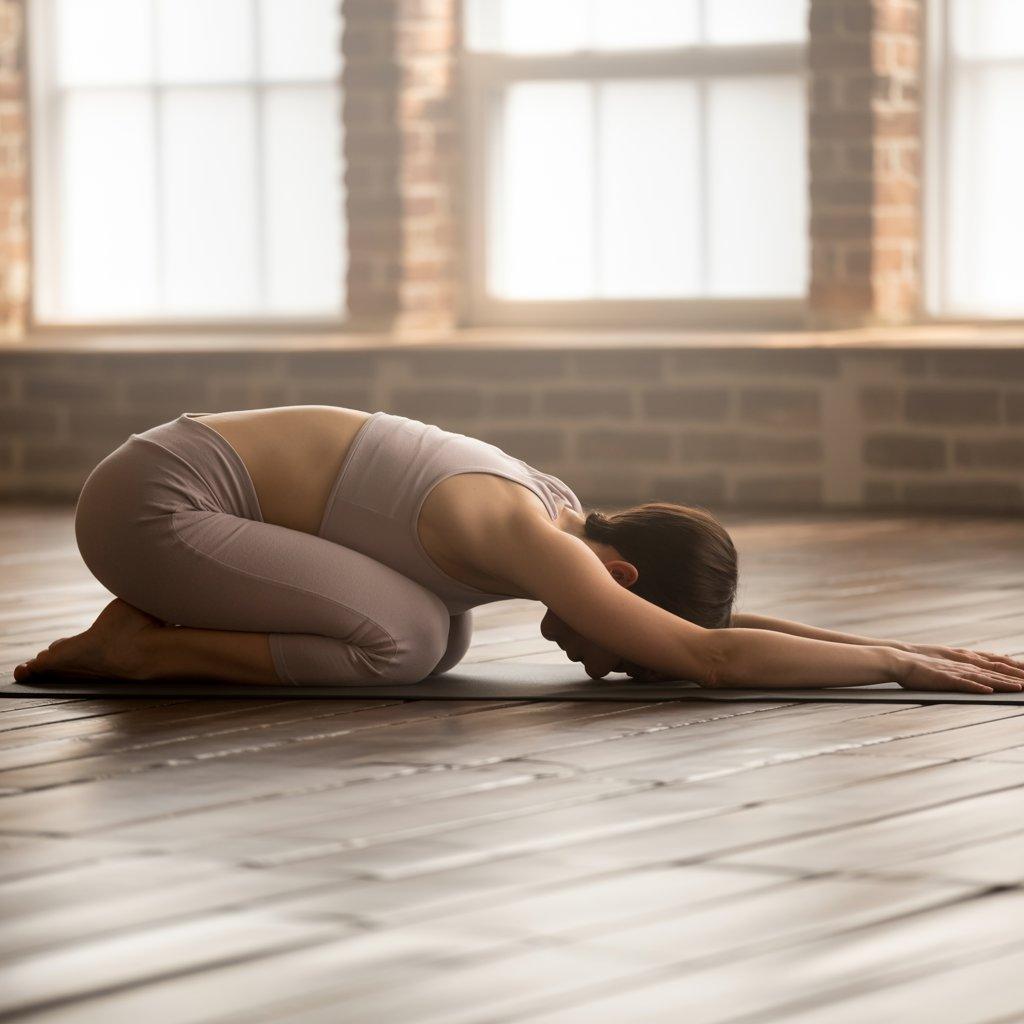
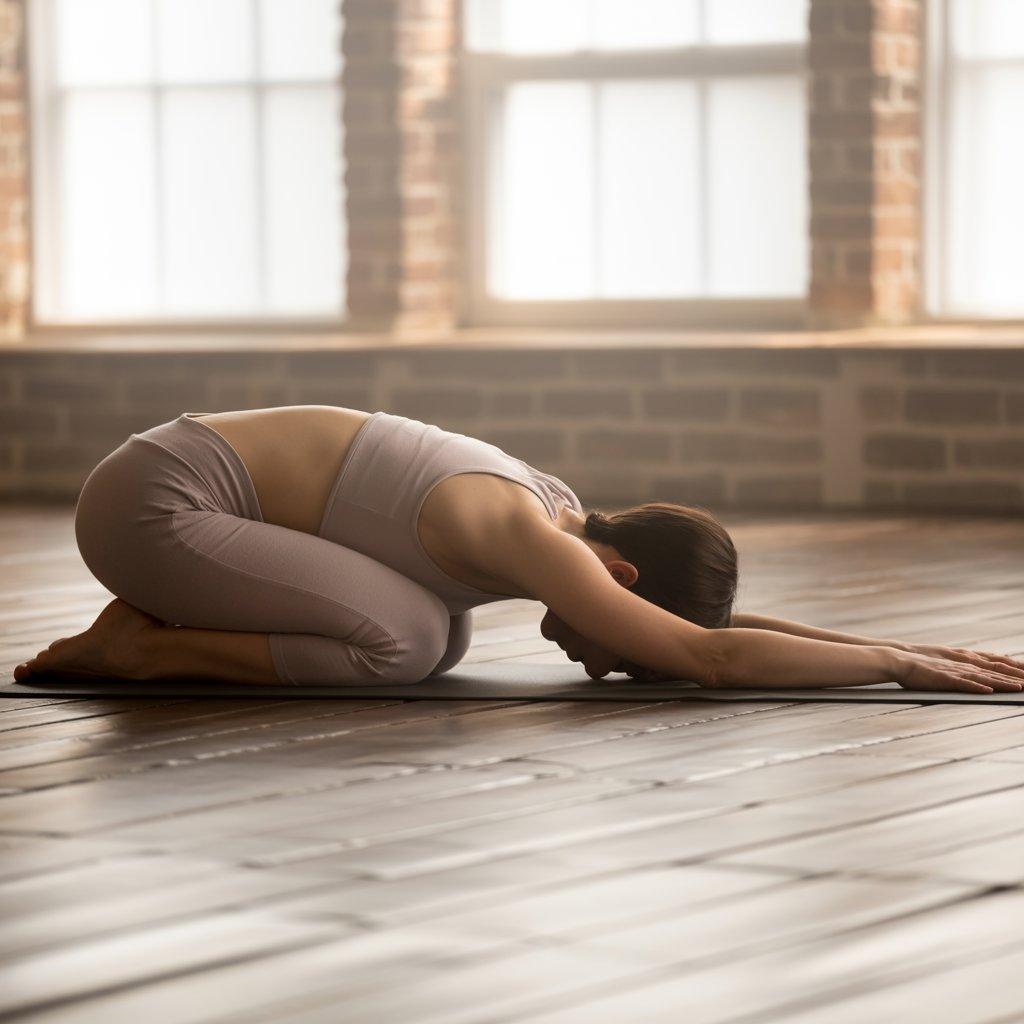
From plank, lower your knees down. Push your hips back toward your heels. Rest your chest on your thighs and your forehead on the ground. Stretch your arms out in front of you or let them rest alongside your body.
Close your eyes. This is your reset pose. It gently stretches your lower back, hips, and shoulders while giving you a moment to breathe. If your hips don’t reach your heels, put a folded towel or a cushion between your thighs and calves. Stay here for 8 to 10 slow breaths. Let your whole body relax into the stretch.
7. Mountain Pose with Deep Breaths (1 minute)
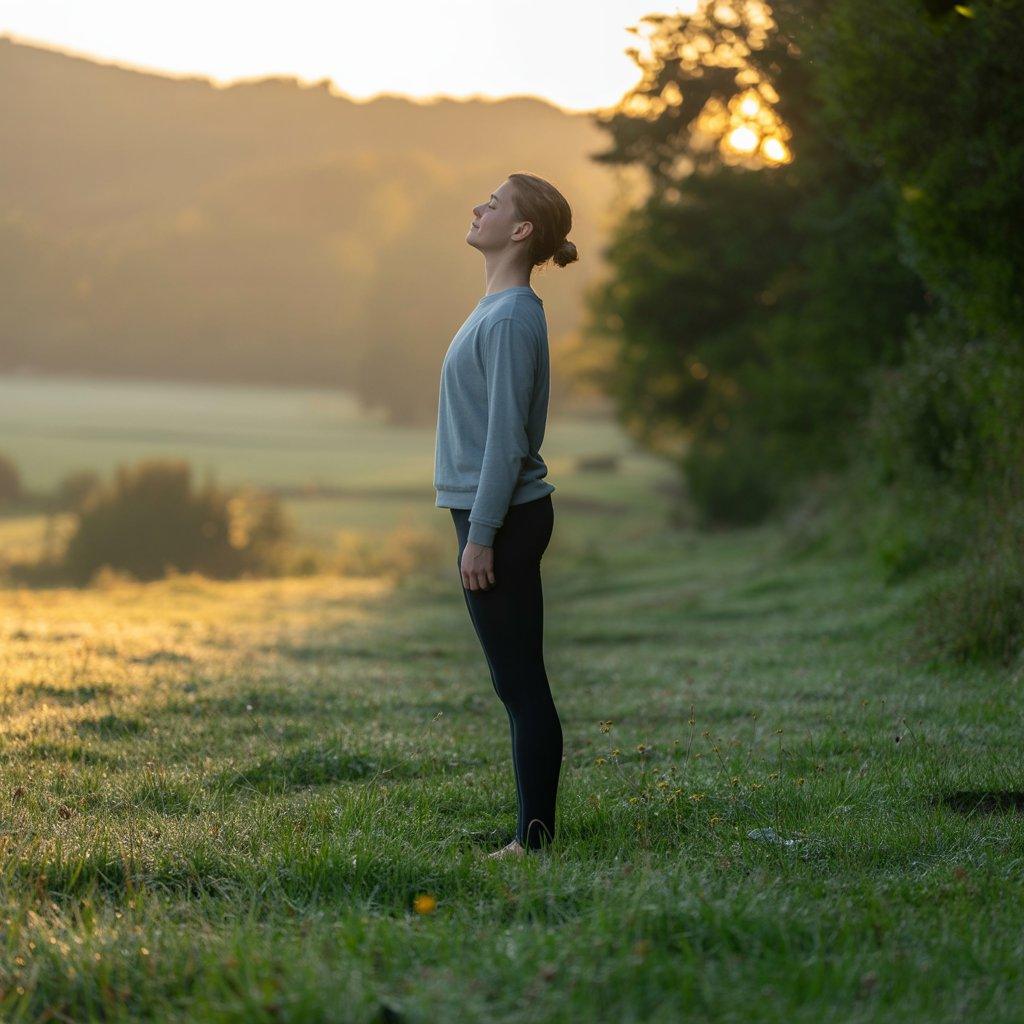
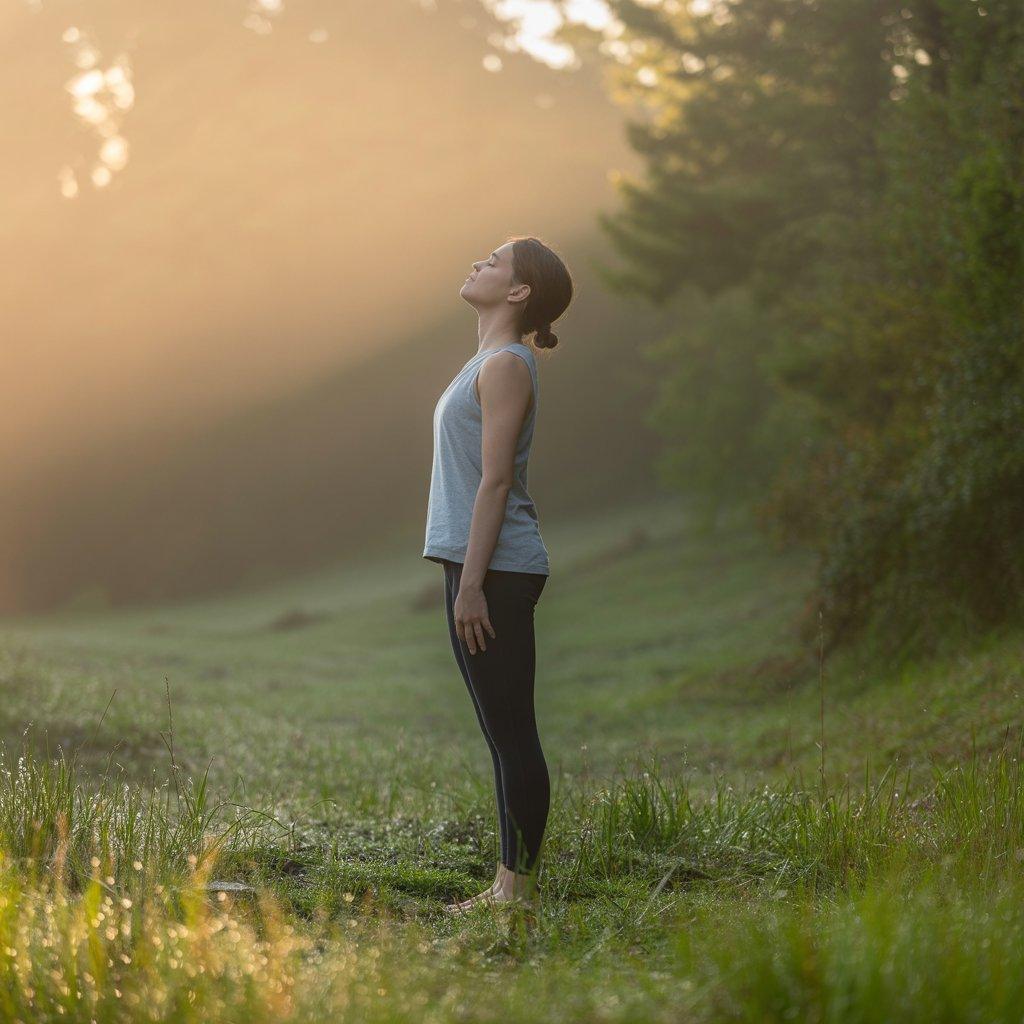
Slowly come up to standing. Place your feet together or hip‑width apart. Let your arms hang by your sides. Close your eyes or soften your gaze.
Stand tall like your head is being pulled up by a string. This pose seems simple, but it’s actually one of the most important. It teaches you to stand with good posture and pay attention to your breath.
Take 5 to 10 deep breaths here. Feel the grass under your feet. Listen to the morning sounds. This is the calm part. Don’t rush it.
8. Seated Twist (1 minute per side)
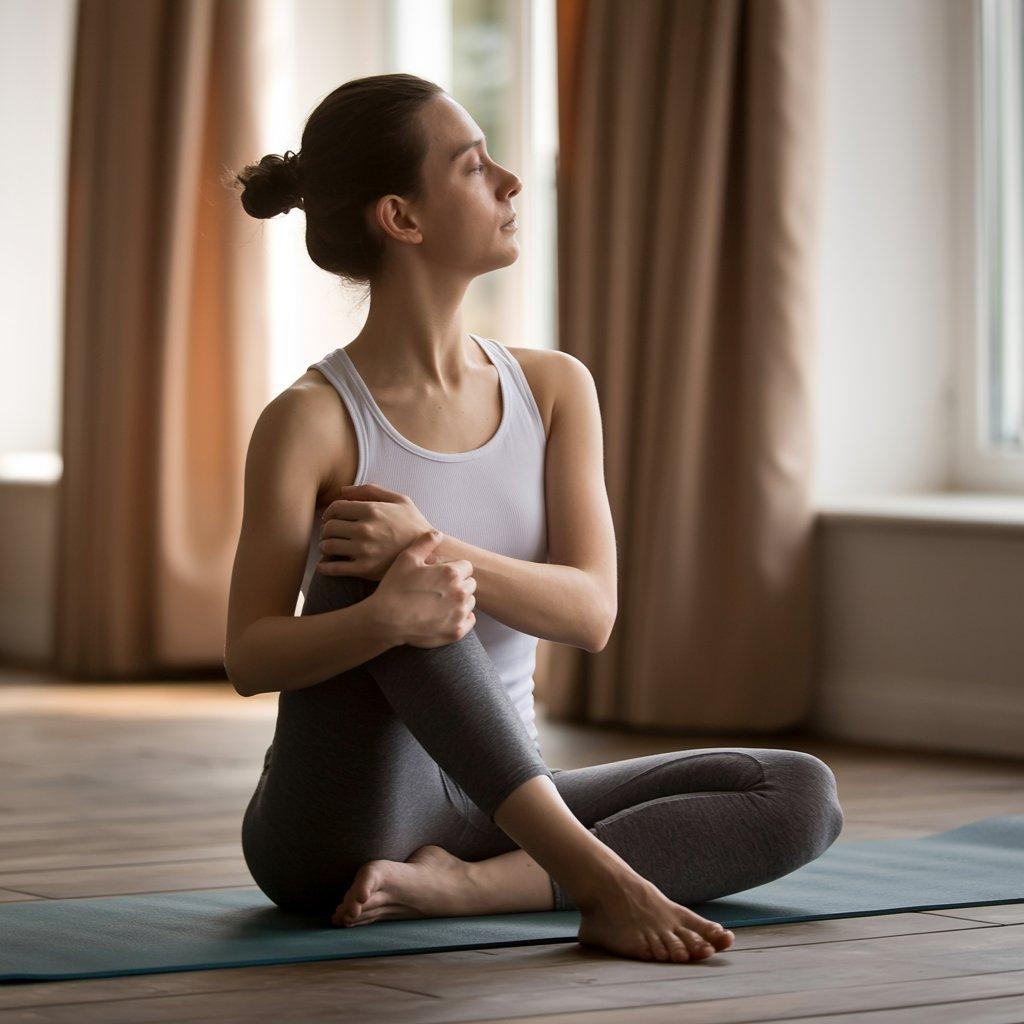
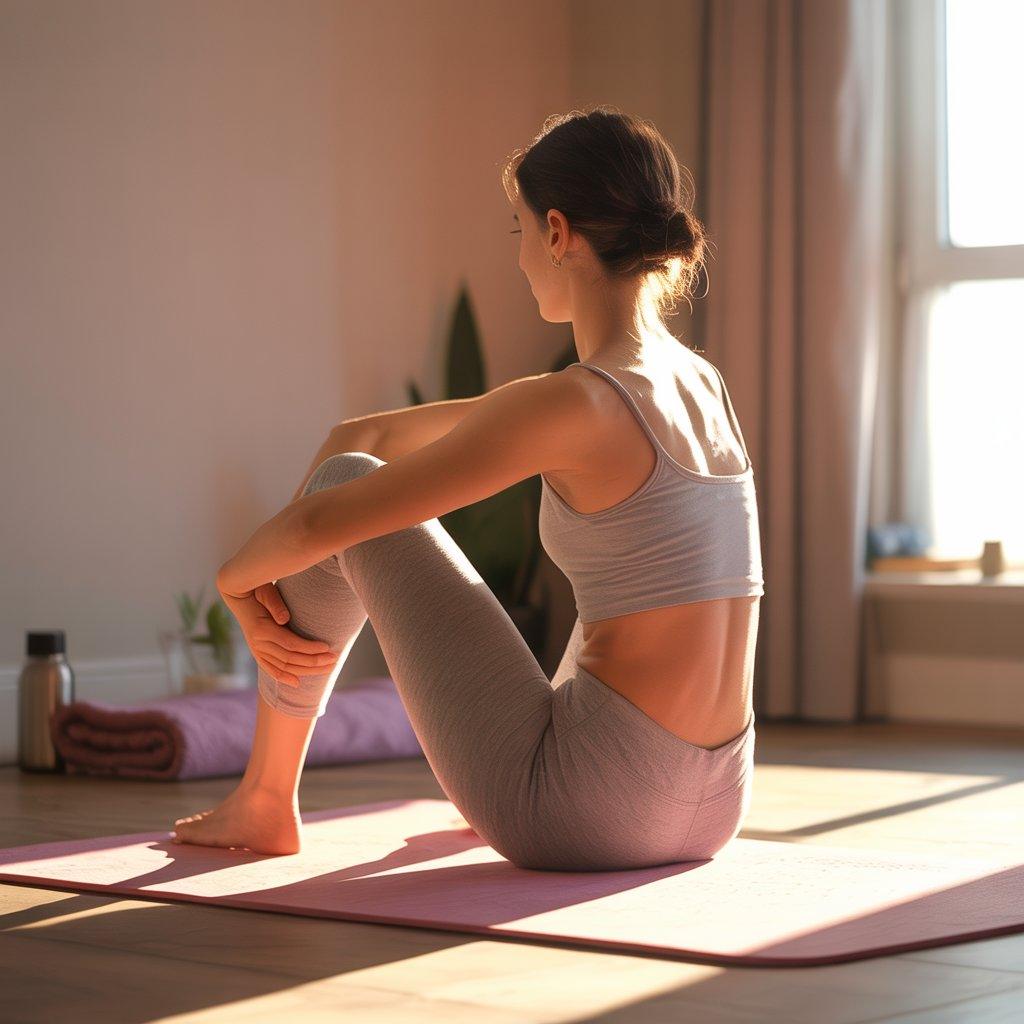
Sit down on the ground with both legs straight out in front of you. Bend your right knee and cross your right foot over your left thigh.
Place your left elbow outside your right knee. Inhale to sit up tall. Exhale and twist gently to the right. Look over your right shoulder. This pose massages your abdominal organs and loosens your spine.
It also helps with digestion if you plan to eat breakfast soon. Keep both sitting bones on the ground. Don’t force the twist. Breathe into the stretch. Switch sides after 5 to 6 breaths.
9. Bridge Pose (1 minute)
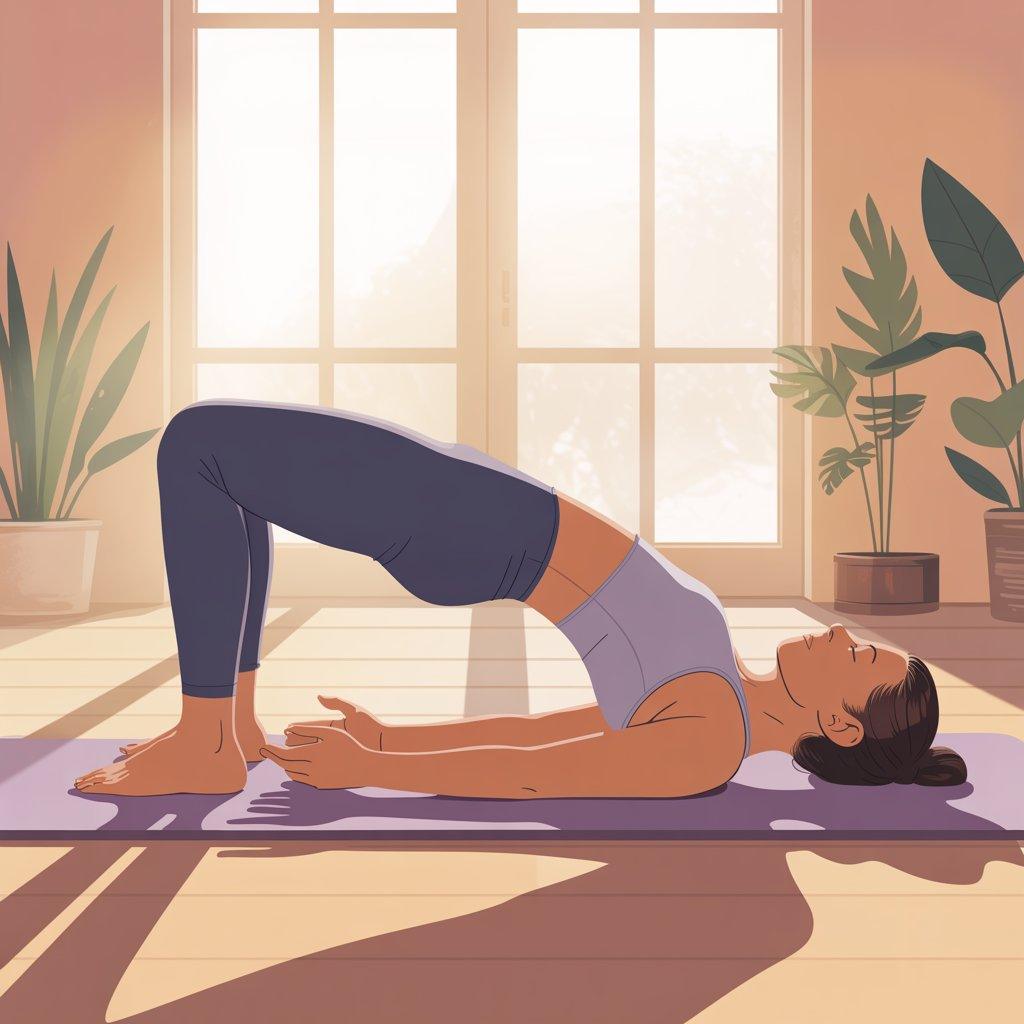
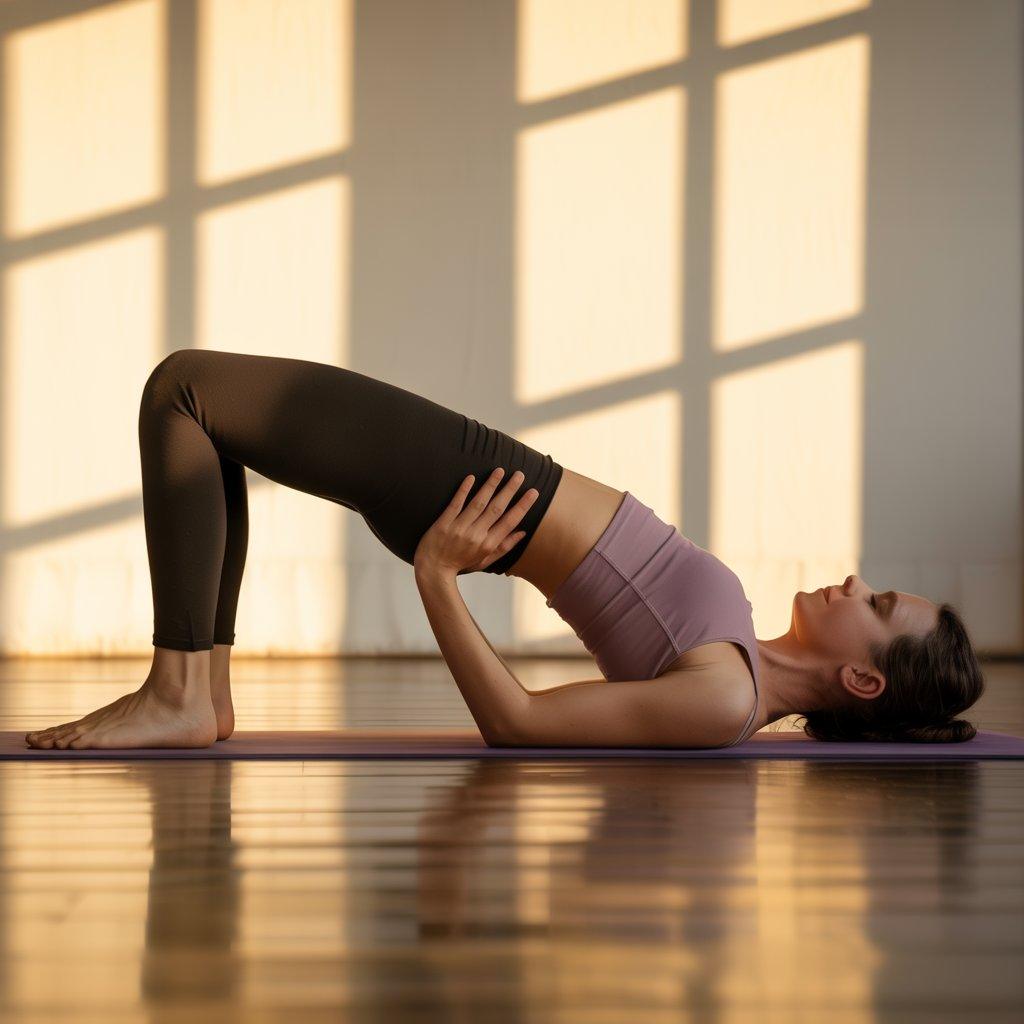
Lie on your back with your knees bent and feet flat on the ground. Place your feet hip‑width apart close to your sitting bones. Press into your feet and lift your hips up toward the sky.
Clasp your hands under your back if that feels okay. This pose opens your chest, shoulders, and hip flexors. It also wakes up your glutes and hamstrings. Hold for 5 to 8 breaths. Lower down slowly one vertebra at a time.
If your neck bothers you, tuck your chin slightly. Don’t push through pain in your lower back. Keep your thighs parallel to each other.
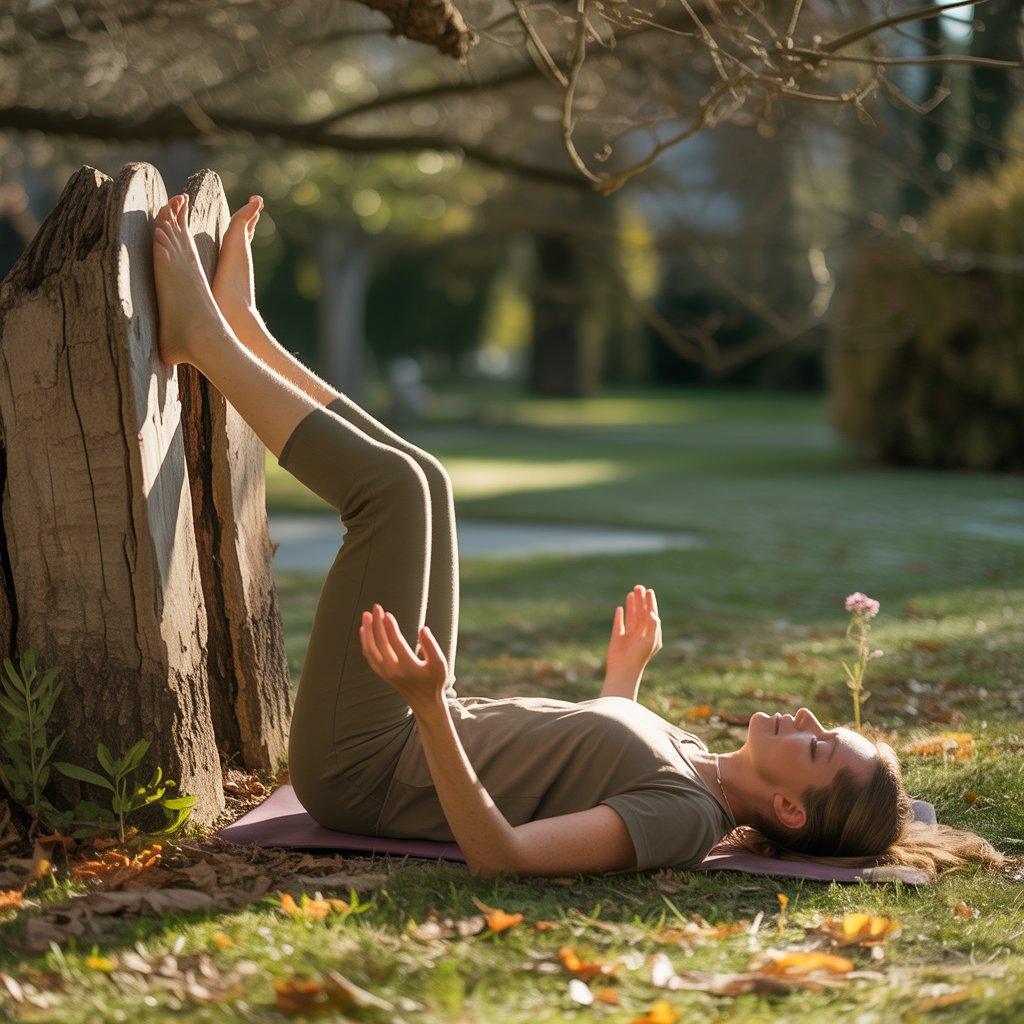
10. Legs‑Up‑the‑Wall (2 to 3 minutes)
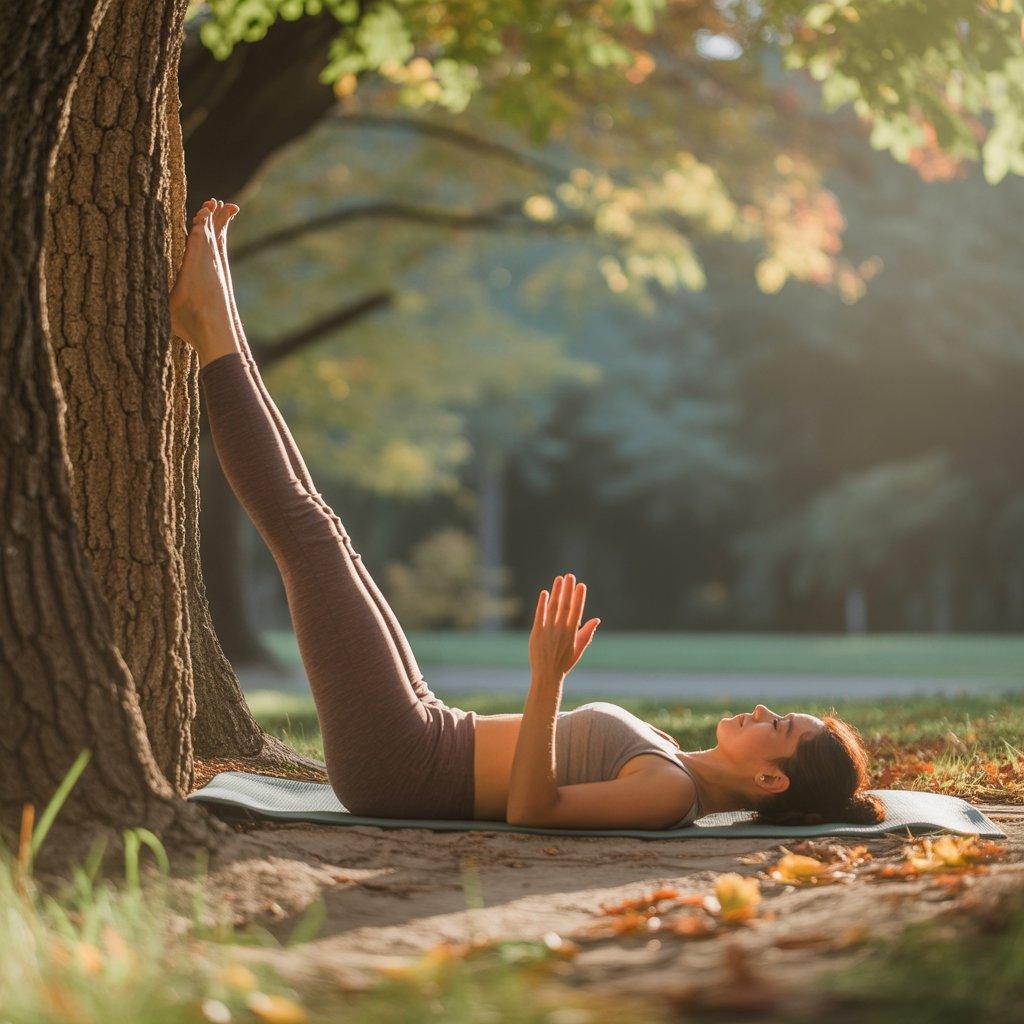
Find a flat wall, a tree trunk, or even just a gentle slope in your yard. Lie on your back and scoot your hips close to the wall.
Swing your legs up so they rest against the wall. Let your arms rest by your sides with palms facing up. Close your eyes. This pose lets gravity do the work of draining fluid from your legs and feet. It’s incredibly calming. Stay here for 2 to 3 minutes.
If you don’t have a wall, just put your legs up on a bench or a low chair. Breathe slowly. This is your final relaxation before you start your day.
5 Backyard Yoga Products Worth Buying
1. Amazon Basics Extra Thick Exercise Yoga Mat (1/2 Inch)
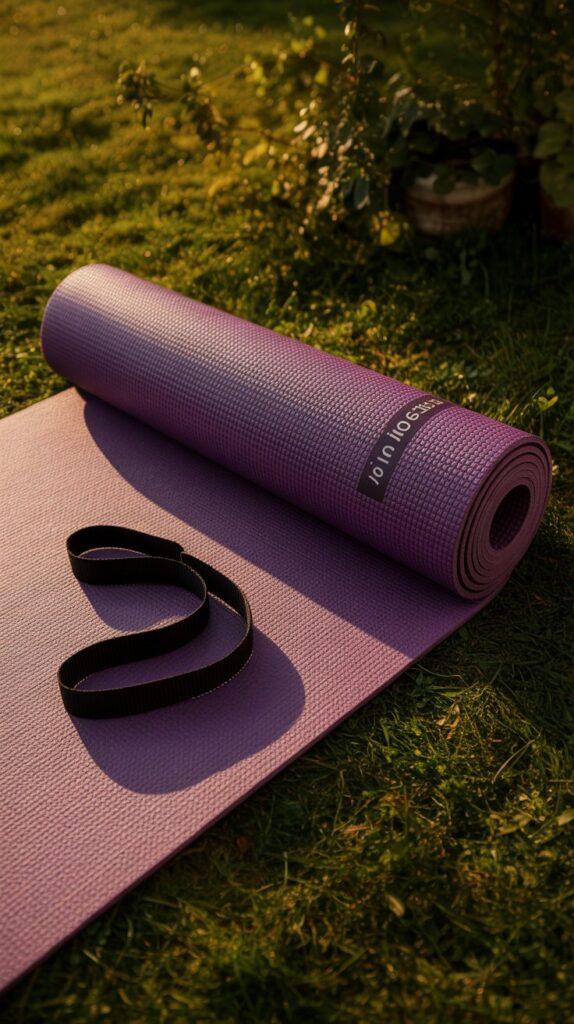
This is my top pick for outdoor use. The 1/2‑inch thickness gives you serious cushioning against grass, dirt, or uneven ground. The textured surface helps you grip during balance poses, and it comes with a carrying strap.
Several outdoor yoga guides rate this as the best budget mat for backyard practice because it’s thick enough to protect your knees and spine without being too squishy for standing poses. It’s also one of the cheapest options that doesn’t fall apart.
“Check Price on Amazon – Amazon Basics Extra Thick Yoga Mat”
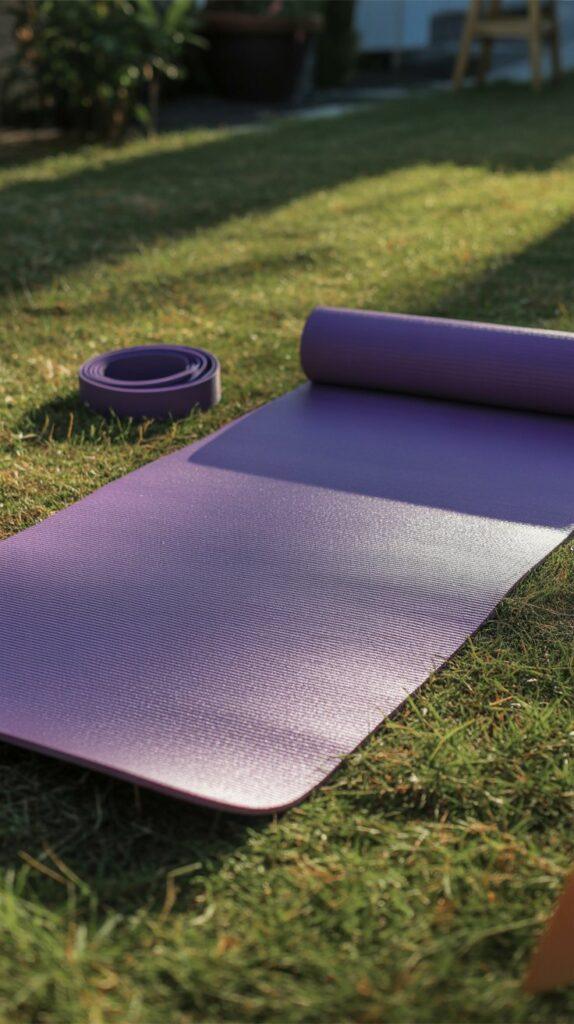
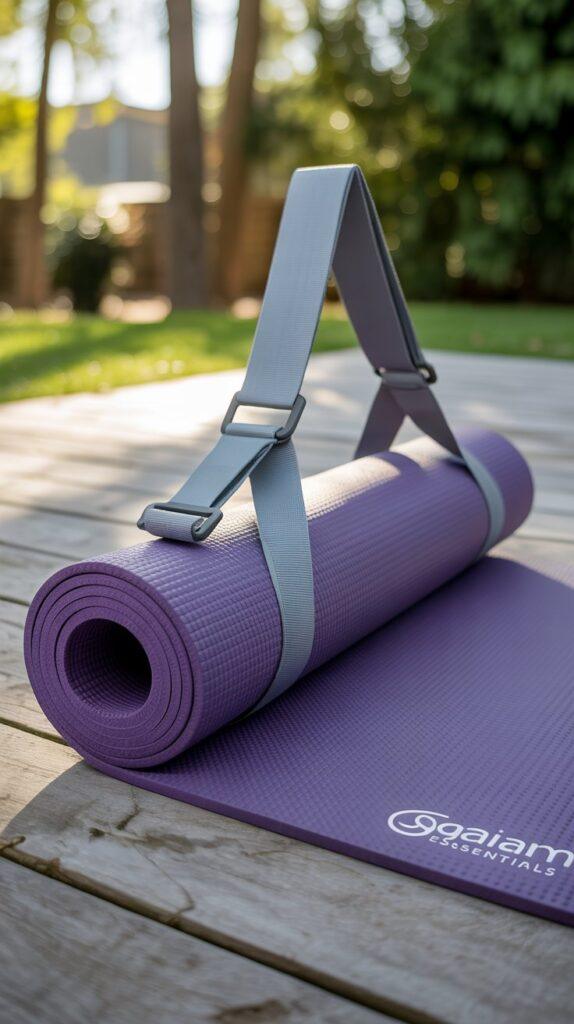
2. Gaiam Essentials Thick Yoga Mat with Easy-Cinch Carrier Strap
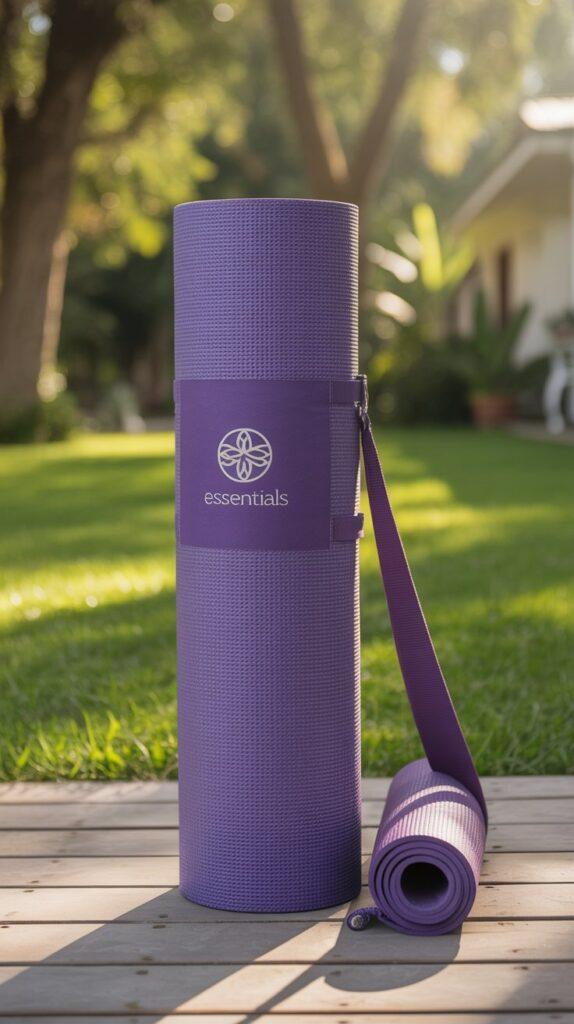
Gaiam has been around forever for a reason. This mat is a solid choice for beginners and regulars alike. It’s about 3/4 inch thick (even thicker than the Amazon Basics one), so your knees and hips won’t complain during poses like Cat‑Cow or Seated Twist on hard-packed dirt or thin grass.
The easy‑cinch strap doubles as a shoulder carry, so you can walk to your backyard spot hands‑free. Many reviewers specifically mention using it on patios and decks with good results.
“Check Price on Amazon – Gaiam Essentials Thick Yoga Mat“
3. ProsourceFit Yoga Knee Pad and Elbow Cushion
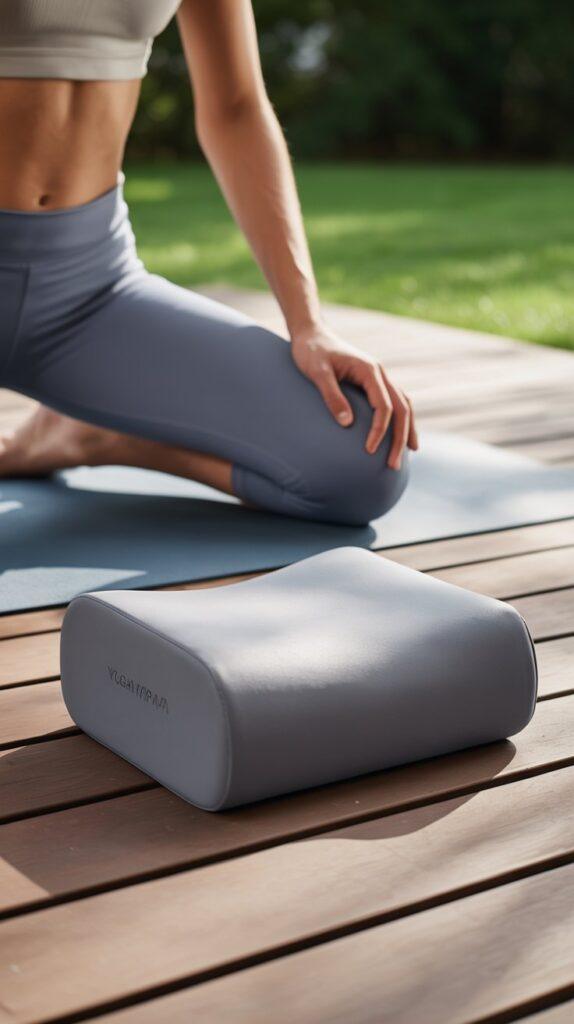
This little pad solves a very specific problem. In your backyard routine, poses like Low Lunge, Cat‑Cow, and Seated Twist can be hard on bony knees especially if your grass is thin or you’re on a wooden deck.
This 15mm thick high‑density foam pad sits right under your knee or elbow and takes away the sting. It’s small enough to tuck under your mat or carry separately. A lot of reviewers with bad knees say this is the reason they can still do floor work at all.
“Check Price on Amazon – ProsourceFit Yoga Knee Pad“
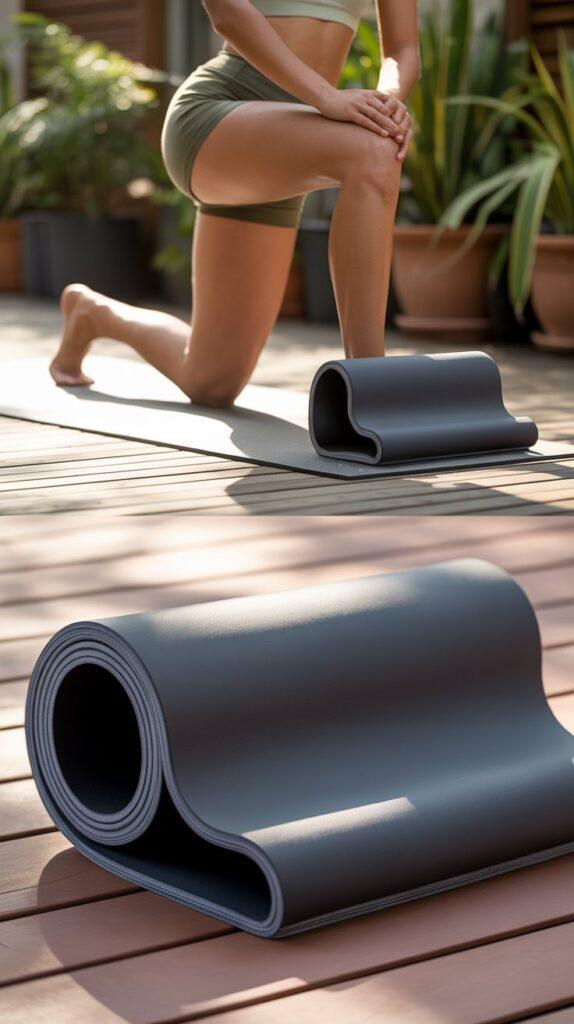
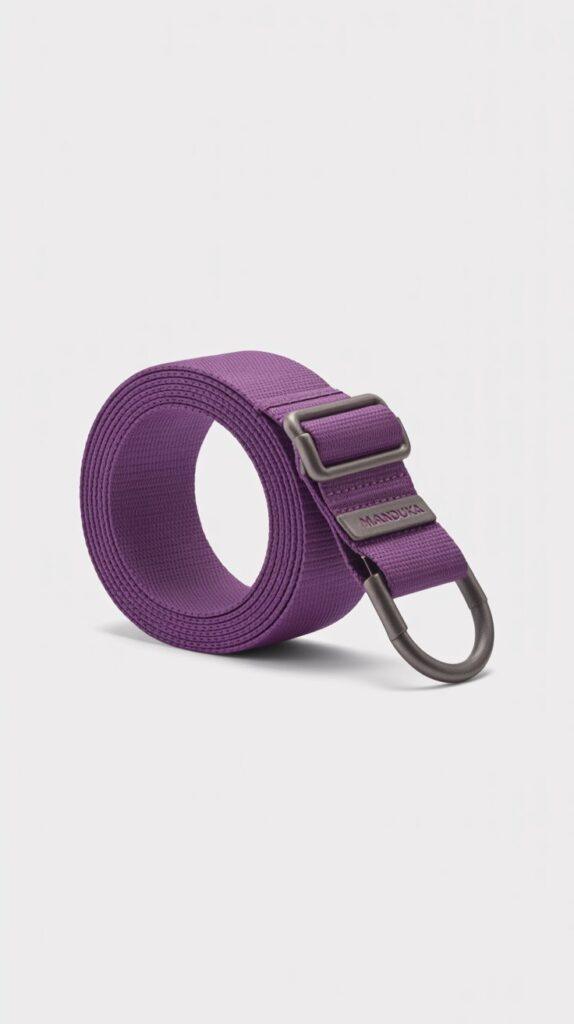
4. Manduka Align Strap (8 Foot)
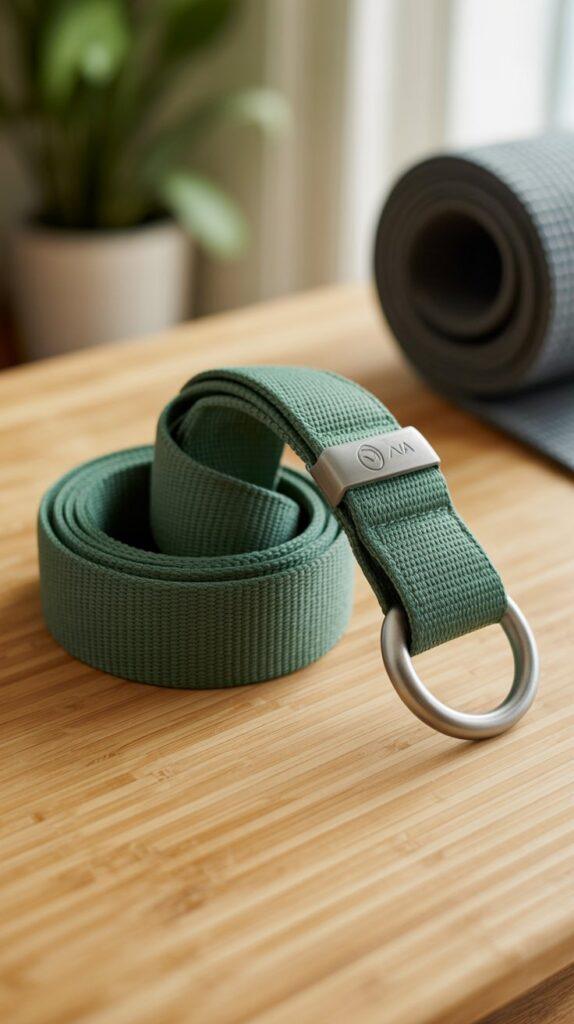
A strap helps you reach deeper into stretches without straining. In your backyard routine, you can use this for Forward Fold, Seated Twist, or Legs‑Up‑The‑Wall to extend your reach gently.
This Manduka strap is durable, non‑elastic, and has a simple D‑ring buckle that stays put when you lock it in. It’s also very lightweight, so you can keep it rolled up with your mat. You don’t need anything fancyjust something that won’t dig into your hands or slip loose.
“Check Price on Amazon – Manduka Align Strap“
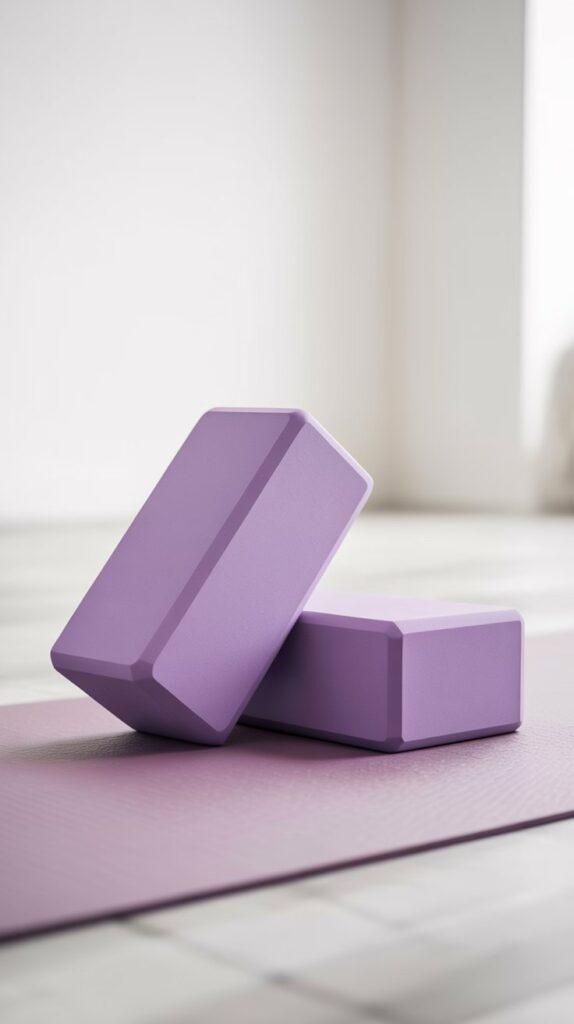
5. Gaiam Yoga Block (2 Pack)
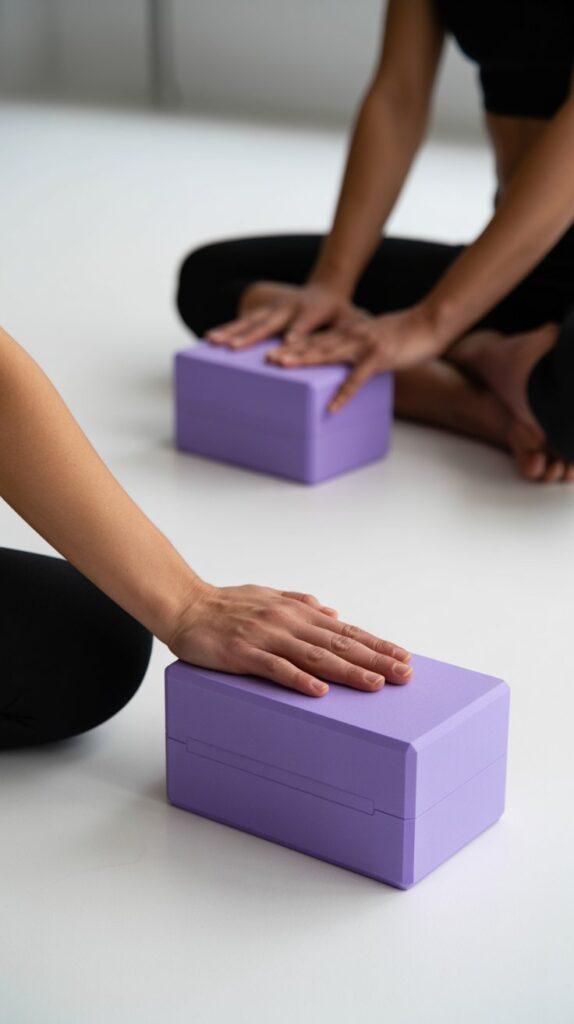
Blocks are like training wheels for yoga. They bring the ground up to you when you’re not quite flexible enough to reach the floor yet.
Use them under your hands in Forward Fold, under your sit bones in Seated Twist, or to support your back in Bridge Pose.
This two‑pack of Gaiam blocks is lightweight, non‑slip, and much cheaper than buying singles. They’re made of foam, so you can drop them on your foot or the grass without damage. If you only add one prop besides a mat, make it these.
“Check Price on Amazon – Gaiam Yoga Blocks (2 Pack)“
Tips for a Better Backyard Yoga Routine
- Pick a flat, dry spot. Avoid slopes or areas where water puddles. If the grass is wet, use a yoga mat or a thick towel.
- Go outside before checking your phone. Give yourself ten minutes of quiet before notifications show up.
- Dress for the weather. Light layers work well in summer mornings. In cooler months, wear sweatshirts that you can take off as you warm up.
- Face the sunrise if you can. There’s no rule, but morning light feels good on your face.
- Keep water nearby. You probably won’t get thirsty during a short routine, but it’s nice to have.
- Use bug spray if needed. Nothing ruins a calm pose like a mosquito in your ear. Spray lightly before you start.
- Leave your shoes inside. Bare feet help you grip the grass better and feel more connected to the ground.
Mistakes to Avoid
- Skipping the warm‑up. Going straight into deep stretches cold can pull a muscle. Start with cat‑cow or gentle neck rolls.
- Holding your breath. If you’re not breathing, you’re working too hard. Each pose should have slow, steady breaths.
- Comparing yourself to anyone else. Your neighbor might be able to touch her toes. That doesn’t matter. Focus on your own body.
- Staying in pain. A stretch feels like tension, not sharp pain. Back off immediately if something hurts.
- Practicing on a slope. One hip higher than the other can strain your lower back over time. Find level ground.
- Rushing the final relaxation. Legs‑up‑the‑wall or lying still for even two minutes makes the whole routine work better. Don’t skip it.
- Eating a heavy meal right before. A light snack like a banana is fine. A full breakfast can make twists and folds uncomfortable.
Frequently Asked Questions
Q1: Do I need a yoga mat for my backyard?
No, but it helps. Grass is soft and forgiving. But wet grass gets slippery, and uneven ground can bother your wrists. A mat gives you a stable, clean surface. If you don’t have one, use a beach towel or a picnic blanket.
Q2: What’s the best time to do this routine?
Right after you wake up, before breakfast. That’s when your mind is still quiet and your backyard is calm. Early morning light is also cooler than midday sun. If you miss the morning, late afternoon works too. Just not right after a big meal.
Q3: I’m not flexible. Can I still try this?
Yes. Every pose has an easier version. Bend your knees more. Use a towel for cushioning. Skip any pose that doesn’t feel right. Flexibility comes with time. The point is to move and breathe, not to look like a magazine cover.
Q4: How many times a week should I do this?
Three to four times a week is a good start. Every day is fine if you enjoy it. Even twice a week helps with stiffness and mood. The key is consistency, not perfection. A ten‑minute routine you actually do beats a 60‑minute routine you avoid.
Q5: What if I don’t have a private backyard?
Use a balcony, a patio, a deck, or even a quiet corner of a public park. A flat grassy spot at a local park works great if you go early before many people show up. You can also do this routine inside near an open window. Fresh air and a view of trees help a lot.
Design & Styling Ideas for Your Backyard Yoga Space
You don’t need to build anything fancy. Small touches make a big difference.
- Lay down an outdoor rug. A flat, washable rug gives you a clean surface and defines your “yoga zone.”
- Add a potted plant or two. Ferns, snake plants, or small palms make the space feel calmer.
- Set up a low table for supplies. Keep bug spray, a towel, and a water bottle within reach.
- Hang string lights if you practice at dusk. Soft light changes the whole mood.
- Use a simple bench or chair. Good for putting a leg up or holding onto for balance poses.
- Keep a folded blanket nearby. Use it under your knees or as a cushion for seated poses.
- Face your mat toward a tree or a fence. That way you’re not staring at the neighbor’s trash cans.
The goal is simple: make the space feel like somewhere you actually want to be at 7 a.m.
Conclusion
A morning yoga routine in your backyard doesn’t have to be long or complicated. Ten minutes. Ten simple poses. No special equipment. Just you, the grass, and some slow breaths.
Start with cat‑cow to wake up your spine. Move through downward dog, forward folds, and lunges. End with legs up a wall. That’s it.
The hardest part is just stepping outside before your brain talks you out of it. After that, your body takes over. You’ll feel less stiff, more awake, and a little bit calmer. And that feeling sticks with you past breakfast and into the rest of your day.
Try it tomorrow morning. Roll out something to sit on. Take ten minutes for yourself. See how you feel.